- Product Description Description
- Table of Contents TOC
- List of Table & Figure LOT
- Get Free Sample PDF Sample PDF
Market Size, 2025
$0.56 BnMarket Estimate, 2026
$0.59 BnMarket Forecast, 2034
$0.89 BnCAGR, 2026–2034
5.21%Europe Antivenom Market Report Summary
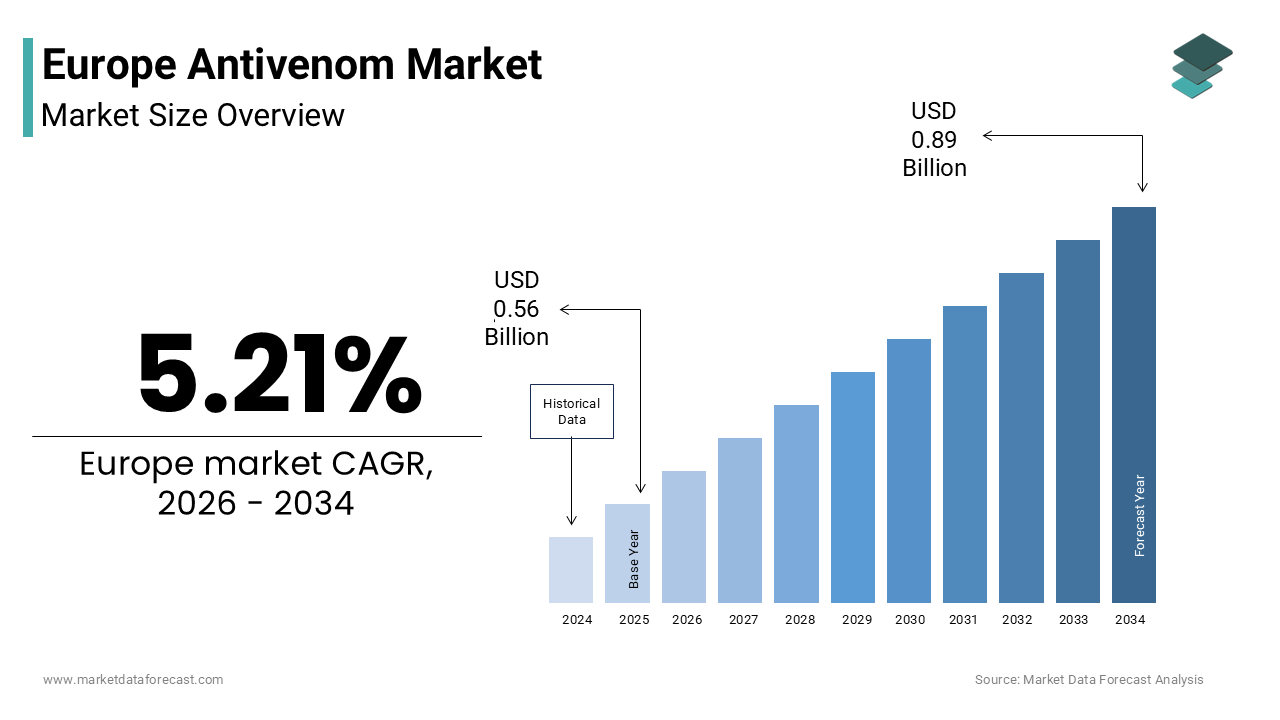
The Europe antivenom market was valued at USD 0.56 billion in 2025 and is anticipated to reach USD 0.59 billion in 2026 from USD 0.89 billion by 2034, growing at a CAGR of 5.21% during the forecast period from 2026 to 2034. The growth of the Europe antivenom market is driven by increasing international travel to venom-endemic regions, rising incidence of imported envenoming cases, and the continued presence of native venomous species across Southern and Eastern Europe. Growing awareness regarding emergency toxicology care, increasing investments in healthcare preparedness, and rising demand for effective treatment of snake, scorpion, and spider envenomation are further accelerating market growth. Moreover, advancements in recombinant antibody technologies, expansion of telemedicine-supported toxicology services, and increasing focus on improving antivenom safety profiles are supporting the expansion of the Europe antivenom market.
Key Market Trends
-
Rising demand for antivenoms due to increasing international travel to venom-endemic regions.
-
Growing development of recombinant and humanized antivenom therapies.
-
Increasing focus on reducing adverse reactions associated with traditional antivenoms.
-
Rising adoption of telemedicine and digital toxicology consultation platforms.
-
Growing investments in emergency preparedness and strategic antivenom stockpiling programs.
Segmental Insights
- Based on type, the hyperimmune sera segment dominated the Europe antivenom market and held the largest share in 2025. The dominance of the segment is attributed to its established clinical efficacy, widespread availability, affordability, and long-standing use in emergency envenomation treatment. The extensive utilization of heterologous antivenoms derived from immunized animals continues to support segment growth across healthcare institutions.
- The homologous antivenoms segment is projected to witness the fastest CAGR during the forecast period owing to advancements in biotechnology, increasing development of humanized antibody therapies, improved safety profiles, lower immunogenicity, and growing demand for next-generation antivenom solutions. Expanding investments in recombinant antibody research are further accelerating growth in this segment.
- Based on animal, the snake antivenoms segment accounted for the leading share of the Europe antivenom market in 2025. The growth of the segment is driven by the presence of native venomous snake species across Southern Europe, increasing incidence of imported snakebite cases, growing outdoor recreational activities, and the severe clinical consequences associated with viper and elapid envenomation. The continued need for emergency treatment of snakebite victims remains the primary driver of segment growth.
- The scorpion antivenoms segment is anticipated to register the fastest CAGR during the forecast period due to increasing travel-related exposures, rising migration from venom-endemic regions, growing awareness among emergency physicians, and increasing availability of specialized scorpion antivenom products. Expanding research into scorpion venom toxins and associated therapeutic applications is further supporting market expansion.
- The spider antivenoms segment continues to maintain a significant share of the market owing to increasing imported cases involving medically significant spider species, growing awareness regarding severe arachnid envenomation, and rising preparedness efforts among healthcare providers.
- The other animal antivenoms segment is expected to witness steady growth due to increasing demand for treatment of rare venomous animal exposures and ongoing improvements in toxicology care infrastructure.
Regional Insights
- Germany dominated the Europe antivenom market in 2025 and accounted for the largest regional share owing to its advanced healthcare infrastructure, strong toxicology treatment capabilities, increasing international travel, and well-established cold-chain logistics systems. The country also benefits from active research programs focused on next-generation antivenom development and emergency preparedness initiatives.
- France held a substantial share of the Europe antivenom market due to its centralized healthcare system, strategic national stockpiling programs, extensive toxicology expertise, and increasing demand for treatment of both domestic and imported envenomation cases. The country’s strong regulatory framework and commitment to public health preparedness continue to support market growth.
- Italy continues to maintain a significant position in the European market owing to the presence of native venomous snake species, increasing incidence of viper bites, strong emergency care infrastructure, and growing demand for specialized antivenom products. The country's warm climate and extensive rural areas contribute to sustained demand for snakebite treatment solutions.
- The United Kingdom is witnessing steady growth supported by increasing travel-related envenomation cases, strong toxicology services, expanding biomedical research activities, and growing investments in recombinant antivenom technologies. The National Health Service maintains dedicated antivenom repositories to support emergency treatment requirements across the country.
- Spain is expected to experience notable growth during the forecast period due to the presence of native venomous species, increasing outdoor recreational activities, rising tourism, and growing awareness regarding prompt treatment of venomous bites and stings. Expanding healthcare preparedness initiatives further contribute to market expansion.
Competitive Landscape
The Europe antivenom market is highly specialized and characterized by the presence of a limited number of manufacturers, biotechnology companies, and specialized distributors competing through product quality, regulatory compliance, supply chain reliability, and technological innovation. Leading companies are focusing on developing recombinant and humanized antivenom therapies, improving product safety profiles, enhancing cold-chain logistics infrastructure, and expanding clinical validation programs. Strategic collaborations with healthcare authorities, toxicology centers, research institutions, and emergency response organizations are further strengthening market positioning across the European antivenom ecosystem. Increasing investments in advanced biologics, inventory management systems, and digital health integration continue to shape the competitive dynamics of the market. The key players operating in the Europe antivenom market include Instituto Bioclon, S.A. de C.V., Pfizer AG, CSL Limited, F. Hoffmann-La Roche Ltd., Merck & Co., Inc., Rare Disease Therapeutics, Inc., Vins Bioproducts Limited, BTG Plc, Incepta Vaccine Ltd., and Bharat Serum.
Europe Antivenom Market Size
The europe antivenom market size was valued at USD 0.56 billion in 2025 and is anticipated to reach USD 0.59 billion in 2026 from USD 0.89 billion by 2034, growing at a CAGR of 5.21% during the forecast period from 2026 to 2034.
While Europe is not traditionally viewed as a high risk region for venomous bites compared to tropical zones, specific geographical areas and increasing travel trends create a consistent demand for these life-saving therapeutics. As per the World Health Organization, snakebite envenoming is recognized as a neglected tropical disease, yet it affects populations globally, including travelers returning to Europe from endemic regions. The European Centre for Disease Prevention and Control notes that thousands of Europeans travel annually to Africa, Asia, and South America where they face exposure to highly venomous species such as vipers and elapids. Furthermore, within Europe itself, countries like Greece, Italy, Spain, and the Balkans host native viper species that cause hundreds of bites each year requiring immediate medical intervention. The regulatory landscape governed by the European Medicines Agency ensures rigorous standards for safety and efficacy, which influences the availability and pricing of these complex biologicals. Recent advancements in immunotherapy and recombinant technology are reshaping production methods, aiming to reduce adverse reactions and improve supply stability. The interplay between domestic wildlife risks, international travel patterns, and stringent regulatory frameworks defines the current operational environment for antivenom providers in the European healthcare sector.
MARKET DRIVERS
Rising International Travel and Exposure to Exotic Venoms
The substantial volume of international travel from Europe to venom endemic regions is driving the expansion of the European antivenom market due to the increased risk of bites among tourists and expatriates. Millions of Europeans travel annually to destinations in Southeast Asia, Sub Saharan Africa, and Latin America where medically significant snakes and arachnids are prevalent. As per the United Nations World Tourism Organization, European residents accounted for over 50% of global international tourist arrivals in recent years, with a significant portion visiting rural or wilderness areas. This exposure leads to a steady influx of patients requiring specialized treatment upon return or through medical evacuation services. The European Society of Clinical Toxicology emphasizes the importance of having appropriate antivenoms available in major hospitals to treat imported cases of envenoming, which can present with complex and severe symptoms. Travelers often lack awareness of local hazards leading to delayed first aid and complicated clinical presentations. The need for broad spectrum antivenoms that can neutralize toxins from various exotic species drives procurement by national health services and private healthcare providers. Additionally, the rise in adventure tourism and eco tours increases the likelihood of encounters with venomous wildlife. Healthcare systems must maintain stockpiles of diverse antivenoms to address this unpredictable demand, ensuring that specialized care is accessible even for rare bite incidents. This constant flow of potential cases sustains the economic viability of maintaining robust antivenom supplies in European medical centers.
Presence of Native Venomous Species in Southern Europe
The indigenous population of venomous snakes, particularly vipers, in Southern and Eastern Europe is further boosting the antivenom market expansion in Europe. Countries such as Italy, Greece, Spain, Portugal, and the Balkan nations are home to species like the Nose horned Viper and the Asp Viper which are responsible for numerous bites annually. According to epidemiological surveillance records published by the Italian Ministry of Health, there are approximately 250 to 400 medically confirmed snakebite cases requiring hospitalization reported in Italy each year, primarily occurring in rural and mountainous regions during warmer months. These incidents require prompt administration of homologous antivenoms to prevent severe tissue damage, systemic toxicity, and potential fatalities. The agricultural and outdoor lifestyles in these regions increase the probability of human snake interactions, especially among farmers, hikers, and children. Local health authorities mandate the availability of antivenoms in regional hospitals and emergency clinics to ensure timely treatment. According to the Hellenic Centre for Disease Control and Prevention, Greece records several hundred viper bites annually, necessitating a reliable supply chain for antivenom products. The seasonal nature of these bites requires strategic stock management to prevent shortages during peak activity periods. Furthermore, the presence of these native species drives ongoing research into more effective and less reactive antivenom variants tailored to local venom profiles. This domestic need ensures a baseline level of market activity independent of international travel trends, supporting local manufacturers and distributors who specialize in European specific formulations.
MARKET RESTRAINTS
High Production Costs and Complex Manufacturing Processes
The intricate and costly nature of antivenom production is hindering the European antivenom market expansion and limiting the number of manufacturers and keeping prices elevated in the European market. Antivenoms are biological products derived from the plasma of animals, typically horses or sheep that have been immunized with specific venoms. This process requires extensive animal husbandry facilities, rigorous quality control, and complex purification steps to remove non therapeutic proteins that can cause adverse reactions. As per the World Health Organization, the production of high quality antivenom is resource intensive, requiring specialized expertise and infrastructure that few companies possess. The yield of usable antivenom from each batch is relatively low, leading to high unit costs. In Europe, strict regulatory requirements under the European Pharmacopoeia mandate extensive testing for purity, potency, and safety, further adding to the financial burden. According to the European Medicines Agency, the approval process for biological medicines is lengthy and expensive, discouraging new entrants from investing in this niche market. Many pharmaceutical companies have exited the sector due to low profit margins compared to other therapeutic areas. The reliance on a small number of suppliers creates vulnerability to supply disruptions and price volatility. Healthcare systems face budgetary pressures when procuring these expensive treatments, especially given the relatively low volume of cases compared to other emergency medications. This economic barrier restricts innovation and limits the diversity of available products in the market.
Limited Shelf Life and Storage Requirements
The restricted shelf life and stringent storage conditions of antivenom products pose logistical challenges that restrain market efficiency and accessibility across Europe, which is further impeding the regional market expansion. Most antivenom are liquid formulations that require refrigeration at temperatures between 2 and 8 degrees Celsius to maintain stability and efficacy. As per the World Health Organization, exposure to heat or freezing can denature the antibodies, rendering the product ineffective and potentially dangerous. This cold chain requirement complicates distribution, particularly in remote areas or during transport emergencies. The typical shelf life of antivenom ranges from 2 to 5 years, which necessitates careful inventory management to avoid expiration and waste. Hospitals and pharmacies must regularly rotate stock, incurring additional administrative and disposal costs. According to the European Directorate for the Quality of Medicines and HealthCare, improper storage is a common cause of product failure in the supply chain. The risk of spoilage discourages smaller healthcare facilities from maintaining large stockpiles, leading to potential delays in treatment during emergencies. Furthermore, the lack of stable lyophilized freeze dried formulations in some product lines exacerbates these storage issues. Lyophilized products generally have longer shelf lives and are easier to store but are not universally available for all venom types. These logistical constraints increase the total cost of ownership for healthcare providers and limit the geographic reach of antivenom availability, creating gaps in coverage that can compromise patient outcomes in time critical situations.
MARKET OPPORTUNITIES
Development of Recombinant and Humanized Antivenoms
The advancement of biotechnology offers a significant opportunity to revolutionize the Europe antivenom market through the development of recombinant and humanized antibody therapies. Traditional antivenoms derived from animal plasma are associated with high rates of adverse reactions such as serum sickness and anaphylaxis due to the presence of heterologous proteins. Recombinant technologies allow for the production of monoclonal antibodies that are highly specific to venom toxins and have reduced immunogenicity. As per the Nature Biotechnology journal, recent breakthroughs in synthetic biology have enabled the creation of fully human antibodies that can neutralize multiple venom components simultaneously. These next generation therapies promise improved safety profiles and easier dosing regimens, which are highly attractive to European regulators and clinicians. The European Investment Bank has shown interest in funding innovative biotech projects that address unmet medical needs, including neglected tropical diseases. Companies that successfully develop and commercialize these advanced antivenoms can capture premium pricing and establish long term contracts with national health services. Furthermore, recombinant production methods are more scalable and consistent than traditional animal based methods, reducing supply chain vulnerabilities. The potential for creating broad spectrum antivenoms that cover multiple species using a single formulation represents a major technological leap. This innovation aligns with the European Union’s focus on cutting edge medical research and patient safety, offering a pathway to modernize a stagnant market segment.
Expansion of Telemedicine and Digital Health Integration
The integration of telemedicine and digital health platforms presents a valuable opportunity for the European antivenom market to enhance the accessibility and appropriate use of antivenoms in Europe. Remote consultation services can assist healthcare providers in rural or underserved areas in correctly identifying snake species and determining the necessity of antivenom administration. As per the European Commission, the adoption of digital health solutions has accelerated significantly, with policies supporting cross border healthcare and telemedical services. Mobile applications equipped with image recognition technology can help users identify venomous snakes and provide immediate first aid instructions while connecting them with toxicology experts. This reduces the risk of unnecessary antivenom use, which is costly and carries its own risks. Digital platforms can also facilitate real time inventory tracking of antivenom stocks across hospital networks, ensuring that supplies are available where needed most. According to the European Health Telematics Association, telemedicine improves clinical decision making and patient outcomes in emergency scenarios. By linking remote clinics with specialized centers, healthcare systems can optimize resource allocation and reduce transfer times for severe cases. Partnerships between tech companies and pharmaceutical manufacturers can create integrated ecosystems that support both prevention and treatment. This digital transformation enhances the overall value proposition of antivenom products by ensuring they are used effectively and efficiently, thereby improving public health outcomes and reducing healthcare costs.
MARKET CHALLENGES
Regulatory Hurdles and Clinical Trial Difficulties
Navigating the complex regulatory landscape for biological products is a major challenge for antivenom manufacturers in Europe. The European Medicines Agency requires robust clinical data to demonstrate safety and efficacy, which is difficult to generate for antivenoms due to the unpredictable and rare nature of snakebite incidents. As per the European Journal of Clinical Pharmacology, conducting randomized controlled trials for antivenoms is ethically and logistically challenging because placebo controlled studies are often considered unethical in life threatening situations. This leads to reliance on observational studies and historical controls, which may not meet the stringent evidence standards required for new marketing authorizations. The variability in venom composition across different geographical regions further complicates the standardization of clinical endpoints. Manufacturers must invest heavily in post marketing surveillance to monitor long term safety and effectiveness, adding to operational costs. According to the European Federation of Pharmaceutical Industries and Associations, the regulatory burden for orphan drugs and niche biologics remains high despite some incentives. The lack of harmonized guidelines specifically for antivenoms creates uncertainty for developers seeking approval in multiple European countries. Delays in regulatory approval can postpone market entry and reduce the window for recouping research and development investments. These hurdles discourage innovation and limit the introduction of new and improved antivenom products to the market.
Supply Chain Vulnerabilities and Raw Material Sourcing
The dependence on biological raw materials such as venom and animal plasma creates significant supply chain vulnerabilities for the Europe antivenom market. Venom collection is a specialized and hazardous process that relies on a limited number of suppliers, often located in specific geographical regions. As per the World Health Organization, disruptions in venom supply due to environmental changes, political instability, or logistical issues can halt production entirely. The ethical treatment of animals used for immunization is also subject to increasing scrutiny and regulatory oversight in Europe, requiring manufacturers to adhere to strict welfare standards. Any deviation can lead to production suspensions and reputational damage. According to the European Centre for the Validation of Alternative Methods, there is growing pressure to develop non animal alternatives, but these technologies are not yet mature enough for widespread commercial use. The fragility of the supply chain is exacerbated by the small number of global manufacturers, meaning that any production issue at one facility can lead to widespread shortages. Healthcare providers struggle to maintain adequate stock levels due to this unpredictability, leading to rationing or reliance on suboptimal alternatives. Ensuring a resilient and ethical supply chain requires significant investment in supplier relationships and contingency planning, which strains the resources of companies operating in this low margin sector.
REPORT COVERAGE
| REPORT METRIC | DETAILS |
| Market Size Available | 2025 to 2034 |
| Base Year | 2025 |
| Forecast Period | 2026 to 2034 |
| CAGR | 5.21% |
| Segments Covered | By Type, Animal and Region |
| Various Analyses Covered | Global, Regional & Country Level Analysis; Segment-Level Analysis; DROC, PESTLE Analysis; Porter’s Five Forces Analysis; Competitive Landscape; Analyst Overview of Investment Opportunities |
| Regions Covered | United Kingdom, France, Spain, Germany, Italy, Russia, Sweden, Denmark, Switzerland, the Netherlands, Turkey, and the Czech Republic |
| Market Leaders Profiled | Instituto Bioclon, S.A. de C.V. (Mexico), Pfizer AG (Switzerland), CSL Limited (Australia), F. Hoffmann-La Roche Ltd. (Switzerland), Merck & Co., Inc. (U.S.), Rare Disease Therapeutics, Inc. (U.S.), Vins Bioproducts Limited (India), BTG Plc (U.K.), Incepta Vaccine Ltd. (Bangladesh) and Bharat Serum. |
SEGMENTAL ANALYSIS
By Type Insights
The hyperimmune sera segment had the leading share of the European antivenom market in 2025. The leading position of hyperimmune sera segment in the Europe antivenom market is primarily driven by their established efficacy, widespread availability, and cost effectiveness in treating severe envenoming cases. These products are derived from the plasma of animals such as horses or sheep that have been immunized against specific venoms, making them the standard of care for emergency treatment across most European healthcare systems. As per the World Health Organization, heterologous antivenoms remain the primary therapeutic option globally because they can be produced in large quantities to meet urgent demand during outbreaks or seasonal peaks. In Europe, many national health services rely on imported heterologous sera from manufacturers in regions with high venom diversity such as Latin America and Asia, which have refined production techniques over decades. According to the European Directorate for the Quality of Medicines and HealthCare, the regulatory framework allows for the importation of these biologicals under strict quality controls, ensuring safety despite their animal origin. The lower production costs compared to newer recombinant technologies make heterologous sera more accessible to public healthcare budgets, which are often constrained. Hospitals prefer these formulations because they have a long track record of clinical use, allowing physicians to predict outcomes and manage adverse reactions effectively. The ability of heterologous sera to neutralize a broad spectrum of toxin variants within a single species further enhances their utility in emergency settings where precise species identification may not be immediately possible. This combination of reliability, affordability, and regulatory acceptance sustains their dominance in the regional market.
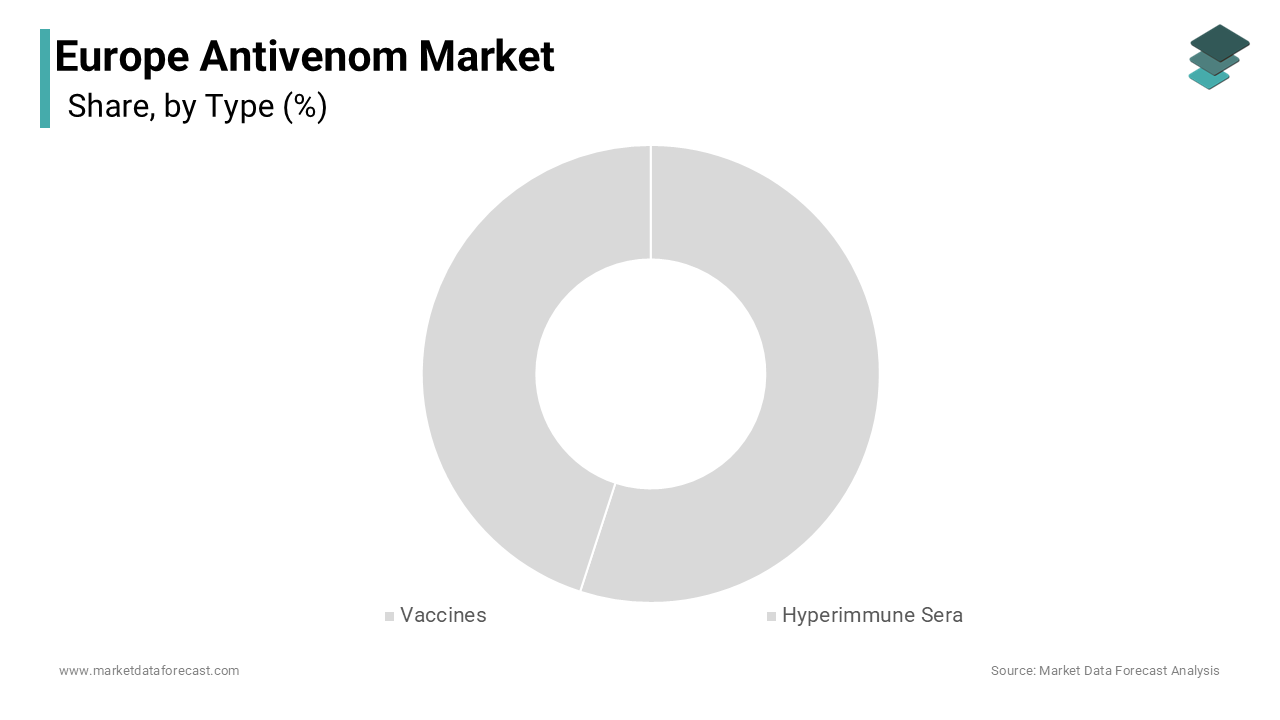
On the other side, the homologous antivenoms segment is the fastest growing segment in the Europe antivenom market and is expected to exhibit a prominent CAGR in the European market during the forecast period owing to the advancements in biotechnology and the demand for safer therapeutic options with reduced adverse effects. As per the Nature Biotechnology journal, recent breakthroughs in synthetic biology have enabled the creation of fully human antibodies that offer superior specificity and lower immunogenicity compared to traditional horse derived sera. European regulatory bodies such as the European Medicines Agency are increasingly supportive of innovative biologics that improve patient safety profiles, encouraging investment in this niche. According to the European Investment Bank, funding for biotech startups focusing on orphan drugs and rare disease treatments has increased significantly, providing capital for clinical trials and commercialization. The rising awareness of serum sickness and anaphylactic reactions associated with heterologous products drives clinicians to seek alternatives that minimize risk, particularly for pediatric and elderly patients. Homologous antivenoms also offer longer shelf lives and easier storage requirements, reducing logistical burdens for hospitals. The potential for creating universal antivenoms that target conserved toxin structures across multiple species adds to the appeal of this technology. As manufacturing scales up and costs decrease, homologous antivenoms are expected to capture a larger share of the premium market segment.
By Animal Insights
The snake antivenoms segment led the market by capturing the highest share of the European antivenom market in 2025. The growth of the snake antivenoms segment in the European market is attributed to the higher prevalence of snakebites compared to other venomous animal encounters and the severity of their clinical outcomes. Vipers such as the Nose horned Viper and the Asp Viper are native to Southern and Eastern Europe, causing hundreds of bites annually that require immediate medical intervention. According to epidemiological surveillance records published by the Italian Ministry of Health, Italy alone records between 250 and 400 medically confirmed snakebite cases requiring hospitalization each year, primarily in rural areas where agricultural activities increase human snake interactions. The toxins injected by vipers can cause severe tissue necrosis, coagulopathy, and systemic shock, necessitating the use of potent antivenoms to prevent mortality and long term disability. According to the Hellenic Centre for Disease Control and Prevention, Greece also reports significant numbers of viper bites during the summer months, driving consistent demand for specific antivenom stocks in regional hospitals. The high morbidity associated with snakebites ensures that these products are prioritized in emergency procurement lists by national health services. Furthermore, the return of travelers from tropical regions where elapid and viper species are more deadly creates additional demand for broad spectrum snake antivenoms in major urban centers. The established clinical protocols for managing snakebite envenoming reinforce the central role of these antivenoms in toxicology departments. Continuous education campaigns for healthcare professionals on snake identification and treatment further sustain the usage rates of these critical biological products across the continent.
However, the scorpion antivenoms segment is another prominent segment and is estimated to register a CAGR of 8.1% during the forecast period as healthcare providers encounter more imported cases from North Africa, the Middle East, and South America where dangerous scorpion species are prevalent. As per the European Society of Clinical Toxicology, the number of severe scorpion envenoming cases among returning travelers has risen due to increased tourism and migration flows from high risk zones. Scorpion stings can cause life threatening cardiovascular and neurological symptoms, particularly in children and the elderly, requiring specialized antivenom therapy that is not always readily available. According to the French National Authority for Health, France maintains strategic stockpiles of scorpion antivenoms to treat imported cases, reflecting growing preparedness efforts. The development of more stable and effective scorpion antivenom formulations has improved treatment outcomes, encouraging wider adoption. Awareness campaigns among emergency physicians about the signs of severe scorpion envenoming have led to earlier diagnosis and treatment requests. Additionally, research into the unique peptide toxins found in scorpion venom has sparked interest in their potential pharmaceutical applications, further highlighting the importance of this segment. The combination of clinical need and technological advancement drives the rapid growth of scorpion antivenoms in the European market.
COUNTRY ANALYSIS
Germany Antivenom Market Analysis
Germany accounted for 17.6% of the European market in 2025 and is projected to lead regional procurement for travel-related envenoming and establish advanced cold chain networks over the next few years. The country’s robust healthcare infrastructure and strict regulatory standards ensure high quality access to antivenom products for both domestic and imported cases. Although native venomous species are limited, Germany serves as a major hub for treating travelers returning from tropical destinations where snake and scorpion bites are common. According to the Robert Koch Institute, thousands of Germans travel annually to high risk regions, creating a steady demand for specialized antivenoms in university hospitals and toxicology centers. The German healthcare system provides comprehensive coverage for emergency treatments including expensive biologicals, ensuring that patients receive timely care without financial barriers. Local pharmaceutical companies participate in the distribution and storage of imported antivenoms, leveraging advanced cold chain logistics to maintain product integrity. Research institutions in Germany are actively involved in developing next generation recombinant antivenoms, contributing to global innovation. The presence of leading medical societies focused on clinical toxicology promotes best practices and continuous professional education. Government initiatives supporting rare disease treatments also benefit the antivenom sector by facilitating faster approval processes for novel therapies. These factors combine to make Germany a key market for both traditional and innovative antivenom products.
France Antivenom Market Analysis
France is expected to enhance its strategic emergency biological repositories and achieve centralized distribution efficiencies over the next few years. France represents a mature and well organized segment of the Europe antivenom market, characterized by centralized procurement and strategic stockpiling of essential medicines. France has a history of dealing with viper bites in its southern regions and maintains specific antivenom reserves to address seasonal spikes in incidents. According to the French Society of Clinical Toxicology, the national poison control centers play a crucial role in guiding treatment decisions and managing inventory levels across hospitals. The country also treats a significant number of imported envenoming cases from former colonies in Africa and Asia where dangerous venomous species are endemic. This historical connection drives the need for a diverse range of antivenoms, including those for mambas and cobras. The French government supports research into alternative production methods such as cell culture technologies to reduce reliance on animal derived products. Regulatory frameworks are stringent but efficient, allowing for the rapid introduction of new therapies when needed. Public awareness campaigns in rural areas help reduce the incidence of severe bites through preventive education. The integration of telemedicine services enhances access to expert advice for remote healthcare providers. These structural strengths ensure that France remains a leader in antivenom management and accessibility in Europe.
Italy Antivenom Market Analysis
Italy is set to expand its localized regional stockpiles and experience heightened demand during extended warm seasons over the next few years. Italy stands as a critical market in the Europe antivenom sector due to its high incidence of native viper bites and extensive coastline facilitating travel related exposures. The Apennine Mountains and rural agricultural areas are hotspots for Vipera aspis and Vipera berus bites, resulting in hundreds of hospitalizations annually. According to the Italian Society of Emergency Medicine, prompt administration of homologous antivenoms is standard practice in affected regions, ensuring positive patient outcomes. The decentralized healthcare system requires regional authorities to manage local stockpiles, leading to variations in availability but overall strong coverage. Italy also serves as a gateway for migrants and tourists from North Africa, bringing cases of scorpion and spider envenoming that require specialized treatment. Major hospitals in Rome, Milan, and Naples maintain dedicated toxicology units equipped with a wide range of antivenoms. Research collaborations with universities focus on improving diagnostic tools and treatment protocols for envenoming. The warm climate extends the active season for venomous animals, increasing the duration of demand throughout the year. Government funding supports the maintenance of emergency reserves, ensuring readiness for peak periods. These dynamics make Italy a vital component of the European antivenom landscape.
United Kingdom Antivenom Market Analysis
The United Kingdom is anticipated to successfully advance its recombinant antibody pipeline and streamline national repository access over the next few years. The United Kingdom exhibits a specialized market for antivenoms, driven primarily by imported cases rather than domestic wildlife risks. With no native venomous snakes of medical significance, the demand for antivenoms is largely dictated by travel medicine and emergency preparedness for exotic bites. According to the UK Health Security Agency, hundreds of travelers return each year with snakebites from Africa, Asia, and South America requiring immediate access to specific antivenoms held in central repositories. The NHS maintains a network of designated centers stocked with a variety of antivenoms to ensure rapid distribution nationwide. The UK is also a hub for biomedical research, with institutions leading the development of recombinant antivenom technologies. Regulatory oversight by the Medicines and Healthcare products Regulatory Agency ensures high safety standards for imported biologicals. The post-Brexit regulatory transition has required adjustments in supply chain logistics, but partnerships with European suppliers remain strong. Public education on travel health emphasizes the importance of seeking immediate medical attention for bites abroad. The centralized model of antivenom provision allows for efficient resource allocation and minimizes waste. This structured approach ensures that the UK remains well prepared to handle rare but severe envenoming cases.
Spain Antivenom Market Analysis
Spain is likely to ramp up public awareness campaigns and ensure steady expansion of emergency coverage across coastal regions over the next few years. Spain serves as an important market in the Europe antivenom sector due to its geographical location and climate which support populations of venomous vipers. Regions such as Andalusia and Catalonia report regular cases of Vipera latastei bites, particularly during spring and summer months when outdoor activities increase. According to the Spanish Society of Emergency Medicine, local hospitals are equipped with specific antivenoms to treat these indigenous bites effectively. Spain also receives a high volume of tourists from Northern Europe who may venture into rural areas, increasing the potential for incidents. Additionally, the proximity to North Africa means that imported cases of scorpion and spider envenoming are managed in coastal cities. The national health system provides universal coverage, ensuring that antivenom treatment is accessible to all residents and visitors. Research initiatives focus on epidemiological studies to better understand bite patterns and improve prevention strategies. Collaboration with neighboring countries facilitates knowledge sharing and resource optimization. The warm weather extends the activity period of venomous animals, requiring prolonged readiness of medical supplies. These factors contribute to a steady and predictable demand for antivenom products in Spain.
COMPETITIVE LANDSCAPE
The competitive landscape of the Europe antivenom market is characterized by a limited number of specialized manufacturers and distributors due to high barriers to entry and complex regulatory requirements. Global players from Latin America and Asia dominate the supply of heterologous sera leveraging cost advantages and established production capabilities while European firms focus on distribution and niche recombinant technologies. Competition is driven less by price and more by reliability regulatory compliance and product safety profiles given the life saving nature of these biologicals. The market is fragmented with different countries relying on specific suppliers based on historical ties and regulatory approvals. Small biotechnology firms are entering the space with innovative monoclonal antibody solutions creating pressure on traditional manufacturers to modernize. Strategic alliances between producers and national health agencies are common to ensure steady supply and manage stockpiles effectively. The lack of direct substitution options means that competition focuses on securing long term contracts and demonstrating superior clinical outcomes. Regulatory harmonization efforts by the European Union may further intensify competition by standardizing approval processes and opening markets to new entrants who can meet high quality standards.
KEY MARKET PLAYERS
A few of the noteworthy companies leading the europe antivenom market include
- Instituto Bioclon, S.A. de C.V. (Mexico)
- Pfizer AG (Switzerland)
- CSL Limited (Australia)
- F. Hoffmann-La Roche Ltd. (Switzerland)
- Merck & Co., Inc. (U.S.)
- Rare Disease Therapeutics, Inc. (U.S.)
- Vins Bioproducts Limited (India)
- BTG Plc (U.K.)
- Incepta Vaccine Ltd. (Bangladesh)
- Bharat Serum
Top Players in the Europe Antivenom Market
Instituto Bioclon SA de CV
Instituto Bioclon is a leading global manufacturer of antivenoms that plays a crucial role in supplying European healthcare systems with high quality heterologous sera. The company specializes in producing polyvalent antivenoms effective against various viper and elapid species found in Southern Europe and imported from tropical regions. Recent strategic initiatives include enhancing cold chain logistics partnerships to ensure product stability during distribution across the continent. Instituto Bioclon has also invested in rigorous clinical studies to validate the efficacy of its products according to European Medicines Agency standards. By maintaining robust production capacities and adhering to strict quality controls the company ensures reliable availability for emergency treatments. Their commitment to innovation involves exploring purification techniques that reduce adverse reactions thereby improving patient safety profiles. This focus on quality and reliability strengthens their position as a trusted supplier for national health services and hospitals throughout Europe.
MicroPharm Limited
MicroPharm Limited is a specialized biotechnology company based in the United Kingdom that focuses on the development and supply of rare and orphan antivenoms for the European market. The company holds licenses for several critical antivenoms including those for exotic snakes and scorpions which are essential for treating imported envenoming cases. Recent actions involve expanding storage facilities to maintain strategic national stockpiles required by the UK National Health Service and other European agencies. MicroPharm actively collaborates with toxicology centers to provide expert guidance on the use of their products in complex clinical scenarios. The company prioritizes regulatory compliance and works closely with authorities to ensure uninterrupted supply chains despite logistical challenges. By focusing on niche products that are often overlooked by larger pharmaceutical firms MicroPharm fills vital gaps in emergency care. Their dedication to public health security and specialized service offerings reinforces their importance in the regional antivenom landscape.
Sanofi Pasteur
Sanofi Pasteur leverages its extensive global infrastructure to support the Europe antivenom market through the distribution of established biological products and vaccine related expertise. Although primarily known for vaccines the company maintains a portfolio of immunotherapies including antivenoms that benefit from its vast regulatory and manufacturing experience. Recent strategic moves include integrating digital health tools to track inventory and manage expiration dates more efficiently for hospital clients. Sanofi Pasteur engages in public private partnerships to support research into next generation recombinant antivenoms aiming to improve safety and efficacy. The company utilizes its strong relationships with European health ministries to facilitate tender processes and secure long term supply contracts. By applying its scale and scientific resources to this niche sector Sanofi Pasteur helps stabilize supply and promote best practices in envenoming treatment. Their broad reach and commitment to innovation contribute significantly to the resilience of the European antivenom supply chain.
Top Strategies Used by Key Market Participants
Key players in the Europe antivenom market predominantly employ strategies focused on ensuring supply chain resilience and regulatory compliance to maintain market access. Companies invest heavily in cold chain logistics to preserve the integrity of temperature sensitive biological products during distribution. Strategic partnerships with national health authorities facilitate participation in public tenders and the management of strategic stockpiles. Manufacturers prioritize clinical validation and pharmacovigilance to meet stringent European Medicines Agency requirements and build trust with clinicians. Diversification of product portfolios to include both traditional heterologous sera and emerging recombinant therapies allows companies to cater to varying clinical needs. Investment in research and development aims to reduce adverse effects and improve the specificity of antivenoms. Educational initiatives targeting healthcare professionals enhance proper usage and diagnosis of envenoming cases. These comprehensive approaches enable companies to navigate the complex regulatory landscape while addressing the critical public health need for effective antivenom treatments across the region.
MARKET SEGMENTATION
This research report on the European Antivenom Market has been segmented & sub-segmented market into the following categories.
By Type
- Vaccines
- Hyperimmune Sera
- Homologous
- Heterologous
By Animal
- Snakes
- Scorpions
- Spiders
- Others
By Country
- UK
- France
- Spain
- Germany
- Italy
- Russia
- Sweden
- Denmark
- Switzerland
- Netherlands
- Turkey
- Czech Republic
- Rest of Europe