- Product Description Description
- Table of Contents TOC
- List of Table & Figure LOT
- Get Free Sample PDF Sample PDF
Market Size, 2025
$143.39 MnMarket Estimate, 2026
$151.11 MnMarket Forecast, 2034
$229.89 MnCAGR, 2026–2034
7.58%Europe Bromadiolone Market Report Summary
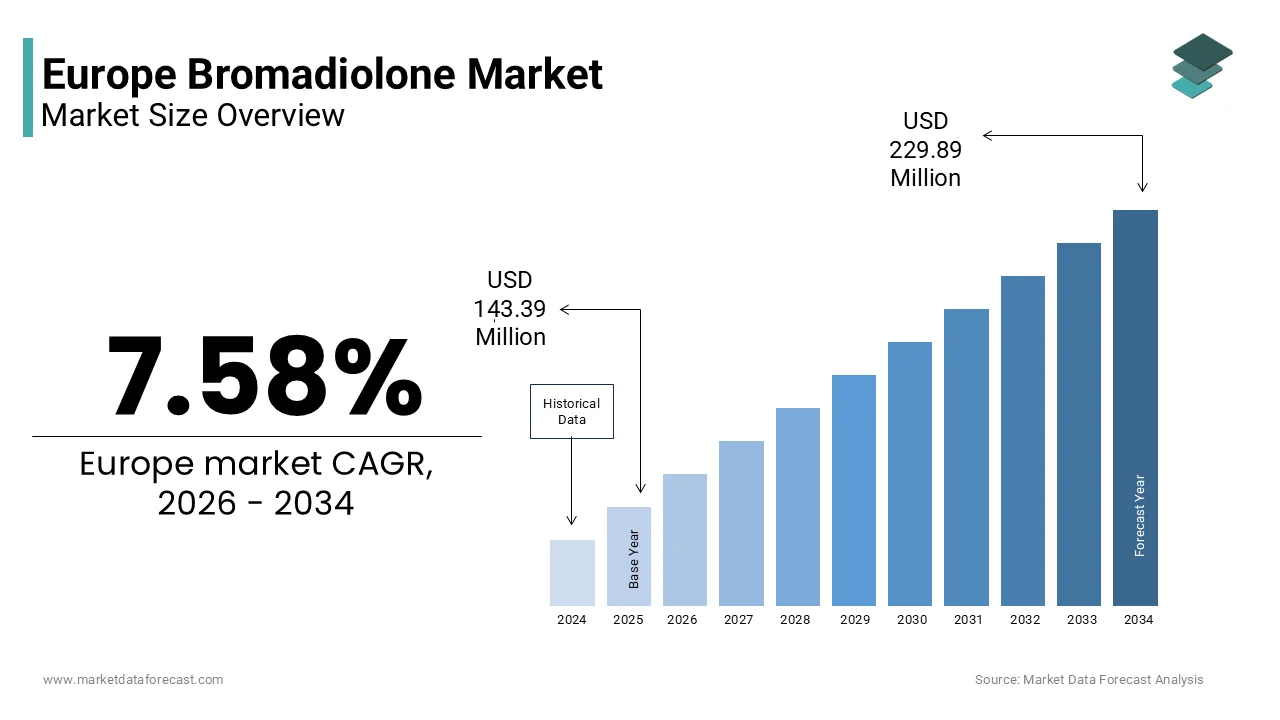
The Europe bromadiolone market was valued at USD 143.39 million in 2025, is estimated to reach USD 151.11 million in 2026, and is projected to reach USD 229.89 million by 2034, growing at a CAGR of 7.58% during the forecast period from 2026 to 2034. The growth of the Europe bromadiolone market is driven by increasing demand for effective rodent control solutions across agricultural, commercial, and industrial sectors. Rising concerns over crop losses, food storage protection, and public health are encouraging the adoption of bromadiolone-based rodenticides. Additionally, stringent hygiene standards, expanding pest management services, and growing awareness of integrated pest control practices are supporting market growth across the region.
Key Market Trends
-
Rising demand for efficient rodent control solutions is driving the adoption of bromadiolone products across agricultural and commercial sectors.
-
Increasing focus on food safety and warehouse hygiene is supporting market growth.
-
Growing adoption of integrated pest management (IPM) practices is encouraging the use of advanced rodent control solutions.
-
Expansion of professional pest control services is increasing the demand for high-performance rodenticides.
-
Ongoing product innovation aimed at improving application efficiency and regulatory compliance is creating new market opportunities.
Segmental Insights
-
Based on form, the block and pellet segment dominated the Europe bromadiolone market in 2025. The segment's leadership is attributed to its ease of application, extended effectiveness, weather resistance, and suitability for both indoor and outdoor rodent control.
-
Based on application, the agricultural field and warehouse segment held the largest share of the Europe bromadiolone market in 2025. The segment's dominance is driven by the need to protect crops, stored grains, and food products from rodent infestations while minimizing economic losses.
Regional Insights
-
The Europe bromadiolone market is witnessing steady growth due to increasing pest control requirements, strict food safety regulations, and rising awareness of effective rodent management practices.
-
Germany dominated the Europe bromadiolone market in 2025. The country's leadership is supported by its large agricultural sector, extensive food storage infrastructure, strong regulatory framework for pest management, and growing demand for professional pest control services.
-
France remains a significant market due to its well-established agricultural industry, increasing grain storage facilities, and rising adoption of integrated pest management solutions.
Competitive Landscape
The Europe bromadiolone market is moderately competitive, with manufacturers focusing on product innovation, regulatory compliance, and integrated pest management solutions to strengthen their market positions. Companies are investing in advanced rodent control technologies, expanding distribution networks, and strategic collaborations to meet the growing demand across agriculture, food storage, commercial facilities, and public health applications. Key players operating in the Europe bromadiolone market include BASF SE, Syngenta Group, PelGar International, Liphatech Inc., Rentokil Initial Plc., Bayer AG, Anticimex, Bell Laboratories Inc., Neogen Corporation, and Impex Europa S.L.
Europe Bromadiolone Market Size
The Europe bromadiolone market size was valued at USD 143.39 million in 2025 and is projected to reach USD 229.89 million by 2034 from USD 151.11 million in 2026, growing at a CAGR of 7.58%.
Bromadiolone functions by inhibiting vitamin K epoxide reductase leading to fatal internal hemorrhaging in target species such as the brown rat and house mouse after multiple feedings. Its efficacy against rodent strains that have developed resistance to first generation anticoagulants makes it indispensable for professional pest control operators and municipal authorities. According to the European Food Safety Authority, rodent infestations pose significant public health risks by transmitting diseases such as leptospirosis and salmonellosis, necessitating robust control measures. The regulatory landscape governing bromadiolone is stringent under the European Union Biocidal Products Regulation which mandates rigorous assessment of environmental risks, particularly regarding secondary poisoning of non-target wildlife. As per data from the Health and Safety Executive, primary exposure incidents have decreased due to improved bait station designs, yet concerns persist about accumulation in predator species. The market operates within a framework that balances effective pest suppression with ecological preservation, requiring specialized formulations and restricted access protocols. With urbanization rates in Europe reaching 75% as reported by Eurostat, the density of human settlements continues to drive demand for reliable rodent control solutions despite increasing scrutiny on chemical usage. This dynamic creates a complex environment where efficacy must be reconciled with sustainability goals and biodiversity protection mandates.
MARKET DRIVERS
Persistent Public Health Risks from Commensal Rodents
The enduring threat posed by commensal rodents to public health and sanitation is a primary driver for the continued use of bromadiolone in Europe. Rats and mice are vectors for numerous zoonotic diseases including hantavirus, Weil’s disease, and plague which can have severe consequences for human populations. According to the World Health Organization, rodent borne diseases contribute significantly to global disease burdens, and urban centers in Europe remain vulnerable due to high population density and extensive underground infrastructure. Municipalities and private property managers rely on potent anticoagulants like bromadiolone to maintain hygienic standards and prevent outbreaks. The economic burden of rodent damage extends beyond health costs to include structural damage to buildings, contamination of food supplies, and disruption of utilities. As per estimates from the European Pest Management Association, annual expenditures on professional pest control services across the continent amount to over 5 billion euros, reflecting the scale of the problem. Bromadiolone’s effectiveness in eliminating established colonies quickly makes it a preferred choice for emergency interventions during infestation spikes. The inability of mechanical traps or non-chemical methods to manage large scale infestations in dense urban environments further cements the reliance on chemical rodenticides. Consequently, the imperative to safeguard public health and infrastructure ensures steady demand for bromadiolone based products despite regulatory pressures to reduce chemical dependency.
Resistance to First Generation Anticoagulant Rodenticides
The widespread development of genetic resistance in rodent populations to first generation anticoagulant rodenticides is further driving the growth of the European bromadiolone market. Over decades of continuous use, many rat and mouse populations across Europe have evolved mutations in the VKORC1 gene, rendering them insensitive to compounds such as warfarin and chlorophacinone. According to research published in the journal Pest Management Science, resistance alleles are prevalent in up to 80% of brown rat populations in certain regions of Germany and the United Kingdom. This biological adaptation renders first generation products ineffective, necessitating the use of more potent alternatives that can overcome these genetic defenses. Bromadiolone exhibits higher binding affinity to the target enzyme, allowing it to remain effective against resistant strains. Pest control professionals report increasing failure rates with older chemistries, forcing a transition to second generation options to ensure successful eradication. The lack of viable non-chemical alternatives that offer comparable efficacy against resistant populations leaves bromadiolone as a critical tool in integrated pest management strategies. As per industry surveys, the frequency of call backs due to treatment failure has increased significantly, prompting operators to upgrade their product portfolios. This evolutionary pressure from rodent populations ensures that bromadiolone remains essential for maintaining control efficacy in areas where resistance is entrenched.
MARKET RESTRAINTS
Stringent Environmental Regulations and Risk Mitigation Requirements
The implementation of rigorous environmental regulations under the European Union Biocidal Products Regulation significantly restrains the market for bromadiolone by imposing strict usage conditions and authorization hurdles. Regulatory authorities prioritize the protection of non-target wildlife, particularly birds of prey and mammals that may suffer secondary poisoning from consuming contaminated rodents. According to the European Chemicals Agency, the approval process for bromadiolone requires comprehensive risk assessments demonstrating that mitigation measures, such as tamper resistant bait stations, are mandatory. These requirements increase operational complexity and costs for manufacturers and end users, limiting widespread availability. Several member states have imposed additional national restrictions banning outdoor use or requiring professional certification for purchase, which reduces market accessibility. As per compliance reports from the European Commission, the administrative burden of renewing approvals and adhering to varying national interpretations of EU laws creates uncertainty for suppliers. The push towards minimizing environmental persistence means that formulations must meet higher safety standards, which can compromise stability or attractiveness to target pests. Furthermore, public awareness campaigns highlighting the dangers of anticoagulants to pets and wildlife have led to voluntary restrictions by retailers. These regulatory tightening forces the market to contract as informal or amateur use is phased out, leaving only certified professionals as legitimate buyers, thereby limiting volume growth.
Secondary Poisoning of Non-Target Wildlife Species
The risk of secondary poisoning to non-target wildlife species represents a major restraint on the bromadiolone market in Europe due to ecological concerns and public outcry. Predatory birds such as barn owls, kestrels, and buzzards, as well as mammals like foxes and hedgehogs, are highly susceptible to accumulating toxic levels of bromadiolone through the consumption of poisoned rodents. According to studies published in Science of The Total Environment, residues of second generation anticoagulants are detected in over 60% of tested raptor carcasses in the UK, indicating widespread environmental exposure. This bioaccumulation leads to internal bleeding and death in protected species, triggering legal liabilities and reputational damage for users and manufacturers. Conservation groups actively lobby for bans or severe restrictions on bromadiolone, citing its long half-life in animal tissues. As per environmental impact assessments from the European Environment Agency, the persistence of bromadiolone in the food chain contradicts biodiversity protection goals outlined in the EU Biodiversity Strategy. The negative publicity associated with wildlife deaths discourages municipalities and corporations from using these products unless absolutely necessary. Alternative methods such as trapping or using less persistent rodenticides are increasingly preferred to avoid ecological harm. This ethical and legal pressure constrains market expansion and forces users to adopt stricter containment protocols that limit the convenience and effectiveness of bromadiolone applications.
MARKET OPPORTUNITIES
Development of Advanced Bait Formulations with Reduced Environmental Impact
The innovation of advanced bait formulations that minimize environmental persistence and reduce the risk of secondary poisoning presents a significant opportunity for the European bromadiolone market. Manufacturers are investing in research to create microencapsulated baits or those containing antidotes such as vitamin K1 that can mitigate toxicity if ingested by non-target species. According to recent reports from the World Intellectual Property Organization, several companies are developing slow release matrices that ensure rodents consume a lethal dose while reducing the amount of active ingredient released into the environment. These technological advancements aim to comply with stricter regulatory standards while maintaining efficacy against resistant rodent strains. As per industry analysis, products with improved safety profiles are likely to receive faster regulatory approval and broader acceptance from environmentally conscious consumers and authorities. The integration of bittering agents to prevent accidental ingestion by humans and pets further enhances marketability. Additionally, the use of biodegradable bait blocks reduces plastic waste and environmental clutter, aligning with circular economy principles. By offering solutions that address key ecological concerns, manufacturers can differentiate their products and capture market share from competitors relying on traditional formulations. This focus on sustainability and safety opens new avenues for growth in segments previously restricted due to environmental risks.
Expansion of Professional Pest Control Services in Urban Areas
The growing outsourcing of pest management to professional service providers in expanding urban areas offers a substantial opportunity for the European bromadiolone market. As cities densify and infrastructure ages, rodent problems become more complex, requiring expert intervention rather than DIY solutions. According to Eurostat, the urban population in Europe is projected to reach 80% by 2050, increasing the demand for professional pest control services. Regulatory restrictions on amateur use of second generation anticoagulants mean that only certified professionals can legally purchase and apply bromadiolone in many jurisdictions. This shift consolidates demand through professional channels, ensuring consistent sales volumes for manufacturers who partner with service providers. Professional operators require high quality reliable products and are willing to pay premium prices for formulations that offer superior performance and compliance support. As per market trends from the Confederation of European Pest Management Associations, pest control companies are expanding their service contracts with commercial real estate, food processing, and hospitality sectors, driving bulk purchases of rodenticides. Training programs and certification courses funded by manufacturers help build a loyal customer base of skilled technicians. By focusing on the professional segment, manufacturers can navigate regulatory constraints more effectively and ensure responsible use of bromadiolone, thereby sustaining market relevance.
MARKET CHALLENGES
Development of Resistance to Second Generation Anticoagulants
The emerging development of resistance in rodent populations to second generation anticoagulant rodenticides including bromadiolone poses a significant challenge to the European market expansion. While currently less widespread than resistance to first generation agents, scientific evidence indicates that prolonged exposure is selecting for resistant traits in some rat and mouse populations. According to research from the University of Reading, mutations conferring resistance to bromadiolone have been identified in field populations in France and the UK, signaling a potential future efficacy crisis. If resistance becomes widespread, the utility of bromadiolone will diminish severely, leaving few chemical options for effective rodent control. This biological threat undermines the long term viability of the product and forces manufacturers to constantly invest in monitoring and resistance management strategies. As per pest control industry reports, anecdotal evidence of treatment failures is increasing, prompting concerns about the lifespan of current active ingredients. The lack of new active substances in the pipeline exacerbates this challenge as regulatory hurdles make introducing novel chemistries difficult and expensive. Without effective alternatives, the market faces the risk of obsolescence in key regions. Managing this challenge requires rotating products and integrating non chemical methods, which complicates operations and may reduce immediate sales volumes of bromadiolone.
Public Perception and Ethical Concerns Regarding Animal Welfare
Negative public perception and ethical concerns regarding the humane treatment of animals present a persistent challenge to the European bromadiolone market. Anticoagulant rodenticides cause a slow and painful death through internal hemorrhaging, which is increasingly viewed as inhumane by animal welfare advocates and the general public. According to survey data from Eurogroup for Animals, a majority of respondents prefer non-lethal or instantaneous killing methods over anticoagulants. This sentiment influences corporate social responsibility policies of large businesses and municipalities, leading them to ban or restrict the use of such products. Social media campaigns highlighting the suffering of poisoned animals amplify these concerns and pressure retailers to remove bromadiolone from shelves. As per retail market trends, several major hardware chains in Europe have voluntarily stopped selling second generation anticoagulants to align with consumer values. This shift in societal attitudes creates a hostile operating environment for manufacturers and distributors. The stigma associated with anticoagulant use complicates marketing efforts and requires significant investment in education to justify their necessity for public health. Balancing effective pest control with ethical considerations remains a difficult task that threatens the social license to operate for bromadiolone products.
REPORT COVERAGE
| REPORT METRIC | DETAILS |
| Market Size Available | 2025 to 2034 |
| Base Year | 2025 |
| Forecast Period | 2026 to 2034 |
| CAGR | 5.38% |
| Segments Covered | By Form, Application, and Region |
| Various Analyses Covered | Global, Regional, & Country Level Analysis; Segment-Level Analysis; DROC, PESTLE Analysis; Porter’s Five Forces Analysis; Competitive Landscape; Analyst Overview of Investment Opportunities |
| Regions Covered | UK, France, Spain, Germany, Italy, Russia, Sweden, Denmark, Switzerland, Netherlands, Turkey, and the Czech Republic |
| Market Leaders Profiled | BASF SE, Syngenta Group, PelGar International, Liphatech Inc., Rentokil Initial Plc., Bayer AG, Anticimex, Bell Laboratories Inc., Neogen Corporation, and Impex Europa S.L. |
SEGMENTAL ANALYSIS
By Form Insights
The block and pellet segment had the dominant share of the European market in 2025 primarily due to their compatibility with mandatory tamper resistant bait stations which are required by European Union regulations to prevent accidental exposure to non-target species. The physical structure of blocks and pellets allows them to be securely pinned or placed within protective enclosures, ensuring that only target rodents can access the bait. According to the European Chemicals Agency, risk mitigation measures for second generation anticoagulant rodenticides strictly mandate the use of secure bait points in outdoor and public areas to minimize secondary poisoning risks. This regulatory requirement effectively excludes loose powders or liquids from many professional applications where safety is paramount. As per industry compliance data, over 85% of professional pest control operations in urban environments utilize block or pellet forms because they meet the stringent safety standards set by national authorities. The durability of these forms also prevents degradation from weather conditions such as rain or humidity, which is critical for maintaining efficacy in outdoor settings. Manufacturers have optimized the texture and binding agents of blocks to ensure they remain intact while still being palatable to rats and mice. This alignment with legal frameworks and operational safety protocols solidifies the dominance of block and pellet forms in the regional market.
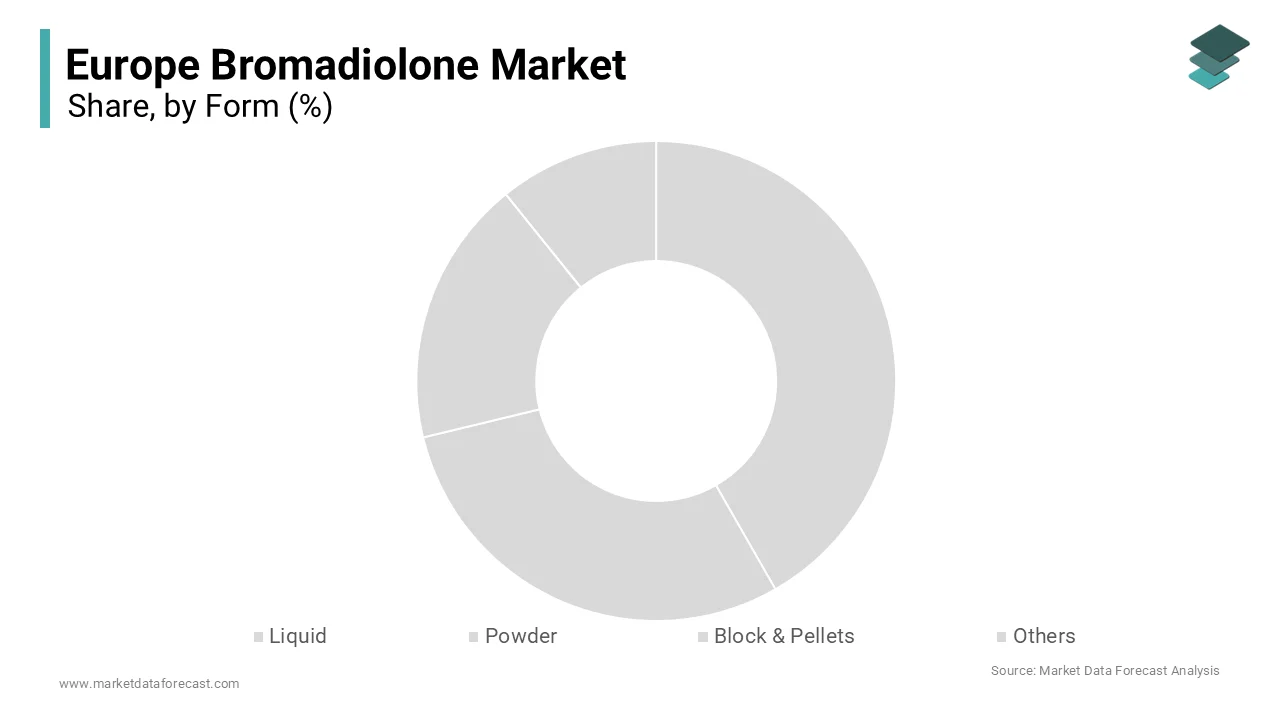
On the other side, the liquid bromadiolone segment is estimated to record a healthy CAGR of 7.04% over the forecast period in the European bromadiolone market owing to their unique ability to be applied in hard to reach areas and sensitive environments where solid baits are impractical. Liquids can be injected into wall cavities, pipe chases, and underground burrows using specialized equipment, ensuring direct delivery to rodent harborage sites without leaving visible residues. According to technical guidelines from professional pest control associations, liquid applications are increasingly recommended for historic buildings and food processing facilities where aesthetic concerns and hygiene standards prohibit the use of visible bait stations. The ability to mix liquid concentrates with tracking powders or gels enhances their versatility, allowing operators to customize treatments for specific infestation scenarios. As per industry surveys, the adoption of liquid formulations has increased by 15% in the commercial sector due to their discretion and effectiveness in complex infrastructure. This growth is further supported by advancements in application technology such as pressurized injectors that improve precision and reduce labor time. The rising demand for non-invasive pest control solutions in premium real estate and hospitality sectors fuels the rapid expansion of the liquid segment.
By Application Insights
The agricultural field and warehouse segment held the largest share of the European market in 2025 due to the critical need to protect stored grains and harvested crops from rodent contamination and loss. Rodents cause significant economic damage by consuming feed, contaminating stocks with urine and feces, and damaging storage infrastructure. According to the Food and Agriculture Organization, post-harvest losses due to pests including rodents can range from 5% to 20% in European storage facilities, representing billions of euros in annual losses. Bromadiolone is highly effective in controlling large rat populations that infest silos, barns, and warehouses where food sources are abundant. The high potency of bromadiolone ensures rapid reduction of infestations, preventing further spread and contamination. As per industry reports, agricultural cooperatives and large scale farming enterprises prioritize robust rodent control programs to meet food safety standards and maintain product quality. The seasonal nature of harvesting creates periodic spikes in rodent activity, necessitating reliable and fast acting solutions. Bromadiolone’s ability to work against resistant strains makes it indispensable for protecting valuable agricultural assets. This economic imperative drives consistent and high volume demand for bromadiolone products in the agricultural sector, solidifying its leadership in the market.
On the other side, the urban and residential infrastructure segment is emerging as the fastest growing application area for bromadiolone in Europe and is estimated to register a CAGR of 8.08% over the forecast period owing to the increasing urbanization and population density. As cities expand and older infrastructure deteriorates, rodent habitats proliferate in sewers, basements, and vacant buildings. According to Eurostat, the urban population in Europe is expected to reach 80% by 2050, creating ideal conditions for commensal rodent proliferation. Municipalities and property managers are increasingly outsourcing pest control to professional services that rely on bromadiolone for effective colony elimination. The high visibility of rodent problems in dense urban areas triggers immediate action from local authorities to protect public health and maintain city aesthetics. As per municipal data, calls for rodent control services have increased by 20% in major European capitals in recent years. The complexity of urban ecosystems requires potent solutions that can handle large and resistant rodent populations. Bromadiolone’s efficacy in these challenging environments makes it the preferred choice for urban pest management, driving rapid growth in this segment.
COUNTRY LEVEL ANALYSIS
Germany held the largest share of the European market in 2025 and is expected to maintain a steady growth trajectory in its pest control market over the next few years due to its focus on smart urban management and strict hygiene standards, strict regulatory framework and high standards for public health and sanitation. The country has a well-established pest control industry that adheres to rigorous guidelines set by the Federal Institute for Occupational Safety and Health. According to German environmental agencies, the use of second generation anticoagulants is tightly controlled, requiring professional certification for purchase and application. This regulatory environment ensures responsible use and minimizes environmental impact while maintaining effective rodent control. The high density of urban centers and industrial facilities in Germany creates consistent demand for professional pest management services. As per industry data, the German market is characterized by a preference for high quality formulated products that comply with EU biocidal regulations. The presence of leading chemical manufacturers in Germany also supports local production and innovation in rodenticide formulations. The country’s focus on integrated pest management encourages the use of bromadiolone as part of a broader strategy combining monitoring and exclusion. This balanced approach sustains steady market growth despite regulatory constraints.
France is poised to witness increased adoption of sustainable and professional-grade rodent control solutions in the coming years as it modernizes its agricultural infrastructure. France occupies a prominent position in the Europe bromadiolone market characterized by its extensive agricultural sector and diverse urban landscapes. The country faces significant challenges with rodent infestations in both rural grain storage facilities and metropolitan areas like Paris. According to the French Ministry of Agriculture, rodent control is a priority for protecting crop yields and ensuring food security. The use of bromadiolone is regulated under national laws that align with EU directives but allow for specific adaptations to local conditions. Professional pest control operators in France are increasingly adopting bromadiolone for its efficacy against resistant rat populations. As per market reports, the demand for professional grade rodenticides is rising due to stricter hygiene standards in the food service and hospitality industries. The French government supports research into sustainable pest management practices, promoting the responsible use of anticoagulants. The combination of agricultural needs and urban public health concerns drives robust demand for bromadiolone in France. The market is supported by a strong network of distributors and technical experts who provide training and support to end users.
The United Kingdom is likely to see a continued reliance on high-efficacy rodenticides due to the persistent nature of resistant rodent populations in its aging infrastructure. The United Kingdom maintains a strong presence in the Europe bromadiolone market driven by high levels of rodent resistance to first generation anticoagulants. According to research from the University of Reading, resistance to warfarin is widespread in UK rat populations, necessitating the use of second generation agents like bromadiolone. The Campaign for Responsible Rodenticide Use plays a key role in promoting best practices and minimizing environmental risks. Professional pest controllers in the UK rely heavily on bromadiolone for effective control in urban and rural settings. As per industry surveys, the UK market is mature with a high level of awareness regarding the risks of secondary poisoning. Regulatory bodies enforce strict rules on bait station usage and record keeping to ensure compliance. The dense urban infrastructure and older housing stock in the UK provide ample harborage for rodents, sustaining high demand for control measures. The market is characterized by a strong emphasis on professional training and certification, ensuring that bromadiolone is used safely and effectively. This focus on professionalism and efficacy keeps the UK as a key market for bromadiolone products.
Italy is projected to expand its pest management sector as it aligns historic urban preservation with modern public health requirements over the next few years. Italy is a key player in the Europe bromadiolone market influenced by its warm climate and extensive agricultural production, particularly in the Po Valley. The Mediterranean climate supports year round rodent activity, increasing the need for continuous control measures. According to Italian agricultural associations, rodent damage to crops and stored goods is a major concern for farmers and processors. The use of bromadiolone is regulated by national authorities who enforce EU biocidal product regulations. Professional pest control services are growing in popularity as businesses seek to comply with hygiene standards. As per market data, the demand for bromadiolone is driven by both the agricultural sector and the tourism industry, which requires high standards of cleanliness. The presence of historic buildings in cities like Rome and Florence presents unique challenges for rodent control, favoring the use of precise and effective solutions like bromadiolone. The Italian market is supported by a network of local distributors who provide technical support and training to users. The combination of agricultural and urban demand ensures a stable market for bromadiolone in Italy.
Spain is expected to strengthen its pest control protocols to safeguard its significant produce export industry throughout the next few years. Spain holds a notable share in the Europe bromadiolone market driven by its large agricultural sector and growing urban population. The country is a major producer of fruits and vegetables which are vulnerable to rodent damage during storage and transport. According to the Spanish Ministry of Agriculture, pest control is essential for maintaining export quality and meeting international standards. Bromadiolone is widely used in greenhouses and packing facilities to protect produce. Urban areas such as Madrid and Barcelona also face rodent challenges due to high population density and waste management issues. For instance, the professional pest control sector in Spain is expanding due to the increased awareness of public health risks. Regulatory compliance with EU directives is strictly enforced, requiring professional application of second generation anticoagulants. The Spanish market benefits from a favorable climate for agriculture which sustains year round demand for rodent control. Local manufacturers and distributors play a significant role in supplying high quality products tailored to regional needs. The focus on food safety and public health drives continued growth in the Spanish bromadiolone market.
COMPETITIVE LANDSCAPE
The competition in the Europe bromadiolone market is characterized by a mix of large multinational chemical corporations and specialized niche manufacturers who compete on product efficacy safety and regulatory compliance. Major players leverage their extensive distribution networks and brand reputation to dominate the professional pest control sector. Specialized firms differentiate themselves through innovative formulations such as soft baits and advanced bait stations that address specific user needs and environmental concerns. The market is highly regulated which creates significant barriers to entry favoring established companies with resources to manage complex authorization processes. Competition is intense in terms of technical support and training services provided to professional users. Price competition is moderate as buyers prioritize reliability and compliance over cost due to the high stakes of public health and safety. Strategic collaborations with industry bodies and regulatory agencies help key players influence standards and promote responsible use. The focus on sustainability and resistance management drives continuous innovation forcing competitors to constantly upgrade their product portfolios. This dynamic environment ensures that only companies with strong technical capabilities and regulatory expertise can sustain long term success in the European market.
KEY MARKET PLAYERS
Some of the notable key players in the Europe bromadiolone market are
- BASF SE
- Syngenta Group
- PelGar International
- Liphatech Inc.
- Rentokil Initial Plc.
- Bayer AG
- Anticimex
- Bell Laboratories Inc.
- Neogen Corporation
- Impex Europa S.L.
Top Players in the Market
- BASF SE is a major chemical manufacturer with a significant presence in the European pest control sector through its professional solutions division. The company supplies high quality bromadiolone active ingredients and formulated products to professional pest management operators across the continent. BASF focuses on developing advanced bait formulations that enhance palatability and ensure compliance with strict environmental regulations. Recent actions include the launch of new tamper resistant bait stations designed to minimize secondary poisoning risks for non target wildlife. The company invests heavily in research to address rodent resistance issues by optimizing concentration levels and attractants. BASF strengthens its market position by providing comprehensive training programs for professionals ensuring safe and effective application practices. Their commitment to sustainability and innovation supports the responsible use of anticoagulant rodenticides in urban and agricultural settings throughout Europe.
- Syngenta Group AG plays a pivotal role in the Europe bromadiolone market by offering robust rodenticide solutions under its professional pest control portfolio. The company leverages its global expertise in crop protection to deliver effective second generation anticoagulants tailored for European regulatory standards. Syngenta recently introduced enhanced block formulations with improved weather resistance for outdoor agricultural applications. The company actively collaborates with industry bodies to promote best practices in rodent management and resistance monitoring. Syngenta strengthens its position by expanding its distribution network to reach remote agricultural areas and urban service providers. Their focus on integrated pest management solutions combines chemical controls with monitoring tools to provide holistic services. By prioritizing product safety and efficacy Syngenta maintains trust among professional users and regulatory authorities ensuring continued relevance in the evolving European market landscape.
- PelGar International Ltd is a specialized manufacturer dedicated to professional pest control products including a wide range of bromadiolone based rodenticides. The company is renowned for its innovative bait matrix technologies that improve acceptance and reduce the risk of bait shyness in rodent populations. PelGar recently launched new soft bait formulations that offer superior palatability and ease of use for technicians in sensitive environments. The company strengthens its market position by focusing exclusively on the professional sector providing tailored support and technical expertise. PelGar actively participates in industry initiatives to promote responsible use and environmental stewardship. Their commitment to quality and innovation has established them as a trusted partner for pest control professionals across Europe. By continuously refining their product offerings to meet regulatory demands PelGar ensures sustained growth and leadership in the specialized rodenticide segment.
Top Strategies Used by Key Market Participants
Key players in the Europe bromadiolone market primarily employ product innovation and formulation enhancement to differentiate their offerings and comply with stringent regulatory requirements. Companies invest in developing tamper resistant bait stations and weather resistant blocks to minimize environmental risks and secondary poisoning. Strategic partnerships with professional pest control associations help manufacturers promote best practices and ensure responsible usage among certified technicians. Regulatory compliance is a central strategy with firms dedicating resources to navigate complex approval processes and maintain valid authorizations across member states. Education and training programs are widely used to build customer loyalty and demonstrate technical expertise in resistance management. Manufacturers also focus on supply chain optimization to ensure consistent availability of high quality products. Diversification into integrated pest management solutions allows companies to offer holistic services beyond chemical control. These strategies collectively help participants maintain market relevance and address ecological concerns while meeting the persistent demand for effective rodent control.
MARKET SEGMENTATION
This research report on the Europe bromadiolone market has been segmented and sub-segmented based on categories.
By Form
- Liquid
- Powder
- Block & Pellets
- Others
By Application
- Agricultural Field
- Warehouse
By Country
- UK
- France
- Spain
- Germany
- Italy
- Russia
- Sweden
- Denmark
- Switzerland
- Netherlands
- Turkey
- Czech Republic
- Rest of Europe