Europe Dragon Fruit Market Size, Share, Trends & Growth Forecast Report – Segmented By Type, Distribution Channel, and Country (UK, France, Spain, Germany, Italy, Russia, Sweden, Denmark, Switzerland, Netherlands, Turkey, Czech Republic & Rest of Europe), Industry Analysis From 2026 to 2034
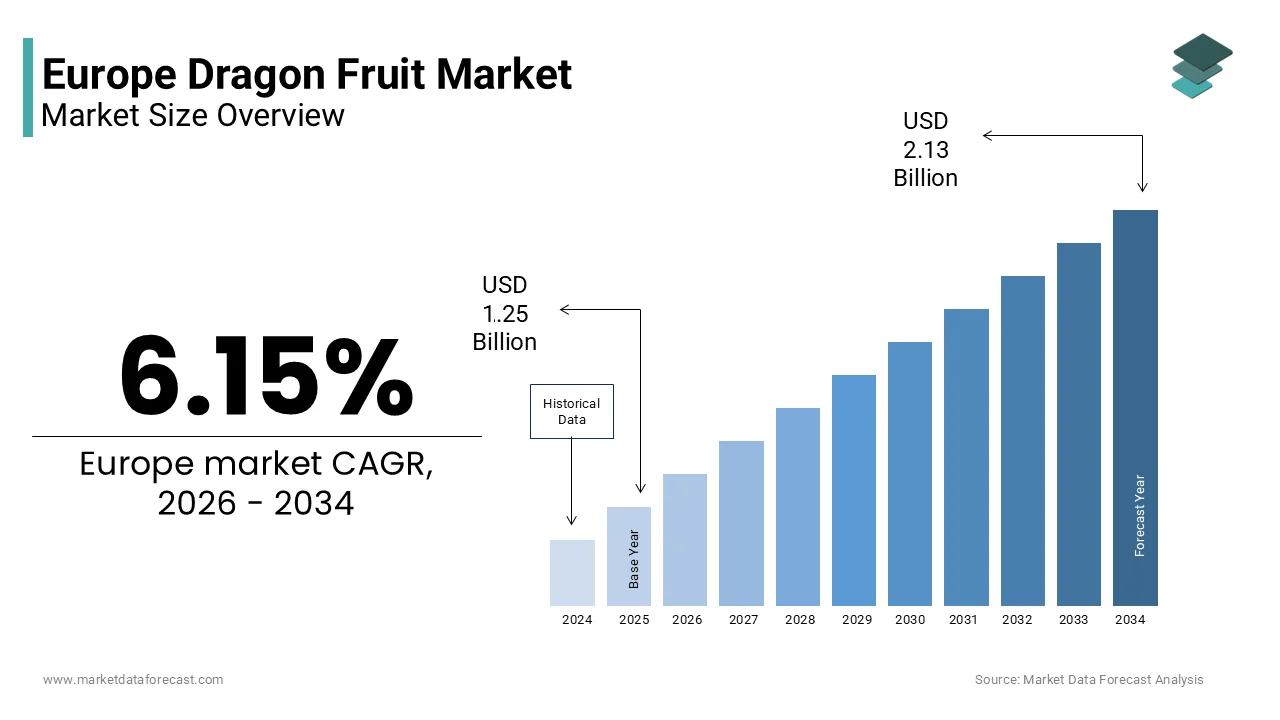
Market Size, 2025
$1.25 BnMarket Estimate, 2026
$1.32 BnMarket Forecast, 2034
$2.13 BnCAGR, 2026–2034
6.15%Europe Dragon Fruit Market Size
The Europe dragon fruit market size was valued at USD 1.25 billion in 2025 and is projected to reach USD 2.13 billion by 2034 from USD 1.32 billion in 2026, growing at a CAGR of 6.15%.
As a tropical cactus fruit native to Central and South America and Southeast Asia, dragon fruit relies entirely on import supply chains to reach European consumers, with major sourcing from Vietnam, Thailand, Colombia, and Israel. According to Eurostat, the European Union imported over 1.2 million tonnes of tropical fresh fruit in recent years, reflecting expanding consumer appetite for non-traditional produce. The European Food Safety Authority has evaluated dragon fruit as a novel food with favorable safety profiles, facilitating its market entry across member states. Retail formats range from hypermarkets offering whole fruit to specialty online platforms delivering pre-cut and value added dragon fruit products. The visual appeal of dragon fruit, characterized by vibrant pink skin and speckled flesh, aligns with social media driven food trends that influence purchasing decisions among younger European demographics.
MARKET DRIVERS
Rising Consumer Interest in Functional Foods and Antioxidant Rich Ingredients
The escalating consumer preference for functional foods with documented health benefits is surging the growth of Europe dragon fruit market. Dragon fruit contains betalains, vitamin C, and dietary fiber, which are increasingly recognized for their antioxidant and anti-inflammatory properties. According to the European Food Information Council, over 68% of European consumers actively seek foods that support immune function and cellular health, creating robust demand for nutrient dense exotic fruits. The European Centre for Disease Prevention and Control notes that chronic diseases linked to oxidative stress account for a significant portion of the regional disease burden, motivating preventive dietary choices. Dragon fruit's low-calorie profile and high prebiotic fiber content appeal to health-conscious demographics managing weight and gut health. Retailers have responded by positioning dragon fruit in premium produce sections and highlighting its nutritional attributes through point-of-sale materials. The rise of plant-based diets across major European markets further amplifies demand, as consumers seek diverse fruit options to enhance meal variety and nutrient intake. Social media platforms amplify awareness through visually appealing content featuring dragon fruit bowls and smoothies, driving trial among younger shoppers.
Expansion of Culinary Innovation and Exotic Fruit Integration in Food Service
The robust expansion of culinary innovation, which increasingly incorporates dragon fruit as a distinctive ingredient for beverages, desserts, and gourmet presentations is greatly influencing the growth of Europe dragon fruit market. According to the European Food Service Distributors association, menu experimentation with tropical and exotic ingredients has grown in recent years, driven by consumer desire for novel sensory experiences. Dragon fruit's mild sweetness and striking color make it ideal for smoothie bowls, cocktails, and plated desserts that command premium pricing in cafes and restaurants. The rise of health focused cafes and juice bars in urban centers like London, Berlin, and Barcelona has created dedicated channels for dragon fruit consumption, often pairing it with other superfoods to enhance perceived value. Data from the European Culinary Innovation Network indicates that chefs increasingly specify dragon fruit for its visual impact and versatility in both sweet and savory applications. The fruit's ability to retain color and texture when blended or frozen supports its use in frozen desserts and ready to drink formats. Additionally, the growth of catering and event services that prioritize Instagram worthy presentations has amplified demand for visually distinctive ingredients like dragon fruit.
MARKET RESTRAINTS
High Import Dependency and Supply Chain Vulnerability
The complete reliance on imports from tropical producing nations by creating exposure to geopolitical instability, climate variability, and logistical disruptions is impeding the growth of Europe dragon fruit market. According to the Centre for the Promotion of Imports from developing countries, over 95% of dragon fruit consumed in the European Union originates from Vietnam, Thailand, and Colombia, concentrating supply risk within a narrow geographic corridor. Adverse weather events such as typhoons or droughts in Southeast Asia can significantly impact harvest yields and export volumes, as evidenced by production declines in key origin countries during recent seasons. Port congestion, shipping container shortages, and fluctuating freight costs further complicate the timely delivery of perishable dragon fruit to European distribution centers. This import dependency limits the region's ability to buffer against global supply shocks and exposes buyers to currency fluctuations and trade policy changes. Regulatory requirements regarding phytosanitary certification and cold chain monitoring add layers of complexity to procurement processes, potentially delaying shipments or increasing verification costs. Smaller retailers may struggle to secure consistent supplies or absorb price premiums associated with certified sustainable options. These structural vulnerabilities create uncertainty for long term planning and investment, tempering growth aspirations for market participants reliant on stable and affordable dragon fruit inputs.
Premium Pricing and Limited Mass Market Accessibility
The relatively high retail price of dragon fruit compared to conventional fruits, which limits its adoption among price sensitive consumer segments and restricts volume growth in mainstream retail channels. The combination of import costs, cold chain logistics, and perishability contributes to retail prices that can be three to five times higher than locally grown apples or bananas. Data from the European Retail Forum indicates that exotic fruits typically occupy less than 5% of total fresh produce sales volume due to price barriers and limited consumer familiarity. The perception of dragon fruit as a luxury or occasional treat rather than a staple item constrains repeat purchase frequency and household penetration. Additionally, economic pressures in certain European regions have intensified consumer focus on value for money, further dampening demand for premium priced exotic fruits. Retailers may limit shelf space for dragon fruit variants or prioritize smaller pack sizes to reduce entry cost for consumers, which can impact overall category growth.
MARKET OPPORTUNITIES
Innovation in Value Added and Convenience Oriented Dragon Fruit Products
The development and commercialization of value added dragon fruit formats that address consumer demand for convenience, extended shelf life, and versatile culinary applications is likely to create new opportunities for the growth of Europe dragon fruit market. According to the European Convenience Foods Association, sales of pre-cut, frozen, and pureed fruit products have grown by 28% in recent years, reflecting strong appetite for time saving solutions that maintain nutritional quality. Dragon fruit manufacturers can capitalize on this trend by introducing frozen pulp, freeze dried powder, and ready to blend smoothie packs that retain the fruit's vibrant color and nutrient profile while eliminating preparation barriers. These formats appeal to busy urban consumers, food service operators, and industrial users seeking consistent quality and reduced waste. The European Frozen Food Industry notes that frozen exotic fruit segments have outperformed fresh categories due to improved logistics and consumer acceptance of frozen quality. Additionally, dragon fruit powder can be incorporated into functional food applications, such as breakfast cereals, yogurt toppings, and nutritional bars, expanding usage occasions beyond fresh consumption. Retailers have responded by dedicating shelf space to convenient exotic fruit formats in both chilled and ambient aisles, increasing visibility and trial among mainstream shoppers.
Expansion of Organic and Sustainable Sourcing Certification Programs
The accelerating consumer shift toward organic and ethically sourced produce is suppliers seeking to align with evolving sustainability preferences is additionally to elevate the growth of Europe dragon fruit market. According to the European Organic Federation, sales of certified organic fruit and vegetables increased by 19% in recent periods, signaling robust appetite for verified sustainable ingredients among conscious consumers. Dragon fruit producers, who invest in organic certification, fair trade partnerships, and carbon neutral logistics can differentiate their offerings and command premium pricing from retailers and end users. The European Commission's Farm to Fork Strategy encourages sustainable agricultural practices and transparent supply chains, creating policy tailwinds for responsibly sourced tropical fruits. Dragon fruit's cultivation in tropical regions offers opportunities for agroforestry and biodiversity conservation projects that resonate with European values. Additionally, blockchain enabled traceability systems allow suppliers to provide transparent provenance stories that build consumer trust and brand loyalty. Retailers have expanded dedicated organic and ethical produce sections, increasing visibility for certified dragon fruit variants.
MARKET CHALLENGES
Perishability and Post Harvest Quality Management Complexities
The fruit's inherent perishability and the technical complexities of maintaining quality throughout extended international supply chains is one of the challenges for the growth of Europe dragon fruit market. Dragon fruit has a relatively short shelf life of 10 to 14 days under optimal cold chain conditions, requiring precise temperature and humidity control from harvest to retail display. According to the European Cold Storage and Logistics Association, post-harvest losses for tropical fruits can exceed 20% due to temperature fluctuations, physical damage, and delayed customs clearance. The delicate skin of dragon fruit is prone to bruising and discoloration, which diminishes visual appeal and consumer acceptance upon arrival in European markets. Regulatory requirements regarding phytosanitary treatments and cold chain documentation add administrative burden and potential delays at border inspections. Retailers often impose strict quality specifications for color, firmness, and blemish free appearance, leading to high rejection rates for shipments that do not meet exacting standards. The cost of maintaining certified cold chain infrastructure and rapid air freight options to preserve freshness significantly increases landed costs, limiting price competitiveness. Smaller importers may lack the resources to invest in advanced quality control systems or diversified logistics partners, creating barriers to consistent supply.
Consumer Education Gaps and Usage Uncertainty
The limited consumer familiarity with dragon fruit preparation, flavor profile, and culinary applications, which creates hesitation and reduces repeat purchase rates among first time buyers is also to hamper the growth of Europe dragon fruit market. According to the European Consumer Organisation, over 45% of shoppers express uncertainty about how to select, store, and consume exotic fruits they have not previously encountered. Dragon fruit's mild flavor and unique texture can disappoint consumers expecting intense sweetness, leading to negative word of mouth and reduced category growth. The lack of widespread culinary tradition around dragon fruit in European cuisines means that many households do not have established recipes or serving ideas, limiting usage occasions. Retailers report that point of sale education materials and in store demonstrations can improve trial and satisfaction, but such initiatives require additional investment and staff training. Digital content and social media influencers play a growing role in demystifying exotic fruits, yet inconsistent messaging can create confusion about ripeness indicators and optimal preparation methods. Additionally, the visual similarity between white and red fleshed varieties can lead to mismatched consumer expectations regarding taste and nutritional benefits.
REPORT COVERAGE
| REPORT METRIC | DETAILS |
| Market Size Available | 2025 to 2034 |
| Base Year | 2025 |
| Forecast Period | 2026 to 2034 |
| CAGR | 6.15% |
| Segments Covered | By Type, Distribution Channel, and Region |
| Various Analyses Covered | Global, Regional, & Country Level Analysis; Segment-Level Analysis; DROC, PESTLE Analysis; Porter’s Five Forces Analysis; Competitive Landscape; Analyst Overview of Investment Opportunities |
| Regions Covered | UK, France, Spain, Germany, Italy, Russia, Sweden, Denmark, Switzerland, Netherlands, Turkey, and the Czech Republic |
| Market Leaders Profiled | Dole Packaged Foods LLC, Pitaya Foods, Nam Viet Foods & Beverage Co. Ltd., Charoen Pokphand Group, Tropical Pure Company, Bai Brands LLC, Welch’s Global Ingredients Group, Diana Food (Symrise AG), Capricorn Food Products India Ltd., Natural Evolution Foods Pty Ltd., BranchOut Food Inc., FutureCeuticals Inc., Sunshine International Co. Ltd., Mega We Care Public Co. Ltd., Frutco AG, Tropifruit SAS, Vina T&T Group, Sol Organica, Song Nam ITD Co. Ltd., and Tropextrakt GmbH. |
SEGMENTAL ANALYSIS
By Type Insights
The white flesh dragon fruit segment was the largest by capturing 43.2% of the Europe dragon fruits market share in 2025 with the extensive global cultivation of this variety which ensures consistent supply volumes and competitive pricing for European importers. According to the Centre for the Promotion of Imports from developing countries, white flesh dragon fruit accounts for over 80% of total global production, allowing exporters to meet large scale European demand without significant supply interruptions. This abundance enables retailers to stock the fruit year-round at price points that are comparable to other premium exotic fruits, encouraging regular purchase cycles among middle income households. The lower logistical costs associated with the hardier skin of white flesh varieties, also reduce spoilage rates during transit from Southeast Asia and South America. Importers favor this variety because it withstands long shipping durations better than more delicate types, ensuring better margin protection.
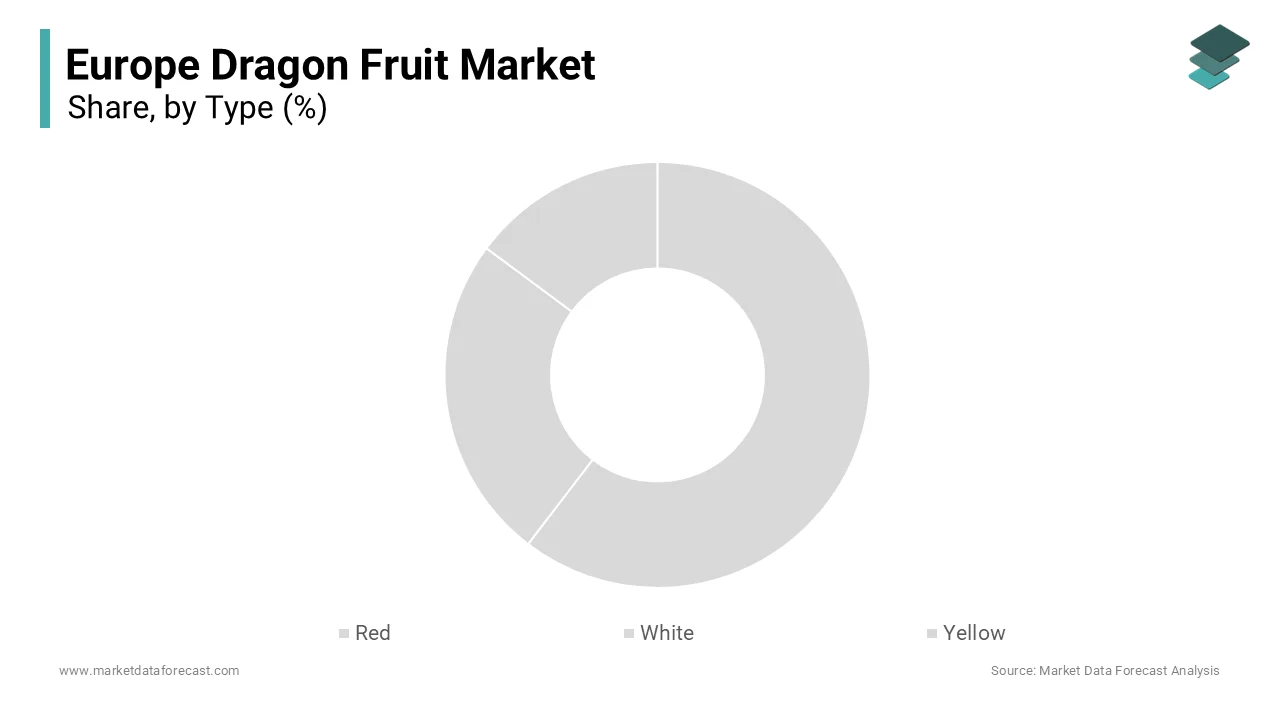
The red flesh dragon fruit segment is projected to register a fastest CAGR of 12.5% during the forecast period owing to the escalating consumer demand for foods with high antioxidant properties and documented health benefits. These compounds are associated with anti-inflammatory effects and cellular protection by aligning with the preventive health trends prevalent in Northern and Western Europe. Retailers have responded by positioning red flesh dragon fruit in premium wellness sections and associating it with detox and immunity boosting regimes. The rise of functional nutrition apps and digital health tracking also encourages consumers to choose foods with higher nutrient profiles. The striking visual appearance of red flesh dragon fruit, which resonates strongly with social media driven food trends and experiential dining culture is also amplifying the growth of Europe dragon fruit market. The vibrant magenta color of the flesh creates highly shareable content on platforms like Instagram and TikTok, influencing purchasing decisions, among younger people. As per the European Digital Marketing Association, food related posts featuring colorful ingredients generate 40% more engagement than those with neutral tones, prompting cafes and restaurants to prioritize red flesh varieties for menus. This visual distinctiveness allows food service operators to command premium pricing for smoothie bowls, desserts, and cocktails that feature the vivid color. Consumers often perceive the intense color as an indicator of higher quality and natural richness, enhancing the perceived value of the product. The trend toward photogenic food experiences has transformed red flesh dragon fruit from a mere ingredient into a lifestyle statement.
By Distribution Channel Insights
The hypermarkets and supermarkets segment by accounting for 55.4% of the Europe dragon fruit market share in 2025 owing to the consumer preference for consolidating grocery purchases into single trips where fresh produce is readily available alongside other household needs. According to Eurostat, over 80% of European households conduct their primary weekly grocery shopping at large format retail stores, ensuring high foot traffic for fresh fruit sections. This consolidation behavior allows retailers to display dragon fruit prominently near high volume items like bananas and apples, increasing visibility and impulse purchases. Supermarkets leverage their purchasing power to secure consistent supply contracts with international exporters by ensuring that dragon fruit is available year round without significant stockouts. The ability to offer competitive pricing through bulk procurement makes exotic fruits more accessible to the mass market compared to specialty stores. Additionally, the presence of loyalty programs and promotional campaigns within these chains drives repeat purchases and trial among price sensitive consumers.
The online segment is lucratively growing at an anticipated CAGR of 15.3% from 2026 to 2034 owing to the surge in online sales is the unparalleled convenience offered by e-commerce platforms, which allow consumers to order fresh produce from the comfort of their homes. Dragon fruit buyers benefit from the ability to browse multiple varieties, compare prices, and read reviews without visiting physical stores, saving time and effort. The integration of rapid delivery services ensures that perishable items like dragon fruit arrive within hours of ordering, maintaining freshness and quality. Retailers leverage algorithms to recommend dragon fruit based on purchase history and seasonal trends, enhancing discovery and trial. The ability to schedule deliveries around personal schedules adds further value for busy households.
REGIONAL ANALYSIS
Germany Dragon Fruit Market Analysis
Germany was the top performer of the Europe dragon fruit market by holding 22.3% of share in 2025 due to its large population, high disposable income, and strong demand for exotic produce. The robust presence of discount and hypermarket chains that have integrated dragon fruit into their standard fresh produce assortments is accelerating the growth of Europe dragon fruit market. According to the German Federal Ministry of Food and Agriculture, expenditure on fresh fruit has remained stable even during economic fluctuations, reflecting a prioritization of health and wellness. The country's central location in Europe also facilitates efficient logistics and distribution from major ports like Hamburg and Rotterdam. German consumers are highly informed about nutritional values, driving demand for red flesh varieties known for antioxidant content. Additionally, the strong vegan and vegetarian communities in cities like Berlin create a steady demand for plant-based ingredients including dragon fruit. The regulatory environment ensures high quality standards which builds consumer trust in imported exotic fruits.
United Kingdom Dragon Fruit Market Analysis
The United Kingdom dragon fruit market is esteemed to grow with its diverse multicultural population and vibrant food service sector. The thriving cafe and smoothie bar culture in London and other major cities, where dragon fruit is a staple ingredient for premium beverages is gearing up the growth of Europe dragon fruit market. Furthermore, the United Kingdom imports significant volumes of fresh produce through ports like Felixstowe by ensuring steady supply chains from Asia and the Americas. The British consumer's willingness to pay for convenience and quality supports the premium pricing of dragon fruit in urban centers. Additionally, the presence of large Asian communities contributes to consistent demand for tropical fruits for cultural and culinary purposes. The trend toward health and wellness has also normalized the consumption of superfruits among the general population.
France Dragon Fruit Market Analysis
France dragon fruit market is expected to witness a fastest CAGR during the forecast period with its strong gastronomic culture and the growing interest in exotic ingredients within haute cuisine. The French market is deeply influenced by the expectation of high quality and aesthetic presentation in all food products. The French consumer's discerning nature demands excellent ripeness and flavor, pushing importers to maintain strict quality control standards. Additionally, the strong tourism industry in regions like the French Riviera introduces visitors to tropical fruits, creating lasting demand upon their return home. The rise of organic farming initiatives has also led to increased availability of certified organic dragon fruit which appeals to environmentally conscious shoppers. The government support for diverse dietary options encourages retailers to stock a wider range of exotic produce.
Netherlands Dragon Fruit Market Analysis
The Netherlands dragon fruit market is anticipated to grow with a global logistics hub and a key entry point for fresh produce into the European Union. Although smaller in population compared to Germany or France, the Netherlands punches above its weight due to the Port of Rotterdam and advanced distribution infrastructure. The highly advanced cold chain facilities ensure minimal post harvest loss and maximum freshness for domestic and transit goods. The Dutch consumer is highly educated about nutrition and sustainability, driving demand for certified and ethically sourced dragon fruit. The concentration of large food trading companies in Amsterdam and Rotterdam enables competitive pricing and rapid market response. Additionally, the strong presence of international expatriates creates a diverse demand base for tropical fruits.
Spain Dragon Fruit Market Analysis
Spain dragon fruit market growth is deemed to grow with its favorable climate for limited local cultivation and a strong tradition of fresh fruit consumption. The Spanish market is evolving as consumers begin to view dragon fruit as a viable alternative to traditional Mediterranean fruits during summer seasons. According to the Spanish Agency for Food Safety and Nutrition, there has been a marked increase in the import of exotic fruits to meet the demand from the hospitality industry. The local production of dragon fruit in southern regions like Andalusia is slowly expanding, reducing reliance on long distance imports for domestic consumption. The Spanish consumer's preference for fresh and natural ingredients aligns well with the clean label perception of dragon fruit. Additionally, the expansion of modern retail formats and e-commerce platforms has improved access to a wider range of products in inland areas.
COMPETITIVE LANDSCAPE
The competition in the Europe dragon fruit market is characterized by intense rivalry among specialized importers, global produce giants, and emerging local distributors who vie for dominance through supply reliability and quality consistency. Major players leverage their extensive global networks to secure direct access to growing regions ensuring steady availability despite seasonal fluctuations or geopolitical disruptions. The market sees frequent innovation in packaging and grading standards as companies strive to meet the exacting requirements of European supermarkets regarding visual appeal and shelf life. Price volatility remains a key differentiator with firms employing hedging strategies and diversified sourcing portfolios to protect margins against currency swings and freight cost spikes. Regulatory compliance regarding phytosanitary standards acts as a significant barrier to entry favoring established entities with resources to navigate complex import protocols. Private label offerings from major retailers add pressure on branded suppliers to justify premium pricing through superior quality or unique variety attributes. Mergers and acquisitions are common tactics used to consolidate market share and gain access to new sourcing regions or distribution technologies.
KEY MARKET PLAYERS
Some of the notable key players in the Europe dragon fruit market are
- Dole Packaged Foods LLC
- Pitaya Foods
- Nam Viet Foods and Beverage Co. Ltd.
- Charoen Pokphand Group
- Tropical Pure Company
- Bai Brands LLC
- Welch’s Global Ingredients Group
- Diana Food (Symrise AG)
- Capricorn Food Products India Ltd.
- Natural Evolution Foods Pty Ltd.
- BranchOut Food Inc.
- FutureCeuticals Inc.
- Sunshine International Co. Ltd.
- Mega We Care Public Co. Ltd.
- Frutco AG
- Tropifruit SAS
- Vina T and T Group
- Sol Organica
- Song Nam ITD Co. Ltd.
- Tropextrakt GmbH
Top Players in the Market
- Nature's Pride B.V. operates as a leading European importer and distributor of exotic fruits with a significant footprint in the dragon fruit sector. The company contributes to the global market by establishing direct partnerships with growers in Vietnam and Colombia to ensure consistent quality and ethical sourcing standards. Recently the firm strengthened its position by investing in advanced ripening facilities and sustainable packaging solutions to reduce waste and extend shelf life. They actively promote traceability initiatives that allow retailers and consumers to verify the origin of their dragon fruit supplies. Their focus on air freight optimization ensures rapid delivery of fresh produce to major European distribution centers. This strategic emphasis on supply chain efficiency and quality control solidifies their role as a preferred partner for supermarkets seeking reliable exotic fruit sources across the continent.
- Total Produce plc, now part of Dole plc, stands as a global giant in fresh produce with extensive involvement in the Europe dragon fruit market through its vast logistics network. The company serves diverse retail channels by providing year-round availability of both white and red flesh dragon fruit varieties sourced from multiple continents. Recent actions to strengthen their market position include integrating digital tracking systems to monitor temperature and humidity during transit, ensuring optimal freshness upon arrival. They have also expanded their portfolio of organic dragon fruit to meet rising consumer demand for certified sustainable options. Their ability to leverage global scale allows them to mitigate supply risks and offer competitive pricing to European buyers. This dedication to innovation and broad distribution capabilities ensures their continued influence and growth within the competitive European exotic fruit landscape.
- Greenyard NV functions as a major European supplier of fresh and prepared fruits with a substantial presence in the dragon fruit market via its specialized exotic division. The company processes and distributes dragon fruit to retail and food service clients across the region, focusing on value-added formats like pre-cut trays. Their global contribution includes developing proprietary varieties that offer improved sweetness and longer shelf life to enhance consumer satisfaction. To strengthen their European position Greenyard recently launched new branding campaigns highlighting the health benefits and culinary versatility of dragon fruit. They have also invested in cold chain infrastructure to minimize post-harvest losses and maintain product integrity. Their commitment to sustainability and responsible sourcing aligns with evolving European regulations and consumer preferences.
Top Strategies Used by Key Market Participants
Key players in the Europe dragon fruit market primarily focus on supply chain optimization and direct sourcing to maintain competitiveness. Companies actively invest in long-term contracts with growers in Asia and South America to secure consistent volumes and stabilize prices against market volatility. Product differentiation drives growth as manufacturers introduce organic certifications and premium red flesh varieties to appeal to health-conscious demographics. Expansion of cold chain infrastructure allows players to reduce spoilage rates and extend the shelf life of perishable imports significantly. Strategic partnerships with retailers enable exclusive launches and prominent shelf placement that enhance brand visibility and consumer trial. Sustainability initiatives including eco-friendly packaging and carbon-neutral logistics resonate with European values and strengthen brand loyalty. Digital traceability tools provide transparency regarding origin and farming practices which builds trust among discerning consumers.
MARKET SEGMENTATION
This research report on the European dragon fruit market has been segmented and sub-segmented based on categories.
By Type
- Red
- White
- Yellow
By Distribution Channel
- Hypermarkets and Supermarket
- Convenience Store
- Online
By Country
- UK
- France
- Spain
- Germany
- Italy
- Russia
- Sweden
- Denmark
- Switzerland
- Netherlands
- Turkey
- Czech Republic
- Rest of Europe
Frequently Asked Questions
1.What is the current size of the Europe dragon fruit market?
The Europe dragon fruit market is witnessing steady growth due to increasing consumer awareness of exotic fruits and their health benefits.
2.What factors are driving the growth of the Europe dragon fruit market?
Key drivers include rising demand for tropical fruits, increasing health consciousness, and expanding availability through retail and online channels.
3.Which countries dominate the Europe dragon fruit market?
Countries such as Germany, the United Kingdom, and France are leading due to higher consumption of imported exotic fruits.
4.What are the common types of dragon fruit available in Europe?
The market primarily includes white flesh, red flesh, and yellow dragon fruit varieties, each differing in taste and nutritional value.
5.How is consumer preference evolving in the Europe dragon fruit market?
Consumers are increasingly preferring organic, fresh, and ready to eat fruit options with high nutritional value.
6.What role does health awareness play in market growth?
Growing awareness about antioxidants, vitamins, and fiber content in dragon fruit is significantly boosting its demand.
7.Who are the key players in the Europe dragon fruit market?
The market includes importers, distributors, and retail chains focusing on sourcing and supply of high quality exotic fruits.
8.What distribution channels are common in the market?
Supermarkets, hypermarkets, specialty stores, and online platforms are the primary distribution channels.
9.How is product innovation shaping the Europe dragon fruit market?
Innovation in packaged fruit products, juices, and smoothies is expanding the application scope of dragon fruit.
10.What challenges does the Europe dragon fruit market face?
Challenges include high import costs, limited shelf life, and supply chain constraints.
Related Reports
Access the study in MULTIPLE FORMATS
Purchase options starting from
$ 2000
Didn’t find what you’re looking for?
TALK TO OUR ANALYST TEAM
Need something within your budget?
NO WORRIES! WE GOT YOU COVERED!
Call us on: +1 888 702 9696 (U.S Toll Free)
Write to us: sales@marketdataforecast.com