- Product Description Description
- Table of Contents TOC
- List of Table & Figure LOT
- Get Free Sample PDF Sample PDF
Market Size, 2025
$20.3 BnMarket Estimate, 2026
$21.27 BnMarket Forecast, 2034
$33.10 BnCAGR, 2026–2034
5.68%Executive Summary: Europe Floriculture Market
- Market Scope: Comprehensive regional analysis of the European floriculture market covering product types, application areas, and extensive country-level breakdowns across the UK, France, Spain, Germany, Italy, Russia, Sweden, Denmark, Switzerland, Netherlands, Turkey, Czech Republic, and the Rest of Europe.
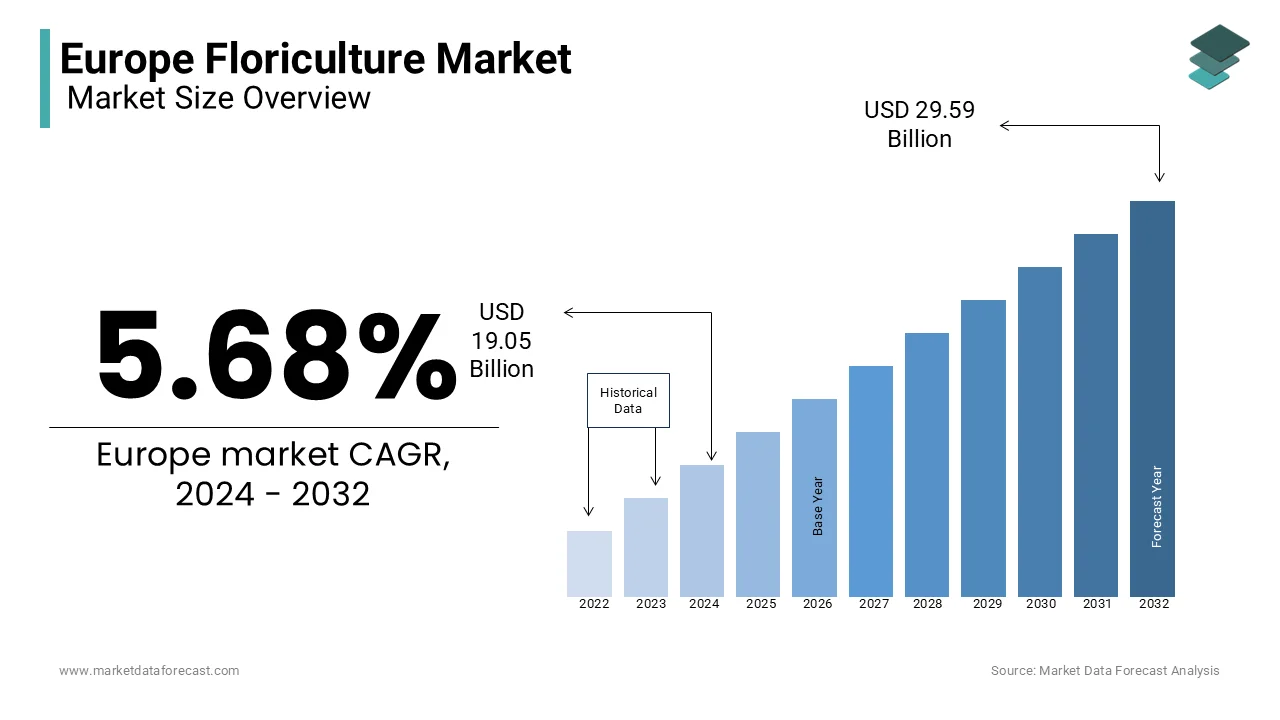
- Market Valuation: Valued at USD 20.13 billion (2025), estimated at USD 21.27 billion (2026), and projected to reach USD 33.10 billion by 2034, registering a steady CAGR of 5.68% (2026–2034).
- Primary Growth Drivers: Rising consumer preference for sustainable and locally sourced floral products, expanding urban gardening trends, and the explosive growth of e-commerce platforms and direct-to-consumer sales.
Key Market Segment Metrics (2026–2034)
| Category | Leading Segment / Position | Fastest-Growing Segment / Scope |
|---|---|---|
| By Product | Cut Flowers (captured a 49.4% share in 2025, driven by entrenched cultural significance, gifting, and event decor) | Potted Plants (projected to grow at a fastest CAGR of 6.8%, propelled by indoor gardening and biophilic design trends) |
| By Application | Personal Use (held the majority share in 2025, anchored by home decoration, self-gifting, and milestone celebrations) | Cosmetics (expected to be the fastest-growing segment at a 7.2% CAGR, driven by natural botanical ingredients in skincare) |
| By Region / Country | The Netherlands & Germany (Netherlands anchors global trade/auctions; Germany is the largest consumer market with highest per capita spending) | United Kingdom and regional e-commerce markets (expanding via direct-to-consumer platforms and sustainability shifts) |
Major Market Players & Competitive Landscape
Market Structure: A highly sophisticated market combining dominant trade hubs, high-tech greenhouse enterprises, and agile direct-to-consumer networks competing on sustainability, vase life innovation, and supply chain transparency.
Key Companies: Syngenta Flowers, Karuturi, Rosebud, Beekenkamp, Queens Group, Dutch Flower Group, Washington Bulb, Finlays, Selecta One, and Dümmen Orange.
Europe Floriculture Market Size
The European floriculture market size was valued at USD 20.13 billion in 2025 and is anticipated to reach USD 21.27 billion in 2026 and USD 33.10 billion by 2034, growing at a CAGR of 5.68% during the forecast period from 2026 to 2034.
MARKET OVERVIEW
Floriculture is a specialized branch of horticulture and agriculture that focuses specifically on the cultivation, management, and marketing of flowering and ornamental plants. This market represents a vital component of the agricultural landscape, blending traditional horticultural practices with modern technological advancements to meet evolving consumer preferences. The industry is characterized by a diverse range of products including roses, tulips, chrysanthemums, and various foliage plants that serve both decorative and ceremonial purposes. As per the European Commission, the European Union dedicates roughly 156,000 hectares to the production of flowers, ornamental plants, and nurseries, giving the region one of the world's highest densities of flower production per hectare. According to TrendEconomy, the Netherlands anchors the global epicenter for floral trade, managing approximately 47% to 50% of all international fresh cut flower exports, supported heavily by its high-tech greenhouse ecosystems and logistical infrastructure. Consumer behavior in Europe demonstrates a strong inclination toward sustainable and locally sourced botanical products, driven by heightened environmental awareness. As per the Royal FloraHolland Marketplace, approximately 11.5 billion items (including cut flowers and plants) are processed through its digital and physical auction networks annually, generating a massive product turnover of over €5.3 to €5.4 billion. The cultural significance of flowers in European traditions, from weddings to memorials, ensures consistent demand throughout the year. Additionally, urban gardening trends have expanded the market scope beyond commercial growers to include individual consumers seeking aesthetic enhancement for living spaces. The integration of digital platforms for direct sales has further transformed distribution channels, enabling growers to reach end users more efficiently while reducing intermediary costs.
MARKET DRIVERS
Rising Consumer Preference For Sustainable And Locally Sourced Floral Products
Regional consumers increasingly prioritize sustainability and local sourcing when purchasing floral products, which is a key factor contributing to the growth of the Europe floriculture market. The European Commission Eurobarometer data on circular economy and environment, nearly 74% to 78% of EU citizens state that they are willing to pay more for environmentally friendly products if they are certified organic or sustainably grown, creating a massive push for eco-certified flowers across major distribution channels. This shift drives demand for flowers grown with minimal chemical inputs and reduced carbon footprints. Local production appeals to buyers who wish to support regional economies while ensuring fresher products with longer vase lives. As per the German Federal Ministry of Food and Agriculture (BMEL), the market volume for flowers and ornamental plants in Germany peaked drastically at over €10 billion during the pandemic and subsequent inflation years, with consumer preferences shifting strongly toward regional greenhouse products. Retailers respond by highlighting origin labels and eco friendly certifications on packaging. The Farm to Fork strategy under the European Green Deal encourages shorter supply chains, benefiting local growers who can market their products as environmentally responsible choices. Consumers associate locally grown flowers with higher quality and ethical production standards, willing to pay premium prices for such attributes. Social media campaigns promoting seasonal blooms further educate buyers about the benefits of reducing long distance transportation emissions. Nurseries adopting organic practices higher customer retention rates compared to conventional operations. This trend compels large importers to invest in local partnerships or establish European based greenhouses to meet demand. The emphasis on transparency regarding growing conditions and labor practices strengthens consumer trust. As environmental consciousness deepens, the market continues to shift. It is moving away from imported bulk flowers toward regionally produced alternatives that align with contemporary values.
Expansion Of Urban Gardening And Indoor Plant Culture
Urbanization across the region fuels significant growth in indoor plant ownership and small scale gardening activities among city dwellers, and thereby fuels the expansion of the Europe floriculture market. According to a study, the indoor potted plant segment alone represents over 40% to 44% of the total European ornamental plant demand, experiencing an unprecedented demand uptick across Western Europe driven by urban demographics. Limited outdoor space in metropolitan areas drives residents to cultivate balconies, terraces, and interior environments with ornamental plants. This trend creates robust demand for compact varieties, hanging baskets, and low maintenance species suitable for apartment living. The psychological benefits of greenery, including stress reduction and improved air quality, motivate consumers to integrate plants into daily life. Sources indicate that low-maintenance indoor plants, notably succulents and air plants, have consistently outperformed traditional outdoor varieties in digital retail spaces since 2021 due to the popularity of urban container gardening. Social media platforms amplify this movement through communities sharing care tips and aesthetic arrangements, inspiring newcomers to participate. Garden centers adapt by offering curated collections designed specifically for urban spaces, accompanied by educational materials. Municipal initiatives supporting green cities encourage rooftop gardens and community plots, further normalizing plant cultivation in dense populations. The pandemic accelerated this shift as people sought comforting hobbies during lockdowns, establishing lasting habits. Manufacturers develop innovative packaging and delivery methods to protect delicate plants during shipping to urban customers. Subscription services providing monthly plant deliveries gain popularity among young professionals seeking convenience. This sustained interest ensures steady revenue streams for growers focusing on retail ready formats tailored to urban lifestyles.
MARKET RESTRAINTS
High Energy Costs Associated With Greenhouse Operations
Greenhouse based floriculture in the region faces severe pressure from escalating energy expenses required for heating, lighting, and climate control, which restricts the growth of the Europe floriculture market. According to Eurostat, household and non-household natural gas prices surged heavily across the EU in 2022, with nations like Czechia climbing by 231% and others doubling, forcing major flower growers to temporarily halt winter greenhouse production. Flowers such as roses and orchids require consistent temperatures between 18 and 22 degrees Celsius, demanding substantial energy input particularly during winter months. Many growers operate on thin margins, making them vulnerable to sudden price spikes that erode profitability. The International Energy Agency states that agriculture accounts for approximately 2 percent of total EU energy consumption, with greenhouses representing a significant portion due to their intensive requirements. Some producers reduce heating periods or switch to less energy intensive crops, limiting product diversity and seasonal availability. Investments in renewable energy sources like solar panels or geothermal systems require considerable upfront capital that small and medium enterprises struggle to afford. Government subsidies exist but often involve complex application processes delaying implementation. The reliance on fossil fuels contradicts sustainability goals, creating reputational risks for brands marketing eco friendly images. Growers in Northern Europe face greater challenges than southern counterparts due to colder climates requiring longer heating durations. This disparity affects competitive balance within the regional market. Without affordable clean energy alternatives, traditional greenhouse operators risk closure or relocating to countries with lower energy costs. Consequently, this shift threatens to reduce domestic production capacity while increasing dependence on imports from regions with cheaper power sources.
Stringent Environmental Regulations Limiting Chemical Usage
The regional flower farmers navigate increasingly strict regulations governing pesticide and fertilizer applications, which hinder the expansion of the Europe floriculture market. This impacts production efficiency and crop yields. The European Union Sustainable Use of Pesticides Directive mandates significant reductions in chemical inputs, requiring growers to adopt integrated pest management strategies. Under the regulatory oversight of the European Commission, the approved database of synthetic active chemical substances available for ornamental plant disease control has shrunk significantly over the last decade, restricting the conventional crop protection options available to flower growers. Compliance demands extensive training, monitoring systems, and record keeping that increase administrative burdens especially for smaller farms. Residue testing protocols impose additional expenses, with non compliant batches facing rejection from major retailers. The Water Framework Directive restricts nutrient runoff, compelling investments in closed loop irrigation systems that recycle water and capture excess fertilizers. According to research, transitioning production facilities to energy-efficient LED configurations or sustainable heating networks requires complex infrastructure investments that run far higher than baseline estimates per hectare. Transition periods create temporary yield declines as growers adjust techniques, affecting short term revenue. Export markets outside Europe may have different standards, complicating compliance for international traders. Consumer expectations for residue free flowers intensify pressure despite higher production costs. While these regulations protect ecosystems and human health, they challenge traditional growing methods and necessitate continuous innovation. Producers lacking resources to adapt risk losing market share to larger entities capable of absorbing compliance costs, potentially consolidating the industry structure.
MARKET OPPORTUNITIES
Growth Of E Commerce Platforms For Direct To Consumer Sales
Digital transformation enables floriculture businesses to bypass traditional wholesale channels and sell directly to consumers through online platforms, which is expected to boost the growth of the Europe floriculture market. This approach captures higher margins and builds brand loyalty. As per research, digital and omnichannel buying journeys have become standard, pushing European floriculture brands to integrate with major online marketplaces and subscription networks to maintain resilient sales volumes. This shift allows growers to control pricing, presentation, and customer experience without intermediary markups. Subscription models offering weekly or monthly deliveries provide predictable revenue streams and enhance customer retention. Shopify case studies shows that florists utilizing a unified commerce ecosystem achieve a 10% to 15% year-over-year expansion in e-commerce average order values by leveraging cross-channel data, real-time inventory tracking, and targeted upsell features. Personalization options such as custom bouquets and gift messages appeal to consumers seeking unique expressions. Mobile applications facilitate easy ordering and tracking, improving convenience for busy urban buyers. Social media integration enables targeted advertising based on user preferences and occasions like birthdays or anniversaries. Logistics improvements including cold chain packaging ensure product quality during transit, addressing previous concerns about freshness. Small growers leverage these platforms to reach national or even international audiences without establishing physical stores. Customer data collected through digital interactions informs inventory planning and marketing strategies, reducing waste from unsold stock. Payment security and return policies build trust essential for online transactions. The direct relationship fosters feedback loops helping producers refine offerings based on real time preferences. This model democratizes market access, allowing niche specialists focusing on rare varieties or sustainable practices to find dedicated customer bases willing to pay premiums for distinctive products aligned with personal values.
Integration Of Smart Technologies In Precision Floriculture
Advanced technologies including Internet of Things sensors, artificial intelligence, and automation revolutionize operations in the Europe floriculture market. This optimizes resource use and enhances crop quality. According to studies, the global installed base of IoT endpoints for precision farming grew by 50% from 2022 to 2024, heavily trickling down to the European commercial greenhouse sector where energy and resource tracking are critical. Sensors monitor temperature, humidity, light intensity, and soil moisture in real time, enabling precise adjustments that maximize growth while minimizing waste. Research initiatives from Wageningen University & Research demonstrate that combining computer vision with artificial intelligence algorithms allows growers to execute precision spot-spraying and identify diseased plants early, dramatically curbing chemical waste and shielding crops from catastrophic failures. Automated irrigation systems deliver exact water quantities based on plant needs, conserving 30 percent more water than traditional methods. Robotics assist with labor intensive tasks like pruning, planting, and sorting, addressing workforce shortages prevalent in rural areas. Drone technology surveys large fields quickly, detecting nutrient deficiencies or pest infestations invisible to human eyes. These innovations improve consistency and scalability, allowing producers to meet stringent retailer specifications reliably. Initial investment costs remain high but decreasing technology prices and government grants for digital agriculture make adoption increasingly feasible. Younger generations entering the sector embrace technological solutions naturally, accelerating transformation. Data driven decision making enhances competitiveness against imports by lowering unit costs and improving quality metrics. Integration with blockchain provides traceability from seed to sale, satisfying consumer demands for transparency. Smart technologies position European floriculture as a high value innovative industry rather than traditional agriculture, attracting investment and talent interested in cutting edge applications.
MARKET CHALLENGES
Labor Shortages Impacting Harvest And Post Harvest Operations
Persistent labor shortages affecting critical stages including harvesting, grading, and packaging of perishable products are negatively impacting the growth of the Europe floriculture market. A study shows a steady, long-term contraction of the permanent agricultural workforce across the EU, leaving high-intensity sectors like ornamental floriculture increasingly dependent on temporary and migrant labor to manage tight harvest timelines. Many native workers avoid these positions preferring service or industrial sectors offering better conditions and stability. Reliance on migrant labor from Eastern Europe and third countries creates vulnerability to policy changes and border restrictions. The National Farmers' Union (NFU), the end of EU free movement triggered severe labor shortages across UK edible and ornamental horticulture, forcing farms to reduce production capacities by up to a third since 2020 due to recruitment deficits. Aging farmer populations compound the problem as fewer young people enter the profession despite technological advances. Training programs fail to attract sufficient participants due to perceived low prestige and irregular hours. Labor costs constitute 35 to 50 percent of total production expenses according to sources, making shortages financially devastating when overtime payments become necessary. Mechanization offers partial solutions but cannot fully replace human dexterity required for delicate flower handling. Delays in processing reduce shelf life and increase waste, damaging relationships with retailers enforcing strict delivery schedules. Some producers relocate operations to countries with abundant labor pools, fragmenting supply chains. Others reduce planted areas limiting market supply and increasing prices for consumers. Addressing this challenge requires comprehensive strategies including improved working conditions, automation investments, and immigration policy reforms to ensure sustainable workforce availability.
Climate Change Induced Weather Volatility Affecting Crop Yields
The increasing frequency of extreme weather events linked to climate change disrupts production cycles and threatens crop reliability within the Europe floriculture market. The European Environment Agency (EEA) report that weather and climate extremes are intensifying, with a staggering 25% of all historical economic losses from EU climate events since 1980 concentrated in the years between 2021 and 2024. Tulip bulbs require specific chilling periods that warmer winters fail to provide, reducing bloom quality and quantity in traditional growing regions like the Netherlands. Heavy rainfall causes root rot and fungal diseases, destroying entire batches before harvest. Drought conditions stress plants requiring expensive supplemental irrigation that strains water resources already under pressure. The Intergovernmental Panel on Climate Change projects that Southern Europe will experience 20 percent less precipitation by 2050, severely challenging Mediterranean flower producers. Unexpected temperature fluctuations confuse plant biological clocks, leading to asynchronous flowering that misses peak market demand periods such as Valentine Day or Mother’s Day. Insurance premiums rise as risks escalate, adding financial burdens to growers already facing tight margins. Adaptation measures including shade structures, windbreaks, and diversified planting schedules require capital investments not all producers can afford. Genetic research develops resilient varieties but deployment takes years. Supply chain disruptions from weather damaged infrastructure delay deliveries causing contractual penalties. Consumers notice inconsistent availability and higher prices, potentially shifting preferences toward artificial alternatives. Long term viability depends on developing climate resilient practices and relocating certain productions to more stable regions, fundamentally restructuring the geographic distribution of European floriculture activities.
REPORT COVERAGE
| REPORT METRIC | DETAILS |
| Market Size Available | 2025 to 2034 |
| Base Year | 2025 |
| Forecast Period | 2026 to 2034 |
| CAGR | 5.68% |
| Segments Covered | By Product, Application, And Country |
| Various Analyses Covered | Regional & Country Level Analysis, Segment-Level Analysis, DROC, PESTLE Analysis, Porter’s Five Forces Analysis, Competitive Landscape, Analyst Overview of Investment Opportunities |
| Regions Covered | UK, France, Spain, Germany, Italy, Russia, Sweden, Denmark, Switzerland, Netherlands, Turkey, Czech Republic, and the Rest of Europe |
| Market Leaders Profiled | Syngenta Flowers, Karuturi, Rosebud, Beekenkamp, Queens Group, Dutch Flower Group, Washington Bulb, Finlays, Selecta One, and Dümmen Orange. |
SEGMENT ANALYSIS
By Product Insights
The cut flowers segment was the largest in the Europe floriculture market and occupied a 49.4% share in 2025. Its entrenched cultural significance and high consumption frequency across various social occasions have contributed to the supremacy of this segment. The demand for cut flowers remains robust because they serve as essential elements in celebrations, condolences, and romantic gestures throughout the year. According to the Royal FloraHolland Marketplace, cut flowers make up the overwhelming majority, roughly 75% to 80%, of total unit volume handled on the platform, led by highly traded varieties such as roses and tulips. The Netherlands alone exports over 6 billion cut flower stems annually, demonstrating the massive scale of this segment. Consumer preference for fresh, vibrant blooms drives continuous innovation in vase life extension technologies and cold chain logistics. European horticultural trade associations reveal that per capita spending on flowers and indoor plants in key Western European markets averages around €40 to €50 annually, with countries like Germany and the Netherlands displaying the highest individual consumption rates. The gifting culture in countries like Germany and France sustains steady demand, particularly during peak seasons such as Valentine’s Day and Mother’s Day. Retailers leverage seasonal promotions and subscription services to maintain consistent sales volumes. The visual appeal and immediate emotional impact of cut flowers make them irreplaceable compared to other plant types. Furthermore, the integration of cut flowers into interior design trends boosts commercial demand from hotels, restaurants, and event venues. This segment benefits from established distribution networks that ensure rapid delivery from growers to consumers, preserving freshness and quality. The dominance of cut flowers is further reinforced by breeding programs that introduce new colors and varieties, keeping consumer interest high and driving repeat purchases.
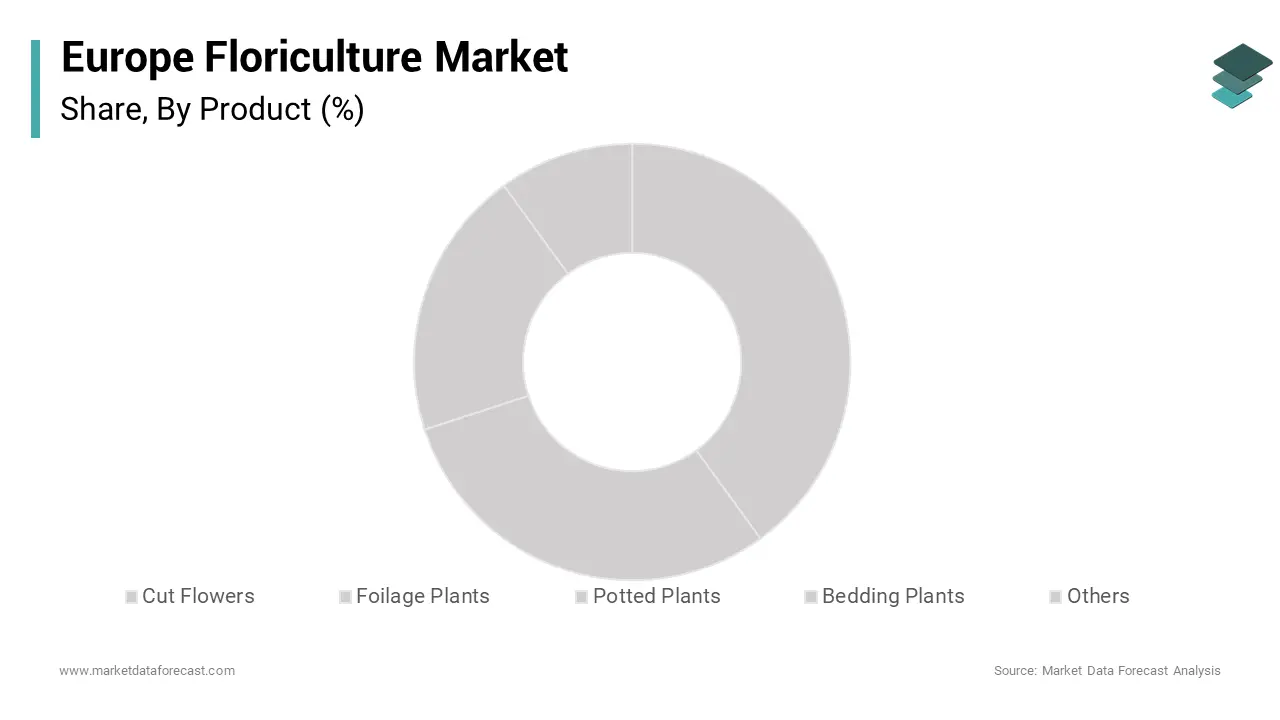
On the contrary, the potted plants segment is likely to experience the fastest CAGR of 6.8% from 2026 to 2034 due to the rising popularity of indoor gardening and the perception of potted plants as long lasting decorative assets rather than temporary gifts. According to sources, indoor potted plants command nearly 40% to 44% of the broader ornamental market value in Europe, maintaining a historically elevated consumption baseline post-2020 due to interior landscaping trends. The psychological benefits of caring for living plants, including stress reduction and improved mental well being, motivate consumers to invest in durable species like orchids, succulents, and foliage plants. Online retailers report that potted plants have higher customer retention rates because buyers return for care accessories and additional varieties. The trend toward biophilic design in offices and homes fuels corporate and residential demand. Manufacturers respond by developing low maintenance varieties suited for beginners, expanding the customer base beyond experienced gardeners. Social media influencers showcase creative planting arrangements, inspiring younger demographics to participate. The longevity of potted plants offers better value perception compared to cut flowers that wilt within days. Additionally, the rise of plant subscription services provides convenient access to curated selections, removing barriers for novice owners. Government initiatives promoting urban greening further support this segment by encouraging balcony and terrace gardening. The versatility of potted plants allows them to fit various interior styles, ensuring broad appeal across different consumer segments.
By Application Insights
In 2025, the personal use segment held the majority share of the Europe floriculture market because of deep rooted traditions of using flowers for home decoration, gifting, and personal enjoyment. Consumers purchase flowers primarily to enhance their living environments, celebrate milestones, and express emotions to loved ones. Studies indicate that consumer self-purchases for interior home decoration drive over half of total retail floral sales, representing a foundational recurring revenue stream for independent garden centres and supermarkets alike. The tradition of giving flowers on birthdays, anniversaries, and holidays ensures consistent demand throughout the year. The rise of self gifting trends, where individuals buy flowers for their own well being, has further expanded this segment. Social media platforms amplify this behavior by showcasing aesthetically pleasing floral arrangements that inspire imitation. Retailers capitalize on this by offering affordable bouquets and impulse buy displays in supermarkets and convenience stores. The emotional connection consumers feel with flowers makes them willing to spend on premium varieties for special occasions. Additionally, the increasing focus on mental health and home comfort post pandemic has reinforced the role of flowers in personal wellness routines. Consumers view flowers as affordable luxuries that provide immediate joy and beautify spaces. This segment benefits from widespread availability through multiple channels including online platforms, florists, and grocery stores, ensuring easy access for everyday purchases.
However, the cosmetics application segment is on the rise and is expected to be the fastest growing segment in the market by witnessing a CAGR of 7.2% during the forecast period, owing to the increasing demand for natural and botanical ingredients in skincare and beauty products. Consumers are shifting away from synthetic chemicals toward plant based alternatives perceived as safer and more effective. The clean beauty movement drives brands to source high quality floral ingredients for their antioxidant, anti inflammatory, and aromatic properties. Rose water and essential oils derived from flowers are staple components in toners, serums, and perfumes. The luxury skincare sector particularly values rare floral extracts for their exclusivity and efficacy. Regulatory support for natural ingredients under the EU Cosmetics Regulation encourages formulation innovation. Brands highlight sustainable sourcing practices to appeal to environmentally conscious buyers. The synergy between floriculture and cosmetics creates new revenue streams for growers who can supply specialized varieties for extraction. Research and development investments focus on optimizing yield and potency of floral compounds. Collaborations between flower growers and cosmetic manufacturers ensure consistent supply chains. This segment benefits from the premium pricing power of beauty products, allowing for higher margins compared to traditional floral sales. The trend toward holistic wellness further integrates floral cosmetics into daily self care rituals.
REGIONAL ANALYSIS
Netherlands Floriculture Market Analysis
The Netherlands led the Europe floriculture market and captured a substantial share in 2025. It serves as the global hub for flower trading and innovation. The country produces and exports a dominant share of the global flower industry, but its direct control over global export value sits closer to 50% to 52%. However, when looking at specific segments like global cut flower exports alone, it accounts for roughly 60% of the trade. Royal FloraHolland reports that over 12 billion stems pass through Dutch auctions annually, generating billions in revenue. The nation’s strategic location, efficient transport networks, and expertise in greenhouse technology enable it to dominate both production and distribution. Dutch growers lead in research and development, introducing new varieties and sustainable growing methods that set industry standards. The government supports the sector through policies promoting circular agriculture and energy efficiency. The cluster effect of suppliers, researchers, and traders in regions like Aalsmeer creates a competitive ecosystem that drives continuous improvement. Export oriented strategies allow Dutch companies to serve markets worldwide while maintaining strong domestic consumption. The emphasis on sustainability aligns with European Union goals, enhancing the reputation of Dutch flowers as environmentally responsible choices. Investment in digital platforms and automation ensures operational efficiency despite labor constraints. The Netherlands serves as a benchmark for other European countries seeking to modernize their floriculture industries. Its influence extends beyond borders through knowledge transfer and international partnerships. The robust infrastructure minimizes post harvest losses, ensuring high quality products reach consumers globally. This leadership position is sustained by constant adaptation to market trends and technological advancements.
Germany Floriculture Market Analysis
Germany maintained a strong position in the Europe floriculture market in 2025. It is the largest consumer market for floriculture products in the region. This demand is driven by high per capita spending and a strong preference for premium, quality flowers. German consumers actually spend significantly more. On a per capita basis (per individual), Germans spent an average of €102 annually on flowers and plants, with past peaks hitting up to €108. Out of this total, about €36 to €37 per capita goes strictly toward cut flowers, according to the German Federal Ministry of Food and Agriculture. The country’s robust economy and affluent population support premium product preferences. Cultural traditions such as visiting gravesites with flowers and celebrating religious festivals drive consistent demand. The retail landscape features a mix of specialized florists, supermarket chains, and online platforms catering to diverse consumer needs. Sustainability is a key concern for German buyers, who prefer locally grown and certified organic flowers. The government promotes regional production through subsidies and environmental regulations that encourage eco friendly practices. Urban gardening trends are particularly strong in cities like Berlin and Munich, where space constraints drive innovation in vertical and indoor gardening. The DIY sector benefits from this interest, with garden centers reporting increased sales of potted plants and gardening supplies. Labor shortages pose challenges but are mitigated by automation investments in larger operations. Germany’s central location facilitates efficient distribution to neighboring countries. The market is mature but continues to evolve with digitalization and changing consumer lifestyles. Strong consumer protection laws ensure product quality and transparency, building trust in the floral supply chain.
United Kingdom Floriculture Market Analysis
The United Kingdom plays a key role in the Europe floriculture market, despite Brexit related disruptions to labor and trade flows. There is strong demand for both imported and domestically grown products. British consumers value freshness and provenance, driving interest in locally sourced blooms. The wedding and event industry remains a major driver, with couples increasingly opting for seasonal and British grown flowers. Supermarkets play a crucial role in distribution, offering affordable bouquets that appeal to mass market buyers. Online florists have gained prominence, providing convenience and personalized services. The climate poses challenges for year round outdoor production, necessitating greenhouse investments. Energy costs impact profitability, prompting shifts toward energy efficient technologies. Consumer awareness of carbon footprints influences purchasing decisions, favoring local options over air freighted imports. Government initiatives support horticultural education and innovation to strengthen the sector. The UK market is characterized by diversity in consumer preferences, ranging from traditional roses to exotic varieties. Post Brexit adjustments continue to shape trade dynamics, with efforts to streamline customs procedures for perishable goods. The resilience of the UK floriculture sector lies in its adaptability and strong domestic demand.
France Floriculture Market Analysis
France witnessed a steady growth in the Europe floriculture market. It is renowned for its appreciation of aesthetic beauty and its strong cultural attachment to flowers. The French market is driven by high consumption in urban centers like Paris. The perfume industry in Grasse creates additional demand for specific floral varieties such as jasmine and rose, linking floriculture with luxury cosmetics. French consumers prioritize quality and origin, often preferring flowers from local producers or neighboring European countries. The artisanal florist sector remains vibrant, with skilled designers creating bespoke arrangements for special occasions. Sustainable practices are gaining traction, with certifications like Label Rouge ensuring ethical production standards. Urban farming initiatives in cities promote community engagement and local food and flower production. The tourism sector boosts demand for floral decorations in hotels and restaurants. Government support for agricultural innovation helps growers adopt efficient technologies. Challenges include competition from cheaper imports and rising production costs. However, the strong cultural identity associated with French flowers provides a competitive advantage. The market evolves with digital trends while maintaining traditional values. France’s influence extends through its fashion and lifestyle sectors, setting trends that resonate across Europe.
Italy Floriculture Market Analysis
Italy is another key player in the Europe floriculture market by leveraging its favorable climate and rich horticultural heritage to produce high quality flowers and ornamental plants. The Italian floriculture sector contributes approximately 2.5 billion euros to the national economy, with significant export activities to Northern Europe. According to ISMEA, the Italian Institute for Services Agricultural Food Markets, the country specializes in Mediterranean species such as carnations, chrysanthemums, and olive trees. The northern regions like Liguria and Tuscany are major production hubs, benefiting from mild winters and advanced greenhouse technologies. Italian consumers value aesthetics and design, driving demand for innovative arrangements and unique varieties. The wedding and event industry is a key driver, with couples seeking elaborate floral decorations. Sustainability initiatives focus on water conservation and reduced chemical usage, aligning with European environmental goals. The integration of floriculture with tourism enhances visibility, as visitors appreciate local gardens and nurseries. Labor availability remains a challenge, addressed through mechanization and training programs. The domestic market is supported by strong retail networks including specialized shops and supermarkets. Italian growers compete on quality and design rather than price, appealing to premium segments. Export opportunities expand through trade agreements and participation in international fairs. The sector benefits from government incentives for modernization and young farmer entry. Italy’s combination of tradition and innovation ensures its continued relevance in the European market.
COMPETITIVE LANDSCAPE
The Europe floriculture market features intense competition characterized by a mix of large multinational corporations regional cooperatives and small independent growers. Established players leverage economies of scale advanced technologies and extensive distribution networks to maintain dominant positions while smaller entities compete through specialization unique varieties and personalized customer service. The market structure encourages continuous innovation as companies strive to differentiate their offerings through sustainable practices novel breeds and enhanced customer experiences. Price competition remains significant particularly for standard varieties but premium segments allow for value based differentiation. Consolidation trends are evident as larger entities acquire smaller competitors to expand geographic reach and product ranges. Cross border trade within the European Union facilitates competitive dynamics by enabling efficient flow of goods and best practices. New entrants face high barriers due to capital requirements regulatory compliance and established brand loyalty yet digital platforms lower entry thresholds for niche operators. Competitive advantage increasingly depends on agility sustainability credentials and ability to adapt to rapid changes in consumer behavior and environmental conditions. Collaboration alongside competition defines the landscape as stakeholders work together on industry wide challenges such as climate change and labor shortages while vying for market share.
KEY MARKET PLAYERS
These are the market players that are dominating the europe floriculture market.
- Syngenta Flowers
- Karuturi
- Florensis
- Royal FloraHolland
- Dümmer Group
- Rosebud
- Beekenkamp
- Queens Group
- Dutch Flower Group
- Washington Bulb
- Finlays
- Selecta One
- Dümmen Orange
Top Players In The Market
- Royal FloraHolland operates as the world largest flower auction cooperative and serves as the central hub for global floral trade. The organization connects thousands of growers with buyers across continents through its advanced digital trading platforms. Recent initiatives focus on sustainability by implementing energy efficient logistics and promoting circular economy practices within the supply chain. The company invests heavily in data analytics to provide members with market insights and demand forecasting tools. By facilitating seamless transactions and ensuring quality standards, Royal FloraHolland strengthens the position of European growers in international markets. Their commitment to innovation includes developing blockchain solutions for traceability and transparency. This approach enhances consumer trust and supports premium pricing for certified sustainable products. The cooperative model ensures that benefits are distributed among members while maintaining competitive operational efficiency.
- Dümmer Group stands as a leading international producer and distributor of potted plants and cut flowers with extensive greenhouse facilities across Europe. The company specializes in high quality ornamental plants including poinsettias and chrysanthemums serving major retail chains and garden centers. Recent strategies involve expanding production capacity in Eastern Europe to optimize costs and improve supply chain resilience. Dümmer Group prioritizes sustainable cultivation methods by reducing water usage and minimizing chemical inputs through integrated pest management. They actively collaborate with retailers to develop exclusive varieties that differentiate their offerings in crowded marketplaces. Investment in automated harvesting technologies helps address labor shortages while maintaining consistent product quality. The group focuses on building long term partnerships with customers by ensuring reliable delivery schedules and superior post harvest handling. Their emphasis on innovation drives continuous improvement in growing techniques and product development.
- Florensis is a prominent global breeder and producer of young plants specializing in ornamental varieties for professional growers and home gardeners. The company offers an extensive portfolio of annuals perennials and foliage plants known for their vigor and aesthetic appeal. Recent efforts concentrate on breeding disease resistant and climate adaptive varieties that meet evolving environmental regulations and consumer preferences. Florensis expands its research and development capabilities by establishing new trial stations in key European regions. They provide comprehensive support services including cultivation advice and marketing materials to help customers succeed. The company emphasizes sustainability by optimizing resource use in propagation facilities and reducing plastic waste in packaging. Strategic partnerships with local distributors enhance market reach and ensure timely availability of new introductions. Florensis leverages digital tools to streamline ordering processes and improve customer experience. Their focus on quality and innovation solidifies their reputation as a trusted partner in the floriculture industry.
Top Strategies Used By Key Market Participants
Key players in the Europe floriculture market employ diversification strategies to mitigate risks associated with seasonal demand fluctuations and changing consumer preferences. Companies expand their product portfolios to include rare and exotic varieties that command higher margins and attract niche customer segments. Sustainability initiatives form a core strategic pillar as firms invest in renewable energy sources water recycling systems and organic cultivation methods to comply with stringent environmental regulations. Digital transformation accelerates through the adoption of e commerce platforms direct to consumer models and data analytics tools that enhance operational efficiency and customer engagement. Strategic partnerships and collaborations with retailers logistics providers and research institutions enable companies to strengthen supply chains and access new markets. Investment in automation and robotics addresses labor shortages while improving productivity and consistency in production processes. Brand building efforts focus on storytelling and transparency to connect emotionally with consumers who value ethical sourcing and environmental responsibility. These multifaceted strategies ensure competitiveness and long term viability in a dynamic market landscape.
MARKET SEGMENTATION
This research report on the European floriculture market is segmented and sub-segmented into the following categories.
By Product Type
- Cut Flowers
- Foilage Plants
- Potted Plants
- Bedding Plants
- Others
By Application
- Personal Use
- Cosmetics
- Pharmaceuticals
- Others
By Country
- United Kingdom
- France
- Spain
- Germany
- Italy
- Russia
- Sweden
- Denmark
- Switzerland
- Netherlands
- Rest of Europe