- Product Description Description
- Table of Contents TOC
- List of Table & Figure LOT
- Get Free Sample PDF Sample PDF
Market Size, 2025
$0.16 BnMarket Estimate, 2026
$0.19 BnMarket Forecast, 2034
$0.56 BnCAGR, 2026–2034
14.59%Executive Summary: Latin America Body Contouring Devices Market Size & Trends
- Market Scope: Comprehensive analysis of the Latin American body contouring devices market covering product segments (non-invasive devices, cryolipolysis) and key country-level adoption frameworks across Brazil, Mexico, Argentina, Chile, and the rest of the region.
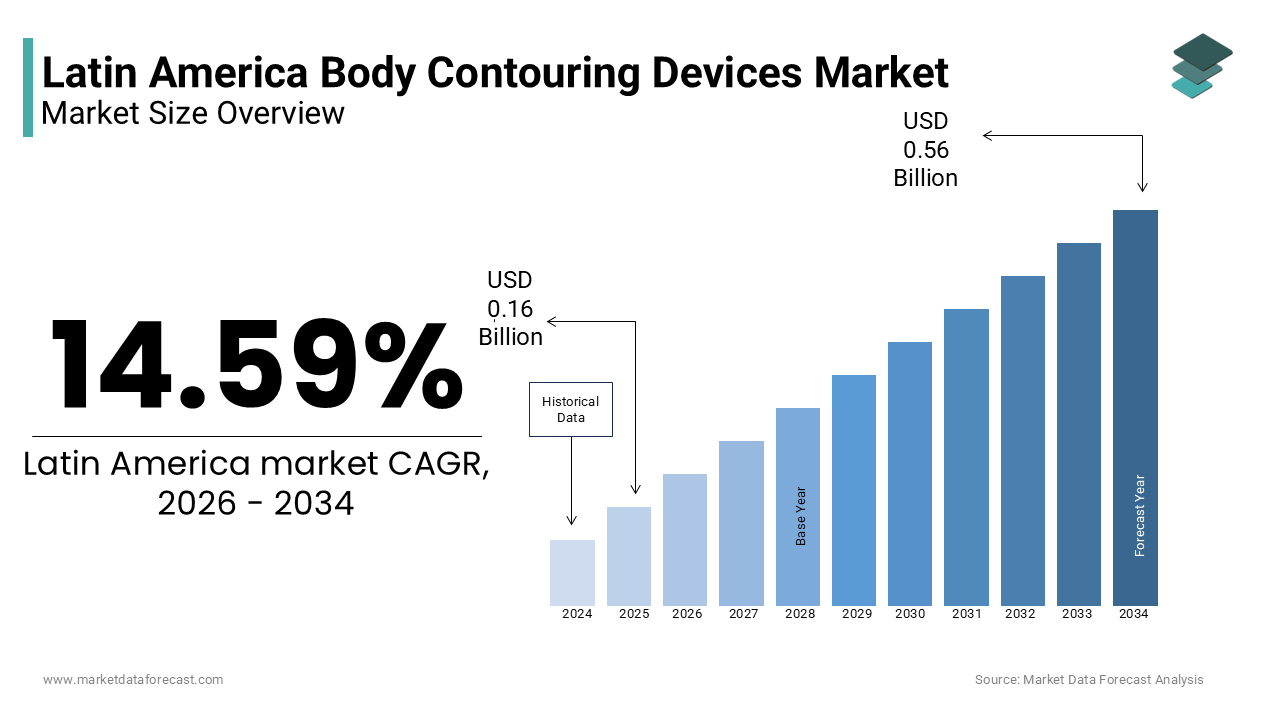
- Market Valuation: Valued at USD 0.16 billion (2025), estimated at USD 0.19 billion (2026), and projected to reach USD 0.56 billion by 2034, registering a strong CAGR of 14.59% (2026–2034).
- Primary Growth Drivers: High prevalence of obesity and overweight adult populations (exceeding 50% in several countries), strong cultural emphasis on physical appearance and body aesthetics, and the booming medical tourism sector in nations like Mexico, Colombia, and Brazil.
Key Latin America Body Contouring Devices Market Segment Metrics (2026–2034)
| Category | Leading Segment (2025 Position) | Fastest-Growing / Dynamic Segment |
|---|---|---|
| By Product | Non-invasive devices (held dominant market share due to zero downtime and safety profiles) | Cryolipolysis segment (projected CAGR of 15.4% driven by clinical validation and high patient trust) |
| By Country | Brazil (led the market as the regional hub for aesthetic culture and high cosmetic procedure density) | Mexico (scaling up specialized medical tourism and non-surgical fat reduction infrastructure) |
Major Market Players & Competitive Landscape
Market Structure: Highly competitive landscape featuring global medical aesthetic pioneers and regional distributors competing through localized clinical education, flexible financing models, and comprehensive after-sales support networks.
Key Companies: Meridian, Cynosure, Lumenis, Alma Lasers, Syneron, Palomar Medical Technologies, Allergan Aesthetics, BTL Aesthetics, Merz Aesthetics, and Others.
Latin America Body Contouring Devices Market Size
The Latin America body contouring devices market size was valued at USD 0.16 billion in 2025 and is anticipated to reach USD 0.19 billion in 2026 from USD 0.56 billion by 2034, growing at a CAGR of 14.59% during the forecast period from 2026 to 2034.
The Latin American body contouring devices market is characterized by a strong cultural emphasis on physical appearance and body image, which drives consistent demand for cosmetic enhancements across various demographics. According to the International Society of Aesthetic Plastic Surgery, Brazil consistently ranks among the top countries globally for cosmetic procedures per capita, reflecting a deep-seated societal acceptance of aesthetic treatments. Furthermore, data from the Pan American Health Organization indicates that obesity rates in Latin America have risen sharply, with over 50% of adults in several nations classified as overweight or obese, creating a substantial patient pool seeking body modification solutions. The proliferation of medical tourism in countries like Mexico, Colombia, and Argentina further amplifies market activity as international patients seek high-quality affordable care. Technological advancements such as cryolipolysis, radiofrequency, and high-intensity focused electromagnetic energy have expanded the therapeutic options available to clinicians. These innovations allow for personalized treatment plans that address specific anatomical concerns. As disposable incomes rise and awareness of advanced aesthetic technologies spreads through digital media, the adoption of body contouring devices continues to accelerate, positioning Latin America as a dynamic and evolving hub for aesthetic medicine.
MARKET DRIVERS
High Prevalence of Obesity and Overweight Population Drives Demand
The escalating prevalence of obesity and overweight conditions is a key factor propelling the growth of the Latin American body contouring devices market. As per the World Health Organization, more than 50% of the adult population in several Latin American countries including Mexico and Argentina is classified as overweight or obese. This widespread health issue creates a large demographic of individuals who struggle with stubborn fat deposits that are resistant to diet and exercise alone. Consequently, there is a growing preference for non-surgical interventions that can target specific areas such as the abdomen, thighs, and flanks without the risks associated with traditional liposuction. The cultural stigma surrounding excess weight further motivates individuals to seek effective solutions for body reshaping. Additionally, the rise in lifestyle-related diseases such as type 2 diabetes and cardiovascular conditions has increased health consciousness, prompting people to invest in their physical well-being and appearance. Clinics report a steady increase in consultations for non-invasive fat reduction treatments as patients seek safer alternatives to surgery. The availability of advanced technologies like cryolipolysis which freezes fat cells and radiofrequency which tightens skin provides viable options for this large patient base. This demographic reality ensures a sustained and robust demand for body contouring devices as healthcare providers expand their service offerings to meet the needs of an increasingly health-conscious yet weight-challenged population.
Strong Cultural Emphasis on Aesthetics and Medical Tourism
Latin America possesses a deeply ingrained cultural appreciation for physical beauty and body aesthetics, which significantly fuels the demand for body contouring procedures and is contributing to the regional market expansion. Countries such as Brazil, Colombia, and Venezuela are globally renowned for their high rates of cosmetic surgeries and aesthetic treatments per capita. According to the International Society of Aesthetic Plastic Surgery, Brazil frequently ranks second only to the United States in the total number of cosmetic procedures performed annually. This cultural norm normalizes aesthetic enhancements and encourages individuals to invest in maintaining an ideal physique. Furthermore, the region has emerged as a major destination for medical tourism, attracting patients from North America and Europe who seek high-quality treatments at lower costs. According to the Ministry of Tourism in Mexico, medical tourism contributes billions of dollars to the national economy, with body contouring being one of the most sought-after services. Clinics in major cities like Buenos Aires and Bogota have invested heavily in state-of-the-art body contouring devices to cater to both local and international clientele. The competitive nature of the aesthetic industry in these countries drives continuous adoption of the latest technologies to maintain a competitive edge. This combination of cultural acceptance and economic incentive from medical tourism creates a fertile environment for the growth of the body contouring devices market, ensuring steady expansion and innovation in service delivery.
MARKET RESTRAINTS
High Cost of Advanced Devices and Treatment Sessions
The substantial financial cost associated with acquiring advanced body contouring devices and the resulting high price of treatment sessions is a significant restraint for market penetration in Latin America. Many cutting-edge technologies such as high-intensity focused electromagnetic systems and laser lipolysis units require significant capital investment ranging from 50,000 USD to 150,000 USD per machine. This high entry barrier limits the ability of smaller clinics and independent practitioners in less affluent regions to offer these services. Consequently, access to advanced body contouring remains concentrated in major urban centers and private hospitals catering to high-income individuals. According to the Economic Commission for Latin America and the Caribbean, poverty rates in the region remain elevated, with approximately 30% of the population living below the poverty line. This economic disparity restricts the addressable market for premium aesthetic treatments, which are often considered discretionary expenses. Even for middle-class consumers, the cost of multiple sessions required to achieve desired results can be prohibitive. Insurance companies typically do not cover cosmetic procedures, leaving patients to bear the full financial burden. This economic constraint slows down the widespread adoption of new technologies and limits market growth to wealthier segments of society. Manufacturers face challenges in pricing their products competitively while maintaining profitability, thereby restricting the diffusion of innovative body contouring solutions across broader socioeconomic groups in the region.
Regulatory Heterogeneity and Approval Delays
The lack of harmonized regulatory frameworks across Latin American countries creates significant hurdles for the timely introduction and distribution of body contouring devices, which is further impeding the regional market growth. Each nation maintains its own distinct regulatory authority and approval process, leading to fragmented market entry strategies for manufacturers. For instance, while Brazil’s National Health Surveillance Agency has rigorous evaluation protocols, other countries may have less structured or slower approval mechanisms. According to the Pan American Health Organization, discrepancies in regulatory standards can delay product launches by 12 to 24 months depending on the country. This inconsistency increases compliance costs and operational complexity for global device manufacturers who must navigate varying documentation requirements, clinical trial expectations, and post-market surveillance rules. In some cases, outdated regulations fail to address newer non-invasive technologies, causing uncertainty regarding classification and safety standards. Small and medium-sized enterprises often lack the resources to manage multi-country regulatory submissions effectively, limiting competition and innovation. Furthermore, the absence of regional mutual recognition agreements means that approval in one country does not facilitate entry into neighboring markets. This regulatory fragmentation hinders the rapid dissemination of safe and effective body contouring technologies to patients who could benefit from them. Until greater regulatory alignment is achieved, the market will continue to face inefficiencies that slow down growth and limit patient access to the latest aesthetic innovations.
MARKET OPPORTUNITIES
Expansion of Non-Invasive Technologies and Patient Preference
The growing preference for non-invasive and minimally invasive body contouring procedures is a substantial opportunity for market expansion in Latin America. Patients are increasingly seeking treatments that offer noticeable results without the risks, pain, and extended recovery times associated with surgical liposuction. Technologies such as cryolipolysis, radiofrequency, and ultrasound cavitation have gained popularity due to their safety profiles and convenience. According to a survey by the American Society for Dermatologic Surgery, non-invasive body contouring procedures have seen double-digit growth rates globally as patients prioritize minimal downtime. In Latin America, this trend is amplified by the busy lifestyles of urban professionals who cannot afford lengthy recovery periods. Clinics are responding by diversifying their service portfolios to include a wider range of non-surgical options. Manufacturers can capitalize on this shift by introducing compact, user-friendly devices that are easier to operate and require less specialized training. Additionally, the development of combination therapies that integrate multiple technologies for enhanced efficacy offers a premium service model. As awareness of these alternatives spreads through social media and influencer marketing, the potential customer base expands beyond traditional surgical candidates. This shift toward non-invasive solutions opens new revenue streams for device makers and allows clinics to attract a broader demographic, including younger patients and those hesitant about surgery, thereby driving sustained market growth.
Rising Disposable Income and Middle Class Growth
The steady growth of the middle class and rising disposable incomes in key Latin American economies create a favorable environment for the expansion of the body contouring devices market. As economic stability improves in countries like Chile, Peru, and Colombia, more individuals have the financial capacity to spend on elective aesthetic procedures. According to the World Bank, the middle class in Latin America has expanded significantly over the past decade, with millions of people moving out of poverty and into higher income brackets. This economic empowerment enables greater spending on personal care and wellness services, including body contouring. Financial institutions are also offering flexible payment plans and financing options for cosmetic treatments, making them more accessible to a wider audience. Clinics are leveraging these financial tools to attract patients who might otherwise defer treatment due to upfront costs. Furthermore, the increasing presence of international aesthetic chains in the region brings standardized pricing and promotional strategies that stimulate demand. As consumers become more financially secure, they prioritize self-improvement and appearance, viewing body contouring as an investment in their confidence and professional image. This economic tailwind supports the adoption of higher-end devices and encourages clinics to upgrade their equipment to meet the expectations of a more affluent clientele, thereby driving market expansion.
MARKET CHALLENGES
Shortage of Trained Professionals and Standardized Protocols
A critical challenge facing the Latin America body contouring devices market is the shortage of adequately trained professionals and the lack of standardized treatment protocols. While the technology for non-invasive body contouring is becoming more accessible, the expertise required to operate these devices safely and effectively is not uniformly distributed. According to the Latin American Society of Aesthetic Medicine, there is a significant gap in formal training programs for practitioners using advanced energy-based devices. This skills deficit can lead to inconsistent treatment outcomes and increased risk of adverse events such as burns or paradoxical adipose hyperplasia. In many countries, aesthetic procedures can be performed by individuals with varying levels of medical qualification, leading to variability in care quality. The absence of unified certification standards makes it difficult for patients to identify qualified providers. Clinics often struggle to find staff who are proficient in the latest technologies, requiring significant investment in ongoing education. This training bottleneck limits the speed at which new devices can be adopted and scaled across the region. Furthermore, negative experiences due to improper technique can damage consumer trust in non-invasive treatments, slowing market growth. Addressing this human resource challenge requires collaborative efforts between manufacturers, medical associations, and educational institutions to develop comprehensive training curricula and certification processes that ensure high standards of practice.
Counterfeit Devices and Unregulated Market Practices
The prevalence of counterfeit and unapproved body contouring devices poses a significant threat to patient safety and market integrity in Latin America. The high demand for aesthetic treatments combined with lax enforcement in certain areas has led to a flourishing black market for cheap imitation devices. According to Interpol, seizures of counterfeit medical devices in the region have increased, with many fake units lacking proper safety mechanisms and efficacy validation. These substandard products often fail to deliver promised results and can cause serious injuries including skin necrosis and nerve damage. The use of such devices undermines consumer confidence in legitimate body contouring treatments and damages the reputation of established manufacturers. Clinics that cut costs by purchasing unauthorized equipment contribute to this problem, creating an uneven playing field for compliant businesses. Regulatory bodies in many Latin American countries lack the resources to effectively monitor and shut down illegal operations. This regulatory gap allows unqualified practitioners to offer dangerous treatments at low prices, attracting price-sensitive consumers. The resulting adverse events generate negative publicity that can deter potential patients from seeking professional care. Combating this challenge requires stronger regulatory enforcement, public awareness campaigns about the risks of unapproved devices, and stricter supply chain controls to ensure that only certified and safe equipment reaches the market.
REPORT COVERAGE
| REPORT METRIC | DETAILS |
| Market Size Available | 2025 to 2034 |
| Base Year | 2025 |
| Forecast Period | 2026 to 2034 |
| CAGR | 14.59% |
| Segments Covered | By Product and Region. |
| Various Analyses Covered | Global, Regional & Country Level Analysis, Segment-Level Analysis, DROC, PESTLE Analysis, Porter’s Five Forces Analysis, Competitive Landscape, Analyst Overview of Investment Opportunities |
| Regions Covered | Brazil, Mexico, Argentina, Chile, and the Rest of Latin America. |
| Market Leaders Profiled | Meridian, Cynosure, Lumenis, Alma Lasers, Syneron, and Palomar Medical Technologies. |
SEGMENTAL ANALYSIS
By Product Insights
The non-invasive devices segment held the dominant position in the Latin America body contouring market by capturing the major share of the regional market in 2025. The dominance of the non-invasive devices segment in the Latin American market is attributed to the overwhelming patient preference for procedures that eliminate surgical risks and recovery time and the cultural shift toward wellness and aesthetic maintenance without the downtime associated with traditional liposuction. According to the International Society of Aesthetic Plastic Surgery, non-surgical procedures have seen a consistent annual increase globally, with Latin America mirroring this trend as patients seek convenient solutions. Cryolipolysis and radiofrequency technologies are particularly popular because they allow individuals to return to work and daily activities immediately after treatment. This convenience is crucial in urban centers like Sao Paulo and Mexico City where professional commitments limit the ability to take extended leave. Furthermore, the safety profile of non-invasive devices appeals to a broader demographic, including younger patients who are hesitant to undergo surgery. The lower cost per session compared to surgical interventions also makes these treatments accessible to the growing middle class. Clinics favor these devices due to lower liability insurance costs and reduced need for specialized surgical staff. As technology improves, the efficacy of non-invasive methods approaches that of surgical options, further cementing their market leadership. The ease of marketing these procedures through social media platforms also drives consumer demand, creating a self-reinforcing cycle of adoption and visibility across the region.
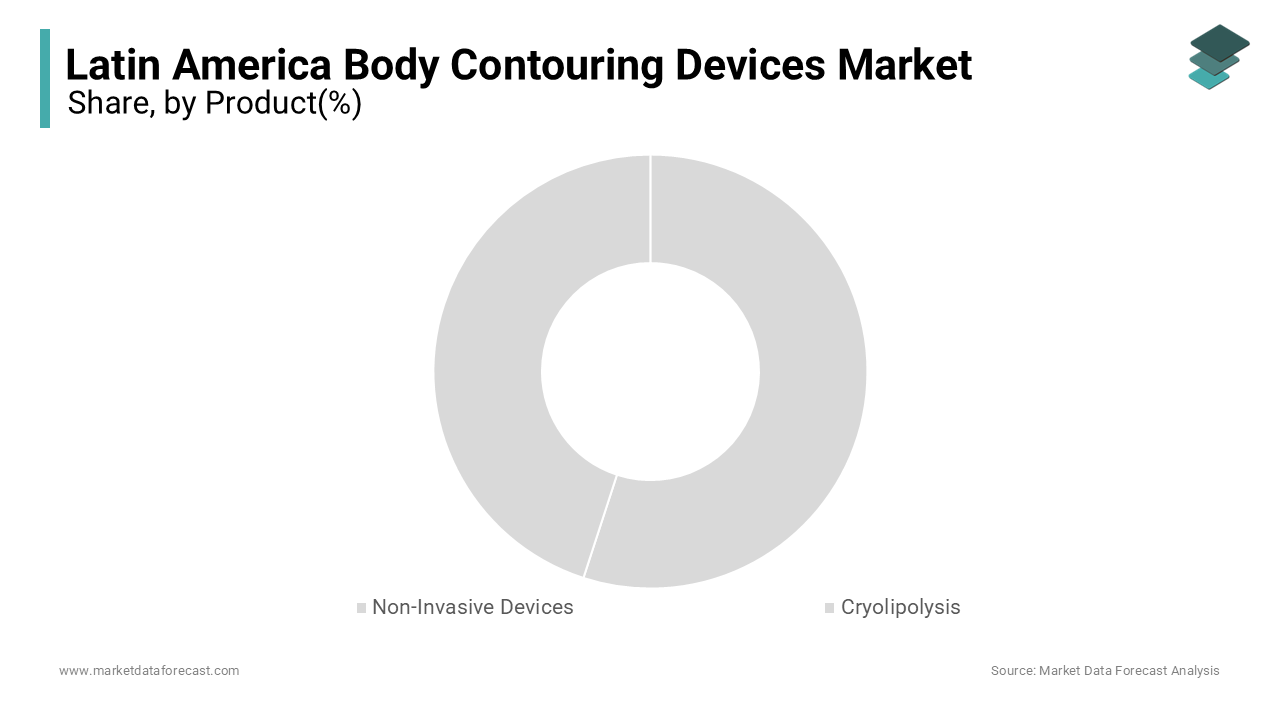
On the other end, the cryolipolysis segment is expected to showcase a CAGR of 15.4% during the forecast period in the Latin American market owing to the proven efficacy of fat-freezing technology, its widespread acceptance among both clinicians and patients and the scientific validation of cryolipolysis as a safe and effective method for reducing localized fat deposits without damaging surrounding tissues. According to clinical studies published in reputable medical journals, cryolipolysis can reduce fat layer thickness by up to 25% in treated areas after a single session, providing visible and measurable results. This tangible outcome builds consumer trust and encourages adoption. In Latin America, the popularity of this technology is bolstered by aggressive marketing campaigns by leading device manufacturers who partner with high-profile clinics and influencers. The procedure’s appeal lies in its simplicity and the absence of needles or incisions, which reduces anxiety for first-time users. Furthermore, the expansion of medical tourism in countries like Brazil and Colombia attracts international patients seeking affordable cryolipolysis treatments. The relatively short learning curve for practitioners allows clinics to quickly integrate this service into their offerings. As new applicators are developed to target different body areas such as the chin and arms, the versatility of cryolipolysis increases, which is driving further growth. The combination of clinical evidence, marketing support, and patient demand positions cryolipolysis as the most dynamic segment in the regional market.
COUNTRY ANALYSIS
Brazil Body Contouring Devices Market Analysis
Brazil led the market in Latin America in 2025 and is likely to experience robust expansion in advanced aesthetic clinics and higher adoption rates of premium non-invasive technologies over the next few years. Brazil stands as the undisputed leader in the Latin America body contouring devices market, holding the largest share due to its robust aesthetic culture and advanced healthcare infrastructure. The country is globally recognized as a hub for cosmetic procedures with a high density of certified plastic surgeons and aesthetic clinics. According to the Brazilian Society of Plastic Surgery, Brazil consistently ranks among the top three nations worldwide for the total number of aesthetic surgeries and non-surgical procedures performed annually. This high volume creates a fertile ground for the adoption of innovative body contouring technologies. The strong cultural emphasis on physical appearance drives consistent demand from both local residents and medical tourists. Major cities such as Sao Paulo and Rio de Janeiro host numerous international aesthetic conferences and training centers, facilitating the rapid dissemination of new devices. The presence of local manufacturing facilities for certain medical devices also helps reduce costs and improve availability. Furthermore, the Brazilian regulatory agency ANVISA has established clear guidelines for aesthetic devices, providing a structured pathway for market entry. The growing middle class and increasing disposable income enable more individuals to afford premium non-invasive treatments. Social media influence plays a significant role in shaping beauty standards and promoting body contouring services. As a result, Brazil continues to set trends for the rest of the region, maintaining its dominant position through a combination of cultural acceptance, clinical expertise, and economic capacity.
Mexico Body Contouring Devices Market Analysis
Mexico is anticipated to significantly scale up its specialized medical tourism infrastructure and broaden access to non-surgical fat reduction equipment over the next few years. Mexico occupies a significant position in the Latin America body contouring market driven by its strategic location, proximity to the United States, and thriving medical tourism industry. The country serves as a primary destination for North American patients seeking affordable high-quality aesthetic treatments including body contouring. According to the Mexican Association of Plastic Aesthetic and Reconstructive Surgery, the number of cosmetic procedures performed in Mexico has grown steadily with body contouring being a key contributor. Cities like Tijuana, Cancun, and Mexico City have developed specialized clusters of clinics equipped with state-of-the-art devices to cater to international clientele. The favorable exchange rate makes treatments significantly cheaper for foreign patients, enhancing Mexico’s competitive advantage. Additionally, the domestic market is expanding as rising obesity rates create demand for non-surgical fat reduction solutions. The Ministry of Health reports that over 70% of Mexican adults are overweight or obese, highlighting a large potential patient pool. Government initiatives to promote medical tourism have improved infrastructure and streamlined visa processes for health travelers. Local practitioners are increasingly adopting advanced technologies such as cryolipolysis and radiofrequency to meet international standards. The combination of cross-border demand and domestic health trends ensures steady growth for the body contouring devices market in Mexico, positioning it as a key regional player.
Argentina Body Contouring Devices Market Analysis
Argentina is projected to gradually modernize its clinical equipment inventory and leverage its highly skilled medical workforce to expand its aesthetic service offerings over the next few years. Argentina holds a notable share in the Latin America body contouring market characterized by a strong tradition of aesthetic medicine and a highly educated medical workforce. Buenos Aires is renowned for its concentration of skilled plastic surgeons and dermatologists who are early adopters of new technologies. According to the Argentine Society of Plastic Surgery, the country has one of the highest rates of cosmetic procedures per capita in the region, reflecting deep-seated cultural values regarding personal appearance. Economic fluctuations have historically impacted purchasing power, but the demand for aesthetic treatments remains resilient as individuals prioritize self-care. The devaluation of the currency has occasionally made Argentina an attractive destination for medical tourists from neighboring countries and Europe seeking value for money. Clinics in major urban centers invest heavily in advanced body contouring devices to maintain competitiveness and attract discerning patients. The regulatory environment under ANMAT provides oversight for medical devices to ensure safety and quality standards are met. Professional associations actively promote continuing education and best practices, fostering a high level of clinical expertise. Despite economic challenges, the entrenched aesthetic culture and skilled practitioner base sustain market activity. As economic stability improve, the potential for expanded adoption of premium devices increases. Argentina’s reputation for quality care and artistic sensibility in aesthetic outcomes continues to drive demand for sophisticated body contouring solutions.
COMPETITIVE LANDSCAPE
The competition in the Latin America body contouring devices market is intense and characterized by a mix of global innovators and regional distributors vying for clinic loyalty and patient trust. Established multinational corporations leverage brand recognition and extensive clinical data to maintain leadership while newer entrants compete through aggressive pricing and localized service models. Differentiation increasingly depends on comprehensive support ecosystems including training maintenance and marketing assistance rather than technology alone. Regulatory complexity creates natural barriers favoring companies with dedicated compliance teams capable of navigating diverse national requirements. Price sensitivity in many markets drives innovation in financing structures and refurbished equipment programs to broaden accessibility. The rise of counterfeit devices poses a persistent threat prompting legitimate players to emphasize authenticity verification and certified practitioner networks. Social media amplifies both opportunities and risks as consumer expectations evolve rapidly based on influencer content. Success requires balancing technological superiority with cultural relevance operational flexibility and robust post sale engagement. As non invasive procedures gain mainstream acceptance competitive dynamics shift toward value added services and long term partnership models that align manufacturer success with clinic profitability and patient satisfaction across the region.
KEY MARKET PLAYERS
Some of the promising companies that are playing a dominating role in the Latin America body contouring devices market include
- Meridian
- Cynosure
- Lumenis
- Alma Lasers
- Syneron
- Palomar Medical Technologies
Top Players in the Latin America Body Contouring Devices Market
Allergan Aesthetics
Allergan Aesthetics maintains a significant presence in the Latin America body contouring devices market through its CoolSculpting cryolipolysis platform which is widely recognized across Brazil and Mexico. The company actively engages with local distributors to ensure widespread availability of consumables and applicators throughout the region. Recent efforts include launching specialized training programs for practitioners in major cities like Sao Paulo and Buenos Aires to ensure safe and effective device usage. Allergan also invests in localized marketing campaigns featuring regional influencers to boost consumer awareness and trust. By expanding clinical education initiatives and strengthening supply chain logistics Allergan reinforces its commitment to supporting aesthetic professionals and meeting growing patient demand for non invasive fat reduction treatments across diverse Latin American markets.
BTL Aesthetics
BTL Aesthetics has established a strong foothold in Latin America by offering versatile radiofrequency and electromagnetic muscle stimulation technologies that appeal to clinics seeking multifunctional solutions. The company focuses on providing cost effective yet advanced devices suitable for emerging markets with varying budget constraints. Recently BTL expanded its direct sales team in Colombia and Chile to improve customer support and service response times. They also introduced Spanish language software interfaces and educational materials to enhance user experience for local practitioners. Through strategic partnerships with regional medical spas and participation in key aesthetic congresses BTL strengthens brand visibility and demonstrates technological efficacy. These actions help consolidate their position as a preferred provider of innovative non surgical body contouring solutions throughout Latin America.
Merz Aesthetics
Merz Aesthetics contributes to the Latin America body contouring landscape primarily through ultrasound based technologies that address skin tightening and fat reduction simultaneously. The company prioritizes regulatory compliance and works closely with national health authorities to expedite approvals for new device indications. Merz recently enhanced its post sales service network in Mexico and Argentina to reduce equipment downtime and improve clinic satisfaction. They also launched digital platforms offering remote troubleshooting and virtual training sessions for practitioners in remote areas. By focusing on comprehensive practitioner support and reliable technology Merz builds long term relationships with aesthetic providers. Their dedication to quality assurance and accessible education helps differentiate their offerings in a competitive market where trust and performance are paramount for sustained growth.
Top Strategies Used by Key Market Participants
Key players in the Latin America body contouring devices market employ strategies centered on localized education flexible financing and regulatory navigation to drive adoption. Companies invest heavily in training programs tailored to regional languages and clinical practices ensuring practitioners can operate devices safely and effectively. Strategic partnerships with local distributors enable faster market penetration and better after sales support across geographically dispersed regions. Offering leasing options and installment plans makes high cost equipment accessible to smaller clinics with limited capital. Manufacturers also prioritize obtaining approvals from multiple national regulatory bodies to avoid delays in product launches. Digital marketing campaigns leveraging social media influencers help build consumer trust and awareness in culturally specific ways. Additionally firms focus on developing combination therapies that integrate multiple modalities to offer premium services. These multifaceted approaches allow companies to overcome economic barriers regulatory fragmentation and skill gaps while establishing sustainable competitive advantages in the dynamic Latin American aesthetic medicine landscape.
MARKET SEGMENTATION
This research report on the Latin America Body Contouring Devices Market is segmented and sub-segmented based on categories.
By Product
- Non-Invasive Devices
- Cryolipolysis
By Country
- Mexico
- Brazil
- Argentina
- Chile
- Rest of Latin America