- Product Description Description
- Table of Contents TOC
- List of Table & Figure LOT
- Get Free Sample PDF Sample PDF
Market Size, 2025
$0.32 BnMarket Estimate, 2026
$0.34 BnMarket Forecast, 2034
$0.53 BnCAGR, 2026–2034
5.79%Executive Summary: Latin America Intraocular Lens Market
- Market Scope: Comprehensive regional market analysis of the Latin American intraocular lens (IOL) industry covering material compositions, lens types, clinical end users, country leadership frameworks, and ophthalmic technology trends.
- Market Valuation: Valued at USD 0.32 billion (2025), estimated at USD 0.34 billion (2026), and projected to reach USD 0.53 billion by 2034, registering a solid CAGR of 5.79% (2026–2034).
- Primary Growth Drivers: Increasing prevalence of eye diseases (cataracts, pediatric visual impairments), rising geriatric population, surging incidence of diabetes-related eye risks, and growing adoption of advanced technologies (trifocal, multifocal, toric, and extended depth of field lenses).
Key Market Segment Metrics (2026–2034)
| Category | Leading Segment (Base Position) | Fastest-Growing Segment |
|---|---|---|
| By Material | Hydrophobic Acrylic & Silicone (favored for biocompatibility, flexibility, and micro-incision surgery) | Advanced Acrylic Polymers (integrating custom-made and EDoF compatibility) |
| By Type | Monofocal Intraocular Lenses (historical baseline share for basic cataract corrections) | Premium Intraocular Lenses (Toric, Multifocal, and Accommodating Lenses driven by demand for spectacle independence) |
| By End User | Hospitals & Ophthalmology Clinics (managing primary surgical volumes and institutional care) | Ambulatory Surgical Centers (expanding via specialized outpatient eye surgeries) |
| By Region / Country | Brazil (holding the largest market share backed by high healthcare spending, reimbursement policies, and major industry players) | Mexico (prominent growth via rising cataract surgeries and premium lens demand) alongside Argentina and Chile |
Major Market Players & Market Structure
Market Structure: Highly competitive Latin American ophthalmic device market featuring global medtech leaders and specialized manufacturers competing on optical clarity, laser compatibility, and premium presbyopia-correcting designs.
Key Companies: Johnson & Johnson, Valeant, Carl Zeiss Meditec AG, Rayner, Alcon, Inc. (division of Novartis AG), EyeKon Medical, Inc., Lenstec, Inc., HumanOptics AG, STAAR Surgical, Physiol s.a., Calhoun Vision Center, and Oculentis GmbH.
 Download Free Sample Report
Latin America Intraocular Lens Market Size
The size of the intraocular lens market in Latin America was valued at USD 0.32 billion in 2025. This market is expected to grow at a CAGR of 5.79% from 2026 to 2034 and be worth USD 0.53 billion by 2034, up from USD 0.34 billion in 2026.
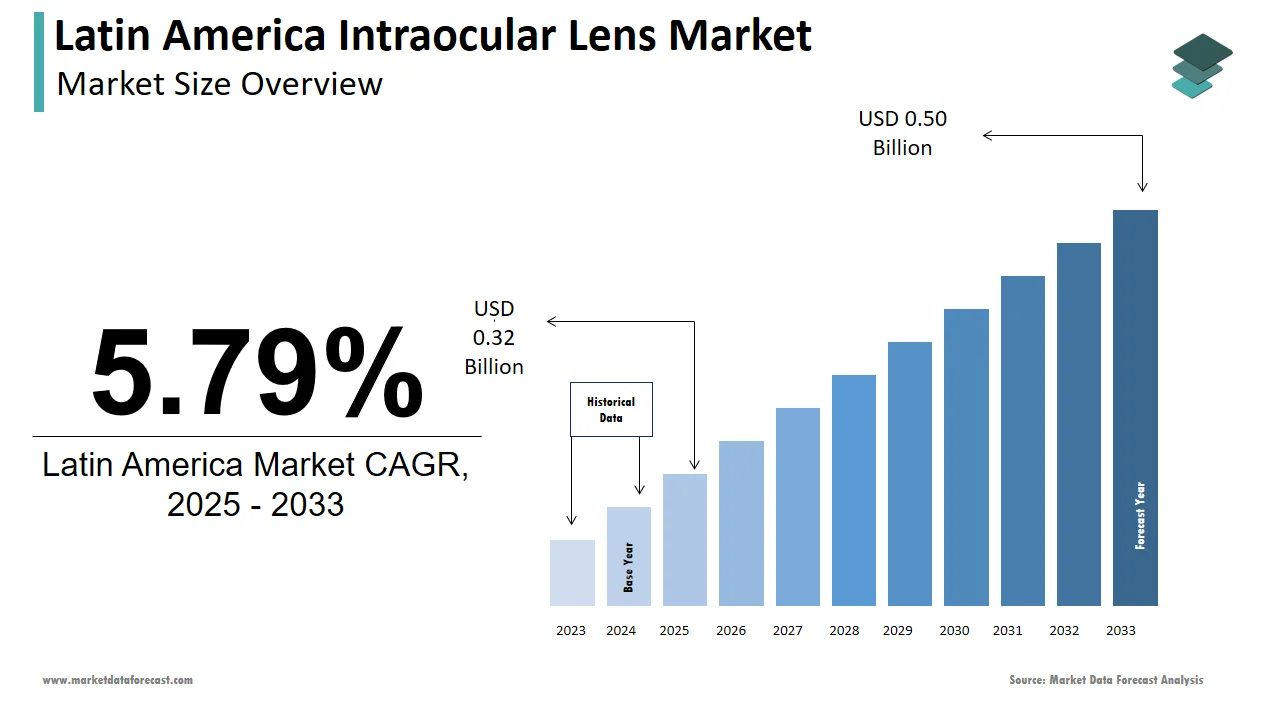
The Latin America intraocular lens market encompasses the regional demand for artificial lenses implanted during cataract surgery to restore visual acuity. These medical devices replace the clouded natural lens and are critical for treating age-related vision impairment. According to the Pan American Health Organization, in many Latin American and Caribbean countries, approximately 5,000 people per million are blind, and 20,000 are visually impaired, with at least two-thirds of these cases attributable to treatable conditions, including cataracts and refractive errors. This high prevalence directly necessitates a robust supply of intraocular lenses for surgical interventions. According to the International Agency for the Prevention of Blindness, Latin America and the Caribbean recorded approximately 1.2 million cataract surgeries annually in its regional vision health data. This substantial surgical demand underscores the need for scalable ophthalmic infrastructure and device availability. The definition includes monofocal, multifocal, toric, and accommodative lenses designed for diverse patient needs. Manufacturers focus on biocompatible materials such as acrylic and silicone to ensure safety and longevity. Regulatory bodies enforce strict quality standards to protect patient outcomes. Distribution channels involve specialized medical distributors and hospital procurement networks. Technological advancements continue to enhance optical performance and reduce surgical complications. This market serves public health systems and private clinics across diverse economic landscapes.
MARKET DRIVERS
Rapidly Aging Population Demographics
The accelerating growth of the elderly population primarily propels the Latin America intraocular lens market expansion by increasing the incidence of age-related ocular conditions. Cataracts primarily affect individuals over the age of 60, creating a direct correlation between demographic aging and device demand. According to the United Nations Department of Economic and Social Affairs, the proportion of people aged 60 and older in Latin America and the Caribbean is projected to exceed 25% by 2050. This significant demographic shift ensures an expanding base of patients requiring surgical intervention. Longer lifespans result in higher cumulative risk for cataract development. Public health systems face pressure to expand surgical capacity to meet this rising demand. Private healthcare providers also see increased patient volumes seeking vision correction. The sheer volume of potential candidates drives consistent procurement of intraocular lenses. Governments prioritize eye care programs to reduce disability-adjusted life years. This driver supports long-term market stability and growth potential.
Expansion of Healthcare Infrastructure and Access
Government initiatives to improve healthcare access further drive the Latin America intraocular lens market growth by enhancing the availability of surgical facilities and trained personnel. Many countries in the region are investing in modernizing public hospitals and expanding coverage for essential procedures. According to the International Agency for the Prevention of Blindness, regional data indicate that Latin America and the Caribbean perform approximately 1.2 million cataract surgeries annually, demonstrating the substantial role of surgical services in meeting regional eye care needs. These surgical services create institutional demand for cost-effective and reliable intraocular lenses. Improved infrastructure reduces waiting times and increases surgical throughput. Training programs for ophthalmologists ensure a steady supply of skilled surgeons capable of performing complex implantations. The expansion of insurance coverage in countries like Mexico and Chile further facilitates patient access. Private sector growth complements public efforts by offering premium lens options. This driver broadens the market beyond affluent urban centers to underserved populations. It fosters an environment conducive to sustained device adoption.
MARKET RESTRAINTS
High Out-of-Pocket Costs for Premium Lenses
The significant financial burden associated with advanced intraocular lenses is a significant restraint for the Latin America intraocular lens market by limiting access to premium technologies for the majority of patients. While basic monofocal lenses are often covered by public health systems, multifocal and toric lenses usually require substantial out-of-pocket payments. According to the Pan American Health Organization, financial and socioeconomic inequalities contribute to unequal access to eye care services across Latin America and the Caribbean. This economic reality forces many patients to prioritize basic vision restoration over comprehensive vision correction. This high financial barrier discourages patients from opting for advanced lenses that correct astigmatism or presbyopia. Insurance plans frequently exclude these premium options, classifying them as cosmetic rather than medically necessary. Manufacturers struggle to penetrate the mass market with high-end products due to price sensitivity. The disparity in access creates a two-tier system where only wealthier patients can readily access advanced technologies. This restraint limits the overall value growth of the market despite high volume sales of basic units. It hinders the adoption of innovative optical solutions.
Limited Reimbursement Policies in Public Systems
Inadequate reimbursement frameworks further impede the Latin America intraocular lens market expansion by restricting the types of lenses that public hospitals can procure. Government health budgets are often tight, leading to strict formularies that prioritize the lowest cost options. According to the International Agency for the Prevention of Blindness, cataract surgical coverage and effective cataract surgical coverage vary substantially between Latin American countries, highlighting differences in access to treatment and the quality of surgical outcomes. This policy limitation can prevent widespread adoption of multifocal and accommodating lenses in the public sector. Funding limitations can also affect the procurement of basic intraocular lenses in public facilities. These supply disruptions delay surgeries and force patients to seek private care if they can afford it. The lack of consistent funding creates uncertainty for manufacturers and distributors. Hospitals may delay purchases awaiting budget approvals, affecting sales cycles. Private insurers also maintain restrictive policies to control costs, limiting patient choice. This restraint stifles innovation as manufacturers hesitate to introduce premium products with limited reimbursement potential. It creates a market skewed toward low-cost commodities rather than value-added technologies. Regulatory changes are slow to address these financial gaps.
MARKET OPPORTUNITIES
Growing Medical Tourism Sector
The rise of medical tourism in Latin America is a significant opportunity for the Latin America intraocular lens market by attracting international patients seeking high-quality and affordable eye care. Countries like Mexico, Costa Rica, and Brazil have established reputations for ophthalmic services at competitive prices. International patients seeking treatment can support demand for premium intraocular lenses that may not be widely used locally. Clinics catering to international clients may stock a wide range of multifocal and toric lenses to meet diverse expectations. This segment allows providers to offset lower domestic reimbursement rates with higher-margin international cases. Partnerships with international insurance companies facilitate billing and referrals. The opportunity encourages local surgeons to adopt the latest techniques and technologies. It fosters competition that raises overall standards of care. Manufacturers can leverage this channel to introduce new products through early adopter clinics.
Adoption of Advanced Lens Technologies
The increasing acceptance of premium intraocular lenses offers a substantial opportunity for the Latin America intraocular lens market expansion as patient awareness and disposable incomes rise. Consumers are becoming more informed about options for correcting presbyopia and astigmatism simultaneously with cataract surgery. According to the American Academy of Ophthalmology, presbyopia is an age-related condition that affects near vision and can be addressed through several treatment options, including selected intraocular lens technologies in appropriate patients. This clinical need supports demand for multifocal and extended depth of focus lenses. Educational campaigns by manufacturers and doctors help patients understand the benefits of advanced optics. Private insurance plans may offer partial coverage for selected upgrades, depending on the country and policy. The opportunity lies in capturing the growing middle-class segment that values quality of life. Manufacturers can differentiate through superior optical performance and patient support services. This trend expands the market value beyond basic volume sales.
MARKET CHALLENGES
Shortage of Trained Ophthalmologists
The insufficient number of skilled ophthalmic surgeons is challenging the Latin America intraocular lens market expansion by limiting the capacity to perform cataract surgeries efficiently. Rural and remote areas suffer from a lack of specialists, creating geographic disparities in access. According to the International Agency for the Prevention of Blindness, Latin America and the Caribbean had approximately 27,754 ophthalmologists in the regional workforce data reported in its Vision Atlas snapshot, although workforce distribution and access to services vary across countries. This imbalance can leave populations without access to timely surgical intervention. Training new specialists takes years, slowing the rate at which capacity can expand. Existing surgeons are often overburdened, limiting their ability to adopt time-consuming advanced procedures. Public health systems struggle to retain talent due to lower compensation compared to private practice. This challenge hinders the market from reaching its full potential demand. Manufacturers can support training initiatives to build a sustainable workforce. Without adequate human resources, device availability alone cannot solve the vision crisis.
Regulatory Heterogeneity Across Countries
The fragmented regulatory landscape across Latin American countries is another notable challenge for the intraocular lens market in Latin America by complicating product registration and market entry. Each nation has distinct approval processes, timelines, and documentation requirements, increasing operational complexity for manufacturers. Regulatory differences can require companies to navigate multiple administrative systems. This fragmentation can delay the launch of new technologies and increase compliance costs. Differences in labeling and language requirements add further administrative burdens. Small manufacturers may avoid certain markets due to high entry barriers. Inconsistent implementation of quality standards can lead to differences in product availability and regulatory oversight. This challenge requires dedicated regulatory affairs teams and local partners. It can slow down the diffusion of advanced lens technologies across the region. Harmonization efforts remain important for improving regulatory efficiency and patient access.
REPORT COVERAGE
| REPORT METRIC | DETAILS |
| Market Size Available | 2025 to 2034 |
| Base Year | 2025 |
| Forecast Period | 2026 to 2034 |
| Segments Covered | By Material, Type, End User and Country. |
| Various Analyses Covered | Global, Regional, and Country-Level Analysis, Segment-Level Analysis, Drivers, Restraints, Opportunities, Challenges; PESTLE Analysis; Porter’s Five Forces Analysis, Competitive Landscape, Analyst Overview of Investment Opportunities |
| Countries Covered | Brazil, Mexico, Argentina, Chile & Rest of Latin America |
| Market Leaders Profiled | Johnson & Johnson, Valeant, Carl Zeiss Meditec AG, Rayner, Alcon, Inc. (division of Novartis AG), EyeKon Medical, Inc., Lenstec, Inc., HumanOptics AG, STAAR Surgical, Physiol s.a., Bausch Health Companies Inc., Calhoun Vision Center, and Oculentis GmBH. |
SEGMENTAL ANALYSIS
By Material Insights
The hydrophobic acrylic segment accounted for 56.7% of the Latin American market share in 2025 due to its biocompatibility and suitability for foldable lens designs. This material allows for foldable lenses that can be inserted through small incisions, reducing surgical trauma and recovery time. According to a peer-reviewed systematic review published in the American Journal of Ophthalmology, cataracts accounted for 29.8% to 77.6% of blindness cases across the Latin American studies examined, underscoring the importance of effective cataract treatment and suitable intraocular lens technologies. This clinical need supports the use of reliable materials among surgeons seeking optimal patient outcomes. The material’s stability supports long-term visual clarity when the lens is appropriately manufactured and implanted. Manufacturers favor it for premium lens designs, including toric and multifocal options. Public health systems may benefit from its suitability for modern cataract surgery. The versatility of hydrophobic acrylic supports a wide range of optical powers. Its position is supported by continued improvements in optical quality and handling properties. Surgeons value predictable performance across diverse anatomical conditions. This segment benefits from its balance of safety, efficacy, and surgical ease.
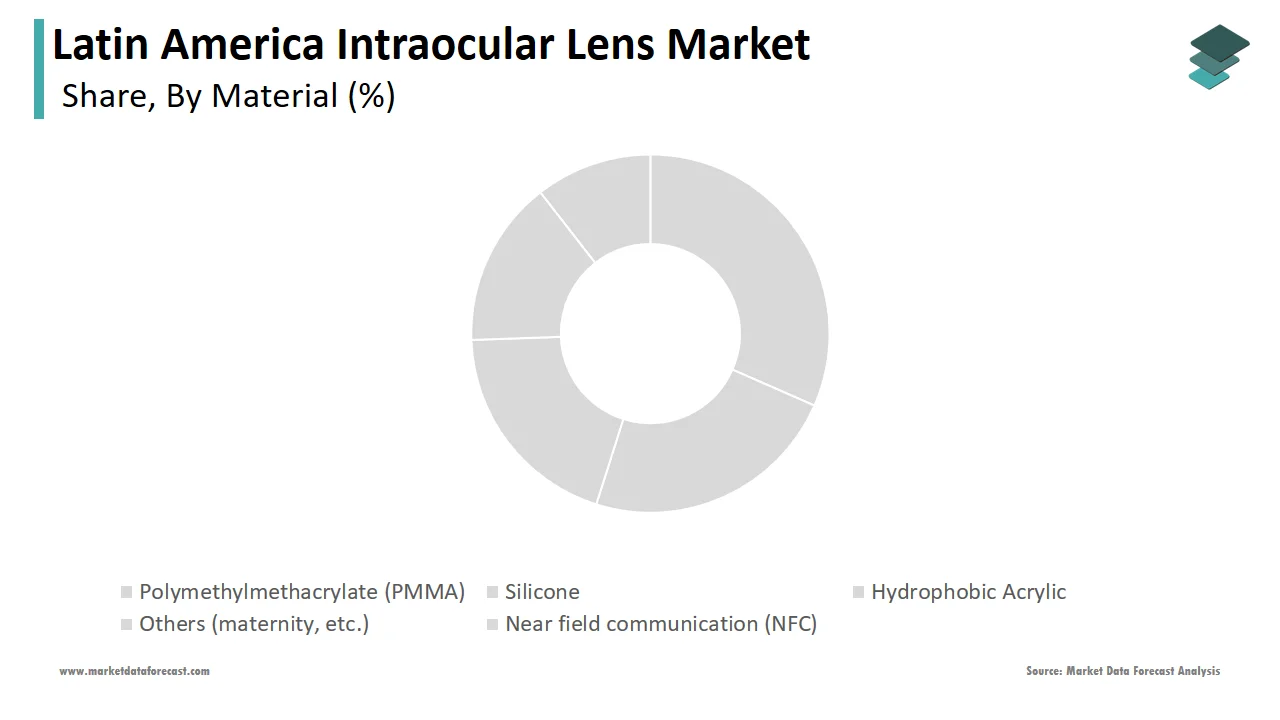
In addition, the hydrophobic acrylic segment is also positioned for growth in the Latin America intraocular lens market as foldable lenses gain relevance in modern cataract surgery and is estimated to register the fastest CAGR of 8.08% over the forecast period. The demand for foldable lenses compatible with phacoemulsification supports adoption of acrylic materials. According to the International Agency for the Prevention of Blindness, Latin America and the Caribbean perform approximately 1.2 million cataract surgeries annually, demonstrating the scale of the regional surgical market and the potential need for suitable implant materials. This trend supports demand for hydrophobic acrylic materials that offer the necessary flexibility. Manufacturers are introducing new generations of hydrophobic materials with enhanced optical quality. Broader access to modern surgical techniques can support the shift toward foldable materials. The growth potential is further supported by demand from patients seeking improved visual outcomes. Local distribution and manufacturing capabilities can help reduce costs and improve availability. This segment aligns with the continued adoption of modern ophthalmic surgical techniques.
By Type Insights
The monofocal segment led the market by holding 60.9% of the regional market share in 2025 due to its affordability and established role in cataract surgery. These lenses provide clear vision at a single distance, typically for distance vision, requiring glasses for near tasks. According to the International Agency for the Prevention of Blindness, cataract surgical coverage varies widely across Latin American countries, with published estimates ranging from 24.1% in Peru to 97.1% in Argentina for the visual acuity threshold examined in a regional study. This variation highlights the importance of accessible surgical options that public health systems can provide at scale. Standard monofocal lenses remain a practical option for routine cases. Surgeons are highly experienced in implanting these lenses, supporting predictable outcomes. The lower cost allows health systems to treat a larger number of patients within fixed budgets. Private insurance plans may also cover standard monofocal lenses, depending on policy terms. The segment leads because it addresses the fundamental need for cataract removal in a cost-effective manner. It serves patients who prioritize affordability over spectacle independence.
However, the premium segment is estimated to witness the highest CAGR of 8.3% during the forecast period in the Latin American market and represent a potential growth segment in the Latin American intraocular lens market due to the increasing demand for spectacle independence and improved visual outcomes. These lenses include multifocal, toric, and extended depth of focus options that correct astigmatism and presbyopia. According to the American Academy of Ophthalmology, selected patients can benefit from presbyopia-correcting intraocular lenses, although lens selection depends on individual visual requirements, ocular health, and the potential for postoperative visual disturbances. This clinical consideration supports demand for appropriate advanced optical technologies. This growth reflects a shifting consumer mindset toward quality of life enhancements. Patients with the financial capacity to pay for advanced optics may choose options not covered by public insurance. Medical tourism can further support demand as international patients seek specialized solutions. Surgeons are increasingly required to understand the selection and implantation of complex lenses. Marketing campaigns educate patients about the benefits and limitations of reduced dependency on glasses. Private clinics compete by offering comprehensive packages, including premium lenses. The segment has growth potential because it captures demand from affluent and middle-income patients. Technological advancements continue to improve optical design and patient selection.
By End User Insights
The hospitals segment accounted for the largest share of 71.1% of the regional market in 2025 due to their role as major providers of cataract surgery in public health systems. Large public hospitals perform surgeries funded by government programs to address treatment backlogs. According to the International Agency for the Prevention of Blindness, Latin America and the Caribbean perform approximately 1.2 million cataract surgeries annually, highlighting the importance of institutional surgical services and procurement of intraocular lenses. This substantial volume supports demand for standard intraocular lenses. Public hospitals prioritize cost-effective and reliable devices to maximize patient throughput. Hospitals have the infrastructure to handle complex cases and complications, making them important centers for care. Government tenders for lens supplies can favor large manufacturers with competitive pricing. The leading position is supported by the scale of public healthcare operations in populous countries like Brazil and Mexico. Teaching hospitals also contribute by training residents on standard implantation techniques. While premium lens usage may be more limited in budget-constrained settings, standard lenses serve a broad patient population. This segment leads because it serves patients who rely on public healthcare.
On the other side, the ambulatory surgical centers segment is anticipated to record a promising CAGR of 8.08% during the forecast period in the Latin America intraocular lens market owing to the shift toward outpatient care and operational efficiency. These specialized facilities offer faster turnaround times and may have lower costs compared to traditional hospital settings. Their expansion can support demand for elective and semi-elective eye surgeries. Ambulatory centers often cater to privately insured and self-paying patients, potentially supporting demand for premium lenses. They may adopt newer technologies to maintain competitive advantage. Efficient workflows allow for higher daily case volumes where staffing and infrastructure are adequate. Insurance providers may favor these centers as part of cost-containment strategies. The segment has growth potential as healthcare models evolve toward decentralized and specialized care. It can attract skilled surgeons seeking specialized working environments. This trend may enhance access to care in urban areas.
COUNTRY-LEVEL ANALYSIS
Brazil Intraocular Lens Market Analysis
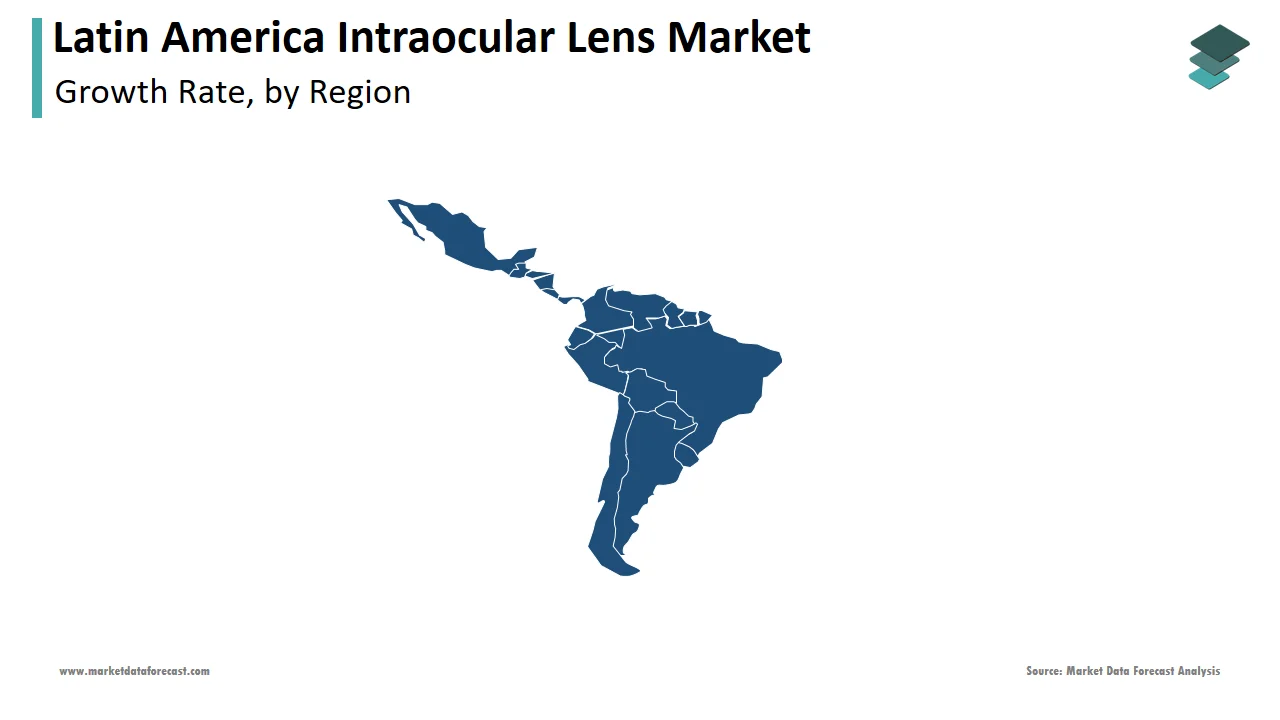
Brazil led the intraocular lens market in Latin America in 2025 with 40.6% of the regional market share and is likely to remain a leading country in the Latin America intraocular lens market over the next few years due to its large population, public healthcare system, and substantial need for cataract surgery. The country performs a significant volume of cataract procedures, driving demand for intraocular lenses. According to the United Nations Department of Economic and Social Affairs, population aging is a major demographic trend across Latin America and the Caribbean, with the share of people aged 60 and older projected to exceed 25% by 2050. This demographic shift is expected to sustain demand for cataract treatment in Brazil. The scale of the healthcare system necessitates efficient supply chains and bulk procurement strategies. The public sector supports access to cataract treatment, while the private sector contributes through the adoption of premium lenses in urban centers. Local regulations by ANVISA establish requirements for medical device safety and quality. The market sees competition among international and local distributors. Government initiatives to reduce surgical backlogs can stimulate demand. Brazil remains an important market for companies targeting Latin America. Economic fluctuations may affect purchasing power, while public funding continues to influence access to treatment.
Mexico Intraocular Lens Market Analysis
Mexico is likely to experience continued demand growth in the Latin America intraocular lens market over the next few years, driven by population aging, cataract treatment needs, and medical tourism. The country serves as a hub for domestic and international patients seeking eye care. According to the United Nations Department of Economic and Social Affairs, population aging is expected to accelerate across Latin America and the Caribbean, with people aged 60 and older accounting for more than 25% of the regional population by 2050. This demographic trend is expected to increase demand for intraocular lenses. Public health programs and private healthcare providers can contribute to wider access to cataract surgery. The private sector may benefit from medical tourists from the United States seeking premium multifocal and toric lenses. This dual market structure supports demand for both standard and advanced lens segments. Local manufacturing and distribution capabilities can help improve product availability. Regulatory approvals by COFEPRIS help ensure product safety and quality. The market benefits from proximity to major global suppliers, facilitating logistics. Competitive pricing can attract regional patients from Central America. Mexico is expected to continue investing in ophthalmic infrastructure to meet growing needs.
Argentina Intraocular Lens Market Analysis
Argentina is likely to maintain demand for intraocular lenses over the next few years, supported by established ophthalmic services, an aging population, and demand for cataract treatment. The country has a strong tradition of eye care, influencing regional clinical practices. According to a peer-reviewed study published in the American Journal of Ophthalmology, cataract surgical coverage in Argentina reached 97.1% at the examined visual acuity threshold, although this finding reflects the study's specific population and methodology rather than the entire national population. Access to ophthalmic professionals and surgical services supports utilization of intraocular lenses. Private insurance coverage can enable eligible patients to consider premium lens options. Economic volatility can affect import costs, but cataract surgery remains an essential healthcare service. Local distributors play a crucial role in navigating regulatory requirements. The market values high-quality and innovative products. Buenos Aires serves as a center for medical education and training. Argentina can continue adopting new technologies, although affordability and economic conditions may influence uptake. The presence of skilled surgeons can attract patients from surrounding regions.
Chile Intraocular Lens Market Analysis
Chile is likely to see continued demand for intraocular lenses over the next few years, supported by its healthcare infrastructure, public cataract treatment programs, and private ophthalmic services, while emerging as the fastest-growing regional market with an expected CAGR of 7.9%. The country has established public and private healthcare systems that support access to eye care. According to the International Agency for the Prevention of Blindness, effective cataract surgical coverage varies considerably across Latin American countries, demonstrating the importance of healthcare access and the quality of surgical outcomes. Chile's healthcare infrastructure can support the adoption of advanced medical technologies. Public health coverage for cataract surgery supports demand for standard intraocular lenses, while private healthcare providers can offer premium alternatives. Patients seeking improved visual outcomes may contribute to demand for advanced lens technologies. Regulatory oversight by the Institute of Public Health supports product safety. The market can attract global brands because of its established healthcare infrastructure. Chile's continued investment in eye care may support steady market development, with adoption influenced by affordability and reimbursement policies.
COMPETITIVE LANDSCAPE
The Latin America Intraocular Lens Market features a dynamic competitive landscape characterized by the coexistence of global giants and regional specialists. Competition is bifurcated between the premium private segment driven by technology and the high-volume public segment focused on cost efficiency. Major multinational corporations dominate the premium space through advanced optical designs and strong clinical education programs. Regional players compete effectively in government tenders by offering compliant and affordable monofocal solutions. Barriers to entry include stringent regulatory requirements and established surgeon preferences for familiar brands. Innovation in material science and lens design serves as a primary differentiator in the private sector. Price competitiveness and supply reliability are critical success factors for public contracts. Distributors play a pivotal role in navigating diverse national regulations and logistics challenges. Digital marketing and patient education are increasingly used to drive demand for premium upgrades. The market rewards companies that can balance technological leadership with operational agility across diverse economic contexts. Consolidation trends continue as larger firms acquire local entities to strengthen distribution.
KEY MARKET PLAYERS
The leading companies operating in the Latin America intraocular lens market include:
- Johnson & Johnson
- Valeant
- Carl Zeiss Meditec AG
- Rayner
- Alcon, Inc. (Division of Novartis AG)
- EyeKon Medical, Inc.
- Lenstec, Inc.
- HumanOptics AG
- STAAR Surgical
- Physiol S.A.
- Bausch Health Companies Inc.
- Calhoun Vision Center
- Oculentis GmbH
TOP PLAYERS IN THE MARKET
- Alcon Inc. maintains a prominent presence in the Latin America Intraocular Lens Market through its comprehensive portfolio of hydrophobic acrylic lenses and surgical equipment. The company recently expanded its distribution network across Brazil and Mexico to improve access to advanced toric and multifocal options for private clinics. Alcon actively collaborates with regional ophthalmological societies to provide surgeon training on premium lens implantation techniques. This educational commitment enhances clinical outcomes and builds brand loyalty among specialists. Their focus on digital integration allows for precise biometry and lens calculation, improving patient satisfaction. Alcon also supports public health initiatives by supplying cost-effective monofocal lenses for government cataract programs. These dual strategies ensure relevance across both value and premium segments. The company continues to invest in local regulatory approvals to accelerate product launches. Their robust supply chain mitigates import disruptions, ensuring consistent availability. Alcon remains a key driver of technological adoption in the region.
- Johnson & Johnson Vision strengthens its position in the Latin America Intraocular Lens Market by leveraging its global expertise in optical innovation and patient care. The company recently introduced next-generation extended depth of focus lenses tailored for the unique visual needs of Latin American patients. Johnson & Johnson Vision partners with major hospital networks to streamline procurement processes for high-volume cataract surgeries. Their emphasis on clinical evidence helps overcome reimbursement barriers for premium technologies in private insurance plans. The organization conducts extensive outreach programs to raise awareness about cataract treatment options in underserved communities. This social responsibility initiative builds trust and expands the addressable patient base. They utilize digital platforms to educate consumers about spectacle independence benefits. Strategic alliances with local distributors enhance market penetration in secondary cities. Johnson & Johnson Vision focuses on quality assurance to maintain surgeon confidence. Their holistic approach combines product excellence with ecosystem support, driving sustainable growth.
- Bausch Health Companies Inc. contributes significantly to the Latin America Intraocular Lens Market through its established legacy brands and focus on affordability. The company prioritizes accessibility by offering a wide range of monofocal and basic premium lenses suitable for public health tenders. Bausch Health recently upgraded its manufacturing capabilities to serve regional demand more efficiently reducing lead times. They engage actively with government health ministries to support national blindness prevention campaigns through reliable supply agreements. The organization provides technical support and maintenance services for surgical equipment bundled with lens purchases. This integrated solution appeals to resource-constrained facilities. Bausch Health leverages its deep understanding of local regulatory landscapes to navigate complex approval processes. Their pricing strategies are optimized for price-sensitive markets without compromising safety standards. The company invests in local sales teams to build strong relationships with key opinion leaders. This grounded approach ensures steady performance in competitive tender environments. Bausch Health remains a vital partner for public sector eye care.
TOP STRATEGIES USED BY THE KEY MARKET PARTICIPANTS
Key market participants employ several strategies to strengthen their positions. First, they prioritize regulatory compliance to ensure uninterrupted market access across diverse jurisdictions. Second, they invest in surgeon training programs to build loyalty and drive premium lens adoption. Third, they optimize supply chains to mitigate import volatility and ensure consistent product availability. Fourth, they develop tiered product portfolios to address both public tender and private payor needs. Fifth, they leverage digital tools for patient education and precise lens calculation, enhancing overall value propositions.
MARKET SEGMENTATION
This research report on the Latin America intraocular lens market has been segmented and sub-segmented into the following categories.
By Material
- Polymethylmethacrylate (PMMA)
- Silicone
- Hydrophobic Acrylic
By Type
- Monofocal Intraocular Lens
- Premium Intraocular Lens
- Toric Intraocular Lens
- Multifocal Intraocular Lens
- Accommodating Intraocular Lens
By End User
- Hospitals
- Ophthalmology Clinics
- Eye Research Institutes
- Ambulatory Surgical Centers
By Country
- Mexico
- Brazil
- Argentina
- Chile
- The rest of Latin America