- Product Description Description
- Table of Contents TOC
- List of Table & Figure LOT
- Get Free Sample PDF Sample PDF
MEA Prefilled Syringes Market Size
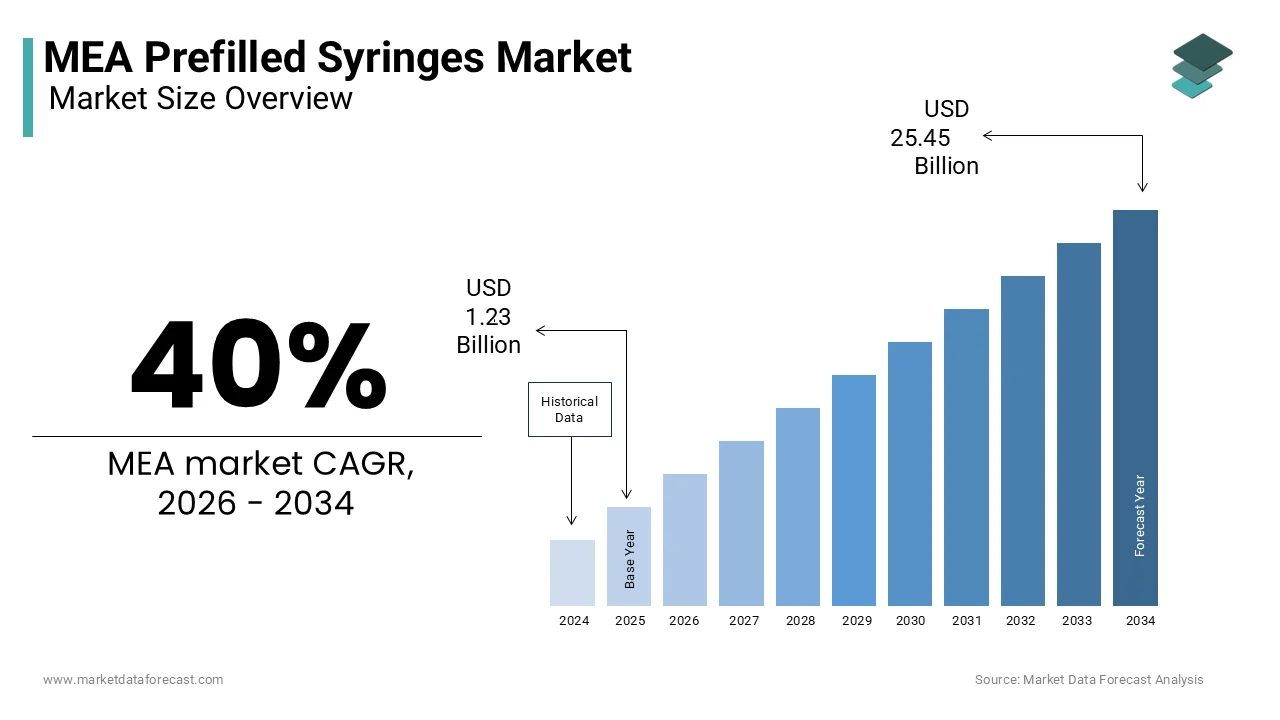
The MEA prefilled syringes market was valued at USD 1.23 billion in 2025 and increased significantly to USD 1.72 billion in 2026. The market is projected to reach USD 25.45 billion by 2034, expanding at a robust CAGR of 40% from 2026 to 2034.
A pre-filled syringe (PFS) is a sterile, single-use, pre-measured, and ready-to-use injectable device filled by manufacturers with a specific drug dosage, eliminating the need for manual filling. Used to enhance safety, efficiency, and accurate dosing, they are common for vaccines, anticoagulants, and, particularly, biologic drugs. These devices, typically constructed from glass or advanced polymers, serve as the critical interface for administering biologics, vaccines, and chronic care medications with enhanced precision and safety. The region is currently witnessing a transformative shift in healthcare delivery models, driven by aggressive government mandates to improve patient compliance and reduce medication errors. The WHO Regional Office for the Eastern Mediterranean confirms that the prevalence of diabetes in the region has reached an all-time high, creating a critical requirement for accurate dosing solutions that prefilled syringes are designed to provide. The regulatory landscape is also evolving, with authorities like the Saudi Food and Drug Authority and the South African Health Products Regulatory Authority aligning their standards with international benchmarks to ensure product quality. According to the World Bank, healthcare investment across the Gulf Cooperation Council has accelerated significantly, driving the development of advanced pharmaceutical infrastructure and specialized care pathways to meet rising demand. Furthermore, the rise of local fill-and-finish capabilities in Egypt and the United Arab Emirates is creating a fertile ground for technology adoption. Observations from the African Society for Laboratory Medicine highlight a growing emphasis on aseptic drug delivery, positioning prefilled syringes as an essential tool for maintaining medication sterility and patient safety within the rapidly evolving healthcare systems of the Middle East and Africa.
MARKET DRIVERS
Escalating Prevalence of Chronic Diseases Requiring Frequent Dosing
The surging incidence of chronic conditions such as diabetes, rheumatoid arthritis, and multiple sclerosis across the region drives the expansion of the MEA prefilled syringes market. These diseases often require long-term management with biologic agents or hormones that demand precise, frequent, and self-administered dosing, a use case where prefilled syringes excel due to their convenience and accuracy. The International Diabetes Federation indicates that the Middle East and North Africa region continues to have the highest age-standardized prevalence of diabetes in the world, creating a sustained demand for advanced insulin delivery systems. This demographic reality forces healthcare systems to prioritize user-friendly formats that empower patients to manage their conditions at home, thereby reducing the burden on clinical facilities. The Global Burden of Disease Study shows a notable increase in the prevalence of immune-mediated conditions across parts of Sub-Saharan Africa, which is accelerating the adoption of biologic therapies often delivered via prefilled formats. The complexity of these biological molecules necessitates delivery systems that minimize handling steps to prevent degradation or contamination, a risk significantly mitigated by the closed nature of prefilled syringes. The strategic focus on managing non-communicable diseases through improved delivery mechanisms ensures a sustained and growing demand for these advanced containment solutions tailored to the specific needs of chronic care patients in MEA.
Government Initiatives for Healthcare Infrastructure Modernization
The rigorous implementation of national health transformation programs across the Middle East and Africa acts as a significant accelerator of the MEA prefilled syringes market. Governments in the region, particularly in Saudi Arabia under Vision 2030 and the UAE under its National Strategy for Wellbeing 2031, are heavily investing in upgrading pharmaceutical supply chains and promoting the use of advanced drug delivery systems to improve public health outcomes. Regulatory frameworks established by the Saudi Food and Drug Authority promote the use of standardized and high-quality delivery devices to minimize medication errors and ensure patient safety across both clinical and domestic care environments. This regulatory convergence compels pharmaceutical manufacturers to upgrade their packaging portfolios, replacing traditional vials and ampoules with validated prefilled syringe systems that offer superior sterility assurance. Clinical assessments of medication administration indicate that the use of prefilled, ready-to-use delivery systems leads to a lower frequency of preparation and dosing errors compared to traditional manual drawing methods. The necessity for robust cold chain logistics for vaccines and biologics further favors prefilled solutions that are often designed with integrated safety features and temperature stability. The regional strategy for vaccine sovereignty led by the Africa CDC focuses on localizing fill-and-finish operations, which directly increases the demand for advanced and compatible prefilled syringe components across the continent. Moreover, the push for universal health coverage in nations like Egypt and Nigeria encourages the procurement of efficient delivery systems that optimize nursing time and resource utilization. This political will and financial backing create a mandatory market environment where high-quality prefilled syringes are not merely an option but a fundamental prerequisite for operational continuity and access to modern therapeutics.
MARKET RESTRAINTS
High Cost of Advanced Delivery Systems and Reimbursement Gaps
Persistent economic disparities and limited reimbursement frameworks across many nations in the region limit the expansion of the MEA prefilled syringes market. The unit cost of a prefilled syringe is significantly higher than that of traditional vials or ampoules due to the complex manufacturing processes, stringent quality control requirements, and the inclusion of safety mechanisms. According to data from the World Bank, out-of-pocket healthcare expenditure in several African nations exceeds a significant portion of total health spending, forcing patients and providers to opt for the most cost-effective alternatives regardless of clinical advantages. This financial pressure forces many public healthcare systems to delay the transition to prefilled formats or restrict their use to high-income private sectors. The African Development Bank (AfDB) emphasizes that fragmented health insurance systems and low coverage for specialized therapies, particularly biologics, remain a major barrier to the adoption of advanced medical technologies in these regions. Furthermore, the volatility of local currencies against the US dollar and Euro exacerbates the cost of importing high-tech syringe components, making budget planning difficult for distributors. Studies indicate that hospital procurement officials in the region frequently identify high acquisition costs as the primary deterrent to transitioning from traditional vial presentations to prefilled syringes. The reliance on imported raw materials and finished goods means that any fluctuation in exchange rates immediately translates into higher prices for end users. Consequently, economic fragility and inadequate reimbursement structures act as a potent brake on market growth, preventing many potential users from accessing the safety and convenience benefits of prefilled syringe technology.
Limited Cold Chain Infrastructure and Logistics Challenges
The inadequacy of cold chain infrastructure required to maintain the stability of temperature-sensitive biologics and vaccines housed within these devices slows down the growth of the MEA prefilled syringes market. Many pharmaceutical products formulated for prefilled syringes, such as insulin and monoclonal antibodies, require strict temperature control from the point of manufacture to the point of administration, a logistical feat that remains challenging in vast areas of Africa and parts of the Middle East. The Global Vaccine Alliance emphasizes that despite improvements, a significant portion of temperature-sensitive medications is still compromised by cold chain interruptions, leading to product wastage and a cautious approach toward deploying prefilled formats in high-risk areas. This infrastructure deficit leads to concerns about product efficacy and safety, causing healthcare providers to prefer more robust, albeit less convenient, packaging options that may tolerate minor temperature excursions better. Studies conducted in the region show that a lack of consistent refrigerated storage and transport infrastructure, especially in remote areas, leads to high spoilage rates for medications that require strict temperature control. The scarcity of localized training programs for handling these sophisticated devices further exacerbates the issue, forcing companies to rely on expensive specialized distributors. The Pharmaceutical Society of South Africa confirms that the complexity of maintaining the cold chain is a major obstacle in the distribution of biological drugs, particularly those packaged in prefilled syringe systems. Additionally, the high energy costs associated with running cold storage facilities in remote locations add to the operational burden. This logistical challenge restricts the ability of manufacturers to fully leverage the capabilities of modern prefilled syringe systems, thereby slowing down the overall adoption rate and market penetration across the diverse geographies of MEA.
MARKET OPPORTUNITIES
Expansion of Local Fill-and-Finish Manufacturing Capabilities
The accelerating trend toward localizing pharmaceutical manufacturing, specifically fill-and-finish operations, opens potential for the MEA Prefilled Syringes Market. Governments across the region are seeking to reduce dependency on imported finished drugs and enhance health security. To achieve this, they are offering incentives for multinational and local companies to establish domestic production facilities. These local manufacturing hubs must adhere to international quality standards, necessitating the installation of robust and versatile prefilled syringe assembly lines to handle diverse product portfolios. The flexibility of modern prefilled syringe systems makes them particularly attractive for local manufacturers that need to switch between different products rapidly without the risk of cross-contamination. Furthermore, the establishment of regional centers of excellence for biologics production creates a sustained demand for high-performance syringe components. Sources indicate that local manufacturers are often early adopters of new technologies to maintain their competitive edge, thereby driving innovation in the syringe sector. This shift toward localization not only expands the customer base for syringe suppliers but also fosters a culture of quality and efficiency that permeates the broader regional pharmaceutical landscape, offering lucrative growth avenues for technology providers.
Rising Adoption of Home Healthcare and Self-Administration Models
The shifting paradigm toward home healthcare and patient-centric self-administration models offers a significant growth avenue for the MEA prefilled syringes market. Healthcare systems are becoming strained by rising patient volumes and the increasing burden of chronic diseases. Consequently, there is a concerted effort to decentralize care and empower patients to manage their treatments at home. According to sources, substantial funding has been allocated to develop home care programs that allow patients with chronic conditions to receive complex therapies outside of hospital settings. These initiatives inherently require user-friendly, safe, and intuitive delivery systems like prefilled syringes, which minimize the risk of dosing errors and needle-stick injuries for untrained users. The push for self-injection devices for conditions like multiple sclerosis and rheumatoid arthritis also drives demand for prefilled syringes with integrated safety features and ergonomic designs. Furthermore, the rise of digital health platforms that connect patients with remote monitoring services creates an ecosystem where prefilled syringes serve as the physical interface for data-driven care. This concerted shift in care delivery models creates a stable and growing market segment for syringe suppliers who can align their offerings with the needs of the empowered patient.
MARKET CHALLENGES
Stringent Regulatory Heterogeneity and Approval Delays
The lack of harmonized regulations across the region creates, and will continue to create, significant obstacles for the MEA prefilled syringes market. Unlike the unified framework seen in the European Union, the MEA region comprises numerous countries, each with its own distinct regulatory authority, approval processes, and quality standards for medical devices and combination products. These bureaucratic hurdles complicate launch strategies for global manufacturers who must navigate a maze of differing documentation requirements and clinical trial mandates. As per research, the lack of harmonization leads to duplicated efforts and increased costs, discouraging some companies from introducing advanced prefilled syringe technologies in smaller markets. The reliance on varying import regulations and customs procedures also exposes buyers to unpredictable delays and potential supply disruptions. Additionally, the evolving nature of regulations regarding combination products, which classify the syringe and drug as a single entity, adds another layer of complexity for compliance teams. Case studies from major device suppliers indicate that regulatory bottlenecks have led to delayed product launches in several key markets, highlighting the fragility of the current approval ecosystem. Significant progress in regional regulatory harmonization initiatives, such as those proposed by the African Medicines Agency, is needed. Until then, regulatory fragmentation will remain a formidable obstacle to market stability and uniform growth.
Shortage of Skilled Healthcare Professionals for Administration
The lack of specialized training among healthcare professionals regarding the proper administration and handling of these advanced delivery systems impedes the growth of the MEA prefilled syringes market. While prefilled syringes are designed for ease of use, the correct technique for injection, especially for subcutaneous and intramuscular routes, still requires a level of expertise to ensure efficacy and minimize adverse events. This skills deficit can lead to improper administration, resulting in reduced drug absorption, increased pain, or potential injury. The lack of standardized training programs and continuous professional development opportunities further exacerbates the issue, forcing companies to invest heavily in their own educational initiatives. Additionally, the high turnover rate of healthcare workers in the region means that knowledge retention is a constant challenge. This human capital constraint restricts the ability of healthcare systems to fully leverage the safety and efficiency benefits of prefilled syringes, thereby slowing down the overall adoption rate and market penetration of advanced delivery solutions across the MEA region.
REPORT COVERAGE
| REPORT METRIC | DETAILS |
| Market Size Available | 2025 to 2034 |
| Base Year | 2025 |
| Forecast Period | 2026 to 2034 |
| Segments Covered | By Material, Type, Design, Application, Distribution Channel, and Region. |
| Various Analyses Covered | Global, Regional, and Country-Level Analysis, Segment-Level Analysis, Drivers, Restraints, Opportunities, Challenges; PESTLE Analysis; Porter’s Five Forces Analysis, Competitive Landscape, Analyst Overview of Investment Opportunities |
| Countries Covered | KSA, UAE, Israel, Rest of GCC countries, South Africa, Ethiopia, Kenya, Egypt, Sudan, Rest of MEA |
| Market Leaders Profiled | Becton Dickinson and Company, Gerresheimer AG, SCHOTT AG, West Pharmaceutical Services, Inc., Ompi, Catalent, Inc., Weigao Group, Vetter Pharma International GmbH, Nipro Corporation & MedPro Inc. |
SEGMENTAL ANALYSIS
By Material Insights
The Glass Prefilled Syringes segment was the top performer in the MEA Prefilled Syringes Market and captured a substantial share in 2025 because of the material's superior chemical inertness and established regulatory acceptance for storing sensitive biologics and vaccines across the region. Moreover, the main factor driving the popularity of glass prefilled syringes is their inertness, ensuring the stability of complex molecules by preventing unwanted interactions or leaching, which is vital for the expanding MEA biologics sector. Unlike polymers, borosilicate glass offers a virtually impermeable barrier against oxygen and moisture, ensuring the long-term potency of temperature-sensitive drugs in regions where cold chain integrity can be challenging. The material's resistance to high-temperature sterilization processes allows manufacturers to use rigorous autoclaving methods that guarantee absolute sterility before filling. As per technical guidelines from the Saudi Food and Drug Authority, glass remains the preferred material for new biologic registrations because it eliminates the risk of extractables and leachables that could compromise patient safety. Furthermore, the global pharmacopeia standards widely recognize glass as the gold standard for parenteral packaging, fostering deep trust among healthcare providers in Egypt and South Africa. This operational reliability and regulatory endorsement reduce the risk of batch failures, making glass the indispensable choice for high-stakes pharmaceutical applications across the continent. Glass prefilled syringes further dominate the market due to the mature and extensive manufacturing infrastructure already present in the MEA region, which supports cost-effective production at scale. Many local fill-and-finish facilities in countries like Egypt and Morocco have been optimized for glass processing over decades, creating high barriers to entry for alternative materials that require retooling. According to research, a portion of recent capital expenditures in pharmaceutical packaging has been directed toward upgrading existing glass syringe lines rather than installing new plastic molding equipment. The economies of scale achieved by established glass manufacturers allow them to offer competitive pricing that is crucial for public sector procurement in price-sensitive markets. The recycling ecosystem for glass is also more developed in several MEA nations, aligning with growing environmental sustainability goals without requiring new waste management protocols. Additionally, the long shelf life of glass-packaged products reduces inventory waste for distributors operating in remote areas. This combination of entrenched supply chains, economic viability, and compatibility with current medical devices cements the leading position of the glass segment.
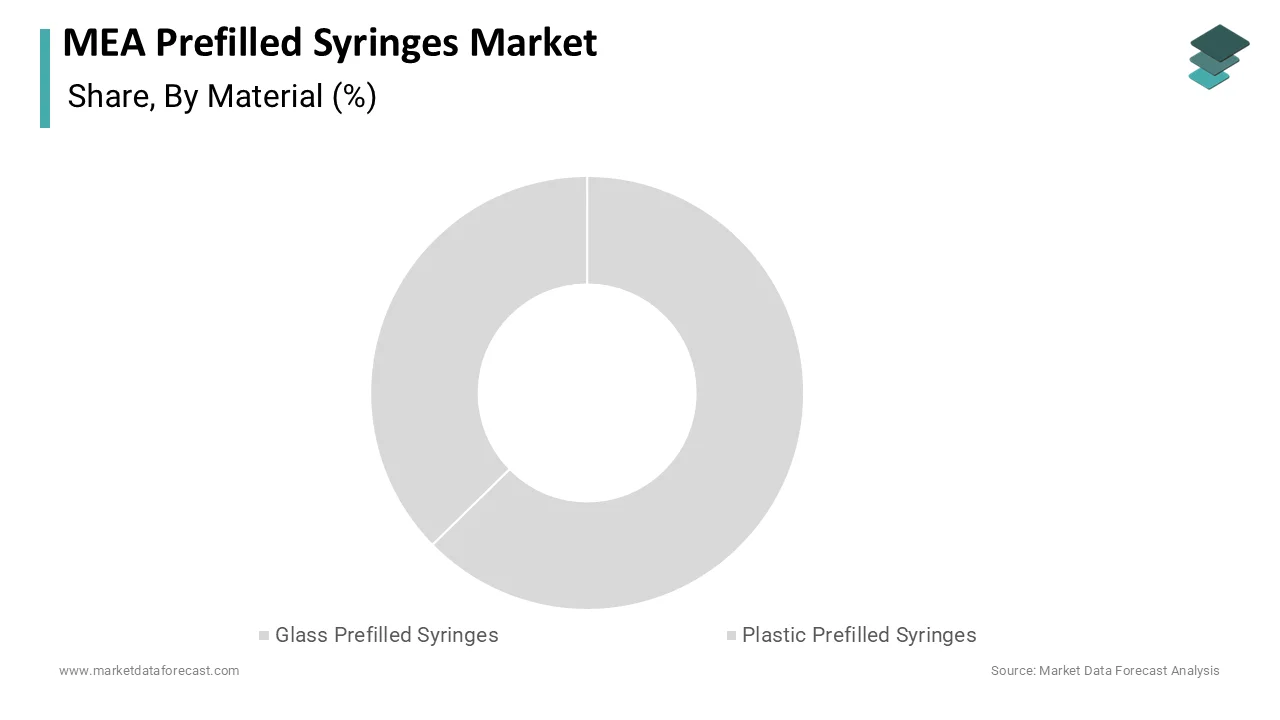
The Plastic Prefilled Syringes segment is anticipated to witness the fastest CAGR of 8.4% between 2026 and 2034, owing to the rising demand for unbreakable, lightweight delivery systems suitable for home care and emergency response scenarios. Besides, the accelerated growth of the plastic segment is mainly driven by its inherent shatter resistance and lightweight properties, which make it ideal for the burgeoning home healthcare market and self-administration trends in MEA. As patients increasingly manage chronic conditions like diabetes and rheumatoid arthritis at home, the risk of breakage associated with glass becomes a significant safety concern that plastic effectively mitigates. The durability of cyclic olefin polymer and cyclic olefin copolymer materials ensures that devices survive rough handling during transport to rural areas where road infrastructure may be poor. Furthermore, the ergonomic design possibilities with plastic allow for easier grip and actuation for elderly patients or those with limited dexterity. The ability to integrate safety features directly into the mold also reduces assembly costs and complexity. This alignment with the shift toward decentralized care and patient safety propels the plastic segment forward at a remarkable pace. The rapid adoption of plastic prefilled syringes is further catalyzed by significant technological breakthroughs in coating and barrier technologies that now match the protective qualities of glass while offering additional functional benefits. Modern plastic syringes utilize advanced siliconization and fluoropolymer coatings that prevent protein adsorption and ensure smooth plunger movement, addressing historical concerns about drug-product interactions. The transparency and clarity of modern polymers have also improved, allowing for easy visual inspection of particulates, a key regulatory requirement. Additionally, the lower carbon footprint associated with the manufacturing and transportation of lighter plastic units appeals to sustainability-focused initiatives in the GCC. These technological strides remove previous barriers to adoption, driving the plastic segment to become the fastest-growing category in the material landscape.
By Type Insights
The conventional prefilled syringes segment led the MEA prefilled syringes market and accounted for a 65.7% share in 2025. This leading position of the segment is attributed to its widespread availability, lower cost, and established usage in routine vaccination and hospital-based administration programs. Conventional prefilled syringes dominate the market because they offer the most economically viable solution for large-scale public health initiatives, particularly mass vaccination campaigns that are frequent across the MEA region. Governments and international aid organizations prioritize cost efficiency when procuring millions of doses, making the lower unit price of conventional syringes without added safety mechanisms the preferred choice. The simplicity of their design allows for high-speed manufacturing and filling, ensuring adequate supply during urgent health crises. The established training protocols for healthcare workers on using conventional devices also reduce the need for additional educational resources. Furthermore, the compatibility of conventional syringes with a wide range of standard needles and adapters ensures flexibility in diverse clinical settings. The sheer volume of routine immunizations for diseases like polio and measles sustains a massive and consistent demand for these basic yet essential delivery systems. This economic imperative and operational familiarity cement Conventional Prefilled Syringes as the undisputed leader in the type segment. The dominance of the conventional segment is reinforced by the deeply entrenched supply chains and regulatory frameworks that have supported its use for decades across the Middle East and Africa. Regulatory bodies in the region have well-defined approval pathways for conventional syringes, reducing time-to-market for manufacturers and ensuring steady availability. The extensive network of distributors and wholesalers is optimized for handling conventional formats, ensuring efficient delivery even to remote clinics. The lack of complex moving parts in conventional syringes also minimizes the risk of mechanical failure, a crucial factor in settings with limited maintenance capabilities. A study shows that familiarity with conventional devices reduces administration errors caused by confusion over novel safety mechanisms. Additionally, the ability to source conventional syringes from multiple local and international suppliers creates a competitive market that keeps prices stable. Research suggests that conventional syringes account for the highest volume of imports in the medical device category. This robust ecosystem of supply, regulation, and user confidence ensures the continued leadership of the conventional segment.
The Safety Prefilled Syringes segment is likely to experience the fastest CAGR of 9.7% during the forecast period, due to increasing regulatory mandates to prevent needle-stick injuries and the growing awareness of occupational health hazards among healthcare workers. The main engine for the rapid growth of Safety Prefilled Syringes is the implementation of stricter occupational health and safety regulations across the MEA region aimed at eliminating needle-stick injuries among healthcare professionals. Governments are increasingly recognizing the severe health risks and financial burdens associated with bloodborne pathogen transmission, prompting laws that require the use of safety-engineered devices. The adoption of safety syringes with retractable needles or shielding mechanisms significantly reduces this risk, offering a compelling value proposition despite higher upfront costs. The economic argument is also strengthening, as the cost of post-exposure prophylaxis and treatment far exceeds the premium for safety devices. Besides, the regulatory and economic convergence creates a mandatory market environment where safety prefilled syringes are becoming the new standard of care, ensuring their status as the fastest-expanding type segment. Safety Prefilled Syringes are experiencing rapid growth due to heightened awareness of infection control and the competitive advantage private healthcare providers gain by adopting superior safety standards. Private hospitals and clinics in the MEA region are increasingly marketing their commitment to patient and staff safety as a key differentiator to attract discerning clients and international medical tourists. The psychological comfort provided to patients knowing that safe disposal mechanisms are in place also drives demand in outpatient settings. In addition, the rise of specialized clinics for diabetes and fertility treatments, which involve frequent self-administration or professional injection, further boosts the uptake of safety features that protect both users and caregivers. Furthermore, training programs for nurses and doctors now emphasize the importance of safety engineering, creating a cultural shift within the workforce. This combination of voluntary adoption and quality differentiation positions the safety segment as the dynamic growth leader.
By Design Insights
The Single-chamber design segment dominated the MEA prefilled syringes market and occupied a substantial share in 2025. This prominence of the segment is supported by its simplicity, compatibility with the vast majority of liquid formulations, and established manufacturing processes. The prevalence of single-chamber designs is firmly rooted in their simplistic architecture, which is ideally matched to the predominant liquid solutions and suspensions marketed in the MEA region. Most vaccines, insulin formulations, and biologic drugs do not require reconstitution immediately before administration, making the complex dual-chamber mechanism unnecessary and costly. The simplicity of the single-chamber design minimizes the risk of mechanical failure during assembly and use, a critical factor in settings with varying levels of technical expertise. The ease of filling and sealing single-chamber syringes allows for faster production speeds, which is essential for meeting the high-volume demands of public health programs. Furthermore, the training required for healthcare workers to use single-chamber syringes is minimal, facilitating rapid deployment in emergencies. The direct correlation between the prevalent drug formulations and the single-chamber design secures its position as the largest consumer of prefilled syringe technology. Beyond technical suitability, the single-chamber segment leads the market due to its superior cost efficiency and the mature manufacturing ecosystems dedicated to its production across the MEA region. The absence of a lyophilized powder chamber and the associated stopper system reduces material costs and assembly complexity, resulting in a lower final product price that is vital for price-sensitive markets. The extensive installed base of filling equipment in local pharmaceutical plants in Egypt and Turkey is optimized for single-chamber processing, discouraging investment in new technologies for niche applications. The supply chain for single-chamber components is also more robust, with multiple local suppliers ensuring consistent availability and competitive pricing. Additionally, the reduced weight and volume of single-chamber syringes lower logistics and storage costs, a significant advantage in regions with vast geographical distances. This combination of economic viability and infrastructural readiness ensures the continued dominance of the single-chamber segment.
The Dual-chamber design segment is on the rise and is expected to be the fastest-growing segment in the market by witnessing a CAGR of 10.2% over the forecast period. This rapid growth of the segment is propelled by the increasing launch of unstable biologic drugs and lyophilized powders that require reconstitution immediately before administration to maintain potency. The swift expansion of this segment is fuelled by the escalating introduction of advanced biologic therapies and vaccines in the MEA region that are too unstable to be stored in liquid form for extended periods. These drugs, often used in oncology and rare diseases, must be lyophilized (freeze-dried) and reconstituted with a diluent just before injection, a process perfectly facilitated by the dual-chamber syringe design. The dual-chamber design allows the powder and liquid to be stored separately within the same barrel, enabling instant mixing by simply pushing the plunger, which enhances convenience and reduces preparation errors. Also, the ability to ensure precise dosing ratios during reconstitution is critical for potent drugs where accuracy is paramount. Furthermore, the reduction in contamination risk during the reconstitution process adds a layer of safety that is highly valued in sterile compounding environments. This alignment with the trend toward complex, high-value therapeutics propels the dual-chamber segment to the forefront of market growth. Dual-chamber prefilled syringes are experiencing rapid adoption due to their ability to significantly enhance patient convenience and minimize medication errors associated with manual reconstitution steps. In the MEA region, where the shortage of skilled healthcare professionals can lead to variability in drug preparation, the automated mixing feature of dual-chamber syringes offers a crucial safety net. The streamlined process allows for quicker administration, which is particularly beneficial in emergency settings and for patients with limited mobility. As per sources, a notable share of respondents preferred dual-chamber systems for their ease of use and the confidence they inspired in the correctness of the dose. The portability of these ready-to-mix systems also supports the growing trend of home infusion therapies, allowing patients to receive complex treatments outside of clinical settings safely. Additionally, the reduction in waste generated by separate vials and diluent ampoules aligns with sustainability goals. Industry experts note that as more patent-cliff biologics enter the market in lyophilized forms, the demand for user-friendly dual-chamber solutions will continue to surge. This focus on safety, convenience, and error prevention ensures rapid expansion for this segment.
By Application Insights
The Vaccines application segment held the majority share of 55.1% of the MEA prefilled syringes market in 2025. This supremacy of the segment is credited to the extensive national immunization programs, outbreak response initiatives, and the critical role of vaccines in public health strategies across the MEA region. The predominance of vaccines in the region is heavily supported by large-scale, state-led public health programs that act as the backbone of healthcare systems in MEA. Countries across the region maintain rigorous schedules for administering vaccines against polio, measles, tetanus, and hepatitis, creating a perpetual and high-volume demand for prefilled syringes. The shift from multi-dose vials to single-dose prefilled syringes is accelerating to eliminate wastage and prevent cross-contamination, a priority highlighted by the Global Polio Eradication Initiative. Also, the logistical advantage of prefilled syringes, which require no drawing up of doses, speeds up vaccination drives and reduces the burden on healthcare workers. Furthermore, the emergence of new vaccines for diseases like HPV and rotavirus, which are being introduced into national schedules, further expands the addressable market. The critical nature of herd immunity and disease eradication efforts ensures that vaccines remain the largest application area for prefilled syringes. Beyond routine immunization, the vaccines segment leads the market due to the frequent need for rapid response to infectious disease outbreaks and epidemics that characterize parts of the MEA region. The agility provided by prefilled syringes is essential for deploying vaccines quickly during crises such as cholera, meningitis, or yellow fever outbreaks, where speed and safety are paramount. The reduced risk of needle-stick injuries and improper dosing during high-pressure emergency scenarios makes prefilled syringes the preferred choice for international aid organizations and local health authorities. Moreover, the stability of vaccines in prefilled formats also aids in maintaining potency during transport to hard-to-reach conflict zones or disaster areas. Additionally, the growing stockpiling of pandemic influenza and coronavirus vaccines by GCC nations creates a strategic reserve demand. This constant state of preparedness and the recurring need for rapid intervention solidify the vaccines segment as the cornerstone of the prefilled syringes market.
The Monoclonal Antibodies application segment is expected to exhibit a noteworthy CAGR of 11.5% from 2026 to 2034. This swift acceleration of the segment is driven by the rising prevalence of chronic diseases, the approval of novel biologic therapies, and the increasing affordability of biosimilars in the region. The rapid growth of the monoclonal antibodies segment is fueled by the escalating burden of chronic conditions such as cancer, rheumatoid arthritis, and inflammatory bowel disease across the MEA region, which increasingly rely on biologic therapies for management. As lifestyle changes and aging populations drive up disease incidence, the demand for targeted treatments delivered via prefilled syringes is skyrocketing. According to research, the incidence of cancer in the Middle East is projected to double by 2030, creating an urgent need for efficient delivery systems for chemotherapy and immunotherapy agents. Monoclonal antibodies, which are often large molecules requiring precise subcutaneous or intravenous administration, are ideally suited for prefilled syringe formats that ensure dose accuracy and stability. As per sources, the use of monoclonal antibody therapies has increased in the last three years. The convenience of prefilled syringes facilitates the shift of these complex treatments from hospital infusion centers to home care settings, improving patient quality of life. Furthermore, the entry of biosimilars is making these expensive treatments more accessible to a broader patient base in countries like Egypt and South Africa. This convergence of rising disease burden and expanding treatment access propels the monoclonal antibodies segment to the forefront of market growth. The monoclonal antibodies segment is experiencing rapid expansion due to the strategic development of local biosimilar industries and supportive regulatory frameworks that encourage the adoption of cost-effective biologic alternatives. Governments in the MEA region are actively promoting the production and use of biosimilars to reduce healthcare costs while maintaining high standards of care, leading to a surge in available monoclonal antibody products. According to studies, streamlined approval pathways for biosimilars have resulted in an increase in registered biologic products over the last two years. These biosimilars are frequently launched in prefilled syringe formats to compete with originator brands on usability and patient preference. The competitive pricing of biosimilars makes them accessible to public health systems, vastly expanding the patient pool for monoclonal antibody therapies. Additionally, partnerships between international biotech firms and local manufacturers are enhancing production capacity and distribution networks. A study shows significant foreign direct interest in local biologic manufacturing hubs. This supportive ecosystem and the drive for affordable advanced therapies ensure that the monoclonal antibodies segment remains the fastest-growing application area.
By Distribution Channel Insights
The hospital's distribution channel segment was the largest in the MEA market and accounted for a 62.8% share in 2025. This dominance of the segment is supported by the concentration of specialized medical procedures, the administration of high-cost biologics, and the central role of hospitals in vaccination campaigns across the MEA region. Hospitals lead the market because they are the main places where complex treatments (chemotherapy, vaccines) are given, making them the largest users of prefilled syringes. In the MEA region, where outpatient infrastructure for specialized care is still developing in many areas, hospitals remain the default destination for serious health conditions requiring injectable medications. The presence of skilled nursing staff and sterile environments in hospitals ensures the safe handling and administration of high-value prefilled syringes, minimizing waste and errors. Besides, the integration of prefilled syringes into hospital formularies for routine procedures like anesthesia and pain management further sustains high volume demand. Furthermore, hospitals serve as the coordination centers for national immunization days, absorbing massive quantities of vaccine-filled syringes for distribution. The critical dependency of advanced medical care on hospital infrastructure secures the hospital segment as the largest consumer of prefilled syringes. Hospitals lead the market due to their immense procurement power and the prevalence of bulk tendering mechanisms that dictate the supply chain for medical devices in the MEA region. Public and private hospital groups often consolidate their purchasing to negotiate favorable prices and ensure consistent supply, making them the primary target for manufacturers. The ability of hospitals to absorb large shipments and manage complex inventory systems makes them ideal partners for suppliers of prefilled syringes. Also, the regulatory requirement for strict traceability and quality assurance in hospital settings favors the use of branded, high-quality prefilled syringes over generic alternatives. Additionally, the influence of hospital pharmacy committees on prescribing patterns ensures that once a prefilled syringe product is adopted, it enjoys sustained usage. The economies of scale achieved through hospital-centric distribution models reinforce their dominant position in the market landscape.
The Mail-order Pharmacies segment is predicted to witness the highest CAGR of 12.8% from 2026 to 2034 due to the rapid digitization of healthcare, the expansion of e-commerce platforms, and the growing preference for home delivery of chronic care medications. Also, the quick rise of the mail-order pharmacy segment is primarily driven by the aggressive digital transformation of the healthcare sector in the MEA region, where e-commerce platforms are increasingly becoming the preferred channel for purchasing prescription medications. Governments and the private sector are investing heavily in digital health infrastructure to improve access and convenience, particularly for patients in remote areas. The convenience of ordering prefilled syringes for chronic conditions like diabetes and multiple sclerosis from home appeals to busy urban populations and those with mobility issues. As per transaction data from major online pharmacy operators in the UAE, sales of injectable medications delivered via mail order have increased in the last two years. The integration of telemedicine consultations with direct-to-home delivery of prefilled syringes creates a seamless patient journey that traditional brick-and-mortar pharmacies cannot match. Furthermore, the discretion offered by mail-order services reduces the stigma associated with certain conditions, boosting adherence. This convergence of technology adoption and changing consumer habits propels the mail-order segment forward at an unprecedented pace. Mail-order pharmacies are experiencing rapid expansion due to the shifting paradigm toward chronic disease management and home care, which necessitates regular and reliable access to self-administered medications. As the prevalence of non-communicable diseases rises, patients require consistent supplies of prefilled syringes for insulin, hormones, and biologics, a need efficiently met by subscription-based mail-order models. The ability of mail-order pharmacies to offer automatic refills and doorstep delivery ensures high medication adherence, a critical factor for successful long-term therapy. The cost savings associated with reduced travel and waiting times also make this channel attractive for patients in sprawling metropolitan areas. Additionally, the personalized counseling services provided via apps and hotlines by these pharmacies enhance patient confidence in self-injection. This alignment with the future of decentralized healthcare ensures that the mail-order pharmacy segment becomes the fastest-growing distribution channel.
COUNTRY LEVEL ANALYSIS
Saudi Arabia Prefilled Syringes Market Analysis
Saudi Arabia dominated the MEA Prefilled Syringes Market and captured a share of 28.7% share in 2025. The country’s market is driven by its robust healthcare infrastructure, high healthcare expenditure, and ambitious Vision 2030 reforms. The kingdom is the regional hub for advanced medical treatments, hosting the highest number of specialized hospitals and research centers in the Middle East. The presence of major global pharmaceutical companies establishing regional headquarters in Riyadh ensures the continuous adoption of cutting-edge delivery systems like prefilled syringes. The high prevalence of diabetes and obesity in the kingdom further fuels the demand for insulin and other injectable therapies. Industry reports from the Saudi Pharmaceutical Society indicate that the shift toward home healthcare and self-administration is accelerating, driven by government campaigns to reduce hospital congestion. Furthermore, the kingdom's leadership in organizing mass gathering events like Hajj and Umrah necessitates extensive vaccination programs utilizing prefilled syringes. This combination of economic strength, regulatory support, and demographic needs cements Saudi Arabia's position as the primary market force in the region.
United Arab Emirates Prefilled Syringes Market Analysis
The United Arab Emirates was the second largest country in the MEA Prefilled Syringes Market and accounted for a 18.3% share in 2025 because of its world-class medical tourism industry, advanced digital health ecosystem, and proactive government health strategies. The country benefits from a highly sophisticated healthcare system that attracts patients from across the globe seeking premium treatments, driving the demand for high-quality delivery devices. The UAE's early adoption of telemedicine and mail-order pharmacy services has created a unique distribution landscape that favors convenient delivery formats. The government's National Strategy for Wellbeing 2031 emphasizes preventive care and vaccination, leading to robust procurement of vaccine-filled syringes. Additionally, the high per capita income allows for greater access to expensive biologic treatments, reinforcing the need for user-friendly prefilled systems. This strategic focus on innovation, quality, and accessibility propels the UAE's significant market standing.
South Africa Prefilled Syringes Market Analysis
South Africa plays a major role in the MEA Prefilled Syringes Market owing to its well-developed pharmaceutical manufacturing base and the largest public health program on the continent. Despite challenges, the country maintains a sophisticated industry capable of producing and distributing complex drugs, including antiretrovirals and vaccines, often utilizing prefilled formats for better adherence. According to sources, the local industry is a key supplier to the rest of the Southern African Development Community, leveraging its regulatory harmonization efforts. The high burden of HIV/AIDS and tuberculosis drives massive vaccination and treatment campaigns that increasingly adopt prefilled syringes to improve safety and efficiency. The presence of major multinational manufacturing plants ensures a steady supply of high-quality syringes. Observers note that South Africa is a leader in the adoption of safety-engineered devices to protect healthcare workers from occupational hazards. The country's role as a gateway to the African market and its strong regulatory framework sustain its important position in the regional landscape.
Egypt Prefilled Syringes Market Analysis
Egypt witnessed a steady growth in the MEA Prefilled Syringes Market due to its large population, growing pharmaceutical production capacity, and strategic location as a bridge between Africa and the Middle East. The country's pharmaceutical sector is one of the largest in the region, with a strong emphasis on producing generic drugs and vaccines for domestic consumption and export. The high prevalence of chronic diseases such as hepatitis C and diabetes creates a vast domestic market for injectable therapies. Besides, the universal health insurance scheme currently being rolled out across the governorates is expected to increase access to advanced treatments, driving demand for convenient delivery systems. Furthermore, Egypt's role in supplying vaccines to other African nations through diplomatic and commercial channels amplifies its market influence. This combination of demographic scale, industrial capability, and reform-driven growth supports Egypt's steady market expansion.
Israel Prefilled Syringes Market Analysis
Israel is predicted to expand significantly in the MEA market during the forecast period due to its status as a global powerhouse in biotechnology innovation, advanced research and development, and high-tech medical solutions. The Israeli market is characterized by early adoption of novel therapies and a strong culture of innovation that drives the demand for state-of-the-art drug delivery systems. Moreover, the country's universal healthcare system ensures high coverage rates for expensive biologic treatments, fostering a robust market for prefilled syringes. The strong collaboration between academia, industry, and healthcare providers accelerates the translation of research into clinical practice. Furthermore, the country's export-oriented pharmaceutical industry supplies high-value products to global markets, utilizing prefilled syringes as the standard packaging. The focus on precision medicine and digital health integration ensures that Israel remains a critical and influential market for advanced prefilled syringe technologies in the MEA region.
COMPETITIVE LANDSCAPE
The competition in the MEA Prefilled Syringes Market is characterized by a dynamic interplay between established multinational corporations and emerging regional manufacturers who compete on technology and service quality. The landscape is moderately consolidated,d with global leaders leveraging their extensive portfolios and technical expertise to dominate the high-end biopharmaceutical and vaccine segments. Intense rivalry exists in the area of product innovation, where companies strive to offer safer and more user-friendly syringe systems to attract cost-conscious healthcare providers. Price sensitivity remains a significant factor, particularly in public sector procurement, but is often outweighed by the need for regulatory compliance and proven performance standards. New entrants face substantial barriers due to the high capital investment required for manufacturing facilities and the strict validation processes mandated by local health authorities. However,r the growing demand for biologics and chronic care treatments creates opportunities for niche players to thrive by offering specialized solutions for specific therapeutic areas. Overall, the market dynamics favor those who can combine operational efficiency with strong local support networks while adapting quickly to shifting regulatory requirements and economic conditions in the region.
KEY MARKET PLAYERS
A few of the leading companies in the MEA prefilled syringes market profiled in this report are
- Becton Dickinson and Company
- Gerresheimer AG
- SCHOTT AG
- West Pharmaceutical Services Inc.
- Stevanato Group (Ompi)
- Catalent Inc.
- Weigao Group
- Vetter Pharma International GmbH
- Nipro Corporation
- MedPro Inc.
TOP LEADING PLAYERS IN THE MARKET
- BD operates as a global leader in medical technology with a profound impact on the MEA Prefilled Syringes Market through its extensive portfolio of safety-engineered devices. The company provides advanced glass and plastic prefilled syringes that are essential for vaccine delivery and biologic administration across the region. Their contribution to the global market involves setting benchmarks for needle stick injury prevention and drug containment integrity. Recently, BD has expanded its manufacturing footprint in South Africa and established distribution hubs in the United Arab Emirates to ensure rapid supply chain responsiveness. The firm also launched new ultra-thin wall syringe technologies designed to reduce injection force for patients with limited dexterity. By partnering with regional health ministries, BD facilitates large-scale immunization campaigns using its reliable delivery systems. These strategic initiatives reinforce their commitment to improving patient safety and supporting the growing demand for high-quality injectable medicines throughout the Middle East and Africa while maintaining their status as a preferred innovation partner globally.
- Gerresheimer AG stands as a pivotal innovator in pharmaceutical packaging with a robust presence in the MEA Prefilled Syringes Market via its specialized glass and plastic solutions. The company delivers comprehensive systems ranging from borosilicate glass syringes to polymer-based devices that cater to diverse therapeutic applications. Their global contribution centers on providing high-quality primary packaging that ensures drug stability and sterility throughout the product lifecycle. In recent developments, Gerresheimer has strengthened its customer support in the region by opening technical service centers in Egypt and Saudi Arabia to offer localized expertise. The firm also introduced next-generation syringe designs featuring improved breakage resistance and enhanced compatibility with autoinjectors. By focusing on sustainability, Gerresheimer promotes lightweighting initiatives that reduce material usage and carbon emissions during transport. These efforts demonstrate their dedication to providing reliable, efficient, and eco-friendly packaging technologies that empower pharmaceutical customers to accelerate drug launches and expand access to critical therapies across the continent effectively.
- Schott AG is a renowned German supplier specializing in high-performance glass and materials science with a significant footprint in the MEA Prefilled Syringes Market. The company offers a wide array of glass prefilled syringe components, including FIOLAX ampoules and sterile cartridges that are critical for ensuring product safety and purity. Their contribution to the global market is defined by engineering excellence and a strong focus on chemical resistance and thermal stability. Recently,y Schott has expanded its logistics capabilities in the region by partnering with local distributors to reduce lead times for glass syringe barrels. The firm also enhanced its digital services by launching online platforms for order tracking and technical documentation access. By collaborating with regional pharmaceutical manufacturers, RS Schott facilitates knowledge exchange and skill development regarding glass processing and handling. Additionally, the company actively supports cold chain initiatives by developing glass formulations that withstand extreme temperature variations common in parts of Africa. These strategic actions underscore their position as a trusted partner dedicated to supporting the evolving needs of modern pharmaceutical manufacturers and driving innovation in the MEA market.
TOP STRATEGIES USED BY KEY MARKET PARTICIPANTS
Key players in the MEA Prefilled Syringes Market primarily employ strategies focused on localization and strategic partnerships to secure competitive advantages. Companies are increasingly establishing regional assembly facilities and distribution centers to mitigate supply chain disruptions and reduce delivery times for critical medical devices. Another major strategy involves investing in research and development to create specialized syringe designs tailored for the unique climate conditions and disease profiles found in the region. Strategic collaborations with local governments and health organizations help firms expand their customer base and facilitate participation in large-scale public health tenders. Manufacturers are also deploying advanced safety features such as automatic needle retraction to comply with evolving occupational health regulations. Furthermore, firms are prioritizing sustainability by developing lightweight materials and reducing packaging waste through innovative design. These collective efforts aim to deliver superior reliability and performance while adapting to the specific regulatory and economic landscapes of Middle Eastern and African countries.
MARKET SEGMENTATION
This research report on the Middle East and Africa prefilled syringes market has been segmented and sub-segmented into the following categories:
By Material
- Glass Prefilled Syringes
- Plastic Prefilled Syringes
By Type
- Conventional Prefilled Syringes
- Safety Prefilled Syringes
By Design
- Single-chamber
- Dual-chamber
By Application
- Vaccines
- Monoclonal Antibodies
By Distribution Channel
- Hospitals
- Ambulatory surgical centers
- Mail-order pharmacies
By Country
- KSA
- UAE
- Israell
- rest of the GCC countries
- South Africa
- Ethiopia
- Kenya
- Egypt
- Sudan
- rest of MEA