- Product Description Description
- Table of Contents TOC
- List of Table & Figure LOT
- Get Free Sample PDF Sample PDF
Market Size, 2025
$11.6 MnMarket Estimate, 2026
$12.26 MnMarket Forecast, 2034
$19 MnCAGR, 2026–2034
5.68%Middle East and Africa Micro Guide Catheters Market Report Summary
The Middle East and Africa micro guide catheters market was valued at USD 11.6 million in 2025 and is projected to grow from USD 12.26 million in 2026 to USD 19 million by 2034, registering a CAGR of 5.68% from 2026 to 2034. The market growth is driven by the increasing prevalence of cardiovascular and neurovascular disorders, rising demand for minimally invasive procedures, expanding healthcare infrastructure, and growing investments in advanced interventional medical technologies. The adoption of innovative catheter-based treatments and improving access to specialized healthcare services are further contributing to the steady expansion of the market across the Middle East and Africa.
Key Market Trends
- Rising incidence of cardiovascular diseases is increasing the demand for advanced micro guide catheter-based interventions.
- Growing preference for minimally invasive surgical procedures is driving the adoption of micro guide catheters across healthcare facilities.
- Increasing investments in healthcare infrastructure and interventional cardiology centers are supporting market growth.
- Technological advancements in catheter design are improving procedural precision, flexibility, and patient outcomes.
- Expanding awareness of early diagnosis and treatment of complex vascular disorders is creating new growth opportunities for market participants.
Segmental Insights
- Based on type, the over-the-wire micro guide catheters segment dominated the Middle East and Africa micro guide catheters market in 2025. The segment maintained its leading position due to its superior navigation capabilities, enhanced stability during complex interventional procedures, and widespread use in cardiovascular and neurovascular treatments.
- Based on therapeutic area, the cardiovascular segment held the largest share of the Middle East and Africa micro guide catheters market in 2025. The dominance of this segment is attributed to the increasing burden of cardiovascular diseases, growing number of catheter-based coronary interventions, and the rising adoption of minimally invasive treatment approaches across the region.
Regional Insights
- Saudi Arabia dominated the Middle East and Africa micro guide catheters market by accounting for 25.7% of the regional market share in 2025. The country's leadership is supported by its advanced healthcare infrastructure, increasing investments in medical technologies, rising prevalence of cardiovascular diseases, and strong government initiatives to modernize healthcare services.
- The United Arab Emirates held the second-largest position in the Middle East and Africa micro guide catheters market, capturing 18.1% of the regional market share in 2025. The country's market growth is driven by rapid healthcare development, growing adoption of advanced interventional procedures, increasing medical tourism, and continued investments in specialized cardiovascular care.
Competitive Landscape
The Middle East and Africa micro guide catheters market is moderately competitive, with leading medical device manufacturers focusing on product innovation, technological advancements, strategic collaborations, and regional expansion to strengthen their market presence. Companies are investing in research and development to improve catheter performance, enhance procedural efficiency, and address the growing demand for minimally invasive vascular interventions across the region.
Prominent companies operating in the market include Lake Region Manufacturing Inc., Boston Scientific Corporation, Volcano Corporation, Micro Therapeutics Inc., Medtronic plc, LuMend Corporation, Terumo Corporation, Covidien AG, ASAHI INTEC Company Limited, and Merit Medical Systems Inc.
Middle East and Africa Micro Guide Catheters Market Size
The Middle East and Africa micro guide catheters market was valued at USD 11.6 million in 2025, is estimated to reach USD 12.26 million in 2026, and is projected to reach USD 19 million by 2034, growing at a CAGR of 5.68% from 2026 to 2034.

Micro guide catheters (often just called microcatheters) are ultra-thin, flexible medical tubes used by cardiologists, neurologists, and radiologists in minimally invasive procedures. These precision instruments are critical for complex procedures such as chronic total occlusion interventions, peripheral vascular disease treatments, and neurovascular embolizations where standard guide catheters lack the necessary maneuverability or support. The region is witnessing a paradigm shift in cardiovascular care driven by the rising burden of non-communicable diseases and increasing access to advanced minimally invasive therapies. According to the World Health Organization, cardiovascular diseases remain the leading cause of death globally, accelerating the need for advanced cardiovascular intervention devices across emerging healthcare infrastructure. As per the Global Burden of Disease Study, the Middle East sustains one of the highest absolute burdens of ischemic heart disease in the world, escalating the regional demand for highly sophisticated micro guide catheters. The aging population in Gulf Cooperation Council nations further amplifies this demand as older patients present with complex comorbidities requiring delicate navigation tools. Regulatory bodies in countries like Saudi Arabia and South Africa are strengthening medical device oversight to ensure patient safety while encouraging the adoption of innovative technologies. The integration of these micro catheters into hybrid operating rooms reflects the growing sophistication of healthcare infrastructure in key urban centers across the region.
MARKET DRIVERS
Rising Prevalence Of Complex Cardiovascular And Neurovascular Diseases
The escalating incidence of complex cardiovascular and neurovascular disorders fuels the growth of the Middle East and Africa micro guide catheters market. According to the International Diabetes Federation, the Middle East and North Africa region has the highest comparative prevalence of diabetes globally at 16.2 percent, which significantly increases the risk of peripheral artery disease and coronary complications requiring intricate interventions. Patients with diabetes often present with diffuse and calcified lesions that are difficult to navigate with standard equipment, thereby creating a clinical necessity for micro guide catheters that offer superior trackability and support. As per the Stroke Survivors Foundation, stroke represents a primary driver of long-term adult disability in South Africa, expanding the regional necessity for high-precision endovascular interventions. The ability of micro guide catheters to access distal vessels and provide a stable platform for stent delivery or embolic protection is crucial in these scenarios. National healthcare access initiatives by the Egyptian Ministry of Health and Population have significantly multiplied state-subsidized cardiac surgeries to address an expanding backlog of complex coronary cases. Furthermore, the high rates of hypertension in countries like Morocco and Algeria contribute to vascular remodeling and tortuosity, making micro catheters essential for safe navigation. This clinical complexity ensures that hospitals investing in advanced interventional suites prioritize the procurement of specialized micro guide systems to improve procedural success rates and patient outcomes.
Expansion Of Advanced Interventional Cardiology Infrastructure In GCC Nations
The substantial investment in healthcare infrastructure within Gulf Cooperation Council nations is driving the demand for high-precision medical devices, which boosts the expansion of the Middle East and Africa micro guide catheters market. According to vision documents from the Saudi Ministry of Health, the kingdom is transforming its healthcare sector under Vision 2030 by establishing specialized heart centers equipped with state-of-the-art hybrid operating rooms capable of performing complex structural heart and neurovascular procedures. These facilities require advanced instrumentation to support minimally invasive techniques that reduce recovery times and hospital stays. The presence of world-class institutions such as the Cleveland Clinic Abu Dhabi and King Faisal Specialist Hospital attracts medical tourists from across the region who seek high-quality care for complex conditions. Statistics from the Qatar Ministry of Public Health indicate that the country has achieved universal health coverage, which includes access to advanced interventional procedures. The availability of skilled interventional cardiologists and neurosurgeons trained in international centers further accelerates the adoption of micro guide catheters as these professionals prefer using familiar and reliable tools for challenging anatomies. This infrastructure development creates a robust ecosystem where premium medical devices are not only available but actively utilized to maintain high standards of clinical excellence.
MARKET RESTRAINTS
High Cost Of Imported Premium Medical Devices
The prohibitive cost of imported premium micro guide catheters is a significant restraint on the Middle East and Africa market. This limits their accessibility in many parts of the region. Studies reveal that specialized single-use micro guide catheters command a high premium, presenting a substantial procurement barrier relative to the daily per capita incomes of several developing economies. This financial barrier restricts the use of these advanced devices to well-funded private hospitals or elite public institutions in wealthy Gulf states, leaving the majority of the population without access to optimal interventional care. Joint healthcare financing scorecards demonstrate that out-of-pocket costs exceed 45% of total health expenditure in many parts of Sub-Saharan Africa, rendering premium disposable medical devices inaccessible to most patients. Even in countries with national insurance schemes, reimbursement rates for high-cost interventional supplies are often insufficient to cover the full expense of premium micro catheters. The reliance on imports from Europe and the United States exposes the market to currency fluctuations and tariffs, which further inflate prices. Manufacturers face challenges in introducing innovative products because price sensitivity forces hospitals to prioritize cost over performance. This economic reality stifles the widespread adoption of advanced micro guide technologies in resource-limited settings.
Shortage Of Skilled Interventional Specialists And Training Facilities
A critical shortage of trained interventional cardiologists and neurosurgeons proficient in using these catheters severely hampers the growth of the Middle East and Africa micro guide catheters market. According to workforce data from the World Health Organization, many African countries have fewer than one interventional specialist per million population, creating a massive gap between patient needs and available expertise. Micro guide catheters require advanced technical skills and extensive experience to navigate complex vascular anatomies safely without causing dissection or perforation. The brain drain phenomenon exacerbates this issue as trained specialists emigrate to Europe, North America, or Gulf states in search of better working conditions and compensation. Without adequate human capital, the advanced capabilities of micro guide catheters remain underutilized even when the devices are available. Hospitals hesitate to invest in expensive inventory if they lack the staff to use them effectively. This skills gap prevents the scaling up of interventional services and limits the potential market for specialized devices. Addressing this human resource deficit requires long-term investment in education and retention strategies, which are currently lacking in many regions.
MARKET OPPORTUNITIES
Growth Of Medical Tourism Hubs In The Middle East
The emergence of the Middle East as a global medical tourism destination offers a significant opportunity for the regional micro guide catheters market. This trend attracts international patients seeking specialized interventional care. According to specialized indicators from the Dubai Health Authority, the emirate welcomes over 691,000 international health tourists annually, accelerating regional demands for complex specialty clinical workflows. These patients often present with complex conditions that require the use of advanced micro guide catheters for successful treatment outcomes. The revenue generated from international patients allows facilities to stock a wider variety of specialized catheters that may not be economically viable for local populations alone. In addition, the Joint Commission International highlights that over 400 healthcare organizations in the Middle East hold active international accreditations, building strong trust for cross-border tertiary patient care. This influx of high acuity cases drives demand for the latest generation of micro guide systems that offer superior performance and safety profiles. Manufacturers can leverage this trend by partnering with leading medical tourism providers to ensure supply chain reliability and technical support. The cross-border flow of patients facilitates knowledge exchange and accelerates the adoption of best practices in interventional medicine throughout the region.
Adoption Of Minimally Invasive Neurovascular Procedures
The increasing adoption of minimally invasive neurovascular procedures paves the way for the expansion of the Middle East and Africa micro guide catheters market. This is because healthcare systems are seeking to reduce the morbidity associated with open brain surgery. According to clinical trend analysis from the World Federation of Neurosurgical Societies, endovascular coiling and stenting for cerebral aneurysms have become the preferred treatment options in many advanced centers due to faster recovery times and lower complication rates. These procedures rely heavily on micro guide catheters to navigate the delicate and tortuous vessels of the brain safely. As per regulatory approvals from the Saudi Food and Drug Authority, several next-generation micro catheter systems designed specifically for neurointervention have received clearance in recent years, expanding treatment options for clinicians. The aging population in Gulf Cooperation Council nations is experiencing a rise in cerebrovascular accidents, creating a growing cohort of patients eligible for these interventions. Manufacturers have the opportunity to introduce dedicated neurovascular micro guide platforms that offer enhanced torque control and visibility. The expansion of stroke units and comprehensive stroke centers in major cities further supports this trend. Awareness of stroke symptoms is improving, and emergency response systems continue to develop. As a result, the volume of acute neurovascular interventions is expected to rise. This growth will drive sustained demand for specialized micro guide catheters.
MARKET CHALLENGES
Logistical Complexities And Supply Chain Vulnerabilities
Logistical complexities and supply chain vulnerabilities pose significant challenges to the consistent availability of these catheters, which constrains the growth of the Middle East and Africa micro guide catheters market. According to logistics performance indices from the World Bank, many African countries rank low in infrastructure quality and customs efficiency, leading to delays in the importation of temperature-sensitive and sterile medical devices. Micro guide catheters require strict storage conditions and sterile handling, which are difficult to maintain in regions with unreliable electricity and transportation networks. As per supply chain assessments by the Global Fund, stockouts of essential medical supplies occur in up to 30 percent of health facilities in sub-Saharan Africa due to fragmented distribution channels and poor inventory management. The reliance on imports from Europe and the United States exposes the region to global shipping disruptions, currency fluctuations, and geopolitical tensions. Customs clearance processes can take weeks or even months in some jurisdictions, delaying urgent surgeries and compromising patient outcomes. The lack of localized manufacturing capabilities means that any disruption in global supply chains has immediate and severe impacts on local healthcare delivery. Manufacturers face high costs associated with maintaining redundant inventory and specialized logistics partners to mitigate these risks. These structural inefficiencies hinder the equitable distribution of life-saving technologies.
Regulatory Heterogeneity And Approval Delays
Regulatory heterogeneity and prolonged approval processes are formidable hurdles for manufacturers seeking to introduce new micro guide catheters into the Middle East and Africa markets. According to regulatory mapping by the World Health Organization, there is no unified regulatory framework for medical devices across the African continent, with each country maintaining its own distinct requirements, submission formats, and evaluation timelines. This fragmentation forces manufacturers to navigate dozens of different regulatory systems, increasing compliance costs and delaying market entry. As per data from the Saudi Food and Drug Authority, the average time for medical device registration can range from 6 to 18 months depending on the complexity of the product and completeness of the dossier. In many African nations, regulatory agencies lack sufficient technical expertise and resources to evaluate advanced medical devices efficiently, leading to further delays. Statistics from the African Medicines Agency indicate that harmonization efforts are ongoing but full implementation of a unified approval mechanism remains years away. The absence of mutual recognition agreements means that approvals in one country do not facilitate access to neighboring markets, requiring duplicate submissions and fees. This regulatory uncertainty discourages investment and limits the availability of innovative technologies to patients who need them most. Manufacturers must allocate significant resources to regulatory affairs activities, diverting funds from research and development. The lack of transparency and predictability in regulatory decisions creates an unpredictable business environment.
REPORT COVERAGE
| REPORT METRIC | DETAILS |
| Market Size Available | 2024 to 2033 |
| Base Year | 2024 |
| Forecast Period | 2026 to 2034 |
| Segments Covered | By Type, Therapeutic Area, and Region. |
| Various Analyses Covered | Global, Regional and Country-Level Analysis, Segment-Level Analysis, Drivers, Restraints, Opportunities, Challenges; PESTLE Analysis; Porter’s Five Forces Analysis, Competitive Landscape, Analyst Overview of Investment Opportunities |
| Countries Covered | KSA, UAE, Israel, rest of GCC countries, South Africa, Ethiopia, Kenya, Egypt, Sudan, rest of Middle East and Africa |
| Market Leaders Profiled | Lake Region manufacturing Inc., Boston Scientific Corporation, Volcano Corporation, Micro Therapeutics Inc., Medtronic plc, LuMend Corporation, Terumo Corporation, Covidien AG, ASAHI INTEC Company Limited, Merit Medical Systems Inc.Lake Region manufacturing Inc., Boston Scientific Corporation, Volcano Corporation, Micro Therapeutics Inc., Medtronic plc, LuMend Corporation, Terumo Corporation, Covidien AG, ASAHI INTEC Company Limited, Merit Medical Systems Inc. |
SEGMENTAL ANALYSIS
By Type Insights
The over-the-wire micro guide catheters segment dominated the Middle East and Africa market and accounted for a substantial share in 2025. This dominance of the segment was driven by its exceptional ability to provide stable support and precise control during complex interventional procedures. Guidelines from the Society for Cardiovascular Angiography and Interventions recommend over-the-wire microcatheters for chronic total occlusions because they safely allow for device exchanges without losing distal vessel access. This feature is critical in treating calcified and tortuous lesions, which are prevalent in the diabetic populations of the Gulf Cooperation Council nations. A study underscores that using specialized over-the-wire microcatheters enhances crossability in complex coronary cases, helping to streamline procedural workflows. The robust construction of these catheters enables them to withstand high torque forces required to navigate through severe stenosis. Sources indicate that over-the-wire systems remain heavily utilized in public hospitals across Egypt due to their baseline versatility and reliability in complex cases. The familiarity of surgeons with this traditional design reduces the learning curve and minimizes procedural risks. Manufacturers have optimized these catheters with hydrophilic coatings to enhance trackability while maintaining the structural integrity needed for device delivery. This combination of performance and ease of use ensures their continued dominance in the regional market.
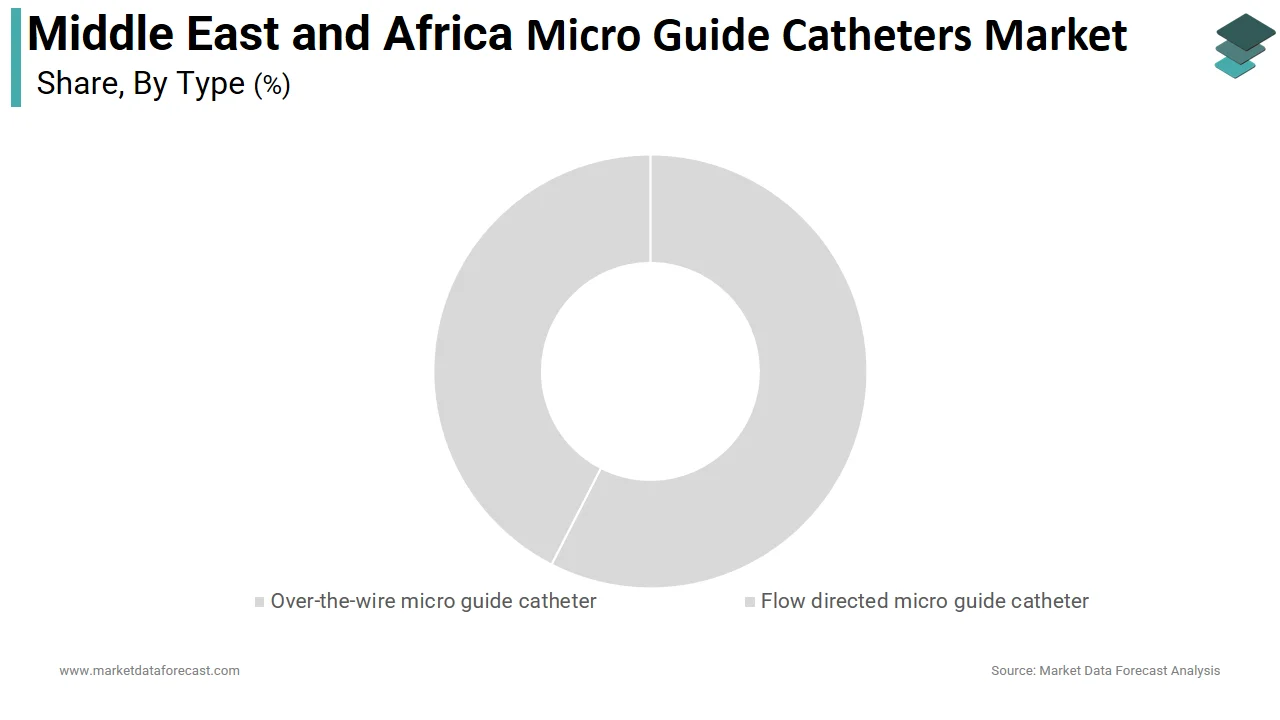
The broad compatibility of over-the-wire micro guide catheters with various interventional devices such as stents, balloons, and embolic protection filters reinforces their market leadership. According to technical specifications from major medical device manufacturers, over-the-wire designs accommodate a wider range of guidewire diameters and therapeutic devices compared to flow-directed or rapid exchange systems. This versatility is essential in hybrid operating rooms where multiple procedures may be performed sequentially using the same access point. The standardization of connector interfaces across different brands further enhances their appeal to healthcare providers who source equipment from multiple suppliers. In resource-constrained settings in Africa, the durability and reusability potential of certain over-the-wire components make them a cost-effective choice. Clinical guidelines from the African Society of Cardiology recommend over-the-wire systems for their adaptability in diverse clinical scenarios ranging from peripheral vascular disease to neurovascular interventions. This universal applicability ensures sustained demand across all therapeutic areas.
The flow-directed micro guide catheters segment is predicted to witness the highest CAGR of 9.8% during the forecast period owing to the increasing adoption of minimally invasive neurovascular procedures in the Middle East and Africa. Sources confirm that endovascular coiling and mechanical thrombectomy volumes are growing rapidly across the region, driven by expanding infrastructure for acute stroke care. Flow-directed catheters utilize blood flow to navigate distal vessels, reducing the need for aggressive manipulation and minimizing the risk of vessel dissection. Leading neurological centers, including Tel Aviv Sourasky Medical Center, demonstrate that flow-directed microcatheters effectively access distal cerebral vessels to optimize recanalization in stroke patients. The gentle navigation capability is particularly valuable in treating fragile cerebral vessels in elderly patients who are increasingly presenting with cerebrovascular diseases. Statistics from the Saudi Food and Drug Authority indicate a rise in approvals for next-generation flow-directed systems designed specifically for neurointervention. The growing awareness of stroke symptoms and the establishment of comprehensive stroke centers in major cities like Cairo and Johannesburg are expanding the patient pool eligible for these advanced treatments. Manufacturers are introducing softer and more flexible tips to enhance safety in delicate anatomies. This technological evolution is driving rapid uptake among neurointerventionalists seeking to improve patient outcomes.
The enhanced safety profile of flow-directed micro guide catheters in navigating tortuous vascular anatomy is fueling their rapid growth in the market. According to biomechanical studies published in the Journal of NeuroInterventional Surgery, flow-directed catheters exert significantly less radial force on vessel walls compared to stiff over-the-wire systems, reducing the incidence of iatrogenic injuries. This safety advantage is crucial in the Middle East and Africa where patients often present with advanced vascular disease characterized by extreme tortuosity and calcification. The ability of these catheters to self-align with blood flow allows for smoother advancement into distal branches that are difficult to access with conventional techniques. Moreover, the integration of shape memory alloys in catheter tips further improves navigability and stability. Training programs offered by manufacturers are educating local specialists on the benefits of flow-directed technology, accelerating its adoption. The focus on patient safety and reduced complication rates makes this segment a priority for healthcare institutions aiming to elevate their standard of care.
By Therapeutic Area Insights
The cardiovascular segment was the largest in the Middle East and Africa micro guide catheters market and occupied a significant share in 2025. This supremacy of the segment was supported by the high prevalence of coronary artery disease and the extensive infrastructure for interventional cardiology. According to the World Health Organization, cardiovascular diseases account for nearly 43% of all deaths in the Eastern Mediterranean region, with ischemic heart disease being the leading cause of mortality. This burden necessitates a high volume of percutaneous coronary interventions where micro guide catheters play a critical role in delivering stents and balloons to blocked arteries. The Gulf Heart Association indicates that the onset of acute myocardial infarction in Gulf countries occurs at a significantly younger age compared to Western nations, heavily driven by high regional rates of diabetes and obesity. Moreover, the well-established network of cardiac catheterization laboratories in urban centers ensures consistent demand for cardiovascular micro guides. Reimbursement policies in many GCC countries cover coronary interventions, making them accessible to a broader population. The availability of skilled interventional cardiologists trained in advanced techniques further sustains the dominance of this segment. Manufacturers prioritize cardiovascular applications in their product development due to the large and stable patient base. This clinical reality ensures that cardiovascular remains the largest therapeutic area for micro guide catheters.
The established reimbursement frameworks and robust healthcare infrastructure for cardiovascular care reinforce the leading position of this therapeutic area. This financial support removes barriers to access for patients and encourages hospitals to invest in advanced equipment. The presence of international hospital chains and accredited heart centers ensures adherence to global standards of care, which include the use of high-quality micro guides. Statistics from the South African Private Healthcare Sector show that private medical schemes cover a wide range of interventional therapies, driving demand in the private sector. Public-private partnerships in countries like Kenya and Nigeria are also improving access to cardiovascular care. The maturity of the cardiovascular intervention market means that supply chains are well developed and distribution channels are efficient. This operational readiness facilitates the widespread availability of micro guide catheters for cardiovascular use. The continuous upgrade of catheterization labs with digital imaging systems further supports the adoption of precision tools.
The neurovascular segment is estimated to register the fastest CAGR of 11.5% during the forecast period from 2026 to 2034 due to the rising incidence of stroke and cerebrovascular disorders in the Middle East and Africa. According to the Global Burden of Disease Study, demographic shifts and high rates of uncontrolled hypertension are driving a substantial increase in total regional stroke volumes, expanding the demand for neurointerventional infrastructure. This trend is creating an urgent need for advanced endovascular treatments such as mechanical thrombectomy and aneurysm coiling, which rely heavily on micro guide catheters. The establishment of stroke-ready hospitals and emergency response systems is increasing the number of patients eligible for timely intervention. Micro guide catheters are essential for navigating the complex cerebral vasculature to deliver life-saving therapies. The growing awareness of stroke symptoms among the public is leading to earlier presentation and higher treatment rates. This epidemiological shift is transforming neurovascular care from a niche specialty to a critical service line.
The expansion of comprehensive stroke centers and the development of local expertise in neurointervention are accelerating the growth of the neurovascular segment. According to accreditation data from the Joint Commission International, several hospitals in the Middle East have recently received certification as comprehensive stroke centers, requiring them to maintain advanced capabilities for 24/7 neurointervention. These centers are investing in state-of-the-art angiography suites and specialized micro guide catheters to meet stringent quality standards. Government funding for stroke research and infrastructure in countries like Qatar and Israel is fostering innovation and skill development. The collaboration with international experts through telemedicine and visiting professor programs is transferring knowledge and best practices. This capacity building is enabling more hospitals to offer complex neurovascular treatments. The resulting increase in procedure volumes is directly driving the demand for specialized micro guide catheters. The focus on reducing disability and mortality from stroke is prioritizing investment in this high-growth segment.
COUNTRY LEVEL ANALYSIS
Saudi Arabia Micro Guide Catheters Market Analysis
Saudi Arabia led the Middle East and Africa micro guide catheters market and captured a 25.7% share in 2025. This leading position of the country’s market was attributed to its massive healthcare transformation under Vision 2030 and high prevalence of cardiovascular diseases. The kingdom has invested billions of dollars in building world-class medical cities and specialized heart centers equipped with advanced interventional suites. Driven by national healthcare modernization goals, the Saudi Ministry of Health continues to expand cardiac catheterization infrastructure across regional medical complexes to support an increasing volume of specialized operations. The high rates of diabetes and hypertension in the population create a substantial patient pool requiring complex interventions. In addition, the presence of leading international hospitals such as King Faisal Specialist Hospital and Dr. Sulaiman Al Habib Medical Group ensures access to premium micro guide catheters. The comprehensive health insurance coverage for citizens facilitates access to advanced therapies. Strategic partnerships with global leaders in medical technology are facilitating the introduction of next-generation devices. The focus on preventive cardiology and early detection is expected to increase the diagnosis rate of vascular diseases, driving future market growth. The kingdom serves as a regional hub for medical tourism, attracting patients from neighboring countries.
United Arab Emirates Micro Guide Catheters Market Analysis
The United Arab Emirates followed closely behind in the Middle East and Africa micro guide catheters market and occupied a 18.1% share in 2025. This growth of the UAE market was propelled by its status as a global medical tourism hub and advanced healthcare infrastructure. The country serves as a center of excellence for interventional cardiology and neurology, attracting patients from across the Middle East, Africa, and Asia. According to reports from the Dubai Health Authority, the emirate has invested heavily in establishing hybrid operating rooms and catheterization labs equipped with the latest imaging technologies. The presence of renowned institutions such as Cleveland Clinic Abu Dhabi and Mediclinic City Hospital ensures access to cutting-edge treatments, including complex neurovascular interventions. As per data from the Department of Health Abu Dhabi, the prevalence of lifestyle-related cardiovascular diseases is rising due to the aging expatriate and local population. According to the Dubai Health Authority, advanced medical tourism continues to expand rapidly in the emirate, with complex specialties like cardiac and orthopedic care attracting significant international patient volumes. Also, the high disposable income and comprehensive insurance coverage among residents facilitate the adoption of premium micro guide catheters. Government initiatives to localize healthcare manufacturing are beginning to include medical devices. The continuous influx of skilled specialists supports the high volume of complex procedures performed annually.
Israel Micro Guide Catheters Market Analysis
Israel holds a significant share of the regional market due to its advanced medical technology ecosystem and high per capita healthcare spending. The country is a global leader in cardiovascular and neurovascular innovation with several domestic companies developing next-generation micro guide catheters and delivery systems. According to data from the Israeli Ministry of Health, the universal healthcare system ensures equitable access to advanced interventional procedures for all citizens. The prevalence of congenital heart defects and degenerative vascular disease drives steady demand for high-precision micro guides. The strong collaboration between academic medical centers and industry fosters rapid adoption of clinical trials and new technologies. Statistics from the Israel Innovation Authority indicate that the medical device sector contributes significantly to the national economy, with cardiovascular and neuro devices being major export categories. The aging population with life expectancy exceeding 82 years creates a growing market for minimally invasive therapies. Regulatory harmonization with European standards facilitates the quick entry of new products. The high level of digital health integration allows for precise patient monitoring and procedural planning. Investment in research and development continues to drive innovation in catheter design and materials science.
South Africa Micro Guide Catheters Market Analysis
South Africa is moving ahead steadfastly in the regional market. It serves as the primary hub for advanced interventional care in sub-Saharan Africa. The country possesses the most developed medical infrastructure on the continent, with private hospitals offering world-class cardiac and neurovascular services alongside a strained public sector. According to data from the Heart and Stroke Foundation South Africa, rheumatic heart disease and hypertension remain major public health challenges, particularly in underserved communities. The dual-tier healthcare system creates a distinct market dynamic where private patients access premium micro guide catheters while public patients rely on basic options. The private sector, however, sees growing adoption of advanced micro guides driven by medical scheme coverage and specialist availability. Local manufacturing capabilities for certain medical supplies exist, but micro guide catheters are primarily imported. Training programs for interventional specialists are supported by international partnerships, helping to build local capacity. The burden of HIV associated cardiomyopathy adds complexity to patient management. Economic volatility and currency fluctuations impact procurement costs, affecting market stability.
Egypt Micro Guide Catheters Market Analysis
Egypt is likely to expand notably in the regional market from 2026 to 2034 due to its large population and high prevalence of cardiovascular and cerebrovascular diseases. The country has a long history of cardiac and neurosurgery with several centers of excellence performing high volumes of interventions annually. According to data from the Egyptian Ministry of Health and Population, hypertension and diabetes are widespread, leading to a significant number of patients requiring vascular interventions. The government has launched initiatives to improve access to specialized care, including the Universal Health Insurance System, which aims to cover all citizens. The growing middle class is increasingly accessing private healthcare facilities where advanced micro guide catheters are more commonly used. Import regulations and customs procedures can delay the availability of new devices, but the market remains robust due to high clinical need. Local assembly of some medical devices is being encouraged to reduce costs and improve supply chain resilience. The high burden of disease ensures consistent demand for micro guide catheters across both public and private sectors. Economic reforms and currency devaluation have impacted purchasing power, but essential medical imports remain prioritized.
COMPETITIVE LANDSCAPE
The competition in the Middle East and Africa micro guide catheters market is characterized by the presence of established multinational corporations and regional distributors who navigate a complex landscape of varying healthcare infrastructure and economic conditions. Global leaders compete primarily on technological innovation, clinical evidence, and educational support, particularly in wealthy Gulf Cooperation Council nations where demand for advanced neurovascular and coronary solutions is rising. In contrast, competition in sub-Saharan Africa focuses heavily on cost-effectiveness, durability, and supply chain reliability as public health systems prioritize affordable interventional tools for treating widespread cardiovascular diseases. The market is fragmented due to regulatory heterogeneity, requiring companies to maintain distinct strategies for each country or sub-region. Local partnerships are critical for success as they provide insights into cultural preferences, procurement processes, and clinical practices. Emerging players are entering the market with niche products or localized manufacturing capabilities, challenging established incumbents. The lack of standardized reimbursement policies across the region creates pricing pressure and necessitates flexible commercial models. Intellectual property protection varies significantly, influencing the entry of generic or lower-cost alternatives. Overall, the competitive dynamics are shaped by the dual need to deliver high-technology solutions in affluent markets while ensuring accessibility and affordability in resource-limited settings, requiring balanced strategic approaches.
KEY MARKET PLAYERS
The major players in the Middle East & Africa micro guide catheters market include
- Lake Region Manufacturing Inc.
- Boston Scientific Corporation
- Volcano Corporation
- Micro Therapeutics Inc.
- Medtronic plc
- LuMend Corporation
- Terumo Corporation
- Covidien AG
- ASAHI INTEC Company Limited
- Merit Medical Systems Inc.
TOP PLAYERS IN THE MARKET
- Medtronic plc maintains a strong presence in the Middle East and Africa micro guide catheters market through its comprehensive portfolio of interventional cardiology and neurovascular devices. The company actively collaborates with leading medical centers in Saudi Arabia and South Africa to establish specialized training programs for interventional specialists. Recently, Medtronic expanded its clinical support infrastructure in the region by launching dedicated education hubs that facilitate knowledge transfer and procedural excellence in complex vascular interventions. These initiatives help local healthcare providers adopt advanced micro guide technologies, which are gaining traction among high-risk patient populations. The company also engages in strategic partnerships with regional distributors to ensure consistent supply chain reliability and timely access to innovative devices. By prioritizing physician education and clinical evidence generation, Medtronic strengthens its reputation as a trusted partner in improving patient outcomes across diverse healthcare settings in the region.
- Terumo Corporation contributes significantly to the market by offering high-quality micro guide catheters designed for superior trackability and support in tortuous anatomies. The company has strengthened its market position by investing in local regulatory compliance teams to navigate the complex approval landscapes of different countries in the Middle East and Africa. Terumo recently initiated several community health programs aimed at early detection of cardiovascular diseases in Egypt and Kenya, which helps identify patients requiring intervention earlier. The company also supports capacity building by sponsoring fellowships and workshops for healthcare professionals in major urban centers. These efforts enhance the technical skills required for complex micro catheter procedures and promote the adoption of Terumo devices. By aligning its commercial strategies with public health goals, Terumo demonstrates commitment to sustainable healthcare development while expanding its reach in underserved markets through robust distribution networks.
- Boston Scientific Corporation is a key player known for its innovative micro guide catheter systems used in both coronary and neurovascular interventions. The company focuses on addressing unmet clinical needs by introducing next-generation devices that offer improved safety and efficacy profiles for complex procedures. Boston Scientific has recently enhanced its regional footprint by establishing specialized clinical support teams in key markets such as the United Arab Emirates and Israel to assist hospitals in implementing advanced interventional programs. The company also collaborates with local regulatory bodies to accelerate the approval process for new technologies, ensuring faster patient access. Boston Scientific invests heavily in real-world evidence generation through registries and clinical studies conducted in partnership with regional medical institutions. This data-driven approach helps validate the performance of its devices in diverse patient populations. By combining technological innovation with strong clinical engagement, Boston Scientific strengthens its competitive position and drives the adoption of precision micro guide technologies across the region.
TOP STRATEGIES USED BY KEY MARKET PARTICIPANTS
Key players in the Middle East and Africa micro guide catheters market employ several strategic approaches to enhance their competitive positioning and drive growth. Companies prioritize establishing strong clinical education and training programs to build local expertise in complex vascular procedures such as chronic total occlusion interventions and neurothrombectomy. Strategic partnerships with regional distributors and healthcare providers ensure reliable supply chains and facilitate market access in diverse regulatory environments. Manufacturers also focus on adapting product portfolios to meet the specific needs of the region, including cost-effective solutions for public health systems and premium options for private sectors. Investment in local regulatory affairs teams helps navigate heterogeneous approval processes and accelerate time to market for innovations. Companies engage in corporate social responsibility initiatives such as cardiovascular disease screening programs to build brand loyalty and address public health challenges. Digital health integration and remote proctoring solutions are increasingly used to support procedural planning and improve long-term patient outcomes. These multifaceted strategies enable companies to overcome infrastructural and economic barriers while capturing growth opportunities in this emerging market.
MARKET SEGMENTATION
This research report on the Middle East & Africa micro guide catheters market has been segmented and sub-segmented into the following categories
By Type
- Over-the-wire micro guide catheter
- Flow directed micro guide catheter
By Therapeutic Area
- Neurovascular
- Cardiovascular
By Country
- KSA
- UAE
- Israel
- the rest of GCC countries
- South Africa
- Ethiopia
- Kenya
- Egypt
- Sudan
- rest of MEA.