- Product Description Description
- Table of Contents TOC
- List of Table & Figure LOT
- Get Free Sample PDF Sample PDF
Market Size, 2025
$287.46 MnMarket Estimate, 2026
$312.06 MnMarket Forecast, 2034
$602 MnCAGR, 2026–2034
8.56%Executive Summary: North America Liver Cancer Therapeutics Market
- Market Scope: North American regional market analysis covering cancer type classifications, therapeutics categories, patient demographics, epidemiological risk factors, and country-level leadership trends.
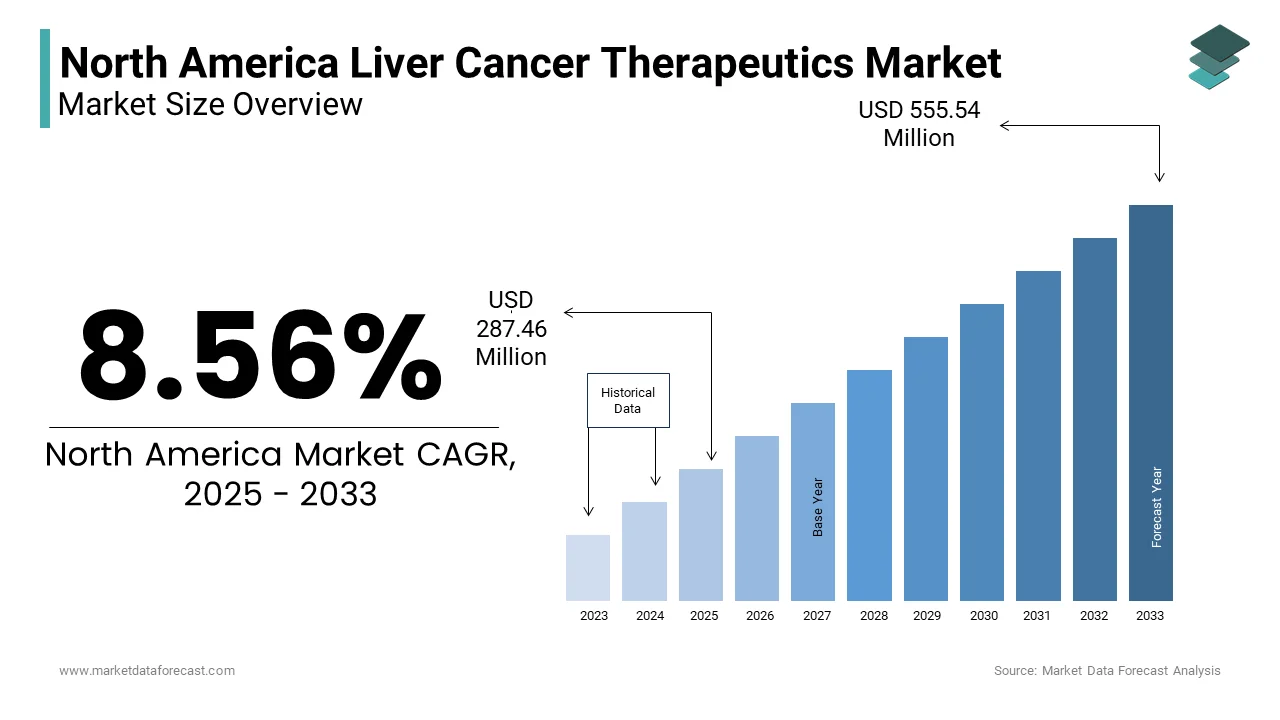
- Market Valuation: Valued at USD 287.46 million (2025), estimated at USD 312.06 million (2026), and projected to reach USD 602.00 million by 2034, growing at a CAGR of 8.56% (2026–2034).
- Primary Growth Drivers: Rising prevalence of liver cancer (>41,000 new cases diagnosed annually in the U.S.), widespread adoption of targeted therapies, immunotherapies, precision medicine, and biomarker-based treatments. Secondary epidemiological baselines highlight that ~4.4 million Americans live with chronic hepatitis B or C, >30% of U.S. adults have NAFLD, and ~2.4 million Americans suffer from chronic hepatitis C, creating a large high-risk patient pool.
Key Market Segment Metrics (2026–2034)
| Category | Leading Segment (2025 Position) | Fastest-Growing Segment |
|---|---|---|
| By Type | Primary Liver Cancer (63.2% of total market revenue in 2025; HCC represents >75% of U.S. cases and ~90% of adult primary liver cancers) | Secondary Liver Cancer (projected at the highest CAGR of 11.4%) |
| By Therapeutics | Hepatocellular Carcinoma / HCC (accounted for 58.2% of the market) | Targeted Therapy (projected to expand at a 13.2% CAGR) |
| By End User / Demographics | Adults (dominated segment, given a median U.S. liver cancer diagnosis age of 63 years) | Pediatrics (growing at an 8.7% CAGR) |
| By Region / Country | United States (holds the dominant regional market position) | Canada (incidence has increased by nearly 4% annually over the past decade) |
Major Market Players & Market Structure
Market Structure: Highly specialized and innovation-driven oncology therapeutics landscape where major pharmaceutical companies compete on targeted drug discovery, immuno-oncology portfolios, precision biomarker development, and clinical trial expansion.
Key Companies: Alnylam Pharmaceuticals, ImClone Systems, Onyx Pharmaceuticals, F. Hoffmann-La Roche, Pfizer, ArQule, Jennerex Biotherapeutics, Celsion, Bayer Schering Pharma, 4SC, and Bristol-Myers Squibb.
 Download Free Sample Report
North America Liver Cancer Therapeutics Market Size
The North America Liver Cancer Therapeutics Market is projected to grow from USD 287.46 million in 2025 to USD 312.06 million in 2026 and reach USD 602 million by 2034, registering a CAGR of 8.56% from 2026 to 2034.
According to the American Cancer Society, liver cancer is one of the fastest-growing causes of cancer-related deaths in the United States, with over 41,000 new cases diagnosed annually. This alarming trend has spurred significant investment in research and development by major pharmaceutical companies, biotech startups, and academic institutions. In addition, increasing awareness of early diagnosis through imaging and biomarker testing, coupled with regulatory support from agencies like the U.S. Food and Drug Administration (FDA), has accelerated the introduction of novel therapeutics into the market. As per the National Cancer Institute, clinical trials focusing on liver cancer have increased by more than 25% since 2020, highlighting a growing pipeline of potential breakthroughs. With rising prevalence, expanding therapeutic options, and advancements in personalized medicine, the North America Liver Cancer Therapeutics Market is undergoing rapid transformation, positioning the region as a global leader in oncology innovation.
MARKET DRIVERS
Rising Incidence of Liver Cancer Due to Chronic Hepatitis and Metabolic Disorders
The growing incidence of liver cancer, particularly linked to chronic hepatitis B and C infections, alcoholic liver disease, and non-alcoholic fatty liver disease (NAFLD), is one of the major factors driving the North America liver cancer therapeutics market expansion. According to the Centers for Disease Control and Prevention (CDC), approximately 4.4 million Americans are living with chronic hepatitis B or C, both of which are leading risk factors for hepatocellular carcinoma (HCC). Additionally, the rise in obesity and type 2 diabetes has contributed to a surge in NAFLD, which can progress to non-alcoholic steatohepatitis (NASH) and eventually cirrhosis or liver cancer. As reported by the National Institute of Diabetes and Digestive and Kidney Diseases (NIDDK), over 30% of adults in the U.S. suffer from NAFLD, further amplifying the patient pool requiring therapeutic interventions. This growing disease burden has prompted increased government funding for liver cancer research, including initiatives by the National Institutes of Health (NIH), while also encouraging pharmaceutical firms to expand their oncology pipelines. The urgency to address this escalating public health issue continues to drive demand for innovative liver cancer therapeutics across North America.
Advancements in Targeted Therapies and Immunotherapy Approvals
The rapid advancement in targeted therapies and immunotherapy drugs that offer improved efficacy and reduced side effects compared to traditional chemotherapy is further contributing to the North American liver cancer therapeutics market growth. According to the U.S. Food and Drug Administration (FDA), several groundbreaking therapies have received accelerated approvals in recent years, including immune checkpoint inhibitors such as pembrolizumab and nivolumab, which have shown promising results in extending survival for advanced liver cancer patients. Moreover, the development of tyrosine kinase inhibitors (TKIs) like sorafenib, lenvatinib, and cabozantinib has significantly improved first-line treatment options. Clinical trials supported by Memorial Sloan Kettering Cancer Center indicate that these agents not only slow tumor progression but also enhance overall survival when used in combination with immunotherapies. Pharmaceutical giants such as Bristol-Myers Squibb, Roche, and Merck & Co. have been actively investing in clinical research and drug development for liver cancer, recognizing the high unmet medical need. As precision oncology gains traction, the integration of biomarker-driven therapies and companion diagnostics is expected to further propel market growth in North America.
MARKET RESTRAINTS
High Cost of Novel Therapeutic Treatments
The high cost associated with novel treatments, particularly immunotherapies and targeted therapies, is significantly hampering the North American liver cancer therapeutics market growth. These advanced treatment options often come with annual price tags exceeding $150,000 per patient, making them financially burdensome for both healthcare systems and individual patients, as noted by the American Society of Clinical Oncology (ASCO). Insurance coverage varies widely across the U.S. and Canada, with many patients facing high co-payments or denied claims due to restrictive formulary policies. Medicaid beneficiaries and uninsured individuals encounter even greater barriers to access, limiting the adoption of potentially life-extending therapies. Furthermore, hospital administrators and payers are increasingly scrutinizing the cost-effectiveness of new drugs before approving reimbursement. A report by the Institute for Clinical and Economic Review (ICER) highlighted that despite demonstrated clinical benefits, many recently approved liver cancer drugs do not meet conventional value thresholds, delaying their uptake in standard treatment protocols. These financial constraints hinder widespread adoption and create disparities in treatment availability, ultimately slowing the growth of the liver cancer therapeutics market across North America.
Limited Early Diagnosis and Late-Stage Detection
The low rate of early diagnosis and the predominance of late-stage detection are further impeding the liver cancer therapeutics market growth in North America. Liver cancer often presents with minimal symptoms in its early stages, leading to delayed diagnosis when the disease has already progressed to an advanced and less treatable stage. As per data from the Surveillance, Epidemiology, and End Results (SEER) Program, only about 45% of liver cancer cases in the U.S. are diagnosed at an early, localized stage where curative treatments such as surgical resection or liver transplantation may be viable. The majority of cases are detected at intermediate or advanced stages, where systemic therapy becomes the primary option, limiting the effectiveness of available treatments. Barriers to early detection include insufficient screening programs for at-risk populations, such as those with chronic hepatitis or cirrhosis, and limited awareness among primary care physicians regarding appropriate diagnostic protocols. Until there is broader implementation of regular surveillance using imaging and alpha-fetoprotein (AFP) tests for high-risk individuals, the market for curative or early-stage therapeutics will remain constrained, reducing the overall impact of emerging treatment innovations.
MARKET OPPORTUNITIES
Expansion of Precision Medicine and Biomarker-Based Therapies
The expansion of precision medicine and biomarker-based treatment strategies is a major opportunity in the North America liver cancer therapeutics market. With advancements in genomic profiling and molecular diagnostics, researchers are identifying specific genetic mutations and protein expressions that drive liver cancer progression, enabling the development of highly targeted therapies tailored to individual patient profiles. According to the National Cancer Institute (NCI), precision oncology approaches have led to the identification of actionable targets such as FGFR2 fusions, IDH1 mutations, and PD-L1 expression, which are now guiding treatment decisions in clinical practice. Companion diagnostics are being developed alongside targeted drugs to ensure appropriate patient selection, enhancing treatment efficacy and minimizing unnecessary exposure to ineffective therapies. Academic institutions such as MD Anderson Cancer Center and Dana-Farber Cancer Institute are conducting extensive research on liquid biopsy techniques to detect circulating tumor DNA (ctDNA), offering non-invasive alternatives for monitoring treatment response and disease recurrence. As personalized treatment paradigms gain traction, the liver cancer therapeutics market is poised for substantial growth driven by the integration of precision medicine into routine clinical workflows.
Growth of Combination Therapy Regimens
The increasing exploration and adoption of combination therapy regimens present a significant opportunity for the North American liver cancer therapeutics market. Recent clinical evidence suggests that combining different classes of drugs, such as immune checkpoint inhibitors with tyrosine kinase inhibitors or anti-angiogenic agents, can yield superior outcomes compared to monotherapy approaches. For instance, the combination of atezolizumab and bevacizumab has become a preferred first-line regimen for advanced hepatocellular carcinoma based on results from the IMbrave150 trial, demonstrating improved progression-free and overall survival rates. As reported by the Journal of Clinical Oncology, this regimen has set a new benchmark in liver cancer treatment. Pharmaceutical companies are actively investigating novel combinations involving next-generation immunotherapies, targeted agents, and even experimental cell-based therapies. Academic medical centers and cooperative oncology groups are facilitating large-scale clinical trials to validate these regimens across diverse patient populations. With ongoing research and regulatory support, combination therapies are expected to redefine treatment standards and significantly expand the market for liver cancer therapeutics in North America.
MARKET CHALLENGES
Complexity in Clinical Trial Recruitment and Patient Eligibility
The complexity involved in recruiting eligible patients for clinical trials is primarily challenging regional market growth. Liver cancer is a heterogeneous disease with multiple etiologies, including viral hepatitis, alcohol-related liver disease, and metabolic syndromes, making it difficult to enroll patients who meet strict inclusion criteria. According to the American Association for the Study of Liver Diseases (AASLD), many clinical trials for liver cancer exclude patients with underlying cirrhosis or compromised liver function, which paradoxically represents the majority of the target population. This creates a mismatch between trial design and real-world patient demographics, limiting the generalizability of study findings. Moreover, geographic disparities in access to specialized oncology centers and lack of awareness among referring physicians contribute to recruitment delays. As per a survey conducted by the Coalition Against Liver Disease, nearly 60% of community physicians were unaware of ongoing liver cancer clinical trials in their regions. To overcome these hurdles, industry stakeholders are exploring decentralized trial models, digital patient engagement tools, and collaborations with community hospitals to streamline enrollment and accelerate drug development timelines.
Regulatory Hurdles and Reimbursement Barriers
Regulatory complexities and reimbursement challenges pose another critical obstacle in the North American liver cancer therapeutics market. While the U.S. Food and Drug Administration (FDA) has introduced expedited pathways such as Breakthrough Therapy Designation and Priority Review, the overall drug approval process remains lengthy and resource-intensive, particularly for novel biologics and gene therapies. Post-approval, securing favorable reimbursement from public and private payers is equally challenging. Many newly approved liver cancer drugs face resistance from health technology assessment bodies and insurance providers due to concerns over cost-effectiveness and long-term survival benefits. As highlighted by the Institute for Clinical and Economic Review (ICER), several high-cost liver cancer therapies have been deemed not cost-effective under conventional value frameworks, resulting in restricted formulary placement or mandatory step therapy requirements. Biopharma companies must navigate an intricate landscape of payer negotiations, real-world evidence generation, and patient assistance programs to ensure broad market access. Until pricing models align more closely with demonstrated clinical benefit, regulatory and reimbursement uncertainties will continue to impede market expansion.
REPORT COVERAGE
| METRIC | DETAILS |
| Market Size Available | 2025 to 2034 |
| Base Year | 2025 |
| Forecast Period | 2026 to 2034 |
| Segments Covered | By Type, Therapeutics, End User, and Country. |
| Various Analyses Covered | Global, Regional & Country Level Analysis, Segment-Level Analysis; DROC, PESTLE Analysis, Porter's Five Forces Analysis, Competitive Landscape, Analyst Overview of Investment Opportunities |
| Country Covered | The U.S., Canada, and the rest of North America |
| Market Leader Profiled | Alnylam Pharmaceuticals Inc., ImClone Systems Inc., Onyx Pharmaceuticals Inc. |
SEGMENTAL ANALYSIS
By Type Insights
The primary liver cancer segment led the market by holding 61.5% of the North American market share in 2025. This dominance is primarily driven by the high prevalence of hepatocellular carcinoma (HCC), which constitutes the majority of primary liver malignancies and is strongly associated with chronic liver diseases such as cirrhosis, hepatitis B and C, and non-alcoholic steatohepatitis (NASH). According to the American Cancer Society, over 75% of all liver cancers diagnosed in the U.S. are classified as HCC, making it a focal point for therapeutic development. The increasing incidence of metabolic syndrome and obesity has further contributed to the rising burden of NASH-related HCC, expanding the patient pool requiring treatment. Additionally, this segment benefits from robust research funding and regulatory incentives, including orphan drug designations and accelerated approvals for novel therapies targeting advanced-stage disease. The presence of leading pharmaceutical companies such as Bristol-Myers Squibb, Roche, and Merck & Co., along with academic institutions conducting extensive clinical trials, ensures continuous innovation and commercialization of new treatment options. As diagnostic capabilities improve and early detection initiatives gain traction, the demand for therapeutics addressing primary liver cancers is expected to remain strong across North America.
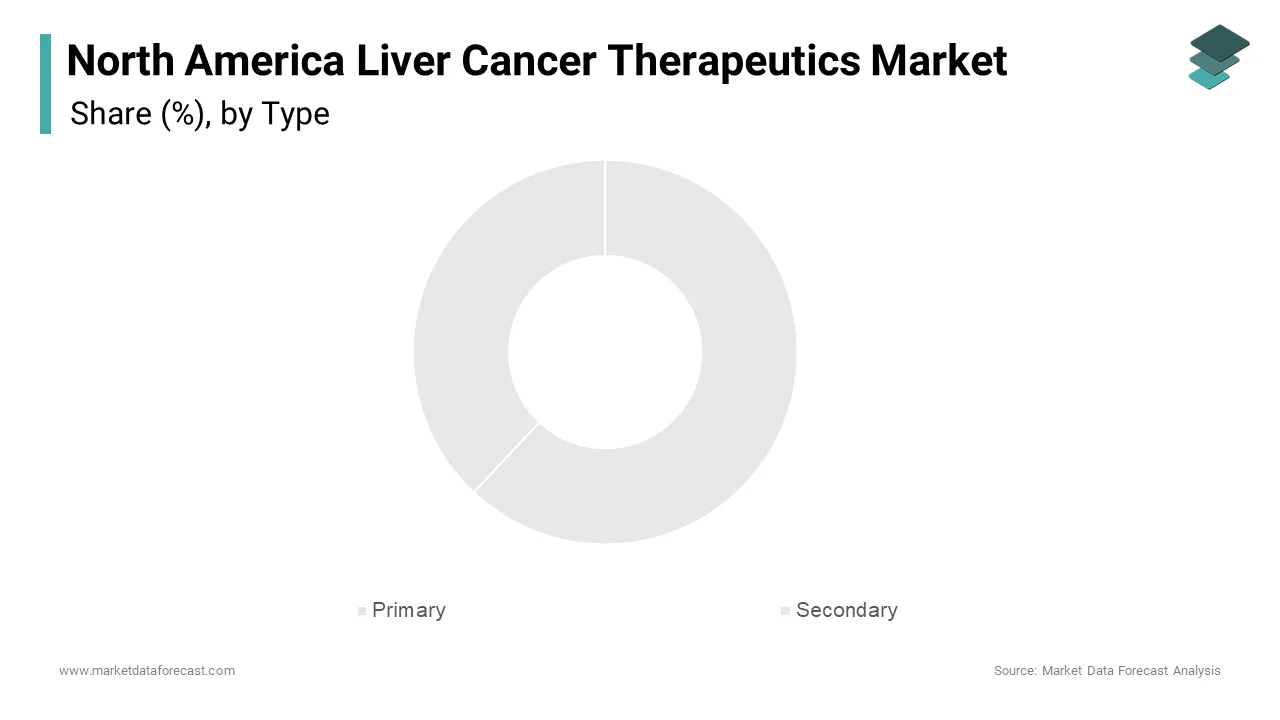
On the other hand, the secondary liver cancer segment is projected to grow at the highest CAGR of 12.5% over the forecast period in this regional market. Secondary liver cancer refers to metastatic tumors that originate elsewhere in the body and spread to the liver, necessitating systemic treatments tailored to both the primary cancer type and liver involvement. This rapid growth is attributed to several factors, including the rising incidence of metastatic cancers, advancements in imaging technologies enabling earlier detection of liver metastases, and the expanding use of targeted and immunotherapeutic agents that can be applied across multiple cancer types. Moreover, oncologists are increasingly adopting multidisciplinary treatment approaches that combine chemotherapy, targeted therapy, and localized interventions such as ablation or embolization, enhancing survival outcomes for patients with secondary liver tumors. With ongoing clinical research focused on combination regimens and biomarker-guided therapies, the secondary liver cancer segment is poised for sustained expansion, particularly as personalized medicine gains prominence in oncology care.
By Therapeutics Insights
The hepatocellular carcinoma (HCC) segment accounted for 56.7% of the regional market share in 2025. This dominance stems from the fact that HCC accounts for nearly 90% of all primary liver cancers in adults, particularly among individuals with underlying chronic liver disease. The growing burden of risk factors such as hepatitis C virus (HCV) infection, alcohol-related liver disease, and non-alcoholic fatty liver disease (NAFLD) has significantly increased the number of HCC cases across the region. According to the Centers for Disease Control and Prevention (CDC), approximately 2.4 million Americans suffer from chronic HCV, a major precursor to HCC. In addition, recent years have seen a surge in FDA-approved therapies for HCC, including immune checkpoint inhibitors like pembrolizumab and nivolumab, as well as tyrosine kinase inhibitors such as sorafenib and lenvatinib. These drugs are now integral components of first-line and second-line treatment protocols, driving substantial investment from biopharmaceutical firms. With ongoing clinical trials evaluating novel combinations and biomarker-driven approaches, the HCC segment remains at the forefront of liver cancer therapeutic development in North America.
However, targeted therapy is emerging as the fastest-growing segment within the North American liver cancer therapeutics market and is estimated to register a CAGR of 12.5% over the forecast period owing to the increasing adoption of molecularly guided treatments that specifically target tumor-associated pathways such as VEGF, EGFR, and FGFR, offering improved efficacy with fewer systemic side effects compared to traditional chemotherapy. The approval of targeted agents like cabozantinib, ramucirumab, and pemigatinib has expanded treatment options for patients with advanced HCC and cholangiocarcinoma, particularly those who do not respond well to immunotherapy or experience disease progression after initial treatment. Moreover, the integration of companion diagnostics to identify actionable mutations has enhanced patient selection, ensuring more precise and effective treatment delivery. Academic medical centers such as Memorial Sloan Kettering and MD Anderson Cancer Center are leading efforts to incorporate next-generation sequencing into routine liver cancer care. With continued innovation in targeted drug development and increasing access to genomic profiling, this segment is expected to maintain its upward trajectory in the coming years.
By End Users Insights
The adult population segment accounted for 88.7% of the North American market share in 2025. This dominance is largely due to the epidemiological profile of liver cancer, which predominantly affects older adults, especially those with long-standing liver conditions such as cirrhosis, viral hepatitis, or metabolic disorders. According to the Surveillance, Epidemiology, and End Results (SEER) Program, the median age at diagnosis for liver cancer in the U.S. is 63 years, with incidence rates sharply increasing after the age of 50. Additionally, the aging baby boomer generation—many of whom were exposed to hepatitis C decades ago—is contributing to a surge in HCC cases across North America. Furthermore, lifestyle-related risk factors such as obesity, diabetes, and excessive alcohol consumption are more prevalent among adults, further exacerbating liver disease progression. As a result, the majority of clinical trials, drug approvals, and treatment guidelines focus on adult populations, reinforcing their position as the primary end users of liver cancer therapeutics. Despite advances in pediatric oncology, liver malignancies such as hepatoblastoma remain relatively rare, limiting the pediatric segment’s market impact.
Although small in overall size, the pediatrics segment of the North America liver cancer therapeutics market is experiencing notable growth and is predicted to register a CAGR of 9.2% over the forecast period owing to the increased awareness and improved diagnostic capabilities for rare childhood liver cancers such as hepatoblastoma and fibrolamellar carcinoma. Hepatoblastoma, the most common malignant liver tumor in children, typically affects infants and young children under the age of three. While relatively uncommon, its management requires specialized, multi-modal therapies including surgery, chemotherapy, and increasingly, targeted agents adapted from adult oncology protocols. Pharmaceutical companies and academic institutions are actively participating in collaborative research initiatives to develop safer and more effective treatment strategies for pediatric liver cancers. The U.S. Food and Drug Administration (FDA) has granted orphan drug status to several experimental therapies aimed at improving outcomes in these rare conditions. With rising investments in pediatric oncology research and the adaptation of precision medicine techniques, the pediatrics segment is gaining momentum despite its smaller patient base.
COUNTRY LEVEL ANALYSIS
United States Liver Cancer Therapeutics Market Analysis
The U.S. dominated the market in North America by holding 76.7% of the regional market share in 2025 and is expected to maintain its dominant position in the North America liver cancer therapeutics market throughout the forecast period, backed by continued leadership in innovation. This leadership is attributed to the country's high prevalence of liver cancer, coupled with a robust pipeline of innovative therapies, extensive clinical trial activity, and advanced healthcare infrastructure. Liver cancer is among the fastest-rising causes of cancer mortality in the U.S., with the American Cancer Society estimating over 41,000 new cases and 30,000 deaths annually. This alarming trend has spurred significant investment from pharmaceutical giants, biotech startups, and government agencies such as the National Cancer Institute (NCI) and the National Institutes of Health (NIH). The U.S. also leads in the number of FDA-approved liver cancer treatments, including immunotherapies and targeted agents. Leading academic institutions such as Memorial Sloan Kettering, MD Anderson, and Mayo Clinic are at the forefront of clinical research, driving the development of novel treatment paradigms. With a strong reimbursement environment, a high concentration of key market players, and growing emphasis on early diagnosis and precision oncology, the U.S. continues to set the pace for liver cancer therapeutics globally.
Canada Liver Cancer Therapeutics Market Analysis
In the coming years, Canada is projected to steadily expand its role in the regional landscape. Although the country has a lower population density compared to the U.S., it faces a growing burden of liver cancer, particularly linked to chronic hepatitis C infections, alcohol-related liver disease, and an increasing prevalence of non-alcoholic fatty liver disease (NAFLD). The Public Health Agency of Canada notes that liver cancer incidence has risen by nearly 4% annually over the past decade, making it one of the fastest-increasing cancer types in the country. In response, provincial health authorities have expanded access to antiviral therapies for hepatitis C and introduced screening programs for high-risk populations. While the availability of novel liver cancer treatments in Canada often lags behind the U.S. due to regulatory and reimbursement delays, recent collaborations between Health Canada and international pharmaceutical firms have accelerated drug approvals. Moreover, the Pan-Canadian Oncology Drug Review (pCODR) process has streamlined the evaluation of cost-effective therapies, improving patient access to immunotherapies and targeted drugs. With ongoing improvements in diagnostic capabilities and treatment coverage, Canada is strengthening its role in the regional liver cancer therapeutics landscape.
COMPETITIVE LANDSCAPE
The North America Liver Cancer Therapeutics Market is highly competitive, characterized by the presence of major pharmaceutical companies, emerging biotech firms, and academic research institutions striving to develop innovative treatment solutions. The market is driven by rapid advancements in immunotherapy, targeted therapy, and precision medicine, fostering an environment of continuous innovation and therapeutic evolution. While established players such as Bristol-Myers Squibb, Roche, and Merck dominate due to their robust product portfolios and strong regulatory foothold, smaller biotech companies are gaining traction by focusing on niche indications and novel mechanisms of action.
Competition is further intensified by the increasing number of combination therapy regimens being explored in clinical trials, with companies seeking to differentiate themselves through improved efficacy, reduced side effects, and better patient outcomes. Strategic collaborations, licensing agreements, and mergers are common tactics used to enhance pipeline depth and accelerate drug commercialization. Additionally, the growing emphasis on biomarker testing and companion diagnostics is reshaping treatment paradigms, prompting manufacturers to align their development strategies accordingly.
Payers and healthcare providers are also exerting influence by demanding cost-effective therapies, thereby pushing companies to demonstrate value through real-world data and outcome-based pricing models. As the race to improve survival rates and quality of life for liver cancer patients intensifies, the market remains dynamic, with continuous shifts in competitive positioning driven by scientific breakthroughs and evolving treatment standards.
KEY MARKET PLAYERS
Some of the companies that are playing a dominating role in the North America Liver Cancer Therapeutics Market include:
- Alnylam Pharmaceuticals, Inc.
- ImClone Systems Inc.
- Onyx Pharmaceuticals, Inc.
- F. Hoffmann-La Roche Ltd.
- Pfizer Inc.
- ArQule, Inc.
- Jennerex Biotherapeutics, Inc.
- Celsion Corporation
- Bayer Schering Pharma AG
- 4SC AG
- Bristol-Myers Squibb Company
TOP LEADING PLAYERS IN THE MARKET
- One of the leading players in the North America Liver Cancer Therapeutics Market is Bristol-Myers Squibb, known for its pioneering work in immuno-oncology. The company’s flagship drug, nivolumab, has become a cornerstone in liver cancer treatment, particularly in combination therapies. By focusing on immune checkpoint inhibition, Bristol-Myers Squibb continues to shape clinical guidelines and expand therapeutic options for advanced hepatocellular carcinoma.
- Another major player is Roche Holding AG, which has significantly contributed to liver cancer care through its immunotherapy offerings, including atezolizumab in combination with bevacizumab. This regimen has set new benchmarks in first-line treatment, improving survival outcomes and influencing global standards. Roche's commitment to biomarker research and personalized medicine further strengthens its leadership in oncology therapeutics.
- Merck & Co. also plays a pivotal role in the market, primarily through its PD-1 inhibitor pembrolizumab. With ongoing clinical trials exploring combination strategies and expanded indications, Merck is driving innovation in liver cancer treatment. Its collaborations with academic institutions and regulatory agencies have accelerated approval pathways, ensuring timely access to life-extending therapies for patients across North America.
TOP STRATEGIES USED BY KEY MARKET PARTICIPANTS
A key strategy employed by leading companies in the North America Liver Cancer Therapeutics Market is expanding their portfolio through strategic acquisitions and partnerships. Major pharmaceutical firms are actively acquiring biotech startups and forming alliances with research institutions to gain access to novel drug candidates and accelerate development timelines.
Another critical approach is investing heavily in clinical trials that focus on combination therapies and biomarker-driven treatments. By tailoring interventions based on patient-specific tumor profiles, companies aim to improve treatment efficacy and secure regulatory approvals for more targeted indications.
Lastly, market participants are prioritizing enhanced patient access programs and collaboration with payers and healthcare providers to ensure broader adoption of high-cost therapeutics. These initiatives include co-pay assistance, patient education, and real-world evidence generation to support reimbursement decisions and improve treatment affordability across diverse patient populations.
RECENT HAPPENINGS IN THE MARKET
In January 2024, Bristol-Myers Squibb announced a strategic partnership with a leading genomics company to integrate biomarker testing into its liver cancer clinical trials, aiming to refine patient selection and enhance treatment personalization.
In May 2024, Roche launched a new phase III trial evaluating the expansion of its atezolizumab-based regimen into earlier stages of hepatocellular carcinoma, with the goal of securing adjuvant therapy approval and broadening market reach.
In September 2024, Merck & Co. entered into a collaborative agreement with a digital health platform to develop AI-powered tools for monitoring liver cancer progression and treatment response, supporting more precise clinical decision-making.
In November 2024, a U.S.-based biotech startup secured FDA Breakthrough Therapy Designation for its investigational liver cancer drug, attracting significant investment from venture capital firms and strengthening its position in the competitive landscape.
In March 2025, a leading contract research organization (CRO) partnered with multiple pharmaceutical companies to streamline liver cancer trial enrollment by leveraging decentralized trial technologies, accelerating drug development timelines and reducing costs.
MARKET SEGMENTATION
This research report on the North American liver cancer therapeutics market has been segmented and sub-segmented into the following categories.
By Type
- Primary
- Secondary
By Therapeutics
- Hepatocellular Carcinoma
- Targeted Therapy
By End Users
- Pediatrics
- Adults
By Country
- United States
- Canada
- Rest of North America