- Product Description Description
- Table of Contents TOC
- List of Table & Figure LOT
- Get Free Sample PDF Sample PDF
Market Size, 2025
$1.64 BnMarket Estimate, 2026
$1.73 BnMarket Forecast, 2034
$2.70 BnCAGR, 2026–2034
5.7%Executive Summary: North America Liquid Feed Supplements Market
- Market Scope: Comprehensive North American liquid feed supplements industry analysis covering livestock categories, supplement types, source materials, regional country leadership frameworks, strategic corporate developments, and competitive landscapes.
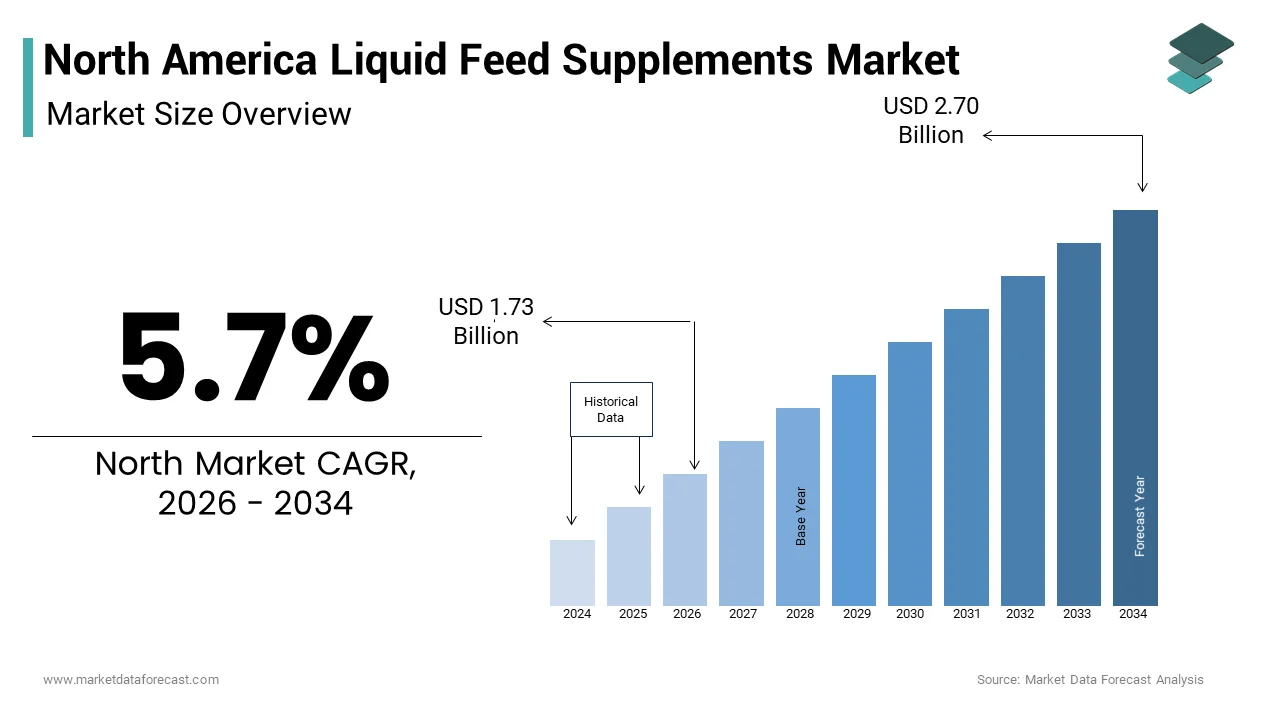
- Market Valuation: Valued at USD 1.64 billion (2025), estimated at USD 1.73 billion (2026), and projected to reach USD 2.70 billion by 2034, registering a steady CAGR of 5.7% (2026–2034).
- Primary Growth Drivers: Increasing livestock production, demand for high-performance animal nutrition, precision feeding adoption, automated dispensing technologies, and sustainable plant-based formulation shifts. Restraints include raw material price volatility and supply chain disruptions.
Key Market Segment Metrics (2026–2034)
| Category | Leading Segment / Country (Position) | Fastest-Growing Segment |
|---|---|---|
| By Livestock / End-Use | Ruminants segment (dominated market in 2025 due to extensive beef/dairy use) | Swine segment (anticipated to witness fastest CAGR of 6.2% from 2026–2034) |
| By Type | Liquid mineral supplements (secured the largest market share) | Liquid protein supplements (estimated to register the fastest CAGR of 5.8%) |
| By Source | Plant-based sources (dominated market share by source) | Animal-based sources (anticipated to witness the fastest CAGR of 4.5%) |
| By Region / Country | United States (led regional market with an 84.9% share in 2025) | Canada (steady growth through expanding livestock production and advanced feed manufacturing) |
Major Market Players & Market Structure
Market Structure: Highly competitive regional animal nutrition and agricultural processing ecosystem driven by extensive production networks, digital farming platforms, processing infrastructure, and customer-centric regional solutions.
Key Companies: Cargill Inc., Archer Daniels Midland Company, Wesway Products, Kent Corporation, Cattle-Lac Liquid Feed, and Midwest Liquid Feeds.
North America Liquid Feed Supplements Market Size
The North America liquid feed supplements market size was valued at USD 1.64 billion in 2025 and is anticipated to reach USD 1.73 billion in 2026 to reach USD 2.70 billion by 2034, growing at a CAGR of 5.7% during the forecast period from 2026 to 2034.
Introduction to the North America Liquid Feed Supplements Market
Liquid feed supplements are concentrated, molasses-based fluid formulations used in agriculture to deliver essential nutrients like proteins, vitamins, minerals, and energy to livestock and poultry. These supplements are primarily utilized for cattle, swine, and poultry to enhance growth performance, improve reproductive efficiency, and support overall herd health. The adoption of liquid feeds is driven by their ability to ensure uniform nutrient distribution and facilitate the administration of medications or additives that may be difficult to incorporate into dry rations. According to the United States Department of Agriculture (USDA) National Agricultural Statistics Service, the total inventory of all cattle and calves in the United States reached 86.2 million head, down slightly from the previous year as the market continues its contraction phase. Furthermore, as per research, the national cattle herd expanded for the first time in eight years to reach 11.135 million total cattle and calves, a stabilization driven by increased international imports and reduced processing slaughter. The shift toward precision livestock farming has accelerated the use of liquid supplements as they allow for precise dosage control and reduced labor requirements compared to traditional dry mixing methods. Environmental regulations regarding nutrient runoff have also prompted producers to adopt more efficient feeding strategies that minimize waste. The integration of automated dispensing systems with liquid feed technologies further enhances operational efficiency on modern farms. This market is characterized by a focus on sustainability and productivity, reflecting the broader trends in North American agriculture toward optimized resource utilization and enhanced animal welfare standards.
MARKET DRIVERS
Rising Demand for High Quality Protein and Dairy Products
The escalating consumer demand for high quality protein and dairy products boosted the expansion of the North America liquid feed supplements market. As populations grow and dietary preferences shift toward protein rich diets, livestock producers are under increasing pressure to maximize output while maintaining product quality. According to the collaborative OECD-FAO Agricultural Outlook report, global consumption of meat proteins is projected to increase by 14% by 2030 compared to the baseline average, heavily driven by population and income expansions in developing regions. The USDA Economic Research Service reveals strong consumer demand, with U.S. per capita beef consumption climbing to 59.5 pounds, outpacing historical baselines. Liquid feed supplements provide a highly bioavailable source of energy and protein that supports rapid weight gain and milk production. The USDA Economic Research Service shows that genetic improvements and modernized feeding structures have caused U.S. milk output per cow to surge by 62 percent since 1985, topping 231 billion pounds annually. Liquid formulations allow for the precise inclusion of amino acids and minerals that are critical for lactation and muscle development. This direct correlation between supplement quality and end product yield ensures sustained demand. Producers recognize that investing in advanced liquid nutrition translates to higher profitability through improved feed conversion ratios and healthier herds. Hence, the market benefits from the structural growth in protein consumption across the region.
Adoption of Precision Livestock Farming Technologies
The widespread adoption of precision livestock farming technologies significantly propels the growth of the North America liquid feed supplements market. This enables data driven nutritional management. Modern farms increasingly utilize automated feeding systems that integrate with liquid supplement dispensers to deliver precise nutrient levels based on real time animal health data. Studies featured in ASABE publications emphasize that applying automation, dynamic herd adjustments, and data analytics across precision operations significantly lowers livestock input waste. Liquid feeds are particularly compatible with these automated systems as they can be easily pumped and metered without the risk of segregation often seen in dry mixes. ScienceDirect journals shows that utilizing Internet of Things (IoT) wireless sensors allows operators to continuously monitor livestock behavior and dynamically adjust individual feeding profiles. This technological synergy enhances the appeal of liquid supplements for large scale operations seeking to optimize labor and resource usage. Furthermore, the ability to track individual animal consumption helps in early disease detection and targeted intervention. The integration of Internet of Things devices with feeding infrastructure creates a closed loop system where nutrition is continuously refined. This trend toward digitization and automation positions liquid feed supplements as a critical component of modern efficient livestock management practices.
MARKET RESTRAINTS
Volatility in Raw Material Prices and Supply Chain Disruptions
Significant volatility in raw material prices and ongoing supply chain disruptions inhibit the growth of the North America liquid feed supplements market. The production of liquid feeds relies heavily on commodities such as corn, soybean meal, molasses, and various mineral premixes, all of which are subject to fluctuating market conditions. The World Bank Commodity Markets Outlook notes that while the baseline agricultural index remains vulnerable to environmental disruptions and conflicts, overall global commodity prices are projected to rise 16%, heavily impacted by energy and fertilizer market shocks. These fluctuations directly impact the cost structure of feed manufacturers, forcing them to either absorb margins or pass costs to farmers who may already be operating on tight budgets. Additionally, logistical challenges such as transportation bottlenecks and labor shortages can delay the delivery of perishable liquid ingredients. The reliance on specific seasonal crops like molasses further introduces variability in availability and pricing. Manufacturers must maintain complex inventory management systems to mitigate these risks, which increases operational complexity. Until supply chains stabilize and commodity prices become more predictable, the market will face pressure on profitability and expansion capabilities. This economic uncertainty discourages long term investment in new production facilities.
Stringent Environmental Regulations And Waste Management Concerns
Strict environmental regulations and growing concerns regarding agricultural waste management impose significant constraints on the North America liquid feed supplements market. Governments in North America are implementing tighter controls on nutrient runoff from livestock operations to protect water quality and reduce greenhouse gas emissions. According to the United States Environmental Protection Agency, agricultural activities contribute significantly to nitrogen and phosphorus pollution in waterways, leading to stricter permitting requirements for large feeding operations. Liquid feeds, while efficient, require careful handling to prevent spills and leaks that could contaminate soil and groundwater. The disposal of unused liquid feed and cleaning residues also poses logistical challenges for farmers. Furthermore, the carbon footprint associated with the production and transportation of liquid ingredients is under scrutiny as part of broader sustainability initiatives. Compliance with these regulations often necessitates additional investment in containment systems and monitoring technologies. These regulatory burdens increase the total cost of ownership for liquid feed systems, potentially slowing adoption among smaller producers. The market must continuously innovate to develop eco friendly formulations and handling practices to align with evolving environmental standards.
MARKET OPPORTUNITIES
Expansion of Organic and Natural Livestock Production
The growing trend toward organic and natural livestock production unlocks the potential for the North America liquid feed supplements market. Consumers are increasingly seeking meat and dairy products derived from animals raised without synthetic antibiotics or genetically modified organisms, driving demand for certified organic feed inputs. A study indicates that U.S. organic sales climbed to an all-time high of $76.6 billion, with consumer demand triggering an exceptional 44.3% surge in organic beef sales. Liquid feed supplements formulated with organic certified ingredients such as molasses, plant based proteins, and natural minerals cater to this niche but rapidly expanding segment. Manufacturers can differentiate themselves by offering transparent sourcing and clean label formulations that meet strict organic standards. This segment often commands premium pricing, allowing for higher margins despite lower volumes. Furthermore, the emphasis on animal welfare in organic farming aligns well with the benefits of liquid feeds in reducing stress and improving palatability. Companies should develop tailored solutions for organic producers. By doing this, they can tap into a loyal and growing market sector that values sustainability and natural ingredients.
Integration of Functional Additives for Health and Immunity
The integration of functional additives such as probiotics, prebiotics, and enzymes into these supplements offers substantial opportunities for differentiation and growth in the North America liquid feed supplements market. As antibiotic use in livestock faces increasing regulatory restrictions and consumer resistance, producers are turning to alternative solutions to maintain herd health and prevent disease. Liquid formulations provide an ideal vehicle for delivering these sensitive biological agents as they ensure uniform distribution and stability. As per sources, the demand for natural health promoting ingredients in animal feed is growing at a double digit rate. Manufacturers can leverage this trend by developing specialized liquid blends that target specific health challenges such as respiratory issues or digestive disorders. This value added approach transforms liquid feeds from simple nutritional sources into comprehensive health management tools. Furthermore, the ability to customize additive packages for different life stages or production goals enhances the appeal to progressive farmers. By focusing on functional benefits, companies can command higher prices. This strategy also builds stronger relationships with customers focused on preventive healthcare and sustainable production practices.
MARKET CHALLENGES
Technical Challenges in Storage and Stability of Liquid Formulations
The technical complexities associated with the storage and stability of liquid feed formulations are a serious hurdle for the North America market. Unlike dry feeds, liquid supplements are susceptible to separation, sedimentation, and microbial spoilage if not properly managed. According to extension services from universities such as Texas A&M, improper storage temperatures or prolonged holding times can lead to nutrient degradation and reduced efficacy of active ingredients. Farmers must invest in specialized tanks and mixing equipment to maintain homogeneity, which adds to the initial capital expenditure. The shelf life of certain liquid ingredients, particularly those containing fresh byproducts or biological additives, is limited, requiring frequent deliveries and just in time inventory management. This logistical demand can be burdensome for remote rural operations. Furthermore, freezing in winter months or overheating in summer can alter the physical properties of the supplement, affecting flowability and palatability. Overcoming these technical hurdles requires continuous innovation in preservatives and stabilizers, as well as extensive education for end users. These stability issues must be fully resolved first. Otherwise, some producers may remain hesitant to switch from traditional dry feeding methods.
Limited Awareness and Adoption Among Small Scale Producers
Limited awareness and reluctance to adopt new feeding technologies among small scale and traditional livestock producers limit the broader penetration of the North America liquid feed supplements market. Many smaller operations rely on established practices and may perceive liquid feeds as complex or unnecessary compared to conventional dry rations. According to data from the National Agricultural Statistics Service, a significant portion of cattle farms in the United States operate with fewer than 50 head, where economies of scale for liquid feeding systems are less apparent. Small producers often lack the capital to invest in the necessary infrastructure such as pumps tanks and automated dispensers. Additionally, the perceived risk of changing feeding routines without guaranteed immediate returns creates a barrier to entry. Marketing efforts by large manufacturers often focus on large commercial operations, leaving smaller farmers underserved and uninformed. Bridging this knowledge gap requires targeted extension programs and demonstration projects that showcase tangible benefits for smaller herds. Without effective outreach and simplified entry-level solutions, a substantial segment of the market will remain untapped. Consequently, this will limit overall growth potential.
REPORT COVERAGE
| REPORT METRIC | DETAILS |
| Market Size Available | 2025 to 2034 |
| Base Year | 2025 |
| Forecast Period | 2026 to 2034 |
| CAGR | 20.08% |
| Segments Covered | By Type, Livestock, Source, And Region. |
|
Various Analyses Covered | Global, Regional and Country Level Analysis, Segment-Level Analysis, DROC, PESTLE Analysis, Porter’s Five Forces Analysis, Competitive Landscape, Analyst Overview of Investment Opportunities |
| Regions Covered | The United States, Canada, Mexico, And the Rest Of North America |
|
Market Leaders Profiled | Cargill Inc., Wesway Products, Cattle-Lac Liquid feed, and Midwest Liquid Feeds. |
SEGMENTAL ANALYSIS
By Type Insights
Liquid Mineral Supplements
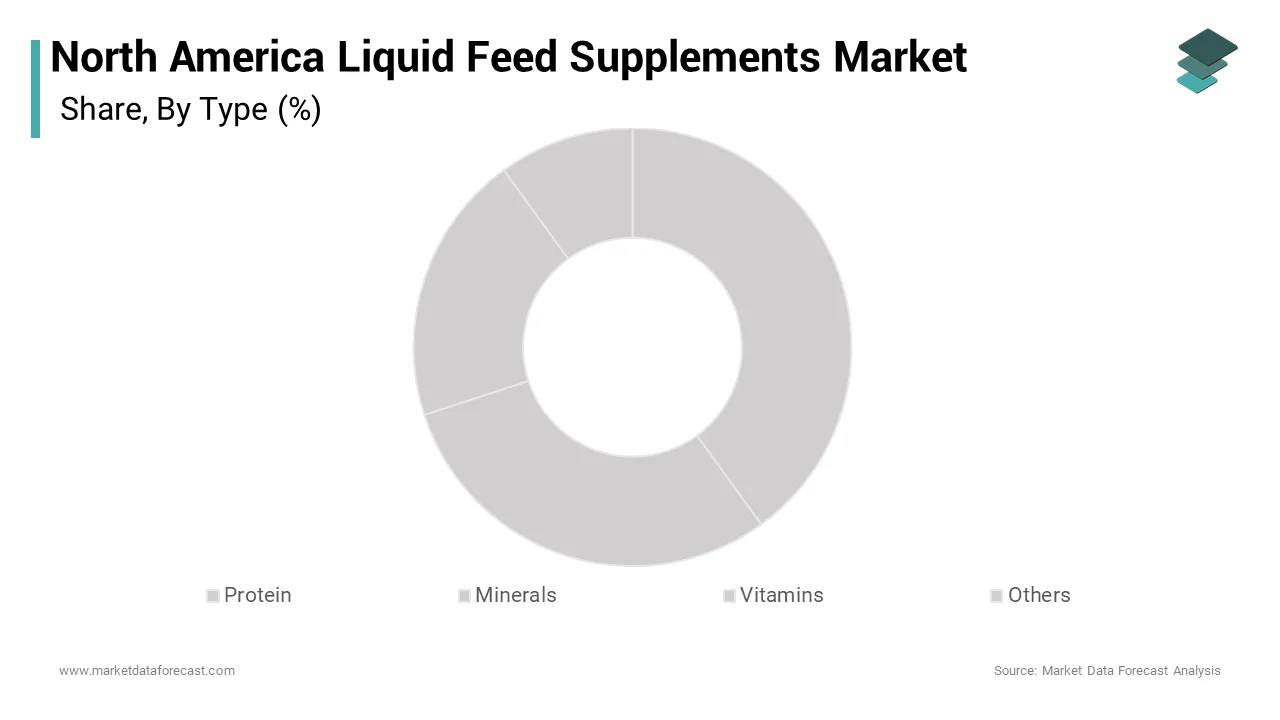
In 2025, the liquid mineral supplements segment secured the largest share of the North American market because of its essential role in maintaining the metabolic health and reproductive efficiency of ruminants, particularly cattle. Minerals such as calcium, phosphorus, magnesium, and trace elements like zinc and selenium are vital for bone development, enzyme function, and immune response. According to the United States Department of Agriculture, mineral deficiencies can lead to significant economic losses in beef and dairy operations, including reduced milk yield and poor calf survival rates. Liquid formulations ensure consistent intake as animals often regulate their consumption based on physiological needs, preventing both deficiency and toxicity. The ease of administration through lick tanks or automated dispensers reduces labor costs and ensures uniform distribution across large pastures. This reliability makes liquid minerals a staple in modern livestock management, driving sustained demand among producers who prioritize herd health and productivity. The widespread adoption of these supplements across both beef and dairy sectors cements their position as the largest product category in the market.
The dominance of these supplements is further reinforced by their high compatibility with automated feeding and monitoring systems prevalent in North American agriculture. Modern livestock operations increasingly utilize precision farming technologies that require fluid inputs for accurate metering and delivery. These systems allow for real time adjustment of mineral levels based on individual animal data or group requirements, optimizing nutrient utilization. The ability to combine minerals with other additives such as vitamins or medications in a single liquid stream simplifies logistics and reduces handling errors. This operational efficiency appeals to large commercial producers seeking to streamline operations and lower labor inputs. The technological synergy between liquid minerals and smart farm infrastructure ensures their continued leadership in the product segment.
Liquid Protein Supplements
The liquid protein supplements segment is estimated to register the fastest CAGR of 5.8% from 2026 to 2034 owing to the intensifying demand for high performance dairy and beef production. Protein is the most expensive component of livestock diets, and liquid sources such as urea, molasses based protein blends, and amino acid solutions offer cost effective alternatives to solid protein meals. Liquid protein supplements provide highly bioavailable nitrogen sources that rumen microbes can efficiently convert into microbial protein. The flexibility of liquid protein allows producers to adjust levels dynamically based on forage quality and animal stage of production. This adaptability is increasingly valuable as climate variability affects pasture quality. The shift toward intensive finishing programs and high yielding dairy herds fuels the rapid adoption of liquid protein solutions to meet elevated nutritional demands.
Technological advancements in non protein nitrogen (NPN) sources and protected amino acid formulations are accelerating the growth of this segment. Innovations in encapsulation and stabilization techniques have improved the safety and efficacy of NPN sources like urea, reducing the risk of ammonia toxicity while enhancing microbial utilization. The development of liquid amino acid supplements that bypass the rumen to directly supply essential amino acids to the small intestine is also gaining traction, particularly in high value dairy operations. These innovations address previous limitations of liquid protein sources, expanding their applicability to more sensitive production stages. The continuous improvement in product performance and safety profiles drives confidence among nutritionists and farmers, fueling the rapid expansion of this segment.
By Source Insights
Plant-based Sources
The plant-based sources segment dominated the North America liquid feed supplements market and maintained a significant share in 2025. This leading position of the segment was attributed to the abundant availability of agricultural byproducts such as molasses, corn steep liquor, and soybean meal extracts. These ingredients are cost effective alternatives to synthetic or animal derived nutrients, aligning with the economic priorities of livestock producers. According to the United States Department of Agriculture, the United States produces millions of tons of molasses annually as a byproduct of sugar beet and cane processing, providing a steady and affordable supply for liquid feed formulations. The sustainability profile of utilizing crop residues and processing byproducts also appeals to environmentally conscious consumers and regulators. Furthermore, plant based sources are generally perceived as safer regarding disease transmission risks such as bovine spongiform encephalopathy, which has historically impacted animal based feeds. This combination of economic advantage, supply stability, and safety assurance ensures that plant based sources remain the dominant choice for formulators and producers across the region.
The top position of plant based sources is reinforced by favorable regulatory frameworks and shifting consumer preferences toward plant derived animal products. Regulations in North America strictly monitor the use of animal byproducts in ruminant feed to prevent disease spread, limiting the application of animal based sources. According to the Food and Drug Administration, the use of certain mammalian proteins in ruminant feed is prohibited, driving formulators toward plant based alternatives. This market signal encourages livestock operators to adopt plant based liquid supplements to maintain market access and premium pricing opportunities. Additionally, plant based ingredients are easier to label and market as natural or non GMO, aligning with clean label trends in the food industry. The regulatory clarity and consumer alignment create a robust environment for plant based liquid feeds, securing their leading position in the market.
Animal-based Sources
The animal-based sources segment is anticipated to witness the fastest CAGR of 4.5% during the forecast period. This swift growth of the segment is propelled by its superior bioavailability and specific nutrient profiles that are difficult to replicate with plant ingredients. Products such as hydrolyzed feather meal, blood meal, and fish oil emulsions provide high quality protein and essential fatty acids that support rapid growth and immune function. As per data from specialty feed ingredient suppliers, the inclusion of animal based lipids in liquid feeds can improve energy density and palatability, encouraging higher intake in young or stressed animals. This performance advantage is particularly valued in high value segments such as veal production and elite breeding stock where marginal gains justify higher input costs. The unique amino acid profiles of animal proteins also help balance rations more effectively, reducing the need for synthetic supplements. These technical benefits drive the accelerated adoption of animal based liquid sources in specialized applications.
The growth of animal based sources is also fueled by their increasing use in niche and specialty livestock diets where performance outcomes are critical. Aquaculture and pet food industries, which overlap with livestock nutrition technologies, are driving innovation in animal based liquid ingredients that are being adapted for livestock use. The development of enzymatic hydrolysis technologies has made animal byproducts more soluble and stable in liquid formats, overcoming previous technical barriers. This innovation expands the range of applications for animal based sources beyond traditional uses. The focus on functional benefits such as improved coat condition and stress resistance in high value animals supports the rapid growth of this segment despite its smaller overall volume compared to plant based sources.
By Livestock Insights
Ruminants
The ruminants segment remained prominent in the North America liquid feed supplements market and occupied a commanding share in 2025. This prominence of the segment was credited to the vast population base and the intensive nature of dairy and beef production. Liquid supplements are extensively used in these settings to deliver energy, protein, and minerals efficiently to large groups. According to the USDA National Agricultural Statistics Service (NASS), the average annual milk production per dairy cow in the United States has climbed past 24,000 pounds, a high-yield output requiring precision nutritional monitoring. The rumen’s ability to utilize non protein nitrogen and other liquid components makes ruminants ideal candidates for this type of supplementation. The scale of the beef and dairy industries ensures that ruminants account for the majority of liquid feed consumption. The established practices and proven benefits in this sector sustain its dominant position in the market.
The dominance of the ruminant segment is supported by well established infrastructure for liquid feed delivery, including lick tanks, pipeline systems, and automated dispensers. Decades of adoption have created a mature ecosystem of equipment providers and service technicians familiar with liquid feed management for cattle. The ability to integrate liquid feeds with total mixed rations or pasture grazing systems offers flexibility that dry feeds cannot match. This infrastructural advantage lowers the barrier to entry for new products and reinforces the habit of using liquid supplements. The entrenched position of liquid feeding in ruminant management ensures that this segment remains the primary driver of market volume.
Swine
The swine segment is likely to experience the fastest CAGR of 6.2% between 2026 and 2034 due to the highly intensive nature of pork production and the need for precision nutrition to optimize growth rates. Modern swine operations rely on strict feeding protocols to maximize feed efficiency and minimize time to market. Liquid supplements allow for the precise addition of enzymes, probiotics, and acids that improve gut health and nutrient absorption in pigs. The ability to adjust nutrient levels in real time based on growth stages makes liquid supplements ideal for swine. The shift toward larger integrated production facilities favors the adoption of automated liquid feeding technologies, driving rapid market growth.
The increasing focus on health management and disease prevention in swine production accelerates the adoption of liquid feed supplements. With the reduction of antibiotic use, producers are turning to alternative health promoters such as organic acids and essential oils delivered via liquid feeds. The ease of administering medications or vaccines through drinking water or liquid feed lines also enhances biosecurity and reduces labor. This strategic shift toward preventive health care through nutrition drives the fast growth of the swine segment. The high value placed on herd health and productivity in commercial pork operations ensures sustained demand for advanced liquid supplement solutions.
COUNTRY LEVEL ANALYSIS
The United States Market Analysis
The United States led the North America liquid feed supplements market and accounted for an 84.9% share in 2025. This dominance of the US market was driven by its massive livestock industry and advanced agricultural technology adoption. The country is home to the world’s largest beef and dairy sectors, creating immense demand for efficient nutritional solutions. According to the USDA Economic Research Service, annual domestic beef production has declined amid a shrinking national herd, with totals projected at 25.438 billion pounds. The prevalence of large scale confined animal feeding operations favors the use of liquid supplements for their ease of automation and consistency. In addition, the USDA Economic Research Service shows that precision agriculture adoption, such as automated guidance and yield monitoring systems, continues to rise across the U.S. heartland, which indirectly streamlines computerized dairy and feedlot TMR (Total Mixed Ration) blending operations. Strong research and development capabilities from universities and private companies drive innovation in product formulations. Regulatory support for sustainable agriculture and waste reduction also encourages the use of efficient feeding methods. The mature distribution network and high farmer awareness ensure that the US remains the dominant force in the regional market.
Canada Market Analysis
Canada is another key player in the North America liquid feed supplements market because of a strong focus on beef production and emerging dairy innovations. The country’s vast pasturelands and harsh winter conditions make liquid supplements an attractive option for ensuring consistent nutrient intake year round. A study indicates the cattle and calf industry contributes significantly to the agricultural economy, generating $16.8 billion in cash receipts. To maintain this herd through harsh weather, agricultural networks note that winter feed costs consume up to 63 percent of total cash costs for cow-calf producers. Research published via the Beef Cattle Research Council (BCRC) explains that cattle upcycle low-quality forages during grazing pasture deficits through supplemental feeding. In these systems, liquid molasses acts as a fermentable energy carrier that increases rumen microbial activity and improves the palatability of low-quality straw. The dairy sector is also adopting liquid feeding technologies to improve efficiency and milk production. Government initiatives supporting sustainable farming practices encourage the use of byproduct based liquid feeds. While the market is smaller than the US, it exhibits steady growth driven by technological adoption and the need for efficient winter feeding strategies. The centralized nature of Canadian agriculture facilitates efficient distribution and service provision.
COMPETITIVE LANDSCAPE
The competition in the North America liquid feed supplements market is characterized by a mix of large multinational agribusinesses and specialized regional manufacturers. Major players compete primarily on the basis of product quality supply chain reliability and technical support services. The market features a fragmented landscape where local cooperatives and independent blenders hold significant influence due to their proximity to farmers and understanding of regional needs. Innovation drives competitive advantage as companies strive to develop specialized liquid formulations that address specific health and productivity challenges in livestock. Pricing strategies play a crucial role particularly in commodity driven segments where cost sensitivity is high among producers. Companies invest significantly in building strong relationships with distributors and providing educational resources to differentiate their offerings. The entry of new technologies such as precision feeding systems adds complexity to the competitive dynamics favoring firms with integrated digital solutions. Regulatory compliance and sustainability credentials are becoming increasingly important factors influencing buyer decisions. Collaborations with research institutions help companies stay ahead of scientific advancements. This multifaceted competition ensures continuous improvement in product offerings but requires substantial investment in logistics and customer service to maintain market relevance.
KEY MARKET PLAYERS
Some of the major companies dominating the market, by their products and services, are
- Cargill Inc.
- Archer Daniels Midland Company
- Wesway Products
- Kent Corporation
- Cattle-Lac Liquid Feed
- Midwest Liquid Feeds.
Top Players In The Market
- Cargill Incorporated maintains a leading position in the North America liquid feed supplements market through its extensive network of production facilities and deep expertise in animal nutrition. The company leverages its global supply chain to source high quality raw materials such as molasses and corn byproducts ensuring consistent product availability. Recent strategic initiatives include the expansion of its digital farming platforms which provide producers with data driven insights for optimizing liquid feed formulations. Cargill actively collaborates with livestock producers to develop customized nutritional solutions that enhance herd health and productivity. The company also invests in sustainability programs aimed at reducing the environmental impact of feed production. By integrating advanced research capabilities with robust distribution channels Cargill strengthens its reputation as a trusted partner for modern agricultural operations. This comprehensive approach ensures it remains at the forefront of innovation and service delivery in the regional market.
- Archer Daniels Midland Company plays a pivotal role in the North America liquid feed supplements market by utilizing its vast processing infrastructure to convert agricultural commodities into valuable nutritional ingredients. The company specializes in producing high quality molasses based liquids and protein supplements that cater to the diverse needs of ruminant and swine producers. Recent actions include the enhancement of its bioprocessing capabilities to create specialized liquid additives that improve gut health and feed efficiency. ADM focuses on strategic partnerships with local distributors to ensure timely delivery and technical support for farmers across the continent. The company also emphasizes sustainable sourcing practices aligning with growing consumer demand for environmentally responsible agriculture. By leveraging its scale and scientific expertise ADM delivers reliable and effective liquid feed solutions. This commitment to quality and innovation solidifies its position as a key contributor to the advancement of livestock nutrition in North America.
- Kent Corporation contributes significantly to the North America liquid feed supplements market through its strong regional presence and focus on customer centric solutions. The company offers a wide range of liquid mineral and energy supplements designed to address specific nutritional challenges faced by beef and dairy producers. Recent strategic moves include the modernization of its manufacturing plants to improve production efficiency and product consistency. Kent actively engages in educational outreach programs helping farmers understand the benefits of precise liquid feeding methods. The company also invests in research and development to formulate products that enhance animal performance under varying environmental conditions. By maintaining close relationships with independent dealers and large commercial accounts Kent ensures broad market accessibility. Its dedication to practical innovation and reliable service fosters long term loyalty among customers. This localized yet scalable approach enables Kent to compete effectively against larger multinational competitors in the dynamic North American market.
Top Strategies Used By Key Market Participants
Key players in the North America Liquid Feed Supplements Market employ several strategic approaches to maintain and enhance their competitive positions. Product innovation remains a primary strategy with companies investing heavily in research and development to create novel formulations with improved efficacy and safety profiles. Expansion into digital health solutions is another critical tactic as firms integrate telemedicine and mobile applications to support patient engagement and adherence. Strategic partnerships with healthcare providers and insurance companies help facilitate better access to treatments and improve reimbursement coverage. Marketing campaigns focused on disease awareness and education are widely used to drive diagnosis rates and encourage early intervention. Companies also pursue geographic expansion within the region to tap into underserved markets and increase their customer base. Additionally many firms focus on portfolio diversification by adding combination therapies that address multiple symptoms simultaneously. These strategies collectively enable market participants to navigate regulatory challenges meet evolving patient needs and sustain growth in a dynamic healthcare environment.
MARKET SEGMENTATION
This research report on the North American liquid feed supplements market is segmented and sub-segmented into the following categories.
By Type
- Protein
- Minerals
- Vitamins
- Others
By Source
- Molasses
- Corn
- Urea
- Others
By Livestock
- Ruminants
- Poultry
- Swine
- Aquaculture
- Others
By Country
- U.S.A
- Canada
- Mexico
- Rest of North America