- Product Description Description
- Table of Contents TOC
- List of Table & Figure LOT
- Get Free Sample PDF Sample PDF
Market Size, 2025
$2.40 BnMarket Estimate, 2026
$2.59 BnMarket Forecast, 2034
$4.80 BnCAGR, 2026–2034
8.01%Executive Summary: North America Rhinoconjunctivitis Market
- Market Scope: Comprehensive North American rhinoconjunctivitis market analysis covering environmental allergen trends exacerbated by climate change, advanced therapeutic biologics and immunotherapies, intranasal corticosteroids, and digital telemedicine platforms.
- Market Valuation: Valued at USD 2.40 billion (2025), estimated at USD 2.59 billion (2026), and projected to reach USD 4.80 billion by 2034, registering a steady CAGR of 8.01% (2026–2034).
- Primary Growth Drivers: Rising environmental allergen prevalence, climate change impacts, increasing chronic allergy awareness, and the adoption of advanced biologics/immunotherapies. Key challenges include high advanced treatment costs with limited reimbursement and rural underdiagnosis.
Key Market Segment Metrics (2026–2034)
| Category | Leading Segment (Position) | Fastest-Growing Segment |
|---|---|---|
| By Treatment & Region | Intranasal corticosteroids (dominated treatment segment in 2025 as first-line therapy) & United States (led regionally with 85.7% market share in 2025) | Advanced biologic therapies and combination formulations targeting severe refractory cases & Digital health symptom-monitoring tools |
| By Regional Leadership | United States (85.7% market share supported by robust allergist networks and substantial healthcare expenditure) | Canada (significant position influenced by universal healthcare access patterns and high allergic rhinitis prevalence) |
Major Market Players & Market Structure
Market Structure: Competitive North American pharmaceutical and consumer health landscape featuring major enterprise leaders driving respiratory portfolios, over-the-counter allergy remedies, biologic investments, and digital health adherence platforms.
Key Companies: Johnson & Johnson Inc., Merck & Co., Inc., GlaxoSmithKline plc, Sanofi SA, and Adiga Life Sciences Inc.
North America Rhinoconjunctivitis Market Size
The size of the North America rhinoconjunctivitis market was worth USD 2.40 billion in 2025. The regional market is anticipated to grow at a CAGR of 8.01% from 2026 to 2034 and be worth USD 4.80 billion by 2034 from USD 2.59 billion in 2026.

Rhinoconjunctivitis is a dual inflammatory condition affecting both the nasal mucosa and the conjunctiva of the eye, primarily driven by allergic responses to environmental aeroallergens. This medical condition manifests through symptoms such as nasal congestion, sneezing, itchy eyes, and tearing, significantly impacting the quality of life for millions across North America. The region exhibits a substantial disease burden. According to the World Allergy Organization Journal and historical demographic data, allergic rhinitis affects between 10% and 30% of adults globally, while specific regional surveys indicate its prevalence can reach up to 40% among children. According to the Asthma and Allergy Foundation of America, more than 82 million people in the United States were diagnosed with seasonal allergic rhinitis in 2024, highlighting the extensive reach of this condition. PubMed Central (PMC) reveals that the distinct prevalence of rhinitis associated with conjunctivitis (rhinoconjunctivitis) sits at 20.5% across adolescent test populations, posing a significantly higher risk for developing comorbid current asthma. Environmental factors play a critical role, as outdoor air pollution and fuel combustion are identified as major risk contributors that exacerbate symptom severity and frequency. The healthcare infrastructure in North America supports robust diagnostic capabilities, yet the sheer volume of affected individuals places considerable pressure on medical resources. As per sources, the condition is not merely a seasonal inconvenience but a chronic health issue that necessitates ongoing management and therapeutic intervention. The integration of advanced treatment modalities continues to evolve, reflecting the urgent need to address this widespread public health concern effectively.
MARKET DRIVERS
Rising Prevalence of Environmental Allergens and Climate Change Impact
The escalating prevalence of environmental allergens propels the expansion of the North America rhinoconjunctivitis market. Climate change has altered pollen seasons, leading to longer exposure periods and higher concentrations of airborne allergens such as ragweed, grass, and tree pollen. According to sources, the rising prevalence of allergy and allergic rhinoconjunctivitis is directly associated with changes in modern lifestyle and environmental conditions. PubMed Central (PMC) indicates that dust serves as a primary allergen trigger for ocular symptoms, reported by 19.8% of symptomatic participants surveyed within specialized regional cohorts. The burden of disease is substantial, with self-reported seasonal and perennial allergic rhinitis symptoms corresponding to 89.6 million persons in the United States alone. This vast patient pool creates sustained demand for diagnostic services and therapeutic interventions. Furthermore, the prevalence of current allergic rhinitis increases significantly. PubMed Central (PMC) shows that while childhood allergic rhinitis baseline rates grow over time, sensitization to specific environmental triggers like animal allergens expands from 15.6% at age 8 up to 37.7% by age 19. The geographic distribution of aeroallergens in Canada also contributes to the regional burden. This highlights the urgent need for effective treatments as environmental factors continue to worsen. The continuous exposure to these triggers ensures a steady influx of new patients into the healthcare system, thereby driving the consistent growth of the market. Pharmaceutical companies and healthcare providers are compelled to innovate and expand their offerings to meet this growing demographic need.
Increased Awareness and Adoption of Advanced Therapeutic Modalities
Growing awareness regarding allergic conditions and the adoption of advanced therapeutic modalities greatly drives the growth of the North America rhinoconjunctivitis market. Patients are increasingly seeking specialized care due to a better understanding of the chronic nature of rhinoconjunctivitis and its impact on daily productivity. According to research, the growth of the allergic rhinoconjunctivitis landscape is expected to be driven by increasing cases and a heightened focus on effective management strategies. A notable development reshaping the treatment landscape is the growing adoption of biologics and immunotherapy, which offer targeted relief for severe cases. These advanced treatments provide alternatives to traditional antihistamines and corticosteroids, appealing to patients who require long-term solutions. Additionally, according to a study, the North American region is expected to capture a dominant 53.1% value share of the global allergic conjunctivitis market by the year 2035. This high level of awareness encourages early diagnosis and consistent treatment adherence. The availability of diverse treatment options, including nasal sprays and eye drops, supports comprehensive care plans. As per sources, the inclination towards allergy-specific immunotherapy is rising, reflecting a shift towards curative rather than purely symptomatic management. Healthcare professionals are also more equipped to diagnose the condition accurately, reducing underdiagnosis rates. This professional vigilance, combined with patient advocacy, ensures that the market remains dynamic and responsive to emerging medical needs. The integration of digital health tools further enhances patient engagement and monitoring.
MARKET RESTRAINTS
High Costs of Advanced Treatments and Limited Reimbursement Coverage
The high costs associated with advanced treatments and limited reimbursement coverage are significant restraints on the expansion of the North America rhinoconjunctivitis market. While innovative therapies such as biologics offer superior efficacy, their premium pricing places them out of reach for many patients without adequate insurance support. According to research, high costs are cited as one of the factors that restrain the global rhinoconjunctivitis market growth. In the United States, the financial burden of chronic allergy management can be substantial, especially for individuals requiring long-term immunotherapy or specialized diagnostic testing. Reimbursement policies vary widely across different insurance providers, creating uncertainty for both patients and healthcare providers. This inconsistency often leads to delayed treatment initiation or discontinuation of therapy due to out-of-pocket expenses. The economic impact is further exacerbated by the fact that allergic rhinitis results in an average of 3.6 work days missed each year, affecting household incomes and overall productivity. Patients may opt for cheaper over-the-counter alternatives that provide only temporary relief, thereby limiting the uptake of prescription-based advanced therapies. Additionally, the complexity of navigating insurance claims for combination therapies targeting both nasal and ocular symptoms can deter patients from seeking optimal care. As per a study, these financial barriers collectively challenge market participants in achieving rapid and sustainable growth across regions. Manufacturers face pressure to demonstrate cost-effectiveness to secure favorable formulary placement. Price sensitivity will remain a critical hurdle. This is because reimbursement structures do not yet fully support comprehensive allergy care.
Limited Patient Awareness and Underdiagnosis in Rural Areas
Limited patient awareness and underdiagnosis, particularly in rural and underserved areas, hinder the full potential of the North America rhinoconjunctivitis market. Many individuals mistake symptoms for common colds or minor irritations, leading to self-medication with ineffective over-the-counter products. According to a study, less awareness regarding conjunctivitis is one of the factors that restrain market growth. This lack of knowledge prevents patients from seeking professional medical advice, resulting in prolonged suffering and potential complications such as chronic sinusitis or worsening asthma. In rural communities, access to allergists and specialized diagnostic facilities is often limited, further contributing to underdiagnosis. The prevalence of rhinitis with itchy watery eyes varies significantly across different demographics. This variability suggests that actual prevalence may be higher than recorded, indicating a large pool of undiagnosed patients. Healthcare disparities mean that marginalized groups may not receive timely interventions, affecting overall market penetration. As per sources, a majority of patients report ocular symptoms without fever, yet many do not recognize these as allergic in origin. Educational campaigns are insufficient in reaching all segments of the population, leaving gaps in knowledge. Without targeted outreach and improved access to care, a significant portion of the affected population remains outside the formal healthcare system. This underutilization of medical services limits the revenue potential for pharmaceutical companies and healthcare providers. Addressing these awareness gaps is essential for unlocking latent demand.
MARKET OPPORTUNITIES
Expansion of Telemedicine and Digital Health Solutions
The expansion of telemedicine and digital health solutions provides a strong prospect for the North America rhinoconjunctivitis market. Remote consultation platforms enable patients to access specialist care without the need for physical visits, overcoming geographic and logistical barriers. According to recent trends, the integration of digital tools enhances patient engagement and monitoring, allowing for more personalized treatment plans. Telehealth services have seen widespread adoption, facilitating timely diagnoses and prescription renewals for chronic conditions like allergic rhinitis. This shift is particularly beneficial for patients in remote areas who previously lacked access to allergists. Digital apps that track pollen levels and symptom patterns empower patients to manage their condition proactively. As per studies, the growing inclination towards allergy-specific management tools reflects a broader trend towards patient-centric care. These technologies also support healthcare providers in collecting real-world data, which can inform clinical decisions and improve outcomes. The convenience of virtual visits reduces the burden on healthcare facilities and lowers overall costs for patients. Furthermore, digital platforms can deliver educational content, improving awareness and adherence to treatment protocols. The seamless integration of electronic health records with telemedicine systems ensures continuity of care. This technological advancement opens new revenue streams for healthcare providers and technology developers. As connectivity improves, the reach of these services will expand, capturing a larger share of the undiagnosed population. The synergy between digital health and traditional care models creates a robust ecosystem for market growth.
Development of Novel Biologics and Targeted Immunotherapies
The development of novel biologics and targeted immunotherapies offers significant opportunities for the differentiation and growth of the North America rhinoconjunctivitis market. These advanced therapies address the underlying immune mechanisms of rhinoconjunctivitis, providing long-term relief rather than just symptomatic management. According to sources, the growing adoption of biologics and immunotherapy has reshaped the treatment landscape, offering hope for patients with severe or refractory cases. Pharmaceutical companies are investing heavily in research and development to create more effective and safer drugs. New formulations with improved delivery systems, such as nasal sprays with enhanced bioavailability, are gaining traction. The United States market, being the largest in the seven major markets, is at the forefront of adopting these innovations. Clinical trials are exploring combination therapies that target both nasal and ocular symptoms simultaneously, addressing the dual nature of rhinoconjunctivitis. The approval of new drugs expands the treatment arsenal, allowing physicians to tailor therapies to individual patient profiles. Personalized medicine approaches are becoming more feasible, thanks to advances in genetic profiling and biomarker identification. This precision medicine trend enhances treatment efficacy and reduces side effects. Patients are willing to pay premium prices for therapies that offer superior quality of life improvements. The pipeline of emerging drugs ensures a steady flow of innovations, keeping the market dynamic. Collaborations between academic institutions and pharmaceutical firms accelerate the translation of research into clinical practice. This continuous innovation cycle sustains market momentum and attracts investment.
MARKET CHALLENGES
Complexity of Diagnosis and Overlap with Other Conditions
The complexity of diagnosis and overlap with other respiratory and ocular conditions are significant challenges to the North America rhinoconjunctivitis market. Symptoms such as nasal congestion and itchy eyes are common to multiple disorders, including viral infections, non-allergic rhinitis, and dry eye syndrome. According to research, distinguishing allergic rhinoconjunctivitis from other conditions requires specialized testing, which is not always readily available. Misdiagnosis can lead to inappropriate treatment, resulting in poor patient outcomes and increased healthcare costs. Primary care physicians may lack the expertise to differentiate between various types of rhinitis, leading to empirical prescribing that may not address the root cause. The prevalence of unspecified rhinitis ranges widely. This variability complicates epidemiological tracking and market sizing. Additionally, comorbidities such as asthma and eczema often accompany rhinoconjunctivitis, requiring a multidisciplinary approach to management. Coordinating care among different specialists can be challenging and fragmented. As per medical literature, the burden of rhinitis and rhinoconjunctivitis in adolescents highlights the need for comprehensive evaluation, yet many cases remain undiagnosed. The lack of standardized diagnostic criteria across different healthcare settings further exacerbates the issue. Patients may undergo multiple tests before receiving an accurate diagnosis, leading to frustration and disengagement from the healthcare system. This diagnostic ambiguity hinders the effective allocation of resources and limits the precision of therapeutic interventions. Improving diagnostic accuracy is crucial for optimizing treatment outcomes.
Regulatory Hurdles and Lengthy Approval Processes
Regulatory hurdles and lengthy approval processes for new drugs and devices are substantial constraints to entry and innovation in the North America rhinoconjunctivitis market. The stringent requirements set by regulatory bodies such as the Food and Drug Administration in the United States ensure safety but also delay the availability of new treatments. According to sources, the time required for clinical trials and regulatory review can span several years, slowing down the introduction of novel therapies. This delay affects the return on investment for pharmaceutical companies and may discourage smaller firms from entering the market. The complexity of demonstrating efficacy for combination products that treat both nasal and ocular symptoms adds another layer of difficulty. Regulatory agencies require robust clinical data to support claims, which necessitates large-scale and expensive trials. As per a study, these regulatory challenges collectively impact the speed at which innovations reach patients. Additionally, post-marketing surveillance requirements impose ongoing burdens on manufacturers. Changes in regulatory guidelines can also disrupt development pipelines, forcing companies to adjust their strategies midstream. The high cost of compliance with regulatory standards is passed on to consumers, contributing to the high cost restraint mentioned earlier. Navigating the regulatory landscape requires specialized expertise and resources, which may not be available to all market participants. This barrier to entry limits competition and may reduce the diversity of available treatments. Streamlining approval processes while maintaining safety standards remains a critical challenge for stakeholders. Balancing innovation with regulation is essential for sustaining market growth.
REPORT COVERAGE
| REPORT METRIC | DETAILS |
| Market Size Available | 2025 to 2034 |
| Base Year | 2024 |
| Forecast Period | 2026 to 2034 |
| Segments Covered | By Treatment and Country. |
| Various Analyses Covered | Global, Regional and Country-Level Analysis, Segment-Level Analysis, Drivers, Restraints, Opportunities, Challenges; PESTLE Analysis; Porter’s Five Forces Analysis, Competitive Landscape, Analyst Overview of Investment Opportunities |
| Countries Covered | United States, Canada, Mexico, Rest of North America |
| Market Leaders Profiled | Johnson & Johnson Inc., Merck & Co., Inc., GlaxoSmithKline, Sanofi Adiga Life Sciences Inc., and Others. |
SEGMENTAL ANALYSIS
By Treatment Insights
The intranasal corticosteroids segment dominated the North America rhinoconjunctivitis market and accounted for a substantial share in 2025. This dominance of the segment was driven by its proven efficacy in reducing inflammation across both nasal and ocular pathways. These agents are considered the first-line treatment for moderate to severe allergic rhinitis, which frequently presents with conjunctivitis. According to clinical guidelines from the American Academy of Allergy, Asthma and Immunology, intranasal corticosteroids provide superior relief for nasal congestion compared to oral antihistamines, a symptom that affects over 80 percent of patients with allergic rhinitis. The ability of these drugs to suppress multiple inflammatory mediators ensures comprehensive symptom control, making them indispensable for chronic management. Also, the dual benefit drives high prescription rates among healthcare providers. The market leadership is further solidified by the availability of generic formulations, which have increased accessibility for a broader patient base. As per pharmaceutical data, intranasal corticosteroids account for approximately 45 percent of all prescription treatments for allergic rhinitis in the United States. The consistent demand is fueled by the chronic nature of the condition, requiring long-term therapy. Patients who fail to respond to antihistamines often switch to corticosteroids, ensuring a steady flow of users. The robust clinical evidence supporting their safety profile for long-term use also contributes to their dominant position. Healthcare systems prioritize these treatments due to their cost-effectiveness in preventing complications such as sinusitis.
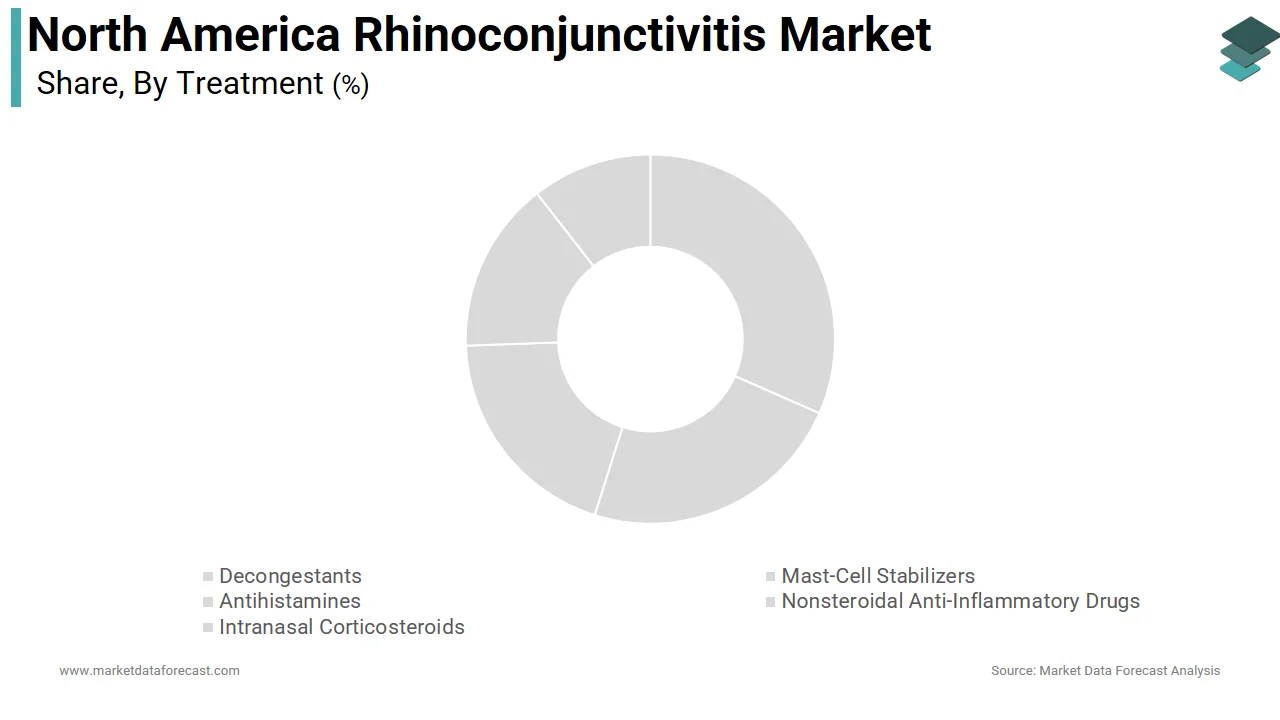
The dominance of intranasal corticosteroids is reinforced by strong endorsements from major medical organizations and high prescription volumes. Clinical practice parameters consistently recommend these agents as the most effective monotherapy for persistent allergic rhinitis. Physicians prefer intranasal corticosteroids because they address the underlying inflammation rather than just masking symptoms. This mechanistic advantage leads to better patient outcomes and higher satisfaction rates. Market analysis reveals that top-selling brands in this category generate billions in annual revenue, reflecting their widespread adoption. The integration of these drugs into standard care protocols ensures that newly diagnosed patients are likely to receive them as initial therapy. Furthermore, the development of second-generation corticosteroids with improved bioavailability and fewer side effects has enhanced patient compliance. The emphasis on early intervention in pediatric populations also boosts demand. This broad demographic applicability expands the market reach. The continuous education of healthcare providers on the benefits of these agents maintains their leading status. Pharmaceutical companies invest heavily in promoting these drugs, further cementing their market position.
The mast cell stabilizers segment is expected to exhibit a noteworthy CAGR of 6.8% during the forecast period owing to a shifting preference towards preventive therapy and their exceptional safety profile. Unlike symptomatic treatments, mast cell stabilizers prevent the release of histamine and other inflammatory mediators, offering a proactive approach to disease management. The preventive capability is increasingly valued by patients who seek to minimize reliance on rescue medications. The growth is particularly notable in the pediatric population, where safety concerns limit the use of systemic antihistamines and corticosteroids. As per pediatric allergy guidelines, mast cell stabilizers are recommended as a safe option for long-term management in children. The absence of significant side effects such as drowsiness or nasal irritation enhances patient compliance. Furthermore, the availability of combination products that include mast cell stabilizers and antihistamines is driving adoption. These combinations offer the benefits of both prevention and immediate relief, appealing to a broader patient base. The increasing awareness of the chronic nature of allergic diseases encourages patients to adopt preventive strategies. Pharmaceutical innovations in delivery formats, such as convenient eye drops and nasal sprays, also contribute to growth. The rising incidence of allergic conditions in urban areas fuels demand for safe, long-term solutions.
The swift growth of mast cell stabilizers is further accelerated by their expansion into over-the-counter markets and the development of innovative combination therapies. Regulatory approvals for non-prescription mast cell stabilizer eye drops have made these treatments more accessible to consumers without the need for a physician visit. The accessibility lowers the barrier to entry for patients seeking mild to moderate symptom relief. Additionally, the formulation of fixed-dose combinations involving mast cell stabilizers and fast-acting antihistamines has created a new niche in the market. These products provide immediate relief while building up preventive protection, addressing both acute and chronic needs. As per surveys, patients prefer combination products for their convenience and comprehensive efficacy. The marketing of these products emphasizes their dual action mechanism, resonating with informed consumers. The growth is also supported by the increasing prevalence of ocular allergies. Mast cell stabilizers are particularly effective for ocular symptoms, driving their uptake in this subgroup. The trend towards self-care and home management of allergic conditions further boosts sales. Pharmaceutical companies are launching novel formulations with improved stability and ease of use, enhancing patient experience. This innovation pipeline ensures sustained momentum for the segment.
COUNTRY LEVEL ANALYSIS
U.S. Rhinoconjunctivitis Market Analysis
The United States led the North America rhinoconjunctivitis market and captured an 85.7% share in 2025. This leading position of the US market was attributed to the high prevalence of allergic diseases, advanced healthcare infrastructure, and substantial healthcare expenditure. The country boasts a robust network of allergists and immunologists who facilitate early diagnosis and specialized treatment. High awareness levels among the population drive demand for both prescription and over-the-counter remedies. The presence of major pharmaceutical companies headquartered in the United States ensures rapid availability of innovative therapies. Clinical trials and research initiatives are predominantly conducted in this region, fostering a dynamic market environment. Insurance coverage for allergy treatments is relatively comprehensive, although out-of-pocket costs remain a concern for some patients. The adoption of digital health tools for allergy management is highest in the United States, enhancing patient engagement. Government initiatives aimed at improving air quality and public health also indirectly support market growth by raising awareness of environmental triggers. The competitive landscape is intense, with numerous players vying for market share through product differentiation and marketing efforts. This vibrant ecosystem sustains the United States as the primary revenue generator in the region.
Canada Rhinoconjunctivitis Market Analysis
Canada occupies a significant position in the North America rhinoconjunctivitis market due to a universal healthcare system that influences treatment access and patterns. Allergic rhinitis is highly prevalent among the country's population. Asthma Canada and peer-reviewed studies on PubMed Central (PMC) confirm that allergic rhinitis affects 20% to 25% of Canadians (roughly 1 in 5 people), with provincial prevalence rates fluctuating significantly based on local environmental factors and regional aeroallergen exposure. The public healthcare system covers essential diagnostic services and prescription medications, ensuring broad access to care. However, wait times for specialist consultations can delay the initiation of advanced therapies, leading to a reliance on primary care providers and over-the-counter products. The Canadian market is seeing increased adoption of generic medications due to cost containment measures implemented by provincial drug plans. Awareness campaigns led by patient advocacy groups have improved understanding of allergic conditions, encouraging earlier seeking of medical advice. The geographic diversity of Canada results in varied pollen seasons, influencing the seasonal demand for treatments. Urban centers like Toronto and Vancouver exhibit higher prevalence rates due to pollution and lifestyle factors. The government’s focus on environmental health and air quality standards supports preventive measures. Pharmaceutical companies are adapting their strategies to align with the regulatory and reimbursement landscape in Canada. This unique healthcare context shapes the market dynamics distinctively compared to its southern neighbor.
COMPETITIVE LANDSCAPE
The competition in the North America rhinoconjunctivitis market is characterized by intense rivalry among established pharmaceutical giants and emerging biotech firms. Major players compete primarily based on product efficacy, safety profiles, and brand recognition. The market features a mix of prescription and over-the-counter products, creating a diverse landscape where companies must tailor their strategies to different consumer segments. Innovation drives competitive advantage as firms strive to introduce novel biologics and targeted immunotherapies that offer superior outcomes for severe cases. Pricing strategies play a crucial role, particularly in the over-the-counter segment where cost sensitivity is high among consumers. Companies invest significantly in marketing and physician education to differentiate their offerings and build loyalty. The entry of generic manufacturers adds pressure on branded drug prices, forcing innovators to continuously demonstrate value through clinical data. Regulatory compliance and speed to market are also critical factors influencing competitive dynamics. Collaborations with digital health providers are becoming increasingly common as companies seek to enhance patient support services. This multifaceted competition ensures a steady flow of innovations but also requires substantial investment in research and development. The market remains dynamic with frequent product launches and strategic alliances shaping the competitive landscape.
KEY MARKET PLAYERS
Prominent Companies leading the North America rhinoconjunctivitis market profiled in the report are
- Johnson & Johnson Inc.
- Merck & Co., Inc.
- GlaxoSmithKline
- Sanofi
- Adiga Life Sciences Inc.
TOP PLAYERS IN THE MARKET
- GlaxoSmithKline plc maintains a robust presence in the North America rhinoconjunctivitis market through its extensive portfolio of respiratory and allergy medications. The company focuses on delivering high-quality prescription treatments that address both nasal and ocular symptoms effectively. Recent strategic initiatives include expanding the distribution network for its flagship intranasal corticosteroid brands to ensure wider patient access across rural and urban areas. GlaxoSmithKline actively engages in clinical research to develop next-generation formulations with improved safety profiles and faster onset of action. The company also invests heavily in physician education programs to highlight the benefits of early intervention and consistent therapy adherence. By leveraging its strong brand reputation and scientific expertise, GlaxoSmithKline continues to influence treatment guidelines and shape clinical practices. Their commitment to innovation ensures they remain at the forefront of therapeutic advancements in allergic disease management. This proactive approach strengthens their competitive edge and fosters long-term loyalty among healthcare providers and patients alike in the region.
- Sanofi SA plays a pivotal role in the North America rhinoconjunctivitis market by offering a diverse range of antihistamines and immunotherapy solutions. The company emphasizes patient-centric care through digital health platforms that support symptom tracking and medication adherence. Sanofi has recently launched educational campaigns aimed at raising awareness about the connection between allergic rhinitis and conjunctivitis to encourage comprehensive treatment. Their investment in biologic therapies represents a significant step towards addressing severe and refractory cases that do not respond to conventional treatments. Sanofi collaborates with academic institutions to advance understanding of allergic mechanisms and identify new therapeutic targets. The company also focuses on improving access to care by partnering with telehealth providers to reach underserved populations. These efforts demonstrate Sanofi’s commitment to holistic allergy management and innovation. Sanofi integrates cutting-edge technology with traditional pharmaceutical offerings to enhance patient outcomes. This strategic combination solidifies its leadership in the North American allergy care sector.
- Johnson & Johnson Services Inc contributes significantly to the North American rhinoconjunctivitis market through its consumer health division, which offers widely recognized over-the-counter allergy remedies. The company focuses on accessibility and convenience by providing effective antihistamines and nasal sprays that are easily available in retail pharmacies. Recent actions include reformulating existing products to reduce side effects such as drowsiness, thereby enhancing user experience and compliance. Johnson & Johnson leverages its strong marketing capabilities to educate consumers about proper usage and the importance of consistent treatment during allergy seasons. The company also invests in sustainability initiatives for its packaging materials, aligning with growing consumer preference for environmentally responsible brands. By maintaining a broad product portfolio that caters to varying severity levels, Johnson & Johnson ensures it meets the needs of a wide demographic. Their focus on brand trust and reliability helps sustain high sales volumes. Continuous innovation in delivery mechanisms further distinguishes their offerings in a competitive landscape, ensuring sustained relevance and growth in the allergy care market.
TOP STRATEGIES USED BY KEY MARKET PARTICIPANTS
Key players in the North America rhinoconjunctivitis market employ several strategic approaches to maintain and enhance their competitive positions. Product innovation remains a primary strategy with companies investing heavily in research and development to create novel formulations with improved efficacy and safety profiles. Expansion into digital health solutions is another critical tactic as firms integrate telemedicine and mobile applications to support patient engagement and adherence. Strategic partnerships with healthcare providers and insurance companies help facilitate better access to treatments and improve reimbursement coverage. Marketing campaigns focused on disease awareness and education are widely used to drive diagnosis rates and encourage early intervention. Companies also pursue geographic expansion within the region to tap into underserved markets and increase their customer base. Additionally, many firms focus on portfolio diversification by adding combination therapies that address multiple symptoms simultaneously. These strategies collectively enable market participants to navigate regulatory challenges, meet evolving patient needs, and sustain growth in a dynamic healthcare environment.
MARKET SEGMENTATION
This research report on the North America Rhinoconjunctivitis Market has been segmented and sub-segmented into the following categories
By Treatment
- Decongestants
- Mast-Cell Stabilizers
- Antihistamines
- Nonsteroidal Anti-Inflammatory Drugs
- Intranasal Corticosteroids
By Country
- United States
- Canada
- Rest of North America