- Product Description Description
- Table of Contents TOC
- List of Table & Figure LOT
- Get Free Sample PDF Sample PDF
Market Size, 2025
$7.79 BnMarket Estimate, 2026
$8.36 BnMarket Forecast, 2034
$14.76 BnCAGR, 2026–2034
7.36%Global Oligonucleotide Synthesis Market Report Summary
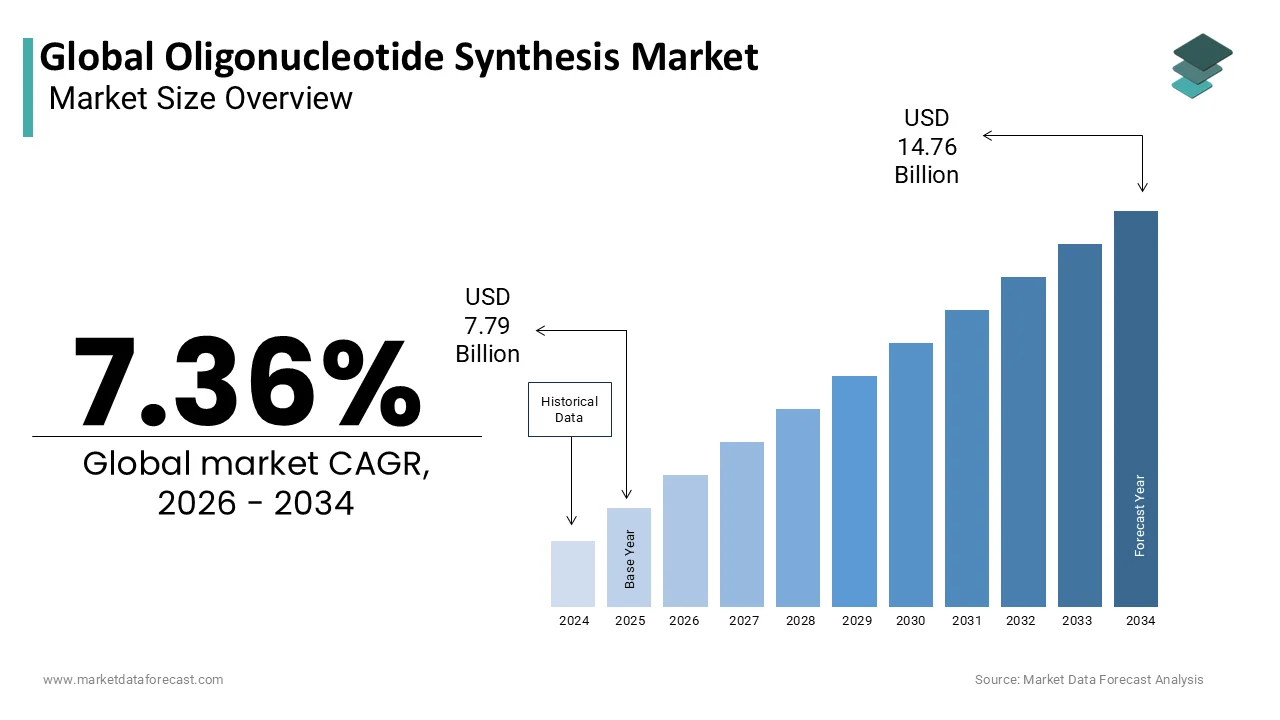
The global oligonucleotide synthesis market was valued at USD 7.79 billion in 2025, is estimated to reach USD 8.36 billion in 2026, and is projected to reach USD 14.76 billion by 2034, growing at a CAGR of 7.36% during the forecast period. Market growth is driven by increasing demand for genetic research, rising applications in molecular diagnostics, and expanding adoption of nucleic acid based therapeutics. Oligonucleotide synthesis plays a critical role in genomics, PCR testing, gene editing, and personalized medicine. The growing focus on precision medicine and advancements in biotechnology and pharmaceutical research are further supporting strong market expansion globally.
Key Market Trends
- Rising demand for molecular diagnostics and genetic testing is driving market growth.
- Increasing adoption of nucleic acid therapeutics is boosting oligonucleotide synthesis demand.
- Growing investments in genomics and biotechnology research are supporting market expansion.
- Expansion of precision medicine and personalized healthcare applications is enhancing product adoption.
- Innovation in automated synthesis technologies and high throughput platforms is influencing market development.
Segmental Insights
- Based on product, the reagents segment dominated the global oligonucleotide synthesis market in 2025. This dominance is attributed to the essential role of reagents in DNA and RNA synthesis workflows and laboratory research processes.
- Based on application, the Polymerase Chain Reaction (PCR) segment held the leading share of the global oligonucleotide synthesis market in 2025, driven by widespread use of PCR technologies in diagnostics, research, and disease detection.
- Based on end user, the academic and research institutes segment accounted for the largest share of the global oligonucleotide synthesis market in 2025, supported by increasing genomics research activities and government funding initiatives.
Regional Insights
- The global oligonucleotide synthesis market is experiencing strong growth across regions, supported by expanding biotechnology research and healthcare innovation.
- North America was the leading contributor in 2025 and accounted for 40.3% of the global oligonucleotide synthesis market share, driven by advanced research infrastructure, strong pharmaceutical industry presence, and increasing investments in genomics and precision medicine.
Competitive Landscape
The global oligonucleotide synthesis market is highly competitive, with key players focusing on advanced synthesis technologies, custom oligonucleotide production, and strategic collaborations to strengthen their market position. Companies are investing in automated platforms, therapeutic nucleic acid development, and research expansion initiatives. Prominent players in the global oligonucleotide synthesis market include Agilent Technologies, Inc., ATDBio Ltd., Bio-Synthesis, Inc., BioAutomation Corporation, LGC Biosearch Technologies, Biogen International, Sarepta Therapeutics, Eurofins Genomics, Eurogentec, GeneDesign, Inc., GE Healthcare, GenScript, Inc., Integrated DNA Technologies, and Nitto Denko Avecia, Inc..
Global Oligonucleotide Synthesis Market Size
The global oligonucleotide synthesis market size was valued at USD 7.79 billion in 2025 and is projected to reach USD 14.76 billion by 2034 from USD 8.36 billion in 2026, growing at a CAGR of 7.36%.
Oligonucleotide synthesis is the chemical process of creating short, single-stranded fragments of nucleic acids. These synthetic strands of DNA or RNA are critical components in molecular diagnostics genetic research and emerging therapeutic modalities such as antisense oligonucleotides and small interfering RNA. The market is characterized by high technical complexity and stringent quality control requirements due to the sensitive nature of biological interactions. As per the World Health Organization, it is estimated that about 6% of total births worldwide (approximately 7.9 million annually) occur with a defect of genetic or partially genetic origin (WHO, 2023). Furthermore data from the National Institutes of Health indicates that over 7000 rare diseases have been identified with nearly 80 percent having a genetic origin underscoring the urgent need for targeted interventions. The regulatory landscape is equally rigorous with agencies like the European Medicines Agency implementing strict guidelines for gene therapy products to ensure safety and efficacy. According to the European Medicines Agency, while the number of Advanced Therapy Medicinal Products (ATMPs) authorized has grown to 27 as of late 2024, their success rate for marketing authorization (59%) remains significantly lower than the 76% rate for all medicinal products combined (EMA/Scientific Literature, 2025). The integration of automation and high throughput technologies has further accelerated production capabilities enabling researchers to synthesize longer and more complex sequences with higher fidelity. This technological evolution coupled with increasing investment in personalized medicine initiatives across Europe positions the oligonucleotide synthesis sector as a pivotal enabler of modern healthcare advancements and scientific discovery.
MARKET DRIVERS
Surging Prevalence of Genetic Disorders Drives Demand for Precision Therapeutics
The escalating prevalence of genetic disorders drives the expansion of the Oligonucleotide Synthesis Market. Researchers and pharmaceutical companies are seeking targeted solutions for previously untreatable conditions. Oligonucleotides offer a unique mechanism of action by directly interacting with genetic material to modulate gene expression making them ideal for treating rare and orphan diseases. According to the World Health Organization and research published in the European Journal of Human Genetics (2019), it is estimated that up to 300 million people worldwide live with a rare disease. This vast patient population creates a compelling imperative for the development of bespoke therapeutic agents. The European Organisation for Rare Diseases (EURORDIS) indicates that rare diseases affect 1 in 20 people in the European Union, totaling approximately 30 million citizens. The success of approved antisense oligonucleotide therapies for conditions such as spinal muscular atrophy and Duchenne muscular dystrophy has validated the clinical potential of this technology. As per the National Institute for Health and Care Excellence the availability of these treatments has improved survival rates and quality of life for thousands of patients. Consequently pharmaceutical giants and biotechnology startups are intensifying their research efforts leading to a surge in the procurement of custom synthesized oligonucleotides for preclinical and clinical studies. The ability to design sequence specific molecules allows for highly personalized treatment strategies aligning with the broader shift towards precision medicine. This demand is further amplified by government funding initiatives aimed at accelerating genetic research and drug development across European nations.
Expansion Of Molecular Diagnostics And Genomic Research Initiatives
The rapid advancement of molecular diagnostics and large-scale genomic research initiatives significantly propels the demand for high quality oligonucleotides in the Europe oligonucleotide synthesis market. These synthetic strands are essential components in polymerase chain reaction assays next generation sequencing and gene editing technologies which form the backbone of modern diagnostic frameworks. According to the European Centre for Disease Prevention and Control the implementation of advanced molecular testing has become standard practice for identifying infectious diseases and monitoring public health threats. The COVID 19 pandemic notably accelerated the adoption of real time polymerase chain reaction techniques which rely heavily on specific primers and probes synthesized from oligonucleotides. According to the European Commission, funding for health and genomic research has been significantly bolstered through the Horizon Europe programme (€95.5 billion total) and the EU4Health programme (€5.3 billion), representing a massive scaling of resources compared to previous budget cycles. Furthermore, the 1+ Million Genomes (1+MG) Initiative, supported by the European Commission, aims to provide cross-border access to at least one million sequenced genomes within the EU by the end of 2024 to accelerate research and personalized treatment (European Commission, 2023 Progress Report). As per the European Society of Human Genetics the integration of genomic data into routine clinical care requires robust and scalable synthesis capabilities to produce the necessary reagents. Academic institutions and commercial laboratories are increasingly outsourcing synthesis services to ensure consistency and speed in their workflows. This trend is supported by the growing availability of automated synthesizers that can handle high volume orders with minimal error rates. The convergence of diagnostic precision and research scalability ensures sustained growth in the oligonucleotide synthesis sector.
MARKET RESTRAINTS
High Production Costs And Complex Manufacturing Processes Limit Accessibility
High costs associated with production and the intricate nature of the manufacturing processes involved restrict the growth of the oligonucleotide synthesis market. Synthesizing long and complex oligonucleotide sequences requires specialized equipment high purity reagents and rigorous quality control measures all of which contribute to elevated operational expenses. According to research, the R&D cost for developing new therapies can exceed $2.5 billion (capitalized cost), with oligonucleotide synthesis specifically facing high costs due to specialized raw materials and purification challenges. The use of phosphoramidite chemistry the standard method for synthesis involves multiple steps each requiring precise control to prevent errors and side reactions. Data from the Journal of Medicinal Chemistry indicates that the yield of full length products decreases exponentially with increasing sequence length making the production of long oligonucleotides particularly inefficient and costly. Furthermore the need for extensive purification processes such as high performance liquid chromatography to remove failure sequences adds to the financial burden. As per the European Medicines Agency strict regulatory requirements for Good Manufacturing Practice compliance necessitate additional investments in facility infrastructure and personnel training. These factors collectively limit the accessibility of oligonucleotide based solutions especially for smaller research institutions and emerging biotechnology firms with limited budgets. The high cost barrier also translates to expensive end products for patients potentially restricting market penetration in healthcare systems with constrained resources. Consequently manufacturers are under pressure to innovate more cost effective synthesis methods without compromising quality.
Stringent Regulatory Frameworks And Safety Concerns Impede Rapid Commercialization
The stringent regulatory frameworks governing the approval and commercialization of oligonucleotide-based therapies act as a major hurdle to the oligonucleotide synthesis market expansion. Regulatory bodies such as the European Medicines Agency impose rigorous standards for safety efficacy and quality assurance given the novel mechanisms of action and potential off target effects of these molecules. According to the European Commission, the approval process for ATMPs often takes longer than conventional drugs, with a median total duration of approximately 14 to 16 months (inclusive of clock stops) due to the complexity of the safety and efficacy data. This extended timeline delays market entry and increases the financial risk for developers. Data from the European Biopharmaceutical Review highlights that nearly 30 percent of oligonucleotide candidates fail during clinical trials primarily due to toxicity issues or insufficient efficacy. Concerns regarding immunogenicity and unintended gene modulation require extensive preclinical testing further prolonging development cycles. As per the European Society of Gene and Cell Therapy the lack of harmonized guidelines across different European countries creates additional hurdles for multinational clinical trials. Manufacturers must navigate a fragmented regulatory landscape which increases administrative burdens and costs. Furthermore post marketing surveillance requirements are stringent necessitating long term monitoring of patients for adverse events. These regulatory challenges discourage some investors and smaller companies from entering the market limiting the diversity of available therapies. The balance between ensuring patient safety and facilitating innovation remains a critical issue that industry stakeholders must address to accelerate commercialization.
MARKET OPPORTUNITIES
Integration Of Enzymatic Synthesis Technologies Offers Sustainable Growth Avenues
The integration of enzymatic synthesis technologies offers a transformative opportunity for the Oligonucleotide Synthesis Market. This offers a more sustainable and efficient alternative to traditional chemical methods. Enzymatic synthesis utilizes terminal deoxynucleotidyl transferase enzymes to build DNA sequences without the need for harmful organic solvents and protecting groups used in phosphoramidite chemistry. According to the American Chemical Society, this approach significantly reduces environmental impact and waste generation, aligning with the U.N. Sustainable Development Goals for sustainable industrial practices. Data indicates that enzymatic methods can achieve higher coupling efficiencies and longer synthesis lengths (or DNA fragments) compared to chemical synthesis, potentially lowering production costs. Several European biotechnology firms are pioneering this technology with companies like Touchlight Genetics developing proprietary enzymatic platforms for large scale production. As per the European Patent Office, patent applications in the Biotechnology field have continued to boom, growing by 11% in 2022, reflecting intense innovation activity. This technological shift enables the production of complex modified oligonucleotides that are difficult to synthesize chemically expanding the scope of therapeutic applications. Furthermore enzymatic synthesis supports the creation of closed loop manufacturing systems which appeal to environmentally conscious investors and regulators. The ability to produce high purity oligonucleotides with reduced carbon footprints positions this technology as a key driver for future market expansion. Manufacturers can enhance their competitive advantage by adopting these green chemistry principles. Doing so also helps them meet evolving sustainability standards.
Rise Of Personalized Medicine And CRISPR Based Therapies Expands Application Scope
The rise of personalized medicine and CRISPR based gene editing therapies creates big potential for the Oligonucleotide Synthesis Market. This expands the application scope of synthetic nucleic acids. Personalized medicine relies on tailoring treatments to individual genetic profiles which requires the rapid and accurate synthesis of custom oligonucleotides for diagnostic and therapeutic purposes. Market data indicates that the adoption of personalized approaches (specifically the European genome sequencing landscape) is expected to grow by approximately 15% annually in Europe. CRISPR Cas9 technology which uses guide RNAs to target specific DNA sequences depends heavily on high quality synthetic oligonucleotides for function. The European Research Council (ERC) shows that it has funded 1,297 CRISPR-related research projects (totaling €2.66 billion) under Horizon 2020 and Horizon Europe, indicating robust scientific activity. The versatility of oligonucleotides in facilitating gene knockout activation and correction makes them indispensable tools in this field. As per the European Society of Gene and Cell Therapy (ESGCT), clinical trials utilizing CRISPR technology are increasing, with several promising results in treating blood disorders and cancers. This trend drives the need for scalable and flexible synthesis platforms capable of producing diverse sequences quickly. Additionally the development of base editing and prime editing techniques further broadens the utility of oligonucleotides in correcting genetic mutations. By supporting these cutting edge therapies the synthesis market plays a crucial role in advancing precision healthcare and addressing complex genetic conditions.
MARKET CHALLENGES
Supply Chain Vulnerabilities for Critical Reagents Pose Operational Risks
Supply chain vulnerabilities for critical reagents and raw materials required for production are challenging the expansion of the oligonucleotide synthesis market. The synthesis process relies on specialized phosphoramidites enzymes and solid supports many of which are sourced from a limited number of global suppliers. According to the European Chemical Industry Council disruptions in the supply of key chemical precursors can lead to production delays and increased costs impacting the entire value chain. The geopolitical tensions and trade restrictions have exacerbated these risks making it difficult for European manufacturers to secure stable supplies. According to the European Commission's 2021 report on Strategic Dependencies and Capacities and subsequent analysis by DrugPatentWatch (2026), an estimated 60% to 80% of active pharmaceutical ingredients (APIs) consumed in Europe originate from outside the EU, primarily China and India. The shortage of high purity solvents and columns during peak demand periods further complicates operations forcing companies to maintain larger inventories which ties up capital. As per the European Biotechnology Association the lack of local manufacturing capacity for certain specialized reagents leaves the market exposed to external shocks. Additionally quality variations in raw materials from different suppliers can affect the consistency and yield of synthesized oligonucleotides requiring rigorous testing and validation. These supply chain complexities necessitate strategic partnerships and diversification of sourcing strategies to mitigate risks. However achieving such resilience requires significant investment and coordination among stakeholders posing a continuous challenge to market stability and growth.
Technical Limitations In Scaling Up Long Sequence Synthesis Hinder Efficiency
Technical limitations in scaling up the synthesis of long and complex oligonucleotide sequences are a persistent barrier to the efficiency and capabilities of the oligonucleotide synthesis market. While short oligonucleotides can be produced with high accuracy and yield the synthesis of longer sequences often suffers from cumulative errors and reduced purity. According to the Journal of Biological Chemistry the efficiency of each coupling step in chemical synthesis is typically around 99 percent which means that for a 100 mer oligonucleotide the overall yield drops significantly due to the multiplication of small inefficiencies. This limitation restricts the practical length of oligonucleotides that can be synthesized economically and reliably. Sources indicate that the demand for long single stranded DNA for gene synthesis and library construction is outpacing the current supply capabilities. Purification of long sequences is also technically demanding requiring advanced chromatographic techniques that are time consuming and expensive. As per the European Federation of Biotechnology the inability to efficiently produce long oligonucleotides hinders the development of certain gene therapies and synthetic biology applications that require large genetic constructs. Manufacturers are exploring novel chemistries and enzymatic methods to overcome these barriers but widespread adoption remains limited. The technical complexity also requires highly skilled personnel and sophisticated equipment increasing operational costs. Addressing these scalability issues is crucial for unlocking the full potential of oligonucleotide technologies in advanced therapeutic and research applications.
REPORT COVERAGE
| REPORT METRIC | DETAILS |
| Market Size Available | 2025 to 2034 |
| Base Year | 2025 |
| Forecast Period | 2026 to 2034 |
| CAGR | 7.36% |
| Segments Covered | By Product, Application, End User, and Region. |
| Various Analyses Covered | Global, Regional, and Country Level Analysis, Segment-Level Analysis, DROC, PESTLE Analysis, Porter’s Five Forces Analysis, Competitive Landscape, Analyst Overview of Investment Opportunities |
| Regions Covered | North America, Europe, Asia Pacific, Latin America, Middle East and Africa. |
| Market Leaders Profiled | Agilent Technologies, Inc. (US), ATDBio Ltd. (UK), Bio-Synthesis, Inc. (US), BioAutomation Corporation (US), LGC Biosearch Technologies (US), Biogen International (US), Sarepta Therapeutics (US), Eurofins Genomics (Germany), Eurogentec (Belgium), GeneDesign, Inc. (Japan), GE Healthcare (US), GenScript, Inc. (US), Integrated DNA Technologies (IDT, US), Nitto Denko Avecia, Inc. (US), and Others. |
SEGMENTAL ANALYSIS
By Product Insights
The reagents segment dominated the Oligonucleotide Synthesis Market in 2025. Its fundamental role as the essential chemical building blocks required for every synthesis cycle is driving the dominance of this segment. This category includes phosphoramidites protecting groups activators and capping agents which are consumed in high volumes across both research and industrial settings. The recurring nature of reagent consumption ensures a steady revenue stream for manufacturers as these materials are depleted with each synthesis run unlike equipment which represents a one time capital expenditure. Furthermore the shift towards longer and more complex sequences increases the number of coupling cycles thereby escalating reagent usage per unit of product. The continuous innovation in reagent chemistry such as the development of ultra fast coupling agents further drives replacement cycles and upgrades in existing protocols. This consistent and expanding demand for high quality raw materials solidifies the dominance of the reagents segment in the overall market landscape. The importance of this segment is further reinforced by the stringent quality requirements mandated for oligonucleotide synthesis, particularly in therapeutic applications where impurities can have severe clinical consequences. Manufacturers must adhere to Good Manufacturing Practice standards which necessitate the use of ultra high purity reagents with minimal levels of contaminants such as heavy metals or residual solvents. This drive for quality leads to premium pricing for certified reagents contributing significantly to the segment's value share. Pharmaceutical companies are willing to pay a premium for validated supply chains that guarantee consistency and traceability reducing the risk of batch failures during expensive clinical production runs. This trend towards higher value added products within the reagent category enhances profit margins for suppliers who can demonstrate superior quality control and regulatory compliance. Consequently the reagents segment maintains its leadership through a combination of volume growth and value expansion driven by quality imperatives.
The custom oligonucleotides segment is predicted to witness the highest CAGR of 8.5% from 2026 to 2034. This rapid growth of the segment is mainly propelled by the rising adoption of personalized medicine and the proliferation of custom diagnostic panels that require sequence specific probes and primers. Unlike standard catalog products custom oligonucleotides are tailored to specific research questions or clinical targets offering flexibility that off the shelf items cannot provide. The expansion of next generation sequencing applications also contributes to this growth as laboratories require custom adapters and barcodes for multiplexed sample processing. As per research, the integration of genomic data into routine care is driving demand for bespoke diagnostic assays that detect rare mutations or variants of uncertain significance. This trend is supported by online platforms that streamline the ordering process enabling scientists to design and order custom sequences with ease. The ability to incorporate diverse modifications such as fluorescent labels or locked nucleic acids further enhances the utility of custom oligonucleotides in advanced research applications. Thus the segment benefits from the dual drivers of scientific customization and technological accessibility. The swift expansion of this segment is also accelerated by advancements in high throughput synthesis technologies that enhance scalability and reduce costs. Traditional column based synthesis methods are being supplemented by array based and chip based platforms that can produce thousands of unique sequences simultaneously. This technological leap allows for the economical production of large libraries of oligonucleotides used in CRISPR screening synthetic biology and vaccine development. Furthermore improvements in purification algorithms ensure that even complex custom sequences meet high purity standards without significant delays. The integration of artificial intelligence in sequence design also optimizes synthesis success rates reducing waste and improving customer satisfaction. These technological enhancements lower the barriers to entry for custom synthesis driving widespread adoption across diverse scientific disciplines. So, the custom oligonucleotide segment is poised for sustained high growth as technology continues to improve efficiency and accessibility.
By Application Insights
The Polymerase Chain Reaction PCR segment remained in the lead in the Oligonucleotide Synthesis Market in 2025. This leading position of the segment is attributed to its foundational role in molecular diagnostics genetic testing and basic research. PCR relies heavily on synthetic primers and probes to amplify specific DNA sequences making oligonucleotides indispensable consumables for this technique. The versatility of PCR applications ranging from pathogen detection to gene expression analysis ensures broad and stable usage across academic clinical and industrial sectors. Also, the established nature of PCR technology means that it is deeply embedded in laboratory workflows with minimal risk of displacement by newer methods in the short term. Furthermore the continuous development of quantitative PCR and digital PCR techniques requires specialized oligonucleotides with high specificity and sensitivity. This entrenched position combined with the expanding scope of diagnostic applications solidifies PCR as the dominant segment in the oligonucleotide synthesis market. Further, this segment’s leadership rests on the expansion of point of care testing which brings molecular diagnostics closer to patients and requires robust oligonucleotide supplies. Point of care PCR devices are increasingly deployed in clinics pharmacies and remote settings necessitating the production of stable and lyophilized primers and probes that can withstand varied storage conditions. This shift requires manufacturers to optimize oligonucleotide formulations for stability and ease of use in compact devices. The convenience of immediate diagnosis supports timely treatment decisions improving patient outcomes and reducing hospital burdens. Consequently the demand for specialized oligonucleotides tailored for point of care applications continues to rise reinforcing the leadership of the PCR segment. The integration of these tests into routine healthcare workflows ensures a steady and growing volume of oligonucleotide consumption.
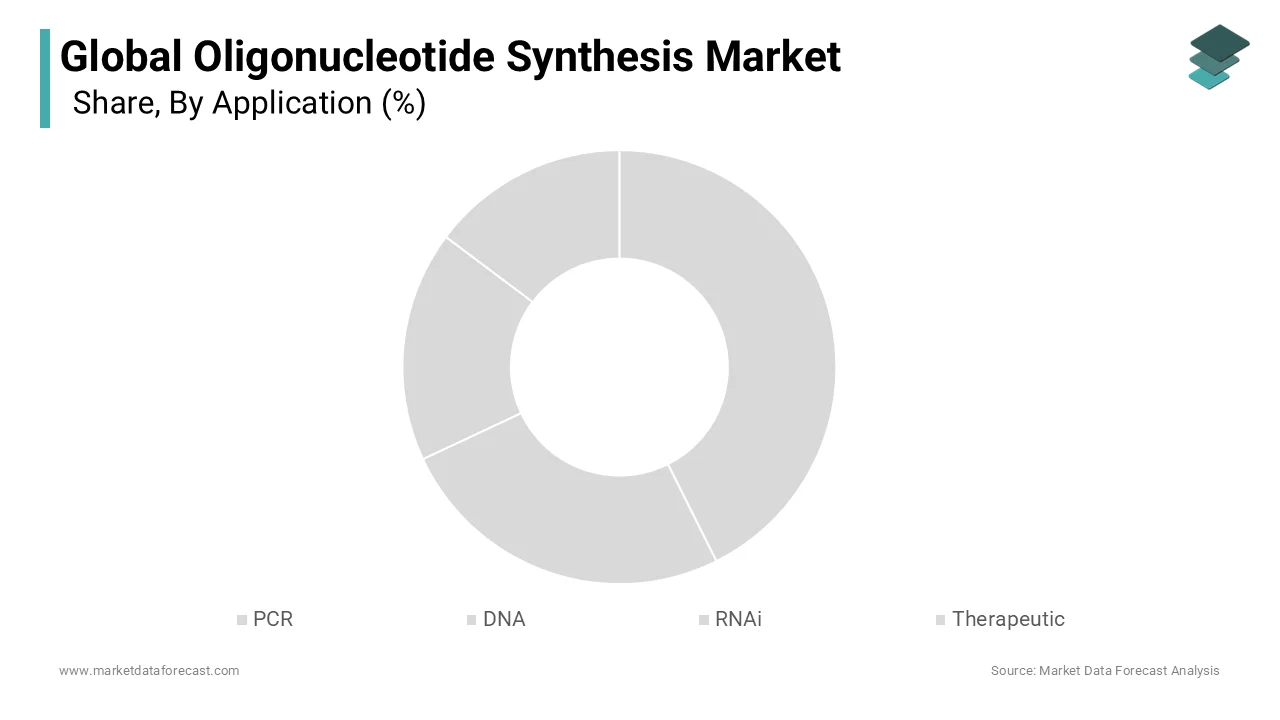
The therapeutic applications segment is estimated to register the fastest CAGR of 12.3% during the forecast period due to the surge in approved antisense oligonucleotide and small interfering RNA drugs which offer targeted treatments for genetic and rare diseases. The ability of these molecules to silence disease causing genes with high precision has attracted significant investment from pharmaceutical companies. Moreover, the success of landmark drugs like patisiran and nusinersen has demonstrated the commercial viability of this approach encouraging further exploration of new targets. Additionally advancements in delivery technologies such as lipid nanoparticles and conjugates have improved the biodistribution and efficacy of therapeutic oligonucleotides. These scientific breakthroughs combined with regulatory support create a favorable environment for rapid market expansion in the therapeutic segment. The segment’s rapid rise is also powered by substantial investment in novel modalities and the expansion into new disease indications beyond rare genetic disorders. Researchers are exploring the potential of oligonucleotides in treating common conditions such as cardiovascular diseases metabolic disorders and cancer which represent larger patient populations. The versatility of oligonucleotide chemistry allows for the creation of bispecific molecules and multi target agents which offer enhanced therapeutic effects. Furthermore partnerships between academic institutions and pharmaceutical companies are accelerating the development pipeline by combining expertise in synthesis and clinical development. This collaborative ecosystem fosters innovation and reduces time to market for new therapies. Consequently the therapeutic segment is experiencing dynamic growth as it transitions from niche rare disease applications to mainstream medical practice offering significant opportunities for market participants.
By End User Insights
The academic and research institutes segment was the largest segment in the Oligonucleotide Synthesis Market in 2025. This prominence of the segment is supported by its extensive engagement in basic biological research and generous government funding. These institutions are the primary drivers of early stage discovery generating a high volume of demand for custom oligonucleotides for gene cloning sequencing and functional genomics studies. Academic labs frequently require small batches of diverse sequences for exploratory studies making them ideal customers for custom synthesis services. Furthermore collaborations between universities and industry partners often involve the sharing of resources and reagents further amplifying demand. The open access nature of academic research facilitates the rapid dissemination of new techniques and protocols which often require specialized oligonucleotides. This culture of innovation and exploration ensures that academic institutions remain the largest consumers of oligonucleotide synthesis services maintaining their dominant position in the market. In addition, the segment stays ahead due to its critical role in training future scientists and developing new methodologies that eventually permeate the broader market. Universities and research centers serve as incubators for new technologies such as CRISPR gene editing and next generation sequencing which rely heavily on synthetic oligonucleotides. The transfer of knowledge ensures that emerging trends in academia quickly translate into commercial demand. Besides these, the continuous evolution of research tools and techniques requires constant updates and optimizations of oligonucleotide designs driving repeat purchases. Furthermore the publication of open source protocols encourages widespread adoption of specific oligonucleotide sequences across the global scientific community. This dynamic interplay between education innovation and technology transfer ensures that academic and research institutes remain the cornerstone of the oligonucleotide synthesis market.
The biotechnology companies segment is anticipated to witness the fastest CAGR of 10.8% between 2026 and 2034 owing to a boom in startup formation and robust venture capital investment in the European biotech sector particularly in areas such as gene therapy and synthetic biology. Biotech firms often operate with agile development cycles requiring rapid access to high quality custom oligonucleotides for prototype testing and preclinical studies. These companies typically outsource synthesis to specialized providers to maintain focus on core competencies such as drug design and clinical strategy. The concentration of biotech hubs in countries like Germany France and the United Kingdom further accelerates regional demand. Consequently, the biotechnology segment is experiencing explosive growth as it becomes the primary engine of innovation and commercialization in the oligonucleotide space. Further boosting this segment's growth is prevailing outsourcing trends and strategic partnerships that enhance procurement volumes and efficiency. Many biotech firms prefer to outsource oligonucleotide synthesis to contract research organizations and specialized manufacturers to leverage expertise and reduce capital expenditure on infrastructure. These collaborations often involve long term supply agreements which provide stability for manufacturers and cost savings for biotech clients. The ability to scale production quickly is crucial for biotech companies aiming to meet regulatory milestones and investor expectations. Outsourcing allows them to access state of the art synthesis technologies without the burden of maintenance and staffing. This strategic approach to procurement drives significant volume growth in the biotechnology segment positioning it as the fastest growing end user group in the market.
REGIONAL ANALYSIS
North America Oligonucleotide Synthesis Market Analysis
North America was the top performer in the global Oligonucleotide Synthesis Market and occupied a share of 40.3% in 2025. This supremacy of the North American market is credited to a robust ecosystem of pharmaceutical companies research institutions and advanced healthcare infrastructure. The region is home to major biotechnology hubs such as Boston San Francisco and San Diego which foster innovation and drive demand for high quality synthetic nucleic acids. According to the Biotechnology Innovation Organization (BIO), North America remains the dominant global force in biotechnology, with the United States serving as the primary hub for investment and large-scale commercialization. The National Institutes of Health (NIH) shows that sustained public investment in genomic sciences continues to fuel the development of high-throughput research projects that rely heavily on synthetic oligonucleotide production. The presence of leading oligonucleotide manufacturers and service providers in the region ensures easy access to cutting edge technologies and rapid delivery times. As per the Food and Drug Administration the approval rate for novel oligonucleotide therapies is higher in North America compared to other regions attracting global pharmaceutical investments. The strong intellectual property protection framework further encourages innovation and commercialization of new products. Additionally the high prevalence of chronic and genetic diseases in the population creates a substantial market for diagnostic and therapeutic applications. The integration of artificial intelligence and automation in synthesis facilities enhances productivity and quality maintaining the region's competitive edge. Consequently North America remains the dominant force in the global oligonucleotide synthesis landscape.
Europe Oligonucleotide Synthesis Market Analysis
Europe was the second largest player in the global Oligonucleotide Synthesis Market and captured a share of 30.8% in 2025 because of strong regulatory frameworks and a growing focus on personalized medicine. The region benefits from a dense network of academic institutions and pharmaceutical companies particularly in Germany France and the United Kingdom that drive research and development. According to the European Federation of Pharmaceutical Industries and Associations the European pharmaceutical industry invests over 40 billion EUR annually in research and development supporting innovation in oligonucleotide therapies. The European Medicines Agency (EMA) reflects a supportive environment for the authorization of sophisticated treatments, with a consistent focus on bringing advanced molecular therapies to patients. The implementation of the 1+ Million Genomes Initiative fosters cross border collaboration and data sharing enhancing the scope for genomic research and diagnostic development. As per the European Organisation for Rare Diseases the high awareness and advocacy for rare diseases in Europe drive demand for targeted oligonucleotide treatments. Government initiatives such as Horizon Europe provide substantial funding for collaborative research projects further stimulating market growth. The region is also a leader in sustainable chemistry practices influencing the adoption of green synthesis methods. Strong healthcare systems and reimbursement policies facilitate patient access to new therapies. So, Europe remains a key market for oligonucleotide synthesis with steady growth driven by innovation and regulatory support.
Asia Pacific Oligonucleotide Synthesis Market Analysis
Asia Pacific is emerging as a rapidly growing region in the Oligonucleotide Synthesis Market due to increasing healthcare expenditure and expanding biotechnology sectors in countries like China Japan and India. The region is witnessing a surge in local manufacturing capabilities and research investments reducing dependency on imports. According to the Asian Development Bank, healthcare spending across the region is on an upward trajectory as nations prioritize the modernization of their diagnostic and therapeutic infrastructure. The Chinese Ministry of Science and Technology highlights that robust government support for high-tech industries has established a fertile environment for the development and production of advanced molecular tools. Japan remains a leader in technological innovation with strong contributions to enzyme based synthesis methods and automated platforms. As per the Indian Department of Biotechnology, the domestic biotech ecosystem has seen a surge in new ventures, significantly increasing the local requirement for specialized synthesis services. The rising prevalence of genetic disorders and infectious diseases in the region drives the adoption of molecular diagnostics. Furthermore favorable government policies and incentives for foreign direct investment attract global players to establish local presence. The growing middle class and increasing health awareness also contribute to market expansion. Consequently Asia Pacific is poised for significant growth as it develops its indigenous capabilities and integrates into the global supply chain.
Latin America Oligonucleotide Synthesis Market Analysis
Latin America is moving ahead steadfastly in the global Oligonucleotide Synthesis Market owing to improving healthcare infrastructure and increasing adoption of molecular diagnostics in countries like Brazil and Mexico. The region is facing challenges related to economic instability and limited local manufacturing but is benefiting from international collaborations and technology transfers. According to the Pan American Health Organization, while funding for health research varies by country, international collaborations and private initiatives are playing a larger role in supporting regional innovation. Data from the Brazilian Ministry of Health indicates that the expansion of genomic surveillance networks for infectious diseases has boosted demand for PCR reagents and primers. Mexico is emerging as a hub for contract manufacturing due to its proximity to the United States and favorable trade agreements. As per the Mexican Association of Biotechnology Industries local companies are increasingly partnering with global suppliers to enhance their technical capabilities. The rising burden of chronic diseases such as diabetes and cancer drives the need for advanced diagnostic tools. However limited reimbursement coverage and regulatory hurdles remain barriers to faster growth. Despite these challenges the region shows potential for expansion as healthcare systems modernize and access to genetic testing improves. Consequently Latin America represents a niche but developing market for oligonucleotide synthesis.
Middle East and Africa Oligonucleotide Synthesis Market Analysis
The Middle East and Africa region is likely to expand notably in the global Oligonucleotide Synthesis Market from 2026 to 2034 due to uneven development and varying levels of healthcare infrastructure across countries. Gulf Cooperation Council countries such as Saudi Arabia and the United Arab Emirates are leading the way in investing in advanced healthcare and genomic research initiatives. According to the World Bank, healthcare investment in the Gulf region is rising steadily as part of broader national strategies to diversify economies and enhance the quality of public health services. Data from the Saudi Human Genome Program indicates that large scale sequencing projects are generating significant demand for synthetic oligonucleotides for research and diagnostic purposes. South Africa serves as a regional hub for biomedical research with established laboratories conducting HIV and tuberculosis diagnostics using molecular methods. As per the African Union Commission initiatives to strengthen health security are promoting the adoption of rapid diagnostic tests requiring oligonucleotide components. However limited local synthesis capacity means that most reagents are imported leading to supply chain vulnerabilities. Economic constraints and lack of skilled personnel in some countries hinder broader market penetration. Nevertheless, increasing international partnerships and investments in health infrastructure offer opportunities for growth. Consequently, the Middle East and Africa region represents a nascent market with potential for future expansion as healthcare capabilities develop.
COMPETITIVE LANDSCAPE
The competition in the oligonucleotide synthesis market is characterized by a mix of established multinational corporations and specialized niche providers vying for dominance through innovation and service excellence. Large players leverage their extensive resources and global distribution networks to offer comprehensive solutions ranging from raw materials to custom synthesis services. Smaller firms often differentiate themselves by focusing on specific technologies such as enzymatic synthesis or unique modifications that cater to specialized research needs. The market sees intense rivalry in terms of product quality turnaround time and pricing forcing companies to continuously improve operational efficiency. Regulatory compliance and adherence to Good Manufacturing Practice standards serve as critical differentiators particularly for suppliers targeting the therapeutic sector. Intellectual property protection plays a significant role with companies patenting novel chemistries and processes to secure competitive advantages. Collaborative ecosystems involving academic partnerships and joint ventures are common strategies to foster innovation and expand market reach. The increasing demand for personalized medicine and gene therapies drives competition in high value segments requiring advanced technical capabilities. Overall, the landscape is dynamic with participants striving to balance cost effectiveness with high performance to meet the diverse needs of global customers.
Key Market Players
The major key players in the global oligonucleotide synthesis market are
- Agilent Technologies, Inc. (US)
- ATDBio Ltd. (UK)
- Bio-Synthesis, Inc. (US)
- BioAutomation Corporation (US)
- LGC Biosearch Technologies (US)
- Biogen International (US)
- Sarepta Therapeutics (US)
- Eurofins Genomics (Germany)
- Eurogentec (Belgium)
- GeneDesign, Inc. (Japan)
- GE Healthcare (US)
- GenScript, Inc. (US)
- Integrated DNA Technologies (IDT, US)
- Nitto Denko Avecia, Inc. (US)
Top Players in the Market
- Thermo Fisher Scientific Inc. maintains a dominant position in the global oligonucleotide synthesis market through its comprehensive portfolio of reagents instruments and custom synthesis services. The company leverages its extensive distribution network to supply high quality phosphoramidites and purification columns to research and pharmaceutical sectors worldwide. Recent actions to strengthen its market position include the expansion of its manufacturing facilities in Europe to enhance production capacity for modified nucleotides. Thermo Fisher has also integrated advanced automation technologies into its synthesis platforms to improve throughput and consistency for large scale orders. The company actively collaborates with academic institutions to support genomic research initiatives ensuring steady demand for its products. By focusing on sustainable chemistry practices and reducing environmental impact Thermo Fisher aligns with regulatory expectations in key markets. Its investment in digital tools for order management and tracking enhances customer experience and operational efficiency. These strategic moves reinforce its leadership by providing reliable and innovative solutions that meet the evolving needs of the oligonucleotide industry while supporting global scientific advancement.
- Merck KGaA is a leading provider of high performance oligonucleotide synthesis materials and services contributing significantly to the global life science sector. The company offers a wide range of premium phosphoramidites enzymes and solid supports known for their purity and reliability in therapeutic and diagnostic applications. Recent actions to strengthen its market position include the launch of novel enzymatic synthesis technologies that offer sustainable alternatives to traditional chemical methods. Merck has expanded its contract development and manufacturing organization capabilities to support clients from early stage research to commercial production. The company invests heavily in research and development to create next generation modifications that enhance the stability and efficacy of oligonucleotide therapeutics. Strategic partnerships with biotechnology firms enable Merck to co develop specialized solutions for emerging modalities such as gene editing and RNA interference. By prioritizing quality assurance and regulatory compliance Merck ensures its products meet stringent international standards. These efforts solidify its reputation as a trusted partner for innovators in the oligonucleotide space driving growth and technological progress globally.
- Agilent Technologies Inc. plays a crucial role in the oligonucleotide synthesis market by providing advanced instrumentation and custom synthesis services for genomic and diagnostic applications. The company is renowned for its high throughput synthesizers and array based platforms that enable rapid and cost effective production of complex sequences. Recent actions to strengthen its market position include the introduction of new software solutions that streamline workflow management and data analysis for synthesis laboratories. Agilent has expanded its global service network to provide faster technical support and maintenance for its equipment ensuring minimal downtime for customers. The company focuses on developing specialized reagents for next generation sequencing and CRISPR applications catering to the growing demand for precision medicine tools. Collaborations with key opinion leaders in academia and industry help Agilent stay at the forefront of technological innovation. By offering integrated solutions that combine hardware software and consumables Agilent enhances laboratory productivity and accuracy. These strategic initiatives reinforce its competitive edge and support the widespread adoption of oligonucleotide technologies in research and clinical settings worldwide.
Top Strategies Used by Key Market Participants
Key players in the oligonucleotide synthesis market primarily focus on product innovation and technological advancement to maintain competitive advantage. Companies invest heavily in research and development to create novel chemistries and enzymatic methods that improve synthesis efficiency and reduce environmental impact. Strategic expansions of manufacturing facilities are common to meet rising global demand and ensure supply chain resilience. Partnerships and collaborations with academic institutions and biotechnology firms facilitate knowledge exchange and accelerate the development of customized solutions. Many participants are adopting digital transformation strategies including automation and artificial intelligence to optimize production workflows and enhance quality control. Sustainability initiatives are increasingly prioritized with firms developing green chemistry processes and eco friendly packaging to align with regulatory standards. Customer centric approaches such as providing technical support and training services help build long term relationships and loyalty. Diversification of product portfolios to include specialized reagents and instruments for emerging applications like gene editing further strengthens market presence. These combined strategies enable companies to adapt to dynamic market conditions and drive sustained growth in the oligonucleotide synthesis sector.
MARKET SEGMENTATION
This research report on the global oligonucleotide synthesis market has been segmented and sub-segmented based on product, end-user, and region.
By Product
- Oligonucleotide-Based Drugs
- Primers
- Probes
- Large-Scale Synthesized Oligos
- Intermediate-Scale Synthesized Oligos
- Linkers & Adaptors
By Application
- PCR
- DNA
- RNAi
- Therapeutic
By End User
- Academic Research Institutes
- Diagnostic Laboratories
- Pharmaceutical & Biotechnology Companies
- Hospitals
By Region
- North America
- Europe
- Asia Pacific
- Latin America
- Middle East & Africa