- Product Description Description
- Table of Contents TOC
- List of Table & Figure LOT
- Get Free Sample PDF Sample PDF
Market Size, 2025
$376 MnMarket Estimate, 2026
$401.57 MnMarket Forecast, 2034
$680 MnCAGR, 2026–2034
6.80%UK Peanut Butter Market Report Summary
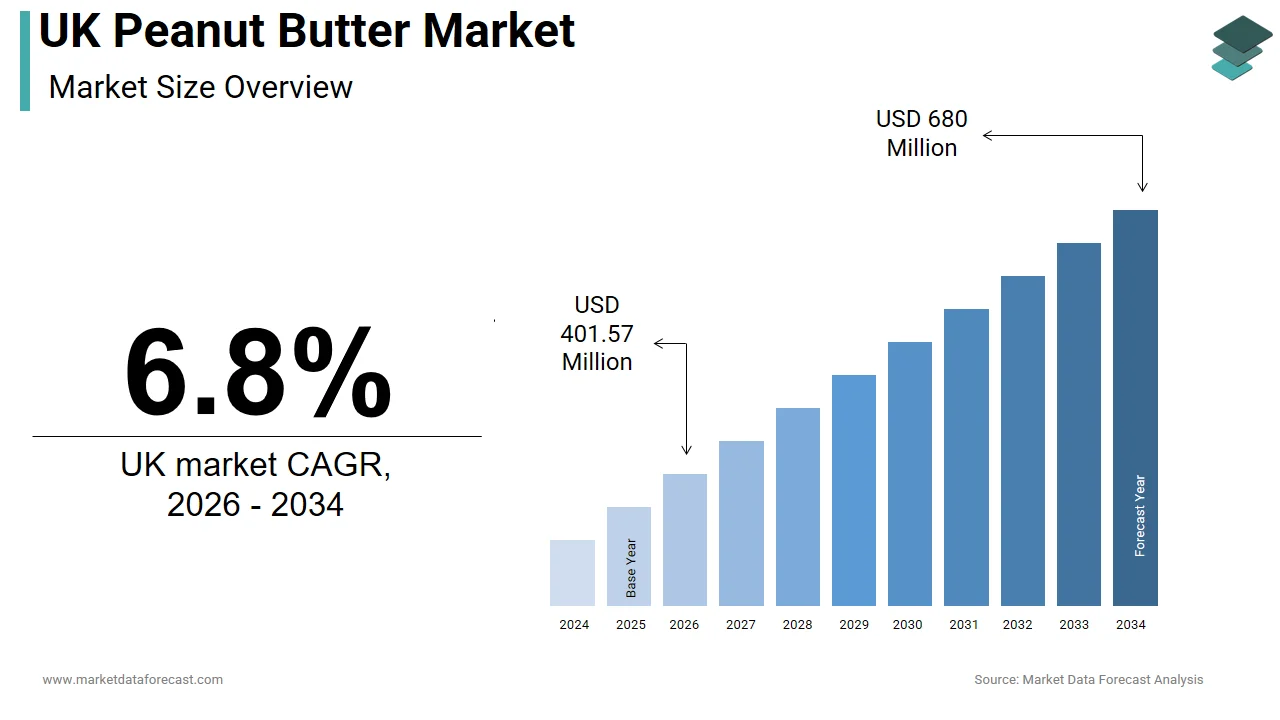
The UK peanut butter market was valued at USD 376 million in 2025 and is projected to grow from USD 401.57 million in 2026 to USD 680 million by 2034, registering a CAGR of 6.80% from 2026 to 2034. Market growth is driven by increasing consumer preference for protein-rich and nutritious food products, rising demand for convenient breakfast and snack options, and growing awareness of healthy eating habits. Peanut butter continues to gain popularity among fitness-conscious consumers, families, and younger demographics due to its nutritional value, versatility, and affordability. The expansion of premium, natural, and clean-label peanut butter products is further supporting market growth across the United Kingdom.
Key Market Trends
- Rising demand for high-protein and nutrient-rich food products.
- Increasing popularity of natural, organic, and clean-label peanut butter varieties.
- Growing consumer preference for healthy breakfast and snack options.
- Expansion of premium and flavored peanut butter product offerings.
- Increasing adoption of peanut butter in sports nutrition and fitness-oriented diets.
Segmental Insights
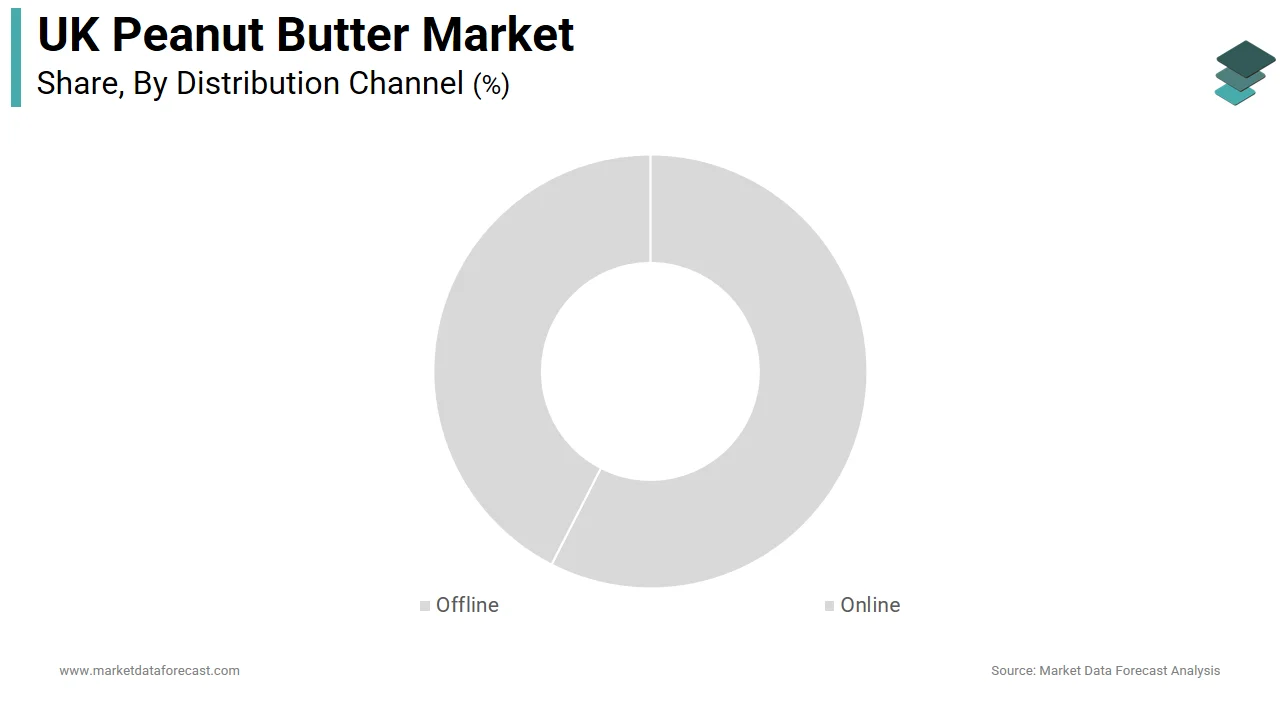
- Based on distribution channel, the offline retail segment dominated the UK peanut butter market in 2025, driven by strong sales through supermarkets, hypermarkets, convenience stores, and specialty food retailers.
- Based on type, the creamy peanut butter segment led the market by accounting for 58.5% share in 2025, supported by its smooth texture, broad consumer appeal, and widespread availability across retail channels.
- Based on product type, the plain peanut butter segment held the majority share in 2025, driven by strong consumer preference for traditional peanut butter products and their extensive use in everyday meals and snacks.
Regional Insights
- The United Kingdom maintained a leading position in the European peanut butter market by accounting for 35.5% share in 2025, supported by high consumer awareness of protein-rich foods, increasing demand for convenient nutrition products, and strong retail distribution networks. Growing interest in healthy lifestyles, fitness nutrition, and plant-based food consumption continues to support market expansion across the country.
Competitive Landscape
The UK peanut butter market is characterized by the presence of established food manufacturers, specialty peanut butter brands, and private-label producers competing through product innovation, premiumization, and distribution expansion. Market participants are focusing on natural ingredients, reduced sugar formulations, sustainable sourcing, and innovative flavor offerings to strengthen market positioning. Strategic partnerships, product launches, and investments in health-focused food categories are shaping competitive dynamics across the market.
Prominent companies operating in the UK peanut butter market include Algood Food Co., China Kunyu Industrial, Cargill, Galdisa USA Inc., Hormel Foods Corp., ManiLife, Nuflower, Nuts N More, NuttZo LLC, Oetker Group, Peanut Butter & Co., Pip & Nut Ltd., Post Holdings Inc., Sonya Foods Pvt. Ltd., Swartberg B.V., Teddie Natural Peanut Butter, The Hain Celestial Group, The J.M. Smucker Co., The Kraft Heinz Company, The Kroger Co., and Unilever PLC.
UK Peanut Butter Market Size
The UK peanut butter market reached USD 376 million in 2025, is expected to grow to USD 401.57 million in 2026, and is anticipated to touch USD 680 million by 2034, at a CAGR of 6.80% from 2026 to 2034.
Peanut butter is a protein-packed food paste made from ground, dry-roasted peanuts. It is primarily used as a spread on toast, in sandwiches, or as an ingredient in both sweet and savory cooking. It has transitioned from a niche import to a household staple driven by its versatility in both sweet and savory culinary applications. The product appeals to diverse demographic groups, including health-conscious individuals seeking plant-based protein sources and families prioritizing convenient breakfast options. Current consumption patterns indicate a steady integration of peanut butter into daily diets, with per capita intake reflecting growing acceptance across age groups. The United Kingdom acts as a net importer of raw groundnuts, processing a substantial portion of its annual intake, which historically averages between 95,000 and 100,000 tonnes, into popular consumer nut spreads inside domestic facilities. As per data from the Office for National Statistics, food and non alcoholic beverage expenditure constitutes 11 percent of average household spending providing a substantial base for staple items like peanut butter. The retail landscape features a strong presence of private label offerings alongside premium artisanal brands, creating a competitive environment that drives innovation in texture, flavor profiles, and packaging formats. Consumer awareness regarding nutritional benefits continues to shape purchasing decisions, while sustainability concerns influence brand loyalty. The market operates within a regulatory framework that emphasizes clear labeling and quality standards, ensuring consumer trust. Retail penetration remains high with availability spanning supermarkets, convenience stores, and online platforms, facilitating easy access for consumers throughout the nation.
MARKET DRIVERS
Rising Health Consciousness And Demand for Plant-Based Protein Sources
Consumer shift toward healthier dietary choices greatly propels the growth of the United Kingdom peanut butter market. This is because individuals are seeking nutritious alternatives to traditional spreads. Peanut butter serves as an excellent source of plant-based protein, offering 25 grams per 100-gram serving which aligns with growing vegetarian and vegan populations. The Vegan Society indicates that the British vegan demographic quadrupled between 2014 and 2019, paving the way for plant-based and vegan lifestyles to comprise roughly 3% of the UK population (around 2 million people). The British Dietetic Association recommends incorporating nuts and nut butters into balanced diets due to their heart-healthy monounsaturated fats and essential nutrients. Research underlines an intense international focus on alternative proteins, noting that 62% of consumers in core Asian test markets actively eat plant-based meat substitutes due to their dense protein properties. This trend encourages manufacturers to develop clean-label variants with minimal additives, appealing to health-aware shoppers. The rise in fitness culture further amplifies demand with gym goers and athletes consuming peanut butter for post-workout recovery. Nutritional guidelines from Public Health England emphasize reducing saturated fat intake, prompting consumers to replace butter and margarine with peanut butter. Educational campaigns by nutritionists highlight benefits such as improved satiety and blood sugar regulation, driving repeated purchases. Supermarkets respond by expanding healthy eating aisles featuring organic and no-added-sugar peanut butter options. The convergence of wellness trends and nutritional science creates sustained momentum for peanut butter as a functional food item supporting long-term market growth through consistent consumer adoption.
Expansion of E-Commerce Platforms and Convenience-Driven Shopping Habits
The proliferation of online grocery shopping fundamentally transforms how consumers purchase peanut butter, enabling greater accessibility and variety selection, which fuels the expansion of the United Kingdom peanut butter market. Digital retail channels offer extensive product ranges, including international brands and specialty variants that physical stores may not stock. Retail data published by the Office for National Statistics illustrates a permanent shift toward digital grocery channels, with internet shopping maintaining a firm, multi-billion-pound share of monthly UK grocery store revenue. The convenience of home delivery appeals to busy professionals and families who value time-saving shopping experiences. Subscription services allow consumers to automate regular purchases, ensuring a consistent supply without repeated ordering efforts. Mobile applications provide personalized recommendations based on previous buying behavior, enhancing customer engagement and loyalty. Consumer perception studies reveal a massive generational reliance on digital social proof, showing that 78% of Millennial shoppers actively evaluate peer feedback and online reviews before trusting a brand or executing a purchase. The ability to compare prices across multiple retailers empowers consumers to find optimal deals, encouraging trial of premium products. Delivery infrastructure improvements enable same-day or next-day service, meeting immediate consumption needs. Digital marketing campaigns target specific demographics through social media platforms, increasing brand visibility. The seamless integration of online and offline shopping experiences through click-and-collect services further strengthens market penetration. This digital transformation expands market reach beyond geographical limitations, fostering competition and innovation among suppliers catering to evolving consumer expectations.
MARKET RESTRAINTS
Volatility In Raw Material Prices And Supply Chain Disruptions
Fluctuating costs of raw peanuts are significant hurdles for manufacturers in the United Kingdom peanut butter market. This affects profit margins and pricing strategies. The United Kingdom relies heavily on imports from countries such as Argentina, Sudan, and Nicaragua, making the supply chain vulnerable to global market dynamics. Currency exchange rate fluctuations between the British pound and exporting nations further complicate cost management for importers. Economic reports from early 2025 show that UK food inflation had stabilized at approximately 3.2% to 3.8%, significantly lower than the crisis-level peaks of previous years, as supply chain pressures eased. Supply chain disruptions caused by geopolitical tensions or transportation bottlenecks delay deliveries and increase logistics expenses. Manufacturers face difficult decisions regarding whether to absorb higher costs or pass them to consumers, risking reduced sales volumes. Small and medium-sized enterprises struggle more than larger corporations to negotiate favorable terms with suppliers, limiting their competitive positioning. Inventory management becomes complex as companies balance holding sufficient stock against storage costs and spoilage risks. Climate change impacts agricultural yields, with droughts and floods reducing harvest quality and quantity in key sourcing countries. Global agricultural reviews indicate that world peanut production has grown by roughly 11% since 2020, reaching 58 million tonnes, contradicting claims of a weather-induced decline. These pressures force manufacturers to reformulate products or seek alternative suppliers, potentially compromising quality consistency. Long-term contracts provide some stability but cannot fully mitigate unpredictable market forces affecting raw material availability and affordability.
Stringent allergen labeling regulations and consumer safety concerns
Strict food allergen labeling mandates and public health protection are also constraining the expansion of the United Kingdom peanut butter market. Peanut allergies affect approximately 2 percent of children and 0.5 percent of adults in the United Kingdom, creating strict regulatory requirements for manufacturers and retailers. The Food Standards Agency mandates comprehensive allergen labeling, ensuring clear identification of peanut content on all packaged foods. According to Anaphylaxis UK, severe allergic reactions to peanuts result in over 1000 hospital admissions annually, emphasizing the critical nature of accurate labeling. Cross-contamination risks during production necessitate dedicated facilities or rigorous cleaning protocols, increasing operational costs for manufacturers. The European Union retained allergen labeling regulations post Brexit, requiring businesses to declare peanuts prominently in ingredient lists. Non-compliance can lead to product recalls, legal penalties, and reputational damage, deterring market entry for smaller players. Consumer awareness campaigns educate the public about hidden peanut sources in processed foods, influencing purchasing caution. Schools and workplaces implement peanut-free policies, reducing consumption opportunities in communal settings. Insurance premiums for food manufacturers rise due to liability risks associated with allergic reactions. Traceability systems must track peanut origins from farm to shelf, adding complexity to supply chain management. The Medicines and Healthcare products Regulatory Agency monitors adverse reactions reporting incidents that inform policy updates. Manufacturers invest in advanced testing equipment to detect trace peanut particles, ensuring product safety. These regulatory burdens create barriers to innovation as companies hesitate to introduce new formulations, fearing unintended allergen exposure. Retailers dedicate separate shelving for allergen-free products, limiting shelf space for standard peanut butter variants. The balance between accessibility for allergic consumers and market growth for peanut butter producers remains an ongoing challenge requiring continuous vigilance and adaptation.
MARKET OPPORTUNITIES
Innovation In Flavor Profiles And Premium Product Segmentation
Development of unique flavor combinations and premium positioning offers substantial growth opportunities for manufacturers seeking differentiation, which is expected to boost the growth of the United Kingdom peanut butter market. Consumers increasingly seek gourmet experiences, driving demand for artisanal varieties infused with ingredients such as honey cinnamon, sea salt, or dark chocolate. Specialty coffee shops and bakeries incorporate flavored peanut butter into their menus, creating cross-category appeal and brand exposure. Health-focused innovations include keto-friendly versions with added MCT oil or protein-enriched formulas targeting fitness enthusiasts. The Soil Association indicates that while the UK organic landscape continues to capture billions in annual revenue, sales of stable ambient pantry items like nut spreads expand along steady, incremental growth curves rather than steep, double-digit yearly spikes. Limited edition releases generate buzz and encourage trial among adventurous consumers seeking novelty. Collaborations with celebrity chefs or influencers amplify brand visibility through social media engagement. Packaging innovations such as squeeze bottles or single-serve sachets cater to on-the-go consumption patterns. Export potential exists for distinctive British-crafted peanut butter varieties leveraging heritage branding in international markets. Retailers allocate premium shelf space for high-margin artisanal products, improving profitability for manufacturers. Consumer education campaigns highlight craftsmanship and ingredient sourcing, building emotional connections with brands. The premium segment commands prices 40 to 60 percent higher than standard varieties, improving revenue per unit. This strategy attracts affluent demographics less sensitive to price fluctuations, ensuring stable demand. Continuous innovation prevents market saturation by refreshing product portfolios and maintaining consumer interest through novel sensory experiences.
Sustainability Initiatives And Ethical Sourcing Practices
Implementation of sustainable farming practices and ethical sourcing programs creates a pathway for brands to enhance consumer loyalty and positioning in the United Kingdom peanut butter market. Growing environmental awareness drives demand for products with transparent supply chains and minimal ecological footprints. Certification schemes such as Fairtrade and Rainforest Alliance assure buyers that farmers receive fair wages and employ environmentally responsible methods. Carbon-neutral production processes appeal to climate-conscious shoppers, with several manufacturers achieving net-zero status through renewable energy adoption. UK environmental regulations place stringent targets on consumer brands to move toward recyclable or compostable packaging, aligning with an overarching government framework aimed at eliminating all avoidable plastic waste nationwide by 2042. Corporate social responsibility reports detail community investments in peanut-growing regions, improving brand reputation and stakeholder trust. Partnerships with NGOs support agricultural development projects, enhancing yield quality and farmer livelihoods. Blockchain technology enables traceability, allowing consumers to verify product origins through QR codes on packaging. Green marketing campaigns communicate sustainability achievements effectively, differentiating brands in crowded retail environments. Retailers prioritize suppliers with strong environmental credentials, granting better shelf placement and promotional support. Employee engagement in sustainability goals fosters internal culture alignment with external messaging. Investors increasingly evaluate environmental, social, and governance performance affecting access to capital and business valuations. Sustainable practices reduce long-term operational risks by securing stable raw material supplies and mitigating climate-related disruptions. This holistic approach builds resilient brands capable of thriving amid evolving consumer values and regulatory expectations.
MARKET CHALLENGES
Intense Competition From Alternative Nut And Seed Butters
Escalating competition from almond, cashew, sunflower, and other seed butters, capturing health-conscious and allergy-sensitive consumers, holds back the growth of the United Kingdom peanut butter market. Alternative spreads offer perceived nutritional advantages or allergen-free options, attracting diverse customer segments. Almond butter appeals to consumers seeking higher vitamin E content, while sunflower seed butter serves as a safe option for schools with peanut bans. Premium positioning of alternative butters often commands higher prices, drawing affluent shoppers away from conventional peanut butter. Marketing campaigns by competitors emphasize unique health benefits such as lower saturated fat or higher mineral content, challenging peanut butter's dominance. Retailers expand shelf space for diverse nut butter varieties, reducing visibility for peanut butter brands. Private label introductions of alternative butters increase price competition, pressuring branded peanut butter margins. Recipe blogs and social media influencers promote creative uses for various nut butters, expanding their culinary applications. Allergy awareness campaigns inadvertently boost substitute product adoption among families with allergic members. Innovation in texture and flavor among alternative butters matches peanut butter offerings, diminishing differentiation advantages. Established peanut butter brands must invest heavily in marketing to maintain relevance amid shifting preferences. The fragmentation of the nut spread category dilutes market share, requiring strategic responses to preserve competitive positioning and consumer loyalty.
Economic Pressures And Changing Consumer Spending Patterns
Economic uncertainty and cost-of-living crises heavily influence consumer behavior, which slows down the expansion of the United Kingdom peanut butter market. As a result, this directly affects discretionary spending on premium peanut butter variants. Inflationary pressures force households to prioritize essential expenditures, potentially trading down to cheaper private label options or reducing purchase frequency. Economic downturns reduce dining out occasions, decreasing foodservice demand for peanut butter used in restaurant menus. Unemployment concerns prompt conservative spending habits, with consumers delaying trials of new or expensive peanut butter products. Energy and transportation cost increases raise production expenses, forcing manufacturers to choose between margin erosion and price hikes that may deter buyers. Smaller pack sizes emerge as affordable alternatives, allowing consumers to manage budgets while maintaining product access. Brand loyalty weakens as shoppers actively compare prices across retailers seeking the best deals. Economic stress impacts mental well-being, potentially reducing interest in premium or indulgent peanut butter flavors. Government assistance programs focus on basic nutrition, possibly excluding specialty food items from supported categories. Recovery timelines remain uncertain with prolonged economic headwinds threatening market stability. Manufacturers must balance affordability with quality perceptions to retain customers, navigating financial constraints while preserving brand equity for eventual economic upturns.
REPORT COVERAGE
| REPORT METRIC | DETAILS |
| Market Size Available | 2025 to 2034 |
| Base Year | 2025 |
| Forecast Period | 2026 to 2034 |
| Segments Covered | By Distribution Channel, Type, Product Type, Shape, and Region. |
| Various Analyses Covered | Global, Regional, and Country-Level Analysis, Segment-Level Analysis, Drivers, Restraints, Opportunities, Challenges; PESTLE Analysis; Porter’s Five Forces Analysis, Competitive Landscape, Analyst Overview of Investment Opportunities |
| Countries Covered | United Kingdom |
| Market Leaders Profiled | Algood Food Co., China Kunyu Industrial, Cargill, Galdisa USA Inc., Hormel Foods Corp., ManiLife, Nuflower, Nuts N More, NuttZo LLC, Oetker Group, Peanut Butter & Co., Pip & Nut Ltd., Post Holdings Inc., Sonya Foods Pvt. Ltd., Swartberg B.V., Teddie Natural Peanut Butter, The Hain Celestial Group, The J.M. Smucker Co., The Kraft Heinz Co., The Kroger Co., Unilever PLC, and Others. |
SEGMENTAL ANALYSIS
By Distribution Channel Insights
The offline retail segment maintained the lead in the United Kingdom peanut butter market and captured a substantial share in 2025. This leading position of the segment was attributed to deeply ingrained shopping habits and the tactile nature of food purchasing. Shoppers value the ability to check expiration dates, texture consistency, and packaging integrity, which digital platforms cannot fully replicate. Major retailers such as Tesco, Sainsbury's, and Asda dedicate prominent shelf space to nut spreads, ensuring high visibility and easy access for regular customers. In-store promotions, including taste tests and bundle deals, drive trial and repeat purchases effectively. The familiarity of established retail environments reduces perceived risk for consumers trying new brands. Physical stores serve as community hubs where weekly grocery routines reinforce brand loyalty through consistent placement and availability. The integration of loyalty cards with in-store purchases provides personalized discounts that encourage frequent visits. Offline channels benefit from established supply chain efficiencies, ensuring consistent stock levels across thousands of locations nationwide. This widespread physical presence creates a barrier to entry for purely digital competitors who lack the infrastructure for immediate product delivery. The sensory experience of selecting peanut butter remains a significant factor driving offline dominance despite digital growth.
The strategic allocation of prime shelf space by major retailers significantly reinforces the dominance of offline channels. Retailers utilize planogram optimization to place popular peanut butter brands at eye level, maximizing visibility and sales potential. According to sources, products placed at eye level experience 35 percent higher sales volumes compared to those on lower or upper shelves. These store brands offer comparable quality at lower price points, attracting budget-conscious consumers who prioritize value. The ability to compare prices side by side in physical aisles empowers shoppers to make informed decisions quickly. Retailers frequently update shelf layouts based on seasonal trends and consumer feedback, ensuring optimal product mix. Promotional end caps and display units highlight new launches or special offers, driving incremental sales. The physical presence of multiple brands fosters competition that benefits consumers through better pricing and innovation. Offline retailers leverage their buying power to negotiate favorable terms with suppliers, ensuring consistent availability. The integration of click and collect services bridges online and offline experiences, allowing consumers to reserve items digitally and pick them up in store. This hybrid model enhances convenience while maintaining the advantages of physical retail. The trust built through decades of service ensures that offline channels remain the primary touchpoint for peanut butter purchases.
The online retail segment is likely to experience the fastest CAGR of 9.8% between 2026 and 2034. The convenience of home delivery appeals to busy households seeking to minimize time spent on grocery shopping. Digital platforms offer extensive product ranges, including international artisanal brands and specialty variants unavailable in local stores. Subscription services allow consumers to automate regular purchases, ensuring a consistent supply without repeated ordering efforts. Mobile applications provide personalized recommendations based on previous buying behavior, enhancing customer engagement. Online reviews and ratings influence purchasing decisions. The ability to compare prices across multiple retailers empowers consumers to find optimal deals, encouraging trial of premium products. Delivery infrastructure improvements enable same-day or next-day service, meeting immediate consumption needs. Digital marketing campaigns target specific demographics through social media platforms, increasing brand visibility. The seamless integration of online and offline shopping experiences through click-and-collect services further strengthens market penetration. This digital transformation expands market reach beyond geographical limitations, fostering competition and innovation among suppliers catering to evolving consumer expectations.
Advanced data analytics and targeted marketing strategies drive the rapid growth of online peanut butter sales in the United Kingdom. E-commerce platforms utilize machine learning algorithms to analyze consumer behavior and predict purchasing patterns with high accuracy. Social media advertising targets health-conscious individuals and fitness enthusiasts with tailored messages highlighting nutritional benefits. Influencer partnerships amplify brand visibility among younger demographics who discover new products through digital content. Email marketing campaigns deliver customized offers based on purchase history, encouraging repeat business. The ability to track customer journeys allows brands to optimize marketing spend and improve return on investment. Online exclusives and limited edition releases create urgency and drive traffic to digital storefronts. Customer service chatbots provide instant assistance in resolving queries about ingredients or allergens efficiently. Loyalty programs integrated with mobile apps reward frequent shoppers with points and discounts, fostering long-term retention. The transparency of online reviews builds trust for new brands entering the market. Digital platforms facilitate easy comparison of nutritional information, helping consumers make informed choices. The scalability of online operations allows brands to reach niche audiences without the overhead costs of physical retail. This data-driven approach enables continuous improvement of user experience, driving sustained growth in the online segment.
By Type Insights
The creamy peanut butter segment dominated the United Kingdom market and accounted for a 58.5% share in 2025. Its smooth texture makes it ideal for spreading on toast sandwiches and crackers, appealing to children and adults alike. The versatility of creamy peanut butter extends to baking, cooking, and smoothie preparation, driving consistent demand across diverse usage occasions. Also, the mild flavor profile complements both sweet and savory dishes, making it a staple in many households. Parents favor creamy varieties for young children who may struggle with chunky textures, reducing choking hazards. School lunchboxes frequently include creamy peanut butter sandwiches due to their ease of preparation and acceptance among peers. The uniform consistency ensures predictable performance in commercial foodservice applications such as cafes and restaurants. Manufacturers invest in refining processes to achieve silky textures that enhance mouthfeel and consumer satisfaction. Marketing campaigns emphasize the comfort and nostalgia associated with creamy peanut butter, reinforcing emotional connections. Retailers allocate greater shelf space to creamy variants reflecting their higher turnover rates. The broad demographic appeal ensures stable demand regardless of seasonal fluctuations. Innovation in creamy formulations, including reduced-fat and added protein options, maintains relevance among health-conscious consumers. This segment benefits from established consumer preferences that resist sudden shifts toward alternative textures.
Strong brand loyalty underpins the dominance of creamy peanut butter in the United Kingdom market, with legacy brands commanding significant market share. Consumers develop habitual purchasing patterns early in life, often sticking with familiar brands throughout adulthood. Major manufacturers leverage this loyalty through consistent quality and recognizable packaging that stands out on shelves. Advertising campaigns reinforce brand heritage and trustworthiness, appealing to multi-generational households. The widespread availability of creamy peanut butter in all retail formats ensures easy access for loyal customers. Promotional activities such as multi-buy offers encourage stockpiling, further cementing brand preference. Private label creamy variants compete on price but struggle to displace established brands due to perceived quality differences. Consumer surveys indicate that taste consistency is the primary factor driving brand retention for creamy peanut butter. Manufacturers invest in quality control measures to ensure every jar meets expected standards. The emotional connection to childhood memories enhances brand affinity, making switching costs psychological rather than financial. Retailers prioritize stocking popular creamy brands to meet customer expectations and drive footfall. The stability of this segment provides manufacturers with predictable revenue streams supporting long-term planning. Innovation within the creamy category focuses on incremental improvements rather than radical changes, preserving core appeal.
The crunchy peanut butter segment is on the rise and is expected to be the fastest-growing segment in the market by witnessing a CAGR of 7.2% during the forecast period. Consumers increasingly associate crunchy textures with less processing and higher natural content, perceiving them as healthier options. The visible peanut pieces provide tangible evidence of whole ingredient inclusion, appealing to clean label advocates. In addition, the textural contrast enhances the eating experience, satisfying sensory desires for variety and complexity. Fitness enthusiasts appreciate the slight chewiness, which increases satiety and slows consumption pace. Culinary trends favor rustic and artisanal presentations where crunchy peanut butter adds visual and textural interest to dishes. Food bloggers and influencers showcase creative uses for crunchy peanut butter in gourmet recipes, driving consumer curiosity. Manufacturers respond by introducing extra crunch variants with larger peanut pieces, catering to texture seekers. The perception of authenticity aligns with broader consumer trends favoring minimally processed foods. Retailers expand crunchy offerings to capture this growing demand segment. Premium brands highlight the sourcing of high-quality peanuts to justify higher price points for crunchy variants. The growth reflects a shift away from ultra-smooth textures toward more natural and engaging eating experiences. This segment benefits from positive health associations and evolving taste preferences among discerning consumers.
The rise of artisanal and premium peanut butter brands drives the rapid growth of the crunchy segment in the United Kingdom market. Small batch producers emphasize handcrafted quality and unique flavor profiles, attracting affluent consumers seeking distinctive products. These brands often use roasted peanuts with skins intact, adding visual appeal and nutritional fiber. The storytelling aspect of artisanal production resonates with consumers valuing transparency and ethical sourcing. Farmers' markets and specialty food shops serve as launchpads for new crunchy brands building grassroots followings. Social media platforms amplify brand stories, connecting producers directly with engaged audiences. Limited edition crunchy flavors featuring exotic spices or local honey create buzz and encourage trial. The premium positioning allows for higher margins, supporting sustainable farming practices and fair wage initiatives. Retailers dedicate shelf space to artisanal crunchy brands, differentiating their offerings from mass market products. Consumer willingness to pay for quality supports the growth of this niche segment. Collaborations with chefs and food critics enhance credibility and visibility for emerging brands. The crunchy segment benefits from the broader trend toward food craftsmanship and authenticity. This growth trajectory indicates a lasting shift in consumer values, favoring quality over convenience.
By Product Type Insights
The plain peanut butter segment held the majority share of the United Kingdom market in 2025. Its neutral flavor profile serves as a versatile base for various culinary applications ranging from breakfast spreads to savory sauces. Consumers value the simplicity of plain peanut butter, allowing them to customize sweetness and seasoning according to personal preferences. The absence of additional ingredients appeals to clean label advocates seeking minimal processing. Plain variants are essential ingredients in traditional recipes such as satay sauces and African stews, maintaining cultural relevance. Health-conscious consumers prefer plain peanut butter for its pure nutritional profile without hidden sugars or salts. Retailers stock plain peanut butter in multiple sizes, catering to both individual and family consumption needs. The affordability of plain variants makes them accessible to budget-conscious households during economic uncertainty. Manufacturing efficiency benefits from standardized production processes for plain peanut butter, reducing costs. Brand loyalty remains strong for plain variants as consumers trust consistent quality over time. The segment benefits from steady demand unaffected by fleeting flavor trends. Plain peanut butter serves as the foundation for market stability, providing reliable revenue for manufacturers. Its universal appeal ensures a broad demographic reach across age and income groups.
The cost efficiency of plain peanut butter contributes significantly to its market dominance in the United Kingdom. Production costs are lower for plain variants as they require fewer ingredients and simpler processing steps. Economic pressures drive households toward essential items, with plain peanut butter viewed as a nutritious staple rather than a luxury. Private label plain peanut butter captures substantial market share by offering competitive pricing without compromising quality. Bulk purchasing options for plain peanut butter appeal to large families and institutional buyers such as schools and hospitals. The longer shelf life of plain variants reduces waste and enhances value perception among shoppers. Promotional discounts on plain peanut butter occur frequently, driving volume sales during key shopping periods. Consumers perceive plain peanut butter as a practical choice for daily consumption, ensuring regular replenishment. The straightforward labeling simplifies purchasing decisions, reducing cognitive load for busy shoppers. Retailers prioritize plain peanut butter in promotional materials due to its high turnover rates. The segment benefits from economies of scale, allowing manufacturers to maintain profitability despite price competition. Plain peanut butter remains resilient against economic downturns due to its essential status in many diets. This stability supports consistent market presence and consumer trust.
The flavored peanut butter segment is expected to exhibit a noteworthy CAGR of 11.5% from 2026 to 2034. Consumers seek novel taste experiences, driving demand for innovative combinations such as chocolate, honey, cinnamon, and sea salt. Gourmet positioning appeals to affluent shoppers willing to pay premium prices for unique sensory experiences. Specialty coffee shops and bakeries incorporate flavored peanut butter into their menus, creating cross-category exposure. Social media influencers showcase creative uses for flavored variants, inspiring home cooks to experiment. Limited edition releases generate excitement and encourage trial among adventurous consumers. The indulgent nature of flavored peanut butter positions it as a treat rather than a staple, driving impulse purchases. Manufacturers collaborate with celebrity chefs to develop signature flavors, enhancing brand prestige. Retailers allocate premium shelf space for flavored variants, improving visibility and sales potential. The segment benefits from gift-giving occasions where flavored peanut butter serves as an affordable luxury. Consumer willingness to explore new flavors supports continuous innovation and portfolio expansion. Flavored peanut butter attracts younger demographics seeking Instagram-worthy food experiences. This growth reflects broader trends toward food experimentation and personalization.
The integration of functional ingredients into flavored peanut butter drives its rapid growth in the United Kingdom market. Health-conscious consumers seek products that offer additional benefits beyond basic nutrition, such as added protein, probiotics, or superfoods. Ingredients like chia seeds, flaxseed, and collagen appeal to fitness enthusiasts and wellness advocates. Keto-friendly flavored variants with added MCT oil cater to low-carb dieters seeking convenient fat sources. Sugar-free flavored options using natural sweeteners like stevia address diabetes concerns while maintaining taste appeal. Protein-enriched flavored peanut butter targets athletes and gym goers requiring post-workout recovery nutrients. Manufacturers invest in research and development to balance flavor enhancement with nutritional benefits. Clear labeling of functional ingredients builds trust and educates consumers about health advantages. Retailers create dedicated health and wellness sections featuring functional flavored peanut butter. The segment benefits from alignment with broader health trends emphasizing preventive care and holistic wellbeing. Consumer education campaigns highlight the synergistic effects of combined ingredients driving informed purchasing decisions. Flavored peanut butter with functional benefits commands higher price points, improving profitability for manufacturers. This convergence of taste and health supports sustained growth in the flavored segment.
COUNTRY ANALYSIS
UK Peanut Butter Market Analysis
The United Kingdom held a dominant position in the European peanut butter market and accounted for a 35.5% share in 2025. This expansion of the country’s market was driven by high per capita consumption and sophisticated retail infrastructure. High urbanization rates and busy lifestyles drive demand for convenient protein sources, with peanut butter serving as a quick and nutritious option. A study forecasts a steady rise in UK household spending on peanut butter, reaching approximately 4.22 Pence Sterling per capita per week, reflecting a consistent 3.2% annual growth rate in the breakfast and spreads sector. The presence of major multinational manufacturers alongside local artisanal brands creates a competitive landscape fostering innovation and quality improvements. Regulatory standards enforced by the Food Standards Agency ensure product safety and accurate labeling, building consumer trust. The well-developed logistics network facilitates efficient distribution across the country, ensuring consistent availability. Cultural diversity introduces global culinary influences, expanding usage occasions for peanut butter in international cuisines. Health awareness campaigns promote nuts as part of balanced diets, supporting long-term demand growth. The mature market status means growth relies on premiumization and innovation rather than volume expansion. Retailers leverage data analytics to optimize assortments and promotions, maximizing sales potential. The United Kingdom serves as a testing ground for new products before wider European launches due to its receptive consumer base. Economic stability supports consistent purchasing power, although inflationary pressures occasionally impact discretionary spending. The market benefits from strong e-commerce penetration, enabling direct-to-consumer sales models. Sustainability initiatives gain traction as consumers prioritize ethical sourcing and environmental responsibility. The United Kingdom remains a key driver of trends and innovations shaping the broader European peanut butter landscape.
COMPETITIVE LANDSCAPE
The competition in the United Kingdom peanut butter market is characterized by intense rivalry among established multinational corporations and emerging artisanal brands. Major players leverage their extensive distribution networks and brand recognition to maintain dominant positions while smaller companies differentiate through niche offerings and unique value propositions. The market sees continuous innovation in product formulations with a strong emphasis on health benefits such as reduced sugar and added protein. Private label brands from major supermarkets pose significant competitive pressure by offering comparable quality at lower price points,, attracting budget-conscious consumers. Digital transformation has intensified competition as online platforms enable new entrants to reach customers directly without traditional retail barriers. Sustainability and ethical sourcing have become key differentiators, with consumers increasingly favoring brands that demonstrate environmental responsibility. Marketing strategies focus heavily on digital engagement and influencer partnerships to build brand affinity among younger demographics. Price volatility in raw materials adds complexity, forcing companies to balance cost management with quality maintenance. The fragmented nature of the market encourages constant adaptation and strategic agility to retain consumer loyalty and market relevance.
KEY MARKET PLAYERS
The major players in the UK peanut butter market include
- Algood Food Co.
- China Kunyu Industrial
- Cargill
- Galdisa USA Inc.
- Hormel Foods Corp.
- ManiLife
- Nuflower
- Nuts N More
- NuttZo LLC
- Oetker Group
- Peanut Butter and Co.
- Pip and Nut Ltd.
- Post Holdings Inc.
- Sonya Foods Pvt. Ltd.
- Swartberg B.V.
- Teddie Natural Peanut Butter
- The Hain Celestial Group
- The J.M. Smucker Co.
- The Kraft Heinz Co.
- The Kroger Co.
- Unilever PLC
TOP PLAYERS IN THE MARKET
- The Kraft Heinz Company maintains a formidable presence in the United Kingdom peanut butter sector through its iconic Meridian and Heinz brands. The company focuses on delivering high-quality products that cater to both health-conscious consumers and traditional taste preferences. Recent actions include launching organic variants with no added salt or sugar to align with growing wellness trends. They have invested heavily in sustainable sourcing initiatives, ensuring ethical procurement of peanuts from global suppliers. The company also enhanced its digital marketing efforts, targeting younger demographics through social media campaigns. By expanding distribution channels into convenience stores and online platforms, they ensure widespread availability. Their commitment to innovation is evident in new packaging designs that improve usability and reduce environmental impact. These strategic moves reinforce their brand loyalty and strengthen their competitive edge in the dynamic British food market.
- Unilever plc leverages its extensive portfolio and robust distribution network to maintain a strong position in the United Kingdom peanut butter market. The company emphasizes sustainability and responsible sourcing as core components of its business strategy. Recent actions include reformulating products to reduce plastic usage in packaging and achieving carbon-neutral manufacturing processes. They have introduced premium artisanal lines under specialized brands to capture the growing gourmet segment. Unilever actively collaborates with local retailers to create exclusive product bundles and promotional offers. Their investment in consumer insights allows for rapid adaptation to changing dietary preferences, such as keto-friendly options. The company also supports community projects in peanut-growing regions, enhancing supply chain resilience. These initiatives demonstrate their commitment to long-term growth and ethical business practices while maintaining product quality and consumer trust.
- Cargill Incorporated plays a critical role in the United Kingdom peanut butter market primarily through its B2B operations and private label manufacturing. The company supplies high-quality peanut ingredients to various food manufacturers and retail brands across the country. Recent actions include expanding their processing facilities to enhance production capacity and efficiency. They have implemented advanced traceability systems using blockchain technology to ensure transparency in the supply chain. Cargill focuses on developing innovative texture and flavor profiles for client-specific requirements. Their commitment to sustainability is reflected in partnerships with farmers to promote regenerative agricultural practices. The company also invests in research and development to create healthier alternatives with reduced fat content. Cargill provides reliable and consistent supply solutions. In doing so, it strengthens its position as a key enabler of the broader peanut butter industry in the United Kingdom.
TOP STRATEGIES USED BY KEY MARKET PARTICIPANTS
Key players in the United Kingdom peanut butter market employ several strategic approaches to maintain competitiveness and drive growth. Product innovation remains central with companies launching organic low-sugar and high-protein variants to meet evolving health demands. Sustainable sourcing initiatives are widely adopted to appeal to environmentally conscious consumers and ensure supply chain stability. Brands invest heavily in digital marketing and social media engagement to connect with younger demographics and build brand loyalty. Expansion into e-commerce platforms enables direct-to-consumer sales and broader market reach beyond traditional retail outlets. Strategic partnerships with retailers facilitate exclusive product launches and prominent shelf placement. Companies also focus on premiumization by introducing artisanal and gourmet flavors that command higher price points. Cost optimization through efficient manufacturing processes helps maintain profitability amid rising raw material prices. These combined strategies allow market participants to navigate challenges while capitalizing on emerging opportunities in the dynamic British food landscape.
MARKET SEGMENTATION
This research report on the UK peanut butter market has been segmented and sub-segmented based on the following categories.
By Distribution Channel
- Offline
- Online
By Type
- Crunchy
- Creamy
- Others
By Product Type
- Plain
- Flavored