- Product Description Description
- Table of Contents TOC
- List of Table & Figure LOT
- Get Free Sample PDF Sample PDF
Market Size, 2025
$70.12 MnMarket Estimate, 2026
$74.31 MnMarket Forecast, 2034
$118.16 MnCAGR, 2026–2034
5.97%UK Whey Protein Market Report Summary
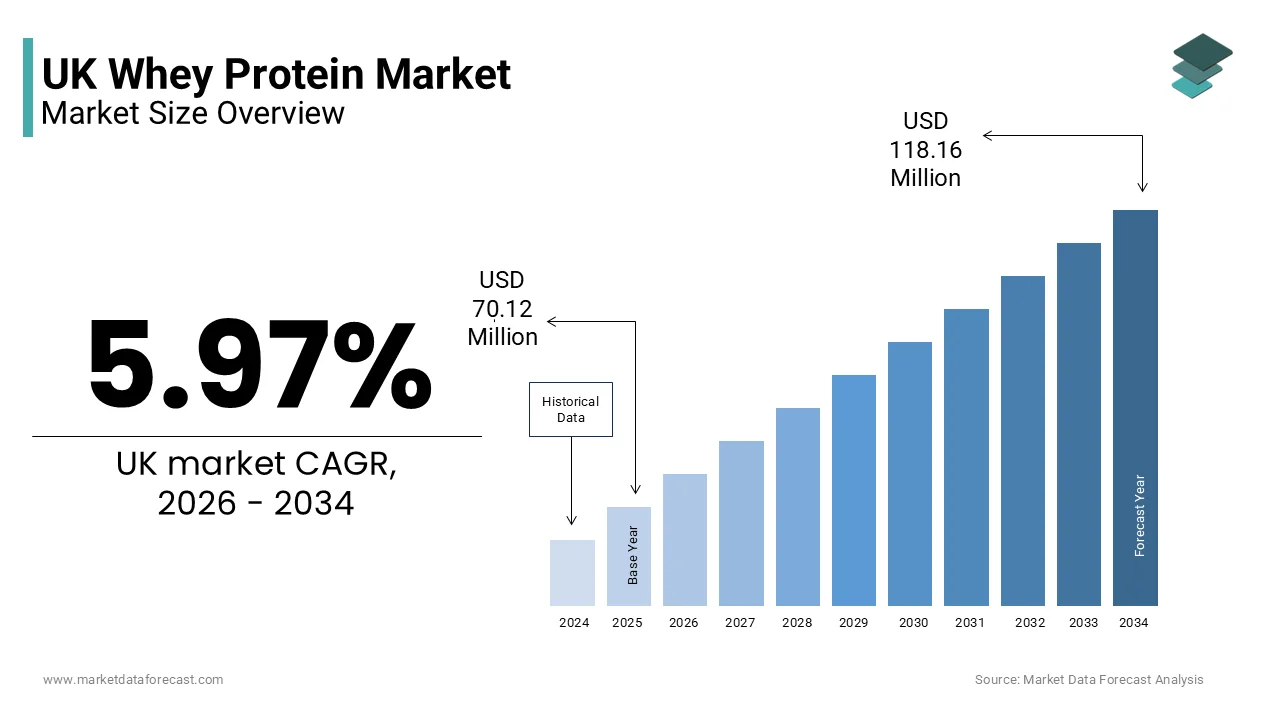
The UK whey protein market was valued at USD 70.12 million in 2025 and is estimated to reach USD 74.31 million in 2026. The market is projected to reach USD 118.16 million by 2034, growing at a CAGR of 5.97% during the forecast period from 2026 to 2034. The growth of the UK whey protein market is driven by increasing consumer awareness regarding health and wellness, rising participation in fitness and sports activities, and growing demand for high-protein nutritional products. The expanding popularity of functional foods, sports nutrition supplements, and protein-enriched beverages is further supporting market growth. Additionally, the increasing adoption of active lifestyles and preventive healthcare practices is encouraging consumers to incorporate whey protein into their daily diets.
Key Market Trends
-
Rising demand for sports nutrition and performance-enhancing supplements among athletes and fitness enthusiasts.
-
Growing consumer preference for high-protein diets to support weight management, muscle recovery, and overall wellness.
-
Increasing incorporation of whey protein into functional foods, beverages, and meal replacement products.
-
Expansion of e-commerce channels offering a wide variety of whey protein products and personalized nutrition solutions.
-
Growing innovation in protein formulations, including flavored, organic, and clean-label whey protein products.
Segmental Insights
- Based on form, the whey protein segment was the largest and held 55.4% of the UK whey protein market share in 2025. The segment's dominance is attributed to its high protein content, superior amino acid profile, rapid absorption rate, and widespread use in sports nutrition, dietary supplements, and functional food applications.
- Based on end user, the dietary supplements segment accounted for 42.1% of the UK whey protein market share in 2025. The segment's leadership is driven by increasing consumer focus on fitness, muscle development, weight management, and overall nutritional supplementation.
Regional Insights
The UK whey protein market is experiencing steady growth across the country, supported by rising health consciousness, growing fitness culture, and increasing demand for protein-enriched nutrition products.
-
England represents the largest share of the UK whey protein market due to its large population, extensive fitness industry, and strong consumer spending on health and wellness products.
-
London remains a key market, driven by a high concentration of fitness centers, health-conscious consumers, and premium nutrition product retailers.
-
Scotland is witnessing growing demand for whey protein supplements due to increasing participation in sports and recreational fitness activities.
-
Wales and Northern Ireland are emerging markets, supported by expanding awareness of sports nutrition and increasing availability of protein-based products through online and offline retail channels.
Competitive Landscape
The UK whey protein market is highly competitive, characterized by the presence of global dairy ingredient manufacturers, sports nutrition brands, and specialized protein supplement companies. Market participants are focusing on product innovation, clean-label formulations, sustainable sourcing practices, and premium protein offerings to strengthen their market positions. Strategic partnerships, expansion of online sales channels, and investments in research and development are further enhancing competition across the market. Prominent players in the UK whey protein market include Myprotein, Arla Foods Ingredients Group P/S, Glanbia plc, Kerry Group plc, Fonterra Co-operative Group Limited, FrieslandCampina Ingredients, Lactalis Ingredients, Carbery Group, Hilmar Cheese Company, Inc., Agropur Cooperative, Leprino Foods Company, Saputo Inc., Bulk.com, and Milk Specialties Global.
 Download Free Sample Report
UK Whey Protein Market Size
The UK whey protein market size was valued at USD 70.12 million in 2025, and is projected to reach USD 118.16 million by 2034 from USD 74.31 million in 2026, growing at a CAGR of 5.97%.
The whey protein is sports nutrition and dietary supplement that play an important role in muscle recovery and general wellness. Whey protein, derived as a byproduct of cheese production, is highly valued for its complete amino acid profile and rapid absorption rate. The cultural shift toward proactive health management has normalized protein supplementation as part of daily routines. As per data from the Food Standards Agency, consumer awareness regarding macronutrient intake has increased significantly, with 60% of adults actively monitoring their protein consumption. The regulatory landscape ensures high safety standards, fostering consumer trust in branded products. Retail accessibility has expanded through pharmacies, supermarkets, and specialized online platforms, making whey protein a mainstream commodity. Innovation in flavor profiles and formulation technologies continues to drive consumer engagement.
MARKET DRIVERS
Rising Fitness Consciousness And Increased Gym Participation Driving Demand
The surge in fitness consciousness and increased gym participation by creating a robust demand base among active individuals is fuelling the growth of the United Kingdom whey protein market. Consumers are increasingly recognizing the importance of adequate protein intake for muscle repair, growth, and overall athletic performance. This demographic actively seeks convenient and effective nutritional solutions to support their training regimes. Whey protein offers an efficient method to meet daily protein requirements without excessive calorie intake from whole foods. As per a study, 45% of UK gym goers regularly consume protein supplements, with whey being the preferred choice due to its biological value. Social media influence amplifies this trend, with fitness influencers sharing workout routines and nutrition tips that often feature whey protein shakes. The proliferation of boutique fitness studios and cross fit boxes has further embedded protein supplementation into community cultures. Employers are also promoting workplace wellness programs that encourage physical activity, indirectly boosting supplement usage. The availability of affordable gym memberships and government initiatives promoting active lifestyles contribute to this momentum. Consumers view whey protein not just as a performance enhancer but as an essential component of a healthy lifestyle.
Growing Awareness Of Protein Benefits For General Health And Weight Management
The growing awareness of protein benefits for general health and weight management by expanding its appeal beyond athletes is additionally United Kingdom whey protein market. The public education campaigns have the importance of protein for aging populations to prevent muscle deterioration. Weight management programs often recommend high protein diets, positioning whey protein as a convenient tool for controlling hunger and preserving muscle while losing fat. The rise of low carbohydrate and ketogenic diets has further elevated protein importance, as individuals replace carbohydrates with protein sources. Medical professionals increasingly advise patients to incorporate adequate protein into their diets for recovery after illness or surgery. Consumer trust in whey protein is bolstered by extensive scientific research supporting its efficacy. Marketing messages now focus on holistic health benefits rather than just muscle building, resonating with a wider audience. The convenience of ready to mix powders fits busy lifestyles by making it easier for individuals to meet nutritional goals.
MARKET RESTRAINTS
Prevalence Of Lactose Intolerance And Dairy Allergies Limiting Consumer Base
The prevalence of lactose intolerance and dairy allergies by excluding a significant portion of potential consumers is hindering the growth of the United Kingdom whey protein market. Whey protein is derived from milk, and despite processing methods that reduce lactose content, some individuals remain sensitive or allergic to dairy components. According to the research, approximately 5% of adults in the UK suffer from some form of milk allergy or intolerance, limiting their ability to consume standard whey products. This health constraint forces affected individuals to seek alternative protein sources such as plant based or egg white proteins, which may offer different amino acid profiles or taste experiences. The discomfort associated with lactose ingestion, including bloating and digestive issues, discourages trial and repeat purchases among susceptible groups. The plant based protein segment has grown faster than dairy based counterparts in recent years, partly due to these dietary restrictions. Manufacturers face challenges in communicating the low lactose content of isolates versus concentrate by leading to consumer confusion and hesitation. The stigma around digestive discomfort affects brand perception and loyalty. While lactose free options exist, they often come at a premium price by making them less accessible to budget conscious consumers.
High Cost Of Premium Whey Products Restricting Accessibility For Price Sensitive Consumers
The high cost of premium whey products, particularly during periods of economic uncertainty is hindering the growth of the United Kingdom whey protein market. Quality whey protein, especially isolates and hydrolysates, involves complex processing techniques that increase production costs, resulting in higher retail prices. The inflation rates have impacted household disposable incomes, leading consumers to prioritize essential goods over discretionary supplements. Private label brands offer lower priced options but may lack the perceived quality or trust associated with established names. The price sensitivity is acute among students and young adults who form a large part of the consumer base but have limited budgets. Economic downturns exacerbate this issue, causing fluctuations in demand and forcing brands to engage in price wars that erode margins. Import duties and supply chain disruptions further inflate costs, passing burdens to end users. Consumers may switch to whole food protein sources like eggs or chicken, which are perceived as more natural and cost effective.
MARKET OPPORTUNITIES
Expansion Into Functional Foods And Ready To Drink Beverages Creating New Usage Occasions
The expansion into functional foods and ready to drink beverages by allowing brands to reach consumers beyond traditional powder formats, which is substantially to escalate new opportunities for the growth of the United Kingdom whey protein market. Integrating whey protein into snacks, bars, yogurts, and bottled drinks enhances convenience and appeals to busy lifestyles. Consumers seek on the go nutrition solutions that do not require preparation time by making ready to drink shakes and protein bars highly attractive. Retailers are dedicating more shelf space to these innovative formats, increasing visibility and impulse purchases. The UK consumers prefer convenient protein sources that fit seamlessly into their daily routines. Collaborations with food manufacturers enable whey suppliers to tap into established distribution networks and brand equity. Flavor innovation in these formats addresses taste fatigue associated with traditional powders. The versatility of whey protein allows it to be incorporated into diverse products without compromising texture or stability. Health-conscious snacking trends drive demand for nutritious alternatives to sugary treats. This opportunity enables market players to diversify revenue streams and reduce dependence on single product categories.
Growth In E Commerce And Direct To Consumer Channels Enhancing Reach And Engagement
The growth in e-commerce and direct to consumer channels by enabling brands to bypass traditional retail barriers and build stronger customer relationships, which is also to promote the growth of the United Kingdom whey protein market. Online platforms provide extensive product information, customer reviews, and personalized recommendations that enhance purchasing confidence. According to the Office for National Statistics, online retail sales in the UK continue to grow, with health and wellness categories showing robust performance. Direct to consumer models allow companies to collect valuable data on consumer preferences and behavior, facilitating targeted marketing and product development. The subscription services for supplements have gained popularity by ensuring recurring revenue and customer loyalty. Social media integration enables seamless shopping experiences and influencer driven sales. Brands can offer exclusive bundles and discounts online, attracting price sensitive shoppers. The ability to reach rural and remote areas expands market coverage beyond urban centers. Digital marketing strategies leverage search engine optimization and content marketing to educate consumers and drive traffic. Customer service improvements through chatbots and quick response teams enhance satisfaction. This opportunity reduces reliance on third party retailers and improves margin control. It also allows for rapid testing of new products and flavors with minimal risk.
MARKET CHALLENGES
Intense Competition From Plant Based And Alternative Protein Sources
The intense competition from plant based and alternative protein sources, as consumers increasingly explore non-dairy options is key challenge for the growth of the United Kingdom whey protein market. The rise of veganism and flexitarian diets has fueled demand for pea, rice, hemp, and soy proteins, which are perceived as more sustainable and ethical. The number of vegans in the UK has quadrupled in recent years for animal free alternatives. Plant based proteins often market themselves as environmentally friendly by appealing to eco conscious consumers who prioritize sustainability. UK adults are actively reducing their meat and dairy consumption, directly impacting whey protein demand. Alternative proteins have improved in taste and texture, narrowing the quality gap with whey. Retailers are expanding their plant based sections, giving these products greater visibility. Whey brands face the challenge of differentiating themselves in a crowded marketplace, where novelty and ethics drive choices. The perception that plant proteins are healthier or safer persists despite scientific evidence supporting whey efficacy.
Regulatory Scrutiny And Labeling Requirements Increasing Compliance Burdens
The regulatory scrutiny and labeling requirements by imposing strict compliance obligations on manufacturers is one of the major challenges for the growth of the United Kingdom whey protein market. The Food Standards Agency and other regulatory bodies enforce rigorous standards regarding ingredient declaration, health claims, and safety assessments. The guidelines adopted by the UK, any health claim made on packaging must be scientifically substantiated and approved. This process is time consuming and costly by limiting the ability of brands to communicate benefits effectively. Mislabeling or unsubstantiated claims can lead to product recalls and reputational damage, deterring investment in innovation. Consumers are becoming more literate about labels, demanding transparency regarding additives, sweeteners, and sourcing origins. The complexity of navigating post Brexit regulatory frameworks adds uncertainty for exporters and importers. Small and medium enterprises struggle with the administrative burden, potentially stifling competition from niche players. Regulatory changes regarding novel ingredients or processing methods require constant monitoring and adaptation. This challenge forces companies to allocate resources to legal and regulatory affairs rather than product development or marketing.
REPORT COVERAGE
| REPORT METRIC | DETAILS |
| Market Size Available | 2025 to 2034 |
| Base Year | 2025 |
| Forecast Period | 2026 to 2034 |
| CAGR | 5.97% |
| Segments Covered | By Form, End User, and Region. |
| Various Analyses Covered | Global, Regional and Country-Level Analysis, Segment-Level Analysis, Drivers, Restraints, Opportunities, Challenges; PESTLE Analysis; Porter’s Five Forces Analysis, Competitive Landscape, Analyst Overview of Investment Opportunities |
| Market Leaders Profiled | Myprotein, Arla Foods Ingredients Group P/S, Glanbia plc, Kerry Group plc, Fonterra Co-operative Group Limited, FrieslandCampina Ingredients, Lactalis Ingredients, Carbery Group, Hilmar Cheese Company, Inc., Agropur Cooperative, Leprino Foods Company, Saputo Inc., Bulk.com, and Milk Specialties Global |
SEGMENTAL ANALYSIS
By Form Insights
The whey protein segment was the largest by capturing 55.4% of the United Kingdom whey protein market share in 2025 due to their cost effectiveness and versatility in various applications. This form retains most of the beneficial nutrients found in whey while offering a more affordable price point compared to isolates or hydrolysates. The segment benefits from established production infrastructure that allows for efficient scaling and consistent supply. Retailers favor concentrates due to their higher turnover rates and broader consumer appeal. The entry level and mid-tier protein powders, which predominantly use concentrates, experience steady demand even during economic downturns due to their accessible pricing. The mild flavor profile of concentrates makes them easier to incorporate into baked goods and savory items without overpowering other ingredients. Marketing efforts often emphasize value for money and balanced nutrition, resonating with budget conscious shoppers.
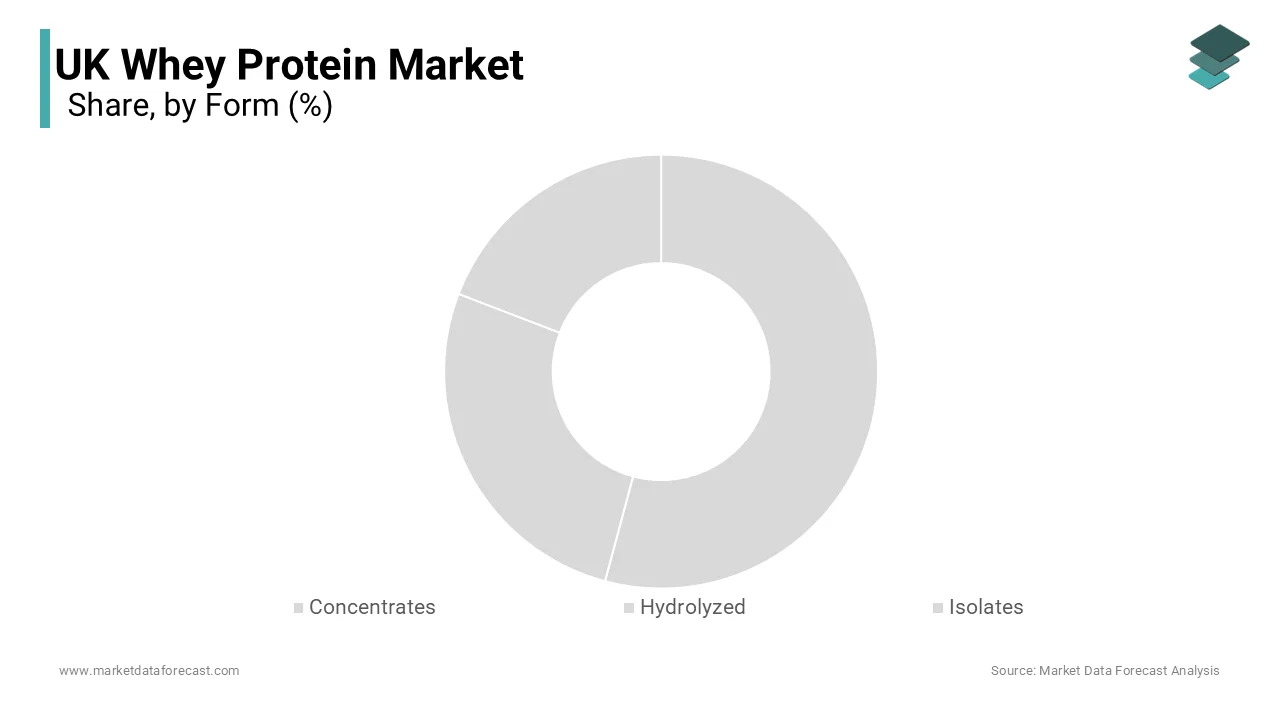
The whey protein segment is projected to expand at a CAGR of 7.2% during the forecast period with the increasing consumer demand for high purity products with minimal lactose and fat content. The rising prevalence of lactose intolerance and the growing preference for lean muscle development among serious athletes and health enthusiasts. Many UK supplement users actively seek low lactose or lactose free options, indicating strong potential for isolate adoption. Social media influencers and fitness experts frequently recommend isolates for their rapid absorption and clean macro nutrient profiles. Collaborations with professional sports teams and nutritionists enhance credibility and trust. Health-conscious variations using natural sweeteners address wellness concerns while maintaining performance benefits. This dual focus on purity and health drives repeat purchases among loyal customers.
By End User Insights
The dietary supplements segment was the largest by accounting for 42.1% of the United Kingdom whey protein market share in 2025 with the direct consumer consumption for fitness and health goals. Powdered forms sold in tubs and sachets dominate this category by offering convenience and customizable dosage for individual needs. The channel benefits from extensive retail presence in pharmacies, health food stores, and online platforms that provide easy access to diverse brands. Major supermarket chains have expanded their wellness aisles, dedicating significant shelf space to protein powders and bars. Consumer trust in established brands ensures consistent footfall and repeat business. The ability to choose specific flavors and formulations enhances user satisfaction and loyalty. Seasonal spikes during January and summer months drive significant volume increases as individuals pursue fitness resolutions. Retailers invest in knowledgeable staff and digital tools to enhance shopping experience and provide personalized recommendations.
The food and beverages segment is expected to grow at a fastest CAGR of 6.8% from 2026 to 2034 with the trend of functional nutrition, where consumers seek added health benefits in everyday food items. Bakeries, dairy products, and ready to drink beverages are increasingly fortified with whey protein to appeal to health-conscious shoppers. The segment benefits from the convenience factor, allowing individuals to increase protein intake without additional preparation time. Many consumers prefer getting nutrients from whole foods rather than standalone supplements, driving demand for fortified options. Collaborations between protein suppliers and food manufacturers enable seamless integration without compromising taste or texture. High protein yogurts, breads, and snacks are gaining popularity among busy professionals and families. Retailers are creating dedicated high protein sections, increasing visibility and impulse purchases. The versatility of whey protein allows it to be incorporated into diverse products ranging from breakfast cereals to savory soups.
COMPETITIVE LANDSCAPE
The United Kingdom whey protein market exhibits intense competition characterized by the presence of established direct to consumer brands and large ingredient suppliers. Digital native companies leverage aggressive online marketing and competitive pricing to capture significant attention from fitness enthusiasts and general health consumers. Traditional supplement retailers face pressure to innovate and enhance their digital presence to retain market relevance. Premium segments see less price sensitivity but higher expectations for quality purity and ethical sourcing. Marketing spend varies significantly with larger players investing in influencer partnerships and content creation whereas smaller brands rely on niche community engagement. Distribution channels play a critical role as accessibility through online platforms and retail stores determines visibility and sales volume. Consumer loyalty is increasingly fluid with buyers willing to switch brands based on flavor novelty sustainability credentials or positive reviews. Regulatory compliance regarding health claims and labeling adds complexity requiring strict adherence to standards.
KEY MARKET PLAYERS
Some of the companies that are playing a dominating role in the UK whey protein market are
- Myprotein
- Arla Foods Ingredients Group P/S
- Glanbia plc
- Kerry Group plc
- Fonterra Co-operative Group Limited
- FrieslandCampina Ingredients
- Lactalis Ingredients
- Carbery Group
- Hilmar Cheese Company, Inc.
- Agropur Cooperative
- Leprino Foods Company
- Saputo Inc.
- Bulk.com
- Milk Specialties Global
Top Key Players in the Market
- Myprotein stands as a prominent direct to consumer brand in the United Kingdom whey protein market, renowned for its extensive product range and competitive pricing strategies. The company leverages digital marketing and influencer partnerships to engage effectively with fitness enthusiasts and health-conscious consumers across the nation. Recent initiatives focus on sustainability commitments including eco-friendly packaging solutions that resonate with environmentally aware buyers. Myprotein invests heavily in product innovation by launching unique flavors and specialized formulations such as vegan blends and clear whey options. Strategic collaborations with sports organizations enhance brand visibility and credibility among athletes. The corporation emphasizes transparent labeling and quality assurance to build consumer trust. Continuous expansion of its online platform ensures seamless shopping experiences and personalized recommendations. Myprotein also explores international markets while maintaining strong domestic presence through targeted promotional campaigns and loyalty programs that drive repeat purchases and long term customer retention.
- Glanbia Nutritionals operates as a leading global supplier of nutritional solutions with significant involvement in the United Kingdom whey protein market through its high quality ingredients. The company provides specialized whey protein concentrates and isolates to various manufacturers including sports nutrition brands and food producers. Glanbia focuses on sustainable sourcing practices and supports local dairy farmers to ensure consistent supply chain reliability. The firm engages in research and development to create innovative protein formulations that meet evolving consumer demands for clean labels and natural ingredients. Strategic partnerships with key industry players facilitate co creation of customized solutions. Glanbia actively promotes scientific evidence supporting the benefits of whey protein through educational campaigns.
- Bulk.com has emerged as a dynamic player in the United Kingdom whey protein market by offering affordable and high quality supplements directly to consumers. The company utilizes a robust e commerce platform to provide a wide variety of protein powders bars and snacks tailored to diverse dietary needs. Recent strategies involve expanding product lines to include plant based alternatives and functional foods that appeal to broader audiences. Bulk.com invests in digital advertising and social media engagement to reach younger demographics and fitness communities. The brand emphasizes transparency in ingredient sourcing and manufacturing processes to build consumer confidence. Collaborations with fitness influencers and athletes help amplify brand message and drive sales. Bulk.com continuously optimizes its logistics network to ensure fast delivery and excellent customer service. The company also introduces subscription models to encourage recurring purchases and enhance customer loyalty.
Major Strategies Used by Key Market Participants
Key players in the United Kingdom whey protein market employ diverse strategies to maintain competitive advantage and drive growth. Product innovation remains central as companies introduce unique flavors and specialized formulations to attract distinct consumer segments. Brands invest heavily in digital marketing campaigns that emphasize transparency sustainability and scientific validation to build trust. Partnerships with fitness influencers and sports organizations enhance brand visibility and credibility among target audiences. Companies focus on expanding direct to consumer channels through robust e commerce platforms that offer convenience and personalized experiences. Sustainability initiatives such as eco-friendly packaging and responsible sourcing align with growing environmental consciousness among buyers. Strategic pricing strategies balance affordability with premium positioning to cater to different income levels. Collaborations with food manufacturers enable integration of whey protein into everyday products like snacks and beverages.
MARKET SEGMENTATION
This research report on the UK whey protein market is segmented and sub-segmented into the following categories.
By Form
- Concentrates
- Hydrolyzed
- Isolates
By End User
- Animal Feed
- Personal Care and Cosmetics
- Food and Beverages
- Bakery
- Beverages
- Breakfast Cereals
- Condiments/Sauces
- Dairy and Dairy Alternative Products
- RTE/RTC Food Products
- Snacks
- Supplements
- Baby Food and Infant Formula
- Elderly Nutrition and Medical Nutrition
- Sport/Performance Nutrition