- Product Description Description
- Table of Contents TOC
- List of Table & Figure LOT
- Get Free Sample PDF Sample PDF
Market Size, 2025
$36.23 GwMarket Estimate, 2026
$42.04 GwMarket Forecast, 2034
$138.20 GwCAGR, 2026–2034
16.04%UK Wind Energy Market Size
The UK Wind Energy Market is projected to grow from 36.23 gigawatts in 2025 to 42.04 gigawatts in 2026 and reach 138.20 gigawatts by 2034, registering a CAGR of 16.04% during the forecast period from 2026 to 2034.

Wind energy is the national transition toward net-zero emissions with its extensive offshore installations and robust onshore infrastructure. Wind power has evolved from a niche alternative to a primary source of electricity generation, leveraging the country’s favorable geographic location and strong coastal winds. This sector is integral to the UK’s energy security strategy, reducing reliance on imported fossil fuels and enhancing grid resilience. According to the Department for Energy Security and Net Zero, wind energy accounted for approximately 29% of total electricity generation in the UK in recent years, marking a significant milestone in decarbonization efforts. The regulatory framework supports this growth through mechanisms such as Contracts for Difference, which provide long-term price stability for developers. As per National Grid ESO data, the capacity of installed wind turbines has surpassed 30 gigawatts, with offshore projects contributing the majority of this figure. The industry benefits from advanced technological innovations, including larger turbine blades and floating platforms that access deeper waters. Community engagement and environmental considerations play pivotal roles in project approval processes. The market is influenced by global supply chain dynamics and domestic manufacturing capabilities. Seasonal variations in wind patterns affect output consistency, necessitating complementary storage solutions. The integration of wind energy into the national grid requires substantial investment in transmission infrastructure to manage intermittency.
MARKET DRIVERS
Government Mandates And Net Zero Targets Accelerating Infrastructure Development
The government mandates and ambitious net zero targets by creating a stable regulatory environment that encourages substantial investment, which is fuelling the growth of the United Kingdom wind energy market. The UK government has legally committed to achieving net zero greenhouse gas emissions by 2050, necessitating a rapid shift away from carbon-intensive energy sources. The sixth carbon budget requires a significant increase in renewable energy capacity, with wind power identified as the most cost-effective solution. This policy direction has led to the implementation of supportive mechanisms, which guarantee fixed prices for electricity generated from renewable sources. Data from the Department for Energy Security and Net Zero indicates that over 10 billion pounds have been allocated to renewable energy projects through recent auction rounds. These financial incentives reduce investment risks and attract both domestic and international developers. The government’s Ten Point Plan for a Green Industrial Revolution specifically targets 40 gigawatts of offshore wind capacity by 2030, providing clear long-term visibility for industry stakeholders. Local authorities are also aligning their planning policies with national goals, streamlining approval processes for viable projects. Public support for climate action further reinforces political commitment, ensuring sustained funding and legislative backing. The alignment of economic incentives with environmental objectives creates a powerful momentum that accelerates project deployment and infrastructure modernization across the nation.
Technological Advancements In Turbine Efficiency And Offshore Capabilities
The technological advancements in turbine efficiency and offshore capabilities enable higher energy yields and access to previously unreachable resources, which is additionally accelerating the growth of the United Kingdom wind energy market. Modern wind turbines have grown significantly in size and sophistication, with rotor diameters exceeding 200 meters and individual capacities reaching 15 megawatts or more. These larger turbines can generate up to 50% more electricity than previous generations by improving the economic viability of wind farms. Innovations in blade design and materials have enhanced aerodynamic performance and durability against harsh marine conditions. Floating wind technology is emerging as a game changer, allowing installations in deeper waters where wind speeds are stronger and more consistent. The floating wind projects could unlock hundreds of gigawatts of potential capacity, around the UK coastline. Digitalization and artificial intelligence are being integrated into operation and maintenance strategies, predicting failures before they occur and minimizing downtime. Advanced monitoring systems optimize turbine performance in real time, maximizing output during peak wind periods. Supply chain improvements have reduced manufacturing costs and lead times by making projects more competitive against conventional energy sources. Research and development investments by universities and private firms continue to push boundaries in energy storage integration and grid compatibility.
MARKET RESTRAINTS
Grid Connection Delays And Transmission Infrastructure Bottlenecks
The grid connection delays and transmission infrastructure, with the integration of new capacity into the national system, are solely declining the growth of the United Kingdom wind energy market. The existing electricity grid was designed for centralized fossil fuel generation and struggles to accommodate the decentralized and intermittent nature of renewable sources. The queue for grid connections has grown substantially, with some wind projects facing wait times of several years before they can export electricity. This backlog creates uncertainty for developers and increases financing costs, potentially rendering viable projects economically unfeasible. The lack of sufficient transmission lines from remote offshore locations to urban demand centers exacerbates the issue. Data from the Energy Networks Association highlights that billions of pounds in investment are required to upgrade the transmission network to handle future renewable loads. Planning permissions for new substations and overhead lines often face local opposition and regulatory hurdles, further delaying progress. The mismatch between rapid wind farm construction and slower grid upgrades leads to curtailment, where generated electricity is wasted due to the inability to transmit it. This inefficiency reduces revenue for operators and undermines the overall effectiveness of renewable energy initiatives. Government efforts to accelerate grid reforms are ongoing, but have not yet resolved the structural limitations. The complexity of coordinating multiple stakeholders, including regulators, network operators, and developers, adds layers of administrative burden.
Supply Chain Vulnerabilities And Raw Material Cost Volatility
The supply chain vulnerabilities and raw material cost volatility, by affecting project timelines and profitability, are another factor limiting the growth of the United Kingdom wind energy market. The industry relies heavily on specialized components, such as rare earth magnets, steel, and composite materials, which are subject to global market fluctuations. The input prices for construction materials have risen sharply in recent years, driven by post-pandemic disruptions and geopolitical tensions. Dependence on imports for parts exposes developers to currency exchange risks and trade barriers. The supply chain constraints have caused delays in turbine deliveries, pushing back commissioning dates for major offshore projects. The concentration of manufacturing capacity in specific regions creates single points of failure, as seen during recent global logistics crises. Shortages of skilled labor in installation and maintenance sectors further compound these issues, leading to increased operational costs. Brexit-related complexities have added administrative burdens and customs delays for equipment moving between the UK and European suppliers. Developers face difficulties in securing long-term contracts with manufacturers due to uncertain demand forecasts and price instability. These factors compress profit margins and force companies to reassess project feasibility. The lack of domestic manufacturing scale for key components limits the ability to mitigate external shocks.
MARKET OPPORTUNITIES
Expansion Of Floating Offshore Wind Technology In Deep Waters
The expansion of floating offshore wind technology by unlocking vast resources in deeper coastal waters is more likely to pose as a major factor in expanding the growth of the United Kingdom wind energy market. Unlike fixed bottom turbines, floating platforms can be deployed in areas where water depths exceed 60 meters, which significantly increases the available surface area for development. The UK has the largest potential for floating wind, with enough resource to power the entire country multiple times over. This technology allows access to sites with stronger and more consistent winds, improving capacity factors and energy yield. Data from the Carbon Trust suggests that floating wind could contribute up to 10 gigawatts of capacity by 2030 if supported by appropriate policy frameworks. Several pilot projects have already demonstrated technical feasibility, paving the way for commercial-scale deployments. The supply chain for floating structures offers opportunities for local manufacturing and job creation in coastal communities. Partnerships between oil and gas companies and wind developers leverage existing expertise in marine engineering and offshore operations. Government auctions specifically dedicated to floating wind technologies provide targeted financial support and market certainty. International collaboration on research and development accelerates innovation and reduces costs through shared knowledge.
Integration With Green Hydrogen Production For Energy Storage
The integration with green hydrogen production by addressing intermittency challenges and creating new revenue streams additionally sets up new opportunities for the growth of the United Kingdom wind energy market. Excess electricity generated during high wind periods can be used to electrolyze water by producing green hydrogen that serves as a clean fuel for industry and transport. The government aims to develop 5 gigawatts of low-carbon hydrogen production capacity by 2030, with wind energy playing a role. This synergy allows wind farms to operate at full capacity even when grid demand is low, reducing curtailment losses. Data from the Energy Systems Catapult indicates that coupling wind with hydrogen storage can enhance grid stability and provide seasonal energy reserves. Industrial sectors such as steel and chemicals are seeking low-carbon feedstocks, creating steady demand for green hydrogen. Co-location of electrolyzers with offshore wind farms minimizes transmission losses and infrastructure costs. Pilot projects are already underway to demonstrate the technical and economic viability of this approach. Policy support through subsidies and carbon pricing mechanisms improves the competitiveness of green hydrogen against fossil fuel alternatives. This opportunity diversifies the business model for wind developers and contributes to broader decarbonization goals. It also positions the UK as a hub for hydrogen technology innovation and export.
MARKET CHALLENGES
Environmental Concerns And Impact On Marine Biodiversity
The environmental concerns and the impact on marine biodiversity require careful management and mitigation strategies, which are likely to pose likely to be a challenge for the growth of the United Kingdom wind energy market. Offshore wind farms can affect bird migration patterns, marine mammals, and benthic habitats through noise pollution and physical presence. The rigorous environmental impact assessments are mandatory for all new projects, which often lead to lengthy approval processes and additional costs. Studies indicate that certain bird species are at risk of collision with turbine blades, which is necessitating monitoring and operational adjustments. The need for comprehensive baseline surveys to understand ecological interactions before construction begins. Noise during pile driving can disturb marine life, particularly porpoises and seals, requiring mitigation measures, such as bubble curtains. The cumulative effect of multiple wind farms in concentrated areas raises concerns about habitat fragmentation and ecosystem health. Balancing renewable energy goals with conservation obligations creates complex regulatory hurdles. Developers must invest in innovative technologies to minimize environmental footprints, such as quieter installation methods and radar-based bird detection systems. Public perception of environmental stewardship influences social license to operate, making transparency essential. Failure to address these concerns adequately can result in legal challenges and project delays.
Community Opposition And Planning Permission Hurdles
The community opposition and planning permission for onshore developments is also expected to decline the growth of the United Kingdom wind energy market. Residents often raise concerns about visual impact, noise, and effects on property values, leading to resistance against new projects. Many onshore wind applications face significant objections during the planning phase, resulting in refusals or prolonged inquiries. The removal of subsidies for onshore wind in previous years slowed development, and although policies are shifting, local consent remains a barrier. NIMBYism, or not in my backyard sentiment, complicates site selection and community engagement efforts. Developers must invest heavily in consultation processes and benefit-sharing schemes to gain local support. The complexity of navigating different planning authorities across regions adds administrative burden and uncertainty. Offshore projects face fewer visual objections but still encounter resistance from fishing communities and maritime users. Ensuring fair compensation and tangible local benefits is essential for overcoming opposition. This challenge requires a balanced approach that respects community interests while advancing national energy goals.
REPORT COVERAGE
| REPORT METRIC | DETAILS |
| Market Size Available | 2025 to 2034 |
| Base Year | 2025 |
| Forecast Period | 2026 to 2034 |
| Segments Covered | By Location, Turbine Capacity, Application, and Region |
| Various Analyses Covered | Global, Regional and Country-Level Analysis, Segment-Level Analysis, Drivers, Restraints, Opportunities, Challenges; PESTLE Analysis; Porter’s Five Forces Analysis, Competitive Landscape, Analyst Overview of Investment Opportunities |
| Countries Covered | United Kingdom |
| Market Leaders Profiled | SSE plc, ScottishPower Renewables, Ørsted A/S, RWE AG, Vattenfall AB, Equinor ASA, Siemens Gamesa Renewable Energy, Vestas Wind Systems A/S, GE Vernova, Nordex SE, EDF Renewables UK, Ocean Winds. |
SEGMENTAL ANALYSIS
By Location Insights
The offshore wind segment accounted in holding 56.8% of the United Kingdom wind energy market share in 2025, with the superior wind resources and vast available sea area. The segment benefits from government targets aiming for 50 gigawatts of offshore capacity by 203,0 by providing long-term visibility for investors. Large-scale projects have benefited from economies of scale by reducing the levelized cost of energy significantly over the past decade. The average turbine sizes in offshore farms have increased to above 8 megawatts by enhancing efficiency and output per unit. The Crown Estate leases seabed areas through competitive auctions by generating revenue while facilitating development. Technological advancements in floating platforms are opening deeper waters, further expanding potential sites. Supply chain investments in ports and manufacturing facilities support robust project delivery. The visual impact is minimal compared to onshore installations, reducing local opposition and accelerating planning approvals. Grid connection infrastructure is being prioritized for offshore hubs by ensuring efficient transmission to demand centers.
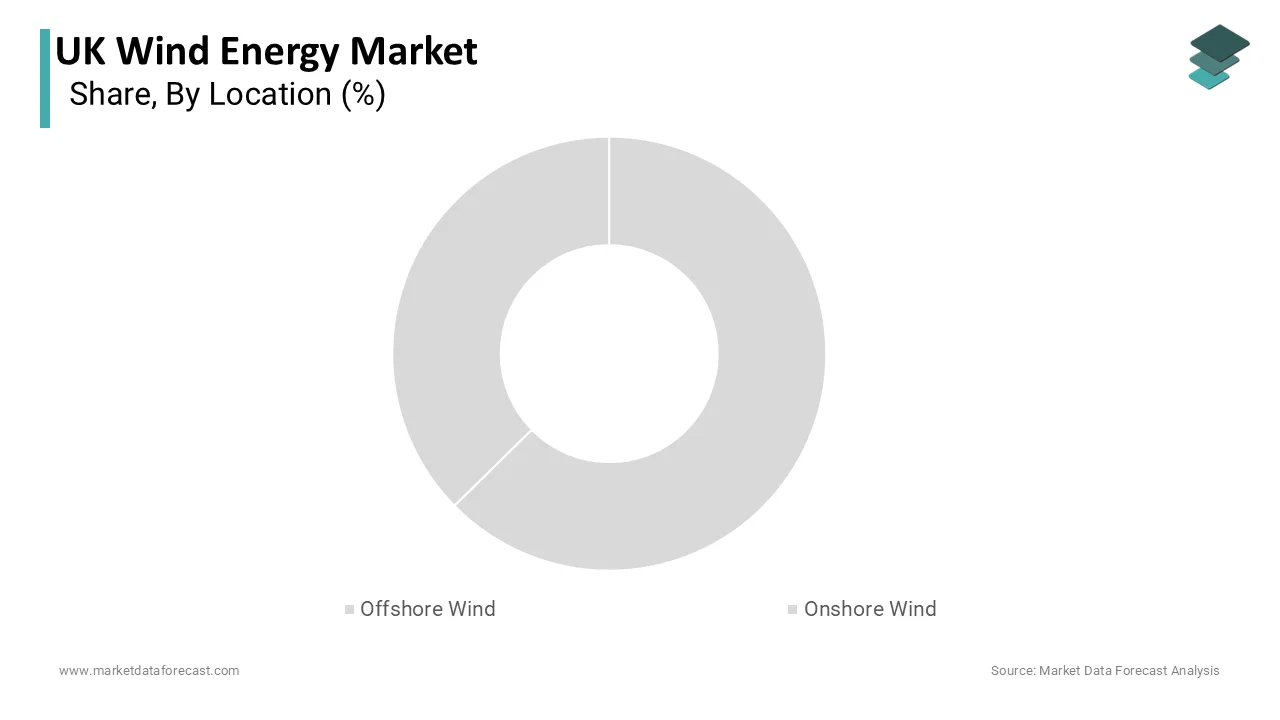
The onshore wind segment is estimated to register the fastest CAGR of 5.5% during the forecast period. For several years, new onshore developments were effectively blocked by planning regulations, but recent government announcements have lifted these bans in England by unlocking significant potential. Community ownership models are gaining traction by allowing local groups to benefit financially from nearby turbines, which helps mitigate opposition. Advances in turbine technology have reduced noise and visual impact by addressing previous concerns. Rural landowners are increasingly leasing land for wind farms, as an additional income stream amidst agricultural uncertainty. Local authorities are updating development plans to align with national net-zero goals, streamlining consent processes. The integration of battery storage with onshore sites enhances grid stability and value. This revival is supported by corporate power purchase agreements, where businesses seek direct renewable supply.
By Turbine Capacity Insights
The turbines segment was the largest by holding 46.3% of the United Kingdom wind energy market share in 2025. These large turbines maximize energy capture per foundation by reducing overall project costs and environmental footprint. The average capacity of newly installed offshore turbines in the UK has surpassed 8 megawatts, with next-generation models reaching 15 megawatts or more. The economic advantage of scale, where fewer turbines are needed to achieve the same total capacity, lowers maintenance and cable requirements. The larger rotors sweep greater areas, capturing wind at lower speeds and increasing annual energy production significantly. Manufacturers are focusing research and development on these mega turbines to improve reliability and efficiency in harsh marine environments. The supply chain has adapted to handle massive components, with specialized vessels and port infrastructure upgrades facilitating installation. Government contracts for different auctions favor low-cost generation, which large turbines provide through higher capacity factors. The trend toward repowering older sites also involves replacing multiple small turbines with fewer large ones, boosting output without expanding physical footprint.
The 3 to 6 megawatt turbine segment is likely to register the fastest CAGR of 6.2% during the forecast period, with the onshore repowering and smaller offshore projects. This capacity range offers a balance between efficiency and logistical feasibility by making it ideal for sites with grid constraints or spatial limitations. This repowering activity boosts energy yield without requiring new planning permissions for expanded footprints. The grid connection capacities in rural areas often limit the size of individual turbines by making this mid-range capacity optimal for maximizing output within existing limits. Technological improvements in this class have enhanced reliability and reduced noise by addressing community concerns. Manufacturers are optimizing designs for specific UK wind conditions, offering tailored solutions that outperform generic models.
By Application Insights
The utility scale projects segment was the largest by holding 62.1% of the United Kingdom wind energy market share in 202,5 wititsir ability to deliver large volumes of low-cost electricity to the national grid. These large installations, typically exceeding 50 megawatts, benefit from economies of scale and long-term government support mechanisms. The utility-scale wind farms contribute the majority of the renewable electricity supply by ensuring energy security and price stability. The segment dominates because it aligns with national infrastructure strategies and decarbonization targets, attracting significant institutional investment. Developers leverage sophisticated engineering and procurement capabilities to manage complex offshore and large onshore sites. The integration of utility-scale wind into the grid is facilitated by major transmission upgrades, ensuring efficient distribution to urban centers. Corporate power purchase agreements are increasingly common, with large industrial users signing long-term deals to secure green energy. This segment leads due to its critical role in replacing fossil fuel generation and meeting baseload demands during peak wind periods. Regulatory frameworks prioritize large projects for grid connection queues, reinforcing their market position.
The community projects segment is likely to witness the fastest CAGR of 7.8% from 2026 to 2034, with the local empowerment and policy incentives. These smaller-scale initiatives allow local groups, cooperatives, and municipalities to own and operate wind turbines, retaining profits within the community. The number of community energy projects in the UK has risen significantly, with wind playing a key role in rural areas. The government grants and loan schemes are specifically designed to support local energy independence. Network indicates that community-owned turbines face less local opposition due to direct financial benefits for residents, such as reduced bills or community funds. Advances in smaller turbine technology have improved efficiency and reduced noise by making them suitable for closer proximity to homes. Local authorities are increasingly partnering with community groups to meet regional climate goals. Social media and networking platforms facilitate knowledge sharing and best practices among community developers.
COMPETITIVE LANDSCAPE
The United Kingdom wind energy market exhibits intense competition characterized by established utilities, independent developers,s and international energy giants vying for limited seabed leases and grid connections. Large integrated companies leverage financial strength and technical expertise to deliver massive offshore projects, while smaller firms focus on niche onshore opportunities or innovative technologies. The bidding process for Contracts for Difference drives price competition, forcing participants to optimize costs and improve efficiency. Supply chain constraints create bottlenecks, giving advantage to players with secured manufacturing partnerships and logistical capabilities. Regulatory changes and planning requirements are complex, requiring robust stakeholder management and compliance strategies. Differentiation occurs through technological superiority, community benefits,erings and environmental credentials rather than price alone. New entrants face high barriers to entry due to capital intensity and technical risks, encouraging consolidation and joint ventures. The race to secure skilled labor and specialized vessels further intensifies rivalry among key participants.
KEY MARKET PLAYERS
Some of the companies that are playing a dominating role in the UK Wind Energy Market include
- SSE plc
- ScottishPower Renewables
- Ørsted A/S
- RWE AG
- Vattenfall AB
- Equinor ASA
- Siemens Gamesa Renewable Energy
- Vestas Wind Systems A/S
- GE Vernova
- Nordex SE
- EDF Renewables UK
- Ocean Winds
TOP LEADING KEY PLAYERS IN THE MARKET
- SSE Renewables stands as a leading developer and operator of wind energy assets in the United Kingdom with a strong focus on offshore and onshore projects. The company plays a pivotal role in delivering large-scale renewable infrastructure that supports national net-zero targets. Recent actions include advancing the Seagreen offshore wind farm, which is one of the largest in the world and significantly boosts clean electricity generation. SSE invests heavily in grid connection infrastructure to ensure efficient power transmission from remote sites. The firm actively engages with local communities to secure social license for new developments. Strategic partnerships with technology providers enhance operational efficiency through digital monitoring solutions. SSE continues to expand its pipeline by securing contracts for difference in government auctionsensuring long-termmm revenue stability.
- Orsted operates as a global leader in offshore wind energy with substantial involvement in the United Kingdom market through major operational and development projects. The company has transformed its business model from fossil fuels to pure play renewable energy, establishing a strong footprint in British waters. Recent actions include the completion and operation of the Hornsea Project, which sets new benchmarks for scale and efficiency in offshore wind generation. Orsted invests in local supply chain development ,creating jobs n d supporting regional economies across the UK. The firm leverages advanced turbine technology to maximize energy yield and reduce maintenance costs. Strategic collaborations with UK-based manufacturers enhance component sourcing and logistics. Orsted actively participates in policy discussions to shape favorable regulatory frameworks for future growth. Their expertise in floating wind technology positions them at the forefront of next-generation developments.
- ScottishPower Renewables is a major integrated energy company with significant wind energy operations across the United Kingdom in Scotland and Wales. The parent company ,Ibrd rola, proid es financi,,al strength and technical expertise, enabling large-scale project delivery. The expansion of the East Anglia Hub offshore wind farms, which will provide clean power to millions of homes. ScottishPower invests in onshore repowering initiative,s replacing older turbines with modern high-capacity units to increase output. The firm focuses on green hydrogen integration using excess wind energy to produce sustainable fuel for industry. Strategic investments in battery storage systems enhance grid stability and manage intermittency challenges. ScottishPower engages in extensive community benefit programs, ensuring local areas share in the economic rewards of wind development.
TOP STRATEGIES USED BY KEY MARKET PARTICIPANTS
Key players in the United Kingdom wind energy market employ diverse strategies to maintaa in competitive advantage and drive sustainable growth. Technological innovation remains central as companies adopt larger turbines and floating platforms to access deeper waters and improve efficiency. Strategic partnerships with supply chain manufacturers ensure component availability and cost control amidst global disruptions. Developers focus on securing long-term contracts through government auctions and corporate power purchase agreements to guarantee revenue stability. Investment in grid infrastructure and battery storage solutions addresses intermittency challenges and enhances system reliability. Community engagement initiatives build social license and mitigate local opposition to new projects. Companies prioritize environmental stewardship by implementing biodiversity action plans and sustainable decommissioning practices. Digitalization through artificial intelligence and predictive maintenance optimizes operational performance and reduces downtime.
MARKET SEGMENTATION
This research report on the UK wind energy market is segmented and sub-segmented into the following categories.
By Location
- Offshore Wind
- Onshore Wind
By Turbine Capacity
- Up to 3 MW
- 3 MW to 6 MW
- Above 6 MW
By Application
- Utility-Scale Projects
- Community Projects
By Country
- United Kingdom