- Product Description Description
- Table of Contents TOC
- List of Table & Figure LOT
- Get Free Sample PDF Sample PDF
Market Size, 2025
$22.96 BnMarket Estimate, 2026
$24.17 BnMarket Forecast, 2034
$36.48 BnCAGR, 2026–2034
5.28%U.S. Cat Food Market Report Summary
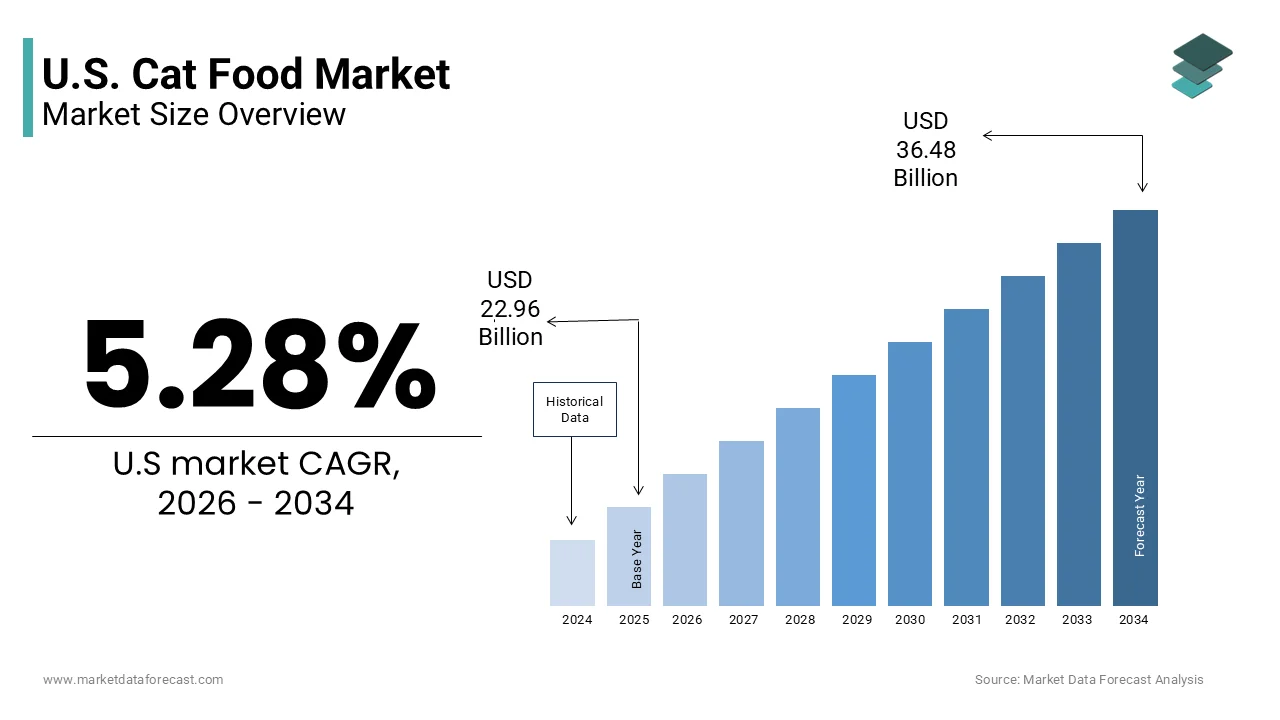
The U.S. cat food market was valued at USD 22.96 billion in 2025, is estimated to reach USD 24.17 billion in 2026, and is projected to reach USD 36.48 billion by 2034, growing at a CAGR of 5.28% during the forecast period. Market growth is driven by increasing pet ownership, rising humanization of pets, and growing consumer focus on premium and nutritionally balanced pet food products. Cat food demand continues to increase as pet owners prioritize health, wellness, and specialized dietary solutions for companion animals. Expansion of premium product categories, natural ingredient formulations, and functional pet nutrition is further supporting market growth across the United States.
Key Market Trends
- Increasing pet ownership and companion animal adoption are driving market growth.
- Growing demand for premium and nutritionally balanced pet food is boosting market expansion.
- Rising consumer preference for natural and functional pet nutrition products is supporting industry development.
- Expansion of specialty pet retail channels and online pet food sales is enhancing market accessibility.
- Innovation in grain free, organic, and health focused cat food formulations is influencing market advancement.
Segmental Insights
- Based on pet food product, the pet food segment accounted for 34.2% of the U.S. cat food market share in 2025. This dominance is attributed to growing demand for complete nutrition products and increasing spending on companion animal care.
- Based on distribution channel, the specialty stores segment held 46.3% of the U.S. cat food market share in 2025, supported by wider premium product availability, expert recommendations, and strong consumer preference for dedicated pet retail outlets.
Regional Insights
- The U.S. cat food market continues to experience steady growth due to rising pet humanization trends, increasing awareness regarding pet nutrition, and expanding premium pet care expenditures. Growing adoption of customized and health focused pet diets continues to strengthen market development.
Competitive Landscape
The U.S. cat food market is highly competitive, with companies focusing on premium nutrition, natural ingredient innovation, and specialized dietary formulations to strengthen their market position. Manufacturers are investing in product diversification, sustainable sourcing, and veterinary backed nutritional solutions. Prominent players in the U.S. cat food market include Fromm Family Foods, Evangers Dog and Cat Food, Affinity Petcare, Mars Petcare, Diamond Pet Foods, JM Smucker Co, Colgate Palmolive Co, and Nestle SA.
U.S. Cat Food Market Size
The U.S. cat food market size was valued at USD 22.96 billion in 2025, and is projected to reach USD 36.48 billion by 2034 from USD 24.17 billion in 2026, growing at a CAGR of 5.28%.
The cat food is nutritional products designed specifically for feline consumption by ranging from dry kibble and wet canned formulas to freeze dried raw diets and functional treats. As per the American Pet Products Association, approximately 46.5 million households in the United States owned a cat in 2023 by reflecting the widespread presence of felines in domestic settings. This high ownership rate creates a stable and recurring demand base for pet food manufacturers. Furthermore, the Association for Pet Obesity Prevention states that 51% of cats in the United States are overweight or obese, prompting a surge in demand for weight control and metabolic health focused formulations. Consumers are increasingly scrutinizing ingredient labels, seeking transparency regarding protein sources and the absence of artificial additives. The shift toward high moisture content diets is also notable, as veterinarians emphasize hydration for kidney health. This evolution reflects a broader cultural shift where pet owners prioritize longevity and quality of life for their companions, shaping the strategic direction of manufacturers who must balance nutritional science with palatability and convenience.
MARKET DRIVERS
Humanization of Pets and Premiumization Trends
The profound humanization of pets by compelling owners to seek premium quality nutrition that mirrors their own dietary standards is propelling the growth of the United States cat food market. Cats are increasingly treated as children or companion animals by leading to a willingness to spend more on high quality ingredients and specialized formulations. As per the American Veterinary Medical Association, 78% of cat owners consider their pets to be part of the family, a sentiment that directly influences purchasing behavior. This emotional connection drives the demand for human grade ingredients, organic certifications, and sustainably sourced proteins. Consumers are moving away from generic mass market brands toward niche and premium options that offer transparency and perceived health benefits. The trend toward premiumization is evident in the growing sales of freeze-dried raw foods and gently cooked meals, which are marketed as closer to a cat's natural diet. Owners are also investing in subscription services and personalized nutrition plans, ensuring consistent delivery of tailored meals. The willingness to pay a premium for perceived quality allows manufacturers to innovate with higher margin products. Social media platforms amplify this trend by showcasing luxury pet lifestyles and gourmet meal preparations, influencing consumer expectations.
Increasing Awareness of Feline Health and Nutrition
The growing awareness of feline health issues and the importance of proper nutrition, as owners become more educated about dietary impacts on longevity is elevating the growth of the United States cat food market. Veterinarians and pet health organizations actively promote the benefits of specific nutrients, such as taurine for heart health and omega 3 fatty acids for coat condition. As per the Cornell University College of Veterinary Medicine, chronic kidney disease affects up to 30% of older cats, driving demand for renal support diets that manage phosphorus and protein levels. This medical insight prompts owners to switch to prescription or therapeutic diets earlier in their cat's life. The rise in allergies and sensitivities has also increased the popularity of limited ingredient diets and novel protein sources such as duck, venison, and rabbit. Consumers are increasingly reading labels to avoid fillers, artificial colors, and by products, preferring whole food ingredients. The integration of functional ingredients, such as probiotics for digestive health and antioxidants for immune support adds value to standard formulations. This health conscious approach transforms cat food from a commodity into a healthcare product, justifying higher prices and fostering brand loyalty.
MARKET RESTRAINTS
Price Sensitivity and Inflationary Pressures
The economic volatility and rising inflation by influencing consumer purchasing power and forcing trade downs from premium to value-oriented options is limiting the growth of the United States cat food market. The cost of key raw materials, such as meat, fish, and grains has fluctuated considerably, leading to higher retail prices for pet food. Many consumers are responding by switching to private label brands or purchasing in bulk during sales to mitigate costs. This price sensitivity limits the ability of manufacturers to pass on increased production costs without risking volume loss. Small and medium sized enterprises with less economies of scale are particularly vulnerable, as they struggle to compete with larger players on price. The economic uncertainty also leads some owners to reduce spending on non-essential items such as treats and supplements, impacting overall category growth. For low-income households, the choice between pet care and other essentials becomes difficult, potentially leading to neglect or surrender of pets. The disparity between rising costs and stagnant wages creates a challenging environment for premium brands that rely on discretionary income.
Supply Chain Disruptions and Ingredient Sourcing
The supply chain instability by affecting the consistent availability and cost of high quality ingredients is additionally inhibiting the growth of the United States cat food market. The reliance on global sourcing for proteins, such as fish and poultry exposes manufacturers to geopolitical tensions, trade restrictions, and logistical hurdles. Climate change also affects agricultural yields for grains and vegetables used in pet food by creating unpredictability in raw material availability. These disruptions force manufacturers to seek alternative suppliers, which may vary in quality and reliability, potentially compromising product consistency. The complexity of global supply chains means that a delay in one region can halt production lines, which is leading to stockouts and lost sales. Companies face difficulties in maintaining inventory levels while managing rising storage and transportation costs. The push for sustainable and ethically sourced ingredients adds another layer of complexity, as verifying supply chain integrity requires significant resources. Failure to secure reliable supplies can damage brand reputation and erode consumer trust. The need for robust risk management strategies and diversified sourcing networks increases operational costs.
MARKET OPPORTUNITIES
Expansion of Sustainable and Eco-Friendly Packaging
The growing consumer demand for sustainability, particularly in the area of eco-friendly packaging is setting up new opportunities for the growth of the United States cat food market. Pet owners are increasingly concerned about the environmental impact of plastic waste and are seeking brands that demonstrate commitment to circular economy principles. As per the Environmental Protection Agency, only 29% of plastic containers were recycled in the United States in 2023, highlighting the urgent need for alternative packaging solutions. Manufacturers have the opportunity to innovate with recyclable aluminum cans, biodegradable pouches, and compostable materials for dry food bags. Brands that adopt sustainable packaging can differentiate themselves in a crowded market and appeal to environmentally conscious consumers. The use of post-consumer recycled materials in packaging also reduces the carbon footprint of production. Retailers are increasingly prioritizing suppliers with strong environmental credentials, providing shelf space advantages for green brands. Collaborations with recycling programs and educational campaigns can further enhance brand loyalty and consumer engagement. The transition to sustainable packaging aligns with corporate social responsibility goals and regulatory trends favoring reduced plastic usage. This opportunity extends to refillable systems and bulk dispensing options in stores, reducing packaging waste entirely.
Growth in Personalized and Customized Nutrition
The advent of digital technology and data analytics for personalized and customized nutrition is another factor to elevate the growth of the United States cat food market. Consumers are seeking tailored solutions that address the specific health needs, age, breed, and activity level of their individual pets. Many consumers expect companies to deliver personalized interactions, and this expectation extends to pet care. Brands can leverage online platforms to offer subscription services that deliver customized meal plans based on detailed pet profiles. These services can adjust formulations in real time based on feedback from owners and veterinary data. The integration of artificial intelligence allows for precise nutrient balancing and predictive health insights, enhancing the value proposition. Direct to consumer models enable companies to build deeper relationships with customers, gathering valuable data for product development. Personalized nutrition commands premium pricing and fosters high customer retention, as switching costs are higher for tailored services. The ability to address specific health concerns such as obesity or diabetes through customized diets provides a competitive edge. Partnerships with veterinary clinics can further validate these services and drive referrals.
MARKET CHALLENGES
Regulatory Complexity and Labeling Standards
The complex regulations governing pet food labeling and safety standards is likely to act as a barrier for the growth of the United States cat food market. Manufacturers must navigate a patchwork of federal and state regulations, including guidelines from the Association of American Feed Control Officials and the Food and Drug Administration. Compliance with varying state requirements for ingredient definitions, nutritional adequacy, and labeling formats increases operational costs and slows down product launches. The ambiguity surrounding terms, such as natural, holistic, and human grade creates legal risks and potential consumer confusion. Companies must invest heavily in legal review and quality control to ensure compliance, diverting resources from innovation and marketing. Any misstep can result in costly recalls, fines, and damage to brand reputation. The evolving nature of regulations, particularly regarding novel ingredients and sustainable claims, requires constant monitoring and adaptation. Smaller companies with limited legal resources are disproportionately affected, facing barriers to entry and expansion. The lack of uniform national standards complicates distribution across state lines, requiring customized packaging and documentation. This regulatory burden creates a cautious environment that can stifle rapid innovation and limit the introduction of new product categories.
Counterfeit Products and Quality Control Issues
The prevalence of counterfeit pet food products and quality control issues by threatening consumer trust and animal safety is likely to impede the growth of the United States cat food market. Online marketplaces and unauthorized retailers often sell fake or expired products that mimic reputable brands, exposing cats to harmful ingredients and nutritional deficiencies. Counterfeit products undermine brand integrity and can lead to severe health consequences for pets, resulting in lawsuits and reputational damage for legitimate manufacturers. Detecting and removing these products from the market is difficult and resource intensive, requiring advanced tracking technologies and collaboration with law enforcement. Quality control failures in manufacturing, such as contamination with pathogens or toxins, can also trigger widespread recalls and loss of consumer confidence. The global nature of supply chains increases the risk of adulteration and fraud, making verification challenging. Brands must invest in secure packaging, blockchain tracking, and consumer education to combat counterfeiting. Maintaining rigorous quality standards and ensuring supply chain transparency are critical to protecting brand equity. This ongoing threat requires continuous vigilance and investment in security measures by adding to operational costs and complexity for market participants.
REPORT COVERAGE
| REPORT METRIC | DETAILS |
| Market Size Available | 2025 to 2034 |
| Base Year | 2025 |
| Forecast Period | 2026 to 2034 |
| CAGR | 5.28% |
| Segments Covered | By Pet Food Product, Distribution Channel, and Region. |
| Various Analyses Covered | Global, Regional and Country-Level Analysis, Segment-Level Analysis, Drivers, Restraints, Opportunities, Challenges; PESTLE Analysis; Porter’s Five Forces Analysis, Competitive Landscape, Analyst Overview of Investment Opportunities |
| Countries Covered | California, Washington, Oregon, New York, United States |
| Market Leaders Profiled | Fromm Family Foods, Evangers Dog and Cat Food, Affinity Petcare, Mars Petcare, Diamond Pet Foods, JM Smucker Co, Colgate Palmolive Co, and Nestle SA |
SEGMENTAL ANALYSIS
By Pet Food Product Insights
The pet food segment was the largest by holding 34.2% of the United States cat food market share of the share in 2025 due to its status as a biological necessity and the recurring nature of its consumption. As per the American Pet Products Association, cat owners spend an average of 374 dollars annually on food alone, representing the largest portion of total pet care expenditures. This consistent demand creates a stable revenue stream for manufacturers, insulated from short term economic fluctuations that might affect non-essential purchases. The sheer volume of dry and wet food purchased by households dwarfs other categories, driven by the need to replenish supplies weekly or monthly. Major brands leverage this frequency to build strong shelf presence and loyalty programs, ensuring repeat business. The segmentation within cat food itself, including life stage specific formulas for kittens, adults, and seniors, further expands the addressable market. Consumers are unlikely to compromise on the primary diet of their pets by making this segment resilient to competitive pressures from lower cost alternatives.
The pet nutraceuticals and supplements segment projected to witness a fastest CAGR of 9.5% from 2026 to 2034 with the increasing prevalence of chronic health conditions in aging feline populations. As veterinary medicine advances, cats are living longer, leading to a higher incidence of age-related issues, such as arthritis, kidney disease, and cognitive decline. Owners are proactively seeking supplements containing glucosamine, chondroitin, omega 3 fatty acids, and probiotics to manage these conditions and improve quality of life. The integration of these supplements into daily routines is facilitated by palatable formats such as chews, powders, and liquid additives that can be mixed with food. Veterinarians play a crucial role in recommending these products, lending credibility and driving adoption among concerned pet parents. The shift from reactive treatment to preventive care encourages early intervention, expanding the customer base beyond just sick animals. This medicalization of pet care transforms supplements from optional extras into essential components of holistic health management. The ability to address specific health needs with targeted nutrition allows manufacturers to capture high margin sales and build long term customer loyalty.
By Distribution Channel Insights
The specialty stores segment was the largest by holding 46.3% of the United States cat food market share in 2025 due to the expert guidance and curated product selection they offer to discerning pet owners. These retailers, including independent pet boutiques and large specialty chains, provide a knowledgeable staff that can advise customers on specific dietary needs and product suitability. The ability to ask questions and receive personalized recommendations enhances the shopping experience, particularly for owners dealing with health issues or picky eaters. Specialty stores often carry exclusive and premium brands that are not available in mass market retailers, attracting customers seeking unique and high-quality options. The store layout is designed to facilitate exploration, with clear signage and educational materials that inform purchasing decisions. This environment fosters a sense of community and loyalty, as regular customers build relationships with staff who understand their pets' histories. The focus on service and expertise differentiates specialty stores from impersonal big box retailers, justifying potentially higher prices. Additionally, many specialty stores offer grooming, training, and veterinary services, creating a one stop shop for pet care needs.
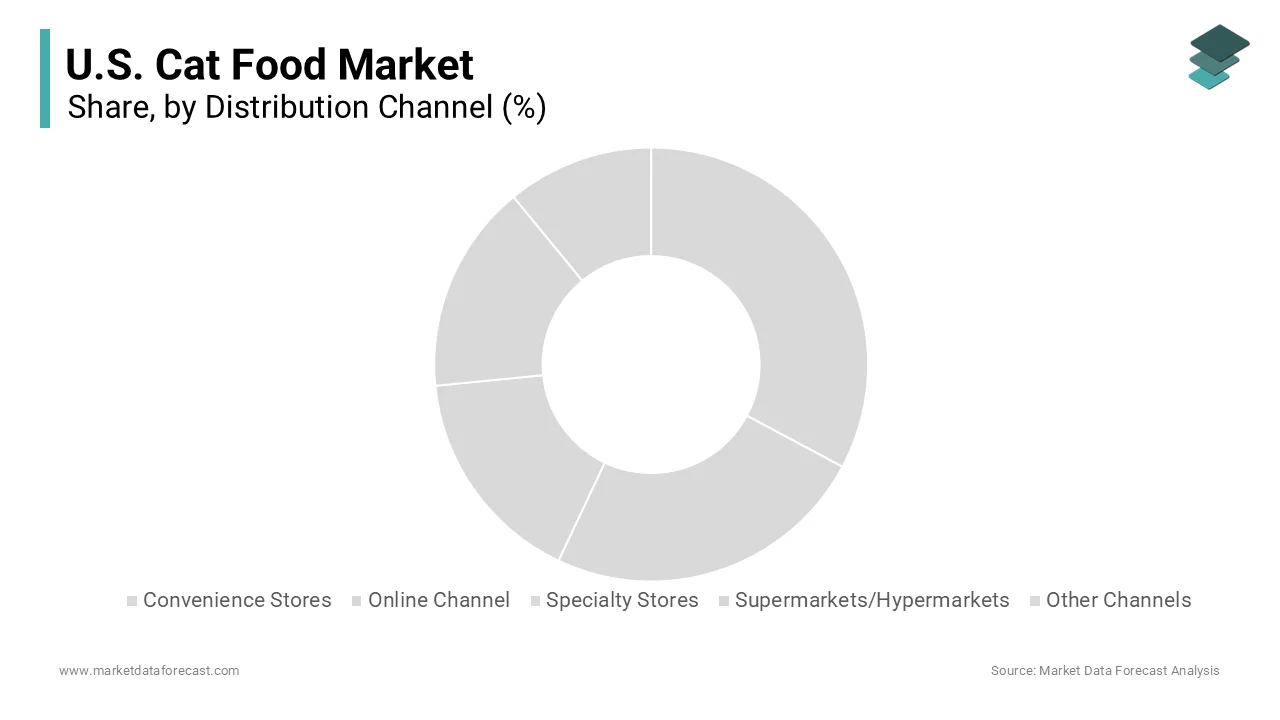
The online channel is likely to grow at a fastest CAGR of 12.8% from 2026 to 2034 with the unparalleled convenience and efficiency of subscription-based delivery models. Busy consumers appreciate the ability to order heavy bags of cat food from home and have them delivered directly to their doorsteps by eliminating the need for physical store visits. Subscription services allow owners to automate replenishment by ensuring they never run out of food while often providing discounts and flexible scheduling. The ease of comparing prices, reading reviews, and accessing a wider variety of products online empowers consumers to make informed choices. Major retailers and direct to consumer brands have invested heavily in logistics and user-friendly platforms to enhance the shopping experience. The integration of auto ship features and personalized recommendations further simplifies the process by increasing customer retention and lifetime value. The rise of mobile commerce allows for quick reordering via smartphones, catering to the on-the-go lifestyle of modern pet owners.
COMPETITIVE LANDSCAPE
The competition in the United States cat food market is intense and characterized by the presence of large multinational corporations alongside agile niche brands. Established players leverage strong brand equity and extensive distribution networks to maintain dominance while facing pressure from emerging companies offering specialized and premium products. Price competition remains significant in the economy segment but differentiation through quality and health benefits drives growth in premium categories. Manufacturers continuously invest in research and development to create innovative formulations that address specific health issues such as urinary tract health and weight management. Marketing strategies focus on emotional connections with pet owners and transparency in ingredient sourcing. The rise of e-commerce has lowered barriers to entry allowing small brands to reach national audiences effectively. Collaborations with veterinarians and influencers help build trust and credibility.
KEY MARKET PLAYERS
Some of the companies that are playing a dominating role in the U.S. cat food market are
- Fromm Family Foods
- Evangers Dog and Cat Food
- Affinity Petcare
- Mars Petcare
- Diamond Pet Foods
- JM Smucker Co
- Colgate Palmolive Co
- Nestle SA
Top Players in the Market
- Mars Petcare Inc is a dominant entity in the United States cat food market with a diverse portfolio including Royal Canin and Purina brands. The company focuses on veterinary nutrition and premium wet food innovations to cater to health-conscious consumers. Recent actions involve significant investments in sustainable packaging solutions and the expansion of its personalized nutrition platform. Mars Petcare leverages advanced data analytics to understand feline dietary needs better and develop targeted products. The company actively collaborates with veterinarians to promote prescription diets for specific health conditions. Its commitment to sustainability and pet well being ensures long term brand loyalty and competitive advantage in the evolving market landscape.
- Nestle Purina PetCare Company plays a pivotal role in the United States cat food market through its extensive range of dry and wet food products. The company emphasizes innovation in protein sources and functional ingredients to address common feline health issues. Recent initiatives include the launch of grain free and limited ingredient diets to appeal to owners seeking cleaner labels. Purina invests heavily in research facilities to study cat behavior and nutritional requirements. The company also enhances its digital presence by offering online subscription services and educational resources for pet owners.
- The J M Smucker Company contributes significantly to the United States cat food market primarily through its Meow Mix and 9Lives brands. The company targets value conscious consumers by offering affordable yet nutritious options that maintain high quality standards. Recent efforts involve reformulating products to reduce artificial additives and enhance palatability for picky eaters. Smucker focuses on optimizing its supply chain to ensure consistent availability and competitive pricing. The company also engages in marketing campaigns that highlight the bond between cats and their owners. Its ability to adapt to changing consumer preferences while maintaining cost efficiency ensures sustained growth and relevance in the competitive cat food sector.
Top Strategies Used by Key Market Participants
Key players in the United States cat food market primarily employ product innovation and premiumization to maintain competitive advantage. Companies frequently introduce grain free and limited ingredient formulas to address health concerns and allergen sensitivities. This strategy appeals to health-conscious owners seeking transparent and clean label products. Expansion into personalized nutrition platforms allows firms to offer tailored meal plans based on individual cat needs. Strategic acquisitions of niche brands enable established companies to diversify portfolios and access new customer segments quickly. Sustainability initiatives, such as eco-friendly packaging and responsible sourcing are critical for enhancing brand reputation. Digital transformation and direct to consumer channels improve customer engagement and data collection. These combined strategies allow participants to adapt to evolving preferences and sustain growth in a mature market.
MARKET SEGMENTATION
This research report on the U.S. cat food market is segmented and sub-segmented into the following categories.
By Pet Food Product
- Food
- By Sub Product
- Dry Pet Food
- By Sub Dry Pet Food
- Kibbles
- Other Dry Pet Food
- Wet Pet Food
- By Sub Product
- Pet Nutraceuticals/Supplements
- By Sub Product
- Milk Bioactives
- Omega 3 Fatty Acids
- Probiotics
- Proteins and Peptides
- Vitamins and Minerals
- Other Nutraceuticals
- By Sub Product
- Pet Treats
- By Sub Product
- Crunchy Treats
- Dental Treats
- Freeze dried and Jerky Treats
- Soft & Chewy Treats
- Other Treats
- By Sub Product
- Pet Veterinary Diets
- By Sub Product
- Derma Diets
- Diabetes
- Digestive Sensitivity
- Obesity Diets
- Oral Care Diets
- Renal
- Urinary Tract Disease
- Other Veterinary Diets
- By Sub Product
By Distribution Channel
- Convenience Stores
- Online Channel
- Specialty Stores
- Supermarkets/Hypermarkets
- Other Channels
By Country
- California
- Washington
- Oregon
- New York
- Rest of the United States