- Product Description Description
- Table of Contents TOC
- List of Table & Figure LOT
- Get Free Sample PDF Sample PDF
Market Size, 2025
$2.53 BnMarket Estimate, 2026
$2.67 BnMarket Forecast, 2034
$4.05 BnCAGR, 2026–2034
5.37%U.S. Garlic Market Report Summary
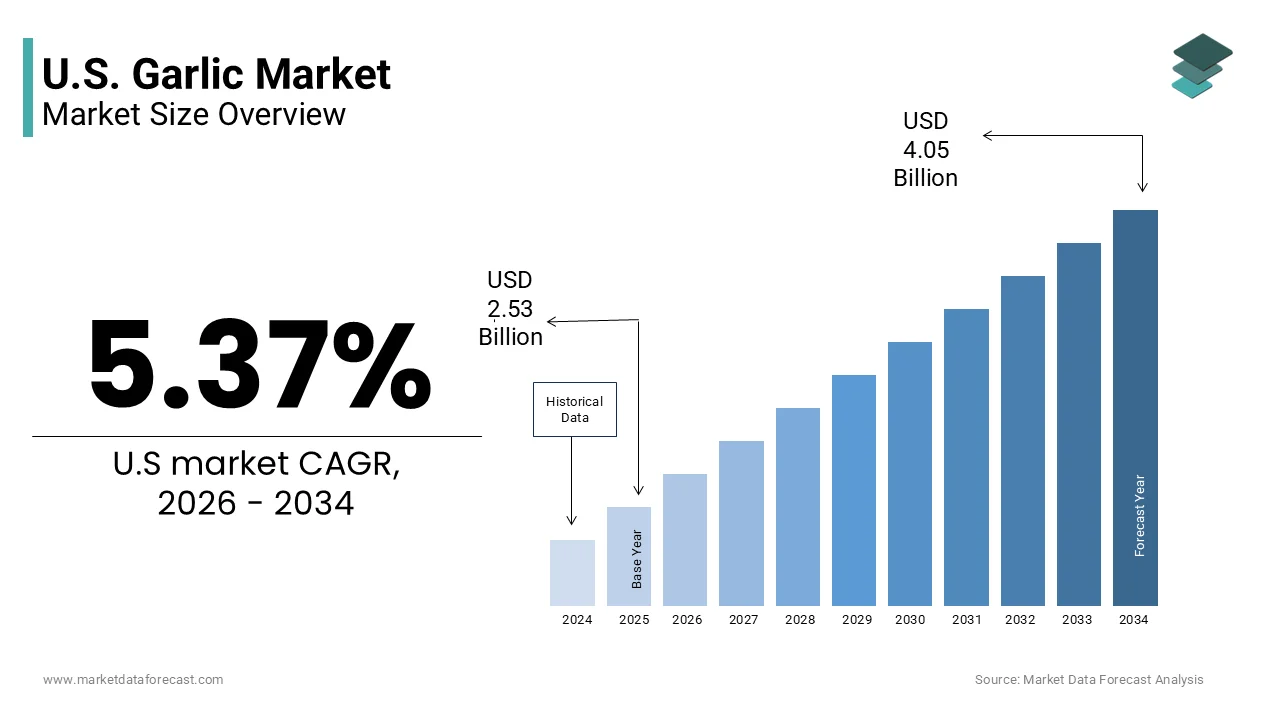
The U.S. garlic market was valued at USD 2.53 billion in 2025, is estimated to reach USD 2.67 billion in 2026, and is projected to reach USD 4.05 billion by 2034, growing at a CAGR of 5.37% during the forecast period. Market growth is driven by increasing consumer awareness regarding health benefits associated with garlic consumption, rising demand for fresh and processed garlic products, and growing adoption of garlic across food processing and culinary applications. Garlic remains an essential ingredient in households and commercial food preparation due to its flavor enhancement properties and nutritional value. Rising demand for organic products and value added garlic solutions is further supporting market expansion across the United States.
Key Market Trends
- Growing consumer awareness regarding health and wellness benefits is driving market growth.
- Increasing demand for fresh and processed garlic products is boosting market expansion.
- Rising adoption of garlic in food processing and culinary applications is supporting industry development.
- Expansion of organic food consumption is enhancing market opportunities.
- Innovation in value added garlic products and convenience packaging is influencing market advancement.
Segmental Insights
- Based on type, the softneck garlic segment accounted for the dominant share of the U.S. garlic market in 2025. This dominance is attributed to longer shelf life, higher yield potential, and widespread commercial cultivation.
- Based on distribution channel, the offline distribution segment held 44.8% of the U.S. garlic market share in 2025, supported by strong retail presence and consumer purchasing preferences through physical stores.
Regional Insights
- The U.S. garlic market continues to experience stable growth due to increasing food consumption trends, growing demand for natural flavoring ingredients, and expanding interest in health focused dietary products.
Competitive Landscape
The U.S. garlic market is moderately competitive, with companies focusing on production expansion, quality enhancement, and value added product development to strengthen their market position. Manufacturers continue investing in supply chain optimization and diversified garlic product portfolios. Prominent players in the U.S. garlic market include Christopher Ranch, The Garlic Company LLC, California Garlic Company, Spice World, Garlic Solutions, McCormick & Company, Italian Rose Garlic Products, and Filaree Garlic Farm.
U.S. Garlic Market Size
The U.S. garlic market size was valued at USD 2.53 billion in 2025, is estimated to reach USD 2.67 billion in 2026, and is projected to reach USD 4.05 billion by 2034, growing at a CAGR of 5.37%.
The garlic is a Allium sativum, a pungent bulbous plant widely utilized for culinary medicinal and industrial purposes. Garlic, serves as a fundamental ingredient in American cuisine appearing in forms ranging from fresh bulbs to dehydrated flakes powders and oils. According to the United States Department of Agriculture California, produces approximately 90% of the nation's commercial garlic crop with Kern County being the primary growing region. The National Agricultural Statistics Service indicates that US farmers harvested roughly 180 million pounds of garlic in the most recent reporting year, reflecting the scale of domestic agricultural output. The regulates garlic products under strict food safety guidelines by ensuring quality and preventing contamination from pathogens, such as Salmonella. The foodborne illnesses linked to produce have prompted enhanced traceability requirements, across the supply chain. The cultural integration of garlic into diverse ethnic cuisines, including Italian, Mexican, and Asian dishes, drives consistent household consumption.
MARKET DRIVERS
Increasing Consumer Preference for Health and Wellness Products
The growing consumer emphasis on health and wellness due to the recognized medicinal properties of Allium sativum is fuelling the growth of the United States garlic market. Garlic is rich in antioxidants and organosulfur compounds, such as allicin, which are associated with cardiovascular health immune system support and anti-inflammatory effects. The numerous clinical studies have demonstrated that regular garlic consumption can help lower blood pressure and reduce cholesterol levels contributing to its popularity among health conscious individuals. The aging population in the United States further amplifies this demand, as older adults seek natural remedies to manage chronic conditions without relying solely on pharmaceutical interventions. Additionally, the rise of functional foods has led to the incorporation of garlic powder and oil into snacks beverages and fortified products. The traditional use of garlic for treating respiratory and digestive issues, which validates its role in holistic health practices. Consumers are increasingly reading labels and seeking clean label ingredients making garlic an attractive additive for manufacturers aiming to enhance nutritional profiles. This shift in consumer behavior from reactive treatment to proactive wellness ensures sustained demand for both fresh garlic and value-added derivatives. The integration of garlic into daily diets for its purported ability to boost immunity, particularly during flu seasons further stabilizes market growth.
Expansion of Ethnic Cuisines and Food Service Industry Demand
The expansion of ethnic cuisines and the robust growth of the food service industry is bolstering the growth of the United States garlic market. Garlic is a foundational ingredient in many global culinary traditions including Italian, Mexican, Indian, Thai, and Chinese cuisines, which have gained immense popularity among American consumers. The food service operators purchase large volumes of processed garlic products, such as minced, peeled, and roasted garlic to ensure consistency and efficiency in kitchen operations. The convenience of pre prepared garlic reduces labor costs and preparation time for restaurants, which is important in a high turnover industry. Furthermore, the proliferation of home cooking trends influenced by social media and culinary television shows has increased household purchases of fresh and specialty garlic varieties. The Specialty Food Association notes that gourmet and artisanal garlic products such as black garlic and fermented pastes are experiencing double digit growth rates as consumers experiment with complex flavors. The diversity of the American population ensures that demand for specific garlic types remains varied and resilient. Additionally, the quick service restaurant sector relies heavily on garlic flavored sauces and seasonings for items like pizza pasta and wings.
MARKET RESTRAINTS
Volatility in Import Prices and Trade Policy Uncertainties
The volatility in import prices and uncertainties surrounding trade policies is limiting the growth of the United States garlic market. The US relies heavily on imported garlic from China, which accounts for a substantial portion of the processed garlic supply due to lower production costs. The fluctuations in tariffs and anti-dumping duties can drastically alter the landed cost of imported garlic creating pricing instability for distributors and retailers. The ongoing trade tensions and periodic reviews of anti-dumping orders create an unpredictable business environment for importers, who must navigate complex regulatory landscapes. These uncertainties often lead to sudden price spikes or supply shortages which disrupt inventory planning for food manufacturers and grocery chains. Additionally currency exchange rate fluctuations between the US dollar and the currencies of major exporting countries further complicate pricing strategies. The Department of Commerce monitors these trade flows closely noting that any restriction on imports can lead to immediate domestic price increases due to the inability of local producers to instantly fill the supply gap. Small and medium sized businesses are particularly vulnerable to these shocks as they lack the financial reserves to absorb sudden cost increases. This economic instability discourages long term contracts and investment in supply chain infrastructure.
Labor Shortages and High Production Costs in Domestic Farming
The labor shortages and high production costs is additionally limiting the growth of the United States garlic market. Garlic cultivation is labor intensive requiring manual planting weeding and harvesting processes that are difficult to mechanize completely. The agricultural sector faces a persistent shortage of seasonal workers exacerbated by stricter immigration policies and changing labor laws. These rising labor costs make domestically produced garlic less competitive against imports from countries with lower labor expenses. Additionally, the cost of inputs, such as water fertilizers and fuel has increased due to inflation and environmental regulations. The drought conditions in California have led to higher irrigation costs and reduced yields further straining farmer profitability. The reliance on manual labor also introduces risks related to worker availability during critical harvest windows potentially leading to crop losses if labor is not secured in time. These structural challenges limit the ability of domestic producers to expand acreage or reduce prices. Many farmers are hesitant to invest in new technologies or expand operations due to the uncertainty of labor supply and rising overheads.
MARKET OPPORTUNITIES
Development of Value Added and Convenience Garlic Products
The development of value-added and convenience garlic products is creating new opportunities for the growth of the United States garlic market. Modern consumers increasingly prioritize convenience and time saving solutions in their cooking routines driving demand for pre-peeled minced jarred and roasted garlic. As per a study, sales of artisanal and premium garlic products, such as black garlic, garlic confit, and infused oils, have grown by 15% annually appealing to gourmet enthusiasts and home chefs. These products offer higher profit margins for manufacturers compared to raw bulk garlic and differentiate brands in a crowded marketplace. Additionally, the rise of meal kit delivery services provides a direct channel for distributing portioned garlic products to households. Companies can leverage advanced packaging technologies to extend shelf life and preserve flavor enhancing the appeal of these convenience items. The expansion of e commerce platforms also allows niche garlic producers to reach national audiences without relying on traditional retail distribution. Furthermore, the introduction of organic and non-GMO certified convenience garlic products aligns with clean label trends attracting health-conscious buyers. This shift towards value addition transforms garlic from a commodity into a specialized culinary ingredient offering diverse revenue streams.
Growth in Organic and Sustainable Garlic Cultivation
The growth in organic and sustainable garlic cultivation, as consumers increasingly prioritize environmentally friendly and chemical free food sources is another attribute to escalate new opportunities for the growth of the United States garlic market. The sales of organic produce in the United States have consistently outpaced conventional produce growth with garlic being a notable beneficiary of this trend. Additionally, sustainability certifications, such as Regenerative Organic Certified appeal to eco conscious buyers who are concerned about soil health and biodiversity. The Environmental Working Group lists conventional garlic, as a crop with moderate pesticide residue levels, which motivates some consumers to switch to organic options. Retailers are expanding their organic sections to meet this demand creating more shelf space for certified products. Furthermore, partnerships between local farms and community supported agriculture programs allow consumers to buy directly from growers fostering trust and transparency. The adoption of sustainable farming practices such as cover cropping and reduced tillage also enhances soil quality ensuring long term productivity.
MARKET CHALLENGES
Threat of Pests and Diseases Impacting Crop Yields
The threat of pests and diseases by potentially devastating crop yields and quality, which is a major challenge for the growth of the United States garlic market. White rot caused by the fungus Sclerotium cepivorum is one of the most destructive diseases affecting garlic and can persist in the soil for decades rendering land unsuitable for cultivation. The white rot has been identified in several California counties leading to significant acreage loss and increased management costs for farmers. The other pathogens, such as fusarium, basal rot, and nematodes, also threaten garlic crops by reducing bulb size and marketability. Climate change exacerbates these challenges by creating favorable conditions for pest proliferation and disease spread. Warmer winters and erratic rainfall patterns disrupt the dormancy cycles of pests allowing them to survive and multiply more effectively. The use of certain chemical fumigants and pesticides due to environmental and health concerns limiting the tools available for disease control. Farmers must rely on integrated pest management strategies, which are often more complex and costly than conventional chemical treatments. Additionally, the lack of resistant garlic varieties complicates efforts to mitigate disease impact. Outbreaks can lead to sudden supply shortages and price volatility affecting both domestic and imported markets. The financial burden of managing these biological threats reduces profitability for growers and creates uncertainty in supply chains.
Quality Consistency Issues in Imported Garlic Supplies
The quality consistency issues in imported garlic supplies by affecting consumer trust and brand reputation is additionally to enhance the growth of the United States garlic market. A significant portion of processed garlic in the US is sourced from international suppliers, where quality control standards may vary significantly from domestic expectations. The imported garlic has occasionally been subject to recalls due to contamination with heavy metals, such as lead or excessive pesticide residues. The inspections reveal inconsistencies in bulb size cleanliness and freshness among imported shipments leading to higher rejection rates and waste for distributors. Consumers often perceive imported garlic as inferior in flavor and aroma compared to fresh domestic varieties, which can hinder market acceptance for certain product lines. The long transportation times required for overseas shipping also increase the risk of spoilage and mold growth particularly if cold chain logistics are not strictly maintained. Additionally, labeling discrepancies and fraud such as misrepresenting the origin of garlic create legal and ethical complications for retailers. The Global Food Safety Initiative emphasizes the need for rigorous supply chain auditing to ensure compliance with safety standards. However, enforcing these standards across multiple international jurisdictions remains difficult. These quality issues force US companies to invest heavily in testing and inspection protocols increasing operational costs.
REPORT COVERAGE
| REPORT METRIC | DETAILS |
| Market Size Available | 2025 to 2034 |
| Base Year | 2025 |
| Forecast Period | 2026 to 2034 |
| CAGR | 5.37% |
| Segments Covered | By Type, Distribution Channel, and Region. |
| Various Analyses Covered | Global, Regional and Country-Level Analysis, Segment-Level Analysis, Drivers, Restraints, Opportunities, Challenges; PESTLE Analysis; Porter’s Five Forces Analysis, Competitive Landscape, Analyst Overview of Investment Opportunities |
| Countries Covered | California, Washington, Oregon, New York, United States |
| Market Leaders Profiled | Christopher Ranch, The Garlic Company LLC, California Garlic Company, Spice World, Garlic Solutions, McCormick & Company, Italian Rose Garlic Products, and Filaree Garlic Farm |
SEGMENTAL ANALYSIS
By Type Insights
The softneck garlic segment was accounted in holding a dominant share of the United States garlic market in 2025 with its superior storage capabilities and adaptability to mechanical harvesting which aligns with the needs of large scale commercial agriculture. The extended shelf life of softneck varieties, which allows for year round availability in retail sector. The softneck garlic can be stored for up to nine months under proper conditions compared to only three to five months for hardneck varieties. This longevity reduces post-harvest losses and enables distributors to maintain consistent supply chains throughout the winter and spring months when domestic fresh harvest is unavailable. The high yield potential and ease of cultivation in diverse climates, particularly in California, which produces the majority of garlic. The softneck varieties, such as Silverskin and Artichoke types thrive in the mild winters and warm springs of Central California by allowing for dense planting and efficient mechanical harvesting. These varieties produce more cloves per bulb and have flexible necks that are ideal for braiding and automated processing into peeled or minced products. The compatibility of softneck garlic with industrial processing equipment makes it the preferred choice for manufacturers of dehydrated garlic powders and flakes.
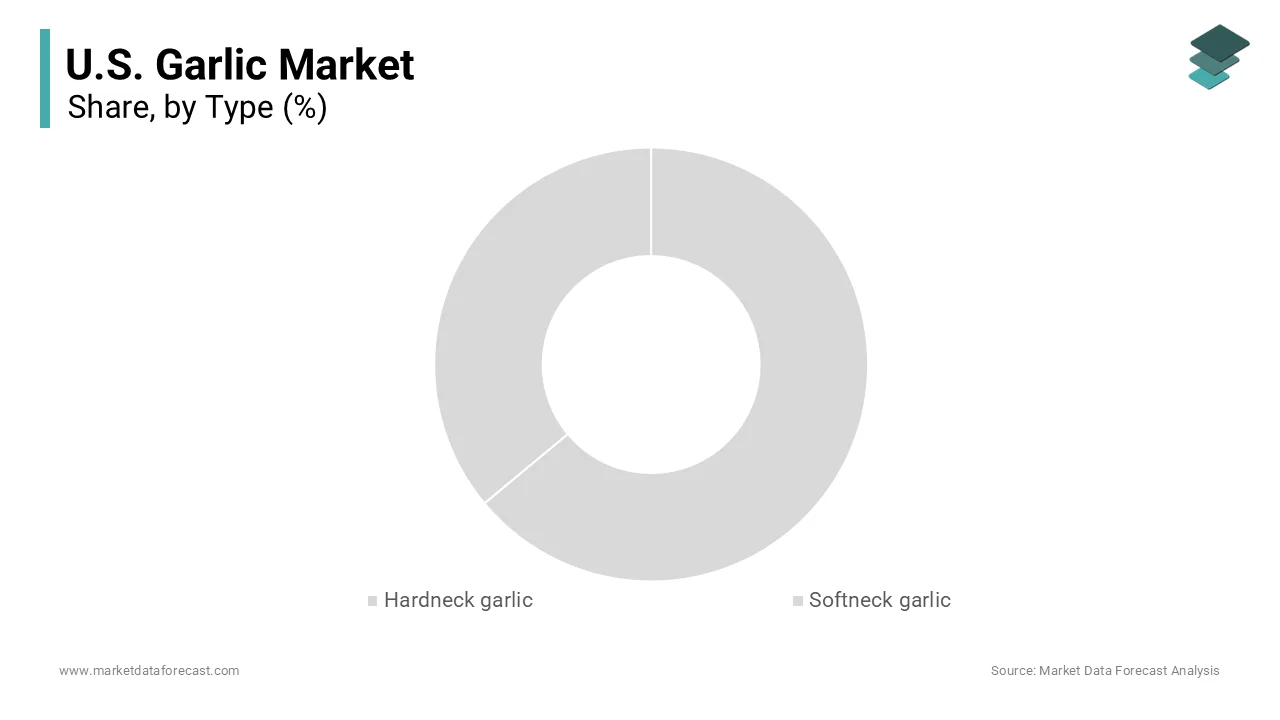
The hardneck garlic segment is projected to register a fastest CAGR of 6.2% from 2026 to 2034 owing to the rising demand for gourmet and specialty food ingredients among discerning consumers and chefs. The superior flavor profile and culinary versatility of hardneck varieties, such as Rocambole, Porcelain, and Purple Stripe. The sales of artisanal and heirloom garlic varieties have increased significantly as home cooks and professional chefs seek unique tastes and aromas that softneck garlic cannot provide. Hardneck garlic is prized for its complex spicy and sweet notes, which enhance high end dishes and fermented products like black garlic. The second driving factor is the increasing popularity of farmers and community supported agriculture programs, which connect consumers directly with local growers. The number of farmers in the US has grown steadily providing a platform for small scale farmers to sell niche hardneck varieties that are not suitable for mass distribution. These direct channels allow growers to educate consumers about the benefits of hardneck garlic including its easier peeling characteristics and larger clove size. Additionally, the emergence of culinary tourism and farm to table dining experiences has elevated the status of hardneck garlic as a premium ingredient.
By Distribution Channel Insights
The offline distribution segment was accounted in holding 44.8% of the United States garlic market share in 2025 with the traditional consumer behavior of purchasing fresh produce through physical retail outlets, where sensory evaluation is possible. The extensive network of supermarkets grocery stores and wholesale clubs that serve as the primary source of groceries for American households is driving the growth of the segment. According to the Food Marketing Institute, over 85% of consumers prefer to buy fresh fruits and vegetables in person to assess quality freshness and size before purchase. Garlic being a perishable commodity benefits from this tactile inspection process which builds consumer confidence in the product. The second factor is the immediate availability and convenience offered by brick and mortar stores. The fresh produce sections in supermarkets are high traffic areas, where impulse purchases frequently occur. Retailers strategically place garlic near other cooking essentials such as onions and potatoes facilitating bundle purchases. Additionally, the presence of bulk bins and pre-packaged options in stores caters to diverse consumer preferences ranging from single bulbs to large bags for family use. The established logistics infrastructure for cold chain management ensures that offline retailers can maintain consistent stock levels and product quality. Furthermore, many consumers still rely on weekly shopping routines that prioritize physical store visits for fresh items.
The online segment is esteemed to grow at a fastest CAGR of 12.5% from 2026 to 2034 owing to the increasing adoption of e-commerce platforms for grocery shopping and the rise of direct to consumer agricultural models. The convenience and variety offered by online retailers, which allow consumers to access specialty and organic garlic products that may not be available in local stores. The online grocery sales have surged in recent years with a significant portion of consumers, now subscribing to regular delivery services for fresh produce. Platforms, such as Amazon Fresh, Instacart, and Thrive, provide easy access to premium garlic brands and bulk options with home delivery. The second driving factor is the growth of direct-to-consumer sales from farms through websites and subscription boxes. Many small-scale garlic growers have established online storefronts to reach national audiences bypassing traditional intermediaries. This model allows farmers to offer heirloom and hardneck varieties directly to enthusiasts who value traceability and sustainability. Additionally, the integration of social media marketing and influencer partnerships has raised awareness of unique garlic products driving online traffic. The ability to compare prices read reviews and access detailed product information further enhances the online shopping experience.
COMPETITIVE LANDSCAPE
The competition in the United States garlic market is characterized by a mix of large domestic producers and international importers vying for share. Domestic companies leverage their proximity to consumers and ability to offer fresh high-quality products to differentiate themselves from imported alternatives. International suppliers particularly from China compete primarily on price offering lower cost processed garlic products that appeal to budget conscious buyers. The market sees intense rivalry in the processed segment where manufacturers strive to optimize production efficiency and reduce costs. Brand recognition and quality consistency are crucial differentiators for domestic players who emphasize safety and sustainability. Retailers play a significant role in shaping competition by selecting suppliers based on price reliability and consumer preference. Private label brands also contribute to competitive pressure by offering affordable options alongside established names. Innovation in product formats, such as organic black garlic and convenience packs drives differentiation. Regulatory compliance and food safety standards further influence competitive dynamics as companies invest in certification and testing.
KEY MARKET PLAYERS
Some of the companies that are playing a dominating role in the U.S. garlic market are
- Christopher Ranch
- The Garlic Company LLC
- California Garlic Company
- Spice World
- Garlic Solutions
- McCormick & Company
- Italian Rose Garlic Products
- Filaree Garlic Farm
Top Players in the Market
- Christopher Ranch stands as a prominent family-owned garlic producer based in California contributing significantly to the domestic supply of fresh and processed garlic. The company cultivates thousands of acres of garlic utilizing sustainable farming practices to ensure high quality bulbs. Recent actions include expanding their value-added product lines such as jarred minced garlic and organic options to meet evolving consumer preferences. Christopher Ranch has also invested in advanced processing technologies to improve efficiency and maintain freshness during packaging. Their commitment to environmental stewardship is evident in water conservation initiatives and soil health programs. Strategic partnerships with major retail chains have expanded their distribution network nationwide. These efforts strengthen their market position by offering reliable and premium garlic products to American households and food service providers, while supporting local agricultural communities.
- The Garlic Company operates as a key player in the United States garlic market specializing in the production and distribution of high-quality garlic products. Based in California the company focuses on delivering fresh garlic bulbs, as well as dehydrated forms including powder flakes and granules. Recent initiatives involve enhancing their supply chain logistics to ensure timely delivery and product freshness across regional markets. The Garlic Company has also introduced innovative packaging solutions that extend shelf life and reduce waste aligning with sustainability goals. They actively participate in industry trade shows to showcase new products and build relationships with distributors. Their emphasis on quality control and customer service has earned them a reputation for reliability among commercial buyers.
- Vessey and Company Incorporated is a leading agricultural enterprise in California known for its substantial contribution to the US garlic market through large scale production and processing. The company grows a wide variety of garlic types catering to both fresh market and industrial processing needs. Recent actions include upgrading their harvesting and cleaning facilities to increase operational efficiency and reduce labor dependency. Vessey and Company has also focused on developing strong relationships with food manufacturers who require consistent supplies of dehydrated garlic ingredients. Their investment in research and development aims to improve crop yields and resistance to diseases by ensuring stable production levels. The company prioritizes sustainable farming methods, such as integrated pest management to minimize environmental impact. These efforts reinforce their position as a trusted supplier in the United States garlic sector supporting both domestic consumption and international trade demands.
Top Strategies Used by Key Market Participants
Key players in the United States garlic market employ diverse strategies to enhance competitiveness and drive growth. Manufacturers prioritize vertical integration by controlling cultivation processing and distribution to ensure quality and reduce costs. Companies invest in sustainable farming practices such as water conservation and organic certification to appeal to environmentally conscious consumers. Product diversification is a major focus with firms expanding into value added items like peeled jarred and dehydrated garlic. Strategic partnerships with retail chains and food service providers expand market reach and ensure steady demand. Innovation in packaging technologies helps extend shelf life and maintain product freshness during transportation. Digital marketing and e-commerce platforms are utilized to connect directly with consumers and promote specialty varieties. Quality assurance programs and traceability systems build consumer trust and brand loyalty. These multifaceted approaches enable companies to adapt to market trends and maintain strong positions in the industry.
MARKET SEGMENTATION
This research report on the U.S. garlic market is segmented and sub-segmented into the following categories.
By Type
- Hardneck garlic
- Softneck garlic
By Distribution Channel
- Offline
- Online
By Country
- California
- Washington
- Oregon
- New York
- Rest of the United States