- Product Description Description
- Table of Contents TOC
- List of Table & Figure LOT
- Get Free Sample PDF Sample PDF
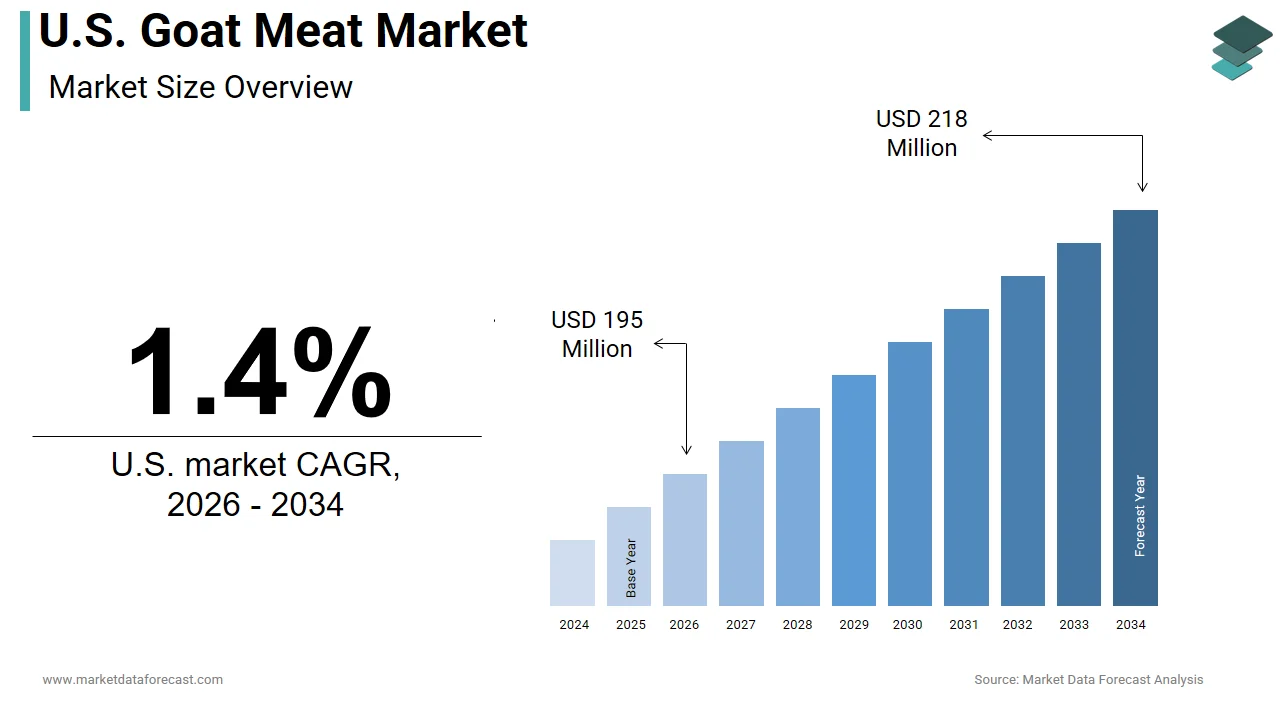
Market Size, 2025
$192 MnMarket Estimate, 2026
$195 MnMarket Forecast, 2034
$218 MnCAGR, 2026–2034
1.4%Executive Summary: U.S. Goat Meat Market Analysis & Growth Forecast (2026-2034)
- Market Scope: Comprehensive U.S. goat meat industry analysis covering product types, distribution channels, end-user segments, and key demographic and health-related adoption drivers.
- Market Valuation: Valued at USD 192 million in 2025, estimated at USD 195 million in 2026, and projected to reach USD 218 million by 2034, registering a steady CAGR of 1.4% from 2026 to 2034.
- Primary Growth Drivers: Substantial expansion of ethnic populations with heritage culinary traditions, increasing health consciousness and preference for lean protein, and rising demand during cultural and religious festivities.
Key U.S. Goat Meat Market Segment Metrics (2026-2034)
| Category | Leading Segment (2025 Position) | Fastest-Growing Segment |
|---|---|---|
| By Product Type | Fresh goat meat (dominated due to strong cultural preferences for unprocessed, high-quality meat retaining natural texture and flavor) | Frozen goat meat (projected to showcase a 5.1% CAGR driven by mainstream retail expansion and extended shelf-life benefits) |
| By Distribution Channel | Specialty stores (captured 41.3% share in 2025, anchored by trusted community connections and ethnic demand) | Online retail (fastest-growing at a 21.5% CAGR, fueled by digital convenience, direct-to-door delivery, and e-commerce expansion) |
| By End-User | Household segment (held 56.7% share in 2025, driven by home cooking practices, bulk purchasing, and cultural celebrations) | Foodservice & commercial dining (scaling via fusion cuisine and specialty restaurant menus) |
Major U.S. Goat Meat Market Players & Industry Structure
Market Structure: Highly specialized global trade and domestic distribution landscape characterized by heavy reliance on imported stock (primarily from Australia) alongside local artisanal farming, specialty butcher networks, and emerging online retail channels.
Key Companies: Superior Farms, Thomas Foods International, Silver Fern Farms, Allanasons Pvt Ltd, JBS Australia, Zandbergen World's Finest Meat, Dunbia Group, Colorado Premium Foods, Irish Country Meats, Farmers Fresh Ltd, Mountain States Rosen LLC, and The Lamb Company.
 Download Free Sample Report
U.S. Goat Meat Market Size
The U.S. goat meat market was valued at USD 192 million in 2025, is estimated to reach USD 195 million in 2026, and is projected to reach USD 218 million by 2034, growing at a CAGR of 1.4% from 2026 to 2034.
Goat meat also known as chevon or cabrito is defined as the flesh of domestic goats and is prized for its lean profile and distinct flavour profile which varies based on the age and diet of the animal. This sector is deeply intertwined with the demographic fabric of the nation particularly serving communities with heritage from Latin America the Caribbean Africa and South Asia. According to the United States Department of Agriculture the domestic production of goat meat remains limited with the majority of supply sourced through imports to meet consumer needs. The cultural importance of this protein is evident during religious and festive occasions such as Eid al Adha Christmas and Easter where consumption spikes significantly. Data from the US Census Bureau indicates that the Hispanic and Asian American populations are among the fastest growing demographic groups in the country creating a expanding base of traditional consumers. Furthermore the National Institutes of Health notes that goat meat is lower in saturated fat and calories compared to beef and pork aligning with increasing health consciousness among diverse consumer segments. The market operates within a complex supply chain that balances local artisanal farming with international trade dynamics. As per the Food and Agriculture Organization of the United Nations global goat populations continue to rise reflecting the animal's adaptability and economic importance in rural agriculture which indirectly influences availability and pricing structures in the American marketplace.
MARKET DRIVERS
Growing Ethnic Population and Cultural Dietary Preferences
The substantial growth of ethnic populations is the main driver of the United States goat meat market. Their culinary traditions prominently feature goat as a staple protein. Communities originating from countries such as Mexico Jamaica Nigeria India and Pakistan maintain strong dietary preferences for goat meat which is central to their cultural identity and celebratory meals. According to the U.S. Census Bureau, the Hispanic population in the United States reached approximately 66.7 million by 2025, representing nearly 20 percent of the total population. This demographic expansion directly correlates with increased demand for authentic ingredients including goat meat for dishes such as barbacoa curries and stews. Similarly the Asian American population has grown significantly with Indian and Pakistani communities specifically driving demand for goat during religious festivals and weekly family gatherings. Research indicates that immigrants and their descendants are more likely to consume traditional meats compared to the general population ensuring a consistent and loyal customer base. The concentration of these communities in urban centers such as New York Los Angeles and Houston creates localized hubs of high demand that sustain specialized butcher shops and ethnic grocery stores. As these populations continue to grow and establish deeper roots in American society the preservation of culinary traditions ensures that goat meat remains a essential component of household food budgets. This demographic momentum provides a stable foundation for market growth independent of broader trends in mainstream meat consumption.
Increasing Health Consciousness and Demand for Lean Proteins
Health consciousness among American consumers is accelerating the adoption of goat meat, which propels the growth of the United States goat meat market. Consequently, it is becoming a preferred alternative to heavier red meats like beef and pork. Goat meat is naturally leaner containing less total fat and saturated fat while offering comparable levels of protein and essential nutrients such as iron and vitamin B12. According to the United States Department of Agriculture nutritional data reveals that a three ounce serving of cooked goat meat contains approximately 2 grams of total fat compared to 9 grams in beef and 7 grams in pork. This nutritional profile appeals to health aware individuals managing conditions such as hypertension high cholesterol and obesity which are prevalent concerns in the United States. The Centers for Disease Control and Prevention states that more than 40 percent of American adults are obese prompting a shift toward healthier dietary choices that do not compromise on taste or satiety. Furthermore the rise of paleo and keto diets has encouraged consumers to seek out high quality unprocessed protein sources that align with their macronutrient goals. Goat meat fits these criteria effectively as it is often raised on natural pastures without the use of hormones or antibiotics commonly found in industrial beef production. As per the International Food Information Council a majority of consumers are actively trying to improve their health through diet making them more open to exploring alternative meats. This convergence of nutritional benefits and dietary trends positions goat meat as a viable and attractive option for health focused shoppers expanding its appeal beyond traditional ethnic markets.
MARKET RESTRAINTS
Limited Domestic Production and Supply Chain Constraints
The limited domestic production capacity is a significant barrier to the United States goat meat market. This failure to meet growing demand results in heavy reliance on imports. Unlike cattle and pigs which are raised on an industrial scale in the US goat farming remains largely fragmented and small scale. According to the USDA NASS Sheep and Goats Report (January 2026), there are approximately 2.51 million goats in the country. However, unlike dairy or fiber sectors, the meat goat segment accounts for roughly 2.01 million head. The lack of specialized infrastructure for processing and distributing goat meat creates barriers in the supply chain. Most small farmers lack access to USDA inspected facilities that can handle goat slaughter leading to inconsistencies in availability and quality. The National Agricultural Statistics Service and USDA Foreign Agricultural Service indicates that domestic goat meat production meets only about 30% of demand, with the vast majority of imports, nearly 98%, sourced specifically from Australia. This dependence on foreign suppliers exposes the market to volatility in international prices shipping costs and trade policies. Additionally the seasonal nature of goat breeding means that supply fluctuates throughout the year causing shortages during peak demand periods such as religious holidays. The absence of a consolidated domestic industry prevents economies of scale that could lower costs and stabilize supply. As per the Economic Research Service the logistical challenges of collecting animals from scattered small farms further complicate distribution. These structural limitations constrain market growth and keep prices elevated compared to other mainstream meats.
High Retail Prices and Cost Sensitivity
The high retail price of goat meat limits its accessibility to budget-conscious consumers and hinders the expansion of the United States goat meat market. Consequently, this restricts market penetration beyond niche demographics. Due to the limited supply and higher processing costs associated with small scale operations goat meat is typically priced significantly higher than beef chicken or pork. According to the Bureau of Labor Statistics the average price per pound for goat meat can be two to three times higher than conventional beef cuts making it a luxury item for many households. This price disparity discourages trial among non traditional consumers who may be curious about the product but are deterred by the cost. Inflationary pressures on household budgets have further exacerbated this issue with the Consumer Price Index showing significant increases in food prices across all categories. As per the Federal Reserve economic data rising interest rates and inflation have reduced disposable income for middle and lower income families leading them to prioritize cheaper protein sources. The perception of goat meat as an expensive specialty item rather than a everyday staple limits its frequency of purchase even among loyal customers. Retailers often hesitate to stock large quantities due to the risk of spoilage and slower turnover rates compared to high volume meats. This economic barrier prevents goat meat from achieving mainstream status and confines it to specific ethnic enclaves where cultural necessity outweighs cost considerations. Production efficiencies must improve and prices must become more competitive. Otherwise, the market will struggle to expand its consumer base.
MARKET OPPORTUNITIES
Expansion into Mainstream Retail and Culinary Channels
Its expansion into mainstream retail outlets and contemporary culinary channels beyond ethnic grocery stores is offering a significant opportunity for the United States goat meat market. As consumer palates become more adventurous and global cuisines gain popularity there is growing interest in incorporating goat meat into diverse culinary applications. Major supermarket chains and warehouse clubs are increasingly recognizing the potential of this segment and are beginning to stock goat meat in their international or specialty meat sections. According to the Food Marketing Institute retailers are expanding their ethnic food offerings to attract diverse shoppers and differentiate their assortments. This trend provides an avenue for goat meat producers to reach a broader audience including foodies and home cooks experimenting with new recipes. Additionally the restaurant industry presents a vast opportunity with chefs integrating goat into fusion dishes and upscale menus. Data from the National Restaurant Association indicates that global flavors and unique proteins are key trends driving menu innovation. By positioning goat meat as a gourmet ingredient rather than solely an ethnic staple brands can elevate its perceived value and appeal. Collaborations with celebrity chefs and cooking shows can further normalize goat meat in American kitchens. As per the Specialty Food Association products that offer unique culinary experiences are gaining traction among millennials and Gen Z consumers. This strategic shift toward mainstream visibility can drive volume growth and reduce the stigma associated with goat meat as a niche product.
Development of Value Added and Convenient Products
The development of value added and convenient goat meat products is paving the way to attract time constrained consumers and simplify preparation, which is promoting the expansion of the United States goat meat market. Traditional goat meat cuts often require lengthy marinating and slow cooking methods which can be daunting for inexperienced cooks. By offering pre marinated cuts ready to cook kebabs sausages and ground goat meat manufacturers can lower the barrier to entry and enhance convenience. According to the International Food Information Council convenience is a top priority for modern shoppers who seek meal solutions that save time without sacrificing quality. Ready to eat or heat and serve goat meat dishes can appeal to younger demographics and working professionals who appreciate authentic flavors but lack the time for traditional preparation. Data from NielsenIQ shows that value added meat products are experiencing faster growth rates compared to raw cuts due to their ease of use. Furthermore packaging innovations such as vacuum sealed portions and clear cooking instructions can enhance consumer confidence and reduce waste. Brands can also explore frozen goat meat options which extend shelf life and allow for wider distribution across regions with limited fresh supply. As per the American Meat Science Association advancements in tenderization technologies can improve the texture of goat meat making it more appealing to first time buyers. The market can unlock new usage occasions and drive repeat purchases by focusing on convenience and usability. This approach will appeal to a wider array of consumers.
MARKET CHALLENGES
Lack of Standardization and Quality Consistency
The lack of standardized grading and consistent quality is a major challenge in the United States goat meat market. Therefore, this confuses consumers and hinders brand loyalty. Unlike beef which has a well established USDA grading system based on marbling and maturity goat meat lacks a uniform classification framework. According to the United States Department of Agriculture there are no specific grade standards for goat meat leading to variations in tenderness flavor and appearance across different suppliers. This inconsistency makes it difficult for retailers to ensure product quality and for consumers to know what they are purchasing. Data from the North American Meat Institute indicates that variability in animal age breed and diet significantly impacts the final product characteristics creating unpredictability in the consumer experience. Older goats often have tougher meat and stronger flavors which can discourage first time buyers expecting a milder taste. The absence of clear labeling regarding age such as kid versus mature goat further complicates purchasing decisions. As per the USDA Food Safety and Inspection Service (FSIS), inconsistent labeling and marketing claims regarding origin and production methods can lead to consumer dissatisfaction and mistrust in the specialty meat sector. Without standardized grades it is challenging for producers to command premium prices for high quality products or for buyers to distinguish between superior and inferior cuts. This lack of uniformity impedes the professionalization of the industry and limits its ability to compete with highly standardized commodities like chicken and beef. Establishing clear quality benchmarks is essential for building consumer confidence and facilitating market expansion.
Regulatory Hurdles and Processing Infrastructure Deficits
Regulatory hurdles and deficits in processing infrastructure negatively impact the scalability of the United States goat meat market. Small scale goat farmers often struggle to access USDA inspected processing facilities which are required for selling meat across state lines and in major retail channels. According to the Food Safety and Inspection Service there is a shortage of small and mobile processing units capable of handling goats leading to long wait times and high transportation costs for farmers. This bottleneck restricts the ability of local producers to expand their market reach and compete with imported products. Data from the National Sustainable Agriculture Coalition highlights that regulatory compliance costs are disproportionately high for small operators creating barriers to entry and growth. Additionally varying state regulations regarding on farm slaughter and direct sales create a fragmented legal landscape that complicates business operations. The lack of dedicated infrastructure for chilling storage and distribution of goat meat further exacerbates supply chain inefficiencies. As per the Rural Policy Research Institute investment in regional processing hubs is critical but remains limited due to low volume perceptions and financial risks. These structural and regulatory constraints prevent the industry from achieving the economies of scale necessary to lower prices and improve availability. The market will remain constrained by logistical inefficiencies and limited domestic capacity. This will continue until policy reforms and infrastructure investments address these gaps.
REPORT COVERAGE
| REPORT METRIC | DETAILS |
| Market Size Available | 2025 to 2034 |
| Base Year | 2025 |
| Forecast Period | 2026 to 2034 |
| Segments Covered | By Product Type, Distribution Channel, End-User, and Country. |
| Various Analyses Covered | Global, Regional, and Country-Level Analysis, Segment-Level Analysis, Drivers, Restraints, Opportunities, Challenges; PESTLE Analysis; Porter’s Five Forces Analysis, Competitive Landscape, Analyst Overview of Investment Opportunities |
| Countries Covered | New York, Massachusetts, Pennsylvania, Illinois, Ohio, Michigan, Texas, Florida, Georgia, California, Washington, Colorado. |
| Market Leaders Profiled | Allanasons Pvt Ltd, Thomas Foods International, Silver Fern Farms, Viking Lamb Ltd, JBS Australia, Superior Farms, Zandbergen World's Finest Meat, Dunbia Group, Glen Aine Foods, Colorado Premium Foods, Foyle Food Group, Irish Country Meats, Farmers Fresh Ltd, Mountain States Rosen LLC, Elliott Agriculture Ltd, Midwest Meats Processors, Greenlea Premier Meats, The Lamb Company, Blue Sky Meats (NZ) Ltd, Alliance Group Ltd, SBA Foods, Agroprodex S.A. |
SEGMENTAL ANALYSIS
By Product Type Insights
The fresh goat meat segment dominated the United States goat meat market in 2025 by accounting for a substantial share. This dominance was mainly driven by a strong cultural preference among ethnic communities for high-quality, unprocessed protein that retains its natural texture and flavor. Consumers from South Asian Caribbean and African backgrounds traditionally purchase whole carcasses or specific cuts from local butchers to ensure freshness for elaborate ceremonial dishes. According to the United States Department of Agriculture fresh meat accounts for the majority of goat meat sales in ethnic enclaves where trust in the butcher is paramount. The sensory experience of selecting fresh meat allows consumers to assess quality based on color and firmness which is critical for traditional recipes requiring slow cooking. Data from the National Agricultural Statistics Service indicates that during peak festival seasons such as Eid al Adha the demand for fresh goat meat surges significantly as families prioritize immediate consumption over storage. This preference is deeply rooted in culinary traditions that view frozen meat as inferior in taste and tenderness. As per the Food Marketing Institute ethnic grocery stores and independent butchers report that fresh goat meat drives foot traffic and customer loyalty because it meets the exacting standards of heritage cooking. The inability of frozen products to replicate the mouthfeel required for dishes like biryani or curry further cements the dominance of the fresh segment. This cultural imperative ensures that fresh goat meat remains the primary choice for the core consumer base despite higher costs and logistical challenges associated with perishability. The dominance of the fresh goat meat segment is further reinforced by the extensive network of specialized local butchers and ethnic markets that cater specifically to this demand. These establishments serve as community hubs where consumers can request custom cuts and receive expert advice on preparation methods. According to the North American Meat Institute independent meat markets play a crucial role in the distribution of specialty meats including goat which are often overlooked by large supermarket chains. The personalized service provided by these butchers builds strong relationships with customers who value authenticity and reliability. Data from the Specialty Food Association shows that independent retailers account for a significant portion of ethnic meat sales due to their ability to source directly from local farms and importers. This direct supply chain ensures that fresh goat meat is available regularly reducing the reliance on long term storage solutions. As per the US Census Bureau the concentration of immigrant populations in urban areas supports a dense network of these specialized outlets making fresh goat meat easily accessible. The immediacy of availability allows for spontaneous purchasing decisions which are common in household meal planning within these communities. Furthermore the social aspect of visiting local butchers fosters a sense of community and cultural continuity. This robust distribution infrastructure ensures that fresh goat meat remains the most visible and accessible product type sustaining its leading position in the market.
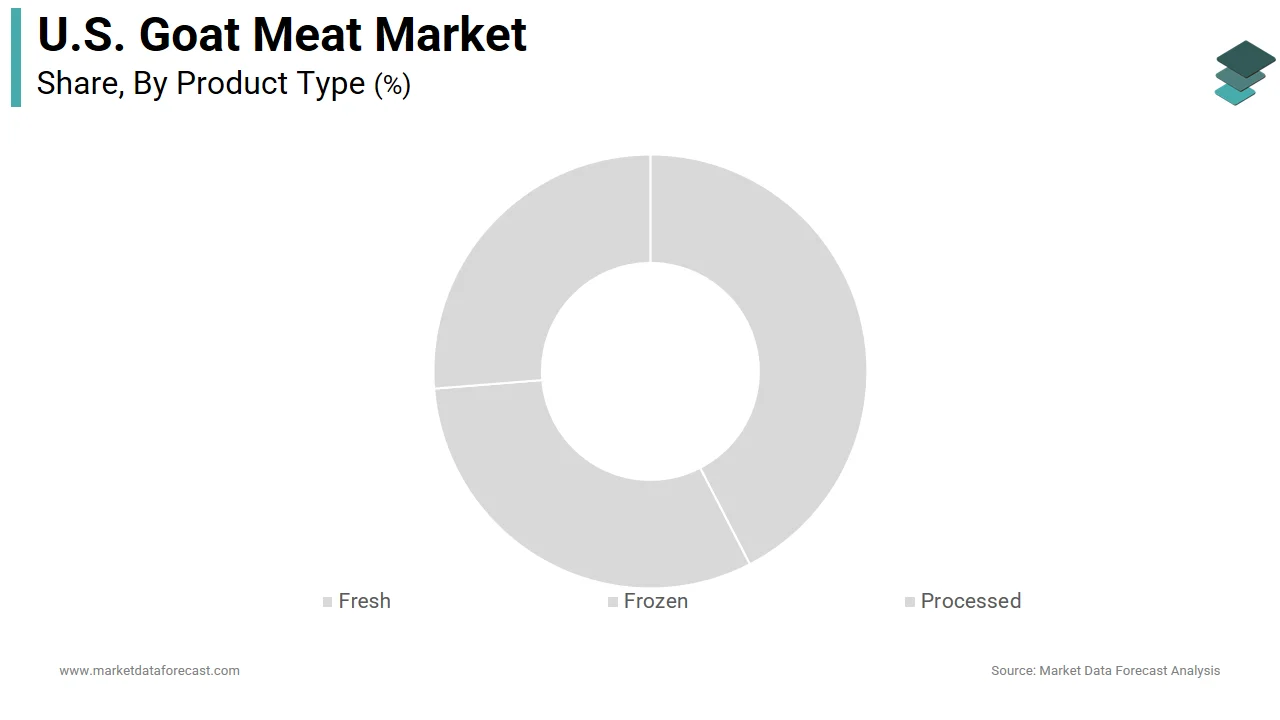
The frozen goat meat segment is predicted to witness the highest CAGR of 5.1% from 2026 to 2034 due to its expansion into mainstream retail channels and the practical benefits of extended shelf life. Supermarkets and warehouse clubs are increasingly stocking frozen goat meat to cater to a broader audience including non ethnic consumers who are experimenting with global cuisines. Frozen goat meat allows retailers to manage inventory more effectively by reducing spoilage risks associated with fresh products. Data from the Food Marketing Institute indicates that frozen sections in major grocery chains are expanding to include diverse international proteins reflecting changing consumer habits. The ability to store goat meat for longer periods enables households to buy in bulk during sales or promotions enhancing cost efficiency. As per the International Food Information Council convenience and value are key drivers for frozen food purchases among busy families. The standardization of packaging in frozen formats also makes it easier for new consumers to try goat meat without the intimidation of selecting raw cuts. This accessibility lowers the barrier to entry for curious shoppers who may not have access to specialized butchers. The growth of e commerce platforms further amplifies this trend by offering home delivery of frozen goods. These factors collectively contribute to the rapid expansion of the frozen segment as it bridges the gap between niche demand and mainstream availability. Logistical efficiency and supply chain stabilization are critical factors driving the rapid growth of the frozen goat meat segment in the United States. Importing frozen goat meat from major producing countries such as Australia and New Zealand allows for consistent supply throughout the year regardless of seasonal fluctuations in domestic production. According to the United States Department of Agriculture frozen imports provide a reliable buffer against domestic shortages ensuring that retailers can meet steady demand. The standardized nature of frozen logistics reduces transportation costs and simplifies handling compared to fresh meat which requires strict temperature control and faster turnover. Data from the Economic Research Service (ERS) indicates that while all imports face global economic pressures, frozen meat inventory acts as a stabilizer, making it generally less susceptible to the extreme, short-term supply disruptions and price spikes seen in the fresh meat market. This stability encourages retailers to commit to larger orders and wider distribution networks. As per the Global Trade Atlas the volume of frozen goat meat imports has increased steadily reflecting the industry's shift toward more predictable supply models. The ability to stockpile frozen inventory allows distributors to smooth out demand spikes during holidays preventing stockouts and price gouging. Furthermore advancements in freezing technology preserve the quality and nutritional value of the meat making it an acceptable alternative for many consumers. These logistical advantages make frozen goat meat an attractive option for both suppliers and retailers driving its status as the fastest growing segment in the market.
By Distribution Channel Insights
The specialty stores segment led the United States goat meat market by capturing a 41.3% share in 2025. This leading position of the segment in the regional market was attributed to the deep trust and authenticity they offer to ethnic communities. These establishments are integral to the cultural fabric of immigrant populations providing products that meet specific religious and culinary requirements. According to the Specialty Food Association ethnic markets are the primary source of goat meat for Hispanic Asian and African American consumers who prioritize Halal or Kosher certification and fresh quality. The personalized service and knowledge provided by staff in these stores create a loyal customer base that relies on them for consistent supply. Data from the National Grocers Association indicates that independent ethnic grocers maintain higher customer retention rates for specialty meats compared to general supermarkets. The ability to source specific cuts or whole animals for festivals strengthens the bond between the retailer and the community. As per the US Census Bureau the growing diversity of the population ensures a steady stream of customers who prefer the familiar shopping experience of specialty stores. These outlets often serve as social centers where consumers exchange recipes and cooking tips reinforcing their role beyond mere transactional spaces. The exclusivity of certain brands and products available only in these stores further drives foot traffic. This combination of cultural relevance product specificity and community engagement ensures that specialty stores remain the dominant channel for goat meat distribution. The spearheading of specialty stores is further supported by their ability to offer a wide variety of goat meat products and customization options that mainstream retailers cannot match. Customers can request specific cuts such as legs shoulders or ribs tailored to their preferred cooking methods which is essential for traditional recipes. According to the North American Meat Institute small independent butchers are more agile in responding to customer requests for custom processing and preparation. This flexibility allows consumers to obtain exactly what they need for complex dishes enhancing their satisfaction and loyalty. According to the USDA Agricultural Marketing Service and industry surveys, specialty stores often carry a broader range of goat ages (suckling kids to mature adults) and types, catering to the diverse culinary preferences of different ethnic groups. The availability of value added products such as marinated cuts or seasoned ground goat also appeals to time constrained shoppers. As per the Specialty Food Association the expertise of butchers in these stores helps educate consumers on preparation techniques fostering confidence in cooking goat meat. The presence of complementary ingredients such as spices and marinades in the same location creates a one stop shop experience that enhances convenience. This comprehensive approach to meeting consumer needs ensures that specialty stores remain the preferred channel for goat meat purchases maintaining their leadership in the distribution landscape.
On the other hand, the online retail segment is estimated to register the fastest CAGR of 21.5% during the forecast period owing to the convenience and accessibility it offers to modern consumers. Digital platforms allow shoppers to browse a wide selection of goat meat products from the comfort of their homes and have them delivered directly to their doorsteps. According to the US Census Bureau e commerce sales have grown significantly as consumers increasingly rely on online shopping for groceries and specialty items. This trend is particularly appealing to younger demographics and busy professionals who value time savings and ease of purchase. The ability to compare prices and read reviews online empowers consumers to make informed decisions and discover new brands. As per the Food Marketing Institute online retailers often offer subscription services and bulk buying options that enhance value and convenience. The reach of online platforms extends beyond urban centers allowing consumers in rural or underserved areas to access goat meat that may not be available locally. This democratization of access broadens the customer base and drives growth in the online segment. The integration of secure payment systems and reliable delivery networks further enhances the user experience making online retail a compelling choice for goat meat purchases. Digital marketing and targeted consumer engagement are pivotal factors accelerating the growth of the online retail channel for goat meat. E commerce platforms utilize data analytics to personalize recommendations and promotions based on consumer preferences and purchasing history. According to the Interactive Advertising Bureau digital advertising allows brands to reach niche audiences with precision increasing conversion rates for specialty products. Social media campaigns featuring recipes and cooking tutorials inspire consumers to try goat meat and direct them to online retailers for purchase. A study shows that a significant portion of consumers discover new food products through social media influencers and online content. This digital ecosystem creates a seamless journey from discovery to purchase enhancing brand visibility and sales. As per the Electronic Commerce Foundation online retailers can leverage customer feedback and ratings to build trust and credibility which is crucial for selling perishable goods. The ability to offer exclusive online deals and limited-edition products further incentivizes digital purchases. These strategic marketing efforts combined with the inherent convenience of online shopping drive the rapid expansion of this channel positioning it as the fastest growing segment in the goat meat market.
By End-User Insights
The household segment held the majority share of 56.7% of the United States goat meat market in 2025. This supremacy of the segment was credited to deep seated cultural traditions and the prevalence of home cooking practices within ethnic communities. Goat meat is a staple in many households where it is prepared for daily meals and special occasions using traditional recipes passed down through generations. According to the Bureau of Labor Statistics household spending on food for home consumption remains a significant portion of overall expenditure reflecting the importance of home cooked meals. The act of preparing goat meat at home allows families to control ingredients and flavors ensuring authenticity and adherence to dietary laws. Data from the Centers for Disease Control and Prevention (CDC) and nutritional health surveys indicate that home cooking is associated with healthier eating habits, aligning with the low-fat, high-protein benefits of goat meat. As per the US Census Bureau larger household sizes in immigrant communities contribute to higher volumes of meat consumption at home. The social aspect of sharing meals prepared from scratch reinforces family bonds and cultural identity. This enduring practice ensures that households remain the primary consumers of goat meat sustaining high demand across various regions. The emotional connection to traditional foods further solidifies the dominance of the household segment in the market. Cost effectiveness and bulk purchasing behavior further reinforce the leadership of the household segment in the goat meat market. Families often buy goat meat in larger quantities such as whole carcasses or half goats during festivals or from local farmers to achieve better value per pound. According to the Consumer Price Index bulk purchasing allows households to mitigate the high retail prices of goat meat by reducing unit costs. This strategy is particularly common among budget conscious consumers who prioritize economical meal planning. Data from the Department of Agriculture shows that household buyers are more likely to engage in direct transactions with producers or wholesalers bypassing retail markups. The ability to freeze excess meat for later use extends the utility of bulk purchases making it a practical option for long term consumption. As per the National Grocers Association independent butchers often offer discounts for large orders encouraging households to buy in volume. This economic incentive drives significant sales volume through the household channel. The combination of cultural necessity and financial prudence ensures that households remain the cornerstone of goat meat consumption maintaining their dominant share in the end user landscape.
However, the food service segment is anticipated to witness the fastest CAGR of 10.9% between 2026 and 2034. This quick surge of the segment can be fuelled by the rise of global cuisine and restaurant innovation. Chefs and restaurateurs are increasingly incorporating goat meat into menus to attract adventurous diners seeking authentic international flavors. According to the National Restaurant Association ethnic and fusion cuisines are among the top trends driving dining out experiences. Goat meat features prominently in dishes from Indian Caribbean Middle Eastern and African restaurants which are gaining popularity across the country. Data from Technomic indicates that consumer interest in trying new and exotic proteins is rising particularly among millennials and Gen Z. The versatility of goat meat allows chefs to create innovative dishes that appeal to diverse palates ranging from curries to tacos. As per the Specialty Food Association the inclusion of goat meat on upscale menus elevates its status and introduces it to non traditional consumers. The growth of fast casual concepts specializing in global street food also contributes to increased demand. This culinary expansion exposes a wider audience to goat meat driving consumption in commercial settings. The dynamic nature of the food service sector ensures that it remains a key driver of market growth. Catering and event based demand are significant factors accelerating the growth of the food service segment for goat meat. Large gatherings such as weddings corporate events and cultural festivals often feature goat meat as a centerpiece dish requiring substantial quantities from catering services. According to the International Caterers Association the demand for diverse and culturally relevant menu options is increasing in the events industry. Goat meat is prized for its ability to feed large groups economically while offering a premium dining experience. Data from the Meeting Professionals International shows that experiential dining is a key component of successful events driving the selection of unique proteins. Catering companies partner with specialized suppliers to ensure consistent quality and timely delivery for these occasions. As per the National Association of Catering Executives the ability to offer authentic ethnic dishes enhances the appeal of catering services to diverse client bases. The scalability of goat meat dishes makes them ideal for buffets and banquets further boosting demand. This segment benefits from the high volume requirements of events which drive significant sales spikes. The growing frequency of social and corporate gatherings ensures that the food service industry continues to expand its consumption of goat meat.
COUNTRY ANALYSIS
U.S. Goat Meat Market Analysis
The United States was the top performer in the North America goat meat market by accounting for a significant share in 2025. This dominance of the U.S. market was driven by its diverse population and robust import infrastructure. The market status is characterized by a heavy reliance on imports to satisfy domestic demand as local production remains insufficient. According to the United States Department of Agriculture (USDA) and Meat & Livestock Australia, the U.S. imports over 70% of its goat meat supply, with nearly 98% of those imports sourced exclusively from Australia. The position of the US is unique in that it serves as a high value destination for premium goat meat products driven by affluent ethnic communities. The market is highly segmented with distinct preferences for fresh versus frozen products depending on the consumer demographic. As per the Food and Agriculture Organization of the United Nations the US is one of the top importers of goat meat globally reflecting its significant role in international trade flows. The regulatory environment is stringent with strict USDA inspections ensuring quality and safety standards are met. This framework builds consumer trust and facilitates the smooth entry of imported goods. The cultural diversity of the nation ensures a steady and growing demand base that is resilient to economic fluctuations. The US market thus acts as a critical anchor for global goat meat exporters influencing pricing and production strategies worldwide. Besides, the main driving factor for the United States goat meat market is the rapid growth of the Hispanic and Asian American populations which directly correlates with increased consumption of traditional meats. According to the U.S. Census Bureau, the Hispanic population has grown to approximately 66.7 million individuals as of 2025, representing a substantial and expanding consumer base for traditional proteins like goat meat. Similarly, the Asian American population continues to rise with significant contributions from Indian Pakistani and Bangladeshi communities who are avid consumers of goat. Research indicates that these demographic groups maintain strong cultural ties to their culinary heritage ensuring consistent demand for authentic ingredients. The frequency of religious and cultural festivals such as Eid Diwali and Christmas further spikes consumption levels creating predictable peaks in market activity. As per the National Institutes of Health the health benefits of goat meat including lower fat content appeal to health conscious consumers within these communities and beyond. The increasing disposable income among these demographic groups allows for higher spending on premium meat products. The concentration of these populations in major metropolitan areas creates dense markets that support specialized retail and distribution networks. These demographic and economic factors combine to drive sustained growth in the US goat meat market establishing it as a vital component of the national food landscape.
COMPETITIVE LANDSCAPE
The competition in the United States goat meat market is characterized by a fragmented landscape comprising imported brands domestic processors and local butchers. Major players compete on product quality consistency and reliability of supply to retain loyal customers within ethnic communities. Imported products from Australia and New Zealand dominate due to their established reputation and competitive pricing. Domestic producers strive to differentiate themselves by offering fresh locally sourced meat that appeals to consumers prioritizing sustainability and freshness. Price sensitivity remains a critical factor influencing purchasing decisions particularly among budget conscious households. Retailers play a significant role in shaping competition by deciding which brands to stock and promote. Innovation in packaging and value added products helps companies stand out in a crowded market. Regulatory compliance and certification such as halal status are essential for gaining trust and accessing specific demographic segments. The lack of dominant national brands allows smaller regional players to thrive by catering to local preferences. This dynamic environment encourages continuous improvement in service and product offerings to meet evolving consumer demands.
KEY MARKET PLAYERS
Some of the companies that are playing a dominating role in the U.S. goat meat market include
- Allanasons Pvt. Ltd.
- Thomas Foods International
- Silver Fern Farms
- Viking Lamb Ltd.
- JBS Australia
- Superior Farms
- Midwest Meats Processors
- Zandbergen World's Finest Meat
- Dunbia Group
- Glen Aine Foods
- Foyle Food Group
- Irish Country Meats
- Colorado Premium Foods
- Farmers Fresh Ltd.
- Mountain States Rosen LLC
- Elliott Agriculture Ltd.
- Greenlea Premier Meats
- The Lamb Company
- Blue Sky Meats (NZ) Ltd.
- Alliance Group Ltd.
- SBA Foods
- Agroprodex S.A.
TOP PLAYERS IN THE MARKET
Superior Farms Pet Provisions plays a pivotal role in the United States goat meat market by leveraging its extensive network of independent producers to ensure consistent supply and quality. The company focuses on sustainable farming practices and ethical sourcing which resonates with conscious consumers. Recent actions include expanding its processing capabilities to handle increased demand for halal certified products. Superior Farms actively collaborates with ethnic retailers to provide fresh cuts tailored to specific cultural preferences. By investing in cold chain logistics the company ensures product freshness and reduces waste. These efforts strengthen its reputation as a reliable supplier and enhance its presence in both retail and food service sectors. The commitment to transparency and traceability further builds trust among buyers seeking high quality goat meat for traditional and modern culinary applications.
Colorado Premium Foods contributes significantly to the US goat meat market through its specialized division dedicated to ethnic and international meats. The company sources goat meat from trusted global suppliers and domestic farms to meet diverse consumer needs. Recent initiatives involve launching value added products such as marinated cuts and ready to cook kits that appeal to busy households. Colorado Premium Foods strengthens its market position by partnering with major supermarket chains to expand distribution beyond niche ethnic stores. The company emphasizes quality control and compliance with strict safety standards ensuring customer satisfaction. By offering competitive pricing and flexible packaging options it attracts a broader customer base. These strategic moves enhance brand visibility and drive growth in the competitive specialty meat sector while maintaining strong relationships with key retail partners.
Midwest Meats Processors is a key player in the United States goat meat market known for its robust processing infrastructure and regional distribution strength. The company serves a wide array of clients including independent butchers grocery stores and restaurants. Recent actions include upgrading facilities to improve efficiency and capacity for handling goat carcasses. Midwest Meats Processors focuses on providing custom cutting services that cater to specific client requirements enhancing customer loyalty. The company actively participates in industry trade shows to showcase its products and build new business connections. By maintaining high standards of hygiene and quality it establishes itself as a preferred supplier in the Midwest and surrounding regions. These efforts solidify its market presence and support the growing demand for goat meat in both urban and rural communities across the country.
TOP STRATEGIES USED BY KEY MARKET PARTICIPANTS
Key players in the United States goat meat market primarily focus on supply chain integration to ensure consistent product availability and quality control. Companies are increasingly investing in cold chain logistics to maintain freshness and reduce spoilage during transportation. Strategic partnerships with ethnic retailers and mainstream supermarkets help expand distribution networks and reach broader consumer bases. Product diversification through value added offerings such as marinated cuts and ready to cook meals appeals to time constrained shoppers. Marketing efforts emphasize cultural authenticity and health benefits to attract both traditional and new consumers. Sustainability initiatives including ethical sourcing and eco friendly packaging enhance brand image and appeal to environmentally conscious buyers. Collaboration with local farmers supports domestic production and reduces reliance on imports. These strategies collectively aim to strengthen market position and drive sustainable growth in a competitive landscape.
MARKET SEGMENTATION
This research report on the U.S. goat meat market has been segmented and sub-segmented into the following categories.
By Product Type
- Fresh
- Frozen
- Processed
By Distribution Channel
- Supermarkets/Hypermarkets
- Specialty Stores
- Online Retail
- Others
By End-User
- Household
- Food Service Industry
- Others
By Country
- New York
- Texas
- Florida
- Georgia
- California
- Rest of U.S.