- Product Description Description
- Table of Contents TOC
- List of Table & Figure LOT
- Get Free Sample PDF Sample PDF
Market Size, 2025
$8.76 BnMarket Estimate, 2026
$9.26 BnMarket Forecast, 2034
$14.45 BnCAGR, 2026–2034
5.72%Global Medical Adhesive Tapes Market Report Summary
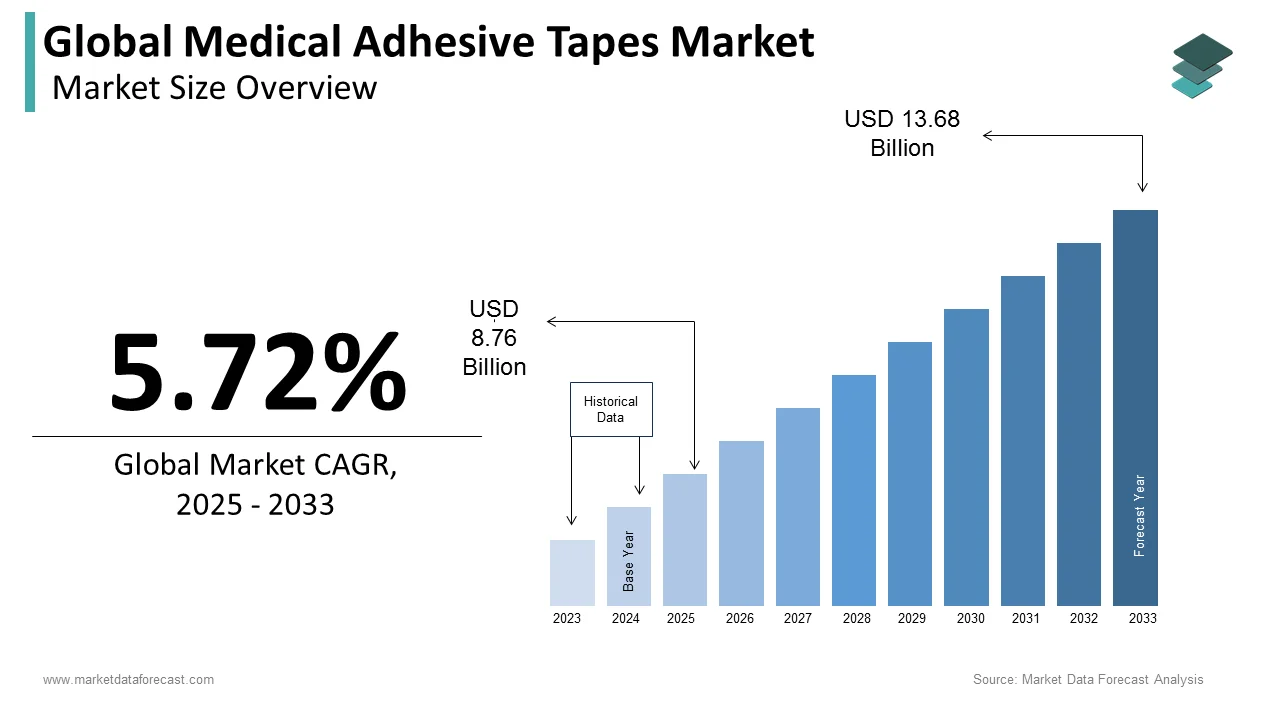
The global medical adhesive tapes market was valued at USD 8.76 billion in 2025 and is projected to grow from USD 9.26 billion in 2026 to USD 14.45 billion by 2034, registering a CAGR of 5.72% from 2026 to 2034. Market growth is driven by increasing surgical procedures, rising demand for wound care products, and expanding healthcare infrastructure worldwide. Medical adhesive tapes are widely used for wound dressing, surgical fixation, device securement, and post-operative care due to their ease of application and patient comfort. Growing prevalence of chronic wounds, rising aging populations, and increasing focus on infection prevention and patient safety are further supporting market expansion globally.
Key Market Trends
- Rising demand for advanced wound care and surgical fixation products.
- Increasing adoption of skin-friendly and hypoallergenic adhesive technologies.
- Growing preference for paper-based and breathable medical tapes.
- Expansion of green and sustainable medical device solutions across healthcare facilities.
- Continuous advancements in high-performance adhesive formulations and backing materials.
Segmental Insights
- Based on type, the acrylic segment dominated the global medical adhesive tapes market in 2025 by accounting for 47.4% market share, driven by strong adhesion performance, durability, and compatibility with various medical applications.
- Based on backing material, the paper-based medical tapes segment held the dominant position in 2025 by capturing 44.9% share, supported by breathability, flexibility, cost-effectiveness, and increasing use in sensitive skin applications.
- Based on application, the surgery segment led the market by accounting for 44.1% share in 2025, driven by rising surgical volumes and growing demand for secure wound closure and device fixation solutions.
Regional Insights
The global medical adhesive tapes market is witnessing steady growth across major regions, supported by rising healthcare expenditure, increasing surgical procedures, and expanding clinical care infrastructure.
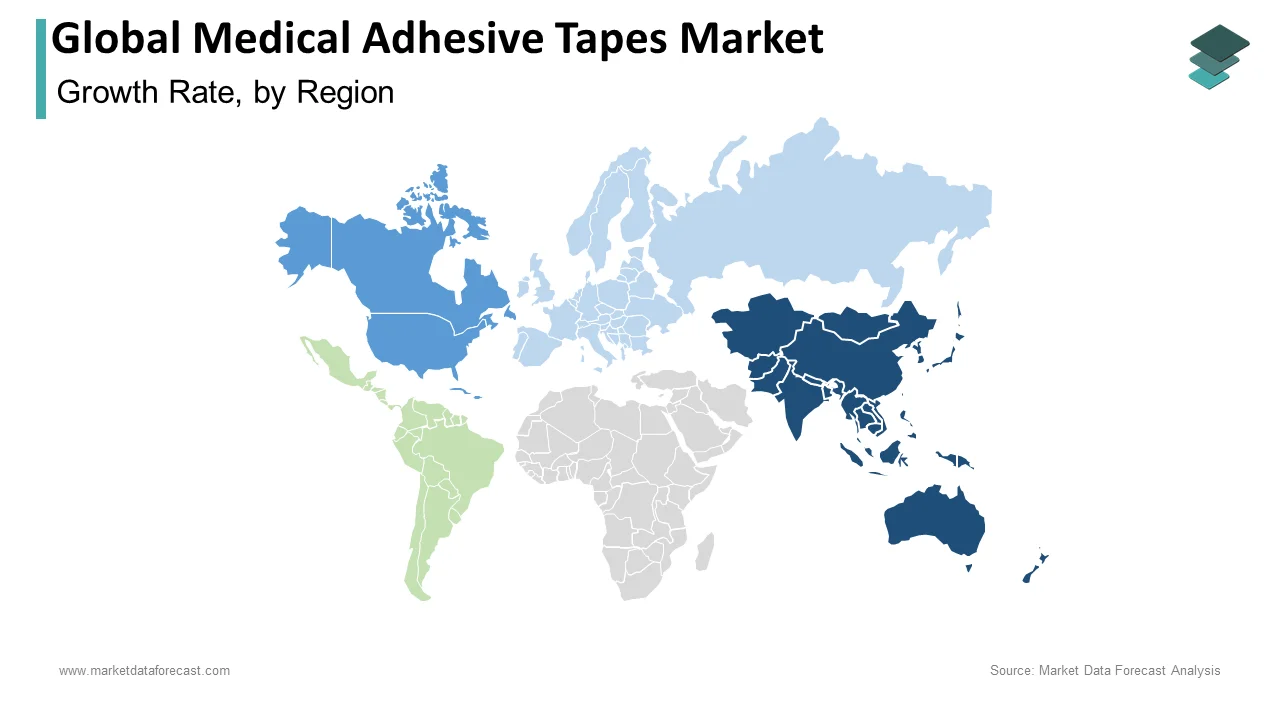
- North America dominated the global market in 2025 with 45.1% share, driven by advanced healthcare infrastructure, strong adoption of wound care technologies, and increasing demand for infection prevention products.
- Asia-Pacific is projected to witness substantial growth over the forecast period, supported by expanding healthcare accessibility, government healthcare investments, and rapid clinical infrastructure development.
- Europe is anticipated to increase adoption of environmentally sustainable and green medical devices as healthcare providers align with broader environmental and sustainability directives.
Competitive Landscape
The global medical adhesive tapes market is characterized by strong competition among medical device manufacturers and adhesive technology companies focusing on advanced wound care solutions, patient comfort, and sustainable product innovation. Market participants are emphasizing development of hypoallergenic adhesives, breathable backing materials, and eco-friendly medical tape solutions to strengthen market positioning. Strategic collaborations, acquisitions, and investments in advanced adhesive technologies are shaping competitive dynamics across the market.
Prominent companies operating in the global medical adhesive tapes market include 3M Company, Medtronic Plc, Nitto Denko Corporation, Johnson & Johnson, Smith & Nephew Plc, Nichiban Co., Ltd., PAUL HARTMANN AG, Advance Tapes International, CMS Group of Companies, Lohmann GmbH & Co. KG, Surface Shields, Avery Dennison Corporation, Tesa SE, Lintec Corporation, Henkel AG, Shurtape Corporation, Intertape Polymer Group, Scapa Group PLC, Andover Healthcare Inc., and Ad Tape & Label.
Global Medical Adhesive Tapes Market Size
The size of the global medical adhesive tapes market was worth USD 8.76 billion in 2025. The global market is anticipated to grow at a CAGR of 5.72% from 2026 to 2034 and be worth USD 14.45 billion by 2034 from USD 9.26 billion in 2026.
Medical adhesive tapes represent specialized polymer-based fixation materials engineered to secure dressings, catheters, surgical drapes, and orthopedic supports while maintaining optimal skin compatibility and tensile resilience. These materials operate through precise adhesive chemistry that balances immediate bond strength with gentle removal protocols to minimize epidermal trauma during clinical interventions. The functional architecture of modern medical tapes integrates microporous backings, silicone acrylic copolymers, and hypoallergenic formulations that respond dynamically to moisture management and temperature variations in hospital and ambulatory settings. Clinical adoption continues expanding as procedural volumes rise and patient mobility requirements intensify across acute care environments. According to the World Health Organization, global surgical interventions exceed 311 million procedures annually, establishing a consistent baseline for sterile fixation requirements. As per the Centers for Disease Control and Prevention, approximately 48% of hospitalized patients utilize at least one intravascular device, creating continuous demand for securement solutions. Furthermore, according to the International Diabetes Federation, 537 million adults currently live with diabetes, a demographic segment requiring frequent wound management and infusion site stabilization. These clinical realities underscore the indispensable role of adhesive fixation in contemporary care pathways. The evolution of tape substrates now prioritizes breathability and antimicrobial integration, aligning with infection control mandates and accelerated recovery protocols across diverse medical specialties.
MARKET DRIVERS
Accelerated Surgical and Interventional Procedure Volumes Fuel Continuous Tape Consumption
The escalating frequency of operative and minimally invasive interventions directly amplifies the consumption of medical fixation materials across acute care facilities, which is a key factor propelling the expansion of the global medical adhesive tapes market. Surgical protocols require sterile adhesive solutions for wound closure reinforcement, catheter anchoring, and equipment stabilization during complex procedures. According to the World Health Organization, over 311 million surgical operations occur globally each year. As per the Organisation for Economic Co-operation and Development, high-income nations perform an average of 135 surgical procedures per 1000 population annually, creating a predictable and recurring demand for securement products. Laparoscopic and robotic-assisted techniques further drive specialized tape requirements due to their reliance on precise port site protection and drainage management. Hospital infection control departments mandate frequent dressing changes for post-operative incisions, typically requiring replacement every 48 to 72 hours to maintain sterile barriers. According to the American College of Surgeons, 22% of surgical patients experience wound complications that necessitate extended adhesive application. This procedural density ensures sustained utilization of advanced adhesive tapes engineered for high tensile strength and fluid resistance. Healthcare administrators consistently allocate procurement budgets toward fixation supplies to maintain compliance with perioperative safety standards and optimize recovery timelines.
Expansion of Chronic Disease Management and Home Care Transition Drives Tape Utilization
The proliferation of long-term metabolic and cardiovascular conditions requires continuous therapeutic monitoring outside traditional hospital environments, which is substantially increasing adhesive fixation requirements and fuelling the global market growth. Patients managing insulin infusion pumps, continuous glucose monitors, and transdermal medication patches depend on reliable adhesive systems to maintain device positioning during daily activities. According to the International Diabetes Federation, 537 million adults currently live with diabetes. As per the Centers for Disease Control and Prevention, approximately 108 million adults manage hypertension through transdermal delivery systems that require secure adhesive backing to ensure consistent pharmacokinetic absorption. Home health care agencies prioritize lightweight and breathable tape formulations that reduce skin maceration during extended wear periods exceeding 7 days. According to clinical studies published in the Journal of Wound Care, 65% of patients transitioning to ambulatory treatment prefer adhesive securement that allows unrestricted joint movement while maintaining device integrity. This demographic shift toward decentralized care models compels manufacturers to engineer hypoallergenic substrates that accommodate sensitive skin profiles. Regulatory agencies continuously update performance benchmarks to ensure that fixation materials withstand environmental stressors such as perspiration and friction without compromising therapeutic efficacy.
MARKET RESTRAINTS
Prevalence of Medical Adhesive-Related Skin Injury Limits Clinical Adoption
The widespread occurrence of epidermal complications following adhesive application creates substantial clinical barriers to routine product utilization across vulnerable patient populations, which is a major market restraint. Medical adhesive-related skin injury manifests through erythema, blistering, and mechanical stripping when fixation materials exceed epidermal tensile thresholds or remain in contact with compromised tissue for extended durations. According to research published in the Journal of Clinical Nursing, 30% of intensive care patients develop visible skin trauma after tape removal, prompting immediate protocol revisions and product substitution. As per the National Pressure Injury Advisory Panel, adhesive trauma is a leading cause of preventable complications, particularly among elderly individuals whose dermal collagen density declines by 20% after age 70. Dermatology departments frequently mandate patch testing before extended application, adding procedural delays and increasing nursing workload by approximately 15 minutes per patient encounter. According to the Centers for Medicare and Medicaid Services, facilities face penalties for reporting avoidable skin injuries, compelling clinical teams to restrict adhesive usage to essential applications only. Manufacturers face continuous reformulation demands to balance bond strength with gentle removal characteristics, which elevates production costs and extends regulatory approval timelines. These clinical constraints suppress broad market penetration despite the fundamental necessity of secure fixation in acute care environments.
Rigorous Regulatory Compliance and Biocompatibility Testing Mandates Constrain Product Commercialization
The medical device regulatory landscape imposes extensive validation requirements that significantly delay product launches and increase development expenditures for adhesive manufacturers, which further impedes the medical adhesive tapes market expansion. Regulatory authorities mandate comprehensive cytotoxicity, sensitization, and intracutaneous reactivity assessments before approving fixation materials for human contact. According to the United States Food and Drug Administration, an average of 18 to 24 months is required for premarket clearance of novel adhesive formulations, during which companies must submit extensive toxicological dossiers and clinical performance data. As per the European Medicines Agency, parallel biocompatibility protocols under the Medical Device Regulation framework compel manufacturers to allocate approximately 40% of their research budgets toward compliance documentation and third-party laboratory testing. According to the International Organization for Standardization, specific standards require 12 distinct biological evaluation tests to verify tissue compatibility and leachable compound safety. These prolonged evaluation cycles restrict the introduction of next-generation adhesive technologies and limit portfolio diversification for emerging suppliers. Clinical facilities frequently maintain restrictive formulary approvals that prioritize established brands with extensive safety histories, thereby reducing competitive market entry. Consequently, regulatory friction suppresses innovation velocity and confines market expansion to incremental product modifications rather than transformative adhesive architectures.
MARKET OPPORTUNITIES
Convergence of Smart Sensors and Wearable Technology Platforms Creates Advanced Adhesive Applications
Ambulatory care sectors are poised to see a significant spike in wearable diagnostic skin patches over the next few years as remote healthcare adoption climbs. Manufacturers are engineering microporous tape formulations that accommodate embedded electrochemical sensors, enabling continuous physiological monitoring without compromising adhesive integrity or patient comfort. According to industry analysis, sensor-equipped therapeutic patches experienced a 28% annual adoption increase between 2022 and 2024, driven by remote patient monitoring initiatives across cardiology and neurology specialties. As per the Food and Drug Administration, 47 new digital therapeutic wearables were approved in 2023, each requiring specialized adhesive backing to maintain precise electrode contact during ambulatory movement. According to research conducted by the National Institutes of Health, smart adhesive patches improve medication adherence by 35% among chronic disease populations due to real-time compliance tracking capabilities. Healthcare networks increasingly subsidize wearable monitoring programs to reduce emergency department visits, creating institutional procurement channels for advanced fixation materials. The integration of stretchable conductive polymers and breathable microneedle arrays further expands the functional scope of adhesive tapes beyond traditional wound management. This technological convergence positions adhesive manufacturers to capture premium pricing tiers while addressing clinical demands for seamless diagnostic integration and continuous data acquisition.
Advancement of Sustainable and Biodegradable Adhesive Formulations Aligns With Environmental Mandates
Healthcare procurement agencies increasingly prioritize environmentally responsible fixation materials to mitigate the ecological impact of single-use medical waste and support institutional carbon reduction targets, which is another prominent opportunity for the global market. Traditional acrylic and rubber-based adhesive tapes generate substantial landfill accumulation due to their non-degradable polymer backings and petroleum-derived adhesive layers. According to the World Health Organization, the health care sector contributes 4.4% to global greenhouse gas emissions, with single-use consumables representing a dominant waste stream across hospital networks. As per the European Environment Agency, medical facilities generate 3.2 kilograms of waste per patient bed daily, with adhesive packaging and discarded fixation materials accounting for 12% of non-infectious refuse. Manufacturers responding to these environmental pressures are investing in plant-based cellulose substrates and compostable silicone adhesives that maintain clinical performance while eliminating persistent microplastic contamination. According to the United States Environmental Protection Agency, biodegradable medical products reduce facility waste disposal costs by 18% while improving compliance with municipal recycling mandates. Academic medical centers actively incorporate sustainable procurement criteria into their supply chain evaluations, creating preferential purchasing channels for eco-certified fixation solutions. This ecological transition enables adhesive producers to capture institutional contracts aligned with corporate sustainability frameworks and regulatory carbon accounting standards.
MARKET CHALLENGES
Instability in Raw Material Pricing and Supply Chain Disruptions Complicates Manufacturing Economics
The medical adhesive tapes market faces persistent financial pressure due to unpredictable fluctuations in petroleum derivatives, specialty polymers, and pharmaceutical grade adhesive components that form the foundation of tape production. Acrylic monomers, silicone elastomers, and woven polyester backings experience price volatility driven by geopolitical trade restrictions, refinery output limitations, and transportation bottlenecks. According to the International Monetary Fund, global chemical commodity prices increased by 14% annually between 2021 and 2024, forcing manufacturers to absorb margin compression or implement tiered pricing adjustments. As per the United States Bureau of Labor Statistics, raw material procurement costs for medical device producers rose 11% year over year, directly impacting production scheduling and inventory management protocols. Healthcare facilities operating under fixed reimbursement frameworks resist frequent cost escalations, compelling adhesive manufacturers to optimize yield efficiency while maintaining biocompatibility standards. Supply chain fragmentation further exacerbates production delays, as regulatory authorities mandate strict vendor qualification processes that limit rapid supplier substitution. According to the National Association of Manufacturers, 62% of medical supply companies experienced extended lead times exceeding 16 weeks for specialty polymer resins. These operational constraints require continuous capital allocation toward strategic inventory reserves and alternative material qualification, thereby constraining profitability and limiting aggressive market expansion strategies.
Divergent Clinical Customization Requirements and Fragmented Regulatory Standards Hinder Standardized Production
Medical adhesive manufacturers must navigate extensive product customization demands while simultaneously addressing disparate regulatory frameworks that vary across geographic markets and clinical specialties, which further challenges the medical adhesive tapes market expansion. Hospital networks request specialized tape configurations tailored to specific anatomical regions, patient demographics, and procedural environments, necessitating continuous reformulation and specialized manufacturing lines. According to the World Health Organization, clinical practice guidelines differ significantly across 60% of national health systems, compelling adhesive producers to maintain diverse product portfolios that comply with varying sterility, tensile strength, and residue tolerance specifications. As per the International Organization for Standardization, specific criteria outline 24 distinct adhesive performance classifications that manufacturers must validate through region-specific clinical trials before achieving commercial distribution. Clinical departments frequently modify securement protocols based on emerging research, requiring manufacturers to adjust adhesive rheology and backing permeability within compressed development cycles. According to the Centers for Medicare and Medicaid Services, distinct reimbursement codes are enforced for specialized wound care products, creating financial disincentives for hospitals to adopt newly engineered fixation materials without extensive pharmacoeconomic justification. This fragmented landscape forces producers to allocate substantial resources toward market-specific certification processes and clinical validation studies. Consequently, operational complexity reduces production efficiency and delays the commercialization of innovative adhesive technologies across global healthcare networks.
REPORT COVERAGE
| REPORT METRIC | DETAILS |
| Market Size Available | 2025 to 2034 |
| Base Year | 2025 |
| Forecast Period | 2026 to 2034 |
| Segments Covered | By Type, Backing Material, Application, and Region |
| Various Analyses Covered | Global, Regional & Country Level Analysis, Segment-Level Analysis, Drivers, Restraints, Opportunities, Challenges, PESTLE Analysis, Porter’s Five Forces Analysis, Competitive Landscape, Analyst Overview on Investment Opportunities |
| Regions Covered | North America, Europe, Asia Pacific, Latin America, Middle East, and Africa |
| Market Leaders Profiled | 3M Company (US), Medtronic Plc (Ireland), Nitto Denko Corporation (Japan), Johnson & Johnson (US), Smith & Nephew Plc (UK), Nichiban Co., Ltd. (Japan), PAUL HARTMANN AG (Germany), Advance Tapes International, CMS Group of Companies, Lohmann GmbH & Co.KG., Surface Shields, Avery Dennison Corporation (US), Tesa SE, Lintec Corporation, Henkel AG, Shurtape Corporation, Intertape Polymer Group, Scapa Group PLC, Andover Healthcare Inc., and Ad Tape & Label |
SEGMENTAL ANALYSIS
By Type Insights
The acrylic segment dominated the market by holding 47.4% of the global market share in 2025. The dominance of the acrylic segment in the global market can be credited to the formulations delivering superior adhesion strength while maintaining skin compatibility across diverse clinical environments. Healthcare facilities prioritize acrylic-based tapes because they provide reliable fixation for extended wear periods without causing epidermal irritation during removal protocols. The chemical stability of acrylic polymers enables consistent performance under variable temperature and humidity conditions commonly encountered in hospital settings. According to the Centers for Disease Control and Prevention, approximately 48% of hospitalized patients require intravascular device securement, creating sustained demand for high-performance acrylic fixation solutions. Manufacturers have optimized acrylic adhesive rheology to balance immediate tack with gentle peel characteristics, reducing medical adhesive-related skin injury incidents by an estimated 22% in clinical trials published in the Journal of Wound Care. Furthermore, acrylic tapes demonstrate excellent compatibility with sterilization processes, including ethylene oxide and gamma irradiation, which aligns with infection control mandates across acute care facilities. The cost-effectiveness of acrylic resin production compared to silicone alternatives allows healthcare procurement teams to allocate budgets toward high-volume consumables without compromising clinical outcomes.
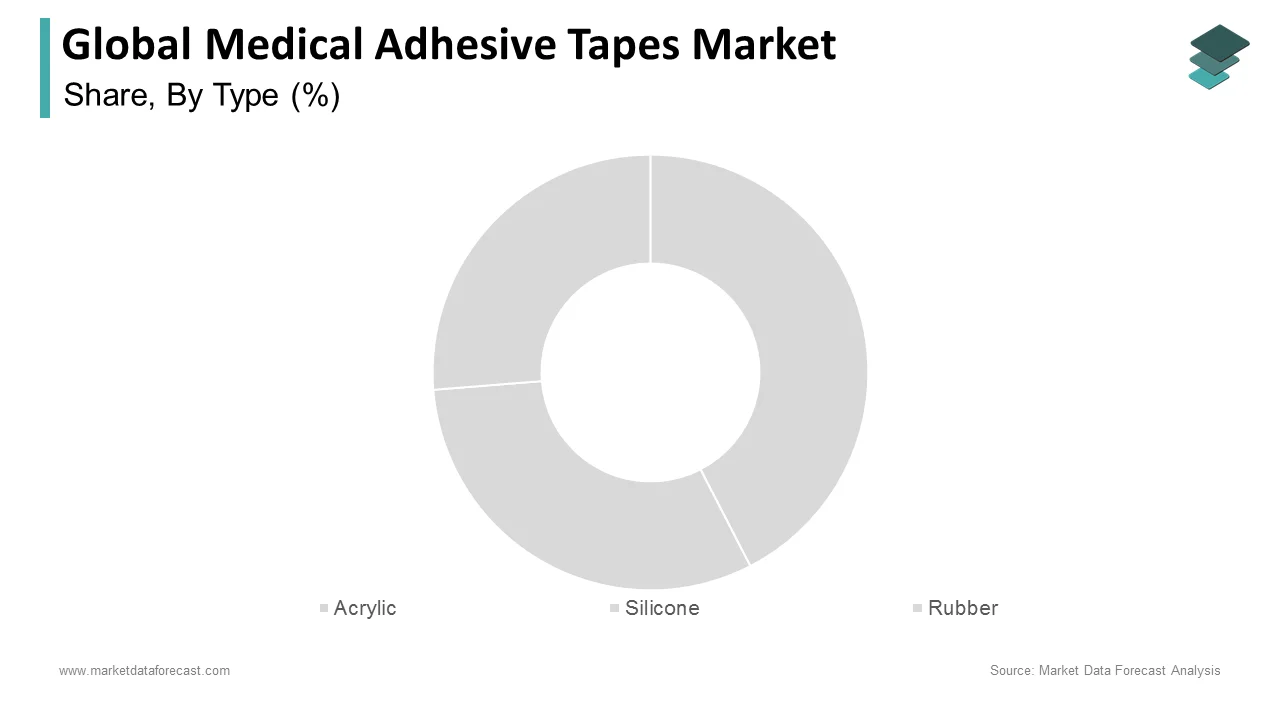
However, the silicone segment registers the fastest growth and is estimated to expand at a CAGR of 9.2% during the forecast period in the global market, owing to the increasing clinical adoption of silicone-based fixation materials for patients with fragile or compromised skin integrity. Silicone adhesives demonstrate exceptional biocompatibility and minimize epidermal trauma during removal, making them indispensable for neonatal intensive care units and geriatric care settings. According to the National Pressure Injury Advisory Panel, silicone-based tapes reduce skin stripping incidents by approximately 35% compared to traditional acrylic formulations, driving preferential specification among wound care specialists. The aging global population amplifies demand for gentle adhesion solutions as individuals over 65 years represent 10% of the world population according to the World Health Organization, with this demographic requiring frequent dressing changes and device securement. Silicone tapes also accommodate moisture vapor transmission rates that prevent maceration under occlusive dressings, a critical factor for chronic wound management protocols. Manufacturers are investing in silicone adhesive innovation to enable longer wear durations exceeding 14 days, which supports remote patient monitoring initiatives and home care transitions. Regulatory agencies increasingly recognize silicone formulations as preferred materials for sensitive skin applications, streamlining approval pathways for next-generation fixation products.
By Backing Material Insights
The paper-based medical tapes segment held the dominant position by backing material segment in the global market in 2025, with 44.9% of the global market share. The growth of the paper-based segment in the global market is attributed to the paper substrates that offer optimal breathability and hypoallergenic properties that align with clinical requirements for sensitive skin applications. Paper tapes facilitate moisture vapor transmission that reduces maceration risk under prolonged dressing applications, a critical consideration for post-operative wound management protocols. According to the World Health Organization, healthcare-associated infections affect 7% of patients in developed countries, driving preference for breathable backing materials that minimize bacterial proliferation under occlusive environments. Paper substrates also demonstrate superior conformability to anatomical contours, enabling secure fixation across joint areas and irregular wound sites without compromising patient mobility. The environmental sustainability profile of paper backing materials resonates with institutional procurement policies targeting waste reduction, as paper tapes generate 60% less persistent waste compared to plastic alternatives, according to the European Environment Agency. Manufacturing processes for medical-grade paper have advanced to ensure consistent tensile strength and tear resistance while maintaining gentle removal characteristics. Healthcare facilities increasingly specify paper-based tapes for pediatric and geriatric populations where skin integrity preservation represents a primary clinical objective.
On the other side, the fabric backing segment is anticipated to record a CAGR of 8.2% during the forecast period, owing to the increasing clinical demand for flexible fixation solutions that accommodate dynamic patient movement without compromising securement integrity. Fabric substrates provide multidirectional stretch characteristics that conform to complex anatomical regions, including elbows, knees, and shoulders, reducing tape displacement incidents during routine patient activities. According to the American College of Surgeons, 22% of surgical patients experience dressing complications related to fixation failure, driving preference for fabric-backed tapes that maintain adhesion under mechanical stress. Fabric materials also enable enhanced breathability compared to plastic alternatives while delivering superior tensile strength for heavy-duty securement applications such as orthopedic supports and compression therapy. The integration of antimicrobial treatments into fabric backing matrices addresses infection control priorities, with clinical studies indicating 30% reduction in colonization rates for treated fabric tapes according to the Journal of Clinical Nursing. Healthcare systems transitioning toward value-based care models prioritize fabric-backed tapes that reduce dressing change frequency through extended wear durability. Manufacturers are developing hybrid fabric constructions that combine natural fiber comfort with synthetic polymer performance, creating premium product tiers that capture institutional procurement budgets.
By Application Insights
The surgery segment led the market by capturing 44.1% of the global market share in 2025. This dominance reflects the indispensable role of adhesive fixation in perioperative protocols where securement of surgical drapes, wound dressings, and drainage systems represents a fundamental safety requirement. According to the World Health Organization, global surgical interventions exceed 311 million procedures annually, establishing a consistent baseline demand for sterile adhesive solutions across diverse specialties. Surgical tapes must withstand exposure to bodily fluids, antiseptic solutions, and mechanical stress while maintaining sterile barriers throughout operative and recovery phases. According to the American College of Surgeons, 22% of surgical patients experience wound complications requiring extended adhesive application, amplifying consumption volumes beyond initial procedure requirements. Modern surgical tapes incorporate microporous backings that facilitate moisture management while preventing bacterial ingress, aligning with infection prevention mandates across accredited facilities. Manufacturers have developed specialized formulations that resist delamination under high humidity conditions common in operating rooms, ensuring reliable performance throughout complex procedures. The expansion of minimally invasive surgical techniques further drives demand for precision fixation materials that accommodate small incision sites and port placements. Healthcare procurement teams prioritize surgical tapes with validated sterility assurance levels and compatibility with automated dispensing systems, creating preferential channels for established brand portfolios.
However, the ostomy seals segment is estimated to progress at a CAGR of 10.3% during the forecast period in the global market, owing to the increasing prevalence of colorectal conditions requiring stoma management solutions alongside advances in adhesive technology enabling extended wear comfort. According to the United Ostomy Associations of America, approximately 1 million individuals in North America live with an ostomy, creating sustained demand for reliable peristomal skin protection and appliance securement. Ostomy seal tapes must accommodate continuous exposure to effluent moisture while maintaining adhesion integrity across variable skin topographies and patient activity levels. Modern formulations incorporate hydrocolloid and silicone technologies that create moisture-resistant barriers while minimizing skin irritation during appliance changes. According to the International Diabetes Federation, 537 million adults globally manage diabetes, a major contributor to metabolic and gastrointestinal surgical interventions. This demographic trend amplifies demand for ostomy care solutions that support independent self-management and quality of life preservation. Manufacturers are developing ostomy seal tapes with integrated odor control and antimicrobial properties that address patient concerns regarding social participation and discretion. Healthcare systems increasingly recognize comprehensive ostomy care as cost-effective compared to complication management, driving institutional procurement of premium adhesive solutions.
REGIONAL ANALYSIS
North America Medical Adhesive Tapes Market Analysis
North America dominated the market with 45.1% of the global market share in 2025 and maintains the preeminent position in the global medical adhesive tapes market. This leadership derives from advanced healthcare infrastructure, high surgical volumes, and robust reimbursement frameworks that support the adoption of premium fixation solutions. According to the Centers for Medicare and Medicaid Services, United States healthcare expenditures exceeded 4.3 trillion dollars in 2023, creating substantial procurement capacity for medical consumables, including adhesive tapes. The region benefits from the concentrated presence of leading manufacturers, including 3M, Johnson and Johnson, and Smith and Nephew, who maintain extensive distribution networks and clinical education programs. North American facilities increasingly specify silicone and acrylic advanced formulations that reduce medical adhesive-related skin injury incidents, aligning with quality metrics tied to value-based reimbursement models. The expansion of ambulatory surgery centers and home health services further amplifies demand for user-friendly fixation materials that support decentralized care delivery. Regulatory pathways through the United States Food and Drug Administration provide clear frameworks for novel adhesive product approvals, encouraging innovation and investment. Academic medical centers frequently serve as early adopters of next-generation adhesive technologies, generating clinical evidence that influences broader market acceptance across community facilities.
Asia Pacific Medical Adhesive Tapes Market Analysis
The Asia Pacific healthcare system is expected to witness substantial progress over the next few years as governments roll out sweeping healthcare accessibility and clinical infrastructure expansions. This position reflects rapidly expanding healthcare infrastructure, rising surgical volumes, and increasing chronic disease prevalence across emerging economies. According to the World Health Organization, the Asia Pacific accounts for over 60% of the global population, creating substantial underlying demand for medical consumables as healthcare access improves. China and India represent primary growth engines with government initiatives targeting universal health coverage and hospital bed expansion, driving procurement of standardized medical supplies. The region benefits from manufacturing cost advantages that enable competitive pricing for both domestic consumption and export markets. Local manufacturers are increasingly investing in research and development to develop region-specific formulations that address tropical climate challenges and diverse skin type considerations. Regulatory harmonization efforts through the Association of Southeast Asian Nations facilitate cross-border product registration, accelerating market entry for innovative adhesive solutions. The growing medical tourism sector in Thailand, Singapore, and Malaysia further amplifies demand for internationally recognized fixation products that meet global quality standards.
Europe Medical Adhesive Tapes Market Analysis
European clinical facilities are anticipated to increase their adoption of green medical devices over the next few years to fulfill overarching environmental directives. This standing reflects mature healthcare systems, strong regulatory frameworks, and increasing emphasis on sustainable medical product procurement. According to the European Environment Agency, healthcare facilities generate 3.2 kilograms of waste per patient bed daily, driving preference for recyclable and biodegradable adhesive backing materials. The European Union Medical Device Regulation establishes rigorous biocompatibility and performance standards that shape product development strategies for manufacturers serving this region. Germany, France, and the United Kingdom represent primary consumption centers with established hospital networks and centralized procurement mechanisms that favor established brand portfolios. The region demonstrates leadership in clinical research regarding medical adhesive-related skin injury prevention, influencing global best practice guidelines. Home care transition initiatives across European health systems amplify demand for user-friendly fixation materials that support patient self-management. Sustainability mandates under the European Green Deal encourage the adoption of solvent-free adhesive formulations and reduced plastic content in backing materials, creating differentiation opportunities for environmentally conscious manufacturers.
Latin America Medical Adhesive Tapes Market Analysis
Latin American medical facilities are expected to enhance their delivery of clinical security technologies over the next few years as private investments boost localized specialty care centers. This position reflects developing healthcare infrastructure, increasing surgical volumes, and growing chronic disease burden across the region. According to the Pan American Health Organization, non-communicable diseases account for 81% of total mortality in Latin America, driving demand for wound care and device securement solutions. Brazil, Mexico, and Argentina represent primary consumption centers with expanding private healthcare sectors that adopt international quality standards for medical consumables. The region benefits from favorable demographic trends, including urbanization and aging populations, that amplify healthcare utilization rates. Local manufacturing capabilities are expanding to reduce import dependency and improve supply chain resilience for essential medical supplies. Regulatory frameworks through national health agencies are increasingly aligning with international standards, facilitating market entry for global product lines.
COMPETITIVE LANDSCAPE
The competitive landscape within the medical adhesive tapes market features established multinational corporations alongside specialized regional manufacturers competing through product differentiation and clinical evidence generation. Market leaders leverage extensive distribution networks and brand recognition to maintain preferential formulary status within healthcare systems, while emerging players focus on niche applications, including sensitive skin formulations and sustainable materials. Competition intensifies around innovation velocity with manufacturers accelerating development cycles for next-generation adhesive chemistries that address medical adhesive-related skin injury prevention and extended wear requirements. Pricing pressure from group purchasing organizations and value-based procurement models compels suppliers to demonstrate clinical and economic value through robust health outcomes research. Regulatory complexity across geographic markets creates barriers to entry that favor established players with comprehensive compliance capabilities. Strategic consolidation through acquisitions enables larger corporations to expand portfolio breadth and eliminate competitive threats while smaller specialists pursue targeted growth through technological differentiation. The convergence of digital health and adhesive technology creates new competitive dimensions where companies with software integration capabilities gain an advantage in remote monitoring applications.
KEY MARKET PLAYERS
Some of the companies that are playing a dominating role in the global medical adhesive tapes market include
- 3M Company (US)
- Medtronic Plc (Ireland)
- Nitto Denko Corporation (Japan)
- Johnson & Johnson (US)
- Smith & Nephew Plc (UK)
- Nichiban Co., Ltd. (Japan)
- PAUL HARTMANN AG (Germany)
- Advance Tapes International
- CMS Group of Companies
- Lohmann GmbH & Co. KG
- Surface Shields
- Avery Dennison Corporation (US)
- Tesa SE
- Lintec Corporation
- Henkel AG
- Shurtape Corporation
- Intertape Polymer Group
- Scapa Group PLC
- Andover Healthcare Inc.
- Ad Tape & Label
TOP PLAYERS IN THE MARKET
- 3M Company maintains a foundational position in the global medical adhesive tapes market through continuous innovation in adhesive chemistry and substrate engineering. The company leverages extensive research capabilities to develop next-generation fixation solutions that balance securement performance with skin compatibility. Recent initiatives include the launch of extended wear adhesive tapes designed for medical device securement with wear durations up to 28 days, according to Medical Design and Outsourcing. 3M invests significantly in clinical education programs that demonstrate proper application techniques and removal protocols to minimize medical adhesive-related skin injury incidents. The company maintains global manufacturing facilities that ensure supply chain resilience and consistent product quality across diverse geographic markets. Strategic collaborations with healthcare systems enable the co-development of customized fixation solutions that address specific clinical workflow requirements. 3M prioritizes sustainability initiatives, including the development of recyclable backing materials and reduced solvent adhesive formulations that align with institutional environmental procurement criteria.
- Johnson and Johnson contributes substantially to the medical adhesive tapes market through its Ethicon division, which specializes in surgical fixation and wound care solutions. The company leverages clinical insights from its broad medical device portfolio to develop adhesive products that integrate seamlessly with surgical workflows and post-operative care protocols. Recent innovations include low-trauma silicone tape variants that reduce peel injury incidence by approximately 30 percent in clinical evaluations, according to Market Growth Reports. Johnson and Johnson maintains robust regulatory expertise that accelerates global product approvals and market access for novel adhesive formulations. The company invests in digital health integration, enabling adhesive products to support remote patient monitoring and telehealth applications. Strategic acquisitions expand the company's capabilities in advanced wound care and tissue repair, creating synergistic opportunities for adhesive product development. Johnson and Johnson prioritizes clinical evidence generation through peer-reviewed research that demonstrates improved patient outcomes and cost effectiveness for healthcare systems.
- Smith and Nephew plays a significant role in the medical adhesive tapes market through its advanced wound management portfolio that incorporates specialized fixation solutions. The company focuses on developing adhesive products that address complex wound care requirements, including exudate management and periwound skin protection. Recent strategic initiatives include the integration of antimicrobial technologies into adhesive matrices that reduce colonization risks, according to GlobeNewswire. Smith and Nephew maintains strong relationships with wound care specialists and clinical educators who influence product specification decisions across healthcare facilities. The company invests in manufacturing excellence, ensuring consistent product quality and supply reliability for critical care applications. Strategic partnerships with research institutions enable co-development of next-generation adhesive formulations that address emerging clinical needs. Smith and Nephew prioritizes patient-centric design principles that enhance comfort and usability for individuals managing chronic wounds in home care settings.
TOP STRATEGIES USED BY KEY MARKET PARTICIPANTS
Key participants in the medical adhesive tapes market employ several strategic approaches to strengthen competitive positioning and drive growth. Product innovation represents a primary strategy with manufacturers investing in research and development to create advanced adhesive formulations that deliver superior performance characteristics, including extended wear duration, gentle removal, and antimicrobial protection. Geographic expansion enables companies to access emerging markets with growing healthcare infrastructure and increasing surgical volumes. Strategic acquisitions allow established players to acquire specialized technologies and expand product portfolios while eliminating competitive threats. Partnerships with healthcare systems facilitate the co-development of customized solutions and generate clinical evidence that supports market adoption. Sustainability initiatives, including the development of recyclable materials and reduced environmental impact formulations, align with institutional procurement preferences and regulatory mandates. Digital health integration creates opportunities to develop smart adhesive products that support remote monitoring and data-driven care delivery.
MARKET SEGMENTATION
This market research report on the global medical adhesive tapes market has been segmented & sub-segmented based on the type, backing material, application, and region.
By Type
- Acrylic
- Silicone
- Rubber
- Others
By Backing Material
- Plastic
- Paper
- Fabric
- Others
By Application
- Surgeries
- Wound Dressings
- Secure IV Lines
- Splints
- Ostomy Seals
- Others
By Region
- North America
- Europe
- Asia Pacific
- Latin America
- The Middle East and Africa