- Product Description Description
- Table of Contents TOC
- List of Table & Figure LOT
- Get Free Sample PDF Sample PDF
Market Size, 2025
$5.41 BnMarket Estimate, 2026
$5.73 BnMarket Forecast, 2034
$9.09 BnCAGR, 2026–2034
5.93%Global Agricultural Adjuvants Market Size, Growth, Trends & Forecast (2026–2034)
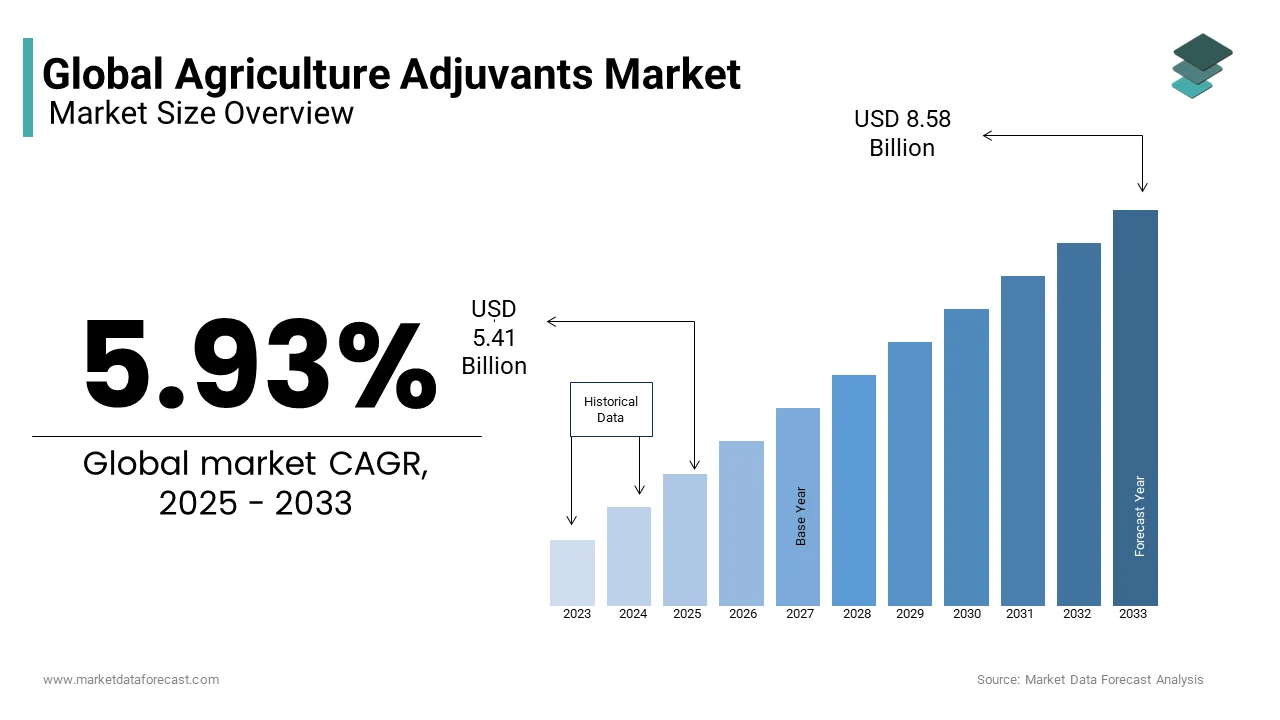
The global agricultural adjuvants market size was valued at USD 5.41 billion in 2025, is anticipated to reach USD 5.73 billion in 2026, and is projected to scale up to USD 9.09 billion by 2034, registering a compound annual growth rate (CAGR) of 5.93% during the forecast period from 2026 to 2034. Driven by the rising prevalence of pest and weed resistance, stringent environmental regulations, and the rapid expansion of precision application and biological crop protection technologies, the market is experiencing strong steady expansion worldwide.
Key Executive Metrics (At-a-Glance)
- 2025 Base Valuation: USD 5.41 Billion
- 2026 Current Valuation: USD 5.73 Billion
- 2034 Forecast Valuation: USD 9.09 Billion
- Compound Annual Growth Rate (CAGR): 5.93% (2026–2034)
- Dominant Type, Crop & Application: Activator Adjuvants / Cereals & Oilseeds / Herbicides
- Fastest-Growing Segments: Utility Adjuvants (CAGR 8.4%) & Fruits & Vegetables (CAGR 9.4%)
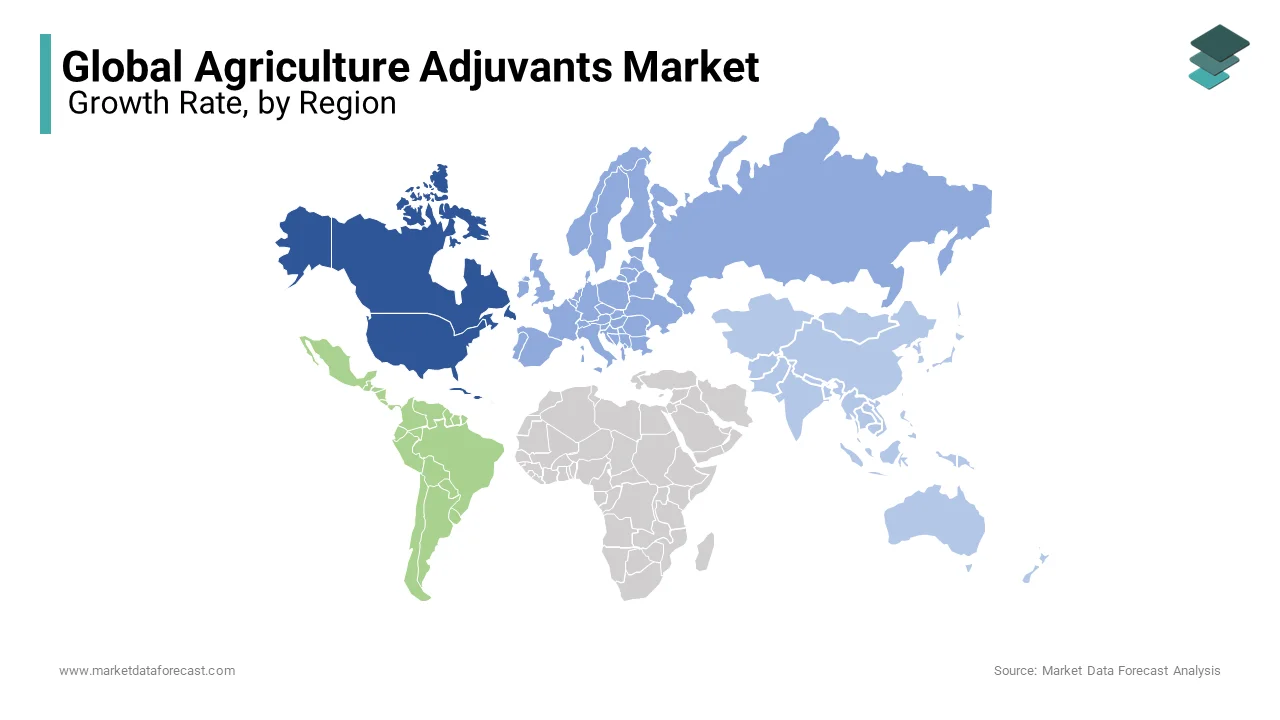
- Dominant Region: North America (anchored by large-scale mechanized farming, strict EPA mandates, and heavy use of herbicide-tolerant crops)
Core Market Drivers
- Pest & Herbicide Resistance: Escalating cases of resistant weed species (e.g., Palmer amaranth) forcing agronomists to utilize adjuvants to optimize spray efficiency and restore chemical potency.
- Regulatory Pressure & Precision Farming: Strict environmental frameworks governing chemical runoff and spray drift, compelling the adoption of drift-control and deposition aids.
Primary Market Restraints & Challenges
- Rigorous Regulatory Scrutiny: Costly and lengthy toxicological compliance assessments (REACH, EPA, EFSA approvals) that delay innovation and favor large players.
- Raw Material Volatility & Knowledge Gaps: Petrochemical price fluctuations eroding profit margins, alongside limited technical awareness among smallholder farmers leading to improper application.
Global Agricultural Adjuvants Market Segmentation Breakdown
| Segment Category | Leading Sub-Segment (2025 Base) | Fastest-Growing Sub-Segment (2026–2034) |
|---|---|---|
| By Type | Activator Adjuvants (64.3% share, driven by critical cuticle penetration and surfactant needs) | Utility Adjuvants (projected at 8.4% CAGR via precision spraying and drift control demand) |
| By Crop Type | Cereals & Oilseeds (54.5% share, backed by vast arable monoculture tracks) | Fruits & Vegetables (projected at 9.4% CAGR driven by high-value horticultural requirements) |
| By Application | Herbicides (46.4% share, anchored by widespread weed control and resistant crop systems) | Fungicides (projected at 8.4% CAGR due to climate-induced disease pressures) |
| By Region | North America (held the major regional market share due to advanced mechanized farming) | Europe (scaling rapidly under the Farm to Fork Strategy and strict pesticide-reduction mandates) |
Major Industry Players Profiled
Key market pioneers and global leaders shaping the agricultural adjuvants landscape include AkzoNobel N.V., Clariant International Ltd., Solvay SA, Adjuvant Plus Inc., Helena Chemical Company, and Tanatex Chemicals.
Global Agricultural Adjuvants Market Size
The global agricultural adjuvants market size was valued at USD 5.41 billion in 2025 and is anticipated to reach USD 5.73 billion in 2026 to reach USD 9.09 billion by 2034, growing at a CAGR of 5.93% from 2026 to 2034.
Agricultural adjuvants comprise specialized chemical and biological additives designed to enhance the efficacy, stability, and application characteristics of crop protection agents such as herbicides, fungicides, and insecticides. These substances, which include surfactants, oils, emulsifiers, and drift control agents, function by modifying the physical properties of spray solutions to improve leaf coverage, penetration, and retention. As global agriculture faces intensifying pressure to maximize yield while minimizing environmental impact, adjuvants have become indispensable tools for optimizing input efficiency and reducing chemical runoff. According to the Food and Agriculture Organization of the United Nations, plant pests and diseases account for the reduction of between 20% and 40% of global crop yields per year, underscoring the critical need for effective crop protection strategies. The increasing prevalence of resistant weed species, reported by the Weed Science Society of America, further necessitates enhanced formulation technologies to maintain herbicide effectiveness. Consequently, the integration of adjuvants into modern integrated pest management systems reflects a broader shift toward sustainable intensification, balancing productivity goals with environmental stewardship and resource conservation in an era of climatic uncertainty and growing global demand.
MARKET DRIVERS
Escalating Prevalence of Pest Resistance Necessitates Enhanced Formulation Efficacy
The accelerating emergence of herbicide-resistant weed species is one of the major factors propelling the global agricultural adjuvants market. As pests and weeds evolve genetic defences against conventional active ingredients, farmers increasingly rely on adjuvants to restore the potency of existing chemistries rather than developing entirely new compounds. According to the International Herbicide-Resistant Weed Database, there are currently 548 unique cases of herbicide-resistant weeds documented globally, affecting millions of hectares of arable land and threatening crop yields. These biological arms race forces agronomists to optimize spray applications through surfactants and penetrants that improve leaf cuticle absorption, ensuring lethal doses reach target sites despite resistance mechanisms. According to the Weed Science Society of America, glyphosate-resistant Palmer amaranth has become one of the most economically damaging weed species in the United States, causing substantial annual yield losses across North America and intensifying the urgency for effective mitigation strategies. Adjuvants such as ammonium sulphate and non-ionic surfactants help overcome these barriers by reducing surface tension and enhancing droplet retention, thereby maximizing the biological activity of sub-lethal concentrations. According to the Food and Agriculture Organization of the United Nations, plant pests and diseases destroy nearly 40% of global crops annually, and without improved application efficiency, global food security faces significant risks from unchecked pest proliferation. Consequently, the agrochemical industry views adjuvants not merely as supplements but as essential components of resistance management programs, driving sustained investment in high-performance additives that extend the viable lifespan of established pesticides while maintaining economic viability for producers facing escalating input costs and diminishing marginal returns from standard formulations.
Stringent Environmental Regulations Drive Adoption of Precision Application Technologies
Rigorous global regulatory frameworks aimed at minimizing pesticide runoff and environmental contamination are further significantly contributing to the global market expansion. Governments and international bodies are imposing stricter limits on chemical residues in water bodies and soil, compelling farmers to adopt precision application techniques that reduce drift and off-target deposition. According to the European Environment Agency, agricultural runoff contributes to nearly 30% of water pollution incidents in member states, prompting stringent mandates under the EU Sustainable Use of Pesticides Directive. Adjuvants such as drift control agents and deposition aids modify droplet size spectra, preventing fine mist formation that easily disperses into non-target areas. According to the United States Department of Agriculture, proper use of drift retardants can reduce airborne pesticide loss by up to 40%, aligning with Environmental Protection Agency guidelines for buffer zone compliance. Furthermore, according to the World Health Organization, reduced chemical exposure protects biodiversity and human health, reinforcing policy shifts toward eco-friendly farming practices. According to the Organisation for Economic Co-operation and Development, countries implementing integrated pest management protocols report significant declines in overall pesticide volume used, achieved largely through enhanced efficacy via adjuvants. This regulatory pressure transforms adjuvants from optional additives into compliance tools, enabling farmers to meet legal standards while maintaining crop protection levels. The growing emphasis on sustainable agriculture certifications also incentivizes adoption, as verified low-impact practices command premium market access, thereby driving consistent demand for environmentally optimized formulation aids.
MARKET RESTRAINTS
Stringent Regulatory Scrutiny and Chemical Safety Compliance Hinder Product Innovation
The increasingly rigorous global regulations governing chemical safety, environmental toxicity, and residue limits are one of the major restraints to the growth of the global agricultural adjuvants market. Regulatory bodies such as the European Food Safety Authority and the United States Environmental Protection Agency mandate exhaustive toxicological assessments for new adjuvant formulations, a process that is both time-consuming and capital-intensive. According to the European Chemicals Agency, the registration cost for a single new agrochemical substance can exceed two million euros, with approval timelines stretching between three to five years. This regulatory burden disproportionately affects small and medium-sized enterprises lacking the resources for comprehensive compliance infrastructure, leading to market consolidation favoring established multinational corporations. Furthermore, the REACH regulation in Europe restricts the use of certain surfactants and solvents deemed hazardous to aquatic life, forcing manufacturers to reformulate existing products or withdraw them from the market entirely. According to the Organisation for Economic Co-operation and Development, over 15% of previously approved adjuvant ingredients have been phased out in major markets due to updated safety profiles. The complexity of navigating divergent regulatory frameworks across different jurisdictions further complicates global expansion strategies, as approvals in one region do not guarantee acceptance in another. Consequently, innovation cycles are prolonged, and the introduction of novel, high-efficiency adjuvants is delayed, limiting the industry’s ability to rapidly respond to emerging agronomic challenges such as new pest resistances or climate-induced stressors, thereby restraining overall market dynamism and product diversity.
High Volatility in Raw Material Prices and Supply Chain Disruptions Erode Profit Margins
The production of agricultural adjuvants is heavily dependent on petrochemical derivatives, including non-ionic surfactants, organosilicones, and mineral oils, which is making the sector highly vulnerable to fluctuations in crude oil prices and supply chain instability and further hindering the global market expansion. According to the International Energy Agency, global oil prices experienced volatility exceeding 40% in recent years due to geopolitical tensions and post-pandemic recovery dynamics, directly impacting the cost structure of adjuvant manufacturing. Since raw materials constitute approximately 60% to 70% of total production costs, as noted by the American Chemistry Council, even minor price swings significantly erode profit margins for manufacturers who struggle to pass these costs onto price-sensitive farmers. Additionally, logistical bottlenecks, highlighted by the United Nations Conference on Trade and Development, have extended lead times for key chemical intermediates, causing production delays and inventory shortages. The reliance on specific geographic regions for specialized chemical processing creates vulnerability to local disruptions, such as labor strikes or environmental shutdowns. According to the Institute for Supply Management, input cost inflation in the chemical sector has remained elevated, forcing manufacturers to absorb expenses or risk losing market share through price hikes. This economic uncertainty discourages long-term investment in capacity expansion and research development, as companies prioritize short-term financial stability over strategic growth. Consequently, the unpredictability of raw material availability and pricing acts as a persistent restraint, which is limiting the ability of the global market to offer competitive pricing while maintaining quality standards in an increasingly cost-conscious agricultural landscape.
MARKET OPPORTUNITIES
Expansion of Biological Crop Protection Solutions Creates Demand for Bio-Compatible Adjuvants
The rapid transition toward biological crop protection agents presents a significant opportunity for the agricultural adjuvants market. Unlike synthetic chemicals, biological agents such as Bacillus thuringiensis and neem-based formulations often suffer from poor stability, rapid degradation under UV exposure, and limited leaf adherence, necessitating advanced formulation support. According to the Research Institute of Organic Agriculture, the global market for biopesticides is projected to grow at a compound annual growth rate of over 15%, driven by consumer demand for residue-free produce and stricter regulatory limits on synthetic inputs. However, according to the Journal of Economic Entomology, without proper adjuvants, the field efficacy of many biopesticides drops by up to 40% due to environmental instability. This performance gap creates a lucrative niche for manufacturers developing natural surfactants, spreaders, and UV protectants derived from plant oils or sugars that do not harm beneficial microbes. According to the United States Department of Agriculture, integrating adjuvants into biological spray programs can extend the active lifespan of these agents by several hours, significantly improving pest control outcomes. Furthermore, organic certification bodies are increasingly approving specific natural adjuvants, expanding their applicability in certified organic farming systems which cover over seventy million hectares globally as per the International Federation of Organic Agriculture Movements. By aligning product innovation with the sustainability goals of biological agriculture, companies can capture high-value segments seeking eco-friendly solutions that maintain rigorous efficacy standards while supporting the broader shift away from conventional synthetic chemistries.
Integration of Precision Agriculture and Drone Technology Drives Specialized Formulation Needs
The widespread adoption of precision agriculture technologies, particularly unmanned aerial vehicles (UAVs) for crop spraying is generating robust demand for adjuvants specifically engineered for low-volume and high-concentration applications, which is another promising opportunity for the global market. Drone spraying typically utilizes water volumes ten times lower than traditional ground equipment, requiring adjuvants that prevent droplet evaporation, ensure uniform coverage, and mitigate drift in windy conditions. According to the Association for Unmanned Vehicle Systems International, the agricultural drone market is expected to expand significantly, with over one hundred thousand units deployed globally for crop monitoring and application tasks. According to the Chinese Ministry of Agriculture, drone-assisted spraying can reduce pesticide usage by 30% while increasing efficiency by fivefold, provided that formulations are optimized for aerial delivery. Standard adjuvants often fail in these scenarios, leading to poor canopy penetration and increased off-target drift, which has prompted regulators like the Federal Aviation Administration to impose stricter operational guidelines. Consequently, there is a growing opportunity for manufacturers to develop anti-evaporants and deposition aids that modify droplet spectrum characteristics specifically for UAV nozzles. According to the International Society of Precision Agriculture, tailored adjuvant solutions can improve deposit density by up to 25% in aerial applications, directly enhancing pest control efficacy. As smallholder farmers in Asia and Africa increasingly access drone services through cooperative models, the demand for compatible, high-performance adjuvants will surge, offering manufacturers a pathway to differentiate their products in a technologically evolving agricultural landscape.
MARKET CHALLENGES
Limited Technical Awareness among Smallholder Farmers Impedes Optimal Product Utilization
The pervasive lack of technical knowledge among smallholder farmers regarding the specific functions and correct application protocols of various adjuvant types is a major challenge to the expansion of the global market. Unlike active pesticide ingredients, adjuvants are often perceived as optional additives rather than critical components of spray efficacy, leading to underutilization or misuse. According to the Food and Agriculture Organization of the United Nations, smallholder farms account for approximately 84% of all farms worldwide, yet these operators frequently lack access to formal agronomic extension services. According to the World Bank, only 30% of small-scale farmers in developing regions receive regular training on modern crop protection techniques, resulting in inefficient chemical use and reduced yield potential. Misapplication, such as using the wrong surfactant type for a specific herbicide, can cause phytotoxicity or complete treatment failure, discouraging future adoption. According to the International Labour Organization, limited literacy and digital connectivity in rural areas further hinder the dissemination of best practices, leaving farmers reliant on anecdotal advice from local retailers who may prioritize sales over technical accuracy. Consequently, manufacturers struggle to demonstrate the value proposition of premium adjuvants, as users fail to realize the tangible benefits of improved coverage and penetration. This knowledge gap necessitates substantial investment in educational campaigns and field demonstrations, which increases operational costs for companies while slowing market penetration in high-potential but underserved agricultural regions where productivity gains are most needed.
Complexity of Tank-Mix Compatibility and Chemical Instability Risks Application Failure
The intricate chemistry involved in tank-mixing multiple agrochemicals with adjuvants is further challenging the global market expansion, as incompatible combinations can lead to precipitation, separation, or reduced biological activity. Farmers increasingly employ complex mixtures of herbicides, fungicides, insecticides, and fertilizers in single applications to save time and labor, but this practice heightens the risk of adverse chemical interactions. According to the American Society of Agronomy, improper tank mixing accounts for nearly 25% of reported pesticide application failures, resulting in economic losses and ineffective pest control. Adjuvants, particularly those containing salts or acids, can alter the pH of the spray solution, destabilizing sensitive active ingredients such as sulfonylurea herbicides or microbial biopesticides. According to the University of California Cooperative Extension, pH levels outside the optimal range of five to seven can reduce the efficacy of certain pesticides by up to 50% within hours of mixing. Furthermore, the lack of standardized labeling requirements for compatibility information forces farmers to rely on trial and error, increasing the likelihood of costly mistakes. Manufacturers face difficulties in providing universal compatibility guidelines due to the vast array of generic formulations available in the market, many of which contain undisclosed inert ingredients. This uncertainty erodes user confidence and limits the adoption of advanced adjuvant technologies, as growers fear unpredictable outcomes that could compromise their entire crop protection strategy, thereby restraining market growth despite the theoretical benefits of enhanced formulation performance.
REPORT COVERAGE
| REPORT METRIC | DETAILS |
| Market Size Available | 2025 to 2034 |
| Base Year | 2025 |
| Forecast Period | 2026 to 2034 |
| CAGR | 5.93% |
| Segments Covered | By Application, Type, Crop Type, and Region |
| Various Analyses Covered | Global, Regional and Country Level Analysis, Segment-Level Analysis, DROC, PESTLE Analysis, Porter’s Five Forces Analysis, Competitive Landscape, Analyst Overview of Investment Opportunities |
| Regions Covered | North America, Europe, APAC, Latin America, Middle East & Africa |
| Market Leaders Profiled | AkzoNobel N.V., Adjuvant Plus Inc., Clariant International Ltd., Solvay SA, Helena Chemical Company, and Tanatex Chemicals. |
SEGMENT ANALYSIS
By Type Insights
The activator adjuvants segment dominated the market by accounting for 64.3% of the global market share in 2025. The dominance of activator adjuvants segment in the global market can be credited to their indispensable function in improving the absorption and biological activity of crop protection agents. This category includes surfactants, oils, and wetting agents that reduce surface tension, allowing spray droplets to spread evenly across leaf surfaces and penetrate the waxy cuticle layer effectively. According to the Weed Science Society of America, the addition of non-ionic surfactants can increase herbicide uptake by up to 40%, directly translating to superior weed control and reduced need for higher chemical dosages. The dominance of this segment is further reinforced by the widespread adoption of post-emergence herbicides, which rely heavily on foliar absorption for efficacy. According to the United States Department of Agriculture, over 70% of broad-acre crops receive post-emergence treatments, creating a consistent and substantial demand base for activators. Furthermore, the rising prevalence of resistant weed species necessitates maximum efficiency from existing chemistries, as developing new active ingredients is both costly and time-consuming. According to the Food and Agriculture Organization of the United Nations, optimizing application efficiency through activators is a key strategy in integrated pest management, helping farmers maintain yields while minimizing environmental impact. As global arable land faces increasing pressure from invasive pests, the reliance on activator adjuvants to ensure lethal dose delivery remains paramount, solidifying their position as the cornerstone of modern spray programs and sustaining their market leadership across diverse agricultural zones.

On the other side, the utility adjuvants segment is projected to register the highest CAGR of 8.4% during the forecast period owing to the stringent environmental regulations and the expanding use of precision application technologies. This category encompasses drift control agents, buffering agents, anti-foaming agents, and water conditioners that modify the physical properties of spray solutions to ensure safe and efficient application. According to the European Environment Agency, agricultural drift contributes significantly to non-target contamination, prompting strict mandates under the EU Sustainable Use Directive that require the use of drift-reducing additives in sensitive areas. According to the Environmental Protection Agency, proper use of drift control agents can reduce off-target deposition by up to 50%, enabling farmers to comply with buffer zone requirements while maintaining operational flexibility. Additionally, the increasing hardness of irrigation water in major agricultural regions necessitates the use of water conditioners to prevent cation binding, which can deactivate certain herbicides. According to the University of Nebraska Extension, hard water can reduce glyphosate efficacy by up to 30%, driving adoption of ammonium sulfate and other conditioning agents. Furthermore, the rise of aerial spraying via drones, as noted by the Association for Unmanned Vehicle Systems International, requires specialized anti-foaming and evaporation inhibitors to manage low-volume applications effectively. These regulatory and technological shifts transform utility adjuvants from optional aids into essential compliance tools, accelerating their adoption among progressive farmers seeking to optimize resource use and meet sustainability standards.
By Crop Insights
The cereals and oilseeds segment led the market by capturing 54.5% of the global market share in 2025. The growth of the cereals and oilseeds segment in the global market is attributed to the vast acreage dedicated to staple crops such as wheat, corn, soybeans, and rice. These commodities form the backbone of global food security and animal feed supplies, necessitating rigorous pest and weed management protocols that rely heavily on chemical interventions enhanced by adjuvants. According to the Food and Agriculture Organization of the United Nations, cereals occupy nearly half of the world’s arable land, creating an immense baseline demand for crop protection inputs. The intensive monoculture practices associated with these crops lead to high pressure from resistant weeds and persistent pests, compelling farmers to maximize herbicide efficacy through surfactants and penetrants. According to the United States Department of Agriculture, over 90% of corn and soybean acres in North America are treated with glyphosate-based herbicides, which require specific adjuvants to overcome leaf cuticle barriers and ensure optimal absorption. Furthermore, the economic scale of cereal production allows for consistent investment in high-performance agronomic inputs, as even marginal yield improvements translate into significant financial returns for large-scale operators. According to the International Grains Council, global grain trade volumes continue to rise, incentivizing producers to adopt advanced spray technologies to meet quality standards and minimize pre-harvest losses. This combination of extensive geographic footprint, high chemical dependency, and economic imperative solidifies cereals and oilseeds as the primary driver of adjuvant volume, sustaining robust demand across both developed and emerging agricultural economies.
However, the fruits and vegetables segment is projected to a promising CAGR of 9.4% during the forecast period due to the stringent maximum residue limits, rising consumer demand for premium produce, and the high economic value of horticultural crops. Unlike broad-acre staples, fruit and vegetable production involves intensive labor and higher input costs per hectare, justifying investment in specialized adjuvants that enhance precision and reduce chemical usage. According to the European Food Safety Authority, regulatory scrutiny on pesticide residues in fresh produce has intensified, with over 30% of non-compliant samples linked to improper application techniques rather than excessive dosing. Adjuvants such as drift control agents and spreaders help ensure targeted delivery, minimizing off-target contamination and helping growers meet strict export standards. According to the World Health Organization, global consumption of fruits and vegetables is increasing due to health awareness campaigns, driving expansion in protected cultivation systems like greenhouses where humidity and temperature control require specific formulation adjustments. Furthermore, the prevalence of delicate foliage in crops like strawberries and grapes necessitates gentle yet effective wetting agents that prevent phytotoxicity while ensuring fungicide coverage. According to the International Trade Centre, high-value horticultural exports command premium prices, enabling farmers to absorb the cost of advanced adjuvant technologies that protect crop aesthetics and shelf life. This convergence of regulatory pressure, consumer health trends, and economic viability accelerates the adoption of sophisticated adjuvant solutions in the horticulture sector, positioning it as the most dynamic growth vector in the market.
By Application Insights
The herbicides segment held the major share of 46.4% of the global market share in 2025. The growth of the herbicides segment in the global market can be credited to the universal challenge of weed competition and the widespread adoption of herbicide-tolerant crop varieties. Weeds are responsible for significant yield losses globally, necessitating robust chemical control measures that rely heavily on adjuvants to ensure effective foliar absorption and translocation. According to the Weed Science Society of America, unchecked weed infestations can reduce crop yields by up to 50%, creating an imperative for high-efficacy spray programs. The dominance of this segment is further reinforced by the prevalence of glyphosate-resistant crops, which cover over 90% of soybean and cotton acres in major producing nations as reported by the United States Department of Agriculture. These systems require precise application techniques, where surfactants and ammonium sulfate play critical roles in overcoming hard water interference and enhancing cuticle penetration. According to the International Herbicide-Resistant Weed Database, over two hundred weed species have developed resistance to common herbicides, forcing farmers to optimize every drop of chemical through advanced adjuvant technologies to maintain control. Furthermore, the economic scale of broad-acre farming allows for consistent investment in tank-mix additives that maximize return on investment by reducing the need for repeat applications. According to the Food and Agriculture Organization of the United Nations, efficient weed management is foundational to global food security, ensuring that herbicide adjuvants remain the cornerstone of modern agronomic practices across diverse climatic zones and cropping systems.
On the other hand, the fungicides segment is anticipated to register a CAGR of 8.4% during the forecast period in the global market owing to the increasing incidence of fungal diseases due to climate variability and the high economic value of susceptible crops such as fruits, vegetables, and cereals. Changing weather patterns, characterized by higher humidity and erratic rainfall, create favorable conditions for pathogens like rusts, mildews, and blights, necessitating more frequent and effective fungicide applications. According to the Food and Agriculture Organization of the United Nations, fungal diseases cause annual global crop losses estimated at 15% to 20%, highlighting the critical need for protective measures. Adjuvants such as spreaders and stickers are essential for fungicides because they ensure uniform coverage on vertical leaf surfaces and provide rainfastness, preventing wash-off during sudden precipitation events. According to the European Environment Agency, the frequency of extreme weather events has increased by 30% in recent decades, directly correlating with higher disease pressure in agricultural regions. Furthermore, the expansion of protected cultivation and high-density planting systems intensifies microclimates conducive to fungal growth, driving demand for specialized formulation aids. According to the American Phytopathological Society, proper droplet size and retention, facilitated by adjuvants, can improve fungicide efficacy by up to 40%, reducing the number of required sprays. As farmers prioritize crop quality and shelf life for export markets, the adoption of advanced fungicide adjuvants becomes increasingly vital, positioning this segment as a key growth driver in the evolving landscape of plant health management.
REGIONAL MARKET ANALYSIS
North America Market Analysis
North America accounted for the major share of the global agricultural adjuvants market in 2025 and is expected to maintain its leadership in agricultural productivity and technology deployment over the next few years, which will continue to shape the dynamics of its input markets. The United States and Canada are primary contributors, characterized by large-scale mechanized farming operations that prioritize input efficiency and yield maximization. According to the United States Department of Agriculture, over 90% of corn and soybean acres utilize herbicide-tolerant traits, necessitating robust adjuvant programs to ensure optimal chemical performance and manage resistant weed populations. The Environmental Protection Agency’s strict guidelines on pesticide drift and runoff compel farmers to adopt specialized drift control agents and deposition aids, transforming adjuvants from optional additives into compliance essentials. According to the American Society of Agronomy, proper adjuvant use can enhance herbicide efficacy by up to 40%, providing a strong economic incentive for adoption among commercial growers. Furthermore, the presence of major agrochemical manufacturers and advanced distribution networks ensures easy access to high-quality products. The region’s mature market is also influenced by growing awareness of sustainable farming practices, with many producers integrating adjuvants into integrated pest management strategies to reduce overall chemical loads. High labor costs further drive automation and precision spraying technologies, which require specific formulation compatibilities, thereby sustaining demand for technically advanced adjuvant solutions tailored to modern application equipment and regulatory standards.
Europe Market Analysis
Europe is anticipated to undergo significant agricultural transformations over the next few years due to rigorous ecological targets, forcing a rapid shift toward highly efficient and low-impact farming solutions. The European Union’s Farm to Fork Strategy aims to reduce pesticide use by 50% by 2030, compelling farmers to maximize the efficiency of every applied dose through high-performance adjuvants. According to the European Environment Agency, strict limits on chemical runoff and non-target exposure drive the adoption of drift reducers and biodegradable surfactants that minimize ecological footprints. According to Eurostat, organic farmland in the EU has expanded by over 60% in the last decade, creating a niche but growing demand for certified organic adjuvants compatible with biological crop protection agents. Countries like Germany, France, and the United Kingdom lead regional consumption, supported by advanced research institutions and government subsidies for sustainable practices. The European Food Safety Authority’s frequent updates on maximum residue levels further incentivize precise application techniques facilitated by utility adjuvants. Additionally, the region’s focus on integrated pest management encourages the use of adjuvants that enhance the efficacy of lower-risk active ingredients, allowing farmers to maintain productivity while adhering to green protocols. This regulatory pressure, combined with high consumer awareness of food safety and environmental health, sustains a robust market for eco-friendly and highly efficient adjuvant solutions across diverse cropping systems.
Asia Pacific Market Analysis
The Asia Pacific region is expected to showcase rapid agricultural modernization and robust growth in agronomic input efficiency over the next few years, where it represents the fastest-growing segment and propelled by increasing agricultural intensification, rising food demand, and government-led modernization programs in countries like China, India, and Australia. According to the Food and Agriculture Organization of the United Nations, Asia accounts for nearly 20% of the world's arable land, with smallholder farmers increasingly adopting modern crop protection practices to boost yields. The Indian Ministry of Agriculture reports that subsidy schemes for quality pesticides and adjuvants have significantly improved access for rural farmers, driving volume growth. In China, the push for reduced pesticide usage without compromising yield has led to greater adoption of high-efficiency adjuvants that enhance spray coverage and reduce waste. According to the Asian Development Bank, digital agriculture initiatives are spreading rapidly, enabling better education on proper tank-mixing and application techniques. Furthermore, the expansion of horticulture and high-value cash crops in Southeast Asia creates demand for specialized fungicide and insecticide adjuvants that protect delicate produce. Rising labor costs are also encouraging mechanization and drone spraying, which require specific formulation adjustments. The region’s diverse climatic conditions and varying levels of technological adoption create a dynamic market landscape, where both basic surfactants and advanced specialty products find substantial demand, positioning Asia Pacific as a critical engine for future market expansion.
Latin America Market Analysis
Latin America is anticipated to solidify its position as a global agricultural powerhouse over the next few years, backed by expanding crop production areas and a robust export-driven economy. Latin America is expected to showcase strong growth driven by its status as a major global exporter of soybeans, corn, and coffee, particularly in Brazil and Argentina. The region’s vast expanses of arable land and favorable climatic conditions support intensive monoculture practices that rely heavily on herbicides and fungicides, thereby driving consistent adjuvant demand. According to the Brazilian Agricultural Research Corporation, Brazil is the world’s largest soybean producer, with over 90% of its crop utilizing herbicide-tolerant varieties that require effective adjuvant systems for weed control. The country’s tropical climate also fosters high disease pressure, necessitating frequent fungicide applications enhanced by spreaders and stickers to ensure rainfastness. According to the Inter-American Institute for Cooperation on Agriculture, adoption of no-till farming practices has increased significantly, which relies on burndown herbicides whose efficacy is heavily dependent on proper adjuvant selection. Furthermore, economic stabilization and improved access to credit in key markets have enabled farmers to invest in higher-quality inputs. The presence of multinational agrochemical companies with local manufacturing facilities ensures competitive pricing and availability. As export standards for residue limits tighten in destination markets like Europe and Asia, Latin American producers are increasingly prioritizing precision application technologies, further boosting the adoption of advanced adjuvant solutions to maintain competitiveness in global trade.
Middle East and Africa Market Analysis
The Middle East and Africa region is expected to undergo steady long-term development in commercial farming over the next few years, supported by structural investments in food security and crop yield optimization. The Middle East and Africa region holds a modest market share of the global market, yet demonstrates promising potential driven by government investments in irrigation infrastructure, food security initiatives, and the expansion of commercial farming in South Africa and Egypt. In the Gulf Cooperation Council countries, high-tech greenhouse farming and hydroponics are gaining traction, requiring specialized adjuvants for foliar feeding and pest management in controlled environments. According to the World Bank, several African nations are implementing large-scale agricultural transformation agendas to reduce import dependency, leading to increased use of modern crop protection inputs. According to the African Union, improved access to extension services is helping smallholder farmers understand the benefits of adjuvants in enhancing pesticide efficiency, particularly in regions with hard water issues. In South Africa, the well-developed commercial farming sector drives demand for high-performance adjuvants used in maize and fruit production. Additionally, the prevalence of drought conditions in parts of the region necessitates the use of anti-evaporants and humidity buffers to maintain spray efficacy under harsh climatic stress. While market penetration remains lower compared to other regions, ongoing infrastructure development and international aid programs focused on agricultural productivity are gradually fostering a more sophisticated understanding of input optimization, laying the groundwork for steady long-term growth in adjuvant adoption.
COMPETITIVE LANDSCAPE
The competition within the agricultural adjuvants market is characterized by a mix of large multinational chemical corporations and specialized regional manufacturers, creating a moderately fragmented landscape. Major players compete on technological superiority, regulatory compliance, and sustainability credentials, while smaller firms often differentiate through cost competitiveness and localized customer service. The barrier to entry for basic surfactants is relatively low, leading to intense price competition in commodity segments, whereas high-performance specialty adjuvants require significant research and development investment, favoring established entities with robust innovation pipelines. Strategic alliances between adjuvant producers and agrochemical companies are common, as integrated solutions offer greater value to end-users. Regulatory pressures drive continuous reformulation efforts, forcing competitors to adapt quickly to changing safety standards. Furthermore, the rise of precision agriculture and biological crop protection creates new niches for innovative players offering tailored solutions for drone application or organic farming. Consequently, success depends on balancing cost efficiency with technical expertise, building strong distribution networks, and demonstrating tangible improvements in crop protection efficacy to maintain relevance in an evolving agronomic environment.
KEY MARKET PLAYERS
The major companies dominating the global agricultural adjuvants market are
- AkzoNobel N.V.
- Adjuvant Plus Inc.
- Clariant International Ltd.
- Solvay SA
- Helena Chemical Company
- Tanatex Chemicals.
Top Players In The Market
- Croda International plc has established itself as a global leader by leveraging its expertise in specialty chemicals to develop high-performance agricultural adjuvants. The company focuses on sustainable innovation, creating bio-based surfactants and deposition aids that enhance pesticide efficacy while minimizing environmental impact. Recently, Croda expanded its production capabilities in key regions to ensure supply chain resilience and meet growing demand for eco-friendly solutions. Their strategic partnerships with major agrochemical manufacturers facilitate the integration of advanced adjuvant technologies into mainstream crop protection products. By prioritizing research and development in green chemistry, Croda addresses stringent regulatory requirements and consumer preferences for sustainable farming practices, solidifying its reputation as a trusted partner for efficient and responsible agricultural input management worldwide.
- Stepan Company contributes significantly to the market through its extensive portfolio of surfactants and emulsifiers tailored for agricultural applications. The company emphasizes operational excellence and vertical integration, allowing it to control raw material quality and cost effectively. Stepan recently invested in expanding its manufacturing footprint in North America and Europe to support regional growth and reduce logistical dependencies. Their focus on developing low-foaming and drift-control agents addresses critical challenges in modern precision agriculture, particularly for aerial and drone applications. By maintaining rigorous quality standards and offering technical support services, Stepan ensures consistent product performance, helping farmers optimize spray applications and achieve better crop protection outcomes while adhering to evolving safety and environmental regulations.
- Evonik Industries AG plays a pivotal role by supplying specialized silicone-based adjuvants that offer superior spreading and penetration properties. The company’s commitment to innovation is evident in its development of next-generation organosilicones that improve rainfastness and coverage on difficult-to-wet leaf surfaces. Evonik recently strengthened its market position by enhancing its customer collaboration centers, providing tailored formulation advice to agrochemical partners. Their emphasis on sustainability drives the creation of biodegradable and non-toxic adjuvant options that align with global regulatory trends. By leveraging its deep chemical expertise and global distribution network, Evonik delivers high-value solutions that maximize the efficiency of crop protection agents, supporting farmers in achieving higher yields and reduced chemical usage through advanced technological interventions.
Top Strategies Used By Key Market Participants
Key players in the agricultural adjuvants market primarily focus on product innovation through sustainable chemistry, developing bio-based and biodegradable formulations to meet stringent environmental regulations. Strategic partnerships with agrochemical giants enable seamless integration of adjuvants into proprietary pesticide blends, enhancing overall efficacy. Companies are expanding manufacturing capacities in emerging markets like Asia Pacific and Latin America to capitalize on growing agricultural intensification. Investment in technical service centers provides farmers with expert guidance on optimal tank-mixing and application techniques, fostering brand loyalty. Additionally, firms are pursuing acquisitions of niche technology providers to broaden their product portfolios and secure intellectual property rights, ensuring competitive differentiation in a fragmented yet increasingly sophisticated global marketplace.
MARKET SEGMENTATION
This research report on the global agricultural adjuvants market has been segmented and sub-segmented into the following categories.
By Type
- Activator Adjuvants
- Surfactants
- Oil Adjuvants
- Utility Adjuvants
- Drift Control Agents
- Antifoam Agents
- Compatibility Agents
- Acidifiers
- Water Conditioners
- Others
By Crop Type
- Fruits & Vegetables
- Cereals & Oilseeds
- Others
By Application
- Insecticides
- Herbicides
- Fungicides
- Others
By Region
- North America
- Europe
- Asia-Pacific
- Latin America
- The Middle East and Africa