- Product Description Description
- Table of Contents TOC
- List of Table & Figure LOT
- Get Free Sample PDF Sample PDF
Market Size, 2025
$1.44 BnMarket Estimate, 2026
$1.57 BnMarket Forecast, 2034
$3.1 BnCAGR, 2026–2034
8.92%Executive Summary: Asia-Pacific Dental Crown and Bridges Market
- Market Scope: Comprehensive Asia-Pacific dental crown and bridges market analysis covering material types, product categories, country-level adoption, medical tourism trends, growth drivers, and oral healthcare challenges.
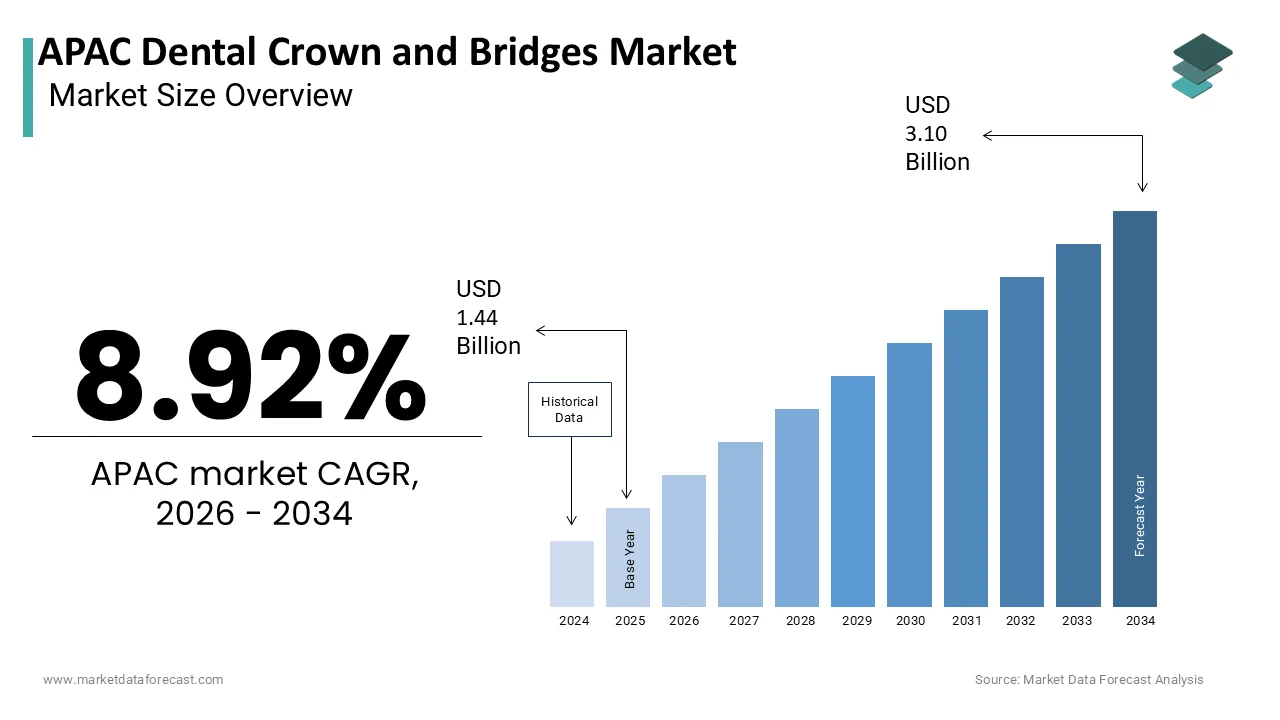
- Market Valuation: Valued at USD 1.44 billion (2025), estimated at USD 1.57 billion (2026), and projected to reach USD 3.10 billion by 2034, registering a strong CAGR of 8.92% (2026–2034).
- Primary Growth Drivers: High prevalence of oral disorders and rising edentulous population, increasing disposable incomes, expansion of medical tourism across the APAC region, and advancements in digital dentistry technologies. Key restraints include shortages of qualified dentists, lack of consumer awareness, and restrictive reimbursement policies.
Key Market Segment Metrics (2026–2034)
| Category | Leading Segment (2025 Position) | Fastest-Growing Segment |
|---|---|---|
| By Material | Ceramic / Porcelain (dominant due to superior aesthetics, biocompatibility, and natural tooth-like appearance) | Advanced Ceramic & Zirconia-based Materials (driven by CAD/CAM technological innovations and durability) |
| By Product | Crowns (held the major market share owing to widespread application in single-tooth restoration following root canals and decay) | Bridges (expanding rapidly alongside rising demand for multi-tooth gap replacements and restorative solutions) |
| By Country | China & India (leading in sheer market volume due to massive populations, rising healthcare investments, and growing middle classes) | Medical Tourism Hubs (such as Thailand, Malaysia, and South Korea, experiencing fast adoption of modern dental technologies) |
Major Market Players & Market Structure
Market Structure: Highly competitive dental device market featuring global multinational leaders competing on digital dentistry integration, material durability, aesthetic precision, and distribution networks across emerging APAC healthcare infrastructures.
Key Companies: 3M, DENTSPLY International, Ivoclar Vivadent, BioHorizons, Cynovad, Straumann, Nobel Biocare Services, Zimmer Biomet, Sirona Dental Systems, Camlog Holding, Wieland Dental, and Heraeus Holding.
 Download Free Sample Report
APAC Dental Crown and Bridges Market Size
The Asia-Pacific Dental Crown and Bridges Market is projected to grow from USD 1.44 billion in 2025 to USD 1.57 billion in 2026 and reach USD 3.10 billion by 2034, registering a CAGR of 8.92% during the forecast period from 2026 to 2034.
Dental crowns and bridges are custom-made restorations glued onto your existing teeth to fix damage or replace missing teeth. A dental crown (often called a "cap") is a hollow cover that goes completely over a damaged tooth. A dental bridge is used when you are missing one or more teeth completely. It literally bridges the empty gap left behind. According to the World Health Organisation (WHO), oral diseases affect nearly 3.5 billion people globally, with 3 out of every 4 affected people living in low- and middle-income countries. This vast patient pool creates an indispensable demand for durable and aesthetic restorative solutions. As per the FDI World Dental Federation, untreated dental caries in permanent teeth is the most common health condition worldwide, affecting approximately 2 billion people. Such statistical evidence underscores the urgent need for effective crowns and bridges to restore function and aesthetics. Technological advancements have transformed these prosthetics from traditional metal alloys to sophisticated ceramic and zirconia materials offering superior biocompatibility. Regulatory bodies in nations like Japan and Australia enforce strict quality standards, ensuring product safety and efficacy, which builds consumer trust. The rising disposable income in emerging economies further amplifies market relevance as individuals prioritise cosmetic dentistry. The ageing demographic structure in countries like China and Japan necessitates frequent dental repairs, making these devices essential healthcare items. The shift towards preventive and restorative care models encourages early intervention, thereby sustaining consistent product adoption across both public and private clinical settings throughout the region.
MARKET DRIVERS
Rising Prevalence of Dental Caries Drives Restorative Demand
The escalating burden of dental caries is accelerating the expansion of the APAC dental crown and bridges market. The Global Burden of Disease Study indicates that oral conditions are among the most prevalent noncommunicable diseases affecting populations across Asia Pacific, with high incidence rates in children and adults. This alarming prevalence rate necessitates rigorous restorative interventions to prevent tooth loss and maintain oral functionality. Dental caries lead to structural damage that often requires crowns or bridges to restore integrity and appearance. According to the 4th National Oral Health Survey published under the Scientific Section of the Chinese Stomatological Association, the adult population faces severe oral health issues, highlighted by dental tartar and gingival bleeding rates exceeding 85% to 95% among middle-aged adults. Such evidence compels healthcare systems to prioritise accessible restorative treatments through reliable prosthetic solutions. Patients with severe decay require durable crowns to protect remaining tooth structure and prevent further deterioration. Bridges become essential when tooth loss occurs due to extensive decay, providing a fixed solution for missing teeth. This convenience enhances patient satisfaction and improves overall oral health outcomes significantly. Dentists increasingly recommend high-strength ceramic crowns to meet aesthetic expectations while ensuring longevity. The growing awareness among the general population regarding the importance of preserving natural teeth further stimulates demand. Governments and non-profit organisations launch oral health campaigns emphasising regular checkups, which indirectly boosts restorative procedure volumes. Consequently, the persistent rise in dental decay ensures a steady and expanding customer base for manufacturers operating in this sector.
Growing Medical Tourism Industry Facilitates Market Expansion
The rapidly expanding medical tourism industry across the region mainly supports the growth of the Asia Pacific dental crown and bridges market. Countries such as Thailand, India, and Malaysia have emerged as global hubs for affordable and high-quality dental care, attracting patients from Western nations. According to sources, dental procedures account for approximately 30% of all medical tourism patient volumes globally, driven heavily by clusters in Southeast Asian hubs like Thailand, due to significant cost advantages. This financial incentive drives international patients to seek comprehensive restorative treatments including crowns and bridges at a fraction of domestic costs. As per studies, the dental sector and related dental 3D printing adoption in major metropolitan areas are expanding at a rapid annual rate of 20% to 30%, heavily supported by dental tourism. This high growth rate within the tourism sector creates consistent demand for premium restorative materials and advanced fabrication technologies. Clinics catering to medical tourists invest heavily in state-of-the-art equipment such as CAD CAM systems to deliver precise and quick results. High-quality zirconia and porcelain-fused-to-metal crowns are preferred by international patients seeking durability and aesthetic appeal. The presence of accredited hospitals and specialised dental centres enhances confidence among foreign visitors regarding safety and standards. Government initiatives promoting healthcare visas and streamlined processes further facilitate inbound patient flows. This trend encourages local manufacturers to supply high-grade materials to meet international quality expectations. The synergy between tourism infrastructure and dental expertise guarantees a long-term and stable demand stream for restorative solutions throughout the region.
MARKET RESTRAINTS
High Out-of-Pocket Costs Limit Accessibility
Prohibitive out-of-pocket expenses for dental restorative procedures are a major restraint on the widespread adoption of dental crowns and bridges in many nations within the APAC market. Many national healthcare systems in developing countries do not cover cosmetic or complex restorative dentistry, placing the financial burden directly on patients. As per the Asian Development Bank, household out-of-pocket spending on health remains high in several Southeast Asian countries, often exceeding 40 % of total health expenditure. This financial barrier discourages low- and middle-income households from pursuing necessary restorative treatments, leading to delayed care or tooth extraction. In countries like Indonesia and Vietnam, insurance coverage for dental prosthetics is minimal or nonexistent, which limits spontaneous consumer purchases. The lack of comprehensive dental insurance frameworks creates market fragmentation and inconsistent adoption rates among different socioeconomic groups. Patients may opt for cheaper, inferior alternatives or leave gaps untreated due to cost concerns, resulting in poor oral health outcomes. Dentists face challenges in recommending premium materials like zirconia when patients cannot afford them through personal funds. This situation favours basic metal alloys that may not meet aesthetic expectations, compromising patient satisfaction. Manufacturers struggle to penetrate price-sensitive segments where affordability is the primary decision factor. The administrative complexity involved in claiming any available reimbursements further deters both patients and providers from utilising advanced restorative options. Until broader insurance coverage is implemented, financial constraints will continue to hinder optimal market growth. Consequently, these constraints will limit equitable access to essential dental technologies.
Shortage of Skilled Dental Professionals Hinders Service Delivery
Persistent shortages of qualified dentists and prosthodontists are also a considerable hindrance to the efficient delivery of services across the region, which hampers the expansion of the Asia Pacific dental crown and bridges market. According to the World Health Organisation, many low- and middle-income countries in Asia face a critical deficit in oral health workforce density, affecting service accessibility. As per the World Health Organisation (WHO), the recommended dentist-to-population ratio for developing countries is 1 per 7,500 people, which countries like India have already exceeded. This discrepancy erodes the capacity of healthcare systems to meet the growing demand for restorative procedures efficiently. Incorrectly fitted crowns or bridges due to lack of expertise can result in complications such as gum disease or bite issues, posing serious health risks. The limited number of specialised training programs for prosthodontics exacerbates this issue in rural and semi-urban areas. Patients often struggle to find experienced practitioners capable of handling complex restorative cases requiring precision and artistic skill. Healthcare providers express reluctance to adopt advanced digital workflows when staff lack the necessary technical proficiency. This hesitation limits the integration of modern fabrication techniques into routine practice, reducing the perceived value of high-end materials. Regulatory efforts to standardise dental education are ongoing, but implementation remains uneven across the region. The concentration of skilled professionals in urban centres further complicates access for rural populations. Workforce gaps must be addressed through enhanced training and retention strategies. Until then, these shortages will continue to restrain market potential and compromise care quality across Asia Pacific.
MARKET OPPORTUNITIES
Adoption of Digital Dentistry Technologies Creates Growth Avenues
The seamless integration of digital dentistry technologies, such as CAD/CAM systems, unlocks potential for growth and innovation in the APAC Dental Crown and Bridges Market. The rapid adoption of digital workflows across clinics enables precise design and milling of restorations, reducing turnaround time and improving fit. According to research, clinics utilising digital impressions and chairside CAD/CAM workflows observe noticeable reductions in overall clinical steps and chair time for single-unit crown preparations. This technological shift enhances patient experience and allows practitioners to handle higher volumes of restorative cases effectively. Dental laboratories equipped with 3D printing and milling capabilities can produce zirconia and ceramic crowns with exceptional accuracy and aesthetics. Manufacturers can capitalise on this trend by developing materials specifically optimised for digital fabrication processes. Partnerships between material suppliers and software developers create bundled solutions that appeal to modern dental practices. These integrated systems improve consistency in production, reducing waste and enhancing profitability for labs. The ability to store digital records also supports future adjustments and replacements, creating recurring revenue streams. As dental education incorporates digital tools, younger practitioners are more inclined to adopt these technologies, driving market penetration. This technological convergence opens new revenue streams and strengthens the competitive position of innovators in the Asia Pacific market.
Increasing Awareness of Aesthetic Dentistry Boosts Premium Product Demand
The increasing emphasis on aesthetic dentistry and personal appearance across the region offers substantial opportunities for the APAC dental crown and bridges market. Rising disposable incomes and exposure to global beauty standards drive individuals to seek cosmetic improvements, including tooth colour and shape correction. As per sources, rising income levels and localised consumer shifts are driving a strong expansion in personal care, beauty, and premium wellness categories across major developing markets in the Asia-Pacific region. Dental crowns made from high-translucency zirconia or porcelain allow patients to achieve natural-looking smiles, which aligns with these aesthetic goals. Social media influence plays a significant role as individuals compare their smiles with idealised images, prompting demand for veneers and crowns. Dental clinics respond by marketing premium aesthetic solutions that offer superior visual appeal compared to traditional metal options. Insurance providers in some developed markets begin to cover partially cosmetic procedures if they also restore function, expanding access. Manufacturers can develop targeted marketing strategies highlighting the dual benefits of strength and beauty in their products. Educational collaborations with dental associations promote the latest aesthetic materials and techniques to practitioners. The cultural shift towards valuing oral aesthetics empowers consumers to invest in high-quality restorative tools. This strategic alignment with lifestyle trends ensures sustained consumer interest and willingness to pay premium prices, driving market expansion across the region.
MARKET CHALLENGES
Regulatory Heterogeneity Complicates Market Entry
Navigating the diverse and complex regulatory landscape for medical devices in the region is a significant challenge for manufacturers seeking entry and expansion in the APAC Dental Crown and Bridges Market. Each country in the region maintains distinct approval processes, documentation requirements, and post-market surveillance obligations. The ASEAN Medical Device Directive aims to harmonise regulations, but implementation varies significantly among member states, causing delays and uncertainty. According to research, obtaining medical device and dental material approvals from regulatory bodies like the Japanese Pharmaceuticals and Medical Devices Agency requires rigorous clinical data, leading to variable timelines depending on the device classification. These stringent and varied requirements increase the time and cost associated with bringing new crown and bridge materials to market. Small and medium-sized enterprises face particular difficulties in allocating resources for multiple regulatory submissions across different jurisdictions. The variability in interpretation of safety standards across different national bodies adds another layer of complexity for applicants. Manufacturers must ensure continuous compliance with evolving local laws, which demands dedicated regulatory affairs teams and ongoing investments. Non-compliance can result in product bans, fines, and reputational damage, deterring innovation and market participation. The heightened scrutiny on biocompatibility and material safety requires robust evidence, which may not be readily available for incremental improvements. This regulatory burden slows down the introduction of innovative features and technologies, limiting consumer choices. Companies must balance compliance costs with competitive pricing strategies, which can squeeze profit margins. Regulatory processes must become more harmonised and predictable. Until then, these complexities will continue to challenge market dynamics and hinder agility.
Fluctuating Raw Material Prices Impact Profitability
The volatility in prices of key raw materials used in dental crowns and bridges is a formidable obstacle to profitability and sustainable growth for manufacturers in the APAC dental crown and bridges market. Materials such as zirconia porcelain and precious metals like gold and palladium are subject to global supply chain disruptions and market fluctuations. According to the London Metal Exchange, the platform serves as an administrative hub for precious metals benchmark auctions, where market volatility for materials like palladium used in dental alloys impacts manufacturing costs. This unpredictability forces manufacturers to frequently adjust pricing strategies, which can alienate price-sensitive customers and disrupt supply contracts. Dental laboratories and clinics operate on thin margins and struggle to absorb sudden cost increases without passing them on to patients. The reliance on imported raw materials in many APAC countries exposes manufacturers to currency exchange risks and tariff changes. Trade tensions and geopolitical issues further exacerbate supply chain instability, leading to material shortages and delays. Manufacturers struggle to maintain consistent quality when forced to switch suppliers due to cost pressures. This environment discourages long term planning and investment in research and development as companies prioritise immediate cost containment. Smaller players find it difficult to hedge against price volatility compared to larger multinational corporations. The pressure to maintain affordable final product prices while managing rising input costs creates a precarious financial situation for many firms. Sustaining profitability requires robust supply chain management and strategic sourcing, which remains challenging in such a volatile global commodity landscape.
REPORT COVERAGE
| REPORT METRIC | DETAILS |
| Market Size Available | 2025 to 2034 |
| Base Year | 2025 |
| Forecast Period | 2026 to 2034 |
| Segments Covered | By Material, Product, and Region |
| Various Analyses Covered | Global, Regional, and Country-Level Analysis, Segment-Level Analysis, Drivers, Restraints, Opportunities, Challenges; PESTLE Analysis; Porter’s Five Forces Analysis, Competitive Landscape, Analyst Overview of Investment Opportunities |
| Countries Covered | India, China, Japan, South Korea, Australia, New Zealand, Thailand, Malaysia, Vietnam, Philippines, Indonesia, Singapore, Rest of APAC |
| Market Leaders Profiled | 3M, DENTSPLY, International |
SEGMENTAL ANALYSIS
By Material Insights
In 2025, the ceramic segment remained the largest in 2025 and occupied a commanding share of the APAC dental crowns and bridges market. This supremacy of the segment was supported by its superior aesthetic properties and biocompatibility, which align with the growing patient preference for natural-looking restorations. According to studies, ceramic restorations dominate individual single-unit dental procedures within advanced dental markets due to their superior capability to simulate natural tooth translucency and light reflection. This high adoption rate drives manufacturers to focus on advanced zirconia and lithium disilicate formulations that offer enhanced strength without compromising aesthetics. Patients increasingly reject metal-based restorations for visible teeth due to concerns about gum discolouration and allergic reactions. As per research, demand for all-ceramic crowns, veneers, and inlays continues to grow reliably in developed Asian markets as consumers prioritise cosmetic smile enhancements alongside functional strength. This trend compels dental laboratories to invest in precision milling equipment capable of handling brittle ceramic materials. Furthermore, ceramics are chemically inert and resist corrosion, ensuring long term stability in the oral environment. Dentists prefer these materials for their ease of bonding and minimal preparation requirements, which preserve healthy tooth structure. The availability of shaded ceramics allows for precise colour matching, enhancing patient satisfaction significantly. As disposable incomes rise in emerging economies, more individuals can afford premium ceramic options over cheaper metal alternatives. Regulatory approvals for new ceramic compositions further validate their safety, encouraging wider clinical use. Consequently, the combination of aesthetic appeal, biological compatibility,y and technological advancement ensures ceramics remain the cornerstone of the APAC restorative market.
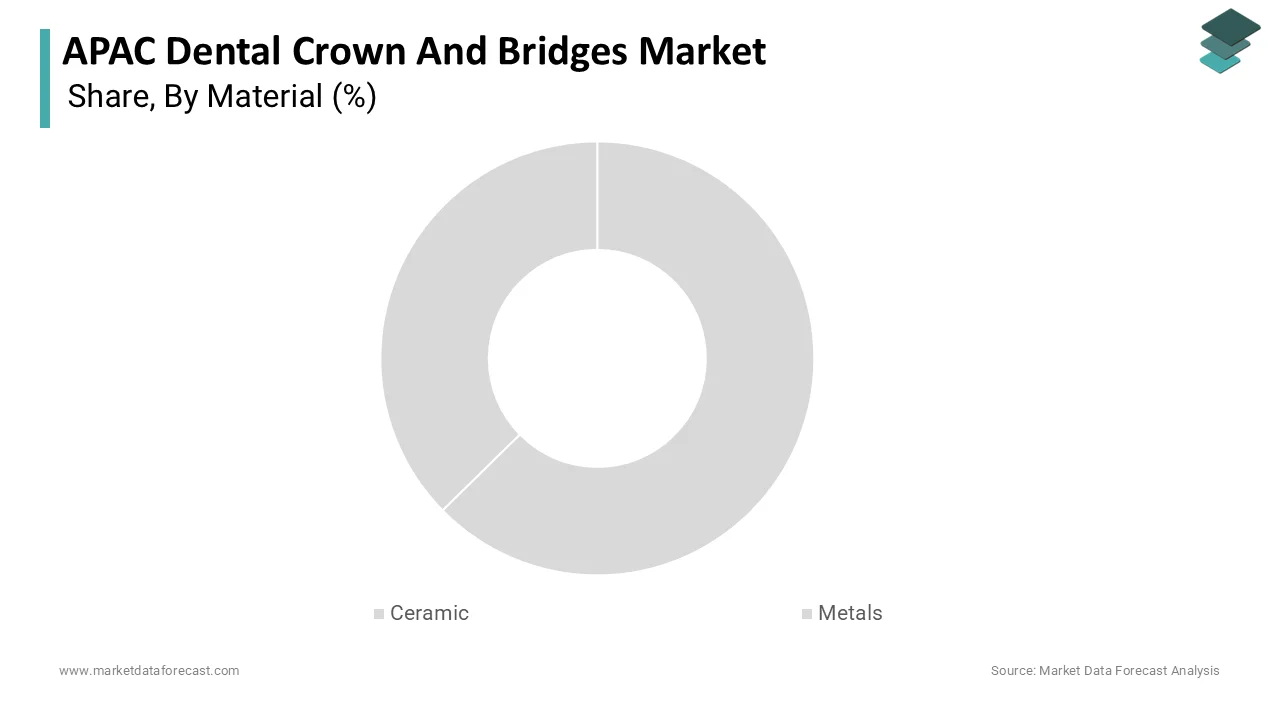
The metal materials segment is likely to experience the fastest CAGR of 5.2% from 2026 to 2034. This expansion of the segment is propelled by its exceptional durability and cost-effectiveness for posterior restorations. Developing nations will drive this expansion because of their strong focus on product affordability. The World Health Organisation highlights that metal alloys remain the most accessible option for large-scale public health programs in low-income regions due to their longevity and lower fabrication costs. This economic advantage drives consistent demand in countries like India and Vietnam, where out-of-pocket spending limits access to premium ceramics. According to surveys, non-precious metal alloys and base metals are widely utilised in standard and rural clinics due to their cost efficiency and high resistance to fracture under heavy chewing loads. Such statistical evidence underscores the continued relevance of metals in high-stress-bearing areas of the mouth. Advancements in noble metal alloys have also improved biocompatibility, reducing earlier concerns about toxicity and corrosion. Dental laboratories benefit from the ease of casting and adjusting metal frameworks, which simplifies the fabrication process. Insurance schemes in some countries partially cover metal restorations, making them a viable option for budget-conscious patients. The robustness of metal bridges makes them ideal for replacing multiple missing teeth where aesthetic concerns are secondary to function. As healthcare infrastructure expands in remote areas, the reliability of metal prosthetics ensures they remain a critical component of restorative care. This sustained utility in cost-sensitive and high-load scenarios fuels the steady growth of the metal segment across the region.
By Product Insights
In 2025, the crowns segment held the majority share in the APAC dental crown and bridges market because of its widespread application in treating single-tooth damage and decay, which is prevalent across the region. According to the FDI World Dental Federation, nearly 100% of adults globally suffer from dental caries, making tooth decay a major health challenge that drives a massive need for dental restoration. This high incidence of isolated tooth damage drives dentists to recommend crowns as the primary solution for preserving natural tooth structure. Crowns are less invasive than bridges, as they do not require the preparation of adjacent healthy teeth, making them a preferred conservative treatment option. As per sources, single-unit crowns are a primary treatment protocol to preserve structurally compromised teeth suffering from severe fractures, advanced wear, or oversized existing fillings. This preference simplifies clinical workflows and reduces treatment time, appealing to both practitioners and patients. The rise of minimally invasive dentistry further supports crown adoption as modern materials allow for thinner preparations while maintaining strength. Patients favour crowns for their ability to restore both function and aesthetics of a single compromised tooth without affecting neighbouring dentition. Insurance coverage often prioritises single-tooth repairs over complex bridge work, influencing patient choice. Technological advancements in CAD CAM systems enable same-day crown delivery, enhancing convenience and satisfaction. The simplicity of the procedure compared to bridges reduces the risk of complications such as abutment tooth failure. Consequently, the sheer volume of single tooth pathologies ensures that crowns remain the dominant product segment in the APAC market.
The bridges segment is expected to exhibit a noteworthy CAGR of 6.5% over the forecast period due to the increasing prevalence of tooth loss among ageing populations and the demand for fixed, non-removable solutions. Patients are increasingly seeking alternatives to dental implants due to high costs or clinical contraindications. According to the Scientific Section of the Chinese Stomatological Association, advanced periodontal disease is recognised as a major cause of tooth loss among ageing populations, highlighting a broad clinical need for prosthetic replacement choices. This demographic shift necessitates reliable methods to replace multiple missing teeth simultaneously to restore chewing efficiency and facial structure. Bridges offer a quicker and less surgical alternative to implants, making them attractive to patients with health conditions that preclude surgery. As per research, a substantial portion of the population requires immediate functional restoration for missing teeth, where multi-unit fixed bridges remain a reliable alternative to dental implants. Advances in implant-supported bridges also contribute to growth by combining the stability of implants with the aesthetics of fixed prosthetics. Dental laboratories are improving bridge designs using high-strength zirconia to span longer gaps without compromising integrity. Insurance providers in developed markets often cover bridge procedures as a standard restorative option, enhancing accessibility. The ability to prevent adjacent teeth from shifting into empty spaces adds preventive value to bridge treatments. As awareness of the consequences of untreated tooth loss grows, more patients opt for bridges to maintain oral health. This combination of clinical necessity and technological improvement drives the rapid expansion of the bridge segment.
COUNTRY LEVEL ANALYSIS
India Dental Crowns And Bridges Market Analysis
India is rapidly expanding in the APAC dental crowns and bridges market. This growth is driven by massive private clinic expansions (e.g., digital-first platforms), rising disposable income, and localised cross-border medical tourism. Furthermore, the country has a vast patient base to support this development. According to the Indian Dental Association, over 60% of the population suffers from dental caries, creating an immense demand for affordable restorative solutions, including crowns and bridges. This high prevalence rate drives volume sales, particularly in the metal and basic ceramic segments catering to diverse economic groups. The country has emerged as a global hub for dental tourism, attracting patients from Western nations seeking high-quality care at lower costs. The Medical Tourism Association notes that dental procedures account for a substantial portion of medical tourism revenue in India due to skilled practitioners and advanced facilities. This influx of international patients boosts demand for premium zirconia and aesthetic crowns in major urban centres. Domestic manufacturing capabilities have improved, allowing local labs to produce high-quality prosthetics at competitive prices. Government initiatives to improve oral health infrastructure in rural areas are gradually increasing access to basic restorative care. The rising middle class is increasingly investing in cosmetic dentistry, driving growth in the private sector. Regulatory standards are becoming more stringent, ensuring better quality control for dental materials. The presence of numerous dental colleges ensures a steady supply of skilled professionals to meet growing demand. These factors collectively sustain India’s dynamic growth trajectory in the regional market.
China Dental Crowns And Bridges Market Analysis
China led the Asia Pacific dental crown and bridges market and captured a significant share in 2025. This leading position of the Chinese market was propelled by its massive population and increasing healthcare expenditure. The country is rapidly adopting digital chairside workflows (CAD/CAM) and experiencing high volumes of tooth restorations due to expanding middle-class clinical access. According to the Chinese Stomatological Association's cooperative data under the Oral Health Observatory, periodontal disease rates sit above 80% specifically in adult groups over the age of 35. This widespread oral health burden fuels consistent demand across both public hospitals and private clinics. As per China's Healthy China 2030 blueprint, government directives emphasize prioritizing grassroots preventive care and oral health education, though basic medical insurance expansion guidelines remain target-based, as over 85% to 90% of advanced oral healthcare costs are still paid out-of-pocket. The policy support enhances affordability and encourages early intervention among the population. Rapid urbanisation and rising disposable incomes have shifted consumer preferences towards aesthetic ceramic restorations over traditional metal options. Local manufacturers are investing heavily in digital dentistry technologies to improve production efficiency and quality. The ageing population further amplifies demand as older adults require more frequent dental repairs and replacements. International brands are expanding their presence in China, partnering with local distributors to reach wider markets. Regulatory reforms have streamlined approval processes for new dental materials, fostering innovation. The integration of telemedicine and digital records facilitates better patient management and follow-up care. These dynamics ensure China remains the dominant force in the APAC dental restorative landscape.
Japan Dental Crowns And Bridges Market Analysis
Japan was positioned second in the Asia-Pacific dental crowns and bridges market in 2025. This position is supported by a super-aged society and universal health insurance coverage. In addition, the market is driven by this geriatric population requiring high-volume restorative care, featuring advanced preventative frameworks and premium, fully reimbursed ceramic options. According to sources, Japan's health ministries track aggressive campaigns to maintain natural teeth into senior years. This demographic reality creates a stable and high-volume demand for durable crowns and bridges. The national health insurance system covers basic restorative procedures, making them accessible to the entire population. However, patients often pay out of pocket for premium aesthetic materials like high translucency zirconia. Japan is a leader in digital dentistry adoption with widespread use of CAD CAM systems in dental clinics. The Ministry of Health, Labour and Welfare promotes the use of domestic dental materials, supporting local manufacturers. High patient expectations for precision and aesthetics drive continuous innovation in material science. Dental laboratories in Japan are known for their craftsmanship and attention to detail, commanding premium prices. The shortage of dentists in rural areas is being addressed through tele-dentistry and mobile clinics. Cultural emphasis on oral hygiene and regular checkups ensures early detection and treatment. These factors sustain Japan’s position as a high-value and innovative market in the region.
South Korea Dental Crowns And Bridges Market Analysis
South Korea exhibits a highly sophisticated landscape within the Asia Pacific dental crown and bridges market because of a strong cultural emphasis on appearance and advanced digital infrastructure. According to studies, esthetic procedures like veneers and prosthodontics face strong upward consumer demand. The cultural driver fuels demand for high-end ceramic and zirconia restorations that offer natural looks. The country boasts one of the highest densities of dental clinics globally, ensuring easy access to care. National health insurance covers basic restorative treatments, but many patients opt for premium upgrades for better aesthetics. South Korea is a global leader in digital dentistry technology, exporting CAD CAM systems and materials worldwide. Local manufacturers innovate rapidly, introducing new materials with enhanced strength and translucency. Medical tourism for dental care is growing, attracting patients from neighbouring countries seeking high-quality services. The young population is increasingly proactive about oral health, driving early adoption of restorative solutions. Regulatory standards are strict, ensuring high quality and safety of dental products. Collaboration between universities and industry fosters continuous research and development. These elements position South Korea as a key innovator and consumer in the APAC market.
Australia Dental Crowns And Bridges Market Analysis
Australia is moving steadily in the APAC dental crowns and bridges market. The country has high healthcare standards and strong consumer purchasing power. Factors such as high per-capita spending power along with strict regulatory standards are fueling the growth of this market, which is leaning heavily toward premium, metal-free aesthetic restorations like zirconia. According to research, a massive percentage of adults experience tooth decay at some stage in their life, driving continuous local need for general and restorative dental protocols. Private health insurance plays a crucial role in covering dental expenses, enabling patients to afford premium ceramic and zirconia crowns. The high cost of living does not deter Australians from investing in oral health due to strong awareness of its impact on overall well-being. Regulatory bodies enforce strict standards for dental materials, ensuring safety and efficacy. The country has a high adoption rate of digital dentistry technologies, improving treatment accuracy and patient comfort. An ageing population requires frequent dental repairs, sustaining demand for bridges and crowns. Rural access issues are being addressed through tele-dentistry and mobile dental services. Local laboratories compete with imported products by offering personalised and quick turnaround services. Consumer preference for natural-looking restorations drives the shift away from metal alloys. Professional development programs ensure dentists stay updated with the latest techniques. These factors maintain Australia as a high-value and stable market in the region.
COMPETITIVE LANDSCAPE
The competition in the APAC dental crown and bridges market is intense, characterized by the presence of established global manufacturers and emerging local brands. Major players differentiate themselves through technological innovation,n material quality, ty and strong brand recognition, ion while smaller competitors often compete on price and regional accessibility. The market sees continuous entry of digital dentistry solutions that integrate with existing restorative workflows, creating new competitive dynamics. Companies invest heavily in research and development to improve material properties such as translucency and fracture resistance. Strategic alliances with dental associations and educational institutions are common as firms seek to influence practitioner preferences and standards. Regulatory compliance with varying national medical device regulations serves as a significant barrier to entry, ensuring only high-quality products reach consumers. Price competition remains fierce, particularly in developing nations,s leading to margin pressures for many participants. Brand loyalty is influenced by clinical outcomes and peer recommendations, making reputation management crucial. Distribution networks,s including specialized dental suppliers and online platforms, are key battlegrounds for market share. Continuous innovation and customer-centric strategies are essential for sustaining competitive advantage in this evolving landscape.
KEY MARKET PLAYERS
Some of the companies that are playing a dominant role in the APAC Dental Crown and Bridges Market include:
- 3M
- DENTSPLY International
- Ivoclar Vivadent
- BioHorizons
- Cynovad
- Straumann
- Nobel Biocare Services
- Zimmer Biomet
- Sirona Dental Systems
- Camlog Holding
- Wieland Dental
- Heraeus Holding
TOP LEADING PLAYERS IN THE MARKET
- Dentsply Sirona maintains a strong presence in the APAC dental crown and bridges market through its comprehensive portfolio of restorative materials and digital solutions. The company actively invests in research and development to introduce advanced zirconia and ceramic products that meet high aesthetic demands. Recent initiatives include expanding its CAD CAM manufacturing capabilities in key Asian markets to support local dental laboratories. Dentsply Sirona collaborates with dental associations to provide continuous education on modern restorative techniques, enhancing practitioner skills. The company also strengthens its distribution network by partnering with regional distributors, ensuring wider product availability. Its focus on integrating digital workflows with material science allows for precise and efficient crown fabrication. These efforts solidify its reputation for quality and innovation among dental professionals across the region.
- Ivoclar Vivadent contributes significantly to the APAC dental crown and bridges market by offering high-performance ceramic systems and reliable bonding agents. The company emphasizes clinical excellence and aesthetic outcomes,s driving adoption among prosthodontists and general dentists. Recent actions include launching new translucent zirconia formulations specifically designed for anterior restorations in Asian populations. Ivoclar Vivadent expands its technical support services, providing hands-on training for dental technicians and clinicians. The company also enhances its digital ecosystem by integrating its materials with popular scanning and milling software. Strategic marketing campaigns highlight the durability and natural appearance of its products, appealing to cosmetic-conscious patients. These initiatives reinforce its position as a preferred choice for premium restorative solutions in the Asia Pacific region.
- 3M Health Care plays a vital role in the APAC dental crown and bridges market through its innovative adhesive technologies and restorative composites. The company focuses on simplifying clinical procedures while ensuring long-term durability of crowns and bridges. Recent developments include introducing next-generation cements that offer superior bond strength and ease of use for dental practitioners. 3M actively engages in professional education programs promoting best practices for cementation and restoration placement. The company leverages its global supply chain to ensure consistent product availability across diverse APAC markets. Partnerships with local dental institutions help tailor products to specific regional needs and preferences. Its commitment to scientific rigor and user-friendly design strengthens trust among healthcare providers and supports sustained market growth.
TOP STRATEGIES USED BY KEY MARKET PARTICIPANTS
Key players in the APAC dental crown and bridges market employ several strategic approaches to maintain competitive advantage and drive growth. Product innovation remains central as companies develop advanced ceramic and zirconia materials with improved aesthetics and strength. Strategic partnerships with dental laboratories and clinics enable seamless integration of digital workflows and custom solutions. Companies also focus on expanding distribution channels by collaborating with local distributors to reach remote and emerging markets. Regulatory compliance is prioritized to ensure products meet stringent safety and quality standards in diverse national jurisdictions. Marketing efforts emphasize clinical validation and aesthetic superiority to appeal to both practitioners and patients. Mergers and acquisitions allow firms to acquire new technologies and expand their geographic footprint efficiently. Customer education initiatives promote proper usage and benefits of advanced restorative materials, fostering brand loyalty. These strategies collectively strengthen market positions and address evolving dental care needs across the region effectively.
MARKET SEGMENTATION
This research report on the APAC dental crown and bridges market has been segmented and sub-segmented into the following categories.
By Material
- Ceramic
- Metals
By Product
- Crowns
- Bridges
By Country
- India
- China
- Japan
- South Korea
- Australia
- New Zealand
- Thailand
- Malaysia
- Vietnam
- Philippines
- Indonesia
- Singapore
- Rest of APAC