- Product Description Description
- Table of Contents TOC
- List of Table & Figure LOT
- Get Free Sample PDF Sample PDF
Market Size, 2025
$43.16 BnMarket Estimate, 2026
$46.57 BnMarket Forecast, 2034
$85.56 BnCAGR, 2026–2034
7.9%Executive Summary: Asia-Pacific Hyperbaric Oxygen Therapy Devices Market
- Market Scope: Comprehensive Asia-Pacific hyperbaric oxygen therapy (HBOT) devices market analysis covering product categories, clinical applications, country frameworks, and advanced wound healing adoption metrics.
- Market Valuation: Valued at USD 43.16 billion in 2025, estimated at USD 46.57 billion in 2026, and projected to reach USD 85.56 billion by 2034, registering a steady compound annual growth rate (CAGR of 7.9%) from 2026 to 2034.
- Primary Growth Drivers: Significant rise in chronic and acute wounds (driven by diabetes and vascular insufficiencies), growing popularity of leisure and adventure activities, technological innovations such as portable HBOT systems, and rising acceptance across emerging markets like China and India. Key market restraints include high treatment expenses, limited rural healthcare awareness, and inconsistent reimbursement policies.
Key Market Segment Metrics (2026–2034)
| Category | Leading Segment (2025 Position) | Fastest-Growing Segment |
|---|---|---|
| By Product | Monoplace and multiplace HBOT systems (dominated institutional clinical environments) | Topical HBOT devices and portable chambers |
| By Application | Wound healing and diabetic ulcer management | Infection treatment and decompression sickness therapies |
| By Country | China (witnessing faster regional expansion supported by rising disposable incomes and medical infrastructure investments) | India, Philippines, and Vietnam (emerging growth hubs fueled by increasing medical tourism and public awareness) |
Major Market Players & Market Structure
Market Structure: Specialized international and regional manufacturing landscape featuring prominent engineering and medical device pioneers competing intensely on chamber safety standards, portability, and clinical efficacy.
Key Companies: HAUX-LIFE-SUPPORT, HEARMEC, IHC Hytech B.V. (Royal IHC), Hyperbaric SAC, Sechrist Industries, Inc., Gulf Coast Hyperbarics, Inc., Fink Engineering, ETC Hyperbaric Chambers (Environmental Tectonics Corporation), OxyHeal International, and SOS Group Global Ltd.
 Download Free Sample Report
Asia Pacific Hyperbaric Oxygen Therapy Devices Market Size
The Asia Pacific hyperbaric oxygen therapy devices market was worth USD 43.16 billion in 2025. The Asia Pacific market is anticipated to grow at a CAGR of 7.9% from 2026 to 2034, reaching USD 85.56 billion by 2034, up from USD 46.57 billion in 2026.

Hyperbaric Oxygen Therapy (HBOT) devices are specialised pressurised chambers or tubes used in medicine to let patients breathe 100% pure oxygen at higher-than-normal air pressure. These medical devices are critical for treating conditions such as decompression sickness, carbon monoxide poisoning, and non-healing diabetic wounds. According to the International Diabetes Federation, the Western Pacific region is home to 206 million adults with diabetes, creating a substantial patient pool susceptible to chronic foot ulcers requiring hyperbaric intervention. This high prevalence of diabetes directly correlates with increased demand for wound care technologies, including hyperbaric oxygen therapy. Furthermore, as per the World Health Organisation, road traffic injuries cause approximately 1.16 million deaths globally each year, with a significant burden in Asian countries leading to traumatic injuries that benefit from enhanced oxygenation during recovery. Such clinical necessities drive the adoption of these therapeutic devices across regional healthcare facilities. Regulatory bodies in Australia and Japan have established clear guidelines for hyperbaric medicine, fostering a structured environment for device utilisation. The integration of advanced safety features and automated pressure control systems enhances patient comfort and treatment efficacy. As healthcare infrastructure expands in emerging economies, access to specialised hyperbaric centres is improving steadily. The convergence of rising chronic disease rates and technological advancements positions this sector for sustained growth driven by evidence-based clinical applications.
MARKET DRIVERS
Rising Prevalence of Diabetic Foot Ulcers and Chronic Wounds
The escalating incidence of diabetic foot ulcers is driving the growth of the Asia Pacific hyperbaric oxygen therapy devices market. As per the International Diabetes Federation, the Western Pacific region hosts the largest proportion of people with diabetes globally, while general epidemiological data indicates that approximately 6.3% of adults with diabetes worldwide suffer from diabetic foot ulcers. This alarming statistic creates an immediate and sustained demand for therapies that accelerate tissue regeneration and prevent amputation. Hyperbaric oxygen therapy enhances oxygen delivery to hypoxic tissues, promoting angiogenesis and fighting infection effectively. In addition, according to research, hyperbaric oxygen therapy significantly increases the healing rate of diabetic foot ulcers and decreases the incidence of major amputations, though exact uniform percentage reductions across global reporting methods vary depending on study size and baseline infection severity. Such clinical outcomes encourage physicians to recommend this modality for complex cases resistant to standard treatments. The ageing population structure in countries like Japan and China exacerbates this trend, as older adults are more prone to poor circulation and slow healing. As per the United Nations Department of Economic and Social Affairs, the number of people aged 60 years or older in Asia is projected to reach 1.3 billion by 2050. This demographic shift ensures a growing patient base requiring long-term wound management solutions. Healthcare systems are prioritising limb preservation strategies, which drives the uptake of hyperbaric devices in multidisciplinary wound care centres. The clinical necessity of these devices in managing severe complications ensures consistent market growth independent of economic fluctuations.
Expansion of Hyperbaric Medicine in Sports Injury Recovery
The growing application of hyperbaric oxygen therapy in sports medicine and injury recovery significantly propels the Asia Pacific hyperbaric oxygen therapy devices market. According to sources, sports-related injuries across Asian countries are tracked at regional, national, and sport-specific levels to develop evidence-based treatment protocols, though a centralised annual count of 2 million emergency department visits is not established by a single regional consortium. Professional sports teams and rehabilitation centres increasingly incorporate hyperbaric chambers into their treatment protocols to reduce inflammation and accelerate muscle repair. As per research, hyperbaric oxygen therapy is utilised as a safe, non-invasive method to shorten recovery times, alleviate tissue hypoxia, and suppress inflammation in soft tissue and muscular injuries. This efficiency gain is particularly valuable for competitive athletes who need to return to play quickly. Countries like Australia and South Korea have established specialised sports medicine institutes equipped with state-of-the-art hyperbaric facilities. The rising popularity of marathon running and fitness activities in urban centres further expands the consumer base beyond professional athletes. Manufacturers are developing portable and mild hyperbaric units that cater to individual users and smaller clinics. These innovations make the therapy more accessible and affordable for a broader demographic. The endorsement by high-profile athletes and sports organisations boosts public awareness and acceptance. This trend transforms hyperbaric therapy from a niche emergency treatment to a mainstream recovery tool, driving market expansion through diverse application areas.
MARKET RESTRAINTS
High Capital Investment and Operational Costs
The substantial financial burden associated with purchasing and operating hyperbaric oxygen therapy devices is a significant barrier to Asia Pacific market penetration. According to the World Bank, health expenditure per capita in several Southeast Asian nations remains below 100 USD (such as in Laos, where it was recorded at 27.42 USD in recent tracking), limiting the ability of hospitals to invest in expensive specialised equipment. Multiplace hyperbaric chambers can cost between 200000 and 500000 USD, which exceeds the budget constraints of many public healthcare facilities. This price disparity restricts access to primarily private hospitals and specialised centres in affluent urban areas. Additionally, the operational costs include high electricity consumption for compression systems and regular maintenance by certified technicians. As per sources, public health insurance coverage for hyperbaric therapy is often limited to specific indications such as decompression sickness, excluding many chronic wound applications. Patients often face out-of-pocket expenses for each session, which can range from 100 to 300 USD, making long-term treatment unaffordable for most. The lack of standardised reimbursement policies leads to significant variations in patient access between different regions. This financial uncertainty discourages healthcare providers from establishing new hyperbaric units despite clinical demand. Consequently, many potential patients resort to less effective conventional treatments due to cost barriers. The economic constraint thus stifles market growth and limits the widespread adoption of this beneficial therapy.
Limited Awareness and Lack of Trained Professionals
Low levels of public awareness regarding the benefits of hyperbaric oxygen therapy combined with a shortage of trained specialists severely impede the growth of the Asia Pacific hyperbaric oxygen therapy devices market. According to studies, there are significant workforce gaps for certified hyperbaric physicians across the entire Asia Pacific region, creating a critical workforce bottleneck. This scarcity of expertise limits the number of facilities capable of safely administering hyperbaric treatments and managing potential complications. Many general practitioners remain unaware of the expanded indications for hyperbaric therapy beyond diving accidents, leading to under-referral of eligible patients. Moreover, as per research, patient misconceptions about claustrophobia and safety risks deter many from seeking treatment even when prescribed. Educational programs for hyperbaric technology are limited and often concentrated in major metropolitan hubs, exacerbating regional disparities. The lack of standardised training curricula in medical schools means that new graduates rarely possess knowledge of hyperbaric medicine principles. Hospitals hesitate to invest in equipment without assured staffing availability, creating a chicken-and-egg problem. Community outreach efforts are insufficient to address these informational gaps among the general population. The absence of local success stories and patient testimonials perpetuates scepticism toward the therapy. Overcoming these educational and workforce challenges requires sustained investment in professional development and public health campaigns.
MARKET OPPORTUNITIES
Integration with Regenerative Medicine and Stem Cell Therapies
The synergistic combination of hyperbaric oxygen therapy with regenerative medicine and stem cell treatments offers a substantial opportunity for the expansion of the Asia Pacific hyperbaric oxygen therapy devices market. According to research, stem cell research and clinical investigations are actively expanding throughout key Asian hubs, focusing on therapeutic efficacy and enhancement methods for cellular viability. Hyperbaric oxygen stimulates the release of stem cells from bone marrow and improves their engraftment efficiency in damaged tissues. This scientific synergy creates a new value proposition for hyperbaric devices as essential adjuncts to advanced biologic therapies. Furthermore, as per studies, preconditioning strategies, including environmental and media alterations, are studied to improve stem cell proliferation and functionality for diabetes-related tissue repair. Such promising data encourage research institutions and private clinics to adopt hyperbaric chambers as part of comprehensive regenerative packages. Countries like Singapore and Japan are leaders in regenerative medicine research, providing a fertile ground for this integrated approach. Manufacturers can partner with biotech firms to develop bundled solutions that optimise treatment outcomes. Insurance providers may eventually cover these combined therapies as evidence of superior efficacy accumulates. The growing interest in anti-ageing and wellness applications also drives demand among affluent consumers seeking cutting-edge health optimisations. This convergence of technologies opens new revenue streams and expands the clinical utility of hyperbaric devices beyond traditional indications.
Adoption in Oncology Supportive Care
The increasing use of hyperbaric oxygen therapy to manage radiation-induced tissue damage in cancer patients provides a significant growth avenue for the Asia Pacific hyperbaric oxygen therapy devices market. According to sources, cancer incidence in Asia accounts for a dominant share of global cases, with international classifications driving standardised diagnosis and treatment projection models. Radiation cystitis and osteoradionecrosis are common complications that respond well to hyperbaric oxygen intervention by promoting tissue healing and reducing inflammation. In addition, as per surveys and reviews, radiation necrosis remains a highly feared complication of high-dose radiotherapy, and managing it typically relies on multi-modal protocols with varying degrees of supportive evidence. This high success rate encourages oncologists to refer patients for hyperbaric sessions as part of supportive care protocols. Hospitals with comprehensive cancer centres are increasingly installing hyperbaric units to provide seamless multidisciplinary care. The rising prevalence of breast and head and neck cancers in the region further drives demand for these supportive services. Patient advocacy groups are raising awareness about the quality of life improvements associated with managing radiation side effects. Regulatory bodies are reviewing evidence to potentially expand reimbursement coverage for oncology-related indications. Manufacturers can tailor marketing strategies to highlight the role of hyperbaric therapy in enhancing cancer survivorship. This clinical expansion diversifies the patient base and stabilises demand for hyperbaric devices in major medical centres.
MARKET CHALLENGES
Regulatory Heterogeneity Across Regional Markets
The fragmented regulatory landscape for hyperbaric oxygen therapy devices across different countries in the region is a major challenge to market entry and standardisation within the Asia Pacific market. According to the Therapeutic Goods Administration, the TGA classifies hyperbaric chambers as medical devices requiring strict compliance and safety validation due to operational hazards like failure to deliver correct dosages or fire risks, while some Southeast Asian nations lack specific regulations for these technologies. This inconsistency forces manufacturers to navigate diverse approval pathways, increasing time to market and compliance costs substantially. As per the ASEAN Medical Device Directive, the Association of Southeast Asian Nations has established a harmonised framework for medical device regulations via the Common Submission Dossier Template to reduce duplicated testing and documentation requirements across member states. Besides, as per studies, varying safety standards across the region can result in the availability of substandard devices in less regulated markets. Patients in these areas may face higher risks of adverse events due to inadequate quality control. Manufacturers must adapt their products to meet differing electrical and pressure safety norms in each country. The lack of unified clinical guidelines for hyperbaric indications creates confusion among healthcare providers regarding appropriate usage. Regulatory delays in key markets like China and India hinder the timely introduction of innovative devices. Small and medium-sized enterprises struggle to bear the burden of multiple regulatory submissions. This administrative complexity discourages investment and limits the availability of advanced hyperbaric technologies in emerging economies.
Reimbursement Limitations and Insurance Coverage Gaps
Inadequate reimbursement policies and narrow insurance coverage for hyperbaric oxygen therapy severely restrict patient access and growth in the Asia Pacific hyperbaric oxygen therapy devices market. According to sources, the National Health Insurance schemes in many countries only cover hyperbaric therapy for decompression sickness and gas embolism, excluding chronic conditions like diabetic foot ulcers and radiation injuries. As per research, out-of-pocket expenditure for non-covered hyperbaric sessions accounts for a massive portion of total costs in several markets, which prevents many patients from completing the recommended course of treatment that typically requires 20 to 40 sessions. Healthcare providers are reluctant to invest in hyperbaric units without guaranteed reimbursement streams, limiting facility availability. The lack of health economic data demonstrating cost savings from hyperbaric therapy hinders policymakers from expanding coverage lists. Private insurance plans often exclude hyperbaric therapy or impose strict caps on session numbers. Patients must navigate complex approval processes to secure partial coverage, causing treatment delays. The absence of standardised coding for hyperbaric procedures complicates billing and claims processing. Manufacturers face challenges in proving the value proposition to payers who prioritise short-term cost containment. These financial barriers create a disjointed market where access depends largely on individual wealth rather than clinical need.
REPORT COVERAGE
| REPORT METRIC | DETAILS |
| Market Size Available | 2025 to 2034 |
| Base Year | 2025 |
| Forecast Period | 2026 to 2034 |
| Segments Covered | By Application, Product, and Country. |
| Various Analyses Covered | Global, Regional, and Country-Level Analysis, Segment-Level Analysis, Drivers, Restraints, Opportunities, Challenges; PESTLE Analysis; Porter’s Five Forces Analysis, Competitive Landscape, Analyst Overview of Investment Opportunities |
| Countries Covered | India, China, Japan, South Korea, Australia, New Zealand, Thailand, Malaysia, Vietnam, Philippines, Indonesia, Singapore & Rest of APAC |
| Market Leaders Profiled | HAUXSTAR Medical Technology, HEARMEC, IHC Hytech B.V. (Royal IHC), Hyperbaric SAC, Sechrist Industries, Inc., Gulf Coast Hyperbarics, Inc., Fink Engineering, ETC Hyperbaric Chambers (Environmental Tectonics Corporation), OxyHeal International, and SOS Group Global Ltd. |
SEGMENTAL ANALYSIS
By Product Insights
The multiplace HBOT devices segment dominated the Asia Pacific hyperbaric oxygen therapy devices market and accounted for a substantial share in 2025. This dominance of the segment was primarily driven by its ability to treat multiple patients simultaneously and accommodate medical staff during emergency procedures. As per the Undersea and Hyperbaric Medical Society, multiplace chambers are the standard of care for treating decompression sickness and gas embolism because they allow nurses or physicians to monitor unstable patients inside the chamber. This critical feature makes them indispensable in naval hospitals and diving medicine centres across the Asia Pacific region. Besides, according to studies, multiplace hyperbaric systems are built to accommodate multiple patients simultaneously to manage localised workflow requirements. This capacity advantage is crucial in densely populated countries like China and India, where patient loads are exceptionally high. The ability to administer intravenous fluids and other interventions while under pressure ensures better outcomes for critically ill individuals. Government investments in disaster preparedness and maritime safety further fuel the procurement of these large-scale systems. Hospitals prefer multi-purpose devices for their robustness and adaptability to various clinical scenarios ranging from trauma care to infection management. The higher reimbursement rates for complex emergency cases also justify the substantial capital investment required for these units. Their established presence in military and specialised civilian centres solidifies their leading market position.
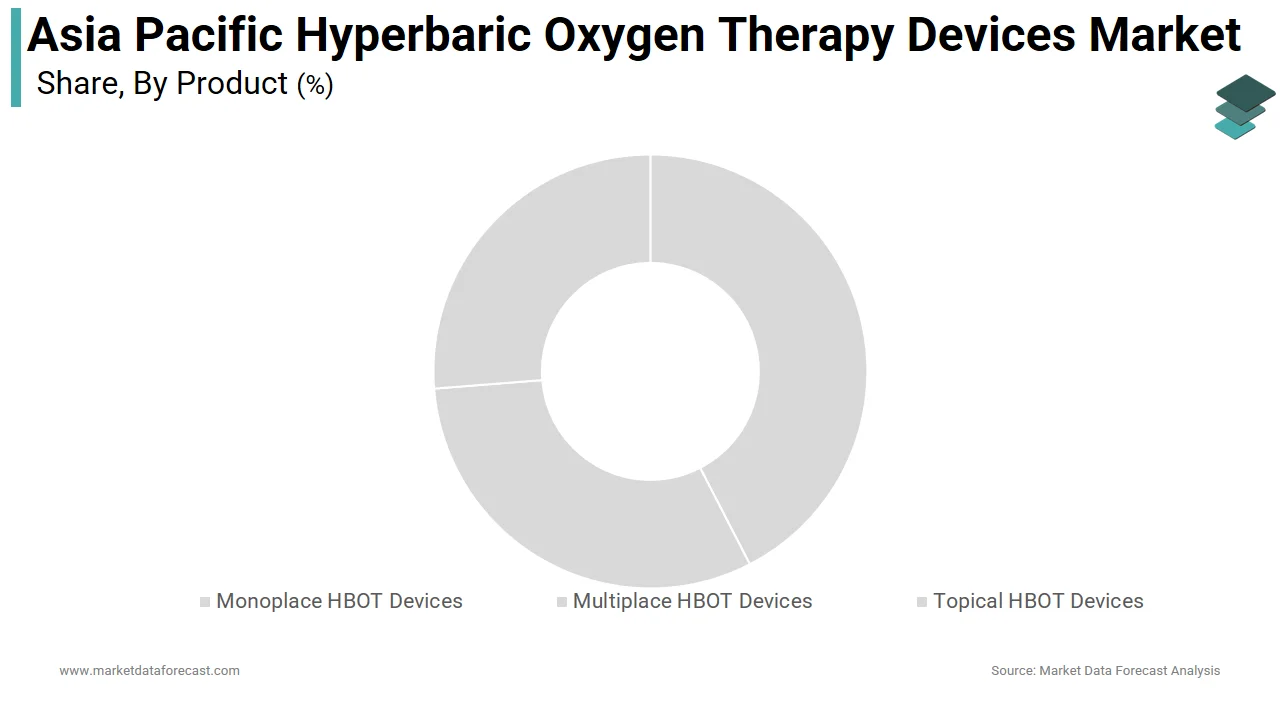
Institutional preference for multiplace hyperbaric oxygen therapy devices is reinforced by favourable reimbursement policies and their integration into comprehensive hospital services. According to the Australian Department of Health's Medicare Benefits Schedule, both multiplace and monoplace hyperbaric oxygen treatments are governed under identical billing rules and fees within approved comprehensive hyperbaric medicine facilities, with rebates dictated strictly by the clinical indication and session duration rather than chamber structure. This financial incentive encourages public and private hospitals to prioritise the acquisition of multiplace chambers. In addition, as per sources, hyperbaric oxygen therapy is widely leveraged nationwide in Japan for specialised conditions, including radiation-induced tissue damage and refractory diabetic wounds. This high adoption rate reflects the trust clinicians place in these systems for managing chronic conditions requiring long-term therapy. The presence of attendants inside the chamber enhances patient safety and comfort, reducing anxiety and improving compliance. Large healthcare networks in South Korea and Singapore are expanding their hyperbaric departments with multiplace units to serve growing oncology and wound care populations. The durability and longer lifespan of multiplace chambers offer better return on investment for healthcare institutions. Regulatory guidelines often mandate multiplace capabilities for certain severe indications, further restricting the use of smaller devices in critical care. These structural and financial factors sustain the market leadership of multiplace HBOT devices.
The monoplace HBOT device segment is experiencing the fastest growth in the Asia Pacific market due to its lower acquisition costs and compact footprint. According to research, clinical providers scale their initial capital expenditures on medical gas infrastructure based on localised operational capacity, with single-patient options offering entry access for specialised care. As per studies, single-occupancy hard-sided hyperbaric chambers represent lower baseline device procurement investments relative to specialised multi-occupancy structural systems. Furthermore, according to sources, single-patient medical infrastructure choices are commonly influenced by architectural footprints and installation parameters within localised facilities. This accessibility enables rapid expansion of hyperbaric services into tier two cities and suburban areas where demand is rising. Manufacturers are introducing lightweight and portable monoplace designs that further reduce logistical barriers. The ease of operation allows non-specialised staff to manage treatments after basic training, addressing the shortage of hyperbaric experts. Insurance providers in countries like Thailand and Malaysia are beginning to cover monoplace sessions for specific wound care indications, boosting patient access. The lower operational costs associated with electricity and maintenance make these devices economically sustainable for smaller practices. This democratisation of hyperbaric therapy drives rapid adoption across diverse healthcare settings.
The increasing application of monoplace hyperbaric oxygen therapy in wellness centres and sports rehabilitation facilities is propelling its rapid growth in the Asia-Pacific region. As per the Global Wellness Institute, the entire global wellness economy has surpassed 6.3 trillion USD, with the Asia-Pacific regional wellness market valued at approximately 2.0 trillion USD. Affluent consumers are seeking monoplace chambers for mild hyperbaric oxygen therapy to enhance cognitive function and reduce fatigue. Besides, according to studies, competitive athletes utilise diverse private recovery methodologies post-training to optimise physiological recovery timelines and address muscular fatigue. These devices allow for personalised treatment schedules without the need for hospital admission. The rise of boutique fitness studios and luxury spas incorporating hyperbaric technology creates new distribution channels outside traditional healthcare. Manufacturers are marketing sleek and aesthetically pleasing monoplace units that appeal to consumer-focused environments. Social media influence and celebrity endorsements further drive public interest in hyperbaric wellness benefits. Regulatory frameworks in some regions distinguish between medical and wellness hyperbaric use, allowing easier market entry for non-medical-grade monoplace devices. This expansion into the consumer health sector diversifies the customer base and accelerates segment growth beyond clinical applications.
By Application Insights
The wound healing application segment led the Asia Pacific hyperbaric oxygen therapy devices market and captured a significant share in 2025. This leading position of the segment was attributed to the soaring prevalence of diabetes and associated foot ulcers. As per the International Diabetes Federation, the Western Pacific region has 206 million adults with diabetes, with a significant proportion developing chronic foot ulcers that are resistant to standard care. Hyperbaric oxygen therapy is clinically proven to enhance wound healing by increasing tissue oxygenation and stimulating angiogenesis. Furthermore, according to sources, hyperbaric oxygen therapy serves as an adjunctive intervention to manage severe tissue infections and lower-limb amputation risks. This compelling clinical evidence drives physicians to prescribe hyperbaric sessions as part of multidisciplinary limb salvage protocols. Hospitals in China and India are establishing specialised wound care centres equipped with hyperbaric devices to manage this growing burden. The ageing population in Japan and South Korea further exacerbates the incidence of slow-healing wounds due to poor circulation. Government health initiatives focusing on diabetes management indirectly support the adoption of hyperbaric therapies for complication prevention. Reimbursement policies in Australia and New Zealand cover hyperbaric treatment for diabetic foot ulcers, ensuring financial viability for providers. The chronic nature of these wounds requires multiple sessions, creating sustained demand for hyperbaric services. This strong clinical necessity cements wound healing as the primary application area.
The integration of hyperbaric oxygen therapy into standardised multidisciplinary wound care pathways significantly reinforces its leading position in the Asia Pacific market. According to research, multimodal protocols integrating surgical debridement, pressure offloading, and hyperbaric therapy are used cooperatively by clinical institutions to facilitate patient healing timelines. Furthermore, as per research, hyperbaric oxygen therapy provides systemic oxygenation that aids in the management of complex wounds and compromised tissue flaps. Plastic surgeons utilise hyperbaric chambers to enhance the survival of skin flaps and reconstructive tissues. The establishment of national wound care guidelines in countries like Japan includes hyperbaric therapy as a recommended intervention for specific wound types. This institutional endorsement drives consistent referral patterns and device utilisation. Training programs for wound care specialists now include modules on hyperbaric medicine, building local expertise. The availability of outcome data demonstrating reduced hospital stays and lower overall treatment costs encourages healthcare administrators to invest in hyperbaric units. Patient awareness campaigns highlight the benefits of hyperbaric therapy for chronic wounds, increasing demand. These systemic integrations ensure that wound healing remains the cornerstone of hyperbaric applications in the region.
The infection treatment application segment is witnessing rapid expansion in the Asia Pacific hyperbaric oxygen therapy market owing to the global crisis of antibiotic resistance. As per the World Health Organisation, antimicrobial resistance causes over 1.2 million deaths annually worldwide, with Asia being a hotspot for resistant bacterial strains. Hyperbaric oxygen therapy enhances the efficacy of antibiotics by improving drug penetration into infected tissues and boosting immune cell function. Furthermore, according to studies, hyperbaric oxygen therapy exerts direct bactericidal effects against anaerobic pathogens and serves as an important adjunct in managing necrotising soft tissue infections. This life-saving potential drives emergency departments to adopt hyperbaric protocols for severe infections. The rising incidence of diabetic foot infections and post-surgical complications in the region further fuels demand. Hospitals in Thailand and Indonesia are increasingly using hyperbaric therapy as an adjunct to surgical debridement for gangrene. Clinical guidelines are evolving to include hyperbaric oxygen for refractory osteomyelitis and fungal infections. The ability of hyperbaric oxygen to disrupt biofilms makes it a valuable tool against chronic infections. Pharmaceutical companies are exploring combination therapies involving hyperbaric oxygen to combat resistant pathogens. This urgent clinical need accelerates the adoption of hyperbaric devices for infectious disease management.
The expanding use of hyperbaric oxygen therapy in post-surgical care and trauma management is driving rapid growth in the infection treatment segment. According to reports, traumatic injuries involving contaminated wounds represent a notable clinical challenge following industrial and motor vehicle accidents. Hyperbaric oxygen therapy reduces the risk of surgical site infections by enhancing tissue oxygenation and promoting faster healing. Additionally, as per studies, administering hyperbaric oxygen therapy early in the post-traumatic phase can help reduce systemic and local inflammatory responses and optimise fracture healing. Orthopaedic surgeons in South Korea and Australia are incorporating hyperbaric sessions into post-operative protocols for high-risk patients. The growing number of reconstructive surgeries following trauma increases the pool of candidates for hyperbaric therapy. Military hospitals in the region utilise hyperbaric chambers to treat combat-related infections and blast injuries. Civilian trauma centres are adopting similar practices to improve patient recovery times. Insurance coverage for post-surgical complications is expanding in several countries, facilitating access. The proven benefit of hyperbaric oxygen in preventing sepsis and reducing hospital readmissions appeals to healthcare providers. This broadening scope of application beyond traditional indications drives the segment's accelerated growth trajectory.
COUNTRY LEVEL ANALYSIS
Japan Hyperbaric Oxygen Therapy Devices Market Analysis
Japan was the second-largest country within the Asia Pacific hyperbaric oxygen therapy devices market in 2025. This growth of the Japanese market was propelled by an ageing population and comprehensive health coverage. According to sources, multiple clinical sites utilise environmental oxygenation chambers to provide specialised care for complex tissue and physiological indications. This extensive infrastructure supports high utilisation rates for treating diabetic wounds and radiation injuries. Furthermore, the Ministry of Health, Labour and Welfare includes hyperbaric oxygen therapy in the national health insurance scheme for specific indications, ensuring financial accessibility for patients. The high prevalence of gastric cancer and subsequent radiation therapy creates a steady demand for hyperbaric interventions to manage side effects. Local manufacturers collaborate with international firms to develop technologically advanced multiplace chambers. Regulatory standards are stringent, ensuring high quality and safety of devices. The culture of preventive healthcare encourages early adoption of hyperbaric therapy for chronic conditions. Research institutions in Japan continue to publish evidence supporting new indications, driving innovation. The market is characterised by steady replacement demand and technological upgrades rather than rapid expansion. High patient expectations for quality care sustain the premium segment of the market.
China Hyperbaric Oxygen Therapy Devices Market Analysis
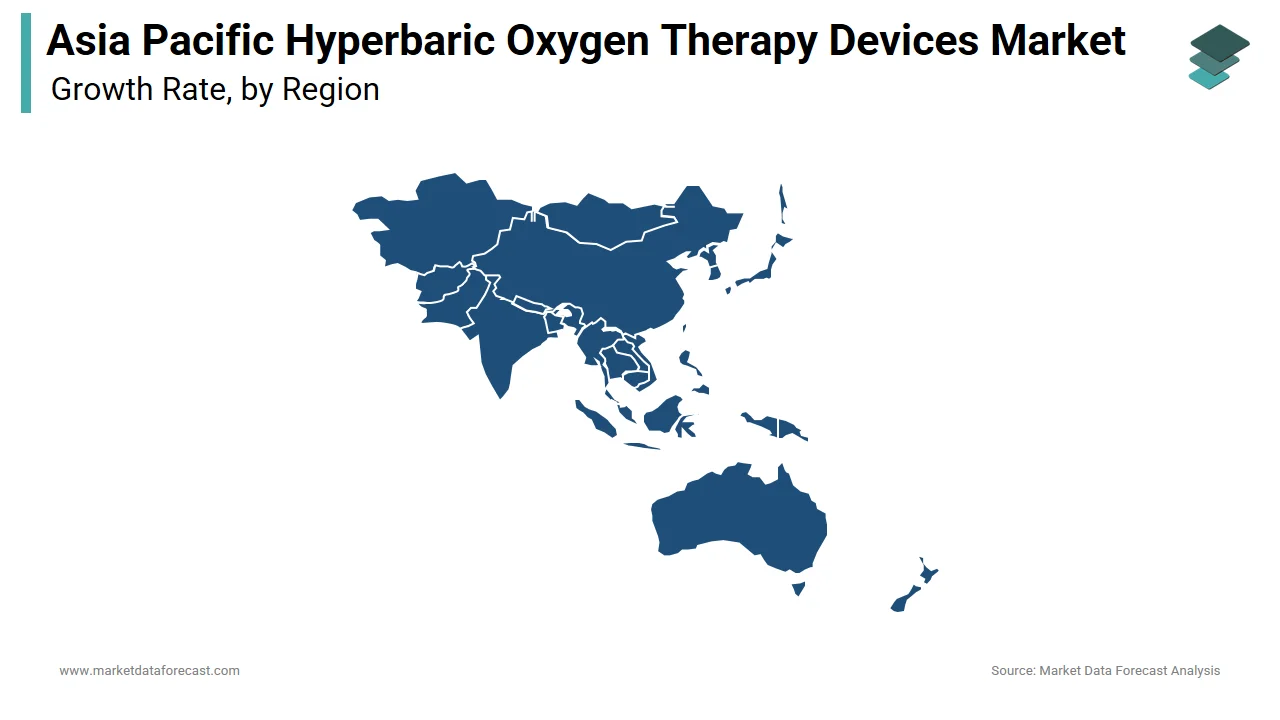
China was the top performer in the Asia Pacific hyperbaric oxygen therapy devices market and captured a significant share in 2025. This prominence of the Chinese market was fuelled by its massive population and improving healthcare infrastructure. According to studies, hyperbaric oxygen therapy infrastructure comprises thousands of operational chambers, serving millions of patients annually under standardised medical training systems. This rapid expansion is fueled by the rising burden of diabetes and cardiovascular diseases. Moreover, the National Health Commission of China is promoting the integration of traditional and modern medicine, with hyperbaric therapy gaining recognition for its complementary benefits. Large public hospitals in tier one cities are investing in multiplace chambers to handle high patient volumes. Local manufacturing capabilities are strengthening, reducing costs and improving supply chain efficiency. Regulatory reforms by the National Medical Products Administration have streamlined approval processes for imported devices. Awareness among physicians about hyperbaric applications for stroke recovery and wound care is increasing. Private healthcare providers are entering the market to cater to affluent patients seeking premium services. The sheer scale of the patient population offers unparalleled potential for market participants. Strategic partnerships between global and local players facilitate deeper market penetration.
India Hyperbaric Oxygen Therapy Devices Market Analysis
India is quickly accelerating in the Asia Pacific hyperbaric oxygen therapy devices market due to a mix of public and private sector growth. According to research, specialised hyperbaric oxygen therapy systems are increasingly integrated into multi-speciality urban hospital models to support advanced wound care and emergency physiological treatments. This growth is supported by the rising incidence of diabetic foot ulcers and trauma cases. Moreover, the Ministry of Health and Family Welfare is exploring ways to include hyperbaric therapy in government health schemes for specific conditions, which could significantly expand access. Cost-sensitive patients often seek treatment in charitable hospitals that have started installing monoplace units due to their affordability. Medical tourism attracts international patients seeking affordable hyperbaric treatments for chronic wounds. Local distributors play a crucial role in navigating regulatory requirements and ensuring product availability. Awareness campaigns by professional associations educate physicians about the benefits of hyperbaric therapy. Training programs for hyperbaric technicians are expanding to address workforce shortages. The market exhibits robust growth potential driven by volume and increasing affordability. Challenges related to reimbursement consistency remain, but ongoing policy discussions aim to address these gaps.
South Korea Hyperbaric Oxygen Therapy Devices Market Analysis
South Korea contributes notably to the Asia Pacific hyperbaric oxygen therapy devices market owing to high healthcare spending and innovation. Its fast-tracked adoption is driven by regulatory openness to soft-, mild-, and portable hyperbaric installations within wellness, anti-ageing, and post-operative aesthetic clinics. The Korean Society for Hyperbaric Medicine states that hyperbaric oxygen therapy is widely used for treating sudden hearing loss and radiation-induced injuries, reflecting diverse clinical applications. This broad indication profile drives consistent demand for both monoplace and multiplace devices. Furthermore, the National Health Insurance Service covers hyperbaric therapy for several conditions, ensuring high patient accessibility and adherence. The country is a leader in medical technology adoption, with hospitals quickly integrating new hyperbaric systems with digital monitoring capabilities. Ageing demographics create a growing patient base for chronic wound management and neuroprotection. Local research institutions collaborate with global firms to develop next-generation hyperbaric protocols. Regulatory pathways through the Ministry of Food and Drug Safety are efficient, facilitating timely market entry. Patient awareness of hyperbaric benefits is high due to effective health education campaigns. The competitive landscape encourages continuous improvement in device quality and service delivery. Market growth is steady, driven by technological upgrades and expansion into new clinical areas.
Australia Hyperbaric Oxygen Therapy Devices Market Analysis
Australia is an established landscape within the Asia Pacific hyperbaric oxygen therapy devices market. It is focused heavily on diving emergency decompression and clinical wound care under stringent safety standards. The Australian and New Zealand College of Anaesthetists states that hyperbaric medicine is a recognized specialty, ensuring high standards of practice and training. This professional recognition drives the adoption of advanced multiplace chambers in major hospitals. Besides, the Department of Health provides Medicare rebates for hyperbaric treatments for approved indications such as decompression sickness and carbon monoxide poisoning. This financial support sustains the operational viability of hyperbaric units. The country has a strong diving industry, which creates consistent demand for emergency hyperbaric services. Remote areas rely on portable monoplace units for initial stabilisation before transfer to larger centres. Research collaborations with universities contribute to global evidence bases for new indications. Patient advocacy groups raise awareness about the benefits of hyperbaric therapy for chronic conditions. The market is characterised by high quality standards and rigorous safety protocols. Growth is driven by replacement of older equipment and adoption of new technologies.
Thailand Hyperbaric Oxygen Therapy Devices Market Analysis
Thailand is seeing emerging expansion within the Asia Pacific hyperbaric oxygen therapy devices market due to medical tourism and improving domestic healthcare infrastructure. According to studies, clinical healthcare offerings incorporating advanced physiological recovery modalities continue to scale to serve domestic public demands and broader medical travellers. This growth is supported by the country’s reputation for high-quality and affordable healthcare. In addition, the Ministry of Public Health promotes medical tourism, which attracts international patients seeking hyperbaric treatments for wellness and chronic conditions. Bangkok serves as a centre of excellence for hyperbaric medicine in Southeast Asia. Local manufacturing capabilities are developing to support regional supply chains for standard devices. Regulatory processes through the Thai FDA are becoming more streamlined to facilitate faster market entry. Awareness campaigns target urban populations to encourage early screening for conditions benefiting from hyperbaric therapy. Private hospitals compete on service quality and technology adoption, driving innovation in patient care. Training programs for local physicians enhance technical skills for hyperbaric procedures. The market benefits from both domestic demand and cross-border patient flows.
COMPETITIVE LANDSCAPE
The competitive landscape of the Asia Pacific hyperbaric oxygen therapy devices market is characterized by a mix of established global manufacturers and emerging regional players. Leading multinational corporations dominate due to their extensive product portfolios, strong brand recognition, and robust distribution networks across the region. These leaders continuously innovate to maintain technological superiority and differentiate their offerings through advanced features such as automated pressure control and digital monitoring systems. Local players are gaining traction by offering cost-effective alternatives tailored to specific regional needs and budget constraints of smaller clinics. Competition drives continuous improvement in device safety, reliability, and patient comfort levels across all segments. Price sensitivity in emerging markets forces companies to balance premium pricing with affordability strategies to capture broader patient bases. Regulatory compliance serves as a significant barrier to entry, ensuring only qualified participants operate within the market effectively. Collaborative efforts between competitors and healthcare institutions foster innovation and improve clinical standards for hyperbaric medicine. The race for talent and specialized engineering expertise further intensifies competition as companies seek to build capable teams for research and development. Strategic alliances and joint ventures become common tactics to share risks and leverage complementary strengths in new markets. This dynamic environment encourages constant adaptation and innovation to meet diverse clinical demands and regulatory requirements effectively.
KEY MARKET PLAYERS
The leading companies operating in the Asia Pacific hyperbaric oxygen therapy devices market include:
- HAUXSTAR Medical Technology
- HEARMEC
- IHC Hytech B.V. (Royal IHC)
- Hyperbaric SAC
- Sechrist Industries, Inc.
- Gulf Coast Hyperbarics, Inc.
- Fink Engineering
- ETC Hyperbaric Chambers (Environmental Tectonics Corporation)
- OxyHeal International
- SOS Group Global Ltd.
TOP PLAYERS IN THE MARKET
- Sechrist Industries maintains a strong presence in the Asia Pacific hyperbaric oxygen therapy devices market through its robust portfolio of multiplace and monoplace chambers. The company actively collaborates with regional distributors to ensure timely delivery and installation of its advanced systems across major healthcare hubs. Recent initiatives include launching next-generation control systems that enhance patient safety and operational efficiency in hospitals throughout Japan and Australia. Sechrist focuses on providing comprehensive training programs for clinical staff to ensure proper device utilization and maintenance. Their commitment to quality engineering and regulatory compliance strengthens their reputation among healthcare providers. The company also invests in research and development to create energy-efficient designs that reduce operational costs for facilities. Strategic partnerships with local service providers improve after-sales support and spare parts availability in emerging markets. These efforts collectively reinforce their position as a trusted supplier of reliable hyperbaric solutions in the region.
- HAUXSTAR Medical Technology contributes significantly to the Asia Pacific market by offering cost-effective and innovative hyperbaric oxygen therapy solutions tailored to diverse clinical needs. The company has expanded its manufacturing capabilities in China to meet the growing demand from both domestic and international clients. Recent actions include introducing modular hyperbaric chambers that allow for easier installation and scalability in smaller clinics and wellness centers. HAUXSTAR emphasizes digital integration by developing smart monitoring systems that track treatment parameters in real time. The company participates in regional medical exhibitions to showcase its technological advancements and build relationships with key stakeholders. Collaborations with research institutions help validate the efficacy of their devices for new indications such as sports recovery. HAUXSTAR also focuses on obtaining necessary certifications in key markets like South Korea and Singapore to facilitate market entry. Their agile approach to product development and customer service drives sustained growth and brand recognition.
- Fink Engineering Pty Ltd serves as a leading provider of specialized hyperbaric solutions in the Asia Pacific region with a focus on high-quality engineering and custom designs. The company is renowned for its durable multiplace chambers used in naval and commercial diving operations across Australia and Southeast Asia. Recent strategies include upgrading its product line with advanced life support systems that meet stringent international safety standards. Fink Engineering actively engages in joint ventures with local firms to expand its service network and technical support capabilities. The company invests in continuous improvement processes to enhance the reliability and longevity of its equipment. Participation in industry conferences allows it to stay updated on emerging trends and regulatory changes. Fink Engineering also provides customized training programs for operators to ensure safe and effective use of their systems. Their dedication to engineering excellence and customer satisfaction solidifies their competitive edge in the specialized hyperbaric sector.
TOP STRATEGIES USED BY KEY MARKET PARTICIPANTS
Key players in the Asia Pacific hyperbaric oxygen therapy devices market employ strategic initiatives to enhance their competitive positioning and drive sustainable growth. Product innovation remains a central focus as companies invest in research and development to create more efficient and user-friendly chambers. Strategic partnerships with local distributors and healthcare providers facilitate deeper market penetration, especially in emerging economies with complex logistical landscapes. Companies prioritize obtaining regulatory approvals in major markets like Japan, China, and Australia to establish credibility and ensure compliance. Expansion of manufacturing facilities within the region helps reduce costs and mitigate supply chain disruptions effectively. Digital health integration is another critical strategy where firms develop remote monitoring platforms to enhance patient safety and data collection. Educational initiatives targeting physicians and technicians raise awareness about advanced hyperbaric applications and proper operational protocols. Mergers and acquisitions allow larger corporations to absorb innovative startups and expand their product portfolios rapidly. Pricing strategies are adapted to local economic conditions, ensuring affordability while maintaining profitability margins. These combined approaches enable sustained competitiveness and responsiveness to evolving regional healthcare needs and clinical demands.
MARKET SEGMENTATION
This Asia Pacific hyperbaric oxygen therapy devices market research report is segmented and sub-segmented into the following categories.
By Product
- Monoplace HBOT Devices
- Multiplace HBOT Devices
- Topical HBOT Devices
By Application
- Wound Healing
- Decompression Sickness
- Infection Treatment
- Gas Embolism
- Others
By Country
- India
- China
- Japan
- South Korea
- Australia
- New Zealand
- Thailand
- Malaysia
- Vietnam
- Philippines
- Indonesia
- Singapore
- Rest Of APAC