- Product Description Description
- Table of Contents TOC
- List of Table & Figure LOT
- Get Free Sample PDF Sample PDF
Market Size, 2025
$$1,121 MnMarket Estimate, 2026
$$1,224 MnMarket Forecast, 2034
$$2,475 MnCAGR, 2026–2034
9.2%Executive Summary: Asia-Pacific Animal Genetics Market
- Market Scope: Comprehensive Asia-Pacific animal genetics market analysis covering genetic materials, testing services, livestock modernization frameworks, regional leadership metrics, and precision breeding trends.
- Market Valuation: Valued at USD 1,121 million (2025), estimated at USD 1,224 million (2026), and projected to reach USD 2,475 million by 2034, registering a robust CAGR of 9.2% (2026–2034).
- Primary Growth Drivers: Surging demand for high-quality protein and dairy products across rapidly urbanizing populations, government initiatives supporting livestock modernization for food security, artificial insemination, embryo transfer, and genomic selection. Key challenges include high technology costs and rural infrastructure deficits.
Key Market Segment Metrics (2026–2034)
| Category | Leading Segment (Position) | Fastest-Growing Segment |
|---|---|---|
| By Material & Testing Services | Genetic material segment (dominated the market in 2025) & DNA typing (led testing services in 2024) | Embryos (anticipated to witness the fastest CAGR of 9.8%) & Genetic disease tests (projected CAGR of 11.5%) |
| By Region / Country | China (held largest country share at 35.1% in 2025, followed by India at 20.4%) | Australia (major global supplier leveraging disease-free status for genetic exports) |
Major Market Players & Market Structure
Market Structure: Highly competitive regional animal breeding and biotechnology landscape featuring multinational genetics providers expanding biosecure supply chains, region-specific breeding indexes, and advanced laboratory testing capabilities.
Key Companies: Genus Plc, Hendrix Genetics BV, Alta Genetics, CRV Holding B.V., Neogen Corporation, VetGen, STgenetics LLC, Animal Genetics Inc., and Zoetis.
Asia-Pacific Animal Genetics Market Size
The Asia-Pacific animal genetics market reached USD 1,121 million in 2025, is expected to grow to USD 1,224 million in 2026, and is anticipated to touch USD 2,475 million by 2034, at a CAGR of 9.2% from 2026 to 2034.
Animal genetics is the study of heredity and variation in animals. It focuses on how specific biological traits, such as growth rate, disease resistance, and physical appearance, are passed from parents to offspring. This sector is pivotal in addressing the region's escalating demand for high-quality protein sources amidst a rapidly growing population and shifting dietary preferences. The market integrates advanced tools such as artificial insemination, embryo transfer, and molecular marker-assisted selection to improve traits like disease resistance, milk yield, and meat quality. According to the Food and Agriculture Organization of the United Nations, the Asia Pacific region accounts for over 60 percent of the global pig population and a significant portion of poultry production, underscoring its critical role in global food security. The rising middle class in countries like China, India, and Vietnam has led to increased per capita consumption of meat and dairy products, driving the need for more efficient and productive livestock breeds. As per World Bank data, rapid urbanization in the Asia-Pacific region has driven a structural transformation in agriculture, reducing the share of subsistence farming. Industry analysis indicates this shift is leading to consolidated farming operations that prioritize genetic efficiency to meet growing demand. Furthermore, the prevalence of zoonotic diseases has heightened the focus on breeding animals with robust immune systems. Government initiatives in nations such as Australia and New Zealand support research and development in agricultural biotechnology, fostering an environment conducive to genetic innovation. This convergence of demographic pressure, economic growth, and technological advancement defines the current landscape of the Asia Pacific animal genetics market.
MARKET DRIVERS
Surging Demand for High-Quality Protein and Dairy Products
The surging demand for high-quality protein and dairy products fuels the growth of the Asia-Pacific animal genetics market. Rapid urbanization and rising disposable incomes across the region have transformed dietary habits, with consumers increasingly prioritizing nutrient-dense foods such as beef, pork, chicken, and milk. According to the OECD-FAO Agricultural Outlook (2024-2033), global meat consumption is projected to increase by 12% over the next decade, with Southeast Asia alone anticipated to account for nearly 40% of the world's additional meat demand due to rising incomes and urbanization. This shift necessitates livestock populations that can deliver higher yields and superior product quality to meet market expectations. Genetic improvement programs enable farmers to breed animals that produce more milk, leaner meat, and faster growth rates, directly addressing the supply gap. In countries like India, which holds the largest cattle population globally, there is a strong emphasis on improving dairy productivity through selective breeding of high-yielding breeds such as Holstein Friesian crosses. Similarly, in China, the recovery of the swine industry following disease outbreaks has accelerated the adoption of genetically superior pig breeds to restore production levels efficiently. The consumer preference for consistent quality and safety in animal products further incentivizes the use of certified genetic materials. This sustained demand for premium animal proteins ensures a robust market for genetic solutions, as producers seek to maximize output while maintaining quality standards in a competitive food landscape.
Government Initiatives Supporting Livestock Modernization and Food Security
Government initiatives supporting livestock modernization and food security significantly drive the expansion of the Asia Pacific animal genetics market. Recognizing the strategic importance of self-sufficiency in food production, several governments in the region have implemented policies to enhance agricultural productivity through technological adoption. As per the Ministry of Agriculture and Rural Affairs (MARA), the government has implemented the Seed Industry Revitalization Action Plan, offering financial support to national core breeding farms to improve genetic self-sufficiency and herd quality. In India, the Rashtriya Gokul Mission (which integrated the former National Mission on Bovine Productivity) aims to enhance milk production through artificial insemination, sex-sorted semen, and the genetic upgradation of indigenous cattle breeds. These programs facilitate access to superior semen and embryos for smallholder and commercial farmers alike. Additionally, countries like Vietnam and Thailand have introduced national strategies to develop their livestock sectors, focusing on biosecurity and genetic improvement to reduce dependency on imports. The Australian government supports research institutions in developing climate-resilient livestock breeds, addressing the unique environmental challenges of the region. Such policy frameworks lower the financial barriers for farmers to invest in advanced genetic technologies. By aligning genetic improvement with national food security goals, governments create a favorable ecosystem for market expansion. This institutional support accelerates the adoption of modern breeding practices, ensuring that the animal genetics market continues to grow in response to strategic public sector investments.
MARKET RESTRAINTS
High Cost of Advanced Genetic Technologies and Services
The high cost of advanced genetic technologies and services impedes the growth of the Asia-Pacific animal genetics market. Premium genetic materials, such as sexed semen, elite embryos, and genomic testing kits, require substantial financial investment, which is often prohibitive for smallholder farmers who constitute a large portion of the livestock sector in countries like India and Indonesia. As per Food and Agriculture Organization (FAO) technical guidelines, while artificial insemination (AI) eliminates the cost of maintaining bulls, it requires significant initial investment in cold chain infrastructure and technician training, which remains a barrier for smallholder farmers. Furthermore, the infrastructure required for cold chain storage of genetic materials and the specialized equipment for laboratory analysis add to the operational burden. Many rural farmers lack access to credit facilities or insurance products that could mitigate these financial risks. The recurring costs associated with genomic screening and data management also deter smaller operations from participating in formal breeding programs. Consequently, a significant segment of the market remains reliant on traditional, less efficient breeding practices. This economic barrier limits the penetration of high value genetic solutions to large commercial enterprises, creating a disparity in productivity between industrial and subsistence farming sectors. The high expense of genetic technologies continues to restrict market growth among the broader farming community. This barrier will persist until costs decrease or financial support mechanisms become more accessible.
Lack of Technical Expertise and Infrastructure in Rural Areas
The lack of technical expertise and infrastructure in rural areas is a formidable restraint to the Asia-Pacific animal genetics market. Effective implementation of genetic improvement programs requires skilled personnel who can perform artificial insemination, manage breeding records, and interpret genomic data. However, many rural regions in developing economies face a severe shortage of trained veterinarians and animal husbandry experts. As per the World Organisation for Animal Health, the ratio of veterinarians to livestock in several Asian countries is significantly below recommended levels, hindering the delivery of essential genetic services. Additionally, the infrastructure necessary for preserving genetic materials, such as reliable electricity for refrigeration and internet connectivity for data transmission, is often inadequate in remote areas. Poor road networks further complicate the timely distribution of semen and other perishable genetic products. This logistical and human resource gap results in low conception rates and inefficient breeding outcomes, discouraging farmers from adopting advanced genetic technologies. Without adequate training programs and infrastructure development, the potential benefits of animal genetics remain unrealized for a large portion of the livestock population. The disconnect between technological availability and practical application in rural settings creates a bottleneck that stifles market expansion. Addressing this deficit requires sustained investment in education and rural development, which remains a slow and complex process.
MARKET OPPORTUNITIES
Expansion of Genomic Selection and Precision Breeding Technologies
The expansion of genomic selection and precision breeding technologies offers a significant opportunity for the Asia-Pacific animal genetics market. Genomic selection allows for the identification of superior genetic traits at an early age, significantly reducing the generation interval and accelerating genetic gain. According to DataGene (Australia) and DairyNZ, the adoption of genomic testing has accelerated, with Australian dairy herds testing over 60,000 animals annually to drive genetic gain and herd efficiency. This technology enables breeders to select animals with specific desirable traits such as disease resistance, feed efficiency, and heat tolerance, which are crucial for the diverse climatic conditions of the Asia Pacific region. The decreasing cost of genotyping chips and the advancement of bioinformatics tools are making these technologies more accessible to larger farms in emerging markets like China and Brazil. Companies offering integrated platforms that combine genomic data with herd management software are gaining traction, providing farmers with actionable insights. The ability to predict performance accurately reduces the risk of breeding failures and enhances overall productivity. Furthermore, the integration of artificial intelligence in analyzing genetic data offers new avenues for optimizing breeding strategies. This technological evolution creates opportunities for service providers to offer comprehensive genetic solutions, driving market growth through enhanced efficiency and profitability for livestock producers.
Growing Companion Animal Sector and Pet Humanization Trends
The growing companion animal sector and pet humanization trends create a pathway for the expansion of the Asia-Pacific animal genetics market. The number of pet owners in the region is rising rapidly, particularly in urban centers of China, Japan, and South Korea, driven by changing lifestyles and increasing emotional attachment to pets. As per research, the pet care landscape in Asia Pacific is one of the fastest-growing globally, with significant spending on premium health and wellness products. This trend extends to genetic testing for breed identification, health predisposition screening, and personalized nutrition plans for dogs and cats. Pet owners are increasingly willing to invest in genetic services to ensure the long-term health and well-being of their companions. Companies specializing in canine and feline genetics are expanding their service offerings to include tests for hereditary diseases and trait analysis. The rise of purebred pet ownership further fuels demand for certified genetic lineage and breeding services. Additionally, the regulatory environment in countries like Japan is becoming more supportive of advanced veterinary care, including genetic diagnostics. This shift toward treating pets as family members creates a premium market segment for animal genetics, distinct from the livestock sector. Companies can tap into a high-value and resilient revenue stream. They can achieve this by catering to the emotional and health needs of pet owners.
MARKET CHALLENGES
Regulatory Heterogeneity and Cross-Border Trade Barriers
Regulatory heterogeneity and cross-border trade barriers are significant challenges to the Asia-Pacific animal genetics market. Each country in the region has its own set of regulations governing the import and export of genetic materials, such as semen, embryos, and live animals. As per the APEC Committee on Trade and Investment (CTI), divergent Sanitary and Phytosanitary (SPS) measures and lack of regulatory transparency significantly increase compliance costs and trade uncertainty for agricultural exporters in the region. For instance, strict quarantine protocols in countries like Australia and New Zealand contrast with the varying enforcement levels in Southeast Asian nations, leading to delays and increased costs. The lack of harmonized standards for genetic certification and quality control further complicates international transactions. Some countries impose high tariffs or non-tariff barriers to protect domestic breeding industries, limiting market access for foreign players. Additionally, the approval process for new genetic technologies, such as gene editing, varies widely, with some nations adopting cautious approaches while others are more progressive. This regulatory fragmentation hinders the seamless flow of genetic resources across borders, restricting the ability of companies to optimize their supply chains. Navigating these diverse legal landscapes requires significant resources and expertise, posing a barrier to entry for smaller firms. Cross-border trade in animal genetics remains fraught with logistical and legal complexities. This will persist until greater regulatory alignment is achieved.
Ethical Concerns and Public Perception of Genetic Modification
Ethical concerns and public perception of genetic modification are major limitations for the Asia Pacific animal genetics market. While traditional breeding and genomic selection are generally accepted, the emergence of gene editing technologies such as CRISPR Cas9 has sparked debate regarding animal welfare and food safety. As per a public opinion survey by the Cabinet Office of Japan (and similar studies in South Korea), a majority of consumers express anxiety regarding food safety and the unnaturalness of genetically modified organisms (GMOs) and genome-edited foods. Concerns about unintended consequences, ethical implications of altering animal genomes, and potential environmental impacts hinder the widespread adoption of advanced genetic techniques. Regulatory bodies in several countries have imposed moratoriums or strict restrictions on the commercialization of gene-edited animals, slowing down innovation. The lack of clear public communication and education about the benefits and safety of these technologies exacerbates misinformation and fear. Consumer resistance can lead to market rejection of products derived from genetically modified animals, affecting the entire supply chain. Furthermore, religious and cultural beliefs in certain parts of the region influence attitudes toward animal manipulation, adding another layer of complexity. Companies must navigate these sensitivities carefully, investing in transparency and stakeholder engagement to build trust. Cutting-edge genetic technologies have immense potential. However, without public acceptance, they may remain limited to research settings rather than commercial applications.
REPORT COVERAGE
| REPORT METRIC | DETAILS |
| Market Size Available | 2025 to 2034 |
| Base Year | 2025 |
| Forecast Period | 2026 to 2034 |
| Segments Covered | By Animal Genetic Products, Testing Services, and Country. |
| Various Analyses Covered | Global, Regional, and Country-Level Analysis, Segment-Level Analysis, Drivers, Restraints, Opportunities, Challenges; PESTLE Analysis; Porter’s Five Forces Analysis, Competitive Landscape, Analyst Overview of Investment Opportunities |
| Countries Covered | India, China, Japan, South Korea, Australia, New Zealand, Thailand, Malaysia, Vietnam, Philippines, Indonesia, Singapore & Rest of APAC |
| Market Leaders Profiled | Genus Plc, Hendrix Genetics BV, Alta Genetics, CRV Holding B.V., Neogen Corporation, VetGen, STgenetics LLC, Animal Genetics Inc., and Zoetis. |
SEGMENT ANALYSIS
By Animal Genetic Product Insights
The genetic material segment dominated the Asia Pacific animal genetics market and accounted for the largest share in 2025. Factors such as its critical role in modern breeding programs and widespread adoption across livestock sectors have contributed to the dominance of this segment. This segment includes semen, embryos, and other biological materials used for artificial insemination and embryo transfer. Efficiency and cost advantages in sharing genetic traits over moving live animals are the primary drivers of this segment's market leadership. According to the National Dairy Development Board (NDDB) and FAO data, while artificial insemination (AI) covers approximately 30% of the bovine population in India, it is the primary tool for genetic improvement, with over 100 million doses produced annually to upgrade the predominantly indigenous herd. The ability to transport frozen semen globally allows farmers to access superior genetics from elite bulls without the logistical challenges and high costs associated with importing live animals. Furthermore, the scalability of semen production enables rapid dissemination of desirable traits such as high milk yield or disease resistance across large populations. The established cold chain infrastructure in countries like Australia and New Zealand supports the export of high-quality genetic material to neighboring Asian markets. Government subsidies for artificial insemination services in developing economies further boost the consumption of genetic material. The preference for specific breeds, such as Holstein Friesian for dairy and Duroc for pork, drives consistent demand for certified semen doses. This segment’s leadership is reinforced by the continuous advancement in cryopreservation technologies that extend shelf life and maintain viability, ensuring reliable supply for commercial and smallholder farmers alike.
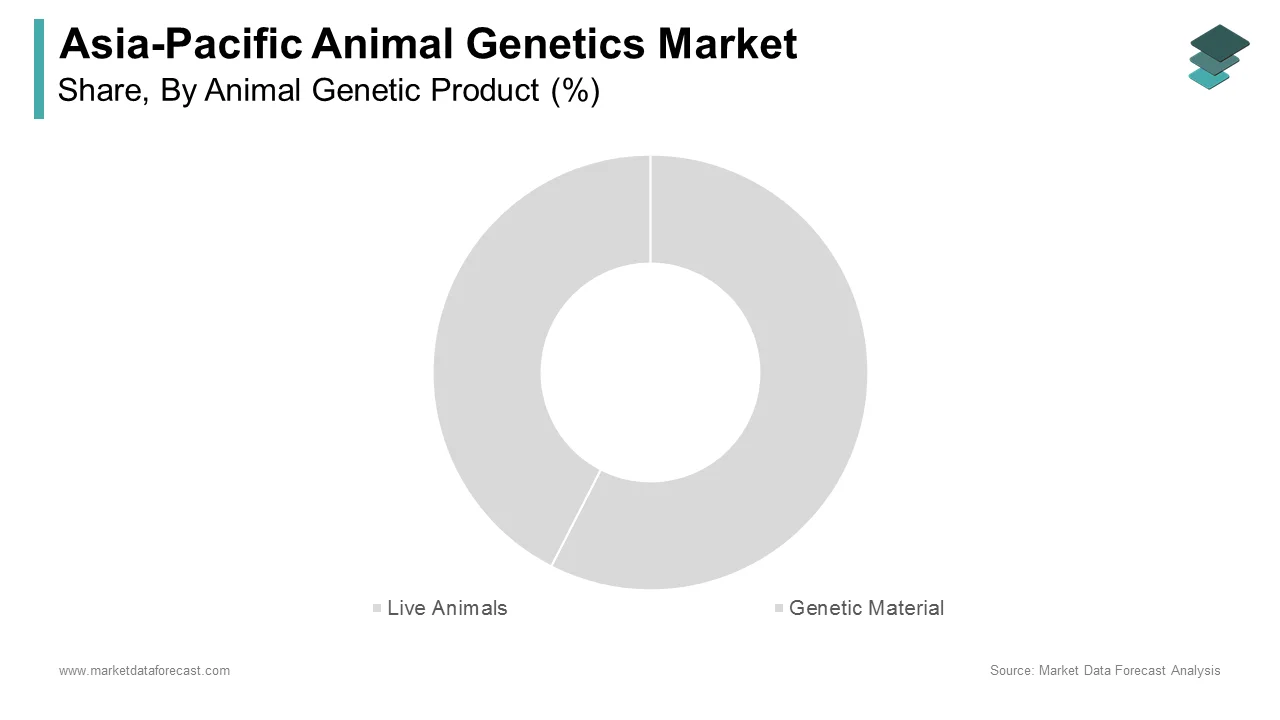
The widespread adoption of artificial insemination in the dairy and swine sectors is a primary driver for the dominance of this segment. Artificial insemination allows for the precise selection of sires with proven genetic merit, significantly accelerating genetic gain compared to natural mating. As per Livestock Improvement Association of Japan (LIAJ) data, the use of artificial insemination in Japan’s dairy sector is near-universal (over 95%), while emerging markets like Vietnam are rapidly increasing adoption through government-supported breeding programs. In the swine industry, artificial insemination is nearly universal in commercial operations in China and Vietnam, driven by the need to control disease transmission and improve feed efficiency. The technique enables a single elite boar to sire thousands of offspring, maximizing the impact of superior genetics. Farmers benefit from reduced risk of sexually transmitted diseases and lower maintenance costs for keeping male breeding stock. The availability of sexed semen, which allows farmers to choose the gender of offspring, further enhances the appeal of this technology, particularly in the dairy sector where female calves are preferred. Government extension services in countries like India provide subsidized artificial insemination services, making it accessible to smallholder farmers. This broad acceptance and institutional support ensure a steady and growing demand for high-quality semen, solidifying the leading position of genetic materials in the market.
The cost efficiency and logistics advantages of genetic material over live animal trade significantly fuel its market domination. Importing live animals involves high transportation costs, strict quarantine regulations, and significant risks of stress-induced mortality or disease introduction. In contrast, frozen semen and embryos can be shipped in small, insulated containers via air freight at a fraction of the cost. As per UN Comtrade data, the trade of bovine semen has grown consistently due to its logistical advantages, while WOAH establishes the sanitary standards that facilitate the safe international movement of this genetic material. This efficiency allows farmers in remote areas of Asia to access top-tier genetics from global leaders in Australia, Europe, and North America. The ability to store genetic material for extended periods provides flexibility in breeding schedules and reduces dependency on immediate availability. Additionally, the regulatory hurdles for importing genetic material are generally less stringent than those for live animals, facilitating smoother cross-border transactions. The lower biosecurity risk associated with processed genetic materials makes them more acceptable to regulatory authorities concerned about zoonotic diseases. This economic and operational advantage makes genetic material the preferred choice for genetic improvement programs, ensuring its continued dominance in the Asia Pacific animal genetics market.
The embryos segment is anticipated to witness the fastest CAGR of 9.8% from 2026 to 2034. This rapid growth of the segment is fueled by the increasing demand for rapid genetic multiplication and the adoption of advanced reproductive technologies such as in vitro fertilization and embryo transfer. Unlike semen, which carries only half the genetic material, embryos allow for the transfer of both maternal and paternal genetics, enabling the rapid propagation of elite female lines. As per research, embryo transfer is gaining traction in high-value livestock sectors such as beef cattle and equine breeding in Australia and Japan. The technology allows a single superior cow to produce multiple offspring in a year, significantly accelerating herd improvement. The rising interest in cloning and gene editing also relies heavily on embryo manipulation techniques, driving innovation and investment in this segment. Furthermore, the growing companion animal market, particularly for purebred dogs and cats, is increasingly utilizing embryo transfer to preserve valuable bloodlines. The decreasing cost of embryo production and improved success rates are making this technology more accessible to commercial breeders. This combination of technological advancement and high-value application positions embryos as the highest growth category in the region.
The acceleration of genetic gain in high-value livestock is a key driver of the rapid growth in the embryo segment. Elite breeding programs aim to maximize the reproductive potential of top-performing females, which is limited by natural biological constraints. Embryo transfer allows these females to produce dozens of offspring annually rather than one, drastically reducing the generation interval. As per the American Embryo Transfer Association (AETA), exports of IVP (In Vitro Produced) embryos to Asian markets (especially China) have been significant, supporting the rapid expansion of high-yielding dairy and beef genetics. This technology is crucial for establishing nucleus herds with superior traits such as marbling in beef or high butterfat in milk. Commercial farms in countries like South Korea and Japan are investing in embryo production facilities to secure competitive advantages. The ability to import elite embryos from global champions allows local breeders to instantly upgrade their herds without years of selective breeding. This rapid improvement in herd quality translates to higher productivity and profitability, justifying the higher initial cost of embryo technology. The strategic importance of fast-tracking genetic progress ensures sustained demand for embryo services, driving the segment’s robust growth trajectory.
The expansion in companion animal breeding and preservation significantly contributes to the fast-growing status of the embryo segment. The pet humanization trend in Asia Pacific has led to increased investment in purebred dogs and cats, with owners seeking to preserve specific lineage and traits. As per sources, the demand for assisted reproductive technologies in companion animals is niche but growing, driven by the preservation of rare breeds and the cloning of beloved pets. Embryo freezing allows breeders to preserve genetics from prized animals for future use or to overcome fertility issues. The growing number of specialized veterinary clinics offering reproductive services in urban centers like Shanghai, Tokyo, and Sydney supports this trend. Additionally, conservation efforts for endangered species and rare indigenous breeds utilize embryo banking to safeguard genetic diversity. The emotional attachment of pet owners and the commercial value of purebred animals create a willing market for advanced reproductive solutions. Regulatory frameworks in countries like Australia are evolving to support ethical breeding practices, including the use of embryos. This niche but high-value application drives innovation and adoption of embryo technologies, fueling the segment’s rapid expansion in the Asia Pacific market.
By Testing Service Insights
The DNA typing segment led the Asia Pacific animal genetics testing market and captured a significant share in 2024. Its fundamental role in parentage verification, breed identification, and registry management propels the leading position of this segment. This service is essential for maintaining the integrity of breeding programs and ensuring the authenticity of purebred animals. As per the Australian Stud Book and Dogs Australia (ANKC), DNA profiling is mandatory for all Thoroughbred foals and registered breeding dogs to ensure the integrity of the pedigree and prevent fraud. The widespread use of microsatellite markers and single nucleotide polymorphisms allows for accurate identification of individuals and confirmation of lineage. In the livestock sector, DNA typing is crucial for verifying pedigree claims, which directly impact the value of breeding stock. The dairy industry in India and Australia relies heavily on DNA profiling to manage large herds and prevent fraud in milk production records. The companion animal sector also drives demand, as pet owners seek verification of breed purity for insurance and breeding purposes. The standardization of DNA testing protocols by international bodies facilitates cross-border recognition of results, enhancing its utility. The relatively low cost and high throughput of modern DNA typing methods make it accessible to a broad range of users. This foundational role in genetic identity and traceability secures the dominant position of DNA typing in the testing services market.
Mandatory registry requirements and the need for fraud prevention are major factors for the dominance of the DNA typing segment. Livestock and companion animal registries increasingly mandate DNA profiling to ensure the accuracy of pedigree records and prevent misrepresentation. As per the Australian Stud Book and Dogs Australia (ANKC), DNA profiling is mandatory for all Thoroughbred foals and registered breeding dogs to ensure the integrity of the pedigree and prevent fraud. This requirement protects the value of breeding stock by ensuring that only verified animals enter the gene pool. In the commercial meat and dairy sectors, DNA typing helps prevent fraud related to breed labeling and origin claims, which is critical for premium product marketing. The rise of geographic indication labels for specific meat products, such as Wagyu beef in Japan, relies on DNA testing to authenticate origin. Regulatory bodies are strengthening enforcement to maintain consumer trust and market integrity. The legal implications of false pedigree claims further incentivize the use of DNA typing. This regulatory and commercial necessity creates a consistent and mandatory demand for DNA typing services, ensuring its leading position in the market.
The growth in purebred companion animal ownership significantly fuels the top position of the DNA typing segment. As pet ownership rises in Asia Pacific, so does the demand for purebred dogs and cats with verified lineage. As per surveys, a significant percentage of pet owners in urban China and Japan prefer purebred animals for their predictable traits and temperament. Kennel clubs and breed associations require DNA typing for registration and participation in shows, creating a steady stream of testing requests. Pet insurers also increasingly require DNA verification to assess risk and determine premiums based on breed-specific health issues. The emotional value placed on pets leads owners to invest in confirming their animal’s heritage. Social media and online platforms facilitate the buying and selling of purebred pets, where DNA certificates serve as proof of quality and authenticity. This consumer-driven demand complements the regulatory requirements in livestock, broadening the user base for DNA typing services. The ease of sample collection and rapid turnaround times further encourage adoption among pet owners. This dual pressure from regulatory bodies and conscious consumers sustains the leading position of DNA typing in the testing services market.
The genetic disease tests segment is likely to experience the fastest CAGR of 11.5% during the forecast period owing to increasing awareness of hereditary conditions in both livestock and companion animals and the desire to eliminate these traits from breeding pools. Advances in genomic sequencing have made it possible to screen for hundreds of genetic disorders simultaneously, offering comprehensive health profiles. As per veterinary medical associations, the incidence of breed-specific diseases such as hip dysplasia in dogs and metabolic disorders in cattle is prompting proactive screening. Pet owners are increasingly willing to pay for preventive health measures to avoid costly treatments and emotional distress. In livestock, identifying carriers of recessive diseases allows breeders to make informed mating decisions, improving overall herd health and productivity. The integration of genetic disease testing into routine veterinary care is becoming standard practice in developed markets. The development of new diagnostic panels for emerging diseases further expands the scope of testing. This shift toward preventive and precision veterinary medicine positions genetic disease tests as the highest growth category in the region.
Rising awareness of hereditary conditions in pets is propelling the expansion of this market segment. Veterinary professionals and breeders are increasingly educating pet owners about the risks of inherited diseases and the benefits of early detection. As per studies, the prevalence of genetic disorders in popular breeds such as Golden Retrievers and Persian cats is well documented, prompting responsible breeding practices. Pet owners are proactively screening their animals to understand potential health risks and plan appropriate care. The availability of direct-to-consumer testing kits has made genetic screening more accessible and affordable for individual pet owners. Social media campaigns and breed-specific clubs promote the importance of health testing, influencing consumer behavior. Insurance companies are also beginning to offer discounts for pets with clear health screens, providing a financial incentive for testing. This cultural shift toward proactive health management drives demand for comprehensive genetic disease panels. The emotional bond between owners and pets further motivates investment in preventive diagnostics. This growing consciousness ensures sustained growth for genetic disease testing services in the companion animal sector.
The improvement of livestock herd health and productivity significantly contributes to the fast-growing status of the genetic disease testing segment. Commercial farmers recognize that eliminating genetic defects leads to healthier, more productive animals and reduced veterinary costs. As per sources, screening for diseases such as bovine leukocyte adhesion deficiency or porcine stress syndrome allows breeders to remove carriers from the breeding population. This proactive approach improves overall herd resilience and reduces mortality rates. The economic impact of genetic diseases on meat and milk production is significant, motivating large-scale operations to adopt regular screening protocols. Government initiatives promoting animal welfare and food safety also encourage the use of genetic testing to ensure healthy livestock. The integration of health data with breeding values allows for selection of animals that are both productive and robust. The availability of multiplex tests that screen for multiple conditions simultaneously offers cost-effective solutions for farmers. This focus on long-term sustainability and efficiency drives the adoption of genetic disease testing in the livestock sector, fueling the segment’s rapid expansion.
COUNTRY LEVEL ANALYSIS
China Animal Genetics Market Analysis
China outperformed other countries in the Asia Pacific animal genetics market and occupied a 35.1% share in 2025. This dominance is driven by its vast sector. The country’s massive livestock industry, particularly in pork and poultry, drives substantial demand for genetic improvements to enhance productivity and disease resistance. As per the Ministry of Agriculture and Rural Affairs (MARA), China actively promotes the recovery and modernization of its pig herd following African Swine Fever, emphasizing improved breeding and biosecurity to secure its status as the world’s largest pork producer. The government has prioritized self-sufficiency in seed and genetic resources, launching initiatives to develop domestic breeding capabilities and reduce reliance on imports. Large-scale commercial farms are rapidly adopting artificial insemination and genomic selection to optimize feed conversion ratios. The rising middle class is also boosting demand for high-quality dairy and beef, spurring investment in bovine genetics. Regulatory reforms are streamlining the approval process for new genetic technologies, fostering innovation. The presence of major international genetics companies alongside growing domestic players creates a competitive landscape. China’s focus on modernizing its agricultural sector ensures sustained growth in the animal genetics market.
India Animal Genetics Market Analysis
India was positioned second in the Asia Pacific animal genetics market and secured a 20.4% share in 2025. This position of the Indian market was mainly supported by its vast dairy sector. The country has the largest cattle population in the world, with a strong emphasis on improving milk productivity through genetic upgradation. According to the Department of Animal Husbandry and Dairying, the Rashtriya Gokul Mission is exclusively focused on the development and conservation of indigenous bovine breeds to enhance their productivity and genetic merit. Artificial insemination is widely promoted through government networks, reaching millions of smallholder farmers. The demand for bovine semen and genetic material is robust, supported by extensive public sector involvement. The growing poultry industry also contributes to market growth, with increased adoption of improved broiler and layer strains. Challenges remain in terms of infrastructure and technical expertise in rural areas, but digital initiatives are improving service delivery. The cultural significance of cattle and government support for dairy development sustain India’s prominent role in the regional market.
Australia Animal Genetics Market Analysis
Australia plays a major role in the Asia Pacific animal genetics market. It is recognized as a global leader in high-quality genetic exports. The country is a major supplier of bovine semen, embryos, and live breeding stock to Asian markets, leveraging its reputation for disease-free status and superior genetics. As per Meat and Livestock Australia (MLA), the export of red meat (beef and sheepmeat) is a key component of the agricultural economy, with strong demand from China, Japan, and Southeast Asia. The Australian beef and dairy industries utilize advanced genomic selection tools to maintain high standards of productivity and quality. The regulatory framework is robust, ensuring biosecurity and quality assurance for exported genetics. Research institutions collaborate closely with industry to develop climate-resilient breeds suitable for export to tropical regions. The companion animal sector is also mature, with high uptake of genetic testing for purebred dogs. Australia’s strategic position as a trusted supplier reinforces its significant market share.
Japan Animal Genetics Market Analysis
Japan is moving ahead steadfastly in the Asia Pacific animal genetics market due to high-value niche segments and advanced technology adoption. The country is renowned for its Wagyu beef industry, which relies heavily on precise genetic management and tracing to maintain premium quality and pricing. As per the Japanese Ministry of Agriculture, Forestry and Fisheries, strict regulations govern the export and import of Wagyu genetics to protect intellectual property. The companion animal market is highly developed, with significant spending on genetic testing and health screening for pets. Japan is also a leader in reproductive technologies, including cloning and embryo transfer, driven by research institutions and private companies. The aging farming population is accelerating the adoption of automation and genetic efficiencies to maintain productivity. Consumer demand for safe and high-quality food drives investment in genetic traceability. Japan’s focus on quality over quantity distinguishes its market dynamics.
South Korea Animal Genetics Market Analysis
South Korea is expected to grow notably in the Asia Pacific animal genetics market during the forecast period, owing to a strong focus on pork and dairy genetics. The country has a highly consolidated livestock sector that actively adopts advanced breeding technologies to maximize efficiency. As per the Rural Development Administration (RDA), the government actively manages and preserves domestic genetic resources (such as Hanwoo cattle and native chicken) to maintain biodiversity and food security. The demand for high-quality beef and dairy products drives the import of elite genetic material from Australia and the United States. The companion animal market is growing rapidly, with increasing awareness of genetic health testing for dogs and cats. South Korea is investing in biotechnology research, including gene editing applications in livestock. The urban population’s willingness to pay for premium food and pet care supports market growth. Regulatory frameworks are evolving to accommodate new genetic technologies while ensuring safety.
COMPETITIVE LANDSCAPE
The competition in the Asia Pacific animal genetics market is characterized by a blend of multinational corporations and emerging regional players vying for influence across diverse national contexts. Global leaders leverage superior technology and extensive genetic databases to dominate premium segments in developed markets like Australia and Japan. Regional competitors compete on cost-effectiveness, local adaptation, and established relationships with smallholder farmers in developing economies. Competitive intensity varies significantly by country due to differing regulatory frameworks and levels of industry consolidation. Differentiation increasingly relies on integrated service models combining genetic products with data analytics and technical support rather than standalone product sales. Price sensitivity remains high in emerging markets, but quality and reliability command premiums in mature sectors. Biosecurity concerns create natural barriers favoring companies with local production capabilities over pure importers. The rise of domestic breeding programs in China and India introduces new competitive dynamics challenging foreign dominance. Innovation speed and responsiveness to local needs are critical success factors. Overall, the landscape fosters both collaboration and rivalry as participants strive to balance global standards with regional specificity in this rapidly evolving sector.
KEY MARKET PLAYERS
The leading companies operating in the Asia Pacific animal genetics market include:
- Genus Plc
- Hendrix Genetics BV
- Alta Genetics
- CRV Holding B.V.
- Neogen Corporation
- VetGen
- STgenetics LLC
- Animal Genetics Inc.
- Zoetis
TOP PLAYERS IN THE MARKET
- Genus plc maintains a robust presence in the Asia Pacific animal genetics market through its PIC and ABS Global brands, focusing on swine and bovine genetic improvement. The company supplies high-performance breeding stock and semen to commercial producers across China, Vietnam, and Australia to enhance herd productivity and disease resilience. Recent actions include expanding local multiplication farms in Southeast Asia to ensure biosecure supply chains and reduce import dependency. Genus actively collaborates with regional research institutions to adapt genetic lines to tropical climates and local management systems. By investing in genomic selection platforms tailored for Asian production environments, the company strengthens its technical leadership. Its commitment to sustainable protein production aligns with regional food security goals, reinforcing long-term partnerships with key livestock enterprises throughout the diverse Asia Pacific landscape.
- CRV Holding BV contributes significantly to the Asia Pacific animal genetics market by providing specialized dairy cattle genetics suited for heat tolerance and feed efficiency. The company serves farmers in New Zealand, Australia, and emerging Asian markets with semen and embryo products from elite Holstein and Jersey sires. Recently, CRV launched region-specific breeding indexes that prioritize traits relevant to pasture-based and tropical farming systems. The firm has strengthened its distribution network through strategic alliances with local artificial insemination cooperatives and veterinary service providers. CRV also invests in digital tools that help farmers make data-driven mating decisions. By focusing on functional traits rather than just production volume, CRV addresses unique regional challenges. This targeted approach enhances customer loyalty and solidifies its reputation as a partner in sustainable dairy development across the varied climatic zones of Asia Pacific.
- STgenetics LLC
- STgenetics LLC plays a vital role in the Asia Pacific animal genetics market by offering advanced reproductive technologies including sexed semen and embryo services. The company supports dairy and beef producers in Japan, South Korea, and Australia who seek precision breeding solutions to maximize genetic gain. STgenetics recently expanded its laboratory capabilities in the region to provide faster turnaround times for embryo production and genetic testing. The firm actively educates veterinarians and breeders on the economic benefits of using sex sorted sperm to increase female calf rates. By integrating genomic data with reproductive services, STgenetics offers comprehensive solutions that improve herd profitability. Its focus on technological innovation and customer support helps overcome adoption barriers in traditional markets. These efforts strengthen its position as a premium provider of next-generation animal genetics solutions throughout the Asia Pacific region.
TOP STRATEGIES USED BY THE KEY MARKET PARTICIPANTS
Key players in the Asia Pacific animal genetics market primarily employ localization strategies to adapt genetic products to specific regional climatic and management conditions. Companies invest heavily in establishing local multiplication facilities and laboratories to ensure biosecurity and reduce supply chain vulnerabilities. Strategic partnerships with domestic distributors and government agencies facilitate market access and regulatory compliance across diverse jurisdictions. Product differentiation through specialized breeding indexes targeting heat tolerance and disease resistance addresses unique regional challenges. Integration of digital platforms and genomic data analytics enhances value propositions for tech-savvy commercial producers. Educational initiatives and technical training programs build trust and drive adoption among smallholder and medium-scale farmers. Diversification into companion animal genetics taps into growing pet humanization trends in urban centers. Continuous investment in research and development ensures pipelines remain aligned with evolving consumer preferences for sustainable and ethical protein sources. These combined strategies enable companies to navigate complex regulatory landscapes while capturing growth opportunities in this dynamic and heterogeneous market.
MARKET SEGMENTATION
This research report on the Asia-Pacific animal genetics market is segmented and sub-segmented into the following categories.
By Animal Genetic Product
- Live Animals
- Poultry
- Porcine
- Canine
- Bovines
- Other Animals
- Genetic Material
- Semen
- Bovine semen
- Porcine semen
- Canine semen
- Equine semen
- other animals
- Embryos
- Bovine embryo
- Equine embryo
- Other animals
- Semen
By Testing Service
- DNA Typing
- Genetic Trait Tests
- Genetic Disease Tests
By Country
- India
- China
- Japan
- South Korea
- Australia
- New Zealand
- Thailand
- Malaysia
- Vietnam
- Philippines
- Indonesia
- Singapore
- Rest of Asia-Pacific