- Product Description Description
- Table of Contents TOC
- List of Table & Figure LOT
- Get Free Sample PDF Sample PDF
Market Size, 2025
$4405.61 MnMarket Estimate, 2026
$4846.17 MnMarket Forecast, 2034
$10388.20 MnCAGR, 2026–2034
10.0%Asia Pacific Stem Cell Market Size, Growth, Trends & Forecast (2026–2034)
The Asia Pacific Stem Cell Market was valued at USD 4,405.61 million in 2025, is estimated to reach USD 4,846.17 million in 2026, and is projected to scale up to USD 10,388.20 million by 2034, registering a compound annual growth rate (CAGR) of 10.0% from 2026 to 2034. Fueled by a rapidly rising geriatric population, expanding government and regulatory backing, and increasing therapeutic applications for chronic and degenerative illnesses, the regional market demonstrates strong, consistent momentum.
Key Executive Metrics (At-a-Glance)
- 2025 Base Valuation: USD 4,405.61 Million
- 2026 Current Valuation: USD 4,846.17 Million
- 2034 Forecast Valuation: USD 10,388.20 Million
- Compound Annual Growth Rate (CAGR): 10.0% (2026–2034)
- Dominant Country Market: Japan (accounting for a 32.7% share in 2025 due to a pioneering SAKIGAKE regulatory framework and advanced clinical applications)
- Leading Treatment Mode: Autologous Stem Cell Segment (commanding a 62.7% share in 2025 owing to inherent patient safety and zero immune rejection risks)
Core Market Drivers
- Rising Chronic & Degenerative Disease Burden: Escalating patient pools suffering from osteoarthritis, diabetes, and neurological conditions seeking advanced regenerative alternatives.
- Proactive Government & Regulatory Support: Accelerated conditional approval pathways in Japan, specialized biotechnology funds in China, and supportive frameworks across South Korea.
Primary Market Restraints & Challenges
- High Costs & Limited Reimbursements: Prohibitive out-of-pocket expenses for complex multi-session therapies coupled with restricted health insurance backing in developing regional economies.
- Ethical Concerns & Standardization Hurdles: Ongoing moral debates surrounding embryonic sources, combined with technical obstacles in achieving standardized Good Manufacturing Practices (GMP).
Asia Pacific Stem Cell Market Segmentation Breakdown
| Category Dimension | Largest Segment / Leader | Fastest-Growing Segment |
|---|---|---|
| By Treatment Mode | Autologous Stem Cells (62.7% Share in 2025) | Allogeneic Stem Cells (14.8% CAGR driven by off-the-shelf and gene-editing solutions) |
| By Cell Type | Adult Stem Cells (55.6% Share in 2025) | Induced Pluripotent Stem Cells - iPSCs (16.5% CAGR for personalization & versatility) |
| By Technology | Cell Production (45.7% Share in 2025) | Cryopreservation (13.2% CAGR powered by expanding biobanking services) |
Major Industry Players Profiled
Key multinational corporations leading the regional sector include Athersys, StemCells Inc, Cryo-Cell International, Geron Corporation, Mesoblast Ltd, Aastrom Biosciences Inc, Celgene Corporation, Invitrogen, and Cytori Therapeutics Inc.
Asia Pacific Stem Cell Market Size
The Asia Pacific Stem Cell Market was valued at USD 4405.61 million in 2025, is estimated to reach USD 4846.17 million in 2026, and is projected to reach USD 10388.20 million by 2034, growing at a CAGR of 10.0% from 2026 to 2034.
Stem cells are unique, unspecialized "master cells" capable of self-renewing indefinitely and differentiating into specialized cell types (e.g., muscle, blood, brain) to repair and maintain body tissues. These biological resources possess the unique ability to differentiate into specialized cell types offering transformative potential for treating degenerative diseases tissue injuries and genetic disorders. The market encompasses various cell types, including hematopoietic mesenchymal and induced pluripotent stem cells utilized in clinical trials and approved therapies. This landscape is shaped by significant scientific advancements and increasing investment in biotechnology infrastructure across the region. According to the World Health Organization, noncommunicable diseases account for nearly two-thirds of all deaths in the South-East Asia Region, creating an urgent need for innovative treatment modalities beyond conventional pharmaceuticals. The prevalence of conditions such as diabetes cardiovascular diseases and cancer continues to rise necessitating advanced cellular therapies. Furthermore, the United Nations Department of Economic and Social Affairs projects that the population aged 60 years or older in Asia will reach 1.3 billion by 2050. This demographic transition intensifies the demand for regenerative solutions to address age related health complications. Governments in countries like Japan China and South Korea are actively supporting stem cell research through favorable regulatory frameworks and funding initiatives. The convergence of aging populations rising disease burden and supportive policy environments establishes a robust foundation for the expansion of stem cell applications in healthcare systems throughout the Asia Pacific region.
MARKET DRIVERS
Rising Prevalence of Chronic and Degenerative Diseases
The escalating burden of chronic and degenerative diseases is the main reason for the growth of the Asia Pacific stem cell market. Conditions such as osteoarthritis spinal cord injuries and neurodegenerative disorders often lack effective curative treatments in conventional medicine leading patients to seek regenerative alternatives. Stem cells offer the potential to repair damaged tissues and restore function making them an attractive option for managing these complex health issues. According to the Global Burden of Disease Study musculoskeletal conditions are among the leading causes of disability worldwide with a significant proportion of cases occurring in the Asia Pacific region. In China approximately 152.8 million people suffer from osteoarthritis creating a vast patient pool eligible for stem cell based interventions. Similarly, the prevalence of diabetes is surging, with the International Diabetes Federation reporting that the Western Pacific Region has the largest number of adults living with the condition globally. Complications from diabetes such as diabetic foot ulcers and neuropathy are increasingly treated using mesenchymal stem cells to promote wound healing and nerve regeneration. The limitations of current standard of care protocols drive both physicians and patients towards experimental and approved stem cell therapies. As awareness of these therapeutic benefits grows the demand for clinical applications expands. Healthcare providers are integrating stem cell treatments into their offerings to address the unmet medical needs of patients suffering from chronic debilitating conditions thereby propelling market growth.
Strong Government Support and Regulatory Frameworks
Robust government support and the establishment of clear regulatory pathways are significantly accelerating the development and commercialization of products in the Asia Pacific stem cell market. Recognizing the strategic importance of biotechnology several national governments have implemented policies to foster innovation and attract investment in this sector. Japan has been a pioneer in this regard with its Pharmaceuticals and Medical Devices Agency introducing conditional approval systems for regenerative medicines. This framework allows for faster market entry of stem cell therapies based on preliminary efficacy data provided safety is confirmed. According to the Japanese Ministry of Health Labour and Welfare the country has approved several stem cell products including treatments for graft versus host disease and corneal epithelial stem cell deficiency. Similarly China has included stem cell research in its national five year plans for scientific and technological innovation allocating substantial funds for research and development. The Chinese National Medical Products Administration has also streamlined the approval process for clinical trials involving stem cells. In South Korea the Ministry of Food and Drug Safety has approved multiple stem cell drugs for conditions such as acute myocardial infarction and knee cartilage defects. These proactive regulatory measures reduce the time and cost associated with bringing new therapies to market. By providing legal clarity and financial incentives governments are encouraging both domestic and international companies to invest in stem cell research and manufacturing facilities. This supportive ecosystem is crucial for translating scientific discoveries into commercially viable treatments.
MARKET RESTRAINTS
High Cost of Treatment and Limited Reimbursement
The prohibitive cost of stem cell therapies and the lack of comprehensive reimbursement coverage act as significant barriers to the Asia Pacific stem cell market. Stem cell treatments involve complex manufacturing processes strict quality control measures and specialized clinical administration which result in high price tags. A single course of treatment can cost tens of thousands of dollars making it inaccessible to the majority of patients in low and middle income countries. In countries like India and Indonesia where public health insurance schemes provide limited coverage for advanced therapies patients often bear the full financial burden. This economic disparity restricts access to stem cell treatments primarily to affluent urban populations. Furthermore most private and public insurance providers in the region exclude experimental or regenerative therapies from their coverage lists due to insufficient long term data on cost effectiveness. The absence of standardized pricing models also leads to variability in costs across different providers creating confusion and mistrust among consumers. Without adequate financial support mechanisms the market potential remains constrained despite the clinical benefits. Healthcare systems struggle to justify the inclusion of high cost therapies in their budgets when faced with competing priorities for basic healthcare services. This financial hurdle slows down the integration of stem cell therapies into mainstream medical practice.
Ethical Concerns and Social Stigma
Ethical debates, specifically regarding embryonic stem cells, hamper the adoption and regulatory approval of technologies in the Asia Pacific stem cell market. These controversies create significant hurdles, particularly within certain regions of the Asia Pacific. While induced pluripotent stem cells and adult stem cells have mitigated some ethical issues the use of embryonic cells remains a subject of intense debate due to concerns about the destruction of human embryos. Religious and cultural beliefs in various countries influence public perception and policy decisions regarding stem cell research. These societal attitudes can lead to restrictive regulations or public resistance against clinical trials and therapies derived from controversial sources. The lack of consensus on ethical guidelines creates uncertainty for researchers and investors who fear potential backlash or legal challenges. Additionally misinformation and exaggerated claims by unregulated clinics offering unproven stem cell treatments have led to safety incidents that tarnish the reputation of the entire industry. Such negative publicity reinforces skepticism among the general public and healthcare professionals. The resulting stigma can hinder patient enrollment in clinical trials and reduce the willingness of hospitals to offer legitimate stem cell therapies. Addressing these ethical and social concerns through transparent communication and strict regulatory oversight is essential for building trust and ensuring sustainable market growth.
MARKET OPPORTUNITIES
Expansion of Biobanking and Cord Blood Storage Services
The growing trend of biobanking, particularly the storage of umbilical cord blood and tissue, creates potential for expansion of the Asia Pacific stem cell market. Expectant parents are increasingly recognizing the value of preserving stem cells from their newborns for potential future therapeutic use. This proactive approach to health management is driving the establishment of private and public cord blood banks across the continent. The rising awareness of the regenerative potential of cord blood stem cells in treating blood disorders immune deficiencies and metabolic diseases fuels this demand. Private biobanking companies are expanding their services by offering comprehensive packages that include collection processing and long term storage. These facilities are investing in advanced cryopreservation technologies to ensure the viability and quality of stored cells. Furthermore collaborations between biobanks and research institutions facilitate the use of stored samples for developing new therapies. The integration of biobanking with personalized medicine initiatives allows for tailored treatments based on individual genetic profiles. As healthcare literacy improves and disposable incomes rise more families are opting for these services. This segment not only generates recurring revenue streams but also creates a valuable repository of biological materials for future medical advancements thereby strengthening the overall stem cell ecosystem.
Advancements in Induced Pluripotent Stem Cell Technology
Technological breakthroughs in induced pluripotent stem cell (iPSC) technology offer immense prospects for overcoming previous limitations and expanding therapeutic applications in the Asia Pacific stem cell market. iPSCs are generated by reprogramming adult somatic cells to an embryonic like state thereby avoiding the ethical issues associated with embryonic stem cells. This innovation enables the creation of patient specific cells for personalized medicine reducing the risk of immune rejection. These cells are being extensively used in drug discovery toxicity screening and disease modeling allowing pharmaceutical companies to accelerate development timelines. In Japan the RIKEN Center for Biosystems Dynamics Research has successfully conducted clinical trials using iPSC derived retinal pigment epithelial cells for treating age related macular degeneration. Such successes demonstrate the clinical viability of iPSC based therapies. The ability to generate unlimited quantities of specific cell types also addresses supply chain constraints associated with traditional stem cell sources. Companies are leveraging this technology to develop off the shelf allogeneic products that can be mass produced and standardized. The scalability and versatility of iPSCs make them attractive for treating a wide range of conditions from neurological disorders to heart disease. Manufacturing processes for iPSC-based therapies are becoming more efficient and cost-effective. Consequently, their commercial potential is expected to grow substantially.
MARKET CHALLENGES
Lack of Standardized Manufacturing and Quality Control
The absence of standardized manufacturing processes and rigorous quality control measures poses a significant challenge to the consistency and safety of products in the Asia Pacific stem cell market. Stem cells are living entities that are sensitive to environmental conditions making their production complex and variable. Differences in cell sourcing expansion methods and cryopreservation techniques can lead to variations in potency and efficacy. In many Asia Pacific countries regulatory guidelines for good manufacturing practices specific to stem cells are still evolving or inconsistently enforced. This lack of uniformity complicates the approval process and hinders the comparability of clinical trial results. Manufacturers face difficulties in scaling up production while maintaining high quality standards which increases costs and delays market entry. The variability in product quality also raises safety concerns such as the risk of contamination or unintended differentiation. Regulatory authorities struggle to evaluate these complex biologics without standardized benchmarks. Consequently some promising therapies fail to reach commercialization due to inability to meet stringent quality requirements. Establishing robust quality assurance frameworks and adopting automated closed system manufacturing technologies are critical steps to address this challenge. The market will face hurdles in gaining broader clinical acceptance and regulatory approval across different jurisdictions. This is until standardization is achieved.
Shortage of Skilled Professionals and Infrastructure Gaps
A critical shortage of trained professionals and inadequate infrastructure in certain areas of the region impede the effective delivery and monitoring of stem cell therapies, which in turn negatively impacts the expansion of the Asia Pacific stem cell market. The administration of these treatments requires specialized knowledge in cell biology immunology and clinical practice to ensure patient safety and optimal outcomes. However there is a significant gap in the availability of qualified physicians nurses and laboratory technicians with expertise in regenerative medicine. Many healthcare facilities lack the necessary clean room facilities and equipment for handling and processing stem cells according to international standards. This infrastructure deficit is particularly pronounced in rural and remote areas where access to advanced medical care is already limited. The complexity of stem cell therapies necessitates multidisciplinary teams that are often unavailable outside major urban centers. Furthermore the rapid pace of technological advancement requires continuous professional development which is not always accessible to healthcare providers in resource limited settings. This skills gap leads to inconsistent practice standards and potential risks to patients. Investing in education and training programs along with infrastructure development is essential to build the capacity required for safe and effective stem cell therapy delivery. Market growth will remain uneven and restricted to elite institutions without addressing these human resource and infrastructural challenges. Comprehensive, strategic reforms are necessary to achieve sustainable sector-wide growth.
REPORT COVERAGE
| REPORT METRIC | DETAILS |
| Market Size Available | 2025 to 2034 |
| Base Year | 2025 |
| Forecast Period | 2026 to 2034 |
| CAGR | 10% |
| Segments Covered | By Mode of Treatment, Applications, Technology, Type and Region |
| Various Analyses Covered | Regional & Country Level Analysis, Segment-Level Analysis, DROC, PESTLE Analysis, Porter’s Five Forces Analysis, Competitive Landscape, Analyst Overview on Investment Opportunities |
| Countries Covered | India, China, Japan, South Korea, Australia, New Zealand, Thailand, Malaysia, Vietnam, the Philippines, Indonesia, Singapore, and the Rest of Asia Pacific. |
| Market Leaders Profiled | Athersys, StemCells Inc, Cryo-Cell International, Geron Corporation, Mesoblast Ltd, Aastrom Biosciences Inc, Celgene Corporation, Invitrogen and Cytori Therapeutics Inc. |
SEGMENTAL ANALYSIS
By Treatment Mode Insights
The autologous stem cell segment led the Asia Pacific market and accounted for a share of 62.7% in 2025. This supremacy of the segment is driven by the inherent safety profile of using a patient's own cells which eliminates the risk of immune rejection and graft versus host disease. Autologous stem cell therapies utilize cells harvested from the patient’s own body thereby circumventing the complex immunological barriers associated with donor derived treatments. This significantly reduces the need for lifelong immunosuppressive drugs which carry severe side effects such as increased susceptibility to infections and organ toxicity. In the Asia Pacific region where genetic diversity is high finding matched donors for allogeneic transplants can be challenging and time consuming. The autologous approach ensures immediate availability of compatible cells which is critical for acute conditions. Furthermore the psychological comfort for patients knowing they are receiving their own biological material enhances acceptance and compliance. Clinical outcomes for autologous treatments in conditions such as multiple myeloma and lymphoma have shown high efficacy rates with lower complication profiles. The favorable risk benefit ratio drives physicians to prefer autologous options whenever feasible. The simplicity of regulatory approval for autologous products compared to allogeneic ones also accelerates their deployment in clinical settings across countries like Japan and South Korea. The widespread adoption of autologous stem cells is further reinforced by well established clinical protocols and streamlined regulatory pathways in many Asia Pacific nations. Health authorities often view autologous therapies as lower risk since they do not involve foreign biological materials. For instance the Pharmaceuticals and Medical Devices Agency in Japan has specific expedited review channels for regenerative medicines that use a patient's own cells. This regulatory clarity encourages hospitals and clinics to invest in the necessary infrastructure for cell harvesting and processing. The existing infrastructure for bone marrow transplantation in major medical centers facilitates the seamless integration of autologous stem cell procedures. Training programs for hematologists and oncologists in the region heavily emphasize autologous techniques ensuring a skilled workforce. The cost effectiveness of avoiding long term immunosuppression also makes autologous therapies more attractive to healthcare payers and patients. These factors collectively sustain the dominant position of the autologous segment in the regional market.
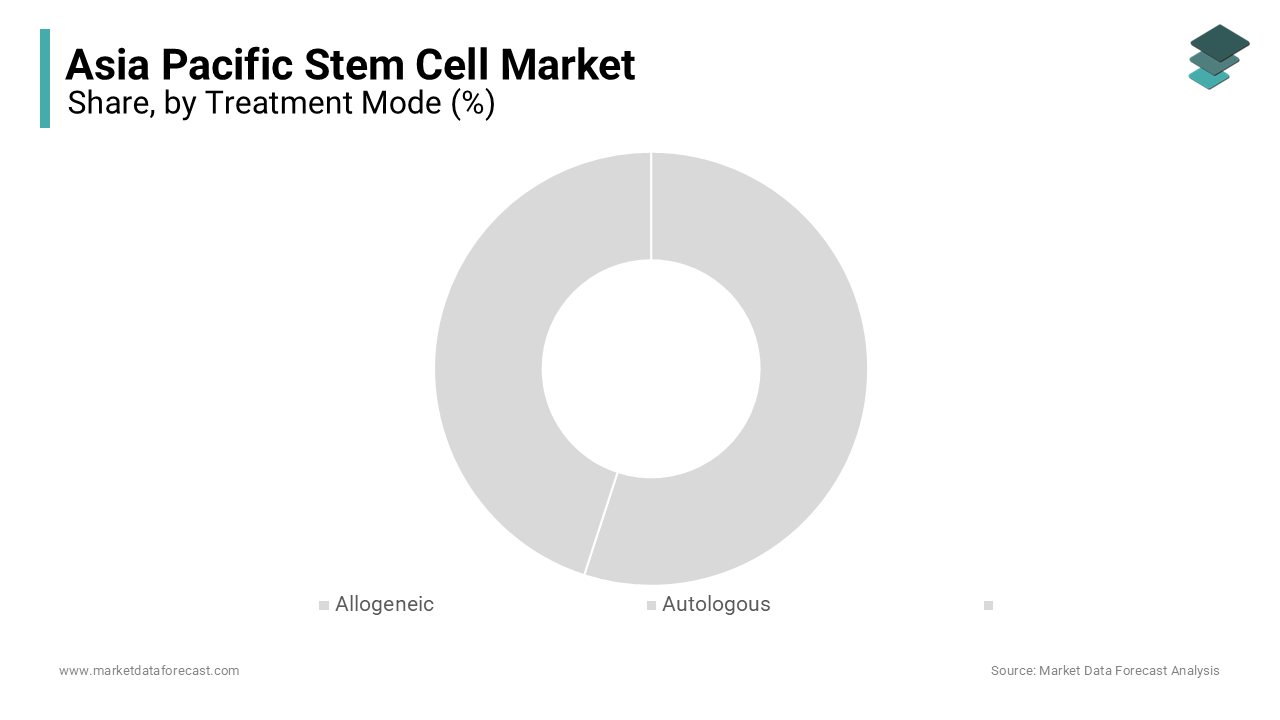
The allogeneic stem cell segment is on the rise and is expected to be the fastest growing segment in the market by witnessing a CAGR of 14.8% from 2026 and 2034 due to the development of off the shelf therapeutic products and advancements in gene editing technologies. Allogeneic stem cells offer the advantage of being produced as standardized off the shelf products that can be administered to multiple patients without the need for individualized manufacturing. This scalability significantly reduces production costs and treatment wait times making therapies more accessible to a broader patient population. In the Asia Pacific region companies are leveraging large scale biomanufacturing facilities to produce universal donor cell lines. These cells are often engineered using CRISPR Cas9 technology to remove surface proteins that trigger immune responses creating hypoimmunogenic universal cells. Such innovations address the historical limitations of allogeneic transplants including rejection and limited donor availability. The ability to store these products in biobanks allows for immediate deployment in emergency situations such as acute heart failure or stroke. As per sources, the global pipeline for allogeneic cell therapies is expanding rapidly with significant contributions from Chinese and South Korean biotech firms. The shift towards ready to use formulations aligns with the healthcare system's need for efficient and cost effective treatment solutions. This trend is expected to drive substantial growth in the allogeneic segment as more products receive regulatory approval. Technological advancements in gene editing have revolutionized the potential of allogeneic stem cells by enhancing their safety and efficacy. Scientists can now precisely modify donor cells to improve their therapeutic properties and reduce immunogenicity. In the Asia Pacific region research institutions in Singapore and Australia are at the forefront of developing next generation engineered stem cells. These modifications allow for better persistence and activity of the cells within the patient’s body. The ability to create universal donor pools reduces the dependency on HLA matching which is a major bottleneck in traditional transplantation. Governments are investing heavily in genomics and biotechnology parks to support these innovations. The convergence of stem cell biology and gene editing creates a robust platform for developing novel therapies for a wide range of diseases. This scientific progress is attracting significant venture capital and pharmaceutical partnerships accelerating the commercialization of allogeneic products in the region.
By Cell Type Insights
In 2025, the adult stem cell segment held the majority share of 55.6% of the Asia Pacific stem cell market. This supremacy of the segment is credited to the extensive clinical experience ethical acceptability and successful application in hematopoietic stem cell transplantation. Adult stem cells particularly hematopoietic stem cells have been used in clinical practice for decades establishing a robust track record of safety and efficacy. Hematopoietic stem cell transplantation is the standard of care for various blood cancers and immune disorders. The long term data available for these procedures provides clinicians with confidence in their outcomes. Unlike embryonic stem cells adult stem cells do not pose a risk of teratoma formation which is a significant safety concern. This favorable safety profile facilitates easier regulatory approval and wider acceptance among healthcare providers. In countries like India and Thailand adult stem cell therapies for orthopedic conditions such as knee osteoarthritis are widely practiced due to their minimally invasive nature and low adverse event rates. The familiarity of medical professionals with harvesting and administering adult stem cells from bone marrow or adipose tissue further supports their widespread use. This entrenched position in clinical practice ensures continued dominance in the market. The use of adult stem cells avoids the ethical controversies associated with embryonic stem cells making them more socially and politically acceptable in diverse cultural contexts across Asia. Many religious and cultural groups in the region oppose the destruction of human embryos which restricts the use of embryonic stem cells. The social consensus translates into supportive regulatory frameworks that prioritize adult stem cell research and development. Governments in China and South Korea have implemented policies that encourage the clinical translation of adult stem cell therapies while maintaining strict oversight on embryonic research. The ease of obtaining ethical clearance for clinical trials involving adult stem cells accelerates the pace of innovation and commercialization. Furthermore the availability of adult stem cells from various sources including bone marrow adipose tissue and umbilical cord tissue provides flexibility in treatment options. The regulatory pathway for adult stem cell products is well defined in many Asia Pacific countries reducing uncertainty for manufacturers. This conducive environment fosters investment and development in the adult stem cell segment sustaining its leading market position.
The induced pluripotent stem cell (iPSC) segment is predicted to witness the highest CAGR of 16.5% over the forecast period owing to its versatility ethical advantages and potential for personalized medicine. Induced pluripotent stem cells offer the unique ability to differentiate into any cell type in the human body similar to embryonic stem cells but without the ethical concerns. This pluripotency makes them ideal for generating specific cell types for tissue engineering and regenerative therapies. In the Asia Pacific region Japan is a global leader in iPSC research with the RIKEN Center conducting pioneering clinical trials for conditions such as Parkinson’s disease and heart failure. The ability to create patient specific iPSCs enables personalized medicine approaches where treatments are tailored to an individual’s genetic makeup. This reduces the risk of immune rejection and improves therapeutic outcomes. The scalability of iPSC production allows for the creation of banked cell lines that can serve multiple patients. This combination of versatility and personalization potential drives rapid adoption in both research and clinical settings. The ethical neutrality of induced pluripotent stem cells is a major driver of their rapid growth as they are derived from adult somatic cells rather than embryos. This distinction resolves the moral dilemmas that have hindered the progress of embryonic stem cell research in many parts of the world. In conservative societies within the Asia Pacific region this ethical advantage facilitates broader public acceptance and government support. Regulatory bodies are more inclined to approve clinical trials involving iPSCs due to the absence of ethical controversy. This accelerates the translation of research findings into clinical applications. Furthermore, the ability to reprogram cells from patients with specific genetic disorders allows researchers to create disease models for studying mechanisms and testing drugs. The convergence of ethical acceptability and scientific utility positions iPSCs as a key growth engine in the stem cell market.
By Technology Insights
The cell production segment was the largest segment in the Asia Pacific stem cell market and occupied a 45.7% share in 2025 because of the complex and resource intensive nature of expanding and differentiating stem cells for therapeutic use. Cell production involves the intricate processes of isolating expanding and differentiating stem cells into specific lineages required for therapy. This step is technically challenging and requires specialized equipment and controlled environments to maintain cell viability and potency. In the Asia Pacific region the demand for consistent high quality cell products is driving investments in automated bioreactors and closed system manufacturing technologies. These technologies help standardize production and reduce the risk of contamination. The need to produce large quantities of cells for clinical trials and commercial therapies necessitates robust production capabilities. The complexity of scaling up from laboratory scale to commercial scale requires significant expertise and infrastructure. Companies are focusing on optimizing production protocols to improve yield and reduce costs. This focus on manufacturing excellence ensures that cell production remains the largest segment in the market. Strict regulatory requirements for good manufacturing practices (GMP) further emphasize the importance of the cell production segment. Regulatory authorities in the Asia Pacific region mandate that stem cell products be manufactured in facilities that comply with rigorous quality standards. Compliance with these regulations requires significant investment in facility design equipment validation and personnel training. Manufacturers must implement comprehensive quality control measures to monitor every step of the production process. This regulatory burden increases the cost and complexity of cell production making it a critical component of the market. In countries like Japan and South Korea regulatory agencies conduct regular inspections to ensure compliance. The need for documented traceability and consistency drives the adoption of advanced production technologies. As regulatory frameworks become more harmonized across the region the emphasis on standardized production processes will continue to grow. This regulatory landscape reinforces the dominance of the cell production segment.
The cryopreservation segment is anticipated to witness the fastest CAGR of 13.2% between 2026 and 2034. This swift expansion of the segment is fueled by the increasing need for long term storage of stem cells and the expansion of biobanking services. The rising popularity of cord blood and tissue banking is a primary driver for the growth of the cryopreservation segment. Parents are increasingly choosing to store their newborn’s stem cells for future medical use creating a steady demand for cryopreservation services. Private biobanks are expanding their capacity and offering advanced cryopreservation techniques to ensure long term cell viability. These services require specialized equipment such as controlled rate freezers and liquid nitrogen storage tanks. The reliability of cryopreservation is critical for the success of future therapies making it a high priority for biobanks. The expansion of biobanking networks across the region further boosts the demand for cryopreservation technologies. This trend is expected to continue as more families recognize the value of preserving biological resources. Technological advancements in cryopreservation methods are enhancing the efficiency and safety of stem cell storage driving market growth. New cryoprotectants and freezing protocols are improving cell recovery rates and reducing damage during the freezing and thawing processes. These methods prevent the formation of ice crystals which can damage cell structures. In the Asia Pacific region research institutions are developing cost effective cryopreservation solutions suitable for local conditions. The integration of automation in cryopreservation workflows is also improving consistency and reducing labor costs. The demand for standardized and reliable cryopreservation services is increasing among hospitals and research centers. This technological progress supports the expansion of the cryopreservation segment by making long term storage more accessible and effective.
REGIONAL ANALYSIS
Japan Stem Cell Market Analysis
Japan led the Asia Pacific stem cell market and occupied a 32.7% share in 2025. This leading position of the Japanese market is attributed to its pioneering regulatory framework and advanced clinical applications. Japan stands as a global leader in regenerative medicine, marked by the successful market entry of induced pluripotent stem cell (iPSC) therapies and a strong, growing pipeline of innovative products. According to the Pharmaceuticals and Medical Devices Agency (PMDA), Japan's 2014 SAKIGAKE Designation and the "Conditional and Time-Limited Approval" system first authorized HeartSheet, creating a global model for accelerated regenerative medicine access. The Ministry of Internal Affairs and Communications (2025) shows that 29.4% of the Japanese population is aged 65 or older, driving a projected 12% annual growth in the domestic market for regenerative therapies targeting age-related macular degeneration and knee osteoarthritis. The government’s strategic support through the Agency for Medical Research and Development provides substantial funding for clinical trials and infrastructure development. Major pharmaceutical companies such as Takeda and Sumitomo Dainippon Pharma are actively investing in stem cell research and partnerships with academic institutions. As per the Japan Registry of Clinical Trials (jRCT), there are over 600 active clinical trials in regenerative medicine as of early 2026, with a specific 20% year-over-year increase in iPSC-derived (induced pluripotent stem cell) therapy trials. The integration of stem cell therapies into the national health insurance system for specific indications further enhances patient access. High public awareness and acceptance of regenerative medicine contribute to market growth. The presence of world class research facilities and skilled professionals ensures continuous innovation. This supportive ecosystem positions Japan as the primary driver of technological advancement and commercial success in the regional stem cell sector.
China Stem Cell Market Analysis
China followed closely behind in the Europe stem cells and held a 24.8% share in 2025 because of aggressive government investment and a vast potential patient base. The stem cell market in China is experiencing rapid expansion, characterized by a growing number of clinical trials for various diseases and a booming stem cell banking industry. According to the National Health Commission (NHC), a total of 141 medical institutions have been officially dual-certified to conduct stem cell clinical research, supported by a specialized regulatory framework for "Stem Cell Clinical Research Projects. The prevalence of chronic diseases such as diabetes and liver cirrhosis drives the demand for regenerative solutions. The Chinese Academy of Sciences supports extensive basic research in stem cell biology fostering a strong foundation for translational medicine. As per the China Association for Science and Technology the number of patents filed in stem cell technology has grown exponentially making China a key contributor to global intellectual property in this field. Private enterprises are heavily investing in mesenchymal stem cell storage and processing facilities catering to both domestic and international clients. The Belt and Road Initiative facilitates international collaborations enhancing technology transfer and expertise sharing. Regulatory guidelines are being refined to ensure safety and efficacy while promoting industry growth. The rising disposable income of the middle class allows more patients to afford advanced stem cell treatments. This combination of scale investment and policy support solidifies China's prominent role in the regional stem cell market.
South Korea Stem Cell Market Analysis
South Korea continues to be a major player in the Asia Pacific stem cell market owing to its strong biotechnology sector and popularity of aesthetic regenerative treatments. The landscape of regenerative medicine in South Korea is characterized by proactive regulatory approvals of stem cell products and a flourishing startup scene focused on cell therapy. According to the Ministry of Food and Drug Safety South Korea has approved several stem cell based products including Cartistem for cartilage repair and Cupistem for Crohn's disease fistulas demonstrating clinical viability. The country is a global leader in cosmetic and anti aging applications of stem cells driving significant consumer demand. As per the Korea Health Industry Development Institute the regenerative medicine market in South Korea is growing at a double digit rate supported by favorable government policies and private investment . Major companies such as CHA Biotech and Medipost are expanding their operations globally leveraging their technological expertise. The national health insurance system covers certain stem cell treatments improving accessibility for patients with serious conditions. Research institutions collaborate closely with industry players to accelerate product development. The high level of medical tourism in South Korea attracts international patients seeking advanced stem cell therapies. Government initiatives such as the Bio Vision 2030 plan prioritize stem cell research as a strategic growth area. This dynamic environment ensures South Korea remains a key innovator and market participant in the region.
India Stem Cell Market Analysis
India is emerging as a high growth landscape in the Asia Pacific stem cell market due to affordable treatment options and a growing medical tourism industry. The market status in India is marked by the expansion of stem cell banking facilities and increasing adoption of hematopoietic stem cell transplantation for blood disorders. In line with standards from the Central Drugs Standard Control Organisation, India treats stem cell-based interventions as new drugs, requiring rigorous clinical trial data and formal approval to ensure patient safety and prevent the use of unproven therapies. The high prevalence of thalassemia and leukemia drives the demand for bone marrow and cord blood transplants. The Federation of Indian Chambers of Commerce and Industry indicate that India remains a top destination for international patients seeking high-quality surgical and specialized care, though the government maintains strict oversight to ensure all promoted treatments meet global evidence-based standards. Private hospitals in major cities like Mumbai Delhi and Chennai offer advanced stem cell treatments for orthopedic and neurological conditions. The government encourages research through initiatives like the Biotechnology Industry Research Assistance Council. Local companies are developing cost effective processing kits and storage solutions. Increasing awareness among physicians and patients about the potential of regenerative medicine supports market expansion. The large young population provides a significant source for cord blood banking. This combination of affordability expertise and demographic advantage positions India as a critical growth engine in the regional stem cell market.
Australia Stem Cell Market Analysis
Australia is anticipated to expand significantly in the Asia Pacific stem cell market during the forecast period owing to its world class research infrastructure and rigorous regulatory standards. The market status in Australia is defined by active participation in international clinical trials and the development of novel stem cell therapies for rare diseases. According to the National Health and Medical Research Council substantial funding is allocated to stem cell research projects focusing on neurological cardiac and immune disorders. The Therapeutic Goods Administration maintains strict oversight ensuring high safety and quality standards for cell based products. Current initiatives led by Stem Cells Australia facilitate partnerships between academic researchers and clinical institutions, driving advancements in the ability to differentiate specialized cells for potential therapeutic use. The prevalence of age related macular degeneration and spinal cord injuries drives clinical interest in regenerative solutions. Private cord blood banking services are well established catering to expectant parents. The government supports commercialization through grants and incubator programs for biotech startups. High healthcare expenditure per capita enables access to advanced treatments. Australian researchers are renowned for their contributions to global stem cell science attracting international partnerships. The strong intellectual property framework protects innovations encouraging investment. This robust scientific and regulatory environment sustains Australia's significant position in the regional stem cell landscape despite its smaller population size.
COMPETITIVE LANDSCAPE
The competitive landscape of the Asia Pacific stem cell market is characterized by intense rivalry among established pharmaceutical companies specialized biotech firms and contract manufacturing organizations. Global giants leverage their extensive resources and technological expertise to maintain leadership while local players capitalize on regional insights and cost advantages. Innovation is a key differentiator with companies striving to develop novel cell therapies and improve manufacturing efficiency. The market sees frequent strategic moves such as mergers acquisitions and partnerships aimed at expanding product portfolios and geographic reach. Regulatory compliance remains a critical factor influencing competitive dynamics as firms navigate diverse approval processes across countries. Price competition is evident in the service sector where contract manufacturers vie for contracts by offering cost effective solutions. The entry of new startups focused on specific indications adds to the vibrancy of the market. Collaboration between public and private sectors fosters an environment conducive to research and development. This dynamic competition drives continuous improvement in technology and service quality ultimately benefiting patients and healthcare providers throughout the region.
KEY MARKET PLAYERS
Some of the Promising Companies Operating in the Asia Pacific Stem Cell Market include
- Athersys
- StemCells Inc
- Cryo-Cell International
- Geron Corporation
- Mesoblast Ltd
- Aastrom Biosciences Inc
- Celgene Corporation
- Invitrogen
- Cytori Therapeutics Inc.
Top Players in the Asia Pacific Stem Cell Market
Mesoblast Limited
Mesoblast Limited is a leading biopharmaceutical company headquartered in Australia with a significant global footprint in regenerative medicine. The company specializes in developing allogeneic cellular medicines based on proprietary mesenchymal lineage adult stem cells. Mesoblast has made substantial contributions to the global market by advancing clinical trials for conditions such as chronic heart failure and acute respiratory distress syndrome. In the Asia Pacific region the company leverages its Australian base to collaborate with regional research institutions and healthcare providers. Recent actions include expanding manufacturing capabilities to meet growing demand and securing regulatory approvals in key markets. Mesoblast focuses on strategic partnerships to accelerate commercialization and enhance patient access. Its robust pipeline and scientific expertise position it as a key innovator driving the advancement of cell therapy solutions globally and within the Asia Pacific region.
Fujifilm Diosynth Biotechnologies
Fujifilm Diosynth Biotechnologies is a major contract development and manufacturing organization that plays a critical role in the stem cell ecosystem. The company provides comprehensive services for the production of cell and gene therapies including stem cell based products. With facilities across the Asia Pacific region including Japan and Singapore Fujifilm supports both local and global clients in scaling up manufacturing processes. The company contributes to the global market by offering advanced technologies for cell expansion and cryopreservation. Recent actions include significant investments in new manufacturing sites and the adoption of automated systems to improve efficiency and quality. Fujifilm strengthens its market position by forming strategic alliances with biotech firms to streamline development timelines. Its expertise in complex biologics manufacturing ensures reliable supply chains for innovative stem cell therapies worldwide.
Thermo Fisher Scientific Inc
Thermo Fisher Scientific Inc is a global leader in serving science with a strong presence in the Asia Pacific stem cell market. The company provides essential tools reagents and equipment for stem cell research and production. Thermo Fisher contributes to the global market by offering standardized culture media and cryopreservation solutions that enhance reproducibility and safety. In the Asia Pacific region the company supports academic and commercial researchers through localized technical support and training programs. Recent actions include the launch of innovative closed system technologies for cell processing and the expansion of distribution networks in emerging markets. Thermo Fisher strengthens its position by acquiring specialized technology companies and integrating digital solutions for laboratory management. Its comprehensive portfolio and commitment to innovation enable scientists to accelerate discoveries and bring new stem cell therapies to patients efficiently.
Top Strategies Used by the Key Market Participants
Key players in the Asia Pacific stem cell market primarily focus on strategic collaborations and capacity expansion to strengthen their positions. Companies actively partner with academic institutions and hospitals to accelerate clinical research and validate therapeutic efficacy. This approach facilitates knowledge exchange and enhances credibility among healthcare professionals. Manufacturers are also investing heavily in state of the art production facilities to meet increasing demand and ensure consistent quality. Automation and standardization of manufacturing processes are prioritized to reduce costs and improve scalability. Additionally firms are pursuing regulatory approvals in multiple jurisdictions to broaden market access and facilitate cross border trade. Product diversification through the development of novel cell lines and delivery methods helps companies differentiate their offerings. Marketing efforts emphasize education and awareness to address ethical concerns and promote acceptance. These multifaceted strategies enable participants to navigate complex regulatory landscapes and capture growth opportunities in this dynamic sector.
RECENT MARKET DEVELOPMENTS
- In March 2024, Mesoblast Limited expanded its manufacturing facility in Brisbane to increase production capacity. This expansion is anticipated to allow Mesoblast to meet rising demand and strengthen the Asia Pacific Stem Cell Marke presence.
- In June 2023, Fujifilm Diosynth Biotechnologies opened a new cell and gene therapy plant in Singapore. This opening is anticipated to allow Fujifilm to enhance regional manufacturing capabilities and strengthen the Asia Pacific Stem Cell Mark presence.
- In September 2023, Thermo Fisher Scientific launched a new automated cell processing system in Japan. This launch is anticipated to allow Thermo Fisher to improve workflow efficiency and strengthen the Asia Pacific Stem Cell Market presence
- In January 2024, Healis Regeneratives partnered with a leading hospital network in India for clinical trials. This partnership is anticipated to allow Healis to accelerate research outcomes and strengthen the Asia Pacific Stem Cell Market presence.
- In November 2023, Cynata Therapeutics initiated a Phase 3 trial for osteoarthritis treatment in Australia. This initiation is anticipated to allow Cynata to validate efficacy data and strengthen its Asia Pacific Stem Cell Market presence.
MARKET SEGMENTATION
This research report on the Asia Pacific Stem Cell Market has been segmented and sub-segmented into the following categories.
By Treatment Mode
- Allogeneic
- Autologous
By Cells Type
- Adult Stem Cells
- Induced Pluripotent Stem Cells
- Human Embryonic Stem Cells
- Others
By Technology
- Cell Acquisition
- Cell Production
- Cryopreservation
- Others
By Country
- India
- China
- Japan
- South Korea
- Australia
- New Zealand
- Thailand
- Malaysia
- Vietnam
- Philippines
- Indonesia
- Singapore
- Rest of APAC