- Product Description Description
- Table of Contents TOC
- List of Table & Figure LOT
- Get Free Sample PDF Sample PDF
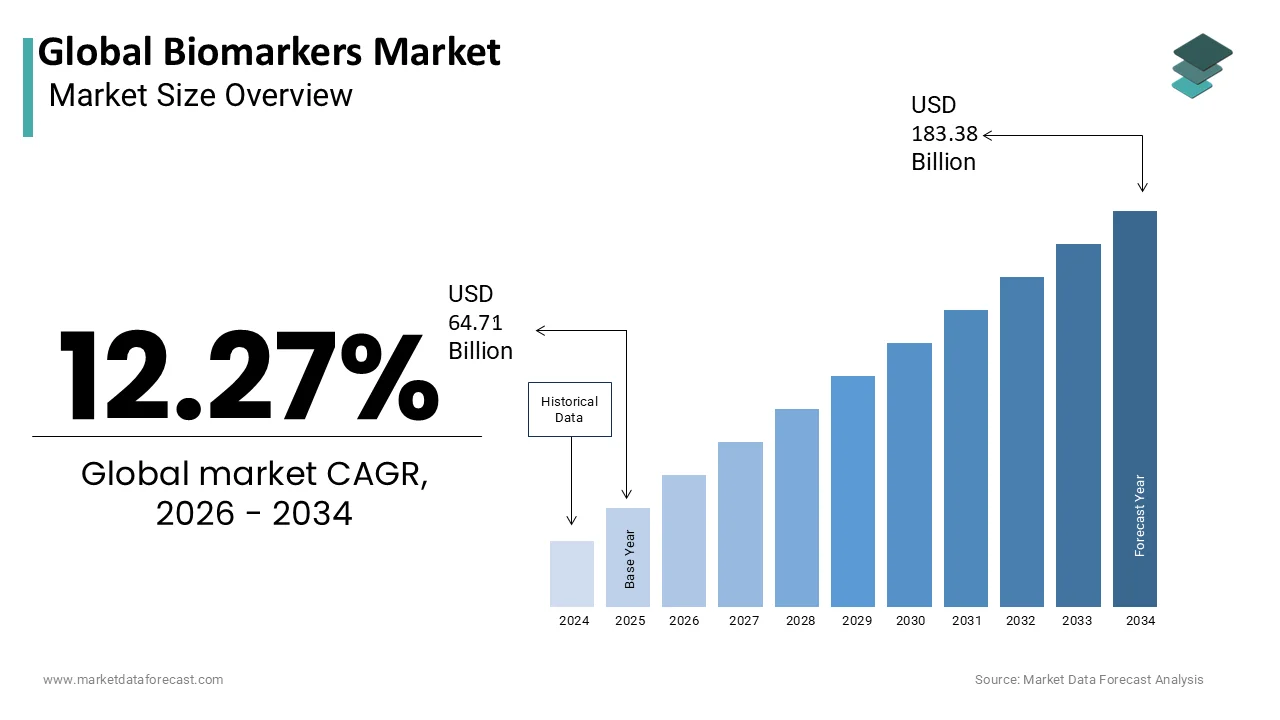
Market Size, 2025
$64.71 BnMarket Estimate, 2026
$72.65 BnMarket Forecast, 2034
$183.38 BnCAGR, 2026–2034
12.27%Executive Summary: Preclinical CRO Market
- Market Scope: Global preclinical contract research organization (CRO) market analysis covering service types, end-user segments, regional leadership frameworks, and technology adoption metrics.
- Market Valuation: Valued at USD 4.83 billion (2025), estimated at USD 5.23 billion (2026), and projected to reach USD 9.90 billion by 2034, growing at a robust CAGR of 8.30% (2026–2034).
- Primary Growth Drivers: Increasingly complex drug-development pipelines and high industry outsourcing reliance (>1,500 active global gene and cell therapy clinical trials in 2023 and >90% of investigational new drugs requiring preclinical safety evaluation prior to human trials). Key operational trends include modern technology integration (the U.S. EPA ToxCast program generating toxicity data for >9,000 chemicals and AI models achieving up to 85% accuracy in predicting hepatotoxicity) offset by supply bottlenecks (lead times for specific transgenic rodent models extending to 40 weeks).
Key Market Segment Metrics (2026–2034)
| Category | Leading Segment (2025 Position) | Fastest-Growing Segment |
|---|---|---|
| By Service Type | Toxicology testing (dominated service types with 42.6% market share in 2025) | Bioanalysis and DMPK Studies (projected to grow at a high 12.6% CAGR driven by pharmacokinetic and metabolism profiling needs) |
| By End-User | Biopharmaceutical companies (accounted for 66.3% of market revenue in 2025) | Medical device companies (forecast to expand at an 11.8% CAGR supported by stringent biocompatibility and pre-market testing requirements) |
| By Region | North America (led the global market with 38.2% share in 2025, supported by established GLP infrastructure and robust pipelines, with the FDA approving 55 novel therapeutics in 2023) | Asia-Pacific (identified as exhibiting the highest growth momentum driven by expanding research facilities and cost-efficient trial execution, with Japan approving 41 new drugs in 2023) |
Major Market Players & Market Structure
Market Structure: Highly competitive global preclinical CRO landscape featuring 9 prominent market leaders competing on AI-enabled toxicology modeling, advanced bioanalysis, strict GLP compliance, specialized animal and cellular testing models, strategic geographic expansion, cross-border acquisitions, and fully integrated preclinical-to-clinical development capabilities.
Key Companies: Charles River Laboratories International, Laboratory Corporation of America, Envigo, Eurofins Scientific, PRA Health Science, Wuxi AppTec, Medpace, Pharmaceutical Product Development, and Paraxel International.
Global Biomarkers Market Size
The Global Biomarkers Market is projected to grow from USD 64.71 billion in 2025 to USD 72.65 billion in 2026 and reach USD 183.38 billion by 2034, registering a CAGR of 12.27% from 2026 to 2034.
Biomarkers are advanced analytical platforms, molecular diagnostic tools, and clinical laboratory assays dedicated to the measurement of specific biochemical indicators utilized for disease detection, therapeutic monitoring, and prognostic evaluations. According to World Health Organization health metrics, chronic non-communicable disorders account for over 41 million annual deaths worldwide, establishing an immense clinical requirement for early and precise diagnostic profiling tools. According to Personalized Medicine Coalition evaluations, targeted molecular therapies accounted for 38% of all newly approved therapeutic molecular entities in recent regulatory cycles, demonstrating a structural clinical shift toward individualized healthcare interventions. Within this intricate biomedical environment, researchers and clinicians deploy genomic, proteomic, and metabolomic assays to identify distinct physiological signatures associated with oncology, neurology, and cardiology. Consequently, modern healthcare systems increasingly rely on these precision indicators to optimize patient outcomes and streamline drug development pathways across international clinical networks.
MARKET DRIVERS
Precision Medicine and Targeted Therapeutics
The expansion of precision medicine and targeted therapeutics drastically accelerates the integration of molecular and companion diagnostic testing, as the clinical transition toward personalized healthcare strategies gains momentum, which is a key factor propelling the growth of the global biomarkers market. According to Personalized Medicine Coalition annual regulatory tracking, personalized therapeutics represented approximately 38% of all newly approved molecular entities by the United States Food and Drug Administration, reflecting a profound paradigm shift in modern drug development. This regulatory milestone directly stimulates the biomarkers market because every targeted drug requires a companion diagnostic assay to identify eligible patient sub-populations before treatment administration. According to National Institutes of Health research analytics, biomarker-guided oncology clinical trials achieve a success rate nearly double that of unselected trials, prompting pharmaceutical sponsors to embed biomarker screening into early-phase protocols. This empirical correlation drives massive commercial investments into genomic and proteomic assay development, as diagnostic laboratories race to support the expanding pipeline of precision medicines. Moreover, the growing emphasis on mechanism-based drug design requires continuous discovery and validation of novel pharmacodynamic indicators to monitor therapeutic response in real time. By matching specific molecular profiles with bespoke therapeutic agents, clinicians can avoid trial-and-error prescribing patterns, thereby maximizing therapeutic efficacy and minimizing adverse drug reactions across diverse patient cohorts.
Chronic Pathologies and Early Detection Imperatives
Rising prevalence of chronic and oncological pathologies is further contributing to the global biomarkers market expansion. According to World Health Organization global cancer statistical evaluations, worldwide incidence reached approximately 20.6 million new cases, establishing a vast patient population requiring continuous disease monitoring and recurrence tracking. This epidemiological reality directly expands the biomarkers market by driving high-volume clinical utilization of tumor-specific proteins and circulating genetic indicators designed to detect malignancies before overt symptoms manifest. According to the International Agency for Research on Cancer's epidemiological projections, total oncological diagnoses will escalate toward 34.4 million annual cases by 2050, reinforcing the long-term clinical necessity for reliable diagnostic screening markers. Consequently, diagnostic equipment manufacturers continuously scale production capacities to supply high-throughput laboratories with advanced screening reagents capable of managing surging patient volumes. Public health initiatives increasingly emphasize the cost-effectiveness of early detection compared to late-stage disease management, prompting health authorities to integrate routine biomarker screenings into national healthcare guidelines. This systemic focus on preventive oncology and metabolic health ensures sustained, high-volume demand for advanced diagnostic assays across both developed and emerging clinical markets.
MARKET RESTRAINTS
Assay Validation Costs and Regulatory Barriers
Prohibitive assay validation costs and complex regulatory approval pathways impose severe financial barriers on novel diagnostic commercialization due to stringent pre-market evidentiary standards and expensive clinical validation protocols, which is a key impediment to the global biomarkers market. According to Food and Drug Administration regulatory compliance audits, the average clinical validation lifecycle for a novel multiplex diagnostic assay exceeds 3 years and requires multi-million-dollar prospective trial investments. This administrative stringency directly restrains the biomarkers market by forcing emerging diagnostic developers to absorb high upfront capital expenditures before achieving commercial clearance. According to Office of Health Economics evaluations, reimbursement uncertainty from third-party payers reduces expected commercial returns on diagnostic innovations by nearly 25%. Consequently, these formidable regulatory and financial hurdles delay the market introduction of breakthrough molecular tests, limiting rapid portfolio expansion for smaller biotechnology enterprises. Navigating complex pre-market approval pathways demands extensive analytical and clinical validation data to prove both safety and efficacy, creating substantial financial risk for developers who lack deep capital reserves. Regulatory authorities continuously refine evaluation frameworks to accommodate complex multiplex and artificial intelligence-driven diagnostic tools, but the high cost of compliance remains a persistent bottleneck that disproportionately impacts independent laboratories and startup ventures.
Technical Standardization Deficits
Technical standardization deficits and pre-analytical variability introduce significant reproducibility errors across multi-center clinical studies and further hamper the global biomarkers market growth. According to College of American Pathologists clinical pathology assessments, pre-analytical sample handling variations account for over 35% of all assay discrepancies in multi-center biomarker trials. This technical barrier directly impacts the biomarkers market by preventing seamless data harmonization between different hospital laboratories, leading to conflicting diagnostic interpretations for patients. According to National Institute of Standards and Technology analytical reviews, biological matrix interferences reduce quantitative assay precision by up to 20% when laboratories use non-standardized reagents. Consequently, these persistent technical discrepancies discourage widespread clinical adoption in routine community settings, restricting market expansion primarily to specialized academic medical centers. Establishing universal reference materials and harmonized standard operating procedures across international clinical networks remains a critical priority for professional pathology societies and regulatory bodies. Until standardized analytical frameworks are universally enforced, variations in sample collection, storage temperatures, and assay platforms will continue to complicate multi-center trial data interpretation and limit the clinical interoperability of biomarker test results.
MARKET OPPORTUNITIES
Artificial Intelligence in Multi-Omic Data Discovery
Integration of artificial intelligence in multi-omic data discovery unlocks unprecedented capabilities for the global biomarkers market. According to European Commission digital health research reports, artificial intelligence-driven genomic data processing platforms reduce biomarker discovery timelines by nearly 40% compared to traditional manual biostatistical methods. This technological evolution creates a major opportunity for the biomarkers market by enabling researchers to process vast multi-omic datasets and uncover subtle prognostic signatures for neurodegenerative and rare genetic conditions. According to Clinical Trials database analytics, there is a 30% year-over-year increase in clinical protocols utilizing machine learning tools for patient stratification, highlighting rapid industry integration. Consequently, software-hardware co-development partnerships accelerate the commercial release of sophisticated diagnostic algorithms, expanding revenue streams for specialized biotechnology vendors. Machine learning models excel at identifying complex, non-linear relationships within high-dimensional genomic, proteomic, and metabolomic datasets that conventional statistical methods often overlook. As computational infrastructure improves and biological databases expand, artificial intelligence-driven discovery platforms will continue to streamline the identification of high-value diagnostic and prognostic markers, transforming translational research paradigms.
Non-Invasive Liquid Biopsy Platforms
The emergence of non-invasive liquid biopsy testing platforms revolutionizes patient-friendly diagnostics and serial disease monitoring through the rapid clinical maturation of circulating tumor DNA and extracellular vesicle technologies. According to National Cancer Institute clinical updates, non-invasive liquid biopsy procedures achieve a sensitivity rate exceeding 85% for detecting circulating molecular aberrations without requiring painful surgical tissue biopsies. This breakthrough creates a lucrative opportunity for the biomarkers market by establishing routine blood-based screening protocols that patients can undergo frequently during post-treatment surveillance. According to American Association for Cancer Research medical technology market audits, liquid biopsy adoption rates across oncology clinics grew by 28% over recent operational cycles. This strong clinical uptake expands the addressable patient testing pool, driving high-margin consumable sales for manufacturers specializing in circulating nucleic acid extraction kits. The ability to track minimal residual disease and monitor clonal evolution in real time through simple blood draws represents a monumental leap forward in clinical oncology. As technological enhancements drive down sequencing costs and improve detection limits for rare genetic variants, liquid biopsy platforms are poised to replace traditional tissue biopsies in numerous diagnostic and monitoring workflows.
MARKET CHALLENGES
Reimbursement Frameworks and Coverage Disparities
Stringent reimbursement frameworks and inadequate payer coverage policies impede widespread adoption of premium diagnostic assays due to restrictive health insurance reimbursement codes and rigid evidentiary requirements for clinical utility. According to American Medical Association health policy tracking, third-party commercial insurers deny coverage for nearly 30% of advanced multi-analyte genomic biomarker tests due to strict proof-of-utility guidelines. This reimbursement friction directly challenges the biomarkers market by forcing hospitals to absorb uncompensated testing costs, which discourages clinicians from ordering high-value profiling panels. According to Organization for Economic Cooperation and Development global health expenditure data, public reimbursement tariffs fail to cover the true manufacturing cost of proprietary multiplex assays in 35% of regional jurisdictions. Consequently, these reimbursement bottlenecks restrict commercial scalability and depress net revenue realization for diagnostic kit manufacturers. Demonstrating clear clinical utility and cost-effectiveness through large-scale outcomes research is essential for securing favorable reimbursement coverage from public and private health plans. Diagnostic developers must actively engage with health technology assessment bodies and insurance providers to establish transparent, value-based reimbursement codes that reflect the true economic and clinical savings associated with early biomarker-driven diagnoses.
Sample Procurement Logistics and Cold Chain Vulnerabilities
Sample procurement logistics and cold chain maintenance vulnerabilities create severe operational bottlenecks to the global biomarkers market expansion. According to International Air Transport Association supply chain efficiency evaluations, temperature excursions during international biological specimen transit result in a 4% sample rejection rate across central testing laboratories. This logistical vulnerability directly impacts the biomarkers market by compromising fragile protein and RNA biomarkers, leading to costly trial delays and canceled diagnostic evaluations. According to World Health Organization global logistics audits, remote clinical sites in developing regions lack the specialized ultra-low temperature storage infrastructure required for advanced biospecimen preservation. Consequently, these severe distribution constraints limit geographical market penetration and complicate large-scale multinational epidemiological studies. Implementing advanced IoT-enabled temperature sensors and real-time tracking devices during specimen transit helps mitigate cold chain risks by providing immediate alerts when thermal thresholds are breached. Furthermore, investment in robust decentralized laboratory networks and stable room-temperature stabilization reagents can significantly reduce reliance on strict ultra-low temperature cold chains, enhancing operational resilience across global clinical trial supply chains.
REPORT COVERAGE
| REPORT METRIC | DETAILS |
| Market Size Available | 2025 to 2034 |
| Base Year | 2025 |
| Forecast Period | 2026 to 2034 |
| Segments Covered | By Product, Type, Application, Disease Indications, and Region. |
| Various Analyses Covered | Global, Regional & Country-Level Analysis, Segment-Level Analysis, Drivers, Restraints, Opportunities, Challenges, PESTLE Analysis, Porter's Five Forces Analysis, Competitive Landscape, Analyst Overview on Investment Opportunities. |
| Regions Covered | North America, Europe, Asia Pacific, Latin America, Middle East, and Africa. |
| Key Market Players | Bio-Rad Laboratories (U.S.), Qiagen N.V. (Netherlands), Enzo Biochem (U.S.), PerkinElmer, Inc. (U.S.), Merck & Co., Inc. (U.S.), EKF Diagnostics Holdings plc. (U.S.), Meso Scale Diagnostics, LLC (U.S.), Singulex, Inc. (U.S.), BioSims Technologies (France), Cisbio Bioassays (France), and Signosis, Inc. (U.S.) |
SEGMENT ANALYSIS
By Product Insights
The consumables segment dominated the market by accounting for a commanding share of the global market in 2025. The dominance of the consumables segment in the global market can be credited to its foundational role in daily laboratory workflows, assay execution, and routine diagnostic testing. This commanding market position is primarily driven by the continuous, high-volume depletion of assay kits, reagents, and specialized microplates across clinical and academic research facilities. According to World Health Organization epidemiological bulletins, global cancer incidence scales past 20 million new diagnoses annually, creating a relentless requirement for recurring consumable purchases to sustain high-throughput screening operations. According to Personalized Medicine Coalition utilization reports, diagnostic laboratories consume millions of customized testing kits yearly to support companion diagnostic workflows, cementing the enduring commercial leadership of the consumables segment. The recurring nature of consumable purchases provides diagnostic manufacturers with a stable, predictable revenue stream that insulates them from macroeconomic fluctuations affecting capital equipment sales. As high-throughput clinical laboratories expand their test menus and process increasing volumes of patient samples, the ongoing consumption of specialized reagents and assay kits will remain the primary financial engine driving the global biomarkers industry.
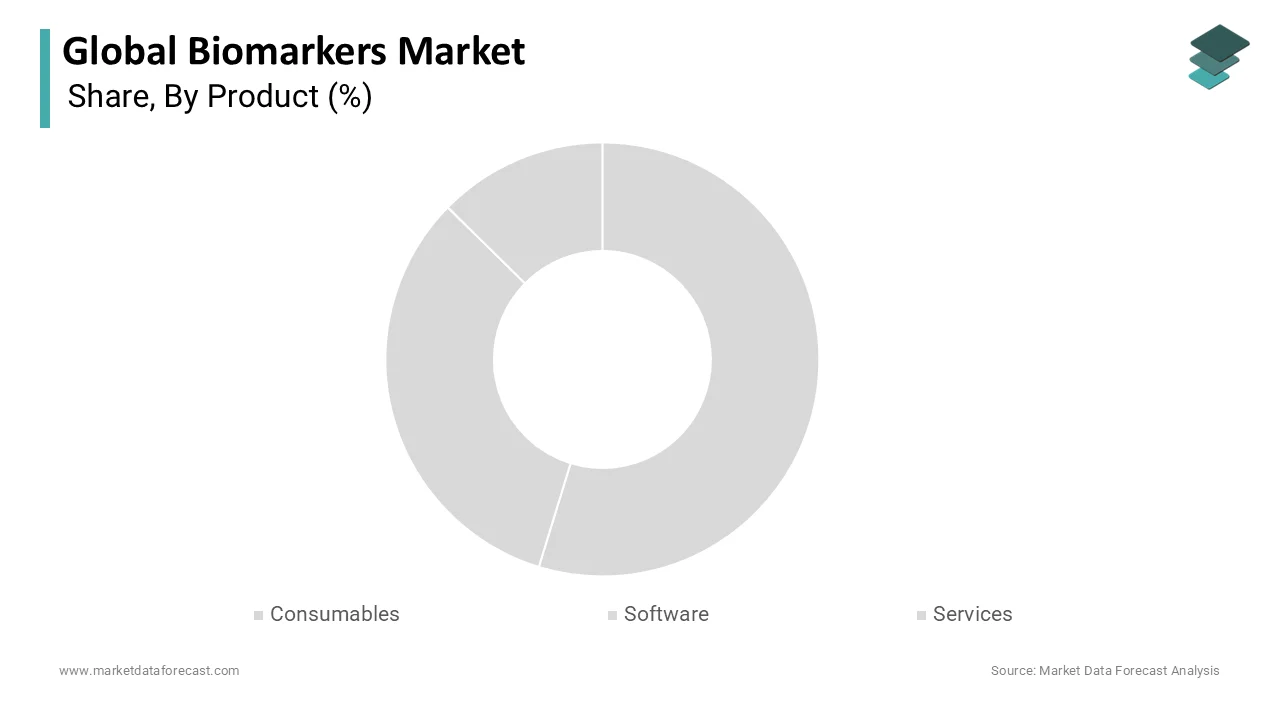
However, the services and software segment is anticipated to record a CAGR of 14.5% over the forecast period in the global market owing to the growing complexities in multi-omic data processing and outsourcing requirements, rapid adoption of specialized bioinformatics tools, and contract research laboratory services. According to National Institutes of Health bioinformatics evaluations, cloud-based genomic analysis platforms reduce variant interpretation timelines by over 45% compared to legacy desktop software, drastically optimizing computational efficiency for clinical researchers. This technological superiority drives rapid adoption because healthcare institutions increasingly rely on outsourced biomarker validation services to navigate stringent regulatory requirements without expanding internal laboratory overhead. According to European Commission digital health initiatives, clinical trial sponsors are encouraged to integrate advanced data management software, accelerating commercial revenue velocity for this high-growth digital infrastructure segment. The exponential growth of biological data generated by next-generation sequencing requires sophisticated bioinformatics pipelines and cloud infrastructure that many traditional hospitals and small laboratories cannot maintain internally. Consequently, specialized contract research organizations and software providers play an indispensable role in bridging this capability gap, offering scalable data analysis, regulatory consulting, and biomarker validation services.
By Type Insights
The safety biomarkers segment led the market by holding the leading share of the global market in 2025. The growth of the safety biomarkers segment in the global market is attributed to the strict regulatory demands during preclinical and clinical drug evaluation stages. For instance, safety indicators hold a dominant revenue share of approximately 49.00% within the type classification, driven by their critical function in predicting drug-induced toxicities. This segment domination is strongly driven by the absolute necessity to mitigate late-stage clinical trial attrition caused by unforeseen organ toxicities. According to Food and Drug Administration compliance audits, drug-induced hepatotoxicity accounts for nearly 30% of all failed clinical candidates, forcing pharmaceutical sponsors to implement mandatory safety biomarker panels early in development. According to World Health Organization clinical trial safety reviews, there is an annual 12% increase in global pharmaceutical R&D expenditures dedicated specifically to predictive safety monitoring, ensuring sustained high consumption of these crucial toxicity assessment tools across international research centers. By identifying organ-specific toxicities during the earliest preclinical screening phases, pharmaceutical developers can eliminate unviable candidates before incurring massive financial losses associated with failed Phase III clinical trials. Regulatory agencies increasingly mandate comprehensive safety biomarker profiling, cementing the central role of these diagnostic indicators in modern drug development pipelines.
On the other end, the efficacy biomarkers segment is estimated to register a promising CAGR in the global biomarkers market over the forecast period and outpaces traditional safety assays within the broader industry. For instance, the surging integration of companion diagnostics and precision therapeutics is the primary catalyst behind this robust upward momentum. According to Personalized Medicine Coalition clinical metrics, targeted oncology treatments guided by efficacy response indicators achieve patient response rates nearly 40% higher than conventional untargeted regimens. This clinical efficacy drives rapid adoption because healthcare providers and third-party payers increasingly demand objective proof of therapeutic benefit before approving costly biological treatments. The growing investments by biopharmaceutical enterprises into predictive and pharmacodynamic marker discovery propel the rapid commercial expansion of this specialized segment. As precision medicine continues to redefine therapeutic guidelines across oncology, immunology, and neurology, the ability to measure treatment response accurately through specialized efficacy markers becomes paramount. Healthcare providers rely on these dynamic indicators to evaluate therapeutic success, adjust dosing regimens, and switch treatment courses proactively when resistance develops, driving exceptional growth across the efficacy biomarker sector.
COUNTRY LEVEL ANALYSIS
North America Biomarkers Market Analysis
North America had 40.2% of the global market share in 2025 and is likely to maintain its dominant position and witness steady growth over the next few years due to advanced healthcare infrastructure and robust venture capital funding. According to National Institutes of Health budgetary allocations, annual life sciences research funding exceeds 45 billion dollars, providing an immense financial foundation for domestic biomarker discovery initiatives. Furthermore, major pharmaceutical headquarters situated across the United States aggressively integrate companion diagnostics into local clinical pipelines, ensuring sustained high-volume market growth throughout the territory. The region benefits from an extensive network of specialized academic medical centers, world-class diagnostic laboratories, and an agile biotechnology startup ecosystem that continuously introduces innovative analytical platforms. Favorable regulatory review pathways managed by federal health agencies, combined with robust reimbursement structures for established diagnostic tests, create an ideal commercial environment for multinational life sciences enterprises operating within the North American market.
Europe Biomarkers Market Analysis
Europe is likely to experience stable, moderate expansion in the coming years driven by strict regulatory standards and strong universal healthcare frameworks. According to European Medicines Agency regulatory updates, there is a 15% annual rise in centralized marketing authorizations for biomarker-driven targeted therapies across member states. Additionally, comprehensive public health reimbursement policies covering standard diagnostic assays ensure steady patient retention, minimizing out-of-pocket financial barriers and reinforcing the continent's prominent position in molecular pathology. European healthcare networks place strong emphasis on health technology assessment and evidence-based medicine, ensuring that only clinically validated and cost-effective biomarker assays achieve widespread adoption. Collaborative cross-border research initiatives funded by European Union research programs further foster innovation and standardization in molecular diagnostics, maintaining the region's competitive edge in personalized healthcare delivery.
Asia Pacific Biomarkers Market Analysis
Asia Pacific is likely to emerge as the fastest-growing regional market over the forecast period,d driven by rising healthcare investments and expanding clinical trials. According to World Health Organization epidemiological bulletins, the region accounts for over 50% of the global cancer burden, creating an urgent local demand for cost-effective diagnostic screening tools. Moreover, government-backed biotechnology parks in China and India offer streamlined regulatory pathways and lower clinical trial operational costs, attracting massive foreign direct investment from international pharmaceutical developers. Rapid economic development, expanding urban middle classes, and rising government healthcare expenditures across developing Asian economies are transforming regional healthcare infrastructure. As local hospitals upgrade their molecular diagnostic capabilities and integrate advanced biomarker testing into routine clinical practice, the Asia Pacific region continues to cement its status as a highly lucrative, high-volume growth engine for the global biomarkers market.
Latin America Biomarkers Market Analysis
Latin America is likely to show moderate and progressive development over the next few years, supported by healthcare modernization and infrastructural upgrades. According to Pan American Health Organization statistical bulletins, there is a 7% annual expansion in public health investments dedicated to upgrading regional diagnostic capabilities for infectious diseases and chronic oncology conditions. This infrastructural upgrade steadily enhances clinical access to modern molecular testing facilities, steadily elevating regional consumption levels across major metropolitan health networks. While macroeconomic volatility and disparities in public healthcare access across rural areas present ongoing challenges, private healthcare investments and expanding urban medical centers drive the steady adoption of advanced diagnostic platforms. Governments across the region increasingly recognize the long-term cost savings associated with early disease detection, implementing progressive health policies that encourage the gradual integration of molecular biomarker testing into national healthcare frameworks.
Middle East and Africa Biomarkers Market Analysis
The Middle East and Africa are likely to witness gradual commercial acceleration in the coming years backed by government economic diversification initiatives and private health investments. According to World Health Organization regional reports, there is a 10% annual increase in specialized oncology and genomic center openings across the United Arab Emirates and Saudi Arabia. This high-value institutional investment accelerates the local adoption of imported advanced biomarker assays, establishing a strong foundation for long-term commercial penetration across developing African health corridors. National healthcare transformation plans across the Gulf region prioritize the establishment of world-class medical tourism hubs and advanced genomic medicine programs, creating robust demand for cutting-edge diagnostic infrastructure. Meanwhile, developing healthcare systems in sub-Saharan Africa focus on building foundational diagnostic capacity for infectious and non-communicable diseases through strategic public-private partnerships, laying the groundwork for progressive long-term market expansion.
COMPETITIVE LANDSCAPE
Competition within the global biomarkers market is exceptionally intense, characterized by rapid technological advancements and a crowded landscape of multinational diagnostic manufacturers vying for clinical dominance. Industry participants constantly strive to differentiate their product portfolios by introducing high-sensitivity assays that enable early detection of oncological and neurodegenerative conditions long before overt symptoms manifest. Pricing pressures and stringent regulatory compliance requirements demand that market players continuously demonstrate superior clinical utility and cost-effectiveness to secure favorable reimbursement tariffs from third-party payers. Key competitors frequently engage in aggressive intellectual property development, collaborative multi-center clinical trials, and strategic corporate acquisitions to capture lucrative segments before rival technologies achieve widespread adoption. Furthermore, the complexity of managing temperature-sensitive biological reagents and specialized digital infrastructure forces market players to forge exclusive logistics partnerships with regional healthcare providers, creating high operational barriers that separate dominant industry leaders from smaller diagnostic developers.
KEY MARKET PLAYERS
Some of the companies that are playing a dominant role in the Global Biomarkers Market include:
- Bio-Rad Laboratories, Inc.
- QIAGEN N.V.
- Enzo Biochem, Inc.
- PerkinElmer, Inc.
- Merck & Co., Inc.
- EKF Diagnostics Holdings plc
- Meso Scale Diagnostics, LLC
- Singulex, Inc.
- BioSims Technologies
- Cisbio Bioassays
- Signosis, Inc.
TOP LEADING PLAYERS IN THE MARKET
- F Hoffmann-La Roche functions as a leading global healthcare enterprise contributing advanced diagnostic assays and targeted companion biomarker tests to the international medical sector. The company delivers comprehensive oncology and neurology screening platforms utilized extensively in clinical laboratories worldwide. To strengthen its commercial footprint, the corporation invests heavily in proprietary digital pathology tools and broad genomic sequencing collaborations. Furthermore, the firm routinely establishes strategic partnerships with academic research institutions to accelerate the clinical validation of novel blood-based diagnostic indicators. Through its integrated pharmaceuticals and diagnostics divisions, the enterprise bridges the gap between targeted drug development and companion diagnostic commercialization, ensuring optimal alignment with the evolving requirements of precision medicine.
- Thermo Fisher Scientific operates as a premier scientific service provider, contributing essential analytical instruments, high-purity reagents, and custom assay development solutions to the global biomarkers market. The enterprise supports researchers and pharmaceutical developers by supplying comprehensive molecular testing workflows that streamline early-stage target discovery. To maintain its competitive edge, the corporation pursues targeted acquisitions of specialized biotechnology firms and expands its automated laboratory infrastructure. Additionally, the company continuously upgrades its digital data management platforms to improve multi-omic data processing efficiency for clinical clients. Its comprehensive portfolio of mass spectrometry systems, sequencing platforms, and custom antibody reagents empowers high-throughput laboratories to execute complex biomarker validation studies with exceptional analytical precision.
- Abbott Laboratories acts as a major multinational medical technology organization contributing sophisticated point-of-care diagnostic systems and immunoassay platforms to the global biomarkers industry. The corporation provides reliable cardiovascular, metabolic, and infectious disease testing equipment utilized extensively in decentralized clinical care environments. To reinforce its market position, the firm focuses on developing decentralized rapid-testing devices that enhance patient monitoring convenience. Moreover, the enterprise leverages expansive global distribution networks and targeted clinical trial investments to secure rapid regulatory clearance for next-generation diagnostic assays across multiple geographic jurisdictions. By emphasizing user-friendly, high-speed diagnostic platforms, the corporation enables clinicians to make rapid, evidence-based treatment decisions in emergency and ambulatory care settings.
TOP STRATEGIES USED BY KEY MARKET PARTICIPANTS
Key market participants deploy aggressive research and development initiatives to discover proprietary genomic and proteomic signatures that address unmet clinical needs in oncology and neurology. Leading corporations focus heavily on securing strategic partnerships and licensing agreements with emerging biotechnology firms to integrate novel companion diagnostic tests into their existing product pipelines. Industry leaders pursue targeted mergers and acquisitions to expand their analytical instrument manufacturing capabilities and secure specialized laboratory service networks. Corporations also establish robust digital health collaborations to integrate artificial intelligence software with high-throughput sequencing hardware, accelerating multi-omic data interpretation. Furthermore, major enterprises optimize their global supply chain frameworks and engage in collaborative clinical trials with pharmaceutical sponsors to drive widespread adoption of personalized medicine protocols.
GLOBAL BIOMARKERS MARKET NEWS
- January 2024: Thermo Fisher Scientific expanded its molecular diagnostic capabilities by launching an advanced high-throughput genomic sequencing workflow designed to accelerate biomarker discovery timelines.
- April 2024: DynaTouch acquired KioWare, a kiosk management software company, to offer comprehensive kiosk solutions and strengthen its biomarkers market presence.
- July 2024: F Hoffmann-La Roche received expanded regulatory clearances for its proprietary blood-based neurological screening panel, reinforcing its competitive posture in the global biomarkers market.
- October 2024: Abbott Laboratories established a strategic clinical distribution agreement with major European healthcare networks to deploy rapid point-of-care cardiac testing devices, further cementing its commercial footprint in the biomarkers market.
- December 2024: QIAGEN integrated advanced bioinformatics software into its sample preparation portfolio to optimize multi-omic data analysis for clinical researchers operating within the biomarkers market.
MARKET SEGMENTATION
This research report on the global biomarkers market has been segmented by product, type, application, disease indications, and region.
By Product
- Consumables
- Software
- Services
By Type
- Safety Biomarkers
- Efficacy Biomarkers
- Validation Biomarkers
By Application
- Diagnostics Developments
- Drug Discovery & Development
- Personalized Medicine
- Disease Risk Assessment
By Disease Indications
- Cancer
- Cardiovascular
- Neurological
- Immunological Disorders
By Region
- North America
- Europe
- Asia Pacific
- Latin America
- The Middle East and Africa