- Product Description Description
- Table of Contents TOC
- List of Table & Figure LOT
- Get Free Sample PDF Sample PDF
Market Size, 2025
$810.06 MnMarket Estimate, 2026
$859.47 MnMarket Forecast, 2034
$1380.2 MnCAGR, 2026–2034
6.1%Global Camelina Sativa Market Report Summary
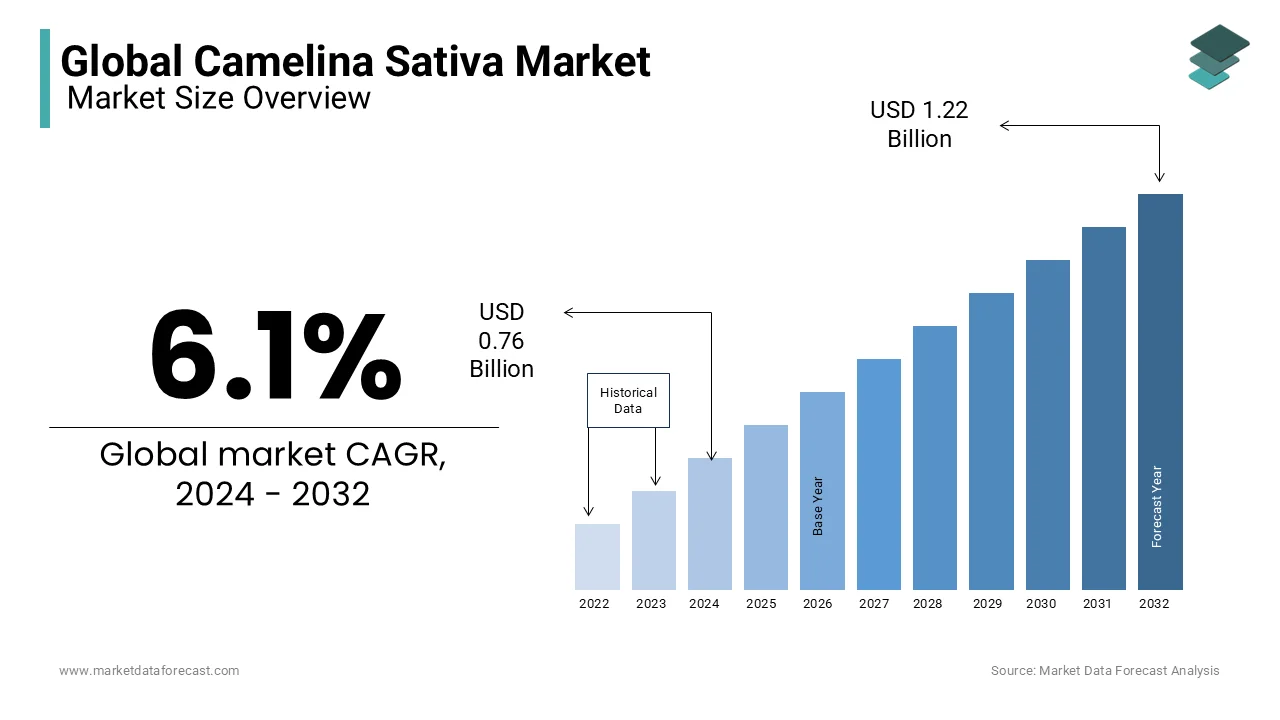
The global Camelina Sativa market was valued at USD 810.06 million in 2025, is estimated to reach USD 859.47 million in 2026, and is projected to reach USD 1,380.24 million by 2034, growing at a CAGR of 6.1% during the forecast period. Market growth is driven by increasing demand for sustainable bio-based feedstocks, rising adoption of renewable fuels, and expanding industrial applications. Camelina Sativa is widely valued for its high oil content, adaptability to harsh climates, and suitability for biodiesel production. The growing focus on sustainable agriculture and low-carbon energy solutions is further supporting steady global market expansion.
Key Market Trends
- Rising demand for sustainable and renewable feedstocks is driving market growth.
- Increasing adoption of biofuels and biodiesel is boosting demand.
- Growing industrial applications of Camelina Sativa oil are supporting market expansion.
- Expansion of sustainable agriculture practices is enhancing cultivation activities.
- Rising focus on low carbon energy solutions is influencing market development.
Segmental Insights
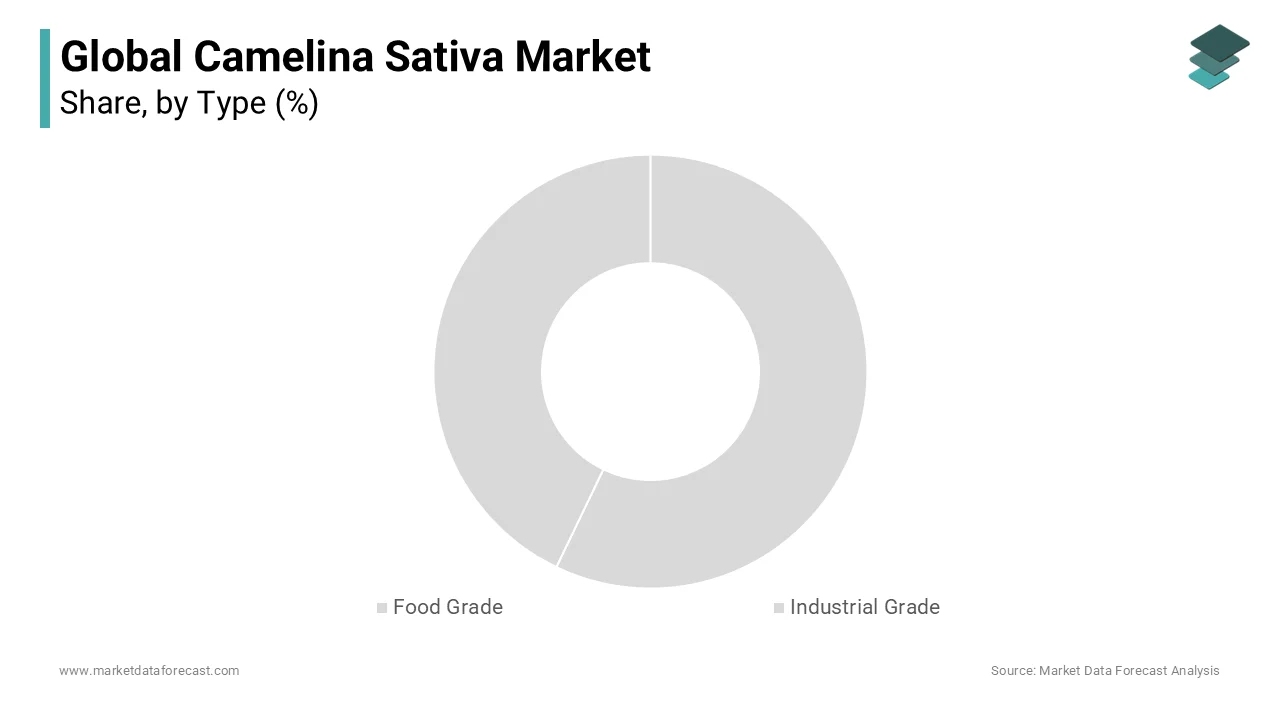
- Based on product type, the industrial grade segment accounted for 61.6% of the global Camelina Sativa market share in 2025. This dominance is attributed to its extensive usage in industrial processing and renewable fuel applications.
- Based on application, the biodiesel segment held 54.8% of the global Camelina Sativa market share in 2025, driven by increasing demand for sustainable alternative fuels.
Regional Insights
- The global Camelina Sativa market is experiencing steady growth across regions, supported by renewable energy initiatives and industrial demand.
- North America was the leading contributor, accounting for 45.5% of the global Camelina Sativa market share in 2025, driven by strong biofuel policies, agricultural capabilities, and investments in sustainable energy solutions.
Competitive Landscape
The global Camelina Sativa market is moderately competitive, with key players focusing on cultivation expansion, product innovation, and sustainable processing technologies to strengthen their market position. Companies are investing in biofuel development, specialty oils, and strategic partnerships. Prominent players in the global Camelina Sativa market include Botanic Innovations, OQEMA, Yield10 Bioscience, Northstar Lipids, BioOrganic Concepts, GREENTECH, Lincoln Fine Ingredients, Biocosmethic, Perles de Gascogne, and Shxchangyu.
Global Camelina Sativa Market Size
The Global Camelina Sativa market size was valued at USD 810.06 million in 2025, and the global market size is expected to grow from USD 859.47 billion in 2026 to USD 1,380.24 billion in 2034, with a CAGR of 6.1% between 2026 and 2034.
Camelina sativa, commonly known as false flax, gold-of-pleasure, or wild flax, is an ancient, flowering oilseed plant belonging to the Brassicaceae family (mustard family). The market definition encompasses the entire value chain from seed production and agronomic services to oil extraction and the formulation of end products for aviation fuel animal feed and human nutrition. Unlike conventional crops camelina requires minimal inputs and thrives in marginal soils making it an ideal candidate for regenerative agricultural systems. According to the United States Department of Agriculture camelina can be grown as a cover crop or in rotation with wheat providing economic benefits to farmers while improving soil health. The European Commission has recognized camelina as a strategic crop for bioeconomy initiatives due to its low carbon footprint and versatility. As per the Food and Agriculture Organization of the United Nations the global demand for sustainable vegetable oils is rising driven by environmental regulations and consumer awareness. This context positions camelina sativa not merely as a commodity but as a multifunctional resource addressing energy security and nutritional needs. The crop’s ability to produce oil suitable for hydroprocessed esters and fatty acids further integrates it into the renewable energy sector. Therefore, the market is defined by its intersection with agricultural sustainability policies and the growing industrial demand for low carbon intensity feedstocks.
MARKET DRIVERS
Regulatory Mandates for Sustainable Aviation Fuel Adoption
The implementation of stringent regulatory mandates for sustainable aviation fuel SAF drives the growth of the camelina sativa market. Governments worldwide are enforcing policies to reduce greenhouse gas emissions from the aviation sector which accounts for approximately 2.5 percent of global carbon dioxide emissions according to the International Civil Aviation Organization. In response the European Union’s ReFuelEU Aviation initiative mandates that SAF must constitute at least 2 percent of total aviation fuel by 2025 rising to 70 percent by 2050. Camelina oil is a preferred feedstock for SAF production due to its high oil content and favorable fatty acid profile which yields high quality biofuel with low lifecycle emissions. The United States Environmental Protection Agency approved camelina as an eligible feedstock for the Renewable Fuel Standard, determining that it meets the required 50 percent greenhouse gas reduction threshold for advanced biofuels, while independent lifecycle analyses indicate it can reduce emissions by up to 80 percent. Airlines such as KLM and Lufthansa have already conducted successful test flights using camelina based blends demonstrating technical viability. The International Air Transport Association states that scaling up SAF production is critical for the industry to meet its net zero carbon emissions target by 2050. This regulatory push creates a guaranteed demand for camelina oil encouraging farmers to adopt the crop and investors to build processing infrastructure. The alignment of agricultural production with aviation decarbonization goals ensures sustained growth for the camelina sativa market as it becomes integral to the green energy transition.
Growing Demand for Omega 3 Rich Nutritional Supplements
The increasing consumer preference for plant based omega 3 fatty acid sources boosts the expansion of the camelina sativa market. This fuels significant demand for camelina sativa oil in the nutritional supplement and functional food sectors. Traditional sources of omega 3 such as fish oil face sustainability concerns and supply chain vulnerabilities prompting consumers to seek vegetarian alternatives. According to the Global Organization for EPA and DHA Omega-3s (GOED) 2025, the landscape for EPA and DHA ingredients is expanding (primarily due to supply chain recovery and growth in pet nutrition, following a period of flat demand in human supplements caused by supply shortages. Camelina oil contains approximately 30 to 40 percent alpha linolenic acid ALA a plant based omega 3 fatty acid which the body converts into EPA and DHA. The European Food Safety Authority acknowledges that ALA contributes to the maintenance of normal blood cholesterol levels supporting health claims that boost consumer confidence. NielsenIQ data indicates that sales of plant based supplements have outpaced traditional vitamins reflecting a shift toward clean label and vegan friendly products. Furthermore the mild nutty flavor of camelina oil makes it suitable for culinary applications such as salad dressings and smoothies enhancing its appeal in the gourmet food market. The rise in chronic diseases related to poor diet has intensified the focus on preventive healthcare driving individuals to incorporate nutrient dense oils into their daily routines. This health conscious trend coupled with the sustainability advantage of camelina over marine sources creates a robust demand trajectory for the crop in the human nutrition segment.
MARKET RESTRAINTS
Limited Agricultural Infrastructure and Processing Capacity
The limited availability of specialized agricultural infrastructure and processing capacity poses a significant restraint to the growth of the camelina sativa market. Unlike major oilseats such as soybeans and canola camelina lacks a established supply chain including dedicated harvesting equipment storage facilities and crushing plants. According to the United States Department of Agriculture most existing oilseed crushers are optimized for larger seeds requiring costly modifications to process camelina efficiently. This lack of infrastructure increases logistical costs and creates bottlenecks in the supply chain discouraging farmers from committing large acreages to the crop. The National Institute of Food and Agriculture notes that the absence of standardized grading and handling protocols for camelina further complicates trade and market access. Farmers often face difficulties in finding buyers willing to purchase small volumes leading to market uncertainty. Additionally the limited number of processing facilities means that transportation distances to crushers can be excessive eroding profit margins. The European Biomass Association shows that the fragmented nature of camelina production across different regions prevents economies of scale necessary for competitive pricing. Without significant investment in dedicated infrastructure the market remains constrained by high operational costs and inefficiencies. This structural deficit limits the ability of the industry to respond rapidly to surging demand from the aviation and nutrition sectors thereby restraining overall market growth.
Competition from Established Oilseed Crops
Intense competition from established oilseed crops, such as canola, soybeans, and sunflowers, constrains the expansion of the camelina sativa market. These conventional crops benefit from decades of agricultural research resulting in high yielding varieties robust supply chains and established market channels. According to the USDA, soybean production in the United States alone reached approximately 121.1 million metric tons for the 2024/25 cycle, while North American totals (including Canada's ~7 million tons) exceed 128 million tons. Canola oil similarly dominates the market due to its versatility and lower production costs driven by economies of scale. Camelina yields typically range from 1,500 to 2,200 kg/ha, which is lower than canola's average national yield in Canada, which fluctuates between 1,800 and 2,100 kg/ha according to recent Statistics Canada reports. This yield gap makes camelina less economically attractive to farmers unless premium prices are guaranteed. Furthermore the familiarity of processors and consumers with traditional oils creates a barrier to entry for camelina products. The Food and Agriculture Organization of the United Nations reports that global trade flows are heavily skewed toward major oilseats making it difficult for niche crops to gain traction. Price sensitivity among industrial buyers often leads them to stick with conventional oils unless regulatory mandates or specific functional properties dictate otherwise. This competitive landscape forces camelina producers to constantly justify higher costs limiting market penetration in price sensitive segments.
MARKET OPPORTUNITIES
Integration into Regenerative Agriculture and Cover Cropping Systems
The integration of camelina sativa into regenerative agriculture and cover cropping systems offers a substantial opportunity for the camelina sativa market expansion. This offers additional revenue streams to farmers. Camelina’s short growing season allows it to be planted as a double crop after wheat or corn without disrupting main harvest cycles. According to the Rodale Institute's 40-Year Report, regenerative organic practices can increase soil organic matter significantly over decades (e.g., a 27% net increase over 35 years), but annual gains are typically measured in hundredths of a percent (approx. 0.034% annually). Farmers can sell camelina seeds for oil production while benefiting from improved soil health reduced erosion and weed suppression. The United States Department of Agriculture’s Natural Resources Conservation Service promotes cover cropping as a key strategy for climate smart agriculture providing financial incentives through programs like the Environmental Quality Incentives Program. This policy support lowers the financial risk for farmers adopting camelina. Additionally the carbon sequestration potential of camelina fields can be monetized through carbon credit markets. The Verra registry indicates that agricultural carbon credits are gaining value as corporations seek to offset emissions. By positioning camelina as a tool for sustainability rather than just a commodity growers can access premium markets and eco conscious buyers. This dual benefit of economic gain and environmental stewardship encourages wider adoption. The opportunity lies in creating bundled service models where agronomists assist farmers in integrating camelina into their rotations maximizing both ecological and financial returns.
Development of High Value Co Products for Animal Feed
The development and commercialization of high value co products, particularly camelina meal for animal feed, paves the way to enhance the profitability of the camelina sativa market. After oil extraction the remaining meal is rich in protein and residual omega 3 fatty acids making it an excellent supplement for livestock and aquaculture. According to the American Society of Animal Science feeding camelina meal to poultry and swine can improve the nutritional profile of meat and eggs by increasing their omega 3 content. This value added feature allows producers to command premium prices for enriched animal products. The aquaculture sector is increasingly interested in camelina meal as a sustainable alternative to fish meal which faces supply constraints and environmental criticism. The Food and Agriculture Organization of the United Nations states that aquaculture is the fastest growing food production sector driving demand for innovative feed ingredients. Research from the University of Stirling and Dalhousie University indicates that camelina meal can effectively replace up to 10–15% of fish meal in salmonid diets. However, exceeding these levels may impair growth rates due to anti-nutritional compounds. This substitution reduces pressure on wild fish stocks and lowers feed costs. Furthermore the anti nutritional factors in camelina meal can be mitigated through processing techniques improving its digestibility. By establishing a robust market for camelina meal the overall economics of camelina cultivation improve making it more competitive against other oilseeds. This circular economy approach maximizes resource utilization and opens new revenue channels for processors and farmers alike.
MARKET CHALLENGES
Variability in Seed Yield and Quality Due to Environmental Factors
The variability in seed yield and quality due to environmental factors is a significant challenge to the consistency and reliability of the camelina sativa market. Although camelina is known for its resilience it is still susceptible to extreme weather conditions such as drought heat stress and excessive rainfall which can drastically affect output. In regions like the Pacific Northwest of the United States late spring frosts can damage flowering plants reducing pod set and final yield. Furthermore the oil content and fatty acid profile of camelina seeds can vary based on soil type and climate affecting the quality of the extracted oil. This inconsistency complicates the standardization required for industrial applications such as aviation fuel where strict specifications must be met. The lack of widely adapted high yielding varieties exacerbates this issue as most current cultivars are optimized for specific local conditions. Breeders are working to develop more robust strains but the pace of genetic improvement lags behind the urgent demand for stable supplies. This agronomic uncertainty creates risk for investors and buyers who require consistent volume and quality. Mitigating this challenge requires significant investment in research and precision agriculture technologies to optimize growing conditions.
Lack of Standardized Pricing Mechanisms and Market Transparency
The absence of standardized pricing mechanisms and market transparency is a formidable obstacle to the commercial scalability of the camelina sativa market. Unlike major commodities such as corn or soybeans which have established futures markets and transparent price discovery processes camelina trades largely through private contracts with opaque pricing structures. The lack of transparency makes it difficult for farmers to assess fair market value and for buyers to forecast costs accurately. This power imbalance can lead to exploitative practices where farmers receive disproportionately low prices. Additionally the lack of historical price data hinders financial institutions from offering competitive lending and insurance products to camelina growers. Without a reliable pricing benchmark the market remains volatile and risky discouraging large scale investment. Establishing a transparent pricing framework is essential for building trust and attracting capital. Until then the market will struggle to achieve the liquidity and stability needed for mainstream adoption.
REPORT COVERAGE
| REPORT METRIC | DETAILS |
| Market Size Available | 2025 to 2034 |
| Base Year | 2025 |
| Forecast Period | 2026 to 2034 |
| CAGR | 6.1% |
| Segments Covered | By Type, Application, and Region |
| Various Analyses Covered | Global, Regional and Country Level Analysis; Segment-Level Analysis; DROC; PESTLE Analysis; Porter’s Five Forces Analysis; Competitive Landscape; Analyst Overview of Investment Opportunities |
| Regions Covered | North America, Europe, APAC, Latin America, Middle East & Africa |
| Market Leaders Profiled | Botanic Innovations, OQEMA, Yield10 Bioscience, Northstar Lipids, BioOrganic Concepts, GREENTECH, Lincoln Fine Ingredients, Biocosmethic, Perles de Gascogne, Shxchangyu. |
SEGMENTAL ANALYSIS
By Type Insights
The industrial grade segment dominated the Camelina Sativa Market and accounted for a 61.6% share in 2025. This dominance of the segment is driven by the surging demand for sustainable aviation fuel SAF which requires high volume feedstocks with low carbon intensity. Governments across North America and Europe have implemented aggressive mandates to decarbonize the aviation sector, which is responsible for approximately 2% of global energy-related carbon dioxide emissions according to recent IEA and ICAO data. Camelina oil is uniquely suited for this application because it can be processed into hydroprocessed esters and fatty acids HEFA which meet the stringent technical specifications for jet fuel. The United States Environmental Protection Agency (EPA) recognizes camelina-based biofuels as having a lifecycle greenhouse gas reduction of at least 50% compared to conventional petroleum fuels, qualifying it for D4 RINs under the Renewable Fuel Standard. This regulatory advantage drives airlines and fuel producers to secure long term supply contracts for industrial grade camelina oil. The European Union’s ReFuelEU Aviation initiative mandates that SAF must constitute 2 percent of total aviation fuel by 2025 creating an immediate and substantial market for industrial feedstocks. Major energy companies are investing heavily in refining capacity specifically designed for non food oilseeds like camelina. The International Air Transport Association states that the industry needs to scale up SAF production significantly to meet its net zero target by 2050.
This structural shift transforms camelina from a niche agricultural product into a critical energy commodity. The sheer volume required by the aviation industry far exceeds the demand from food or cosmetic sectors ensuring that industrial grade applications remain the largest consumer of camelina oil globally. The cost effectiveness and agronomic advantages of camelina sativa further solidify the dominance of the industrial grade segment by providing a reliable and affordable feedstock for large scale biofuel production. Unlike traditional oilseeds such as soybeans or palm oil camelina requires significantly lower inputs of fertilizer pesticides and water making it cheaper to cultivate. According to the United States Department of Agriculture camelina can be grown on marginal lands that are unsuitable for food crops thereby avoiding competition with food security and reducing land use change emissions. This ability to utilize idle or fallow land lowers the overall production cost for farmers and processors. The National Renewable Energy Laboratory highlights that the low input requirements of camelina result in a favorable energy balance which is crucial for meeting renewable fuel standards. Furthermore camelina’s short growing season allows it to be rotated with wheat or other cereals providing farmers with an additional income stream without disrupting their primary crop cycles. This dual cropping system enhances the economic viability of camelina cultivation encouraging wider adoption. The consistency of supply from these rotational systems ensures that industrial buyers can secure steady volumes of oil. The American Society of Agronomy notes that camelina’s resilience to drought and cold temperatures reduces the risk of crop failure ensuring more predictable yields for industrial processors. These agronomic benefits translate into competitive pricing for industrial grade oil making it the preferred choice for cost sensitive biofuel manufacturers who operate on thin margins.
The animal feed segment is expected to exhibit a noteworthy CAGR of 9.2% during the forecast period due to the demand for nutritionally enhanced livestock products. Camelina meal the byproduct of oil extraction is rich in protein and omega 3 fatty acids which when included in animal diets improve the nutritional profile of meat eggs and milk. The value addition allows farmers to command higher prices for their livestock products thereby offsetting the cost of the feed. The global demand for functional foods is rising as consumers seek ways to improve their health through diet. Camelina meal serves as a sustainable alternative to fish meal in aquaculture feeds addressing the overfishing crisis while maintaining growth rates in fish. Research indicates that replacing a portion of fish meal with camelina meal in salmon diets does not negatively impact growth but improves the fatty acid profile. This versatility across poultry swine and aquaculture sectors broadens the market base. The increasing awareness of the benefits of omega 3 fatty acids for human health drives livestock producers to adopt camelina based feeds. This trend is supported by scientific evidence validating the transfer of nutrients from feed to food products. Sustainability concerns in aquaculture and livestock feed formulations are accelerating the growth of the animal feed segment as industry stakeholders seek environmentally responsible ingredients. The traditional reliance on fish meal for aquafeed is unsustainable due to declining wild fish stocks and high environmental costs. Camelina meal offers a plant based solution that reduces pressure on marine ecosystems while providing essential amino acids and lipids. The Global Seafood Alliance promotes the use of terrestrial plant proteins like camelina to improve the sustainability credentials of seafood production. In the livestock sector the reduction of soybean meal usage is driven by concerns over deforestation associated with soy cultivation in South America. Camelina grown in temperate regions provides a locally sourced alternative with a lower carbon footprint. The United States Department of Agriculture emphasizes the importance of diversifying feed ingredients to enhance supply chain resilience against climate shocks. Camelina’s ability to thrive in diverse climatic conditions makes it a reliable source of feed protein. Furthermore the anti inflammatory properties of omega 3 fatty acids in camelina meal improve animal health and reduce the need for antibiotics aligning with regulatory trends toward reduced antibiotic use in agriculture. This alignment with sustainability and health goals drives rapid adoption of camelina meal in commercial feed operations.
By Application Insights
The biodiesel application segment led the Camelina Sativa Market and captured a share of 54.8% in 2025. This leading position of the segment is attributed to robust government mandates and incentives promoting the use of renewable transportation fuels. Countries worldwide are implementing policies to reduce dependence on fossil fuels and lower greenhouse gas emissions from the transport sector. Camelina oil is a preferred input for biodiesel production because of its high oil content and favorable cold flow properties which ensure performance in varying weather conditions. The European Union’s Renewable Energy Directive sets binding targets for the share of energy from renewable sources in transport further driving demand. Camelina based biodiesel offers a lower carbon intensity compared to conventional diesel making it attractive for compliance with low carbon fuel standards in regions like California and British Columbia. These environmental benefits combined with regulatory support create a stable and growing demand for camelina oil in the biodiesel sector. The established infrastructure for biodiesel blending facilitates easy integration of camelina oil into the existing fuel supply chain. The established infrastructure and processing efficiency for biodiesel production favor the dominance of this application segment in the Camelina Sativa Market. Unlike emerging applications such as jet fuel or cosmetics which require specialized refining processes biodiesel production utilizes well established transesterification technologies that are widely available and cost effective. The existing capacity allows for rapid scaling of camelina based biodiesel production without significant capital investment in new plants. The ease of blending biodiesel with petroleum diesel at various ratios from B5 to B100 ensures compatibility with existing engines and distribution networks. This technical compatibility removes barriers to adoption for fleet operators and consumers. Furthermore the co product of biodiesel production glycerin has a established market in the chemical and pharmaceutical industries adding value to the production process. This economic impact garner political support for continued incentives. The maturity of the biodiesel market provides a reliable outlet for camelina oil ensuring consistent demand even as other applications develop. The operational simplicity and economic viability of biodiesel production cement its position as the leading application.
The jet fuel application segment is predicted to witness the highest CAGR of 12.5% from 2026 to 2034 owing to the aviation industry’s urgent need to decarbonize. Moreover, the International Air Transport Association has committed to achieving net zero carbon emissions by 2050 a goal that cannot be met through efficiency improvements alone. Sustainable aviation fuel SAF is identified as the most viable solution for reducing emissions in the short to medium term. According to the International Civil Aviation Organization SAF can reduce lifecycle emissions by up to 80 percent compared to conventional jet fuel. Camelina oil is a certified feedstock for HEFA SAF production which is currently the most commercially mature technology for producing sustainable jet fuel. Major airlines including United Airlines and KLM have invested in SAF production facilities and signed off take agreements for camelina based fuel. The European Union’s ReFuelEU Aviation mandate requires increasing percentages of SAF in airport fuel supplies starting from 2025. This regulatory push creates a surge in demand for qualified feedstocks. The investments are accelerating the construction of refineries capable of processing camelina oil. The high value of SAF compared to conventional jet fuel provides economic incentives for producers to prioritize camelina sourcing. The combination of regulatory mandates corporate commitments and technological readiness drives the rapid expansion of the jet fuel segment. Technological advancements in hydroprocessed esters and fatty acids HEFA processing are enhancing the viability and growth of the jet fuel application for camelina sativa. HEFA technology allows for the conversion of triglycerides in camelina oil into hydrocarbons that are chemically identical to conventional jet fuel ensuring drop in compatibility. According to the American Society for Testing and Materials ASTM International has approved HEFA SAF for use in commercial aviation up to a 50 percent blend ratio. Recent innovations in catalytic processes have improved the yield and efficiency of converting camelina oil into SAF reducing production costs. The National Renewable Energy Laboratory reports that ongoing research is optimizing catalysts to handle variations in feedstock quality ensuring consistent output. These technological improvements make camelina a more attractive option for refiners who require high purity and reliability. Additionally the development of integrated biorefineries that produce both SAF and renewable diesel allows for greater flexibility and economic resilience. The International Air Transport Association emphasizes that scaling up HEFA capacity is critical for meeting future SAF demand. Partnerships between agricultural producers and energy companies are facilitating the development of dedicated supply chains for camelina. The ability to produce high quality jet fuel from a sustainable source aligns with the environmental goals of the aviation industry. This technological maturity coupled with strong policy support ensures that the jet fuel segment will continue to grow at an exceptional rate.
REGIONAL ANALYSIS
North America Camelina Sativa Market Analysis
North America outperformed other regions in the global Camelina Sativa Market and accounted for a 45.5% share in 2025. The demand for camelina sativa in the North America is supported by strong agricultural research infrastructure and supportive government policies for biofuels. According to the United States Department of Agriculture the Pacific Northwest and Northern Plains are key production zones where camelina is integrated into wheat rotation systems. The presence of major aerospace companies and airlines in the United States drives demand for sustainable aviation fuel. The Federal Aviation Administration supports the development of SAF through grants and partnerships with industry stakeholders. Canada is also a significant producer with provinces like Saskatchewan and Alberta promoting camelina as a rotational crop. The Canadian Green Aviation Strategy outlines targets for SAF adoption which further stimulates market growth. The United States Environmental Protection Agency’s Renewable Fuel Standard provides a stable regulatory framework for biodiesel and SAF production. Research institutions such as Montana State University are actively developing high yielding camelina varieties suited to local conditions. The availability of arable land and advanced farming techniques ensures high productivity. The region benefits from a well established logistics network for transporting oilseeds to processing facilities. Investment in biorefineries is increasing as energy companies seek to diversify their fuel portfolios. The collaborative effort between government academia and industry positions North America as the leader in camelina innovation and commercialization.
Europe Camelina Sativa Market Analysis
Europe was the second largest region in the global Camelina Sativa Market and captured a 30.7% share in 2025. This growth of the European market is fuelled by stringent environmental regulations and sustainability goals. The market status in Europe is influenced by the European Union’s Green Deal and Fit for 55 package which aim to reduce greenhouse gas emissions by 55 percent by 2030. According to the European Commission the ReFuelEU Aviation initiative mandates the gradual increase of SAF in aviation fuel mixes creating significant demand for camelina oil. Countries such as France Germany and the Netherlands are leading investors in SAF production facilities. The European Biomass Association promotes the use of sustainable feedstocks like camelina to meet renewable energy targets. Agricultural policies under the Common Agricultural Policy encourage crop diversification and sustainable farming practices benefiting camelina growers. The European Commission has authorized camelina oil as a novel food, permitting its use in food products and dietary supplements within the European Union. Research programs funded by Horizon Europe are exploring new applications for camelina in bioplastics and cosmetics. The region’s strong focus on circular economy principles drives the utilization of camelina meal for animal feed. Trade agreements within the EU facilitate the movement of camelina products across borders. The high environmental awareness among European consumers supports the premium pricing of sustainable products. The region’s commitment to climate action ensures sustained growth for the camelina market.
Asia Pacific Camelina Sativa Market Analysis
The Asia Pacific region is an emerging market for Camelina Sativa, with significant growth potential driven by increasing energy demands and agricultural modernization. Also, the market status in this region is characterized by initial stages of adoption with pilot projects and research initiatives gaining momentum. According to the Food and Agriculture Organization of the United Nations countries like China and India are exploring camelina as a potential oilseed crop to reduce reliance on imports. The Chinese government’s emphasis on energy security and rural revitalization supports the introduction of new crops. In India the National Mission on Edible Oils aims to boost domestic oilseed production creating opportunities for camelina. The region’s large aviation sector particularly in countries like Japan South Korea and Australia is beginning to explore SAF options. The International Air Transport Association notes that Asia Pacific is expected to be the fastest growing aviation market increasing future demand for SAF. Agricultural research institutions in the region are conducting trials to identify suitable camelina varieties for local climates. The growing middle class and health consciousness are driving demand for nutritious food oils. However the lack of established supply chains and processing infrastructure remains a challenge. Government incentives and international collaborations are needed to accelerate market development. The region’s vast agricultural land offers potential for large scale production if technical and logistical barriers are addressed.
Latin America Camelina Sativa Market Analysis
Latin America is moving ahead steadfastly in the global Camelina Sativa Market and offers unique opportunities for expansion. The market status in this region is influenced by the dominance of soybean and palm oil production which poses competition but also provides existing infrastructure. According to the Inter American Institute for Cooperation on Agriculture there is growing interest in diversifying oilseed crops to improve soil health and reduce environmental impacts. Countries like Brazil and Argentina are exploring camelina as a winter crop in rotation with soybeans. The region’s commitment to reducing deforestation and promoting sustainable agriculture aligns with camelina’s benefits. The Brazilian RenovaBio program incentivizes the production of low carbon biofuels creating potential demand for camelina based biodiesel. The aviation sector in Latin America is beginning to adopt sustainability practices with airlines participating in global SAF initiatives. The Economic Commission for Latin America and the Caribbean highlights the importance of agricultural innovation for rural development. Research universities in the region are collaborating with international partners to study camelina agronomy. The tropical and subtropical climates in some areas may require specific variety development. The region’s focus on export oriented agriculture means that camelina could be grown for international markets. Policy support and investment in processing facilities are critical for market growth. The potential for camelina to improve sustainability in existing cropping systems is a key driver.
Middle East and Africa Camelina Sativa Market Analysis
The Middle East and Africa region is anticipated to grow notably in the global camelina sativa market from 2026 to 2034 due to the need for drought resistant crops and energy diversification in arid environments. According to the African Union’s Comprehensive Africa Agriculture Development Programme there is a focus on introducing resilient crops to enhance food security and farmer incomes. Camelina’s tolerance to drought and poor soils makes it suitable for certain areas in North Africa and the Middle East. Countries like Morocco and Egypt are investigating alternative oilseeds to reduce import dependency. The Middle East’s aviation hubs such as Dubai and Doha are investing heavily in sustainable aviation fuel as part of their economic diversification strategies. The International Civil Aviation Organization supports regional initiatives for SAF adoption. The harsh climate conditions limit widespread cultivation but targeted research is identifying suitable zones. The United Nations Environment Programme promotes sustainable land management practices which include the use of cover crops like camelina. The region’s solar energy potential could be combined with camelina cultivation for integrated bioenergy systems. Limited water resources require efficient irrigation techniques. The market is largely dependent on international partnerships and technology transfer. As awareness of climate smart agriculture grows the region may see increased adoption of camelina for both local use and export.
COMPETITIVE LANDSCAPE
The competition in the camelina sativa market is characterized by a mix of specialized agtech startups established agricultural corporations and energy companies entering the biofuel space. The market is currently fragmented with no single dominant player controlling the entire value chain. Agtech firms like CoverCress compete on innovation and genetic improvements while traditional seed companies leverage their existing distribution networks. Energy majors are increasingly influencing the market through investments in processing facilities and off take agreements driving consolidation. Competition is intensifying as more stakeholders recognize the potential of camelina for sustainable aviation fuel. Price competitiveness remains crucial as buyers compare camelina with other feedstocks like used cooking oil and tallow. Differentiation through sustainability credentials and carbon intensity scores is becoming a key competitive advantage. Companies that can offer transparent and verified supply chains gain preference from corporate buyers. Regulatory compliance and certification standards also shape competitive dynamics. The race to scale up production capacity and secure farmer participation defines the current landscape. Collaboration often outweighs direct competition as the industry works to establish a robust and reliable supply chain. Strategic alliances between growers processors and end users are essential for overcoming barriers to entry. The market rewards those who can demonstrate consistent quality and environmental benefits.
Key Market Players
Some of the key players in the camelina sativa market are
- Botanic Innovations
- OQEMA
- Yield10 Bioscience
- Northstar Lipids
- BioOrganic Concepts
- GREENTECH
- Lincoln Fine Ingredients
- Biocosmethic
- Perles de Gascogne
- Shxchangyu
Top Players in the Market
- Nuseed Corporation stands as a global leader in the camelina sativa market leveraging its extensive expertise in specialty oilseed genetics and agronomy. The company actively drives market growth by developing high yielding camelina varieties that are optimized for sustainable aviation fuel and nutritional applications. Recent strategic initiatives include expanding its contract farming networks across North America and Australia to secure consistent raw material supplies for industrial buyers. Nuseed has partnered with major energy companies to facilitate the commercialization of camelina based biofuels ensuring a stable demand pipeline for growers. The company invests heavily in research and development to enhance the omega 3 content and oil yield of its seeds. By providing comprehensive technical support to farmers Nuseed ensures optimal crop performance and quality. These efforts strengthen its position as a key enabler of the camelina value chain connecting agricultural production with industrial end users effectively.
- CoverCress Inc is a pioneering agtech company focused on domesticating camelina sativa as a profitable winter cover crop for row crop farmers. The company contributes significantly to the global market by creating a new supply chain for sustainable aviation fuel without competing with food production. CoverCress utilizes advanced gene editing technologies to improve seed shatter resistance and yield stability making camelina more attractive to farmers. Recent actions include securing substantial funding from venture capital firms and government grants to scale up seed production and processing infrastructure. The company has established partnerships with leading airlines and fuel producers to off take camelina oil for SAF production. CoverCress also works closely with agricultural retailers to integrate camelina into existing farming systems. By focusing on regenerative agriculture principles the company enhances soil health while providing farmers with an additional revenue stream. These strategic moves solidify its role as a innovator in the sustainable bioeconomy sector.
- Linnaeus Plant Sciences is a prominent player in the camelina sativa market specializing in the development of high value industrial and nutritional products derived from the crop. The company leverages its proprietary extraction and purification technologies to produce premium camelina oil for cosmetics pharmaceuticals and functional foods. Recent efforts to strengthen its market position include expanding its product portfolio to include specialized omega 3 rich ingredients for the human nutrition sector. Linnaeus has collaborated with research institutions to validate the health benefits of camelina oil supporting regulatory approvals and consumer acceptance. The company focuses on sustainability by sourcing seeds from certified growers who adhere to strict environmental standards. Linnaeus also engages in strategic partnerships with cosmetic brands to incorporate camelina oil into skincare formulations. By emphasizing quality and traceability the company differentiates itself in the premium segment. These initiatives enhance its brand reputation and drive growth in diverse high value applications globally.
Top Strategies Used by Key Market Participants
Key players in the camelina sativa market predominantly focus on vertical integration to control the supply chain from seed development to final product distribution. Companies invest heavily in research and development to create high yielding and resilient camelina varieties that meet specific industrial needs. Strategic partnerships with airlines and energy firms secure long term off take agreements for sustainable aviation fuel ensuring market stability. Farmers are engaged through contract growing programs that provide technical support and guaranteed purchase prices reducing adoption risks. Diversification into high value niche markets such as cosmetics and nutritional supplements allows companies to capture premium margins. Sustainability certification and carbon credit programs are leveraged to enhance brand value and attract environmentally conscious buyers. Investment in processing infrastructure improves efficiency and reduces production costs. Collaborative efforts with academic institutions drive innovation in agronomy and extraction technologies. These multifaceted strategies enable participants to navigate market complexities and sustain growth in the emerging camelina sector.
MARKET SEGMENTATION
This research report on the global camelina sativa market has been segmented and sub-segmented based on Type, Application, & region.
By Type
- Food Grade
- Industrial Grade
By Application
- Food Industry
- Chemical Industry
- Textile Industry
By Region
- North America
- Europe
- Asia Pacific
- Latin America
- Middle-East & Africa