- Product Description Description
- Table of Contents TOC
- List of Table & Figure LOT
- Get Free Sample PDF Sample PDF
Market Size, 2025
$6.97 BnMarket Estimate, 2026
$7.28 BnMarket Forecast, 2034
$10.32 BnCAGR, 2026–2034
4.46%Global Cleanroom Technology Market Report Summary
The global cleanroom technology market was valued at USD 6.97 billion in 2025 and is projected to grow from USD 7.28 billion in 2026 to USD 10.32 billion by 2034, registering a CAGR of 4.46% from 2026 to 2034. Market growth is driven by increasing demand for contamination-controlled manufacturing environments across the pharmaceutical, biotechnology, medical device, semiconductor, and healthcare industries. Stringent regulatory requirements, rising production of biologics and advanced therapeutics, and growing investments in high-precision manufacturing facilities are supporting market expansion. Continuous advancements in cleanroom equipment, energy-efficient HVAC systems, and modular cleanroom designs are further contributing to market growth.
Key Market Trends
- Increasing demand for contamination-controlled environments in pharmaceutical and biotechnology manufacturing.
- Growing adoption of modular and energy-efficient cleanroom solutions.
- Rising investments in biopharmaceutical production and semiconductor manufacturing facilities.
- Expansion of automation and smart monitoring systems for cleanroom operations.
- Increasing focus on regulatory compliance, sustainability, and operational efficiency.
Segmental Insights
- Based on product type, the equipment segment dominated the global cleanroom technology market in 2025, driven by strong demand for air filtration systems, HVAC equipment, laminar airflow systems, and contamination control devices.
- Based on construction type, the hardwall cleanrooms segment held the largest market share in 2025, supported by their superior environmental control capabilities, durability, and suitability for highly regulated industrial and healthcare applications.
- Based on end use, the pharmaceutical segment accounted for the largest share of the market in 2025, driven by increasing production of pharmaceuticals, biologics, vaccines, and sterile medical products under stringent regulatory standards.
Regional Insights
The global cleanroom technology market continues to expand across major regions, supported by increasing investments in life sciences, advanced manufacturing, and healthcare infrastructure.
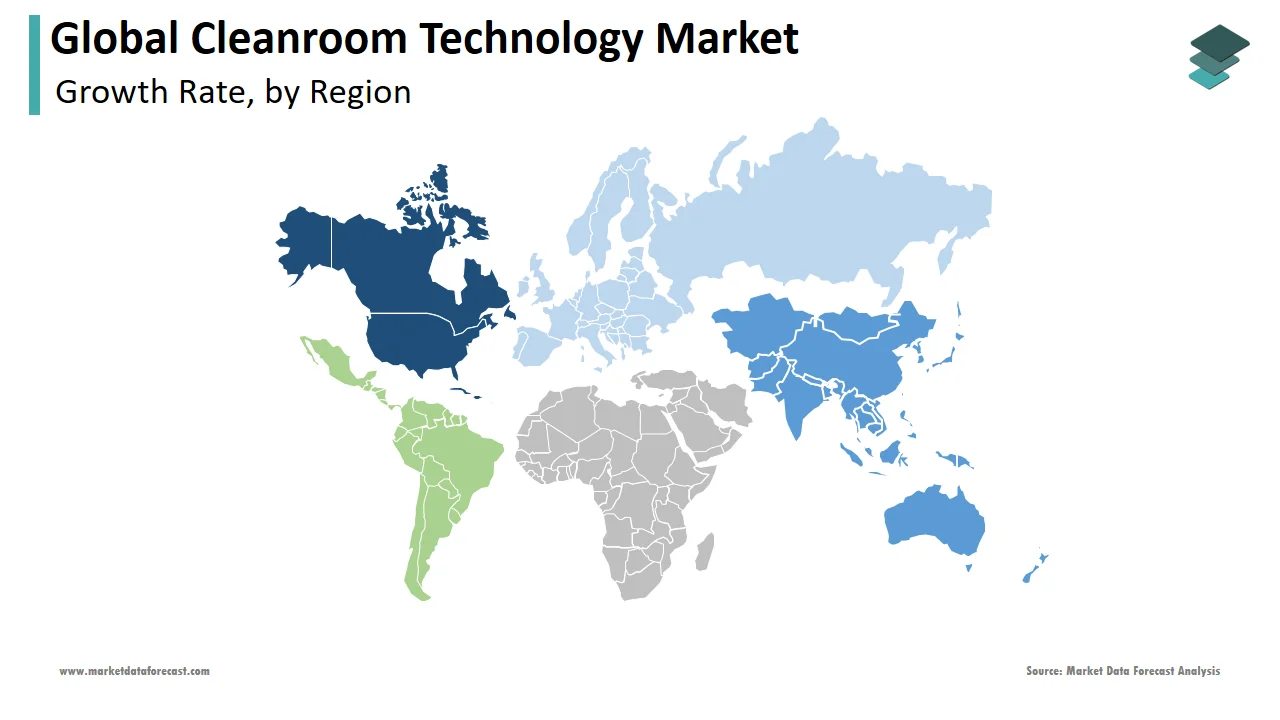
- North America dominated the global market in 2025 by accounting for a 35.2% share, driven by a strong pharmaceutical and biotechnology industry, advanced healthcare infrastructure, and strict regulatory requirements for contamination control.
- Europe held the second-largest position with a 30.7% share in 2025, supported by well-established pharmaceutical manufacturing, stringent quality standards, and increasing investments in biotechnology and medical device production.
- Asia-Pacific is projected to register the fastest growth during the forecast period, driven by rapid industrialization, expanding pharmaceutical manufacturing, government initiatives supporting healthcare and semiconductor industries, and increasing investments across China, India, and South Korea.
Competitive Landscape
The global cleanroom technology market is highly competitive, with leading companies focusing on advanced contamination control solutions, energy-efficient technologies, and modular cleanroom systems. Market participants are investing in innovative air filtration technologies, smart environmental monitoring, automation, and customized cleanroom solutions to strengthen their market position. Strategic partnerships, acquisitions, facility expansions, and continuous product innovation continue to shape the competitive landscape.
Prominent companies operating in the global cleanroom technology market include Clean Air Products, Kimberly-Clark Corporation, DuPont, Terra Universal, Inc., Thermo Fisher Scientific Inc., Labconco, Clean Room Depot, Mann+Hummel SE, ICLEAN Technologies, Abtech, and Exyte GmbH.
 Download Free Sample Report
Global Cleanroom Technology Market Size
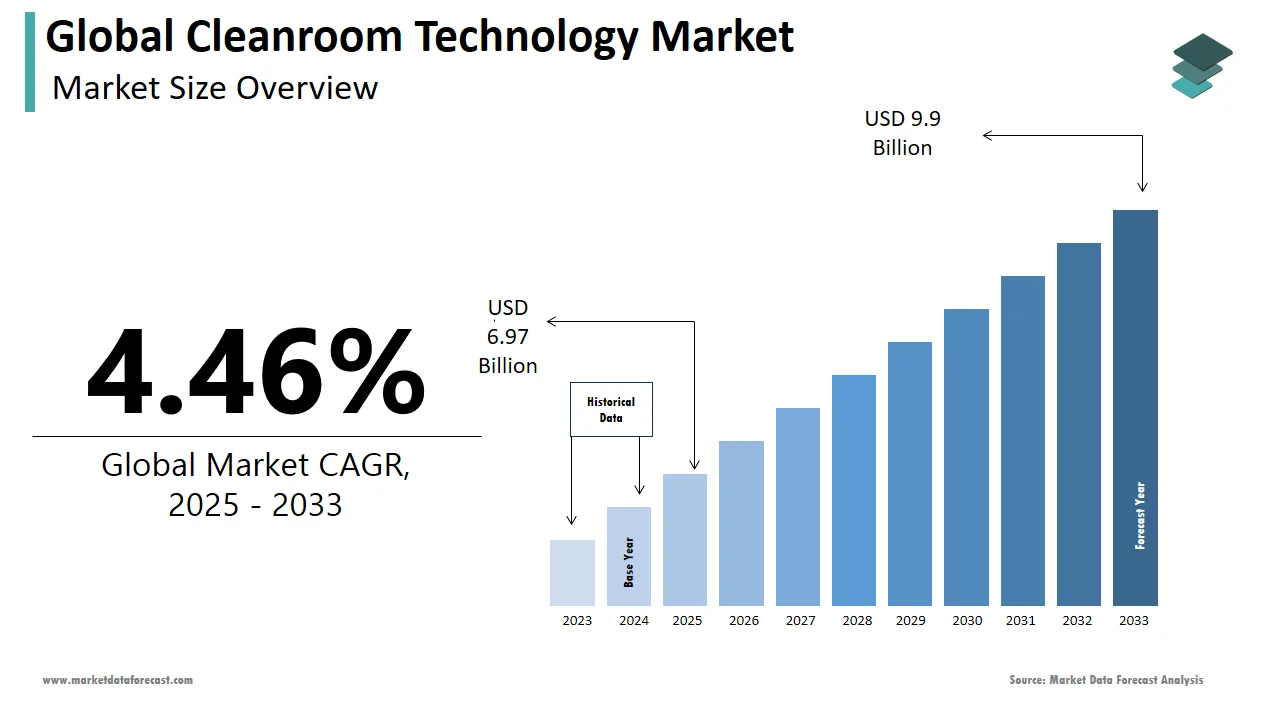
The size of the global cleanroom technology market was worth USD 6.97 billion in 2025. The global market is anticipated to grow at a CAGR of 4.46% from 2026 to 2034 and be worth USD 10.32 billion by 2034 from USD 7.28 billion in 2026.
Cleanroom technology is a specialized ecosystem of controlled environments designed to maintain extremely low levels of environmental pollutants such as dust, airborne microbes, aerosol particles, and chemical vapors. These facilities are critical for industries where product integrity is compromised by microscopic contamination, including semiconductor manufacturing, pharmaceuticals, biotechnology, and aerospace. The precision required in these sectors is dictated by stringent international standards, most notably ISO 14644, which classifies cleanrooms based on the number and size of particles permitted per cubic meter of air. According to the European Medicines Agency (EMA) and U.S. FDA sterile processing standards, modern drug manufacturing utilizes advanced barrier technologies, including isolator systems and restricted access barrier systems (RABS), to consistently maintain a regulatory sterility assurance level of 10-6. Furthermore, the SEMI Foundation indicates that manufacturing advanced microchips requires specialized cleanrooms that are up to 10,000 times cleaner than a standard hospital operating room to prevent sub-microscopic particulate defects. The integration of smart monitoring systems and Internet of Things sensors is transforming traditional cleanrooms into dynamic data-driven spaces that optimize energy consumption while maintaining rigorous compliance. This technological evolution is essential as global regulatory bodies tighten quality control mandates. The market is not merely about construction but involves continuous operational management, filtration efficiency, and personnel training to mitigate human-induced contamination, which remains the primary source of particulate matter in controlled environments.
MARKET DRIVERS
Expansion of Semiconductor Fabrication Facilities
The exponential growth in global demand for semiconductors drives expansion of the cleanroom technology market. Modern electronics rely on increasingly complex integrated circuits that require ultra-pristine manufacturing environments to prevent yield loss due to particle contamination. According to the Semiconductor Industry Association, global semiconductor sales reached 574 billion USD in 2022, driving massive capital expenditure toward new fabrication plants or fabs. Building a single advanced fab can cost over 10 billion USD, with a significant portion allocated to cleanroom infrastructure including high-efficiency particulate air filtration systems and vibration control mechanisms. Following global chip supply chain vulnerabilities, legislative actions from the U.S. Department of Commerce and the European Union have subsidized domestic chip fabrication, generating a global surge in manufacturing facility construction. For instance, funded projects via the U.S. CHIPS and Science Act are driving the localized rollout of multi-billion-dollar manufacturing plants, expanding the deployment of ultra-pure ISO Class 1 through ISO Class 3 cleanrooms for advanced wafer processing. These facilities must maintain particle counts below 10 particles per cubic meter for sizes larger than 0.1 micrometers. The transition to smaller node technologies such as 3 nanometer processes further intensifies the requirement for superior air purity and temperature stability. Consequently, equipment manufacturers and facility designers are witnessing unprecedented demand for advanced cleanroom solutions that can support the next generation of computing and artificial intelligence hardware.
Stringent Regulatory Standards in Pharmaceutical Manufacturing
Rigorous regulatory standards imposed by health authorities globally fuel the adoption of advanced cleanroom technologies in the pharmaceutical and biotechnology sectors, which further boosts the growth of the global market. Agencies such as the US Food and Drug Administration and the European Medicines Agency enforce strict Good Manufacturing Practice guidelines that mandate sterile environments for the production of injectables, vaccines, and biologics. According to the World Health Organization, the global vaccine market has expanded significantly, with billions of doses administered annually, each requiring aseptic processing conditions to ensure patient safety. Noncompliance can result in severe penalties, product recalls, and facility shutdowns, investing in state-of-the-art cleanroom technology a critical risk mitigation strategy. As per the International Society for Pharmaceutical Engineering, the shift toward continuous manufacturing and personalized medicine has increased the complexity of production lines, necessitating modular and flexible cleanroom designs. These modern facilities often incorporate isolators and closed system processing to minimize human intervention, which is identified as the largest source of contamination in sterile manufacturing. The rise of cell and gene therapies further amplifies this demand, as these sensitive biological products require highly controlled environments to maintain viability and efficacy. Regulatory inspections have become more frequent and thorough, pushing manufacturers to adopt real-time environmental monitoring systems that provide continuous data on particle counts, microbial levels, and pressure differentials. This regulatory pressure ensures sustained investment in cleanroom infrastructure across the life sciences sector.
MARKET RESTRAINTS
High Initial Capital Investment and Operational Costs
The substantial initial capital investment and ongoing operational expenses associated with cleanroom facilities limit the growth of the cleanroom technology market. This limitation is particularly challenging for small and medium-sized enterprises. Constructing a compliant cleanroom involves specialized materials, advanced heating, ventilation, and air conditioning systems, and rigorous validation processes that drive up costs considerably. Structural engineering cost sheets from Cleanroom Construction Guides place the installation cost of a high-specification ISO Class 5 cleanroom at approximately $400 to $700+ per square foot, rising based on customization and layout integration. Beyond construction, the energy consumption of cleanrooms is exceptionally high due to the need for constant air circulation and filtration to maintain positive pressure and particle control. As per studies by the Lawrence Berkeley National Laboratory, cleanrooms consume approximately 100 times more energy per square foot than typical office buildings, primarily due to the operation of high-efficiency fans and chillers. This energy intensity translates into significant utility bills, which can account for up to 40 percent of total operational costs. Additionally, regular maintenance, filter replacements, and recertification are mandatory to ensure compliance, adding to the financial burden. For smaller biotech startups or contract research organizations, these costs can be prohibitive, limiting their ability to establish in-house manufacturing capabilities. Consequently, many companies opt for outsourcing to contract development and manufacturing organizations, which may constrain the direct purchase of cleanroom technology by end users. The high total cost of ownership remains a barrier to widespread adoption in emerging markets.
Shortage of Skilled Technical Personnel
A critical shortage of skilled professionals capable of designing, operating, and maintaining cleanroom environments restricts the efficient utilization of cleanroom technology, which in turn hampers the expansion of the global market. Managing a cleanroom requires specialized knowledge of airflow dynamics, contamination control protocols, and regulatory compliance standards that are not commonly taught in general engineering curricula. According to the American Society for Heating, Refrigerating and Air-Conditioning Engineers, there is a growing gap in the workforce qualified to handle complex HVAC systems specific to controlled environments. This skills deficit leads to operational inefficiencies, increased risk of contamination events, and higher training costs for employers. As per surveys conducted by the International Society for Pharmaceutical Engineering, nearly 60 percent of pharmaceutical companies report difficulties in finding personnel with adequate expertise in aseptic processing and cleanroom management. Human error remains a leading cause of deviations in cleanroom operations, such as improper gowning procedures or incorrect material handling, which can compromise entire batches of high-value products. The complexity of modern smart cleanrooms, which integrate digital monitoring and automation, further exacerbates the need for technically proficient staff who can interpret data and troubleshoot issues in real time. Without a robust pipeline of trained professionals, facilities may struggle to maintain optimal performance levels, leading to potential regulatory citations and production delays. Addressing this human capital challenge requires significant investment in education and certification programs, which slows down the rapid deployment of new cleanroom facilities.
MARKET OPPORTUNITIES
Integration of Internet of Things and Smart Monitoring Systems
The integration of Internet of Things sensors and smart monitoring technologies sets the stage for innovation and efficiency in the cleanroom technology market. Traditional cleanrooms rely on periodic manual sampling and static monitoring, which may fail to detect transient contamination events. However, the adoption of wireless sensors and cloud-based analytics enables real-time tracking of particle counts, temperature, humidity, and pressure differentials. According to a study, the implementation of smart factory solutions can reduce downtime by up to 50 percent and improve overall equipment effectiveness. In cleanroom environments, predictive maintenance algorithms can anticipate filter failures or HVAC malfunctions before they impact environmental conditions, ensuring continuous compliance. For semiconductor manufacturers, the use of digital twins allows engineers to simulate airflow patterns and optimize layout designs virtually before physical construction, reducing errors and costs. Furthermore, automated data logging simplifies regulatory reporting and audit trails, enhancing transparency and accountability. The ability to remotely monitor multiple facilities from a central dashboard provides managers with greater visibility and control over operations. This digital transformation not only improves product quality but also enhances energy efficiency by adjusting ventilation rates based on real-time occupancy and activity levels. As industries move toward Industry 4.0, the demand for intelligent cleanroom solutions offering data-driven insights will continue to grow. This shift is creating new revenue streams for technology providers.
Growth in Biologics and Cell Therapy Production
The rapid expansion of the biologics and cell therapy sectors offers significant opportunities for the cleanroom technology market. This is due to the unique environmental requirements of these advanced treatments. Unlike traditional small molecule drugs, biologics are large, complex molecules produced using living cells, making them highly susceptible to contamination and degradation. The Alliance for Regenerative Medicine (ARM) shows steady expansions in active global cell and gene therapy clinical trials, expanding the demand for localized, high-containment clinical cleanroom capacity. These therapies often require Grade A cleanroom zones with isolator technology to maintain strict sterility during processing. As per the Biotechnology Innovation Organization, the personalization of treatments such as CAR T cell therapy necessitates flexible, modular cleanroom designs that can handle small batch sizes with high variability. Traditional large-scale cleanrooms are often inefficient for these applications, creating demand for compact, self-contained units that can be rapidly deployed and validated. Additionally, the sensitivity of biological materials requires precise control over environmental parameters, fostering innovation in advanced filtration and climate control systems. The shift toward decentralized manufacturing models, where therapies are produced closer to patients, further amplifies the need for scalable and standardized cleanroom solutions. This trend opens new avenues for vendors to provide tailored technologies that support the unique workflow of regenerative medicine, positioning the cleanroom market at the forefront of medical innovation.
MARKET CHALLENGES
Complexity of Validation and Regulatory Compliance
The intricate process of validating cleanroom systems and maintaining continuous regulatory compliance poses a significant challenge for participants and end users in the cleanroom technology market. Validation involves demonstrating that the cleanroom design, installation, and operation consistently meet predefined specifications for cleanliness and sterility. According to the International Organization for Standardization, compliance with ISO 14644 requires rigorous testing protocols including particle counting, airflow visualization, and recovery rate assessments, which are time-consuming and resource-intensive. Any deviation from established parameters can lead to failed audits and production halts. As per guidance from the US Food and Drug Administration, changes in equipment, materials, or processes often require revalidation, creating an ongoing administrative and technical burden. The lack of harmonization between regional regulations further complicates matters for multinational companies that must adhere to differing standards in various jurisdictions. For example, European Union Good Manufacturing Practice Annex 1 has recently been revised to impose stricter limits on microbial contamination, forcing many facilities to upgrade their monitoring systems and operational procedures. Keeping pace with these evolving requirements demands constant vigilance and adaptation, which can strain organizational resources. Additionally, the documentation required to prove compliance is extensive, and any gaps can result in severe regulatory actions. This complexity discourages some players from entering the market and increases the operational risk for existing facilities, making compliance a persistent hurdle.
Energy Efficiency and Sustainability Pressures
Balancing the stringent environmental controls of cleanrooms with sustainability goals and energy efficiency targets slows down the expansion of the cleanroom technology market. Cleanrooms are inherently energy intensive due to the need for high air change rates, precise temperature and humidity control, and continuous filtration. Research shows that cleanroom facilities consume 30 to 100 times more energy per square foot than standard commercial office configurations due to continuous heavy air recirculation. As global corporations commit to net-zero carbon emissions, there is increasing pressure to reduce the environmental footprint of these facilities without compromising product quality. Achieving this balance requires innovative engineering solutions such as variable air volume systems, heat recovery units, and advanced insulation materials, which can be costly to implement. As per the Green Building Council, retrofitting existing cleanrooms to meet modern energy standards is often more challenging and expensive than building new ones. Furthermore, the disposal of used high-efficiency particulate air filters and other contaminated materials raises environmental concerns regarding waste management. Companies face the dual challenge of maintaining ultra-low particle counts while minimizing energy consumption and waste generation. Failure to address these sustainability issues can result in reputational damage and noncompliance with emerging environmental regulations. Developing cost-effective, eco-friendly cleanroom technologies remains a critical technical and economic challenge for the market.
REPORT COVERAGE
| REPORT METRIC | DETAILS |
| Market Size Available | 2025 to 2034 |
| Base Year | 2025 |
| Forecast Period | 2026 to 2034 |
| Segments Covered | By Product Type, Construction Type, End-Use, and Region. |
| Various Analyses Covered | Global, Regional, and Country-Level Analysis, Segment-Level Analysis, Drivers, Restraints, Opportunities, Challenges; PESTLE Analysis; Porter’s Five Forces Analysis, Competitive Landscape, Analyst Overview of Investment Opportunities |
| Regions Covered | North America, Europe, Asia Pacific, Latin America, Middle East & Africa |
| Market Leaders Profiled | Clean Air Products, Kimberley-Clark Corporation, DuPont, Terra Universal, Inc., Labconco, Clean Room Depot, ICLEAN Technologies, Abtech, and ExyteGmbH, and Others. |
SEGMENTAL ANALYSIS
By Product Type Insights
The equipment segment was the largest in the cleanroom technology market and occupied a commanding share in 2025. This prominence of the segment was driven by the fundamental necessity of specialized hardware such as HVAC systems, air filters, and laminar flow units in establishing controlled environments. These components form the backbone of any cleanroom facility, ensuring that particulate and microbial levels remain within strict ISO standards. According to the International Society for Pharmaceutical Engineering (ISPE), cleanroom HVAC systems are highly resource-intensive, consuming up to 15 times more energy than commercial buildings, with HVAC systems alone accounting for more than 50% of a pharmaceutical facility's total operational electricity consumption. The semiconductor industry, which requires ISO Class 1 to Class 5 environments, drives significant demand for precision air handling units that maintain stable temperature and humidity levels essential for lithography processes. Furthermore, the pharmaceutical sector’s adherence to Good Manufacturing Practice mandates rigorous environmental control, necessitating robust equipment that can withstand continuous operation without failure. The longevity and critical nature of these assets ensure that they represent the largest revenue share in the market. Manufacturers continuously innovate to improve energy efficiency and filtration accuracy, reinforcing the dominance of this segment as industries prioritize reliability and compliance in their production environments.
Furthermore, an additional point keeping this segment on top is regular replacement cycles and technological upgrades required to meet evolving regulatory standards. Cleanroom equipment such as HEPA and ULPA filters have finite lifespans and must be replaced periodically to maintain certification, creating a consistent demand stream. According to research, HEPA filters typically require replacement every three to five years, while pre-filters may need changing every six to twelve months depending on usage intensity. As per the American Society for Heating, Refrigerating and Air-Conditioning Engineers, the push for energy-efficient buildings has prompted many facilities to upgrade older HVAC systems with variable frequency drives and smart controls, driving additional equipment sales. The introduction of stricter ISO 14644 revisions has also compelled companies to retrofit existing cleanrooms with more sensitive monitoring equipment and higher-grade filtration systems. In the semiconductor sector, the transition to smaller node sizes necessitates upgrades to vibration isolation and airflow uniformity equipment to prevent yield loss. This cycle of maintenance and modernization ensures that equipment remains the largest component of market spending. Additionally, the integration of Internet of Things sensors into existing infrastructure requires hardware upgrades, further bolstering the equipment segment’s leading position through continuous technological refreshment.
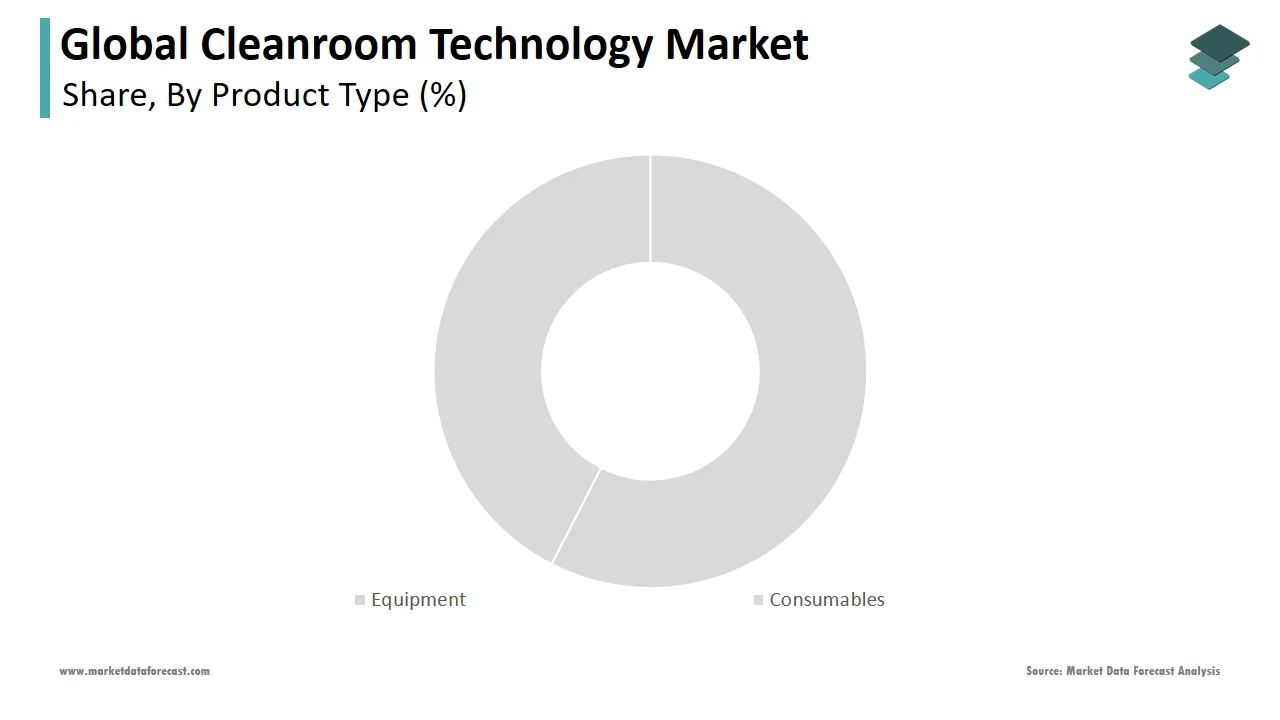
The consumables segment is on the rise and is expected to be the fastest-growing segment in the market, witnessing a CAGR of 8.5% from 2026 to 2034 due to the increasing frequency of sterilization and cleaning protocols in regulated industries. Unlike capital equipment, which is a one-time or periodic investment, consumables are used daily and require constant replenishment, making them a recurring revenue source. According to the Centers for Disease Control and Prevention (CDC), rigorous hand hygiene and surface disinfection protocols stand as the primary defense against healthcare-associated infections, mandating high-frequency deployment of sanitizing consumable products in medical environments. In pharmaceutical cleanrooms, operators must change gloves and gowns multiple times per shift to maintain sterility, resulting in substantial consumption rates. The rise in biological drug manufacturing, which is highly sensitive to microbial contamination, has further intensified the demand for sterile consumables. Regulatory audits increasingly focus on cleaning validation records, prompting facilities to adopt stricter cleaning schedules and use higher quality disposable materials. This operational intensity ensures that the consumables segment experiences rapid and sustained growth compared to hardware categories.
The widespread adoption of single-use technologies in biopharmaceutical processing significantly accelerates the growth of this segment. Traditional stainless steel bioreactors and piping systems are being replaced by disposable plastic bags, tubing, and connectors to reduce cross-contamination risks and eliminate cleaning validation burdens. According to sources, single-use systems have achieved dominant market penetration, with over 70% to 80% of newly commissioned clinical-stage biologic manufacturing facilities adopting single-use technologies over traditional stainless steel. This shift drastically increases the volume of sterile consumables required, including pre-sterilized bags, filters, and sampling devices. The disposables used in these systems are often classified under cleanroom consumables due to their sterile packaging and usage within controlled environments. Furthermore, the expansion of cell and gene therapy production, which relies heavily on small-batch personalized treatments, favors flexible single-use consumables over fixed infrastructure. This trend toward disposability ensures that the consumables segment grows at a faster rate than durable equipment, driven by the operational efficiencies and risk mitigation benefits offered by single-use solutions.
By Construction Type Insights
In 2025, the hardwall cleanrooms segment held the majority share of the global market because of its superior ability to maintain strict environmental controls and its durability in demanding industrial applications. Constructed with solid walls made of materials such as stainless steel, aluminum, or coated drywall, these structures provide excellent isolation from external contaminants and allow for precise control of pressure differentials. According to cleanroom classification requirements outlined in the ISO 14644-1 standards, achieving ultra-clean ISO Class 5 environments mandates precise laminar airflow and high-frequency air changes, which are typically delivered via rigid hardwall structures or specialized modular monobloc panel installations. Their rigid structure supports heavy ceiling grids and complex HVAC ductwork necessary for high air change rates. As per studies, rigid hardwall installations remain a primary infrastructure choice for heavy industrial and large-scale facilities due to their structural durability, ease of cleaning, and long-term environmental stability. The seamless surfaces of hardwall panels minimize particle accumulation and facilitate effective cleaning and disinfection, which is critical for maintaining compliance with Good Manufacturing Practice standards. Additionally, hardwall cleanrooms offer better acoustic insulation and thermal stability, protecting sensitive processes from external fluctuations. Although they involve higher initial costs, their longevity and low maintenance requirements make them the standard for permanent production facilities where uptime and product quality are paramount.
Also, a vital element holding this segment's top position is its alignment with stringent regulatory requirements and ease of validation. Regulatory bodies such as the US Food and Drug Administration and the European Medicines Agency favor hardwall structures for their robustness and predictable performance characteristics. The fixed nature of hardwall construction allows for integrated utility services such as electrical, gas, and water lines to be concealed within walls, reducing clutter and potential contamination sites. This streamlined design simplifies cleaning procedures and inspection processes during regulatory audits. Furthermore, hardwall cleanrooms can be designed with interlocked doors and airlocks that ensure proper personnel and material flow, a key requirement for preventing cross-contamination. The confidence that regulators place in hardwall facilities encourages their widespread adoption in high-stakes industries, securing their position as the leading construction type in the global market.
The softwall cleanrooms segment is expected to exhibit a noteworthy CAGR of 7.2% during the forecast period, owing to its cost-effectiveness and rapid deployment capabilities, which make it ideal for temporary or expanding operations. Constructed with clear vinyl curtains suspended from a ceiling grid, softwall cleanrooms offer a flexible and affordable alternative to hardwall structures. According to research, softwall cleanrooms can be installed at 30 percent to 50 percent lower cost than hardwall equivalents, significantly reducing capital expenditure for startups and pilot projects. As per modular cleanroom providers, the installation time for softwall units is typically half that of hardwall systems, allowing companies to commence production quickly. This speed is particularly valuable in the biotechnology sector where time to market is critical for clinical trials. The transparency of vinyl curtains also provides visual access to processes without compromising containment, enhancing operational monitoring. Furthermore, softwall cleanrooms are easily reconfigurable and expandable, allowing facilities to adapt to changing production needs without major construction work. This flexibility appeals to contract research organizations and laboratories that require versatile spaces for diverse projects. The combination of low upfront investment and operational agility drives the rapid adoption of softwall cleanrooms across various industries.
The increasing demand for modular and flexible manufacturing solutions fuels the rapid growth of this segment. Industries are moving away from rigid fixed facilities toward adaptable spaces that can support varying production volumes and product types. Softwall cleanrooms fit perfectly into this paradigm, offering scalable solutions that can be expanded or reduced as needed. In the electronics industry, softwall enclosures are frequently used to create localized ISO Class 7 or Class 8 zones within larger warehouses or assembly areas, providing targeted contamination control without enclosing entire floors. As per sources, this approach allows for efficient use of real estate and reduces energy costs by conditioning only critical areas. The ease of relocation also makes softwall cleanrooms attractive for leasehold improvements where permanent structural changes are restricted. Additionally, advancements in anti-static and chemical-resistant vinyl materials have improved the performance and durability of softwall systems, addressing previous concerns about longevity. These factors collectively contribute to the accelerated growth of the softwall segment in the global market.
By End-Use Insights
The pharmaceutical segment led the cleanroom technology market and accounted for a substantial share in 2025. Mandatory regulatory requirements for sterile manufacturing environments have contributed to the dominance of this segment. The production of injectables, vaccines, and ophthalmic products demands strict adherence to aseptic processing guidelines to ensure patient safety. According to the World Health Organization (WHO) Good Manufacturing Practices for sterile medicines, critical aseptic processes like parenteral filling operations must be conducted in a Grade A environment (roughly equivalent to ISO Class 5), typically situated within a Grade B background zone. Regulatory inspections by agencies such as the FDA and EMA focus heavily on environmental monitoring data, compelling companies to invest in high-quality cleanroom infrastructure. The complexity of modern drug formulations, including biologics and biosimilars, further necessitates advanced contamination control measures. Any breach in sterility can lead to product recalls and severe financial penalties, making cleanroom investment a non-negotiable aspect of pharmaceutical operations. This regulatory imperative ensures that the pharmaceutical industry remains the dominant consumer of cleanroom technologies globally.
The expansion of global drug production capacity, particularly in emerging markets, sustains the leadership of this segment. Governments worldwide are investing in local pharmaceutical manufacturing to enhance health security and reduce dependence on imports. According to India's Ministry of Commerce and Industry, the country aims to scale up its global pharmaceutical export volume by upgrading domestic manufacturing infrastructure to meet stringent international cGMP and advanced cleanroom compliance metrics. Similarly, China’s National Medical Products Administration has encouraged domestic innovation, leading to a surge in new drug approvals and corresponding facility construction. As per a study, global pharmaceutical spending is expected to reach 1.9 trillion USD by 2027, driving capacity expansions across North America, Europe, and Asia. Each new manufacturing site requires extensive cleanroom infrastructure for formulation, filling, and packaging processes. The rise of contract development and manufacturing organizations has further amplified this demand, as these entities build multi-purpose facilities to serve various clients. This global capacity expansion ensures steady growth in cleanroom adoption within the pharmaceutical sector, maintaining its position as the largest end-use segment.
The biotechnology segment is predicted to witness the highest CAGR of 9.1% between 2026 and 2034. This swift expansion of the segment is mainly propelled by the surge in cell and gene therapy development. These advanced therapies involve manipulating living cells, which are highly susceptible to contamination and require ultra-clean environments for processing. Unlike traditional small molecule drugs, these therapies often involve small batch sizes and personalized treatments, requiring flexible and modular cleanroom designs. The sensitivity of biological materials demands precise control over temperature, humidity, and particulate levels, driving investment in advanced environmental monitoring and control systems. This specialized requirement positions the biotechnology sector as a high-growth area for cleanroom technology providers who can offer tailored solutions.
Significant investment in personalized medicine infrastructure further accelerates the growth of this segment. Personalized medicine relies on diagnostic testing and custom treatment plans that often require laboratory-based manufacturing in controlled environments. According to sources, venture capital funding for biotech startups focused on personalized medicine reached record highs, enabling these companies to build dedicated facilities. Many of these startups utilize contract development and manufacturing organizations that are rapidly expanding their cleanroom capacities to meet demand. As per studies, the adoption of single-use technologies in bioprocessing has simplified cleanroom requirements but increased the need for sterile consumables and flexible spaces. The ability to quickly deploy modular cleanrooms allows biotech firms to scale operations efficiently as they move from clinical trials to commercial production. This agility is crucial in a competitive landscape where speed to market determines success. Consequently, the biotechnology industry’s dynamic growth trajectory and unique environmental needs drive the fastest adoption rates for new cleanroom technologies.
REGIONAL ANALYSIS
North America Cleanroom Technology Market Analysis
North America dominated the global cleanroom technology market and captured a 35.2% share in 2025. This leading position of the segment was supported by a robust pharmaceutical sector and advanced semiconductor industry. The United States is the primary contributor, benefiting from strong regulatory frameworks enforced by the FDA and significant investment in life sciences research. According to the International Federation of Pharmaceutical Manufacturers & Associations (IFPMA), the United States accounts for nearly half of global biopharmaceutical R&D expenditure, requiring substantial high-specification cleanroom footprints for new drug clinical development. The CHIPS and Science Act has further boosted demand by incentivizing domestic semiconductor production. As per the Semiconductor Industry Association, US chip manufacturing capacity is expected to grow significantly over the next decade, driving sustained demand for high-precision cleanroom equipment. Canada also contributes to regional growth through its expanding biotechnology cluster in cities like Toronto and Montreal. The presence of major cleanroom technology providers and engineering firms in the region ensures access to cutting-edge solutions. High labor costs and strict energy efficiency regulations encourage the adoption of automated and smart cleanroom systems. North America’s leadership in innovation and regulatory compliance maintains its dominant position in the global market.
Europe Cleanroom Technology Market Analysis
Europe followed closely behind in the global cleanroom technology market and occupied a 30.7% share in 2025. Factors such as stringent environmental regulations and a strong presence of pharmaceutical and automotive industries fuel the growth of the region’s market. The European Union’s Good Manufacturing Practice Annex 1 revisions have imposed stricter limits on microbial contamination, prompting widespread upgrades to existing cleanroom facilities. According to the European Federation of Pharmaceutical Industries and Associations, Europe is home to many of the world’s largest pharmaceutical companies, which are investing heavily in compliant manufacturing sites. Germany, Switzerland, and Ireland are key hubs for cleanroom construction, supporting both domestic production and export markets. Under the European Commission's European Chips Act, the European Union aims to double its global semiconductor manufacturing capacity share to 20% by 2030, spurring advanced fabrication facility expansions in major industrial hubs. The region’s focus on sustainability also promotes the adoption of energy-efficient HVAC systems and green building materials in cleanroom design. Strict waste management regulations encourage the use of recyclable consumables and single-use technologies. Europe’s commitment to high-quality standards and environmental stewardship ensures steady market growth and technological advancement.
Asia-Pacific Cleanroom Technology Market Analysis
Asia-Pacific is the fastest-growing region in the global market, due to swift industrialization and government initiatives in China, India, and South Korea. China has emerged as a major hub for semiconductor and pharmaceutical manufacturing, supported by substantial state funding and policy incentives. According to the Chinese Ministry of Industry and Information Technology, the country plans to achieve self-sufficiency in key semiconductor technologies, leading to the construction of numerous new fabs requiring ultra-clean environments. India’s pharmaceutical sector, known as the pharmacy of the world, is expanding its export capacity, driving demand for WHO GMP-compliant cleanrooms. As per data from the Indian Brand Equity Foundation, the country’s pharmaceutical exports have grown consistently, necessitating facility upgrades to meet international standards. South Korea and Taiwan remain leaders in semiconductor production, continuously upgrading their cleanroom technologies to maintain competitiveness in advanced node manufacturing. The region’s growing middle class increases demand for healthcare products, further boosting pharmaceutical cleanroom construction. Lower labor and construction costs compared to Western regions attract multinational companies to establish manufacturing bases in Asia Pacific. This combination of policy support, industrial growth, and cost advantages drives the region’s rapid expansion.
Latin America Cleanroom Technology Market Analysis
Latin America expanded gradually in the global cleanroom technology market, with Brazil and Mexico serving as the primary drivers of demand. The region’s pharmaceutical industry is growing steadily, supported by increasing healthcare access and government programs aimed at improving public health infrastructure. According to the Inter American Development Bank, investment in healthcare facilities in Latin America has increased, leading to the construction of new hospitals and diagnostic centers with controlled environments. Brazil’s regulatory agency, ANVISA, has strengthened Good Manufacturing Practice enforcement, prompting local manufacturers to upgrade their cleanroom facilities to maintain market access. Mexico benefits from its proximity to the United States, attracting medical device manufacturers who require ISO certified cleanrooms for production. As per data from the Mexican Association of Medical Device Industries, the sector has seen consistent growth, driving demand for modular and hardwall cleanroom solutions. However, economic volatility and limited local expertise in cleanroom validation pose challenges to faster adoption. Despite these hurdles, the increasing focus on local production and quality improvement creates opportunities for market expansion. International partnerships and technology transfer initiatives are helping to bridge the skills gap and enhance regional capabilities.
Middle East and Africa Cleanroom Technology Market Analysis
The Middle East and Africa region is anticipated to grow significantly in the global cleanroom technology market over the forecast period. It is an emerging segment with significant potential for future growth. Gulf Cooperation Council countries such as Saudi Arabia and the United Arab Emirates are investing heavily in diversifying their economies beyond oil, including developing local pharmaceutical and healthcare industries. According to the Saudi Vision 2030 plan, the Kingdom aims to localize 40 percent of pharmaceutical production, driving the construction of new manufacturing facilities with advanced cleanroom technologies. The UAE is positioning itself as a regional hub for medical tourism and biotechnology, leading to increased demand for hospital cleanrooms and research laboratories. In Africa, South Africa serves as the primary market, with a growing focus on improving healthcare infrastructure and local drug manufacturing. As per data from the African Union, initiatives to enhance health security are encouraging investment in diagnostic and production facilities. However, limited infrastructure, high import costs, and a shortage of skilled personnel restrict rapid market expansion. International aid and partnerships are playing a crucial role in introducing cleanroom standards and technologies to the region. As economic conditions improve and healthcare priorities shift toward local production, the market is expected to witness gradual but steady growth.
COMPETITIVE LANDSCAPE
The competition in the global cleanroom technology market is characterized by intense rivalry among established multinational corporations and specialized regional manufacturers. Major players compete primarily on the basis of product quality, technological innovation, and compliance with international standards such as ISO 14644. The market features a mix of large conglomerates offering end-to-end solutions and niche providers focusing on specific components like filtration or modular structures. Innovation drives competitive advantage as firms strive to develop energy-efficient HVAC systems and smart monitoring tools that reduce operational costs and enhance sustainability. Pricing strategies play a crucial role, particularly in price-sensitive segments such as educational and small-scale industrial applications. Companies invest significantly in research and development to create customized solutions that meet the unique requirements of semiconductor and pharmaceutical clients. The entry of local manufacturers in Asia Pacific adds pressure on global players to offer competitive pricing and localized support. Regulatory harmonization efforts and sustainability mandates are reshaping competitive dynamics, favoring companies with robust compliance frameworks and green portfolios. Collaborations with academic institutions and industry consortia are becoming increasingly common to accelerate innovation. This multifaceted competition ensures a steady flow of technological advancements but requires substantial investment in capital and human resources.
KEY MARKET PLAYERS
Some of the companies that are playing a dominant role in the global cleanroom technology market include
- Clean Air Products
- Kimberley-Clark Corporation
- DuPont
- Terra Universal, Inc.
- Thermo Fisher Scientific Inc
- Labconco
- Clean Room Depot
- Mann + Hummel SE
- ICLEAN Technologies
- Abtech
- Exyte GmbH
TOP PLAYERS IN THE MARKET
- Thermo Fisher Scientific Inc maintains a dominant position in the global cleanroom technology market by providing comprehensive solutions for contamination control and environmental monitoring. The company offers a wide range of products including cleanroom consumables, air filtration systems, and advanced monitoring instruments tailored for pharmaceutical and biotechnology applications. Recent strategic initiatives include the expansion of its manufacturing capabilities in Asia to meet growing regional demand and the introduction of smart sensors that integrate with digital laboratory management systems. Thermo Fisher actively collaborates with regulatory bodies to ensure its products meet the latest Good Manufacturing Practice standards. The company also invests heavily in research and development to create innovative single-use technologies that reduce cross-contamination risks. Thermo Fisher leverages its extensive global distribution network and technical expertise. Through this, the company strengthens its reputation as a trusted partner for life sciences companies seeking reliable and compliant cleanroom solutions.
- Clean Air Products is a leading manufacturer of modular cleanroom structures and air filtration systems serving diverse industries such as healthcare, electronics, and aerospace. The company specializes in designing customizable hardwall and softwall cleanrooms that can be rapidly deployed and reconfigured to meet specific operational needs. Recent actions include the launch of energy-efficient HVAC units equipped with variable frequency drives to reduce operational costs and carbon footprints. Clean Air Products has also expanded its service offerings to include comprehensive validation and certification services, ensuring clients maintain continuous compliance with ISO standards. The company focuses on sustainability by using recyclable materials in its modular constructions and promoting green building practices. Through strategic partnerships with engineering firms and contractors, Clean Air Products enhances its market reach and delivers integrated solutions that address both construction and operational challenges in controlled environments.
- Mann + Hummel SE contributes significantly to the global cleanroom technology market through its advanced filtration solutions and air purification technologies. The company is renowned for its high-efficiency particulate air and ultra-low penetration air filters that provide superior protection against microscopic contaminants. Recent strategic moves include the acquisition of specialized filter manufacturers to broaden its product portfolio and enhance technological capabilities in molecular filtration. Mann + Hummel actively engages in joint ventures with semiconductor and pharmaceutical companies to develop customized filtration systems that address unique process requirements. The company also emphasizes digitalization by integrating smart monitoring features into its filtration units, allowing real-time tracking of filter performance and maintenance needs. Mann + Hummel focuses heavily on innovation and quality assurance. As a result, the company reinforces its position as a key supplier of critical components for maintaining pristine cleanroom environments across various industrial sectors.
TOP STRATEGIES USED BY KEY MARKET PARTICIPANTS
Key players in the cleanroom technology market employ several strategic approaches to maintain and enhance their competitive positions. Product innovation remains a primary strategy with companies investing heavily in research and development to create novel formulations with improved efficacy and safety profiles. Expansion into digital health solutions is another critical tactic as firms integrate telemedicine and mobile applications to support patient engagement and adherence. Strategic partnerships with healthcare providers and insurance companies help facilitate better access to treatments and improve reimbursement coverage. Marketing campaigns focused on disease awareness and education are widely used to drive diagnosis rates and encourage early intervention. Companies also pursue geographic expansion within the region to tap into underserved markets and increase their customer base. Additionally, many firms focus on portfolio diversification by adding combination therapies that address multiple symptoms simultaneously. These strategies collectively enable market participants to navigate regulatory challenges, meet evolving patient needs, and sustain growth in a dynamic healthcare environment.
MARKET SEGMENTATION
This research report on the global cleanroom technology market has been segmented and sub-segmented based on the product type, construction type, end-use, and region.
By Product Type
- Equipment
- Heating Ventilation and Air Conditioning System (HVAC)
- Cleanroom Air Filters
- Air Shower and Diffuser
- Laminar Air Flow Unit
- Others
- Consumables
- Gloves
- Wipes
- Disinfectants
- Apparels
- Cleaning Products
By Construction Type
- Standard/Drywall Cleanrooms
- Hardwall Cleanrooms
- Softwall Cleanrooms
- Pass-Through Cabinets
By End-Use
- Pharmaceutical Industry
- Medical Device Industry
- Biotechnology Industry
- Hospitals And Diagnostic Centers
By Region
- North America
- Europe
- Asia Pacific
- Latin America
- Middle East and Africa