Europe Ovarian Cancer Market Research Report By Stage Of Cancer, Cancer Type, Diagnosis, Type Of Treatment & Country (United Kingdom, France, Spain, Germany, Italy, Russia, Sweden, Denmark, Switzerland, Netherlands and Rest of Europe) – Industry Analysis on Size, Share, Trends, COVID-19 Impact & Growth Forecast (2025 to 2033)
Europe Ovarian Cancer Market Summary
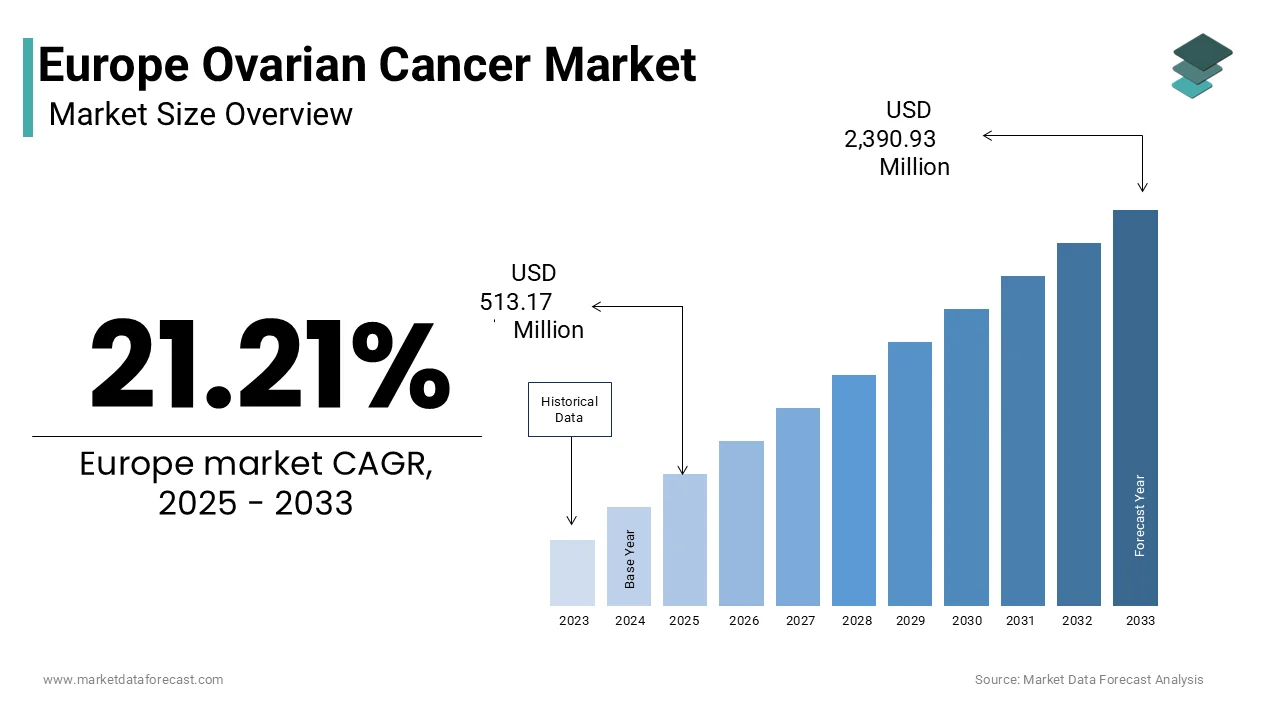
Europe ovarian cancer market was valued at USD 423.37 million in 2024, is estimated at USD 513.17 million in 2025, and is projected to reach USD 2,390.93 million by 2033, growing at a CAGR of 21.21% from 2025 to 2033, driven by rapid adoption of PARP inhibitors, expansion of genomic testing, and centralized specialist oncology care across Europe.
Key Market Insights
- 2024 value: USD 423.37 million
- 2025 (est): USD 513.17 million
- 2033 (forecast): USD 2,390.93 million
- CAGR (2025–2033): 21.21%
Quick Growth Drivers
- Near-universal BRCA and HRD genomic testing enabling precision therapy selection.
- First-line and maintenance adoption of PARP inhibitors reshaping treatment algorithms.
- Rising ovarian cancer incidence linked to aging populations, delayed childbirth, and obesity.
- Centralization of care in specialist gynecologic oncology centers improving outcomes and uptake.
- Strong integration of biomarker-driven pathways within national cancer plans.
Principal Restraints
- Fragmented reimbursement and HTA decisions delaying access in Eastern and Southern Europe.
- Persistent late-stage diagnosis due to lack of screening and low symptom awareness.
- Uneven access to genetic counselling and hereditary risk assessment.
- High cost burden of long-term maintenance therapies.
High-Value Opportunities
- PARP inhibitor combinations (anti-angiogenics, immunotherapy) expanding benefit beyond BRCA mutations.
- National cancer strategies prioritizing early diagnosis and molecular profiling.
- Growing pipeline of antibody–drug conjugates for platinum-resistant disease.
- Expansion of risk-reducing strategies via cascade genetic testing.
Key Market Challenges
- Chemotherapy-related toxicity disrupting treatment continuity, especially in elderly patients.
- Inconsistent implementation of hereditary cancer prevention protocols.
- Regional disparities in access to advanced diagnostics and targeted drugs.
- Dependence on platinum-based regimens despite tolerability concerns.
Fastest-Growing Segments
- Targeted therapies (PARP inhibitors): fastest growth — first-line and maintenance adoption.
- Stage I disease: rising detection through risk-stratified surveillance models.
- Ovarian germ cell tumors: growing recognition and fertility-preserving care pathways.
Regional Leadership & Dynamics
- Germany (22.8%) — universal molecular testing, rapid reimbursement, high trial density.
- United Kingdom — centralized NHS care, strong real-world data infrastructure.
- France — early access pathways, mandated HRD testing, trial-driven innovation.
- Italy & Spain — accelerating PARP uptake with improving reimbursement alignment.
- Nordics — early detection models and strong genetic registries.
What Wins Commercially
- Therapies tightly coupled with companion diagnostics.
- Evidence supporting earlier-line use and combination strategies.
- Alignment with national cancer control plans and HTA priorities.
- Strong real-world evidence demonstrating progression-free survival gains.
Top Strategic Ask for Executives
- Expand biomarker-first treatment strategies and ensure diagnostic access parity.
- Invest in combination regimens to extend PARP inhibitor lifecycle value.
- Strengthen payer engagement and outcomes-based evidence to accelerate reimbursement.
- Support education and awareness initiatives to shift diagnosis toward earlier stages.
Leading Players
Some of the companies that are playing a dominating role in the Europe ovarian cancer market include:
- AstraZeneca
- GlaxoSmithKline
- Roche
- Bristol Myers Squibb
- Janssen Pharmaceuticals
- Eli Lilly and Company
- Genentech
Europe Ovarian Cancer Market Size
The europe ovarian cancer market was valued at USD 423.37 million in 2024, is estimated to reach USD 513.17 million in 2025, and is projected to grow at a CAGR of 21.21% from 2025 to 2033, and is projected to reach USD 2,390.93 million by 2033.
Ovarian cancer treatment is the ecosystem of diagnostics, therapeutics, and supportive care solutions dedicated to addressing epithelial ovarian cancer, which represents over 90% of all malignant ovarian tumors. Ovarian cancer remains the deadliest gynaecological malignancy in Europe due to its asymptomatic early stages and frequent late-stage diagnosis. According to the European Commission’s Joint Research Centre, ovarian cancer accounts for tens of thousands of new cases annually across the European Union, with the European Cancer Information System documenting a 5‑year survival rate below 50%. This poor prognosis is largely attributed to the absence of routine screening protocols and non‑specific clinical symptoms such as bloating and pelvic discomfort that are often misattributed to benign gastrointestinal conditions. National health systems across Europe are increasingly integrating genomic testing and biomarker‑driven treatment pathways to improve detection accuracy and therapeutic personalization. According to data from the Organisation for Economic Co-operation and Development (OECD), a large majority of ovarian cancer patients in high-income European countries now receive initial care in specialized oncology centers, reflecting a strategic shift toward centralized expertise. These clinical and epidemiological realities define the urgency and scope of innovation within the European ovarian cancer market.
MARKET DRIVERS
Expansion of Genomic Testing Infrastructure Enhances Diagnostic Precision
The systematic integration of genomic profiling into national oncology pathways is transforming ovarian cancer diagnosis and treatment planning across Europe, which is fuelling the ovarian cancer market growth in Europe. Germline and somatic BRCA1 and BRCA2 mutation testing is now standard for all newly diagnosed patients in 23 of the 27 EU member states, according to the 2024 European Society for Medical Oncology Cancer Genomics Registry. This practice stems from robust evidence that BRCA-mutated tumors exhibit heightened sensitivity to PARP inhibitors, which has redefined first-line maintenance therapy. According to the European Reference Network for Genetic Tumour Risk Syndromes, over 150 certified molecular diagnostic laboratories across Europe processed more than 120,000 ovarian tumor samples for homologous recombination deficiency status in 2023. Countries like Sweden and the Netherlands have achieved near universal access to next-generation sequencing within 30 days of diagnosis as per their national cancer plans. This infrastructure enables identification of not only BRCA status but also rarer alterations such as RAD51C and PALB2, which inform familial risk and therapeutic eligibility. As genomic literacy among oncologists increases and turnaround times decrease, the reliance on empirical chemotherapy diminishes,s fostering a precision oncology paradigm that drives demand for companion diagnostics and targeted therapeutics across the region.
Rising Incidence Linked to Reproductive and Lifestyle Shifts Elevates Clinical Burden
Changing reproductive patterns and demographic trends are contributing to a sustained rise in ovarian cancer incidence across several European countries, which is further contributing to the ovarian cancer market expansion in Europe. According to the International Agency for Research on Cancer, women in Southern and Eastern Europe are increasingly delaying childbirth or remaining nulliparous, both of which are established risk factors due to uninterrupted ovulation cycles. In Italy, the total fertility rate declined to 1.2 children per woman in 2023 as per ISTAT, while ovarian cancer incidence rose by 9% between 2015 and 2022 according to the Italian National Institute of Health. Similarly, in Poland, where oral contraceptive use remains below 30% among women aged 30 to 45, as documented by the European Health Survey,, ey the age-standardized incidence rate of ovarian cancer is 12.4 per 100,000, significantly above the EU average of 10.1. Obesity, another modifiable risk factor, is also escalating, with 23% of adult women in the UK classified as obese in 2023 according to the Office for National Statistics,s and adipose tissue inflammation is implicated in ovarian carcinogenesis. These epidemiological shifts amplify the clinical burden and create persistent demand for advanced diagnostics and therapeutics across diverse European healthcare settings.
MARKET RESTRAINTS
Fragmented Reimbursement Policies Delay Access to Innovative Therapies
Despite regulatory approval by the European Medicines Agency, access to novel ovarian cancer treatments remains uneven due to divergent national reimbursement decisions across Europe, which is significantly hampering the European ovarian cancer market growth. For example, PARP inhibitors received EMA approval fofirst-linene maintenance therapy in 2018, yet as of 202,4 only 16 EU countries provide full public funding for all eligible patients according to the European Observatory on Health Systems and Policies. In countries like Romania and Bulgaria, reimbursement is restricted to recurrent disease settings or requires extensive prior authorization, resulting in treatment delays averaging 8 to 12 weeks, as reported by the European Cancer Patient Coalition. Germany’s Federal Joint Committee imposes additional health technology assessment hurdles requiringreal-worldd evidence before broad coverage, which stalled niraparib adoption until 2022. These discrepancies create therapeutic inequity where patients in high-income Western nations benefit from early intervention while those in Eastern and Southern Europe face restricted options. The absence of a harmonized EU pricing and reimbursement framework perpetuates this access gap, undermining the potential impact of scientific advances and constraining market uptake of life-extending therapies across the region.
Limited Public Awareness Hinders Early Presentation and Diagnosis
A persistent lack of public and primary care awareness about ovarian cancer symptoms significantly contributes to late-stage diagnosis across Europe, which is further impeding the ovarian cancer market growth in Europe. Unlike cervical or breast cancer, there is no population-based screening program, and symptoms such as abdominal bloating, urinary urgency,cy and early satiety are frequently misinterpreted as irritable bowel syndrome or menopausal changes. According to a 2023 survey by the European Cancer Organisation, only 34% of women across 15 EU countries could correctly identify ovarian cancer symptoms,s while 52% believed a Pap smear could detect it. In the United Kingdom, the National Health Service recorded that 78% of ovarian cancer cases were diagnosed at stage III or IV in 2022, largely because patients waited over three months to seek medical advice after symptom onset. Primary care referral pathways remain inconsistent, with general practitioners in rural Greece or Portugal often lacking access to rapid access gynaecological oncology clinics. This awareness deficit translates into missed diagnostic windows and reduced treatment efficacy,cy reinforcing the need for targeted education campaigns and standardized referral protocols to shift diagnosis toward earlier, more treatable stages.
MARKET OPPORTUNITIES
Advancement of PARP Inhibitor Combinations Unlocks New Therapeutic Avenues
The strategic development of PARP inhibitor-based combination regimens is creating significant opportunities within theEuropeane ovarian cancer market by overcoming resistance mechanisms and expanding treatable populations. Recent clinical trials have demonstrated that pairing PARP inhibitors with anti-angiogenic agents like bevacizumab improves progression-free survival in HRD-positive patients regardless of BRCA status. The European Medicines Agency approved this combination for first-line maintenance in 2022 based on the PAOLA 1 trial, which showed a median progression-free survival of 37.2 months compared to 17.7 months with bevacizumab alone. As per the European Society of Gynaecological Oncology, over 40% of newly diagnosed advanced ovarian cancer patients in Germany and France now receive dual pathway inhibition within six months of diagnosis. Furthermore, researchers are exploring triple combinations involving PARP inhibitors, immune checkpoint inhibitors, and DNA damage response modulators with early phase trials underway at institutions like the Gustave Roussy Cancer Campus in France. These innovations not only extend therapeutic benefit to BRCA wild-type patients but also reframe treatment algorithms toward multi-target approaches, thereby broadening the addressable patient pool and stimulating demand for integrated biomarker testing and complex drug regimens across European oncology centers.
National Cancer Control Plans Prioritize Ovarian Cancer as a Strategic Focus
Several European countries have formally elevated ovarian cancer within their national cancer control strategies, creating structured opportunities for market growth. The United Kingdom’s 2023 National Cancer Strategy explicitly identifies ovarian cancer as a priority for early diagnosis investment,nt allocating 28 million pounds to pilot symptom awareness campaigns and rapid diagnostic centers in high-risk regions. Similarly, Germany’s updated National Cancer Plan includes ovarian cancer in its molecular diagnostics expansion initiative,tive aiming to ensure 100% access to HRD testing by 2026 as per the German Cancer Research Center. In France, the Plan Cancer 2023 2030 mandates that all ovarian cancer patients receive care in certified regional oncology networks with multidisciplinary tumor boards and access to clinical trials. According to the French National Authority for Health, these reforms have already increased enrolment in therapeutic trials by 35% since 2021. These policy-level commitments translate into institutional demand for advanced diagnostics, targeted therapies, and supportive care infrastructure, fostering a more coordinated and responsive market environment that aligns clinical innovation with public health objectives.
MARKET CHALLENGES
High Toxicity of Chemotherapy Regimens Compromises Treatment Continuity
The persistent reliance on platinum-based chemotherapy as a backbone of ovarian cancer treatment presents significant clinical challenges due to cumulative toxicities that often disrupt therapeutic continuity. Carboplatin and paclitaxel regimens, which remain first-line standard for most patients, are associated with severe hematologic, neurologic, and gastrointestinal adverse events. According to the European Organisation for Research and Treatment of Cancer, over 40% of patients in Europe experience grade 3 or higher neutropenia during initial cycles, leading to dose reductions or treatment delays. In elderly patients who constitute nearly 50% of new diagnoses as per Eurostat data, toxicity rates are even higher, er with 28% discontinuing therapy prematurely due to functional decline or comorbidities. These interruptions compromise progression-free survival and increase relapse risk, particularly in homologous recombination proficient tumors that derive less benefit from subsequent PARP inhibition. While supportive care measures such as granulocyte colony-stimulating factors are available, their inconsistent coverage across public health systems further exacerbates disparities. The absence of equally effective but less toxic alternatives sustains a clinical dilemma that undermines treatment efficacy and quality of life across diverse European patient populations.
Inconsistent Implementation of Hereditary Risk Assessment Limits Prevention Potential
Despite established guidelines, the systematic identification of women at hereditary risk for ovarian cancer remains inconsistently implemented across the European healthcare system,,s limiting opportunities for risk-reducing interventions, which is further challenging the ovarian cancer market expansion in Europe. While professional societies such as ESMO recommend universal BRCA and Lynch syndrome testing for all ovarian cancer patients, only 12 EU countries have fully integrated this into routine care pathways, according to the 2024 European Hereditary Cancer Registry. For example, less than 60% of diagnosed patients in Spain undergo germline testing within one year of diagnosis, which is leading to missed opportunities for cascade testing among relatives. Consequently, prophylactic bilateral salpingo-oophorectomy is underutilized among at-risk women in Southern and Eastern Europe. This gap not only perpetuates preventable incidence but also increases the future burden on oncology services. Without standardized referral protocols, genetic counselling access, and public funding for risk-reducing surgery, the full preventive potential of genomic medicine remains unrealized across much of the European region.
REPORT COVERAGE
| REPORT METRIC | DETAILS |
| Market Size Available | 2024 to 2033 |
| Base Year | 2024 |
| Forecast Period | 2025 to 2033 |
| Segments Covered | By Stage of Cancer, Cancer Type, Diagnosis, and Region. |
| Various Analyses Covered | Global, Regional, and Country-Level Analysis, Segment-Level Analysis, Drivers, Restraints, Opportunities, Challenges; PESTLE Analysis; Porter’s Five Forces Analysis, Competitive Landscape, Analyst Overview of Investment Opportunities |
| Countries Covered | UK, France, Spain, Germany, Italy, Russia, Sweden, Denmark, Switzerland, Netherlands, Turkey, Czech Republic, Rest of Europe |
| Market Leaders Profiled | Aetera Zenteris Inc., Eli Lilly and Company, Roche, Amgen, Janssen Pharmaceuticals, Inc., Bristol Myers Squibb Company, Novogen, GlaxoSmithKline, Boehringer Ingelheim, AstraZeneca, and Genentech Inc. |
SEGMENTAL ANALYSIS
By Stage of Cancer Insights
The Stage III ovarian cancer segment accounts for the largest segment of the European ovarian cancer market, representing approximately 42% of all diagnosed cases. This predominance stems from the disease’s insidious onset and lack of early warning signs, which frequently delay medical consultation until the cancer has spread beyond the pelvis. According to the European Cancer Information System 2024 update, Stage III remains the most common presentation at diagnosis. As per the European Society of Gynaecological Oncology, more than 70% of patients in Central and Eastern Europe present with Stage III disease at initial diagnosis. The aggressive biology of high‑grade serous carcinoma accelerates peritoneal dissemination within weeks of symptom emergence. Consequently, Stage III cases drive the majority of therapeutic demand, including neoadjuvant chemotherapy, cytoreductive surgery, and maintenance PARP inhibition. The EORTC outcomes registry documented that specialized ovarian cancer centers in Germany, France, and the UK improved median survival from 28 to 46 months. Stage III is expected to remain dominant as late diagnosis, aggressive tumor biology, and institutional treatment pathways sustain its prevalence.
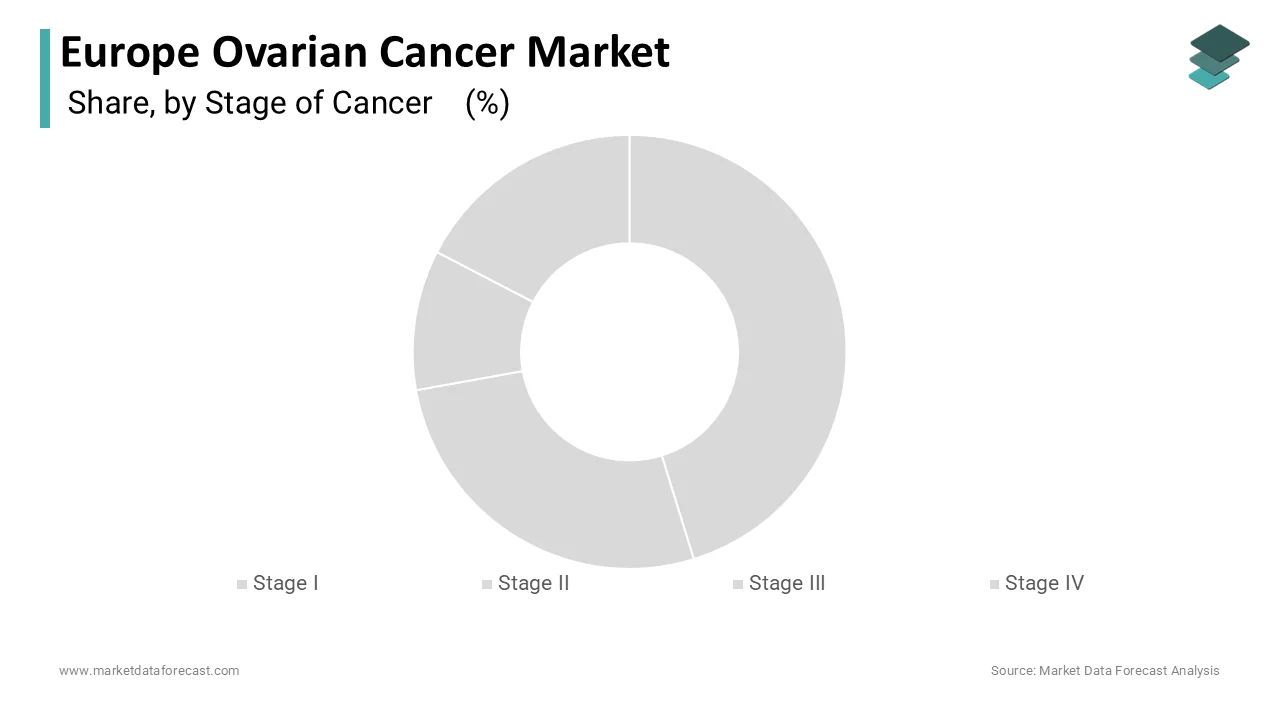
The Stage I ovarian cancer segment ithe fastest-growinggg segment and is predicted to register a CAGR of 7.07% over the forecast period, owing to the intensified efforts in early detection through risk‑stratified screening and incidental findings during pelvic imaging. According to the Swedish National Quality Registry for Gynecological Cancer, Stage I diagnoses rose from 18% in 2019 to 27% in 2023 following national guidelines recommending transvaginal ultrasound for women with BRCA mutations or family history. The Netherlands’ Rotterdam Early Detection Model, integrating CA‑125 kinetics with clinical risk factors, has led to a 31% increase in Stage I identifications among high‑risk cohorts since 2022. Fertility‑sparing surgery is increasingly accepted for young women, which is fueling demand for conservative management and long‑term surveillance. Stage I is expected to grow rapidly as proactive screening, fertility preservation, and precision diagnostics expand across Europe.
By Cancer Type Insights
The epithelial ovarian tumors segment had the dominating share of theEuropeane ovarian cancer market in 2024. According to the International Agency for Research on Cancer’s 2023 European incidence compendium, epithelial tumors overwhelmingly dominate ovarian cancer diagnoses. High‑grade serous carcinoma alone constitutes 70–80% of epithelial cases and is strongly associated with TP53 mutations and homologous recombination deficiencies. As per the European Medicines Agency, 95% of ovarian cancer clinical trials conducted in Europe between 2020 and 2023 focused exclusively on epithelial subtypes. National pathology networks in Germany and France mandate molecular subtyping for all epithelial cases, enabling tailored use of PARP inhibitors, anti‑angiogenics, and antibody‑drug conjugates. Epithelial ovarian tumors are expected to remain dominant as molecular profiling, therapeutic urgency, and biomarker‑driven treatments reinforce their centrality.
The ovarian germ cell tumors segment is the fastest-growing segment and is expected to grow at a CAGR of 8.12% over the forecast period. According to the European Rare Cancers Registry, incidence is rising among adolescents and women under 30. The European Society of Paediatric Oncology documented a 22% increase in germ cell tumor diagnoses between 2018 and 2023 across 14 EU countries. Unlike epithelial cancers, germ cell tumors are highly chemosensitive, with cure rates exceeding 95% when treated with platinum‑based regimens. Denmark’s national protocol for ovarian masses in women under 25 now includes AFP and hCG tumor markers as standard triage tools, reducing diagnostic delays by 40% since 2022. Ovarian germ cell tumors are expected to grow rapidly as improved classification, pediatric oncology coordination, and fertility‑preserving treatments expand awareness and clinical adoption.
By Type of Treatment Insights
The chemotherapy segment remains the cornerstone of the European ovarian cancer market, accounting for the largest treatment segment. According to the European Organisation for Research and Treatment of Cancer 2024 audit, carboplatin and paclitaxel are administered to more than 85% of newly diagnosed patients. Chemotherapy is indicated both as primary adjuvant therapy and as neoadjuvant treatment to enable optimal cytoreduction. It also serves as the backbone for regimens with targeted agents such as bevacizumab and PARP inhibitors. National reimbursement systems across Europe universally cover standard chemotherapy, ensuring access. Italy’s National Institute of Health reported that 92% of ovarian cancer patients received at least four cycles of platinum therapy in 2023. Chemotherapy is expected to remain dominant as versatility, efficacy, and universal reimbursement sustain its central role in treatment.
The targeted therapy segment is the fastest-growing treatment segment and is predicted to register the fastest CAGR in this regional market during the forecast period, owing to the rapid adoption of PARP inhibitors such as olaparib, niraparib, and rucaparib. According to the European Medicines Agency’s Oncology Innovation Tracker, PARP inhibitors have redefined maintenance treatment for BRCA‑mutated or HRD‑positive patients. ESMO guidelines recommend PARP inhibition as standard first‑line maintenance, with trials showing progression‑free survival improvements of up to 36 months. In France, more than 60% of advanced ovarian cancer patients initiated on first‑line therapy in 2023 received a PARP inhibitor within six months, as per the French National Cancer Institute. Next‑generation agents such as folate receptor alpha‑directed antibody‑drug conjugates are also gaining traction for platinum‑resistant disease. Targeted therapy is expected to grow rapidly as biomarker testing, reimbursement, and precision oncology strategies expand across Europe.
COUNTRY LEVEL ANALYSIS
Germany Ovarian Cancer Market Analysis
Germany led the market and occupied 22.8% of theEuropeane ovarian cancer market share in 2024. The country’s robust oncology infrastructure includes more than 35 certified gynecological cancer centers that adhere to national S3 guidelines mandating comprehensive biomarker testing and multidisciplinary tumor boards, which are majorly contributing to the dominance of Germany in the European market. According to the German Cancer Research Center, 98% of ovarian cancer patients receive molecular profiling within 14 days of diagnosis, which is enabling rapid PARP inhibitor initiation. Public health insurance covers all approved targeted therapies without co‑payment barriers, and the early benefit assessment system ensures timely market access. Additionally, Germany hosts pivotal clinical trials for novel agents, with institutions such as Charité Berlin enrolling more than 400 ovarian cancer patients in phase II and III studies in 2023 alone. This integration of research, access, and standardized care solidifies Germany’s position as Europe’s most advanced and responsive market for ovarian cancer innovation, and continued investment in biomarker‑driven therapies will reinforce its leadership.
United Kingdom Ovarian Cancer Market Analysis
The United Kingdom commanded thesecond-largestt share of the European ovarian cancer market in 2024. The growth of the UK in the European market is attributed to its centralized National Health Service model and national cancer strategy priorities. According to Public Health England, more than 85% of ovarian cancer patients in England are treated in specialist cancer centers where access to genetic counselling and PARP inhibitors is standardized. The NHS Long Term Plan allocated 45 million pounds in 2023 to expand rapid diagnostic centers, reducing median time to treatment from 42 to 28 days. The UK also leads in real‑world evidence generation, with the National Cancer Registration and Analysis Service tracking outcomes for more than 99% of cases, enabling dynamic treatment adjustments. Despite Brexit‑related supply chain concerns, the Medicines and Healthcare products Regulatory Agency maintained parallel approval pathways, ensuring uninterrupted access to EMA‑authorized therapies. This combination of equity, rapid access, and data‑driven oversight positions the UK as a high‑performance market with strong therapeutic continuity, and its emphasis on centralized care will continue to drive efficiency and consistency.
France Ovarian Cancer Market Analysis
France is projected to grow at a promising CAGR in the European ovarian cancer market over the forecast period. The country’s Plan Cancer 2023–2030 designates ovarian cancer as a priority for innovation, with mandatory HRD testing and access to clinical trials for all eligible patients. The Gustave Roussy Cancer Campus alone enrolled 280 ovarian cancer patients in biomarker‑driven trials in 2023, representing 12% of the EU total. France’s temporary authorization for use system allows early access to promising therapies such as antibody‑drug conjugates prior to full reimbursement decisions, accelerating patient benefit. Additionally, the national tumor board network ensures that even rural patients receive expert input through digital consultation platforms. With 94% of patients receiving first‑line platinum therapy and 68% initiating maintenance treatment within three months, as per the French Oncology Registry, France exemplifies structured yet agile ovarian cancer care that drives consistent market demand. With strong policy integration and clinical agility, France is expected to remain a pivotal market for innovation and patient access.
Italy Ovarian Cancer Market Analysis
Italy is predicted to hold a notable share of the European ovarian cancer market during the forecast period. The country’s oncology care is organized through regional networks, with Lombardy, Emilia Romagna, and Lazio hosting high‑volume centers that offer integrated diagnostics, surgery, and targeted therapy. The Italian Medicines Agency introduced a fast‑track reimbursement pathway in 2022 for oncology drugs with significant survival benefit, reducing approval timelines from 18 to 6 months. As a result, PARP inhibitor uptake among BRCA‑positive patients increased by 50% between 2021 and 2023. Italy also leads in fertility‑sparing surgery, with more than 200 documented cases annually among women under 40, as per the Italian Gynecological Oncology Group. However, disparities persist in southern regions where access to genetic testing lags. Despite these challenges, the national focus on personalized oncology and strong clinical trial participation sustains Italy’s role as a dynamic and evolving market. Continued investment in equitable access will further strengthen Italy’s position in the European ovarian cancer landscape.
Spain Ovarian Cancer Market Analysis
Spain is estimated to witness a healthy CAGR in the European ovarian cancer market over the forecast period. The National Health System has prioritized genomic medicine, with all 17 autonomous communities now offering universal BRCA and HRD testing through centralized reference laboratories. The Spanish Society of Medical Oncology recorded a 38% increase in PARP inhibitor prescriptions between 2021 and 2023, following streamlined reimbursement in 2022. Spain also participates actively in European collaborative trials, with the GEICO group enrolling more than 200 patients annually in ovarian cancer studies. Public awareness campaigns such as Conoce Tus Ovarios have improved early presentation, with Stage I diagnoses rising from 15 to 22% in urban centers since 2021. Although rural access gaps remain, the national push toward precision oncology and equitable biomarker testing is steadily elevating Spain’s market maturity and therapeutic adoption rates across the Iberian Peninsula. With its genomic medicine expansion and collaborative trial participation, Spain is expected to emerge as a stronger precision‑oncology hub in Southern Europe.
COMPETITIVE LANDSCAPE
The European Ovarian Cancer Market features intense yet specialized competition centered on precision oncology innovation, access equity, and clinical integration. While a limited number of multinational pharmaceutical companies dominate the therapeutic landscape, the competition is less about price and more about clinic differentiation on biomarker strategy and health system alignment. The approval of multiple PARP inhibitors has created a crowded maintenance therapy segment where companies differentiate through trial design, patient subpopulation focus, and combination potential. Diagnostic firms also play a critical competitive role as access to reliable HRD and BRCA testing directly influences treatment uptake. National disparities in reimbursement and genetic service availability further segment the marketet prompting companies to adopt tailored market access approaches per country. Emerging players in antibody drug conjugates aimmuno-oncology are beginning to challenge the PARP inhibitor hegemony, adding a new dimension to therapeutic competition. Ultimately, our success hinges on the ability to embed therapies within national cancer control frameworks through evidence generation and infrastructure support.
KEY MARKET PLAYERS
Some of the major players in this market are
- Aetera Zenteris Inc.
- Eli Lilly and Company
- Roche
- Amgen
- Janssen Pharmaceuticals, Inc.
- Bristol Myers Squibb Company
- Novogen
- GlaxoSmithKline
- Boehringer Ingelheim
- AstraZeneca
- Genentech Inc.
TOP LEADING PLAYERS IN THE MARKET
- AstraZeneca plc is a British-Swedish multinational biopharmaceutical company with a pivotal role in the European Ovarian Cancer Market through its pioneering PARP inhibitor olaparib. The drug was the first targeted therapy approved forBRCA-mutatedd ovarian cancer and has since expanded to first-line maintenance treatment across homologous recombination-deficient populations. AstraZeneca has reinforced its European footprint by collaborating with national cancer networks to integrate biomarker testing into routine diagnostics. In 2023, the company launched the European Ovarian Cancer Genomics Initiativee partnering with academic centers Germanyrma Franceea,nce and Sweden to accelerate access to genetic profiling and align treatment pathways with precision medicine standards, thereby enhancing patient outcomes and solidifying therapeutic leadership.
- Merck, K, Ga, a German life science and ppharpharmaceuticaler contributes significantlyto then European Ovarian Cancer Market through its oncology portfolio and strategic partnerships in immuno-oncology. Although not a primary developer of PARP inhibitors, Merck supplies key components for diagnostic assays and supports clinical development of combination therapies involving itsanti-PD-L11 agent avelumab. In 2024, Merck expanded its collaboration with the European Organisation for Research and Treatment of Cancer to co-fund trials evaluating immune checkpoint inhibitors in platinum-resistant ovarian cancer. The company also enhanced its European supply chain for oncology diagnostics, ensuring uninterrupted availability of companion tests that guide targeted therapy selection across diverse healthcare systems.
- GSK p,c a UK-based global healthcare company, plays a critical role in theEuropeane Ovarian Cancer Market as the developer and marketer of niraparib, a PARP inhibitor approved for bboth BRCA-mutatedand homologous recombination proficient ovarian cancers. GSK has prioritized equitable access by engaging with health technology assessment bodies across Southern and Eastern Europe to secure reimbursement. In 2023, the company launched the “Targeted Access Program” offering support for biomarker testing in underserved regions,s including Romania and Greece. Additionally, Ly GSintegrates real-worldld evidence generation into its European post marketing commitments, collaborating with national cancer registries to monitor long term safety and effectiveness,s thereby strengthening clinical confidence and adoption among oncologists.
TOP STRATEGIES USED BY THE KEY MARKET PARTICIPANTS
Key players in thEuropeanpe Ovarian Cancer Market primarily focus on strategic collaborations with academic and clinical institutions to accelerate biomarker-driven trial recruitment and validate real-world treatment outcomes. Companies invest heavily in health economics and outcomes research to demonstrate the long term value of targeted therapies to national payers. Expanding companion diagnostic access through partnerships with molecular testing laboratories ensures treatment eligibility is not limited by infrastructure gaps. Patient support programs, including genetic counseling navigation servicesand co-paymentt assistance, improve treatment initiation and adherence. Additionally, our firms actively engage with European regulatory and health technology assessment agencies early in the development cycle to align evidence generation with reimbursement requirements and reduce market access delays across diverse national systems.
MARKET SEGMENTATION
This research report onthe Europeane ovarian cancer market has been segmented and sub-segmented into the following categories.
By Stage of Cancer
-
Stage I
-
Stage IA
- Stage IB
- Stage IC
-
- Stage II
- Stage IIA
- Stage IIB
- Stage IIC
- Stage III
- Stage IIIA
- Stage IIIB
- Stage IIIC
- Stage IV
By Cancer Type
- Primary Peritoneal Carcinoma
- Ovarian Stromal Tumors
- Ovarian Germ Cell Tumors
- Epithelial Ovarian Tumors
By Diagnosis
- Physical Examination
- Blood Tests
- Ultrasound
- PET
- CT Scan
- MRI
- Human Chorionic Gonadotropin Test
- Biopsy
By Type of Treatment
- Chemotherapy
- Radiation Therapy
- Hormonal Therapy
- Surgery
- Immunotherapy
- Targeted Therapy
By Country
- UK
- France
- Spain
- Germany
- Italy
- Russia
- Sweden
- Denmark
- Switzerland
- Netherlands
- Turkey
- Czech Republic
- Rest of Europe
Frequently Asked Questions
1. Which countries dominate the Europe Ovarian Cancer Market in terms of market share and revenue generation?
Germany holds the largest market share in the Europe Ovarian Cancer Market, followed by the United Kingdom, France, Italy, and Spain, with these countries accounting for significant revenue due to their advanced healthcare infrastructure, favorable reimbursement policies, and strong pharmaceutical presence
2. What are the primary therapeutic segments driving growth in the Europe Ovarian Cancer Market?
The Europe Ovarian Cancer Market is primarily driven by chemotherapy, targeted therapy (especially PARP inhibitors), immunotherapy, and hormonal therapy segments, with targeted therapy emerging as the fastest-growing segment due to advancements in molecular profiling and personalized medicine approaches.
3. What factors are contributing to the increasing demand in the Europe Ovarian Cancer Market?
Key growth drivers for the Europe Ovarian Cancer Market include rising ovarian cancer incidence among aging female populations, improved healthcare access, government initiatives promoting early detection, increasing awareness campaigns, and robust collaborations between academic institutions and pharmaceutical companies
4. Which cancer types are most prevalent in the Europe Ovarian Cancer Market research and treatment landscape?
Epithelial ovarian tumors represent the most common cancer type analyzed in the Europe Ovarian Cancer Market, followed by germ cell tumors, stromal tumors, and primary peritoneal cancer, with epithelial tumors accounting for the majority of diagnosed cases across European countries.
5. What are the major diagnostic modalities used in the Europe Ovarian Cancer Market?
The Europe Ovarian Cancer Market utilizes various diagnostic modalities including computed tomography (CT) scans, magnetic resonance imaging (MRI), ultrasound imaging, positron emission tomography (PET) scans, CA-125 tumor marker testing, and chest X-rays for accurate detection and staging.
6. How does the Europe Ovarian Cancer Market address treatment for early-stage versus advanced-stage disease?
The Europe Ovarian Cancer Market differentiates treatment approaches based on disease stage, with early-stage patients receiving surgical intervention followed by adjuvant chemotherapy, while advanced-stage patients undergo cytoreductive surgery combined with systemic chemotherapy and increasingly, targeted therapies and immunotherapies.
7. What role do PARP inhibitors play in the Europe Ovarian Cancer Market growth trajectory?
PARP inhibitors have become transformative agents in the Europe Ovarian Cancer Market, particularly for BRCA-mutated and platinum-sensitive recurrent ovarian cancer patients, with drugs like olaparib, niraparib, and rucaparib showing significant market penetration and contributing substantially to revenue growth
8. Which pharmaceutical companies are leading players in the Europe Ovarian Cancer Market?
Major players dominating the Europe Ovarian Cancer Market include AstraZeneca, Roche, GlaxoSmithKline, Johnson & Johnson, Pfizer, Bristol Myers Squibb, Boehringer Ingelheim, Eli Lilly and Company, Amgen, and Genentech, with these companies investing heavily in research and development activities.
9. What are the key challenges facing the Europe Ovarian Cancer Market expansion?
The Europe Ovarian Cancer Market faces challenges including late-stage diagnosis due to non-specific symptoms, high treatment costs, limited awareness in certain populations, patent expiration of blockbuster drugs leading to generic competition, and the need for more effective therapies with fewer side effects.
10. How does bevacizumab impact treatment protocols in the Europe Ovarian Cancer Market?
Bevacizumab (Avastin) has become a standard treatment option in the Europe Ovarian Cancer Market, particularly for first-line and recurrent disease management, significantly influencing treatment protocols and serving as a backbone therapy in combination regimens across multiple European countries
Related Reports
Access the study in MULTIPLE FORMATS
Purchase options starting from
$ 2000
Didn’t find what you’re looking for?
TALK TO OUR ANALYST TEAM
Need something within your budget?
NO WORRIES! WE GOT YOU COVERED!
Call us on: +1 888 702 9696 (U.S Toll Free)
Write to us: sales@marketdataforecast.com