- Product Description Description
- Table of Contents TOC
- List of Table & Figure LOT
- Get Free Sample PDF Sample PDF
Market Size, 2025
$4.09 BnMarket Estimate, 2026
$4.36 BnMarket Forecast, 2034
$7.33 BnCAGR, 2026–2034
6.7%Executive Summary: Global Ovarian Cancer Market
- Market Scope: Comprehensive global ovarian cancer market analysis covering cancer stages, tumor types, diagnostic modalities, treatment categories, and regional leadership dynamics.
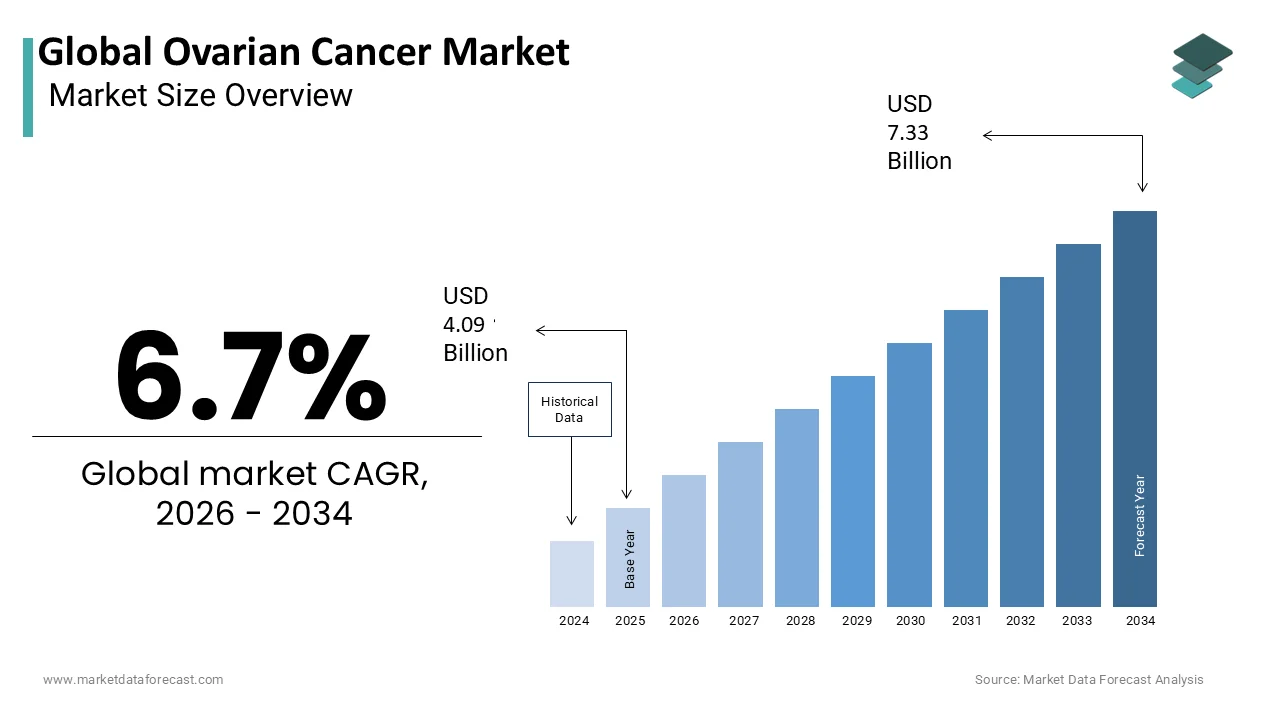
- Market Valuation: Valued at USD 4.09 billion (2025), estimated at USD 4.36 billion (2026), and projected to reach USD 7.33 billion by 2034, registering a solid CAGR of 6.7% (2026–2034).
- Primary Growth Drivers: Growing aging female population, rising global prevalence of ovarian cancer, expansion of healthcare infrastructure in developing economies, and continuous R&D investments introducing advanced targeted therapies and combination treatments.
Key Market Segment Metrics (2026–2034)
| Category | Leading Segment (2025 Position) | Fastest-Growing Segment (2026–2034) |
|---|---|---|
| By Cancer Type | Epithelial Ovarian Cancer (predicted to hold a leading share based on high disease incidence and rising treatment awareness) | Ovarian Low Malignant Potential Tumors (experiencing steady growth driven by early diagnostic detection) |
| By Type of Treatment | Immunotherapy (dominates market adoption alongside conventional generics like paclitaxel and carboplatin) | Targeted Therapy (expanding rapidly due to rising popularity and precision efficacy in personalized oncology) |
| By Region | North America (led the global market driven by high disease pervasiveness, geriatric populations, and US-based diagnostic leaders) | Asia-Pacific (projected to grow at a high CAGR due to rising healthcare expenditures, government support, and expanding patient pools in China and India) |
Major Market Players & Market Structure
Market Structure: Highly competitive global biopharmaceutical landscape featuring major multinational corporations focusing on patent innovations, targeted drug approvals (e.g., PARP inhibitors and monoclonal antibodies), and clinical trial expansions.
Key Companies: F. Hoffmann-La Roche, Eli Lilly and Company, Amgen, Janssen Pharmaceuticals, Bristol Myers Squibb Company, GlaxoSmithKline, AstraZeneca, Genentech Inc., Boehringer Ingelheim, Novogen Inc., and Aetera Zenteris Inc.
 Download Free Sample Report
Global Ovarian Cancer Market Size
The Global Ovarian Cancer Market is projected to grow from USD 4.09 billion in 2025 to USD 4.36 billion in 2026 and reach USD 7.33 billion by 2034, registering a CAGR of 6.7% from 2026 to 2034.
According to the International Agency for Research on Cancer, 330,731 new ovarian cancer cases were estimated among women worldwide in 2024, underscoring the substantial need for effective diagnosis and treatment. The ovarian cancer market encompasses a comprehensive ecosystem of diagnostic tools, therapeutic agents, and surgical interventions designed to detect and treat malignancies originating in the ovaries. This sector includes chemotherapy drugs, targeted therapies, immunotherapies, and advanced imaging technologies critical for early detection and management. As per the World Ovarian Cancer Coalition, based on GLOBOCAN 2020 projections, the global ovarian cancer burden was expected to increase by 42% by 2040, reaching 445,721 new cases. These epidemiological trends directly correlate with heightened demand for innovative treatment modalities and precise diagnostic solutions. The high mortality rate associated with late-stage diagnosis underscores the urgent need for effective screening methods and novel therapeutics. Regulatory agencies across major economies are accelerating approvals for breakthrough therapies targeting specific genetic mutations. Clinical advancements in personalized medicine enable tailored treatment plans that improve patient survival rates. The integration of molecular profiling into standard care protocols marks a significant shift towards precision oncology. This market represents a critical frontier in women’s health, driven by the imperative to reduce mortality and enhance quality of life for patients affected by this aggressive disease.
MARKET DRIVERS
Rising Prevalence of Genetic Mutations Driving Targeted Therapy Adoption
The increasing identification of BRCA1 and BRCA2 genetic mutations primarily propels the ovarian cancer market expansion by creating a distinct patient population eligible for targeted therapies. According to a large study published in the Journal of Clinical Oncology, 15% of women with ovarian carcinoma carried germline BRCA1 or BRCA2 mutations, supporting the importance of genetic testing and targeted treatment strategies. This statistic directly stimulates demand for PARP inhibitors and other targeted agents that exploit specific molecular vulnerabilities in tumor cells. According to the same clinical evidence, BRCA2 mutation carriers demonstrated significantly longer progression-free and overall survival than patients without these mutations. These clinical outcomes drive physicians to prioritize genetic testing and subsequent targeted interventions. Healthcare systems are integrating routine genetic screening into standard care pathways for ovarian cancer patients. This shift ensures early identification of candidates for precision medicine, thereby expanding the addressable market for specialized drugs. Pharmaceutical companies invest heavily in developing next-generation targeted therapies to cater to this growing segment. The proven efficacy of these treatments in extending progression-free survival reinforces their adoption. Insurance providers are increasingly covering genetic testing costs, removing financial barriers for patients. This alignment of clinical evidence and reimbursement support creates a robust foundation for market growth. The focus on personalized care transforms ovarian cancer management from a one-size-fits-all approach to a tailored strategy.
Advancements in Early Detection Technologies Enhancing Diagnostic Accuracy
Breakthroughs in early detection technologies significantly favor the ovarian cancer market by improving diagnostic accuracy and enabling timely intervention. According to the U.S. Preventive Services Task Force, ovarian cancer screening with available methods has not demonstrated a mortality benefit in asymptomatic women and can cause important harms from false-positive results. According to The Lancet Oncology, advances in imaging, biomarkers, and molecular testing continue to be investigated for improving ovarian cancer detection. These technical advancements build trust among clinicians and patients, driving higher uptake of advanced diagnostic services. Hospitals are investing in state-of-the-art imaging equipment and laboratory infrastructure to support these new protocols. The ability to detect minimal residual disease allows for more precise monitoring of treatment response. Regulatory bodies are fast-tracking approvals for innovative diagnostic kits that demonstrate superior sensitivity and specificity. Patients benefit from less invasive testing methods that provide rapid results. The reduction in late-stage diagnoses alleviates the burden on healthcare systems by decreasing the need for complex surgeries and prolonged hospital stays. This technological momentum encourages continuous innovation in the diagnostic sector. The resulting improvement in patient prognosis serves as a powerful catalyst for market penetration.
MARKET RESTRAINTS
High Cost of Novel Therapies Limiting Accessibility
Exorbitant costs associated with novel targeted therapies and immunotherapy hamper the ovarian cancer market expansion by restricting access for a significant portion of the patient population. According to the World Health Organization, financial hardship from out-of-pocket health spending remains a major barrier to access to essential healthcare, particularly in low- and middle-income countries. This economic barrier prevents patients from accessing life-extending treatments such as PARP inhibitors and checkpoint inhibitors. The European Society for Medical Oncology reports that the financial burden associated with cancer medicines remains an important concern for healthcare systems and patients. These financial constraints force healthcare providers to rely on older, less effective generic chemotherapy regimens. The disparity in access creates unequal health outcomes between wealthy and impoverished regions. Hospitals in resource-limited settings struggle to stock expensive novel agents due to budgetary constraints. Reimbursement policies in many nations do not fully cover the cost of advanced molecular testing required for targeted therapy eligibility. This gap leaves patients without the necessary diagnostic information to qualify for specialized treatments. Pharmaceutical companies face pressure to justify high pricing models amidst growing scrutiny from payers. The lack of affordable alternatives stifles market volume and slows the adoption of innovative solutions. Consequently, the market fails to reach its full potential as economic barriers prevent widespread utilization of advanced therapies among vulnerable populations.
Lack of Effective Screening Methods for General Population
The absence of reliable and cost-effective screening methods for the general population further hinders the ovarian cancer market growth by delaying diagnosis until advanced stages. According to the United States Preventive Services Task Force, routine screening for ovarian cancer is not recommended in asymptomatic women who are not known to have a high-risk hereditary cancer syndrome because the harms of screening outweigh the benefits. This guideline limits the widespread adoption of diagnostic tests in primary care settings. According to the National Cancer Institute SEER program, 54% of ovarian cancer cases are diagnosed at a distant stage, while only 22% are diagnosed when localized. These statistics highlight the critical gap in early detection capabilities. The lack of a simple blood test or imaging protocol for mass screening hinders market expansion for diagnostic devices. Physicians hesitate to order expensive tests without clear clinical indications, reducing demand. Patients often present with nonspecific symptoms that are misdiagnosed as gastrointestinal issues, further delaying appropriate care. The medical community continues to search for biomarkers with sufficient sensitivity and specificity for population-level screening. Until such tools are validated and approved, the market remains constrained to symptomatic patients and high-risk groups. This diagnostic limitation acts as a significant impediment to market growth, preventing the timely identification of cases that could benefit from early intervention.
MARreviewTUNITIES
Integration of Liquid Biopsies Creating Diagnostic Avenues
The integration of liquid biopsy technologies is a significant opportunity for the ovarian cancer market by enabling non-invasive monitoring and early detection. According to peer-reviewed research published in Nature Reviews Clinical Oncology, circulating tumor DNA and other liquid biopsy biomarkers are being investigated for treatment monitoring, molecular characterization, and recurrence detection in ovarian cancer, although performance varies by disease stage and assay. This capability allows for real-time assessment of treatment response and detection of recurrence before clinical symptoms appear. According to the American Association for Cancer Research, liquid biopsy research continues to expand across oncology clinical trials, reflecting increasing interest in blood-based molecular monitoring. These developments create new revenue streams for diagnostic companies offering specialized blood-based tests. Healthcare providers benefit from the ability to monitor disease progression without repeated invasive tissue biopsies. Patients appreciate the convenience and reduced discomfort of blood tests compared to surgical procedures. Regulatory agencies are establishing frameworks for the validation and approval of liquid biopsy assays. Pharmaceutical companies are incorporating liquid biopsies into clinical trials to stratify patients and monitor efficacy. This synergy between diagnostics and therapeutics fosters a more integrated approach to cancer care. The potential for liquid biopsies to serve as a screening tool for high-risk populations opens vast market possibilities. This innovation transforms diagnostic paradigms and drives market expansion through enhanced clinical utility.
Expansion of Immunotherapy Combinations Enhancing Treatment Efficacy
The expansion of immunotherapy combinations offers a substantial opportunity for the ovarian cancer market by improving treatment efficacy for resistant cases. According to the National Cancer Institute, multiple clinical trials are evaluating combinations of immune checkpoint inhibitors with targeted therapies, chemotherapy, antiangiogenic agents, and other treatments in ovarian cancer. This research supports demand for combination regimens that leverage synergistic mechanisms of action. The Society for Immunotherapy of Cancer highlights that ongoing research into neoantigen vaccines shows promise in inducing durable immune responses in ovarian cancer patients. These scientific advancements encourage pharmaceutical companies to invest in novel immunotherapeutic agents. Healthcare systems are preparing infrastructure to administer complex combination therapies safely. Patients with platinum-resistant disease gain new hope through these innovative treatment options. Payers are beginning to recognize the long-term cost-effectiveness of immunotherapies that extend survival. Regulatory approvals for new combination indications are accelerating based on robust clinical data. The diversity of immunotherapy mechanisms allows for personalized treatment strategies tailored to individual tumor profiles. This therapeutic evolution creates opportunities for market growth beyond traditional chemotherapy. The focus on harnessing the immune system represents a transformative shift in ovarian cancer management.
MARKET CHALLENGES
Complexity of Tumor Heterogeneity Challenging Treatment Standardization
The inherent complexity of tumor heterogeneity is a major challenge for the ovarian cancer market by complicating the development of standardized treatment protocols. According to research published in Cell, ovarian tumors demonstrate substantial genetic and molecular heterogeneity within individual tumors and across patients, complicating treatment selection and resistance management. This variability makes it difficult to predict response to specific therapies, leading to inconsistent clinical outcomes. According to the National Cancer Institute, ovarian cancer includes multiple histologic and molecular subtypes with different biological characteristics and treatment responses. Such uncertainty hinders the widespread adoption of new drugs as physicians struggle to identify suitable candidates. Pharmaceutical companies face high failure rates in clinical trials due to patient selection issues. The lack of universal biomarkers for all subtypes of ovarian cancer limits the applicability of targeted therapies. Healthcare providers must rely on trial-and-error approaches, which delay effective treatment and increase costs. Regulatory bodies require extensive subgroup analyses to approve drugs for specific molecular profiles, prolonging development timelines. This scientific complexity acts as a persistent barrier to market efficiency. Manufacturers must invest heavily in companion diagnostics to guide treatment decisions. The inability to standardize care reduces the overall effectiveness of available therapies and limits market penetration.
Shortage of Specialized Oncologists Impeding Care Delivery
A critical shortage of gynecologic oncologists and specialized healthcare professionals challenges the ovarian cancer market by impeding optimal care delivery. According to the World Health Organization, the projected global shortage of health workers is expected to reach 11 million by 2030, with substantial gaps concentrated in low- and lower-middle-income countries. This workforce gap directly limits the number of patients who can receive expert surgical and medical management. According to the Society of Gynecologic Oncology, care by gynecologic oncologists is associated with improved management of women with gynecologic cancers, particularly when specialized surgical expertise is required. Despite this evidence, many patients lack access to specialized care due to geographical and economic barriers. Training programs for gynecologic oncology are limited in capacity, resulting in a slow pipeline of qualified professionals. Rural areas are particularly underserved, forcing patients to travel long distances for treatment. The complexity of ovarian cancer surgery requires highly skilled practitioners, further straining existing resources. Hospitals struggle to recruit and retain specialists due to competitive demands and burnout. The lack of multidisciplinary teams involving pathologists, radiologists, and genetic counsellors compromises comprehensive care. This human resource constraint prevents the full utilization of advanced therapies and diagnostic tools. Addressing this challenge requires significant investment in education and workforce development, which remains insufficient in many regions.
REPORT COVERAGE
| REPORT METRIC | DETAILS |
| Market Size Available | 2025 to 2034 |
| Base Year | 2025 |
| Forecast Period | 202 to 20334 |
| Segments Covered | By Stage of Cancer, Diagnosis, Type of Treatment, Type of Cancer, and Region |
| Various Analyses Covered | Global, Regional & Country Level Analysis, Segment-Level Analysis, DROC, PESTLE Analysis, Porter’s Five Forces Analysis, Competitive Landscape, Analyst Overview on Investment Opportunities |
| Regions Covered | North America, Europe, Asia Pacific, Latin America, Middle East & Africa |
| Market Leaders Profiled | Aetera Zenteris Inc., Eli Lilly and Company, Roche, Amgen, Janssen Pharmaceuticals |
SEGMENTAL ANALYSIS
By Cancer Type Insights
The stage III segment had the major share of the global ovarian cancer market in 2025, and the dominance of the Stage III segment is primarily driven by the high prevalence of late-stage diagnosis due to the nonspecific nature of early symptoms. According to the National Cancer Institute SEER program, 54% of ovarian cancer cases in the United States are diagnosed at a distant stage, while 18% are diagnosed at a regional stage and 22% at a localized stage. This disease distribution directly correlates with increased demand for aggressive treatment regimens,s including debulking surgery and platinum-based chemotherapy. According to the American Cancer Society, advanced ovarian cancer is commonly treated with surgery and chemotherapy, with targeted maintenance therapy used in appropriate patients. These clinical requirements underscore the critical reliance on advanced therapeutic solutions for this demographic. Healthcare systems prioritize the procurement of novel agents and surgical technologies to manage advanced disease burden. The inability of current screening methods to detect early-stage disease ensures that advanced disease remains a major addressable population for pharmaceutical and device manufacturers. Hospitals expand their oncology units to accommodate the growing number of advanced cases, further solidifying the market position of this segment. The clinical necessity of maintaining quality of life during prolonged treatment drives consistent revenue generation. This structural dependency on intensive care establishes Stage III as a foundational segment of the ovarian cancer market.
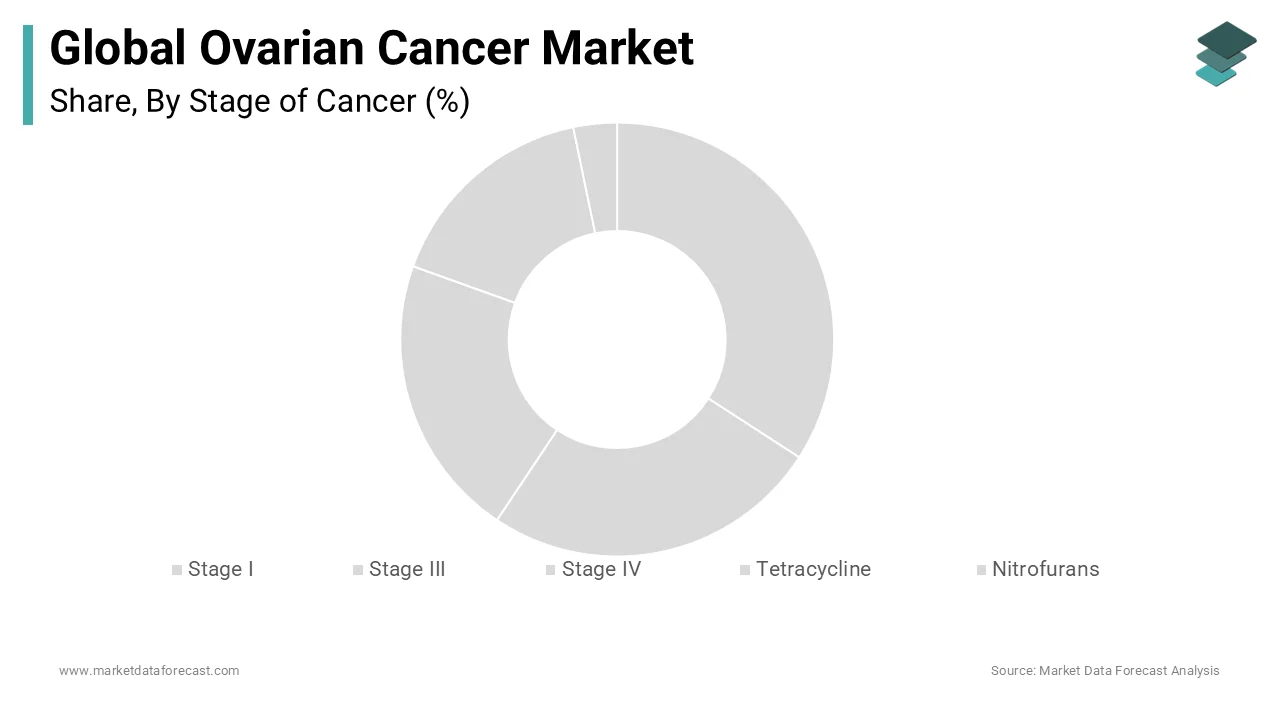
However, the Stage I segment is experiencing growth as awareness of hereditary risk and genetic testing increases. According to the American Society of Clinical Oncology, women diagnosed with epithelial ovarian cancer should be offered germline genetic testing regardless of age or family history, supporting earlier identification of hereditary risk. This clinical shift directly supports earlier risk assessment among high-risk populations. According to the American Cancer Society, localized ovarian cancer has a 91.9% five-year relative survival rate in current SEER data, demonstrating the clinical value of diagnosis before distant spread. These statistics demonstrate the importance of proactive risk assessment and earlier diagnosis. Healthcare systems are investing in educational programs to encourage symptom recognition and timely reporting. The availability of direct-to-consumer genetic testing kits has empowered individuals to assess their risk and seek preventive care. Physicians are more vigilant in evaluating pelvic symptoms in younger women, reducing diagnostic delays. The focus on fertility preservation in early-stage cases also drives demand for specialized surgical techniques. This preventive paradigm creates a new market dynamic focused on early intervention rather than late-stage management. The resulting increase in Stage I diagnoses expands the addressable market for less invasive treatments.
By Cancer Type Insights
The epithelial ovarian tumors segment accounted for the highest share of the global market in 2025 due to their high incidence rate, accounting for the majority of ovarian cancer cases. According to the National Center for Biotechnology Information, epithelial malignancies account for approximately 85% to 90% of ovarian cancers. This overwhelming prevalence directly drives demand for standardized treatment protocols, including surgery and chemotherapy. According to the National Cancer Institute, high-grade serous carcinoma is the most common epithelial ovarian cancer subtype. These figures underscore the critical need for effective therapies targeting this specific cell type. Pharmaceutical companies focus their research and development efforts on epithelial tumors due to the large addressable market. Clinical trials predominantly recruit patients with epithelial histology, ensuring robust data for regulatory approvals. Healthcare providers are well-versed in managing epithelial tumors, facilitating consistent care delivery. The established guidelines for treatment ensure widespread adoption of approved drugs and devices. Patients benefit from a wide range of therapeutic options tailored to epithelial pathology. This dominance creates a stable foundation for market growth as new agents are developed. The sheer volume of cases ensures that epithelial tumors remain the primary focus of the ovarian cancer market.
On the other end, the primary peritoneal carcinoma segment is an important related malignancy within the ovarian cancer treatment landscape. According to a population-based study published in Gynecologic Oncology, primary peritoneal cancers represented approximately 10.7% of serous ovarian, fallopian tube, and primary peritoneal cancers identified in the analyzed United States dataset. This clinical overlap supports the continued development of treatment strategies applicable to ovarian, fallopian tube, and primary peritoneal cancers. According to the American Cancer Society, primary peritoneal cancer is staged and treated using the same general staging framework as ovarian and fallopian tube cancers. This diagnostic and therapeutic relationship creates a dedicated patient population for targeted therapies. Physicians are more likely to diagnose this condition accurately, leading to proper enrollment in clinical trials and access to specialized care. The recognition of this subtype expands the overall market for ovarian canctreatmentstme,nts as it was previously underdiagnosed. Patients benefit from tailored treatment plans that address the specific characteristics of peritoneal involvement. Regulatory agencies are approving indications that include primary peritoneal carcinoma, broadening the label for many drugs. This inclusion drives prescription volumes and market expansion. The focus on precise diagnosis ensures that this segment grows in visibility and importance. The ability to target this specific pathology enhances therapeutic efficacy and patient outcomes.
By Type of Treatment Insights
The surgery segment constitutes the leading segment due to its critical role in the initial management and staging of ovarian cancer. According to the American Cancer Society, treatment for advanced ovarian cancer commonly includes surgery to remove or debulk tumors followed by chemotherapy, although chemotherapy may be administered before surgery in selected patients. This clinical role ensures substantial procedural volume. According to peer-reviewed clinical research, complete surgical resection and lower residual disease after primary debulking surgery are associated with better progression-free and overall survival outcomes. This outcome drives strong preference for skilled surgical intervention among oncologists. Hospitals invest heavily in surgical infrastructure and trained personnel to meet this demand. The necessity of removing visible tumor burden makes surgery indispensable regardless of subsequent therapies. Patients view surgery as a definitive step towards cure or control, increasing compliance. The integration of robotic assistance has enhanced precision and reduced complications, further boosting adoption. Reimbursement policies support surgical procedures, recognizing their fundamental role in care. Manufacturers of surgical instruments and energy devices benefit from this consistent demand. The standardization of surgical techniques ensures widespread implementation across healthcare settings. This foundational role secures the importance of surgery in the treatment landscape. The immediate impact on disease burden makes it the cornerstone of ovarian cancer management.
On the other side, the targeted therapy segment is a rapidly expanding segment driven by the expansion of biomarker testing and personalized medicine. According to the American Society of Clinical Oncology, germline and somatic molecular testing is recommended for women with epithelial ovarian cancer to identify inherited and tumor-specific alterations that may influence treatment selection. This diagnostic expansion directly stimulates demand for PARP inhibitors and other targeted agents. According to the U.S. Food and Drug Administration, several PARP inhibitors have received approvals for specific ovarian cancer indications based on molecular and treatment history criteria. These clinical benefits drive physician preference for personalized treatment plans. Healthcare systems are integrating genomic testing into standard care pathways. Insurance coverage for biomarker testing is expanding, removing financial barriers. Pharmaceutical companies are developing companion diagnostics to guide therapy selection. The ability to target specific mutations enhances treatment efficacy and can reduce unnecessary exposure to ineffective treatments. Patients benefit from therapies tailored to their unique tumor biology. This shift towards precision medicine transforms ovarian cancer care. The synergy between diagnostics and therapeutics ensures continued growth for targeted therapy. The focus on individualized care drives market expansion.
COUNTRY LEVEL ANALYSIS
North America Ovarian Cancer Market Analysis
North America dominated the ovarian cancer market in 2025 and is likely to maintain a leading position in the ovarian cancer market over the next few years because of its advanced healthcare infrastructure, high oncology expenditure, and strong adoption of innovative therapies. According to the National Cancer Institute, the United States is estimated to record 21,010 new ovarian cancer cases and 12,450 deaths in 2026. This substantial disease burden drives robust investment in research and development. The National Cancer Institute funds extensive clinical trials for new treatments, fostering innovation. The presence of major pharmaceutical companies facilitates rapid launch of new drugs. High insurance coverage rates ensure patient access to expensive targeted therapies. The adoption of robotic surgery is high in this region due to the availability of technology. Patient advocacy groups play a crucial role in raising awareness and funding research. The regulatory environment is supportive of breakthrough therapies. Academic medical centers lead in implementing precision medicine protocols. The focus on quality of life drives demand for supportive care products. North America serves as a benchmark for clinical excellence and technological adoption. The mature market continues to grow through innovation and expanded indications.
Europe Ovarian Cancer Market Analysis
Europe is likely to remain a major ovarian cancer market over the next few years because of its established healthcare systems, strong oncology research networks, and coordinated regulatory framework. According to the International Agency for Research on Cancer, Europe recorded a substantial ovarian cancer burden in the latest GLOBOCAN estimates, with ovarian cancer remaining an important cause of cancer morbidity and mortality among women. The European Medicines Agency facilitates centralized approval of new drugs, ensuring access across participating markets. National health services provide comprehensive coverage for standard treatments, including surgery and chemotherapy. The focus on cost-effectiveness drives the adoption of generic drugs and biosimilars. Research consortia promote collaboration across borders. Patient registries provide valuable data for epidemiological studies. The aging population in Western Europe increases the prevalence of the disease. Eastern European countries are improving their healthcare infrastructure to match Western standards. Telemedicine is being integrated to improve access in rural areas. The emphasis on equitable care ensures broad access to essential treatments. Europe balances innovation with affordability in its market approach. The region remains a key player in global clinical research.
Asia Pacific Ovarian Cancer Market Analysis
Asia Pacific is likely to record strong growth in ovarian cancer care over the next few years because of its large population, increasing healthcare capacity, and rising cancer burden. According to the International Agency for Research on Cancer, Asia accounted for the largest number of ovarian cancer cases globally in the GLOBOCAN 2020 projections and was expected to experience a 39.8% increase in cases between 2020 and 2040. Governments are investing in cancer control programs and infrastructure development. The availability of generic drugs makes treatment more affordable for large populations. Medical tourism is driving demand for high-quality surgical and therapeutic services in countries like India and Thailand. Local manufacturers are producing cost-effective diagnostic kits and drugs. Awareness campaigns are encouraging early detection and screening. The growing middle class is demanding advanced treatments, including targeted therapies. Regulatory frameworks are being strengthened to ensure drug safety. International collaborations are facilitating technology transfer and skill development. The large population base offers significant market potential. Digital health initiatives are improving access to specialist care. Asia Pacific represents a dynamic and rapidly evolving market landscape.
Latin America Ovarian Cancer Market Analysis
Latin America is likely to experience gradual growth in ovarian cancer care over the next few years as healthcare capacity, cancer awareness, and access to specialized treatment continue to improve. According to the International Agency for Research on Cancer, ovarian cancer incidence in Latin America and the Caribbean was projected to increase by 49.6% between 2020 and 2040, indicating a substantial future disease burden. Public health systems provide basic treatments but often lack advanced targeted therapies. Private insurance covers a small portion of the population, limiting access to innovative drugs. Non-government organizations play a vital role in providing support and education. Local production of generic chemotherapy drugs helps reduce costs. Training programs for gynecologic oncologists are expanding to improve care quality. Patient advocacy groups are raising awareness about symptoms and risk factors. International aid supports the introduction of new technologies. The market is growing slowly but steadily as economies improve. Telemedicine is helping to bridge geographical barriers. The focus is on improving basic access and early detection. Latin America offers opportunities for affordable healthcare solutions.
Middle East and Africa Ovarian Cancer Market Analysis
The Middle East and Africa region is likely to experience gradual growth in ovarian cancer care over the next few years as healthcare investment, cancer awareness, and treatment capacity expand, although major access gaps will remain. According to the World Ovarian Cancer Coalition, based on GLOBOCAN 2020 projections, ovarian cancer incidence in Africa was expected to increase by 86.8% between 2020 and 2040, representing the largest projected percentage increase among the major regions. Healthcare infrastructure is improving in Gulf countries with high investment in modern facilities. However, many African nations lack basic diagnostic capabilities. Access to targeted therapies is limited by high costs and lack of reimbursement. International partnerships are supporting capacity building and training. Awareness campaigns are beginning to address cultural stigmas surrounding cancer. The burden of infectious diseases often overshadows cancer care priorities. Generic drugs are the mainstay of treatment in most countries. Efforts are underway to establish cancer registries for better data collection. The market is nascent but has potential for growth with increased investment. Focus is on building foundational healthcare systems. Collaboration with global health agencies is essential for progress.
COMPETITIVE LANDSCAPE
The competition in the Ovarian Cancer Market is characterized by intense rivalry among established pharmaceutical giants and innovative biotechnology firms. Major players leverage their extensive clinical data and broad distribution networks to maintain leadership positions in standard care therapies. However, the landscape is shifting towards precision medicine, where smaller agile companies introduce novel targeted agents and immunotherapies. Intellectual property protection plays a crucial role as patents expire and biosimilars enter the market, creating price pressure. Companies differentiate themselves through superior clinical outcomes in specific molecular subgroups and robust patient support services. Collaboration between diagnostics and therapeutics developers is becoming essential to guide treatment decisions effectively. Regulatory hurdles remain hig,h requiring substantial investment in clinical trials to prove efficacy and safety. The focus on overcoming drug resistance drives continuous innovation and combination therapy development. Pricing strategies are increasingly scrutinized by payers, necessitating demonstration of cost-effectiveness and value-based care models. This dynamic environment encourages constant adaptation and strategic agility among participants striving to improve survival rates and quality of life for patients with this challenging disease.
KEY MARKET PLAYERS
Companies leading the global ovarian cancer market profiled in the report are
- Aetera Zenteris Inc.
- Eli Lilly and Company
- Roche
- Amgen
- Janssen Pharmaceuticals, Inc.
- Bristol Myers Squibb Company
- Novogen Inc.
- GlaxoSmithKline
- Boehringer Ingelheim
- AstraZeneca
- Genentech Inc.
TOP LEADING PLAYERS IN THE MARKET
- AstraZeneca plc is a dominant force in the ovarian cancer sector primarily through its portfolio of PARP inhibitors such as olaparib. The company has significantly expanded its clinical research initiatives to explore combination therapies involving immunotherapy and anti-angiogenic agents. Recent regulatory approvals for maintenance therapy in broader patient populations have strengthened its therapeutic offerings. AstraZeneca actively collaborates with global oncology networks to conduct large-scale trials that validate the efficacy of its targeted treatments. The company invests heavily in biomarker discovery to identify patients who will benefit most from precision medicine approaches. Its commitment to expanding access programs ensures that innovative therapies reach underserved regions. AstraZeneca also focuses on educating healthcare providers about the latest treatment guidelines and genetic testing protocols. These strategic efforts reinforce its leadership in personalized oncology care. The integration of digital health tools supports better patient monitoring and adherence. This comprehensive approach drives sustained growth and clinical impact in the ovarian cancer market.
- Roche Holding AG contributes significantly to the ovarian cancer market through its pioneering work in targeted therapy and diagnostics. The company’s flagship drug bevacizumab remains a cornerstone in the treatment of advanced and recurrent disease. Roche has recently focused on developing antibody-drug conjugates that offer new hope for platinum-resistant patients. The integration of its diagnostic division allows for precise patient stratification using companion tests. Roche actively partners with academic institutions to advance understanding of tumor biology and resistance mechanisms. The company has expanded its manufacturing capabilities to ensure consistent supply of critical biologics globally. Roche also engages in robust patient support programs that provide financial assistance and educational resources. Its focus on real world evidence generation helps refine treatment protocols and improve outcomes. The company leverages its extensive global network to accelerate the adoption of innovative therapies. These actions solidify its position as a key innovator in women’s oncology.
- Merck & Co Inc. plays a vital role in the ovarian cancer market through its development of immunotherapies and targeted agents. The company’s checkpoint inhibitor pembrolizumab has shown promise in combination regimens for specific molecular subtypes of ovarian cancer. Merck has recently intensified its clinical pipeline by acquiring biotech firms specializing in novel immune modulators. The company collaborates with leading cancer centers to design adaptive trial platforms that accelerate drug development. Merck focuses on identifying predictive biomarkers to enhance patient selection for immunotherapy. Its global access initiatives aim to reduce disparities in cancer care across different regions. The company also invests in digital solutions that facilitate data sharing and collaborative research. Merck’s commitment to scientific excellence drives continuous innovation in treatment paradigms. The integration of diverse therapeutic modalities offers comprehensive solutions for complex cases. These strategic moves enhance its competitive edge and clinical relevance in the market.
TOP STRATEGIES USED BY KEY MARKET PARTICIPANTS
Key players in the Ovarian Cancer Market employ diverse strategies to maintain competitiveness and drive innovation. Product pipeline expansion remains a primary focus as companies invest heavily in researching novel mechanisms of action such as antibody-drug conjugates and immune checkpoint inhibitors. Strategic collaborations with academic institutions and biotechnology firms facilitate access to cutting-edge science and accelerate clinical development. Regulatory engagement is prioritized to secure fast-track approvals for breakthrough therapies targeting unmet needs. Companies also focus on companion diagnostic development to enable precision medicine and improve patient selection accuracy. Market access strategies include negotiating favorable reimbursement terms and implementing patient assistance programs to enhance affordability. Geographic expansion into emerging markets allows firms to tap into growing patient populations with increasing healthcare access. Digital health integration supports remote monitoring and real-world data collection to demonstrate long-term value. These multifaceted approaches ensure sustained growth and improved patient outcomes in a highly competitive landscape.
GLOBAL OVARIAN CANCER MARKET NEWS
- GlaxoSmithKline plc has developed a novel drug for women diagnosed with advanced ovarian cancer. The company submitted a drug called zejula to the FDA in February 2020; the FDA aims for an efficient reviewing process to make it available for patients.
- In the recent studies, the researchers have identified a new drug fragment; as per the reports published by the research team, the pieces can help analyze the function of cancer protein leading to the development of drugs in the future.
MARKET SEGMENTATION
This research report on the global ovarian cancer market has been segmented and sub-segmented based on the stage of cancer, diagnosis, type of treatment, type of cancer, and region.
By Stage of Cancer
-
Stage I
- Stage IA
- Stage IB
- Stage IC
- Stage II
- Stage IIA
- Stage IIB
- Stage IIC
- Stage III
- Stage IIIA
- Stage IIIB
- Stage IIIC
- Stage IV
By Cancer Type
- Primary Peritoneal Carcinoma
- Ovarian Stromal Tumors
- Ovarian Germ Cell Tumors
- Epithelial Ovarian Tumors
By Diagnosis
- Physical Examination
- Blood Tests
- Ultrasound
- PET
- CT Scan
- MRI
- Human Chorionic Gonadotropin Test
- Biopsy
By Type of Treatment
- Chemotherapy
- Radiation Therapy
- Hormonal Therapy
- Surgery
- Immunotherapy
- Targeted Therapy
By Region
- North America
- Europe
- Asia Pacific
- Latin America
- The Middle East and Africa