Europe Papaya Market Size, Share, Trends & Growth Forecast Report – Segmented By Form (Fresh Papaya, Dried Papaya, Processed Products (Juice, Puree, Concentrate)), Application, Distribution Channel, and Country (UK, France, Spain, Germany, Italy, Russia, Sweden, Denmark, Switzerland, Netherlands, Turkey, Czech Republic & Rest of Europe), Industry Analysis From 2026 to 2034
Europe Papaya Market Report Summary
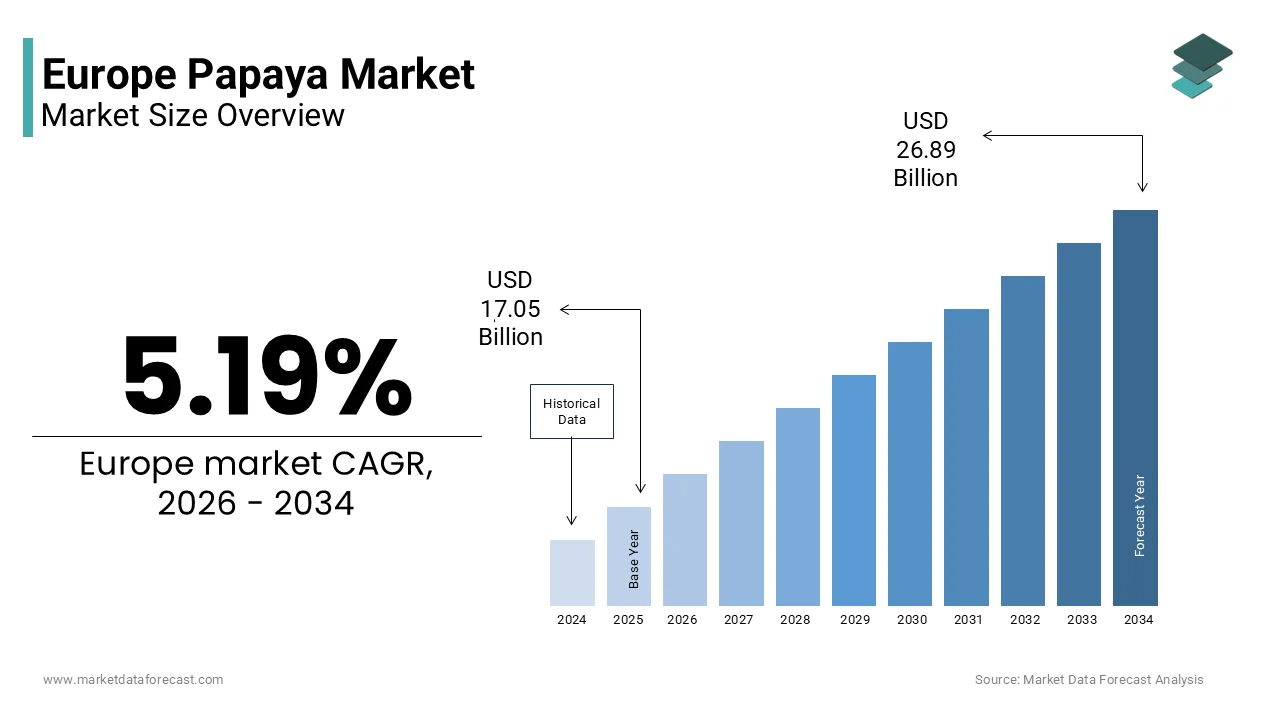
The Europe papaya market was valued at USD 17.05 billion in 2025, is estimated to reach USD 17.94 billion in 2026, and is projected to reach USD 26.89 billion by 2034, growing at a CAGR of 5.19% during the forecast period from 2026 to 2034. The growth of the Europe papaya market is driven by increasing consumer awareness of the nutritional benefits of tropical fruits, rising demand for healthy and natural food products, and expanding imports from major papaya-producing countries. Growing popularity of exotic fruits, increasing health-conscious consumers, and the expansion of organized retail networks are further supporting market growth. Additionally, rising demand for fresh fruits in foodservice, retail, and processed food applications is contributing to the steady expansion of the market across Europe.
Key Market Trends
-
Rising consumer preference for tropical and exotic fruits is driving demand for papaya across Europe.
-
Increasing awareness of papaya's rich vitamin, antioxidant, and fiber content is supporting market growth.
-
Growing demand for fresh and minimally processed fruits is encouraging higher consumption of papaya.
-
Expansion of supermarkets, hypermarkets, and online grocery platforms is improving product accessibility.
-
Increasing use of papaya in smoothies, fruit salads, desserts, and health-oriented food products is creating new market opportunities.
Segmental Insights
-
Based on form, the fresh papaya segment dominated the Europe papaya market in 2025. The segment's leadership is attributed to strong consumer preference for fresh tropical fruits, superior nutritional value, and widespread availability through organized retail channels.
-
Based on application, the direct consumption segment held the largest share of the Europe papaya market in 2025. The segment's dominance is driven by increasing consumer preference for fresh fruits as part of a healthy daily diet and growing awareness of papaya's nutritional benefits.
-
Based on distribution channel, the supermarkets and hypermarkets segment accounted for the largest share of the Europe papaya market in 2025. The segment's growth is supported by extensive product availability, efficient cold chain infrastructure, and consumer preference for organized retail outlets.
Regional Insights
-
The Europe papaya market is witnessing steady growth due to rising health consciousness, increasing demand for exotic fruits, and expanding import networks.
-
Germany dominated the Europe papaya market in 2025. The country's leadership is supported by strong consumer demand for healthy food products, a well-developed retail infrastructure, efficient fruit import and distribution systems, and increasing popularity of tropical fruits.
-
The United Kingdom remains a significant market due to growing multicultural food preferences, increasing consumption of fresh fruits, and expanding supermarket offerings.
Competitive Landscape
The Europe papaya market is moderately competitive, with importers, distributors, and fresh produce companies focusing on supply chain efficiency, product quality, and expansion of distribution networks to strengthen their market positions. Companies are investing in sustainable sourcing, advanced cold chain logistics, and strategic partnerships to meet the growing demand for fresh tropical fruits across retail and foodservice sectors. Key players operating in the Europe papaya market include Dole plc, Fresh Del Monte Produce Inc., Chiquita Brands International Sàrl, Fyffes, Nature's Pride, Total Produce plc, Greenyard NV, Unifrutti Group, Favorita Europe B.V., and Del Monte International GmbH.
Europe Papaya Market Size
The Europe papaya market size was valued at USD 17.05 billion in 2025 and is projected to reach USD 26.89 billion by 2034 from USD 17.94 billion in 2026, growing at a CAGR of 5.19%.
Papaya is a dynamic and expanding segment within the continent's tropical fruit sector. The regional market is characterized by the importation and distribution of Carica papaya from key producing regions such as Brazil, Ecuador, and increasingly West Africa. This market is driven by a shifting consumer palate that increasingly favors exotic fruits for their unique flavor profiles and perceived health benefits. Papayas are valued not only for their culinary versatility in fresh consumption but also for their enzymatic properties, particularly papain, which aids digestion. As per the United Nations Comtrade Database, the European Union actually imported 31,821 tons (31.8 million kilograms) of fresh papayas in 2023, with Brazil serving as the primary supplying partner. The regulatory environment is heavily influenced by strict phytosanitary standards set by the European Food Safety Authority to prevent the entry of pests and diseases, which shapes sourcing strategies for importers. Consumer awareness regarding the nutritional density of papayas, including high levels of vitamin C, vitamin A, and antioxidants, has elevated the fruit from a niche exotic item to a staple in health conscious diets. Major retail chains across Germany, France, and the United Kingdom have expanded their tropical fruit assortments to include premium and organic papaya varieties. The market is also witnessing a rise in value added products such as dried papaya and papaya purees, catering to the convenience oriented consumer. Sustainability concerns are prompting retailers to seek suppliers with certified ethical and environmental practices, influencing procurement decisions. This evolving landscape positions the papaya market at the intersection of health trends, culinary exploration, and sustainable supply chain management.
MARKET DRIVERS
Rising Consumer Preference for Functional Foods and Digestive Health Benefits
The escalating consumer interest in functional foods that offer specific health benefits beyond basic nutrition is one of the major drivers of the Europe papaya market. Papayas are widely recognized for their rich content of papain, a proteolytic enzyme that aids in protein digestion and reduces inflammation, making them a preferred choice for individuals seeking natural digestive remedies. According to the European Food Information Council (EUFIC), the broader demand for balanced gut health across Europe is driven by public awareness of dietary fiber and natural plant-based food properties that aid regular digestion. This trend is particularly strong among aging populations and health conscious millennials who prioritize gut health as a cornerstone of overall wellness. The high concentration of vitamins A, C, and E in papayas further enhances their appeal as an immune boosting superfood. Nutritionists and dietitians across Europe frequently recommend papayas for their anti inflammatory properties and ability to support cardiovascular health. Retailers have responded by highlighting these health benefits in marketing campaigns and in store signage, educating consumers about the functional advantages of regular papaya consumption. The integration of papayas into smoothie bowls, salads, and breakfast menus in cafes and restaurants has normalized their presence in daily diets. This culinary visibility reinforces the perception of papayas as a versatile and beneficial ingredient. The alignment with broader wellness trends ensures sustained demand, as consumers actively seek foods that contribute to preventive health measures. The scientific backing of papaya’s enzymatic benefits provides a compelling value proposition that drives repeat purchases and brand loyalty.
Expansion Of Ethnic Cuisine and Culinary Diversity in European Households
The growing popularity of ethnic cuisines, particularly Latin American, Asian, and Caribbean dishes, has significantly boosted the demand for papayas in households in the region, which in turn fuels the expansion of the Europe papaya market. As travel and cultural exchange increase, Europeans are experimenting with diverse flavors and ingredients, incorporating tropical fruits like papayas into their cooking repertoires. As per the Centre for the Promotion of Imports from developing countries (CBI), the long-term integration of diverse ethnic cuisines and exotic products into mainstream European supermarkets has steadily introduced everyday consumers to tropical exotics like papayas. Papayas are essential ingredients in dishes such as ceviche, green papaya salad, and various chutneys, driving demand for both ripe and unripe varieties. The rise of food blogging and social media influencers showcasing exotic recipes has further accelerated this trend, making papayas more accessible and less intimidating to novice cooks. Supermarkets have expanded their tropical fruit sections to include different varieties of papayas, such as the smaller and sweeter Solo papaya, catering to diverse culinary needs. The availability of pre cut and ready to eat papaya chunks in retail stores also supports this trend by offering convenience for busy consumers. Restaurants and food service providers are increasingly featuring papaya based desserts and beverages, introducing the fruit to wider audiences. This culinary integration transforms papayas from an occasional treat into a regular pantry staple. The continuous influx of global culinary influences ensures that the demand for papayas remains robust and diversified across different European markets.
MARKET RESTRAINTS
Stringent Phytosanitary Regulations and Import Restrictions Restrain Market Growth
Stringent phytosanitary regulations and import restrictions currently restrain the Europe papaya market. The European Union implemented these strict measures to safeguard local agriculture from potential pests and diseases. Papayas are susceptible to various quarantine pests, including fruit flies and mealybugs, which can pose serious threats to European crops if introduced. According to import safety frameworks governed by the European Commission, all inbound tropical fruits must pass mandatory official border control protocols to ensure compliance with strict European union health standards. These regulatory hurdles increase the cost and complexity of importing papayas, particularly for smaller suppliers who may lack the resources to comply with rigorous documentation and treatment standards. The requirement for cold treatment or irradiation to eliminate pests can affect the quality and shelf life of the fruit, resulting in higher waste rates and reduced consumer satisfaction. Additionally, changes in regulatory policies can occur with little notice, creating uncertainty for importers and distributors. The limited number of approved exporting countries further restricts supply diversity, making the market vulnerable to disruptions in specific regions. Compliance with these regulations requires significant investment in technology and training for producers in exporting countries, which can be prohibitive for smallholder farmers. These barriers limit the volume of papayas that can enter the European market and constrain price competitiveness. The constant need for vigilance and adaptation to evolving regulatory landscapes adds operational stress to the supply chain.
High Perishability and Supply Chain Vulnerabilities Impact Product Quality
The inherent high perishability of papayas is a major obstacle to the European market. This is because the fruit is highly sensitive to temperature fluctuations and physical handling during transportation Storability of papayas under refrigerated and controlled atmosphere. Papayas continue to ripen after harvest, making it challenging to maintain optimal quality over long distances from tropical producing regions to European markets. As per Embrapa, post-harvest fruit losses can reach up to 30% across production, domestic logistics, and packaging stages within major origin nations like Brazil before the surviving cargo reaches European markets. The lack of specialized cold chain infrastructure in some exporting countries exacerbates this issue, leading to inconsistent quality upon arrival. Retailers often face challenges in managing inventory due to the short shelf life of ripe papayas, resulting in higher waste and reduced profitability. Consumers are increasingly discerning about fruit quality, and any signs of bruising or over ripeness can lead to rejection and lost sales. The need for rapid transportation and precise temperature control increases logistics costs, which are often passed on to consumers, affecting affordability. Seasonal variations in production and weather conditions in exporting countries can further disrupt supply consistency. These supply chain vulnerabilities make it difficult for retailers to guarantee a steady supply of high quality papayas year round. The risk of quality degradation discourages some retailers from prominently featuring papayas, limiting their market visibility. Addressing these logistical challenges requires significant investment in improved packaging and cold chain technologies.
MARKET OPPORTUNITIES
Development Of Value-Added Papaya Products and Convenience Formats
The development of value-added papaya products and convenience formats offers a significant opportunity for the Europe papaya market. This paves the way to expand its consumer base and reduce waste. Processed papaya products such as dried chips, purees, juices, and frozen cubes offer longer shelf lives and greater convenience for consumers who may be hesitant to handle fresh fruit. According to a study, consumer preferences are shifting significantly toward preservative-free, clean-label clean snacks, driving notable growth for exotic and dehydrated tropical fruit varieties like mango, pineapple, and papaya. These products appeal to busy urban consumers seeking nutritious and portable snack options. Papaya puree is increasingly used in the baby food industry due to its mild flavor and high nutritional value, opening a new revenue stream for processors. The beverage industry is also exploring papaya as an ingredient in smoothies, juices, and functional drinks, leveraging its vibrant color and health benefits. Innovations in packaging technology, such as resealable pouches and single serve portions, enhance the appeal of these products. Retailers can stock these items alongside fresh produce, providing a consistent revenue source regardless of seasonal fluctuations in fresh fruit quality. The ability to utilize imperfect or overripe fresh papayas for processing reduces waste and improves overall supply chain efficiency. This diversification allows companies to cater to different consumer preferences and usage occasions. The growth of the health snack sector provides a fertile ground for introducing innovative papaya-based products.
Expansion Of Organic and Sustainable Sourcing Initiatives
The expansion of organic and sustainable sourcing initiatives unlocks potential for the Europe papaya market. This helps the market differentiate itself and capture premium market segments. European consumers are increasingly prioritizing environmentally friendly and ethically sourced products, driving demand for organic papayas. As per the Research Institute of Organic Agriculture (FiBL) and IFOAM – Organics International, European retail sales for organic food and drink reached a milestone of 58.7 billion euros, confirming resilient, long-term consumer demand for certified sustainable options across core markets. Obtaining organic certification allows producers to access niche markets and build brand loyalty among health conscious shoppers. Sustainable sourcing practices, such as fair trade certification and agroforestry systems, further enhance the appeal of papayas by addressing social and environmental concerns. Retailers are actively seeking suppliers who can demonstrate transparency and commitment to sustainability, creating opportunities for differentiated positioning. Marketing campaigns that highlight the ecological benefits of organic papaya farming resonate with environmentally aware consumers. Collaborations between European importers and Latin American or African producers to implement sustainable practices can secure long term supply contracts. The development of private label organic papaya lines by major supermarket chains provides additional distribution channels. This focus on sustainability aligns with broader corporate social responsibility goals and regulatory trends in Europe. Market participants can command higher margins by emphasizing ethical and environmental credentials. This approach also fosters deeper consumer connections.
MARKET CHALLENGES
Climate Change Impacts on Production Stability and Yield Consistency
Unpredictable weather patterns and reduced crop stability in primary growing regions are causing major supply chain vulnerabilities for the European papaya market. Papaya trees are sensitive to extreme weather conditions such as droughts, heavy rainfall, and temperature fluctuations, which can significantly affect fruit quality and quantity. According to the IPCC Special Report on Climate Change and Land, global warming and increasing climate variability are significantly exposing tropical and subtropical farming zones to high temperature stress, which undercuts absolute yield consistency and threatens long-term crop predictability. Unpredictable weather patterns can lead to sudden shortages, causing price volatility and supply disruptions in the European market. Farmers in producing countries may struggle to adapt to changing climatic conditions without significant investment in irrigation and protective infrastructure. The spread of plant diseases, such as papaya ringspot virus, may also be exacerbated by changing environmental conditions, further reducing yields. These production uncertainties make it difficult for importers to plan long term supply strategies and maintain consistent pricing. Retailers may hesitate to commit to large volumes if supply reliability is compromised. The need for climate resilient farming practices requires technical assistance and financial support for smallholder farmers, who constitute a significant portion of the production base. Addressing these challenges requires collaborative efforts between governments, NGOs, and private sector actors to build resilience in the supply chain. The long-term viability of papaya exports to Europe could be jeopardized. This risk will become reality unless we implement effective adaptation measures.
Intense Competition from Other Tropical Fruits and Substitutes
Intense competition from other tropical fruits and substitutes are holding back the expansion of the Europe papaya market. These alternatives offer similar nutritional benefits and culinary versatility. Fruits such as mangoes, pineapples, and kiwis are well established in the European market and often enjoy higher consumer familiarity and preference. As per the Food and Agriculture Organization (FAO) of the United Nations, mangoes and pineapples massively outrank papayas in international production and distribution volume, capturing a significantly larger share of major global logistics pipelines and retail supermarket placement. This competitive landscape makes it challenging for papayas to gain significant market traction, particularly among consumers who are less familiar with the fruit. Price sensitivity also plays a role, as consumers may opt for more affordable or readily available alternatives. The marketing efforts for papayas often lag behind those for more dominant tropical fruits, limiting consumer awareness and trial. Retailers may prioritize stocking fruits with higher turnover rates and lower risk of spoilage, further marginalizing papayas. The introduction of new exotic fruits continues to fragment consumer attention and spending. To compete effectively, papaya marketers must highlight unique selling points such as digestive benefits and distinct flavor profiles. However, overcoming established preferences requires sustained educational efforts and promotional investment. The presence of strong substitutes limits the growth potential of the papaya market and necessitates strategic differentiation to capture consumer interest.
REPORT COVERAGE
| REPORT METRIC | DETAILS |
| Market Size Available | 2025 to 2034 |
| Base Year | 2025 |
| Forecast Period | 2026 to 2034 |
| CAGR | 5.19% |
| Segments Covered | By Form, Application, Distribution Channel, and Region |
| Various Analyses Covered | Global, Regional, & Country Level Analysis; Segment-Level Analysis; DROC, PESTLE Analysis; Porter’s Five Forces Analysis; Competitive Landscape; Analyst Overview of Investment Opportunities |
| Regions Covered | UK, France, Spain, Germany, Italy, Russia, Sweden, Denmark, Switzerland, Netherlands, Turkey, and the Czech Republic |
| Market Leaders Profiled | Dole plc, Fresh Del Monte Produce Inc., Chiquita Brands International Sàrl, Fyffes, Nature's Pride, Total Produce plc, Greenyard NV, Unifrutti Group, Favorita Europe B.V., and Del Monte International GmbH |
SEGMENTAL ANALYSIS
By Form Insights
The fresh papaya segment was the largest in the Europe papaya market and occupied a commanding share in 2025. This prominence of the segment was due to its widespread acceptance as a healthy, ready-to-eat snack and versatile culinary ingredient that aligns with the European preference for whole, unprocessed foods. Consumers value the immediate sensory experience of fresh fruit, including its vibrant color, unique texture, and natural sweetness, which processed forms cannot fully replicate. According to the Centre for the Promotion of Imports from developing countries (CBI), the European exotic fruit segment continues to grow, yet niche products like papayas lag significantly behind high-volume staples like bananas and pineapples, remaining specialized items primarily popular in larger urban centers. The integration of fresh papaya into daily diets is facilitated by its ease of preparation and compatibility with various dishes, from breakfast bowls to savory salads. Retailers prioritize fresh papaya because it drives foot traffic and complements sales of other fresh produce. The perception of freshness as a marker of quality and nutritional integrity reinforces consumer loyalty. Health conscious individuals prefer fresh papaya to avoid added sugars or preservatives often found in dried or processed variants. The availability of different ripeness stages allows consumers to choose based on their immediate consumption needs, enhancing convenience. This segment benefits from established cold chain logistics that ensure consistent quality upon arrival. The cultural normalization of tropical fruits in European cuisine further cements the dominance of fresh papaya. Its role as a primary source of vitamins and enzymes makes it a preferred choice for daily nutrition.
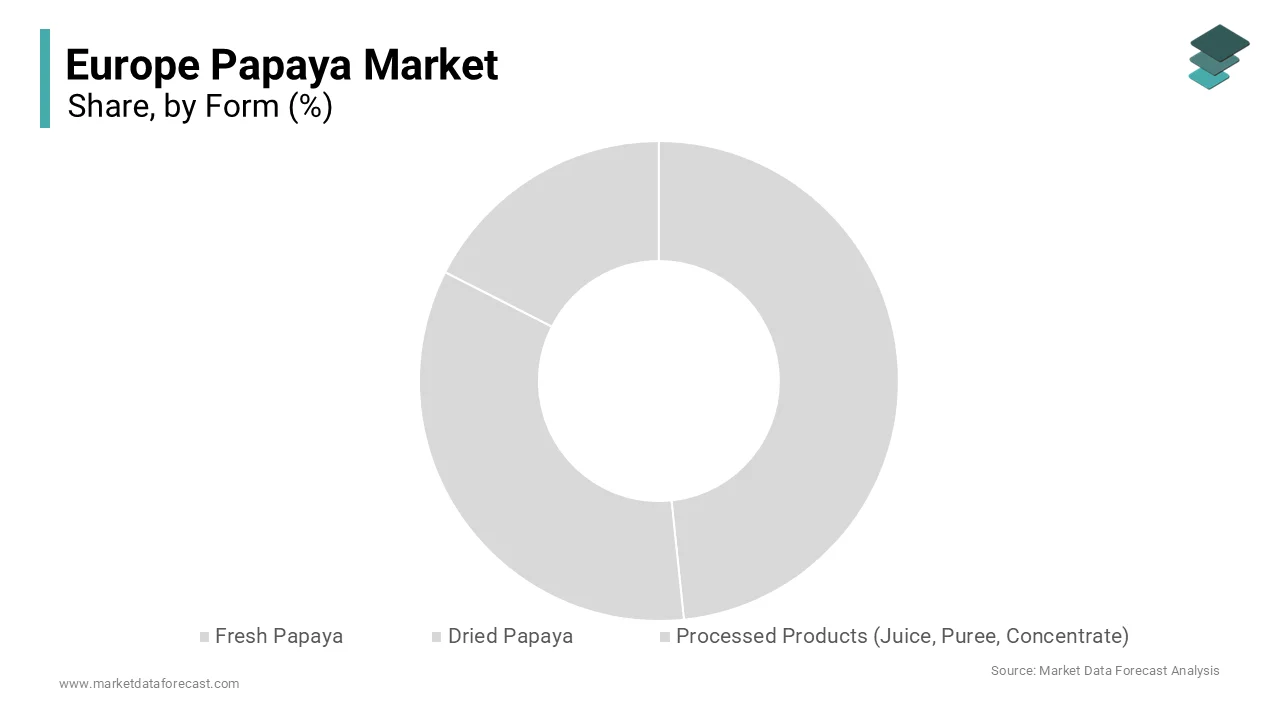
The supremacy of this segment is also supported by high retail visibility and a mature supply chain that ensures consistent availability and quality. Major supermarket chains have dedicated significant shelf space to tropical fruits, with fresh papayas prominently displayed to attract attention. As per global maritime trade data published by the Food and Agriculture Organization (FAO), the commercial viability of fresh papayas in Europe relies on specialized cold-chain sea freight and air cargo networks originating predominantly from Brazil, which supplies the vast majority of the EU's total papaya intake. The development of efficient air and sea freight routes from producing countries like Brazil and Ecuador has reduced transit times, preserving fruit freshness and extending shelf life. Advanced ripening technologies allow distributors to deliver papayas at optimal maturity, reducing waste and enhancing consumer satisfaction. Retailers invest in marketing campaigns that highlight the health benefits and culinary uses of fresh papaya, driving demand. The ability to offer competitive pricing through economies of scale makes fresh papaya accessible to a broad demographic. Promotional activities such as discounts and bundle offers further stimulate sales. The reliability of supply ensures that retailers can maintain consistent stock levels, building consumer trust. The integration of fresh papaya into private label ranges also enhances its market presence. This robust infrastructure supports the continued leadership of the fresh segment over processed alternatives.
The processed products segment is predicted to witness the highest CAGR of 7.5% from 2026 to 2034 due to increasing consumer demand for convenience and industrial applications in the food and beverage sector. Busy lifestyles in urban Europe have led to a surge in the consumption of ready to drink juices and smoothies, where papaya puree serves as a key ingredient for flavor and nutrition. According to the Centre for the Promotion of Imports from developing countries (CBI), industrial demand for exotic purees and concentrates is rising across Europe, where beverage manufacturers incorporate tropical flavors like mango, passion fruit, and papaya into multi-fruit juice blends. Food manufacturers utilize papaya concentrate and puree in yogurts, desserts, and baby food due to their smooth texture and mild sweetness. The longer shelf life of processed products reduces waste and logistical challenges compared to fresh fruit, making them attractive to retailers and distributors. The ability to standardize flavor and consistency ensures product quality across large scale production runs. Innovations in packaging, such as single serve pouches and recyclable bottles, enhance convenience and appeal to eco conscious consumers. The versatility of papaya puree allows for easy integration into various recipes, encouraging experimentation by home cooks and professional chefs. This segment benefits from the broader trend toward functional beverages that offer health benefits alongside refreshment. The growth of the food service industry also drives demand for consistent and high quality processed papaya ingredients.
The swift growth of the processed papaya segment is accelerated by its extensive use in the baby food and health snack industries, which prioritize natural and nutritious ingredients. Papaya puree is a popular base for infant foods due to its gentle flavor, easy digestibility, and high vitamin content, meeting the strict safety and nutritional standards of the sector. As per sources, the European organic infant food and puree sector is expanding its ingredient profiles to feature clean-label, non-traditional tropical and exotic fruit formulations that appeal to health-conscious parents.. Health snack manufacturers use papaya concentrate to create natural sweeteners and fruit bars, appealing to consumers seeking alternatives to refined sugar. The processing of papaya allows for the retention of key nutrients while eliminating perishability issues, ensuring year round availability. Regulatory support for clean label products encourages the use of simple, recognizable ingredients like papaya puree. Collaborations between processors and brands lead to innovative product launches that highlight the health benefits of papaya. The efficiency of processing facilities in Europe enables local production of value added items, reducing dependency on imported finished goods. This industrial integration creates a stable and growing demand for processed papaya products. The alignment with health and wellness trends ensures sustained expansion of this segment.
By Application Insights
In 2025, the direct consumption segment held the majority share of the Europe papaya market as consumers increasingly view fresh fruit as an essential component of a healthy daily routine. The simplicity of eating papaya raw, either as a standalone snack or part of a fruit salad, appeals to individuals seeking quick and nutritious options. According to the World Health Organization (WHO) Europe, regular fruit consumption is heavily promoted by EU public policy as a core pillar of healthy dietary habits, which indirectly supports consumer trial of nutrient-dense exotic fruits like papayas. The high water content and natural sweetness of papaya make it a satisfying alternative to processed snacks, supporting weight management and hydration goals. Consumers appreciate the immediate nutritional benefits, including vitamin C and fiber, which contribute to overall well being. The social aspect of sharing fresh fruit during meals or gatherings further reinforces its role in daily life. Retailers facilitate direct consumption by offering pre cut and packaged papaya chunks, catering to convenience seekers. The visual appeal of fresh papaya encourages impulse purchases in supermarkets. Educational campaigns by health organizations promote the benefits of whole fruit consumption, driving demand. This segment benefits from the universal acceptance of fruit as a healthy food group. The ease of incorporation into various diets, including vegan and gluten free, broadens its appeal. Direct consumption remains the primary driver of papaya sales due to its simplicity and health alignment.
The dominance of the direct consumption segment is supported by the growing cultural integration of papaya into European culinary practices and increased familiarity with tropical flavors. As travel and migration expose Europeans to diverse cuisines, papaya has become a familiar ingredient in households, used in breakfasts, desserts, and light meals. As per the Centre for the Promotion of Imports from developing countries (CBI), ethnic culinary diversity and an open interest in novel foods have successfully pushed exotic fruits into mainstream European supermarkets, targeting consumers looking for varied taste profiles. The influence of social media and food blogs showcases creative ways to enjoy fresh papaya, inspiring consumers to incorporate it into their diets. Restaurants and cafes feature papaya in menus, normalizing its consumption outside the home. The availability of ripe and ready to eat papayas in stores reduces barriers to trial. Consumers value the authenticity and freshness of whole fruit, preferring it over processed alternatives for daily intake. The seasonal availability of high quality imports ensures consistent supply, maintaining consumer interest. Retail promotions and tastings further educate shoppers about the best ways to select and consume papaya. This cultural acceptance ensures steady demand for fresh papaya. The segment’s strength lies in its alignment with everyday eating habits and lifestyle preferences.
The nutraceuticals and dietary supplements segment is growing at the fastest CAGR of 8.2% during the forecast period owing to the rising demand for natural digestive enzymes, particularly papain, extracted from papaya. Consumers are increasingly seeking plant based solutions for gut health issues such as bloating and indigestion, turning to papaya derived supplements as effective alternatives to synthetic drugs. According to the International Probiotics Association Europe (IPA Europe), the European digestive health segment is growing significantly, expanding beyond traditional cultures to include plant-derived digestive enzymes such as papain and bromelain. Papain is valued for its ability to break down proteins and reduce inflammation, making it a key ingredient in many digestive aid formulations. The trend toward preventive healthcare encourages regular use of these supplements to maintain optimal digestive function. Manufacturers are innovating with combination formulas that include papain along with other beneficial enzymes and probiotics, enhancing product efficacy. Clinical studies supporting the benefits of papain contribute to consumer confidence and medical recommendations. The availability of papaya enzyme supplements in pharmacies and online stores increases accessibility. Marketing efforts highlight the natural origin and safety profile of papaya extracts, appealing to those wary of chemical medications. This segment benefits from the broader wellness movement that prioritizes holistic health solutions. The scientific validation of papain’s benefits ensures sustained growth and consumer loyalty.
The rapid growth of the nutraceuticals segment is fueled by the aging population in Europe and the increasing prevalence of chronic health conditions that require ongoing management. Older adults often experience reduced digestive efficiency and are more prone to inflammatory conditions, making papaya enzyme supplements a valuable addition to their health regimen. According to Eurostat, the proportion of individuals aged 65 and older across the European Union is projected to increase from 21% in 2023 to nearly 30% by 2050, which broadly expands the consumer base seeking proactive health and wellness products. Healthcare professionals frequently recommend natural supplements to complement conventional treatments, recognizing the low risk of side effects associated with papain. The convenience of taking a pill or capsule fits easily into daily routines, encouraging adherence. The rise of e commerce platforms allows seniors and caregivers to easily purchase specialized supplements. Product formulations are being tailored to meet specific needs, such as higher potency or combination with joint health ingredients. Regulatory frameworks in Europe support the sale of well documented natural ingredients, facilitating market entry. The focus on active aging and vitality drives consumers to invest in preventive health measures. This demographic shift ensures a stable and growing customer base for papaya based nutraceuticals. The segment’s growth is underpinned by long term health trends and medical endorsement.
By Distribution Channel Insights
The supermarkets and hypermarkets segment dominated the Europe papaya market and accounted for a substantial share in 2025. This dominance of the segment was driven by its extensive reach and the convenience of one stop shopping for everyday groceries. These retail formats are the primary source of fresh produce for the majority of European households, making them the most effective channel for distributing papayas. As per the USDA Foreign Agricultural Service, highly consolidated supermarket and hypermarket chains control the vast majority of food retail market share across core European countries, dictating the supply chain standards for fresh exotic imports. The presence of papayas in these stores normalizes their consumption and makes them accessible to mainstream shoppers who may not visit specialty health stores. Large retail chains leverage their purchasing power to offer competitive prices and consistent supply, addressing the cost sensitivity of many consumers. The integration of papayas into regular promotional cycles and loyalty programs further drives sales volume. Shoppers appreciate the ability to purchase papayas alongside other weekly essentials, saving time and effort. The physical visibility of fresh produce sections in supermarkets encourages impulse purchases and trial. Retailers invest in attractive displays and signage to highlight the quality and origin of the fruit. This mass market approach ensures that papayas are not confined to a niche audience but are available to the general public. The reliability and convenience of supermarkets make them the dominant channel for papaya distribution.
The top position of the supermarkets and hypermarkets segment is propelled by private label strategies and economies of scale that allow retailers to offer affordable papaya options. Major chains have developed their own branded fresh produce lines, including papayas, which are priced competitively to attract value conscious shoppers. According to the Private Label Manufacturers Association (PLMA), private label products have captured record-high market shares across Europe, surpassing 40% of total grocery sales in multiple major nations, as retail brands offer high-quality alternatives amid cost-of-living concerns. These private labels enable retailers to control the supply chain from source to shelf, ensuring consistency and reducing intermediary costs. The large volume of sales through supermarkets allows for efficient logistics and reduced waste through better demand forecasting. Retailers often source directly from producer cooperatives, fostering long term relationships and securing stable supplies. This direct sourcing model improves margins and allows for reinvestment in sustainability initiatives. The credibility of major supermarket brands reassures consumers about the quality and safety of the fruit. Promotional campaigns by retailers often feature papayas as part of healthy eating initiatives. This strategic focus on private labels strengthens customer loyalty and drives repeat purchases. The ability to offer high quality papayas at accessible prices through economies of scale cements the leadership of supermarkets and hypermarkets in the distribution landscape.
The online retail segment is estimated to register the fastest CAGR of 9.5% between 2026 and 2034. This quick surge of the segment is fuelled by digital convenience and the expanded product variety available through e commerce platforms. Consumers are increasingly turning to online grocery services for the ease of home delivery and the ability to compare products and prices effortlessly. As per Eurostat, e-commerce grocery purchasing across Europe experienced a permanent acceleration post-pandemic, though fresh produce remains a complex category due to specialized cold-chain delivery logistics. Online platforms offer a wider selection of papaya varieties, including organic and exotic types, which may not be available in local stores. The ability to subscribe to regular deliveries ensures a steady supply of papayas for households, reducing the need for frequent shopping trips. Digital retailers use algorithms to personalize recommendations and offer targeted discounts, enhancing customer engagement. The transparency of online listings allows consumers to read detailed product descriptions and customer reviews, building trust in the quality of the fruit. The rise of quick commerce services that deliver groceries within hours has further boosted the appeal of online fresh food shopping. This convenience is particularly valued by urban professionals and families with limited time. The seamless integration of papayas into digital shopping carts drives consistent growth for this channel.
The swift expansion of the online retail segment is propelled by targeted marketing and direct consumer engagement strategies that build brand loyalty and educate shoppers. E commerce platforms utilize data analytics to identify consumers interested in healthy and exotic foods, delivering personalized advertisements and content. According to Ecommerce Europe, hyper-personalized digital ad campaigns and direct consumer data tracking allow food retailers to maximize conversion rates for specialized, premium, and artisanal food offerings online. Online retailers often collaborate with influencers and nutritionists to create content that highlights the benefits of papayas, driving traffic to their sites. Subscription models and loyalty programs offered by online grocers encourage repeat purchases and increase customer lifetime value. The ability to provide detailed information about the origin, farming practices, and certification of papayas builds trust and transparency. Direct communication channels such as chat support and social media engagement allow retailers to address consumer queries and feedback promptly. This interactive approach fosters a sense of community and connection with the brand. Online platforms also facilitate the sale of bundled fruit boxes, introducing consumers to papayas as part of a broader healthy lifestyle package. The flexibility and personalization of online retail make it an attractive and rapidly growing channel for papaya distribution.
REGIONAL ANALYSIS
Germany Papaya Market Analysis
Germany was the top performer in the Europe papaya market and accounted for a substantial share in 2025. Its high disposable income and strong consumer interest in healthy and exotic foods have contributed to the supremacy of the German market. The country is a major importer of tropical fruits, with papayas being a popular choice among health conscious shoppers. According to the Centre for the Promotion of Imports from developing countries (CBI), Germany acts as one of the largest single importers of fresh fruits and vegetables in Europe, utilizing its highly consolidated supermarket infrastructure to distribute imported exotic produce across Central Europe. Major supermarket chains such as Rewe and Edeka have expanded their tropical fruit assortments, offering both conventional and organic papayas. German consumers are willing to pay a premium for high quality and sustainably sourced fruits. The presence of numerous health food stores and online retailers further enhances accessibility. Government initiatives promoting healthy eating habits support market growth. The country serves as a key entry point for papaya imports into Central Europe. Stability in demand and strong purchasing power sustain market leadership. Germany’s focus on quality and sustainability sets trends for neighboring countries. The mature market structure ensures consistent growth and innovation.
France Papaya Market Analysis
France was positioned second in the Europe papaya market and secured a significant share in 2025. Factors such as a strong culinary culture and increasing appreciation for tropical flavors are behind the growth of the French market. French consumers are experimenting with diverse ingredients, incorporating papayas into salads, desserts, and smoothies. As per the Observatory of Economic Complexity (OEC), France ranks as the 4th largest global importer of tropical fruits, drawing its supply heavily from intra-European trade with Spain alongside direct partner imports from Costa Rica and Israel. Retailers such as Carrefour and Auchan have dedicated sections for exotic fruits, highlighting papayas for their health benefits. The influence of former colonies and global travel has familiarized French shoppers with papaya. Organic papayas are gaining popularity among environmentally conscious consumers. The government supports sustainable agriculture and fair trade practices, influencing sourcing decisions. Paris and other major cities are hubs for gourmet food trends, driving demand for premium papaya varieties. The market benefits from efficient logistics and strong distributor networks. Consumer education about nutritional value drives regular consumption. France’s market is defined by a blend of tradition and innovation. The emphasis on gastronomy supports premium positioning.
United Kingdom Papaya Market Analysis
The United Kingdom is a fast-growing player within the Europe papaya market due to multicultural diversity and strong retail penetration. British shoppers are among the most active buyers of tropical fruits, driven by exposure to global cuisines and health trends. According to the Centre for the Promotion of Imports from developing countries (CBI), the United Kingdom handles roughly 12% of the entire European fresh fruit and vegetable import market, establishing itself as a mature, stable, and highly retail-dominated destination for exotics. Major retailers such as Tesco, Sainsbury’s, and Waitrose offer wide ranges of fresh and organic papayas. The rise of veganism and plant based diets has boosted papaya consumption as a nutritious fruit option. Online grocery services have expanded access to papayas, particularly in urban areas. The influence of celebrity chefs and health advocates promotes papaya inclusion in daily meals. The market benefits from established supply chains and importer relationships. UK consumers are willing to try new varieties and formats. The market continues to evolve with new product launches and promotions. Post Brexit adjustments have been managed effectively by major importers.
Italy Papaya Market Analysis
Italy is moving ahead steadfastly in the Europe papaya market owing to its strong agricultural tradition and growing interest in healthy eating. Moreover, Italian consumers are increasingly aware of the benefits of tropical fruits, although fresh fruit consumption is traditionally dominated by local seasonal items. As per the Green European Journal, Italy’s tropical fruit sector is shifting toward domestic production, with regional micro-climates in Sicily expanding to commercially cultivate localized papayas, mangos, and avocados for domestic retail chains. Retailers such as Coop and Esselunga have expanded their organic sections, offering certified papayas. Italian shoppers value quality and origin, preferring papayas with clear labeling and certification. The influence of Mediterranean diet principles encourages fruit consumption, with papayas being appreciated for their digestive enzymes. Government incentives support organic farming and sustainable imports. The market is characterized by a mix of traditional markets and modern supermarkets. Consumer education about health benefits is increasing through media and health campaigns. Italy’s market potential is significant as organic awareness grows. The focus on quality defines its market dynamics.
Spain Papaya Market Analysis
Spain is one of the key players in the European papaya market by serving as both a consumer hub and a logistical gateway for tropical fruit imports. While Spain produces some tropical fruits in the Canary Islands, the majority of papayas are imported from Latin America. According to the Observatory of Economic Complexity (OEC), Spain's unique warm climate allows it to operate as a primary European producer and logistical gateway, serving as the largest supplier of tropical fruits to neighboring nations like France. Spanish retailers such as Mercadona and Carrefour have increased their papaya offerings to cater to health conscious shoppers. Consumers in Spain are price sensitive but increasingly willing to pay for quality. The warm climate encourages high fruit consumption year round. Papayas are popular in smoothies and healthy snacks. The market benefits from efficient logistics due to proximity to African and Latin American suppliers. Government support for sustainable agriculture enhances market credibility. Spanish consumers are influenced by global health trends. The market continues to grow as organic options become more available.
COMPETITIVE LANDSCAPE
The competition in the Europe papaya market is characterized by a mix of large multinational distributors and specialized importers who vie for dominance through supply chain efficiency and sustainability credentials. The market exhibits moderate fragmentation with established players holding strong positions in specific retail channels and geographic regions. Key competitors distinguish themselves through verified ethical sourcing practices consistent quality and innovative packaging solutions rather than price alone. Barriers to entry remain high due to stringent phytosanitary regulations and the need for robust cold chain infrastructure. Companies invest significantly in building direct relationships with producers to ensure compliance with European standards and secure reliable supplies. Brand reputation and trust are critical assets as consumers become more knowledgeable about the environmental and social impacts of their purchases. Strategic alliances with major supermarket chains enhance market penetration and shelf visibility. The competitive landscape is further shaped by the growing demand for transparency which forces players to adopt digital traceability systems. Innovation in sustainable practices serves as a key differentiator. Overall the market rewards companies that can combine operational excellence with genuine commitment to social and environmental responsibility.
KEY MARKET PLAYERS
Some of the notable key players in the Europe papaya market are
- Dole plc
- Fresh Del Monte Produce Inc.
- Chiquita Brands International Sàrl
- Fyffes
- Nature's Pride
- Total Produce plc
- Greenyard NV
- Unifrutti Group
- Favorita Europe B.V.
- Del Monte International GmbH
Top Players in the Market
- Fresh Del Monte Produce is a leading global distributor of fresh fruits and vegetables with a significant presence in the European papaya market through its extensive supply chain network. The company sources high quality papayas from certified farms in Latin America ensuring consistent availability and premium quality for European retailers. Recent actions include enhancing its sustainability initiatives by implementing water conservation techniques and reducing carbon emissions in logistics operations. Fresh Del Monte has strengthened its market position by launching branded packaging that highlights the nutritional benefits and origin of its papayas. The company actively collaborates with major supermarket chains to optimize shelf life and reduce waste through advanced ripening technologies. Their commitment to ethical sourcing and fair labor practices resonates with environmentally conscious European consumers. This strategic focus on quality and sustainability ensures long term competitiveness and brand loyalty in the dynamic European fresh produce sector.
- Dole plc operates as a major player in the Europe papaya market leveraging its global scale and expertise in tropical fruit distribution to deliver fresh and processed papaya products. The company supplies a wide range of papaya varieties to retailers and food service providers across Europe meeting diverse consumer preferences. Recent strategic initiatives include expanding its portfolio of organic and fair trade certified papayas to align with growing demand for sustainable produce. Dole has strengthened its position by investing in digital traceability systems that allow consumers to verify the origin and journey of their fruit. The company focuses on reducing plastic usage in packaging by introducing biodegradable alternatives for its papaya products. Their emphasis on innovation and customer centric solutions enhances brand reputation and drives sales growth. Dole continues to engage in educational campaigns promoting the health benefits of papayas to increase consumer awareness and consumption.
- Fyffes is a prominent importer and distributor of tropical fruits in Europe with a strong reputation for quality and reliability in the papaya segment. The company works closely with growers in producing countries to ensure adherence to strict European safety and sustainability standards. Recent actions include diversifying its sourcing base to include new regions such as West Africa thereby reducing dependency on traditional suppliers and enhancing supply chain resilience. Fyffes has strengthened its market position by developing private label partnerships with major European retailers offering customized papaya solutions. The company invests in advanced cold chain infrastructure to maintain fruit freshness and minimize post harvest losses. Their commitment to social responsibility includes supporting community development projects in producing regions. Fyffes actively promotes sustainable farming practices among its supplier network ensuring long term viability. This holistic approach secures their relevance and leadership in the competitive European tropical fruit market.
Major Strategies Used By Key Market Participants
Key players in the Europe papaya market employ several strategic approaches to maintain competitiveness and drive growth amidst evolving consumer preferences and regulatory requirements. Supply chain diversification serves as a primary strategy to mitigate risks associated with climate change and geopolitical instability in traditional producing regions. Companies invest heavily in sustainable sourcing practices including organic certification and fair trade compliance to appeal to ethically conscious consumers. Innovation in packaging solutions such as biodegradable materials and extended shelf life technologies helps reduce waste and enhance product appeal. Digital transformation through traceability platforms builds consumer trust by providing transparency about origin and farming methods. Strategic partnerships with retailers and food processors ensure stable distribution channels and market access. Marketing campaigns focus on educating consumers about the health benefits and culinary versatility of papayas to drive demand. These combined strategies enable participants to navigate challenges and capitalize on emerging opportunities in the dynamic European fresh produce sector.
MARKET SEGMENTATION
This research report on the Europe papaya market has been segmented and sub-segmented based on categories.
By Form
- Fresh Papaya
- Dried Papaya
- Processed Products (Juice, Puree, Concentrate)
By Application
- Direct Consumption
- Food & Beverage Processing
- Nutraceuticals & Dietary Supplements
- Personal Care & Cosmetics
- Pharmaceuticals
By Distribution Channel
- Supermarkets / Hypermarkets
- Traditional / Wet Markets
- Online Retail
- Specialty & Organic Stores
By Country
- UK
- France
- Spain
- Germany
- Italy
- Russia
- Sweden
- Denmark
- Switzerland
- Netherlands
- Turkey
- Czech Republic
- Rest of Europe
Frequently Asked Questions
1. What is the Europe papaya market?
The Europe papaya market includes the import, distribution, retail, and consumption of fresh and processed papaya for food, beverage, nutraceutical, cosmetic, and pharmaceutical applications.
2. What factors are driving the growth of the Europe papaya market?
The market is driven by increasing consumer demand for tropical fruits, rising health awareness, growing preference for natural foods, and expanding imports from papaya-producing countries.
3. Which countries are the major markets for papaya in Europe?
Germany, the United Kingdom, France, Spain, Italy, and the Netherlands are among the leading markets due to their strong retail infrastructure and high consumption of imported fruits.
4. Which form of papaya is most widely consumed in Europe?
Fresh papaya holds the largest market share owing to its popularity as a healthy fruit and its use in salads, smoothies, desserts, and breakfast meals.
5. Which application segment dominates the Europe papaya market?
Direct consumption accounts for the largest share, followed by food and beverage processing for juices, purees, and functional food products.
6. How are nutraceuticals contributing to the Europe papaya market?
Papaya is increasingly used in dietary supplements and functional foods because it is rich in vitamins, antioxidants, fiber, and digestive enzymes such as papain.
7. Which distribution channel leads the Europe papaya market?
Supermarkets and hypermarkets dominate the market due to their extensive product availability, established cold-chain networks, and consumer convenience.
8. What challenges does the Europe papaya market face?
The market faces challenges such as dependence on imports, short shelf life, fluctuating transportation costs, and supply chain disruptions.
9. What are the major trends shaping the Europe papaya market?
Key trends include growing demand for organic papaya, increasing online grocery sales, sustainable packaging, premium tropical fruit offerings, and clean-label food products.
10. What is the future outlook for the Europe papaya market?
The Europe papaya market is expected to witness steady growth over the coming years, supported by rising demand for healthy tropical fruits, expanding retail distribution, increasing imports, and growing consumer interest in functional and natural foods.
Related Reports
Access the study in MULTIPLE FORMATS
Purchase options starting from
$ 2000
Didn’t find what you’re looking for?
TALK TO OUR ANALYST TEAM
Need something within your budget?
NO WORRIES! WE GOT YOU COVERED!
Call us on: +1 888 702 9696 (U.S Toll Free)
Write to us: sales@marketdataforecast.com