- Product Description Description
- Table of Contents TOC
- List of Table & Figure LOT
- Get Free Sample PDF Sample PDF
Market Size, 2025
$5.91 BnMarket Estimate, 2026
$7.16 BnMarket Forecast, 2034
$33.35 BnCAGR, 2026–2034
21.2%Global Clear Aligners Market Report Summary
The global clear aligners market was valued at USD 5.91 billion in 2025 and is projected to grow from USD 7.16 billion in 2026 to USD 33.35 billion by 2034, registering a CAGR of 21.2% from 2026 to 2034. Market growth is driven by increasing demand for aesthetic orthodontic treatments, rising awareness of oral health, and continuous advancements in digital dentistry. Clear aligners offer a discreet, removable, and comfortable alternative to traditional braces, making them increasingly popular among both adults and adolescents. Growing adoption of digital treatment planning, intraoral scanning, and 3D printing technologies is further accelerating market expansion.
Key Market Trends
- Rising demand for aesthetic and minimally visible orthodontic treatments.
- Increasing adoption of digital orthodontics, intraoral scanners, and 3D treatment planning.
- Growing use of AI-enabled treatment simulation and customized aligner manufacturing.
- Expansion of direct-to-consumer orthodontic services and tele-dentistry platforms.
- Increasing awareness of preventive dental care and cosmetic dentistry.
Segmental Insights
- Based on age group, the adults segment dominated the global clear aligners market in 2025, driven by growing demand for discreet orthodontic solutions among working professionals and increasing willingness to invest in cosmetic dental treatments.
- Based on end user, the dental and orthodontic clinics segment held the largest share of the market in 2025, supported by the widespread availability of specialized orthodontic services, advanced digital treatment planning technologies, and personalized patient care.
Regional Insights
The global clear aligners market continues to expand across major regions, supported by increasing awareness of aesthetic dentistry, technological advancements, and growing access to orthodontic care.
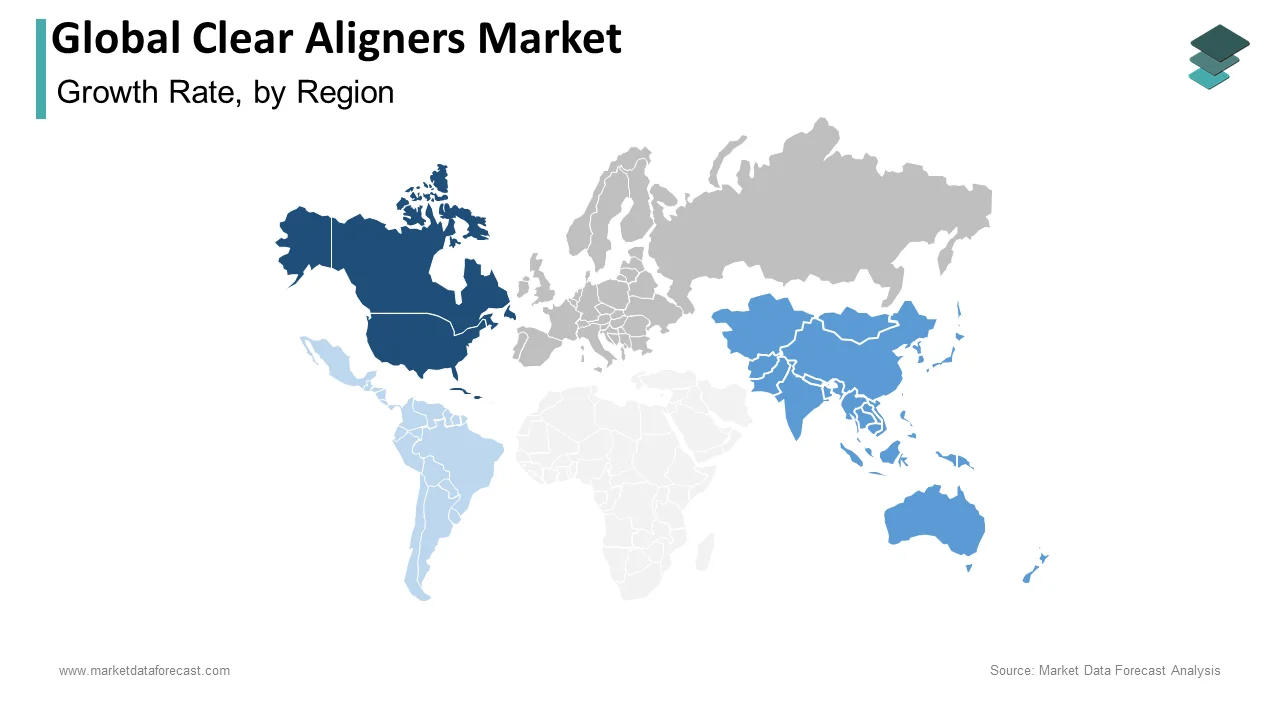
- North America dominated the global market in 2025 by accounting for 45.7% share, driven by high consumer awareness, strong adoption of digital dentistry, favorable reimbursement for selected procedures, and the presence of leading orthodontic solution providers.
- Europe held the second-largest position with 28.1% share in 2025, supported by increasing demand for cosmetic dentistry, well-established dental care infrastructure, and growing adoption of advanced orthodontic technologies.
- Asia-Pacific is projected to register the fastest growth during the forecast period, driven by rapid urbanization, expanding middle-class populations, rising disposable incomes, increasing dental tourism, and growing awareness of aesthetic orthodontic treatments.
Competitive Landscape
The global clear aligners market is highly competitive, with leading dental technology companies focusing on digital innovation, customized treatment solutions, and expanded clinical adoption. Market participants are investing in artificial intelligence, 3D printing, digital workflow integration, and advanced aligner materials to improve treatment outcomes and strengthen their market position. Strategic partnerships, product launches, acquisitions, and geographic expansion continue to shape the competitive landscape.
Prominent companies operating in the global clear aligners market include 3M, DynaFlex, Dentsply Sirona, Inc., TP Orthodontics Inc., SmileDirectClub, Clarus Company, Straumann Group, Envista Holdings Corporation, Align Technology, Danaher Corporation, Argen Corporation, Henry Schein, Inc., Great Lakes Dental Technologies, 3D Predict, ClearCorrect LLC, and Rocky Mountain Orthodontics.
Global Clear Aligners Market Size
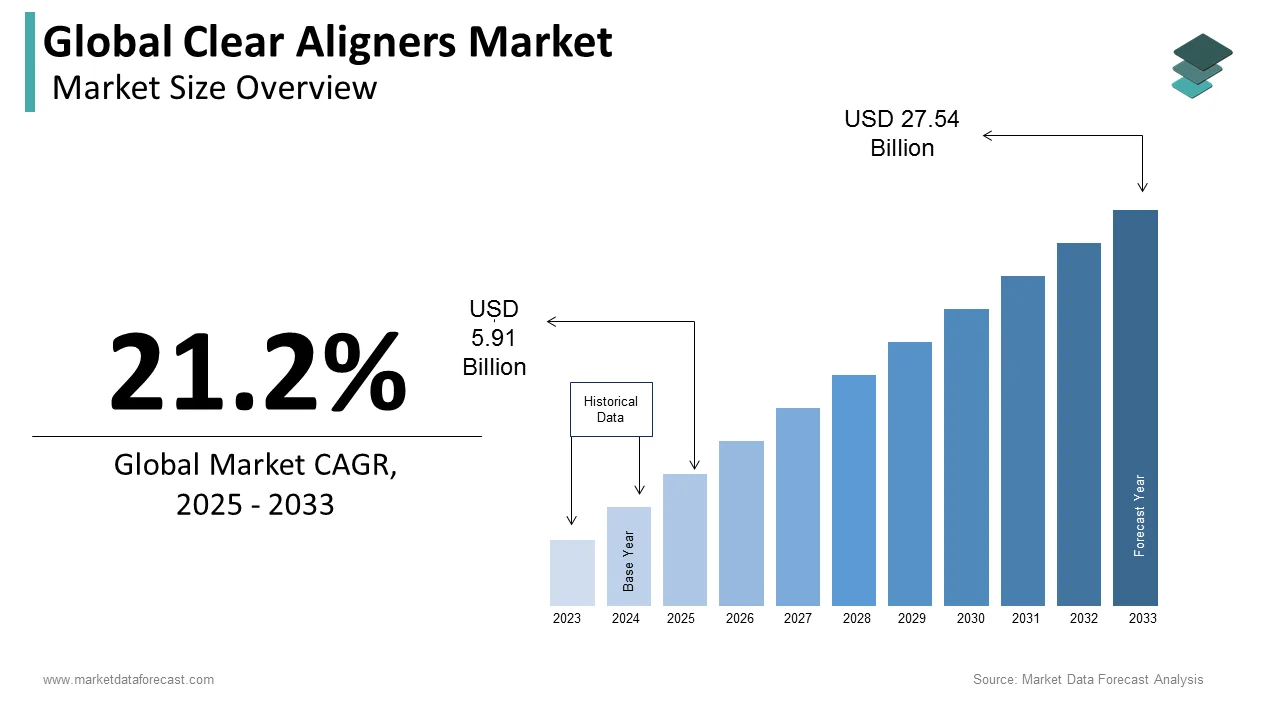
The global clear aligners market was worth US$ 5.91 billion in 2025 and is anticipated to reach a valuation of US$ 33.35 billion by 2034 from US$ 7.16 billion in 2026, and it is predicted to register a CAGR of 21.2% during the forecast period 2026 to 2034.
Clear aligners are a popular and discreet alternative to traditional metal braces. They are custom-made, transparent plastic trays that fit snugly over your teeth and apply gentle, controlled pressure to gradually shift them into their correct positions. This domain represents a significant shift in orthodontic care toward aesthetic discretion, patient comfort, and digital workflow integration. According to the World Health Organization Oral Health Data Portal, the global burden of oral diseases remains high, with untreated dental caries of permanent teeth affecting an estimated 2.5 billion people globally. Research shows that the European clear aligner market is heavily driven by adults seeking discreet, lifestyle-friendly aesthetic orthodontics over traditional metal braces. Clinical epidemiological literature indicates that malocclusion and tooth misalignment affect a substantial portion of global adolescent and adult populations, forming a massive target demographic for orthodontic intervention. Furthermore, the rise of teledentistry and direct-to-consumer models has democratized access to orthodontic treatment, bypassing traditional clinical barriers. Regulatory frameworks such as the European Union Medical Device Regulation classify clear aligners as Class IIa medical devices, ensuring stringent quality control and biocompatibility standards. The integration of artificial intelligence in treatment planning allows for precise movement prediction, enhancing clinical outcomes. These factors collectively define a market driven by consumer preference for invisibility, technological advancement in 3D printing, and the growing acceptance of remote monitoring protocols in modern orthodontic practice.
MARKET DRIVERS
Increasing Prevalence of Malocclusion and Aesthetic Consciousness
The rising global prevalence of dental malocclusion coupled with heightened aesthetic awareness drives the growth of the clear aligners market. The World Health Organization (WHO) indicates that malocclusion is one of the most prevalent oral conditions globally, with epidemiological reviews showing that over half of the adult population exhibits some degree of dental crowding or spacing. Also, the American Association of Orthodontists (AAO) indicates that millions of people in the United States undergo orthodontic treatment concurrently, with adult demographics consistently expanding due to aesthetic innovations. This psychological driver is particularly potent among millennials and Gen Z consumers who prioritize aesthetic appearance in personal and professional interactions. Clear aligners offer a discreet alternative to metal brackets, allowing patients to undergo treatment without visible hardware, which is crucial for public-facing professions. The visibility of social media platforms further amplifies this trend as influencers and celebrities showcase their transformation journeys, normalizing orthodontic care. In addition, the American Academy of Cosmetic Dentistry (AACD) shows that a vast majority of adults view an attractive smile as an essential social and professional asset, directly driving the consumer market for aesthetic dental treatments. The non-invasive nature of aligners also appeals to patients who wish to avoid the discomfort and dietary restrictions associated with traditional braces. The demand for invisible correction methods is surging across diverse demographics worldwide. This is driven by an expanding awareness that extends beyond basic oral hygiene to include aesthetic enhancement.
Technological Advancements in Digital Workflow and 3D Printing
Innovations in digital dentistry, including intraoral scanning, computer-aided design, and 3D printing, have fundamentally transformed the efficiency and accessibility of clear aligner therapy, which further propels the expansion of the global market. Traditional methods involving physical impressions are being replaced by digital scanners that capture precise 3D models of patient dentition in minutes, improving comfort and accuracy. Clinical evidence in the Journal of Clinical Orthodontics indicates that integrating intraoral scanning and automated digital planning software significantly accelerates the design, diagnostic accuracy, and manufacturing delivery loops for clear aligner therapy. The integration of artificial intelligence algorithms allows software to predict tooth movement with greater precision, optimizing the number of trays required and reducing overall treatment duration. Major manufacturers utilize advanced stereolithography and selective laser sintering 3D printing technologies to produce custom molds with micron-level accuracy, ensuring consistent force application. Furthermore, cloud-based platforms facilitate collaboration between orthodontists and laboratory technicians, allowing for real-time adjustments and remote monitoring. These technological enhancements lower operational costs for providers while improving patient satisfaction through reduced chair time and fewer emergency visits. The scalability of digital production enables mass customization, making clear aligners economically viable for a broader range of cases, including complex malocclusions previously treated only with fixed appliances, thereby expanding the total addressable market significantly.
MARKET RESTRAINTS
High Treatment Costs and Limited Insurance Coverage
The substantial financial burden associated with this aligner therapy is a significant restraint to the clear aligners market. This limits accessibility for middle- and lower-income populations. Studies indicate that a comprehensive, professional clear aligner treatment regimen generally ranges between $3,000 and $8,000, with final costs varying by geographic location and malocclusion complexity. This price point is often higher than traditional metal braces, which typically cost between 2000 and 6000 dollars making aligners a premium option. Unlike medical procedures, many national healthcare systems and private insurance plans classify clear aligners as cosmetic treatments, resulting in minimal or no coverage. The National Association of Dental Plans clarifies that standard individual dental insurance plans commonly classify adult orthodontics as an elective cosmetic treatment, often completely excluding it or applying low lifetime maximum caps. In Europe, disparities in coverage exist, with countries like Germany offering limited support for severe functional impairments while excluding purely aesthetic corrections. This financial constraint forces many potential patients to defer treatment or opt for cheaper, less effective alternatives such as over-the-counter kits, which lack professional supervision. Economic downturns and inflationary pressures further reduce disposable income available for elective healthcare services, causing patients to cancel or postpone planned treatments. The out-of-pocket expense creates a barrier to entry that restricts market growth primarily to affluent demographics, thereby limiting the widespread adoption of clear aligners in price-sensitive regions and underserved communities.
Clinical Limitations and Compliance Dependencies
The efficacy of these aligners is heavily dependent on patient compliance, and they possess inherent clinical limitations for complex orthodontic cases, which is a constraint on universal adoption and the expansion of the clear aligners market. Successful treatment requires patients to wear aligners for 20 to 22 hours daily, a regimen that many individuals struggle to maintain consistently. Clinical trials in The Angle Orthodontist demonstrate that suboptimal wear-time compliance can affect up to 30% of patients, frequently leading to lost tracking, extended treatment times, or the need for mid-course case refinements. Unlike fixed braces, which exert continuous force regardless of patient behavior, aligners rely on voluntary adherence, making them unsuitable for children or individuals with low discipline. Furthermore, clear aligners are less effective in correcting severe rotations, vertical discrepancies, and large gaps compared to traditional appliances. The American Board of Orthodontics states that complex cases involving significant skeletal discrepancies often require surgical intervention or fixed appliances for optimal results. Attempting to treat such cases with aligners alone can lead to root resorption or incomplete closure of spaces. Additionally, the need for frequent tray changes increases the risk of loss or damage, requiring costly replacements. These clinical constraints limit the applicability of clear aligners to mild and moderate cases, excluding a significant portion of the orthodontic patient population. The reliance on patient cooperation introduces variability in outcomes that can damage provider reputation and deter clinicians from recommending aligners for borderline cases, thereby restraining market expansion into more complex therapeutic areas.
MARKET OPPORTUNITIES
Expansion into Emerging Markets with Rising Disposable Income
Emerging economies in Asia Pacific, Latin America, and Eastern Europe offer significant opportunities for the growth of the clear aligners market. This is driven by increasing disposable incomes and an expanding middle-class population. Countries such as China, India, and Brazil are witnessing a surge in demand for aesthetic dental care as urbanization and westernization influence beauty standards. As purchasing power rises, consumers in these regions are willing to pay premium prices for discreet orthodontic solutions that align with global trends. The presence of local manufacturing hubs in Asia is reducing the cost of production, making aligners more affordable for regional patients. Furthermore, the young demographic profile in countries like India, where 50 percent of the population is under 25 years old as per the United Nations Department of Economic and Social Affairs, creates a long-term pipeline of patients seeking cosmetic improvements. Government initiatives to improve healthcare access and the rise of medical tourism further accelerate market penetration. Local distributors partnering with global brands to provide training and financing options are lowering entry barriers. This combination of demographic advantage, economic growth, and cultural shift positions emerging markets as critical growth engines for the clear aligners industry in the coming decade.
Integration of Artificial Intelligence and Remote Monitoring
The incorporation of artificial intelligence and remote monitoring technologies opens new avenues for efficiency, patient engagement, and expanded service capabilities in the clear aligners market. AI algorithms analyze intraoral scans to automate treatment planning, reducing the time required for orthodontists to design movement sequences from hours to minutes. Research published in orthodontic journals shows that AI predictive algorithms can map biomechanical tooth displacement with exceptional precision, enabling clinicians to plan optimal force distribution. Remote monitoring applications allow patients to submit photos of their teeth via smartphones, enabling orthodontists to track progress and detect issues without frequent office visits. Studies show that integrating remote artificial intelligence monitoring systems can decrease routine in-person check-ups by up to 50%, minimizing practice overhead while improving tracking accuracy. This technology facilitates the direct-to-consumer model where patients receive aligners by mail and manage their treatment virtually. Additionally, AI-driven chatbots provide instant support for common queries, improving patient adherence and satisfaction. The integration of these digital tools creates a scalable business model that allows providers to manage larger patient volumes efficiently. As 5G networks expand, the quality of real-time data transmission improves, enabling more sophisticated remote diagnostics. This technological convergence not only enhances clinical outcomes but also creates new revenue streams for software developers and device manufacturers, fostering innovation and differentiation in a competitive market landscape.
MARKET CHALLENGES
Shortage of Qualified Orthodontists and Training Gaps
The global shortage of qualified orthodontists capable of managing complex cases and overseeing direct-to-consumer treatments is a critical challenge for the clear aligners market. The World Health Organization reflects a severe deficit of dental professionals in lower-income regions, where access to specialized orthodontic practitioners remains critically limited compared to mature markets. Even in developed nations, there is a mismatch between the number of general dentists offering aligners and those with specialized training in biomechanics. The American Association of Orthodontists (AAO) emphasizes that clear aligner therapy requires comprehensive postgraduate orthodontic education, highlighting that short manufacturer-led certification courses for non-specialists can introduce clinical risks in complex case management. Improper case selection or inadequate monitoring by untrained providers can result in bite issues, gum recession, and tooth loss. This skills gap limits the capacity of the market to meet growing demand safely and effectively. Furthermore, the rapid proliferation of direct-to-consumer brands bypasses traditional clinical oversight, raising concerns about patient safety and regulatory compliance. Addressing this challenge requires significant investment in educational programs and standardized certification processes. However, the fragmented nature of dental education globally makes uniform skill development difficult. Without adequate professional supervision, the risk of adverse events increases, potentially leading to stricter regulations that could stifle market growth. This human resource constraint threatens the sustainability of the industry as it scales, particularly in regions where access to specialized care is already limited.
Regulatory Scrutiny and Direct-to-Consumer Safety Concerns
Increasing regulatory scrutiny regarding direct-to-consumer clear aligner models is a major barrier to the expansion of the global market. This negatively affects operational flexibility. Health authorities in various jurisdictions are raising concerns about the safety and efficacy of aligners provided without in-person clinical examinations. The U.S. Food and Drug Administration maintains active regulatory scrutiny over direct-to-consumer dental laboratories, issuing warning letters to platforms that violate federal medical device manufacturing protocols or fail to secure necessary product clearances. According to the European Commission, the implementation of the Medical Device Regulation has tightened requirements for clinical evidence and post-market surveillance, making it harder for new entrants to launch products quickly. These regulations aim to protect patients from potential harm such as undiagnosed periodontal disease or bone loss that may be exacerbated by unsupervised tooth movement. However, compliance with these stringent standards increases development costs and time to market for manufacturers. Legal liabilities associated with treatment failures also pose financial risks for companies operating in the direct-to-consumer space. Class action lawsuits alleging negligence and false advertising have emerged in recent years, prompting insurers to raise premiums. The uncertainty surrounding regulatory frameworks in different countries creates barriers to global expansion. Companies must navigate a complex web of local laws and professional guidelines which can vary significantly. This regulatory environment necessitates robust legal and compliance teams, adding to operational overhead and potentially slowing down innovation and market entry strategies for key players in the industry.
REPORT COVERAGE
| REPORT METRIC | DETAILS |
| Market Size Available | 2025 to 2034 |
| Base Year | 2025 |
| Forecast Period | 2026 to 2034 |
| Segments Covered | By Age of the patient, End-user, and Region. |
| Various Analyses Covered | Global, Regional and Country-Level Analysis, Segment-Level Analysis, Drivers, Restraints, Opportunities, Challenges; PESTLE Analysis; Porter’s Five Forces Analysis, Competitive Landscape, Analyst Overview of Investment Opportunities |
| Regions Covered | North America, Europe, Asia Pacific, Latin America, Middle East & Africa |
| Market Leaders Profiled | 3M, DynaFlex, Dentsply Sirona, Inc., TP Orthodontics Inc., SmileDirectClub, Clarus Company, Straumann Group, align technology, Danaher Corporation, Argen Corporation, Henry Schein, Inc., Great Lakes Dental Technologies, 3D Predict, Clear Correct LLC, Rocky Mountain Orthodontics, SmileDirectClub, and Others. |
SEGMENTAL ANALYSIS
By Age of the Patient Insights
The adults segment dominated the Clear Aligners Market and accounted for a substantial share in 2025. This dominance of the segment was driven by a profound shift in aesthetic preferences and the desire for professional discretion during orthodontic treatment. The main factor behind this dominance is the increasing participation of adults in the workforce, where visible metal braces are often perceived as unprofessional or detrimental to personal branding. The American Association of Orthodontists demonstrates that adults comprise nearly 30% of active orthodontic cases, a historic increase accelerated by the availability of invisible appliances. Clear aligners offer a virtually invisible solution that allows professionals to correct malocclusion without impacting their career image. A further major factor is the higher disposable income among adults compared to teenagers, enabling them to afford premium aesthetic treatments that are often not fully covered by insurance. The Bureau of Labor Statistics indicates that individuals aged 25 to 54 have the highest median earnings, providing the financial capacity to invest in elective cosmetic procedures. Furthermore, many adults who did not receive orthodontic care in childhood are now seeking correction for long-standing issues such as crowding or spacing. The convenience of remote monitoring and flexible payment plans offered by providers further facilitates adult adoption. Unlike adolescents who may require parental consent and funding, adults make autonomous healthcare decisions prioritizing comfort and aesthetics. This demographic also exhibits higher compliance rates due to motivation and responsibility, ensuring successful treatment outcomes, which reinforces provider confidence in prescribing aligners for adult cases, thereby sustaining market leadership.
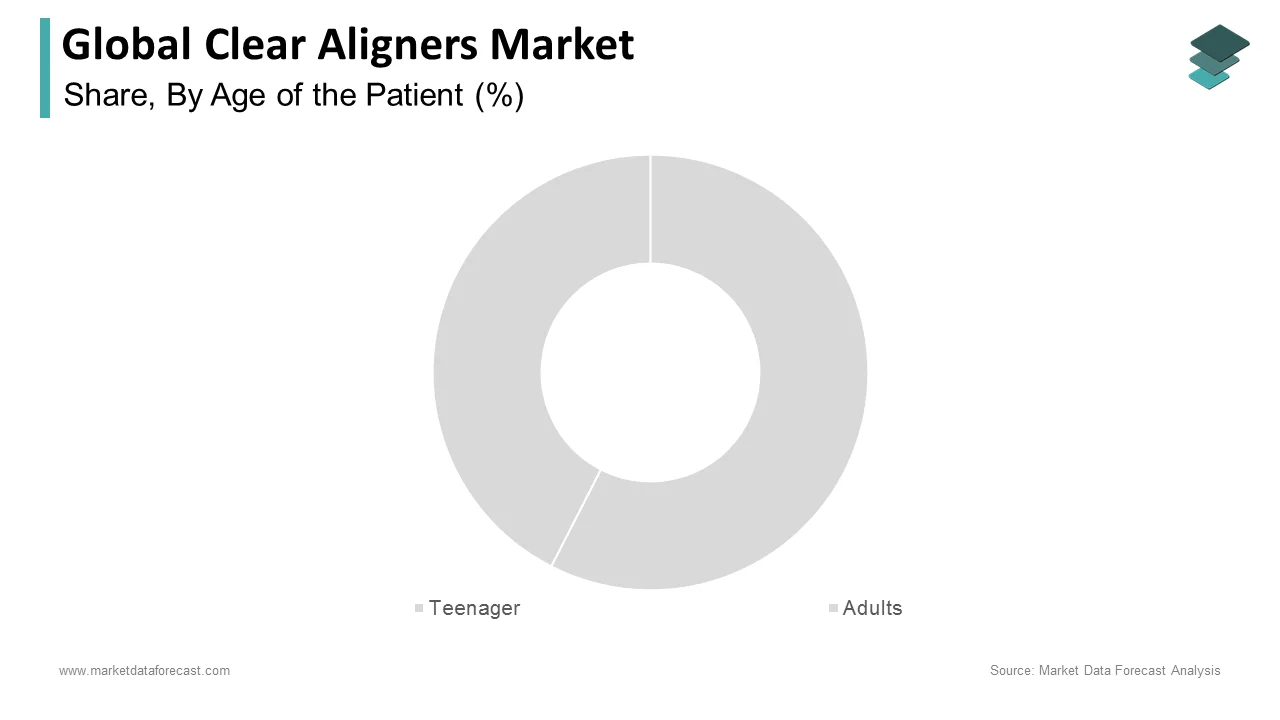
On the other hand, the teenager segment is predicted to witness the highest CAGR of 16.5% from 2026 to 2034 due to early intervention trends and parental willingness to invest in preventive care. One of the major drivers of this rapid growth is the increasing awareness among parents and pediatric dentists about the benefits of early orthodontic assessment and treatment. The American Association of Orthodontists recommends that children receive their initial specialist orthodontic check-up by age 7 to detect jaw growth and bite discrepancies early. Clear aligner manufacturers have responded by designing specific product lines tailored for growing jaws and mixed dentition stages. These teen-specific aligners often include compliance indicators such as color-changing dots that help parents monitor wear time, addressing the common challenge of adherence in younger patients. A different driving factor is the influence of social media and peer pressure, where teenagers are highly conscious of their appearance and seek discreet solutions to avoid bullying or self-esteem issues associated with traditional braces. Additionally, insurance coverage for pediatric orthodontics is more widespread than for adults, reducing the financial barrier for families. As digital workflows become more accessible to general dentists who treat younger patients, the availability of clear aligner therapy for teenagers continues to expand rapidly across global markets.
By End Users Insights
The dental and orthodontic clinics segment led the Clear Aligners Market and captured a significant share in 2025. Its specialized expertise and established patient relationships have contributed to the leading position of this segment. The primary driver for this position is the clinical complexity of orthodontic treatment, which requires precise diagnosis, treatment planning, and ongoing monitoring that general hospitals are not equipped to provide efficiently. According to the American Dental Association, there are over 200000 active dentists in the United States alone, with a significant portion offering clear aligner therapy, creating a vast distribution network. Orthodontists possess advanced training in biomechanics and tooth movement, ensuring higher success rates and patient satisfaction compared to non-specialist providers. Additionally, an extra reason this segment leads is the personalized care model inherent to private clinics where patients receive regular in-person adjustments and immediate support for any issues. This hands-on approach builds trust and loyalty, encouraging patients to choose clinic-based treatment over direct-to-consumer alternatives. Furthermore, clinics often bundle aligner therapy with other dental services such as whitening or retainers, creating comprehensive care packages that enhance value. The integration of intraoral scanners and 3D printers within clinics has streamlined the workflow, allowing for faster turnaround times and better communication with laboratories. Regulatory guidelines in many countries mandate professional supervision for orthodontic devices, reinforcing the central role of licensed practitioners. These factors ensure that dental and orthodontic clinics remain the primary channel for clear aligner delivery globally.
However, the hospitals segment is estimated to register the fastest CAGR of 12.8% during the forecast period owing to the integration of multidisciplinary care and complex reconstructive needs. A key reason for this growth is the increasing recognition of oral health as integral to overall systemic health, prompting hospitals to expand their dental departments. According to the World Health Organization, integrated care models improve outcomes for patients with conditions such as cleft lip and palate or craniofacial anomalies, which often require coordinated orthodontic and surgical interventions. Hospitals are uniquely positioned to provide these comprehensive services under one roof, utilizing clear aligners as part of pre- and post-surgical orthodontic preparation. The segment also grows fast with help from the rising volume of trauma cases requiring dental reconstruction, where clear aligners offer a comfortable and efficient method for aligning teeth after jaw surgery or injury. Academic medical centers attached to universities also contribute to growth by serving as training hubs for residents and conducting clinical research on new aligner technologies. Government-funded healthcare systems in countries like the United Kingdom and Canada are increasingly covering orthodontic treatments for severe functional impairments performed in hospital settings. Additionally, hospitals are adopting digital health records that facilitate seamless referral pathways between medical and dental specialists. This convergence of medical and dental care within hospital environments is expanding the scope of clear aligner applications beyond cosmetic correction to include essential rehabilitative therapies.
REGIONAL ANALYSIS
North America Clear Aligners Market Analysis
North America was the top performer and accounted for a 45.7% share of the global Clear Aligners Market in 2025. This supremacy of the regional market was driven by high aesthetic awareness and advanced dental infrastructure. The United States serves as the primary engine of growth, characterized by a strong culture of cosmetic dentistry and high disposable income levels. Data from the American Dental Association (ADA) tracks over 10,000 practicing specialists in the United States, maintaining a dense orthodontic infrastructure that commands the largest share of the global advanced orthodontics landscape. The presence of major market players such as Align Technology, headquartered in California, fosters innovation and competitive pricing within the region. High penetration of dental insurance plans that cover partial orthodontic costs reduces the financial burden for patients, encouraging adoption. Furthermore, the widespread acceptance of teledentistry and remote monitoring technologies has expanded access to rural areas where specialist availability is limited. The aging population seeking to maintain professional appearances and the young demographic influenced by social media trends create dual demand drivers. Regulatory clarity from the Food and Drug Administration regarding clear aligner classification provides a stable environment for market expansion. Additionally, the high prevalence of malocclusion due to dietary habits and genetic factors ensures a consistent patient pool. These converging factors of technological readiness, financial capacity, and cultural emphasis on aesthetics solidify North America's leadership in the global clear aligners market with continuous adoption of premium digital workflows.
Europe Clear Aligners Market Analysis
Europe was the second largest region in the Clear Aligners market and captured a 28.1% share in 2025. This growth of the European market was supported by diverse healthcare systems and stringent regulatory standards. Germany, France, and the United Kingdom are the key contributors, driven by well-established dental care cultures and increasing demand for aesthetic solutions. Eurostat underscores that Europe's population is aging rapidly, which healthcare literature notes has significantly increased the demand for advanced functional and restorative adult oral treatments. The implementation of the European Union Medical Device Regulation has raised quality standards, ensuring patient safety and fostering trust in clear aligner products. In Germany, statutory health insurance covers basic orthodontic care for severe cases, but many patients opt for clear aligners, paying the difference out of pocket due to aesthetic preferences. Private dental insurance penetration is high in countries like Switzerland and the Netherlands, facilitating access to advanced treatments. The region also sees significant growth in medical tourism, particularly in Eastern European countries where lower costs attract patients from Western Europe. Technological adoption is rapid, with many European clinics utilizing digital impression systems and AI-driven planning tools. These dynamics ensure steady market growth supported by an aging population and strong clinical expertise across the continent. The emphasis on minimally invasive treatments aligns with European healthcare values, promoting clear aligners as a preferred alternative to traditional braces.
Asia Pacific Clear Aligners Market Analysis
Asia Pacific is the fastest-growing regional market due to rapid urbanization and rising middle-class populations. China, India, Japan, and South Korea are the primary markets supported by government initiatives to enhance oral health services and increasing awareness of cosmetic dentistry. The Chinese Stomatological Association reports that the number of private dental clinics in China has grown significantly, reflecting increased investment in oral care infrastructure. Rising disposable incomes in India and Southeast Asia are making premium aesthetic treatments more accessible to a broader demographic. Japan has one of the highest rates of dental anxiety among populations, making the comfort and invisibility of clear aligners particularly appealing. Japan's Ministry of Health, Labour and Welfare actively promotes universal preventative dental check-ups to enhance lifelong oral health, fostering a population that is highly proactive about clinical dental interventions. Medical tourism in Thailand and Malaysia attracts international patients seeking affordable, high-quality aligner therapy. Local manufacturing hubs in China and South Korea are reducing production costs, making aligners more competitive against imported brands. The young demographic profile in countries like India creates a large potential customer base. As digital literacy increases and e-commerce platforms facilitate direct-to-consumer models, the region is poised for explosive growth in the clear aligners sector.
Latin America Clear Aligners Market Analysis
Latin America is an emerging region in the Clear Aligners market owing to growing adoption rates and significant potential driven by medical tourism and expanding private healthcare sectors. Brazil, Mexico, and Argentina are the largest markets supported by a strong culture of aesthetic dentistry and increasing access to credit for healthcare services. According to the Pan American Health Organization, oral health coverage has improved in several countries, though out-of-pocket spending remains high. Brazil is a global leader in dental tourism with thousands of international visitors annually seeking affordable aesthetic procedures, including clear aligners. In Mexico, proximity to the United States drives cross-border dental tourism where aligners cost significantly less than in the US. Rising middle-class populations in Chile and Colombia are investing in long-term dental solutions as awareness of oral health benefits grows. Private dental chains are expanding rapidly, offering standardized aligner services with financing options. However, economic volatility and currency fluctuations can impact purchasing power and delay investments in expensive equipment. Despite these challenges, the region benefits from a large pool of skilled dentists trained in international standards. The combination of cost competitiveness, aesthetic consciousness, and improving infrastructure ensures steady growth in the Latin American clear aligners market, particularly in urban centers.
Middle East and Africa Clear Aligners Market Analysis
The Middle East and Africa region is predicted to expand notably in the clear aligners market during the forecast period. Gulf Cooperation Council countries are leading adoption, while Sub-Saharan Africa remains in the early stages of development. Saudi Arabia, the United Arab Emirates, and Qatar drive regional growth through massive healthcare investments and high per capita spending on cosmetic procedures. Backed by high regional purchasing power, massive infrastructure investments across the Gulf Cooperation Council (GCC) have fueled a premium healthcare boom, accelerating the adoption of digital impression and clear aligner technologies. The Dubai Health Authority mandates strict licensing for dental practitioners, ensuring high standards of care that attract medical tourists from across the region. In contrast, Sub-Saharan Africa faces significant barriers including limited infrastructure and shortage of specialists. However, South Africa and Kenya serve as regional hubs with private laboratories offering aligner services to affluent local populations and international visitors. The rising prevalence of lifestyle diseases and increased awareness of oral hygiene in urban areas are driving demand for corrective treatments. Government initiatives in countries like Egypt and Morocco aim to improve oral health education, potentially expanding the future market. While current penetration is low outside the Gulf, the region offers long-term growth potential as economic diversification and healthcare reforms progress. The adoption of telemedicine and mobile health solutions may help bridge the gap in specialist access, enabling wider distribution of clear aligner therapies in the coming years.
COMPETITIVE LANDSCAPE
The competitive landscape of the Clear Aligners Market is characterized by intense rivalry between established industry leaders and agile newcomers striving for technological differentiation and cost efficiency. Dominant players maintain their positions through extensive clinical data libraries and strong brand recognition among orthodontists and patients. However, emerging competitors are disrupting traditional models by offering lower-priced alternatives and faster turnaround times for custom aligner production. Price competition is becoming increasingly fierce as more manufacturers enter the space, forcing incumbents to justify premium pricing through superior service and advanced features. Strategic alliances with dental equipment suppliers enable companies to bundle scanners and software with aligner services, creating locked-in ecosystems that enhance customer retention. Furthermore, the rise of direct-to-consumer brands challenges traditional clinic-based models by offering affordable remote monitoring options. This shift pressures established players to adapt their business models and enhance digital capabilities. Intellectual property disputes regarding patent protections for materials and software algorithms also shape the competitive dynamics. Companies must continuously innovate in design automation and customer experience to distinguish themselves in a crowded marketplace where ease of use and clinical predictability are paramount for long-term success and provider loyalty.
KEY MARKET PLAYERS
Major players operating in the global clear aligners market include
- 3M
- DynaFlex
- Dentsply Sirona, Inc.
- TP Orthodontics Inc.
- SmileDirectClub
- Clarus Company
- Straumann Group
- Envista Holdings Corporation
- Align Technology
- Danaher Corporation
- Argen Corporation
- Henry Schein, Inc.
- Great Lakes Dental Technologies
- 3D Predict
- Clear Correct LLC
- Rocky Mountain Orthodontics
- SmileDirectClub
TOP PLAYERS IN THE GLOBAL MARKET
- Align Technology stands as the pioneer and global leader in the Clear Aligners Market through its proprietary Invisalign system, which has transformed orthodontic care. The company leverages a vast database of clinical outcomes to refine its SmartTrack material and treatment algorithms, ensuring predictable results for complex cases. Recently, Align Technology has strengthened its position by expanding its direct-to-consumer offerings and enhancing its digital ecosystem with advanced intraoral scanning solutions. The corporation actively invests in artificial intelligence to automate treatment planning, reducing turnaround time for clinicians. By fostering strong relationships with orthodontists and general dentists worldwide, Align ensures its brand remains synonymous with quality and reliability. Its continuous innovation in material science and software integration maintains its competitive edge and drives widespread adoption among healthcare providers seeking efficient and effective aesthetic orthodontic solutions for diverse patient demographics globally.
- Envista Holdings Corporation significantly influences the Clear Aligners Market through its Spark Clear Aligner system, which emphasizes superior clarity and comfort for patients. The company focuses on providing orthodontists with flexible treatment options and robust clinical support to differentiate its offerings from competitors. Recently, Envista has expanded its global footprint by launching Spark in new international markets and enhancing its digital platform for streamlined case submission. The corporation prioritizes education and training programs to empower clinicians with the skills needed to achieve optimal outcomes using clear aligners. By integrating its aligner business with other dental specialties, Envista creates synergies that enhance overall practice efficiency. Its commitment to high-quality materials and customer service has earned strong loyalty among practitioners who value transparency and ease of use. These strategic initiatives enable Envista to capture a growing share of the market by appealing to providers seeking reliable alternatives to established brands while maintaining high standards of clinical excellence and patient satisfaction.
- Dentsply Sirona contributes robustly to the Clear Aligners Market by offering comprehensive digital workflows that integrate intraoral scanning with clear aligner therapy. The company provides both its own branded aligner solutions and partners with specialized laboratories to deliver customized treatment plans. Recently, Dentsply Sirona has enhanced its market position by advancing its Primescan intraoral scanner technology, which improves accuracy and patient comfort during data capture. The organization focuses on connecting hardware and software to create seamless experiences for dental professionals managing orthodontic cases. By leveraging its extensive distribution network and established presence in dental offices worldwide, Dentsply Sirona facilitates easier access to clear aligner treatments for general practitioners. Its emphasis on digital dentistry and automation helps clinics increase efficiency and reduce chair time. These efforts strengthen its reputation as a key enabler of modern orthodontic practices, allowing more dentists to offer clear aligner therapy confidently, thereby expanding the total addressable market for invisible correction systems across various geographic regions and practice types.
TOP STRATEGIES USED BY KEY MARKET PARTICIPANTS
Key players in the Clear Aligners Market primarily focus on technological innovation by integrating artificial intelligence and machine learning into treatment planning software to enhance precision and efficiency. Companies actively pursue strategic partnerships with intraoral scanner manufacturers to create seamless digital workflows that simplify data collection and case submission for clinicians. Expanding direct-to-consumer channels allows firms to reach patients directly while maintaining professional oversight through telemedicine platforms. Manufacturers also invest heavily in material science research to develop thinner, stronger, and more comfortable aligner materials that improve patient compliance and treatment speed. Geographic expansion into emerging markets through local manufacturing hubs helps reduce costs and tailor products to regional needs. Additionally, leading participants prioritize extensive educational programs and certification courses to train general dentists in orthodontic principles, thereby broadening the provider base and increasing market penetration globally.
MARKET SEGMENTATION
This market research report on the global clear aligners market has been segmented and sub-segmented based on age of the patient, end-user, and region age.
By Age of the Patient
- Teenager
- Adults
By End-User
- Hospitals
- Dental & Orthodontic Clinics
By Region
- North America
- Europe
- Asia-Pacific
- Latin America
- Middle East and Africa