- Product Description Description
- Table of Contents TOC
- List of Table & Figure LOT
- Get Free Sample PDF Sample PDF
Market Size, 2025
$1.55 BnMarket Estimate, 2026
$1.67 BnMarket Forecast, 2034
$3.05 BnCAGR, 2026–2034
7.8%Global Feed Mycotoxin Detoxifier Market Size, Growth, Trends & Forecast (2026–2034)
The global feed mycotoxin detoxifier market size was valued at USD 1.55 billion in 2025, is anticipated to reach USD 1.67 billion in 2026, and is projected to scale up to USD 3.05 billion by 2034, registering a robust compound annual growth rate (CAGR) of 7.8% during the forecast period from 2026 to 2034. Propelled by climate change-driven fungal proliferation, strict regulatory standards, expanding livestock production, and advancements in enzymatic and biological degradation technologies, the market is expanding rapidly worldwide.
Key Executive Metrics (At-a-Glance)
- 2025 Base Valuation: USD 1.55 Billion
- 2026 Current Valuation: USD 1.67 Billion
- 2034 Forecast Valuation: USD 3.05 Billion
- Compound Annual Growth Rate (CAGR): 7.8% (2026–2034)
- Dominant Livestock Segment: Poultry (holding the leading share in 2025 due to high vulnerability, large production volume, and short production cycles)
- Fastest-Growing Livestock Segment: Aquaculture (projected at a promising 10.5% CAGR driven by fish/shrimp farming intensification and plant-based aquafeed shifts)
- Dominant Type Segment: Binders (dominating with the highest share in 2025 anchored by clay minerals like bentonite/zeolite, cost-effectiveness, and reliability)
- Fastest-Growing Type Segment: Bio-transformers (projected at a rapid 12.2% CAGR powered by enzymatic and microbial toxin degradation without nutrient interference)
- Dominant End Users Segment: Feed Manufacturers (capturing the largest share in 2025 through bulk procurement and quality assurance integrations)
- Key Regional Hubs: Asia Pacific (dominant due to massive pork/poultry sectors and high humidity contamination risks) and North America (innovation leader in biological detoxifiers)
Core Market Drivers
- Climate Change & Fungal Proliferation: Rising temperatures and erratic rainfall increasing mycotoxin occurrences (aflatoxins, fumonisins) in staple crops like corn and wheat.
- Strict Regulatory Enforcement: Enforced maximum residue limits by bodies like EFSA and FDA mandating proactive detoxification measures across food and feed supply chains.
Primary Market Restraints & Challenges
- High Costs & Economic Constraints: Premium pricing of advanced enzymatic additives limiting adoption among budget-conscious smallholder farmers.
- Multi-Mycotoxin Complexity: Co-occurrence of diverse toxin cocktails requiring sophisticated, broad-spectrum protection solutions.
Global Feed Mycotoxin Detoxifier Market Segmentation Breakdown
| Segment Category | Largest (Dominant) Sub-Segment | Fastest-Growing Sub-Segment |
|---|---|---|
| By Livestock | Poultry (leading share in 2025 via high sensitivity to aflatoxins and extensive consumption scale) | Aquaculture (10.5% CAGR driven by shrimp/salmon farming intensification and aquafeed shifts) |
| By Type | Binders (highest share via clay minerals like bentonite/zeolite and economic accessibility) | Bio-transformers (12.2% CAGR powered by enzymatic degradation into non-toxic metabolites) |
| By End Users | Feed Manufacturers (largest share through bulk commercial integrations and compliance protocols) | Large-Scale Livestock Integrators & Commercial Farms |
| By Region | Asia Pacific (dominant regional market due to massive livestock volume and humid climate risks) | North America (leading hub for biotechnology innovation and antibiotic-free meat solutions) |
Major Industry Players Profiled
Key enterprises shaping the competitive global feed mycotoxin detoxifier market include ADM Animal Nutrition, Biomin Holding GmbH (ERBER Group), Kemin Industries, Inc., Alltech Bio-products Co., Ltd., AMLAN International, Belgium Impextraco, Prince Agri, Perstorp Performance Additives, and Special Nutrients, Inc.
Global Feed Mycotoxin Detoxifier Market Size
The global feed mycotoxin detoxifier market size was valued at USD 1.55 billion in 2025 and is anticipated to reach USD 1.67 billion in 2026 to reach USD 3.05 billion by 2034, growing at a CAGR of 7.8% during the forecast period from 2026 to 2034.
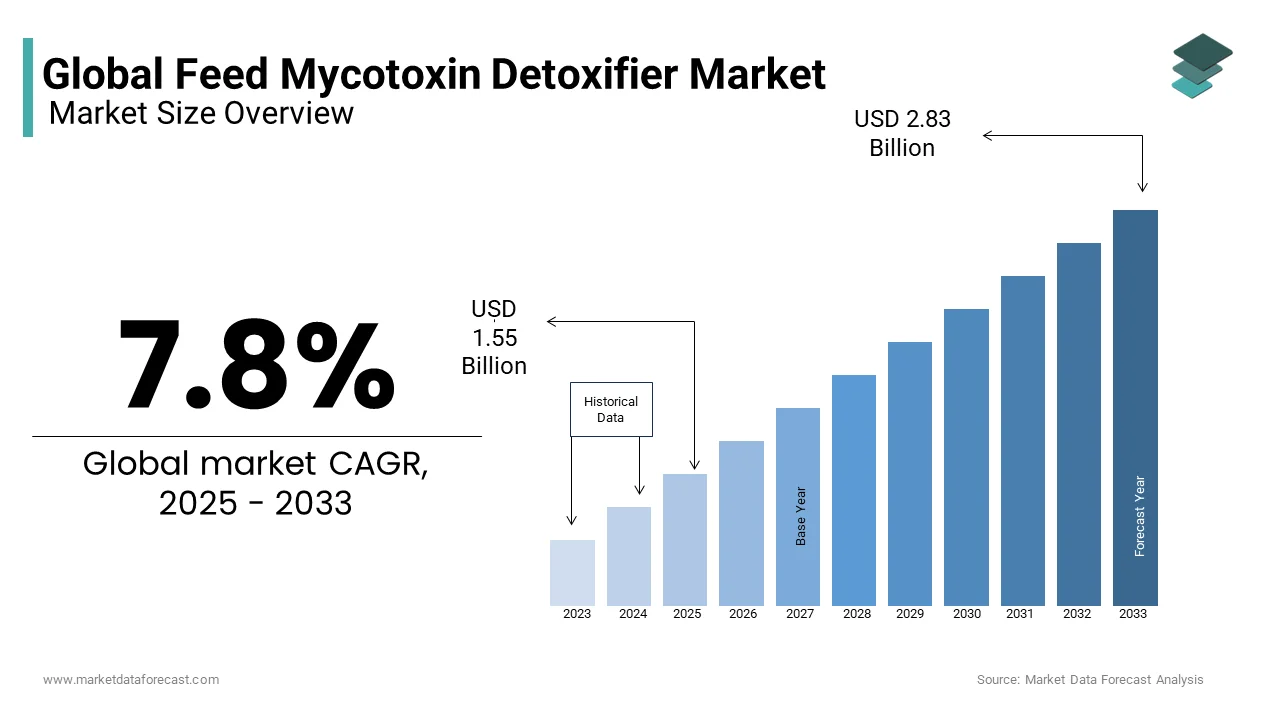
Feed mycotoxin detoxifiers encompasses a specialized segment of animal nutrition focused on additives designed to bind, neutralize, or degrade toxic secondary metabolites produced by fungi in feed ingredients. These contaminants, including aflatoxins, ochratoxins, zearalenone, and fumonisins, pose severe risks to livestock health, causing immunosuppression, reduced productivity, and potential transmission of toxins to human consumers through meat, milk, and eggs. The definition of this market has expanded from simple clay-based binders to advanced enzymatic and biological solutions that offer targeted degradation of specific mycotoxins. As per the Food and Agriculture Organization of the United Nations, approximately 25% of the world’s crops are affected by mycotoxins, with significant losses occurring in tropical and subtropical regions where humidity favors fungal growth. According to the World Health Organization, chronic exposure to aflatoxins is linked to liver cancer and stunted growth in children, highlighting the public health imperative for effective control measures. The demographic landscape shows increasing global demand for animal protein, and as per the United States Department of Agriculture, global meat consumption is projected to rise by 14% by 2030. This intensification of livestock production increases the risk of contamination due to high-volume storage and transport. Consumer behavior reflects growing concern over food safety, driving regulatory bodies to enforce stricter limits on mycotoxin levels in food products. Regulatory frameworks, such as those established by the European Food Safety Authority, mandate maximum residue limits influencing the adoption of detoxification strategies. The market is characterized by innovation in biotechnology aiming for higher efficacy and specificity. As climate change alters weather patterns, the prevalence of mycotoxins is expected to increase, necessitating robust mitigation solutions. This evolution underscores the critical role of detoxifiers in ensuring food security and safety.
MARKET DRIVERS
Increasing Prevalence of Mycotoxin Contamination Due to Climate Change
The increasing prevalence of mycotoxin contamination due to climate change is a key factor driving the growth of the global feed mycotoxin detoxifiers market. Rising temperatures and erratic rainfall patterns create ideal environments for fungi such as Aspergillus, Fusarium, and Penicillium to thrive, leading to higher contamination rates in corn, wheat, and soybeans. According to the Intergovernmental Panel on Climate Change, extreme weather events have increased in frequency and intensity, resulting in a 25% rise in mycotoxin occurrences in staple crops over the past decade. As per the International Agency for Research on Cancer, aflatoxin contamination is particularly severe in sub-Saharan Africa and Southeast Asia, affecting both local food supplies and export markets. The spread of mycotoxins into temperate regions previously considered low-risk further amplifies the need for protective measures. Livestock producers face significant economic losses due to reduced feed intake, poor weight gain, and increased veterinary costs associated with mycotoxicosis. The unpredictability of contamination levels necessitates the routine use of detoxifiers as a preventive measure rather than a reactive solution. Governments are implementing stricter monitoring protocols requiring farmers to adopt mitigation strategies to comply with safety standards. The correlation between climate variability and fungal proliferation ensures sustained demand for effective detoxification products. This driver creates an urgent need for innovative solutions that can handle diverse and emerging toxin profiles. The focus on resilience in agriculture supports the adoption of advanced detoxifiers.
Stringent Regulatory Standards and Food Safety Concerns
Stringent regulatory standards and increased food safety concerns are further boosting the global market expansion. Regulatory bodies worldwide have established maximum limits for mycotoxins in animal feed and derived food products to protect human and animal health. According to the European Food Safety Authority, the permissible limit for aflatoxin B1 in complete feed for dairy cattle is strictly enforced at 0.005 mg/kg, reflecting the zero-tolerance approach to carcinogenic substances. As per the United States Food and Drug Administration, thousands of tons of contaminated grain are rejected annually due to non-compliance with safety standards, resulting in substantial financial losses for producers. The implementation of these regulations forces feed manufacturers and livestock farmers to incorporate detoxifiers into their formulations to ensure compliance. Consumer awareness regarding the link between mycotoxins and health issues, such as immune suppression and cancer has increased pressure on brands to guarantee product safety. Retailers and food processors require certification of mycotoxin-free ingredients, driving upstream adoption of detoxification technologies. International trade agreements often include strict sanitary and phytosanitary measures requiring exporting countries to demonstrate effective contamination control. The reputational risk associated with food safety scandals motivates companies to invest in proactive mitigation strategies. This regulatory environment creates a mandatory market for detoxifiers, ensuring consistent demand. The focus on transparency and traceability further reinforces the necessity of these additives.
MARKET RESTRAINTS
High Cost of Advanced Detoxifiers and Economic Constraints
High cost of advanced detoxifiers and economic constraints are primarily hampering the feed mycotoxin detoxifiers market growth. While traditional clay-based binders are relatively inexpensive, advanced enzymatic and biological detoxifiers command premium prices due to complex manufacturing processes and research investments. According to the World Bank, smallholder farmers in developing countries often operate on thin margins, making it difficult to justify the additional cost of high-efficacy additives. As per the Food and Agriculture Organization, over 500 million small farms globally may lack the financial resources to purchase premium detoxifiers regularly, leading to reliance on less effective alternatives. The volatility of raw material prices further impacts the affordability of these products, creating uncertainty for budget-conscious buyers. In regions with limited access to credit, farmers may prioritize immediate survival needs over preventive health measures, increasing the risk of contamination. The perceived return on investment for detoxifiers is not always immediately visible, which discourages adoption among skeptical users. Manufacturers struggle to balance efficacy with affordability to reach broader market segments. Government subsidies for agricultural inputs are often insufficient to cover the cost of advanced additives. This financial barrier restricts market penetration in key growth regions. The economic disparity between large industrial farms and smallholders creates a fragmented market landscape.
Lack of Awareness and Technical Knowledge Among Farmers
Lack of awareness and technical knowledge among farmers is further hindering the global market expansion by hindering the proper identification of contamination and appropriate use of products. Many farmers, particularly in rural and developing areas, are unaware of the invisible nature of mycotoxins and their long-term impact on animal health and productivity. According to a study by the International Livestock Research Institute, only 30% of small-scale livestock owners in East Africa could correctly identify symptoms of mycotoxicosis, leading to misdiagnosis and inappropriate treatment. As per the Extension Service networks, limited access to veterinary advice and educational resources prevents farmers from understanding the importance of preventive measures. The complexity of choosing the right detoxifier for specific toxins requires technical expertise, which is often lacking in the field. Misuse of products, such as incorrect dosage or timing, can reduce efficacy, leading to dissatisfaction and discontinuation of use. The prevalence of counterfeit or substandard products in informal markets further erodes trust in legitimate brands. Cultural beliefs and traditional practices may conflict with scientific recommendations, slowing down adoption rates. Manufacturers face challenges in educating dispersed and diverse customer bases effectively. This knowledge gap limits the potential market size and slows down the transition to modern solutions. Addressing this restraint requires significant investment in extension services and community engagement.
MARKET OPPORTUNITIES
Development of Enzymatic and Biological Degradation Technologies
The development of enzymatic and biological degradation technologies presents a significant opportunity for the feed mycotoxin detoxifiers market by offering superior efficacy and specificity compared to traditional adsorbents. Unlike clay binders which merely trap toxins, enzymatic solutions break down mycotoxins into non-toxic compounds, preventing them from being released in the gut. According to the Journal of Agricultural and Food Chemistry, recent advancements in enzyme engineering have led to the discovery of novel enzymes capable of degrading multiple mycotoxins simultaneously with high efficiency. As per recent market indicators, the segment for biological detoxifiers is expected to grow at a compound annual growth rate of 8.5% through 2026, driven by demand for sustainable and effective solutions. These technologies offer the advantage of not binding essential nutrients, such as vitamins and minerals, which is a common drawback of broad-spectrum adsorbents. The ability to target specific toxins allows for customized formulations tailored to regional contamination profiles. Biotechnology companies are investing heavily in research to enhance the stability and activity of these enzymes under varying gastric conditions. The environmental benefits of biological degradation align with sustainability goals, attracting eco-conscious consumers and regulators. Partnerships between academic institutions and industry players accelerate innovation and commercialization. This opportunity allows companies to differentiate themselves through scientific leadership. The shift towards precision nutrition supports the adoption of these advanced technologies.
Expansion into Emerging Markets with Growing Livestock Sectors
The expansion into emerging markets with growing livestock sectors offers a substantial opportunity for the feed mycotoxin detoxifiers market by tapping into regions with high contamination risks and increasing protein demand. Countries in Asia Pacific, Latin America, and Africa are experiencing rapid urbanization and rising incomes, leading to increased consumption of meat, dairy, and eggs. According to the Organisation for Economic Co-operation and Development, meat consumption in emerging economies is projected to increase by 20% by 2030, driving the intensification of livestock production. As per the International Finance Corporation, investment in agricultural infrastructure in these regions is rising, creating opportunities for modern input suppliers. The warm and humid climates in many of these countries favor fungal growth, making mycotoxin management a critical priority. Local governments are implementing policies to improve food safety and agricultural productivity, supporting the adoption of professional feed additives. Manufacturers can establish local production facilities or partnerships to reduce costs and improve distribution efficiency. The untapped potential in small-holder segments offers volume growth opportunities through affordable product lines. Educational initiatives and demonstration projects can build trust and drive adoption. This opportunity allows companies to diversify their geographic revenue streams. The focus on food security and safety ensures long-term market viability in these regions.
MARKET CHALLENGES
Complexity of Multi-Mycotoxin Contamination
The complexity of multi-mycotoxin contamination is a major challenge to the feed mycotoxin detoxifiers market by requiring solutions that can address multiple toxins simultaneously. Feed ingredients are often contaminated with a cocktail of mycotoxins rather than a single type, creating synergistic effects that exacerbate toxicity. According to the European Food Safety Authority, co-occurrence of aflatoxins and fumonisins is common in corn, leading to greater health impacts than individual toxins. As per scientific studies, over 60% of feed samples analyzed globally contain more than one mycotoxin, complicating the selection of effective detoxifiers. Traditional binders may be effective against one type of toxin but ineffective against others, leading to incomplete protection. The development of broad-spectrum detoxifiers that can handle diverse chemical structures is technically challenging and costly. Manufacturers must conduct extensive testing to validate the efficacy of their products against various combinations of toxins. The dynamic nature of contamination patterns requires continuous adaptation of formulations. Farmers may struggle to identify the specific toxin profile in their feed, leading to inappropriate product selection. Regulatory approvals for multi-functional additives are complex and time-consuming. This challenge necessitates advanced research and development capabilities. Failure to address multi-mycotoxin scenarios can result in product failure and loss of customer trust.
Variability in Efficacy Due to Feed Matrix Interactions
Variability in efficacy due to feed matrix interactions is another significant challenge to the feed mycotoxin detoxifiers market by affecting the performance of products in real-world conditions. The composition of feed, including pH levels, fiber content, and presence of other additives, can influence the binding capacity and stability of detoxifiers. According to the Poultry Science Association, studies have shown that the efficacy of clay-based binders can decrease by up to 30% in high-fiber diets due to competition for binding sites. As per laboratory trials, enzymatic detoxifiers may be inhibited by certain feed components or gastric conditions, reducing their degradation efficiency. This variability makes it difficult to guarantee consistent performance across different types of feed and animal species. Manufacturers face challenges in standardizing product claims and ensuring reliability in diverse applications. The lack of universal testing standards for feed matrix effects complicates comparative evaluations. Farmers may experience inconsistent results, leading to skepticism about product value. The need for customized solutions for specific feed formulations increases complexity and cost. Research into matrix-resistant technologies is ongoing but requires significant investment. This challenge highlights the gap between laboratory results and field performance. Addressing this issue requires robust validation protocols and transparent communication with customers.
REPORT COVERAGE
| REPORT METRIC | DETAILS |
| Market Size Available | 2025 to 2034 |
| Base Year | 2025 |
| Forecast Period | 2026 to 2034 |
| CAGR | 7.8% |
| Segments Covered | By Livestock, Type, Transformer, End Users, and Region. |
| Various Analyses Covered | Global, Regional, and Country-Level Analysis, Segment-Level Analysis, DROC, PESTLE Analysis, Porter’s Five Forces Analysis, Competitive Landscape, Analyst Overview of Investment Opportunities |
| Regions Covered | North America, Europe, APAC, Latin America, Middle East & Africa |
| Market Leaders Profiled | Alltech Bio-products Co., Ltd, AMLAN International, Belgium Impextraco, Biomin Feed Additive (Shanghai) Co., Ltd., Prince Agri, Kemin Industries, Inc., Perstorp Performance Additives, Pfizer Animal Health (Zoetis), Special Nutrients, Inc., NutriAd, and Others. |
SEGMENTAL ANALYSIS
By Livestock Insights
The poultry segment had the largest share of the holds the leading position in the global feed mycotoxin detoxifiers market in 2025. The high sensitivity of birds to mycotoxins and the intensive nature of global poultry production are primarily driving the growth of the poultry segment in the feed mycotoxin detoxifiers market. Chickens are particularly vulnerable to aflatoxins and ochratoxins, which cause significant reductions in growth rates, feed conversion efficiency, and egg production. According to the Food and Agriculture Organization of the United Nations, poultry meat accounts for approximately 35% of global meat production, making it the most consumed animal protein worldwide. This vast scale of operation necessitates rigorous feed safety protocols to prevent economic losses. As per the World Poultry Science Association, low levels of mycotoxin contamination can reduce broiler weight gain by up to 15%, highlighting the critical need for effective detoxifiers. The short production cycle of poultry means that any health issue immediately impacts profitability, driving farmers to adopt preventive measures. The widespread use of corn and soybean meal in poultry diets, which are prone to fungal contamination, further increases reliance on detoxifiers. Large integrated poultry companies implement strict quality control standards, requiring the consistent use of mycotoxin binders in feed formulations. The global expansion of poultry farming in Asia and Latin America amplifies demand for these additives. Regulatory pressures to ensure food safety in the supply chain also mandate the use of detoxification strategies. This combination of biological sensitivity, production volume, and economic imperative secures the leading status of the poultry segment.
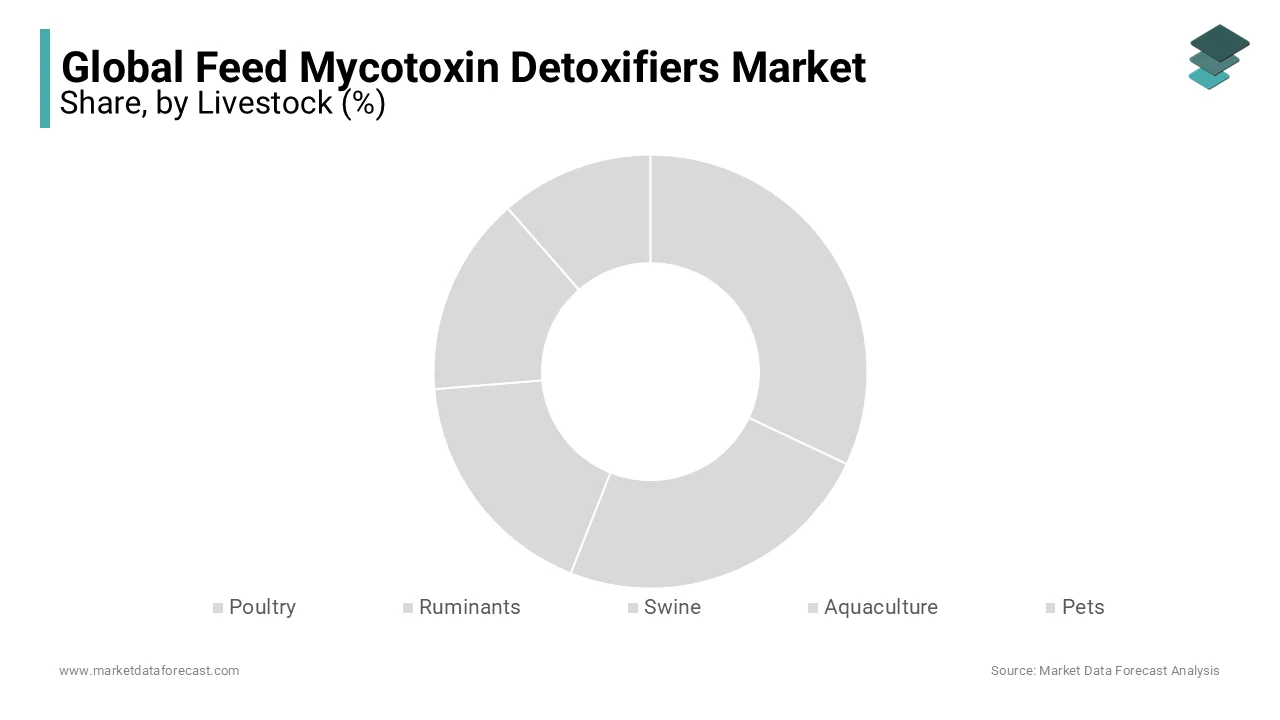
However, the aquaculture segment is predicted to record a promising CAGR of 10.5% during the forecast period in the global market owing to the intensification of fish and shrimp farming and the increasing recognition of mycotoxin risks in aquatic species. According to the Global Aquaculture Alliance, aquaculture production has surpassed beef production globally, creating a massive demand for specialized feed additives. As per the National Oceanic and Atmospheric Administration, mycotoxins such as aflatoxin and fumonisin can cause liver damage and immune suppression in fish, leading to high mortality rates. The shift towards plant-based ingredients in aquafeed to replace fishmeal increases the risk of mycotoxin exposure, as crops like corn and soy are common contaminants. Farmers are increasingly adopting detoxifiers to protect stock health and ensure optimal growth performance. The high value of shrimp and salmon production makes investment in feed safety economically viable. Regulatory bodies in major producing countries are implementing stricter guidelines for feed quality, driving adoption. The development of specific detoxifiers for aquatic species enhances efficacy and encourages usage. The rising consumer demand for safe and sustainable seafood further supports market growth. This combination of industry expansion, biological vulnerability, and regulatory focus ensures that aquaculture continues to grow at the fastest rate.
By Type Insights
The binders segment dominated the market with the highest share of the global market in 2025. The growth of the binders segment in the global market can be credited to their established efficacy, cost-effectiveness, and widespread acceptance in the industry. These products, primarily consisting of clay minerals such as bentonite and zeolite, work by adsorbing mycotoxins in the gastrointestinal tract, preventing their absorption into the bloodstream. According to the International Journal of Molecular Sciences, aluminosilicate binders are effective against aflatoxins, which are among the most prevalent and toxic mycotoxins globally. As per the European Food Safety Authority, binder technology is the most commonly used method for mycotoxin mitigation in livestock feed due to its simplicity and reliability. The low cost of raw materials makes binders accessible to farmers in both developed and developing regions. The long history of use has built trust among producers who are familiar with their application and benefits. Manufacturers have improved the specificity of binders to reduce the adsorption of essential nutrients, enhancing their safety profile. The availability of various grades and formulations allows for customization based on animal type and contamination levels. Regulatory approvals for many binder materials are well-established, facilitating easy market entry. The dominance of corn and soy in feed formulations, which are prone to aflatoxin contamination, further drives demand. This combination of affordability, proven performance, and regulatory ease secures the leading status of the binders segment.
However, the bio-transformers segment is predicted to showcase the fastest CAGR of 12.2% during the forecast period in the global market due to the superior ability of enzymes and microorganisms to degrade mycotoxins into non-toxic metabolites rather than just binding them. According to the Journal of Agricultural and Food Chemistry, enzymatic degradation offers a more permanent solution by breaking down the chemical structure of toxins such as zearalenone and deoxynivalenol. The bio-transformers are gaining popularity due to their high specificity and lack of interference with nutrient absorption. The increasing prevalence of multi-mycotoxin contamination requires advanced solutions that binders cannot fully address. Biotechnology advancements have led to the development of stable and efficient enzymes that remain active in the harsh conditions of the animal gut. The demand for organic and natural feed additives aligns with the biological nature of these products. Regulatory support for innovative and sustainable technologies encourages adoption. The ability to target specific toxins allows for precise formulation tailored to regional contamination profiles. The higher efficacy of bio-transformers justifies the premium price for high-value livestock operations. This combination of technological superiority, sustainability, and precision ensures that bio-transformers continue to grow at the fastest rate.
By End Users Insights
The feed manufacturers segment captured the largest share of the feed mycotoxin detoxifiers market in 2025. The dominance of feed manufacturers segment in the global market is attributed to their central role in producing commercial feed for large-scale livestock operations. These companies purchase detoxifiers in bulk to incorporate into their formulations, ensuring consistent quality and safety for their customers. According to the American Feed Industry Association, the US feed industry produces over 230 million tons of feed annually, requiring substantial volumes of additives. As per the International Feed Industry Federation, commercial feed accounts for over 60% of total livestock feed consumption globally, highlighting the importance of this channel. Feed manufacturers are driven by the need to comply with regulatory standards and maintain brand reputation by delivering safe products. The integration of mycotoxin management into quality assurance protocols is standard practice for major producers. Economies of scale allow manufacturers to negotiate favorable prices for high-quality detoxifiers. The technical expertise within these companies facilitates the proper selection and application of appropriate products. The consolidation of the feed industry into fewer, larger entities increases the purchasing power and influence of this segment. The demand for standardized and certified feed products drives consistent adoption of detoxifiers. This combination of volume, regulatory compliance, and technical capability secures the leading position of feed manufacturers.
REGIONAL ANALYSIS
Asia Pacific Market Analysis
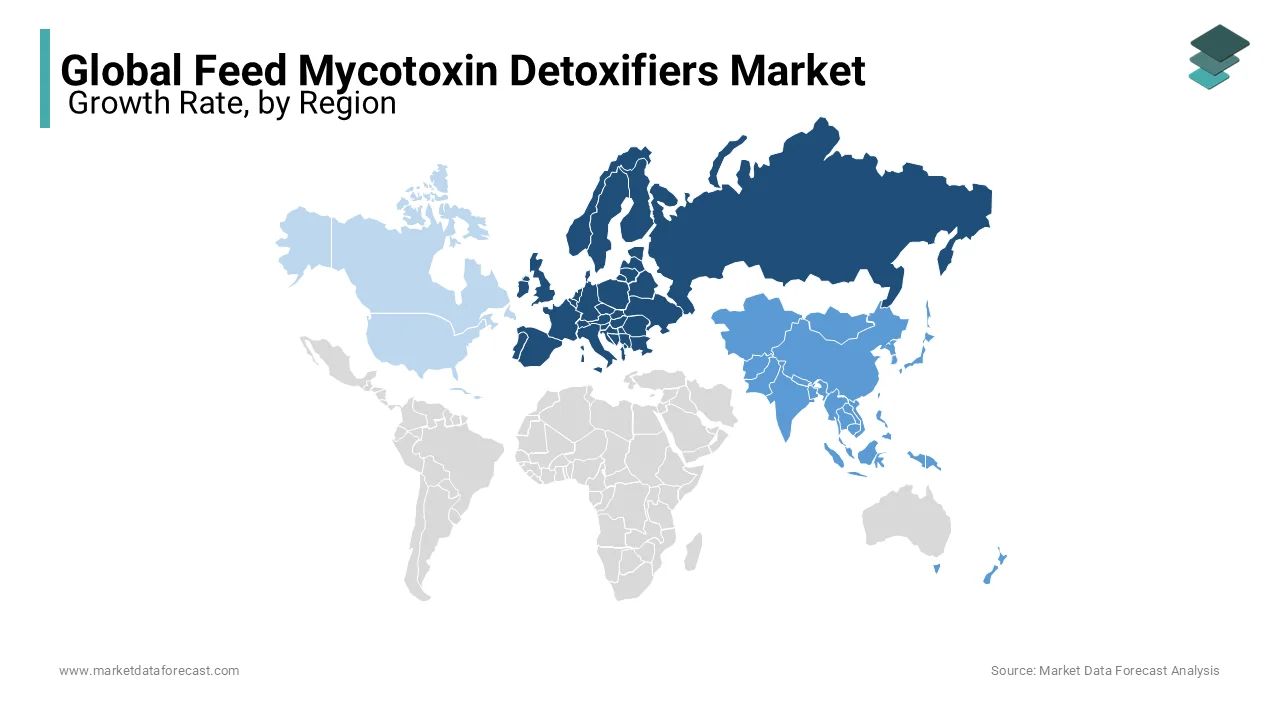
Asia Pacific is likely to maintain its dominant position over the next few years as the region continues to expand its massive pork and poultry sectors to meet rising domestic protein demand. This dominant position is underpinned by the massive livestock population, rapid industrialization of agriculture, and favorable climatic conditions for fungal growth. According to the Food and Agriculture Organization of the United Nations, Asia produces over 50% of the world’s pork and poultry, creating immense demand for feed safety solutions. As per the Chinese Ministry of Agriculture, mycotoxin contamination rates in corn and wheat frequently exceed safety limits due to high humidity and temperature. The driving factors include the increasing awareness of food safety among consumers and regulators, leading to stricter enforcement of standards. The rise of middle-class incomes drives demand for high-quality animal protein, necessitating efficient production systems. Government initiatives to modernize the agricultural sector support the adoption of professional feed additives. The presence of major manufacturing hubs for feed ingredients increases the risk of contamination during storage and transport. Local manufacturers are expanding capacity to meet domestic demand. The focus on export quality further encourages the use of detoxifiers. This combination of scale, climate, and regulatory pressure ensures that Asia Pacific remains the central pillar of the global market.
North America Market Analysis
North America is likely to remain a primary hub for technological innovation over the next few years as regulatory scrutiny and the demand for antibiotic-free meat drive the adoption of biological detoxifiers. This prominent position is driven by the highly industrialized livestock sector, stringent regulatory frameworks, and high adoption of advanced feed technologies. According to the United States Department of Agriculture, the US is a leading producer of corn and soybeans, which are primary vectors for mycotoxin contamination. As per the Food and Drug Administration, regular monitoring and testing of grain supplies are mandatory, ensuring early detection and mitigation. The driving factors include the strong emphasis on animal health and productivity in large-scale operations. The prevalence of integrated poultry and swine companies facilitates the widespread use of premium detoxifiers. Research and development investments in biotechnology lead to the introduction of innovative enzymatic solutions. Consumer demand for antibiotic-free and natural meat products supports the adoption of biological detoxifiers. The robust infrastructure for feed manufacturing and distribution ensures efficient product availability. The focus on sustainability and environmental stewardship aligns with the use of eco-friendly additives. This combination of regulation, technology, and market maturity ensures that North America remains a key driver of innovation and value in the global market.
COMPETITIVE LANDSCAPE
The competition in the Feed Mycotoxin Detoxifiers Market is intense and characterized by the presence of specialized biotechnology firms and large diversified ingredient suppliers. Major players like Biomin Kemin and ADM dominate the landscape through strong scientific credentials and extensive distribution networks. These companies leverage their research capabilities to offer differentiated products such as enzymatic degraders which provide superior efficacy compared to traditional clay binders. Smaller niche players compete by offering cost effective solutions or focusing on specific regional toxins. The market sees frequent innovation with companies vying to introduce broad spectrum and multi functional additives. Price competition is significant in the commoditized binder segment while premium segments compete on proven performance and technical support. Regulatory compliance and scientific validation play a crucial role in differentiating reputable brands. Strategic acquisitions and collaborations are common as firms seek to expand their technological portfolios. The rising awareness of food safety drives demand for high quality solutions. This dynamic environment demands continuous investment in research and customer education to maintain market relevance.
KEY MARKET PLAYERS
Some of the leading companies operating in the Global Feed Mycotoxin Detoxifier Market are
- Alltech Bio-products Co., Ltd.
- AMLAN International
- ADM Animal Nutrition
- Kemin Industries Inc
- Belgium Impextraco
- Biomin Feed Additive (Shanghai) Co., Ltd.
- Prince Agri
- Kemin Industries, Inc.
- Perstorp Performance Additives
- Pfizer Animal Health (Zoetis)
- Special Nutrients, Inc., NutriAd
Top Players In The Market
- ADM Animal Nutrition maintains a significant presence in the global feed mycotoxin detoxifiers market through its comprehensive portfolio of feed additives and nutritional solutions. The company leverages its extensive global supply chain to provide high quality binders and biological detoxifiers to livestock producers worldwide. Recently ADM has strengthened its market position by investing in research and development to create multi mycotoxin solutions that address complex contamination profiles. The corporation focuses on sustainability and animal health offering products that enhance feed efficiency and safety. Its integration with grain origination allows for unique insights into contamination trends enabling proactive product development. By combining scientific expertise with operational scale ADM delivers reliable solutions to customers. These strategic initiatives reinforce its leadership and drive continuous growth in the competitive landscape.
- Biomin Holding GmbH is a key player in the global feed mycotoxin detoxifiers market known for its pioneering work in biotransformation technologies. The company offers innovative products based on enzymes and microorganisms that degrade mycotoxins effectively without affecting nutrient absorption. Recent actions include the expansion of its production facilities in Asia and Latin America to meet growing regional demand. Biomin invests heavily in scientific research to validate the efficacy of its products through extensive field trials. The firm focuses on education and technical support helping farmers understand the benefits of biotransformation over traditional binding. Its commitment to antibiotic free production aligns with global trends towards sustainable agriculture. By prioritizing innovation and customer partnership Biomin enhances its reputation as a trusted provider. These efforts solidify its standing as a leader in advanced mycotoxin management.
- Kemin Industries Inc contributes significantly to the global feed mycotoxin detoxifiers market with its diverse range of specialty ingredients and health solutions. The company emphasizes science based products that improve animal performance and food safety. Recently Kemin has strengthened its position by launching new enzymatic detoxifiers designed to target emerging mycotoxins. The brand focuses on precision nutrition offering tailored solutions for different livestock species and production stages. Kemin leverages its global manufacturing network to ensure consistent product availability and quality. The firm actively collaborates with universities and research institutions to advance understanding of mycotoxin impacts. Its commitment to sustainability and regulatory compliance builds trust among customers. By integrating detoxification into broader health programs Kemin provides holistic value. These strategies ensure sustained growth and competitiveness in the dynamic agricultural sector.
Top Strategies Used By Key Market Participants
Key players in the Feed Mycotoxin Detoxifiers Market employ diverse strategies to maintain competitiveness and drive growth in a evolving landscape. Product innovation is a primary focus with companies developing multi mycotoxin solutions and enzymatic technologies to address complex contamination. Strategic partnerships with research institutions enable validation of efficacy and discovery of new biological agents. Expansion into emerging markets allows manufacturers to tap into regions with high contamination risks and growing livestock sectors. Education and technical support are critical as firms invest in training farmers and veterinarians on proper usage. Sustainability initiatives are increasingly important with brands promoting eco friendly and natural solutions. Digital tools for monitoring and diagnostics enhance customer engagement and product effectiveness. These approaches collectively enable market participants to adapt to changing consumer preferences and regulatory requirements.
MARKET SEGMENTATION
This research report on the global feed mycotoxin market has been segmented and sub-segmented into the following categories.
By Livestock
- Poultry
- Ruminants
- Swine
- Aquaculture
- Pets
- Other Animals
By Type
- Binders
- Clays
- Bentonite
- Other
- Bio Transformer
- Mycotoxin
- Modifiers
- Yeasts
- Enzymes
- Others
By End-Users
- Aquaculture Industry
- Integrators
- Feed Manufacturers
- Farmers
- Home Mixers
By Region
- North America
- Europe
- Asia-Pacific
- Latin America
- Middle East and Africa