- Product Description Description
- Table of Contents TOC
- List of Table & Figure LOT
- Get Free Sample PDF Sample PDF
Market Size, 2025
$1,117 MnMarket Estimate, 2026
$1,218 MnMarket Forecast, 2034
$2,434 MnCAGR, 2026–2034
9.04%Global Hyaluronidase Market Report Summary
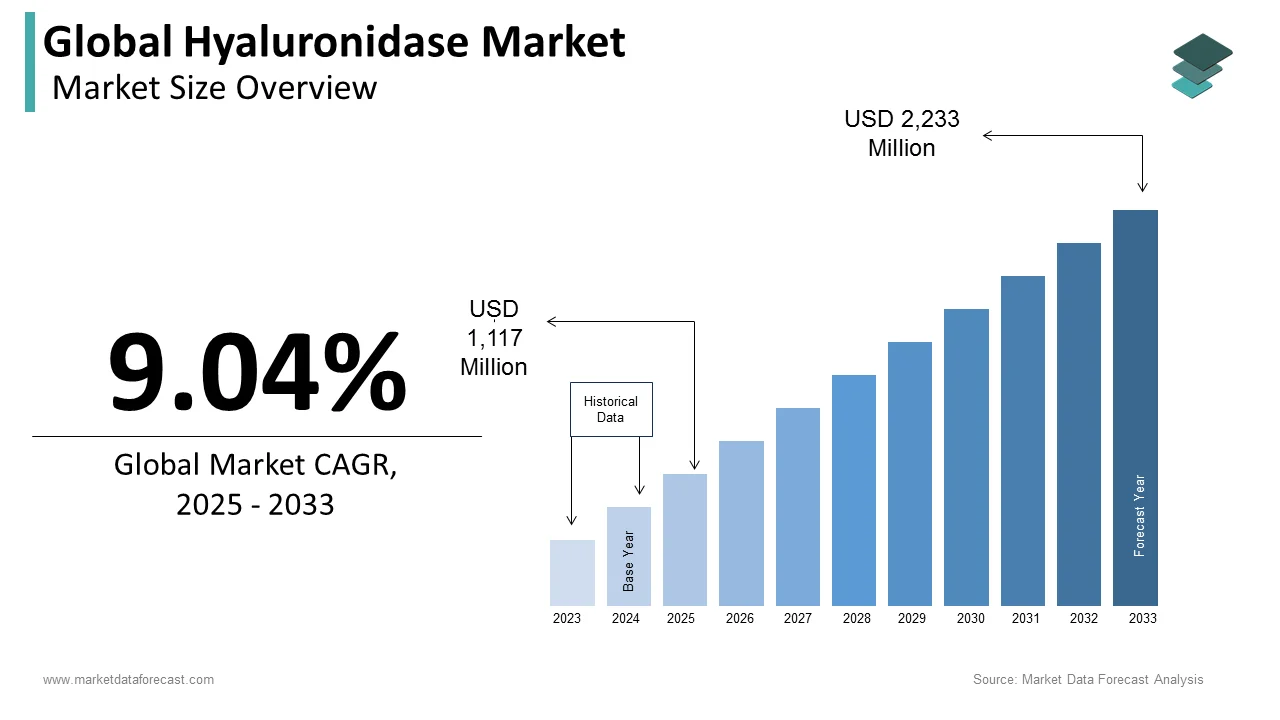
The global hyaluronidase market was valued at USD 1,117 million in 2025 and is projected to grow from USD 1,218 million in 2026 to USD 2,434 million by 2034, registering a CAGR of 9.04% from 2026 to 2034. Market growth is driven by increasing applications of hyaluronidase in dermatology, ophthalmology, oncology, and drug delivery procedures. Hyaluronidase is widely used to enhance tissue permeability, improve absorption of injected drugs, and reverse hyaluronic acid-based dermal fillers in aesthetic medicine. Rising demand for cosmetic procedures, expanding healthcare infrastructure, and growing adoption of minimally invasive treatments are further supporting global market expansion.
Key Market Trends
- Rising adoption of hyaluronidase in aesthetic and dermatology procedures.
- Increasing demand for minimally invasive cosmetic treatments worldwide.
- Growing applications of hyaluronidase in drug delivery and ophthalmic surgeries.
- Expansion of medical tourism and cosmetic treatment centers globally.
- Continuous advancements in recombinant and purified enzyme formulations.
Segmental Insights
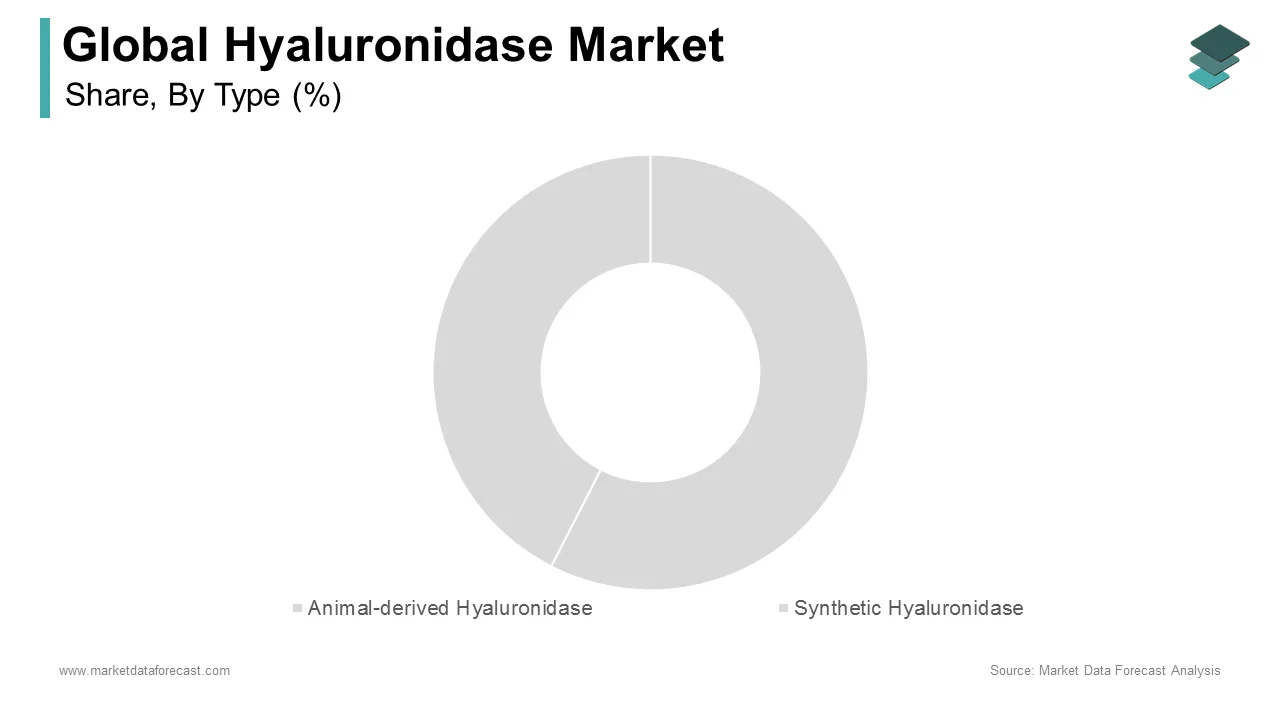
- Based on type, the animal-derived hyaluronidase segment dominated the global market in 2025 by occupying a substantial share, driven by its widespread clinical usage and established therapeutic applications.
- Based on application, the dermatology segment led the market by accounting for 46.2% share in 2025, supported by increasing demand for dermal filler correction procedures and aesthetic enhancement treatments.
- Based on end user, the hospitals segment dominated the market by capturing 48.3% share in 2025, driven by rising surgical procedures, cosmetic interventions, and growing utilization of enzyme-assisted drug administration.
Regional Insights
The global hyaluronidase market is witnessing strong growth across major regions, supported by rising healthcare expenditure, increasing cosmetic procedure adoption, and expanding clinical applications.
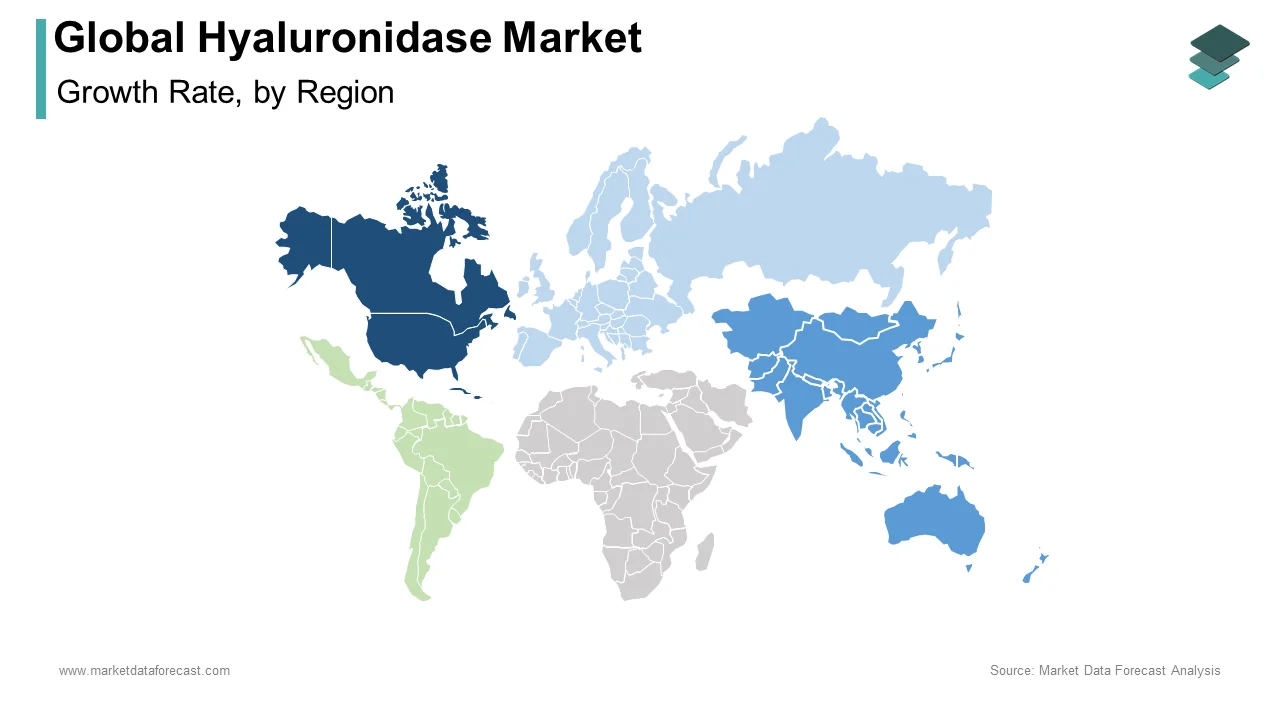
- North America dominated the global market in 2025 with 40.6% share, driven by high demand for aesthetic procedures, advanced healthcare infrastructure, and strong adoption of minimally invasive treatments.
- Europe followed with 28.4% share in 2025, supported by increasing awareness regarding cosmetic treatments and expanding dermatology services.
- Asia-Pacific is emerging as a rapidly growing regional market due to rising disposable incomes, expanding medical tourism, and improving healthcare access across emerging economies.
Competitive Landscape
The global hyaluronidase market is characterized by strong competition among pharmaceutical companies, biotechnology firms, and specialty healthcare providers focusing on enzyme-based therapeutic and aesthetic solutions. Market players are emphasizing product innovation, expansion of recombinant enzyme technologies, and strategic collaborations to strengthen market positioning. Investments in aesthetic medicine and advanced drug delivery applications are further shaping competitive dynamics across the market.
Prominent companies operating in the global hyaluronidase market include Amphastar Pharmaceuticals Inc., Halozyme Inc., Bausch & Lomb Incorporated, The Cooper Companies Inc., Sun Pharmaceutical Industries Ltd., STEMCELL Technologies Inc., Shreya Life Sciences Pvt. Ltd., and Calzyme.
Global Hyaluronidase Market Size
The size of the global hyaluronidase market was worth USD 1,117 million in 2025. The global market is anticipated to grow at a CAGR of 9.04% from 2026 to 2034 and be worth USD 2,434 million by 2034 from USD 1,218 million in 2026.
Hyaluronidase is a class of endoglycosidase enzymes responsible for the catalytic degradation of hyaluronic acid, a fundamental glycosaminoglycan present in connective tissues and extracellular matrices. Within clinical and biomedical contexts, this enzyme facilitates the dispersion and absorption of coadministered agents by temporarily reducing tissue viscosity. The therapeutic utility of hyaluronidase extends across multiple disciplines, including emergency medicine, ophthalmology, dermatology, and subcutaneous hydration protocols. Recent epidemiological patterns underscore a growing reliance on these enzymatic interventions. The World Health Organization (WHO) notes that a significant majority of older adults globally live with at least one chronic health condition. However, routine care focuses primarily on oral medication and lifestyle management rather than annual intravenous or subcutaneous fluid intervention. According to procedural statistics tracked by the American Society of Plastic Surgeons (ASPS), hyaluronic acid-based dermal fillers remain among the most popular minimally invasive cosmetic interventions in the U.S., with hyaluronidase reserved as an elective or emergency enzymatic reversal agent for complications. Under European Union medical device frameworks, adverse events related to soft-tissue injectables are reported through national competent authorities, ensuring that corrective interventions like enzymatic degradation remain strictly monitored to protect patient safety. Furthermore, clinical protocols from leading ophthalmic institutions emphasize that complete mechanical aspiration of ophthalmic viscosurgical devices (OVDs) at the close of surgery is highly effective at minimizing dangerous spikes in postoperative intraocular pressure (IOP). These physiological and procedural dynamics collectively shape the operational landscape for hyaluronidase deployment, emphasizing its integral role in modern interventional medicine.
MARKET DRIVERS
Expansion of Aesthetic Correction and Reversal Protocols
The escalating adoption of hyaluronic acid-based soft tissue augmentation directly amplifies the clinical demand for enzymatic reversal agents, which fuels the growth of the hyaluronidase market. Patients increasingly seek immediate correction of suboptimal outcomes, including vascular occlusion, asymmetry, and excessive tissue volumization. Data from the International Society of Aesthetic Plastic Surgery (ISAPS) indicates that global cosmetic procedures approached 38 million interventions, with hyaluronic acid-based fillers remaining one of the fastest-growing non-surgical categories globally. This procedural expansion necessitates a proportional increase in hyaluronidase availability to manage adverse anatomical events and patient-requested adjustments. Clinical protocols highlighted by the American Board of Cosmetic Surgery emphasize that immediate enzymatic intervention with hyaluronidase is a critical, mandatory requirement to reverse vascular occlusion and prevent permanent tissue necrosis. Furthermore, Board-approved dermatological training programs across major academic centers have universally integrated emergency hyaluronidase administration into core clinical curricula to prepare practitioners for managing soft-tissue filler complications safely. The demographic shift toward minimally invasive aesthetics among individuals aged 35 to 55 further sustains this trajectory. Standard aesthetic operating procedures require outpatient cosmetic practices to maintain functional emergency reversal kits on-site, establishing a necessary safety baseline for managing high-volume injectable treatments. This sustained clinical dependency ensures consistent procurement cycles and establishes enzymatic reversal as an indispensable safety mechanism within modern cosmetic medicine.
Integration of Subcutaneous Hydration in Geriatric Care Frameworks
Subcutaneous fluid administration utilizing hyaluronidase as a permeation enhancer has emerged as a viable alternative to intravenous hydration for elderly patients with compromised venous access, which further accelerates the expansion of the hyaluronidase market. The physiological decline in vascular integrity among older populations creates substantial clinical barriers during acute illness and postoperative recovery. Research recognized by the Centers for Disease Control and Prevention (CDC) confirms that older demographics experience disproportionately high rates of preventable hospitalization due to acute dehydration, necessitating proactive clinical hydration initiatives. Hyaluronidase facilitates rapid fluid dispersion by temporarily degrading hyaluronic acid within the subcutaneous matrix, thereby improving absorption efficiency compared to conventional hydration methods. Clinical data focused on geriatric emergency care demonstrates that hypodermoclysis protocols serve as an effective alternative to traditional intravenous routes, significantly minimizing typical catheter insertion complications in older patients. Long-term care facility training initiatives have increasingly adopted subcutaneous hydration methods, allowing nursing teams to administer necessary fluids safely without relying on complex intravenous access. This therapeutic transition supports evolving healthcare infrastructure needs, particularly as United Nations demographic projections show the global population aged 65 and older expanding rapidly, on track to nearly double its global share by 2050. The structural integration of enzymatic hydration into geriatric care pathways sustains continuous demand for clinical-grade hyaluronidase formulations across institutional and ambulatory settings.
MARKET RESTRAINTS
Stringent Regulatory Approval Pathways for Novel Formulations
The development and commercialization of new hyaluronidase formulations face extensive regulatory scrutiny, which hinders the growth of the hyaluronidase market. This is due to the enzyme's biological origin and potential immunogenic properties. Regulatory agencies require comprehensive toxicological profiling, batch consistency validation, and extensive clinical safety trials before granting market authorization. Under PDUFA guidelines, the U.S. Food and Drug Administration (FDA) aims to review standard Biologics License Applications (BLAs) within 10 months, requiring comprehensive clinical data and strict manufacturing controls to evaluate product safety and efficacy. The European Medicines Agency (EMA) enforces strict comparability frameworks for recombinant biologic variants, demanding rigorous structural and functional testing that significantly increases development complexity compared to traditional small-molecule drugs. As per pharmacopeial standards, manufacturers must demonstrate enzymatic activity stability across multiple storage conditions, requiring continuous lot validation and accelerated degradation testing. These compliance requirements delay product launches and increase capital expenditure for emerging biotechnology firms. Furthermore, regional regulatory harmonization remains incomplete, forcing developers to navigate divergent submission criteria across jurisdictions. The necessity for postmarketing surveillance programs adds another layer of operational complexity, with sponsors required to submit safety reports within 15 calendar days of any serious adverse event documentation. This fragmented approval landscape constrains market entry velocity and limits the diversity of available enzymatic products, ultimately restricting clinical access to optimized formulations despite unmet therapeutic needs.
Immunogenic Reactions and Allergenic Potential in Patient Populations
Hypersensitivity responses to exogenous hyaluronidase administration present a persistent clinical barrier that limits widespread therapeutic adoption and hampers the expansion of the hyaluronidase market. The enzyme protein structure can trigger immunological recognition, particularly in patients with prior exposure to bovine or ovine-derived preparations. Clinical data indicate that systemic hypersensitivity reactions to therapeutic enzymes remain rare, with mild, localised reactions, such as erythema and temporary edema, representing the most common clinical manifestations. While the American College of Allergy, Asthma & Immunology (ACAAI) highlights skin testing as an effective tool to evaluate suspected allergies, routine pre-treatment screening for therapeutic enzymes is typically reserved for patients with elevated risk profiles. The presence of animal-derived contaminants in traditionally sourced formulations exacerbates this risk profile, prompting stricter purification requirements that elevate manufacturing complexity. Furthermore, a key consideration for long-term enzyme therapies is immunogenicity, as repeated exposure can stimulate the production of anti-drug antibodies (ADAs) that may alter the drug's metabolic clearance or efficacy. These safety considerations compel clinicians to maintain emergency anaphylaxis management protocols during administration, increasing procedural overhead. Pharmaceutical developers must invest extensively in recombinant engineering and advanced chromatographic purification to mitigate allergenic epitopes, which directly impact production scalability. The persistent need for rigorous patient screening constrains operational flexibility and restricts rapid deployment in acute care environments.
MARKET OPPORTUNITIES
Recombinant Production Technologies Enhancing Purity and Yield
Advanced genetic engineering methodologies have enabled the transition from animal-derived hyaluronidase extraction to microbial fermentation systems, which opens the door for the growth of the hyaluronidase market. This substantially improves enzymatic consistency and therapeutic safety. Escherichia coli and mammalian cell line platforms now facilitate high-volume protein expression with reduced contaminant profiles. Biomanufacturing industry analyses show that shifting from animal-tissue extraction to modern recombinant expression systems substantially scales up the volumetric productivity and batch consistency of therapeutic enzymes. Peer-reviewed bioprocessing literature confirms that recombinant human variants eliminate raw animal-tissue impurities, drastically lowering the historical incidence of immunogenic reactions and batch cross-contamination. The scalability of controlled bioreactor systems allows manufacturers to align output with fluctuating clinical demand without relying on agricultural supply chains. Furthermore, continuous downstream purification utilizing affinity chromatography ensures interbatch uniformity, which satisfies stringent pharmacopeial specifications. Global patent filings reveal extensive, ongoing development of novel expression vector constructs aimed at optimizing microbial and mammalian cell factories for scalable enzyme production. The integration of synthetic biology tools also enables precise amino acid modifications that enhance thermal stability and extend shelf life. These technological advancements lower production overhead while expanding commercial viability, positioning recombinant hyaluronidase as a cornerstone for next-generation drug delivery systems and precision medicine applications across multiple therapeutic disciplines.
Oncology Drug Delivery Enhancement and Tumor Penetration Applications
Hyaluronidase exhibits significant potential in oncological therapeutics by modifying the dense extracellular matrix of solid tumors, which provides a clear path for the expansion of the hyaluronidase market. Consequently, this modification improves chemotherapeutic agent penetration and pharmacokinetic distribution. Many carcinomas accumulate excessive hyaluronic acid, creating elevated interstitial pressure that impedes systemic drug delivery. Data registered with the National Institutes of Health (NIH) ClinicalTrials.gov indicates that matrix-modifying enzymatic pre-treatments are designed to degrade the tumor stroma, aiming to reduce interstitial fluid pressure and facilitate better penetration of co-administered anti-cancer therapies. Landmark oncology clinical trials exploring stroma-depleting regimens combined with standard chemotherapies have faced significant efficacy hurdles, highlighting the complex challenge of managing the solid-tumor microenvironment. The enzyme also facilitates subcutaneous delivery of monoclonal antibodies, transforming prolonged intravenous infusions into brief localized injections that reduce hospital resource utilization. Strategic clinical investigations have explored pairing enzymatic matrix degradation with immune checkpoint inhibitors, targeting improved immune cell infiltration in dense, treatment-resistant solid tumors. This therapeutic synergy addresses a critical limitation in oncology care, where physical tumor barriers consistently compromise treatment efficacy. Furthermore, the growing emphasis on outpatient oncology models aligns with enzymatic delivery advantages, as shorter administration times improve patient compliance and reduce clinical scheduling bottlenecks. The continued expansion of combination therapy pipelines ensures sustained investigative funding and establishes hyaluronidase as an essential adjunct in modern oncological intervention strategies.
MARKET CHALLENGES
Cold Chain Logistics and Thermal Stability Limitations
Hyaluronidase formulations exhibit pronounced sensitivity to temperature fluctuations, which constrains the growth of the hyaluronidase market. Therefore, they require stringent cold chain maintenance throughout manufacturing, distribution, and clinical storage phases. The protein tertiary structure undergoes rapid denaturation when exposed to temperatures exceeding 8 degrees Celsius for extended periods, resulting in irreversible enzymatic activity loss. Global pharmaceutical supply chain audits reveal that temperature-sensitive biologics frequently experience thermal excursions during regional transit, driving significant product spoilage and costly distribution inefficiencies. According to manufacturer stability testing data and regulatory monographs, clinical-grade lyophilized hyaluronidase must generally be stored under standard refrigeration parameters between 2°C and 8°C to maintain catalytic potency throughout its approved shelf life. These requirements impose considerable infrastructure demands on healthcare facilities, particularly in remote or resource-constrained environments where refrigeration reliability remains inconsistent. The requirement for continuous data-logging sensors, qualified insulated packaging, and expedited cold-chain handling significantly increases premium shipping and logistics expenditures compared to conventional pharmaceuticals. Furthermore, clinical workflow disruptions occur when enzymatic vials undergo accidental warming, forcing immediate replacement and delaying patient treatment protocols. Manufacturers must continuously invest in advanced stabilizing excipients and thermostable formulation engineering to mitigate these vulnerabilities. The persistent dependency on precise thermal management restricts geographic market expansion and complicates emergency deployment scenarios where rapid enzymatic intervention remains clinically essential.
Standardization Discrepancies and Dosing Variability Across Formulations
The absence of universally harmonized activity units and concentration standards across commercial hyaluronidase products generates significant dosing inconsistencies that complicate clinical decision-making and negatively impact the expansion of the hyaluronidase market. Because distinct commercial brands may be derived from different sources (recombinant human vs. bovine/ovine tissue), clinicians must closely evaluate specific product labeling to ensure appropriate therapeutic dosing. Variations in overall unit concentrations across different commercial enzyme brands require healthcare providers to meticulously calculate dilution volumes when switching products, minimizing the risk of localized underdosing or excessive tissue exposure. Clinical safety literature emphasizes that complex serial dilution protocols required during emergency aesthetic reversals introduce a significant risk of human error, making standardized dosing checklists essential to prevent off-label underdosing or excessive tissue degradation. The lack of a standardized reference preparation complicates regulatory comparability assessments and restricts direct therapeutic substitution without extensive reformulation validation. Comparative bioprocessing studies show that analyzing identical enzyme concentrations across different analytical testing platforms can lead to variations in raw kinetic measurements, emphasizing the need for strictly harmonized testing standards. These discrepancies necessitate comprehensive clinician retraining initiatives and mandate the development of institutional dosing algorithms. Healthcare administrators must allocate additional resources to pharmacy verification protocols and electronic prescribing safeguards to prevent medication errors. The persistent standardization gap constrains clinical confidence and impedes the seamless integration of hyaluronidase into streamlined emergency response frameworks across multidisciplinary medical environments.
REPORT COVERAGE
| REPORT METRIC | DETAILS |
| Market Size Available | 2025 to 2034 |
| Base Year | 2025 |
| Forecast Period | 2026 to 2034 |
| Segments Covered | By Type, Application, End-User, and Region. |
| Various Analyses Covered | Global, Regional and Country-Level Analysis, Segment-Level Analysis, Drivers, Restraints, Opportunities, Challenges; PESTLE Analysis; Porter’s Five Forces Analysis, Competitive Landscape, Analyst Overview of Investment Opportunities |
| Regions Covered | North America, Europe, Asia Pacific, Latin America, the Middle East, and Africa |
| Market Leaders Profiled | Amphastar Pharmaceuticals Inc., Halozyme Inc., Bausch & Lomb Incorporated, The Cooper Companies Inc., Sun Pharmaceutical Industries Ltd., STEMCELL Technologies Inc., Shreya Life Sciences Pvt. Ltd. and Calzyme, and Others. |
SEGMENTAL ANALYSIS
By Type Insights
In 2025, the animal-derived hyaluronidase segment was the largest by occupying a substantial share of the global market. Established clinical validation and widespread regulatory acceptance across therapeutic and aesthetic applications drive the prominence of this segment. Animal-derived hyaluronidase benefits from decades of documented clinical application across multiple medical disciplines, including ophthalmology, dermatology, and emergency medicine. Global statistics from the International Society of Aesthetic Plastic Surgery (ISAPS) show that hyaluronic acid injections exceed 9 million procedures annually, establishing a widespread commercial baseline for aesthetic treatments. The enzyme extracted from bovine or ovine sources demonstrates predictable catalytic activity with well-characterized safety profiles that satisfy stringent pharmacovigilance requirements. European clinical documentation confirms that animal-derived hyaluronidase has a long history of clinical use, giving practitioners significant procedural familiarity when managing soft-tissue filler complications. Clinical training programs across academic medical centers incorporate animal-derived formulations into core competency curricula, ensuring continuous practitioner familiarity. The cost advantage of traditional extraction methods relative to recombinant production enables broader accessibility in resource-constrained healthcare settings. Furthermore, pharmacopeial monographs for animal-derived hyaluronidase have achieved harmonization across major jurisdictions, reducing submission complexity for manufacturers. This entrenched clinical infrastructure, combined with predictable supply chains and established reimbursement pathways, sustains the segment market dominance despite emerging technological alternatives.
In addition, the production economics of animal-derived hyaluronidase favor widespread commercial adoption, particularly in high-volume therapeutic applications. The price differential proves critical in healthcare systems operating under fixed reimbursement schedules or in emerging markets where procedural affordability influences treatment selection. Global procurement networks for animal-sourced tissues operate under stringent international biosecurity standards and TSE/BSE clearance protocols to ensure batch traceability and reduce contamination risks. The maturity of downstream purification methodologies ensures consistent enzymatic potency across manufacturing batches, which satisfies clinical reliability requirements. Furthermore, inventory management for animal-derived products benefits from standardized storage specifications that align with existing pharmaceutical cold chain infrastructure. Healthcare procurement departments favor the predictable pricing and availability profiles of established suppliers, reducing the administrative overhead associated with vendor qualification. The segment also benefits from extensive postmarketing surveillance data that supports risk mitigation strategies and reduces liability concerns for prescribing institutions. These structural advantages collectively reinforce market leadership despite ongoing innovation in synthetic enzyme engineering.
On the other hand, the synthetic hyaluronidase segment is anticipated to witness the fastest CAGR of 9.5% during the forecast period due to advancing biotechnological capabilities and evolving clinical preferences for enhanced product consistency. Synthetic hyaluronidase production leverages sophisticated genetic engineering platforms that enable precise control over protein structure and functional characteristics. Peer-reviewed bioprocessing literature confirms that recombinant expression systems achieve exceptionally high enzymatic purity, removing non-targeted animal proteins and significantly reducing the risk of immunogenic hypersensitivity. This enhanced purity profile aligns with stringent regulatory expectations for biologic therapeutics, particularly in oncology and immunology applications where patient safety margins remain narrow. Clinical pharmacology reviews highlight that manufacturing enzymes via recombinant cell lines provides excellent batch-to-batch structural consistency, ensuring predictable therapeutic outcomes for patients. The ability to engineer specific amino acid sequences also enables optimization of catalytic efficiency and thermal stability, which extends product shelf life and simplifies distribution logistics. Furthermore, synthetic production eliminates dependency on agricultural supply chains, reducing vulnerability to zoonotic disease outbreaks or ethical sourcing controversies. These technological advantages position recombinant hyaluronidase as the preferred choice for next-generation drug delivery systems and precision medicine applications.
Furthermore, the therapeutic versatility of synthetic hyaluronidase drives adoption in high-growth oncology and biologic delivery segments. Hyaluronidase facilitates subcutaneous administration of large molecule therapeutics, transforming prolonged intravenous infusions into brief localized injections that improve patient convenience and reduce hospital resource utilization. The growing emphasis on outpatient oncology models aligns with enzymatic delivery advantages as shorter administration times improve patient compliance and reduce clinical scheduling bottlenecks. Furthermore, regulatory agencies have established streamlined approval pathways for subcutaneous reformulations of approved intravenous biologics, accelerating market entry for enzyme-enabled products. This expanding therapeutic footprint ensures robust demand growth for synthetic variants across multiple high-value medical disciplines.
By Application Insights
The dermatology segment dominated the global market and accounted for a 46.2% share in 2025. This dominance of the segment was driven by the integral role of hyaluronidase in aesthetic medicine and skin-related therapeutic interventions. The global proliferation of hyaluronic acid-based dermal fillers directly amplifies demand for enzymatic reversal agents within dermatological practice. Data from the International Society of Aesthetic Plastic Surgery (ISAPS) establishes that hyaluronic acid filler injections are among the most popular non-surgical treatments worldwide, driving global demand for emergency enzymatic reversal protocols. This substantial procedural baseline necessitates proportional availability of hyaluronidase to manage adverse anatomical events, including vascular occlusion asymmetry and excessive volumization. Clinical protocols from the American Board of Cosmetic Surgery emphasize that immediate enzymatic intervention with hyaluronidase is required to reverse vascular occlusions and prevent permanent ischemic tissue necrosis. Accredited dermatology and plastic surgery training programs have integrated hyaluronidase administration into core residency curricula to ensure all incoming practitioners are fully competent in managing acute filler complications. The demographic shift toward minimally invasive aesthetics among individuals aged 35 to 55 further sustains this trajectory. Furthermore, standard clinic operating procedures require outpatient aesthetic practices to integrate dedicated emergency reversal kits into their clinical workspace to manage high-volume injectable treatments safely. This sustained clinical dependency ensures consistent procurement cycles and establishes enzymatic reversal as an indispensable safety mechanism within modern aesthetic medicine.
In addition, the maturation of dermatological practice standards has elevated hyaluronidase from an emergency intervention to a routine component of aesthetic treatment planning. This protocol standardization reduces treatment delays during complication management and enhances patient confidence in procedural safety. The availability of standardized dosing algorithms and injection technique tutorials has reduced variability in clinical outcomes and minimized adverse event reporting. Furthermore, electronic medical record systems increasingly incorporate hyaluronidase administration templates, which streamline documentation and support quality improvement initiatives. Insurance providers have expanded coverage policies to include enzymatic reversal procedures, recognizing their role in mitigating costly complication management. These systemic advancements collectively reinforce dermatology market leadership while establishing hyaluronidase as a cornerstone of responsible aesthetic practice.
But the chemotherapy segment is likely to experience the fastest CAGR of 10.5% from 2025 to 2034. This swift growth of the segment is fuelled by evolving oncology treatment paradigms and enhanced drug delivery methodologies.
Hyaluronidase facilitates improved distribution of anticancer agents by modifying the dense extracellular matrix characteristic of many solid tumors. Clinical data registered with the National Institutes of Health indicate that matrix-modifying enzymes are designed to break down the dense tumor microenvironment, helping to reduce fluid pressure and enhance the delivery of systemic therapies. This enhanced drug penetration directly translates to improved therapeutic response rates and progression-free survival metrics. Translational research evaluating stroma-depleting enzymes alongside standard cancer regimens has highlighted the severe biological difficulties of targeting the solid-tumor matrix, with several major trials failing to yield survival benefits. The enzyme also enables subcutaneous delivery of monoclonal antibodies, transforming prolonged intravenous infusions into brief localized injections that reduce hospital resource utilization. Targeted clinical trials continue to investigate whether pairing specialized enzymes with immune checkpoint inhibitors can successfully degrade the dense tumor stroma to boost immune cell infiltration. This therapeutic synergy addresses a critical limitation in oncology care where physical tumor barriers consistently compromise treatment efficacy. Furthermore, the growing emphasis on outpatient oncology models aligns with enzymatic delivery advantages as shorter administration times improve patient compliance and reduce clinical scheduling bottlenecks.
Furthermore, the conversion of intravenous biologics to subcutaneous administration represents a transformative trend in oncology care delivery. According to pharmacokinetic studies, hyaluronidase-enabled subcutaneous formulations reduce administration time from several hours to under 10 minutes while maintaining equivalent systemic exposure. This efficiency gain improves patient quality of life and optimizes clinical workflow in high-volume treatment centers. Regulatory agencies have established streamlined approval pathways for subcutaneous reformulations of approved intravenous biologics, accelerating market entry for enzyme-enabled products. The U.S. Food and Drug Administration (FDA) has progressively approved major hyaluronidase-based combination therapies, highlighted by the historic late-2024 approval of Opdivo Qvantig, expanding the use of enzymatic delivery systems across mainstream oncology care. Furthermore, reimbursement policies increasingly favor subcutaneous administration due to reduced facility fees and lower complication rates. These structural advantages ensure sustained demand growth for hyaluronidase within oncology applications across multiple therapeutic categories.
By End User Insights
The Hospitals segment led the hyaluronidase market and captured a 48.3% share in 2025. This leading position of the segment was attributed to the comprehensive procedural scope and centralized procurement models characteristic of institutional healthcare settings.
Hospitals utilize hyaluronidase across multiple clinical disciplines, including emergency medicine, ophthalmology, oncology, and surgical services, creating consistent baseline demand. The centralized procurement models employed by hospital systems enable bulk purchasing agreements that ensure reliable supply and favorable pricing structures. Also, the integration of enzymatic protocols into standardized order sets reduces prescribing variability and supports quality improvement initiatives. Furthermore, hospital-based clinical trials generate robust real-world evidence that reinforces hyaluronidase's utility across emerging indications. The presence of specialized pharmacy teams ensures appropriate storage, handling, and administration, which minimizes product waste and optimizes therapeutic outcomes. These structural advantages collectively sustain hospital segment leadership while establishing hyaluronidase as an essential component of institutional therapeutic arsenals.
Moreover, the critical role of hyaluronidase in emergency medicine reinforces institutional adoption and utilization patterns. This time-sensitive therapeutic window necessitates on-site availability, which hospitals are uniquely positioned to provide through 24-hour pharmacy services. The enzyme also facilitates subcutaneous hydration protocols for patients with compromised venous access, improving fluid resuscitation efficiency in austere clinical scenarios. Furthermore, hospital-based training programs ensure multidisciplinary staff competency in enzymatic administration, reducing procedural delays and enhancing patient safety. These emergency care applications establish hyaluronidase as an indispensable component of institutional preparedness while driving consistent procurement cycles across diverse healthcare systems.
On the contrary, the specialty dermatology and aesthetic clinics segment is on the rise and is expected to be the fastest growing segment in the market by witnessing a CAGR of12.4% over the forecast period, owing to the proliferation of minimally invasive aesthetic services and evolving practice standards. Also, the global expansion of outpatient aesthetic clinics directly amplifies demand for hyaluronidase within specialized practice settings. This procedural growth necessitates proportional availability of enzymatic reversal agents to manage complications and patient-requested adjustments. The adoption of premium recombinant formulations within these settings enhances per-procedure revenue while differentiating service offerings in competitive markets. Furthermore, clinic-based training programs ensure practitioner competency in enzymatic administration, reducing adverse event reporting and enhancing patient satisfaction. These practice level advancements collectively drive segment growth while establishing hyaluronidase as a cornerstone of responsible aesthetic medicine.
In addition, the incorporation of imaging technology into aesthetic practice elevates hyaluronidase utilization standards within specialty clinics. This precision approach nonetheless maintains hyaluronidase as an essential safety mechanism for managing rare adverse events. The availability of standardized dosing algorithms tailored to ultrasound-confirmed anatomical locations reduces variability in clinical results and supports quality improvement initiatives. Furthermore, electronic documentation systems increasingly incorporate hyaluronidase administration templates, which streamline record keeping and facilitate outcome tracking. These technological advancements collectively reinforce clinic segment growth while establishing enzymatic reversal as an integral component of modern aesthetic practice standards.
REGIONAL ANALYSIS
North America Hyaluronidase Market Analysis
North America outperformed other regions in the global hyaluronidase market and accounted for a share of 40.6% in 2025. This supremacy of the North American market was supported by advanced healthcare infrastructure, robust aesthetic medicine adoption, and concentrated pharmaceutical innovation. The region benefits from early regulatory approval pathways that accelerate the commercialization of novel enzymatic formulations. Between 2020 and 2024, the U.S. Food and Drug Administration (FDA) granted marketing authorization to several landmark hyaluronidase-based combination therapies—including Darzalex Faspro, Vyvgart Hytrulo, and Tecentriq Hybreza—driving the shift from intravenous to subcutaneous biologic administration. The presence of major biotechnology firms, including Halozyme Therapeutics and Amphastar Pharmaceuticals, ensures continuous investment in research and development activities. Furthermore, professional society guidelines from the American Society of Plastic Surgeons and the American Academy of Dermatology standardize hyaluronidase utilization protocols, enhancing practitioner confidence and procedural consistency. The region also benefits from favorable reimbursement policies that support enzymatic intervention for filler complications and extravasation management. These structural advantages collectively sustain North American market leadership while establishing the region as a global benchmark for hyaluronidase therapeutic application.
Europe Hyaluronidase Market Analysis
Europe followed closely behind in the global hyaluronidase market and occupied a 28.4% share in 2025. This growth of the European market was driven by sophisticated healthcare systems, strong aesthetic medicine adoption, and harmonized regulatory frameworks. Under the European Union's Medical Device Regulation (MDR), safety monitoring for aesthetic fillers has been strengthened, requiring manufacturers to maintain rigorous post-market surveillance systems to track and report adverse soft-tissue reactions. National health systems across Germany, France, and the United Kingdom incorporate hyaluronidase into standard treatment protocols for extravasation management and ophthalmic surgery. Furthermore, academic medical centers contribute robust clinical evidence supporting enzymatic utility across emerging indications, including oncology and chronic wound management. The region also benefits from cross-border reimbursement harmonization that facilitates patient access to enzymatic therapies. These systemic advantages collectively reinforce European market significance while positioning the region as a critical hub for hyaluronidase clinical innovation and therapeutic standardization.
Asia Pacific Hyaluronidase Market Analysis
Asia Pacific is quickly expanding in the regional market due to rising disposable incomes, expanding medical tourism, and increasing healthcare access across emerging economies. The proliferation of accredited cosmetic clinics across urban centers in these nations amplifies procedural volumes requiring enzymatic support. Furthermore, medical tourism initiatives in Thailand, Singapore, and Malaysia attract international patients seeking advanced aesthetic procedures that mandate enzymatic availability. These structural dynamics collectively drive Asia Pacific growth while establishing the region as a critical growth engine for global hyaluronidase market expansion.
Latin America Hyaluronidase Market Analysis
Latin America maintains a significant position in the global hyaluronidase market, owing to growing aesthetic medicine adoption and improving healthcare infrastructure across key economies. The expansion of accredited dermatology clinics in urban centers, including São Paulo, Mexico City, and Buenos Aires, enhances procedural accessibility and practitioner competency. As per regulatory analyses, national health authorities in Brazil and Argentina have streamlined approval pathways for hyaluronidase-containing products, facilitating therapeutic diversification. Furthermore, medical tourism initiatives attract international patients seeking cost-effective aesthetic procedures that mandate enzymatic support. These systemic advancements collectively reinforce Latin American market growth while positioning the region as an emerging hub for hyaluronidase therapeutic application.
Middle East and Africa Hyaluronidase Market AnalysisThe
Middle East and Africa region is anticipated to expand notably in the hyaluronidase market over the forecast period due to improving healthcare access and growing aesthetic medicine adoption across key economies. The proliferation of premium aesthetic clinics in Dubai, Riyadh, and Johannesburg enhances procedural volumes requiring enzymatic support. As per regulatory updates, the Gulf Cooperation Council has established harmonized approval pathways for biologic products, facilitating market entry for international manufacturers. Furthermore, medical tourism initiatives attract international patients seeking advanced cosmetic procedures that mandate enzymatic availability. These structural dynamics collectively drive Middle East and Africa growth while establishing the region as an emerging growth frontier for global hyaluronidase market expansion.
COMPETITIVE LANDSCAPE
The hyaluronidase market exhibits moderate consolidation with established pharmaceutical firms and specialized biotechnology companies competing across therapeutic and aesthetic applications. Market participants differentiate through enzymatic source technology formulation methodology and clinical evidence generation. Recombinant producers emphasize purity, consistency, and reduced immunogenicity, while animal-derived suppliers leverage cost advantages and established clinical familiarity. Competitive dynamics intensify as companies pursue subcutaneous reformulation opportunities for approved intravenous biologics, creating high-value commercial partnerships. Regulatory approval velocity and reimbursement policy navigation represent critical success factors that influence market positioning. Geographic expansion strategies target emerging economies with growing aesthetic medicine adoption and improving healthcare infrastructure. Intellectual property portfolios centered on expression vectors, purification methodologies, and combination therapies create barriers to entry for new participants. The competitive landscape continues evolving as technological innovation and clinical evidence reshape therapeutic preferences and procurement decisions across diverse healthcare settings.
KEY MARKET PLAYERS
Some of the companies that are playing a dominating role in the global hyaluronidase market include
- Amphastar Pharmaceuticals Inc.
- Halozyme Inc.
- Bausch & Lomb Incorporated
- The Cooper Companies Inc.
- Sun Pharmaceutical Industries Ltd.
- STEMCELL Technologies Inc.
- Shreya Life Sciences Pvt. Ltd.
- Calzyme
TOP PLAYERS IN THE MARKET
- Halozyme Therapeutics maintains a prominent position in the global hyaluronidase market through its proprietary ENHANZE drug delivery technology platform. The company focuses on recombinant human hyaluronidase formulations that enable subcutaneous administration of large molecule therapeutics. Recent strategic initiatives include expanded licensing agreements with major pharmaceutical partners for oncology and immunology applications. Halozyme continues to invest in clinical development programs evaluating enzymatic matrix modification across multiple therapeutic categories. The company also pursues geographic expansion through regulatory submissions in emerging markets to broaden its commercial reach.
- Amphastar Pharmaceuticals contributes significantly to the hyaluronidase market through its portfolio of animal-derived enzymatic products. The company emphasizes manufacturing excellence and supply chain reliability to serve hospital and clinic customers globally. Recent actions include facility expansions to increase production capacity and quality control enhancements to meet stringent pharmacopeial standards. Amphastar also invests in practitioner education initiatives to promote appropriate enzymatic utilization across diverse clinical settings. The company maintains active regulatory engagement to support product approvals across multiple jurisdictions.
- Bausch and Lomb participates in the hyaluronidase market through ophthalmic and aesthetic applications of enzymatic formulations. The company leverages its established distribution networks and clinical relationships to drive product adoption across surgical and procedural settings. Recent strategic efforts include portfolio optimization to focus on high-growth therapeutic categories and investment in next-generation formulation technologies. Bausch and Lomb also collaborates with professional societies to develop standardized utilization guidelines that enhance practitioner confidence and patient outcomes.
Top strategies used by the key market participants
Key market participants employ strategic approaches, including research and development investment, to advance recombinant enzyme technologies and expand therapeutic applications. Companies pursue licensing agreements and partnerships to accelerate the commercialization of subcutaneous biologic formulations across oncology and immunology segments. Geographic expansion through regulatory submissions in emerging markets represents another critical strategy to broaden revenue streams. Manufacturing capacity enhancements and quality system upgrades ensure supply chain reliability and pharmacopeial compliance. Practitioner education initiatives and clinical guideline development foster appropriate enzymatic utilization and reinforce market leadership. Portfolio diversification across aesthetic, therapeutic, and research applications mitigates segment-specific volatility while capturing growth opportunities.
MARKET SEGMENTATION
This research report on the global hyaluronidase market has been segmented and sub-segmented based on type, application, end-user, and region.
By Type
- Animal-derived Hyaluronidase
- Synthetic Hyaluronidase
By Application
- Dermatology
- Chemotherapy
- Ophthalmology
- Plastic Surgery
By End-User
- Hospitals
- Clinics
- Research Centers
By Region
- North America
- Europe
- Asia-Pacific
- Latin America
- Middle East and Africa