- Product Description Description
- Table of Contents TOC
- List of Table & Figure LOT
- Get Free Sample PDF Sample PDF
Market Size, 2025
$5.44 BnMarket Estimate, 2026
$5.88 BnMarket Forecast, 2034
$11 BnCAGR, 2026–2034
8.14%Global Hyaluronic Acid-based Dermal Fillers Market Report Summary
The global hyaluronic acid-based dermal fillers market was valued at USD 5.44 billion in 2025 and is projected to grow from USD 5.88 billion in 2026 to USD 11 billion by 2034, registering a CAGR of 8.14% from 2026 to 2034. Market growth is driven by the rising demand for minimally invasive aesthetic procedures, increasing consumer focus on facial rejuvenation, and growing acceptance of cosmetic treatments across diverse age groups. Hyaluronic acid-based dermal fillers are widely used for wrinkle reduction, facial contouring, and volume restoration due to their favorable safety profile, biocompatibility, and reversible nature. Continuous advancements in filler formulations and injection techniques are further supporting market expansion.
Key Market Trends
- Rising demand for minimally invasive facial aesthetic procedures.
- Increasing adoption of hyaluronic acid fillers for facial contouring and volume restoration.
- Growing preference for natural-looking, long-lasting cosmetic outcomes.
- Expansion of medical aesthetics clinics and dermatology centers worldwide.
- Continuous innovation in cross-linked hyaluronic acid formulations and injection technologies.
Segmental Insights
- Based on product, the single-phase products segment dominated the global hyaluronic acid-based dermal fillers market by accounting for 66.5% market share in 2025, driven by their smooth consistency, ease of injection, and ability to deliver natural aesthetic results.
- Based on application, the wrinkle removal segment held the largest share of the market by capturing 51.5% in 2025, supported by increasing demand for non-surgical facial rejuvenation procedures and growing awareness of anti-aging treatments.
- Based on end user, the specialty dermatology clinics segment accounted for the major share of the global market in 2025, owing to the availability of specialized aesthetic expertise, advanced treatment technologies, and high patient preference for dedicated cosmetic care facilities.
Regional Insights
The global hyaluronic acid-based dermal fillers market continues to witness steady growth across major regions, supported by increasing consumer awareness, expanding aesthetic medicine practices, and continuous product innovation.
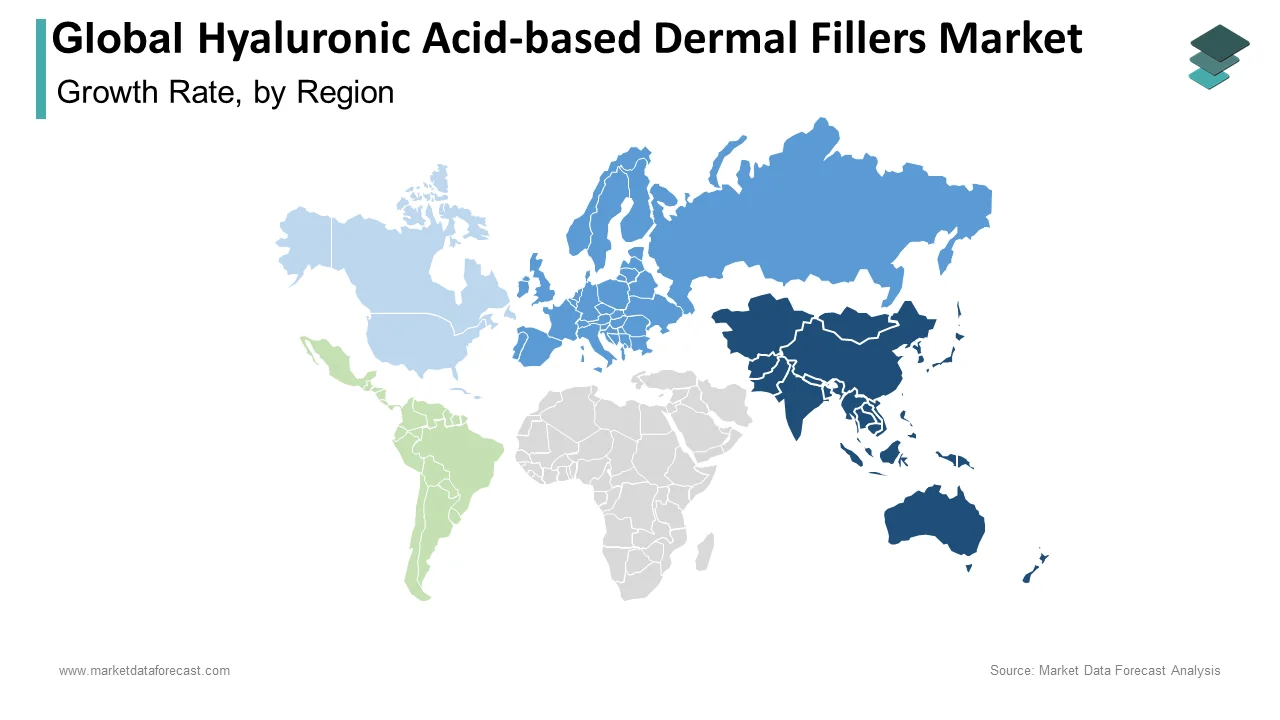
- North America dominated the global market in 2025 by accounting for 38.3% share, driven by high consumer spending on cosmetic procedures, advanced aesthetic healthcare infrastructure, and strong adoption of minimally invasive treatments.
- Europe held the second-largest position and is projected to experience steady growth, supported by stringent product safety standards, increasing demand for aesthetic procedures, and a well-established cosmetic dermatology industry.
- Asia-Pacific is projected to register the fastest growth during the forecast period, driven by rapid urbanization, rising disposable incomes, increasing beauty consciousness, expanding medical aesthetics clinics, and growing adoption of cosmetic procedures across major economies.
Competitive Landscape
The global hyaluronic acid-based dermal fillers market is highly competitive, with leading aesthetic medicine companies focusing on product innovation, advanced filler technologies, and portfolio expansion. Market participants are investing in next-generation hyaluronic acid formulations, clinical research, physician training programs, and geographic expansion to strengthen their market position. Strategic partnerships, regulatory approvals, acquisitions, and new product launches continue to shape the competitive landscape.
Prominent companies operating in the global hyaluronic acid-based dermal fillers market include Galderma Laboratories, Sinclair Pharma, Bioplus Co., Ltd., Merz Pharma, Allergan Aesthetics (an AbbVie Company), Bioxis Pharmaceuticals, Sculpt Luxury Dermal Fillers Ltd., Dr. Korman, Prollenium Medical Technologies, Candela Corporation, Suneva Medical, Anika Therapeutics, Inc., Genzyme Corporation, LG Life Sciences, Ltd. (LG Chem), and Laboratoires Vivacy.
Global Hyaluronic Acid-based Dermal Fillers Market Size
The global hyaluronic acid-based dermal fillers market was valued at USD 5.44 billion in 2025. The global market is projected to grow from USD 5.88 billion in 2026 to reach USD 11 billion by 2034, exhibiting a compound annual growth rate (CAGR) of 8.14% from 2026 to 2034.
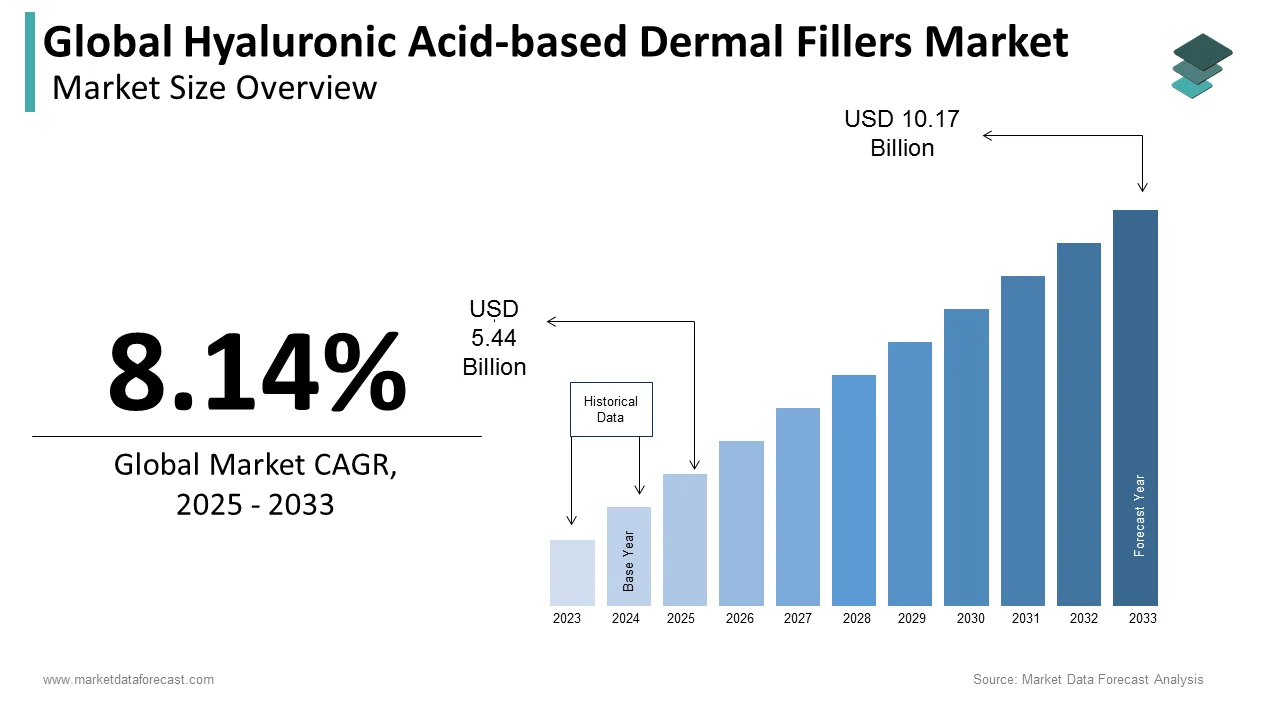
Hyaluronic acid-based dermal fillers are designed to restore volume, smooth wrinkles, and enhance facial contours by replenishing the naturally occurring glycosaminoglycan found in human skin. These biocompatible gels serve as a minimally invasive alternative to surgical procedures, offering immediate aesthetic improvements with limited downtime. The global adoption of these products has accelerated due to shifting societal attitudes toward aging and the increasing accessibility of aesthetic medicine. According to the International Society of Aesthetic Plastic Surgery, there were approximately 4.5 million hyaluronic acid filler procedures performed globally in 2022, representing a substantial portion of all nonsurgical cosmetic interventions. As per data from the American Society for Dermatologic Surgery, hyaluronic acid remains one of the most popular nonsurgical cosmetic procedures in the United States, with millions of treatments administered annually. The demographic profile of patients is expanding beyond traditional age groups, with individuals in their late twenties increasingly seeking preventive treatments to maintain facial structure. Technological advancements in cross-linking techniques have improved the longevity and stability of these fillers, allowing for customized solutions tailored to specific anatomical areas such as lips, cheeks, and nasolabial folds. Regulatory bodies, including the US Food and Drug Administration and the European Medicines Agency, continue to refine safety guidelines, ensuring that only high-purity and clinically validated products reach the market. This rigorous oversight, combined with growing consumer confidence, drives the sustained expansion of the sector across both developed and emerging economies.
MARKET DRIVERS
Rising Geriatric Population and Demand for Minimally Invasive Rejuvenation
The global demographic shift toward an aging population is expected to continue driving significant growth in the hyaluronic acid dermal fillers market over the next few years as individuals seek effective solutions for age-related volume loss and skin laxity. According to the United Nations Department of Economic and Social Affairs, the number of people aged 65 years or older is projected to rise significantly from 761 million in 2021 to 1.6 billion by 2050, creating a vast addressable market for anti-aging treatments. As per data from the World Health Organization, older adults are increasingly prioritizing quality of life and personal appearance, leading to higher expenditure on aesthetic procedures that offer natural-looking results without the risks associated with surgery. Hyaluronic acid fillers provide a reversible and adjustable option for restoring facial harmony, which appeals to this demographic due to the lower barrier to entry compared to facelifts or implants. The psychological benefit of improved self-esteem further drives demand as seniors remain active in professional and social spheres. For instance, the preference for minimally invasive procedures has grown consistently among individuals over 50 who wish to avoid prolonged recovery periods. Medical practitioners are also recommending these treatments more frequently as part of holistic wellness programs that address both physical and mental well-being. This trend is supported by increased disposable income among retirees in developed nations who view aesthetic maintenance as a standard component of healthy aging rather than a luxury.
Influence of Social Media and Celebrity Culture on Aesthetic Standards
The pervasive influence of social media platforms and celebrity culture will likely continue to reshape public perception of beauty and sustain high demand for hyaluronic acid-based dermal fillers in the coming years. According to data from the Pew Research Center, over 70% of adults in the United States use at least one social media platform, where filtered images and curated aesthetics create beauty standards that motivate individuals to seek cosmetic enhancements. As per reports from the British Association of Aesthetic Plastic Surgeons, there has been a notable increase in patients requesting procedures to replicate the looks of influencers and celebrities, particularly regarding lip augmentation and cheek definition. The normalization of cosmetic procedures through open discussion on platforms like Instagram and TikTok has reduced stigma, making fillers a common topic of conversation among younger demographics. For instance, the visibility of before and after transformations online serves as powerful marketing that educates consumers on the possibilities of aesthetic medicine. This digital exposure accelerates decision-making processes as potential patients can easily research providers and view results. The desire to maintain a youthful and photogenic appearance in a visually driven digital economy compels individuals to invest in regular maintenance treatments. Consequently, clinics report a surge in first-time patients under 30 who view fillers as a routine aspect of personal grooming, similar to skincare or fitness routines.
MARKET RESTRAINTS
Stringent Regulatory Requirements and Approval Processes
The hyaluronic acid-based dermal fillers market is expected to face continued scrutiny regarding safety and compliance as regulatory frameworks evolve to address the rapid innovation in the sector. According to the US Food and Drug Administration, obtaining premarket approval for new filler formulations requires extensive clinical trials to demonstrate safety, efficacy, and biocompatibility, a process that can take several years and cost millions of dollars. As per data from the European Commission, the implementation of the Medical Device Regulation has increased the burden of proof for manufacturers, requiring more robust post-market surveillance and clinical evidence before products can be CE marked. These stringent requirements limit the speed at which innovative products can enter the market and create high barriers to entry for smaller companies lacking substantial financial resources. According to industry reports, the complexity of regulatory compliance often leads to delays in product launches, causing companies to miss peak market opportunities. Furthermore, discrepancies in regulations between regions force manufacturers to develop separate documentation and testing protocols for each market, increasing operational costs. The risk of regulatory rejection or post-market recalls due to adverse events also poses a financial threat to established brands. This regulatory landscape discourages rapid innovation and consolidation as companies prioritize compliance over experimentation. Consequently, the market sees fewer novel entrants and a dominance of established players who can navigate the complex legal environment effectively.
Risk of Adverse Events and Lack of Standardized Training
The safety concerns and professional standards to ensure consistent patient outcomes are further impeding the expansion of the global market. According to the American Society of Plastic Surgeons, complications such as vascular occlusion, infection, nodules, and asymmetry can occur if fillers are administered by unqualified or inexperienced providers. As per data from professional aesthetic organizations, the incidence of serious adverse events has risen in parallel with the proliferation of non-medical practitioners offering injection services in unregulated settings. The absence of universal licensing standards means that individuals with minimal medical background may perform complex facial injections, increasing the risk of permanent damage. According to industry analysis, consumer confidence is periodically shaken by high-profile cases of botched procedures reported in media outlets, leading to temporary declines in demand. Insurance coverage for corrective surgeries following filler complications is often limited, placing the financial burden on patients and damaging the reputation of the industry. Medical associations are calling for stricter oversight and mandatory certification, but progress is slow in many countries. This variability in practitioner competence creates an uneven patient experience and undermines trust in the safety of hyaluronic acid fillers. Until comprehensive training and accreditation become mandatory globally, the fear of complications will remain a significant barrier to broader market adoption.
MARKET OPPORTUNITIES
Expansion into Emerging Markets with Rising Disposable Income
Emerging markets are projected to see a robust increase in aesthetic procedure adoption as rising disposable incomes and shifting beauty standards make professional treatments more accessible over the next few years. According to the World Bank, middle-class populations in countries such as China, India, Brazil, and Mexico have expanded significantly, creating a new base of consumers with the financial capacity to afford premium cosmetic treatments. As per data from regional aesthetic societies, the number of aesthetic procedures in developing nations has grown by over 20% annually, driven by urbanization and changing beauty ideals. Manufacturers are increasingly focusing on these regions by establishing local production facilities and partnering with regional distributors to reduce costs and improve accessibility. According to industry reports, the demand for non-surgical procedures in Latin America and Asia Pacific is outpacing growth in mature markets due to the younger demographic profile and cultural emphasis on appearance. Localized marketing strategies that respect cultural nuances while promoting global beauty standards are proving effective in capturing market share. Additionally, the rise of medical tourism in countries like Thailand and South Korea attracts international patients seeking high-quality, affordable treatments. This geographic expansion allows companies to diversify revenue streams and reduce dependence on saturated Western markets. The untapped potential in these regions offers long-term growth prospects as healthcare infrastructure improves and awareness of aesthetic options increases.
Development of Hybrid Fillers and Combination Therapies
The shift toward multifunctional treatment protocols that combine hyaluronic acid with other bioactive agents to provide more comprehensive anti-aging results is another prominent opportunity for the hyaluronic acid-based dermal fillers market. According to research published in the Journal of Cosmetic Dermatology, hybrid formulations provide both immediate volume restoration and long-term collagen stimulation, addressing multiple signs of aging simultaneously. As per data from major aesthetic pharmaceutical companies, these next-generation products appeal to patients seeking longer-lasting results and improved skin quality beyond simple filling. The ability to customize treatment plans using combination therapies allows practitioners to tailor interventions to individual patient needs, enhancing satisfaction and loyalty. According to industry analysis, the segment for premium and specialized fillers is growing faster than standard products as consumers become more educated about advanced aesthetic options. Manufacturers are investing in clinical studies to validate the superior efficacy and safety profiles of these hybrid solutions, facilitating regulatory approval and physician adoption. Furthermore, the integration of fillers with energy-based devices such as lasers and radiofrequency treatments creates comprehensive rejuvenation packages that drive higher clinic revenues. This trend toward multimodal aesthetics encourages continuous innovation and positions hyaluronic acid as a core component of broader anti-aging regimens rather than a standalone solution.
MARKET CHALLENGES
Prevalence of Counterfeit and Unapproved Products
The prevalence of counterfeit goods is expected to remain a significant hurdle for market integrity, necessitating enhanced protective measures from both authorities and manufacturers in the coming years. According to international law enforcement data, seizures of fake aesthetic products have increased by 30% in recent years, with many counterfeit fillers containing unknown substances such as industrial silicone or non-medical-grade hyaluronic acid. As per data from major aesthetic companies, unauthorized products often bypass quality control measures, leading to severe complications including tissue necrosis, blindness, and systemic infections. The ease of purchasing these illicit products through online marketplaces and unlicensed clinics makes it difficult for regulators to control distribution channels. According to industry reports, the presence of cheap counterfeits distorts pricing dynamics and erodes consumer trust in the entire category. Patients may not realize they have received fake products until complications arise, making it challenging to track and mitigate harm. Legitimate manufacturers must invest heavily in anti-counterfeit technologies such as holographic seals and tracking codes, which adds to operational costs. Educating consumers and practitioners on how to identify authentic products is an ongoing struggle that requires collaboration between industry stakeholders and law enforcement agencies. This persistent issue threatens the integrity of the market and necessitates constant vigilance to protect public health.
High Cost of Advanced Formulations and Treatment Procedures
Market accessibility for price-sensitive demographics will continue to be a primary challenge, with companies needing to balance premium pricing and broader reach over the next few years. According to data from the American Society of Plastic Surgeons, the average cost of a single syringe of hyaluronic acid filler ranges from 600 to 800 dollars, excluding additional fees for consultation and facility use. As per reports from healthcare economic analysts, these expenses are typically not covered by insurance as they are considered elective cosmetic procedures, placing the full financial burden on patients. The recurring nature of filler treatments, since effects last only 6 to 18 months, means that maintaining results requires significant ongoing investment. According to industry analysis, economic downturns and inflationary pressures often lead consumers to postpone or cancel aesthetic treatments, affecting market volatility. High prices also limit access to lower-income demographics who may seek cheaper, unsafe alternatives from unqualified providers. Manufacturers face pressure to balance research and development costs with competitive pricing while maintaining profit margins. Clinics must justify the premium pricing through superior service and expertise, but this can be difficult in highly competitive urban markets. The affordability gap remains a barrier to mass market adoption, forcing companies to explore tiered product offerings and financing options to broaden their customer base without compromising brand value.
REPORT COVERAGE
| REPORT METRIC | DETAILS |
| Market Size Available | 2025 to 2034 |
| Base Year | 2025 |
| Forecast Period | 2026 to 2034 |
| Segments Covered | By Product, Application, End-user, and Region. |
| Various Analyses Covered | Global, Regional and Country-Level Analysis, Segment-Level Analysis, Drivers, Restraints, Opportunities, Challenges; PESTLE Analysis; Porter’s Five Forces Analysis, Competitive Landscape, Analyst Overview of Investment Opportunities |
| Regions Covered | North America, Europe, Asia Pacific, Latin America, Middle East & Africa |
| Market Leaders Profiled | Galderma Laboratories, Sinclair Pharma, Bioplus Co., Ltd., Merz Pharma, Allergan, Bioxis Pharmaceuticals, Sculpt Luxury Dermal Fillers Ltd, Dr. Korman, Prollenium Medical Technologies, Candela Corporation, Suneva Medical, Anika Therapeutics, Inc., Genzyme Corporation, LG Life Sciences, Ltd. (LG Chem.) Laboratoires Vivacy, and Others. |
SEGMENTAL ANALYSIS
By Product Insights
The single-phase products segment led the market by capturing 66.5% of the global market share in 2025 and is expected to maintain its market leadership as the standard of care for many practitioners due to its reliability and ease of integration over the forecast period. According to data from the American Society for Aesthetic Plastic Surgery, single-phase fillers are preferred by practitioners for their ease of handling and reduced risk of nodule formation compared to biphasic alternatives. As per reports from major manufacturers, these products consist of cross-linked hyaluronic acid without non-cross-linked particles, resulting in a uniform viscosity that integrates seamlessly with facial tissues. This consistency allows for precise contouring in delicate areas such as the lips and under-eye regions, where lumpiness is a significant concern. According to industry analysis, the demand for single-phase products has increased by 12% annually as clinicians seek predictable outcomes with minimal post-procedure swelling. The manufacturing process for single-phase gels is also more streamlined, reducing production costs and enabling competitive pricing for high-volume procedures. Furthermore, the cohesive nature of these gels provides better structural support for tissue lifting, making them ideal for mid-face rejuvenation. The widespread availability of training programs focused on single-phase techniques further reinforces their dominance in clinical practice, ensuring that new entrants to the aesthetic field adopt these products as their standard of care.
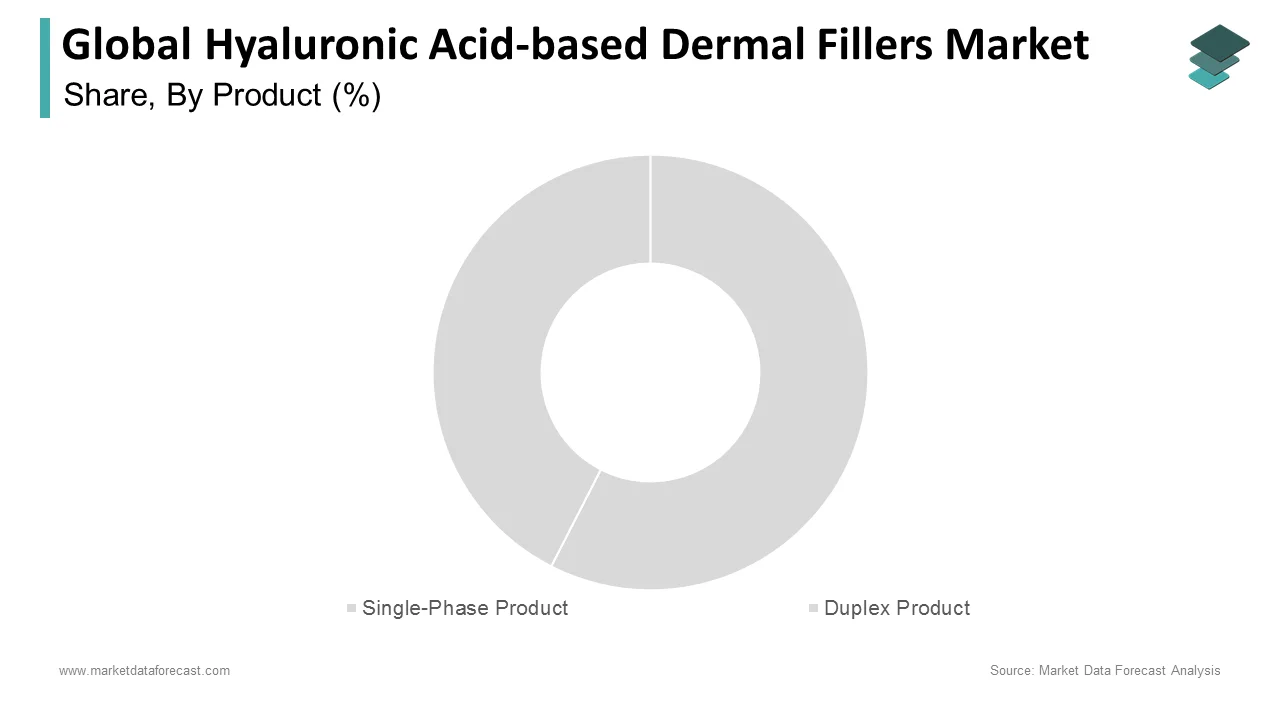
The duplex products segment is estimated to witness the fastest CAGR of 9.04% during the forecast period owing to their superior longevity and ability to provide robust structural support for deep tissue augmentation. According to data from the European Society of Aesthetic Medicine, duplex fillers combine cross-linked hyaluronic acid with non-cross-linked particles, which act as a lubricant during injection and enhance integration into the dermis. As per reports from clinical studies, this unique composition allows for a higher concentration of active ingredient per syringe, resulting in effects that last up to 18 months compared to 6 to 9 months for some single-phase variants. The granular structure of duplex products provides excellent lift capacity, making them the preferred choice for correcting deep nasolabial folds and restoring cheek volume. According to industry analysis, the demand for longer-lasting solutions is rising among patients who wish to minimize the frequency of maintenance visits. Manufacturers are investing in advanced cross-linking technologies to improve the stability of duplex gels while maintaining safety profiles. The ability to tailor the particle size and concentration allows for customized treatments addressing specific anatomical needs. This versatility, combined with proven durability, drives rapid adoption among experienced injectors seeking to offer premium long-term value to their clientele.
By Application Insights
The wrinkle removal segment dominated the market by holding 51.5% of the global market share in 2025 and is expected to remain the foundation of the dermal filler market over the forecast period due to its status as a primary anti-aging solution for millions of patients in the next few years. Wrinkle removal constitutes the largest application segment in the hyaluronic acid dermal fillers market, primarily due to the universal desire to mitigate visible signs of aging such as nasolabial folds and marionette lines. According to data from the International Society of Aesthetic Plastic Surgery, over 2 million wrinkle correction procedures were performed globally in 2022, reflecting the high priority patients place on smoothing facial creases. As per reports from the American Academy of Dermatology, dynamic and static wrinkles are among the first concerns addressed by individuals seeking aesthetic enhancement, making this the entry point for many first-time filler patients. Hyaluronic acid fillers effectively restore volume loss that contributes to wrinkle formation, providing immediate and natural-looking improvement. According to industry analysis, the recurring nature of wrinkle treatment drives consistent demand, as patients require touch-ups every 6 to 12 months to maintain results. The versatility of fillers in treating various wrinkle depths from fine lines to deep furrows ensures broad applicability across different age groups. Furthermore, the minimal downtime associated with wrinkle correction appeals to working professionals who cannot afford extended recovery periods. This segment leadership is sustained by the continuous development of specialized formulations designed specifically for superficial versus deep wrinkles, allowing for precise and effective treatment protocols.
However, the lip augmentation segment is estimated to record a CAGR of 12.2% during the forecast period in the global market and is projected to continue its high growth trajectory as shifting beauty trends and social media visibility sustain demand among younger demographics over the next few years. Lip augmentation represents the fastest-growing application segment, driven by intense social media influence and changing beauty standards that favor fuller lips. According to data from the British Association of Aesthetic Plastic Surgeons, requests for lip fillers have increased by 35% in recent years, particularly among millennials and Gen Z consumers influenced by celebrity trends. As per reports from social media analytics, hashtags related to lip enhancement generate billions of views, creating a powerful digital marketing engine that normalizes and popularizes the procedure. Hyaluronic acid is the preferred material for lip augmentation due to its soft texture and reversibility, allowing for subtle or dramatic enhancements based on patient preference. According to industry analysis, the availability of specialized lip fillers with lower viscosity and higher elasticity has improved safety and aesthetic outcomes, reducing the risk of lumps or migration. The relatively lower cost of lip procedures compared to full face rejuvenation makes them accessible to younger demographics with limited disposable income. Additionally, the quick procedure time and immediate visual impact provide high satisfaction rates, encouraging repeat visits. This cultural shift toward bold facial features ensures sustained growth in the lip augmentation sector as it becomes a staple of modern beauty routines.
By End User Insights
The specialty dermatology clinics segment held the major share of the global market in 2025 and is expected to maintain its position as the preferred venue for high-end aesthetic treatments, with future growth supported by a focus on advanced technical care. Specialty dermatology clinics hold the leading position in the end-user segment, primarily because they offer specialized expertise and a focused environment for aesthetic procedures. According to data from the American Osteopathic College of Dermatology, board-certified dermatologists perform the majority of complex filler injections due to their extensive knowledge of facial anatomy and skin physiology. As per reports from patient satisfaction surveys, individuals prefer specialty clinics for their perceived higher safety standards and ability to manage potential complications effectively. These clinics are equipped with advanced imaging and diagnostic tools that aid in precise injection planning, enhancing overall treatment quality. According to industry analysis, specialty clinics often invest in the latest filler technologies and offer a wider range of products compared to general practices. The dedicated nature of these facilities allows for personalized consultation and follow-up care, building strong patient loyalty. Furthermore, dermatologists are trusted authorities in skincare, making them the natural choice for patients seeking comprehensive aesthetic solutions that combine fillers with other treatments like lasers or chemical peels. This concentration of expertise and resources ensures that specialty dermatology clinics remain the primary destination for consumers prioritizing safety and optimal aesthetic outcomes.
On the other side, the hospitals segment is set to continue playing a vital, albeit specialized, role in the dermal filler market as they expand their reconstructive and medical aesthetic portfolios over the next few years. According to data from the World Health Organization, hospitals are essential providers of care for patients requiring complex facial reconstruction, where fillers serve as adjuncts to surgical interventions. As per reports from medical journals, the use of fillers in hospital settings allows for minimally invasive correction of asymmetries and volume deficits, improving patient quality of life without additional surgical risks. Hospitals benefit from multidisciplinary teams, including plastic surgeons, otolaryngologists, and dermatologists, who collaborate on comprehensive treatment plans. According to industry analysis, the integration of aesthetic services into hospital portfolios helps diversify revenue streams and attract patients seeking one-stop solutions for both medical and cosmetic needs. The strict regulatory compliance and sterile environments of hospitals also appeal to patients with heightened safety concerns. Additionally, teaching hospitals contribute to market growth by training future specialists in advanced injection techniques. While volume is lower than specialty clinics, the high complexity and reimbursement potential for reconstructive cases support steady expansion in this segment.
REGIONAL ANALYSIS
North America Hyaluronic Acid-based Dermal Fillers Market Analysis
North America had 38.3% of the global market share in 2025 and is expected to continue its dominance in the global dermal fillers market, driven by persistent innovation and a mature consumer base that values aesthetic maintenance. According to data from the American Society of Plastic Surgeons, the United States accounts for the highest number of nonsurgical cosmetic procedures globally, with hyaluronic acid fillers being the most frequently performed treatment. As per reports from public health data, the aging baby boomer population, combined with millennial interest in preventive aesthetics, creates a robust dual demographic demand. The region benefits from a high density of qualified practitioners and stringent regulatory oversight by the FDA, which ensures product safety and builds consumer trust. According to industry analysis, the presence of major market players such as Allergan and Galderma fosters continuous innovation and competitive pricing. The widespread acceptance of cosmetic enhancements in Western culture reduces stigma and encourages regular maintenance treatments. Insurance coverage for reconstructive indications further supports market stability. The mature market status means growth is driven by product innovation and expansion into new indications rather than basic awareness. This established ecosystem ensures North America remains the primary revenue generator for global manufacturers.
Europe Hyaluronic Acid-based Dermal Fillers Market Analysis
Europe is projected to experience steady growth as it continues to balance high safety standards with a growing demand for subtle, high-quality aesthetic results, a preference for natural-looking results, and strict adherence to regulatory standards under the EU Medical Device Regulation. According to data from the European Society of Aesthetic Medicine, countries like France, Germany, and the United Kingdom lead in procedural volume, driven by a sophisticated consumer base that values subtlety and quality. As per reports from the European Commission, the implementation of stricter safety guidelines has consolidated the market around reputable brands, ensuring high product standards. The region’s diverse cultural attitudes toward aging influence treatment preferences, with Northern Europeans favoring preventive care and Southern Europeans focusing on correction. According to industry analysis, the rise of medical tourism in countries like Spain and Italy attracts international patients seeking high-quality, affordable treatments. The strong presence of local manufacturers and research institutions drives innovation in biocompatible materials. Environmental sustainability is also becoming a key consideration, influencing packaging and production practices. This mature and regulated market prioritizes safety and efficacy, driving steady growth through repeat patients and advanced therapeutic applications.
Asia Pacific Hyaluronic Acid-based Dermal Fillers Market Analysis
Asia Pacific is anticipated to be the most dynamic region for market expansion, with rapid adoption of aesthetic procedures across major economies, rapid urbanization, rising disposable incomes, and changing beauty ideals in countries like China, South Korea, and Japan. According to data from the Chinese Society of Plastic and Aesthetic Surgery, the number of aesthetic procedures in China has doubled in the last five years, fueled by a young population eager to adopt global beauty trends. As per reports from the Korean Ministry of Health and Welfare, South Korea remains a global hub for aesthetic innovation and medical tourism, attracting patients from across the region. The influence of K-beauty and C-beauty trends promotes specific aesthetic goals, such as V-line jaws and doll-like eyes, driving demand for targeted filler applications. According to industry analysis, the expansion of middle-class populations in India and Southeast Asia is creating new customer bases for premium aesthetic services. Local manufacturers are emerging to compete with global brands, offering cost-effective alternatives. Government initiatives to regulate the aesthetic industry are improving safety standards and consumer confidence. This dynamic and rapidly evolving market offers significant long-term growth potential as cultural stigma decreases and accessibility improves.
Latin America Hyaluronic Acid-based Dermal Fillers Market Analysis
Latin America is expected to sustain its market position as a key global hub for cosmetic enhancements, with ongoing growth supported by high procedural demand, a strong cultural emphasis on physical appearance, and high per capita procedure rates in countries like Brazil and Mexico. According to data from the Brazilian Society of Plastic Surgery, Brazil consistently ranks among the top countries globally for cosmetic procedures, including nonsurgical fillers. As per reports from the Mexican Association of Aesthetic Medicine, the growing middle class and increasing influence of social media are driving demand among younger demographics. The region benefits from a large number of skilled practitioners and competitive pricing, which makes treatments accessible to a broader population. According to industry analysis, medical tourism is a significant driver, with patients from North America and Europe traveling to Latin America for affordable, high-quality care. The popularity of body contouring often complements facial filler treatments, creating synergistic demand. Economic volatility remains a challenge, but the resilience of the aesthetic sector demonstrates its priority in consumer spending. Local distribution networks are expanding to reach secondary cities, further penetrating the market. This vibrant and culturally driven market continues to expand despite economic fluctuations.
Middle East and Africa Hyaluronic Acid-based Dermal Fillers Market Analysis
The Middle East and Africa region is poised for continued growth as investments in high-end aesthetic facilities and an increasing focus on personal grooming gain momentum, with growth concentrated in Gulf Cooperation Council countries where high disposable income and luxury consumption drive demand. According to data from the Saudi Society of Dermatology and Dermatologic Surgery, there is increasing interest in advanced aesthetic treatments among both residents and expatriates in countries like the United Arab Emirates and Saudi Arabia. As per reports from the African Aesthetic Association, South Africa serves as a regional hub for aesthetic medicine, with growing adoption of nonsurgical procedures among urban populations. The region’s cultural appreciation for beauty and grooming supports steady demand for premium filler brands. According to industry analysis, the lack of local manufacturing means reliance on imports, but distribution channels are becoming more sophisticated. Religious and cultural norms influence treatment preferences, with a focus on privacy and discretion.
COMPETITIVE LANDSCAPE
The competitive landscape of the hyaluronic acid-based dermal fillers market features intense rivalry among established pharmaceutical giants and agile specialized manufacturers striving for technological superiority and brand dominance. Major corporations leverage extensive research and development capabilities to create proprietary gel formulations with unique rheological properties that differentiate their products. Innovation centers on extending product longevity, improving ease of injection, and enhancing natural aesthetic outcomes to meet evolving consumer expectations. Price competition is moderate in the premium segment but intensifies in mid-range markets where numerous regional players offer cost-effective alternatives. Intellectual property rights regarding cross-linking methods and particle structures serve as critical barriers to entry, protecting market leaders from immediate imitation. Regulatory compliance remains a key differentiator as stringent safety standards favor companies with robust quality management systems. Brand loyalty among physicians is cultivated through continuous medical education and strong clinical support networks. The rise of counterfeit products poses a shared threat, prompting industry-wide collaboration on authentication technologies. Consumer influence via social media increasingly shapes brand perception, forcing companies to maintain transparent and engaging digital presences. Strategic alliances with aesthetic clinics and wellness centers further consolidate market positions, ensuring broad distribution and visibility.
KEY MARKET PLAYERS
Some of the companies that are playing a dominating role in the global hyaluronic acid-based dermal fillers market include
- Galderma Laboratories
- Sinclair Pharma
- Bioplus Co., Ltd.
- Merz Pharma
- Allergan Aesthetics, an AbbVie Company
- Bioxis Pharmaceuticals
- Sculpt Luxury Dermal Fillers Ltd
- Dr. Korman
- Prollenium Medical Technologies
- Candela Corporation
- Suneva Medical
- Anika Therapeutics, Inc.
- Genzyme Corporation
- LG Life Sciences, Ltd. (LG Chem)
- Laboratoires Vivacy
TOP PLAYERS IN THE MARKET
- Allergan Aesthetics, an AbbVie Company, stands as a global leader in the aesthetic medicine sector, renowned for its flagship Juvederm collection of hyaluronic acid dermal fillers. The company consistently drives innovation through advanced Vycross technology, which enhances gel smoothness and longevity for superior clinical outcomes. Recent strategic initiatives include expanding its portfolio with specialized formulations targeting specific facial areas such as the chin and jawline. Allergan invests heavily in physician education programs and digital marketing campaigns to reinforce brand loyalty among practitioners and consumers. The firm actively collaborates with key opinion leaders to publish clinical data validating safety and efficacy. Its robust global distribution network ensures widespread availability while maintaining strict quality control standards. Allergan continues to strengthen its market position by integrating artificial intelligence tools for treatment planning and patient consultation, enhancing the overall user experience.
- Galderma Group AG is a pure-play dermatology category leader that offers a comprehensive suite of hyaluronic acid-based fillers under the Restylane and Defyne brands. The company focuses on science-driven solutions tailored to individual patient needs, emphasizing natural-looking results and long-term satisfaction. Recent actions include launching next-generation bio-integrated fillers that stimulate collagen production alongside volume restoration. Galderma prioritizes sustainability by implementing eco-friendly manufacturing processes and recyclable packaging across its product lines. The corporation expands its reach through strategic acquisitions of regional distributors and complementary aesthetic technologies. It maintains strong relationships with healthcare professionals through extensive training academies and scientific symposia. Galderma leverages real-world evidence to demonstrate product performance, reinforcing trust in its premium positioning. The company's commitment to innovation and patient-centric care solidifies its reputation as a trusted partner in the global aesthetic community.
- Sinclair Pharma Plc has established a significant presence in the global market through its high-quality hyaluronic acid filler brands, including Silhouette Soft and Perfectha. The company distinguishes itself by combining fillers with biostimulatory technologies to offer holistic rejuvenation solutions that address both volume loss and skin quality. Recent strategies involve expanding manufacturing capacity in Europe and Asia to meet growing international demand and reduce supply chain vulnerabilities. Sinclair invests in clinical research to validate the synergistic effects of its combined treatment protocols. The firm actively engages in direct-to-consumer education initiatives to demystify aesthetic procedures and build brand awareness. Strategic partnerships with leading clinics and spas enhance product visibility and accessibility. Sinclair focuses on delivering value through innovative product designs that simplify injection techniques for practitioners. This approach ensures consistent performance and safety, strengthening its competitive edge in a crowded marketplace.
TOP STRATEGIES USED BY KEY MARKET PARTICIPANTS
Key players in the hyaluronic acid-based dermal fillers market primarily focus on product innovation through advanced cross-linking technologies that improve gel cohesivity and duration. Manufacturers invest heavily in clinical trials to generate robust safety and efficacy data supporting regulatory approvals and physician confidence. Expansion into emerging markets via local partnerships and customized marketing strategies helps capture growing demand in Asia Pacific and Latin America. Companies prioritize physician education and training programs to ensure proper injection techniques and minimize adverse events. Digital engagement strategies, including social media campaigns and virtual consultations, enhance consumer awareness and drive clinic traffic. Strategic acquisitions of complementary aesthetic devices or brands allow firms to offer comprehensive treatment ecosystems. Sustainability initiatives such as eco-friendly packaging and carbon-neutral production align with corporate social responsibility goals. Pricing strategies often involve tiered product offerings to cater to diverse economic segments while maintaining premium brand equity.
MARKET SEGMENTATION
This research report on the global hyaluronic acid-based dermal fillers market has been segmented and sub-segmented based on product, application, end-user & region.
By Product
- Single-Phase Product
- Duplex Product
By Application
- Lip Augmentation
- Rhinoplasty
- Wrinkle Removal
By End-User
- Hospitals
- Specialty Dermatology Clinics
By Region
- North America
- Europe
- Asia-Pacific
- Latin America
- Middle East and Africa