- Product Description Description
- Table of Contents TOC
- List of Table & Figure LOT
- Get Free Sample PDF Sample PDF
Market Size, 2025
$3.22 BnMarket Estimate, 2026
$3.46 BnMarket Forecast, 2034
$6.19 BnCAGR, 2026–2034
7.54%Executive Summary: Pancreatic Cancer Market
- Market Scope: Comprehensive global analysis of the pancreatic cancer market covering treatment modalities, diagnostic services, hospital-based and specialty care segments, liquid biopsy advancements, and precision oncology trends.
- Market Valuation: Valued at USD 4.55 billion (2025), estimated at USD 4.82 billion (2026), and projected to reach USD 7.65 billion by 2034, registering a steady CAGR of 5.9% (2026–2034).
- Primary Growth Drivers: Rising incidence rates linked to aging populations and modifiable risk factors (obesity and diabetes), expanding adoption of targeted therapies and immunotherapies following biomarker-driven paradigms, and increasing investment in early detection technologies. Key opportunities are backed by non-invasive liquid biopsy monitoring and AI-assisted staging integrations.
Key Market Segment Metrics (2026–2034)
| Category | Leading Segment (2025 Position) | Fastest-Growing Segment |
|---|---|---|
| By Treatment Type & Application | Chemotherapy (dominated with a 58.7% share via FOLFIRINOX and gemcitabine standards) & Diagnostic Services (34.8% share) | Targeted Therapies (CAGR of 12.4% driven by PARP and KRAS agents) |
| By End User & Care Setting | Hospital-Based Treatment (led end-user segments with 72.3% share in 2025) | Specialty Oncology Centers (gaining traction for multidisciplinary care coordination) |
| By Region / Country | North America (occupied 42.3% of the regional market in 2025 supported by diagnostic infrastructure and trial density) | Europe (commands premium value segments through centralized reference networks and HTA pathways) |
Major Market Players & Market Structure
Market Structure: Highly competitive global oncology and biopharmaceutical landscape featuring major life science corporations competing intensely on companion diagnostic stratification, neoadjuvant trial designs, and FDA/EMA accelerated approval pathways.
Key Companies: AstraZeneca PLC, Merck & Co. Inc., Bristol Myers Squibb Company, Pfizer Inc., Eli Lilly and Company, Amgen Inc., Ipsen S.A., Celgene Corporation (BMS), Halozyme Therapeutics Inc., and BioNTech SE.
 Download Free Sample Report
Global Pancreatic Cancer Market Size
The global pancreatic cancer market was valued at USD 3.22 billion in 2025. The global market is further anticipated to be worth USD 6.19 billion by 2034 from USD 3.46 billion in 2026, growing at a CAGR of 7.54% during the forecast period.
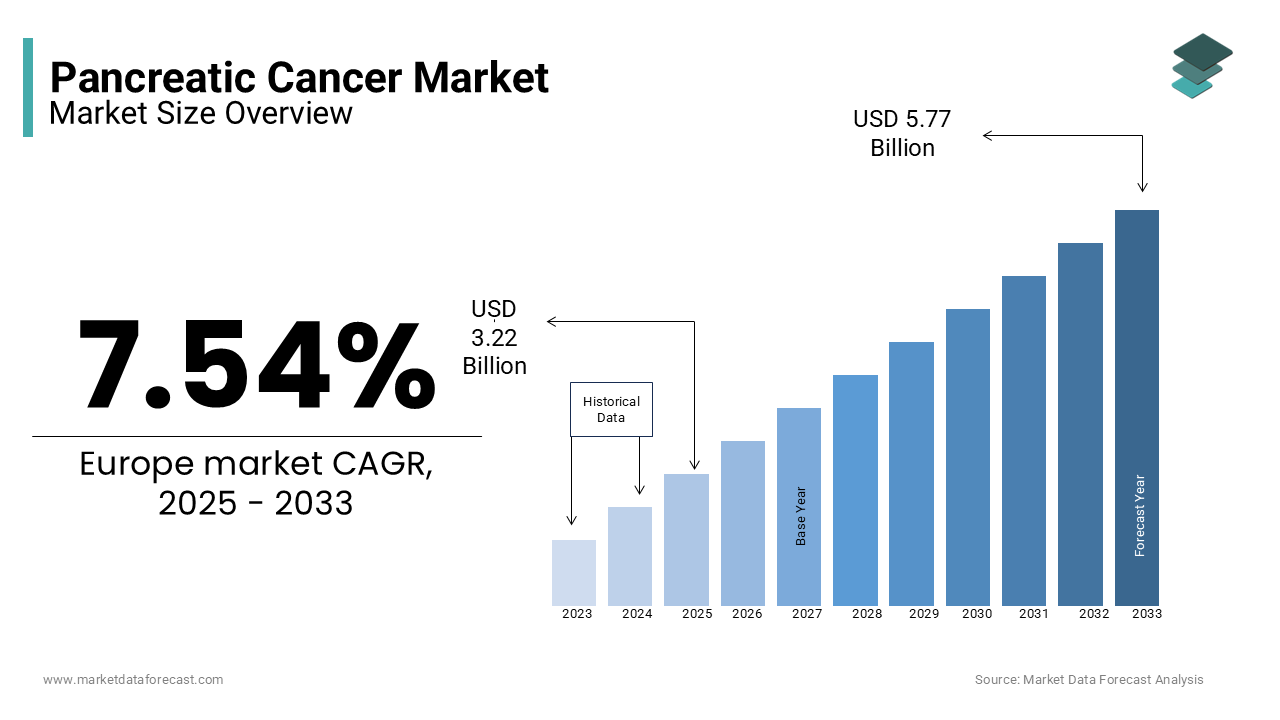
The pancreatic cancer is the oncology industry focused on the diagnosis treatment and management of malignant tumors originating in the pancreas. This aggressive form of cancer is characterized by late-stage detection and poor prognosis necessitating advanced therapeutic interventions, including chemotherapy targeted therapy and immunotherapy. The global health burden of this disease is substantial with incidence rates rising steadily, across developed and developing nations. According to the World Health Organization, pancreatic cancer accounts for approximately 466000 deaths annually worldwide reflecting its high mortality rate relative to incidence. The American Cancer Society estimates that over 64000 new cases will be diagnosed in the United States alone in the current year underscoring the urgent need for effective medical solutions. The complexity of pancreatic anatomy and the asymptomatic nature of early-stage disease contribute to diagnostic delays which significantly impact treatment outcomes. Research efforts are increasingly directed toward understanding the molecular mechanisms of pancreatic ductal adenocarcinoma, which constitutes the majority of cases. The integration of precision medicine and biomarker discovery is transforming the landscape by enabling personalized treatment strategies
MARKET DRIVERS
Rising Global Incidence Rates Drive Urgent Demand for Advanced Therapeutic Solutions
The escalating incidence of pancreatic cancer globally due to the increasing number of patients requiring immediate and comprehensive medical intervention is a major driving factor for the growth of the pancreatic cancer market. Lifestyle factors, such as obesity, smoking, and poor dietary habits have contributed to a steady rise in case numbers, particularly in industrialized nations. According to the International Agency for Research on Cancer, the global incidence of pancreatic cancer is projected to increase by nearly 50% by 2040, driven by aging populations and changing risk profiles. This demographic shift creates a substantial patient pool that necessitates access to novel therapies and diagnostic tools. The pancreatic cancer is the third leading cause of cancer related deaths in the United States emphasizing the severity of the public health challenge. As more individuals are diagnosed at advanced stages, the demand for second line and third line treatments intensifies driving pharmaceutical innovation. Healthcare systems are prioritizing the development of multidisciplinary care models that integrate surgical oncology medical oncology and palliative care to improve patient outcomes. The lack of effective screening methods further exacerbates the situation as patients often present with metastatic disease requiring systemic therapy. Consequently, the growing volume of cases ensures a consistent and expanding demand for innovative drugs and supportive care products.
Advancements in Precision Medicine and Biomarker Discovery Enhance Treatment Efficacy
The rapid progress in precision medicine and the identification of specific genetic biomarkers are boosting the growth of the pancreatic cancer market. Traditional chemotherapy regimens have shown limited efficacy prompting a shift toward targeted therapies that address specific molecular alterations within tumor cells. This subset of patients benefits significantly from targeted interventions leading to improved survival rates and quality of life. The development of liquid biopsy technologies allows for non-invasive monitoring of tumor dynamics by enabling clinicians to adjust treatment plans in real time. The integration of next generation sequencing into routine clinical practice has facilitated the identification of rare but actionable mutations, such as NTRK fusions. These advancements encourage pharmaceutical companies to invest heavily in developing companion diagnostics and tailored therapeutic agents. The ability to stratify patients based on their genetic profile reduces trial and error in treatment selection minimizing adverse effects and healthcare costs. Furthermore, ongoing clinical trials are exploring combination therapies that leverage immune checkpoint inhibitors alongside targeted agents.
MARKET RESTRAINTS
High Cost of Novel Therapies and Limited Reimbursement Coverage Restrict Patient Access
The prohibitive cost of novel targeted therapies and immunotherapies, particularly in regions with limited healthcare funding is hindering the growth of the pancreatic cancer market. Innovative drugs often carry price tags exceeding 100000 USD per year, placing them out of reach for many patients without comprehensive insurance coverage. According to the study, high deductibles and co-payments for specialty medications create substantial financial barriers for individuals seeking advanced cancer care. In many developing countries, out of pocket expenditure constitutes the majority of healthcare spending limiting access to life extending treatments. The catastrophic health expenditure affects millions of households annually forcing families to choose between financial stability and medical necessity. Additionally, reimbursement policies for newer agents are often delayed or restrictive as payers evaluate their cost effectiveness compared to standard chemotherapy. This uncertainty discourages physicians from prescribing expensive treatments even when clinically indicated. Pharmaceutical companies face pressure to demonstrate superior value propositions to justify premium pricing, which can slow down market penetration. The lack of harmonized pricing strategies across different healthcare systems further complicates global access.
Complexity of Clinical Trials and High Drug Development Failure Rates Impede Innovation
The intricate nature of pancreatic cancer biology combined with high failure rates in clinical trials, a major obstacle to the introduction of new therapeutic agents is also impeding the growth of the pancreatic cancer market. The dense stromal environment of pancreatic tumors creates a physical barrier that limits drug delivery and reduces the efficacy of conventional chemotherapies. This high attrition rate discourages investment from smaller biotechnology firms that lack the financial resilience to absorb costly failures. The heterogeneity of pancreatic cancer also complicates patient selection for trials as diverse molecular subtypes respond differently to experimental therapies. As per the Food and Drug Administration, the average time to approve a new oncology drug exceeds 8 years involving extensive preclinical and clinical evaluation phases. These prolonged timelines delay patient access to potentially life-saving innovations and increase development costs for manufacturers. Regulatory requirements for demonstrating overall survival benefits rather than surrogate endpoints further extend trial durations. The scarcity of validated biomarkers for patient stratification adds another layer of complexity, making it difficult to identify responders early in the development process.
MARKET OPPORTUNITIES
Integration of Artificial Intelligence in Early Detection Offers Significant Growth Potential
The application of artificial intelligence and machine learning algorithms in medical imaging is to set up new opportunities for the growth of the pancreatic cancer market. Current diagnostic methods often fail to identify small tumors, until they have metastasized resulting in poor prognoses. AI models trained on computed tomography scans can detect pancreatic cancer up to three years before clinical diagnosis with high accuracy. This capability enables earlier intervention when surgical resection is still feasible significantly improving survival outcomes. Healthcare providers are increasingly adopting these digital tools to enhance radiological interpretation and reduce diagnostic errors. The global expansion of electronic health records facilitates the aggregation of large datasets necessary for training robust AI algorithms. The digital health initiatives are gaining traction in low resource settings offering scalable solutions for cancer screening. Pharmaceutical companies and technology firms are collaborating to develop integrated platforms that combine imaging analysis with genetic profiling. This synergy creates new revenue streams for developers of diagnostic software and associated hardware. Furthermore, early detection reduces the overall cost of care by minimizing the need for expensive palliative treatments in late stage disease.
Expansion of Immunotherapy Combinations and Personalized Vaccine Development
The emerging field of immunotherapy combinations and personalized cancer vaccines is additionally to create new opportunities for the growth of the pancreatic cancer market. While single agent immunotherapies have shown limited success, recent studies suggest that combining checkpoint inhibitors with cytokines or chemotherapy can enhance immune response. Several clinical trials are investigating mRNA based vaccines tailored to individual patient tumor antigens showing encouraging preliminary results. These personalized approaches aim to stimulate the patient’s own immune system to recognize and attack cancer cells more effectively. The success of mRNA technology in other therapeutic areas has accelerated its application in oncology providing a robust platform for rapid vaccine development. Manufacturers are investing in specialized manufacturing facilities capable of producing patient specific vaccines at scale. Additionally, the potential for durable responses and long term remission makes these therapies attractive to patients and providers alike.
MARKET CHALLENGES
Lack of Effective Screening Methods Leads to Late Stage Diagnosis and Poor Outcomes
The absence of reliable and cost-effective screening methods for the general population is a major factor to limit the growth of the pancreatic cancer market in coming years. Unlike breast or colon cancer, there are no standardized screening protocols for asymptomatic individuals leading to diagnosis at advanced stages when treatment options are limited. According to the Pancreatic Cancer Action Network, only 20% of patients are diagnosed at a stage where surgical resection is possible which is the only potential cure. This diagnostic gap results in high mortality rates and places a heavy burden on palliative care services. Current imaging techniques, such as magnetic resonance imaging and endoscopic ultrasound are invasive expensive and not suitable for widespread screening. The low prevalence of the disease in the general population also makes mass screening economically inefficient due to high false positive rates. This limitation hinders early intervention efforts and restricts the market for curative treatments. Healthcare systems struggle to allocate resources for high risk monitoring without clear guidelines.
Tumor Microenvironment Resistance Mechanisms Limit Therapeutic Efficacy
The unique biological characteristics of the pancreatic tumor microenvironment is also to act as a barrier for the growth of the pancreatic cancer market. Pancreatic tumors are surrounded by a dense desmoplastic stroma composed of fibroblasts immune cells and extracellular matrix components that impede drug penetration. According to the study, this stromal barrier acts as a physical shield protecting cancer cells from chemotherapy and immune attacks. The hypoxic conditions within the tumor that further promote resistance by altering cellular metabolism and reducing the efficacy of radiation therapy. These biological defenses make pancreatic cancer one of the most difficult malignancies to treat successfully. Pharmaceutical developers face challenges in designing drugs that can penetrate this dense tissue while maintaining safety profiles. As per the study, efforts to target stromal components have yielded mixed results with some approaches inadvertently promoting tumor progression. This complexity requires sophisticated drug delivery systems, such as nanoparticles or enzyme modifying agents, which are still in early stages of development. The lack of understanding regarding the dynamic interactions between tumor cells and their microenvironment slows down the discovery of effective targets. Consequently, many promising candidates fail in clinical trials due to insufficient tumor exposure or adaptive resistance mechanisms.
REPORT COVERAGE
| REPORT METRIC | DETAILS |
| Market Size Available | 2025 to 2034 |
| Base Year | 2025 |
| Forecast Period | 2026 to 2034 |
| Segments Covered | By Type, Treatment Type, End Users, and Region |
| Various Analyses Covered | Global, Regional & Country Level Analysis, Segment-Level Analysis; DROC, PESTLE Analysis; Porter’s Five Forces Analysis, Competitive Landscape, Analyst Overview of Investment Opportunities |
| Regions Covered | North America, Europe, APAC, Latin America, Middle East & Africa |
| Market Leaders Profiled | Eli Lilly, Amgen Inc., Celgene Corp., F. Hoffmann-La Roche, Clovis Oncology Inc., Pfizer, Novartis AG, Threshold Pharmaceuticals Inc., Aduro BioTech Inc., Infinity Pharmaceuticals Inc., and NewLink Genetics Corp. |
SEGMENTAL ANALYSIS
By Cancer Type Insights
The exocrine tumors segment was accounted in holding 32.8% of the pancreatic cancer market share in 2025. Pancreatic ductal adenocarcinoma, which originates in the exocrine cells responsible for producing digestive enzymes represents approximately 95% of all pancreatic cancer diagnoses. This overwhelming prevalence ensures that exocrine tumors drive the bulk of demand for diagnostic tools therapeutic agents and surgical interventions. The aggressive nature of these tumors often leads to late-stage diagnosis necessitating complex multimodal treatment regimens, including chemotherapy and radiation. The incidence of exocrine pancreatic cancer has been rising steadily, particularly among older adults contributing to sustained activity. Healthcare systems allocate significant resources toward managing this specific subtype due to its high mortality rate and poor prognosis. Pharmaceutical companies focus their research and development efforts predominantly on exocrine targets given the larger patient population and urgent clinical need. The lack of effective early detection methods for exocrine tumors further amplifies the reliance on advanced treatment options once the disease is identified.
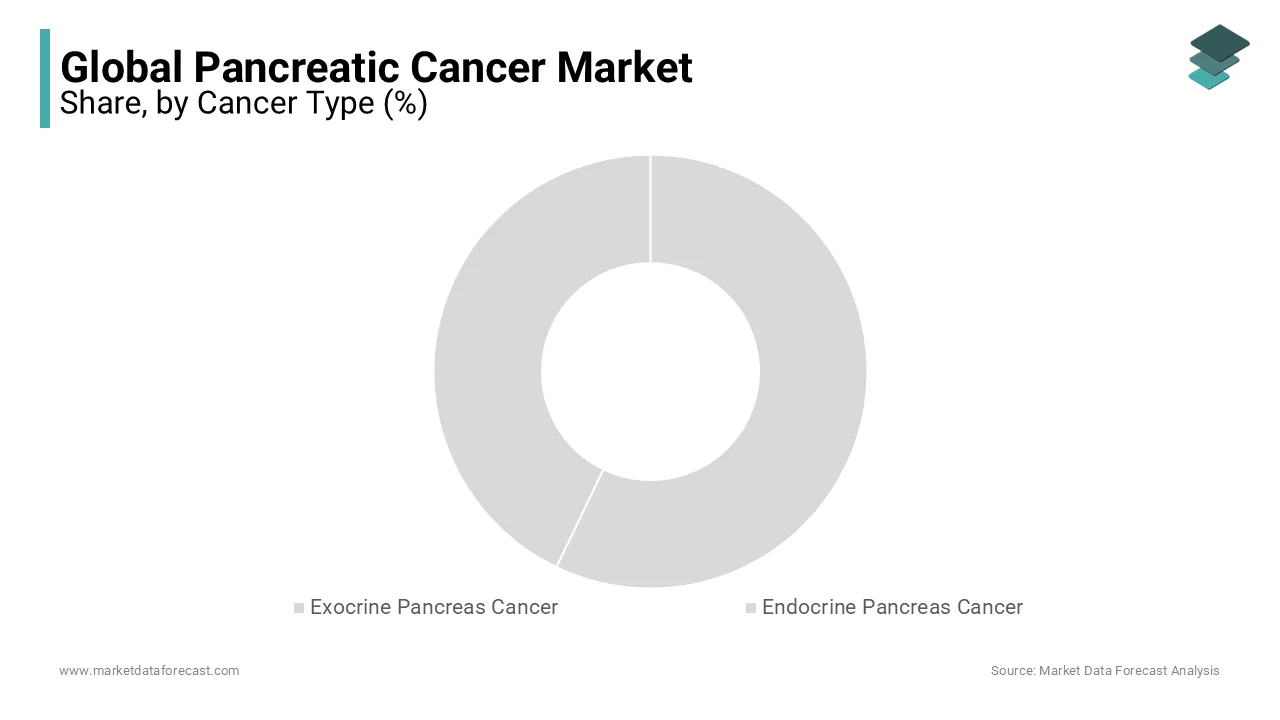
The endocrine tumors segment is expected to grow at a fastest CAGR of 7.8% from 2026 to 2034 with the improved diagnostic capabilities and increased awareness. Although, these tumors represent only about 5% of all pancreatic cancers their incidence rate has risen significantly in recent years due to better imaging technologies and incidental findings during scans for other conditions. The detection rate of neuroendocrine tumors has increased by over 60% in the last two decades reflecting enhanced clinical vigilance, as per the study. Unlike exocrine tumors many endocrine tumors are slower growing and more responsive to targeted therapies and peptide receptor radionuclide therapy creating opportunities for specialized treatment. The development of novel somatostatin analogs and molecular targeted drugs has expanded treatment options improving survival rates and quality of life for patients. The guidelines regular monitoring and personalized treatment plans are becoming standard practice driving demand for long term care solutions. The distinct biological behavior of endocrine tumors allows for different therapeutic approaches compared to exocrine cancers fostering a niche but rapidly expanding market segment.
By Type of Treatment Insights
The chemotherapy segment was the largest by accounting for 39.2% of the pancreatic cancer market share in 2025 due to its central role in managing both resectable and unresectable disease stages. It serves as the backbone of systemic therapy often used in combination with radiation or as a neoadjuvant and adjuvant treatment to shrink tumors before surgery or eliminate residual cancer cells afterward. The gemcitabine and fluorouracil based regimens remain the standard of care for a significant portion of patients, particularly those with metastatic disease where surgery is not an option. The widespread availability of generic chemotherapy drugs makes them accessible across diverse healthcare settings, including low resource regions. The systemic therapy is administered to the majority of pancreatic cancer patients at some point during their disease course. Pharmaceutical manufacturers continue to develop liposomal formulations and nanoparticle albumin bound paclitaxel to enhance drug delivery and efficacy, while reducing toxicity. The necessity for prolonged treatment cycles ensures recurring demand for these agents. Additionally, chemotherapy is often the only viable option for patients who are not candidates for surgical resection due to comorbidities or advanced tumor spread.
The targeted therapy segment is likely to grow at a fastest CAGR of 9.5% during the forecast period with the advancements in precision medicine and genetic profiling. This approach focuses on specific molecular abnormalities within cancer cells, such as mutations in BRCA1 BRCA2 or NTRK genes allowing for more precise and less toxic interventions compared to traditional chemotherapy. The approval of poly ADP ribose polymerase inhibitors for patients with germline BRCA mutations has opened new therapeutic avenues improving progression free survival. The increasing adoption of next generation sequencing in clinical practice enables oncologists to identify actionable targets facilitating personalized treatment plans. Several targeted agents have received accelerated approvals for rare molecular subtypes of pancreatic cancer encouraging pharmaceutical investment in this area. Patients and providers are increasingly seeking treatments that offer better quality of life and fewer side effects driving the shift toward targeted modalities. Clinical trials are actively exploring combinations of targeted therapies with immunotherapies to overcome resistance mechanisms. The growing body of evidence supporting the efficacy of targeted interventions in specific patient subsets fuels rapid market expansion.
By End User Insights
The hospitals segment held a dominant share of the pancreatic cancer market in 2025 due to their capacity to provide comprehensive multidisciplinary care, including complex surgeries intensive care and advanced diagnostic services. Pancreatic cancer treatment often requires coordinated efforts from surgical oncologists medical, oncologists radiologists, and pathologists, which are typically housed within large hospital systems. Major academic medical centers and tertiary care hospitals perform the majority of pancreatic resections and administer complex chemotherapy regimens. These facilities possess the necessary infrastructure, such as specialized operating rooms, intensive care units, and radiation therapy departments, essential for managing high acuity cases. Many hospitals as comprehensive cancer centers ensuring adherence to rigorous standards of care and access to clinical trials. The concentration of specialized expertise and technology in hospitals makes them the primary destination for pancreatic cancer care. Additionally, reimbursement policies often favor institutional care for complex procedures ensuring steady patient flow.
The research institutes segment is expected to grow at a fastest CAGR of 11.2% during the forecast period with the intensified efforts to understand disease biology and develop novel therapeutics. The poor prognosis and limited treatment options for pancreatic cancer have spurred significant investment in basic and translational research aimed at identifying new drug targets and biomarkers. Funding for pancreatic cancer research has increased substantially in recent years supporting collaborative projects between academic institutions and pharmaceutical companies. These institutes play a crucial role in conducting preclinical studies and early phase clinical trials that lay the groundwork for new treatments. Advanced technologies, such as organoid models and single cell sequencing are being utilized in research settings to mimic tumor microenvironments and test drug efficacy. The growing emphasis on personalized medicine and immunotherapy requires sophisticated research infrastructure available primarily in dedicated institutes.
REGIONAL ANALYSIS
North America Pancreatic Cancer Market Analysis
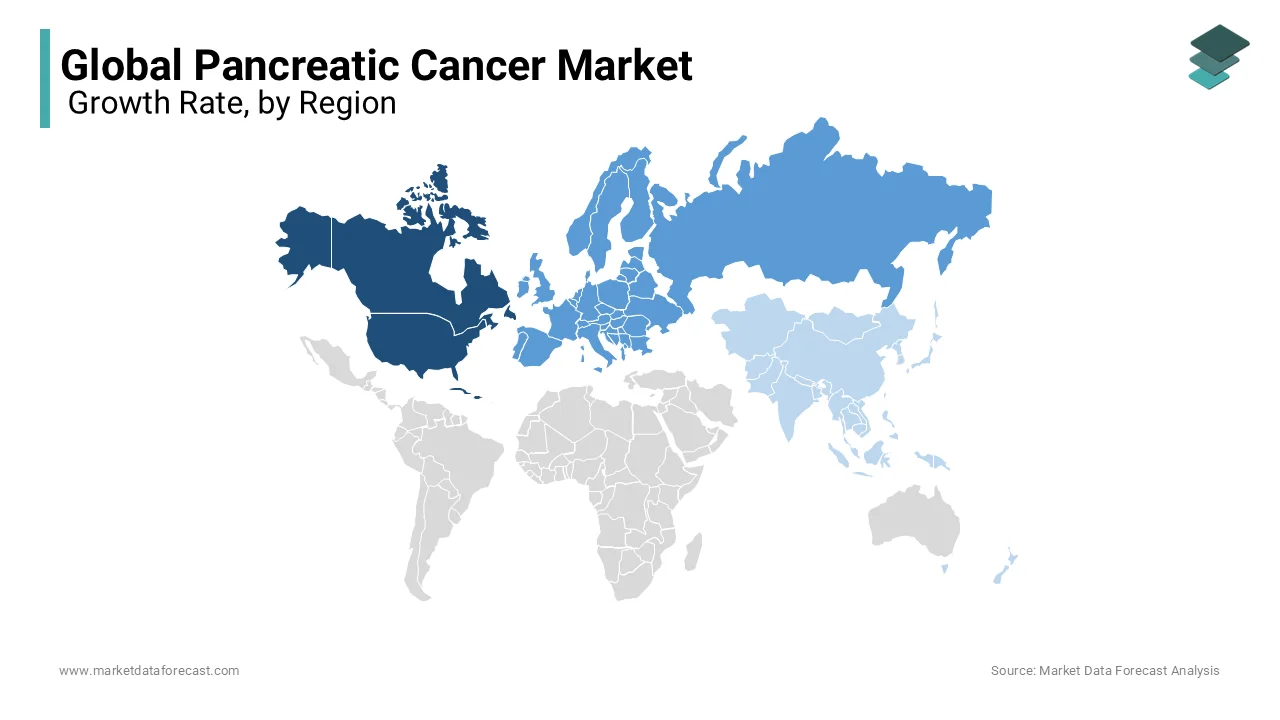
North America was the top performer in the global pancreatic cancer market by accounting for 28.1% of share in 2025 with the advanced healthcare infrastructure, high healthcare expenditure, and robust research activities. The United States pancreatic cancer market growth is majorly driven by the large aging population and high prevalence of risk factors, such as obesity and smoking. The presence of major pharmaceutical companies and biotechnology firms fosters continuous innovation in drug development and clinical trials. Regulatory frameworks enforced by the Food and Drug Administration ensure high safety standards, while facilitating the approval of novel therapies. High levels of insurance coverage although variable enable patients to access expensive targeted therapies and immunotherapies. The region is home to numerous comprehensive cancer centers that offer multidisciplinary care and participate in cutting edge research. Government initiatives, such as those by the National Cancer Institute provide significant funding for pancreatic cancer research driving scientific advancements. The adoption of precision medicine and digital health technologies is more prevalent in North America, enhancing diagnostic accuracy and treatment personalization.
Europe Pancreatic Cancer Market Analysis
Europe pancreatic cancer market was ranked second by holding 19.2% of share in 2025 with the universal healthcare coverage, stringent regulatory standards, and strong emphasis on clinical research. Countries, such as Germany, France, and the United Kingdom are key contributors driven by well-established oncology networks and high awareness of cancer screening. The pancreatic cancer incidence rates vary across member states but remain a leading cause of cancer death in the region. The implementation of the European Reference Networks for rare cancers facilitates cross border collaboration and knowledge sharing improving patient outcomes. Government funded healthcare systems provide equitable access to standard treatments, although reimbursement for newer targeted therapies may vary by country. Research initiatives supported by organizations, such as the European Organisation for Research and Treatment of Cancer drive advancements in understanding pancreatic cancer biology. The aging population in Europe contributes to rising case numbers necessitating sustained investment in healthcare infrastructure. Patient advocacy groups actively promote early detection and better care standards influencing policy decisions.
Asia Pacific Pancreatic Cancer Market Analysis
Asia Pacific pancreatic cancer market growth is expected to have significant growth opportunities throughput the forecast period with the rising disposable incomes, improving healthcare infrastructure, and increasing cancer awareness. Countries, such as China, Japan, and India are witnessing a surge in pancreatic cancer cases due to lifestyle changes, urbanization, and an aging demographic. The burden of non-communicable diseases, including cancer is rising rapidly in the Western Pacific region creating urgent demand for advanced medical solutions. Government initiatives in countries like Japan aim to enhance cancer screening programs and expand access to specialized care facilities. The growing middle class is increasingly willing to invest in premium healthcare products, including targeted therapies and diagnostic tests. Local manufacturing capabilities are expanding reducing costs and improving supply chain efficiency for medical devices and pharmaceuticals. Awareness campaigns by non-governmental organizations educate the public about risk factors and early symptoms promoting timely diagnosis. Collaborations between local hospitals and international research institutions facilitate knowledge transfer and clinical trial participation.
Latin America Pancreatic Cancer Market Analysis
Latin America pancreatic cancer market growth is likely to grow with the increasing urbanization, rising cancer incidence, and efforts to improve public health infrastructure. Brazil and Mexico are the primary contributors owing to their large populations and expanding oncology services. Cancer is a leading cause of mortality in the region with pancreatic cancer incidence, rising alongside lifestyle related risk factors. Economic improvements have enabled more patients to afford private healthcare services although public systems remain the primary provider for the majority. Public health initiatives aim to strengthen cancer registries and improve early detection capabilities despite resource constraints. The availability of generic chemotherapy drugs ensures basic treatment access while newer targeted therapies are gradually entering the market through private channels. Educational efforts by local medical societies promote best practices in pancreatic cancer management among healthcare professionals. The shift toward centralized care in specialized centers improves treatment outcomes but accessibility remains uneven across rural areas.
Middle East And Africa Pancreatic Cancer Market Analysis
The Middle East and Africa pancreatic cancer market growth is likely to grow with the varying levels of healthcare development and access. Gulf countries, such as Saudi Arabia and the United Arab Emirates have advanced healthcare systems and high spending on medical technologies driving demand for sophisticated diagnostic and therapeutic solutions. According to the study, cancer incidence is rising in the Middle East due to aging populations and lifestyle changes including high rates of diabetes and obesity which are risk factors for pancreatic cancer. In contrast, many African nations face significant challenges related to limited infrastructure shortage of specialists and inadequate funding for cancer care. Initiatives by global health organizations aim to improve cancer control strategies through training and resource allocation. The lack of comprehensive cancer registries in many African countries hinders accurate data collection and planning. However, growing awareness and government commitment to non-communicable disease prevention are fostering gradual improvements. Private healthcare sectors in wealthier nations drive the adoption of innovative treatments, while public systems struggle with basic care provision.
COMPETITIVE LANDSCAPE
The pancreatic cancer market features a highly competitive landscape characterized by the presence of large pharmaceutical companies specialized biotechnology firms and emerging innovators. Leading companies compete through continuous innovation pipeline expansion and strategic acquisitions to capture greater market influence. The competition is driven by the urgent need to develop effective treatments for a disease with limited therapeutic options and poor prognosis. Major players leverage their strong financial resources and extensive clinical expertise to advance novel molecules through rigorous development phases. Smaller biotechnology firms often focus on niche areas, such as immunotherapy or stromal targeting bringing disruptive technologies to the forefront. Price competitiveness is less significant than clinical efficacy and safety profiles given the high value placed on life extending treatments. Companies increasingly invest in biomarker discovery and personalized medicine approaches to differentiate their offerings. Strategic alliances with diagnostic companies are common tactics used to integrate testing and therapy seamlessly.
KEY MARKET PLAYERS
Some of the companies that are playing a dominating role in the Global Pancreatic Cancer Market include:
- Eli Lilly
- Amgen Inc.
- Celgene Corp.
- F. Hoffmann-La Roche
- Clovis Oncology Inc.
- Pfizer
- Novartis AG
- Threshold Pharmaceuticals Inc.
- Aduro BioTech Inc.
- Infinity Pharmaceuticals Inc.
- NewLink Genetics Corp.
Top Players in the Global Market
Bristol Myers Squibb
Bristol Myers Squibb is a prominent player in the pancreatic cancer market, leveraging its extensive oncology portfolio to deliver innovative therapeutic solutions. The company focuses on developing immunotherapies and targeted agents that address the complex biological mechanisms of pancreatic tumors. Recent actions, include advancing clinical trials for combination therapies involving checkpoint inhibitors and novel small molecules designed to overcome stromal resistance. Bristol Myers Squibb has strengthened its position by collaborating with academic institutions to identify biomarkers that predict patient response to treatment. The firm invests heavily in research and development to expand its pipeline of precision medicine options. By prioritizing patient centric innovation and robust clinical evidence, Bristol Myers Squibb continues to enhance treatment outcomes and support healthcare providers in managing this challenging disease effectively across global countries.
Roche Holding AG
Roche Holding AG plays a crucial role in the pancreatic cancer market through its dominance in diagnostics and targeted therapeutics. The company integrates companion diagnostics with therapeutic development to enable personalized treatment strategies for patients with specific genetic mutations. Recent initiatives, involve expanding the use of its tissue and blood based testing platforms to identify actionable targets, such as BRCA and NTRK alterations. Roche has strengthened its presence by launching new formulations of existing drugs that improve delivery and efficacy in pancreatic tissue. The firm actively partners with research organizations to accelerate the discovery of novel biomarkers and therapeutic targets.
Pfizer Inc.
Pfizer Inc. contributes significantly to the pancreatic cancer market through its diverse portfolio of oncology drugs and commitment to scientific advancement. The company focuses on developing multi kinase inhibitors and antibody drug conjugates that target specific pathways involved in tumor growth and metastasis. Recent actions include initiating late stage clinical trials for new combination regimens aimed at improving overall survival in metastatic pancreatic cancer. Pfizer has strengthened its position by acquiring biotechnology firms with promising early stage assets in solid tumor oncology. The firm leverages its global manufacturing and distribution capabilities to ensure broad access to its therapies.
Top Strategies Used by Key Market Participants
Key players in the pancreatic cancer market primarily employ strategic collaborations and robust research and development initiatives to maintain competitive advantage. Companies focus on developing combination therapies that integrate chemotherapy with targeted agents or immunotherapies to overcome tumor resistance mechanisms. Investing in precision medicine allows firms to create companion diagnostics that identify patients most likely to benefit from specific treatments. Strategic partnerships with academic institutions and biotechnology startups facilitate access to novel technologies and early-stage pipelines. Expanding clinical trial networks globally enables faster patient recruitment and diverse data collection for regulatory approvals. Additionally, manufacturers prioritize regulatory engagement to accelerate the approval process for breakthrough therapies. Offering comprehensive patient support programs enhances adherence and improves real world outcomes.
RECENT MARKET HAPPENINGS
- In November 2023, Onivyde, treatment for pancreatic cancer, and chemotherapy were used in a regimen that helped prolong the lives of newly diagnosed patients with metastatic disease. This finding benefits Ipsen, the company that owns the drug, and the biotechnology company that developed the treatment in the first place. Ipsen said in a statement on Wednesday that a Phase 3 trial found that the Onivyde-chemo combination prolonged the lives of patients with pancreatic ductal adenocarcinoma compared to those who received a different chemo regimen.
- In December 2023, scientists created the world's first early pancreatic cancer screening test, which uses worms to detect tumors. The test, introduced this month in Japan, is said to be 100% accurate in identifying cancer and can catch it in the very early stages. By the end of next year, Tokyo-based biotech company Hirotsu Bio Science hopes to introduce the test in the U.S.
- In December 2023, the U.S. Food and Drug Administration (FDA) approved pelareorep in combination with Roche's anti-PD-L1 checkpoint inhibitor atezolizumab, the chemotherapy drugs gemcitabine, and nab-paclitaxel for the treatment of advanced or metastatic pancreatic ductal adenocarcinoma, according to Oncolytics Biotech® Inc. (NASDAQ: ONCY) (TSX: ONC).
- In November 2023, Ipsen sought to expand its oncology portfolio when it acquired Merrimack Pharmaceutical's pancreatic cancer treatment Onivyde in 2017 in a deal for up to $1 billion. The medication is now demonstrating its value in an earlier therapy scenario. In a phase 3 study, onivyde and chemotherapy, known as the Nalirifox regimen, helped patients with metastatic pancreatic ductal adenocarcinoma (mPDAC) live longer than they would have otherwise, according to Ipsen.
MARKET SEGMENTATION
This research report on the global pancreatic cancer market has been segmented and sub-segmented based on the cancer type, treatment type, end-users, and region.
By Cancer Type
- Exocrine Pancreas Cancer
- Endocrine Pancreas Cancer
By Treatment Type
- Surgery
- Chemotherapy
- Radiation Therapy
- Others
By End User
- Hospitals
- Clinics
- Research Institutes
- Others
By Region
- North America
- Europe
- Asia Pacific
- Latin America
- The Middle East and Africa