- Product Description Description
- Table of Contents TOC
- List of Table & Figure LOT
- Get Free Sample PDF Sample PDF
Market Size, 2025
$0.96 BnMarket Estimate, 2026
$1.03 BnMarket Forecast, 2034
$1.85 BnCAGR, 2026–2034
7.53%Executive Summary: Latin America Sterilization Services Market
- Market Scope: Comprehensive Latin American sterilization services market analysis covering sterilization methods, service types, end-user settings, and country-level landscapes across Brazil, Mexico, Argentina, and Chile.
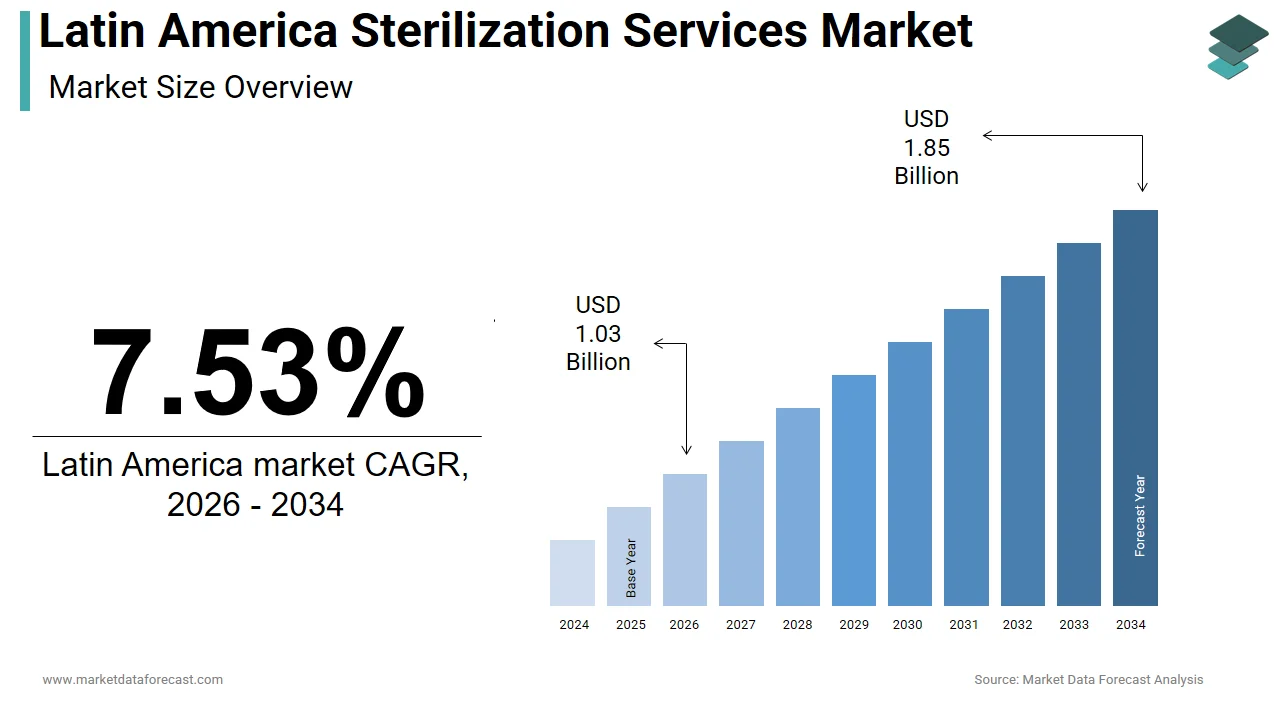
- Market Valuation: Valued at USD 0.96 billion in 2025, estimated at USD 1.03 billion in 2026, and projected to reach USD 1.85 billion by 2034, registering a compound annual growth rate (CAGR) of 7.53% from 2026 to 2034.
- Primary Growth Drivers: Rising geriatric population and surgical volumes, increasing incidence of healthcare-associated infections (HAIs), expanding medical infrastructure across hospitals and clinics, and growing outsourcing of sterilization by pharmaceutical and food processing industries. Key market restraints include strict single-use medical device policies and regulatory concerns regarding ethylene oxide emissions.
Key Market Segment Metrics (2026–2034)
| Category | Leading Segment (2025 Position) | Fastest-Growing Segment |
|---|---|---|
| By Method | Steam & Ethylene Oxide (dominated hospital and industrial sterilization processing) | Gamma & E-beam Radiation (expanding due to advanced medical device manufacturing requirements) |
| By Type | Contract Sterilization Services (captured the largest share as outsourced processing rose) | Validation Services (growing rapidly alongside stringent quality assurance standards) |
| By End User | Hospitals and Clinics (held the dominant market share due to continuous surgical and diagnostic instrument turnover) | Pharmaceuticals & Food & Beverage (growing steadily via industrial tool sanitization and compliance) |
| By Country / Region | Brazil (leads the regional market backed by a large population base and expanding healthcare infrastructure) | Mexico (projected to witness substantial growth shares driven by rising medical device hubs and clinical facilities) |
Major Market Players & Market Structure
Market Structure: Highly consolidated infection control and sterilization services market featuring prominent global medical technology corporations providing equipment validation, contract processing, and regulatory-compliant solutions.
Key Companies: STERIS Corporation, Getinge Group, Advanced Sterilization Products (ASP), 3M Company, Belimed AG, Cantel Medical Corporation, Anderson Products Inc., Matachana Group, MMM Group, and Sterigenics International Inc.
 Download Free Sample Report
Latin America Sterilization Services Market Size
The Latin America sterilization services market was valued at USD 0.96 billion in 2025. This market is expected to grow at a CAGR of 7.53% from 2026 to 2034, reaching USD 1.85 billion by 2034, up from USD 1.03 billion in 2026.
Sterilization services are the processes employed to eliminate all forms of microbial life from medical devices, pharmaceutical products, and healthcare equipment. Healthcare-associated infections affect millions of patients annually in the Americas, with a significant portion occurring in low- and middle-income countries due to inadequate sterilization protocols. This alarming statistic underscores the urgent need for robust and reliable sterilization services throughout the region. Such financial burdens drive healthcare administrators to prioritize outsourced sterilization solutions that guarantee higher standards of hygiene. Regulatory bodies in Brazil and Mexico are increasingly enforcing stricter guidelines for medical device reprocessing, thereby creating a compliant environment for service expansion. However, disparities in infrastructure between urban and rural areas persist. The integration of digital tracking systems for sterilization cycles is beginning to enhance transparency and accountability.
MARKET DRIVERS
Rising Prevalence of Healthcare-Associated Infections Drives Service Demand
The escalating incidence of healthcare-associated infections is driving the growth of the Latin America sterilization services market. The rate of healthcare-associated infections in some Latin American countries is up to three times higher than in developed nations. This statistical reality creates an immediate and sustained demand for high-quality sterilization processes to protect vulnerable patient populations. Hospitals and clinics are increasingly recognizing that inadequate sterilization of surgical instruments and endoscopes directly contributes to these preventable infections. As per the World Health Organization, effective sterilization can reduce the risk of surgical site infections by more than 50%, which is a compelling argument for outsourcing to specialized providers. Healthcare facilities in Brazil and Argentina are facing pressure from insurance providers and regulatory agencies to demonstrate strict adherence to sterility standards. This regulatory scrutiny forces many smaller hospitals to abandon outdated in-house methods in favor of certified external services. The rising awareness among patients regarding hospital safety further influences healthcare providers to invest in premium sterilization solutions. Public health campaigns emphasizing hygiene and infection prevention also contribute to this trend. The correlation between infection rates and the utilization of professional sterilization services remains strong across the region.
Stringent Regulatory Frameworks Enhance Compliance Requirements
The strict regulatory mandates imposed by national health authorities are significantly propelling the growth of the Latin America sterilization services market. This regulatory complexity makes it difficult for individual hospitals to maintain compliance without specialized expertise and advanced equipment. The Mexican Federal Commission for the Protection against Sanitary Risk enforces similar standards for medical device manufacturers and healthcare providers, mandating regular audits and quality assurance checks. These legal requirements create a favorable environment for contract sterilization companies that already possess the necessary certifications and infrastructure. The International Organization for Standardization notes that compliance with ISO 17665 standards for moist heat sterilization is becoming a prerequisite for participating in public tenders in several Latin American countries. This standardization drives healthcare institutions to partner with service providers who can guarantee international-level quality. The cost of non-compliance, including fines and potential closure of facilities, acts as a strong deterrent against maintaining substandard in-house sterilization units. The harmonization of regulations across Mercosur countries further facilitates the expansion of regional sterilization service providers. These policy frameworks ensure that only qualified entities handle critical medical instruments, thereby elevating the overall standard of care.
MARKET RESTRAINTS
High Capital Investment and Maintenance Costs Restrict In-House Capabilities
The prohibitive cost associated with acquiring and maintaining advanced sterilization equipment is limiting the growth of the Latin America sterilization services market. A state-of-the-art steam sterilizer or ethylene oxide chamber can cost between 100000 and 300000 US dollars, which represents a substantial financial burden for many public and private healthcare facilities. The World Bank indicates that health expenditure per capita in several Latin American countries remains below 1000 US dollars, limiting the ability of hospitals to invest in expensive capital equipment. This financial constraint forces many facilities to rely on outdated or less effective sterilization methods that pose risks to patient safety. Additionally, the operational costs include regular maintenance, validation studies, and the procurement of consumables such as chemical indicators and packaging materials. The Association for the Advancement of Medical Instrumentation notes that the total cost of ownership for sterilization equipment includes significant expenses for water treatment systems and effluent management, which are often overlooked in initial budgeting. Many hospitals in the region struggle to allocate sufficient funds for these recurring costs, leading to equipment downtime and service interruptions. The lack of economies of scale in smaller facilities further exacerbates the cost inefficiency. Consequently, the availability of reliable sterilization services remains concentrated in large urban centers where funding is more accessible.
Shortage of Trained Sterile Processing Professionals Impedes Quality Assurance
A shortage of trained sterile processing technicians and infection control specialists is degrading the growth of the Latin America sterilization services market. There is a significant disparity in the distribution of qualified healthcare workers, with many rural and peripheral hospitals lacking dedicated sterile processing departments. This workforce gap means that even when equipment is available, there may be insufficient staff to operate it correctly and monitor quality parameters. Training programs for sterile processing are limited in many Latin American countries, forcing healthcare workers to learn on the job without formal certification. The World Health Organization reports that the region faces a general deficit of allied health professionals, which exacerbates the challenge of building a competent workforce for specialized tasks like sterilization. In major cities, while training opportunities exist, retention of skilled staff is complicated by competitive salaries offered in other sectors or abroad. Without adequate human resources, the implementation of strict sterilization protocols becomes inconsistent and prone to error. Hospitals often face delays in instrument turnaround times due to staffing shortages, which impacts surgical schedules and patient care. Addressing this challenge requires long-term investment in education and vocational training infrastructure. Collaborative programs with international associations are emerging but remain insufficient to meet the growing demand.
MARKET OPPORTUNITIES
Expansion of Medical Device Manufacturing Creates Outsourcing Opportunities
The rapid growth of the medical device manufacturing industry is greatly influencing the growth of the Latin America sterilization services market. The local production of medical devices has increased significantly in recent years, driven by government incentives and import substitution policies. This industrial expansion creates a direct demand for reliable and scalable sterilization solutions for single-use products such as syringes, catheters, and surgical kits. Manufacturers in Mexico and Costa Rica are increasingly integrating into global supply chains, which require adherence to international sterilization standards such as those set by the US Food and Drug Administration. The presence of free trade agreements facilitates the export of medical devices, thereby increasing the volume of products requiring sterilization before shipment. Contract sterilization providers are well positioned to offer bulk processing capabilities that individual manufacturers cannot achieve cost-effectively. The trend toward minimally invasive surgeries drives the production of complex disposable instruments that require precise sterilization methods like ethylene oxide or radiation. These specialized processes require expertise and infrastructure that outsourcing partners can provide efficiently. The focus on just-in-time manufacturing reduces inventory holding costs for device makers, making on-demand sterilization services attractive. Partnerships between manufacturers and service providers enable faster time to market for new products.
Adoption of Advanced Sterilization Technologies Enhances Service Offerings
The incorporation of advanced sterilization technologies such as plasma gas and low-temperature hydrogen peroxide is anticipated to escalate the growth of the Latin America sterilization services market. These modern methods are essential for processing heat-sensitive and moisture-sensitive instruments, which are increasingly common in modern surgery. This technological advancement allows service providers to cater to a broader range of medical devices, including robotics and electronic implants. Hospitals in Chile and Colombia are beginning to adopt these sophisticated instruments, creating a niche market for specialized sterilization services. This value proposition appeals to healthcare administrators seeking to optimize their asset management. Service providers who invest in these technologies can differentiate themselves from competitors relying solely on traditional steam sterilization. The ability to offer faster turnaround times with low-temperature methods improves operational efficiency for busy surgical centers. Software integration for tracking and documenting sterilization cycles enhances transparency and builds client trust. The adoption of eco-friendly sterilization agents aligns with growing environmental concerns in the region. Vendors are increasingly offering green sterilization solutions to meet sustainability goals. This innovation supports the trend toward precision medicine by ensuring the integrity of high-value medical tools.
MARKET CHALLENGES
Inconsistent Regulatory Enforcement Across Regions Creates Compliance Uncertainty
The fragmented regulatory enforcement and varying standards are a key challenge for the growth of the Latin America sterilization services market. Some countries have robust regulatory frameworks; others lack the resources or political will to enforce sterilization guidelines consistently. This inconsistency creates uncertainty for multinational service providers who must navigate disparate compliance requirements in each nation. The lack of harmonized standards hinders the establishment of regional quality benchmarks for sterilization services. Providers often face difficulties in obtaining reciprocal recognition of their certifications, forcing them to undergo redundant audits and inspections. This regulatory complexity increases the administrative burden and cost of doing business across borders. In some countries, informal or unlicensed sterilization operations continue to exist, undercutting legitimate businesses that invest in quality assurance. The absence of a unified regulatory body for the region means that best practices are not uniformly adopted. Delays in regulatory approvals for new sterilization technologies further slow down innovation and market entry. The lack of clear guidelines for emerging methods such as ozone sterilization leaves providers in a legal gray area.
Unreliable Infrastructure and Supply Chain Disruptions Impact Operations
The inconsistent power supply and fragile supply chains pose additional challenges for sterilization facilities and contribute to the decline in the growth of the Latin America sterilization services market. The energy instability in certain regions leads to frequent power outages that can disrupt sensitive sterilization cycles and compromise load integrity. Sterilization equipment requires stable power sources to maintain precise temperature and pressure controls during processing. Power fluctuations can cause equipment malfunctions and result in the rejection of entire batches of medical instruments, leading to financial losses. Many facilities must invest in expensive backup generators and voltage stabilizers to ensure continuous operation. Supply chain disruptions due to political instability or infrastructure deficits further complicate the availability of these critical materials. The short shelf life of some sterilization agents means that any delay in transportation can render them unusable. Providers face difficulties in establishing reliable distribution networks in remote areas. The lack of cold chain infrastructure for certain biological indicators adds another layer of complexity. These operational risks increase the total cost of ownership and deter investment in underserved regions.
The steam sterilization segment was the largest, holding 34.2% of the Latin America Sterilization Services Market share in 2025 due to its cost-effectiveness and proven efficacy for heat-stable medical devices. The economic efficiency of steam sterilization drives its widespread adoption in resource-constrained healthcare settings. As per the Pan American Health Organization, steam sterilization is up to 50% less expensive than low-temperature alternatives such as ethylene oxide or hydrogen peroxide plasma. This cost advantage is for public hospitals in countries like Brazil and Mexico, where budget allocations are limited. This high volume of reusable equipment creates a sustained demand for steam processing services. Healthcare facilities prefer steam because it leaves no toxic residues, eliminating the need for lengthy aeration periods required by chemical methods. The simplicity of the technology allows for easier maintenance and operation by existing staff without extensive specialized training. Public health initiatives promoting the reuse of safe medical devices to reduce waste further support this method. The availability of water and electricity, despite some infrastructure challenges, makes steam a viable option in most urban centers. Regulatory bodies in the region have well-established guidelines for steam sterilization validation, reducing compliance uncertainty.
The ethylene oxide segment is projected to register a CAGR of 11.9% from 2026 to 2034. The rising production of heat-sensitive medical devices fuels the rapid adoption of ethylene oxide sterilization. These materials degrade at the high temperatures used in steam sterilization, necessitating low-temperature alternatives. The US Food and Drug Administration recognizes ethylene oxide as the most effective method for sterilizing complex devices with long, narrow lumens. This regulatory endorsement encourages Latin American manufacturers to adopt EO for export-oriented products. The growth of minimally invasive surgeries in the region drives demand for disposable plastic instruments that require EO processing. Hospitals in Argentina and Colombia are increasingly purchasing single-use kits that arrive pre-sterilized via this method. The ability of EO to penetrate packaging and complex geometries ensures complete sterility without damaging delicate components. As medical technology advances, the proportion of heat-sensitive devices in the market continues to rise. This trend directly correlates with the increased utilization of EO sterilization services.
REPORT COVERAGE
| REPORT METRIC | DETAILS |
| Market Size Available | 2025 to 2034 |
| Base Year | 2025 |
| Forecast Period | 2026 to 2034 |
| Segments Covered | By Method, Type, End User, and Country. |
| Various Analyses Covered | Global, Regional, and Country-Level Analysis, Segment-Level Analysis, Drivers, Restraints, Opportunities, Challenges; PESTLE Analysis; Porter’s Five Forces Analysis, Competitive Landscape, Analyst Overview of Investment Opportunities |
| Countries Covered | Brazil, Mexico, Argentina, Chile & Rest of Latin America |
| Market Leaders Profiled | STERIS Corporation, Getinge Group, Advanced Sterilization Products, 3M Company, Belimed AG, Cantel Medical Corporation, Ecolab Inc., Anderson Products Inc., Matachana Group, MMM Group, and Sterigenics International Inc. |
SEGMENT ANALYSIS
By Type Insights
The contract sterilization services segment was the largest, holding 38.2% of the Latin America Sterilization Services Market share in 2025 owing to the economic and operational advantages of outsourcing. The cost efficiency of outsourcing sterilization drives the dominance of contract services in the region. These savings stem from eliminating the need for capital investment in expensive equipment and the ongoing costs of maintenance and utilities. Contract providers achieve economies of scale by processing large volumes for multiple clients, which lowers the per-unit cost. The Pan American Health Organization notes that many small and medium-sized hospitals lack the resources to maintain validated sterilization processes consistently. Outsourcing ensures these facilities have access to high-quality sterilization without the financial burden. The complexity of regulatory compliance also favors contract providers who possess dedicated quality assurance teams. These firms stay updated on changing regulations and handle documentation efficiently. The risk of liability for sterilization failures is transferred to the service provider, which is attractive to hospital administrators. The flexibility to scale services up or down based on demand helps healthcare facilities manage fluctuating patient volumes. This operational agility is crucial in regions with seasonal disease outbreaks.
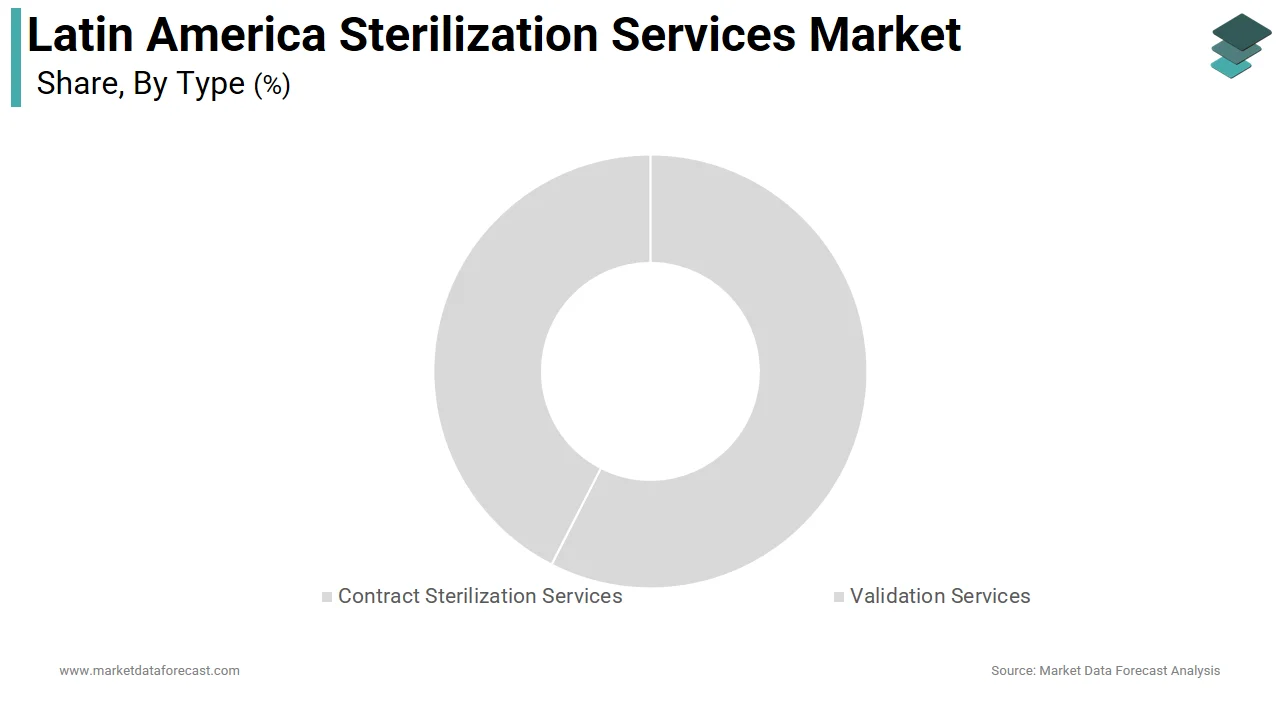
The validation services segment is anticipated to witness the fastest CAGR of 9.8% during the forecast period, owing to the increasing stringency of regulatory mandates drives the rapid growth of validation services in Latin America. The Brazilian Health Regulatory Agency has intensified its inspections of sterilization processes by requiring detailed validation data for all medical devices and reusable instruments. This regulatory pressure forces healthcare facilities and manufacturers to engage specialized validation consultants to ensure compliance. The International Organization for Standardization states that ISO 17665 requires comprehensive validation, including physical and biological testing for every sterilization cycle. Meeting these standards demands sophisticated equipment and expertise that many organizations lack internally. Non-compliance can result in product recalls and legal penalties, making validation a critical risk management activity. The growing awareness of healthcare-associated infections also prompts hospitals to validate their sterilization processes more frequently. Regular revalidation is necessary to ensure ongoing efficacy of sterilization equipment. The complexity of new sterilization technologies such as plasma and ozone requires specialized validation protocols. Consultants with expertise in these emerging methods are in high demand. The expansion of medical device manufacturing in the region creates a steady stream of validation projects for new products.
By End User Insights
The hospitals and clinics segment held a dominant share of the Latin America Sterilization Services Market in 2025. The high volume of surgical procedures in Latin American hospitals drives their leadership in sterilization service consumption. Millions of surgical procedures are performed annually in the region, each requiring sterile instruments to prevent infections. This massive demand creates a continuous need for reliable sterilization services. The World Health Organization states that surgical site infections are a major cause of morbidity in Latin America, prompting hospitals to prioritize strict sterilization protocols. Public hospitals in Brazil and Mexico handle a significant portion of these procedures, driving government spending on sterilization services. The increasing prevalence of chronic diseases such as diabetes and cardiovascular conditions leads to more complex surgeries requiring specialized sterile instruments. Private clinics are also expanding their surgical capacities to meet the growing demand for elective procedures. These facilities often outsource sterilization to ensure compliance with international standards and attract insured patients. The rise of ambulatory surgery centers further contributes to the demand for efficient sterilization services.
The pharmaceuticals segment is swiftly emerging at the fastest CAGR of 12.2% during the forecast period with the expansion of the biopharma industry and stringent quality requirements. The rapid expansion of the biopharmaceutical industry in Latin America fuels the growth of sterilization services for this sector. The Brazilian Association of Pharmaceutical Industries reports that the production of biologics and injectable drugs has increased significantly, requiring aseptic processing and terminal sterilization. These products are highly sensitive to contamination, necessitating rigorous sterilization of packaging and components. The US Food and Drug Administration inspects many Latin American pharmaceutical facilities for export compliance, driving the adoption of international sterilization standards. The growth of vaccine manufacturing in countries like Argentina and Brazil creates additional demand for sterile filtration and container sterilization. The pandemic highlighted the critical importance of sterile supply chains for medical products. This awareness has led to increased investment in sterilization infrastructure by pharmaceutical companies. The shift toward single-use bioprocessing systems requires sterilization of plastic bags and tubing, often using gamma or E-beam methods. Contract sterilization providers are expanding their capacity to serve this growing sector. The complexity of biologic drugs requires specialized sterilization validation studies, driving demand for expert services.
COUNTRY LEVEL ANALYSIS
Brazil Sterilization Services Market Analysis
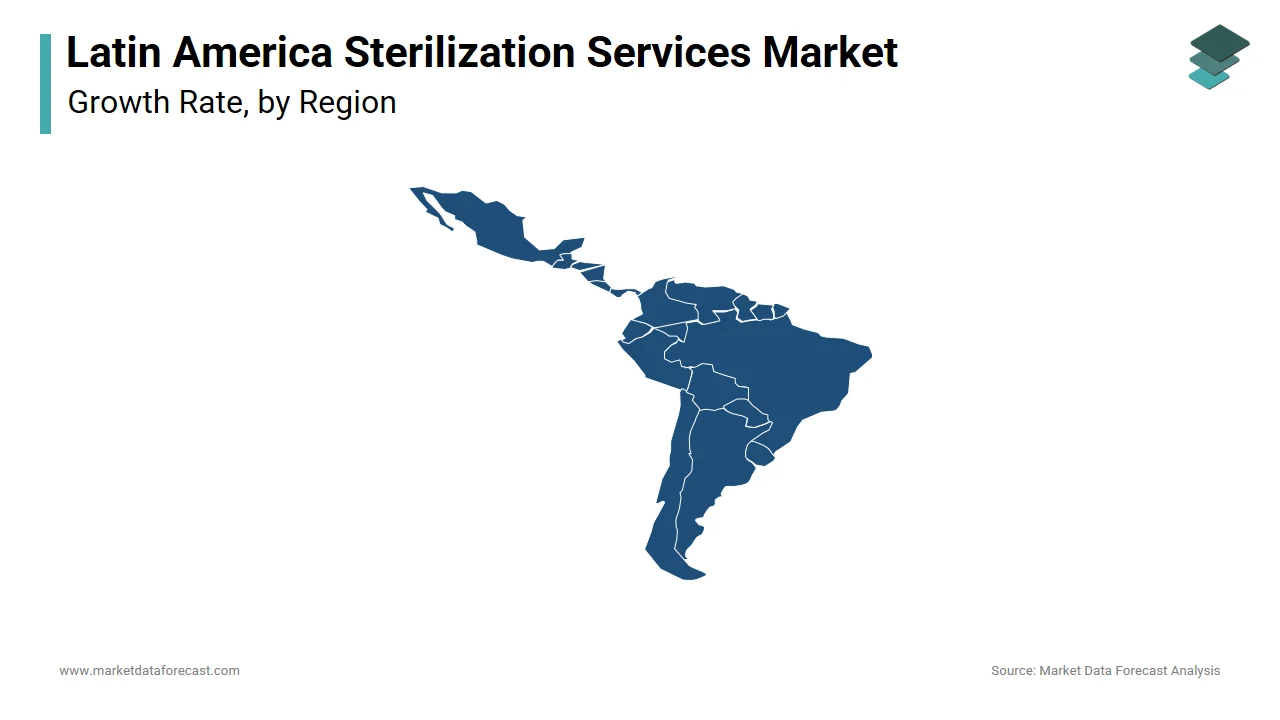
Brazil was the top performer of the Latin America Sterilization Services Market by capturing 39.2% of the share in 2025 with the robust healthcare system and substantial medical device manufacturing base. The Brazilian Health Regulatory Agency has implemented stringent norms for sterilization processes, driving the adoption of professional services across the healthcare sector. The Ministry of Health reports that Brazil performs millions of surgical procedures annually, creating a massive demand for sterile instruments. This high volume necessitates efficient and reliable sterilization solutions. The Brazilian Association of Medical Devices Industries indicates that the local manufacturing sector is growing, requiring sterilization services for both domestic use and export. The presence of multinational medical device companies in Brazil further boosts demand for high-quality sterilization. The public healthcare system, SUS, is investing in modernizing hospital infrastructure, including central sterile supply departments. Private hospitals in São Paulo and Rio de Janeiro are leading the adoption of advanced sterilization technologies such as plasma and low-temperature steam. The growing awareness of healthcare-associated infections drives hospitals to outsource sterilization to certified providers. The economic size of Brazil allows for significant investment in sterilization infrastructure. The country's regulatory framework is one of the most developed in the region, setting a benchmark for others.
Mexico Sterilization Services Market Analysis
Mexico sterilization services market was ranked second, occupying 19.7% of the share in 2025, with its strong integration with the supply chain and growing healthcare infrastructure. The Mexican Federal Commission for the Protection against Sanitary Risk enforces strict regulations aligned with US FDA standards, driving the adoption of high-quality sterilization services. Mexico is one of the largest exporters of medical devices to the United States, requiring compliant sterilization processes. This export orientation drives manufacturers to use certified contract sterilization providers. The proximity to the US allows for efficient logistics and technology transfer. The growth of the maquiladora industry in border cities creates a concentrated demand for sterilization services. Public hospitals in Mexico City and Guadalajara are upgrading their sterilization capabilities to improve patient safety. The prevalence of diabetes and obesity in Mexico leads to a high number of surgical interventions, increasing the demand for sterile instruments. Private healthcare providers are expanding rapidly, driven by increasing insurance coverage. The adoption of international standards such as ISO 13485 by local manufacturers facilitates market access.
Argentina Sterilization Services Market Analysis
Argentina sterilization services market is expected to witness prominent growth opportunities in the coming years with its advanced pharmaceutical industry and well-educated healthcare workforce. The National Administration of Drugs, Food and Medical Technology enforces rigorous standards for sterilization, particularly for pharmaceutical and biological products. The Argentine Chamber of Medical Products Industries reports that the country is a leading producer of vaccines in the region, requiring extensive sterilization of packaging and components. This industrial activity drives demand for specialized sterilization services such as gamma irradiation. The public healthcare system provides free access to medical services, generating a high volume of surgical procedures. This volume creates a steady demand for hospital sterilization services. Private clinics in Buenos Aires are adopting advanced sterilization technologies to compete on quality. The economic challenges in Argentina have led to a focus on cost-effective solutions, favoring contract sterilization over in-house processing. The availability of highly trained professionals supports the implementation of complex sterilization protocols. The country's participation in international health initiatives promotes the adoption of best practices. The growth of the biotechnology sector creates new opportunities for sterilization services. The regulatory framework is evolving to keep pace with technological advancements.
Chile Sterilization Services Market Analysis
Chile sterilization services market is likely to grow with the high healthcare standards and adoption of advanced technologies. The Chilean Ministry of Health has implemented strict guidelines for infection control and sterilization, driving the adoption of professional services. The Superintendence of Health monitors compliance with these standards, ensuring high-quality care. The country has one of the lowest rates of healthcare-associated infections in Latin America, attributed to rigorous sterilization protocols. The private healthcare sector is well developed, with many hospitals accredited by international bodies. These facilities invest in state-of-the-art sterilization equipment and services. The growth of medical tourism in Chile drives demand for premium sterilization services to meet international expectations. The mining industry also contributes to the demand for sterile medical supplies for remote operations. The country's stable economy supports consistent investment in healthcare infrastructure. The adoption of digital tracking systems for sterilization is widespread in Chilean hospitals. The focus on sustainability drives the adoption of eco-friendly sterilization methods. The high level of education among healthcare professionals ensures proper implementation of sterilization protocols.
Rest of Latin America
The Rest of Latin America sterilization services market growth is propelled by the presence of advanced healthcare infrastructure and regulatory frameworks. The Ministries of Health in these countries are increasingly prioritizing infection control and patient safety, driving the demand for sterilization services. The Pan American Health Organization supports capacity-building initiatives in these nations, promoting the adoption of international sterilization standards. The growth of private healthcare providers in Colombia and Peru is creating a market for professional sterilization services. These providers seek to differentiate themselves through quality and safety certifications. The increasing prevalence of chronic diseases leads to more surgical procedures, boosting demand for sterile instruments. The medical device manufacturing sector is emerging in countries like Costa Rica, creating new opportunities for sterilization services. The regulatory frameworks are evolving to become more stringent, encouraging compliance. The availability of international funding for healthcare improvements supports infrastructure upgrades. The adoption of contract sterilization services is growing as hospitals seek to reduce costs and improve efficiency. The cultural emphasis on family and community health drives demand for safe medical care.
COMPETITIVE LANDSCAPE
The competition in the Latin America Sterilization Services Market is characterized by the presence of established global giants and emerging regional service providers, who strive to capture varying segments of the healthcare landscape. Major multinational corporations dominate the high-end segment by offering state-of-the-art sterilization technologies with advanced digital monitoring capabilities. These companies leverage their strong brand reputation and extensive service networks to maintain leadership positions in large urban hospitals and manufacturing hubs. Local partners and smaller international vendors compete aggressively by providing tailored financing solutions and responsive after-sales support. The lack of standardized regulations across different countries creates a fragmented competitive environment requiring adaptable business models. Companies must navigate diverse procurement processes and cultural nuances to succeed. Innovation in eco-friendly sterilization methods and logistics efficiency also serves as a key competitive frontier. Those who can ensure consistent supply of consumables and rapid equipment repair gain a significant advantage.
KEY MARKET PLAYERS
The leading companies operating in the Latin America sterilization services market include:
- STERIS Corporation
- Getinge Group
- Advanced Sterilization Products
- 3M Company
- Belimed AG
- Cantel Medical Corporation
- Ecolab Inc.
- Anderson Products Inc.
- Matachana Group
- MMM Group
- Sterigenics International Inc.
TOP PLAYERS IN THE MARKET
- Steris Corporation maintains a strong footprint in the Latin America Sterilization Services Market by providing comprehensive infection prevention solutions and contract sterilization capabilities. The company focuses on delivering advanced steam and low-temperature sterilization technologies to hospitals and medical device manufacturers across the region. Steris actively collaborates with local healthcare institutions to implement standardized sterile processing protocols that enhance patient safety. Recent initiatives include the expansion of its service network in Brazil and Mexico to offer faster response times and technical support. The company also invests in training programs for sterile processing technicians to address the regional skills gap. These efforts reinforce its reputation for reliability and innovation while addressing specific infrastructure challenges in Latin American healthcare facilities.
- Getinge Group plays a pivotal role in the Latin America Sterilization Services Market through its extensive portfolio of hospital sterilization equipment and reprocessing services. The company emphasizes efficiency and workflow optimization in central sterile supply departments to reduce operational costs for healthcare providers. Getinge has established strategic partnerships with major hospital chains in Argentina and Chile to facilitate the adoption of its automated washing and sterilization systems. Recent actions include the launch of customized maintenance contracts that ensure high equipment uptime and regulatory compliance. The company also focuses on providing eco-friendly sterilization solutions that minimize water and energy consumption. These strategic moves strengthen its position as a trusted partner in modernizing regional healthcare infrastructure and improving infection control standards.
- Ecolab Inc contributes significantly to the Latin America Sterilization Services Market by integrating hygiene and sterilization services into broader facility management solutions. The company leverages its expertise in chemical sciences to provide effective disinfection and sterilization products for healthcare and pharmaceutical sectors. Ecolab has been actively expanding its technical service teams in Colombia and Peru to support clients with on-site auditing and process optimization. Recent efforts include the introduction of data-driven monitoring tools that help facilities track sterilization efficacy and compliance in real time. The company also engages in educational workshops to promote best practices in infection prevention among healthcare workers.
TOP STRATEGIES USED BY KEY MARKET PARTICIPANTS
Key players in the Latin America Sterilization Services Market primarily employ strategic partnerships and localized service expansion to strengthen their market position. Companies are increasingly forming alliances with local distributors and healthcare providers to navigate complex regulatory landscapes and improve supply chain efficiency. This approach ensures timely delivery of equipment and essential consumables, which is critical for maintaining service continuity. Another major strategy involves investing in training and education programs for sterile processing professionals to address the regional shortage of skilled personnel. Additionally, firms are introducing flexible financing models and leasing options to overcome budget constraints faced by many healthcare institutions. This financial accessibility broadens the customer base beyond wealthy urban centers. Product innovation focused on lower environmental impact and faster cycle times also serves as a competitive differentiator. Manufacturers are tailoring their marketing messages to highlight these clinical and economic benefits.
MARKET SEGMENTATION
This Latin America sterilization services market research report is segmented and sub-segmented into the following categories.
By Method
- Steam
- Ethylene Oxide
- Gamma
- E-beam.
By Type
- Contract Sterilization Services
- Validation Services
By End User
- Hospitals and Clinics
- Food and Beverage
- Pharmaceuticals.
By Country
- Brazil
- Mexico
- Argentina
- Chile
- Rest of Latin America