- Product Description Description
- Table of Contents TOC
- List of Table & Figure LOT
- Get Free Sample PDF Sample PDF
Market Size, 2025
$302.95 MnMarket Estimate, 2026
$325.46 MnMarket Forecast, 2034
$577 MnCAGR, 2026–2034
7.43%Executive Summary: Latin America Laboratory Filtration Market
- Market Scope: Comprehensive Latin America laboratory filtration market analysis covering technologies, product types, end-user applications, country frameworks, and biopharmaceutical contamination control adoption metrics.
- Market Valuation: Valued at USD 302.95 million in 2025, estimated at USD 302.95 million in 2026, and projected to reach USD 577 million by 2034, registering a solid compound annual growth rate (CAGR of 7.43%) from 2026 to 2034.
- Primary Growth Drivers: Evolving biopharmaceutical R&D and drug discovery activities, rising demand for strict contamination control and quality standards, growing health/environmental concerns, and extensive sample preparation applications across pharmaceutical, food, and biotechnology industries. Key market restraints include stringent authentication regulations and high capital investments required for manufacturing facilities.
Key Market Segment Metrics (2026–2034)
| Category | Leading Segment (2025 Position) | Fastest-Growing Segment |
|---|---|---|
| By Technology | Microfiltration and ultrafiltration systems (dominated lab sample processing volumes) | Nanofiltration and reverse osmosis technologies |
| By Product | Membranes and syringe filters (held the highest commercial turnover in research settings) | Filtration microplates and specialized assemblies |
| By End User | Pharmaceutical & biopharmaceutical companies (accounted for the largest consumer base) | Food & beverage companies and diagnostic laboratories |
| By Country | Brazil (accounted for the majority of the market share supported by widespread filter media usage in pharma and food sectors) | Mexico (projected to record the highest CAGR driven by favorable government funds, infrastructure, and cheap skilled labor) |
Major Market Players & Market Structure
Market Structure: Highly established global and regional laboratory equipment landscape featuring prominent life sciences and purification pioneers competing on filtration efficiency, material durability, and compliance standards.
Key Companies: Merck Millipore and Pall Corporation, GE Healthcare, Sartorius Group, 3M Purification Inc., Thermo Fisher Scientific Inc., Cantel Medical Corporation, Cuno, Dow Water & Process Solutions, FilmTec Corporation, and Sigma-Aldrich Corporation.
 Download Free Sample Report
Latin America Laboratory Filtration Market Size
The size of the Latin America laboratory filtration market was valued at USD 302.95 million in 2025. This market is expected to grow at a CAGR of 7.43% from 2026 to 2034, reaching USD 577 million by 2034, up from USD 302.95 million in 2026.

Laboratory filtration is a physical method used to separate solid particles from a liquid or gas by passing the mixture through a porous material that traps the solids and lets the fluid through. These systems are indispensable for pharmaceutical development, biotechnology research, and environmental monitoring across the region. According to IDB Invest, Latin America and the Caribbean is home to 30 million people without access to clean drinking water, presenting a major public health challenge. This public health imperative necessitates precise sample preparation and analysis capabilities in regional laboratories. Economic activities directly correlate with increased consumption of laboratory filtration products for quality assurance. Regulatory bodies in Brazil and Mexico have strengthened compliance standards for pharmaceutical and food manufacturing, mandating sterile filtration processes. The integration of automated filtration systems enhances throughput and reduces human error in high-volume testing facilities. As scientific infrastructure modernises in emerging economies, the adoption of high-efficiency particulate air filters and membrane technologies expands rapidly. The convergence of strict regulatory oversight and growing industrial output positions this sector for sustained growth driven by essential quality control requirements.
MARKET DRIVERS
Expansion of Pharmaceutical Manufacturing and Biotechnology Research
The robust expansion of pharmaceutical manufacturing and biotechnology research is a key factor behind the growth of the Latin America laboratory filtration market. According to sources, the Brazilian pharmaceutical industry represents the largest healthcare industry in Latin America, with substantial volume driven by domestic production of generic and biosimilar drugs requiring specialised manufacturing protocols. This industrial growth creates an immediate and sustained demand for high-precision membrane filters and sterilising-grade cartridges. Besides, as per the study, Latin America has expanded its role in global clinical research due to its diverse patient groups and cost-effective operational ecosystems. These trials necessitate rigorous sample preparation and contamination control, directly boosting the consumption of laboratory filtration consumables. According to research, various governments in Latin America implement strategic healthcare infrastructure initiatives to attract foreign direct investment and bolster regional pharmaceutical development. The need for compliance with Good Manufacturing Practice standards mandates the use of validated filtration systems to ensure product safety and efficacy. Research institutions are upgrading their infrastructure to support advanced cell culture and protein purification processes. This technological upgrade requires specialised filtration solutions that can handle sensitive biological materials without compromising integrity. The continuous influx of global pharmaceutical companies establishing regional hubs further accelerates the demand for high-quality laboratory filtration products.
Stringent Environmental Regulations and Water Quality Monitoring
The implementation of stringent environmental regulations and the critical need for water quality monitoring significantly drive the expansion of the Latin America laboratory filtration market. According to reports, widespread industrial and domestic effluent discharges present major water quality challenges across river basins and aquatic ecosystems throughout Latin America. Laboratories rely on advanced filtration methods to isolate contaminants such as heavy metals and microplastics for accurate analysis. Apart from these, as per sources, substantial long-term capital programs are deployed across Latin America and the Caribbean to improve regional water supply, sanitation systems, and wastewater treatment infrastructure. These facilities require reliable filter membranes and syringe filters to process large volumes of water samples efficiently. Regulatory agencies in Mexico and Colombia have updated their environmental standards to align with international norms, mandating more frequent and detailed water quality assessments. This regulatory pressure forces industrial plants and municipal utilities to enhance their laboratory capabilities. The rising awareness of environmental sustainability among consumers and corporations further encourages proactive monitoring practices. Academic institutions are also expanding their environmental science programs, increasing the baseline demand for educational and research-grade filtration supplies. The critical nature of water security ensures that laboratory filtration remains a priority investment for both public and private sectors.
MARKET RESTRAINTS
Economic Volatility and Currency Fluctuations
The persistent economic volatility and sharp currency fluctuations in several countries in the region remain a major barrier to the consistent growth of the Latin America laboratory filtration market. As per the International Monetary Fund, inflation rates in countries like Argentina and Venezuela have exceeded 100 % in recent years, severely eroding the purchasing power of research institutions and private laboratories. This financial instability makes it difficult for organisations to budget for imported filtration equipment and consumables, which are often priced in US dollars. In addition, according to sources, fiscal constraints across Latin America and the Caribbean have historically impacted public funding allocations for scientific research and technological infrastructure development. This reduction in funding limits the ability of universities and government labs to procure high-quality filtration supplies regularly. Laboratories often resort to using lower-cost alternatives or extending the lifespan of existing filters beyond recommended limits, compromising data accuracy. The uncertainty surrounding exchange rates discourages long term contracts with international suppliers, leading to supply chain disruptions. Small and medium-sized enterprises struggle to maintain inventory levels due to unpredictable costs. This economic unpredictability stifles innovation and restricts the adoption of advanced filtration technologies that require significant upfront investment. Consequently, market growth remains uneven and highly susceptible to macroeconomic shocks.
Complex Import Regulations and Supply Chain Disruptions
Complex import regulations and frequent supply chain disruptions severely impede the timely availability and affordability of products in the Latin America laboratory filtration market. According to studies, customs delays and bureaucratic import procedures frequently extend delivery lead times for specialised medical and scientific equipment entering South American markets. These prolonged delays hinder laboratories from maintaining adequate stock levels of critical filtration consumables, potentially halting research projects. Furthermore, as per research, logistical and transport costs across Latin America remain significantly elevated compared to developed markets due to domestic infrastructure gaps and complex customs handling. This added expense increases the total cost of ownership for laboratory filtration systems, making them less accessible to smaller research facilities. Import duties on specialised filter membranes vary significantly between countries, creating an uneven competitive landscape for distributors. Manufacturers face challenges in navigating diverse regulatory requirements for each country, increasing compliance costs. The reliance on imports for high-tech filtration components exposes the market to global supply chain vulnerabilities. Recent global events have exacerbated these issues, causing shortages of specific filter types. Local manufacturing capabilities for advanced filtration media remain limited, forcing continued dependence on foreign suppliers. These logistical and regulatory hurdles create friction in the market and limit efficient distribution.
MARKET OPPORTUNITIES
Growth in Food and Beverage Safety Testing
The expanding food and beverage industry, coupled with heightened consumer awareness regarding safety, paves the way for the growth of the Latin America laboratory filtration market. According to studies, Latin America serves as a major global hub for agricultural exports, leading global supply lines across multiple commodity categories. This massive volume of agricultural production requires rigorous quality control and contaminant testing at every stage of the supply chain. Furthermore, the Pan American Health Organization emphasizes that foodborne illnesses affect millions of people in the region each year, prompting governments to strengthen food safety regulations and testing mandates. Laboratories utilize specialized filtration techniques to detect pathogens, pesticides, and mycotoxins in food samples accurately. The rise of organic food certification schemes further drives demand for precise analytical methods that rely on high-purity filtration. Companies are investing in state-of-the-art testing labs to meet international export standards. The growth of processed food markets in urban centres also increases the need for routine quality assurance testing. Manufacturers can develop tailored filtration solutions for specific food matrices to improve extraction efficiency. Partnerships with food safety agencies can facilitate the adoption of standardised filtration protocols. This sector offers a stable and growing revenue stream for filtration providers.
Advancements in Academic and Government Research Funding
Increased investment in academic and government research initiatives provides a significant growth avenue for the Latin America laboratory filtration market. According to research, regional development goals frequently outline plans to upgrade science, research, and development funding to drive domestic innovation. This financial commitment supports the establishment of new research centres and the modernisation of existing university laboratories. In addition, as per reports, the density of human resources dedicated to research and development across various developing subregions has experienced steady structural growth. These researchers require reliable and high-performance filtration products for experiments in chemistry, biology, and environmental science. Government grants often include provisions for equipment and consumable purchases, ensuring steady demand for filtration supplies. Collaborative projects with international research institutions bring advanced methodologies that require specialised filtration technologies. The focus on solving regional challenges such as tropical diseases and biodiversity conservation drives specific research needs. Educational programs are incorporating hands-on laboratory training, increasing the baseline consumption of filtration products. Manufacturers can engage with academic leaders to promote best practices and new product features. This institutional support creates a favourable environment for market expansion and technology adoption.
MARKET CHALLENGES
Limited Technical Expertise and Training Gaps
The shortage of skilled laboratory personnel and inadequate training opportunities are significant hurdles for the effective utilisation of advanced technologies in the Latin America laboratory filtration market. According to studies, Latin America faces a persistent technical skills gap, driven by a misalignment between vocational training curricula and evolving industrial requirements. Many technicians lack proficiency in operating complex automated filtration systems or understanding the nuances of different membrane materials. Moreover, as per sources, incorrect execution of sample filtration or mechanical fluid-handling protocols increases the risk of cross-contamination and compromises experimental integrity. This knowledge gap discourages laboratories from investing in sophisticated filtration solutions that require specialised handling. Training programs offered by manufacturers are often limited to major cities, leaving rural and smaller facilities underserved. High turnover rates among trained staff further exacerbate the problem, requiring continuous retraining efforts. The lack of standardised certification for laboratory technicians means that competency levels vary widely across the region. Institutions struggle to allocate resources for ongoing professional development due to budget constraints. This human resource limitation hinders the adoption of innovative filtration technologies and limits the overall efficiency of laboratory operations. Addressing this challenge requires collaborative efforts between industry, academia, and government.
Inadequate Infrastructure and Power Instability
Poor infrastructure and frequent power instability in certain parts of the region are also critical challenges to the consistent operation of laboratory filtration systems in the Latin America market. According to research, power grid stability and utility reliability in certain developing regions present operational hurdles for facilities operating highly sensitive electronic instrumentation. Automated filtration systems and vacuum pumps require stable power supplies to function correctly, and interruptions can ruin experiments and damage expensive components. Furthermore, as per reports, discrepancies in high-speed fixed broadband coverage outside metropolitan areas limit the deployment of data-intensive cloud applications and real-time remote monitoring systems. This digital divide limits the integration of smart laboratory technologies that enhance efficiency and traceability. Laboratories in these regions must invest in costly backup power solutions and offline data storage methods, increasing operational expenses. The lack of reliable transportation networks also complicates the delivery of temperature-sensitive filtration media and timely maintenance services. Equipment manufacturers face difficulties in providing consistent technical support due to logistical barriers. These infrastructural deficiencies create an uneven playing field where only well-funded urban laboratories can afford advanced filtration technologies. Overcoming these physical constraints requires significant public and private investment in basic infrastructure development.
REPORT COVERAGE
| REPORT METRIC | DETAILS |
| Market Size Available | 2025 to 2034 |
| Base Year | 2025 |
| Forecast Period | 2026 to 2034 |
| Segments Covered | By Technology, Product, End User, and Country. |
| Various Analyses Covered | Global, Regional and Country-Level Analysis, Segment-Level Analysis, Drivers, Restraints, Opportunities, Challenges; PESTLE Analysis; Porter’s Five Forces Analysis, Competitive Landscape, Analyst Overview of Investment Opportunities |
| Countries Covered | India, China, Japan, South Korea, Australia, New Zealand, Thailand, Malaysia, Vietnam, Philippines, Indonesia, Singapore, Rest of APAC |
| Market Leaders Profiled | Merck KGaA, GE Healthcare, Sartorius Group, Danaher Corporation, 3M Purification Inc., Thermo Fisher Scientific Inc., Cantel Medical Corporation, Cuno, Dow Water & Process Solutions, FilmTec Corporation, GE Healthcare, and Sigma-Aldrich Corporation. |
SEGMENTAL ANALYSIS
By Technology Insights
In 2025, the microfiltration segment held the largest share in the Latin America laboratory filtration market because of its essential role in sterilisation and cell separation processes across pharmaceutical and biotechnology industries. According to research, microfiltration is standardly integrated into bioprocess operations to satisfy contamination control frameworks and achieve product stability goals. This widespread adoption creates a consistent and high-volume demand for microfiltration membranes and cartridges. Furthermore, as per the study, hydrophilized polyethersulfone and asymmetric porous polymer membranes reduce protein adsorption by 40% to 60%, aiding purification yields. The rising incidence of infectious diseases in tropical regions necessitates robust vaccine development programs that rely heavily on these filtration technologies. Laboratories in Brazil and Mexico are expanding their capacity for biological research, further fueling the need for reliable microfiltration solutions. The technology’s ability to operate at low pressures without damaging sensitive biological molecules makes it preferable for protein purification and cell harvesting. Regulatory agencies mandate sterile filtration for injectable drugs, ensuring sustained demand regardless of economic fluctuations. The versatility of microfiltration in handling various fluid viscosities and volumes supports its leading position. Continuous improvements in membrane material durability enhance cost efficiency for high-throughput laboratories. This foundational utility in quality control and research solidifies its market leadership.
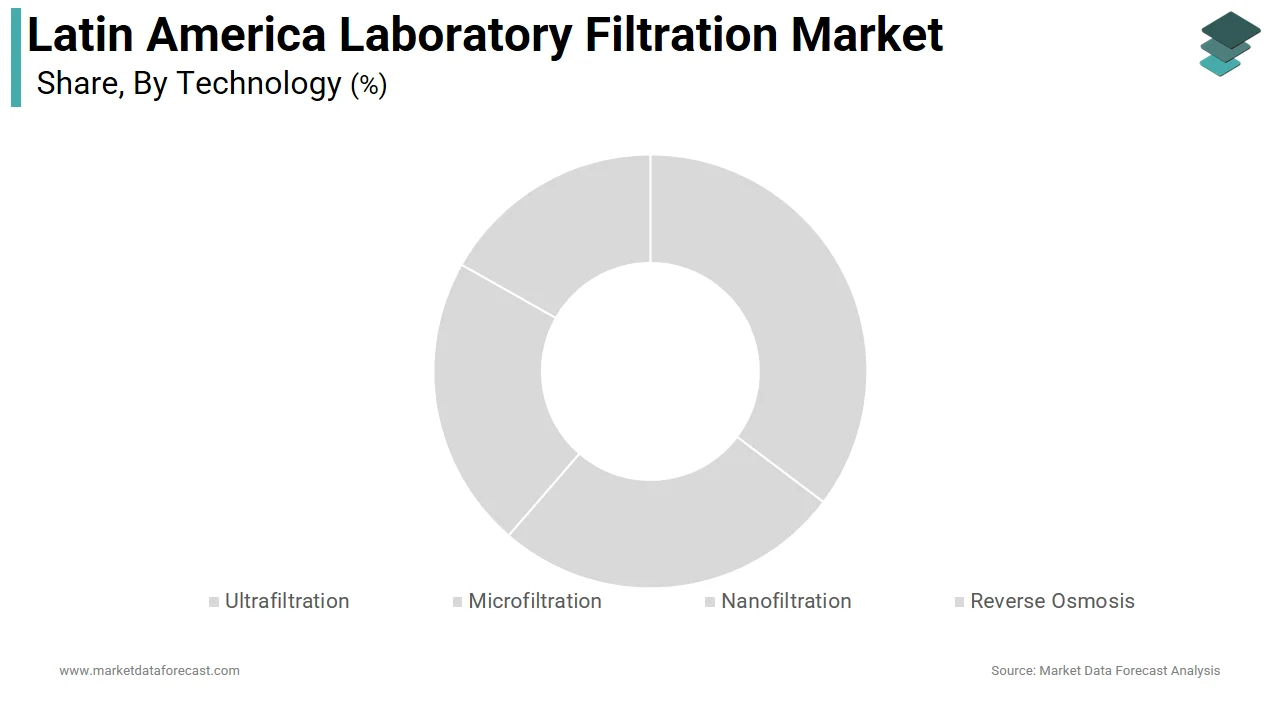
The cost-effectiveness and operational simplicity of microfiltration systems make their position in Latin America even stronger. According to sources, small and mid-sized industrial facilities face persistent capital constraints when upgrading to high-throughput diagnostic and processing machinery. Microfiltration units require lower energy consumption compared to nanofiltration or reverse osmosis systems, reducing overall operational expenses for laboratories. Additionally, as per reports, dead-end microfiltration configurations require fewer operational steps than highly integrated automated separation equipment. This ease of use accelerates adoption in academic institutions and diagnostic labs where personnel turnover can be high. The availability of disposable microfiltration devices minimises cross-contamination risks and eliminates the need for complex cleaning validation procedures. Manufacturers offer a wide range of standardised microfiltration products that fit existing laboratory workflows seamlessly. The lower initial capital investment allows smaller research centres to upgrade their filtration capabilities without significant financial burden. Routine maintenance requirements are minimal, ensuring uninterrupted laboratory operations. The balance between performance and affordability makes microfiltration the go-to choice for routine sample preparation and clarification tasks. This economic advantage ensures broad accessibility and sustained usage across diverse laboratory settings in the region.
The ultrafiltration segment is recording the most rapid growth in the Latin America laboratory filtration market due to the surge in biopharmaceutical research and protein purification activities. According to sources, regional biosimilar and biological drug pipeline investments have steadily expanded due to the growing burden of non-communicable and chronic conditions. Ultrafiltration is indispensable for concentrating and purifying proteins, antibodies, and enzymes without altering their structural integrity. Furthermore, as per studies, selecting precise molecular weight cutoff ultrafiltration membranes enables excellent product concentration relative to standard chemical precipitation. This high efficiency drives laboratories to adopt ultrafiltration for downstream processing in drug development. According to reviews, contract research organisations in South America have increased their service offerings to meet international multi-centre operational criteria. Academic institutions are also increasing their focus on proteomics and genomics, which require precise fractionation of biological samples. The ability of ultrafiltration to handle small sample volumes with high precision appeals to researchers working with rare or expensive materials. Regulatory guidelines for biologic drug approval emphasise purity and consistency, further validating the use of ultrafiltration. Manufacturers are introducing novel membrane materials that reduce fouling and improve flux rates. These technological advancements, coupled with growing research investments, propel the rapid expansion of this segment.
Technological advancements in membrane materials and the integration of automation systems are propelling the rapid growth of this segment in the Latin America market. According to research, hydrophilized polyethersulfone and asymmetric porous polymer membranes reduce protein adsorption by 40% to 60%, aiding purification yields. These improved materials address previous limitations related to sample loss and membrane clogging, encouraging wider adoption among researchers. Additionally, the adoption of automated ultrafiltration systems in high-throughput screening laboratories reduces manual handling errors and increases processing speed. As per the study, microplate-format automated systems allow high-throughput screening by parallel processing numerous samples in functional genomics workflows. Pharmaceutical companies in Mexico and Brazil are upgrading their laboratories with these advanced systems to accelerate drug discovery timelines. The compatibility of modern ultrafiltration devices with standard laboratory robotics facilitates seamless integration into existing workflows. Training programs focused on advanced filtration techniques are becoming more available, building local expertise. The demand for personalised medicine approaches requires precise sample preparation, which ultrafiltration provides effectively. These innovations make ultrafiltration an attractive option for laboratories seeking to enhance productivity and data quality. The continuous evolution of technology ensures that this segment remains at the forefront of laboratory filtration growth.
By Product Insights
The membrane segment maintained prominence in the Latin America laboratory filtration market and occupied a commanding share in 2025. This standing of the segment was credited to its unparalleled versatility and application across multiple scientific disciplines. According to sources, polymeric membrane filters represent a fundamental tool for liquid clarification and analytical sample preparation across diverse testing workflows. This ubiquitous usage creates a steady and high-volume demand for various membrane types, including cellulose acetate, nylon, and polyethersulfone. Furthermore, as per the Journal of Separation Science, membrane filters offer superior selectivity and flow rates compared to traditional filter papers, making them ideal for complex matrix separations. The ability to customise pore sizes and surface properties allows researchers to tailor filtration processes to specific analytical requirements. Hospitals and diagnostic labs rely on sterile membrane filters for microbiological testing and water quality analysis. The agricultural sector uses membranes to detect pesticides and contaminants in food samples, aligning with export quality standards. Manufacturers provide a wide array of membrane formats, including discs, sheets, and capsules, to suit different equipment configurations. The consistent performance and reliability of membrane filters build trust among laboratory professionals. Regulatory standards often specify membrane filtration for certain tests, mandating their use in compliance-driven environments. This broad applicability and regulatory endorsement sustain the market leadership of the membrane segment.
The high replacement frequency and consumable nature of membrane filters are bolstering the market share of this segment. The World Health Organization emphasizes that single-use sterile filters are mandatory for many clinical and pharmaceutical applications to prevent cross-contamination and ensure patient safety. This requirement necessitates regular procurement of membrane filters, creating a recurring revenue stream for suppliers. Additionally, according to studies, clinical laboratories processing high daily testing volumes consume standard analytical separation consumables at a high frequency. Unlike durable equipment, membranes are disposable items that must be replaced after each use or batch, ensuring consistent demand regardless of economic cycles. The rise in outsourcing laboratory services to third-party providers further amplifies the consumption of membrane filters as these entities handle high sample volumes. Cost-effective manufacturing in the region has made membrane filters more accessible to smaller labs. Quality control protocols in the food and beverage industries mandate frequent testing, driving bulk purchases of membrane products. The availability of pre-sterilised and packaged membranes reduces preparation time for technicians, enhancing operational efficiency. Suppliers offer subscription-based delivery models to ensure uninterrupted supply for high-volume users. This consumable characteristic guarantees stable market performance and shields the segment from volatility associated with capital equipment sales.
The syringe filter segment is quickly expanding within the Latin America laboratory filtration market owing to its convenience and efficiency in processing small sample volumes. According to research, syringe filters expedite routine laboratory filtration steps relative to assembling traditional, multi-piece vacuum flask systems. This time-saving benefit is particularly valuable in clinical diagnostics and pharmaceutical quality control where rapid turnaround times are critical. Furthermore, as per sources, point-of-care and decentralised diagnostic sites frequently utilise manual, self-contained testing components designed to operate without complex electrical laboratory infrastructure. These devices require no external power source or complex setup, allowing for immediate use in field conditions. Researchers prefer syringe filters for preparing samples for high-performance liquid chromatography and mass spectrometry due to their low hold-up volume and minimal sample loss. The availability of various membrane materials and pore sizes in syringe filter formats allows for customised solutions for different analytes. Medical laboratories are adopting syringe filters for sterilising small batches of reagents and media. The ease of disposal and reduced risk of contamination further enhance their appeal. Manufacturers are introducing ergonomic designs that reduce hand fatigue during repetitive use. These practical advantages drive rapid adoption across diverse laboratory settings.
The expansion of analytical testing services and the widespread adoption of chromatography techniques are fast-tracking the expansion of this segment. According to sources, compliance standards within the food safety and pharmaceutical sectors have led to an increase in the number of laboratories seeking formal quality system accreditation. Syringe filters are essential for protecting chromatography columns from particulate matter, ensuring accurate and reproducible results. Besides, as per the Journal of Chromatographic Science, syringe filters with low extractable levels are crucial for trace analysis applications, preventing interference with sensitive detection methods. Environmental monitoring agencies use syringe filters to prepare water samples for pollutant analysis, complying with stringent regulatory limits. The growth of contract testing laboratories offers specialised services that require precise sample preparation, boosting demand for high-quality syringe filters. Academic institutions are incorporating advanced analytical techniques into their curricula, increasing student usage of these products. Manufacturers are developing syringe filters with enhanced chemical compatibility to handle aggressive solvents used in modern analytical methods. The trend towards miniaturisation in analytical chemistry favours the use of small volume filtration devices. These factors collectively contribute to the accelerated growth of the syringe filter segment in the regional market.
By End User Insights
The pharmaceutical and biopharmaceutical companies segment dominated the Latin America laboratory filtration market and accounted for a substantial share in 2025. Factors such as strict regulatory compliance requirements and the critical need for quality assurance are driving the dominance of this segment. The Pan American Health Organisation states that Good Manufacturing Practice regulations mandate sterile filtration for all parenteral drugs, creating a non-negotiable demand for high-performance filtration systems. This regulatory framework ensures that pharmaceutical manufacturers consistently invest in advanced filtration technologies to maintain product safety and efficacy. Furthermore, according to studies, domestic legislative updates and streamlined evaluation processes across Latin American health authorities have supported generic drug volume expansion. Each batch of medication requires rigorous testing and filtration to remove contaminants and ensure uniformity. The complexity of biopharmaceutical production involving monoclonal antibodies and vaccines necessitates specialised filtration solutions for purification and sterilisation. Companies invest heavily in validated filtration processes to avoid costly recalls and regulatory penalties. The expansion of local manufacturing capabilities to reduce import dependence further boosts domestic demand for laboratory filtration products. Quality control laboratories within these companies operate continuously, consuming large quantities of filtration consumables. The high stakes involved in pharmaceutical production justify premium pricing for reliable filtration systems. This regulatory-driven demand ensures stable and substantial market share for the pharmaceutical segment.
The rapid growth in biologics and vaccine production strengthens this segment's position as the dominant force in Latin America. According to sources, capital commitments for localised immunisation and vaccine production networks within South America have risen to mitigate supply chain disruptions. Biologics production involves complex downstream processing steps where filtration plays a crucial role in cell separation, virus removal, and protein concentration. In addition, the World Health Organisation shows that Latin America is a key hub for vaccine distribution, requiring robust local production capabilities supported by advanced filtration infrastructure. The sensitivity of biological molecules requires gentle yet effective filtration methods such as tangential flow filtration and ultrafiltration. Pharmaceutical companies are partnering with technology providers to optimise filtration processes for higher yields and purity. The development of next-generation vaccines for emerging diseases drives innovation in filtration media and device design. Regulatory approvals for new biologic drugs often depend on demonstrating consistent filtration performance during clinical trials. The strategic importance of self-sufficiency in vaccine production encourages government support for industry expansion. These factors create a sustained and growing demand for specialised laboratory filtration solutions within the pharmaceutical sector.
The food and beverage companies segment is experiencing accelerated growth in the Latin America laboratory filtration market. This swift expansion is propelled by export-driven quality control standards and consumer safety concerns. According to research, Latin America acts as a primary agricultural export zone, demanding standardised laboratory verification to clear cross-border compliance thresholds. Filtration is essential for detecting contaminants such as mycotoxins, pesticides, and microbial pathogens in food products before they reach global markets. Moreover, as per reports, organic certification frameworks involve comprehensive testing parameters to screen for synthetic residues and contaminants. Food processing companies are investing in internal laboratories to ensure compliance with diverse international standards. The rise in foodborne illness outbreaks has heightened regulatory scrutiny, prompting more frequent and comprehensive testing protocols. Beverages such as wine and juice require clarification and sterilisation filtration to enhance shelf life and quality. The growing middle class in the region is demanding higher quality and safer food products, influencing corporate testing practices. Manufacturers are developing specialised filtration kits for specific food matrices to improve accuracy and speed. These market dynamics create a robust and expanding customer base for laboratory filtration providers in the food and beverage sector.
The innovation in functional foods and beverages is fueling the upward trajectory of this segment. According to sources, regional food and beverage entities are expanding specialised functional product lines to meet shifting dietary preferences. Filtration technologies are used to isolate bioactive compounds and ensure the stability of functional ingredients during production. Additionally, as per the Journal of Food Science, the demand for plant-based proteins and alternative beverages is rising, creating new analytical challenges that require advanced filtration methods for sample preparation. Research and development teams in food companies utilise filtration to characterise new ingredients and optimise formulation processes. The trend towards clean label products necessitates thorough testing for additives and contaminants, driving laboratory activity. Startups in the food tech sector are establishing laboratories equipped with modern filtration systems to support product innovation. Regulatory bodies are updating standards for novel food ingredients, requiring comprehensive safety assessments. The competitive landscape encourages continuous product improvement, relying on accurate laboratory data obtained through efficient filtration. These innovation-driven activities expand the scope of filtration applications beyond traditional safety testing, fueling segment growth.
COUNTRY LEVEL ANALYSIS
Brazil Laboratory Filtration Market Analysis
Brazil led the Latin America laboratory filtration market and captured a significant share in 2025. This leading position of the Brazilian market was attributed to its robust industrial base and extensive agricultural sector. According to research, public and private capital deployment across Brazil's scientific ecosystem remains a primary pillar supporting federal and municipal research infrastructure. This financial commitment drives consistent demand for high-quality filtration products across academic and industrial sectors. Furthermore, as per reports, Brazil represents the eighth-largest pharmaceutical market globally, generating considerable structural demand for active pharmaceutical ingredients and downstream manufacturing processes. The presence of major multinational corporations and local manufacturers creates a diverse customer base. Regulatory agencies such as ANVISA enforce strict standards for drug and food safety, mandating rigorous testing protocols. The agricultural export economy relies on laboratory testing for pesticide residues and contaminants, further boosting filtration consumption. Local distribution networks are well established, ensuring product availability in major urban centres. Challenges related to import taxes are being addressed through local manufacturing initiatives. The market benefits from a strong scientific community and ongoing infrastructure improvements. Brazil’s economic size and industrial diversity sustain its leadership position in the regional market.
Mexico Laboratory Filtration Market Analysis
Mexico exhibits a developing landscape within the Latin America laboratory filtration market due to strong manufacturing ties to North America and a growing biomedical sector. According to the Mexican Association of the Pharmaceutical Industry, the country is a leading exporter of medical devices and pharmaceuticals to the United States, driving adherence to high-quality standards. This export orientation necessitates advanced laboratory filtration systems to meet FDA and other international regulatory requirements. Besides, as per studies, strategic academic grants and state science funding allocations are deployed to sustain university infrastructure and laboratory research capability. The automotive and aerospace industries also contribute to demand for industrial filtration testing. Proximity to the US facilitates easier access to technology and spare parts for laboratory equipment. Free trade agreements encourage foreign investment in manufacturing facilities that require robust quality control laboratories. The growing prevalence of chronic diseases drives demand for diagnostic services and pharmaceutical production. Local distributors partner with global brands to offer comprehensive solutions. Regulatory harmonisation efforts with North American partners streamline approval processes for new filtration technologies. Mexico’s strategic location and industrial strength support steady market growth.
Argentina Laboratory Filtration Market Analysis
Argentina demonstrates steady growth in the Latin American laboratory filtration market, supported by a strong tradition in scientific research and agricultural exports. According to the National Scientific and Technical Research Council, Argentina has one of the highest densities of researchers per capita in the region, fostering a vibrant academic and research environment. This intellectual capital drives demand for sophisticated laboratory equipment and consumables, including advanced filtration systems. Furthermore, as per the Argentine Chamber of Food Industries, agricultural exports such as soy and beef require rigorous quality testing to maintain international market access. Laboratories utilise filtration for detecting contaminants and ensuring product safety. Economic challenges have led to increased focus on cost-effective solutions, favouring local distributors and affordable imports. The pharmaceutical sector is recovering from previous instability, renewing investment in quality control infrastructure. Government initiatives to promote biotechnology are creating new opportunities for specialised filtration applications. Universities collaborate with industry to develop innovative testing methods. Despite inflationary pressures, the commitment to scientific excellence sustains demand for high-quality laboratory supplies. Argentina’s strong educational system ensures a steady pipeline of skilled laboratory professionals.
Chile Laboratory Filtration Market Analysis
Chile maintains a noteworthy position in the Latin American laboratory filtration market, driven by mining industry requirements and strong regulatory frameworks. The Chilean Mining Council states that the mining sector contributes significantly to the economy, requiring extensive environmental monitoring and water quality testing. Laboratories use advanced filtration techniques to analyse heavy metals and other pollutants in mine effluents and surrounding water sources. Moreover, according to sources, national healthcare investments are systematically funnelled to modernise centralised public clinical networks and medical testing resources. The wine industry also relies on filtration for quality control and product clarification, adding to market demand. Regulatory agencies enforce strict environmental and health standards, ensuring consistent laboratory activity. Political stability and economic predictability attract foreign investment in research and development facilities. Chile serves as a hub for scientific collaboration in South America, hosting regional conferences and training programs. Import procedures are relatively efficient, facilitating timely access to global filtration products. The focus on sustainability and environmental protection drives ongoing demand for analytical services. Chile’s robust institutional framework supports a reliable and high-quality market environment.
COMPETITIVE LANDSCAPE
The competitive landscape of the Latin America laboratory filtration market is characterized by intense rivalry among global giants and emerging regional distributors. Established multinational corporations dominate due to their extensive product portfolios strong brand recognition, and robust distribution networks across the region. These leaders continuously innovate to maintain technological superiority and differentiate their offerings through advanced features such as low protein binding membranes and automated filtration systems. Local players are gaining traction by offering cost-effective alternatives and personalized customer service tailored to specific regional needs. Competition drives continuous improvement in product quality, reliability, and customer support levels across all segments. Price sensitivity in emerging markets forces companies to balance premium pricing with affordability strategies to capture broader customer bases. Regulatory compliance serves as a significant barrier to entry, ensuring only qualified participants operate within the market effectively. Collaborative efforts between competitors and academic institutions foster innovation and improve clinical standards for laboratory practices. The race for talent and specialized technical expertise further intensifies competition as companies seek to build capable teams for research and development. Strategic alliances and joint ventures become common tactics to share risks and leverage complementary strengths in new markets. This dynamic environment encourages constant adaptation and innovation to meet diverse industrial and scientific demands effectively.
KEY MARKET PLAYERS
The leading companies operating in the Latin America laboratory filtration market include:
- Merck KGaA
- GE Healthcare
- Sartorius Group
- Danaher Corporation
- 3M Purification Inc.
- Thermo Fisher Scientific Inc.
- Cantel Medical Corporation
- Cuno
- Dow Water & Process Solutions
- FilmTec Corporation
- Sigma-Aldrich Corporation
TOP PLAYERS IN THE MARKET
- Merck KGaA maintains a robust presence in the Latin America laboratory filtration market through its comprehensive portfolio of high-quality membranes and filtration devices. The company actively collaborates with regional distributors to ensure widespread availability of its products across Brazil, Mexico, and Argentina. Recent initiatives include launching specialized sterile syringe filters tailored for pharmaceutical quality control laboratories in the region. Merck focuses on providing extensive technical training programs for laboratory personnel to optimize filtration processes and ensure regulatory compliance. Their investment in local customer support centers enhances response times and service quality for industrial clients. The company also partners with academic institutions to support research projects requiring advanced ultrafiltration technologies. Strategic participation in regional scientific conferences strengthens brand visibility and fosters relationships with key decision-makers. These efforts collectively reinforce their reputation for reliability and scientific excellence in the Latin American market.
- Thermo Fisher Scientific Inc. strengthens its position in the Latin American market by leveraging its broad distribution network and diverse product offerings in laboratory consumables. The company recently expanded its manufacturing capabilities for filter papers and membrane discs in Mexico to reduce lead times and costs for local customers. Thermo Fisher emphasizes digital integration by offering online platforms for easy ordering and inventory management of filtration supplies. Collaborations with major pharmaceutical companies in the region facilitate the adoption of validated filtration solutions for bioprocessing applications. The company invests heavily in educational workshops to demonstrate best practices in sample preparation and contamination control. Regulatory support teams assist clients in navigating complex import requirements and quality standards across different countries. Their commitment to innovation and customer-centric services drives sustained growth and trust among laboratory professionals throughout Latin America.
- Danaher Corporation contributes significantly to the Latin American laboratory filtration market through its subsidiary brands that specialize in life science and diagnostic technologies. The company focuses on delivering high-performance tangential flow filtration systems for biopharmaceutical manufacturers in Brazil and Chile. Recent actions include establishing dedicated application support labs in Santiago to provide localized technical assistance and method development services. Danaher prioritizes sustainability by introducing eco-friendly filtration products that reduce plastic waste in laboratory environments. Partnerships with contract research organizations enable the deployment of advanced filtration technologies for clinical trial sample processing. The company also engages in joint ventures with local distributors to enhance supply chain resilience and market penetration. Training initiatives for engineers and scientists ensure optimal utilization of complex filtration equipment. These strategic moves bolster their competitive edge and commitment to improving laboratory efficiency in the region.
TOP STRATEGIES USED BY KEY MARKET PARTICIPANTS
Key players in the Latin America laboratory filtration market employ multifaceted strategies to consolidate their positions and drive sustainable growth. Product localization remains central as companies adapt their offerings to meet specific regulatory and operational needs of regional laboratories. Strategic partnerships with local distributors facilitate deeper market penetration, especially in countries with complex import regulations and logistical challenges. Companies prioritize obtaining necessary certifications from regional health authorities to ensure compliance and build trust with pharmaceutical and food industry clients. Expansion of technical support centers in major hubs like São Paulo and Mexico City enhances customer service and reduces downtime for critical laboratory operations. Digital transformation is another critical strategy where firms develop e-commerce platforms to streamline procurement and inventory management for laboratory consumables. Educational initiatives targeting scientists and technicians raise awareness about advanced filtration techniques and proper usage protocols. Mergers and acquisitions allow larger corporations to absorb innovative startups and expand their product portfolios rapidly. Pricing strategies are adapted to local economic conditions, ensuring affordability while maintaining profitability margins. These combined approaches enable sustained competitiveness and responsiveness to evolving regional healthcare and industrial needs.
MARKET SEGMENTATION
This Latin America laboratory filtration market research report is segmented and sub-segmented into the following categories.
By Technology
- Ultrafiltration
- Microfiltration
- Nanofiltration
- Reverse Osmosis
By Product
- Assembly
- Filter Paper
- Membrane
- Syringe Filters
- Filtration Microplate
- Accessories
By End User
- Pharmaceutical & Biopharmaceutical Companies
- Academic & Research Institutes
- Food & Beverage Companies
- Hospital & Diagnostic Laboratories
By Country
- Brazil
- Mexico
- Argentina
- Chile
- Rest of Latin America