- Product Description Description
- Table of Contents TOC
- List of Table & Figure LOT
- Get Free Sample PDF Sample PDF
Market Size, 2025
$78.39 BnMarket Estimate, 2026
$80.39 BnMarket Forecast, 2034
$98.33 BnCAGR, 2026–2034
2.55%Executive Summary: Middle East and Africa PET Scanners Market
- Market Scope: Comprehensive regional market analysis covering application verticals, product types, detector technologies, end-user settings, and country-level healthcare adoption frameworks across the Middle East and Africa.
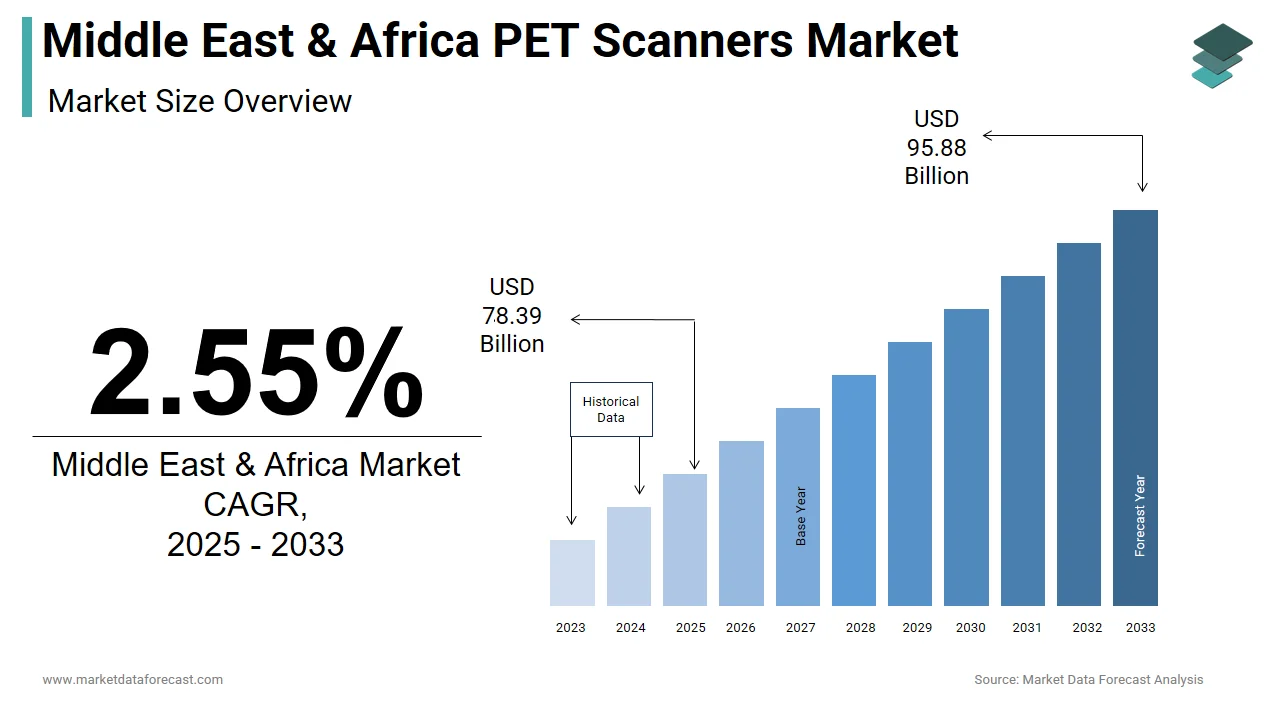
- Market Valuation: Valued at USD 78.39 billion (2025), estimated at USD 80.39 billion (2026), and projected to reach USD 98.33 billion by 2034, registering a stable CAGR of 2.55% (2026–2034).
- Primary Growth Drivers: Rapid technological advancements such as Time of Flight (TOF) technology, rising popularity of hybrid imaging systems (PET/CT, PET/MRI, SPECT/CT), increasing prevalence of chronic illnesses like cancer, and growing government and private investments in healthcare infrastructure.
Key Market Segment Metrics (2026–2034)
| Category | Leading Segment (2025 Position) | Fastest-Growing Segment |
|---|---|---|
| By Application | Oncology (dominated market share driven by widespread PET-CT cancer staging and diagnosis use cases) | Cardiology & Neurology (expanding as advanced biomarkers and precise molecular imaging gain traction) |
| By Product Type | Full Ring PET Scanners (led regional installations due to superior resolution and full-axial field of view) | Full Ring Hybrid Scanners (driven by demand for reduced acquisition times and improved attenuation correction) |
| By Detector Type | Lutetium-based Crystals (LSO, LYSO, LFS) (favored for high stopping power and fast decay times) | Advanced Solid-State Detector Materials (accelerating alongside next-generation digital PET systems) |
| By End User | Hospitals & Dedicated PET Centres (held the largest share of diagnostic imaging deployments) | Diagnostic Centres (growing steadily as outpatient diagnostic imaging hubs expand across emerging areas) |
| By Country | South Africa (dominated regional market growth backed by improving healthcare expenditure and infrastructure) | GCC Countries (KSA, UAE, Israel) (experiencing rapid upgrades driven by substantial healthcare modernization investments) |
Major Market Players & Market Structure
Market Structure: Consolidated global medical imaging landscape featuring multinational technology leaders competing on hybrid system accuracy, radiopharmaceutical compatibility, crystal detector innovation, and service support networks.
Key Companies: Positron Corporation, Mediso Ltd., Siemens AG, Hitachi Ltd., General Electric Co., Toshiba Corporation, Koninklijke Philips N.V., and Yangzhou Kindsway Biotech Co. Ltd.
 Download Free Sample Report
Middle East and Africa PET Scanners Market Size
The size of the Middle East and Africa PET scanners market was worth USD 78.39 billion in 2025. The market is anticipated to grow at a CAGR of 2.55% from 2026 to 2034 and be worth USD 98.33 billion by 2034, up from USD 80.39 billion in 2026.
A PET scanner is a large, ring-shaped medical machine that creates 3-D pictures of how your organs and tissues are working at a cellular level. This market serves critical healthcare infrastructure in nations pursuing advanced diagnostic capabilities to combat rising chronic disease burdens. According to the International Agency for Research on Cancer, more than 720,000 people were diagnosed with cancer in the WHO Eastern Mediterranean Region in 2020, and this burden is projected to double by 2040 due to population growth and ageing. As per studies, sub-Saharan Africa faces a critical medical infrastructure gap, with a severe shortage of functional PET scanners concentrated in only a few nations. These facts reveal an urgent need for expanded access to molecular imaging technologies across the region. Governments and private healthcare providers recognise that early detection through PET scanners improves patient outcomes and reduces long term treatment costs. The integration of PET with computed tomography enhances diagnostic accuracy for oncology, cardiology and neurology applications. Regulatory bodies are streamlining approval processes for advanced medical devices to facilitate faster deployment. Investment in healthcare modernisation drives demand for high-resolution imaging systems that support personalised medicine initiatives. The market evolves as stakeholders address logistical challenges related to radiopharmaceutical supply chains and technical expertise availability.
MARKET DRIVERS
Rising Prevalence of Oncological Disorders Drives Diagnostic Demand
The escalating prevalence of oncological disorders creates a fundamental demand for advanced diagnostic imaging, propelling the growth of the Middle East and Africa PET scanners market. Consequently, these scanners are essential for ensuring accurate cancer staging and treatment monitoring. According to the International Agency for Research on Cancer's GLOBOCAN estimates, the Middle East and Africa region faces an escalating oncology crisis, with sub-Saharan Africa alone recording approximately 882,882 new cancer cases in 2022, while the burden in the WHO Eastern Mediterranean region exceeded 720,000 cases in 2020 and is projected to double by 2040. This surge in diagnoses requires precise metabolic imaging to differentiate between benign and malignant tissues, which traditional anatomical scans often fail to achieve effectively. As per sources, highly prevalent cancers such as breast and lung malignancies comprise an overwhelming majority of localised clinical referrals, demanding more advanced diagnostic and staging infrastructure. PET scanners provide critical information about tumour metabolism, enabling oncologists to tailor radiation therapy and chemotherapy protocols specifically to individual patient profiles. Early detection through metabolic imaging significantly improves survival rates by identifying metastatic spread before it becomes clinically apparent. Healthcare providers increasingly prioritise investments in PET technology to meet the growing volume of complex cancer cases requiring detailed evaluation. The shift toward precision oncology further amplifies demand as treatment decisions rely heavily on molecular characteristics revealed by PET scans. Public health initiatives focusing on cancer screening programs drive institutional purchases of imaging equipment to expand diagnostic capacity. This driver sustains market growth as the region confronts its changing demographic profile and lifestyle-related disease patterns.
Government Initiatives for Healthcare Infrastructure Modernisation Accelerate Adoption
Government-led initiatives aimed at modernising healthcare infrastructure directly accelerate the adoption of advanced diagnostic technologies in the Middle East and Africa PET scanners market. According to the official Saudi Vision 2030 Healthcare Private Investment Guide, the program identifies specific opportunities in speciality and ambulatory care centres valued at 10 to 15 billion Saudi Riyals (SAR) between 2025 and 2030, alongside an ongoing medical devices and equipment market valued at 15 to 20 billion SAR. This substantial financial commitment enables public hospitals to procure high-end imaging systems that were previously inaccessible due to budget constraints. As per research, public healthcare sectors frequently draft initiatives to procure advanced PET-CT scanning hardware for regional hospitals to minimise patient backlogs and decentralise advanced diagnostics. These governmental efforts reflect a broader recognition that advanced diagnostics are essential for achieving universal health coverage goals. Public-private partnerships facilitate the deployment of expensive imaging technologies in underserved areas by sharing operational costs and technical resources. Regulatory reforms streamline import procedures for medical devices, reducing delays in equipment installation and commissioning. Training programs funded by government agencies ensure that radiologists and technologists possess the necessary skills to operate and interpret PET scan results accurately. The focus on reducing medical tourism by offering world-class diagnostic services domestically drives further investment in premium imaging technologies. These initiatives create a stable demand environment for manufacturers while improving overall healthcare quality for the population.
MARKET RESTRAINTS
High Capital and Operational Costs Restrict Market Penetration
Prohibitive capital and operational costs hamper the growth of the Middle East and African PET scanners market. This severely restricts the penetration of these scanners in many healthcare facilities across the region, limiting widespread access to this critical diagnostic tool. According to sources, advanced medical imaging installations like PET-CT systems are highly capital-intensive, frequently exceeding 2.5 million dollars when factoring in hardware, specialised shielding, and facility infrastructure modifications. This high initial investment poses a significant barrier for public hospitals operating under tight budgetary constraints and competing priorities for basic healthcare services. As per research, public and private healthcare facilities in emerging markets face extreme financial strain when covering the high annual maintenance contracts required to keep advanced nuclear medicine equipment functional. These recurring expenses include regular calibration, software updates, and replacement of detector components, which are essential for maintaining image quality and diagnostic accuracy. The financial burden extends to the procurement of radiopharmaceuticals, which require specialised production facilities and cold chain logistics, adding to the total cost of ownership. Many smaller clinics and regional hospitals cannot justify the expense given the limited patient volume capable of paying for premium diagnostic services. Reimbursement policies in several African countries do not fully cover PET scan procedures, forcing patients to pay out of pocket, which further reduces utilisation rates. This financial constraint prevents the market from reaching its full potential despite the clear clinical benefits of molecular imaging for complex disease management.
Shortage of Trained Nuclear Medicine Professionals Limits Utilisation
The acute shortage of trained nuclear medicine professionals limits the effective utilisation of installed PET scanners in the Middle East and African market. This creates a bottleneck that hinders market growth and service delivery in the region. According to Frontiers in Nuclear Medicine, Africa faces a critical shortage of specialists, requiring approximately 1,400 nuclear medicine physicians to reach a conservative target of 1.0 per million people, with the current deficit exceeding 1,150 specialists. This workforce gap means that even when facilities acquire advanced imaging equipment, they often lack the skilled personnel required to operate the systems safely and interpret the complex metabolic data accurately. As per studies, specialised training tracks for clinical nuclear medicine imaging remain sparse across North African institutions, heavily concentrating expertise in only a handful of regional centres. This educational shortfall results in prolonged dependency on international experts for training and occasional remote interpretation services, which increases operational complexity and costs. Existing staff face high workloads, leading to burnout and reduced diagnostic throughput, which discourages further investment in additional units. The migration of trained professionals to Europe and North America for better career opportunities exacerbates the local talent shortage. Hospitals struggle to retain skilled technicians who receive frequent offers from private sector competitors or overseas institutions. Without adequate human capital, the return on investment for PET scanners remains suboptimal as machines sit idle or operate below capacity. This restraint underscores the need for comprehensive educational initiatives alongside equipment procurement to ensure sustainable market development.
MARKET OPPORTUNITIES
Expansion of Medical Tourism Hubs Creates New Revenue Streams
The expansion of medical tourism hubs creates significant opportunities for manufacturers in the Middle East and Africa PET scanners market. This drives demand for premium diagnostic services that attract international patients. According to studies, total UAE medical tourism sales reached 12 billion Dirhams (AED), which equates to approximately 3.2 billion US dollars, as early as 2018. International patients seek high-quality, accurate, and rapid diagnostic evaluations that PET scanners provide for complex oncological and neurological conditions. Hospitals in these hubs invest in latest-generation PET CT and PET MRI systems to differentiate their offerings and compete with established Western medical centres. As per sources, Turkey successfully accommodated nearly 1.5 million international patients for healthcare and medical treatment in 2024, generating approximately 3 billion US dollars in health tourism earnings. This influx generates consistent revenue streams that justify the high capital expenditure associated with acquiring and maintaining PET technology. Private healthcare providers leverage these investments to build reputations for excellence in cancer care and personalised medicine. The presence of international accreditation standards ensures that imaging protocols meet global best practices, enhancing trust among prospective medical tourists. Manufacturers can partner with leading hospital groups to supply bundled solutions including training and maintenance support tailored to high-volume diagnostic centres. This opportunity allows vendors to establish strong footholds in key markets while supporting the region's ambition to become a global healthcare destination.
Integration of Artificial Intelligence Enhances Diagnostic Efficiency
The integration of artificial intelligence into PET scanning workflows offers a transformative opportunity by enhancing diagnostic efficiency, which is anticipated to fuel the expansion of the Middle East and Africa PET scanners market. Crucially, this technological shift reduces the dependency on scarce specialised expertise in the region. According to research, integrating AI-assisted image reconstruction algorithms into clinical workflows optimises processing speed and shortens scanner bed times without compromising the clarity or diagnostic quality of the scan. This technological advancement allows facilities to process more patients per day, improving the economic viability of PET services in resource-constrained environments. As per studies, implementing automated deep-learning tools for lesion detection helps bridge training deficits, boosting the diagnostic accuracy of general practitioners operating in regions with low subspecialist density. These tools act as decision support systems, helping less experienced practitioners identify abnormalities and prioritise cases requiring urgent attention. Vendors can offer cloud-based AI platforms that update continuously without requiring local hardware upgrades, making advanced analytics accessible to remote hospitals. The ability to standardise image interpretation across different sites facilitates telemedicine collaborations where experts in major cities review scans from rural clinics. This capability addresses the workforce shortage by augmenting the skills of existing staff rather than replacing them. Healthcare providers view AI integration as a way to maximise the utility of their existing PET infrastructure. Manufacturers who embed robust AI features into their systems gain a competitive advantage by offering solutions that directly address regional operational challenges.
MARKET CHALLENGES
Complex Supply Chain for Radiopharmaceuticals Challenges Operations
The complex supply chain for radiopharmaceuticals poses a major challenge to the consistent operation of these scanners due to the short half-life of required isotopes, which hinders the growth of the Middle East and Africa PET scanners market. According to the International Atomic Energy Agency, fluorine-18 has a short physical half-life of approximately 110 minutes, which severely limits transport distances and requires radiopharmaceutical production to take place within one to two hours of a transport movement to the clinic. This logistical constraint limits the geographic reach of PET services, as many regions lack local cyclotron facilities capable of producing these short-lived isotopes reliably. As per sources, disruptions in global medical isotope supply chains regularly force clinical imaging centres to postpone or cancel time-sensitive oncology scans due to delivery shortages. These interruptions compromise patient care timelines and reduce the financial viability of imaging centres that rely on steady patient throughput. Import regulations for radioactive materials vary significantly across borders, creating administrative bottlenecks that further delay availability. The high cost of establishing and maintaining cyclotron facilities deters private investment in local production capabilities. Hospitals must maintain large inventories of longer-lived tracers, which may not be suitable for all diagnostic indications, limiting the versatility of their PET services. This challenge requires coordinated efforts between governments, regulatory bodies, and industry stakeholders to develop regional production hubs and streamline cross-border transport protocols.
Inconsistent Reimbursement Policies Hinder Patient Access
Inconsistent reimbursement policies across different countries in the region significantly hinder patient access to PET scanning services in the Middle East and African market. As a result, these regulatory variations limit overall market growth and equipment utilisation rates. According to research, a substantial percentage of national health coverage plans in developing nations exclude high-cost diagnostic tools, forcing patients to pay out-of-pocket for advanced procedures like PET scans. This financial barrier prevents lower-income populations from accessing critical diagnostic services, leading to late-stage diagnoses and poorer health outcomes. As per studies, bureaucratic prior authorisation requirements for advanced oncology procedures often cause extensive administrative delays, complicating timely clinical care for rapidly progressing diseases. These administrative hurdles discourage physicians from prescribing PET scans even when clinically indicated due to the uncertainty of payment. Private insurance providers often exclude PET imaging from basic coverage plans, categorising it as an elective or premium service. The lack of standardised pricing guidelines leads to significant variation in costs between facilities, creating confusion and inequity in access. Patients frequently travel to neighbouring countries with better coverage policies, resulting in loss of revenue for local healthcare providers. Manufacturers face difficulty in demonstrating the value proposition of their equipment when reimbursement mechanisms do not support sustainable service delivery. Harmonising reimbursement policies and expanding coverage criteria are essential steps to unlock the full potential of the PET scanner market in the region.
REPORT COVERAGE
| REPORT METRIC | DETAILS |
| Market Size Available | 2025 to 2034 |
| Base Year | 2025 |
| Forecast Period | 2026 to 2034 |
| Segments Covered | By Application, Product Type, Detector Type, End-Users, and Region. |
| Various Analyses Covered | Global, Regional, and Country-Level Analysis, Segment-Level Analysis, Drivers, Restraints, Opportunities, Challenges; PESTLE Analysis; Porter’s Five Forces Analysis, Competitive Landscape, Analyst Overview of Investment Opportunities |
| Countries Covered | KSA, UAE, Israel, Rest of GCC, South Africa, Ethiopia, Kenya, Egypt, Sudan, Rest of MEA |
| Market Leaders Profiled | Positron Corporation, Mediso Ltd., Siemens AG, Hitachi, Ltd., GE Healthcare, Toshiba Corporation, Koninklijke Philips N.V., Canon Medical Systems, and Yangzhou Kindsway Biotech Co. Ltd. |
SEGMENT ANALYSIS
By Application Insights
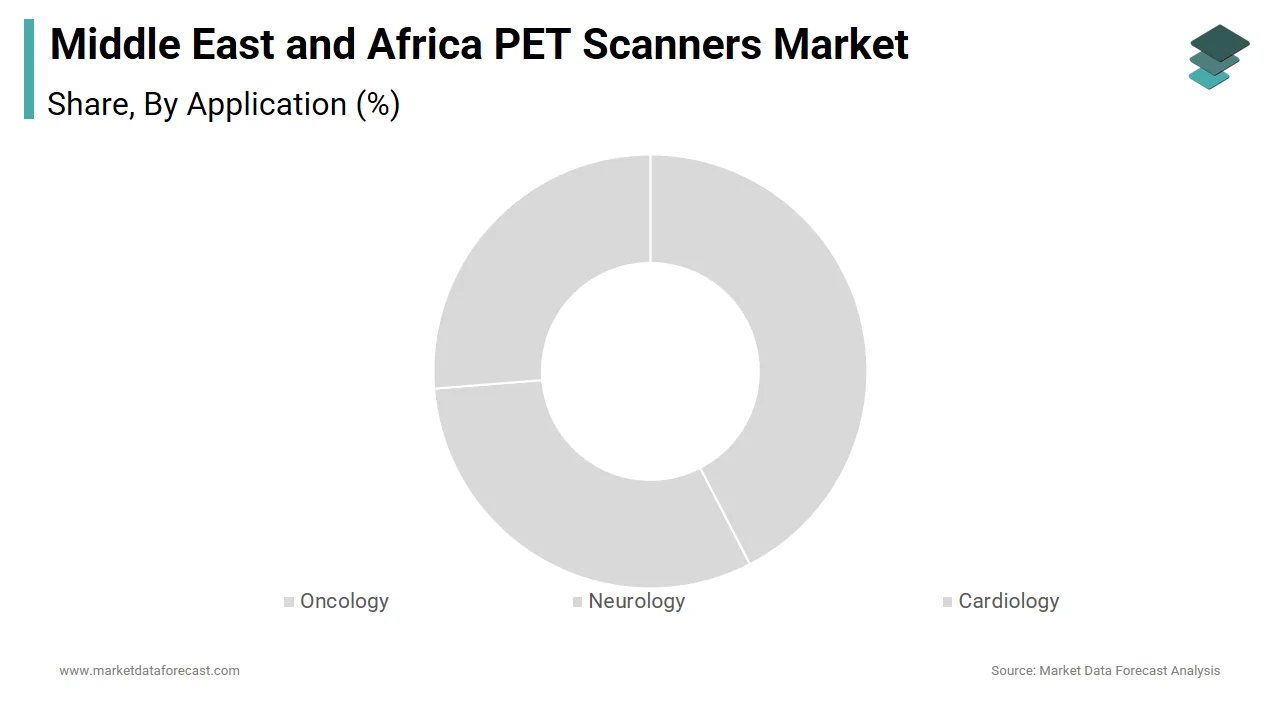
In 2025, the oncology segment held the majority share of the Middle East and Africa PET Scanners Market because of the critical role of metabolic imaging in cancer management. The rising burden of malignancies across the region necessitates advanced diagnostic tools for accurate staging and treatment monitoring. The escalating prevalence of cancer is bolstering the market share of this segment. According to the World Health Organisation, cancer is a leading cause of morbidity and mortality in the Eastern Mediterranean Region, with incidence rates projected to rise significantly by 2040. This statistical trend drives healthcare providers to invest in PET scanners for early detection and precise tumour characterisation. As per the International Agency for Research on Cancer, lung cancer and breast cancer are among the most diagnosed cancers in several Middle Eastern countries, requiring comprehensive imaging protocols. These high incidence rates create a sustained demand for PET/CT systems capable of detecting metastatic disease. Hospitals in Saudi Arabia and the United Arab Emirates are expanding their oncology departments to accommodate the growing patient volume. The ability of PET scanners to differentiate between benign and malignant lesions reduces unnecessary biopsies and improves patient outcomes. This clinical utility ensures that oncology remains the primary application area for nuclear medicine investments. Government initiatives focused on cancer control further reinforce this demand by prioritising early diagnosis programs. The integration of PET imaging into standard oncology care pathways is becoming mandatory in many tertiary care centres. This systematic adoption solidifies the leadership position of the oncology segment within the regional market structure.
The superior diagnostic accuracy of PET imaging in oncology drives its widespread adoption over conventional modalities. According to the Society of Nuclear Medicine and Molecular Imaging, PET scans can detect metabolic changes in tumours before anatomical changes become visible on CT or MRI. This capability allows for earlier intervention and more effective treatment planning. The European Society for Medical Oncology notes that PET/CT is the gold standard for staging lymphoma and lung cancer, which are prevalent in the region. This clinical endorsement encourages hospitals to prioritise PET scanner acquisitions for their oncology units. The ability to monitor treatment response in real time helps clinicians adjust therapies promptly, improving survival rates. Patients in the Gulf Cooperation Council nations increasingly seek advanced diagnostic services, driving private healthcare providers to invest in high-end imaging equipment. The reduction in false positive results compared to standalone CT scans enhances the cost-effectiveness of PET imaging in the long term. Insurance providers in countries like Qatar and Kuwait are beginning to cover PET scans for specific cancer indications, further boosting accessibility. This financial support removes barriers for patients and increases scan volumes. The continuous improvement in image resolution and quantitative analysis tools enhances the diagnostic confidence of radiologists. These technological advancements ensure that PET scanners remain indispensable in modern oncology practice across the Middle East and Africa.
The neurology segment is emerging as the fastest-growing application in the Middle East and African PET scanner market due to the increasing recognition of neurological disorders. This expansion will occur as healthcare systems actively build out their capabilities in brain imaging. The rising prevalence of neurodegenerative diseases fuels the rapid expansion of the neurology segment. According to the Global Burden of Disease study presented by the Alzheimer's Association, dementia cases in North Africa and the Middle East are expected to increase by nearly fourfold (roughly 367%) by 2050, growing from almost three million to nearly 14 million cases. This demographic shift creates an urgent need for advanced diagnostic tools to identify Alzheimer’s disease and other cognitive impairments early. As per Alzheimer’s Disease International, early diagnosis can significantly improve patient management and quality of life. PET scanners utilising amyloid and tau tracers provide unique insights into the pathological processes of dementia. Hospitals in Israel and South Africa are leading the adoption of these specialised imaging protocols. The ability to distinguish between different types of dementia guides appropriate therapeutic interventions. As awareness of neurological health grows among the population, demand for comprehensive brain assessments increases. Private clinics in urban centres are introducing neurology-focused PET packages to attract affluent patients. The integration of PET imaging into multidisciplinary neurological care teams enhances diagnostic precision. This trend supports the rapid growth of the neurology segment as more institutions recognise its clinical value. The development of new radiotracers for Parkinson’s disease and epilepsy further expands the application scope. These innovations drive continued investment in PET technology for neurological applications across the region.
Advancements in molecular imaging techniques specifically tailored for neurological conditions accelerate segment growth. The American Academy of Neurology emphasises that PET imaging is crucial for evaluating patients with refractory epilepsy and identifying surgical candidates. This clinical guideline promotes the use of PET scanners in specialised epilepsy centres. According to the International League Against Epilepsy, a significant proportion of epilepsy patients in developing regions remain undiagnosed or misdiagnosed. PET scans help localise epileptogenic zones when MRI results are inconclusive. This diagnostic capability is particularly valuable in countries like Egypt and Kenya, where epilepsy prevalence is high. The introduction of digital PET detectors improves the sensitivity for detecting subtle metabolic abnormalities in the brain. Research institutes in the region are collaborating with international partners to establish standardised protocols for neurological PET imaging. These collaborations facilitate knowledge transfer and enhance local expertise. The growing number of neurologists trained in nuclear medicine interpretation supports the expansion of services. Insurance coverage for neurological indications is gradually improving in some Gulf nations. This financial accessibility encourages more patients to undergo PET scans for neurological evaluations. The combination of clinical need and technological progress ensures that the neurology segment will continue to grow at the fastest pace in the coming years.
By Product Type Insights
The full ring PET scanners segment was the largest in 2025 and occupied a commanding share of the Middle East and Africa PET Scanners Market. This supremacy of the segment was supported by its superior image quality and diagnostic reliability. These systems offer complete angular coverage, resulting in higher sensitivity and better spatial resolution compared to partial ring alternatives. The demand for high diagnostic accuracy drives the preference for full ring PET scanners in clinical settings. According to the National Electrical Manufacturers Association standards, full ring detectors provide uniform sensitivity across the entire field of view, which is essential for accurate quantification of tracer uptake. This technical advantage is critical for oncology applications where precise measurement of metabolic activity influences treatment decisions. As per the Journal of Nuclear Medicine, full ring systems reduce artefacts and improve image consistency, leading to greater confidence in diagnostic interpretations. Hospitals in the United Arab Emirates and Saudi Arabia prioritise these systems to meet international accreditation standards. The ability to perform whole-body scans efficiently supports high patient throughput in busy medical centres. Radiologists prefer the comprehensive data provided by full ring scanners for complex cases involving multiple organ systems. The reduced need for repeat scans due to poor image quality enhances operational efficiency. This reliability justifies the higher initial investment for many healthcare institutions. The availability of advanced reconstruction algorithms optimised for full ring geometry further enhances performance. These software improvements maximise the clinical utility of the hardware. The trend toward precision medicine requires the highest possible image fidelity, which full ring systems deliver. This clinical necessity ensures their continued dominance in the regional market.
The versatility of full ring PET scanners in supporting hybrid imaging configurations reinforces their market leadership. According to the Radiological Society of North America, most modern PET/CT and PET/MRI systems utilise full ring detector designs to ensure seamless integration with anatomical imaging modalities. This compatibility allows for simultaneous acquisition of functional and structural data, improving diagnostic workflow. The European Association of Nuclear Medicine emphasises that hybrid systems are the standard of care for many indications, including cancer staging and infection imaging. Hospitals in Israel and South Africa are upgrading their existing infrastructure to include hybrid PET suites. The ability to correlate metabolic hotspots with anatomical structures reduces diagnostic ambiguity. This integrated approach saves time for both patients and clinicians. The growing installation base of CT and MRI scanners in the region creates a natural demand for compatible PET systems. Manufacturers focus their product development on full ring platforms to meet this market expectation. The ease of maintenance and service support for standardised full ring designs also appeals to healthcare administrators. These operational benefits contribute to the sustained preference for full ring PET scanners. The alignment with global best practices ensures that this segment remains the cornerstone of the regional nuclear medicine infrastructure.
The partial ring PET scanners segment is experiencing notable growth in the Middle East and Africa PET scanners market owing to cost considerations and specific clinical requirements such as dedicated brain or breast imaging. Particularly in niche applications and resource-constrained settings, this technology is gaining traction, although its total market presence remains smaller than the full ring segment. The lower capital cost of partial ring systems makes them accessible to smaller healthcare facilities and specialised clinics. According to sources, health budget constraints in many African countries limit the ability of public hospitals to purchase expensive full ring systems. Partial ring scanners offer a more affordable entry point into nuclear medicine imaging. As per research, dedicated breast PET scanners can improve detection rates in women with dense breast tissue, a common condition in the region. This specific clinical application drives demand for specialised partial ring devices. Clinics in Egypt and Kenya are exploring these options to provide targeted diagnostic services without the high overhead of full-body systems. The compact size of partial ring scanners allows for installation in space-limited environments. This flexibility is advantageous for urban clinics with restricted floor space. The reduced power consumption and simpler maintenance requirements further lower the total cost of ownership. These economic factors make partial ring systems an attractive option for private practitioners. The ability to focus on specific organs improves image resolution for those areas. This targeted approach meets the needs of patients seeking specialised care. As healthcare access expands in rural areas, partial ring scanners may play a role in decentralising diagnostic services. This potential for broader reach supports the steady growth of this segment.
Technological innovations in detector design are enhancing the performance of partial ring PET scanners, driving their adoption. According to the Institute of Electrical and Electronics Engineers, advances in silicon photomultiplier technology have improved the sensitivity and timing resolution of compact PET detectors. These improvements mitigate some of the limitations traditionally associated with partial ring geometry. As per the Journal of Medical Imaging, new reconstruction algorithms can compensate for incomplete angular sampling, producing images comparable to full ring systems for specific applications. This technological progress expands the clinical utility of partial ring scanners. Research institutes in the Middle East are using these systems for preclinical studies and drug development. The flexibility to customise detector arrangements allows for innovative imaging protocols. Startups and smaller manufacturers are entering the market with cost-effective partial ring solutions. This increased competition drives down prices and encourages experimentation. The focus on dedicated organ imaging aligns with the trend toward personalised medicine. Patients benefit from faster scan times and lower radiation doses in some dedicated systems. These advantages appeal to health-conscious consumers. The growing interest in point-of-care diagnostics supports the relevance of partial ring technology. As these systems become more sophisticated, their market share is likely to increase in specialised segments.
By End User Insights
The hospitals segment led the Middle East and Africa PET Scanners Market and captured a significant share in 2025. This leading position of the segment was attributed to the comprehensive nature of hospital services and their role as primary referral centres for complex diseases. The central role of hospitals in managing chronic and acute diseases drives their leadership in PET scanner adoption. According to the World Health Organisation, hospitals in the Middle East and Africa handle the vast majority of cancer and cardiovascular cases, which are the primary clinical indications for PET imaging. This patient concentration ensures high utilisation rates for installed equipment. The Ministry of Health in Saudi Arabia operates a network of specialised hospitals that serve as regional hubs for advanced diagnostics. These facilities require PET scanners to provide comprehensive care under one roof. The integration of nuclear medicine departments within large hospitals facilitates multidisciplinary collaboration among oncologists, radiologists, and surgeons. This collaborative environment enhances patient outcomes and streamlines workflows. Public hospitals in South Africa and Egypt are expanding their imaging capacities to reduce waiting times. The government funding available to large public institutions supports the acquisition of high-cost equipment. Private hospital chains in the Gulf region are competing on the basis of technological superiority, driving investments in latest-generation PET systems. The ability to offer inpatient and outpatient PET services increases revenue potential. Hospitals also benefit from economies of scale in purchasing radiotracers and maintaining equipment. This operational efficiency strengthens their position as the primary users of PET technology. The trust patients place in established hospital brands further drives referral patterns. These factors collectively sustain the dominance of the hospital segment in the regional market.
The availability of specialised medical staff and infrastructure in hospitals supports the effective use of PET scanners. According to the Society of Nuclear Medicine and Molecular Imaging, hospitals are more likely to employ board-certified nuclear medicine physicians and technologists compared to smaller clinics. This expertise is crucial for safe and accurate PET imaging operations. The Joint Commission International accredits many hospitals in the Middle East, requiring strict adherence to quality and safety standards. These standards mandate the presence of qualified personnel and robust quality assurance programs. Hospitals in Israel and the United Arab Emirates have established training centres for nuclear medicine professionals. This investment in human capital ensures sustainable service delivery. The presence of cyclotrons or reliable supply chains for radiotracers is more common in large hospital networks. This logistical advantage minimises downtime and ensures consistent service availability. Hospitals also have the financial resilience to absorb the high operational costs associated with PET imaging. The ability to cross-subsidise services using revenue from other departments supports the viability of nuclear medicine units. The integration of electronic health records facilitates seamless sharing of PET images with referring physicians. This connectivity enhances the clinical impact of PET scans. These structural advantages make hospitals the natural home for advanced imaging technologies in the region.
The diagnostic centres segment is rapidly expanding in the Middle East and Africa PET Scanners Market. This quick surge is propelled by the trend toward outpatient care and specialised imaging services. Such upward momentum directly reflects the expanding scale of private capital deployed toward upgrading healthcare facilities. The shift toward outpatient diagnostic services fuels the rapid growth of independent diagnostic centres. According to healthcare market data, private healthcare expenditure is rising across Middle Eastern countries as insurance coverage expands and patient preferences shift toward convenience. Diagnostic centres offer faster appointment scheduling and shorter wait times compared to large hospitals. The Dubai Health Authority encourages the establishment of specialised diagnostic facilities to decongest public hospitals. This policy support creates a favourable regulatory environment for private investors. Diagnostic centres in Qatar and Kuwait are investing in state-of-the-art PET/CT systems to attract self-paying patients. The focus on customer experience and comfort differentiates these centres from traditional hospital settings. The ability to offer comprehensive health checkup packages, including PET scans, appeals to the affluent population. Private equity firms are entering the healthcare sector, providing capital for expansion. This financial backing enables diagnostic centres to acquire advanced technology quickly. The modular nature of diagnostic centres allows for easier scalability and replication of successful models. These business advantages drive the rapid proliferation of PET-equipped facilities. The growing awareness of preventive health among the middle class further boosts demand. Diagnostic centres are well positioned to capture this market segment. Their agility and customer-centric approach ensure continued strong growth in the coming years.
The specialisation and efficiency of diagnostic centres enhance their competitiveness in the PET imaging market. According to the American College of Radiology, dedicated imaging centres often achieve higher patient throughput and lower per-scan operational costs due to focused operations. This efficiency allows them to offer competitive pricing while maintaining profitability. The International Society for Computed Tomography notes that standalone centres can optimise workflows specifically for imaging procedures, reducing patient turnaround time. Diagnostic centres in South Africa and Kenya are adopting lean management principles to improve service delivery. The use of teleradiology allows these centres to access expert interpretation services remotely. This capability expands their service offering without the need for onsite specialists. Partnerships with international radiology groups bring global best practices to local operations. The adoption of digital platforms for appointment booking and result delivery enhances patient engagement. Diagnostic centres are also quicker to adopt new technologies such as AI-assisted imaging. This innovation keeps them at the forefront of diagnostic excellence. The flexibility to operate extended hours meets the needs of working professionals. These operational strengths make diagnostic centres an attractive option for patients seeking efficient and high-quality imaging services. The continued expansion of this segment reflects the evolving healthcare landscape in the region.
COUNTRY LEVEL ANALYSIS
Saudi Arabia PET Scanners Market Analysis
Saudi Arabia dominated as well as the fastest-growing player in the Middle East and Africa PET Scanners Market and accounted for a substantial share in 2025. This dominance of the Saudi market was driven by significant government investments in healthcare infrastructure and the Vision 2030 initiative. The Kingdom is actively transforming its healthcare sector to reduce reliance on overseas treatment and improve domestic care quality. According to the Ministry of Health in Saudi Arabia, the government has launched multiple mega projects, including the construction of new medical cities and the expansion of existing hospitals. As per the official Saudi Vision 2030 Healthcare Transformation Plan, the initiative aims to restructure the healthcare sector to be a comprehensive, effective and integrated health system based on the health of the individual and society. The strategic focus drives the procurement of advanced diagnostic equipment such as PET scanners. The Saudi Food and Drug Authority has streamlined the registration process for medical devices to facilitate faster market entry. This regulatory improvement encourages multinational vendors to introduce their latest technologies. The prevalence of diabetes and obesity in the kingdom contributes to a high burden of related complications, including cancer and cardiovascular diseases. The World Health Organization reports that Saudi Arabia has one of the highest prevalence rates of diabetes globally, which increases the risk of various malignancies. This epidemiological reality creates a strong clinical demand for early detection tools. Private healthcare providers are expanding rapidly to serve the insured population. The Council of Cooperative Health Insurance mandates coverage for many diagnostic procedures, improving patient access. The establishment of specialised cancer centres in Riyadh and Jeddah further concentrates demand for PET imaging. These facilities require high-end equipment to meet international standards. The focus on medical tourism also drives investments in premium diagnostic services. Saudi Arabia’s commitment to healthcare excellence ensures sustained growth in the PET scanner market. The alignment of policy, funding, and clinical need creates a robust environment for market expansion.
United Arab Emirates PET Scanners Market Analysis
The United Arab Emirates is a mature player in the Middle East and Africa PET Scanners Market because of a high density of world-class healthcare facilities. The country’s strategic focus on medical tourism and healthcare innovation drives continuous upgrades in diagnostic infrastructure. The Dubai Health Strategy 2021 and Abu Dhabi Health Strategy emphasise the adoption of cutting-edge technologies to enhance patient outcomes. According to the Department of Health in Abu Dhabi, the regulatory body mandates rigorous quality standards for healthcare providers, encouraging the installation of latest-generation PET scanners. The UAE attracts a significant number of medical tourists from across the region and beyond. As per the Dubai Health Authority, thousands of international patients visit the emirate annually for specialised medical treatments, including oncology and cardiology. This influx drives demand for comprehensive diagnostic services. The presence of major international hospital chains such as Cleveland Clinic and Mayo Clinic raises the bar for technological adoption. These institutions bring global best practices and require state-of-the-art equipment. The high disposable income of the local population supports the demand for premium healthcare services. Private insurance coverage is widespread, facilitating access to advanced diagnostics. The UAE government is investing in artificial intelligence and digital health initiatives. The integration of AI with PET imaging enhances diagnostic accuracy and efficiency. The country’s robust logistics infrastructure ensures reliable supply of radiotracers and spare parts. This operational reliability supports consistent service delivery. The focus on preventive health and early detection further boosts PET scan volumes. The UAE’s position as a regional healthcare leader ensures continued investment in advanced imaging technologies. The convergence of policy support, private investment, and patient demand sustains market growth.
Israel PET Scanners Market Analysis
Israel occupies a significant position in the Middle East and African PET scanner market due to its strong research and development capabilities and high healthcare standards. The country serves as a centre for innovation in nuclear medicine and molecular imaging. The Israeli healthcare system is renowned for its efficiency and technological sophistication. According to the Ministry of Health in Israel, the ministry supports extensive research in oncology and neurology, driving the adoption of advanced PET imaging techniques. The country has a high density of PET scanners per capita compared to other nations in the region. As per the Israel Cancer Association, cancer survival rates in Israel are among the highest globally, partly due to early detection and advanced treatment protocols. This success story reinforces the value of PET imaging in clinical practice. Israeli hospitals are actively involved in clinical trials for new radiotracers and imaging protocols. This research activity drives demand for flexible and high-performance PET systems. The presence of leading technology companies fosters innovation in medical device manufacturing. Collaborations between academic institutions and industry players accelerate the translation of research into clinical applications. The universal health coverage system ensures equitable access to diagnostic services. Patients benefit from timely access to PET scans for various indications. The focus on precision medicine requires detailed metabolic information provided by PET imaging. Israeli radiologists are highly trained in interpreting complex PET studies. This expertise enhances the diagnostic yield of scans. The country’s export of medical technology and expertise influences the broader regional market. Israel’s leadership in innovation ensures its continued prominence in the PET scanner landscape. The integration of research, clinical care, and technology creates a dynamic market environment.
South Africa PET Scanners Market Analysis
South Africa is moderately expanding in the Middle East and Africa PET scanners market. It holds the most developed healthcare infrastructure in Sub-Saharan Africa, making it a key market for PET Scanners in the region. The country serves as a hub for advanced medical services and attracts patients from neighbouring nations. The private healthcare sector in South Africa is well established and offers world-class diagnostic services. According to the Council for Medical Schemes and national health data, private medical aid schemes in South Africa serve a critical portion of the population, covering approximately 15% to 17% of all residents. This insurance coverage facilitates access to advanced imaging procedures such as PET scans. As per the Cancer Association of South Africa and the South African Medical Research Council, cancer is a leading cause of mortality, driving the vital demand for expanded early detection and medical staging infrastructure. Private hospitals in Johannesburg and Cape Town are equipped with the latest-generation PET/CT systems. The public sector faces resource constraints but is gradually improving its diagnostic capabilities. The National Department of Health is implementing programs to strengthen tertiary care facilities. Academic hospitals play a crucial role in training nuclear medicine specialists and conducting research. The University of Cape Town and other institutions collaborate with international partners to advance nuclear medicine practices. The availability of local cyclotron facilities supports the production of radiotracers. This logistical advantage reduces dependency on imports and lowers costs. The growing middle class is increasingly seeking private healthcare services. This trend expands the customer base for diagnostic centres. South Africa’s regulatory framework is relatively mature, providing clarity for medical device manufacturers. The country’s position as a regional leader ensures its continued influence on the African market. The combination of private investment and public health initiatives drives market growth. The focus on improving healthcare access supports the expansion of PET imaging services.
Ethiopia PET Scanners Market Analysis
Ethiopia is an emerging player in the Middle East and Africa PET scanners market owing to ongoing healthcare reforms and infrastructure development. The country is working to address its substantial burden of infectious and non-communicable diseases. The Ethiopian Ministry of Health has launched the Health Sector Transformation Plan to improve access to quality healthcare services. This plan includes investments in diagnostic infrastructure and human resource development. The prevalence of cancer is rising due to lifestyle changes and population ageing. According to a study, structural academic efforts began via an MSc program at Addis Ababa University, though the country continues to navigate a critical workforce gap, lacking dedicated domestic undergraduate paths. The Black Lion Hospital in Addis Ababa has established a nuclear medicine department, marking a significant step forward. International partnerships with organisations such as the International Atomic Energy Agency support capacity building. These collaborations provide technical assistance and equipment donations. The growing economy is enabling increased government spending on health. The private sector is beginning to invest in diagnostic services to meet rising demand. The lack of widespread insurance coverage remains a challenge, but out-of-pocket payments are common for those who can afford it. The centralisation of advanced services in the capital city creates a focal point for market entry. As infrastructure improves in other regions, demand will spread. The young population presents a long-term opportunity for preventive health services. Ethiopia’s commitment to universal health coverage drives gradual improvements in diagnostic access. The market is in its early stages but shows promise for future growth. Strategic investments now can establish a strong presence in this developing market. The focus on building local capacity ensures sustainable service delivery.
COMPETITIVE LANDSCAPE
The competition in the Middle East and Africa PET Scanners Market is characterized by the presence of established global giants and emerging regional distributors who strive to capture varying segments of the healthcare landscape. Major multinational corporations dominate the high-end segment by offering state-of-the-art hybrid imaging systems with advanced artificial intelligence capabilities. These companies leverage their strong brand reputation and extensive service networks to maintain leadership positions in wealthy Gulf nations and sophisticated medical hubs. However, the market also sees intense rivalry in the mid-tier segment where cost-effectiveness and operational reliability are paramount. Local partners and smaller international vendors compete aggressively by providing tailored financing solutions and responsive after-sales support. The lack of standardized regulations across different countries creates a fragmented competitive environment requiring adaptable business models. Companies must navigate diverse procurement processes and cultural nuances to succeed. Innovation in tracer production and distribution logistics also serves as a key competitive frontier. Those who can ensure a consistent supply of short half-life isotopes gain a significant advantage. The focus is shifting from mere equipment sales to comprehensive solution providers who offer training, maintenance, and digital integration services. This holistic approach is becoming essential for sustaining a competitive edge in this evolving market.
KEY MARKET PLAYERS
The leading companies operating in the Middle East and Africa PET scanners market include:
- Positron Corporation
- Mediso Ltd.
- Siemens AG
- Hitachi, Ltd.
- GE Healthcare
- Toshiba Corporation
- Koninklijke Philips N.V.
- Canon Medical Systems
- Yangzhou Kindsway Biotech Co. Ltd.
TOP PLAYERS IN THE MARKET
- Siemens Healthineers maintains a robust presence in the Middle East and Africa PET Scanners Market through its advanced Biograph series of PET CT systems. The company focuses on delivering high-resolution imaging solutions that cater to the growing oncology and neurology demands in the region. Siemens Healthineers actively collaborates with local healthcare providers to offer comprehensive training and technical support, ensuring optimal utilization of their equipment. Recent initiatives include the expansion of service networks in key markets such as Saudi Arabia and South Africa to reduce downtime and enhance customer satisfaction. The company also invests in digital health platforms that integrate artificial intelligence for improved image reconstruction and diagnostic accuracy. These efforts strengthen its reputation for reliability and innovation while addressing the specific infrastructure challenges faced by healthcare facilities in the region. Their commitment to sustainable healthcare solutions aligns with national modernization goals across various countries.
- GE Healthcare plays a pivotal role in the Middle East and Africa PET Scanners Market by offering its Discovery and Signa PET CT and PET MRI platforms. The company emphasizes precision medicine and personalized care through its advanced molecular imaging technologies. GE Healthcare has established strong partnerships with government health ministries and private hospital chains to facilitate the adoption of its latest imaging systems. Recent actions include the launch of specialized training programs for nuclear medicine professionals in Egypt and Kenya to address the workforce shortage. The company also focuses on providing flexible financing options to make high-end imaging technology more accessible to smaller healthcare facilities. By integrating cloud-based analytics and remote monitoring capabilities, GE Healthcare enhances operational efficiency for its clients. These strategic moves reinforce its position as a trusted partner in transforming regional healthcare infrastructure.
- Canon Medical Systems contributes significantly to the Middle East and Africa PET Scanners Market with its Aquidition Prime and Celesteion PET CT systems, known for exceptional image quality and low radiation dose. The company prioritizes patient comfort and clinical efficiency through innovative detector technology and streamlined workflows. Canon Medical Systems has been actively expanding its distribution network and service capabilities across the Gulf Cooperation Council nations and Sub-Saharan Africa. Recent efforts include collaborations with regional distributors to ensure timely supply of spare parts and radiotracers. The company also engages in educational initiatives to promote best practices in nuclear medicine imaging among local radiologists and technologists. By focusing on total cost of ownership and long-term reliability, Canon Medical Systems appeals to healthcare administrators seeking sustainable investments. Their dedication to technological excellence and customer support continues to drive adoption in both public and private healthcare sectors.
TOP STRATEGIES USED BY THE KEY MARKET PARTICIPANTS
Key players in the Middle East and Africa PET Scanners Market primarily employ strategic partnerships and localized service expansion to strengthen their market position. Companies are increasingly forming alliances with local distributors and healthcare providers to navigate complex regulatory landscapes and improve supply chain efficiency. This approach ensures timely delivery of equipment and essential radiotracers, which is critical for maintaining scanner uptime. Another major strategy involves investing in training and education programs for nuclear medicine professionals to address the regional shortage of skilled personnel. By enhancing local expertise, manufacturers ensure proper utilization of their advanced technologies and build long-term customer loyalty. Additionally, firms are introducing flexible financing models and leasing options to overcome budget constraints faced by many healthcare institutions. This financial accessibility broadens the customer base beyond wealthy urban centers. Product innovation focused on lower radiation doses and faster scan times also serves as a competitive differentiator. Manufacturers are tailoring their marketing messages to highlight these clinical benefits alongside economic advantages. Digital integration through cloud-based platforms and artificial intelligence tools further enhances value propositions. These multifaceted strategies enable companies to address both clinical and operational challenges effectively.
Middle East and Africa PET Scanners Market News
- In March 2023, Siemens Healthineers launched a new service center in Riyadh to enhance support for its PET CT installations across Saudi Arabia and neighboring Gulf countries. This expansion is anticipated to reduce equipment downtime and improve customer satisfaction in the Middle East and Africa PET Scanners Market.
- In June 2023, GE Healthcare partnered with a leading hospital group in South Africa to provide advanced training programs for nuclear medicine technologists and radiologists. This initiative is anticipated to address the skilled workforce shortage and promote the adoption of molecular imaging in the Middle East and Africa PET Scanners Market.
- In September 2023, Canon Medical Systems introduced a flexible leasing program for healthcare facilities in Egypt and Kenya to make PET scanners more financially accessible. This financial solution is anticipated to expand the customer base and accelerate market penetration in the Middle East and Africa PET Scanners Market.
- In January 2024, Siemens Healthineers collaborated with a regional distributor in the United Arab Emirates to streamline the supply chain for radiotracers and spare parts. This logistical improvement is anticipated to ensure consistent service availability and strengthen operational reliability in the Middle East and Africa PET Scanners Market.
- In May 2024, GE Healthcare unveiled an artificial intelligence-enhanced software update for its Discovery PET CT systems specifically optimized for high-throughput environments in the Middle East. This technological upgrade is anticipated to improve diagnostic efficiency and image quality in the Middle East and Africa PET Scanners Market.
MARKET SEGMENTATION
This Middle East and Africa PET scanners market research report is segmented and sub-segmented into the following categories.
By Application
- Oncology
- Neurology
- Cardiology
- Other Applications
By Product Type
-
Partial Ring PET Scanners
-
Full Ring PET Scanners
By Detector Type
-
Gadolinium Oxyorthosilicate
-
Lutetium Fine Silicate
- Bismuth Germanium Oxide
- Lutetium Oxyorthosilicate
- Lutetium Yttrium Orthosilicate
By End Users
-
Diagnostic Centres
-
Hospitals
- PET Centres
- Research Institutes
By Country
- KSA
- UAE
- Israel
- Rest of the GCC countries
- South Africa
- Ethiopia
- Kenya
- Egypt
- Sudan
- rest of MEA