- Product Description Description
- Table of Contents TOC
- List of Table & Figure LOT
- Get Free Sample PDF Sample PDF
Market Size, 2025
$5.32 BnMarket Estimate, 2026
$6.16 BnMarket Forecast, 2034
$19.92 BnCAGR, 2026–2034
15.8%Global Melanoma Therapeutics Market Report Summary
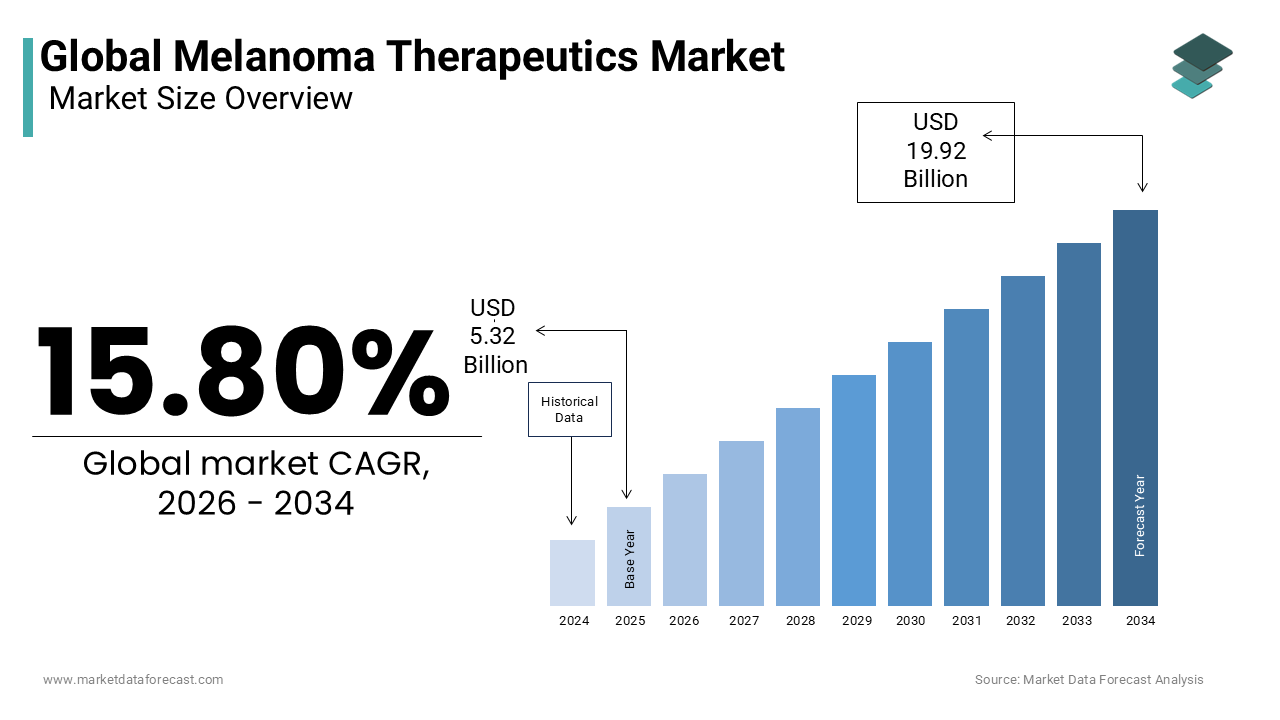
The global melanoma therapeutics market was valued at USD 5.32 billion in 2025 and is anticipated to reach USD 6.16 billion in 2026 from USD 19.92 billion by 2034, growing at a CAGR of 15.80% during the forecast period from 2026 to 2034. The growth of the global melanoma therapeutics market is driven by the rising incidence of melanoma worldwide, increasing exposure to ultraviolet radiation, and growing awareness regarding early skin cancer diagnosis. Expanding adoption of immunotherapies and targeted therapies, increasing utilization of precision medicine, and rapid advancements in molecular diagnostics are further accelerating market growth. Moreover, the development of personalized cancer vaccines, tumor-infiltrating lymphocyte therapies, and continuous regulatory approvals for novel oncology treatments are supporting the expansion of the global melanoma therapeutics market.
Key Market Trends
-
Rising adoption of immune checkpoint inhibitors as the standard of care for advanced melanoma.
-
Increasing utilization of BRAF and MEK targeted therapies for genetically defined patient populations.
-
Growing development of personalized cancer vaccines and adoptive cell therapies.
-
Rising integration of next-generation sequencing and precision oncology in melanoma treatment planning.
-
Increasing expansion of adjuvant and neoadjuvant immunotherapy for early-stage melanoma management.
Segmental Insights
- Based on cancer stage, the Stage IV melanoma segment dominated the global melanoma therapeutics market in 2025. The dominance of the segment is attributed to the high treatment costs associated with metastatic disease, continuous utilization of immunotherapies and targeted therapies, increasing need for long-term disease management, and frequent adoption of combination treatment regimens. The growing introduction of innovative therapies for advanced melanoma further supports segment growth.
- The Stage III melanoma segment is projected to witness the fastest CAGR of 12.5% during the forecast period owing to increasing adoption of adjuvant immunotherapy following surgical resection, expanding regulatory approvals for earlier-stage indications, growing utilization of genomic risk assessment, and rising physician awareness regarding recurrence prevention strategies.
- Based on cancer type, the superficial spreading melanoma segment accounted for the largest share of the global melanoma therapeutics market in 2025. The growth of the segment is driven by its high global prevalence, increasing public awareness regarding early skin cancer detection, widespread dermatological screening programs, and growing diagnosis rates across North America and Europe. Early clinical intervention continues to improve patient outcomes while supporting market demand.
- The nodular melanoma segment is anticipated to register the fastest CAGR of 11.8% during the forecast period due to its aggressive disease progression, increasing diagnosis of advanced-stage tumors, growing demand for intensive systemic therapies, and expanding clinical research focused on improving survival outcomes in high-risk patients.
- Based on diagnosis, the dermatoscopy segment dominated the global melanoma therapeutics market in 2025. The dominance of the segment is attributed to its non-invasive nature, high diagnostic sensitivity, widespread availability across dermatology clinics, and increasing adoption of digital dermatoscopy integrated with artificial intelligence for improved lesion assessment.
- The sentinel lymph node biopsy segment is expected to witness the fastest CAGR of 9.5% during the forecast period owing to its critical role in accurate cancer staging, increasing adoption of personalized treatment planning, expanding use of adjuvant systemic therapies, and growing demand for precise pathological assessment before treatment initiation.
- Based on treatment, the immune therapy segment dominated the global melanoma therapeutics market in 2025. The segment’s leadership is driven by superior long-term survival outcomes, widespread clinical guideline recommendations, expanding approvals across multiple disease stages, and increasing physician preference for checkpoint inhibitor therapies. Continuous development of next-generation immunotherapy combinations further strengthens segment growth.
Regional Insights
- North America dominated the global melanoma therapeutics market and accounted for 45.6% of the global market share in 2025. The region's leadership is driven by high melanoma incidence, advanced healthcare infrastructure, strong reimbursement systems, rapid adoption of innovative immunotherapies, and extensive clinical research activities. Robust government funding for cancer research and early access to breakthrough therapies continue to strengthen regional market growth.
- Europe held 30.6% of the global melanoma therapeutics market share in 2025 owing to its universal healthcare systems, increasing melanoma incidence across Northern and Western Europe, expanding adoption of immune checkpoint inhibitors, and strong clinical research collaborations. Harmonized regulatory approvals and growing public awareness further support market expansion.
- Asia Pacific is projected to witness the fastest growth during the forecast period due to increasing healthcare expenditure, improving diagnostic capabilities, expanding oncology infrastructure, rising awareness regarding skin cancer, and growing adoption of advanced immunotherapies across China, Japan, Australia, and other emerging markets.
- Latin America continues to maintain steady growth owing to improving access to oncology care, increasing government investments in cancer treatment infrastructure, expanding availability of targeted therapies, and growing adoption of innovative treatment protocols across major regional healthcare systems.
- The Middle East & Africa is expected to experience notable growth during the forecast period due to expanding healthcare investments, increasing cancer awareness initiatives, improving oncology infrastructure in Gulf Cooperation Council countries, and rising access to advanced immunotherapy and targeted treatment options.
Competitive Landscape
The global melanoma therapeutics market is highly competitive and characterized by the presence of multinational pharmaceutical companies and biotechnology firms competing through continuous innovation, strategic collaborations, personalized medicine, and advanced immuno-oncology research. Leading companies are focusing on developing next-generation checkpoint inhibitors, personalized cancer vaccines, tumor-infiltrating lymphocyte therapies, and novel targeted treatment combinations to overcome therapeutic resistance. Strategic acquisitions, extensive clinical trial programs, biomarker-driven drug development, and expansion into early-stage melanoma treatment continue to strengthen competitive positioning across the global melanoma therapeutics market.The prominent players operating in the global melanoma therapeutics market include Bristol-Myers Squibb Co., Merck & Co., Inc., F. Hoffmann-La Roche Ltd., Amgen Inc., Celgene Corporation, Daiichi Sankyo Company, Limited, and Pfizer Inc.
Global Melanoma Therapeutics Market Size
The melanoma therapeutics market size was valued at USD 5.32 billion in 2025. The global melanoma therapeutics market size is predicted to be USD 6.16 billion in 2026. This value is estimated to grow at a CAGR of 15.80% between 2026 to 2034 and be worth USD 19.92 billion by 2034.
Melanoma therapeutics refers to the various medical treatments and drugs used to manage and fight melanoma, the most aggressive type of skin cancer. These interventions aim to cure early-stage cancers, slow tumor growth, or boost the body's ability to destroy cancer cells if the disease has spread. This domain includes targeted therapies, immunotherapies, chemotherapy agents, and emerging modalities such as oncolytic viruses and tumor-infiltrating lymphocyte therapies. The clinical landscape has shifted dramatically from non-specific cytotoxic drugs to precision medicine approaches that target specific genetic mutations like BRAF V600E or enhance the body’s immune response through checkpoint inhibition. According to the American Cancer Society, an estimated 100,640 new cases of invasive melanoma were expected to be diagnosed in the United States in 2024. The National Institutes of Health (NIH) indicates that over the last 50 years, melanoma incidence has risen faster than almost any other cancer in fair-skinned populations due to aging and ultraviolet radiation exposure. The European Cancer Information System (ECIS) reports that skin melanoma accounts for roughly 4% of all new cancer diagnoses in the EU, while clinical consensus from the European Association of Dermato-Oncology (EADO) confirms it causes 90% of skin cancer-related deaths. The integration of next-generation sequencing into routine clinical practice allows oncologists to tailor therapeutic regimens based on individual tumor profiles improving survival outcomes significantly. Regulatory bodies such as the United States Food and Drug Administration continue to expedite approvals for novel combination therapies reflecting the urgent need for effective treatments in metastatic settings. This dynamic environment characterized by rapid scientific advancement and high unmet medical needs defines the current state of the global melanoma therapeutics industry.
MARKET DRIVERS
Rising Global Incidence of Cutaneous Malignancies Due to UV Exposure
The escalating prevalence of cutaneous melanoma driven by excessive ultraviolet radiation exposure and changing lifestyle patterns is a key factor accelerating the growth of the melanoma therapeutics market. Increased recreational sun exposure use of tanning beds and depletion of the ozone layer have contributed to higher mutation rates in skin cells particularly among younger demographics. According to the Skin Cancer Foundation, 1 in 5 Americans will develop skin cancer by age 70, and while melanoma makes up a small fraction of overall cases, it causes the vast majority of skin cancer deaths. The International Agency for Research on Cancer (IARC) indicates that age-standardized melanoma incidence rates in Australia and New Zealand remain the highest globally, exceeding 50 cases per 100,000 people annually. Longitudinal data from the National Cancer Institute (NCI) SEER Program shows that the incidence of new melanoma cases in the United States roughly doubled between the early 1980s and the 2010s. Public awareness campaigns have improved early detection but late-stage diagnoses still occur frequently driving demand for second-line and third-line therapies. The aging population in developed nations further exacerbates this trend as cumulative sun damage manifests later in life. Healthcare systems are increasingly allocating resources to dermatology and oncology departments to manage this surge in cases. Pharmaceutical companies respond by expanding their pipelines with novel agents targeting resistant tumors. This consistent rise in case volumes ensures a steady demand for both adjuvant and metastatic treatments sustaining market growth across major geographical regions.
Advancements in Immunotherapy and Targeted Molecular Interventions
Technological breakthroughs in immune checkpoint inhibitors and targeted molecular therapies have revolutionized treatment paradigms, which significantly improve overall survival rates and fuel melanoma therapeutics market expansion. The discovery of key pathways such as PD-1 PD-L1 and CTLA-4 has enabled the development of monoclonal antibodies that reactivate the immune system against tumor cells. In addition, the landmark CheckMate 067 trial published in the New England Journal of Medicine confirms that first-line combination therapy with nivolumab and ipilimumab yields a five-year overall survival rate of 52% in patients with advanced melanoma. Similarly targeted therapies addressing BRAF and MEK mutations have shown rapid tumor regression in genetically defined subsets of patients. National Institutes of Health (NIH) establishes that approximately 50% of cutaneous melanomas harbor activating BRAF V600 mutations, qualifying patients for targeted inhibitor combinations. These clinical successes have led to widespread guideline recommendations favoring immunotherapy and targeted agents as first-line standards of care. Regulatory approvals for adjuvant use in early-stage disease have further expanded the treatable patient population preventing recurrence after surgical resection. Continuous research into overcoming resistance mechanisms has resulted in next-generation molecules with improved safety profiles. The proven efficacy of these advanced therapeutics encourages payer coverage and physician prescription reinforcing their dominance in the treatment algorithm. This scientific momentum ensures sustained investment and commercial viability for manufacturers operating in this high-value segment.
MARKET RESTRAINTS
Severe Immune Related Adverse Events Limit Patient Compliance
The occurrence of severe immune-related adverse events associated with checkpoint inhibitors is a major barrier to widespread utilization and long-term patient compliance, and thereby limits the growth of the melanoma therapeutics market. While immunotherapies offer durable responses they can trigger autoimmune reactions affecting vital organs such as the lungs liver heart and endocrine system. The New England Journal of Medicine shows that up to 59% of patients treated with combination nivolumab and ipilimumab experience Grade 3 or 4 treatment-related adverse events. Colitis pneumonitis and hypophysitis are among the most common complications leading to hospitalization and increased healthcare costs. The complexity of managing these toxicities requires specialized multidisciplinary teams which are not available in all healthcare settings particularly in rural or resource-limited areas. Patients often hesitate to initiate treatment due to fear of debilitating side effects impacting their quality of life. Joint clinical practice guidelines published by the American Society of Clinical Oncology (ASCO) provide standardized toxicity management protocols to help clinicians mitigate severe immune-related adverse events. These safety concerns restrict the eligibility of elderly patients or those with pre-existing autoimmune conditions who might otherwise benefit from therapy. Pharmaceutical companies face pressure to develop safer alternatives or mitigation strategies slowing down the unrestricted expansion of the market. Until predictive biomarkers for toxicity are widely adopted, clinicians must exercise caution. This necessity limits the potential patient base for these powerful but risky therapeutics.
Volatility in Feedstock Prices and Supply Chain Disruptions Impact Profitability
The exorbitant cost of novel melanoma therapeutics creates substantial financial barriers for patients and healthcare systems that hamper the expansion of the melanoma therapeutics market. This limits access to life-saving treatment Annual costs for immune checkpoint inhibitors and targeted therapy combinations often exceed 150000 dollars per patient placing immense strain on insurance providers and national health budgets. Research in the Journal of Clinical Oncology demonstrates that high out-of-pocket costs for advanced therapies can induce severe financial toxicity, directly increasing the risk of treatment delays or abandonment. In Europe varying reimbursement policies across member states create disparities in access with some countries delaying approval or restricting usage to specific subgroups due to budget constraints. The Institute for Clinical and Economic Review (ICER) often show that novel melanoma therapies exceed traditional cost-effectiveness thresholds, prompting private and public payers to implement strict prior authorization criteria. Small biotechnology firms struggle to secure favorable pricing agreements without extensive real-world evidence demonstrating long-term value. Patients in lower-income brackets may forego optimal care in favor of cheaper generic alternatives or supportive care only. This economic disparity undermines the equitable distribution of advanced therapies and stifles market penetration in price-sensitive regions. Governments and insurers are increasingly demanding value-based pricing models which prolongs negotiation timelines and delays market entry. Consequently, high costs remain a persistent restraint preventing the full realization of therapeutic potential across diverse socioeconomic groups.
MARKET OPPORTUNITIES
Expansion into Adjuvant and Neoadjuvant Treatment Settings
The shifting of therapeutic interventions from metastatic to earlier stages of disease offers a significant opportunity for the growth of the melanoma therapeutics market. This is done through adjuvant and neoadjuvant applications. Recent clinical trials have demonstrated that administering immunotherapy or targeted agents after surgical resection significantly reduces the risk of recurrence in high-risk stage II and III patients. The neoadjuvant approach which involves treating tumors before surgery allows for assessment of pathological response and potential downstaging of disease enabling less extensive surgical procedures. The European Society for Medical Oncology (ESMO) guidelines recommend systemic adjuvant and neoadjuvant therapies for resectable Stage IIIB-IV and high-risk Stage II cutaneous melanomas, expanding the market beyond advanced metastatic cases. This strategic shift increases the duration of therapy and volume of drugs consumed per patient enhancing revenue potential for manufacturers. Early intervention also improves long-term survival outcomes aligning with healthcare goals of curative intent rather than palliative care. As diagnostic tools improve identification of high-risk features in early lesions will further drive adoption of systemic therapies in preventative settings. Pharmaceutical companies are actively pursuing regulatory approvals for these indications diversifying their product lifecycle and securing longer-term market presence. This expansion into earlier disease stages represents a transformative opportunity for sustained commercial success.
Development of Personalized Vaccines and Cell Based Therapies
The emergence of personalized neoantigen vaccines and adoptive cell transfer therapies offers a promising avenue for treating refractory and recurrent melanoma cases, which is likely to promote the expansion of the melanoma therapeutics market. These innovative modalities leverage the unique genetic profile of individual tumors to stimulate highly specific immune responses avoiding off-target effects. Clinical data highlighted in Nature Medicine demonstrates that a personalized neoantigen mRNA vaccine combined with pembrolizumab yields a 44% reduction in the risk of recurrence or death in high-risk resected melanoma. Tumor-infiltrating lymphocyte therapy involves extracting immune cells from the patient’s tumor expanding them in the laboratory and reinfusing them to attack cancer cells with high potency. Clinical trial data for the FDA-approved cellular therapy lifileucel shows an objective response rate of over 31% in patients with advanced melanoma who previously progressed on immune checkpoint inhibitors and targeted therapies. Advances in bioinformatics and manufacturing technologies are reducing the time and cost required to produce these customized treatments making them more commercially viable. Regulatory agencies are establishing frameworks for accelerated approval of personalized medicines recognizing their transformative potential. Collaborations between biotech firms and academic centers are accelerating clinical development bringing these therapies closer to mainstream adoption. As success rates improve and production scales up personalized vaccines and cell therapies are poised to become standard options for complex cases. This frontier of precision oncology creates substantial opportunities for differentiation and leadership in the competitive melanoma therapeutics landscape.
MARKET CHALLENGES
Acquired Resistance to Targeted and Immune Therapies
The development of acquired resistance to both targeted small molecule inhibitors and immune checkpoint blockers remains a critical clinical challenge to the melanoma therapeutics market. This limits long-term efficacy. Tumors often evolve mechanisms to bypass blocked pathways such as activating alternative signaling cascades or downregulating antigen presentation. Studies in Clinical Cancer Research confirm that acquired resistance to monotherapy BRAF inhibitors develops within less than one year in the majority of patients, driving the clinical shift toward combination BRAF/MEK inhibitors. Similarly primary and adaptive resistance to immunotherapy prevents a significant proportion of patients from benefiting initially while others relapse after an initial response. The heterogeneity of melanoma genetics complicates the prediction of resistance patterns requiring continuous monitoring and adaptive treatment strategies. Researchers are investigating combination regimens involving epigenetic modifiers and kinase inhibitors to overcome these barriers but clinical translation has been slow. The lack of universal biomarkers to predict resistance forces clinicians to rely on trial-and-error approaches resulting in wasted time and resources. Patients facing progression have limited subsequent options with diminishing returns on further lines of therapy. This biological adaptability of melanoma cells necessitates constant innovation in drug design and combination logic. Pharmaceutical companies must invest heavily in understanding resistance mechanisms to develop next-generation agents capable of sustaining remission. Until robust solutions for resistance are found, it remains a formidable obstacle. Consequently, achieving cure rates in advanced disease is delayed.
Complexity of Clinical Trial Design and Patient Recruitment
Designing efficient clinical trials for melanoma therapeutics is increasingly complex, which impedes the expansion of the melanoma therapeutics market. This is due to the proliferation of subtype biomarkers and prior treatment histories. Stratifying patients based on genetic mutations such as BRAF NRAS or KIT status requires extensive screening which slows enrollment and increases operational costs. Studies indicate the average capitalized R&D cost to bring a novel therapeutic asset to market sits at $2.3 billion, a figure heavily exacerbated by complex oncology trial designs. Recruiting patients for rare subtypes or later-line settings is particularly challenging as the eligible population is small and geographically dispersed. Competition for participants among numerous concurrent trials further exacerbates recruitment delays forcing sponsors to expand sites globally. Regulatory requirements for comparative effectiveness against established standards of care demand larger sample sizes and longer follow-up periods. The rapid evolution of treatment guidelines means that control arms may become obsolete during the trial necessitating protocol amendments. These logistical hurdles delay regulatory submissions and postpone market entry for promising candidates. Small biotechnology firms often lack the resources to manage such complex studies relying on partnerships with larger entities. The inefficiency in clinical development extends the timeline for delivering new therapies to patients hindering innovation speed. Streamlining trial designs through adaptive platforms and real-world evidence integration is essential but remains a significant operational challenge for the industry.
REPORT COVERAGE
| REPORT METRIC | DETAILS |
| Market Size Available | 2025 to 2034 |
| Base Year | 2025 |
| Forecast Period | 2026 to 2034 |
| Segments Covered | By Cancer Stage, Cancer Type, Diagnosis Type, Treatment, and Region |
| Various Analyses Covered | Global, Regional & Country Level Analysis, Segment-Level Analysis, DROC, PESTLE Analysis, Porter’s Five Forces Analysis, Competitive Landscape, Analyst Overview of Investment Opportunities |
| Regions Covered | North America, Europe, APAC, Latin America, Middle East & Africa |
| Market Leaders Profiled | Bristol-Myers Squibb Co., Merck and Co., F. Hoffmann-La Roche, Amgen Inc., Celgene Corp, Daiichi Sankyo, and Pfizer Inc. |
SEGMENTAL ANALYSIS
By Cancer Stage Insights
The stage IV melanoma segment dominated the melanoma therapeutics market and accounted for a substantial share in 2025 primarily because it requires continuous and expensive systemic treatments such as immunotherapy and targeted therapy. Unlike early stages where surgery is curative and low cost metastatic disease demands lifelong pharmaceutical intervention to control progression and extend survival. According to the American Cancer Society (ACS), an estimated 8,510 melanoma deaths occur annually in the United States, with a substantial portion resulting from advanced metastatic disease. The Institute for Clinical and Economic Review (ICER) note that advanced melanoma therapies often exceed $150,000 annually per patient, generating substantial market value despite a lower total patient count compared to early-stage cohorts. The chronic nature of treatment for metastatic disease ensures recurring expenditure on medications monitoring and supportive care. Furthermore clinical trials predominantly focus on stage IV populations driving the approval and launch of novel high value agents in this segment. The severity of the condition necessitates frequent hospital visits and diagnostic imaging adding to the overall economic burden. Pharmaceutical companies prioritize this segment due to the willingness of payers to cover life extending treatments for terminal conditions. Consequently the financial intensity of managing stage IV melanoma solidifies its position as the largest revenue generator in the global therapeutics landscape.
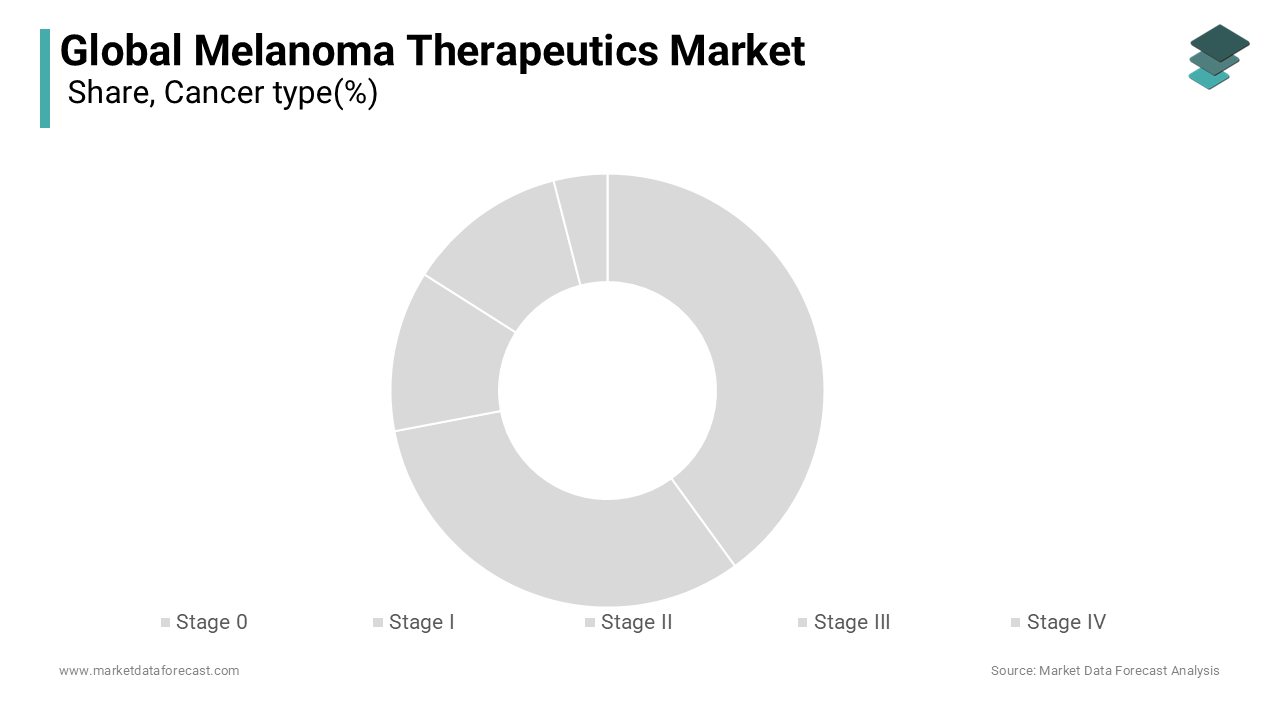
On the other hand, the stage III melanoma segment is predicted to witness the highest CAGR of 12.5% from 2026 to 2034 due to the widespread adoption of adjuvant therapies following surgical resection. Recent regulatory approvals for immune checkpoint inhibitors and targeted agents in the adjuvant setting have transformed the treatment paradigm for high risk resected disease. Data from the landmark KEYNOTE-716 trial published in the New England Journal of Medicine demonstrated that adjuvant pembrolizumab reduced the risk of disease recurrence or death by over 35% in Stage IIB and IIC melanoma. The expansion of indications to include earlier stage III patients has significantly enlarged the treatable population beyond just those with bulky nodal disease. In, addition, the National Cancer Institute (NCI) SEER Program shows that roughly 10% of melanoma patients present with regional lymph node involvement at initial diagnosis, making them candidates for post-operative systemic therapy guidelines outlined by the Society of Surgical Oncology (SSO). This shift from observation to active treatment increases drug consumption duration and frequency. Healthcare providers are increasingly utilizing genomic testing to identify high risk features further guiding adjuvant treatment decisions. The proven benefit in delaying recurrence encourages insurance coverage and patient acceptance despite potential side effects. As awareness of adjuvant benefits grows among oncologists the prescription rates for stage III patients continue to rise rapidly. This transition represents a major expansion opportunity for manufacturers as they capture patients who previously received no systemic treatment after surgery.
By Cancer Type Insights
The superficial spreading melanoma segment led the melanoma therapeutics market and captured a significant share in 2025. Also, the World Health Organization's IARC establish that superficial spreading melanoma is the most common subtype, representing approximately 70% of cutaneous melanoma cases in fair-skinned populations. Its high incidence rate directly translates into a larger patient pool requiring diagnostic confirmation and subsequent therapeutic intervention if progression occurs. Consensus mapping from the National Institutes of Health (NIH) confirms that superficial spreading melanoma frequently appears on the trunks of men and the legs of women, heavily correlated with intermittent, intense UV radiation exposure. While many cases are caught early and treated with surgery alone a significant portion progresses to require systemic therapy especially if Breslow depth is significant or ulceration is present. The widespread public awareness campaigns focusing on the ABCDE rule of melanoma detection have led to increased identification of this specific subtype. Dermatologists are trained to recognize its irregular borders and color variation leading to higher biopsy rates. The sheer volume of diagnoses ensures that even a small percentage progressing to advanced stages contributes substantially to therapeutic sales. Pharmaceutical marketing efforts often target this broad demographic emphasizing early detection and treatment options. The prevalence of this subtype in fair skinned populations across North America and Europe sustains steady demand for both local and systemic treatments. Its dominance in epidemiological statistics underpins its leading position in the therapeutics market by driving initial clinical engagement and follow up care.
However, the nodular melanoma segment is estimated to register the fastest CAGR of 11.8% during the forecast period owing to its aggressive biological behavior and tendency for late stage presentation. The Melanoma Research Alliance (MRA) confirm that while nodular melanoma accounts for roughly 15% of cases, it causes a disproportionate number of deaths due to aggressive vertical growth. Under American Joint Committee on Cancer (AJCC) staging parameters, nodular melanoma is frequently diagnosed at a significantly thicker Breslow depth, dramatically increasing the risk of initial lymph node metastasis. Patients frequently present with stage III or IV disease requiring immediate and intensive systemic therapy rather than simple excision. The lack of classic warning signs such as asymmetry or color variation leads to delayed patient recognition and physician suspicion. As a result these patients are more likely to require second line and third line therapies including combination immunotherapy and targeted agents. The urgent need for effective treatment in this high risk group drives rapid adoption of novel drugs. Clinical research is increasingly focusing on this subtype to improve outcomes leading to specialized treatment protocols. The rising incidence of thick melanomas in aging populations further fuels the demand for advanced therapeutics. This clinical urgency and higher probability of advanced disease status propel the rapid expansion of the nodular melanoma segment within the broader market.
By Diagnosis Insights
In 2025, the dermatoscopy segment held the majority share of the melanoma therapeutics market. This supremacy of the segment was supported by its non invasive nature high sensitivity and widespread availability in dermatology clinics. It allows clinicians to visualize subsurface skin structures not visible to the naked eye significantly improving the accuracy of melanoma detection compared to visual inspection alone. The Journal of the American Academy of Dermatology (JAAD) demonstrate that utilizing dermatoscopy improves melanoma diagnostic sensitivity by nearly 20% compared to naked-eye evaluation. The device is portable relatively inexpensive and requires minimal training for basic operation making it accessible in primary care settings as well as specialized centers. Health systems prefer dermatoscopy as a first line triage tool because it streamlines patient flow and reduces healthcare costs associated with excessive surgical procedures. The integration of digital dermatoscopy enables longitudinal monitoring of changing moles providing objective data for decision making. Reimbursement policies in many countries cover dermatoscopic examinations encouraging routine use during skin checks. Public health initiatives promoting regular skin screenings rely heavily on this technology to manage large volumes of patients efficiently. Its role as a gatekeeper for further diagnostic steps ensures high utilization rates. The continuous improvement in image quality and artificial intelligence assisted analysis further strengthens its position. Thus, dermatoscopy remains the cornerstone of melanoma diagnosis driving the initial entry of patients into the therapeutic pathway.
But the sentinel lymph node biopsy segment is anticipated to witness the fastest CAGR of 9.5% between 2026 and 2034. Its critical role in accurate staging and treatment planning for intermediate thickness melanomas is propelling the rapid growth of this segment. This procedure identifies the first lymph node to which cancer cells are likely to spread allowing for precise determination of disease extent without removing all nodes. Clinical practice guidelines from the National Comprehensive Cancer Network (NCCN) recommend sentinel lymph node biopsies for melanomas with a primary tumor thickness greater than 1.0 mm, or between 0.8 mm and 1.0 mm if high-risk features are present. The results directly influence the decision to initiate adjuvant systemic therapy making it an essential prerequisite for modern treatment algorithms. Advances in nuclear medicine and surgical techniques have improved the safety and reliability of the procedure reducing complications such as lymphedema. The increasing emphasis on personalized medicine requires detailed pathological information that only biopsy can provide. As more patients qualify for adjuvant therapy based on nodal status the demand for this diagnostic procedure rises in parallel. Hospitals are investing in specialized nuclear imaging equipment and trained surgeons to perform these biopsies efficiently. The procedural complexity and need for multidisciplinary coordination contribute to higher costs and focused growth. This diagnostic step bridges the gap between surgery and systemic therapy ensuring its rapid expansion in the clinical workflow.
By Treatment Insights
The immune therapy segment was the largest in the melanoma therapeutics market and occupied a noteworthy share in 2025. This prominence of the segment was credited to its ability to produce durable responses and long term survival in patients with advanced disease. Checkpoint inhibitors targeting PD 1 PD L1 and CTLA 4 have become the standard of care replacing chemotherapy as the first line treatment for metastatic melanoma. The New England Journal of Medicine (NEJM) established that first-line combination immunotherapy drives five-year overall survival rates above 50% in patients with advanced metastatic melanoma. This dramatic improvement has led to widespread guideline recommendations and robust reimbursement coverage across major healthcare systems. The approval of adjuvant immunotherapy for resected high risk disease has further expanded the patient base beyond the metastatic setting. Pharmaceutical companies invest heavily in developing next generation checkpoints and combination regimens to overcome resistance. The favorable safety profile relative to cytotoxic chemotherapy encourages physician preference and patient adherence. Real world evidence continues to validate the effectiveness of these agents in diverse populations reinforcing their market leadership. The high cost of these biologics contributes significantly to total market revenue. As new indications are approved and combinations optimized, immune therapy remains the central pillar of melanoma treatment. This drives sustained market dominance and commercial success.
On the contrary, the targeted therapy segment is likely to experience the fastest CAGR of 13.2% over the forecast period. This swift expansion of the segment is fuelled its rapid efficacy in patients with BRAF V600 mutations. Small molecule inhibitors of BRAF and MEK kinases induce quick tumor shrinkage providing immediate symptom relief which is crucial for patients with high tumor burden. In addition, the New England Journal of Medicine (NEJM) shows that combination BRAF/MEK targeted therapies yield rapid objective response rates exceeding 60%, serving as an effective bridge for acute disease management. The availability of companion diagnostics to identify BRAF mutations ensures precise patient selection enhancing treatment success rates. Recent approvals for adjuvant use in stage III BRAF mutant melanoma have opened a new market segment preventing recurrence in genetically defined populations. The oral administration route offers convenience compared to intravenous immunotherapy improving patient quality of life. Continuous development of third generation inhibitors aims to overcome resistance mechanisms sustaining clinical interest. Pharmaceutical firms are expanding their portfolios with novel targets such as NRAS and KIT broadening the applicability of targeted approaches. The speed of action and high response rates in specific subgroups drive rapid adoption and prescription growth. This segment benefits from precision medicine trends ensuring its accelerated expansion in the therapeutic landscape.
REGIONAL ANALYSIS
North America Melanoma Therapeutics Market Analysis
North America was the top performer in the global melanoma therapeutics market and accounted for a 45.6% share in 2025. This dominance of the regional market was driven by its advanced healthcare infrastructure high awareness levels and robust reimbursement policies. The United States accounts for the majority of this share due to the high incidence of melanoma in its fair skinned population and early adoption of innovative therapies. According to the American Cancer Society (ACS), over 100,000 new cases of invasive melanoma are diagnosed annually in the United States. The presence of leading pharmaceutical companies and research institutions fosters rapid development and commercialization of new drugs. The Food and Drug Administration expedited approval pathways facilitate quick market entry for breakthrough therapies. High disposable income and comprehensive private insurance coverage enable patients to access expensive immunotherapies and targeted agents without significant financial barriers. Public awareness campaigns by organizations like the Skin Cancer Foundation promote regular screening leading to earlier detection and treatment initiation. The concentration of key opinion leaders and clinical trial sites accelerates the adoption of new standards of care. Government funding for cancer research through the National Institutes of Health supports ongoing innovation. These factors combine to create a mature and dynamic market environment where advanced therapeutics are readily available and widely utilized ensuring North America remains the global leader in melanoma care.
Europe Melanoma Therapeutics Market Analysis
Europe was positioned second in the global market and captured a 30.6% share in 2025. This position of the European market was supported by universal healthcare systems and an aging demographic prone to skin cancer. Countries such as Germany France and the United Kingdom have well established dermatology networks that facilitate early diagnosis and treatment. The European Cancer Information System (ECIS) confirms that melanoma incidence rates are rising steadily across the continent, with the highest burdens concentrated in Northern and Western European countries due to phenotypic risk and UV exposure patterns. The European Medicines Agency ensures harmonized approval of new therapies allowing simultaneous market access across member states. National health services provide coverage for standard immunotherapies although budget constraints sometimes delay the adoption of newer combination regimens. The aging population increases the cumulative risk of developing melanoma driving demand for therapeutic interventions. Research collaborations through the European Organisation for Research and Treatment of Cancer foster clinical trials and data sharing. Public health initiatives emphasize sun safety and skin checks contributing to higher detection rates. Variations in reimbursement policies between countries create a fragmented but substantial market. The strong regulatory framework ensures high quality standards for therapeutics. Despite economic challenges in some regions the overall commitment to cancer care sustains steady market growth. Europe remains a critical hub for clinical research and therapeutic adoption influencing global treatment trends.
Asia Pacific Melanoma Therapeutics Market Analysis
The Asia Pacific region is witnessing the highest growth rate in the melanoma therapeutics market due to increasing healthcare expenditure rising awareness and improving diagnostic capabilities. Although melanoma incidence is lower than in Western countries the absolute number of cases is rising due to population growth and lifestyle changes. Data aggregated by the International Agency for Research on Cancer (IARC) shows that expanded screening and national surveillance tracking in Japan, Australia, and New Zealand have led to increased melanoma detection rates. Longitudinal health registries published by the World Cancer Research Fund International confirm that Australia and New Zealand have the highest incidence rates of melanoma globally, accelerating regional demand for advanced oncology therapeutics. In emerging economies like China and India growing middle class populations are accessing better healthcare facilities and seeking premium treatments. Government initiatives to strengthen cancer care infrastructure are facilitating the introduction of imported therapeutics. Local manufacturing of biosimilars is beginning to reduce costs improving accessibility. Cultural shifts towards outdoor activities and tanning trends in some areas may contribute to future incidence increases. International pharmaceutical companies are expanding their presence in the region through partnerships and local launches. The unmet need for effective treatments in late stage disease drives rapid adoption of immunotherapies. As regulatory frameworks mature and reimbursement schemes expand the Asia Pacific market is poised for significant expansion offering lucrative opportunities for global players.
Latin America Melanoma Therapeutics Market Analysis
Latin America saw moderate growth in the global market. The regional market is known for disparities in healthcare access and economic volatility. Brazil and Mexico lead the regional market due to their larger populations and more developed healthcare systems. Also, the International Agency for Research on Cancer (IARC) highlights rising melanoma incidence in Latin America, while regional studies from SLACOM confirm that late-stage presentations remain prevalent due to fragmented diagnostic access. Public healthcare systems often face budget constraints limiting the availability of high cost immunotherapies forcing reliance on older chemotherapy agents. Private insurance sectors in urban centers provide access to advanced treatments creating a two tiered system. Pharmaceutical companies are introducing tiered pricing strategies to improve affordability and market penetration. Regulatory agencies in major countries are working to streamline approval processes for new drugs. Awareness campaigns are gradually improving early detection rates reducing the burden of advanced disease. The growing medical tourism industry in countries like Costa Rica attracts patients seeking specialized care. Economic instability and currency fluctuations pose challenges for consistent supply and pricing. Despite these hurdles the underlying disease burden ensures steady demand for essential therapeutics. Efforts to harmonize regulations and improve public health funding are expected to drive gradual market expansion in the coming years.
Middle East and Africa Melanoma Therapeutics Market Analysis
The Middle East and Africa region is a highly fragmented market. On one hand, wealthy Gulf states boast vast resources and expanding investment pipelines. On the other hand, many African nations offer rich resources but face limited infrastructure and development capital. Saudi Arabia and the United Arab Emirates drive demand in the Middle East through substantial healthcare investments and medical tourism initiatives. National healthcare strategies, such as the Saudi Ministry of Health's Vision 2030, are prioritizing comprehensive cancer care infrastructure, substantially expanding regional access to advanced oncology therapeutics. High prevalence of fair skinned expatriate populations in Gulf states contributes to melanoma cases requiring specialized treatment. In Africa melanoma is often diagnosed at late stages due to lack of awareness and diagnostic infrastructure limiting the market for advanced therapies. South Africa serves as a regional hub with better access to oncology services. International aid and partnerships are helping to improve cancer care capacity in select African nations. The high cost of imported drugs restricts access to the majority of the population. Governments are exploring local manufacturing and generic alternatives to reduce costs. The market is largely driven by out of pocket payments and private insurance in urban areas. As healthcare infrastructure improves and awareness rises the potential for market growth increases. Strategic focus on affordable solutions and capacity building will be key to unlocking the region's potential in melanoma therapeutics.
COMPETITIVE LANDSCAPE
The competition in the melanoma therapeutics market is characterized by intense rivalry among established pharmaceutical giants and agile biotechnology startups who strive to differentiate through scientific innovation and clinical efficacy. Major competitors leverage their extensive research and development resources to introduce novel checkpoint inhibitors and targeted small molecules that improve survival rates and reduce toxicity. The market sees frequent product launches aimed at addressing resistance mechanisms and expanding into adjuvant settings which forces companies to continuously upgrade their therapeutic offerings. Strategic alliances between drug developers and diagnostic firms are common as entities seek to create integrated ecosystems that facilitate precision medicine and patient stratification. Price competition remains significant particularly for biosimilars and generic versions prompting manufacturers to optimize production costs while maintaining high quality standards. Regulatory hurdles and the need for extensive clinical data create barriers to entry yet also encourage higher quality standards across the industry. Customer loyalty is often determined by clinical outcomes safety profiles and after sales support for healthcare providers. As demand for personalized medicine grows companies must balance innovation with affordability to capture market share in both established and emerging therapeutic areas ensuring sustained competitive positioning in the global oncology landscape.
KEY MARKET PLAYERS
Some of the notable market participants leading the global melanoma therapeutics market profiled in this report are
- Bristol-Myers Squibb Co.
- Merck and Co.
- F. Hoffmann-La Roche
- Amgen Inc.
- Celgene Corp
- Daiichi Sankyo
- Pfizer Inc.
Top Players in the Global Market
Bristol Myers Squibb
Bristol Myers Squibb stands as a global leader in melanoma therapeutics through its pioneering development of immune checkpoint inhibitors. The company’s portfolio includes ipilimumab and nivolumab which have revolutionized treatment standards for advanced and adjuvant melanoma care. Recent strategic initiatives involve expanding clinical trials to explore combination therapies with novel agents targeting resistance mechanisms. Bristol Myers Squibb actively collaborates with academic institutions to identify biomarkers that predict patient response enhancing personalized treatment approaches. The company invests heavily in manufacturing capabilities to ensure consistent supply of biologics globally. By focusing on long term survival data and quality of life improvements the company strengthens its reputation among oncologists. Their commitment to patient access programs ensures broader availability of life saving treatments across diverse healthcare systems. These efforts solidify their position as a cornerstone in the fight against metastatic skin cancer while driving continuous innovation in immuno oncology.
Merck and Co Inc
Merck and Co Inc contributes significantly to the market with its flagship PD 1 inhibitor pembrolizumab which is widely prescribed for unresectable and metastatic melanoma. The company leverages extensive real world evidence to demonstrate the durability of responses and safety profile of its therapy. Recent actions include securing approvals for earlier stage indications thereby expanding the treatable patient population beyond advanced disease. Merck actively partners with diagnostic companies to develop companion tests that guide treatment decisions ensuring precision medicine application. The company supports global education initiatives to raise awareness about early detection and modern treatment options. By investing in next generation pipeline assets Merck aims to address unmet needs in resistant cases. Their robust distribution network facilitates timely access to therapies in key markets worldwide. This comprehensive approach enhances clinical outcomes and reinforces their leadership in delivering innovative solutions for melanoma patients globally.
Novartis AG
Novartis AG plays a pivotal role in the melanoma landscape through its targeted therapies targeting BRAF and MEK pathways. The company offers combination regimens that provide rapid tumor shrinkage for patients with specific genetic mutations. Recent strategies focus on optimizing dosing schedules to improve tolerability and adherence among long term users. Novartis engages in collaborative research to overcome acquired resistance by exploring triple combination therapies involving immunotherapies. The company has expanded its manufacturing footprint to meet growing global demand for oral targeted agents. By prioritizing patient centric design Novartis ensures ease of use and minimal disruption to daily life. They also support registry studies to gather long term safety data reinforcing confidence in their products. These initiatives strengthen their competitive edge in the targeted therapy segment while addressing the complex biological challenges of melanoma treatment effectively.
Top Strategies Used by Key Market Participants
Key players in the melanoma therapeutics market primarily focus on strategic partnerships and collaborations to expand their technological capabilities and geographic reach. Companies frequently engage in mergers and acquisitions to integrate complementary technologies such as artificial intelligence and cloud computing into their existing product portfolios. This approach allows them to offer more comprehensive solutions that address evolving clinical needs. Investment in research and development remains a critical strategy enabling firms to innovate faster and introduce advanced features like automated flow quantification and enhanced image resolution. Manufacturers also prioritize regulatory compliance and quality assurance to maintain trust and meet stringent international standards. Expanding into emerging markets through localized manufacturing and distribution networks helps companies capture growth opportunities in regions with increasing healthcare spending. Additionally providing extensive training and support services ensures proper device utilization and strengthens customer loyalty. These multifaceted strategies collectively drive competitive advantage and sustain long term growth in the dynamic medical device landscape.
MARKET SEGMENTATION
This research report on the global melanoma therapeutics market has been segmented and sub-segmented based on the cancer stage, cancer type, diagnosis type, treatment, and region.
By Cancer Stage
- Stage 0
- Stage I
- Stage II
- Stage III
- Stage IV
By Cancer Type
- Nodular Melanoma
- Acral Lentiginous Melanoma
- Superficial Spreading Melanoma
- Lentigo Maligna Melanoma
- Amelanotic Melanoma
- Others
By Diagnosis
- Ultrasound
- Blood Tests
- Dermatoscopy
- Sentinel lymph node biopsy
- X-rays
- CT Scan
By Treatment
- Early Melanoma
- Advanced Melanoma
- Biological Therapy
- Targeted Therapy
- Surgery
- Chemotherapy
- Radiotherapy
- Immune Therapy
By Region
- North America
- Europe
- Asia-Pacific
- Latin America
- The Middle East and Africa