Middle-East And Africa Crop Protection Pesticides Market Research Report, Segmented By Crop-based Application, Non-Crop-Based Applications, Type, And Country (KSA, UAE, Israel, South Africa, And Ethiopia, Kenya, Egypt, Sudan, Rest of GCC Countries, and Rest of MEA), Industry Analysis From 2026 to 2034
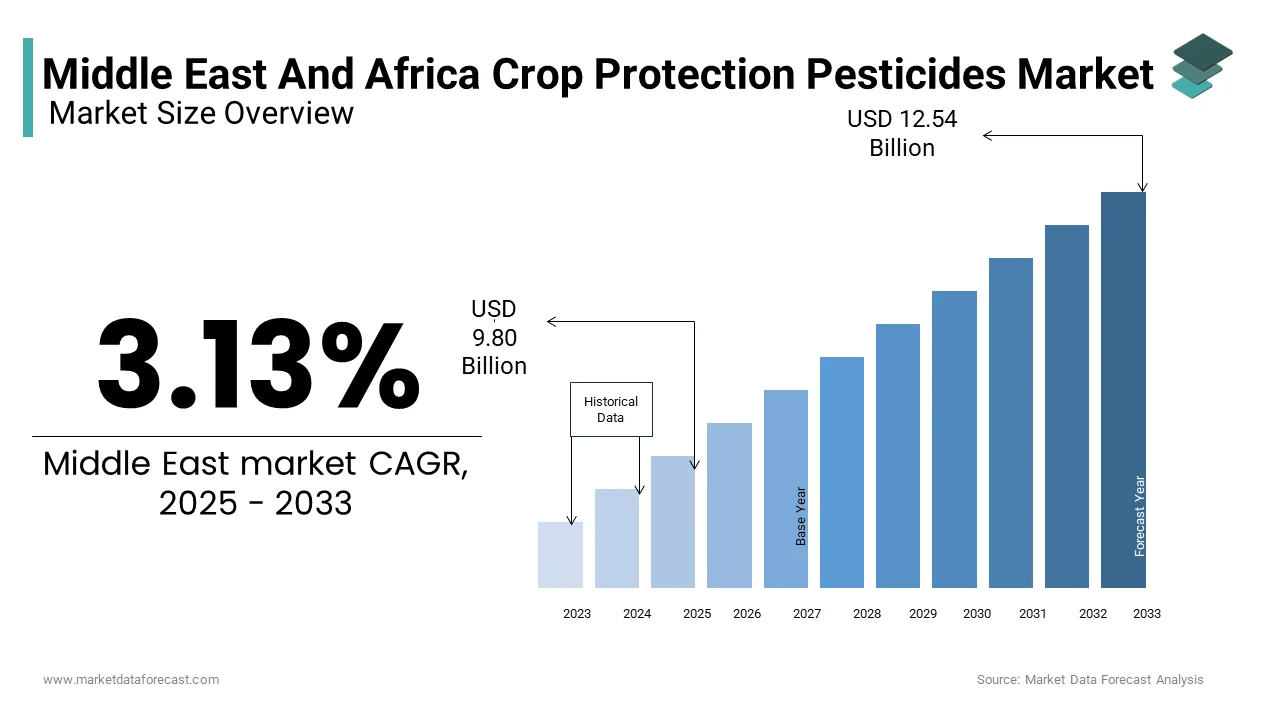
Market Size, 2025
$9.80 BnMarket Estimate, 2026
$10.11 BnMarket Forecast, 2034
$12.93 BnCAGR, 2026–2034
3.13%Middle East and Africa Crop Protection Pesticides Market Size
The Middle-East and African crop protection pesticides market was valued at USD 9.80 billion in 2025 and is anticipated to reach USD 10.11 billion in 2026 from USD 12.93 billion by 2034, growing at a CAGR of 3.13% during the forecast period from 2026 to 2034.
Crop protection pesticides are chemical or biological substances designed to prevent, repel, or eliminate pests, such as insects, weeds, and fungi, that threaten agricultural yields. They act as a defensive shield, ensuring plants grow healthy and are not deprived of essential nutrients. This market includes a diverse array of chemical and biological agents deployed to safeguard agricultural yields from pests diseases and weeds across arid and tropical zones. This sector is pivotal for ensuring food security in regions where climatic volatility and limited arable land intensify production pressures. The market includes herbicides insecticides fungicides and other specialized formulations tailored to combat region specific threats such as locust swarms in the Horn of Africa or fungal outbreaks in humid West African zones. Agricultural expansion remains constrained by water scarcity. According to data from the Population Reference Bureau, the Middle East and North Africa (MENA) region supports roughly 6.3% of the world's population but contains only 1.4% of the world's renewable fresh water resources, mirroring FAO's warnings that the region faces the most severe land and water scarcity globally. Additionally Studies reveal that soil degradation is a critical crisis in Sub-Saharan Africa, where approximately 65% of arable land is classified as moderately to severely degraded, and recent estimates indicate that up to 75% to 80% of cultivated land suffers from nutrient depletion. These environmental constraints necessitate precise pesticide application to maximize output per hectare. The market operates within a complex regulatory landscape where national authorities increasingly scrutinize chemical residues while smallholder farmers who constitute roughly 80 percent of farms in Sub Saharan Africa as per World Bank data often lack access to approved products. Understanding this market requires recognizing the interplay between ecological fragility demographic growth and the urgent need for sustainable intensification of agricultural practices across these geographically distinct yet economically interconnected regions.
MARKET DRIVERS
Rising Population Pressure Driving Intensified Agricultural Output
Rapid population growth across the region requires maximizing crop yields per acre, which fuels the growth of the Middle East and Africa crop protection pesticides market. This drives a growing need for effective crop solutions. The United Nations Department of Economic and Social Affairs projects that the population of Africa will reach 2.5 billion by 2050 up from approximately 1.4 billion in 2022 while the Middle East continues to experience steady growth driven by urbanization and migration. This demographic explosion places unprecedented strain on food systems as arable land remains finite and in many cases shrinking due to desertification. According to the Food and Agriculture Organization cereal consumption in Sub Saharan Africa is expected to increase by more than 100 percent by 2050 requiring a substantial boost in domestic production. Pesticides serve as a critical tool in bridging the yield gap between current outputs and potential harvests especially for staple crops like maize wheat and rice which are vulnerable to pest infestations. The Centre for Agriculture and Bioscience International (CABI) confirms that in smallholder-dominated agricultural systems like Nigeria and Ethiopia, invasive pests and plant diseases cause pre-harvest crop losses of up to 40%, underlining the critical need for effective crop protection treatments. Governments are increasingly prioritizing food self sufficiency leading to subsidized distribution of pesticides and training programs. The urgency to feed a growing populace without expanding farmland into fragile ecosystems drives the adoption of high efficiency pesticides that offer rapid pest control and minimal crop loss thus forming a foundational driver for market expansion in these regions.
Climate Change Induced Pest Proliferation and Crop Vulnerability
Accelerating climate change has made crops in the region highly susceptible to pests, which further boosts the expansion of the Middle East and Africa crop protection pesticides market. As a result, pesticide usage has increased to manage these shifting pest dynamics. Rising temperatures and erratic rainfall patterns create favorable conditions for the proliferation of invasive species and the resurgence of endemic pests. The Intergovernmental Panel on Climate Change notes that average temperatures in Africa are rising faster than the global average with some regions experiencing increases of 1.5 degrees Celsius since pre industrial times. Climate-driven warming trends significantly extend the insect breeding cycles of transboundary pests like the Fall Armyworm (Spodoptera frugiperda). Data integrated into FAO's Global Action Frameworks validates that this invasive pest damages maize harvests across over 40 African states, inflicting between $2.5 billion and $6.2 billion in annual yield losses. Similarly changing humidity levels in East Africa have facilitated larger and more frequent locust swarms with the 2019 to 2021 outbreak affecting 2.4 million people in terms of food insecurity as reported by the World Food Programme. In the Middle East increased frequency of heatwaves stresses crops making them more vulnerable to fungal infections and mite infestations. Farmers are compelled to apply fungicides and acaricides more frequently to protect their investments. The unpredictability of weather events also disrupts natural predator populations that traditionally kept pest numbers in check necessitating greater reliance on chemical controls. Climate models predict continued warming and extreme weather events. Consequently, the incidence of novel pest outbreaks is expected to rise, entrenching the role of pesticides as an essential adaptive measure for maintaining agricultural productivity in an increasingly volatile climatic environment.
MARKET RESTRAINTS
Stringent Regulatory Frameworks Limiting Chemical Access
Increasingly stringent regulatory environments across various nations in the region are a significant hindrance to the Middle East and Africa crop protection pesticides market. This restricts the availability and usage of certain chemical compounds. Many countries are aligning their agricultural policies with international safety standards leading to the ban or phase out of older generation pesticides deemed hazardous to human health and the environment. For instance the European Union’s strict maximum residue limits influence export oriented agriculture in North Africa forcing farmers to abandon widely used but non compliant chemicals. The Food and Agriculture Organization highlights that several African nations have begun reviewing their pesticide registries with some countries banning over 50 active ingredients in recent years due to toxicity concerns. This regulatory tightening creates a compliance burden for manufacturers who must reformulate products or withdraw them from the market entirely. Smallholder farmers who lack awareness of new regulations often continue using banned substances leading to legal penalties and market exclusion. Furthermore the approval process for new safer pesticides can be protracted and costly delaying market entry. In the Gulf Cooperation Council countries harmonization efforts are ongoing but disparities in national regulations still exist creating fragmentation. The World Health Organization emphasizes that improper use of restricted pesticides contributes to thousands of poisoning cases annually prompting stricter enforcement. Consequently, the market faces a contraction in the volume of traditional products sold while the transition to approved alternatives is slow due to higher costs and limited availability. This regulatory pressure restricts market growth by limiting the product portfolio accessible to farmers and increasing operational complexities for distributors and agrochemical companies operating in these jurisdictions.
High Cost and Limited Accessibility for Smallholder Farmers
The prohibitive cost of modern pesticides combined with limited accessibility is a formidable restraint to Middle East and Africa crop protection pesticides market penetration. This trend is particularly prevalent among the vast smallholder farming community in Sub Saharan Africa. The World Bank indicates that smallholders produce approximately 80 percent of the food in the region yet they often operate on marginal incomes with limited access to credit. High quality branded pesticides are frequently priced beyond the reach of these farmers who may spend less than 100 US dollars annually on all agricultural inputs including seeds and fertilizers. Counterfeit and substandard pesticides flood informal markets offering cheaper alternatives but posing severe risks to crop health and human safety. Studies highlight a severe counterfeit crisis, with estimates showing that up to 30% of agricultural inputs sold in some domestic markets are fake or adulterated; this trend is a major focus for research hubs like the International Institute of Tropical Agriculture (IITA) due to the resulting crop failures and financial strain on farmers. Distribution infrastructure remains underdeveloped in rural areas with poor road networks and limited storage facilities causing supply chain disruptions and price volatility. In remote regions of the Sahel or the Horn of Africa farmers may travel dozens of kilometers to access agro dealers resulting in delayed application during critical pest outbreaks. Additionally the lack of technical knowledge regarding proper dosage and timing leads to inefficient use and wasted expenditure. Financial institutions are reluctant to lend to smallholders due to perceived high risks further exacerbating the affordability crisis. Consequently a significant portion of the potential market remains underserved as farmers resort to traditional methods or ineffective cheap chemicals limiting the overall revenue potential for legitimate crop protection manufacturers and stifling the adoption of advanced agricultural technologies in these resource constrained settings.
MARKET OPPORTUNITIES
Expansion of Biological and Biopesticide Solutions
The growing emphasis on sustainable agriculture and environmental safety creates a pathway for the expansion of biological and biopesticide segments within the Middle East and Africa crop protection pesticides market. Consumers and regulators are increasingly demanding residue free produce driving interest in natural alternatives to synthetic chemicals. The Global Biopesticides landscape is witnessing robust growth globally and this trend is gaining traction in regions like South Africa and Kenya where organic farming exports are rising. The Research Institute of Organic Agriculture (FiBL) shows rapid growth in Africa’s certified organic land, with Uganda serving as a primary regional leader in organic producers and acreage, flanked by significant certified footprints in North and East African trade hubs. Biopesticides derived from microorganisms plant extracts and natural minerals offer targeted pest control with minimal environmental impact and shorter pre harvest intervals. Government initiatives in countries such as Morocco and Egypt are promoting integrated pest management strategies that incorporate biological controls to reduce chemical dependency. The Bill and Melinda Gates Foundation has funded projects exploring microbial solutions for staple crops demonstrating efficacy against major pests like stem borers. Furthermore local manufacturing of biopesticides using indigenous resources offers cost advantages and reduces import dependence. As awareness spreads among extension services and farmer cooperatives the adoption rate of these eco friendly products is expected to accelerate. Companies investing in research and development of region specific bio formulations stand to capture a lucrative niche market. The shift towards green agriculture supported by international development agencies and private sector innovation creates a fertile ground for biopesticide providers to establish a strong foothold and drive long term market diversification away from traditional synthetic chemicals.
Digital Agriculture and Precision Application Technologies
The integration of digital agriculture and precision application technologies offers a transformative opportunity for enhancing the efficiency and effectiveness of pesticide use in the region, which is expected to propel the expansion of the Middle East and Africa crop protection pesticides market. Mobile phone penetration in Sub Saharan Africa has surpassed 50 percent as per research, enabling the delivery of agronomic advice and pest alerts directly to farmers. Digital platforms facilitate real time monitoring of pest outbreaks using satellite imagery and drone technology allowing for targeted pesticide application rather than blanket spraying. This precision reduces chemical usage lowers costs and minimizes environmental contamination. In countries like Rwanda and Ghana startups are deploying drone services for crop spraying reaching remote fields inaccessible by traditional machinery. The Food and Agriculture Organization supports digital extension services that provide localized pest management recommendations improving decision making for smallholders. Precision agriculture tools help optimize input use which is critical in regions where water and financial resources are scarce. Furthermore digital record keeping assists in traceability meeting the stringent requirements of export markets in Europe and the Middle East. Investment in agri tech is rising with venture capital flowing into African startups focused on smart farming solutions. As internet connectivity improves and smartphone costs decline the adoption of these technologies will scale rapidly. Companies that partner with tech firms to offer bundled solutions of pesticides and digital advisory services can differentiate themselves and capture value added market share. This technological leapfrogging enables the region to bypass traditional inefficiencies and move towards a more data driven and sustainable crop protection ecosystem.
MARKET CHALLENGES
Prevalence of Counterfeit and Substandard Pesticide Products
The widespread presence of counterfeit and substandard pesticide products remains a major obstacle to the growth of the Middle East and Africa crop protection pesticides market. This undermines market integrity and farmer livelihoods across the region. Weak regulatory enforcement and fragmented supply chains allow illicit traders to distribute fake chemicals that often contain incorrect active ingredients or harmful contaminants. The International Criminal Police Organization reports that agricultural fraud is a growing concern with counterfeit pesticides accounting for a significant portion of the informal market in several African nations. These fake products fail to control pests leading to total crop failure and financial ruin for smallholder farmers who cannot afford repeated applications. Moreover the use of unregulated substances poses serious health risks to applicators and consumers contributing to acute poisoning cases. The World Health Organization estimates that hundreds of thousands of pesticide poisonings occur annually in developing countries many linked to improper or counterfeit products. Legitimate manufacturers suffer reputational damage and revenue loss as farmers lose trust in branded products due to negative experiences with fakes. Combating this issue requires substantial investment in secure packaging authentication technologies and extensive farmer education campaigns. However, the sheer scale of the informal sector and limited government resources make enforcement difficult. In rural markets where literacy rates are low distinguishing genuine products from counterfeits is challenging for farmers. This pervasive problem distorts market dynamics discourages foreign investment and hinders the adoption of advanced crop protection solutions. Addressing the counterfeit menace is critical for restoring confidence in the formal market and ensuring that farmers receive effective and safe products necessary for sustaining agricultural productivity.
Lack of Technical Knowledge and Extension Services
A profound deficit in technical knowledge and inadequate agricultural extension services present a persistent challenge to the optimal utilization of crop protection pesticides in the region, which negatively impacts the Middle East and Africa market. Many smallholder farmers lack formal training in integrated pest management leading to the misuse of chemicals through incorrect dosage inappropriate timing or unsafe handling practices. Institutional field reviews supported by the Food and Agriculture Organization (FAO) show that the ratio of extension agents to farmers across Sub-Saharan Africa is unsustainably low, frequently dropping below 1 agent per 3,000 producers, compared to the globally recognized ideal benchmark of 1 per 400. This gap results in poor decision making where farmers may apply pesticides prophylactically or mix incompatible chemicals reducing efficacy and increasing resistance development. Overuse of broad spectrum insecticides kills beneficial predators disrupting ecological balance and leading to secondary pest outbreaks. In the Middle East while large commercial farms have access to expert advice smallholders in peri urban areas often rely on anecdotal information from peers or agro dealers who may prioritize sales over scientific accuracy. The lack of localized pest identification guides and language appropriate training materials further exacerbates the problem. Misapplication not only wastes financial resources but also contributes to environmental pollution and health hazards. Building robust extension systems requires significant public and private investment in training infrastructure and digital tools. Failing to address this knowledge gap prevents the realization of the full potential of modern crop protection products. Consequently, escalating risks of pesticide resistance and environmental degradation threaten to undermine long-term agricultural sustainability in the region.
REPORT COVERAGE
| REPORT METRIC | DETAILS |
| Market Size Available | 2025 to 2034 |
| Base Year | 2025 |
| Forecast Period | 2026 to 2034 |
| CAGR | 3.13% |
| Segments Covered | By Type, Application, and Region. |
| Various Analyses Covered | Global, Regional & Country Level Analysis, Segment-Level Analysis, DROC, PESTLE Analysis, Porter’s Five Forces Analysis, Competitive Landscape, Analyst Overview of Investment Opportunities |
| Regions Covered | KSA, UAE, Israel, rest of GCC countries, South Africa, Ethiopia, Kenya, Egypt, Sudan, rest of MEA |
| Market Leaders Profiled | American Vanguard, Cheminova, Chemtura Corp, Monsanto, Natural Industries, Bayer CropScience, Novozymes A/S, Nufarm Ltd, Sumitomo Chemical, Syngenta AG, Valent Biosciences, FMC Corp, Isagro SpA, Ishihara Sangyo Kaisha, Makhteshim Agan, Chr Hansen, and BioWorks. |
SEGMENT ANALYSIS
By Type Insights
The synthetic pesticides segment dominated the Middle East and Africa crop protection pesticides market and accounted for a substantial share in 2025. This dominance of the segment was driven by its proven efficacy rapid action and cost effectiveness for large scale agricultural operations. The main driver for this dominance is the urgent need to secure staple crop yields against severe pest pressures in regions with limited arable land. Moreover, the Food and Agriculture Organization (FAO) indicates that major cereals, specifically wheat, maize, and rice, collectively supply roughly 60% of the total food basket and caloric intake across Sub-Saharan Africa, making intensive crop protection a primary economic and humanitarian priority. Synthetic herbicides and insecticides offer immediate results which is critical for smallholder farmers who cannot afford crop failure. The widespread adoption of generic synthetic formulations further sustains this segment as they remain affordable compared to newer alternatives. In North Africa intensive irrigation farming relies heavily on synthetic chemicals to maintain high productivity levels despite water scarcity. The established distribution networks for these conventional products ensure easy availability even in remote rural areas. Furthermore, government subsidies in countries like Egypt and Saudi Arabia often favor traditional chemical inputs to support national food security goals. The familiarity of farmers with synthetic application methods and the lack of immediate visible alternatives reinforce their continued preference. Population growth drives the demand for higher agricultural yields. To meet this need, synthetic pesticides remain the backbone of current practices, providing reliable protection against devastating outbreaks of locusts and armyworms that threaten regional food supplies.
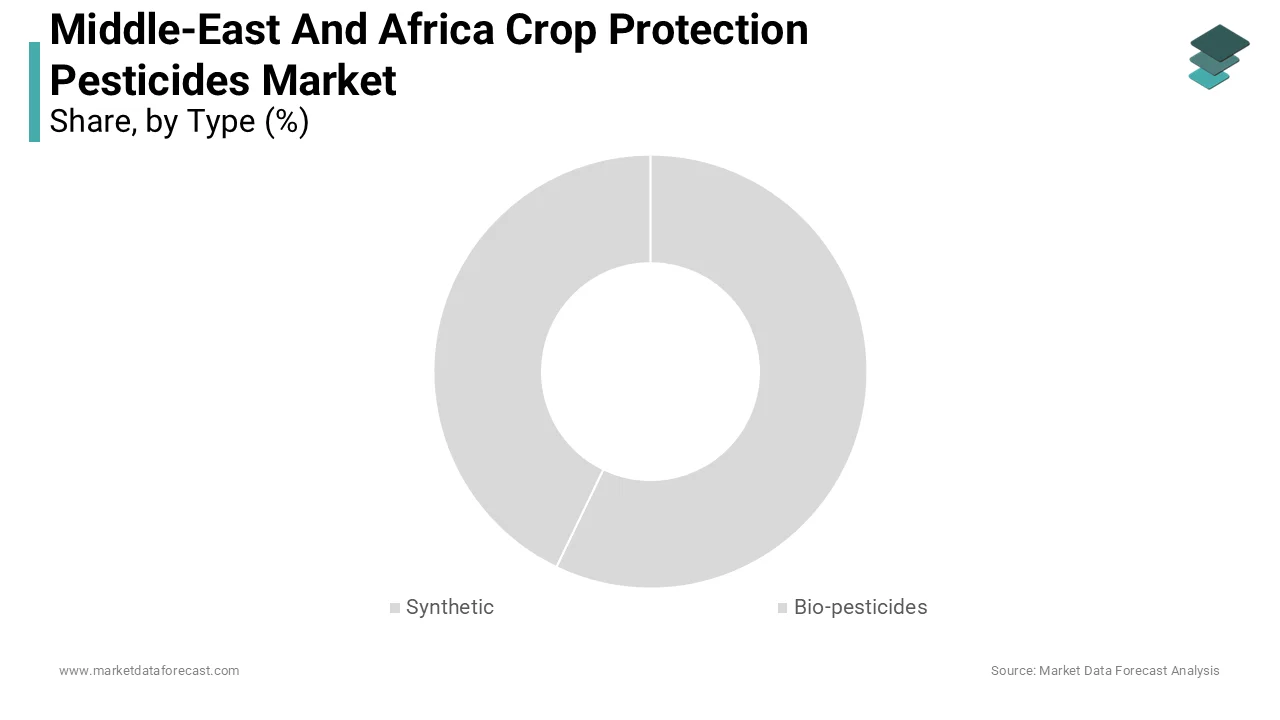
But the biopesticides segment is anticipated to witness the fastest CAGR of 12.4% over the forecast period due to shifting regulatory landscapes and consumer preferences for sustainable agriculture. Moreover, this accelerated growth is also fueled by increasing awareness of the environmental and health hazards associated with synthetic chemicals prompting governments to promote integrated pest management strategies. The European Union’s strict maximum residue limits on imported produce have compelled exporters in Kenya and South Africa to adopt biopesticides to maintain market access. According to the Research Institute of Organic Agriculture the area under organic certification in Africa has expanded significantly creating a dedicated demand for biological control agents. Local manufacturing initiatives are emerging to produce cost effective biopesticides using indigenous microbial strains reducing dependency on imports. International development agencies are funding projects that demonstrate the efficacy of biocontrols against major pests like the fall armyworm encouraging farmer adoption. The shorter pre harvest intervals of biopesticides allow farmers to apply them closer to harvest time enhancing flexibility. Additionally, the rise of digital extension services facilitates knowledge transfer regarding proper usage of biological products. As climate change intensifies pest resistance to synthetic chemicals biopesticides offer a viable rotational solution. The combination of regulatory support export requirements and technological advancements positions this segment for robust expansion as stakeholders seek environmentally responsible yet effective crop protection solutions.
By Application Insights
The crop based applications segment led the Middle East and Africa crop protection pesticides market and captured a significant share in 2025. This leading position of the segment was attributed to the critical role of agriculture in ensuring food security and economic stability across the region. One of the major factors sustaining this position is the heavy reliance on staple crops such as grains cereals oilseeds fruits and vegetables which form the dietary foundation for billions of people. World Bank development indexes show that agriculture remains an essential economic anchor across Sub-Saharan Africa, accounting for over 50% of direct regional employment. Protecting these fields from pests, weeds, and diseases is vital, as the Centre for Agriculture and Bioscience International (CABI) warns that up to 40% of potential crops are routinely lost to field pests and pathogens before harvest. Government policies prioritizing self sufficiency in wheat maize and rice production lead to substantial public investment in crop protection inputs. In North Africa intensive horticulture for export markets requires rigorous pesticide regimes to meet international quality standards. The expansion of irrigated agriculture in arid zones further increases the vulnerability of crops to fungal and bacterial infections necessitating frequent fungicide applications. Smallholder farmers who produce the majority of food in the region depend on affordable crop based pesticides to safeguard their livelihoods. The sheer volume of land dedicated to food production compared to non crop uses ensures that crop based applications remain the central focus of the pesticide industry driving continuous demand for diverse chemical and biological solutions tailored to specific crop needs.
On the contrary, the turf and ornamental grass segment, along with other non-crop applications, is experiencing the fastest growth, with a CAGR of 8.6% between 2026 and 2034 owing to rapid urbanization, infrastructure development, and rising disposable incomes in key Middle Eastern economies. Cities are continuously investing in green spaces, parks, golf courses, and landscaping projects to enhance livability and attract tourism. The United Nations Department of Economic and Social Affairs shows that urbanization rates in the Middle East are among the highest globally with over 70 percent of the population living in cities. This urban expansion creates a sustained demand for aesthetic maintenance of public and private green areas requiring regular pesticide applications to control weeds insects and diseases. In Gulf Cooperation Council countries massive real estate developments and hospitality projects prioritize lush landscapes despite arid conditions necessitating specialized chemical treatments. The growing middle class in countries like South Africa and Kenya is also investing in home gardening and lawn care boosting retail sales of ornamental pesticides. Furthermore international sporting events and conferences drive temporary spikes in demand for high quality turf maintenance. Regulatory frameworks in these urban centers often mandate regular pest control to prevent public health issues such as mosquito borne diseases. The professionalization of landscape management services further accelerates the adoption of advanced pesticide products. The ongoing expansion of urban infrastructure is expected to increase the penetration of premium pesticides in the non-crop sector. These solutions are specifically tailored for aesthetic and hygiene purposes.
REGIONAL ANALYSIS
Egypt Crop Protection Pesticides Market Analysis
Egypt was the top performer in the Middle East and Africa crop protection pesticides market and occupied a 18.5% share in 2025. This growth of the Egyptian market was propelled by its extensive irrigated agriculture and status as a major food producer. Egypt's agricultural sector remains a cornerstone of its economy, contributing roughly 11.6% to national GDP and employing approximately 19% of the total active workforce as verified by the World Bank and FAO data. Egypt faces intense pest pressure due to its warm climate and intensive cropping patterns particularly in the Nile Delta where multiple harvests are possible annually. The government actively supports pesticide usage to protect staple crops like wheat rice and cotton which are crucial for both domestic consumption and export earnings. Recent initiatives by the Ministry of Agriculture aim to modernize pesticide registration and promote safer alternatives but synthetic chemicals remain dominant. The presence of local manufacturing facilities reduces costs and ensures supply stability. However challenges such as water scarcity and soil salinity require precise chemical management to maintain yields. Egypt’s strategic location also makes it a hub for pesticide distribution to neighboring African markets. A rapidly expanding population exceeding 100 million people, according to United Nations tracking, continues to intensify the country's demand for aggressive food security measures, including modernized crop protection. Consequently Egypt remains a pivotal market where high volume consumption meets evolving regulatory standards driving significant activity for both multinational and local agrochemical companies.
South Africa Crop Protection Pesticides Market Analysis
South Africa followed closely behind in the Middle East and Africa crop protection pesticides market by holding a 15.1% share in 2025. Factors such as advanced agricultural practices and strong regulatory frameworks have contributed to the expansion of this market. The country’s commercial farming sector is highly developed with significant exports of fruits wines and grains to global markets necessitating strict adherence to international residue standards. According to Statistics South Africa the agricultural sector contributes substantially to the national economy and employs hundreds of thousands of workers. The prevalence of large scale commercial farms drives demand for high efficiency and innovative pesticide solutions including precision application technologies. South Africa has a robust regulatory system managed by the Department of Agriculture Land Reform and Rural Development which ensures product safety and efficacy. This environment attracts major global agrochemical companies who introduce new formulations early in the market. The country also faces unique pest challenges such as fruit flies and fungal diseases in humid coastal regions requiring specialized treatments. Additionally the growing organic farming sector is stimulating interest in biopesticides. Infrastructure advantages including well developed logistics and research institutions support the efficient distribution and adoption of crop protection products. South Africa’s role as a gateway to the rest of the continent further enhances its market significance making it a critical node for regional trade and technological diffusion in the pesticide industry.
Kenya Crop Protection Pesticides Market Analysis
Kenya occupies a prominent position in the Middle East and Africa crop protection pesticides market due to its vibrant horticultural export industry and diverse agro ecological zones. The country is a leading exporter of flowers vegetables and tea to Europe and the Middle East which imposes stringent pesticide residue limits. According to the Kenya National Bureau of Statistics (KNBS), primary agriculture directly accounts for roughly 21.8% of the country’s Gross Domestic Product (GDP) and serves as the economic backbone for the rural population, employing over 40% of the total national workforce and 70% of rural communities. To maintain competitiveness Kenyan farmers increasingly adopt integrated pest management strategies combining synthetic and biological controls. The government through the Pest Control Products Board regulates the import and use of pesticides ensuring quality and safety. Smallholder farmers who dominate the sector are gradually accessing better quality inputs through cooperatives and digital platforms. Challenges such as counterfeit products and limited extension services persist but initiatives by international organizations are improving knowledge dissemination. The rise of avocado and macadamia nut exports has created new demand segments for specialized pesticides. Kenya’s strategic location and relatively stable political environment make it a key distribution center for neighboring countries. The ongoing investment in agricultural research and development fosters innovation in pest control solutions positioning Kenya as a dynamic and growing market within the regional landscape.
Saudi Arabia Crop Protection Pesticides Market Analysis
Saudi Arabia is a rapidly evolving region in the Middle East and Africa crop protection pesticides market owing to ambitious food security visions and large scale agricultural investments. The Kingdom’s Vision 2030 initiative prioritizes self sufficiency in key staples leading to increased cultivation of wheat dates and vegetables despite arid conditions. Also, the General Authority for Statistics (GASTAT), Saudi Arabia's agricultural initiatives actively support national economic diversification efforts under Vision 2030, driven by comprehensive sustainable-tech funding and targeted infrastructure subsidies provided through the Ministry of Environment, Water and Agriculture (MEWA). The extreme climate necessitates intensive use of pesticides to protect crops from heat stress related vulnerabilities and pest outbreaks such as red palm weevils which threaten date palm plantations. The government is promoting sustainable practices including the use of treated wastewater for irrigation which requires careful management of chemical inputs to prevent contamination. Large agribusinesses operate modern farms equipped with advanced spraying technologies driving demand for high performance synthetic pesticides. Additionally there is growing interest in biopesticides as part of environmental sustainability goals. The centralized procurement systems and strong regulatory oversight by the Ministry of Environment Water and Agriculture ensure product quality. Saudi Arabia’s financial capacity allows for the adoption of premium crop protection solutions making it a lucrative market for global suppliers seeking to establish long term partnerships in the Gulf region.
Israel Crop Protection Pesticides Market Analysis
Israel maintains a significant position in the Middle East and Africa crop protection pesticides market due to its innovation in precision agriculture and water efficient farming techniques. The country’s agricultural sector is highly advanced relying on cutting edge research and development to maximize yields in limited land and water resources. Israel's Central Bureau of Statistics outlines exceptional crop productivity levels, achieved via precision farming methodologies. Technical frameworks from the Ministry of Agriculture and Food Security show these yields rely on high-tech greenhouse environments and advanced drip irrigation networks, which dictate the use of specialized, highly soluble crop protection and chemigation formulations. The focus on high value exports such as citrus peppers and flowers drives demand for low residue and highly effective crop protection products. Israeli companies are global pioneers in developing biological controls and smart spraying technologies that minimize chemical usage while maximizing efficacy. The government strongly supports agricultural innovation through funding and regulatory frameworks that encourage sustainable practices. Farmers extensively use data driven decision tools to monitor pest pressures and apply pesticides only when necessary reducing overall consumption. This precision approach sets a benchmark for the region. Israel’s expertise in desert agriculture makes its solutions relevant for other arid countries in the Middle East and Africa. The collaboration between academic institutions and private sector firms fosters continuous innovation in pest management strategies positioning Israel as a key influencer and supplier of advanced crop protection technologies in the regional market.
COMPETITIVE LANDSCAPE
The competition in the Middle East and Africa crop protection pesticides market is characterized by a dynamic interplay between global agrochemical giants and emerging local manufacturers creating a fragmented yet intensely competitive landscape. Multinational corporations leverage their extensive research capabilities and broad product portfolios to dominate the high value commercial farming segment while local players compete on price and accessibility in the smallholder sector. Regulatory harmonization efforts across regional blocs are gradually standardizing market entry requirements forcing companies to adapt their compliance strategies. The rise of biological alternatives is disrupting traditional chemical dominance prompting incumbents to diversify their offerings through internal development or strategic alliances. Price sensitivity remains a critical factor especially in Sub Saharan Africa where counterfeit products exert downward pressure on legitimate sales. Companies are increasingly differentiating themselves through digital services and technical support rather than just product features. The threat of new entrants is moderate due to high regulatory barriers but innovation in biopesticides lowers entry thresholds for niche players. Competitive rivalry is further intensified by the need to address climate induced pest outbreaks requiring rapid product adaptation. Overall the market demands a balance of cost efficiency innovation and sustainability to maintain competitive advantage in this diverse and evolving region.
KEY MARKET PLAYERS
Some of the major key players in the crop protection pesticides market are
- Marrone Bio Innovations
- DuPont
- Arysta Life Sciences
- BASF
- Bayer AG
- Dow AgroSciences
- American Vanguard
- Cheminova
- Chemtura Corp
- Monsanto
- Natural Industries
- Bayer CropScience
- Novozymes A/S
- Nufarm Ltd
- Sumitomo Chemical
- Syngenta AG
- Valent Biosciences
- FMC Corp
- Isagro SpA
- Ishihara Sangyo Kaisha
- Makhteshim Agan
- Chr Hansen
- BioWorks.
Top Players In The Market
- Bayer AG maintains a formidable presence in the Middle East and Africa crop protection pesticides market leveraging its extensive portfolio of synthetic and biological solutions to address diverse agricultural challenges. The company integrates digital farming tools with its chemical offerings to provide holistic crop care strategies for both large commercial farms and smallholders. Bayer actively engages in capacity building programs to educate farmers on safe and effective pesticide usage enhancing product adoption and trust. Its recent investments in biological research align with regional trends towards sustainable agriculture allowing it to capture growth in the biopesticide segment. The company collaborates with local distributors and government bodies to ensure widespread availability of its products while adhering to strict regulatory standards. Bayer’s commitment to innovation is evident in its development of resistant crop traits and targeted pest control solutions that reduce environmental impact. By focusing on key crops such as cereals fruits and vegetables Bayer supports food security initiatives across the region. Its global expertise combined with local market understanding enables it to deliver tailored solutions that meet the specific needs of Middle Eastern and African farmers thereby strengthening its leadership position in the competitive landscape.
- Syngenta Group plays a pivotal role in the Middle East and Africa crop protection pesticides market by offering a comprehensive range of high performance herbicides insecticides and fungicides designed for regional pest profiles. The company emphasizes sustainable agriculture through its Good Growth Plan which promotes resource efficiency and biodiversity conservation. Syngenta invests heavily in research and development to create products that are effective against emerging threats such as fall armyworm and locusts which frequently devastate crops in Africa. It partners with local stakeholders to improve supply chain efficiency and combat counterfeit products ensuring farmers receive genuine high quality inputs. Syngenta’s digital platforms provide real time agronomic advice helping farmers optimize pesticide application and reduce waste. The company is also expanding its biological portfolio to meet growing demand for eco friendly solutions. By supporting smallholder farmers through training and access to credit Syngenta enhances market penetration in rural areas. Its strong brand reputation and technical expertise make it a preferred partner for governments and commercial growers alike. Syngenta’s strategic focus on innovation and sustainability positions it as a key driver of agricultural productivity and resilience in the Middle East and Africa.
- Corteva Inc contributes significantly to the Middle East and Africa crop protection pesticides market by delivering science based solutions that enhance crop yield and quality while minimizing environmental footprint. The company offers a diverse portfolio including advanced seed treatments and foliar sprays that protect crops from early stage pests and diseases. Corteva focuses on integrated pest management approaches combining chemical and biological tools to provide sustainable long term control. It actively collaborates with research institutions in the region to develop localized solutions for specific climatic and pest conditions. Corteva’s commitment to safety and stewardship is reflected in its rigorous training programs for farmers and distributors on proper handling and application of pesticides. The company is investing in digital agriculture technologies to enable precision spraying and data driven decision making. By addressing the unique challenges of arid and tropical agriculture Corteva supports food security and farmer livelihoods. Its strategic partnerships with local entities facilitate market access and product adaptation. Corteva’s emphasis on innovation and customer centric solutions strengthens its competitive position and drives growth in the dynamic Middle East and Africa crop protection market.
- Key players in the Middle East and Africa crop protection pesticides market employ strategic mergers and acquisitions to expand their product portfolios and geographic reach enabling them to offer comprehensive solutions to diverse agricultural needs. Companies invest heavily in research and development to innovate new formulations including biopesticides and low toxicity chemicals that align with evolving regulatory standards and consumer preferences for sustainable agriculture. Strategic partnerships with local distributors and government agencies enhance supply chain efficiency and ensure product availability in remote rural areas while combating counterfeit goods. Digital transformation initiatives are prioritized as firms integrate precision agriculture tools and mobile platforms to provide real time advisory services and optimize pesticide application for farmers. Capacity building programs and farmer education campaigns are implemented to promote safe usage practices and build brand loyalty among smallholder communities who form the backbone of the agricultural sector in these regions.
MARKET SEGMENTATION
This research report on the Middle East & Africa crop protection pesticides market is segmented and sub-segmented into the following categories.
By Type
- Synthetic
- Bio-pesticides
By Application
- Crop-Based
- Grains and Cereals
- Oilse, and Fruits, and Vegetables
- Non-Crop Based
- Turf and Ornamental Grass
- Other Applications
By Country
- KSA
- UAE
- IsraelThe
- rest of the GCC countries
- South Africa
- Ethiopia
- Kenya
- Egypt
- Sudan
- rest of MEA
Frequently Asked Questions
What is the Middle East and Africa crop protection pesticides market?
It refers to the trade and use of chemical and biological products in the Middle East and Africa that protect crops from pests, diseases, weeds, and other threats.
Why is crop protection important in this region?
Crop protection is crucial because arid climates, limited water resources, and pest pressure can severely reduce agricultural yields without proper management.
Which types of pesticides are most used in this market?
Herbicides, insecticides, fungicides, and biological pesticides are the main product categories used by growers.
Which crops drive pesticide demand in the Middle East and Africa?
Staple crops like cereals, fruits, vegetables, cotton, and legumes are major drivers of pesticide consumption.
How does agriculture affect regional pesticide demand?
Expansion of irrigated farms, commercial farming, and investment in high-yield crops increases pesticide use to secure consistent output.
What are key market drivers?
Population growth, food security concerns, government support, and the need to reduce crop losses drive pesticide demand.
How do regulations impact the market?
Government rules on pesticide registration, import controls, and environmental safety shape what products can be sold and used.
What challenges does the market face?
High product costs, limited extension services, resistance issues, and environmental concerns are core challenges.
What role do biological pesticides play?
Biologicals are increasingly adopted for their lower environmental impact and compatibility with sustainable farming systems.
How does climate affect pesticide usage?
Drought, high temperatures, and irregular rainfall influence pest pressures, often increasing reliance on targeted protection solutions.
Related Reports
Access the study in MULTIPLE FORMATS
Purchase options starting from
$ 1600
Didn’t find what you’re looking for?
TALK TO OUR ANALYST TEAM
Need something within your budget?
NO WORRIES! WE GOT YOU COVERED!
Call us on: +1 888 702 9696 (U.S Toll Free)
Write to us: sales@marketdataforecast.com