- Product Description Description
- Table of Contents TOC
- List of Table & Figure LOT
- Get Free Sample PDF Sample PDF
Market Size, 2025
$229 MnMarket Estimate, 2026
$259.92 MnMarket Forecast, 2034
$716 MnCAGR, 2026–2034
13.5%Executive Summary: Middle East and Africa Medical Second Opinion Market
- Market Scope: Regional analysis of the Middle East and Africa (MEA) medical second opinion market covering disease categories, supply providers, country-level insights, telemedicine integration, and healthcare cost optimization.
- Market Valuation: Valued at USD 229 million in 2025, estimated at USD 259.92 million in 2026, and projected to reach USD 716 million by 2034, registering a robust CAGR of 13.5% from 2026 to 2034.
- Primary Growth Drivers: Escalating prevalence of chronic diseases (especially cancer and cardiac disorders); rising emphasis on diagnostic accuracy, reduction of medical errors, and improved reimbursement policies.
Key Market Segment Metrics (2026–2034)
| Category | Leading Segment / Position | Segment Details / Breakdown |
|---|---|---|
| By Disease | Cancer & Cardiac Disorders | Oncology leads secondary consultation requests due to high severity, followed by cardiac diseases, diabetes, and injuries. |
| By Supply Provider | Hospitals, Health Insurance Players & Online/Offline Platforms | Hospitals and specialized digital platforms spearhead service delivery backed by teleconsultation expansion. |
| By Country / Region | Saudi Arabia (KSA) & UAE (Regional Leaders) | Anchored by high healthcare expenditures, rising cancer burdens, and accessible telemedicine infrastructure. |
Major Market Players & Market Structure
Market Structure: Expanding digital and institutional landscape comprising global medical centers, specialized tele-health networks, health insurance providers, and regional digital wellness startups.
Key Companies: Amradnet, London Pain Clinic, Johns Hopkins USA, Cynergy Care, Bright Grey Royal London Group, Helsana Group, Mendocino County Mental Health, Hyjiya Digital Wellness FZCO, and Penn Medicine.
 Download Free Sample Report
Middle East and Africa Medical Second Opinion Market Size
The size of the Middle East and Africa medical second opinion market was worth USD 229 million in 2025. The market is anticipated to grow at a CAGR of 13.5% from 2026 to 2034, reaching USD 716 million by 2034, up from USD 259.92 million in 2026.
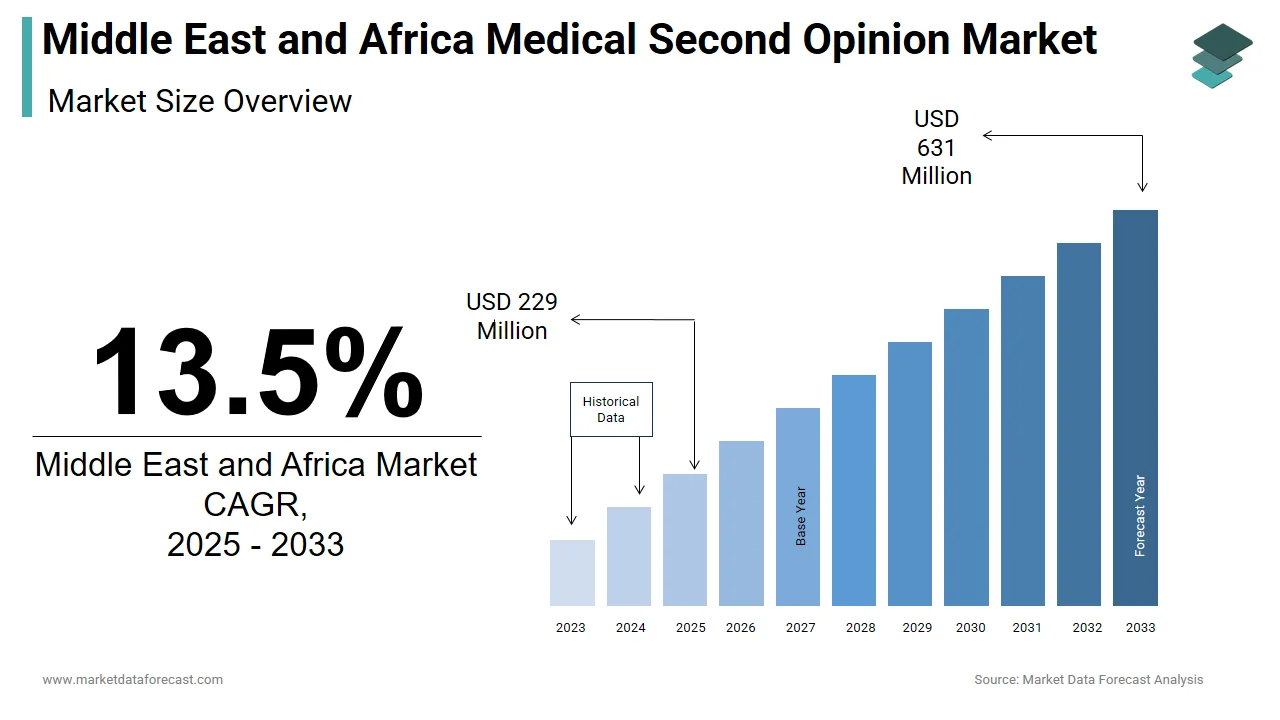
The medical second opinion is an independent expert evaluation of a patient's diagnoses and treatment plans from qualified specialists outside their primary care network. According to the World Health Organization, misdiagnosis rates in low-resource settings can reach up to 40% for certain complex conditions, highlighting the urgent need for external validation mechanisms. The prevalence of noncommunicable diseases such as cancer and cardiovascular disorders continues to rise across the region, with cancer incidence projected to increase by 60% in Africa by 2030, creating substantial demand for accurate diagnostic confirmation. As per recent studies, patient trust in local diagnostic capabilities remains inconsistent, particularly for rare or complex cases, prompting individuals to seek international expertise. The digital transformation of healthcare infrastructure enables remote consultations with global specialists, reducing geographical barriers. The integration of telemedicine platforms facilitates seamless access to top-tier medical institutions worldwide, enhancing the accessibility and efficiency of second opinion services across diverse socioeconomic segments.
MARKET DRIVERS
Rising Prevalence of Complex Noncommunicable Diseases and Diagnostic Uncertainty
The escalating burden of complex noncommunicable diseases, as patients seek confirmation of emergency diagnoses, is accelerating the growth of the Middle East and Africa medical second opinion market. Cancer incidence in Africa is projected to increase by 60% by 2030 due to population growth, aging, and lifestyle changes, creating a surge in cases requiring precise staging and treatment planning. Patients facing life-altering decisions such as major surgeries or chemotherapy regimens increasingly prioritize diagnostic certainty to avoid inappropriate treatments. The complexity of oncological cardiovascular and neurological conditions often exceeds the diagnostic capabilities of local facilities in many African countries, prompting referrals to international centers. Healthcare providers themselves recommend second opinions when encountering ambiguous cases, ensuring adherence to best practice guidelines. The rising awareness among patients about their right to accurate diagnosis drives proactive seeking of external evaluations. Insurance companies in Gulf Cooperation Council nations increasingly cover second opinion services recognizing their role in preventing costly medical errors. The emotional distress associated with severe diagnoses motivates families to exhaust all available options for validation.
Expansion of Digital Health Infrastructure and Telemedicine Adoption
The rapid advancement of digital health infrastructure and widespread adoption of telemedicine platforms is significantly boosting the growth of the Middle East and Africa medical second opinion market. These technological advancements facilitate secure transmission of medical records, imaging files, and pathology reports to international specialists for remote evaluation. Patients no longer need to travel abroad physically for initial consultations, reducing time and financial burdens associated with medical tourism. Mobile health applications integrated with electronic health records streamline the second opinion request process, improving user experience. Government initiatives promoting digital health literacy enhance patient confidence in virtual consultations. The availability of high-speed internet in urban centers supports real-time video consultations with global experts. Regulatory frameworks in countries like the United Arab Emirates increasingly recognize and reimburse telemedicine services, including second opinions.
MARKET RESTRAINTS
Limited Insurance Coverage and High Out-of-Pocket Costs
The lack of comprehensive insurance coverage for medical services and the resulting high out-of-pocket expenses is limiting the growth of the Middle East and Africa medical second opinion market. Most public health insurance schemes in African nations do not include provisions for remote consultations with international specialists, leaving patients to bear the full financial burden. Even in Gulf Cooperation Council countries where private insurance is prevalent, coverage for second opinions often requires specific pre-authorization or is limited to certain network providers. The cost of obtaining a second opinion from renowned international institutions can range from several hundred to thousands of United States dollars, excluding additional testing fees. This financial barrier excludes middle- and lower-income patients, who constitute the bulk of the population in many African countries. Economic instability and currency fluctuations in several African nations further erode purchasing power, making premium healthcare services unaffordable. Patients often delay or forego second opinions due to cost concerns, potentially leading to suboptimal treatment outcomes. The absence of standardized pricing for second opinion services creates uncertainty and discourages utilization. Healthcare providers may hesitate to recommend second opinions knowing the financial strain on patients.
Data Privacy Concerns and Regulatory Fragmentation
The concerns regarding patient data privacy and the fragmented regulations are additionally hindering the growth of the Middle East and Africa medical second opinion market. Many African nations lack robust data protection laws comparable to the General Data Protection Regulation in Europe, raising apprehensions about the security of sensitive medical information shared internationally. The transfer of patient records, including imaging and genetic data, to foreign jurisdictions involves complex legal compliance requirements that vary by country. Healthcare providers and patients worry about potential data breaches, unauthorized access, or misuse of personal health information during digital transmission. The absence of harmonized regulations for telemedicine and cross-border healthcare services complicates liability issues in case of diagnostic errors or disputes. Some countries impose restrictions on the export of medical data, citing national security or sovereignty concerns, hindering efficient service delivery. Patients may withhold critical information due to privacy fears, compromising the accuracy of the second opinion. The lack of clear guidelines on data retention and deletion policies adds to the uncertainty. Regulatory bodies in the region are still developing frameworks for digital health, leaving gaps in oversight.
MARKET OPPORTUNITIES
Integration with Medical Tourism Ecosystems
The integration with medical tourism ecosystems is expected to promote new opportunities for the growth of the Middle East and Africa medical second opinion market. Medical tourists often seek second opinions before committing to major procedures abroad, ensuring they choose the right destination and treatment plan. Hospitals in Dubai, Saudi Arabia, and Egypt can partner with international specialist networks to offer bundled packages including initial local consultation, remote second opinion, and subsequent treatment if needed. This integrated approach enhances patient confidence and improves conversion rates for medical tourism providers. Insurance companies supporting medical tourism are increasingly interested in second opinions to validate treatment necessity and control costs. The presence of Joint Commission International-accredited hospitals in the region facilitates trust in local diagnostics while offering global validation. Service providers can leverage existing medical tourism infrastructure, including translation services and patient coordination teams, to streamline second opinion processes.
Corporate Wellness Programs and Employer-Sponsored Health Benefits
The growing emphasis on corporate wellness programs and employer-sponsored health benefits is also to leverage the growth of the Middle East and Africa medical second opinion market. Large multinational corporations and regional enterprises increasingly recognize the importance of employee health in maintaining productivity and reducing absenteeism. Employers in Gulf Cooperation Council countries are incorporating comprehensive health benefits that include access to premium healthcare services such as second opinions for critical illnesses. This trend is driven by the high prevalence of lifestyle-related diseases among corporate employees, requiring early and accurate diagnosis. Companies view second opinions as a cost-effective measure to prevent unnecessary surgeries and prolonged recovery times that impact workforce availability. Insurance brokers and third-party administrators are developing tailored packages for corporate clients featuring unlimited or subsidized second opinion consultations. The digital nature of these services allows seamless integration into existing employee assistance programs without disrupting work schedules. Employers benefit from improved employee satisfaction and retention by offering access to world-class medical expertise.
MARKET CHALLENGES
Disparities in Healthcare Literacy and Patient Awareness
The significant disparities in healthcare literacy and limited patient awareness about the availability and benefits are a key challenge for the growth of the Middle East and Africa medical second opinion market. Many patients in rural and semi-urban areas lack understanding of their right to seek alternative medical perspectives, often accepting initial diagnoses without question. Cultural norms in some communities emphasize deference to authority figures, including physicians, discouraging patients from questioning medical advice. The concept of second opinions is often misunderstood as distrust towards the primary doctor rather than a standard safety check. Low health literacy levels hinder patients' ability to recognize when a second opinion is medically necessary, such as in cases of rare diseases or complex surgeries. Educational campaigns promoting patient empowerment are limited in scope and reach, particularly in languages other than English or Arabic. Healthcare providers may also lack training on how to appropriately refer patients for second opinions without offending. The digital divide exacerbates this challenge as online information about second opinion services is inaccessible to those without internet literacy.
Quality Variability and Lack of Standardized Accreditation
The variability in quality of second opinion providers and the lack of standardized accreditation mechanisms for remote diagnostic services also degrade the growth of the Middle East and Africa medical second opinion market. Patients struggle to distinguish between reputable international institutions and less qualified entities offering second opinions online, leading to potential risks of inaccurate advice. There is no unified regional body that certifies or accredits providers of medical second opinion services, allowing unqualified practitioners to enter the market. The absence of standardized protocols for reviewing medical records and issuing opinions results in inconsistent quality and reliability of outputs. Patients may receive conflicting recommendations from different sources, causing confusion and anxiety rather than clarity. Healthcare systems lack mechanisms to verify the credentials of remote specialists, ensuring they possess relevant subspecialty expertise. The lack of accountability frameworks makes it difficult for patients to seek recourse in case of negligent or erroneous second opinions. Professional medical associations in the region have yet to establish clear guidelines for ethical conduct in remote second opinion practices.
REPORT COVERAGE
| REPORT METRIC | DETAILS |
| Market Size Available | 2025 to 2034 |
| Base Year | 2025 |
| Forecast Period | 2026 to 2034 |
| Segments Covered | By Disease, Supply Provider, and Country. |
| Various Analyses Covered | Global, Regional, and Country-Level Analysis, Segment-Level Analysis, Drivers, Restraints, Opportunities, Challenges; PESTLE Analysis; Porter’s Five Forces Analysis, Competitive Landscape, Analyst Overview of Investment Opportunities |
| Countries Covered | KSA, UAE, Israel, Rest of GCC, South Africa, Ethiopia, Kenya, Egypt, Sudan, Rest of MEA |
| Market Leaders Profiled | Amradnet, London Pain Clinic, Johns Hopkins Medicine, Mayo Clinic, Cynergy Care, Bright Grey Royal London Group, Helsana Group, Mendocino County Mental Health, Hyjiya Digital Wellness FZCO, Cleveland Clinic, Penn Medicine. |
SEGMENTAL ANALYSIS
By Disease Insights
The cancer segment was the largest, holding 34.2% of the Middle East and Africa medical second opinion market share in 2025, with the high complexity of oncological diagnoses and the critical need for precise treatment planning to avoid fatal errors. Cancer incidence inAfrica is projected to increase by 60% by 2030 due to population growth aging and lifestyle changes, creating a surge in cases requiring expert validation. Patients facing life-altering decisions such as chemotherapy, radiation, or major surgery prioritize diagnostic certainty to ensure they receive appropriate care. The emotional and financial burden of cancer treatment motivates families to seek confirmation from renowned international oncology centers before committing to local protocols. Healthcare providers in regional hospitals often lack subspecialty expertise for rare cancers, prompting referrals for second opinions. Insurance companies in Gulf Cooperation Council nations increasingly mandate second opinions for high-cost oncology treatments to verify medical necessity. The availability of molecular profiling and genetic testing in advanced centers abroad attracts patients seeking personalized medicine options not available locally.
The cardiac disorders segment is likely to exhibit the fastest CAGR of 12.3% during the forecast period, with the rising prevalence of cardiovascular diseases and the increasing complexity of interventional cardiology procedures. Cardiovascular diseases remain the leading cause of death globally, accounting for an estimated 17.9 million deaths annually, with a significant burden in the Middle East due to high rates of diabetes and obesity. Patients often seek second opinions before undergoing invasive procedures such as coronary artery bypass grafting or valve replacements to evaluate less invasive alternatives. The rapid advancement in structural heart disease interventions requires expertise that may not be uniformly available across all regional centers. Digital health platforms facilitate remote review of echocardiograms and angiograms by global experts, enabling timely second opinions. The growing awareness among patients about minimally invasive options drives demand for alternative treatment perspectives. Insurance providers encourage second opinions for cardiac surgeries to optimize costs and improve outcomes. The integration of artificial intelligence in cardiac imaging analysis enhances the accuracy of remote second opinions.
By Supply Provider Insights
The hospitals segment was the largest, accounting for 55.4% of the Middle East and Africa medical second opinion market share in 2025 due to their established infrastructure, comprehensive medical records, and multidisciplinary specialist teams. Joint Commission International-accredited hospitals in the region serve as trusted hubs for complex case reviews, leveraging their reputation for clinical excellence. These technological investments enable hospitals to securely share large imaging files and pathology reports with international partners for second opinions. Patients prefer hospital-based second opinions because they offer seamless access to complete medical histories and diagnostic tests, reducing the need for redundant procedures. Hospitals often have formal partnerships with global medical institutions, facilitating structured second opinion pathways. The presence of board-certified specialists across various subspecialties allows for comprehensive multidisciplinary reviews within the same institution. Insurance networks frequently include major hospitals as preferred providers for second opinion services, ensuring coverage for patients. The trust associated with established hospital brands mitigates patient concerns about the quality of remote advice.
The online providers segment is likely to witness the fastest CAGR of 12.4% from 2026 to 2034 due to the convenience, accessibility, and cost-effectiveness of digital platforms. These platforms eliminate geographical barriers, allowing patients in remote areas to access top-tier specialists from North America, Europe, and Asia without travel. The proliferation of smartphones and high-speed internet in urban centers facilitates easy upload of medical records and video consultations. Online providers offer faster turnaround times compared to traditional hospital referrals, often delivering opinions within 48 to 72 hours. The lower cost structure of online platforms makes second opinions affordable for a broader demographic, including middle-income patients. Regulatory frameworks in countries like the United Arab Emirates increasingly recognize and reimburse telemedicine services, including online second opinions. Partnerships between online platforms and local diagnostic centers streamline the data collection process, improving user experience. The anonymity and privacy offered by digital platforms appeal to patients seeking discreet advice for sensitive conditions.
COUNTRY LEVEL ANALYSIS
Saudi Arabia Medical Second Opinion Market Analysis
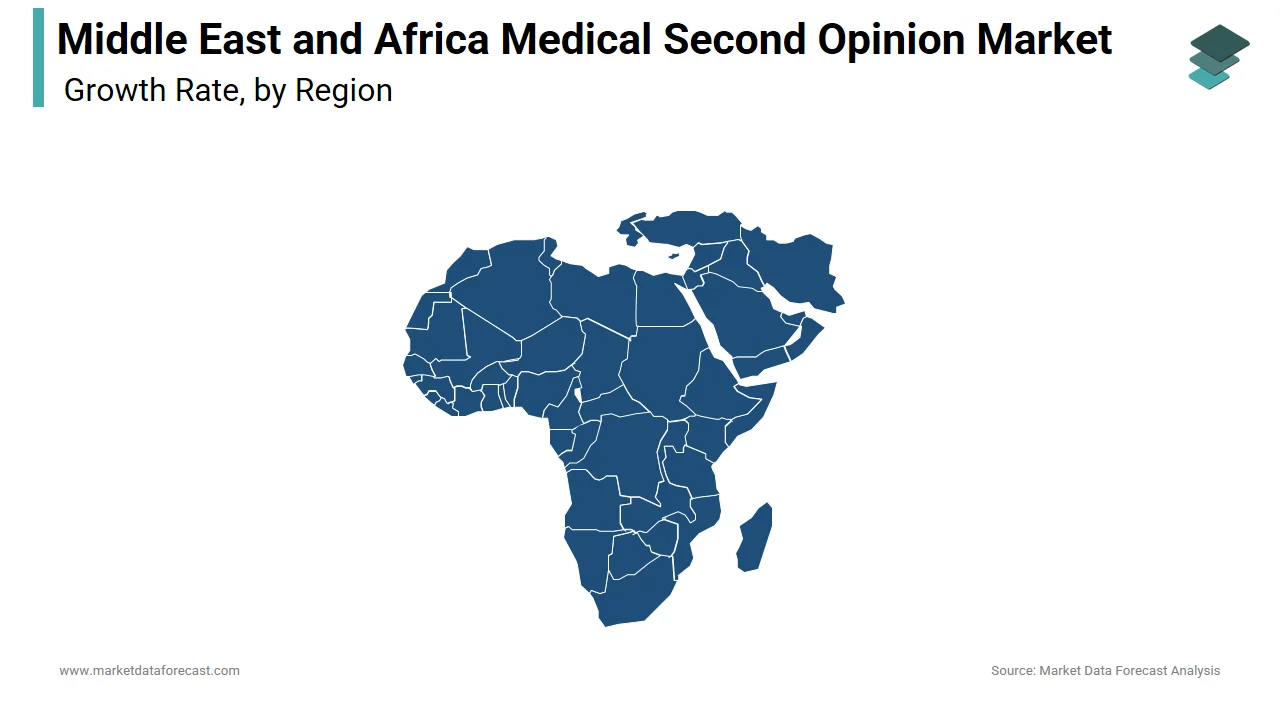
Saudi Arabia was the largest contributor in the Middle East and Africa medical second opinion market by capturing 59.2% of the share in 2025, with the robust healthcare infrastructure and strong government initiatives promoting digital health. The Saudi Food and Drug Authority and Ministry of Health actively promote telemedicine regulations that facilitate cross-border second opinion services. The National Transformation Program 2030 emphasizes improving healthcare quality and patient safety, encouraging the adoption of second opinion protocols for complex cases. This technological backbone enables seamless integration of international specialist reviews into local electronic health records. High prevalence of noncommunicable diseases such as diabetes and cancer drives demand for expert validation of treatment plans. Insurance mandates for second opinions in high-cost cases further stimulate market activity. The country serves as a regional hub for medical tourism, attracting patients from neighboring nations who also seek second opinions.
United Arab Emirates Medical Second Opinion Market Analysis
United Arab Emirates medical second opinion market was ranked second, accounting for 20.1% of the share in 2025, with the high adoption of digital health solutions and international collaborations. Medical tourists often utilize second opinion services to validate treatment plans before undergoing procedures in Dubai or Abu Dhabi hospitals. Abu Dhabi has implemented progressive telemedicine laws that support remote consultations with global specialists. This broad coverage includes provisions for second opinions in many private insurance plans. The presence of numerous Joint Commission International-accredited hospitals fosters trust in local diagnostics while offering global validation options. High per capita income enables patients to afford premium second opinion services from renowned international institutions. The country's strategic location and connectivity facilitate easy transfer of medical data to global partners. Corporate wellness programs in multinational companies headquartered in the UAE increasingly include second opinion benefits.
Israel Medical Second Opinion Market Analysis
Israel medical second opinion market growth is likely to grow at the fastest CAGR from 2026 to 2034 with its world-class medical research capabilities and high technology integration. The country boasts one of the highest physician-to-population ratios globally, supporting sophisticated diagnostic practices that often serve as the gold standard for second opinions in the region. Israeli healthcare institutions actively participate in international clinical trials and collaborate with global experts, enhancing their reputation for accurate diagnosis. The nation's strong emphasis on technological innovation extends to digital health platforms that facilitate secure remote second opinions. Healthcare providers in Israel adhere to rigorous clinical guidelines that favor evidence-based medicine, making their second opinions highly valued. The country's well-developed pharmaceutical and biotechnology sectors support advanced diagnostic testing, including genomic profiling, which is often sought in second opinions for cancer. Israeli hospitals serve as referral centers for complex cases from neighboring countries and beyond. The integration of artificial intelligence in medical imaging analysis enhances the precision of remote second opinions provided by Israeli specialists. High health literacy among the population drives demand for transparent and accurate medical advice.
Rest of GCC Countries
The rest of GCC countries' second opinion market growth is likely to be driven by coordinated healthcare development and high insurance penetration. These nations benefit from substantial oil revenues allocated to healthcare infrastructure modernization and digital health initiatives. Healthcare systems in these countries increasingly adopt international accreditation standards that mandate comprehensive pain management and diagnostic verification protocols. The prevalence of lifestyle-related diseases requiring surgical interventions drives demand for effective pre-operative second opinions. Governments in these nations implement national health insurance schemes that improve patient access to premium medications and services, including second opinions. Regional collaboration on drug registration and telemedicine regulations aims to harmonize requirements facilitating easier cross border second opinion services. The small geographic size of these countries enables efficient distribution networks and digital infrastructure, ensuring widespread product and service availability. High expatriate populations introduce diverse healthcare expectations, driving adoption of international best practices in diagnostic validation. Medical tourism initiatives in Qatar and Oman attract patients seeking high-quality healthcare services, including advanced second opinion options.
South Africa Medical Second Opinion Market Analysis
South Africa medical second opinion market growth is likely to be propelled by private healthcare facilities in South Africa adhering to international clinical guidelines favoring multimodal diagnostic approaches and second opinions for complex cases. Medical scheme coverage in the private sector enables access to advanced therapeutic options, including remote consultations with international specialists for insured patients. South Africa serves as a clinical trial hub for pharmaceutical companies testing new formulations, contributing to high levels of medical expertise. Distribution networks for digital health services extend from urban centers to rural areas, though challenges persist in connectivity. Healthcare professionals in South Africa receive ongoing education on contemporary diagnostic strategies through professional associations. The nation's role as a regional leader influences prescribing patterns and diagnostic practices in neighboring countries. Economic fluctuations impact purchasing power, yet demand for essential diagnostic validation remains resilient due to clinical necessity.
Ethiopia Medical Second Opinion Market Analysis
Ethiopia medical second opinion market growth is likely to grow with the healthcare infrastructure and increasing awareness of diagnostic accuracy. The government prioritizes primary healthcare expansion, which includes basic diagnostic services but lacks subspecialty expertise, creating demand for remote second opinions. International donors and nongovernmental organizations support healthcare improvements, including provision of telemedicine infrastructure. The prevalence of infectious diseases and emerging noncommunicable conditions creates a need for expert validation of complex diagnoses. Healthcare workforce training programs increasingly emphasize diagnostic accuracy and referral protocols. Urban hospitals in Addis Ababa lead the adoption of digital health tools that facilitate remote consultations with international experts. Supply chain improvements for digital infrastructure facilitate better connectivity, though rural areas remain underserved. The growing middle class increases demand for quality healthcare services, including expert second opinions.
Kenya Medical Second Opinion Market Analysis
Kenya medical second opinion market growth is being driven by increasing medical insurance penetration and rising health awareness. Nairobi hosts several referral hospitals that implement international diagnostic standards, including protocols for second opinions in complex cases. The prevalence of diagnostic uncertainty remains high due to limited access to subspecialists in public facilities, creating opportunities for remote expert reviews. Healthcare investments focus on upgrading digital infrastructure, which subsequently increases demand for telemedicine-based second opinions. Pharmaceutical and diagnostic distribution networks in Kenya are relatively well developed compared to other East African nations, ensuring better data-sharing capabilities. Medical tourism from neighboring countries brings patients seeking quality healthcare services, including expert diagnostic validation. Professional medical associations promote continuing education on contemporary diagnostic strategies. Government initiatives aim to achieve universal health coverage, improving access to essential services, including digital health.
Egypt Medical Second Opinion Market Analysis
Egypt's medical second opinion market is growing due to its large population base and expanding healthcare infrastructure. Recent healthcare reforms aim to improve medication accessibility and quality standards across public and private facilities. Surgical volumes in Egypt remain high due to population growth and increasing prevalence of chronic diseases requiring operative intervention, creating demand for pre-operative second opinions. The government implements subsidy programs for essential medicines, though coverage for specialized digital health services varies. Private hospitals in Cairo and Alexandria adopt international diagnostic protocols favoring expert validation for critical cases. Pharmaceutical and diagnostic manufacturing capabilities in Egypt support local production, reducing costs, but subspecialty expertise remains concentrated in urban centers. Distribution challenges persist in rural areas, limiting market penetration of digital second opinion services beyond urban centers. Medical education programs increasingly incorporate diagnostic accuracy modules, training future physicians on the importance of second opinions.
COMPETITIVE LANDSCAPE
The competitive landscape of the Middle East and Africa medical second opinion market features a mix of prestigious international medical institutions and emerging digital health platforms vying for patient trust. Leading global hospitals leverage their established reputations, clinical expertise, and comprehensive specialty coverage to attract affluent patients and medical tourists. These institutions emphasize quality, accuracy, and personalized care to differentiate their offerings from generic online services. Digital health startups compete on convenience, speed, and affordability, utilizing technology to streamline the consultation process and reduce costs. The market exhibits fragmented competition, as no single entity dominates all disease categories or geographic regions entirely. Partnerships with local healthcare providers serve as a critical competitive advantage, enabling better integration and referral flows. Price sensitivity varies significantly between Gulf Cooperation Council nations and Sub-Saharan African countries, influencing competitive strategies. Brand recognition plays a vital role, as patients prefer trusted names for critical diagnostic decisions. Regulatory adherence and data security capabilities further distinguish leading players from smaller entrants. Continuous investment in technology and customer experience drives competitive intensity, as firms strive to capture growing demand for reliable medical validation services across the region.
KEY MARKET PLAYERS
The leading companies operating in the Middle East and Africa medical second opinion market include:
- Amradnet
- London Pain Clinic
- Johns Hopkins Medicine
- Mayo Clinic
- Cynergy Care
- Bright Grey Royal London Group
- Helsana Group
- Mendocino County Mental Health
- Hyjiya Digital Wellness FZCO
- Cleveland Clinic
- Penn Medicine
TOP PLAYERS IN THE MARKET
- Mayo Clinic maintains a prominent position in the Middle East and Africa medical second opinion market through its renowned global reputation for diagnostic excellence. The institution offers comprehensive remote second opinion services, leveraging its multidisciplinary teams of specialists across various medical fields. Recent initiatives include expanding digital infrastructure to support secure transmission of complex medical records from international patients. Mayo Clinic actively collaborates with regional healthcare providers in Gulf Cooperation Council nations to facilitate seamless referral pathways. The organization invests heavily in artificial intelligence tools that enhance diagnostic accuracy for remote case reviews. Educational webinars targeting physicians in Africa help build trust and awareness about the benefits of expert validation. Their commitment to patient-centered care ensures detailed, personalized reports that guide local treatment decisions. This approach strengthens their brand loyalty among affluent patients seeking world-class medical advice without traveling abroad. Continuous innovation in telemedicine platforms improves user experience and accessibility for diverse populations.
- Cleveland Clinic contributes significantly to the Middle East and Africa medical second opinion market by providing specialized expertise in cardiology, oncology, and neurology. The institution has established strong partnerships with hospitals in the United Arab Emirates and Saudi Arabia to offer integrated second opinion services. Cleveland Clinic recently launched enhanced digital portals that allow patients to upload imaging and pathology results securely for rapid review. Their team of international coordinators assists patients in navigating the process, ensuring timely delivery of expert opinions. The clinic participates in regional medical conferences to promote evidence-based practices and the importance of diagnostic confirmation. Investments in advanced diagnostic technologies enable precise remote evaluations that complement local findings. Their focus on quality and safety attracts patients who prioritize accurate diagnosis before undergoing major interventions.
- Johns Hopkins Medicine serves as a key player in the Middle East and Africa medical second opinion market, known for its pioneering research and clinical expertise. The institution provides robust remote consultation services covering a wide range of complex medical conditions, including rare diseases. Recent actions include forming strategic alliances with insurance providers in the region to streamline coverage for second opinion requests. Johns Hopkins Medicine utilizes advanced data analytics to match patients with the most appropriate subspecialists for their specific cases. The organization offers multilingual support to accommodate diverse patient populations across Middle Eastern and African countries. Training programs for local healthcare professionals emphasize the value of collaborative care and expert validation. Their transparent pricing models and clear communication channels enhance patient trust and satisfaction. Continuous updates to their digital health platform ensure compliance with international data privacy standards. This commitment to excellence and accessibility reinforces their leadership in the global second opinion landscape.
TOP STRATEGIES USED BY THE KEY MARKET PARTICIPANTS
Key players in the Middle East and Africa medical second opinion market employ strategic partnerships with local hospitals and insurance companies to expand their reach and enhance service accessibility. These collaborations facilitate seamless integration of second opinion services into existing healthcare workflows, ensuring smoother patient referrals. Companies invest heavily in advanced digital platforms that support secure data transmission and user-friendly interfaces for patients and providers. Marketing efforts focus on educating healthcare professionals and patients about the clinical benefits of diagnostic validation to drive adoption. Regulatory compliance remains a priority as firms navigate varying legal frameworks across different countries to ensure lawful operations. Pricing strategies are tailored to accommodate diverse economic conditions, offering tiered services for different income segments. Quality assurance mechanisms, such as peer review processes, are implemented to maintain high standards of diagnostic accuracy. Continuous innovation in artificial intelligence and machine learning enhances the efficiency and precision of remote evaluations. Customer support services are strengthened to provide guidance throughout the second opinion journey, improving overall satisfaction.
MARKET SEGMENTATION
This Middle East and Africa medical second opinion market research report is segmented and sub-segmented into the following categories.
By Disease
- Cancer
- Cardiac Disorders
- Diabetes
- Injuries
By Supply Provider
- Hospitals
- Health Insurance Players
- Online and Offline Medical Second Opinion Providers
- Private Clinics
By Country
- KSA
- UAE
- Israel
- Rest of the GCC countries
- South Africa
- Ethiopia
- Kenya
- Egypt
- Sudan
- rest of MEA