- Product Description Description
- Table of Contents TOC
- List of Table & Figure LOT
- Get Free Sample PDF Sample PDF
Market Size, 2025
$4.69 BnMarket Estimate, 2026
$4.90 BnMarket Forecast, 2034
$6.97 BnCAGR, 2026–2034
4.5%Global Neck Pillow Market Report Summary
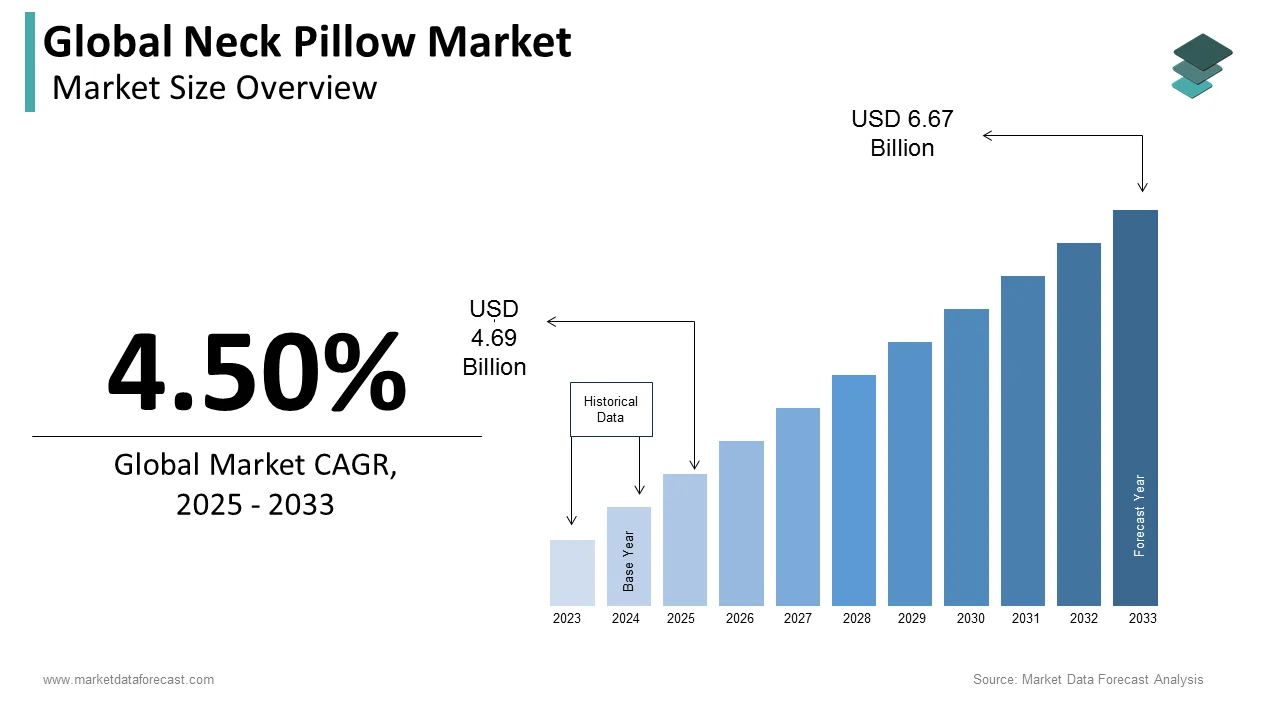
The global neck pillow market was valued at USD 4.69 billion in 2025, is estimated to reach USD 4.90 billion in 2026, and is projected to reach USD 6.97 billion by 2034, growing at a CAGR of 4.5% from 2026 to 2034. Market growth is driven by increasing travel activity, rising awareness of ergonomic support, and growing demand for comfort-enhancing products. The expansion of the tourism industry, coupled with long commuting hours and sedentary lifestyles, is fueling demand for neck support solutions. Additionally, innovations in materials such as memory foam and the increasing popularity of premium comfort products are contributing to steady market growth.
Key Market Trends
- Increasing demand for ergonomic and comfort-based products.
- Growth in travel and tourism activities globally.
- Rising adoption of memory foam and advanced materials.
- Expanding e-commerce and retail distribution channels.
- Growing consumer focus on health, posture, and sleep quality.
Segmental Insights
- Based on pillow type, the memory foam pillow segment dominated the global neck pillow market by capturing 42.1% share in 2025, driven by superior comfort and support.
- Based on application, the traveling segment led the market with 55.8% share in 2025, supported by increasing demand from frequent travelers and commuters.
Regional Insights
The global neck pillow market is expanding steadily across regions due to evolving consumer lifestyles and travel trends.
- North America led the market in 2025 with 34.3% share, driven by high consumer awareness and strong demand for premium comfort products.
- Asia-Pacific is the fastest-growing region, supported by rising disposable incomes, the expanding travel industry, and growing awareness of ergonomic products.
Competitive Landscape
The global neck pillow market is moderately competitive, with companies focusing on product innovation, material quality, and brand positioning. Manufacturers are introducing multifunctional and portable designs to attract a broader consumer base.
Prominent companies operating in the global neck pillow market include Tempur-Pedic, Samsonite, Cabeau, Kuhi-comfort, Core Products International Inc., Wolf Manufacturing Company, SleepMax, Lewis N. Clark, Originalbones, Trtl, U.S. Jaclean, Inc., and World's Best.
Global Neck Pillow Market Size
The size of the global neck pillow market was worth USD 4.69 billion in 2025. The global market is anticipated to grow at a CAGR of 4.5% from 2026 to 2034 and be worth USD 6.97 billion by 2034 from USD 4.90 billion in 2026.
A neck pillow is a specialized cushion designed to support the natural curve of the cervical spine, keeping the head and neck properly aligned. They help reduce strain, muscle tension, and discomfort, often used for treating neck pain at home or for comfort while traveling in an upright position. These devices utilize various materials such as memory foam, microbeads, and inflatable structures to contour to the natural curve of the human spine, preventing the head from falling forward or sideways, which often causes pain. The relevance of this market extends beyond mere comfort to addressing a growing global health concern regarding neck disorders. According to the most recent Global Burden of Disease (GBD) 2021 data, neck pain remains a top global cause of disability, affecting approximately 206 million people worldwide, while Low Back Pain continues to be the leading cause, impacting over 570 million individuals. This widespread prevalence drives individuals to seek proactive solutions for pain management and prevention. Furthermore, the International Air Transport Association reported that global air passenger traffic reached 4.4 billion travelers in 2023, nearing pre-pandemic levels and creating a massive cohort of users exposed to prolonged sitting in constrained positions. The rise of remote work has also altered posture habits. The World Health Organization (WHO) highlights that sedentary behaviors and physical inactivity have increased significantly. Medical researchers and ergonomic experts correlate these shifts, along with rising screen time, to a growing prevalence of cervical spine stress (often termed "text neck") and office-related musculoskeletal strain. Consequently, neck pillows have evolved from simple travel accessories into essential therapeutic tools recommended by physiotherapists to mitigate the physical toll of modern lifestyles and extensive transit.
MARKET DRIVERS
Surge in Global Air Travel and Long-Haul Commuting
The resurgence and expansion of global air travel fuel the growth of the neck pillow market. This is because prolonged immobility in aircraft seats creates an immediate need for cervical support. Airline cabins often lack adequate headrests that prevent lateral head movement, leading to sleep disruption and muscle stiffness for passengers. According to the International Air Transport Association, international air travel has seen a significant annual increase. This continued recovery in global connectivity has expanded the number of passengers spending extended periods in transit, driving demand for specialized travel comfort solutions. Studies indicate that a large portion of the global fleet is dedicated to long-distance routes. On these extended flights, the lack of proper postural support frequently leads to significant physical discomfort and neck strain for passengers. Frequent flyers and business travelers prioritize comfort to maintain productivity upon arrival, driving demand for high-performance pillows that offer superior stability. Additionally, the growth of low-cost carriers has made air travel accessible to a broader demographic, including first-time flyers who are increasingly aware of the discomfort associated with flying. The Tourism Research Institute notes that international tourist arrivals surpassed 1.3 billion in 2023, further amplifying the volume of individuals seeking relief from transit-induced fatigue. This consistent flow of travelers ensures a steady and growing demand for portable neck support solutions tailored to the unique constraints of aviation and rail environments.
Increasing Prevalence of Cervical Spondylosis and Sedentary Lifestyles
Sedentary lifestyles and poor posture are causing an escalating incidence of cervical spondylosis and chronic neck pain, which boosts the expansion of the neck pillow market. Consequently, there is a growing adoption of therapeutic neck pillows. Modern work environments, characterized by extended hours at computer screens and the ubiquitous use of smartphones, have led to a condition widely known as text neck, which places excessive strain on the cervical spine. According to the World Health Organization, physical inactivity is now the fourth leading risk factor for global mortality, with adults spending an average of 8.5 hours per day in sedentary positions. The Journal of Physical Therapy Science published findings indicating that for every inch the head tilts forward while using a mobile device, the effective weight on the neck increases by 10 pounds, reaching up to 60 pounds in extreme cases. This biomechanical stress accelerates degenerative changes in the neck, prompting millions to seek ergonomic aids for relief. National health surveys in developed nations reveal that over 30 percent of adults experience chronic neck pain annually, creating a vast market for home and office use pillows. Consumers are increasingly purchasing orthopedic pillows not just for travel but for daily use during work and sleep as awareness of spinal health grows. This trend is transforming the product category from a niche travel item into a mainstream health necessity.
MARKET RESTRAINTS
Market Saturation Due to Low Barriers to Entry and Counterfeits
Extreme saturation caused by low manufacturing barriers and the proliferation of low-quality counterfeit products hinders the growth of the neck pillow market. The simplicity of producing basic inflatable or foam pillows allows numerous unbranded entities to flood the market, often undercutting established brands on price while compromising on material safety and ergonomic efficacy. According to the International Chamber of Commerce, the trade in counterfeit consumer goods accounts for approximately 3.3 percent of global trade, with health and wellness accessories being a frequent target. In regions with lax intellectual property enforcement, consumers frequently encounter products that claim to be memory foam but utilize inferior polyurethane that loses shape within weeks. The European Union Intellectual Property Office has observed a dramatic surge in the seizure of counterfeit items, particularly in the textile and leather goods sectors. This includes a wide range of travel accessories that often fail to meet the quality and safety standards of legitimate brands. This abundance of cheap alternatives confuses consumers and erodes trust in the category, as negative experiences with durable goods lead to hesitation in purchasing premium options. Furthermore, the lack of standardized testing for ergonomic claims allows misleading marketing to thrive, making it difficult for legitimate manufacturers to differentiate their scientifically designed products from generic imitations. This environment suppresses profit margins for innovators and slows the overall adoption of high-quality therapeutic solutions.
Hygiene Concerns and Maintenance Difficulties
It is difficult to maintain cleanliness, and there are persistent hygiene concerns with neck pillows, which in turn hamper the expansion of the neck pillow market. This limits their widespread and repeated use, especially when traveling. These products are frequently exposed to diverse environments, including airplanes, trains, and buses, where they accumulate sweat, skin oils, and airborne pathogens, creating a potential vector for bacterial and fungal growth. According to the Centers for Disease Control and Prevention, soft surfaces in public transport can harbor viruses for up to 24 hours, raising alarms among health-conscious travelers about the safety of reusable pillows. Many traditional neck pillows feature complex shapes or non-removable covers that are challenging to wash thoroughly, discouraging users from bringing them on multiple trips. Behavioral studies on travel hygiene suggest that a significant number of travelers are reluctant to use personal comfort items due to concerns about cleanliness. The perceived difficulty of effectively sanitizing these items after a journey often leads passengers to forgo the added comfort. The accumulation of dust mites in foam cores further exacerbates allergy issues for sensitive individuals. While some manufacturers offer washable covers, the core material often retains odors and moisture, leading to degradation. This hygiene dilemma limits the frequency of use and prompts some consumers to opt for disposable alternatives or forego the product entirely, thereby restraining market growth despite the clear ergonomic benefits.
MARKET OPPORTUNITIES
Integration of Smart Technologies and Biometric Monitoring
The integration of smart technologies and biometric monitoring systems offers a transformative opportunity for the neck pillow market. This evolution turns passive support devices into active health management tools. By embedding sensors capable of tracking head position, muscle tension, and sleep quality, manufacturers can offer data-driven insights to users seeking to optimize their cervical health. According to multiple studies, the wearable technology market is experiencing significant annual growth. This trend reflects a strong and growing consumer readiness for integrated health solutions that monitor and improve personal well-being. Smart neck pillows could utilize haptic feedback to gently vibrate when the user's head drops into an unhealthy position, training them to maintain better alignment during sleep or transit. Clinical insights from the Mayo Clinic and physical therapy research suggest that real-time posture correction can meaningfully reduce the incidence of chronic neck pain. Consistent use of corrective feedback helps individuals develop better habits and alleviate long-term musculoskeletal strain. Furthermore, connectivity with smartphone applications would allow users to monitor their sleep patterns and share data with healthcare providers for personalized treatment plans. As the Internet of Things expands into the wellness sector, early adopters of these intelligent pillows can capture a premium market segment willing to pay for advanced functionality. This technological leap differentiates products in a crowded marketplace and aligns with the broader trend of digitizing personal healthcare, opening new revenue streams through subscription-based analytics services.
Development of Sustainable and Eco-Friendly Materials
The shifting consumer preference toward sustainability is creating a significant possibility for the expansion of the neck pillow market. This encourages innovation through the adoption of eco-friendly and biodegradable materials. Environmentally conscious buyers are increasingly scrutinizing the lifecycle of products, demanding alternatives to petroleum-based foams and synthetic fabrics that contribute to landfill waste. A study shows that a clear majority of consumers worldwide are willing to alter their purchasing and consumption habits to lower their environmental footprint. This shift is driving demand for products made from sustainable and ethically sourced materials. Manufacturers can capitalize on this sentiment by utilizing organic cotton, bamboo fibers, and plant-based memory foams derived from soy or castor oil. The European Environment Agency identifies the textile industry as a major contributor to global carbon emissions. This environmental burden has led to increased regulatory pressure and industry-wide initiatives to adopt greener production methods and reduce the ecological impact of clothing and accessories. Brands that certify their products as carbon-neutral or plastic-free can appeal to this growing demographic and command higher price points. Additionally, the development of fully recyclable pillow designs addresses end-of-life disposal concerns, enhancing brand loyalty among eco-aware travelers. As corporate sustainability goals tighten, B2B purchasers such as airlines and hotels may also prefer sourcing green amenities to meet their own environmental targets. This shift toward circular economy principles not only mitigates environmental impact but also establishes a competitive advantage in a market increasingly driven by ethical consumption.
MARKET CHALLENGES
Lack of Standardization in Ergonomic Design and Claims
The absence of universal standardization in ergonomic design and the regulation of health claims pose a critical obstruction that undermines consumer confidence and hampers clinical validation within the neck pillow market. Unlike medical devices, which undergo rigorous testing, many neck pillows are marketed as general wellness accessories, allowing manufacturers to make unsubstantiated assertions about pain relief and spinal alignment. The Federal Trade Commission has intensified its crackdown on deceptive marketing within the health and wellness industry. The agency has issued numerous warnings to companies that promote ergonomic or health-related products without sufficient scientific evidence to back their performance claims. The variability in foam density, contour angles, and size means that a pillow beneficial for one individual may exacerbate pain for another, leading to inconsistent user experiences. The American Chiropractic Association emphasizes that improper neck support can worsen existing conditions, yet there is no mandatory certification process to verify that a product meets specific biomechanical criteria. This lack of oversight creates a fragmented market where consumers struggle to identify effective solutions amidst a sea of generic options. Without standardized benchmarks, healthcare professionals remain hesitant to recommend specific brands, limiting the potential for clinical endorsements that could drive mass adoption. Resolving this issue requires industry-wide collaboration to establish clear performance metrics, a complex endeavor given the diverse range of materials and user anatomies involved.
Volatility in Raw Material Costs and Supply Chain Disruptions
Persistent volatility in raw material costs and ongoing supply chain disruptions slow down the expansion of the neck pillow market. These factors threaten profit margins and product availability for neck pillow manufacturers. The production of high-quality memory foam relies heavily on petrochemical derivatives such as polyols and isocyanates, the prices of which are subject to fluctuating global oil markets. According to the International Energy Agency, continued geopolitical instability has caused significant fluctuations in crude oil markets. These price shifts directly influence the production costs of polymers and other synthetic materials used throughout the manufacturing sector. Additionally, the sourcing of natural fibers like organic cotton and bamboo faces challenges from climate change-induced crop failures and labor shortages in key agricultural regions. The World Bank reported that food and agricultural input prices remained elevated in 2025, squeezing suppliers of textile components. Logistics bottlenecks further exacerbate the issue, with shipping rates remaining unpredictable and lead times extending for imported finished goods. The European Central Bank has observed rising costs for manufactured goods at the producer level. Manufacturers are increasingly faced with the difficult choice of absorbing these higher operating expenses or increasing retail prices for a population of price-sensitive consumers. These economic pressures make it difficult for manufacturers to maintain stable pricing strategies and ensure consistent inventory levels, ultimately hindering market growth and potentially driving customers toward cheaper, lower-quality alternatives.
SEGMENTAL ANALYSIS
By Pillow Type Insights
In 2025, the memory foam pillow segment was the largest segment in the global neck pillow market and occupied a 42.1% share. The material's superior ability to contour to the cervical spine and its widespread recognition as the gold standard for ergonomic support in both travel and therapeutic settings are driving the dominance of this segment. Memory foam pillows maintain their top status because they use unique viscoelastic foam to contour exactly to the head and neck, offering a tailored level of support that traditional, loose-filled pillows just can't match. The material's slow recovery time ensures that the head remains stabilized during movement, which is critical for preventing the lateral head drop common during air travel or napping. Furthermore, advancements in gel-infused memory foam have addressed previous concerns regarding heat retention, making the material comfortable for extended use in various climates. The proven clinical benefits and high consumer trust in memory foam as a therapeutic solution ensure its continued dominance, as users prioritize effective pain relief over lower-cost alternatives that lack such precise biomechanical support. Memory foam pillows also dominate the market due to their viscoelastic material, which precisely molds to the head and neck, offering personalized support that traditional, rigid, or loose-fill pillows cannot match. Unlike inflatable pillows that are prone to punctures or microbead pillows that lose volume and structural integrity within months, high-density memory foam retains its shape and supportive properties for years. The longevity appeals to cost-conscious consumers who prefer a higher upfront investment over frequent repurchasing cycles. Additionally, the resistance of memory foam to dust mites and allergens, due to its dense structure, adds to its lifespan and hygiene profile, making it a preferred choice for individuals with respiratory sensitivities. This combination of extended product life and consistent performance reinforces the segment's market leadership, as consumers increasingly view neck pillows as long-term health investments rather than disposable travel accessories.
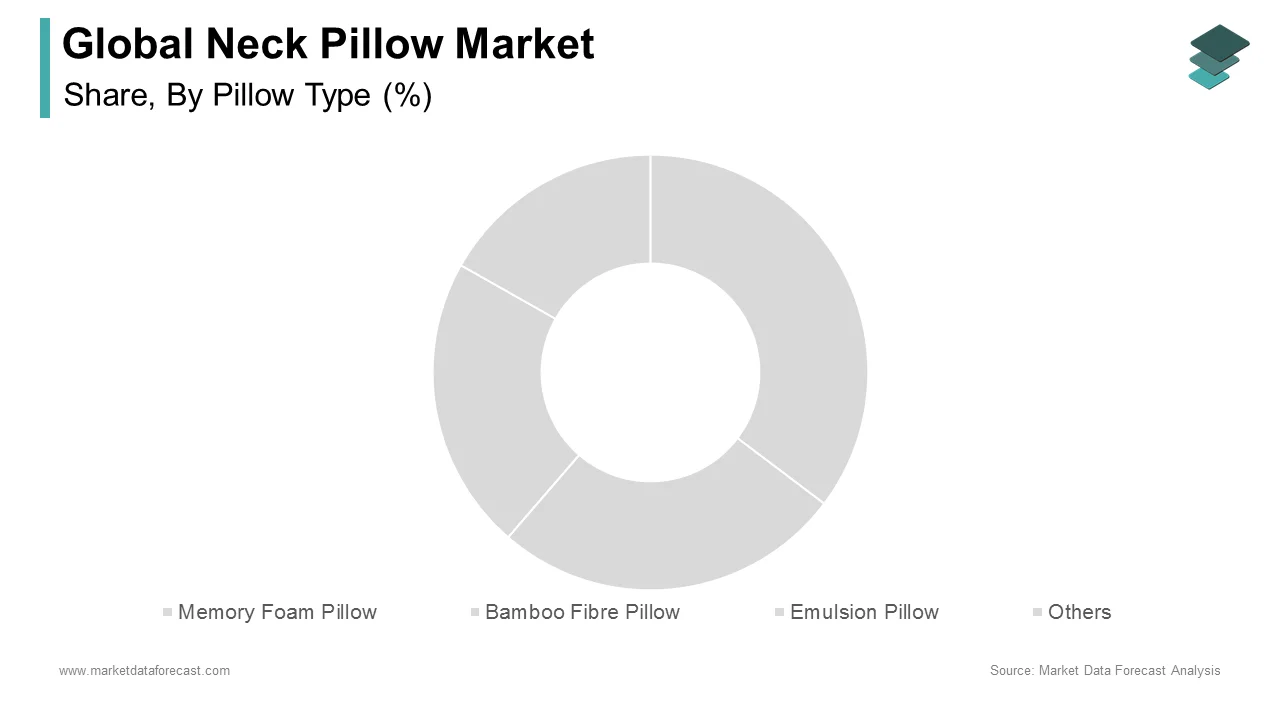
The Bamboo Fibre Pillow segment is on the rise and is expected to be the fastest growing segment in the market by witnessing a CAGR of 9.8% between 2026 and 2034 owing to rising environmental consciousness among consumers and the inherent hypoallergenic and temperature-regulating properties of bamboo-derived fabrics. Consumers worldwide are increasingly choosing sustainable, biodegradable options, which is fueling the fast-growing market for bamboo fiber pillows. Bamboo is a highly renewable resource that grows rapidly without the need for pesticides or excessive water, making it an attractive alternative to petroleum-based foams and conventional cotton. The European Environment Agency emphasizes that the textile industry is under increasing regulatory pressure to adopt green materials, with bamboo fibers offering a compostable solution at the end of the product lifecycle. Brands utilizing bamboo are able to market their products as carbon-neutral or eco-friendly, appealing to a demographic that prioritizes ethical consumption. As awareness of plastic pollution grows, travelers and homeowners alike are seeking pillows that align with their values, propelling the bamboo segment to become the fastest-growing category in the market. The exceptional natural properties of bamboo fibre, specifically its hypoallergenic nature and superior thermal regulation, act as a potent catalyst for the segment's rapid growth. Bamboo fabric contains a natural bio-agent called bamboo kun which prevents the growth of bacteria and fungi, making it ideal for individuals with sensitive skin or allergies who suffer from reactions to synthetic materials. Furthermore, the microscopic structure of bamboo fibers allows for exceptional breathability and moisture-wicking capabilities, keeping the user cool in summer and warm in winter. The thermal comfort is particularly valued in humid climates and by individuals who experience night sweats. The demand for bamboo pillows is surging as consumers become more educated about the health benefits of natural fibers. This trend positions the segment as the leader in innovation and growth within the neck pillow market.
By Application Insights
The traveling application segment led the neck pillow market and accounted for a 55.8% share in 2025. This dominance is driven by the massive volume of global passengers exposed to uncomfortable seating positions and the immediate need for portable comfort during transit. The sheer volume of global travelers serves as the fundamental engine for the traveling segment's dominance, as millions of individuals daily face the physical challenges of prolonged sitting in confined spaces. Long-haul flights, which constitute a significant portion of international travel, exacerbate neck strain due to limited recline and inadequate headrests, making neck pillows a necessity rather than a luxury. The Tourism Research Institute reports that the average duration of leisure trips has increased, implying more time spent in transit. Frequent business travelers prioritize ergonomics to maintain productivity upon arrival. This constant and growing flow of people moving across borders ensures that the traveling segment remains the largest consumer of neck pillows, driven by the universal need to mitigate transit-induced fatigue and pain. Increasing public awareness regarding the health risks associated with poor posture during travel is a key driver solidifying the leading position of the traveling segment. Educational campaigns by health organizations and airline safety briefings have highlighted the dangers of "economy class syndrome" and cervical strain, prompting passengers to proactively seek protective gear. According to sources, prolonged immobility and awkward neck positioning during travel can lead to acute muscle spasms and exacerbate chronic conditions, affecting a portion of long-distance travelers. Social media and travel influencers frequently showcase neck pillows as essential packing items, normalizing their use and expanding the consumer base beyond those with existing pain issues. Airlines themselves have begun selling or providing higher-quality pillows to enhance customer satisfaction scores, further validating the product's importance. This convergence of health education and cultural normalization ensures that the traveling segment maintains its dominance as the primary application for neck support products globally.
The Home & Office application segment is expected to exhibit a noteworthy CAGR of 8.5% over the forecast period due to the permanent shift toward remote work arrangements and the rising prevalence of sedentary lifestyle-induced neck disorders in domestic and professional settings. The structural transformation of the workforce toward remote and hybrid work models has created a sustained and growing demand for ergonomic solutions within home and office environments. As employees spend more hours working outside traditional corporate setups, they often lack professionally fitted chairs and desks, leading to increased reliance on auxiliary support like neck pillows. According to studies, a portion of the workforce in developed nations now works remotely full-time, a figure that has stabilized at historically high levels post-pandemic. Consequently, individuals are investing in portable neck rests and lumbar-cervical support systems to retrofit their home offices. Companies are also reimbursing ergonomic equipment for remote staff, further fueling procurement. The enduring change in work habits ensures that the home and office segment will continue to grow rapidly as the boundary between work and home blurs, necessitating constant ergonomic support. The alarming rise in "text neck" and other sedentary lifestyle-related disorders is a critical factor propelling the rapid growth of the home and office segment. The ubiquitous use of smartphones, tablets, and laptops for extended periods forces the head into a forward-flexed position, placing immense strain on the cervical spine even outside of work hours. Moreover, the epidemic of poor posture has led to a surge in demand for therapeutic pillows that can be used while reading, watching television, or working at a desk to correct alignment. Consumers are integrating neck pillows into their daily routines at home and in the office to mitigate rising health risks. Consequently, this application is the fastest-growing area in the market.
REGIONAL ANALYSIS
North America Neck Pillow Market Analysis
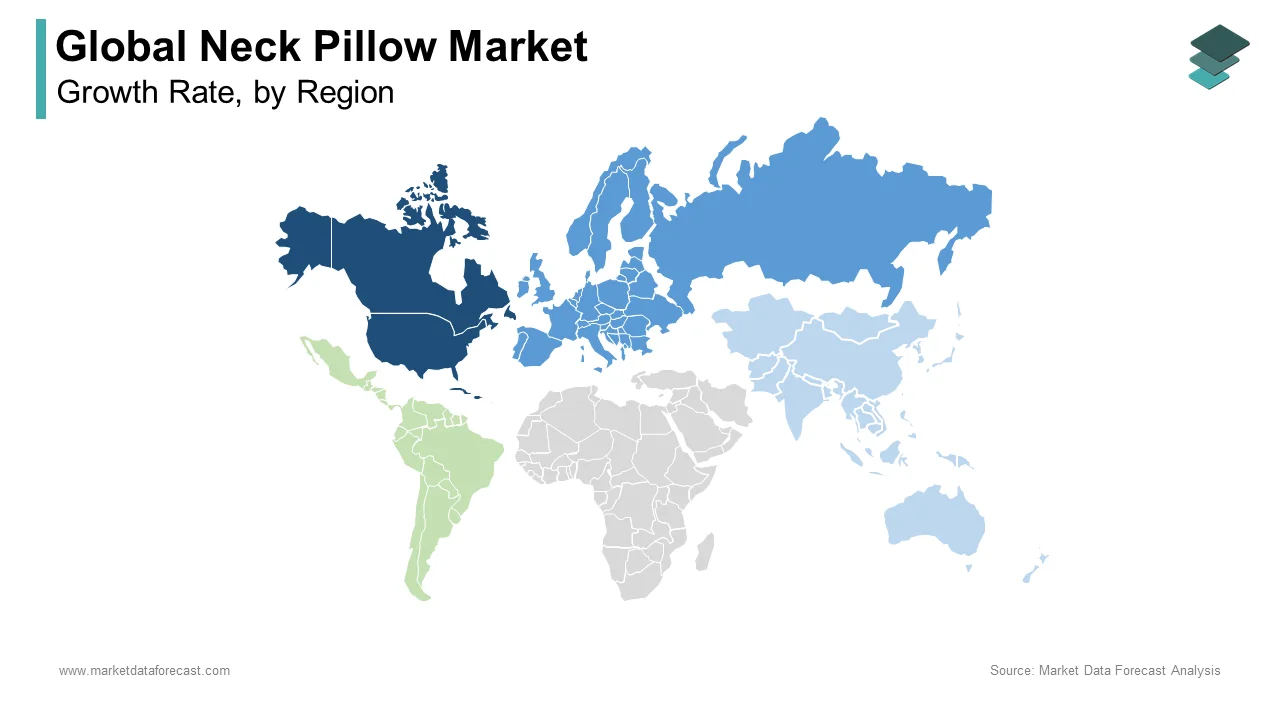
North America dominated the global neck pillow market and held a 34.3% share in 2025. The dominance of the North American market is driven by high health awareness, a robust culture of frequent travel, and significant spending on wellness products. The market features a mature consumer base seeking premium, medical-grade, and ergonomic solutions for chronic pain. In addition, the widespread incidence of musculoskeletal disorders is a key contributing factor. Furthermore, the region boasts the highest volume of business and leisure air travel globally. The strong presence of major market players and advanced distribution channels, including specialized ergonomic stores and online platforms, facilitates easy access to innovative products. The widespread adoption of remote work in the United States and Canada has further amplified demand for home office ergonomics. High disposable income levels allow consumers to invest in high-end memory foam and smart pillows, which strengthens the North America's position as the largest and most sophisticated market for neck support solutions worldwide.
Europe Neck Pillow Market Analysis
Europe was the next prominent region in the global neck pillow market and captured a 26.4% share in 2025. Factors such as stringent safety regulations, a strong focus on occupational health, and a dense network of international travel propel the growth of the European market. The market favors eco-friendly and sustainable materials, driven by the region’s strict environmental policies. Strict EU workplace safety directives, which prioritize ergonomic support, are fueling corporate adoption of neck pillows in offices. This regulatory focus on employee health mandates better workstation assessment, directly influencing the procurement of comfort products. The aging population in countries like Germany and Italy also contributes significantly, as older adults are more susceptible to cervical spondylosis and require supportive bedding. The European Environment Agency's push for circular economy principles has accelerated the adoption of bamboo and organic cotton pillows, differentiating the European market from others. Additionally, the well-established healthcare systems in nations like France and the UK often recommend ergonomic aids for pain management, further validating the product category. This combination of regulatory support, travel density, and environmental consciousness sustains Europe's significant standing as a key growth engine.
Asia Pacific Neck Pillow Market Analysis
The Asia Pacific region emerges as the fastest-growing market globally and is poised for exponential expansion. Key factors behind this growth include rapid urbanization, a burgeoning middle class, and the world's largest population base. The market landscape is notably diverse and evolving, spanning from mature, highly developed economies like Japan and South Korea to rapidly expanding, emerging sectors in China and India. The explosive growth in air travel within the region is the dominant driving aspect. Rising disposable incomes are enabling millions of new consumers to purchase comfort and wellness products for the first time. The prevalence of sedentary lifestyles and smartphone usage is particularly acute in this region. Furthermore, the expansion of e-commerce platforms like Alibaba and Amazon India has democratized access to a wide variety of neck pillows, reaching remote areas. Government initiatives in countries like China to improve public health and occupational safety are also stimulating demand. These converging trends position the Asia Pacific as the most vibrant and high-potential frontier for the neck pillow market.
Latin America Neck Pillow Market Analysis
Latin America is moving ahead steadfastly in the global market, driven by increasing tourism inflows, growing urbanization, and a gradual shift toward health consciousness among the population. People are buying more affordable ergonomic products because they care more about spinal health, even though they are watching their budgets. The substantial annual influx of international visitors to Mexico, Brazil, and Costa Rica has strengthened the local tourism sector, consequently driving demand for travel accessories. The rising prevalence of office jobs in major metropolitan areas such as São Paulo and Buenos Aires is leading to higher reports of work-related neck strain, prompting a slow but steady uptake of office ergonomic products. Research emphasizes that non-communicable diseases, including musculoskeletal disorders, are becoming a priority, leading to greater public education on posture. While economic volatility poses challenges, the expanding middle class and the proliferation of modern retail chains are making neck pillows more accessible. This gradual maturation of the market makes Latin America a region of emerging opportunity for manufacturers looking to diversify their geographic footprint.
Middle East and Africa Neck Pillow Market Analysis
The Middle East and Africa region exhibits the smallest segment globally. Nevertheless, it displays unique growth dynamics fueled by major aviation hubs, government-led health initiatives, and increasing expatriate populations. The market status is heavily concentrated in Gulf Cooperation Council countries, where high per capita income and a culture of frequent international travel drive demand for premium travel accessories. A significant driving factor is the strategic positioning of cities like Dubai, Doha, and Abu Dhabi as global transit hubs, handling hundreds of millions of connecting passengers annually who often purchase travel comfort items during layovers. In Africa, the growth is nascent but supported by urbanization and the expansion of the service sector in nations like Nigeria and Kenya. The World Health Organization Regional Office for Africa is increasingly advocating for ergonomic interventions to combat rising rates of occupational injuries. Furthermore, the large expatriate workforce in the Gulf region, which frequently travels between home countries and host nations, sustains a consistent demand for durable travel gear. Infrastructure gaps still limit mass adoption in some areas. However, the high-value transit market and improving health awareness are laying the groundwork for future expansion in this diverse region.
COMPETITIVE LANDSCAPE
The competition in the global neck pillow market is characterized by a high degree of fragmentation, with numerous established brands and countless unbranded manufacturers vying for consumer attention. The landscape ranges from premium ergonomic specialists to low-cost producers flooding online marketplaces with generic options. Competitive rivalry is intense as companies strive to differentiate their products through unique designs such as scarf-like supports or smart technologies with integrated sensors. Price competition remains fierce, particularly in the entry-level segment, where barriers to entry are low and counterfeit products abound. However, the primary battleground has shifted toward value propositions centered on hygiene, portability, and clinical validation of pain relief. Brand reputation and customer reviews play a crucial role in purchasing decisions, given the personal nature of the product. Mergers and acquisitions are less common than organic growth through product line extensions and strategic retail placements. This dynamic environment drives continuous improvement in material science and ergonomic engineering while forcing companies to constantly adapt to changing travel trends and consumer preferences.
KEY MARKET PLAYERS
Companies playing a notable role in the global neck pillow market profiled in this report are
- Tempur-Pedic
- Samsonite
- Cabeau
- Kuhi-comfort
- Core Products International Inc.
- Wolf Manufacturing Company
- SleepMax
- Lewis N. Clark
- Originalbones
- Trtl
- U.S. Jaclean, Inc.
- World's Best
TOP PLAYERS IN THE MARKET
- Cabeau has established itself as a premier innovator in the travel comfort sector by revolutionizing the design of neck pillows with its patented flat back technology that prevents the head from falling forward. The company contributes significantly to the global market by offering premium memory foam solutions tailored specifically for aviation and rail travel. Recent actions to strengthen its position include the launch of the Evolution S3 model, which features adjustable toggles and washable covers to address hygiene concerns. Cabeau has also expanded its retail footprint by securing partnerships with major airport retailers and airline distributors worldwide. Their commitment to solving specific traveler pain points through ergonomic engineering has solidified their reputation as a leader in high-performance travel accessories. Cabeau continuously iterates on product designs based on customer feedback. This allows them to maintain a competitive edge in the crowded marketplace.
- Tempur-Pedic leverages its decades of expertise in viscoelastic foam to dominate the therapeutic segment of the neck pillow market with products designed for superior spinal alignment. The company contributes to the global landscape by providing medically recognized support solutions that bridge the gap between travel comfort and home healthcare. Recent strategic moves include the introduction of the Tempur-Neck Pillow collection, which utilizes proprietary temperature-sensitive material to adapt to individual body shapes. The brand has strengthened its market presence by expanding its direct-to-consumer digital channels and enhancing warranty programs to build trust. Their rigorous testing protocols and clinical endorsements differentiate their offerings from generic competitors. Tempur-Pedic appeals to consumers seeking durable and effective relief from chronic neck pain by focusing on long-term health benefits rather than just temporary comfort. In doing so, it reinforces its status as a top-tier provider.
- Trtl has disrupted the traditional neck pillow category by introducing a scientifically supported soft support system that resembles a scarf rather than a bulky cushion. The company contributes to the global market by addressing portability and hygiene issues that plague conventional foam pillows with its compact and machine-washable design. Recent actions to cement its market position include the launch of Trtl Plus, which offers enhanced adjustability and a wider range of colors to appeal to diverse consumer tastes. The brand has aggressively pursued online marketing strategies and collaborations with travel influencers to reach younger demographics. Their unique internal support structure provides proven ergonomic benefits while taking up minimal luggage space. Trtl has reimagined the form factor of neck support, capturing a significant share of the modern traveler market. Furthermore, they continue to innovate with lightweight materials that set new standards for convenience.
TOP STRATEGIES USED BY KEY MARKET PARTICIPANTS
Key players in the neck pillow market primarily focus on product innovation to develop ergonomic designs that offer superior support while addressing common pain points like head drooping and heat retention. Companies heavily invest in research and development to create proprietary foam blends and adjustable structures that differentiate their offerings from generic alternatives. Strategic partnerships with airlines and airport retailers represent another major approach to capture high-value travelers at the point of need. Market participants are increasingly adopting sustainability strategies by utilizing eco-friendly materials such as bamboo and organic cotton to appeal to environmentally conscious consumers. Expansion into direct-to-consumer e-commerce channels allows brands to gather valuable customer data and build loyalty through personalized marketing. Additionally, firms are leveraging social media influencers and medical endorsements to validate their ergonomic claims and build trust. These combined strategies enable leading companies to maintain competitive advantages and drive growth in a dynamic landscape.
MARKET SEGMENTATION
This research report on the global neck pillow market has been segmented and sub-segmented into the following categories.
By Pillow Type
- Memory Foam Pillow
- Bamboo Fibre Pillow
- Emulsion Pillow
- Others
By Application
- Traveling
- Home & Office
- Others
By Region
- North America
- Europe
- Asia Pacific
- Latin America
- Middle East and Africa