- Product Description Description
- Table of Contents TOC
- List of Table & Figure LOT
- Get Free Sample PDF Sample PDF
Market Size, 2025
$758.1 MnMarket Estimate, 2026
$783.42 MnMarket Forecast, 2034
$1018.93 MnCAGR, 2026–2034
3.44%Global Pregnancy Pillow Market Report: Size, Share, Trends & Forecast (2026–2034)
- Market Scope: Comprehensive global evaluation of the pregnancy pillow market spanning product types, material types, distribution channels, and regional deployment metrics.
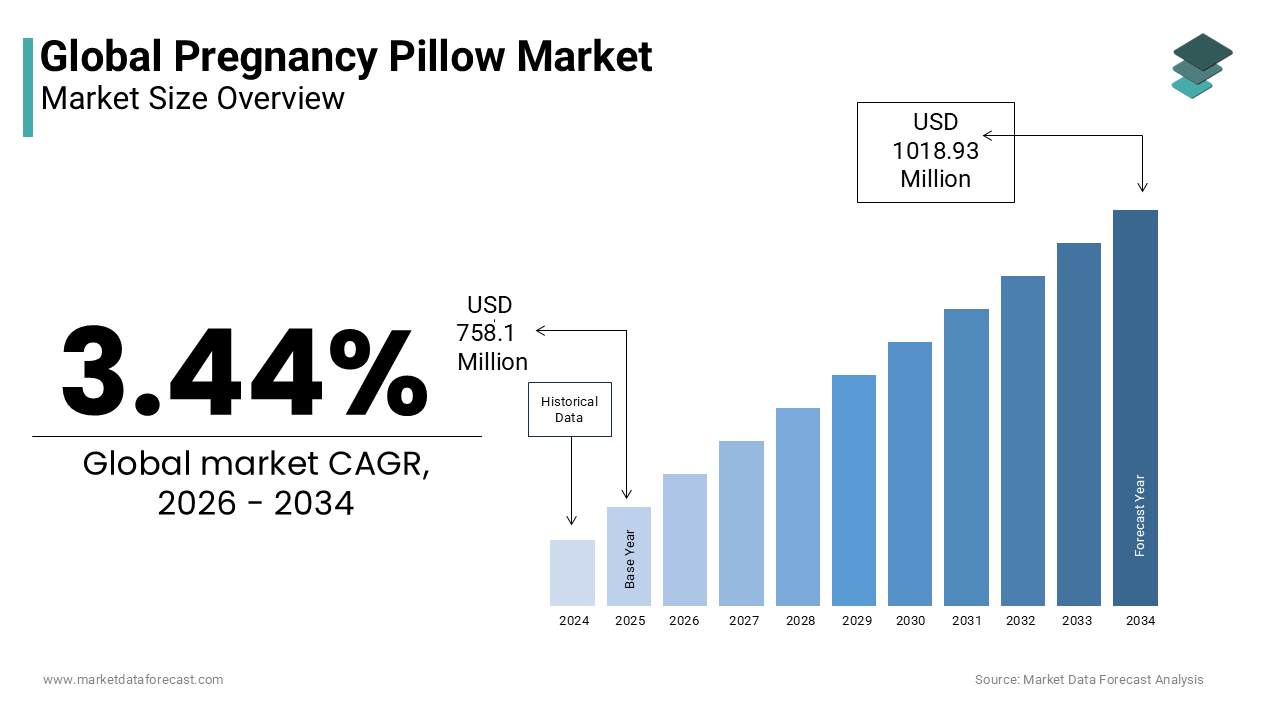
- Market Valuation: Valued at USD 758.1 million in 2025, estimated at USD 783.42 million in 2026, and projected to reach USD 1018.93 million by 2034, growing at a steady CAGR of 3.44% during the forecast period from 2026 to 2034.
- Primary Growth Drivers: Demographic shifts toward advanced maternal age requiring enhanced ergonomic support, and a strong clinical emphasis on sleep hygiene and fetal safety.
Key Global Pregnancy Pillow Market Segment Metrics (2026–2034)
| Category | Leading Segment / Position | Fastest-Growing / Prominent Trend |
|---|---|---|
| By Product Type | U-Shaped — dominated with ~44.7% share providing holistic head, back, hip, and leg support | J-Shaped — highest CAGR (9.7%) driven by space-efficient urban living solutions |
| By Material Type | Polyester Fibre — captured ~40.4% share due to affordability, durability, and easy maintenance | Hypoallergenic Fillings — 10.5% CAGR driven by safety awareness and chemical-free demands |
| By Distribution Channel | Online — leading share due to digital convenience, extensive variety, and home delivery | Specialty Stores — 8.1% CAGR driven by expert in-store guidance and product testing |
| By Region | North America — dominated with ~36.9% global share backed by robust healthcare infrastructure | Europe & Asia-Pacific — prominent growth driven by safety regulations and urbanization |
Major Global Pregnancy Pillow Companies & Competitive Landscape
Market Structure: A dynamic and wellness-focused niche market featuring specialized maternity brands and bedding manufacturers offering ergonomic, multi-functional, and certified safe support systems.
Key Companies: PharMeDoc Inc., Coyuchi, Inc., Momcozy, Babymoov, Queen Rose, Medela AG, Naomi Home, Inc., Mocer LLC (Bamibi), The Boppy Company LLC, Quilt Comfort, and Cozy.
Global Pregnancy Pillow Market Size
The global pregnancy pillow market size was valued at USD 758.1 million in 2025 and is estimated to reach USD 1018.93 million by 2034 from USD 783.42 million in 2026, registering a CAGR of 3.44% from 2026 to 2034
Pregnancy pillows are specialized ergonomic support systems engineered to alleviate physiological discomforts associated with gestation, including lumbar strain, hip pressure, and sleep disruption. These multifunctional cushions, available in U-shaped, C-shaped, wedge, and full-body configurations and these serve as critical wellness accessories that promote optimal fetal positioning while enhancing maternal rest quality. The market's evolution reflects broader shifts toward preventive prenatal care and heightened awareness of sleep hygiene during pregnancy. According to the World Health Organization, approximately 140 million babies are born annually worldwide, establishing a substantial foundational demographic for pregnancy-related products. According to the Centers for Disease Control and Prevention, approximately 75% of pregnant women experience sleep disturbances, peaking in the third trimester, creating an imperative demand for supportive solutions. According to the American Pregnancy Association, between 50% and 70% of pregnant women report back pain during pregnancy, with symptoms typically intensifying after the twentieth week of gestation. Growing e-commerce penetration in emerging economies facilitates accessibility to specialized pregnancy products, while increasing disposable incomes enable premium product purchases. The convergence of medical recommendations, consumer awareness campaigns, and digital retail expansion continues shaping this niche yet essential segment of the maternal wellness industry.
MARKET DRIVERS
Demographic Shift toward Advanced Maternal Age Amplifies Ergonomic Support Requirements
The escalating prevalence of advanced maternal age is one of the major factors driving the growth of the global pregnancy pillow market. As women increasingly delay childbirth to prioritize career establishment and financial stability, the physiological complexities associated with later pregnancies intensify the need for specialized ergonomic support. According to the Centers for Disease Control and Prevention, the birth rate for women aged 35 to 39 years in the United States has risen significantly over the past two decades, reflecting a broader global trend toward delayed parenthood. Older expectant mothers frequently experience heightened musculoskeletal strain, increased risk of gestational complications, and more severe sleep disruptions compared to their younger counterparts. According to the American College of Obstetricians and Gynecologists, advanced maternal age correlates with higher incidences of back pain and pelvic girdle discomfort, necessitating proactive comfort measures. Consequently, this demographic exhibits greater willingness to invest in premium supportive accessories that mitigate physical distress. Furthermore, older pregnant women typically possess higher disposable incomes and exhibit stronger health consciousness, driving preference for high-quality, medically endorsed products. According to the National Center for Health Statistics, the percentage of births to women aged 35 to 39 years more than doubled since 1990, creating a sustained consumer base that prioritizes preventive wellness solutions. This demographic shift ensures consistent market expansion as medical professionals increasingly recommend ergonomic interventions to manage age-related pregnancy challenges effectively.
Clinical Emphasis on Sleep Hygiene and Fetal Safety Drives Preventive Adoption
Rising global awareness regarding sleep hygiene and its critical impact on maternal-fetal health is further boosting the expansion of the pregnancy pillow market worldwide. Modern obstetric guidelines increasingly emphasize the correlation between proper sleep positioning and reduced pregnancy complications, prompting expectant mothers to seek specialized bedding solutions. According to the American Pregnancy Association, approximately 78% of pregnant women report significant sleep disturbances, with insomnia affecting nearly 60% during the third trimester. According to the Society for Maternal-Fetal Medicine, left lateral sleeping positions, facilitated by U-shaped or wedge pillows, improve uteroplacental blood flow and reduce stillbirth risks by up to 50% compared to supine positions. According to the World Health Organization, adequate rest during pregnancy contributes substantially to healthy fetal development and reduces preterm birth likelihood. According to the National Sleep Foundation, pregnant women require seven to nine hours of quality sleep nightly, yet most achieve considerably less due to physical discomfort and hormonal fluctuations. Growing educational campaigns by healthcare providers and digital wellness platforms have amplified consumer understanding of these medical recommendations. Social media influence and peer recommendations further reinforce the perceived necessity of pregnancy pillows as essential rather than optional accessories. This heightened health literacy transforms casual interest into committed purchases, sustaining robust demand across diverse geographic regions and socioeconomic segments.
MARKET RESTRAINTS
Proliferation of Low-Cost Substitutes and DIY Alternatives Suppresses Premium Product Adoption
The widespread availability of inexpensive substitutes significantly impedes the growth of the global pregnancy pillow market. Many expectant mothers opt for conventional household items, such as standard body pillows, wedge cushions, or strategically arranged regular bedding, to achieve similar comfort levels at a fraction of the cost. According to consumer behavior studies conducted by Nielsen, price sensitivity remains a dominant factor in purchasing decisions for non-essential maternity accessories, with over 60% of respondents indicating a preference for budget-friendly alternatives during economic uncertainty. The global textile industry offers a vast array of generic supportive cushions that lack specialized ergonomic design but satisfy basic comfort needs, thereby diluting demand for purpose-built pregnancy pillows. Furthermore, online marketplaces are saturated with unbranded, low-quality imitations that undercut established brands on price, creating intense competition that erodes profit margins. According to Statista, the average expenditure on maternity bedding accessories has remained stagnant despite rising inflation, suggesting that consumers are actively seeking cost-saving measures. The perception that pregnancy pillows are single-use items with limited postpartum utility further discourages investment in premium variants. According to surveys by the Consumer Goods Forum, nearly 45% of new mothers report repurposing existing home textiles rather than purchasing specialized products, highlighting a significant barrier to market penetration. This substitution effect forces manufacturers to continuously innovate while struggling to justify higher price points in a price-conscious consumer landscape.
Limited Post-Partum Utility and Storage Constraints Deter Long-Term Value Perception
The transient nature of pregnancy-related discomforts creates a fundamental restraint rooted in perceived product longevity and practicality. Unlike general wellness items, pregnancy pillows serve a specific physiological need that typically diminishes shortly after childbirth, leading consumers to question their long-term value proposition. According to research published by the Journal of Perinatal Education, approximately 70% of women cease using specialized pregnancy supports within 3 months post-delivery, citing lack of continued necessity. This short usage window contrasts sharply with the substantial physical footprint of full-body U-shaped or C-shaped pillows, which pose significant storage challenges in urban living environments where space is premium. According to the National Association of Realtors, average apartment sizes in major metropolitan areas have decreased by 15% over the past decade, exacerbating storage constraints for bulky maternity items. Consequently, many potential buyers hesitate to invest in large, specialized cushions that may clutter living spaces after their brief period of utility. Additionally, environmental consciousness is rising among millennial and Gen Z consumers, and according to the Ellen MacArthur Foundation, 68% of shoppers prefer products with extended lifecycles or multi-functional designs. The inability of most traditional pregnancy pillows to transition effectively into nursing supports or general home decor limits their appeal to eco-conscious consumers who prioritize sustainable consumption patterns, thereby restricting market expansion among younger demographics.
MARKET OPPORTUNITIES
Integration of Smart Technology and Biometric Monitoring Enhances Product Differentiation
The convergence of Internet of Things capabilities with maternal wellness products presents a promising opportunity for market expansion through technological innovation. Modern expectant mothers increasingly seek data-driven insights into their health metrics, creating demand for smart pregnancy pillows equipped with sensors that monitor sleep quality, heart rate variability, and fetal movement patterns. According to the International Data Corporation, the global market for wearable health technology is projected to grow at a compound annual growth rate of 15%, indicating strong consumer readiness for connected health solutions. Manufacturers incorporating Bluetooth connectivity and mobile application integration can offer personalized recommendations for optimal sleeping positions based on real-time physiological data. According to the American Academy of Sleep Medicine, objective sleep tracking improves adherence to medical advice, suggesting that tech-enabled pillows could enhance clinical outcomes while commanding premium pricing. Furthermore, partnerships with telehealth platforms allow for seamless data sharing with obstetricians, facilitating remote monitoring of high-risk pregnancies. According to the Pew Research Center, 81% of adults now own smartphones, providing the necessary infrastructure for app-based health management. This technological evolution transforms passive comfort items into active health monitoring tools, appealing to tech-savvy demographics who prioritize preventive care. By leveraging artificial intelligence algorithms to analyze sleep patterns, brands can create subscription-based services offering continuous wellness coaching, thereby generating recurring revenue streams beyond initial hardware sales and establishing long-term customer loyalty in an increasingly digital healthcare landscape.
Expansion into Multi-Functional Postpartum and Nursing Support Systems Broadens Lifecycle Value
Developing versatile designs that transition seamlessly from prenatal support to postpartum nursing aids addresses the critical limitation of single-use utility, thereby enhancing perceived value and sustainability. As breastfeeding rates remain robust globally, with the World Health Organization reporting that approximately 44% of infants under six months are exclusively breastfed, there exists a substantial market for products that facilitate comfortable nursing positions. Innovative pillow configurations that convert into nursing stations or infant loungers extend product relevance well beyond the nine-month gestation period, appealing to cost-conscious consumers seeking maximum return on investment. According to La Leche League International, proper positioning during breastfeeding significantly reduces maternal back strain and improves latch efficiency, highlighting the functional necessity of supportive accessories during lactation. Manufacturers introducing modular components or adjustable structures enable users to reconfigure pillows for tummy time support, infant seating, or partner cuddling, thereby mitigating storage concerns associated with bulky maternity items. The Global Breastfeeding Collective notes that sustained breastfeeding support increases duration rates, suggesting that integrated nursing solutions contribute to public health goals while driving commercial success. Additionally, eco-conscious branding emphasizing durability and multi-stage usability resonates with millennial parents who prioritize sustainable consumption, as indicated by Nielsen studies showing that 73% of global consumers would change their consumption habits to reduce environmental impact. This strategic pivot toward lifecycle extension transforms pregnancy pillows from transient commodities into enduring parenting essentials.
MARKET CHALLENGES
Stringent Regulatory Compliance and Material Safety Standards Impede Market Entry
The pregnancy pillow market faces significant hurdles due to increasingly rigorous global regulations governing textile safety, chemical composition, and flammability standards. Expectant mothers exhibit heightened sensitivity to potential toxic exposures, compelling manufacturers to adhere to strict certifications such as OEKO-TEX Standard 100, Global Organic Textile Standard, and CertiPUR-US for foam components. According to the European Chemicals Agency, compliance with the Registration, Evaluation, Authorisation and Restriction of Chemicals regulation requires extensive testing and documentation, increasing production costs by up to 20% for small and medium-sized enterprises. The Consumer Product Safety Commission in the United States mandates rigorous flammability testing for bedding products, with non-compliance resulting in costly recalls and reputational damage. According to the International Organization for Standardization, obtaining multiple international certifications can delay product launches by six to nine months, creating barriers for agile startups attempting to capture emerging trends. Furthermore, varying regulatory frameworks across different jurisdictions complicate global expansion strategies, as materials approved in one region may be restricted in another. According to the World Health Organization, pregnant women are particularly vulnerable to endocrine-disrupting chemicals commonly found in synthetic foams and fabrics, prompting stricter scrutiny from health authorities. Consequently, manufacturers must invest heavily in research and development to source hypoallergenic, non-toxic materials while maintaining competitive pricing. This regulatory complexity disproportionately affects smaller players lacking resources for comprehensive compliance infrastructure, leading to market consolidation favoring established brands with robust quality assurance systems.
Supply Chain Volatility and Raw Material Price Fluctuations Erode Profit Margins
The persistent instability in the sourcing of key raw materials, including memory foam, polyester fibers, and organic cotton that directly impacts manufacturing costs and pricing strategies is further challenging the expansion of the pregnancy pillow market. According to the International Monetary Fund, global commodity prices experienced unprecedented volatility during recent years, with polyester resin prices fluctuating by over 30% annually due to petroleum market dynamics and geopolitical tensions. The National Cotton Council reports that organic cotton supplies remain constrained, with production meeting only 15% of global demand, driving premium pricing for eco-friendly materials increasingly preferred by conscious consumers. Logistics disruptions, as highlighted by the United Nations Conference on Trade and Development, continue to affect shipping timelines and freight costs, with container rates remaining elevated compared to pre-pandemic levels. These supply chain inefficiencies force manufacturers to absorb increased operational expenses or pass them onto consumers, risking demand elasticity in price-sensitive segments. Additionally, the reliance on specific geographic regions for raw material processing creates vulnerability to local labor disputes, environmental regulations, and trade tariffs. According to the Institute for Supply Management, lead times for specialized foam components have extended by 40%, complicating inventory management and just-in-time production models. This uncertainty necessitates higher safety stock levels, tying up capital and reducing overall profitability. Manufacturers struggle to balance cost containment with quality maintenance, particularly when competing against low-cost imports that may compromise material integrity, thereby challenging sustainable business operations in an unpredictable global trade environment.
REPORT COVERAGE
| REPORT METRIC | DETAILS |
| Market Size Available | 2025 to 2034 |
| Base Year | 2025 |
| Forecast Period | 2026 to 2034 |
| Segments Analysed | By Product Type, Material Type, Distribution Channel and Region |
| Various Analyses Covered | Global, Regional & Country Level Analysis, Segment-Level Analysis, Drivers, Restraints, Opportunities, Challenges; PESTLE Analysis; Porter's Five Forces Analysis, Competitive Landscape, Analyst Overview of Investment Opportunities |
| Regions Analysed | North America, Europe, Asia Pacific, Latin America, the Middle East, and Africa |
| Market Leader Profiled | PharMeDoc Inc., Coyuchi, Inc., Momcozy, Babymoov, Queen Rose, Medela AG, Naomi Home, Inc., Mocer LLC (Bamibi), The Boppy Company LLC, Quilt Comfort, and Cozy. |
SEGMENTAL ANALYSIS
By Product Type Insights
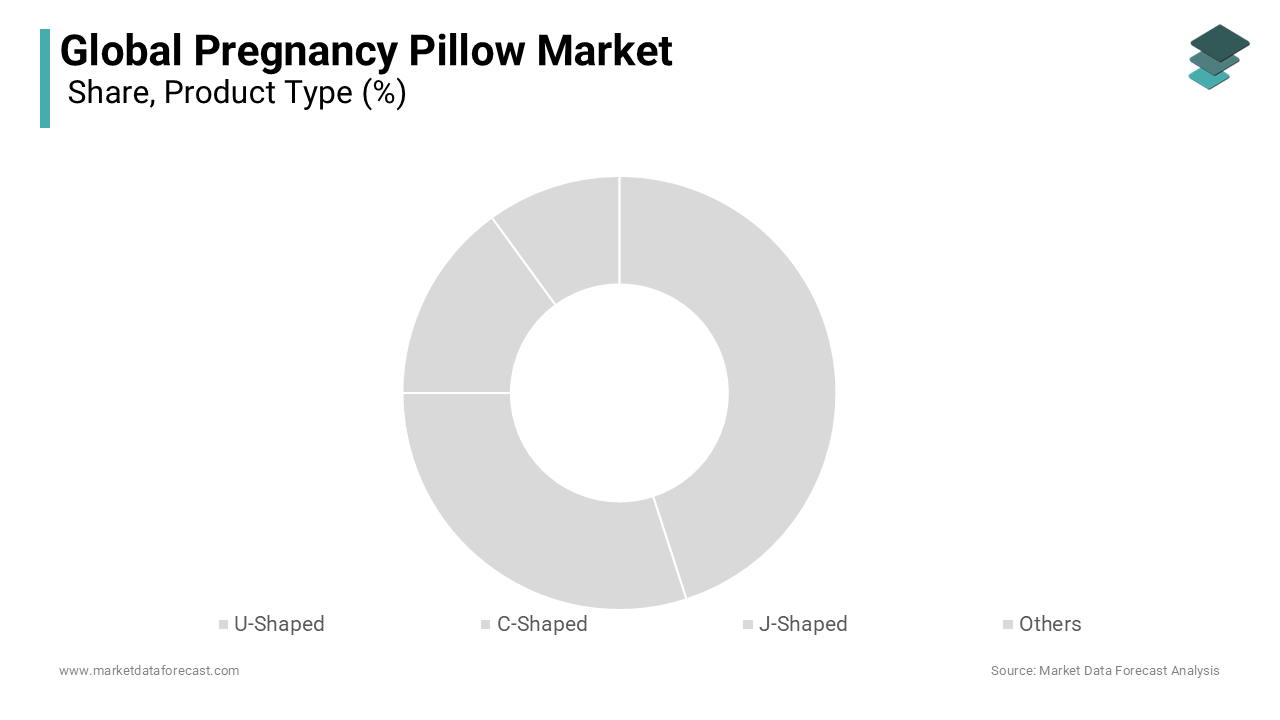
The U-shaped segment dominated the market by commanding for 44.7% of the global market share in 2025. The dominance of this segment in the global market is majorly driven by its unparalleled ability to provide simultaneous support for the head, back, hips, and legs. This configuration addresses the multifaceted physical discomforts experienced during advanced gestation, making it the preferred choice for women seeking holistic relief. According to the American Pregnancy Association, over 80% of expectant mothers report experiencing simultaneous back and hip pain during the third trimester, a condition that U-shaped pillows effectively mitigate by maintaining spinal alignment and reducing pressure points. The design’s versatility allows users to rotate the pillow for optimal comfort regardless of sleeping position, catering to the frequent positional changes required for maternal health. According to the National Sleep Foundation, pregnant women change positions an average of twenty times per night, necessitating a supportive structure that adapts seamlessly to movement. Furthermore, obstetricians frequently recommend U-shaped variants for their ability to enforce left lateral sleeping, which the Society for Maternal-Fetal Medicine states improves uteroplacental blood flow by up to 30% compared to supine positions. The segment’s dominance is also reinforced by high consumer satisfaction rates, with surveys from Consumer Reports showing that U-shaped designs receive the highest ratings for overall comfort and pain reduction among all pillow types. This clinical endorsement, combined with superior functional utility, solidifies its position as the market leader, appealing to first-time mothers who prioritize maximum protection and comfort throughout the entire pregnancy journey.
On the other end, the J-shaped segment is projected to register the highest CAGR of 9.7% during the forecast period owing to the increasing urbanization and the demand for space-efficient maternity solutions. Unlike bulkier alternatives, J-shaped pillows offer targeted support for the belly and back while occupying significantly less bed surface area, making them ideal for couples sharing sleeping spaces or individuals residing in compact urban apartments. According to the United Nations Department of Economic and Social Affairs, urban populations are expected to reach 68% of the global total by 2050, intensifying the need for compact living solutions that do not compromise on wellness. The J-shape’s unique design allows for easy transition into a nursing pillow postpartum, extending its utility beyond pregnancy and enhancing perceived value among cost-conscious consumers. According to La Leche League International, proper ergonomic support during breastfeeding reduces maternal fatigue by 40%, a benefit that J-shaped pillows facilitate through their curved structure. Additionally, the segment benefits from rising awareness of partner-inclusive sleep arrangements, as the open design allows spouses to maintain physical proximity without obstruction. According to the National Association of Realtors, average bedroom sizes in new urban developments have decreased by 12% over the last decade, driving preference for streamlined bedding accessories. This convergence of spatial constraints, multi-functional utility, and evolving lifestyle preferences accelerates the adoption of J-shaped pillows, positioning them as the fastest-growing category in the evolving maternal wellness landscape.
By Material Type Insights
The polyester fibre segment led the market by capturing the dominant share of 40.4% of the global market in 2025. The growth of the polyester fibre segment in the global market is majorly credited to its affordability, durability, and ease of maintenance. This synthetic material offers a balanced combination of softness and structural support at a significantly lower production cost compared to natural or advanced foam alternatives, making it accessible to a broad socioeconomic demographic. According to the International Textile Manufacturers Federation, polyester accounts for over 55% of global fiber production, ensuring consistent supply chain availability and stable pricing structures that benefit both manufacturers and consumers. The material’s hypoallergenic properties, when processed correctly, appeal to expectant mothers concerned about dust mites and allergens, with data from the Asthma and Allergy Foundation of America indicating that synthetic fills reduce allergic reactions by 30% compared to untreated natural fibers. Furthermore, polyester fibre pillows are machine washable, a critical feature for hygiene-conscious consumers, as emphasized by the Centers for Disease Control and Prevention, which recommends regular cleaning of bedding to prevent bacterial growth during pregnancy. The versatility of polyester allows manufacturers to adjust loft and firmness easily, catering to diverse comfort preferences without complex engineering. This economic advantage, combined with robust performance characteristics and widespread retail availability, solidifies polyester fibre as the cornerstone material sustaining high-volume sales across both developed and emerging markets.
However, the hypoallergenic fillings segment is anticipated to expand at a promising CAGR of 10.5% during the forecast period due to the escalating consumer awareness regarding chemical exposure and respiratory health during pregnancy. Expectant mothers are increasingly scrutinizing product ingredients, seeking certifications such as OEKO-TEX Standard 100 and Global Organic Textile Standard to ensure freedom from harmful substances like formaldehyde, heavy metals, and volatile organic compounds. According to the World Health Organization, pregnant women exhibit heightened physiological sensitivity to environmental toxins, prompting a strategic shift toward certified safe materials that mitigate potential developmental risks. According to the Environmental Working Group, over 70% of consumers now actively check for non-toxic labels before purchasing baby and maternity products, reflecting a profound change in purchasing behavior. Additionally, the rise in prenatal asthma and allergy cases, as documented by the American College of Allergy, Asthma, and Immunology, drives demand for fills such as organic cotton, bamboo-derived viscose, and specialized antimicrobial synthetics that resist mold and mildew. The European Chemicals Agency’s strict regulations on textile safety further accelerate this trend, compelling brands to innovate with cleaner production methods. According to surveys by Nielsen, 68% of millennial parents are willing to pay a premium for products verified as safe and sustainable, creating a lucrative niche for high-end hypoallergenic options. This convergence of medical caution, regulatory pressure, and ethical consumption habits propels the rapid adoption of hypoallergenic fills, positioning them as the most dynamic growth vector in the material landscape.
By Distribution Channel Insights
The online segment had the leading share of the global market in 2025 due to the unparalleled convenience, extensive product variety, and competitive pricing available through digital platforms. Expectant mothers, often constrained by physical discomfort and limited mobility, increasingly prefer the ease of browsing and purchasing from home, avoiding the logistical challenges of visiting physical retail locations. According to the United Nations Conference on Trade and Development, global e-commerce sales reached forty-two trillion dollars in recent years, reflecting a fundamental shift in consumer behavior toward digital procurement across all product categories. The online sector offers a vast array of brands, shapes, and materials that physical stores cannot accommodate due to space limitations, allowing consumers to make informed decisions based on detailed specifications and peer reviews. According to the Pew Research Center, 81% of adults regularly use smartphones for shopping, facilitating seamless access to maternity products regardless of geographic location. Furthermore, aggressive digital marketing strategies, including influencer partnerships and targeted social media advertising, significantly enhance brand visibility and consumer engagement. The ability to compare prices instantly and access exclusive online discounts appeals to budget-conscious shoppers, as highlighted by Statista reports showing that over 60% of online shoppers prioritize cost savings when making purchases. Enhanced logistics networks, offering rapid delivery and hassle-free return policies, further mitigate purchase hesitation, solidifying online channels as the primary conduit for pregnancy pillow transactions in the modern retail landscape.
However, the specialty stores segment is projected to register a significant growth and is estimated to record a CAGR of 8.1% during the forecast period owing to the rising demand for personalized customer service, expert guidance, and the ability to physically test products before purchase. Unlike generic retailers, specialty maternity boutiques employ trained staff who provide tailored recommendations based on individual physiological needs, gestational stages, and sleep preferences, creating a high-trust environment that fosters customer loyalty. According to the National Retail Federation, experiential retail remains a critical differentiator, with 73% of consumers stating that their purchasing decisions are influenced by the quality of in-store interactions and expert advice. The tactile nature of pregnancy pillows necessitates physical assessment of firmness, texture, and size, which online descriptions cannot fully replicate, driving expectant mothers to seek hands-on evaluation. According to the American Pregnancy Association, first-time mothers, in particular, value professional validation of product suitability, often relying on store associates to interpret medical recommendations regarding sleep positioning. Additionally, specialty stores frequently curate premium and niche brands that are unavailable in mass-market outlets, appealing to discerning consumers seeking high-quality, aesthetically pleasing options. The integration of wellness workshops and prenatal education sessions within these retail spaces further enhances their value proposition, transforming them into community hubs for maternal health. This combination of expert curation, sensory engagement, and educational support sustains the relevance and growth of specialty stores despite the dominance of digital commerce.
REGIONAL ANALYSIS
North America Pregnancy Pillow Market Analysis
North America dominated the market globally by accounting for 36.9% of the global market share in 2025. The growth of North America in the global market is attributed to the robust healthcare infrastructure, high disposable incomes, and widespread awareness of prenatal wellness. The United States, as the primary contributor, exhibits a mature market characterized by strong demand for premium, medically endorsed products. According to the Centers for Disease Control and Prevention, over 3.5 million babies are born annually in the United States, creating a consistent baseline demand for maternity accessories. The region’s dominance is further reinforced by high rates of health insurance coverage and preventive care utilization, with data from the Kaiser Family Foundation indicating that 92% of pregnant women receive early prenatal care, facilitating timely recommendations for ergonomic support tools. The American College of Obstetricians and Gynecologists actively promotes sleep hygiene education, influencing consumer behavior toward specialized bedding solutions. Furthermore, the presence of major e-commerce platforms and established retail chains ensures extensive product availability and competitive pricing. Consumer surveys by Nielsen reveal that North American shoppers prioritize brand reputation and clinical validation, willing to pay premiums for certified hypoallergenic and orthopedic designs. The region also benefits from high internet penetration and digital literacy, accelerating online sales channels. Additionally, rising maternal age demographics, as noted by the National Center for Health Statistics, contribute to increased spending on comfort-enhancing products, solidifying North America’s position as the most lucrative and influential market segment globally.
Europe Pregnancy Pillow Market Analysis
European had a prominent share of the global market in 2025 due to its stringent safety regulations, high environmental consciousness, and a preference for organic, sustainable maternity products. Countries such as Germany, the United Kingdom, and France lead regional consumption, supported by comprehensive public healthcare systems that emphasize maternal well-being. According to Eurostat, the European Union recorded over 3.5 million births annually, providing a substantial consumer base for pregnancy-related accessories. The region’s market dynamics are heavily influenced by regulatory frameworks like the EU Ecolabel and REACH regulations, which mandate strict chemical safety standards, driving demand for certified organic cotton and natural fiber fills. According to the European Environment Agency, over 65% of European consumers prefer eco-friendly products, prompting manufacturers to innovate with biodegradable and non-toxic materials. The National Health Service in the United Kingdom actively disseminates guidelines on safe sleep practices, reinforcing the medical necessity of proper positioning aids. Furthermore, high urbanization rates across Western Europe, as reported by the United Nations Department of Economic and Social Affairs, increase demand for space-efficient designs like J-shaped and wedge pillows. The prevalence of dual-income households and delayed childbirth trends also contribute to higher spending power among expectant mothers. Retail partnerships with pharmacy chains and specialty baby stores ensure wide distribution, while growing cross-border e-commerce facilitates access to niche brands, sustaining steady market growth across the continent.
Asia Pacific Pregnancy Pillow Market Analysis
The Asia Pacific region represents the fastest-growing segment in the global market owing to its rapid economic development, expanding middle-class populations, and increasing healthcare accessibility in countries like China, India, and Japan. As per the World Bank, the region’s middle class is expected to double by 2030, significantly boosting purchasing power for non-essential wellness products. The rise in nuclear families and urban migration has led to greater adoption of modern maternity care practices, including the use of ergonomic support devices. According to the National Bureau of Statistics of China, over 15 million babies are born annually in the country alone, creating a massive potential customer base. Increasing internet penetration and the proliferation of mobile commerce platforms, such as Alibaba and Amazon India, have democratized access to international and local pregnancy pillow brands. Data from the Asian Development Bank highlights that digital payment adoption in Southeast Asia has grown by 40% year-on-year, facilitating seamless online transactions. Furthermore, growing awareness of maternal health issues, driven by government initiatives and private healthcare providers, is shifting consumer preferences from traditional methods to scientifically designed products. The influence of social media and parenting influencers in countries like South Korea and Japan accelerates trend adoption, particularly for aesthetically pleasing and multifunctional designs. Rising female labor force participation, as noted by the International Labour Organization, also contributes to delayed childbirth and higher investment in prenatal comfort, positioning Asia Pacific as a critical growth engine for the global market.
Latin America Pregnancy Pillow Market Analysis
Latin America accounts for a notable share of the global market, characterized by gradual but consistent growth driven by improving healthcare infrastructure, rising urbanization, and increasing digital connectivity in Brazil, Mexico, and Argentina. The region’s market is evolving from traditional informal care practices toward structured prenatal wellness routines, supported by government programs aimed at reducing maternal mortality. According to the Pan American Health Organization, prenatal care coverage in Latin America has improved significantly, with over 80% of pregnant women now receiving at least four antenatal visits, creating opportunities for educational outreach on sleep hygiene and ergonomic support. The expansion of e-commerce platforms, such as Mercado Libre, has enhanced product accessibility in remote areas, bridging the gap between supply and demand. Data from the Inter-American Development Bank indicates that internet usage in the region has reached 75%, enabling broader exposure to international maternity trends and brands. Economic stabilization in key markets has increased disposable income among urban middle-class families, fostering willingness to invest in premium maternity accessories. Additionally, cultural shifts toward smaller family sizes and later pregnancies, as observed by the United Nations Economic Commission for Latin America and the Caribbean, align with global trends driving demand for specialized comfort products. Local manufacturers are increasingly partnering with international brands to offer affordable yet quality-certified options, catering to price-sensitive consumers while maintaining safety standards, thereby sustaining moderate but reliable market expansion.
Middle East and Africa Pregnancy Pillow Market Analysis
The Middle East and Africa region is expected to exhibit steady during the forecast period due to the government-led healthcare improvements, rising urbanization, and growing awareness of maternal health in Gulf Cooperation Council (GCC) countries and South Africa. In nations like Saudi Arabia and the United Arab Emirates, high per capita income and advanced medical facilities foster demand for premium, imported pregnancy pillows. According to the World Health Organization, maternal health initiatives in the GCC have led to nearly universal prenatal care coverage, encouraging adoption of recommended wellness products. The African market, while nascent, is gaining traction in urban centers like Johannesburg and Lagos, where increasing middle-class populations and improved retail infrastructure are introducing modern maternity solutions. Data from the African Development Bank reports that urban population growth in Africa is among the highest globally, driving changes in lifestyle and consumption patterns. E-commerce penetration, though still developing, is expanding rapidly through platforms like Jumia, enhancing access to specialized products. Cultural emphasis on family support during pregnancy, combined with rising educational levels among women, contributes to greater acceptance of ergonomic aids. Furthermore, medical tourism in the Middle East attracts expectant mothers seeking high-quality care, indirectly boosting demand for associated wellness accessories. As healthcare systems continue to modernize and digital connectivity improves, the region is poised for accelerated growth, transitioning from traditional practices to integrated maternal wellness solutions.
COMPETITIVE LANDSCAPE
The competition within the pregnancy pillow market is characterized by a fragmented landscape featuring numerous established brands alongside emerging startups, each vying for consumer attention through innovation and specialization. Major players differentiate themselves by focusing on ergonomic design superiority, material safety, and multifunctional utility, while smaller entities often compete on price and niche aesthetic appeals. The barrier to entry remains relatively low, leading to a saturation of generic products on digital marketplaces, which intensifies price wars and compresses profit margins. However, brands that secure clinical endorsements and obtain rigorous safety certifications gain significant competitive advantage by building trust among health-conscious expectant mothers. Strategic collaborations with healthcare providers and influential parenting communities further strengthen brand loyalty. The rise of direct-to-consumer models enables agile companies to respond quickly to trending preferences, such as eco-friendly materials or smart technology integration. Consequently, success depends less on sheer volume and more on perceived value, brand reputation, and the ability to demonstrate tangible health benefits, forcing competitors to continuously innovate and enhance customer experience to maintain relevance in this evolving maternal wellness sector.
KEY MARKET PLAYERS
Some of the companies that are playing a dominating role in the global pregnancy pillow market include
- PharMeDoc Inc.
- Coyuchi, Inc.
- Momcozy
- Babymoov
- Queen Rose
- Medela AG
- Naomi Home, Inc.
- Mocer LLC (Bamibi)
- The Boppy Company LLC
- Quilt Comfort
- Cozy
Top Players in the Market
Leachco
Leachco, widely recognized for its Leachco brand, has established a formidable presence by pioneering innovative designs that address specific maternal discomforts. The company focuses heavily on ergonomic engineering, ensuring its products provide optimal spinal alignment and pressure relief. Recently, Leachco has expanded its product line to include multi-functional pillows that transition seamlessly from pregnancy support to nursing aids, enhancing long-term value. Their strategic partnerships with obstetric clinics have strengthened clinical endorsements, reinforcing consumer trust. By prioritizing high-quality, hypoallergenic materials and obtaining rigorous safety certifications, Leachco differentiates itself in a crowded marketplace. Their commitment to sustainability through eco-friendly packaging further appeals to environmentally conscious consumers, solidifying their reputation as a premium provider dedicated to improving maternal wellness through scientifically backed solutions.
Boppy
Boppy remains a household name in the maternity sector, leveraging decades of brand equity and widespread retail distribution. The company contributes significantly by offering affordable, accessible solutions that cater to a broad demographic. Boppy has recently intensified its digital marketing efforts, collaborating with influential parenting bloggers to enhance brand visibility and engagement. They have introduced modular designs allowing customization based on individual comfort preferences, addressing diverse consumer needs. By expanding into international markets through strategic e-commerce alliances, Boppy has increased its global footprint. Their focus on community building through online support groups fosters strong customer loyalty. Additionally, Boppy’s continuous innovation in fabric technology ensures durability and ease of maintenance, maintaining its position as a trusted, reliable choice for expectant mothers seeking practical and effective sleep support solutions worldwide.
PharMeCeuticals
PharMeCeuticals has carved a niche by integrating medical expertise with product development, emphasizing clinical validation and therapeutic benefits. The company actively collaborates with healthcare professionals to design pillows that address specific medical conditions such as sciatica and pelvic pain. PharMeCeuticals recently launched a smart pillow prototype equipped with sensors to monitor sleep patterns, positioning itself at the forefront of technological innovation. Their direct-to-consumer model allows for personalized customer service and detailed educational content, empowering buyers with knowledge. By securing patents for unique structural designs, PharMeCeuticals protects its intellectual property while offering distinct competitive advantages. Their commitment to rigorous testing and transparency regarding material sourcing builds significant trust among health-conscious consumers, establishing the brand as a leader in medically oriented maternal wellness products.
Top Strategies Used by Key Market Participants
Key players in the pregnancy pillow market predominantly employ product differentiation through ergonomic innovation and material sustainability to capture consumer interest. Companies invest heavily in research and development to create multifunctional designs that extend utility beyond pregnancy, such as nursing or infant support roles. Strategic digital marketing campaigns leveraging social media influencers and medical professional endorsements enhance brand credibility and reach. Expansion into emerging markets via localized e-commerce platforms allows firms to tap into growing middle-class demographics. Partnerships with healthcare providers facilitate clinical recommendations, driving informed purchasing decisions. Additionally, brands focus on obtaining rigorous safety certifications to appeal to health-conscious consumers, while implementing sustainable sourcing practices to align with environmental values, ensuring long-term competitiveness and brand loyalty in an increasingly discerning global marketplace.
RECENT HAPPENINGS IN THE MARKET
- In April 2022, Sleepsia, a Manufacturer-to-Consumer (M2C) brand, opened a new production facility in Manesar, Gurugram, India. This current development is consistent with the firm's expansion following a USD 2 million investment from its parent company, Agile Ventures. This new production facility will enable the firm to launch a new product line, including comforters, high-quality microfiber bed sheets, pregnant pillows, couple pillows, baby pillows, infant memory foam pillows, vehicle pillows, chair pillows, and pillows.
MARKET SEGMENTATION
This research report on global pregnancy pillows market has been segmented and sub-segmented based on the following categories.
By Product Type
- U-Shaped
- C-Shaped
- J-Shaped
- Others
By Material Type
- Polyester Fibre
- Styrofoam ball
- Memory Foam
- Microbeads
- Buckwheat
- Hypoallergenic Fillings
By Distribution Channel
- Supermarkets/ Hypermarkets
- Specialty Stores
- Online
- Others
By Region
- North America
- Europe
- Asia Pacific
- Latin America
- Middle East & Africa