- Product Description Description
- Table of Contents TOC
- List of Table & Figure LOT
- Get Free Sample PDF Sample PDF
Market Size, 2025
$11.97 BnMarket Estimate, 2026
$13.68 BnMarket Forecast, 2034
$39.85 BnCAGR, 2026–2034
14.30%North America Almond Drinks Market Size, Growth, Trends & Forecast (2026–2034)
The North America Almond Drinks Market size was calculated at USD 11.97 billion in 2025, is anticipated to be worth USD 13.68 billion in 2026, and is projected to reach USD 39.85 billion by 2034, growing at a compound annual growth rate (CAGR) of 14.30% during the forecast period from 2026 to 2034. Driven by a high prevalence of lactose intolerance, rising health awareness, and widespread adoption of vegan and flexitarian diets, the market continues dynamic expansion across the region.
Key Executive Metrics (At-a-Glance)
- 2025 Base Valuation: USD 11.97 Billion
- 2026 Current Valuation: USD 13.68 Billion
- 2034 Forecast Valuation: USD 39.85 Billion
- Compound Annual Growth Rate (CAGR): 14.30% (2026–2034)
- Dominant Form Segment: Unsweetened almond drinks segment (holding the dominant position in 2025)
- Fastest-Growing Form Segment: Sweetened almond drinks segment (growing at a CAGR of 7.2% from 2026 to 2034)
- Dominant Flavor Segment: Vanilla-flavored segment (leading the market share in 2025)
- Fastest-Growing Flavor Segment: Chocolate-flavored segment (registering a CAGR of 8.5%)
- Dominant Application Segment: Beverages segment (holding the majority share in 2025)
- Fastest-Growing Application Segment: Desserts segment (growing at a CAGR of 9.1% from 2026 to 2034)
Core Market Drivers
- Lactose Intolerance: A large population experiencing digestive discomfort from dairy, turning to naturally lactose-free almond alternatives.
- Lifestyle Shifts: The fast expansion of vegan, vegetarian, and flexitarian lifestyles prioritizing ethical, eco-friendly food and beverage options.
Primary Market Restraints & Challenges
- Environmental Scrutiny & Supply Volatility: High water usage requirements for almond cultivation in drought-prone areas like California, alongside raw material price fluctuations and intense competition from oat and soy beverages.
North America Almond Drinks Market Segmentation Breakdown
| Segment Category | Leading Sub-Segment (Base Year) | Fastest-Growing Sub-Segment |
|---|---|---|
| By Form | Unsweetened (Dominant in 2025) | Sweetened (CAGR of 7.2%) |
| By Flavor | Vanilla-flavored (Dominant in 2025) | Chocolate-flavored (CAGR of 8.5%) |
| By Application | Beverages (Majority share in 2025) | Desserts (CAGR of 9.1%) |
Major Industry Players Profiled
Key market leaders shaping the North American almond drinks industry include Blue Diamond Growers, Pressery, Fuerst Day Lawson, Alpro, The Luz Almond Company Pty Ltd, Provamel, Dream, Malk Organics, Natura Foods, Nutriops S.L., and Rude Health.
North America Almond Drinks Market Size
The almond drinks market size in North America was calculated to be USD 11.97 billion in 2025 and is anticipated to be worth USD 39.85 billion by 2034, from USD 13.68 billion in 2026, growing at a CAGR of 14.30% during the forecast period.

Almond drinks are a pivotal segment within the plant-based beverage industry, serving as a primary dairy alternative for consumers seeking lactose-free and vegan options. These beverages are produced by blending ground almonds with water and often include fortifications such as calcium and vitamins to mimic the nutritional profile of cow milk. The North America region stands as a global leader in consumption, driven by high health awareness and shifting dietary preferences. According to the United States Department of Agriculture, California produces approximately 80 percent of the world’s almonds, ensuring a robust domestic supply chain for manufacturers. The environmental narrative surrounding almond cultivation has evolved with growers implementing advanced irrigation technologies to address water scarcity concerns. As per the Plant Based Foods Association, retail sales of plant-based foods in the United States reached 8.1 billion dollars in 2024, reflecting strong consumer adoption. The versatility of almond milk in culinary applications, from coffee frothing to baking, enhances its appeal across diverse demographic groups. Regulatory frameworks in both the United States and Canada enforce strict labeling standards to ensure transparency regarding ingredient sourcing. This market operates within a competitive landscape featuring established dairy corporations and innovative startups. The strategic focus on clean-label products and organic certifications continues to influence purchasing decisions. The integration of almond drinks into mainstream retail channels ensures widespread accessibility for households prioritizing sustainable and ethical food choices.
MARKET DRIVERS
Prevalence of Lactose Intolerance Drives Demand for Dairy-Free Alternatives
The high prevalence of lactose intolerance within the regional population is a key driver for the growth of the North American almond drinks market. This has significantly boosted the adoption of almond beverages as essential dietary staples. A significant portion of adults experience difficulties in digesting lactose, leading to gastrointestinal discomfort when consuming traditional dairy products. According to The Lancet Gastroenterology & Hepatology, approximately 68% of the world's population has lactose malabsorption, with the highest prevalence rates concentrated in East Asia, West Africa, and the Middle East. This biological constraint necessitates the search for palatable and nutritious substitutes that do not trigger adverse reactions. Almond milk offers a naturally lactose-free option that is often lower in calories compared to whole cow milk, appealing to individuals managing weight or metabolic health. As per the International Food Information Council (IFIC), roughly 19% of Americans choose to actively avoid or restrict dairy products in their diets, primarily citing digestive discomfort or localized health motivations. The fortification of almond drinks with calcium, vitamin D, and vitamin E helps bridge nutritional gaps, making them a viable replacement for traditional dairy in daily diets. Medical professionals increasingly recommend plant-based diets for managing chronic conditions such as heart disease and diabetes, further boosting almond milk consumption. The availability of unsweetened and low-sugar variants caters to diabetic patients and those monitoring glycemic index levels. This health-driven demand is sustained by ongoing educational campaigns highlighting the benefits of plant-based nutrition, ensuring consistent market growth.
Expansion of Vegan and Flexitarian Lifestyles Fuels Market Penetration
The rapid expansion of vegan and flexitarian lifestyles significantly fuels the penetration of these drinks in the region, which further propels the expansion of the North American almond drinks market. This is because consumers are seeking ethical and environmentally friendly food options. Veganism has transitioned from a niche movement to a mainstream lifestyle choice influenced by concerns over animal welfare and climate change. According to a study, vegetarianism and veganism remain stable but niche choices in America, with 4% of adults identifying as vegetarian and 1% identifying as vegan. Flexitarians who reduce but do not eliminate meat and dairy consumption constitute an even larger segment, driving occasional purchases of almond milk. However, as per The Good Food Institute (GFI), global private investments in the alternative protein sector experienced a sharp macro-economic cooldown post-2021, moving well below the historic $3.1 billion peak as investors shifted toward cautious market consolidation. Moreover, almond drinks align with the ethical values of these consumers by offering a cruelty-free alternative to conventional dairy farming. The environmental narrative surrounding almond milk, particularly regarding lower greenhouse gas emissions compared to cow milk, resonates with eco-conscious buyers. Social media influencers and celebrity endorsements amplify the visibility of almond brands, normalizing their use in everyday diets. Retailers respond to this trend by expanding shelf space for plant-based beverages, improving accessibility for curious consumers. The cultural shift toward mindful eating encourages experimentation with new flavors and formats, keeping the category dynamic and engaging for modern households.
MARKET RESTRAINTS
Water Usage Concerns and Environmental Scrutiny Restrain Growth
Environmental concerns related to high water usage in almond cultivation are a significant restraint to the growth of the North American almond drinks market. This trend is particularly visible in drought-prone regions like California. Almond trees require substantial amounts of water to thrive, leading to criticism from environmental groups and regulatory bodies regarding sustainable resource management. According to the Water Footprint Network, producing a standard volume of almond milk requires an intensive 130+ gallons of water per gallon of finished product, drawing heavy scrutiny amid recurring drought conditions in the western United States. This environmental footprint influences consumer perception and purchasing behavior, with some buyers switching to oat or soy milk, which have lower water requirements. As per the California Department of Water Resources, agricultural irrigation accounts for roughly 80% of California’s total developed/managed water supply allocated for human and business use, exerting extreme systemic pressure on almond orchards to optimize irrigation technology. Negative media coverage highlighting the impact of almond farming on local ecosystems and groundwater levels can dampen brand reputation. Regulatory pressures may lead to stricter water allocation policies, potentially increasing production costs for growers and manufacturers. Consumers increasingly demand transparency regarding water stewardship practices, forcing brands to invest in certification and reporting mechanisms. The competition from crops with lower water footprints intensifies the challenge for almond milk proponents to justify their environmental impact. These ecological constraints require the industry to innovate in water conservation techniques to maintain social license to operate and sustain long-term viability.
Price Volatility and Supply Chain Disruptions Impact Affordability
Price volatility and supply chain disruptions are also substantial obstacles to the affordability and consistent availability of these drinks in the region, which hampers the expansion of the North American almond drinks market. This ultimately affects consumer access. Almond prices are subject to fluctuations due to weather conditions, pest outbreaks, and global trade dynamics affecting the cost structure for beverage manufacturers. According to the United States Department of Agriculture (USDA), specialized wholesale almond prices fluctuated in response to changing orchard yields and heavy carry-in inventory surpluses. These fluctuations translate into higher retail prices for consumers, potentially reducing demand among price-sensitive segments who may revert to cheaper dairy options. Supply chain bottlenecks, including labor shortages and transportation delays, further exacerbate cost pressures and lead to intermittent stockouts in retail outlets. As per the USDA Agricultural Marketing Service (AMS), fluctuating diesel fuel surcharges and domestic freight line updates significantly increased the operational baseline cost of moving agricultural commodities from regional farms to packaging facilities. Climate change-induced events such as frost or heatwaves can damage crops, leading to reduced yields and tighter supplies. The concentration of almond production in California creates a geographic risk factor where local disruptions can have nationwide implications. Manufacturers struggle to maintain stable pricing strategies amidst such uncertainty, often passing costs onto retailers and consumers. This economic instability makes it difficult for smaller brands to compete with larger players who have greater resources to absorb shocks, limiting broader market adoption.
MARKET OPPORTUNITIES
Innovation in Flavor Profiles and Functional Fortification Creates Opportunities
Innovation in flavor profiles and functional fortification offers a strong opening for manufacturers in the North American almond drinks market. This allows them to differentiate their offerings and attract diverse consumer segments seeking enhanced benefits. Consumers are increasingly seeking beverages that offer additional health benefits beyond basic nutrition, such as added protein, probiotics, or adaptogens. According to sources, strategic innovation in the plant-based beverage space is driven by a pronounced shift toward health-focused fortification and targeted consumer benefits. Almond milk serves as an ideal base for incorporating these functional ingredients due to its neutral taste and smooth texture, allowing for versatile formulation. Flavors such as vanilla, chocolate, and matcha continue to gain popularity, appealing to younger demographics and those seeking indulgent yet healthy options. As per the Specialty Food Association (SFA) Trendspotter Panel, gourmet plant-based beverages are increasingly leaning on premium flavor innovations and elevated culinary positioning to capture shelf space in the specialty market. Brands are exploring unique combinations like turmeric, ginge,r or lavender honey to cater to adventurous palates and differentiate from competitors. The development of barista edition almond milks with enhanced foaming capabilities targets the growing coffee shop culture, creating partnerships with cafes and restaurants. Clean label initiatives drive the use of natural sweeteners and minimal ingredients, aligning with consumer preferences for transparency. These product innovations allow companies to command higher price points and build brand loyalty through superior sensory experiences and perceived health value.
Digital Marketing and Direct-to-Consumer Channels Enhance Brand Visibility
The rise of digital marketing and direct-to-consumer channels offers significant opportunities for brands to enhance visibility and engage directly with target audiences in a personalized manner, which is likely to boost the expansion of the North American almond drinks market. Social media platforms serve as powerful tools for educating consumers about the benefits of almond milk and showcasing creative usage ideas through visual content. According to research, double-digit annual growth in digital advertising investments highlights the critical role online presence plays in expanding multi-channel brand exposure for consumer packaged goods companies. Influencer collaborations and user-generated content help build trust and authenticity, influencing purchasing decisions among millennials and Gen Z consumers who value peer recommendations. Direct-to-consumer subscription models allow brands to bypass traditional retail intermediaries, offering convenience and personalized experiences to loyal customers who prefer home delivery. As per the Association of National Advertisers (ANA), curated, direct-to-consumer food and beverage subscription programs are utilized by niche brands to secure repeat purchases and enhance localized brand loyalty. Data analytics from digital platforms enable companies to understand consumer preferences and tailor marketing messages effectively to specific demographic segments. Online reviews and ratings play a crucial role in shaping brand perception and driving trial among first-time buyers who rely on social proof. These digital strategies reduce customer acquisition costs and improve retention rates by fostering community engagement and brand advocacy.
MARKET CHALLENGES
Regulatory Labeling Standards and Compliance Costs Pose Challenges
Stringent regulatory labeling standards and compliance costs are serious challenges for manufacturers in the North America almond drinks market. This is particularly true regarding the use of the term "milk" and nutritional claims on packaging. Regulatory bodies in the United States and Canada have debated the appropriateness of using dairy terms for plant-based products, creating uncertainty for branding and marketing strategies. According to the Food and Drug Administration (FDA) Guidance for Industry, plant-based milk alternatives are permitted to use the word "milk," though the agency recommends adding voluntary statements to inform consumers of nutritional variances compared to animal-derived dairy. Compliance with these evolving regulations necessitates legal consultations and packaging redesigns, increasing operational expenses for companies, especially smaller enterprises with limited budgets. As per policy updates supervised by the Canadian Food Inspection Agency (CFIA), non-dairy beverage processors must systematically adhere to strict pre-existing food labeling regulations to ensure correct allergen identification and standard ingredient transparency. Small and medium-sized enterprises often lack the resources to navigate complex regulatory landscapes efficiently, putting them at a disadvantage compared to larger corporations with dedicated compliance teams. Missteps in labeling can lead to costly recalls and reputational damage, deterring innovation in product naming and marketing campaigns. The inconsistency in regulations across different states and provinces further complicates national distribution strategies for brands seeking broad market coverage. Manufacturers must stay abreast of legislative changes to ensure continuous compliance, diverting focus from product development and market expansion efforts.
Competition from Alternative Plant-Based Milks Intensifies Market Pressure
Intense competition from alternative plant-based milks, such as oat, soy, and cashew, intensifies pressure on the North American almond drinks market. This challenges its dominant position in the beverage aisle. Oat milk has gained significant traction due to its creamy texture and lower environmental water footprint, attracting consumers who previously preferred almond milk for coffee and cereals. According to SPINS in partnership with The Good Food Institute (GFI), oat milk has firmly established itself as a primary category leader in the retail space, aggressively capturing permanent retail shelf space from older, legacy non-dairy options. Soy milk remains a strong competitor due to its high protein content and established market presence, appealing to health-focused buyers seeking complete amino acid profiles. Cashew and macadamia nut milks offer premium alternatives with rich flavors catering to niche segments willing to pay higher prices for luxury textures. As per the Plant-Based Foods Association (PBFA), the expanding diversity of non-dairy options has driven omnivorous households to cross-purchase multiple plant-based milks simultaneously based on specific culinary or beverage applications. Retailers allocate limited shelf space based on sales velocity, forcing almond brands to compete aggressively for visibility through promotional discounts and marketing spend. Price wars and promotional activities erode profit margins, making it difficult for manufacturers to sustain profitability while investing in innovation. The rapid innovation cycle in the plant-based sector requires continuous investment in research and development to stay relevant and meet evolving consumer tastes.
REPORT COVERAGE
| REPORT METRIC | DETAILS |
| Market Size Available | 2025 to 2034 |
| Base Year | 2025 |
| Forecast Period | 2026 to 2034 |
| CAGR | 14.30% |
| Segments Covered | By Form, Flavor, Application, Distribution Channel, and Region |
| Various Analyses Covered | Global, Regional & Country Level Analysis; Segment-Level Analysis; DROC, PESTLE Analysis; Porter’s Five Forces Analysis; Competitive Landscape; Analyst Overview of Investment Opportunities |
| Regions Covered | US, Canada, and the rest of North America |
| Market Leaders Profiled | Pressery, Fuerst Day Lawson, Alpro, The Luz Almond Company Pty Ltd, Provamel, Dream, Malk Organics, Natura Foods, Nutriops S.L., Blue Diamond Growers, And Rude Health |
SEGMENTAL ANALYSIS
By Form Insights
The unsweetened almond drinks segment dominated the North American market in 2025. This dominance of the segment was primarily driven by growing consumer preference for low-sugar and clean-label products. Health-conscious individuals are increasingly avoiding added sugars to manage weight and reduce the risk of chronic diseases such as diabetes and heart conditions. According to the Dietary Guidelines for Americans, individuals are advised to limit added sugars to less than 6% of their daily calories, driving consumer interest toward unsweetened beverage alternatives. A typical serving of commercial unsweetened almond milk provides 0 grams of added sugar and roughly 30 to 35 calories. As per the Food and Health Survey published by the International Food Information Council (IFIC), approximately 74% of consumers in the United States report that they are actively trying to limit or entirely avoid sugars in their daily diet. The versatility of unsweetened variants allows them to be used in both savory and sweet culinary applications without altering the flavor profile significantly. Coffee enthusiasts and home bakers prefer unsweetened almond milk as it provides a neutral base that does not compete with other ingredients. Major brands have expanded their unsweetened portfolios to include options with added calcium and vitamin D, addressing nutritional concerns while maintaining a clean label. This segment benefits from strong endorsement by nutritionists and dietitians who recommend it as a staple in healthy eating plans. The consistent growth in health awareness campaigns further solidifies the dominance of unsweetened almond drinks in the regional market.
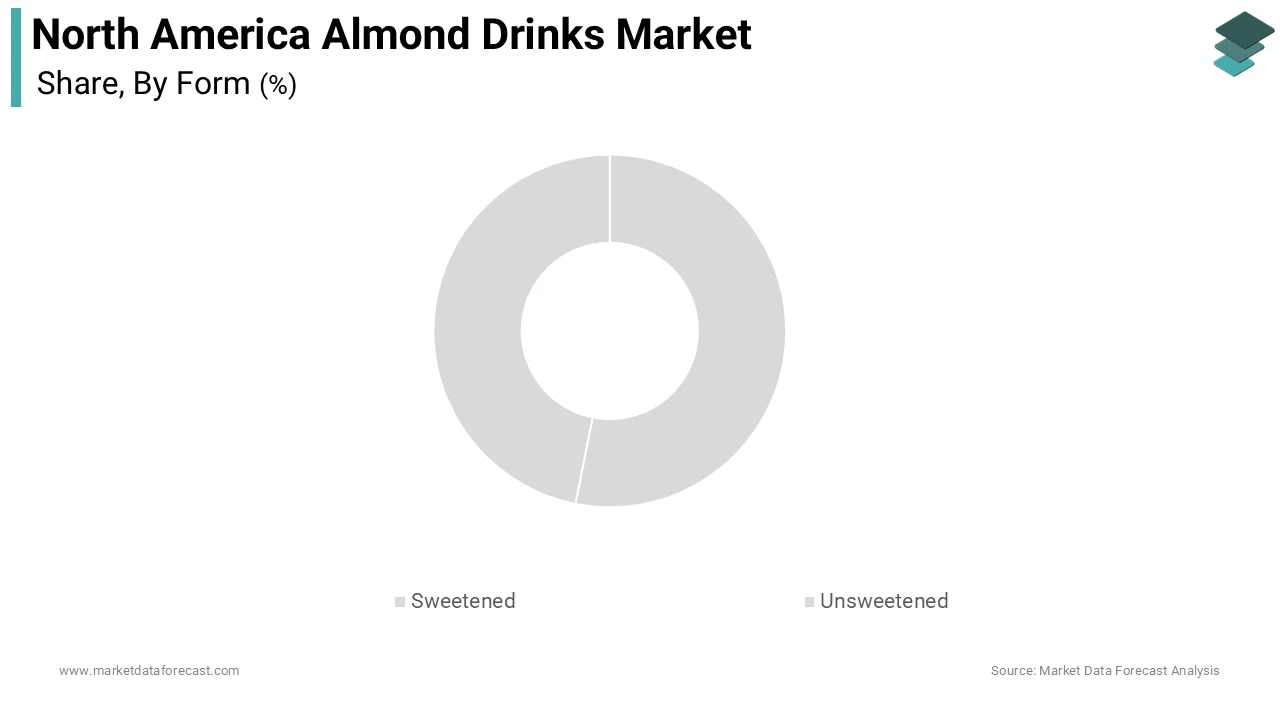
The rising prevalence of diabetes and metabolic disorders in North America sustains the high demand for unsweetened almond drinks as a safe dietary alternative. Managing blood glucose levels is critical for diabetic patients, necessitating the avoidance of beverages with high glycemic indices. According to data published in the National Diabetes Statistics Report by the Centers for Disease Control and Prevention (CDC), an estimated 38.4 million people in the United States have diabetes, representing roughly 11.6% of the population. This significant patient population requires reliable dairy alternatives that do not cause spikes in blood sugar levels. Unsweetened almond milk has a negligible impact on blood glucose due to its low carbohydrate content, making it a preferred choice for daily consumption. The aging population in North America is also more susceptible to insulin resistance, further expanding the consumer base for sugar-free beverages. Healthcare providers frequently advise patients to replace traditional cow milk with unsweetened plant-based options to improve metabolic health. The availability of fortified unsweetened variants ensures that consumers do not compromise on essential nutrients like calcium and vitamin D. This medical endorsement drives consistent purchasing behavior among health focused demographics. The trend toward preventive healthcare encourages early adoption of low-sugar diets, reinforcing the market leadership of unsweetened almond drinks across various retail channels.
The sweetened almond drinks segment is predicted to witness the highest CAGR of 7.2% between 2026 and 2034, owing to their appealing taste and convenience for immediate consumption. Many consumers, particularly children and young adults, find the natural nutty flavor of plain almond milk too bland and prefer the enhanced taste provided by added sweeteners. Vanilla and honey-sweetened variants offer a ready-to-drink experience that mimics the sweetness of traditional flavored milks without the lactose. According to sources, plant-based milk sales volumes have reached household stability across major retail channels, supported by persistent consumer interest in dairy-free breakfast and snack options. The convenience of pre-sweetened beverages appeals to busy households that lack time for customizing drinks at home. Sweetened almond milk is often perceived as a treat or dessert substitute, driving impulse purchases in retail stores. Manufacturers are innovating with natural sweeteners like agave and maple syrup to address health concerns while maintaining palatability. The expansion of ready-to-drink coffee and smoothie cultures also boosts demand for sweetened almond bases. This segment captures consumers who are transitioning from dairy but still crave familiar sweet flavors, ensuring robust growth trajectories.
The expansion of the ready-to-drink coffee and beverage culture in North America significantly boosts the growth of sweetened almond drinks as key ingredients in popular formulations. Coffee shops and quick service restaurants increasingly offer almond milk-based lattes and frappes that require pre-sweetened bases for consistency and speed of service. As per the National Coffee Association (NCA) Data Trends report, approximately 63% of Americans consume coffee daily, with a substantial portion incorporating non-dairy creamers or plant-based milk alternatives into their daily routines. Sweetened almond milk provides the necessary balance of flavor and texture to complement espresso without requiring additional sugar packets. The popularity of cold brew and iced coffee drinks, which often rely on sweetened milks for richness, further drives demand. Consumers appreciate the convenience of purchasing barista-style sweetened almond milk for home use, replicating cafe experiences. Manufacturers collaborate with coffee brands to create specialized sweetened formulations that foam well and resist curdling in hot acids. This synergy between the coffee industry and almond milk producers creates a steady demand pipeline. The social aspect of coffee consumption also promotes trial among peers, accelerating the adoption of sweetened almond variants in mainstream diets.
By Flavor Insights
The vanilla-flavored segment led the North America almond drinks market and captured a significant share in 2025. Its widespread versatility and strong consumer preference for familiar sweet profiles have contributed to the leading position of this segment. Vanilla is universally recognized as a comforting and appealing flavor that enhances the natural nuttiness of almonds without overpowering them. According to formulation data from International Flavors & Fragrances (IFF), vanilla continues to stand as a cornerstone flavor in the global food and beverage industry, relied upon extensively to provide a familiar profile in plant-based product development. This familiarity makes vanilla almond milk an easy transition for consumers switching from cow milk, particularly for use in cereals, smoothies, and baking. The flavor pairs well with a wide range of foods, from oatmeal to desserts, making it a staple in household pantries. Major brands invest heavily in high-quality vanilla extracts to differentiate their products and justify premium pricing. The perception of vanilla as a natural and wholesome ingredient aligns with clean label trends, especially when derived from real vanilla beans. Retailers allocate prominent shelf space to vanilla variants due to their high turnover rates. The consistent demand from both individual consumers and food service establishments ensures that vanilla remains the leading flavor segment. Its ability to appeal to diverse age groups and dietary preferences solidifies its market leadership.
The extensive use of vanilla almond milk in culinary applications drives sustained demand and reinforces its leading position in the market. Home cooks and professional chefs utilize vanilla almond milk as a key ingredient in desserts, sauces, and baked goods to add depth and aroma. As per studies, plant-based dairy alternatives are increasingly integrated into mainstream recipes, expanding consumer access to dairy-free menu items across both commercial and independent kitchens. The flavor enhances the taste of pancakes, waffles, and ice creams, making it indispensable in vegan baking. In addition, the convenience of using a single ingredient that provides both liquid and flavor simplifies recipe preparation for busy consumers. Social media platforms feature numerous recipes highlighting vanilla almond milk, inspiring trial and repeated usage. The compatibility of vanilla with spices like cinnamon and nutmeg makes it ideal for seasonal beverages and holiday treats. Food manufacturers also incorporate vanilla almond milk into ready-to-eat desserts and snack bars, expanding its reach beyond liquid consumption. This multifaceted utility ensures that vanilla-flavored almond drinks remain a core component of the plant-based portfolio, driving consistent volume sales across retail and food service channels.
The chocolate-flavored segment is estimated to register the fastest CAGR of 8.5% during the forecast period due to the trend toward indulgent yet healthier beverage options. Consumers seek satisfying alternatives to traditional chocolate milk that align with their dietary restrictions and health goals. According to research, the better-for-you confectionery sector is increasingly focused on lower-sugar and dairy-free options to accommodate shifting consumer lifestyle preferences. Chocolate almond milk offers a rich and creamy taste that appeals to children and adults alike, serving as a post-workout recovery drink or a bedtime treat. The inclusion of cocoa provides antioxidants, adding a functional benefit that marketers leverage to justify premium positioning. Brands are introducing dark chocolate and double chocolate variants to cater to sophisticated palates seeking intense flavors. The association of chocolate with comfort and reward drives impulse purchases in grocery stores. Schools and daycare centers are increasingly offering chocolate almond milk as a nutritious alternative to dairy chocolate milk, expanding institutional demand. This combination of taste appeal and perceived health benefits fuels the rapid expansion of the chocolate segment.
The rising popularity of functional beverages supports the growth of the chocolate almond drink segment as consumers seek drinks that offer both enjoyment and health benefits. Chocolate almond milk is often fortified with protein, vitamins, and minerals, positioning it as a nutritious option for active lifestyles. According to sources, the global functional beverage market continues to scale steadily, driven by active lifestyle consumers looking for clean-label, protein-rich choices to complement their fitness routines. The natural presence of magnesium and iron in cocoa complements the fortification efforts of manufacturers, enhancing the nutritional profile. Chocolate almond milk serves as a convenient delivery system for these nutrients, appealing to those who dislike pills or powders. The post-exercise recovery market values chocolate beverages for their carbohydrate-to-protein ratio, and almond-based versions offer a dairy-free alternative. Marketing campaigns highlight the energy-boosting and mood-enhancing properties of cocoa, attracting stressed urban consumers. The integration of adaptogens like ashwagandha into chocolate almond milk further differentiates products in the crowded functional space. This strategic alignment with wellness trends ensures that chocolate almond drinks continue to capture new customer segments seeking holistic health solutions.
By Application Insights
In 2025, the beverages segment held the majority share of the North America almond drinks market because almond milk is primarily consumed as a direct drinking product or as a base for hot and cold drinks. The cultural shift toward plant-based diets has made almond milk a staple breakfast beverage and a popular addition to coffee and tea. According to The Good Food Institute (GFI), plant-based milk alternatives represent approximately 13% of all retail milk dollar sales in the United States, with almond milk sustaining a major share of the segment. The convenience of ready-to-drink formats appeals to busy consumers who prioritize speed and ease of preparation. Almond milk lattes and smoothies have become mainstream offerings in coffee shops, driving significant volume sales outside the home. The versatility of almond milk in blending with fruits and vegetables for smoothies further expands its usage occasions. Consumers appreciate the light texture and mild flavor that does not overpower other ingredients in mixed drinks. The habit of replacing cow milk with almond milk in daily routines ensures consistent repeat purchases. This direct consumption model creates a stable and predictable demand stream that anchors the overall market growth. The widespread availability in single-serve packs also supports on-the-go consumption patterns.
The thriving coffee shop culture in North America reinforces the leadership of the beverages segment by normalizing the use of almond milk in specialty drinks. Baristas and cafes have embraced almond milk for its ability to froth and complement espresso flavors, making it a preferred choice for lattes and cappuccinos. As per Starbucks Corporation, alternative milks are treated as a permanent infrastructure standard for beverage personalization, responding to multi-year global shifts toward customizable cold espresso drinks. The social experience of visiting cafes encourages consumers to try new combinations, leading to home adoption of similar practices. Marketing collaborations between almond milk brands and coffee chains enhance brand visibility and credibility among target audiences. The perception of almond milk as a premium ingredient in artisanal coffee drinks elevates its status beyond a simple commodity. Home brewing equipment sales have also risen, with consumers investing in machines that handle plant-based milks effectively. This ecosystem of coffee consumption creates a loyal customer base that regularly purchases almond milk for both out-of-home and at-home use. The integration of almond milk into the daily ritual of coffee drinking ensures its enduring presence in the beverage sector.
The desserts segment is anticipated to witness the fastest CAGR of 9.1% from 2026 to 2034. This quick surge of the segment is fuelled by the surge in vegan baking and dairy-free confectionery. Consumers are increasingly seeking plant-based alternatives for cakes, cookies, ice creams, and puddings to align with ethical and health preferences. According to the Plant-Based Foods Association (PBFA), plant-based dessert manufacturers are prioritizing formulation updates and advanced texture refinement to maintain premium shelf placements inside retail frozen food cases. Almond milk provides the necessary moisture and fat content for baking without the heaviness of dairy cream, resulting in lighter and healthier treats. The rise of home baking during recent years has educated consumers on how to substitute dairy with plant-based milks effectively. Social media influencers share countless vegan dessert recipes featuring almond milk, inspiring trial and experimentation. Premium ice cream brands have launched almond milk-based lines that mimic the creaminess of traditional dairy, attracting indulgent shoppers. The availability of specialized baking blends with almond milk further simplifies the process for amateur cooks. This culinary innovation drives rapid adoption in the desserts category, outpacing other application segments.
Innovation in plant-based confectionery accelerates the adoption of almond milk in the desserts segment by addressing previous limitations in texture and taste. Food scientists have developed techniques to enhance the creaminess and stability of almond milk in frozen and baked applications, making it a viable substitute for heavy cream and butter. According to the Journal of Food Science, innovative applications of plant-derived stabilizers and specialized structural lipids are utilized by processors to enhance structural stability and replicate the traditional mouthfeel of conventional dairy matrices. Major confectionery companies are launching almond milk chocolates and caramels that appeal to lactose-intolerant and vegan consumers. The premium positioning of these products allows for higher price points, encouraging investment in research and development. Retailers are dedicating specific aisles to vegan sweets, increasing visibility and accessibility for almond milk-based desserts. The celebration of holidays and special occasions with inclusive dessert options drives seasonal spikes in demand. Consumer willingness to pay for high-quality vegan treats supports the growth of this segment. The continuous improvement in product quality ensures that almond milk desserts are no longer seen as compromises but as desirable choices in their own right.
By Distribution Channel Insights
The supermarkets and hypermarkets segment was the largest in the North America almond drinks market and occupied a commanding share in 2025. This supremacy of the segment was credited to its wide accessibility, extensive product variety, and consumer trust. These retail giants offer a one-stop shopping experience where consumers can purchase almond milk alongside other groceries, ensuring convenience and efficiency. According to the USDA Economic Research Service (ERS), traditional supermarkets represent more than one-third of total U.S. food-at-home expenditures, serving as a critical mainstream platform for commercial plant-based beverage placement. The physical presence of products allows customers to inspect packaging, check expiration dates, and compare prices easily. Moreover, the ability to buy in bulk at competitive prices appeals to families and regular consumers who prioritize value. Supermarkets also offer private-label almond milk options that cater to budget-conscious shoppers, expanding the total addressable market. The trusted reputation of major retail chains reassures consumers about product quality and safety. Regular foot traffic in these stores ensures consistent visibility for almond milk brands. The integration of loyalty programs and digital coupons further incentivizes purchases within these channels. This dominant retail infrastructure provides a stable foundation for market growth and brand establishment.
Established supply chains and logistics networks support the dominance of supermarkets and hypermarkets in the almond drinks market by ensuring consistent product availability and freshness. Large retail chains have sophisticated distribution systems that minimize stockouts and maintain optimal inventory levels across thousands of stores. According to the Consumer Brands Association (CBA), optimized multi-channel logistics networks and enhanced inventory management are vital to minimizing cross-docking waste and stabilizing shelf availability for perishable grocery items. The cold chain infrastructure ensures that refrigerated almond milk products remain fresh from warehouse to shelf, maintaining quality standards. Also, the reliability builds consumer confidence in supermarkets as a dependable source for daily essentials. The ability to handle large volumes allows supermarkets to negotiate favorable terms with suppliers, passing savings to customers. Seasonal promotions and bundle deals are easily executed through these robust networks, driving sales spikes. The geographic coverage of major supermarket chains ensures that almond milk is accessible even in rural and suburban areas. This logistical advantage creates a high barrier to entry for smaller distribution channels, reinforcing the leadership of supermarkets in the market.
The online stores segment is likely to experience the fastest CAGR of 10.5% over the forecast period. This rapid expansion of the segment is propelled by the convenience of home delivery and subscription services. Consumers increasingly prefer the ease of ordering groceries online to save time and avoid crowded stores. Subscription models offered by e-commerce giants allow customers to receive regular shipments of almond milk automatically, ensuring they never run out of stock. As per Brick Meets Click, automated replenishment programs and digital subscription options provide a high-frequency, reliable fulfillment loop for household staple items like non-dairy milks. The ability to compare prices and read reviews online empowers consumers to make informed purchasing decisions. Niche brands that may not have shelf space in physical stores can reach wider audiences through online marketplaces. The availability of bulk discounts and free shipping thresholds further incentivizes online purchases. Mobile apps provide personalized recommendations and reminders, enhancing customer engagement. The pandemic accelerated the adoption of online grocery shopping, a habit that has persisted due to its inherent convenience. This digital shift ensures that online stores continue to capture a growing share of the almond drinks market.
Digital marketing and personalization strategies drive the expansion of the online distribution channel for almond drinks by targeting specific consumer segments with tailored messages. E-commerce platforms utilize data analytics to understand purchasing patterns and recommend relevant products to users. According to sources, companies that deploy advanced data personalization models routinely see a 10% to 15% increase in total revenue generation. Social media advertising directs traffic to online stores where exclusive bundles and limited-edition flavors are available. The ability to showcase detailed product information and sustainability credentials online appeals to ethically conscious buyers. Virtual tastings and influencer collaborations hosted on digital platforms create buzz and drive traffic to online storefronts. The seamless integration of payment and delivery options reduces friction in the buying process. Customer service chatbots provide instant assistance, resolving queries and building trust. The flexibility of online shopping allows consumers to explore new brands without geographical constraints. These digital advantages create a dynamic and engaging shopping environment that fosters loyalty and repeat purchases, fueling the rapid growth of the online channel.
REGIONAL ANALYSIS
United States Almond Drinks Market Analysis
The United States outperformed other countries in the North American almond drinks market and secured an 84.9% share in 2025. Factors such as high consumption levels and robust domestic production capabilities fuel the prominence of this regional market. The country is the world’s largest producer of almonds, with California providing the majority of the global supply, ensuring cost-effective raw material access for manufacturers. According to the United States Department of Agriculture (USDA) National Agricultural Statistics Service, California produced 2.45 billion pounds of almonds in 2024, down 7% from the initial subjective forecast but still supporting a vast network of processing facilities. The high prevalence of lactose intolerance and the strong trend toward veganism in the United States create a large and loyal consumer base for almond milk. As per the Plant Based Foods Association (PBFA), plant-based milk is a massive domestic powerhouse purchased by 43% of U.S. households, reflecting deep localized market penetration rather than a literal majority share of the global total. The presence of major multinational beverage companies and innovative startups fosters intense competition and continuous product innovation. Well-established retail infrastructure ensures widespread availability of almond drinks in supermarkets, convenience stores, and online platforms. Federal and state initiatives promoting sustainable agriculture further support the almond industry. The cultural acceptance of plant-based diets in urban centers drives mainstream adoption. This combination of supply-side strengths and demand-side dynamics solidifies the United States as the central hub for the almond drinks market in North America.
Canada Almond Drinks Market Analysis
Canada saw steady growth in the almond drinks market, supported by its health-conscious demographics and increasing adoption of plant-based diets. Canadian consumers are increasingly prioritizing wellness and sustainability, influencing their purchasing decisions toward dairy-free alternatives. As per a study, oat-based formulations and plant-based dairy in Canada are projected to expand significantly through 2031, establishing non-dairy products as a key growth contributor. The government’s dietary guidelines encourage the consumption of plant-based proteins, further boosting demand. According to the Journal of Dairy Science, the long-term decline in fluid milk consumption is predominantly driven by other lifestyle factors, as the rise in plant-based alternatives only accounted for approximately 5% of that total dairy drop. Major retail chains in Canada have expanded their private-label almond milk offerings, making them more affordable for average households. The proximity to United States processing facilities ensures a steady supply of high-quality almond ingredients. Environmental awareness regarding water usage has led to increased demand for sustainably sourced almond products. Urban centers like Toronto and Vancouver are hubs for vegan and vegetarian communities, driving niche market growth. The integration of almond milk into mainstream coffee chains and restaurants enhances visibility. These factors contribute to a resilient and growing market environment in Canada characterized by quality consciousness and ethical consumption.
COMPETITION OVERVIEW
The competition in the North American almond drinks market is characterized by the presence of established dairy giants, specialty plant-based brands, and emerging artisanal producers. Major players leverage economies of scale and extensive distribution networks to offer competitive pricing and wide availability. The market features high fragmentation with numerous private label options from retailers challenging branded products on price. Competition is driven largely by product quality, taste consistency, and nutritional benefits rather than just cost alone. Innovation in flavor profiles and functional ingredients serves as a key differentiator among competitors seeking to capture niche segments. Sustainability credentials and ethical sourcing practices increasingly influence consumer choices and brand loyalty. Regulatory compliance regarding labeling and health claims shapes marketing strategies and product positioning. The entry of new startups with unique value propositions intensifies pressure on incumbents to continuously innovate and adapt. Strategic collaborations with food service providers and retail chains enhance market penetration and visibility. The dynamic interplay between brand heritage and modern health trends requires participants to maintain agile operational strategies. This competitive environment fosters continuous improvement in product quality and consumer engagement across the region.
KEY MARKET PLAYERS
Companies playing a key role in the North American almond drink market include
- Pressery
- Fuerst Day Lawson
- Alpro
- The Luz Almond Company Pty Ltd
- Provamel
- Dream
- Malk Organics
- Natura Foods
- Nutriops S.L.
- Blue Diamond Growers
- Rude Health
Top Strategies Used by Key Market Participants
Key players in the North American almond drinks market primarily employ product innovation strategies to differentiate their offerings and attract health-conscious consumers. Companies invest heavily in research and development to create new flavors, functional fortifications, and clean label formulations. Strategic partnerships with coffee chains and food service providers facilitate broader distribution and brand visibility in out-of-home consumption settings. Participants focus on sustainability initiatives such as water conservation and eco-friendly packaging to align with environmental values and regulatory expectations. Expansion into organic and non genetically modified organism segments allows firms to capture premium pricing and loyal customer bases. Digital marketing and direct-to-consumer channels enhance engagement and provide valuable data for personalized promotions. Mergers and acquisitions enable larger corporations to consolidate market presence and acquire innovative startups. These combined strategies help market leaders maintain a competitive advantage and respond effectively to changing consumer preferences and dietary trends in the dynamic plant-based beverage landscape.
Leading Players in the North America Almond Drinks Market
- Blue Diamond Growers operates as a global leader in almond processing and significantly influences the North American almond drinks market through its extensive product portfolio. The cooperative leverages its direct access to California almond growers to ensure high-quality raw materials for its beverage production. Recent actions include launching new barista series formulations designed specifically for coffee applications to capture the growing cafe segment. Blue Diamond focuses on sustainable farming practices and water conservation initiatives to address environmental concerns associated with almond cultivation. These efforts strengthen its brand reputation among eco-conscious consumers and retail partners. The company also invests in innovative packaging solutions to extend shelf life and reduce plastic waste. By maintaining strong relationships with major retailers and food service providers, Blue Diamond ensures widespread distribution and visibility. Its commitment to research and development allows for continuous improvement in taste and texture. This strategic focus on quality and sustainability solidifies its position as a key contributor to the regional market growth and consumer satisfaction.
- Silk Brand belongs to Danone North America and plays a pivotal role in shaping consumer preferences for plant-based beverages across the region. The brand is renowned for its early entry into the almond milk sector and its consistent innovation in flavor profiles and nutritional fortification. Recent actions include expanding its organic product line to meet the rising demand for clean-label ingredients among health-conscious buyers. Silk actively engages in educational campaigns to highlight the benefits of plant-based diets and lactose-free options. The company collaborates with chefs and nutritionists to promote versatile culinary uses of almond milk. Silk also prioritizes supply chain transparency by sourcing almonds from certified sustainable farms. These initiatives enhance consumer trust and loyalty while differentiating the brand in a competitive landscape. By leveraging the global resources of Danone, Silk maintains robust distribution networks and marketing capabilities. This combination of heritage and innovation ensures its continued relevance and leadership in the evolving plant-based beverage industry.
- Califia Farms has emerged as a dynamic participant in the North American almond drinks market by focusing on premium quality and unique flavor combinations. The company distinguishes itself through small batch production methods and a commitment to using non-genetically modified organism ingredients. Recent actions include introducing limited edition flavors such as vanilla bean and unsweetened original to cater to diverse consumer tastes. Califia Farms emphasizes local sourcing and community engagement to build strong brand affinity in key urban markets. The brand actively participates in health and wellness festivals to connect directly with target audiences. Its packaging design reflects a modern and artisanal aesthetic that appeals to younger demographics. Califia Farms also invests in digital marketing strategies to reach online shoppers and subscription-based customers. By prioritizing taste and quality over mass production, the company captures niche segments willing to pay for premium products. This focused approach allows Califia Farms to compete effectively against larger corporations by offering differentiated value propositions and authentic brand stories.
MARKET SEGMENTATION
This research report on the North America almond drinks market has been segmented and sub-segmented based on form, flavor, application, distribution channel, and region.
By Form
- Sweetened
- Unsweetened
By Flavor
- Chocolate
- Vanilla
- Plain
- Others
By Application
- Desserts
- Cheese and Snacks
- Beverages
- Cosmetics
By Distribution Channel
- Online Retail
- Hypermarkets and Supermarkets
- Departmental Stores
- Convenience Stores
By Country
- U.S
- Canada
- Mexico
- Rest of North America