- Product Description Description
- Table of Contents TOC
- List of Table & Figure LOT
- Get Free Sample PDF Sample PDF
Market Size, 2025
$17.28 BnMarket Estimate, 2026
$17.85 BnMarket Forecast, 2034
$23.09 BnCAGR, 2026–2034
3.27%North America Cakes Market Size
The North American cakes market size was valued at USD 17.28 billion in 2025, and the market size is expected to be valued at USD 17.85 billion in 2026 and will reach USD 23.09 billion by 2034. and is estimated to be growing at a CAGR of 3.27% from 2026 to 2034.
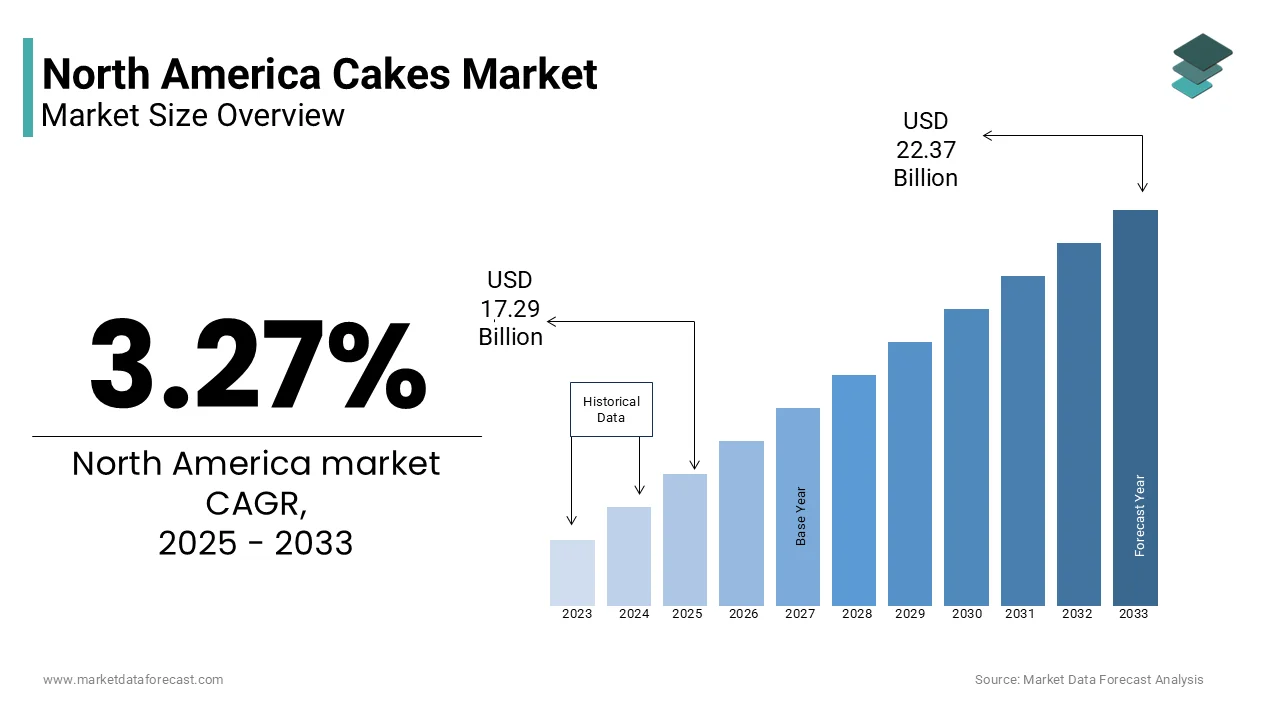
The cake is baked goods ranging from traditional layer cakes to innovative artisanal creations that serve as central elements in celebratory and daily consumption rituals across the United States and Canada. As per the United States Department of Agriculture, the per capita consumption of wheat flour which is a primary ingredient in cake production remained steady at approximately 130 pounds per person in recent years indicating a stable foundational demand for baked goods. Furthermore, data from Statistics Canada reveals that household spending on bakery products including cakes has shown resilience with Canadians allocating a significant portion of their food budget to these items despite inflationary pressures. The integration of advanced baking technologies and the proliferation of specialty bakeries have further refined product offerings catering to nuanced taste preferences. The market is characterized by a blend of large-scale industrial manufacturers and small batch artisanal producers who collectively drive innovation and variety.
MARKET DRIVERS
Rising Prevalence of Celebratory Culture and Social Gatherings Drives Consistent Demand for Premium Cake Products
The enduring tradition of celebrating life events through shared desserts is greatly influencing the growth of the North America Cakes Market. Social gatherings such as birthdays anniversaries and weddings are incomplete without a centerpiece cake which transforms the product from a mere food item into a symbolic necessity. According to the National Retail Federation, consumer spending on celebrations remains robust with Americans projected to spend billions annually on holiday and event related purchases including baked goods. This cultural imperative ensures that demand for cakes remains inelastic to some extent as consumers prioritize quality and presentation for memorable occasions. The trend towards experiential consumption has further amplified this driver as individuals seek unique and Instagram worthy cake designs that reflect personal style and status. Moreover, the rise of social media platforms has intensified the visual appeal requirement prompting bakeries to invest in artistic decoration and innovative flavors. This shift has elevated the perceived value of cakes allowing manufacturers to command higher price points for premium offerings. The psychological association between cakes and joy reinforces repeat purchases while the expanding demographic of millennials and Gen Z consumers who prioritize experiential spending continues to fuel market growth.
Increasing Consumer Preference for Convenience and Ready to Eat Indulgent Treats Supports Market Expansion
The accelerating pace of modern life has significantly heightened the demand for convenient food solutions including ready to eat cakes, which is also impacting positively on the growth of North America cake market. Consumers increasingly prioritize time saving options without compromising on taste or quality leading to a surge in the popularity of pre packaged and individually portioned cake products. As per the International Food Information Council, a substantial%age of consumers indicate that convenience is a top factor influencing their food purchasing decisions reflecting a broader shift towards hassle free dining experiences. The retail landscape has adapted to this demand by expanding shelf space for single serve cakes and cake slices which cater to immediate consumption needs. Additionally, the growth of online grocery shopping and food delivery services has made it easier for consumers to access a wide variety of cake products from the comfort of their homes. This accessibility has broadened the customer base and increased purchase frequency. Manufacturers are responding by investing in packaging innovations that preserve freshness and enhance portability. The convergence of convenience and indulgence has created a lucrative niche within the market where brands that offer high quality easy to consume cake options are gaining significant traction among busy consumers seeking momentary escapes through sweet treats.
MARKET RESTRAINTS
Growing Health Consciousness and Demand for Reduced Sugar Alternatives Restrict Traditional Cake Consumption
The rising awareness of health and wellness that is for reduced sugar alternatives is solely degrading the growth of North America cakes market. Increasing prevalence of lifestyle related diseases such as obesity and diabetes has prompted individuals to scrutinize their dietary choices leading to a decline in the consumption of high sugar and high calorie foods. According to the Centers for Disease Control and Prevention, the prevalence of obesity in the United States remains high affecting more than 40% of adults which has spurred a collective move towards healthier eating habits. This shift has resulted in a cautious approach towards indulgent desserts including conventional cakes which are often perceived as unhealthy due to their high content of refined sugars and fats. The demand for low sugar keto friendly and gluten free alternatives has grown substantially forcing traditional manufacturers to reformulate their products or risk losing market share. This trend challenges established brands that rely on traditional recipes rich in sugar and butter. Furthermore, the regulatory environment is becoming stricter with potential taxes on sugary products being discussed in various jurisdictions adding another layer of complexity. Consumers are increasingly opting for fruit-based desserts or smaller portion sizes as substitutes for full sized cakes. Manufacturers face the dual challenge of maintaining taste and texture while reducing unhealthy components a technical hurdle that requires significant research and development investment.
Volatility in Raw Material Prices and Supply Chain Disruptions Impact Production Costs and Profitability
The fluctuating costs of key ingredients, such as wheat sugar eggs and dairy products is also degrading the growth of North America cakes market. These raw materials are subject to global commodity market dynamics weather conditions and geopolitical tensions which can lead to unpredictable price spikes. According to the United States Department of Agriculture, prices for agricultural commodities have experienced significant volatility in recent years due to factors such as climate change induced droughts and international trade disruptions. This instability directly affects the cost structure of cake manufacturers squeezing profit margins and forcing difficult pricing decisions. When input costs rise manufacturers must either absorb the expenses thereby reducing profitability or pass them on to consumers which may dampen demand especially in price sensitive segments. The supply chain for these ingredients is also vulnerable to disruptions caused by labor shortages transportation bottlenecks and logistical challenges. Small and medium sized bakeries are particularly vulnerable to these fluctuations as they lack the economies of scale to negotiate better prices or hedge against risks. Additionally, the reliance on specific suppliers for high quality ingredients can create dependencies that exacerbate supply chain risks. Manufacturers are compelled to diversify their supplier base and explore alternative sourcing strategies to mitigate these impacts.
MARKET OPPORTUNITIES
Expansion of E Commerce Platforms and Direct to Consumer Models Offers New Growth Avenues
The rapid digitization of retail channels to reach broader audiences and enhance customer engagement is certainly creating new opportunities for the growth of North America cakes market. The proliferation of e-commerce platforms and direct to consumer business models allows bakeries to bypass traditional retail intermediaries and establish direct relationships with customers. According to the United States Census Bureau, e-commerce sales have continued to grow steadily accounting for an increasing share of total retail sales which underscores the shifting consumer preference for online shopping. This digital transition enables cake manufacturers to offer a wider variety of products including customized and artisanal options that may not be available in physical stores. The ability to personalize orders through online interfaces enhances the customer experience and fosters brand loyalty. Furthermore, the integration of advanced logistics and cold chain solutions has made it feasible to deliver fresh and frozen cakes across longer distances expanding the geographic reach of local and regional brands. This trend opens up opportunities for niche players to compete with larger incumbents by leveraging digital marketing and targeted advertising to reach specific consumer segments. Subscription models for regular cake deliveries are also gaining traction providing a steady revenue stream and enhancing customer retention.
Innovation in Plant Based and Allergen Free Cake Formulations Captures Emerging Consumer Segments
The growing demand for plant based and allergen free food products for innovation is also to set up new opportunities for the growth of North America Cakes Market. As consumer awareness of ethical environmental and health issues rises there is an increasing preference for cakes that align with vegan vegetarian and allergen free lifestyles. According to the Plant Based Foods Association, sales of plant based foods have surged indicating a strong market potential for dairy free and egg free cake alternatives. Manufacturers can develop innovative formulations using alternative ingredients such as almond milk oat flour and flax eggs that mimic the texture and taste of traditional cakes. Data from Mintel reveals that a significant number of consumers actively seek out products labeled as free from common allergens such as gluten nuts and dairy reflecting a broader trend towards inclusive food options. By catering to these specific dietary needs brands can tap into underserved market segments and differentiate themselves in a crowded marketplace. Additionally, the emphasis on sustainability appeals to environmentally conscious consumers who prefer products with lower carbon footprints. Collaborations with ingredient suppliers to source high quality plant based alternatives can enhance product credibility and appeal. The development of clean label plant based cakes that avoid artificial additives further strengthens the value proposition.
MARKET CHALLENGES
Intense Competition from Substitute Desserts and Alternative Snacking Options Threatens Market Share
The wide array of substitute desserts and alternative snacking options that cater to changing consumer preferences is one of the challenges for the growth of North America cakes market. The availability of diverse indulgent treats such as ice cream cookies pastries and artisanal chocolates provides consumers with numerous alternatives for satisfying their sweet cravings. According to the International Dairy Foods Association, ice cream consumption remains high in North America with many consumers preferring it as a quicker and often perceived lighter alternative to cake. Additionally, the rise of healthy snacking trends has introduced products such as protein bars fruit snacks and yogurt covered items that compete for the same discretionary spending. This fragmentation of the dessert category dilutes the share of wallet allocated to cakes. Furthermore, the emergence of hybrid desserts that combine elements of cakes with other formats such as cake pops or cupcake hybrids adds to the competitive pressure. These alternatives often offer greater convenience and novelty appealing to younger demographics who prioritize variety and experimentation. Traditional cake manufacturers must therefore innovate continuously to maintain relevance and appeal. The challenge lies in differentiating cakes as a superior choice for celebration and indulgence amidst a sea of convenient and diverse alternatives.
Stringent Food Safety Regulations and Labeling Requirements Increase Compliance Burdens
The high regulated environment, where stringent food safety standards and labeling requirements impose significant compliance burdens on manufacturers is also to set up new opportunities for the growth of North America cake market. Regulatory bodies such as the Food and Drug Administration in the United States and the Canadian Food Inspection Agency in Canada enforce rigorous guidelines regarding ingredient sourcing production hygiene and nutritional labeling. According to the Food and Drug Administration recent updates to nutrition labeling rules require clearer disclosure of added sugars and other nutritional information which necessitates changes in packaging and formulation strategies. Compliance with these regulations involves substantial investment in quality control systems staff training and documentation processes. Data from the Grocery Manufacturers Association highlights that regulatory compliance costs constitute a significant portion of operational expenses for food manufacturers particularly for small and medium enterprises. The complexity of managing allergen cross contamination and ensuring traceability throughout the supply chain further adds to the operational challenges. Any lapse in compliance can result in costly recalls legal penalties and reputational damage which can severely impact business continuity. Additionally, the varying regulatory landscapes across different states and provinces require manufacturers to navigate a patchwork of rules increasing administrative complexity. The push for transparency in labeling also means that manufacturers must meticulously verify claims such as organic non GMO or gluten free to avoid misleading consumers. These regulatory pressures necessitate continuous monitoring and adaptation of business practices.
REPORT COVERAGE
| REPORT METRIC | DETAILS |
| Market Size Available | 2025 to 2034 |
| Base Year | 2025 |
| Forecast Period | 2026 to 2034 |
| CAGR | 3.27% |
| Segments Covered | By Type, Mixing Method, Distribution Channel, and Region |
| Various Analyses Covered | Global, Regional, & Country Level Analysis; Segment-Level Analysis; DROC, PESTLE Analysis; Porter’s Five Forces Analysis; Competitive Landscape; Analyst Overview of Investment Opportunities |
| Regions Covered | U.S., Canada and Rest of North America |
| Market Leaders Profiled | Mondelēz International, Kellogg NA Co., Canyon Bakehouse LLC, Bimbo Bakeries USA, and Hostess Brands |
SEGMENTAL ANALYSIS
By Type Insights
The dessert cake segment was the largest by holding 45.4% of the North America Cakes Market share in 2025 due to its broad appeal and integration into daily dining routines. Unlike occasion specific cakes such as wedding varieties dessert cakes are consumed regularly as after meal treats or afternoon snacks ensuring consistent demand throughout the year. According to the National Association of Convenience Stores, impulse purchases of single serve desserts including slice cakes remain a significant revenue driver with convenience retailers reporting steady sales growth in this category. The versatility of dessert cakes allows manufacturers to innovate with flavors textures and formats ranging from chocolate fudge to fruit infused varieties which cater to diverse consumer preferences. Data from the International Dairy Foods Association highlights that dairy based desserts continue to be popular among North American consumers who associate them with comfort and indulgence. The widespread availability of dessert cakes in supermarkets convenience stores and food service outlets further reinforces their market leadership. Manufacturers leverage seasonal trends to introduce limited edition flavors keeping the product line fresh and engaging for repeat customers. The psychological reward associated with consuming a sweet treat after a meal drives habitual purchasing behavior making dessert cakes a staple in household grocery lists.

The cup cake segment is projected to register a fastest CAGR of 6.8% during the forecast period. The growth of the segment is likely to grow with consumer preference for portion controlled and customizable treats. Cup cakes offer the advantage of individual servings which aligns with the growing demand for moderation and waste reduction among health conscious consumers. According to the United States Department of Agriculture data on food waste indicates that single serve packaging helps reduce leftovers and promotes responsible consumption habits. This format allows consumers to indulge in multiple flavors without committing to a large cake thereby enhancing the overall experience. The customization potential of cup cakes is another significant driver as bakeries offer extensive options for toppings fillings and decorations enabling personalization for various occasions. The visual appeal of decorated cup cakes makes them highly shareable on social media platforms driving viral marketing and brand awareness. Additionally, the ease of transport and serving makes cup cakes a preferred choice for parties corporate events and school gatherings. Manufacturers are leveraging this trend by introducing innovative flavor combinations and dietary specific options such as gluten free or vegan cup cakes. The flexibility of the cup cake format allows for rapid product innovation and seasonal adaptations keeping the segment dynamic and attractive to a wide demographic.
By Mixing Method Insights
The shortened cake segment was accounted in holding 38.4% of the North America Cakes Market share in 2025 with its enduring popularity and characteristic tender texture. Shortened cakes which include varieties such as butter cakes and pound cakes rely on fat content to achieve their moist and rich consistency making them a favorite among consumers seeking classic indulgence. According to the American Bakers Association traditional cake recipes remain the backbone of the industry with shortened cakes accounting for the majority of packaged and bakery fresh sales. The familiarity and comfort associated with these cakes ensure consistent demand across all age groups and demographics. Data from the Hartman Group suggests that consumers often revert to traditional flavors and textures during times of uncertainty seeking comfort in familiar foods. The versatility of shortened cakes allows them to serve as bases for various desserts including layered cakes tortes and filled creations enhancing their utility in both home and commercial settings. Manufacturers benefit from established production processes and supply chains for key ingredients such as butter and shortening which support efficient large-scale manufacturing. Consumer loyalty to these traditional products provides a stable revenue base that withstands market fluctuations. Furthermore, the ability to incorporate various mix ins such as chocolate chips nuts or fruits allows for product differentiation while maintaining the core identity of the segment.
The flourless cake segment is esteemed to witness a fastest CAGR of 7.2% from 2026 to 2034 with the rising demand for gluten free and alternative ingredient based desserts. As consumer awareness of celiac disease gluten sensitivity and general health wellness increases there is a shifting preference towards cakes that do not rely on traditional wheat flour. According to the Celiac Disease Foundation, millions of Americans are affected by gluten related disorders necessitating strict dietary adherence which has expanded the market for gluten free baked goods. Flourless cakes typically utilize alternatives such as almond flour coconut flour or chocolate which offer distinct nutritional profiles and flavors appealing to health conscious consumers. The perception of flourless cakes as potentially lower in carbohydrates or richer in protein depending on the base ingredient further enhances their appeal. Manufacturers are investing in research and development to improve the texture and taste of flourless varieties addressing previous concerns about dryness or crumbliness. The premium positioning of these cakes allows for higher price points attracting affluent consumers willing to pay for specialized dietary options. Retailers are dedicating more shelf space to gluten free sections facilitating easier access for target consumers.
By Distribution Channel Insights
The supermarkets segment held 50.4% of the North America Cakes Market share in 2025 due to its extensive reach and the convenience of one stop shopping for consumers. Supermarkets provide a comprehensive selection of cake products ranging from packaged mixes to fresh bakery items catering to diverse consumer needs and preferences. According to the Food Marketing Institute, the majority of North American households rely on supermarkets for their primary grocery shopping ensuring high foot traffic and consistent exposure for cake products. The ability of supermarkets to offer competitive pricing through economies of scale and private label options makes them an attractive channel for budget conscious shoppers. The presence of in store bakeries within supermarkets adds value by providing fresh customized cakes for immediate purchase enhancing the shopping experience. Consumers appreciate the convenience of purchasing cakes alongside other household essentials reducing the need for multiple shopping trips. Supermarkets also leverage loyalty programs and digital coupons to drive repeat purchases and engage customers effectively. The trust associated with established supermarket chains reassures consumers regarding product quality and safety further reinforcing their preference for this channel. The integration of online ordering and curbside pickup services has further strengthened the position of supermarkets by adapting to changing consumer behaviors.
The online stores segment is projected to register a fastest CAGR of 9.5% from 2026 to 2034 with the rapid adoption of digital platforms and the expansion of direct to consumer delivery models. The convenience of browsing and ordering cakes from home coupled with reliable delivery services has transformed consumer purchasing behavior. According to the United States Census Bureau, e-commerce sales in the food and beverage category have surged reflecting a broader shift towards online shopping for perishable goods. Advanced logistics and cold chain technologies have enabled bakeries to ship fresh and frozen cakes safely across long distances expanding their market reach beyond local boundaries. The ability to customize orders and access a wider variety of artisanal and niche products online appeals to consumers seeking unique options not available in physical stores. Subscription services for regular cake deliveries are gaining popularity offering convenience and predictable revenue streams for businesses. Social media integration allows brands to showcase their products visually and link directly to online stores facilitating seamless transactions. The pandemic accelerated this trend with many consumers adopting online shopping as a primary mode of purchase a habit that has persisted post pandemic.
REGIONAL ANALYSIS
United States Cakes Market Analysis
The United States was the top performer in the North America Cakes Market by accounting for 85.3% of the share in 2025 with its large population robust economy and deeply ingrained celebratory culture. The high consumption levels and a diverse range of product offerings from mass produced packaged cakes to artisanal boutique creations. According to the United States Department of Agriculture, the country is a major producer of wheat and sugar which are essential ingredients for cake production ensuring a stable and cost effective supply chain. The prevalence of celebrations such as birthdays weddings and holidays drives consistent demand with the National Retail Federation reporting billions of dollars in annual spending on celebratory goods. The rise of health consciousness has led to innovation in healthier cake options including gluten free and low sugar varieties catering to evolving consumer preferences. The widespread adoption of e-commerce has further expanded market reach allowing consumers to access a wide variety of cakes from across the country. Urban centers are seeing a surge in specialty bakeries that focus on premium and customized products appealing to affluent consumers.
Canada Cakes Market Analysis
Canada Cakes Market was ranked second by holding 12.4% of share in 2025 with a strong emphasis on quality and artisanal products. According to Statistics Canada, household spending on bakery products has remained stable with consumers showing a willingness to pay for high quality and locally sourced items. The cold climate in many regions supports the consumption of rich and indulgent desserts providing comfort during winter months. Urban centers like Toronto and Vancouver are hubs for innovative bakeries that experiment with unique flavors and designs attracting food enthusiasts. The regulatory environment emphasizes clear labeling and food safety which builds consumer trust in bakery products. E-commerce adoption is growing with online platforms enabling access to specialty cakes in remote areas.
COMPETITIVE LANDSCAPE
The North America Cakes Market features intense competition characterized by a mix of large multinational corporations and numerous local artisanal bakeries. Established brands leverage economies of scale extensive distribution networks and strong brand recognition to maintain dominance. However, niche players gain traction by offering specialized products such as organic gluten free or custom designed cakes that appeal to specific consumer segments. Innovation plays a critical role as companies continuously introduce new flavors textures and formats to differentiate themselves. Price wars are common particularly in the packaged cake segment where private labels exert pressure on national brands. Digital transformation has leveled the playing field allowing smaller businesses to reach wider audiences through online platforms and social media marketing. Supply chain efficiency and ingredient sourcing capabilities are key differentiators impacting cost structures and product quality.
KEY MARKET PLAYERS
Some major players dominating the North American cakes market are
- Mondelēz International
- Kellogg NA Co.
- Canyon Bakehouse LLC
- Bimbo Bakeries USA
- Hostess Brands
Top Players in the Market
- Entenmanns remains a cornerstone of the North America Cakes Market by delivering consistent quality and widespread availability through major retail channels. The brand focuses on producing moist and flavorful cakes that appeal to families seeking convenient dessert options for daily consumption and special occasions. Recent initiatives include reformulating products to reduce artificial ingredients and introducing single serve packages to align with modern snacking habits. Entenmanns leverages its strong distribution network to ensure product freshness and visibility in supermarkets across the United States. The company actively engages consumers through digital marketing campaigns that highlight nostalgic connections and new flavor innovations. Their commitment to sustainable sourcing and packaging improvements further enhances their reputation among environmentally conscious shoppers.
- Hostess Brands dominates the snack cake segment with iconic products like Twinkies and CupCakes that resonate deeply with American culture. The company focuses on innovation and brand revitalization to attract younger demographics while retaining loyal customers. Recent actions include launching limited edition flavors and collaborating with popular entertainment franchises to create buzz and drive sales. Hostess invests heavily in supply chain optimization to improve efficiency and reduce costs ensuring competitive pricing. The brand emphasizes digital engagement through social media platforms where it interacts directly with fans and promotes new launches. Hostess also expands its presence in convenience stores and vending machines to capture impulse purchases. By balancing nostalgia with modern marketing techniques Hostess maintains its relevance in a changing market. Their focus on portion control and indulgent experiences positions them strongly against healthier alternatives.
- While primarily known for pizza Little Caesars has made significant strides in the dessert category with its Crazy Bread and sweet offerings including cakes. The company leverages its extensive store network to provide affordable and accessible cake options for parties and gatherings. Recent expansions include enhancing their dessert menu with customizable cake varieties that cater to diverse tastes and budgets. Little Caesars focuses on value driven propositions appealing to cost conscious consumers who seek quality without high prices. The brand utilizes its robust delivery infrastructure to ensure timely service for event based orders. Marketing efforts emphasize family friendly experiences and community engagement fostering strong local connections. Little Caesars continues to innovate with seasonal flavors and promotional bundles that drive trial and repeat purchases. Their ability to integrate cakes into existing operational workflows allows for efficient scaling and consistent quality. This strategic integration of desserts into their core business model enhances customer satisfaction and drives incremental revenue growth in the competitive food service sector.
Top Strategies Used by the Key Market Participants
Key players in the North America Cakes Market employ product innovation as a primary strategy to meet evolving consumer preferences for healthier and unique flavors. Companies frequently launch gluten free vegan and low sugar options to capture health conscious segments. Strategic partnerships with retailers and food service providers enhance distribution reach and visibility. Brands invest heavily in digital marketing and social media engagement to build brand loyalty and attract younger demographics. Sustainability initiatives such as eco friendly packaging and ethical sourcing are increasingly used to differentiate brands and appeal to environmentally aware consumers. Expansion into e commerce platforms allows direct to consumer sales and personalized offerings. Mergers and acquisitions help companies consolidate market position and access new technologies or product lines. Price competitiveness remains crucial with private label growth prompting national brands to emphasize quality and convenience. These strategies collectively drive growth and maintain competitive advantage in a dynamic market environment.
MARKET SEGMENTATION
This research report on the North American cakes market has been segmented and sub-segmented into the following categories.
By Type
- Dessert Cake
- Cheesecake
- Cup Cake
- Wedding Cake
By Mixing Method
- Layer Cake
- Flourless Cake
- Pound Cake
- Shortened Cake
By Distribution Channel
- n-Store Bakeries
- Supermarkets
- Convenience Stores
- Online Stores
By Country
- U.S
- Canada
- Mexico
- Rest of North America