- Product Description Description
- Table of Contents TOC
- List of Table & Figure LOT
- Get Free Sample PDF Sample PDF
Market Size, 2025
$184.98 MnMarket Estimate, 2026
$195.19 MnMarket Forecast, 2034
$300.01 MnCAGR, 2026–2034
5.52%Executive Summary: North America Muscle Stimulation Devices Market
- Market Scope: Analysis of electrotherapy technologies (TENS, NMES, FES) used for rehabilitation, pain management, and aesthetic toning across clinical and home settings in the US, Canada, and the rest of North America.
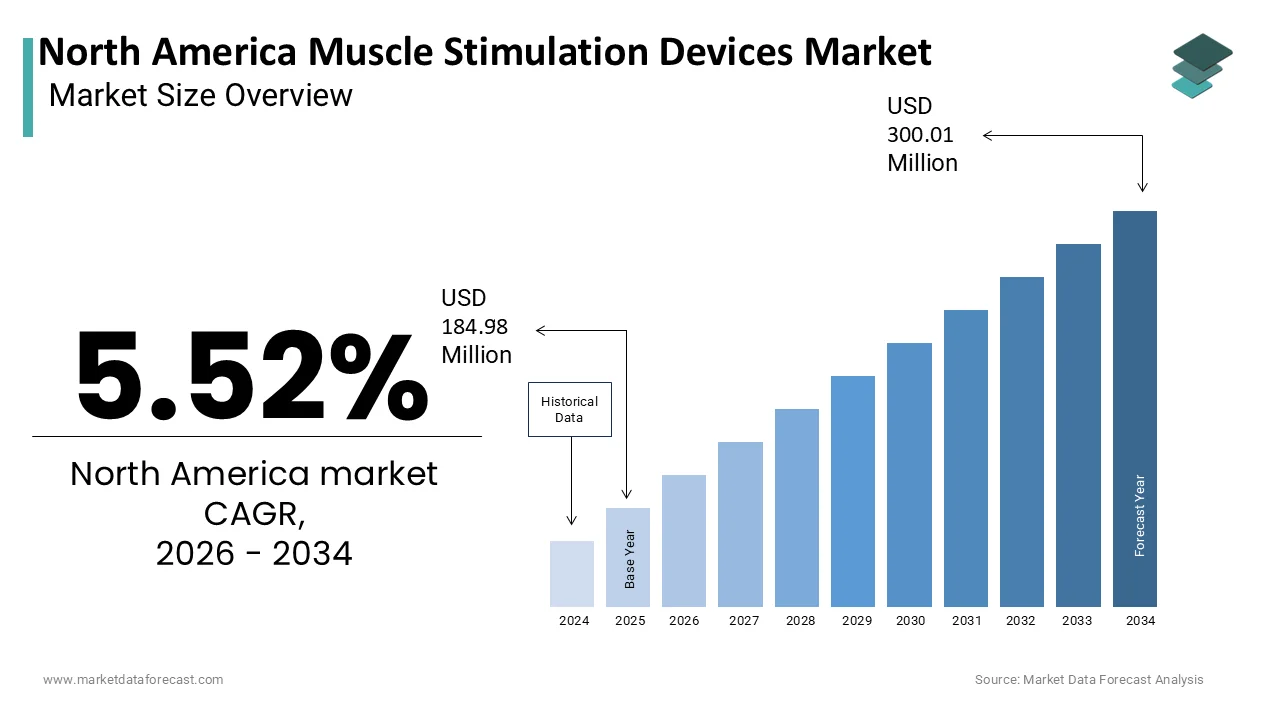
- Market Valuation: Valued at USD 184.98 million in 2025, growing to USD 195.19 million in 2026, and projected to reach USD 300.01 million by 2034, at a CAGR of 5.52% (2026–2034).
- Primary Growth Drivers: High prevalence of chronic musculoskeletal conditions (e.g., arthritis), the opioid crisis shifting focus to non-pharmacological pain relief, and the rise of sports medicine and professional athletic recovery culture.
Key Market Segment Metrics (2026–2034)
| Category | Leading Segment (2025 Position) | Fastest-Growing Segment |
|---|---|---|
| By Product Type | TENS (Widespread, affordable) | NMES (CAGR 8.4%; post-surgical focus) |
| By Application | Pain Management (High prevalence) | Musculoskeletal Management (CAGR 7.9%) |
| By End User | Home Care (Decentralized trend) | Physiotherapy Clinics (CAGR 6.5%) |
Regional & Competitive Insights
United States leads the market due to its advanced healthcare infrastructure and high chronic pain burden. Canada remains a significant contributor, supported by its universal healthcare system that frequently covers rehabilitative physical therapy.
Key Players: DJO Global, Inc., Zynex, Inc., NeuroMetrix, Inc., RS Medical, Inc., and OMRON Corporation. The market is evolving through IoT connectivity, AI-driven personalization, and a strategic push toward consumer wellness/aesthetic applications.
North America Muscle Stimulation Devices Market Size
The North America Muscle Stimulation Devices Market is projected to grow from USD 184.98 million in 2025 to USD 195.19 million in 2026 and reach USD 300.01 million by 2034, registering a CAGR of 5.52% during the forecast period from 2026 to 2034.
Muscle stimulation devices are a diverse array of electrotherapy technologies designed to induce muscle contractions through electrical impulses for therapeutic rehabilitation, pain management, and aesthetic enhancement. This sector includes neuromuscular electrical stimulation, functional electrical stimulation,n and transcutaneous electrical nerve stimulation systems utilised across clinical settings and home care environments. The market is deeply influenced by the region's advanced healthcare infrastructure and high prevalence of chronic musculoskeletal conditions. According to the Centers for Disease Control and Prevention, national health interview data establish that 21.2% of adults in the United States have been diagnosed with arthritis. Furthermore, as per the Centers for Disease Control and Prevention Morbidity and Mortality Weekly Report, chronic pain affects an estimated 50 million U.S. adults and significantly restricts daily work activities for 20 million citizens. The ageing demographic profile further amplifies this need. According to the U.S. Census Bureau, long-term demographic projection metrics indicate that individuals aged 65 and older will constitute 22% of the total domestic population by 2040. Regulatory oversight by the Food and Drug Administration ensures rigorous safety standards, particularly for prescription-grade devices, while allowing consumer access to lower-intensity units. The integration of these devices into post-surgical recovery protocols and sports medicine practices underscores their clinical validity. Technological advancements such as wireless connectivity and wearable form factors are transforming traditional bulky units into portable, user-friendly solutions. This evolution supports a shift towards decentralised care where patients manage their recovery at home under remote professional guidance.
MARKET DRIVERS
Rising Prevalence of Chronic Pain and Musculoskeletal Disorders
The escalating burden of chronic pain and musculoskeletal disorders is a key factor driving the growth of the North America muscle stimulation devices market. Sedentary lifestyles, obesity, and an ageing population have converged to create a public health crisis requiring effective non-pharmacological interventions. According to the Institute of Medicine, a national public health study confirms that more than 100 million Americans suffer from chronic pain, incurring an annual economic valuation loss of 600 billion dollars. This widespread condition necessitates sustainable management strategies that do not rely on opioids due to the ongoing addiction crisis. Muscle stimulation devices offer a viable alternative by blocking pain signals and promoting endorphin release without systemic side effects. As per the Centers for Disease Control and Prevention, formal musculoskeletal health metrics confirm that osteoarthritis affects 32.5 million adults across the United States. Rehabilitation protocols increasingly incorporate neuromuscular electrical stimulation to strengthen weakened muscles and improve joint stability. Healthcare providers are prioritising these devices to reduce reliance on invasive procedures and long-term medication use. Insurance coverage expansions for physical therapy modalities further facilitate access to these technologies. The clinical evidence supporting the efficacy of electrical stimulation for conditions such as lower back pain and knee osteoarthritis reinforces physician recommendations. Consequently, the sheer volume of patients seeking relief from debilitating musculoskeletal conditions drives consistent demand for both clinical and home use stimulation devices.
Growth in Sports Medicine and Athletic Recovery Practices
The expansion of sports medicine and the professionalisation of athletic recovery protocols significantly propel the North American muscle stimulation devices market. There is a growing emphasis among professional athletes, collegiate programs,s and fitness enthusiasts on optimising performance and accelerating recovery times after intense physical activity. According to the National Federation of State High School Associations, nationwide enrollment monitoring shows a record of over 8.2 million high school athletes participating in organised scholastic sports programs. Muscle stimulation devices are integral to these protocols, helping to reduce muscle soreness, prevent atrophy during immobilisation, and enhance blood circulation. The National Football League and other major sports leagues have integrated electrical stimulation into their standard recovery routines, influencing broader consumer trends. Fitness culture in North America has evolved to prioritise recovery as much as training, leading to increased adoption of wearable stimulation devices by amateur athletes. As per the American College of Sports Medicine, professional educational training curricula evaluate clinical modalities beyond active stretching to optimise athletic recovery. Commercial gyms and physical therapy clinics are equipping themselves with advanced stimulation units to offer premium recovery services. This cultural shift towards holistic athletic care ensures a steady demand for high-performance devices. Manufacturers are responding by developing specialised apps and wearable tech that cater to this active demographic, further embedding muscle stimulation into the daily routines of health-conscious consumers.
MARKET RESTRAINTS
Stringent Regulatory Requirements and Approval Processes
The rigorous regulatory landscape governed by the Food and Drug Administration is a major restraint on the rapid introduction and commercialisation of new devices in the region, which hampers the growth of the North America muscle stimulation devices market. Manufacturers must navigate complex classification systems where devices intended for medical treatment require premarket approval or 510 (k) clearance, which can be time-consuming and costly. According to the U.S. Food and Drug Administration, approximately 85% to 95% of Class II medical devices are cleared via premarket notification without requiring any clinical data trials. The process can take several years and involve significant financial investment, which may deter smaller innovators from entering the space. The distinction between general wellness devices and medical devices is often blurred, leading to regulatory uncertainty and potential compliance risks. Companies must ensure that marketing claims do not cross into unapproved medical indications, which can result in warning letters or product recalls. The European Union’s different regulatory framework also creates challenges for global manufacturers seeking to harmonise their product offerings across regions. These stringent requirements limit the speed of innovation and increase the barrier to entry for new competitors. While necessary for patient safety, the regulatory burden slows down the availability of cutting-edge technologies to clinicians and patients. This delay can hinder market growth as users wait for newer, more efficient devices to become legally available for commercial distribution.
Limited Reimbursement Coverage for Home Use Devices
The inconsistent and often limited reimbursement policies for home-use devices are also a major financial barrier to widespread adoption among patients in the region, which hinders the expansion of the North America muscle stimulation devices market. While many insurance plans cover clinical sessions involving electrical stimulation performed by licensed therapists, they frequently exclude coverage for personal home-use units. As per the Kaiser Family Foundation Employer Health Benefits Survey, escalating structural cost-sharing parameters shape annual family out-of-pocket premiums across corporate high-deductible health plans. Medicare Part B typically covers rental or purchase of electrical stimulators only under specific strict criteria such as documented muscle weakness or denervation, which excludes many patients with chronic pain or general conditioning needs. Private insurers often mirror these restrictions, requiring extensive prior authorisation and proof of medical necessity that can be difficult for patients to obtain. This lack of financial support forces patients to pay full retail price for devices, which can range from hundreds to thousands of dollars. The high upfront cost discourages adherence to long-term therapy plans as patients may discontinue use due to financial strain. Without broader insurance recognition of the preventive and maintenance benefits of home stimulation devices, market penetration remains constrained to affluent demographics. This reimbursement gap limits the potential customer base and restricts the integration of these devices into standard home care regimens for chronic condition management.
MARKET OPPORTUNITIES
Integration of Wearable Technology and IoT Connectivity
The convergence of muscle stimulation devices with wearable technology and Internet of Things capabilities offers a transformative opportunity for the expansion of the North American muscle stimulation devices market. This paves the way for enhanced user engagement. Modern consumers increasingly demand seamless integration of health devices with smartphones and smartwatches to track progress and customise therapy sessions. According to the Consumer Technology Association, the deployment of Internet of Things ecosystem nodes drives continuous growth in North American wearable consumer technology adoption. Manufacturers are developing compact wireless electrodes and app-controlled stimulators that allow users to adjust intensity, frequency, and duration remotely. This connectivity enables telehealth providers to monitor patient compliance and adjust treatment protocols in real time, improving clinical outcomes. The data generated by these devices can be shared with healthcare professionals, facilitating more informed decision-making and personalised care plans. Artificial intelligence algorithms can analyse usage patterns to recommend optimal stimulation settings based on individual response rates. This technological evolution transforms muscle stimulation from a passive therapy into an interactive digital health experience. The appeal of convenience and data-driven insights attracts a younger, tech-savvy demographic who value autonomy in their health management. By leveraging IoT ecosystems, companies can create subscription-based models for software updates and premium features, generating recurring revenue streams. This digital transformation opens new avenues for product differentiation and customer retention in a competitive market.
Expansion into Aesthetic and Wellness Applications
The burgeoning aesthetic and wellness sector provides a lucrative prospect for the North America muscle stimulation devices market. This goes beyond traditional medical rehabilitation contexts. Consumers are increasingly seeking non-invasive alternatives to surgical procedures for body contouring, muscle toning,g and anti-ageing treatments. As per the American Society of Plastic Surgeons' formal cosmetic data registries, clinical body-focused toning procedures experience steady market utilisation alongside traditional surgical core contouring interventions. Muscle stimulation devices marketed for abdominal toning, buttock lifting and facial rejuvenation are gaining popularity among fitness enthusiasts and beauty-conscious individuals. These devices utilise high-intensity focused electromagnetic technology or microcurrents to stimulate muscle fibres and promote collagen production. The wellness industry’s emphasis on holistic self-care and preventative ageing drives demand for home-use aesthetic devices. Social media influence and celebrity endorsements further amplify consumer interest in these technologies. Manufacturers are designing sleek, discreet devices that fit seamlessly into daily beauty routines. Clinics and spas are also incorporating professional-grade stimulation treatments into their service menus, offering high-margin add-on services. This diversification allows companies to tap into a broader consumer base that is less price-sensitive and more driven by lifestyle and appearance goals. The overlap between health and beauty creates a dual-purpose market segment with significant growth potential.
MARKET CHALLENGES
Risk of Counterfeit and Substandard Products
The proliferation of counterfeit and substandard devices impedes the growth of the North America muscle stimulation devices market. This poses a serious challenge to established manufacturers and patient safety. The ease of online shopping platforms allows unauthorised sellers to distribute low-quality imitations that lack proper safety certifications and efficacy. According to the National Association of Boards of Pharmacy, digital safety audits reveal that approximately 95% of rogue online pharmacies operate unlawfully and out of compliance with consumer safety mandates. These counterfeit products undermine consumer trust in legitimate brands and dilute the perceived value of authentic technologies. Patients using ineffective devices may experience poor outcomes, leading to scepticism about the entire category of muscle stimulation therapy. Established companies face high costs in monitoring and enforcing intellectual property rights against infringers. The lack of strict verification processes on some e-commerce platforms makes it difficult to remove fake listings promptly. Regulatory agencies struggle to keep pace with the volume of illicit imports entering the country. This issue not only threatens revenue but also poses liability risks if adverse events occur due to faulty devices. Educating consumers on how to identify authorised retailers and certified products becomes an additional burden for legitimate manufacturers. Ensuring supply chain integrity and combating counterfeits requires continuous vigilance and collaboration with law enforcement and platform operators.
Lack of Patient Awareness and Proper Usage Education
The lack of comprehensive patient awareness and education regarding proper usage protocols is a significant challenge hindering the optimal utilisation of these devices, which in turn inhibits the expansion of the North American muscle stimulation devices market. Many users purchase devices without adequate understanding of electrode placement, intensity settings,s or contraindications, leading to suboptimal results or minor injuries. As per the American Physical Therapy Association clinical practice updates, systematic institutional evaluations guide the safe application of electrophysical agents within structured rehabilitation plans. Home use devices often come with complex manuals that users may find difficult to interpret, resulting in low adherence rates. The absence of standardised educational resources across different brands creates confusion among consumers about best practices. Healthcare providers may not have sufficient time during consultations to thoroughly train patients on device operation. This knowledge gap leads to frustration and discontinuation of therapy as patients fail to see immediate benefits. Misinformation online further complicates the landscape, with anecdotal advice often contradicting clinical guidelines. Manufacturers face the challenge of simplifying user interfaces while ensuring safe and effective operation. Developing intuitive apps and video tutorials can help bridge this gap but requires additional investment. Without improved education and support structures, the full therapeutic potential of these devices remains unrealised. This limits their long-term impact on patient health and market growth.
REPORT COVERAGE
| REPORT METRIC | DETAILS |
| Market Size Available | 2025 to 2034 |
| Base Year | 2025 |
| Forecast Period | 2026 to 2034 |
| Segments Covered | By Product Type, Application, End User and Region. |
| Various Analyses Covered | Global, Regional, and Country-Level Analysis, Segment-Level Analysis, Drivers, Restraints, Opportunities, Challenges; PESTLE Analysis; Porter’s Five Forces Analysis, Competitive Landscape, Analyst Overview of Investment Opportunities |
| Countries Covered | US, Canada, Rest of North America |
| Market Leaders Profiled | DJO Global, Inc., Zynex, Inc., NeuroMetrix, Inc., RS Medical, Inc., OMRON Corporation. |
SEGMENTAL ANALYSIS
By Product Type Insights
The transcutaneous electrical nerve stimulator segment dominated the North America muscle stimulation devices market and accounted for a substantial share in 2025. This dominance of the segment was driven by its widespread acceptance as a first-line non-pharmacological intervention for acute and chronic pain management. These devices are favoured for their ease of use, portability, ty and over-the-counter availability, which allows patients to manage pain independently without frequent clinical visits. According to the Centers for Disease Control and Prevention, structural clinical surveillance confirms that 20.9% of U.S. adults live with chronic pain. TENS units work by delivering low-voltage electrical currents that interfere with pain signal transmission to the brain, providing immediate symptomatic relief. As per the American Physical Therapy Association, evidence-based physical therapy frameworks evaluate electrophysical interventions alongside manual therapies to manage localized pain. The affordability of consumer-grade TENS units compared to prescription devices drives high-volume sales through retail and online channels. Insurance coverage for physical therapy often includes TENS modalities, further reinforcing its adoption in clinical settings. The simplicity of operation requires minimal training, enabling broad demographic usage from elderly patients to active individuals. This combination of clinical validation, accessibility,ity and cost-effectiveness solidifies TENS as the dominant product type in the regional market.
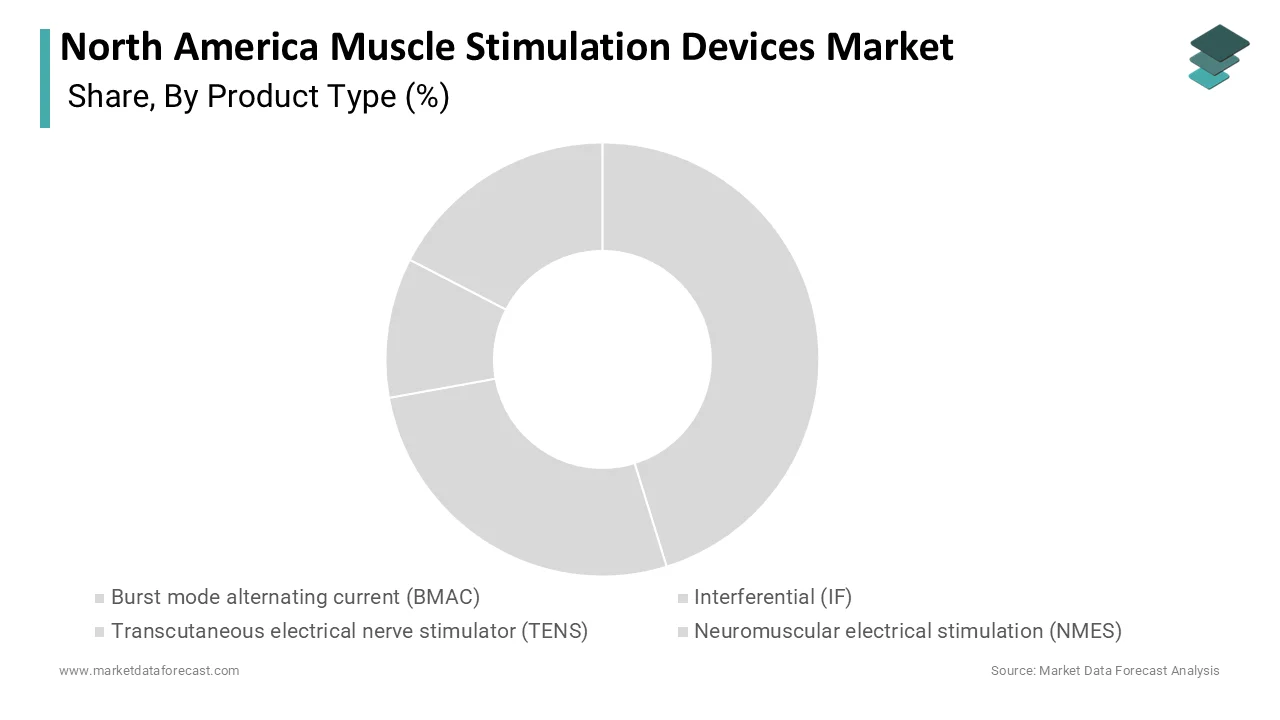
On the other hand, the neuromuscular electric stimulation segment is predicted to witness the highest CAGR of 8.4% during the forecast period due to its critical role in post-surgical rehabilitation and muscle strengthening protocols. Unlike TENS, which targets sensory nerves, NMES directly stimulates motor neurons to induce muscle contractions, preventing atrophy and restoring function in weakened or immobilised muscles. According to the American Academy of Orthopaedic Surgeons Joint Replacement Registry, expanding healthcare infrastructure volumes capture over 2.8 million cumulative hip and knee arthroplasty procedures across domestic healthcare facilities. NMES is clinically proven to accelerate recovery times and improve muscle strength more effectively than voluntary exercise alone in the early stages of recovery. As per the National Institutes of Health, progressive skeletal muscle mass deterioration drives the clinical evaluation of resistance exercise protocols for ageing populations. Sports medicine professionals also utilise NMES to enhance athletic performance and prevent injuries among professional and amateur athletes. The integration of NMES into home care programs supported by telehealth platforms allows for continuous monitoring and adjustment of therapy parameters. Technological advancements have made NMES devices more compact and user-friendly, encouraging adoption outside clinical settings. This clinical necessity combined with technological accessibility fuels the rapid expansion of the NMES segment.
By Application Insights
The pain management segment led the North America muscle stimulation devices market and captured a significant share in 2025. This leading position of the segment was attributed to the pervasive prevalence of chronic pain conditions and the urgent need to reduce opioid reliance. Healthcare providers and patients are increasingly turning to electrotherapy as a safe, effective alternative to pharmaceutical interventions for managing neuropathic and musculoskeletal pain. According to the Centers for Disease Control and Prevention, public health surveillance shows that 20.9% of U.S. adults, equivalent to 51.6 million individuals, suffer from chronic pain. Muscle stimulation devices such as TENS and interferential current systems provide non-invasive relief by blocking pain pathways and stimulating endorphin release. The opioid crisis has prompted regulatory bodies and insurance payers to prioritise non-drug therapies, leading to broader coverage and recommendation of these devices. As per the National Institute of Neurological Disorders and Stroke, transcutaneous electrical nerve stimulation units deliver targeted low electrical pulses through the skin to help manage localised pain symptoms. The versatility of muscle stimulation allows it to address various pain types, including back pain, joint pain, and post-surgical discomfort. Clinical evidence supporting the efficacy of electrical stimulation for pain relief continues to grow, reinforcing its position in standard care protocols. The ability to self-administer therapy empowers patients and reduces the burden on healthcare facilities. This strategic shift towards holistic pain management ensures the dominance of this application segment.
However, the musculoskeletal disorder management segment is estimated to register the fastest CAGR of 7.9% from 2026 to 2034 owing to the rising incidence of arthritis, sports injuries, and age-related degenerative conditions. The North American population is experiencing an increase in sedentary lifestyles and obesity rates, which contribute to a higher prevalence of musculoskeletal impairments requiring rehabilitative support. According to the Centers for Disease Control and Prevention, doctor-diagnosed arthritis affects 58.5 million adults in the United States, representing a primary driver of work-related physical disability. Muscle stimulation devices play a crucial role in strengthening surrounding muscles, improving joint stability, and enhancing functional capacity. As per the U.S. Bureau of Labor Statistics, work-related musculoskeletal disorders represent 30 per cent of all nonfatal occupational injuries and illnesses involving days away from work in private industry. The integration of these devices into comprehensive physical therapy plans accelerates recovery and prevents recurrence of injuries. Advances in device technology allow for targeted stimulation of specific muscle groups, addressing complex biomechanical issues. The growing awareness of preventive care among fitness enthusiasts and older adults further expands the user base. Healthcare providers are increasingly prescribing home use devices to ensure continuity of care between clinical sessions. This focus on functional restoration and injury prevention propels the rapid growth of the musculoskeletal disorder management segment.
By End User Insights
In 2025, the home care segment held the majority share in the North America muscle stimulation devices market because of the increasing preference for decentralised healthcare and the convenience of self-administered therapy. Patients are increasingly empowered to manage chronic conditions and post-surgical recovery in the comfort of their homes, reducing the need for frequent hospital or clinic visits. According to theCenterss for Medicare and Medicaid Services, the nationwide expansion of the Home Health Value-Based Purchasing model generated a 4.6% improvement in aggregate patient care quality scores. The availability of user-friendly portable devices with intuitive interfaces enables patients to adhere to therapy regimens without professional supervision. As per the Consumer Technology Association, total retail technology expenditures in the domestic consumer technology marketplace are projected to grow by 4% year-over-year to reach 578 billion dollars. Insurance providers often cover home use devices when prescribed by physicians, recognising the long-term cost savings associated with reduced hospital readmissions. The ageing population prefers ageing in place, which drives demand for home-based rehabilitative technologies. Telehealth integration allows remote monitoring, ensuring safety and efficacy of home treatments. This convergence of technological accessibility, policy support, and patient preference establishes homecare as the primary end-user segment.
But the physiotherapy clinics segment is anticipated to witness the fastest CAGR of 6.5% over the forecast period. This rapid growth of the segment is propelled by the expanding network of outpatient rehabilitation centres and the increasing referral of patients for specialised care. As healthcare systems emphasise early intervention and conservative management, physiotherapy clinics serve as critical hubs for diagnosing and treating musculoskeletal and neurological conditions. According to the American Physical Therapy Association, the national baseline supply of full-time equivalent physical therapists is projected to expand by 16.8% through 2037 to meet clinical therapy demands. Clinics are investing in advanced muscle stimulation devices to offer comprehensive treatment packages that combine manual therapy with electrotherapy for enhanced outcomes. As per the National Association of Rehabilitation Providers and Agencies, institutional business coalitions manage professional clinical representation metrics for more than 90,000 healthcare professionals delivering multidisciplinary therapy services. Professional-grade devices used in clinics offer higher intensity and customisation options compared to home units, attracting patients seeking intensive therapy. The rise of sports medicine clinics and specialised orthopaedic centres further boosts demand for high-performance stimulation equipment. Collaborations between device manufacturers and clinic networks facilitate training and adoption of new technologies. This professionalisation of rehabilitation services drives the rapid expansion of the physiotherapy clinic segment.
COUNTRY LEVEL ANALYSIS
United States Muscle Stimulation Devices Market Analysis
The United States was the top performer in the North America muscle stimulation devices market and accounted for a substantial share in 2025. This supremacy of the US market was driven by a highly developed healthcare infrastructure and high prevalence of chronic conditions. The country’s robust medical technology sector fosters innovation and rapid adoption of advanced therapeutic devices. According to the Centers for Disease Control and Prevention, surveillance shows that 20.9% of U.S. adults experience chronic pain, driving demand for therapeutic interventions. The presence of major device manufacturers and extensive distribution networks ensures wide availability of products across retail and clinical channels. As per Kaiser Permanente, the institutional transition toward value-based care pathways incentivises the operational deployment of cost-effective home health technologies. Regulatory clarity from the Food and Drug Administration provides a structured pathway for product approval and market entry. High healthcare expenditure per capita allows for greater investment in premium devices and therapies. The strong culture of fitness and sports participation further stimulates demand for recovery and performance enhancement tools. Insurance coverage reforms promoting non opioid pain management strategies support market growth. These factors collectively position the United States as the dominant force in the regional market.
Canada Muscle Stimulation Devices Market Analysis
Canada occupies a significant position in the North America muscle stimulation devices market because of its universal healthcare system and growing emphasis on rehabilitative services. The Canadian healthcare model prioritises accessible and equitable care, leading to increased utilisation of physical therapy and home care services. According to Statistics Canada national disability report surveys, 27.6% of Canadian seniors aged 65 and older suffer from a severe pain-related disability that restricts physical mobility. Provincial health plans increasingly cover physiotherapy services, which facilitates access to professional-grade muscle stimulation treatments. As per the Canadian Institute for Health Information's strategic medical metrics, formal structural shifts toward home-based rehabilitation services are designed to lower aggregate hospital admission burdens. The regulatory framework managed by Health Canada ensures high safety standards for medical devices, fostering consumer trust. Rising awareness of mental and physical wellness among Canadians drives adoption of personal health devices. The presence of a strong research community supports the development of innovative therapeutic technologies. Government initiatives promoting healthy ageing and chronic disease management further bolster market growth. These structural and demographic factors sustain Canada’s steady contribution to the regional market.
COMPETITIVE LANDSCAPE
The competitive landscape of the North America muscle stimulation devices market is characterized by intense rivalry between established medical device manufacturers and emerging consumer electronics companies entering the health tech space. Leading players differentiate themselves through technological innovation such as wireless connectivity, artificial intelligence-driven personalization, and seamless integration with digital health ecosystems. Competition extends beyond hardware specifications to include software capabilities, user experience, and AI-driven after-sales support, which are critical for customer retention. Price competition is moderate in the professional sector but intense in the consumer segment where numerous brands offer similar TENS units. Regulatory compliance and clinical validation serve as significant barriers to entry, favoring companies with robust quality systems and proven track records. Strategic alliances with physical therapy associations and sports organizations enhance brand credibility and market reach. Mergers and acquisitions are common as larger firms seek to acquire innovative startups to expand their product portfolios. The market sees continuous evolution as companies adapt to changing consumer preferences for home-based care and non-invasive pain management solutions. Success depends on balancing clinical efficacy with user-friendliness and affordability.
KEY MARKET PLAYERS
Some of the companies that are playing a dominant role in the North America Muscle Stimulation Devices Market include:
- DJO Global, Inc.
- Zynex, Inc.
- NeuroMetrix, Inc.
- RS Medical, Inc.
- OMRON Corporation
TOP LEADING PLAYERS IN THE MARKET
- Omron Healthcare Inc maintains a strong presence in the North American muscle stimulation devices market through its widely recognized TENS and combination therapy units. The company focuses on producing user-friendly portable devices that cater to both clinical and home care needs. Omron recently launched updated models with enhanced battery life and intuitive controls to improve patient adherence. They actively collaborate with healthcare providers to promote the benefits of non-pharmacological pain management. Their commitment to quality and reliability has established them as a trusted brand among consumers and clinicians. Omron continues to invest in research to integrate smart features into its devices, aligning with digital health trends. This strategic focus on accessibility and innovation strengthens their market position.
- BTL Industry a.s. serves as a key player in the North American muscle stimulation devices market, offering a comprehensive range of professional physiotherapy equipment. The company is known for high-performance devices used in clinics and hospitals for advanced rehabilitation protocols. BTL recently expanded its distribution network in the United States to reach more physiotherapy practices and sports medicine centers. They provide extensive training and support to ensure optimal use of their technology by medical professionals. Their product portfolio includes multifunctional units that combine various stimulation modalities for versatile treatment options. BTL’s emphasis on clinical efficacy and durability reinforces its reputation in the professional sector. This dedication to professional excellence drives their continued growth in the region.
- Compex SA holds a prominent position in the North American muscle stimulation devices market,t specializing in wireless and wearable stimulation technologies for sports and medical applications. The company leverages its expertise in neuromuscular electrical stimulation to offer solutions for pain relief, muscle strengthening, ing and recovery. Compex recently introduced new app-connected devices that allow users to customize programs and track progress remotely. They partner with professional sports teams and athletes to validate and promote their performance enhancement capabilities. Their focus on combining medical science with sports technology appeals to a broad demographic of active individuals. Compex’s innovation in wireless connectivity and user experience distinguishes them in the competitive landscape. This strategic alignment with fitness and wellness trends enhances their market relevance.
TOP STRATEGIES USED BY KEY MARKET PARTICIPANTS
Key players in the North America muscle stimulation devices market prioritize product innovation, focusing on wireless connectivity and miniaturization to enhance user convenience and adherence to therapy regimens. Companies invest heavily in clinical research to validate efficacy and secure regulatory approvals for new indications,s expanding their addressable market segments. Strategic partnerships with healthcare providers and insurance payers help integrate devices into standard care pathways and improve reimbursement opportunities. Expansion into direct-to-consumer channels through e-commerce platforms allows manufacturers to reach broader audiences and build brand loyalty. Educational initiatives targeting both clinicians and patients ensure proper usage and maximize therapeutic outcomes. Diversification into aesthetic and wellness applications opens new revenue streams beyond traditional medical uses. These strategies collectively drive growth and strengthen competitive positioning in the evolving healthcare landscape.
MARKET SEGMENTATION
This research report on the North America Muscle Stimulation Devices Market has been segmented and sub-segmented into the following categories.
By Product Type
- Burst mode alternating current (BMAC)
- Interferential (IF)
- Transcutaneous electrical nerve stimulator (TENS)
- Neuromuscular electrical stimulation (NMES)
By Application
- Musculoskeletal disorder management
- Pain management
- Neurological
- Movement disorder management
By End User
- Physiotherapy clinics
- Homecare
- Hospitals
- Sports clinics
By Country
- US
- Canada
- Rest of North America