- Product Description Description
- Table of Contents TOC
- List of Table & Figure LOT
- Get Free Sample PDF Sample PDF
Market Size, 2025
$3.68 BnMarket Estimate, 2026
$3.93 BnMarket Forecast, 2034
$6.65 BnCAGR, 2026–2034
6.8%Executive Summary: Global Pigmented Lesion Treatment Market
- Market Scope: Comprehensive global pigmented lesion treatment market analysis covering product categories, end-user segments, regional leadership frameworks, key growth drivers, market trends, and strategic industry developments.
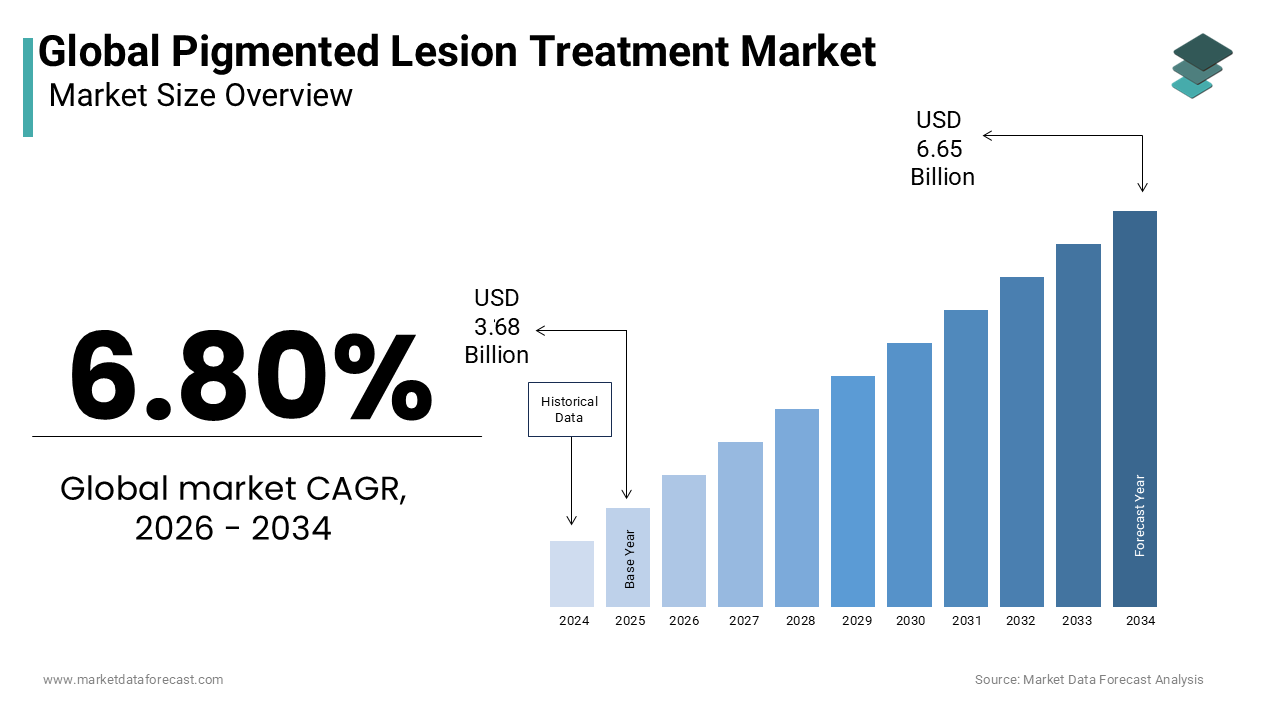
- Market Valuation: Valued at USD 3.68 Bn (2025), estimated at USD 3.93 Bn (2026), and projected to reach USD 6.65 Bn by 2034, registering a robust CAGR of 6.80% (2026–2034).
- Primary Growth Drivers: Rising prevalence of skin pigmentation disorders, increasing skin health awareness, and growing demand for minimally invasive aesthetic procedures. Notable trends include advanced laser technology adoption, AI integration in diagnostics, and aesthetic dermatology clinic expansion across emerging economies.
Key Market Segment Metrics (2026–2034)
| Category | Leading Segment (2025 Position) | Fastest-Growing Segment |
|---|---|---|
| By Product | Energy-based devices (dominated the global market based on superior clinical efficacy) | Intense pulsed light (IPL) devices (projected to register the fastest CAGR of 9.4%) |
| By End User | Dermatology clinics (held the leading market share in 2025) | Beauty clinics and medical spas (anticipated to register the fastest CAGR of 10.2%) |
| By Region | North America (dominated the global market owing to advanced infrastructure and high adoption) | Asia Pacific region (projected to witness the fastest growth driven by rising disposable incomes) |
Major Market Players & Market Structure
Market Structure: Highly competitive aesthetic medicine and dermatology device landscape featuring major enterprises competing through next-generation picosecond and Q-switched laser system development, AI workflow integration, physician training programs, and global distribution network expansions.
Key Companies: Alma Lasers Ltd., Lumenis Ltd., Cynosure, Inc., Strata Skin Sciences Inc., Fotona d.d., Sciton, Inc., EL.En. S.p.A., Lynton Lasers Ltd., Solta Medical Inc., Syneron Medical Ltd., Lutronic Corporation, and Cutera Inc.
Global Pigmented Lesion Treatment Market Size
The global pigmented lesion treatment market size was valued at USD 3.68 billion in 2025 and is anticipated to reach USD 3.93 billion in 2026 from USD 6.65 billion by 2034, growing at a CAGR of 6.80% during the forecast period from 2026 to 2034.
Technological innovations in laser and energy based devices are further aiding the growth of the global pigmented lesion treatment market. The development of Q-switched Nd:YAG lasers, picosecond lasers, and fractional resurfacing technologies allows for precise targeting of melanin without damaging surrounding tissue, minimizing downtime and side effects. According to market intelligence from Grand View Research, the global laser hair removal and skin treatment market is expanding as picosecond technology gains traction for its ability to shatter pigment particles more effectively than traditional nanosecond devices. These advancements enable the treatment of previously resistant lesions such as deep dermal melasma and tattoo pigments with higher success rates. As per clinical evidence in the Journal of Cosmetic Dermatology, picosecond lasers achieve significant clearance of benign lentigines with fewer treatment sessions compared to older technologies. Furthermore, the integration of cooling systems and real-time skin monitoring enhances patient comfort and reduces the risk of post-inflammatory hyperpigmentation, particularly in darker skin types. For instance, the launch of multi-wavelength platforms allows practitioners to customize treatments for various lesion depths and colors. This versatility expands the addressable patient population and encourages dermatologists to invest in state-of-the-art equipment. The continuous refinement of laser parameters and the introduction of non-ablative options further broaden the appeal of these treatments, making them accessible to a wider audience seeking minimal recovery periods and optimal aesthetic results
MARKET DRIVERS
Increasing Prevalence of Skin Disorders Due to Environmental Factors
The escalating incidence of pigmented skin disorders caused by prolonged exposure to ultraviolet radiation and pollution is fuelling the pigmented lesion treatment market expansion in North America and Europe, while emerging economies are poised for rapid adoption in the coming years. Industrialization and climate change have intensified UV index levels in many regions, leading to higher rates of solar lentigines and melasma among diverse demographic groups. According to the Skin Cancer Foundation, one in five Americans will develop skin cancer by the age of 70, with cumulative sun damage being the leading cause of benign pigmented lesions that require cosmetic or medical intervention. Urban pollution further exacerbates skin oxidative stress, contributing to hyperpigmentation and uneven skin tone, which drives consumers to seek professional treatments. According to a study in the Journal of the European Academy of Dermatology and Venereology, the prevalence of hyperpigmentation disorders in urban populations is significant, affecting a large portion of adults by middle age. This widespread prevalence creates a sustained demand for effective removal techniques ranging from non-invasive laser therapies to topical depigmenting agents. Additionally, the growing awareness of skin health among younger populations has led to earlier intervention for sun spots and freckles. As per industry reports, the number of patients seeking professional consultation for pigmentation issues has maintained a steady growth trajectory over the last five years. This trend is supported by the increasing availability of affordable treatment options and the social stigma associated with visible skin imperfections, which motivates individuals to pursue corrective procedures, thereby fueling the continuous growth of the pigmented lesion treatment market worldwide.
Advancements in Laser and Energy Based Device Technologies
Technological innovations in laser and energy based devices are further aiding the growth of the global pigmented lesion treatment market. The development of Q-switched Nd:YAG lasers, picosecond lasers, and fractional resurfacing technologies allows for precise targeting of melanin without damaging surrounding tissue, minimizing downtime and side effects. According to market intelligence from Grand View Research, the global laser hair removal and skin treatment market is expanding as picosecond technology gains traction for its ability to shatter pigment particles more effectively than traditional nanosecond devices. These advancements enable the treatment of previously resistant lesions such as deep dermal melasma and tattoo pigments with higher success rates. As per clinical evidence in the Journal of Cosmetic Dermatology, picosecond lasers achieve significant clearance of benign lentigines with fewer treatment sessions compared to older technologies. Furthermore, the integration of cooling systems and real-time skin monitoring enhances patient comfort and reduces the risk of post-inflammatory hyperpigmentation, particularly in darker skin types. For instance, the launch of multi-wavelength platforms allows practitioners to customize treatments for various lesion depths and colors. This versatility expands the addressable patient population and encourages dermatologists to invest in state-of-the-art equipment. The continuous refinement of laser parameters and the introduction of non-ablative options further broaden the appeal of these treatments, making them accessible to a wider audience seeking minimal recovery periods and optimal aesthetic results.
MARKET RESTRAINTS
High Cost of Advanced Treatment Procedures
The substantial financial burden associated with advanced pigmented lesion treatments is impeding the global pigmented lesion treatment market growth, particularly in regions where market growth may remain constrained by economic factors in the near term. Most laser therapies and specialized topical regimens are classified as elective aesthetic services, meaning patients must bear the full out-of-pocket expense, which can range from 300 to 1000 USD per session depending on the technology and lesion complexity. According to the American Society of Plastic Surgeons, the average cost for laser skin resurfacing remains a primary factor for patients considering the financial investment of elective skin procedures. In developing economies where disposable incomes are lower, the high cost of imported laser devices and maintenance further inflates treatment prices, limiting market penetration. As per economic health reports, in many developing regions, the majority of the population lacks comprehensive insurance coverage for dermatological aesthetic treatments, leading to financial strain. This economic constraint restricts the market to affluent demographics and urban centers where purchasing power is higher. Furthermore, the need for multiple sessions to achieve desired results adds to the cumulative cost, discouraging potential patients from initiating treatment. Insurance providers rarely cover pigmentation removal unless it is medically necessary for cancer prevention, leaving the majority of benign cases uncovered. As per consumer surveys, price sensitivity remains the top reason for declining recommended treatments, highlighting the need for more cost-effective solutions. This financial barrier slows down the overall growth rate of the market and limits the adoption of advanced technologies in price-sensitive segments globally.
Risk of Post Inflammatory Hyperpigmentation and Side Effects
The potential for adverse effects such as post-inflammatory hyperpigmentation, scarring, and hypopigmentation is another major restraint to the global pigmented lesion treatment market expansion, though clinical improvements are expected to mitigate these risks in the coming years. Individuals with Fitzpatrick skin types IV to VI are at a higher risk of developing complications due to the aggressive nature of certain laser wavelengths and chemical peels. According to research published in the Journal of Clinical and Aesthetic Dermatology, post-inflammatory hyperpigmentation remains a notable concern for patients with darker skin tones undergoing energy-based treatments. This risk discourages both patients and practitioners from opting for aggressive treatments, leading to a preference for conservative but less effective topical alternatives. The fear of worsening the condition rather than improving it creates hesitation among potential clients who prioritize skin safety over aesthetic enhancement. As per dermatological guidelines, the requirement for extensive testing and customized settings for different skin types increases the complexity and duration of consultations, adding to operational costs for clinics. Furthermore, the lack of standardized training for newer laser devices among general practitioners contributes to inconsistent outcomes and higher complication rates. Data from medical liability insurers indicates that procedural safety and proper device handling are critical for reducing claims related to pigmentation removal. These safety concerns necessitate rigorous patient education and skilled execution, which limits the scalability of treatments in settings with less specialized expertise, thereby restraining market expansion in broader healthcare environments.
MARKET OPPORTUNITIES
Expansion into Emerging Markets with Rising Disposable Incomes
The rapid economic growth in emerging markets such as China, India, and Brazil is expected to drive substantial market acceleration for the next few years. The expanding middle class in these regions is increasingly influenced by global beauty standards and social media trends, which emphasize clear and even-toned skin. According to Euromonitor International, the personal care and aesthetics market in Asia Pacific is projected to grow at a CAGR of 7% through 2028, driven by urbanization and changing lifestyle preferences. In China, the demand for dermatological services has surged, with millions of people seeking cosmetic treatments annually, many of whom target pigmentation issues caused by high UV exposure and pollution. Local clinics are investing in advanced laser technologies to meet this demand, creating a robust infrastructure for treatment delivery. Furthermore, the presence of international aesthetic chains in these markets introduces standardized care protocols and builds consumer trust. As per analysis from Frost & Sullivan, the expansion of dermatology clinics in India reflects the growing accessibility of professional skin care services. Government initiatives to improve healthcare infrastructure also support the establishment of specialized dermatology centers. This convergence of economic empowerment, cultural shifts, and improved healthcare access creates a fertile ground for market players to expand their footprint and capture a significant share of the growing patient base in these high-potential regions.
Integration of Artificial Intelligence in Diagnosis and Treatment Planning
The incorporation of artificial intelligence and machine learning algorithms into dermatological diagnostics will likely see increased implementation, which is offering a promising opportunity for the global pigmented lesion treatment market. AI-powered imaging systems can analyze skin lesions with greater accuracy than human observation, distinguishing between benign pigmentation and malignant melanoma with high sensitivity. According to research published in The Lancet Digital Health, AI algorithms have demonstrated superior performance in detecting subtle pigment patterns that may indicate early-stage skin cancers or complex benign disorders. This technological integration allows dermatologists to create personalized treatment plans based on detailed lesion mapping and predicted response to specific therapies. For instance, the adoption of AI-assisted dermoscopy tools has been shown to assist clinicians in achieving more appropriate and effective treatment selections. Furthermore, AI can predict the likelihood of post-treatment complications, enabling practitioners to adjust parameters proactively to minimize risks. The use of digital tracking apps allows patients to monitor progress and adhere to post-care regimens, improving overall outcomes. Industry forecasts suggest that the global AI in healthcare market, including dermatology applications, is expected to continue its robust expansion, driven by the need for precise and efficient diagnostic tools. This synergy between technology and clinical practice not only enhances patient safety but also optimizes resource utilization in clinics, making pigmented lesion treatments more reliable and appealing to a broader demographic seeking evidence-based aesthetic solutions.
MARKET CHALLENGES
Lack of Standardized Training and Regulatory Variability
The absence of uniform training standards for operating advanced laser and energy-based devices is a significant challenge to the global pigmented lesion treatment market, though international bodies are working toward better oversight for the next few years. Many jurisdictions allow non-physician providers such as aestheticians and nurses to perform laser treatments with varying levels of supervision and certification requirements. According to the American Board of Laser Surgery, inadequate training is a leading cause of adverse events in aesthetic procedures, including burns and permanent scarring. The variability in regulatory frameworks across different countries and states complicates the enforcement of safety protocols and quality assurance measures. As per reports from the World Health Organization, there is an ongoing need for global consensus on the minimum competency requirements for operating class III and IV laser devices used in dermatology. This regulatory fragmentation allows unqualified practitioners to enter the market, offering substandard services that damage consumer confidence in the industry. Furthermore, the rapid pace of technological innovation outstrips the development of updated training curricula, leaving many practitioners ill-equipped to handle new devices safely. Data from medical liability insurers shows a correlation between regions with lax regulations and higher incidence of treatment-related complications. This lack of standardization hinders the professionalization of the field and creates barriers for reputable clinics that adhere to strict safety guidelines but face competition from lower-cost, less regulated providers. Addressing this challenge requires coordinated efforts from regulatory bodies and professional associations to establish universal training and certification standards.
Patient Non Compliance with Post Treatment Care Protocols
Patient adherence to post-treatment care instructions is a critical determinant of success in pigmented lesion therapy, yet non-compliance remains a persistent challenge that is expected to be addressed through digital engagement in the coming years. Effective outcomes often require strict avoidance of sun exposure, consistent application of topical agents, and adherence to skincare routines for several weeks or months after the procedure. According to studies in the Journal of Dermatological Treatment, patient adherence to post-laser care guidelines is a significant factor in achieving optimal clinical results. The complexity of these regimens, combined with a lack of immediate visible improvement, can discourage patients from maintaining the necessary discipline. Furthermore, the inconvenience of daily sunscreen reapplication and avoidance of outdoor activities conflicts with modern lifestyles, reducing compliance rates. As per clinical observations, non-compliant patients are more likely to experience post-inflammatory hyperpigmentation or treatment failure, necessitating additional corrective sessions. This cycle of retreatment increases costs for both patients and providers while diminishing trust in the treatment modality. The lack of structured follow-up mechanisms in many clinics exacerbates this issue, as patients receive limited guidance after the initial procedure. Digital health tools and reminder systems offer potential solutions, but their adoption is not yet widespread. As per patient satisfaction surveys, poor adherence is cited as a major factor in negative reviews of pigmentation treatments, highlighting the need for better patient education and engagement strategies to ensure long-term results.
REPORT COVERAGE
| REPORT METRIC | DETAILS |
| Market Size Available | 2025 to 2034 |
| Base Year | 2025 |
| Forecast Period | 2026 to 2034 |
| CAGR | 6.80% |
| Segments Covered | By Product, End-User, and Region |
| Various Analyses Covered | Global, Regional & Country Level Analysis, Segment-Level Analysis, Drivers, Restraints, Opportunities, Challenges, PESTLE Analysis, Porter’s Five Forces Analysis, Competitive Landscape, Analyst Overview of Investment Opportunities |
| Regions Covered | North America, Europe, Asia Pacific, Latin America, the Middle East, and Africa |
| Market Leaders Profiled | Alma Lasers Ltd., Lumenis Ltd., Cynosure, Inc., Strata Skin Sciences Inc., Fotona d.d., Sciton, Inc., EL.En. S.p.A., Lynton Lasers Ltd., Solta Medical Inc., Syneron Medical Ltd., Lutronic Corporation, and Cutera Inc. |
SEGMENTAL ANALYSIS
By Product Insights
The energy-based devices segment dominated the market by accounting for the largest share of the global market in2025 and their lead is expected to remain firm for the next few years due to their superior efficacy, precision, and ability to treat a wide range of skin types and lesion depths. The primary factor driving this dominance is the clinical preference for laser technologies that offer targeted melanin destruction with minimal damage to surrounding tissue, ensuring faster recovery and higher patient satisfaction. According to the American Society for Laser Medicine and Surgery, laser therapy is widely considered the first line of treatment for benign pigmented lesions due to its proven track record and predictable outcomes. These devices are capable of treating deep dermal pigmentation, such as nevus of Ota, which topical agents cannot effectively address. Data from clinical trials indicates that Q-switched Nd:YAG lasers achieve high clearance rates for solar lentigines after just two to three sessions. Furthermore, the versatility of modern energy-based platforms allows practitioners to adjust wavelengths and pulse durations to suit individual patient needs, reducing the risk of post-inflammatory hyperpigmentation. As per industry reports from major manufacturers like Cynosure and Candela, the global installed base of laser systems continues to grow as clinics upgrade to newer technologies that offer shorter downtime. The high initial investment is offset by the premium pricing of laser treatments and the recurring revenue from multiple sessions required for optimal results. This combination of clinical superiority and economic viability ensures that energy-based devices remain the cornerstone of the pigmented lesion treatment market globally.
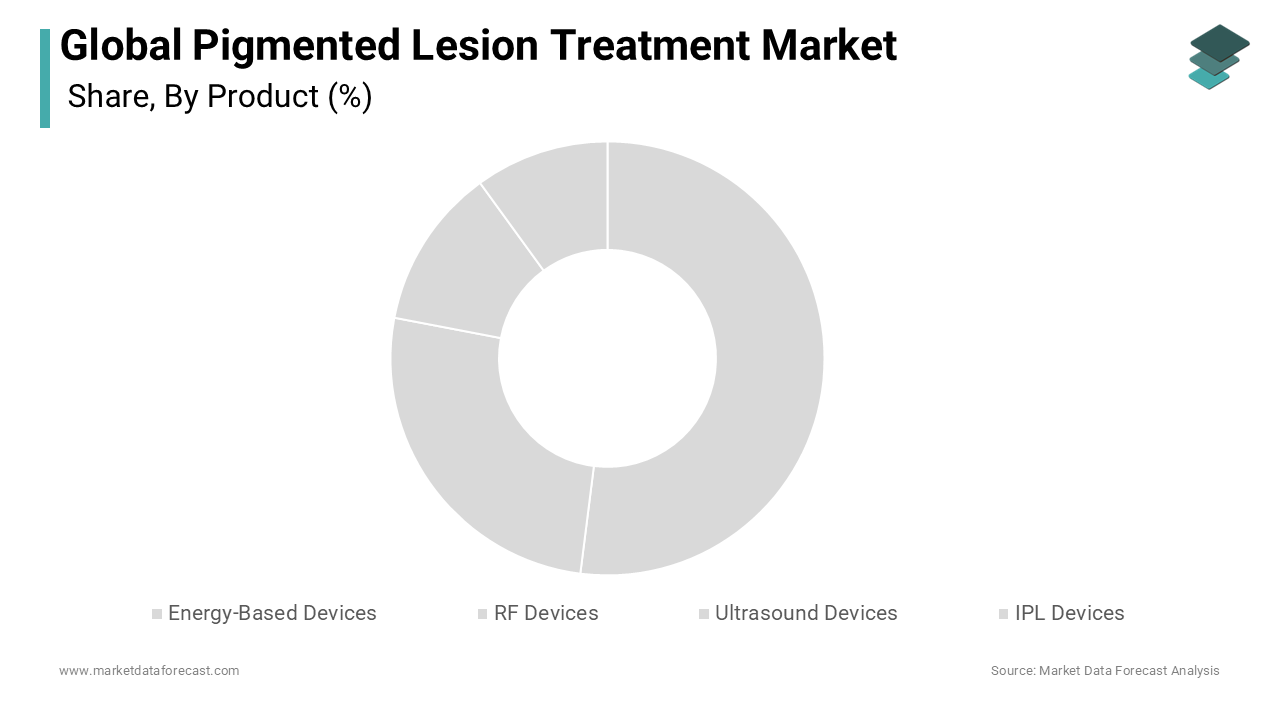
On the other side, the Intense Pulsed Light (IPL) devices segment is anticipated to showcase the fastest CAGR of 9.4% over the forecast period owing to their versatility, cost-effectiveness, and suitability for broader aesthetic applications. Unlike single-wavelength lasers, IPL devices emit a broad spectrum of light that can target multiple chromophores simultaneously, allowing for the treatment of pigmentation, vascular lesions, and hair removal in a single session. According to data from the International Society of Aesthetic Plastic Surgery, the demand for non-invasive, multi-benefit treatments has increased as consumers seek efficient solutions for overall skin rejuvenation. IPL technology is particularly popular in medical spas and beauty clinics where operators may not have specialized laser training but can safely administer IPL treatments with proper certification. As per market analysis, the lower cost of IPL devices compared to advanced laser systems makes them accessible to a wider range of healthcare providers, including smaller practices and wellness centers. Furthermore, advancements in IPL technology, such as cooling mechanisms and filtered wavelengths, have improved safety profiles, making them suitable for lighter skin tones with reduced risk of burns. Clinical studies indicate that IPL achieves significant improvement in sun damage and uneven skin tone with minimal downtime, appealing to busy professionals. The ability to combine pigmentation treatment with anti-aging benefits creates a strong value proposition for patients. As per consumer surveys, IPL is often perceived as less intimidating than laser therapy, leading to higher adoption rates among first-time users. This broad appeal and operational flexibility drive the rapid expansion of the IPL segment in the global pigmented lesion treatment market.
By End User Insights
The dermatology clinics segment led the market by capturing the leading share of the global market in 2025 and this dominance is expected to persist over the next few years due to their specialized expertise, regulatory compliance, and access to advanced medical-grade devices. The primary driver for this dominance is the trust patients place in board-certified dermatologists for diagnosing and treating skin conditions, particularly when distinguishing between benign pigmentation and potential malignancies. According to the American Academy of Dermatology, the vast majority of patients with suspicious pigmented lesions seek care from dermatologists rather than general practitioners or aestheticians, ensuring that complex cases are managed in these settings. Dermatology clinics are equipped with high-end laser systems and diagnostic tools like dermoscopy, which are essential for safe and effective treatment planning. For instance, dermatology visits for cosmetic procedures have increased annually, as insurance coverage for medically necessary skin checks often leads to discussions about aesthetic improvements. Furthermore, dermatologists are authorized to prescribe topical adjuncts such as hydroquinone and retinoids, which enhance the outcomes of energy-based treatments. As per industry reports, dermatology clinics generate higher revenue per patient due to the comprehensive nature of their services, which include follow-up care and management of complications. The strict regulatory environment governing medical practices also favors dermatology clinics as they adhere to rigorous safety standards, reducing liability risks. This professional credibility combined with technical capability ensures that dermatology clinics remain the preferred destination for patients seeking reliable and high-quality pigmented lesion treatments globally.
However, the beauty clinics and medical spas segment is experiencing the fastest growth and is predicted to record a CAGR of 10.2% over the forecast period owing to the democratization of aesthetic treatments and the rising demand for convenient, non-invasive procedures. The expansion of this segment is fueled by the increasing availability of user-friendly energy-based devices that allow licensed aestheticians to perform safe and effective pigmentation treatments under physician oversight. According to the International Spa Association, the number of medical spas in North America and Europe has grown significantly in the last five years, reflecting a shift toward wellness-oriented aesthetic care. Beauty clinics offer a more relaxed and luxurious environment compared to traditional medical settings, appealing to consumers who view skincare as part of self-care rather than medical intervention. As per market data, younger demographics, including millennials and Gen Z, are increasingly visiting beauty clinics for preventive treatments such as sunspot removal before signs of aging become severe. The lower cost structure of beauty clinics compared to dermatology offices makes treatments more accessible to middle-income consumers. Furthermore, the integration of membership models and package deals encourages repeat visits and long-term customer loyalty. Industry analysis indicates that beauty clinics are adopting advanced marketing strategies using social media influencers to promote pigmentation treatments, creating heightened awareness and demand. The ability to offer quick appointments with minimal downtime aligns with modern lifestyles, driving the rapid expansion of this segment. As per consumer trends, the blurring lines between medical and aesthetic care continue to boost the popularity of beauty clinics as primary providers for mild to moderate pigmented lesion treatments.
REGIONAL ANALYSIS
North America Pigmented Lesion Treatment Market Analysis
North America occupied the highest share of the global market in 2025 and is likely maintain its market dominance for the next few years due to the high healthcare expenditure, advanced technological adoption, and strong consumer awareness. The region benefits from a well-established dermatological infrastructure and favorable reimbursement policies for medically necessary skin procedures. According to the American Cancer Society, the incidence of skin cancer in the United States remains high, driving significant demand for diagnostic and therapeutic interventions for pigmented lesions. The presence of major device manufacturers such as Cynosure and Cutera facilitates rapid access to the latest laser technologies for clinicians. Data from the American Society for Dermatologic Surgery indicates that millions of cosmetic procedures are performed annually in the US, with a substantial portion targeting pigmentation issues. High disposable incomes and a culture that values youthful appearance further stimulate demand for elective aesthetic treatments. Furthermore, stringent regulatory standards enforced by the Food and Drug Administration ensure high safety and efficacy benchmarks, fostering consumer confidence. As per industry reports, the adoption of artificial intelligence in dermatology is highest in North America, enhancing diagnostic accuracy and treatment personalization. The prevalence of outdoor activities and high UV exposure in states like California and Florida contributes to higher rates of sun-induced pigmentation. This combination of medical necessity, aesthetic desire, and technological leadership ensures that North America remains the dominant force in the global pigmented lesion treatment market.
Europe Pigmented Lesion Treatment Market Analysis
Europe is expected to see steady growth as a mature and highly regulated market for pigmented lesion treatments over the next few years, driven by stringent safety standards and a strong emphasis on evidence-based medicine. The region is home to leading research institutions and device manufacturers such as Fotona and Quanta System, which contribute to continuous innovation in laser technologies. According to the European Academy of Dermatology and Venereology, skin cancer rates have been rising steadily across the continent, prompting increased screening and treatment of suspicious pigmented lesions. The General Data Protection Regulation and strict medical device regulations ensure that only high-quality and safe products reach the market, protecting patient welfare. According to the data from Euromonitor International, Germany, France, and the United Kingdom account for a large portion of the European aesthetic market, with a growing preference for non-invasive procedures. The aging population in Europe drives demand for age spot removal and skin rejuvenation treatments. Furthermore, the integration of dermatological services into national healthcare systems in countries like France and Germany improves accessibility for patients with medical indications. As per industry analysis, the trend toward natural-looking results and minimal downtime resonates strongly with European consumers who prioritize subtle enhancements. The presence of numerous medical spas and aesthetic clinics in urban centers provides ample access to treatments. However, varying reimbursement policies across countries create disparities in market dynamics. Despite these challenges, the strong regulatory framework and high consumer awareness sustain steady growth in the European pigmented lesion treatment market.
Asia Pacific Pigmented Lesion Treatment Market Analysis
Asia Pacific is expected to accelerate its growth rate and remain the fastest-growing region for pigmented lesion treatments for the next few years, driven by rising disposable incomes, increasing beauty consciousness, and the high prevalence of pigmentation disorders among Asian skin types. Countries like China, Japan, South Korea, and India are witnessing a surge in demand for aesthetic procedures as middle-class populations expand and global beauty trends influence local preferences. According to the Asia Pacific Society of Dermatology, melasma and post-inflammatory hyperpigmentation are among the most common skin concerns in the region, affecting a significant portion of women in some demographics. This high prevalence creates a vast addressable market for effective treatment solutions. The cultural emphasis on fair and clear skin in many Asian countries further motivates individuals to seek professional interventions. Data from Frost & Sullivan indicates that the medical aesthetics market in Asia Pacific is growing at a double-digit rate, fueled by the proliferation of aesthetic clinics and medical spas. Local manufacturers are developing cost-effective laser devices tailored to Asian skin tones, reducing the reliance on expensive imported equipment. Furthermore, government initiatives to promote medical tourism in countries like Thailand and Singapore attract international patients seeking affordable and high-quality treatments. The increasing adoption of digital health platforms for consultation and booking enhances accessibility for younger consumers. As per market reports, the influence of K-beauty and J-beauty trends accelerates the acceptance of advanced skincare technologies. This dynamic interplay of cultural factors, economic growth, and technological advancement positions Asia Pacific as a key growth engine for the global pigmented lesion treatment market.
Latin America Pigmented Lesion Treatment Market Analysis
Latin America will likely see consistent market growth in the coming years, as it presents an evolving market for pigmented lesion treatments characterized by a strong cultural appreciation for aesthetic enhancements and increasing access to medical services. Brazil, Mexico, and Argentina are the leading markets in the region, driven by high volumes of cosmetic procedures and a robust network of plastic surgeons and dermatologists. According to the International Society of Aesthetic Plastic Surgery, Brazil consistently ranks among the top countries globally for the number of cosmetic procedures performed per capita. This high engagement with aesthetic care extends to non-invasive treatments for pigmentation, such as laser therapy and chemical peels. The tropical climate in many Latin American countries results in significant sun exposure, leading to a higher incidence of solar lentigines and melasma, which drives demand for corrective treatments. Data from local health ministries indicates a rise in skin cancer diagnoses, prompting greater awareness of skin health and early intervention. Furthermore, the affordability of treatments in Latin America compared to North America and Europe attracts medical tourists seeking cost-effective solutions. As per industry analysis, the expansion of international aesthetic chains into the region introduces standardized care protocols and advanced technologies. However, economic volatility and currency fluctuations pose challenges to market stability, affecting the purchasing power of consumers and the cost of imported devices. Despite these hurdles, the strong cultural drive for beauty and improving healthcare infrastructure support steady growth in the Latin American pigmented lesion treatment market.
Middle East and Africa Pigmented Lesion Treatment Market Analysis
The Middle East and Africa will likely experience gradual growth as a niche but evolving market for pigmented lesion treatments over the next few years, driven by high spending on luxury aesthetic services in Gulf countries and gradual improvements in healthcare access in Africa. In nations like the United Arab Emirates, Saudi Arabia, and Qatar, high disposable incomes and a preference for premium beauty services fuel demand for advanced laser treatments. According to the Gulf Cooperation Council Standardization Organization, there is increasing regulation of aesthetic practices to ensure patient safety and quality of care. The hot and sunny climate in the Middle East contributes to high rates of sun-induced pigmentation, making treatment a relevant concern for residents. Data from regional dermatology societies shows a growing interest in non-invasive procedures among both locals and expatriates.
COMPETITIVE LANDSCAPE
The competition in the pigmented lesion treatment market is characterized by intense rivalry among established medical device manufacturers and emerging technology firms striving to innovate. Major players compete on the basis of technological superiority clinical efficacy and ability to offer versatile platforms that treat multiple skin concerns simultaneously. The market sees frequent launches of next generation picosecond and Q switched lasers that promise faster results with reduced downtime and lower risk of side effects. Companies are increasingly focusing on integrating artificial intelligence into diagnostic tools to enhance treatment precision and personalize patient care plans. Strategic alliances between hardware manufacturers and software developers are common as firms seek to create comprehensive ecosystems for skin health management. Price competition remains significant particularly in the aesthetic segment where clinics seek cost effective solutions without compromising quality. Regulatory compliance serves as a critical competitive factor as manufacturers must ensure their devices meet stringent safety standards in various regions. The entry of new players specializing in handheld and home use devices adds further pressure on traditional suppliers to adapt. This dynamic environment drives continuous improvement in product reliability and functionality benefiting consumers through safer and more efficient treatments. The race toward developing devices suitable for darker skin tones further intensifies competition as manufacturers strive to address unmet needs in diverse demographic groups globally.
KEY MARKET PLAYERS
Some of the most promising companies operating in the global pigmented lesion treatment market include
- Alma Lasers Ltd.
- Lumenis Ltd.
- Cynosure, Inc.
- Strata Skin Sciences Inc.
- Fotona d.d.
- Sciton, Inc.
- EL.En. S.p.A.
- Lynton Lasers Ltd
- Solta Medical Inc.
- Syneron Medical Ltd.
- Lutronic Corporation
- Cutera Inc.
Top Players in the Global Market
Cynosure LLC
Cynosure LLC is a prominent manufacturer of aesthetic medical devices known for its advanced laser systems designed for pigmented lesion treatment. The company offers the PicoSure platform which utilizes picosecond technology to effectively remove tattoos and benign pigmentation with minimal downtime. Cynosure recently expanded its global distribution network to enhance accessibility in emerging markets and strengthen partnerships with dermatology clinics. The firm invests heavily in clinical research to validate device safety and efficacy ensuring compliance with international regulatory standards. By focusing on technological innovation and comprehensive customer support Cynosure maintains a strong reputation among practitioners. Their continuous development of specialized handpieces and software updates allows clinicians to deliver precise treatments thereby solidifying their contribution to the evolution of pigment removal technologies worldwide.
Cutera Inc
Cutera Inc is a leading provider of non invasive aesthetic solutions specializing in energy based devices for skin rejuvenation and pigmentation correction. The company’s Excel V+ platform combines dual wavelength lasers to treat vascular and pigmented lesions simultaneously offering versatility for clinicians. Cutera has strengthened its market position by launching upgraded software features that improve treatment precision and patient comfort during procedures. The firm actively collaborates with dermatologists to develop customized protocols for diverse skin types enhancing clinical outcomes significantly. Recent strategic initiatives include expanding service infrastructure to ensure timely maintenance and support for clients globally. Through continuous innovation and a focus on clinical excellence Cutera plays a vital role in advancing industry standards and meeting the growing demand for effective aesthetic solutions.
BTL Medical Solutions
BTL Medical Solutions is a global provider of aesthetic and physiotherapy devices with a strong presence in the pigmented lesion treatment sector through its Ecleris laser platforms. The company focuses on delivering high quality and reliable equipment that meets the needs of both medical and aesthetic practitioners efficiently. BTL recently introduced new handpieces designed for targeted pigment removal with enhanced cooling capabilities to minimize patient discomfort during sessions. The firm has expanded its manufacturing capabilities to meet rising demand and ensure consistent supply chain performance across regions. By prioritizing user friendly design and robust engineering BTL supports clinicians in delivering safe and effective treatments consistently. Their commitment to education and training programs helps practitioners maximize device potential thereby strengthening their contribution to the global market.
Top Strategies Used by Key Market Participants
Key players in the pigmented lesion treatment market primarily focus on product innovation and technological advancement to maintain competitive advantages. Companies invest heavily in research and development to create lasers with shorter pulse durations and improved safety profiles for diverse skin types. Strategic partnerships with dermatology associations help firms promote clinical best practices and build trust among healthcare providers. Manufacturers also expand their global distribution networks to reach emerging markets where demand for aesthetic procedures is rising rapidly. Additionally firms prioritize post sale support and training programs to ensure practitioners can operate devices safely and effectively. These strategies enable market participants to address evolving consumer demands for minimally invasive treatments while navigating complex regulatory landscapes and enhancing brand loyalty through superior clinical outcomes and customer service excellence.
MARKET SEGMENTATION
This market research report on the global pigmented lesion treatment market has been segmented and sub-segmented based on the product, end-user, and region.
By Product
- Energy-Based Devices
- RF Devices
- Ultrasound Devices
- IPL Devices
By End User
- Beauty Clinics
- Dermatology Clinics
By Region
- North America
- Europe
- Asia Pacific
- Latin America
- The Middle East and Africa