- Product Description Description
- Table of Contents TOC
- List of Table & Figure LOT
- Get Free Sample PDF Sample PDF
Market Size, 2025
$15.65 BnMarket Estimate, 2026
$17.87 BnMarket Forecast, 2034
$51.7 BnCAGR, 2026–2034
14.2%Global Procedure Trays Market Report Summary
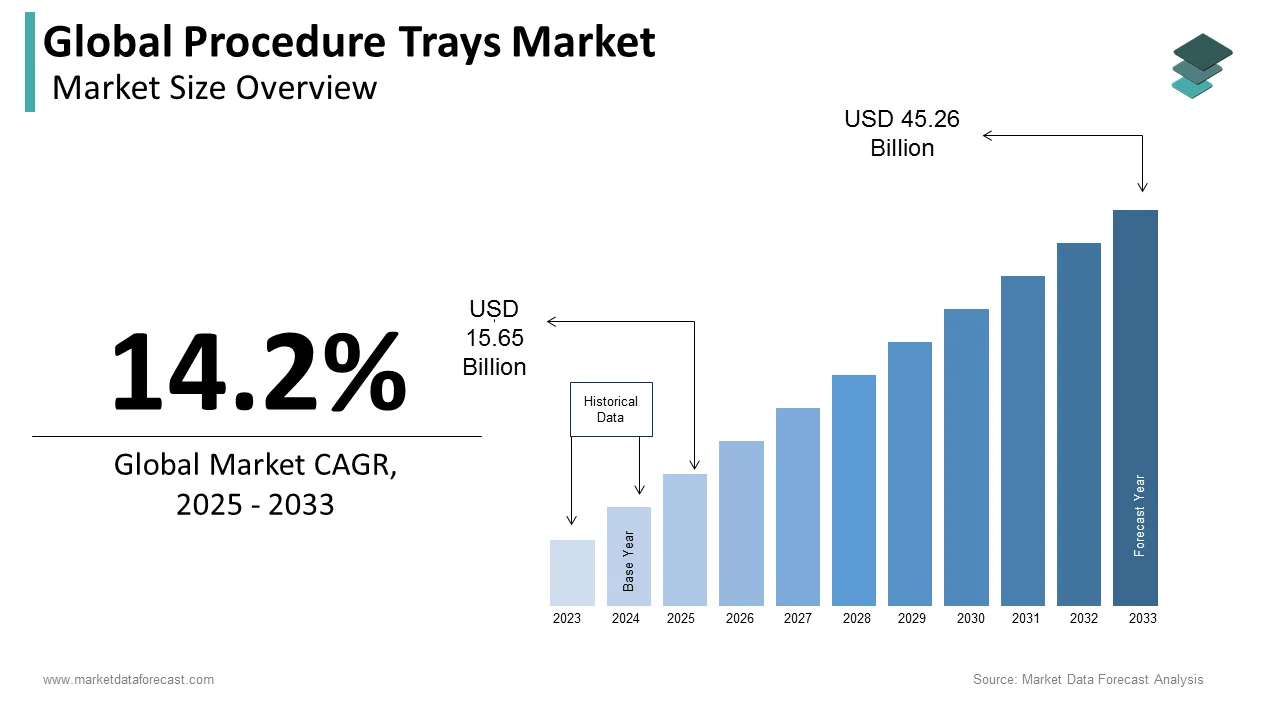
The global procedure trays market was valued at USD 15.65 billion in 2025 and is projected to grow from USD 17.87 billion in 2026 to USD 51.70 billion by 2034, registering a CAGR of 14.2% from 2026 to 2034. Market growth is driven by increasing surgical volumes, rising demand for infection control solutions, and the growing adoption of customized sterile procedure kits across healthcare facilities. Procedure trays help streamline clinical workflows, reduce preparation time, minimize contamination risks, and improve operational efficiency. The increasing focus on patient safety, cost optimization, and healthcare standardization is further supporting market expansion worldwide.
Key Market Trends
- Growing adoption of pre-packaged sterile procedure trays to improve clinical efficiency.
- Increasing focus on infection prevention and hospital-acquired infection reduction.
- Rising demand for customized procedure trays tailored to specific medical procedures.
- Expansion of outpatient surgical centers and ambulatory care facilities.
- Growing emphasis on healthcare workflow optimization and cost containment.
Segmental Insights
- Based on product, the operating room procedure trays segment dominated the global procedure trays market in 2025, driven by the high volume of surgical procedures and the need for standardized surgical setups that improve efficiency and patient safety.
- Based on application, the hospitals segment accounted for the largest share of the global procedure trays market in 2025, supported by increasing inpatient admissions, growing surgical procedure volumes, and widespread adoption of sterile disposable medical products.
Regional Insights
The global procedure trays market is experiencing significant growth across major regions due to increasing healthcare expenditures, expanding surgical infrastructure, and rising awareness regarding infection prevention.
-
North America dominated the global procedure trays market in 2025 by capturing 35.1% share, driven by advanced healthcare infrastructure, high surgical procedure volumes, and strong adoption of customized sterile medical products.
-
Europe held the second-largest position with 28.3% share in 2025, supported by stringent infection control regulations, increasing healthcare investments, and growing adoption of standardized surgical practices.
-
Asia-Pacific is projected to register the fastest growth during the forecast period, driven by improving healthcare access, expanding hospital infrastructure, rising surgical procedure volumes, and increasing medical tourism across emerging economies.
Competitive Landscape
The global procedure trays market is characterized by the presence of established medical device manufacturers and healthcare consumables suppliers competing through product innovation, customization capabilities, and distribution network expansion. Companies are focusing on developing procedure-specific trays, enhancing sterilization standards, and improving supply chain efficiency to strengthen their market position. Strategic partnerships with healthcare providers and investments in advanced manufacturing technologies continue to shape the competitive environment.
Prominent companies operating in the global procedure trays market include Baxter International, Boston Scientific Corporation, Becton Dickinson and Company, Cardinal Health, CareFusion Corporation, Covidien AG, C.R. Bard Inc., Ecolab Inc., Hogy Medical Co., Ltd., Medical Action Industries Inc., Medtronic plc, and Medline Industries Inc.
Global Procedure Trays Market Size
The global procedure trays market was worth US$ 15.65 billion in 2025 and is anticipated to reach a valuation of US$ 51.70 billion by 2034 from US$ 17.87 billion in 2026, and it is predicted to register a CAGR of 14.2% during the forecast period 2026 to 2034.
Procedure trays are standardized collections of sterile medical instruments and supplies designed for specific clinical interventions. These kits streamline workflows by ensuring all necessary components are available in a single package, thereby reducing preparation time and minimizing the risk of contamination. The market covers a wide array of specialized configurations ranging from minor surgical procedures to complex diagnostic interventions. As healthcare facilities prioritize operational efficiency and patient safety, the adoption of these pre-assembled solutions has become integral to modern clinical practice. The global burden of disease continues to rise with chronic conditions requiring frequent procedural interventions. According to data from the World Health Organization (WHO), an estimated 16 percent of the world population, or roughly 1.3 billion individuals, experience a significant disability, a demographic that frequently requires specialized or regular medical intervention. Furthermore, medical infrastructure data published via the National Institutes of Health (NIH) indicates that approximately 40 million to 50 million major surgical procedures are performed annually within the United States alone. This high volume of interventions underscores the critical need for reliable and efficient procedural support systems. The integration of advanced materials and ergonomic designs further enhances the utility of these trays, making them indispensable in both hospital and ambulatory settings. The focus on reducing hospital-acquired infections also drives the preference for sterile single-use trays over reusable alternatives.
MARKET DRIVERS
Surge in Ambulatory Surgical Center Procedures Drives Demand for Standardized Kits
The rapid growth of ambulatory surgical centers is expanding the procedure trays market. This expansion significantly boosts demand for these trays due to the need for speed and efficiency in outpatient settings. These facilities operate under tight schedules and require streamlined processes to maximize patient throughput without compromising safety standards. Procedure trays offer a turnkey solution that eliminates the time-consuming task of gathering individual instruments for each case. The shift towards outpatient care is driven by cost containment pressures and patient preference for less invasive options. The standardization provided by procedure trays ensures consistency across different providers and locations, which is crucial for maintaining quality control in decentralized healthcare networks. Additionally, the reduced setup time allows medical staff to focus more on patient care rather than logistical preparation. As per the Medicare Payment Advisory Commission, ambulatory surgical centers have seen a steady increase in the volume of complex procedures previously reserved for hospitals. This trend necessitates robust supply chains for high-quality sterile trays that can support diverse clinical needs while adhering to strict regulatory guidelines for infection prevention.
Increasing Prevalence of Chronic Diseases Necessitates Frequent Procedural Interventions
The escalating global prevalence of chronic diseases, such as diabetes, cardiovascular disorders, and cancer, propels the procedure trays market. This creates a sustained demand for regular medical procedures. Patients with these conditions often require frequent diagnostic tests, minor surgeries, and therapeutic interventions that rely on sterile and organized equipment sets. According to the International Diabetes Federation, approximately 537 million adults were living with diabetes in 2021, a number projected to rise to 643 million by 2030. This surge in chronic disease management translates into a higher volume of routine procedures such as wound care, catheterizations, and biopsies. Procedure trays simplify these recurring interventions by providing all necessary tools in a single sterile package, which reduces the cognitive load on healthcare professionals and minimizes the risk of errors. The World Health Organization (WHO) indicates that new cancer cases are projected to rise by 77 percent between 2022 and 2050, driven heavily by shifting lifestyles and rapidly aging demographics. This demographic shift places immense pressure on healthcare systems to optimize resource utilization. The use of procedure trays supports this optimization by ensuring that essential supplies are readily available, thus reducing procedure times and improving patient outcomes in high-volume clinical environments.
MARKET RESTRAINTS
Stringent Regulatory Compliance Increases Operational Costs for Manufacturers
Rigorous regulatory frameworks governing medical device manufacturing and sterilization processes are major restraints to the procedure trays market. Compliance with standards set by bodies such as the Food and Drug Administration in the United States and the European Medicines Agency in Europe requires substantial investment in quality assurance and validation protocols. These regulations mandate strict adherence to sterility assurance levels, material biocompatibility, and traceability requirements, which drive up production costs. The Medical Device Innovation Consortium (MDIC) reveals that the capital needed to bring complex new diagnostic and medical devices to market can exceed 100 million dollars, heavily driven by clinical data requirements. For procedure tray manufacturers, this means continuous monitoring of supply chains, rigorous testing of components, and detailed documentation of every production batch. Any deviation from these standards can result in costly recalls or legal penalties, which deter smaller players from entering the market. As per the European Commission, the implementation of the Medical Device Regulation has increased the administrative burden on manufacturers, requiring more extensive clinical evaluations and post-market surveillance. This regulatory complexity not only increases the time to market for new products but also limits the ability of companies to innovate rapidly in response to changing clinical needs.
Environmental Concerns Regarding Single-Use Plastic Waste Pose Sustainability Challenges
The widespread use of single-use procedure trays generates substantial medical waste, raising environmental concerns and prompting stricter waste management regulations, which further hampers the expansion of the procedure trays market. Most procedure trays are composed of various plastics and non-recyclable materials, which contribute to the growing problem of healthcare-related pollution. Health Care Without Harm (HCWH) reveals that the medical sector accounts for approximately 4.4 percent of global net greenhouse gas emissions, with medical logistics and clinical waste streams acting as key systemic contributors. Assessments compiled by Practice Greenhealth show that hospitals in the United States produce over 30 pounds of combined waste per patient bed daily, intensifying the push for sustainable, single-use product design. This environmental footprint has led to increased scrutiny from regulatory bodies and environmental groups pushing for more sustainable practices. Healthcare facilities are under pressure to reduce their carbon footprint, which may lead to a preference for reusable instruments over disposable trays despite the higher initial labor costs associated with reprocessing. The Lancet Countdown on Health and Climate Change emphasizes that the medical manufacturing and provider sectors must aggressively minimize their environmental footprints to satisfy established global climate pacts. This shift in perspective challenges the traditional model of single-use procedure trays and forces manufacturers to explore eco-friendly alternatives, which are often more expensive and less developed in terms of performance and reliability.
MARKET OPPORTUNITIES
Integration of Smart Technologies Offers New Avenues for Product Differentiation
The integration of smart technologies into these trays offers a significant opportunity for manufacturers to differentiate their products and enhance clinical value, which is likely to promote the growth of the procedure trays market. By incorporating radio frequency identification tags or near field communication chips, manufacturers can enable real-time tracking of inventory usage, expiration dates, and sterilization cycles. This technological enhancement improves supply chain visibility and reduces the risk of using expired or compromised items. According to research, the adoption of connected medical devices is expected to grow substantially as hospitals seek to optimize asset utilization. Smart procedure trays can also facilitate automated restocking processes, thereby reducing administrative burdens on nursing staff. The Healthcare Information and Management Systems Society (HIMSS) demonstrates that health systems integrating advanced, automated supply chain tracking can successfully reduce localized supply expenses by up to 33 percent. Furthermore, these technologies can provide valuable data analytics on procedure frequencies and resource consumption, enabling healthcare administrators to make informed decisions about procurement and staffing. The ability to offer such advanced features allows manufacturers to command premium pricing and build stronger relationships with healthcare providers who are increasingly focused on operational efficiency and data-driven decision-making.
Expansion into Emerging Markets Provides Untapped Growth Potential
The expansion of healthcare infrastructure in emerging nations opens the door for manufacturers in the procedure trays market. This growth is driven by rising healthcare expenditures and increasingly improved access to medical services. Countries in the Asia Pacific, Latin America, and the Middle East are investing heavily in modernizing their healthcare systems to meet the needs of growing and aging populations. The World Bank confirms that while aggregate health expenditure per capita in lower-middle-income countries is moving upward, local market realization depends on stabilization of out-of-pocket spending limits. This financial commitment is driving the establishment of new hospitals and clinics that require standardized medical supplies, including procedure trays. The Asian Development Bank (ADB) indicates that structural population aging across developing Asia-Pacific economies will double the senior demographic by 2050, dramatically elevating chronic medical care and procedural volume requirements. Manufacturers who establish a strong presence in these regions can benefit from first-mover advantages and long-term contracts with government health agencies. Additionally, the increasing awareness of infection control practices in these markets is shifting preferences towards sterile single-use solutions over traditional reusable instruments. This transition creates a favorable environment for the adoption of procedure trays as they offer a reliable and efficient way to maintain high standards of hygiene in resource-constrained settings.
MARKET CHALLENGES
Supply Chain Volatility Disrupts Availability of Raw Materials
Supply chain volatility affects the availability and cost of essential raw materials, such as plastics, metals, and textiles, which challenges the growth of the procedure trays market. Global disruptions caused by geopolitical tensions, trade restrictions, and natural disasters can lead to shortages of critical components required for tray assembly. According to the Institute for Supply Management (ISM), global manufacturing networks face extended procurement backlogs, with the Supplier Deliveries Index registering above 50 percent, signifying slower delivery speeds driven by heavy market demand. This instability forces manufacturers to maintain higher inventory levels, which ties up capital and increases storage costs. As per the Resilinc supply chain risk report, 73 percent of companies reported increased costs due to supply chain disruptions in the recent past. For procedure tray producers, this means facing unpredictable price fluctuations for materials like polypropylene and stainless steel, which can erode profit margins. Additionally, the reliance on single-source suppliers for specialized components exacerbates the risk of production halts. Manufacturers must therefore invest in diversified sourcing strategies and robust risk management frameworks to mitigate these disruptions. However, these measures require significant financial resources and strategic planning, which can be particularly challenging for smaller firms with limited bargaining power in the global marketplace.
Labor Shortages Impact Sterile Processing and Assembly Efficiency
The ongoing labor shortages in the healthcare and manufacturing sectors are a critical barrier to the procedure trays market. This negatively affects the efficient production and processing of these trays. Skilled workers are required for the precise assembly, packaging, and sterilization of these medical kits to ensure they meet stringent quality standards. The American Hospital Association (AHA) indicates that hospital personnel vacancy rates climbed by up to 30 percent, causing severe staffing pressures that indirectly constrain support functions like sterile processing departments. In the manufacturing sector, the National Association of Manufacturers indicates that 80 percent of manufacturers are unable to find enough skilled workers to fill job openings. This scarcity of labor leads to increased overtime costs, higher error rates, and delayed order fulfillment. As per the Bureau of Labor Statistics, the healthcare support occupations are projected to grow, but the current gap between demand and available workforce remains significant. For procedure tray manufacturers, this means facing difficulties in scaling up production to meet rising demand. The lack of experienced personnel can also compromise the quality control processes, leading to potential recalls and reputational damage. Companies must therefore invest in automation and training programs to reduce reliance on manual labor, but these initiatives require substantial upfront investment and time to yield results.
REPORT COVERAGE
| REPORT METRIC | DETAILS |
| Market Size Available | 2025 to 2034 |
| Base Year | 2025 |
| Forecast Period | 2026 to 2034 |
| Segments Covered | |
| Various Analyses Covered | Global, Regional and Country-Level Analysis, Segment-Level Analysis, Drivers, Restraints, Opportunities, Challenges; PESTLE Analysis; Porter’s Five Forces Analysis, Competitive Landscape, Analyst Overview of Investment Opportunities |
| Regions Covered | North America, Europe, Asia Pacific, Latin America, Middle East & Africa |
| Market Leaders Profiled | Baxter International, Boston Scientific Corp, Cardinal Health, CareFusion Corp, Covidien AG, C.R. Bard Inc., Ecolab Inc., Hogy Medical Co., Ltd, Medical Action Industries Inc., and Medline Industries Inc., and Others. |
SEGMENTAL ANALYSIS
By Product Insights
The operating room procedure trays segment held the majority share of the global market in 2025. This segment dominated because operating rooms required comprehensive sterile kits for a wide variety of complex procedures, ranging from general surgery to specialized orthopedic and cardiovascular operations. High demand was driven by the massive volume of surgeries performed worldwide. The sheer frequency of surgeries drives consistent demand for these trays as they ensure all necessary instruments are available immediately, thereby reducing operative time and enhancing patient safety. According to the World Health Organization, approximately 310 million major surgical procedures are performed each year globally, highlighting the massive scale of this sector. The standardization offered by operating room trays minimizes the risk of missing instruments, which is critical in high-stakes environments. Guided by clinical safety protocols from the Association of Perioperative Registered Nurses (AORN) alongside federal infection prevention criteria, healthcare networks are increasingly relying on single-use, standardized sterile procedure trays to minimize surgical site contamination. The complexity of modern surgeries also necessitates specialized trays that include advanced tools and materials designed for specific procedural needs. This requirement for customization and reliability solidifies the leading position of operating room procedure trays in the market landscape.
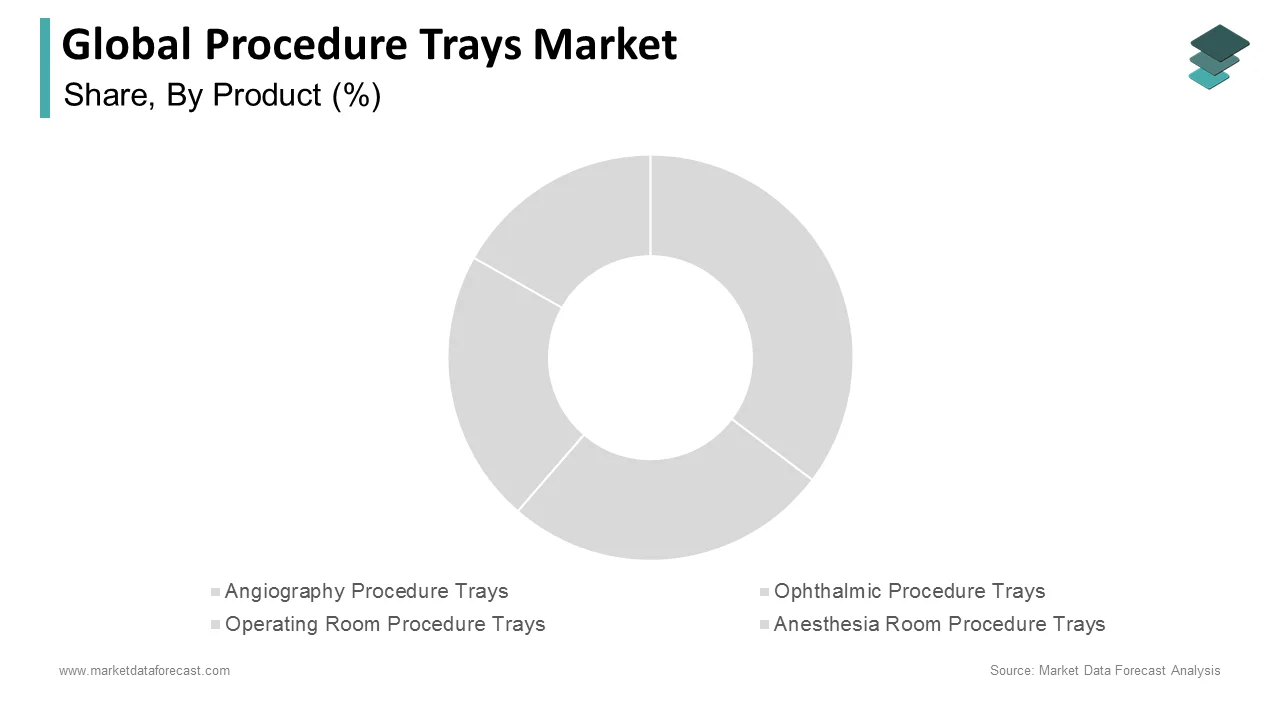
On the other hand, the angiography procedure trays segment is predicted to witness the highest CAGR of 6.8% during the forecast period due to the rising prevalence of cardiovascular diseases and the increasing adoption of minimally invasive diagnostic techniques. Cardiovascular conditions remain the leading cause of death globally, which necessitates frequent angiographic procedures for diagnosis and treatment. The World Heart Federation (WHF) indicates that cardiovascular diseases claim over 20.5 million lives annually worldwide, driving a continuous regional demand for specialized interventional medical supplies. Angiography trays are essential for catheterization labs where precision and sterility are paramount to prevent complications such as infections or thrombosis. The shift towards outpatient cardiac care further accelerates the adoption of these specialized trays as ambulatory centers seek efficient solutions for high-volume patient flows. As per the American College of Cardiology, the number of cardiac catheterization procedures has increased significantly over the past decade, reflecting the growing burden of heart disease. Additionally, advancements in imaging technology have made angiography safer and more accessible, leading to higher procedure volumes. The need for specialized kits that contain contrast media delivery systems and vascular access tools ensures that this segment continues to expand at a rapid pace compared to other categories.
By Application Insights
The hospitals segment led the global procedure trays market and accounted for a substantial share in 2025. This leading position of the segment was attributed to its capacity to handle complex surgical cases and emergency procedures that require extensive resources and specialized equipment. These institutions serve as the primary centers for major surgeries, trauma care, and intensive treatments, which inherently demand a high volume of procedure trays. The centralized nature of hospital procurement allows for bulk purchasing of standardized trays, which ensures consistency in quality and availability across different departments. Hospitals also face stringent regulatory requirements for infection control, which drives the preference for sterile single-use trays over reusable alternatives. As per the European Centre for Disease Prevention and Control, healthcare-associated infections affect millions of patients each year, prompting hospitals to adopt rigorous sterilization protocols supported by pre-packaged procedure kits. The integration of advanced surgical technologies in hospitals further necessitates specialized trays that can accommodate complex instruments and devices. This combination of high procedural volume, regulatory pressure, and technological advancement cements the leading position of hospitals in the procedure trays market.
However, the ambulatory surgical centers segment is estimated to register the fastest CAGR of 7.2% from 2026 to 2034, owing to the global shift towards cost-effective outpatient care and patient preference for less invasive procedures. These centers offer a convenient and efficient alternative to traditional hospital settings for minor and moderate surgeries, thereby reducing overall healthcare costs. The ability of these centers to perform procedures such as endoscopies, cataract surgeries, and minor orthopedic interventions without overnight stays drives the demand for specialized procedure trays tailored to outpatient workflows. As per the Medicare Payment Advisory Commission, ambulatory surgical centers have seen a significant increase in the volume of complex procedures previously reserved for hospitals. This trend is supported by favorable reimbursement policies and advancements in anesthesia techniques that allow for quicker recovery times. The focus on operational efficiency in ambulatory settings necessitates the use of pre-assembled trays that minimize setup time and streamline patient turnover. Consequently, this segment is experiencing robust growth as healthcare systems prioritize value-based care models.
REGIONAL ANALYSIS
North America Procedure Trays Market Analysis
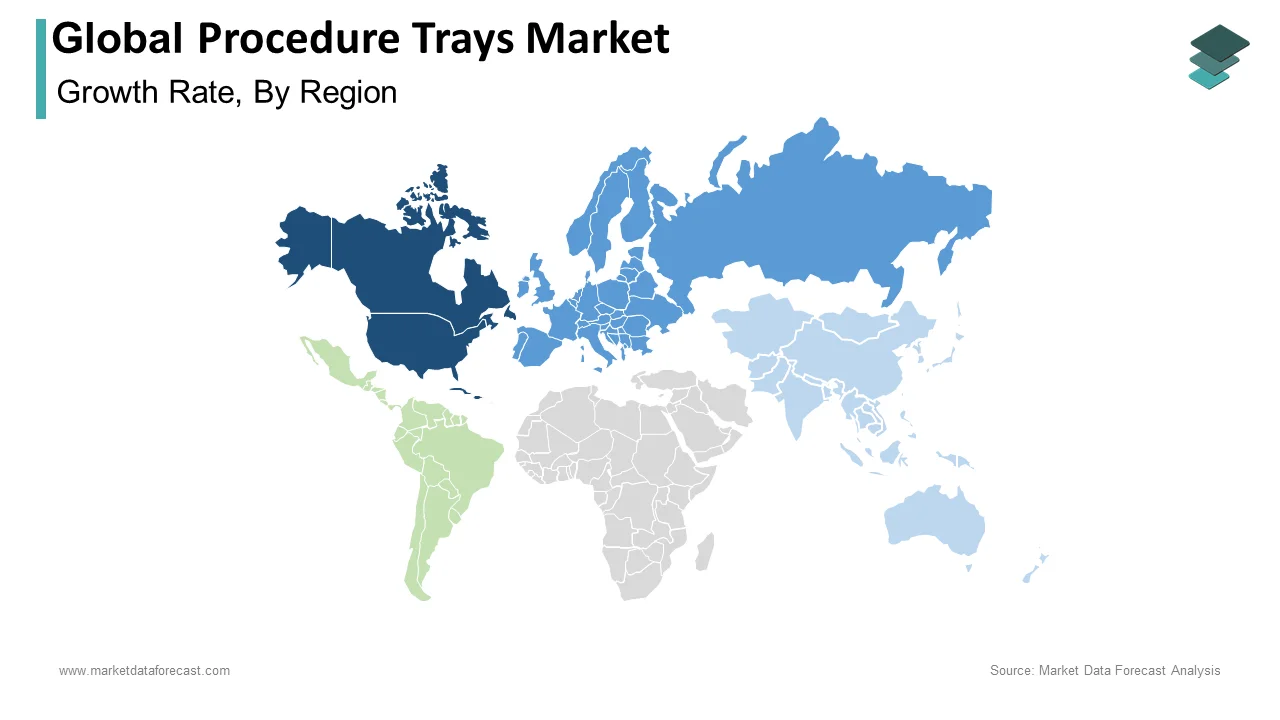
North America dominated the global procedure trays market and accounted for a 35.1% share in 2025. The supremacy of this region was driven by advanced healthcare infrastructure and high healthcare expenditure. The region benefits from a well-established network of hospitals and ambulatory surgical centers that prioritize patient safety and operational efficiency. According to the Centers for Medicare & Medicaid Services (CMS), national health expenditures in the United States reached 5.3 trillion dollars, reflecting a massive, ongoing financial commitment to medical services and infrastructure. The presence of major medical device manufacturers and stringent regulatory standards enforced by the Food and Drug Administration ensures high-quality products are widely available. The adoption of electronic health records and inventory management systems further supports the efficient utilization of procedure trays in clinical settings. Additionally, the aging population and rising prevalence of chronic diseases contribute to the high volume of medical interventions. These factors collectively maintain North America's leading position in the global market for procedure trays.
Europe Procedure Trays Market Analysis
Europe was positioned second in the global procedure trays market and captured a 28.3% share in 2025. This position of the European market was supported by a strong focus on regulatory compliance and sustainable healthcare practices. The region features a mix of public and private healthcare systems that emphasize cost containment and quality assurance in medical procedures. According to Eurostat, the average life expectancy at birth in the European Union has reached 81.5 years, driving an expanding market requirement for age-related medical interventions. The implementation of the Medical Device Regulation has raised standards for product safety and traceability, influencing the design and manufacturing of procedure trays. As per the Organisation for Economic Co-operation and Development (OECD) and Eurostat, health-related spending in the European Union averages 10.0 percent of gross domestic product (GDP), providing the financial foundation necessary to support a robust medical industry. Countries such as Germany, France, and the United Kingdom have well-developed hospital networks that utilize standardized procedure kits to enhance efficiency. The growing awareness of environmental impact is also driving innovation in eco-friendly tray materials. These dynamics ensure that Europe remains a key market for high-quality and compliant procedure tray solutions.
Asia Pacific Procedure Trays Market Analysis
Asia Pacific is a rapidly expanding market due to improving healthcare access and rising medical tourism. The region is witnessing significant investments in healthcare infrastructure as governments aim to provide universal health coverage to their growing populations. According to the World Bank, health expenditure per capita in Asia has been increasing steadily, reflecting greater financial commitment to medical services. Countries like China, India, and Japan are seeing a surge in the number of hospitals and clinics equipped with modern surgical facilities. The Asian Development Bank (ADB) projects that the elderly population across developing Asia-Pacific economies will double by 2050, sparking a structural surge in long-term care and clinical demand. The rising middle class is also contributing to increased demand for elective and specialized procedures. Medical tourism hubs in Thailand and Singapore attract international patients requiring high-standard care supported by reliable supply chains for procedure trays. These factors position the Asia Pacific as a key growth engine for the global procedure trays market.
Latin America Procedure Trays Market Analysis
Latin America expands gradually in the global procedure trays market owing to gradual improvements in healthcare infrastructure and increasing awareness of infection control. The region faces challenges related to the uneven distribution of medical resources, but urban centers are seeing significant advancements in hospital capabilities. According to the Pan American Health Organization, health spending in Latin America has been rising, although it remains lower than in developed regions. Countries such as Brazil and Mexico are investing in modernizing their healthcare systems to meet the needs of their populations. As per the World Health Organization, the prevalence of non-communicable diseases is increasing in Latin America, driving demand for surgical and diagnostic procedures. The expansion of private healthcare providers is also contributing to the adoption of standardized procedure trays. Government initiatives aimed at improving maternal and child health are further boosting the demand for sterile medical supplies. These developments suggest a positive trajectory for the procedure trays market in Latin America.
Middle East and Africa Procedure Trays Market Analysis
The Middle East and Africa region is likely to grow notably in the global market between 2026 and 2034 due to government investments in healthcare modernization and expanding insurance coverage. The region is characterized by diverse healthcare landscapes, with Gulf Cooperation Council countries leading in infrastructure development. Sources indicate that Middle Eastern health allocations are expanding to curb outbound medical tourism and establish self-sufficient domestic clinical networks. Countries such as Saudi Arabia and the United Arab Emirates are building world-class hospitals and specialty centers that require high-quality medical supplies. As per the African Union, efforts to strengthen health systems in Africa are gaining momentum with increased focus on primary care and surgical capacity. The rising burden of chronic diseases and infectious conditions necessitates more frequent medical interventions. International partnerships and aid programs are also supporting the improvement of healthcare facilities. These initiatives create opportunities for the adoption of procedure trays in both public and private sectors across the region.
COMPETITIVE LANDSCAPE
The competition in the procedure trays market is characterized by the presence of several established global players and numerous regional manufacturers striving for market share. Large corporations leverage their extensive distribution networks and brand recognition to dominate the sector, while smaller firms focus on niche specialties and customization. Innovation in product design and material science serves as a key differentiator as companies seek to enhance sterility and ease of use. Regulatory compliance remains a critical factor, with manufacturers investing heavily in quality assurance to meet stringent standards set by authorities such as the Food and Drug Administration. Price competition is intense, particularly in standardized products, prompting companies to differentiate through value-added services such as inventory management and custom kit assembly. The market is also witnessing consolidation through mergers and acquisitions as larger entities aim to broaden their offerings and achieve economies of scale. Customer loyalty is driven by reliability and consistent quality, making long-term contracts with healthcare institutions common. Technological integration, such as smart tracking systems, is becoming increasingly important for maintaining a competitive edge. Sustainability initiatives are also shaping competitive strategies as environmental concerns influence procurement decisions. Overall, the market remains dynamic with continuous evolution driven by clinical needs and regulatory changes.
KEY MARKET PLAYERS
Some of the prominent companies operating in the global procedure trays market profiled in the report are
- Baxter International
- Boston Scientific Corp
- Becton Dickinson and Company
- Cardinal Health
- CareFusion Corp
- Covidien AG
- R. Bard Inc.
- Ecolab Inc.
- Hogy Medical Co., Ltd
- Medical Action Industries Inc.
- Medtronic plc
- Medline Industries Inc.
TOP PLAYERS IN THE MARKET
- Medtronic plc is a prominent player in the procedure trays market, leveraging its extensive portfolio of medical devices and strong global distribution network. The company focuses on integrating its proprietary instruments into customized procedure kits to enhance surgical efficiency and patient outcomes. Medtronic actively collaborates with healthcare providers to develop specialized trays for cardiovascular, neurological, and spinal procedures. Recent initiatives include expanding its manufacturing capabilities to ensure a consistent supply and investing in digital solutions for inventory management. The company emphasizes innovation in material science to improve the durability and safety of its tray components. By aligning its product offerings with clinical needs, Medtronic strengthens its position as a trusted partner in surgical care. Its commitment to quality and regulatory compliance ensures that its procedure trays meet the highest standards required by hospitals and ambulatory centers worldwide.
- Becton Dickinson and Company plays a significant role in the procedure trays market by offering a wide range of sterile medical supplies and injection systems. The company utilizes its expertise in medication delivery and infection prevention to create comprehensive procedure kits for various clinical settings. Becton Dickinson focuses on sustainability by developing eco-friendly packaging solutions and reducing plastic waste in its products. Recent actions include acquiring companies to broaden its product portfolio and enhancing its global supply chain resilience. The company invests heavily in research and development to introduce advanced features such as smart tracking capabilities in its trays. By prioritizing patient safety and operational efficiency, Becton Dickinson maintains a strong presence in hospitals and clinics. Its strategic partnerships with healthcare organizations enable it to tailor solutions that address specific procedural requirements and regulatory standards.
- Cardinal Health Inc contributes significantly to the procedure trays market through its robust distribution network and custom kit assembly services. The company specializes in providing tailored solutions that meet the unique needs of healthcare facilities ranging from small clinics to large hospital systems. Cardinal Health focuses on optimizing supply chain efficiency to ensure the timely delivery of sterile procedure trays. Recent efforts include expanding its manufacturing footprint and implementing advanced automation technologies to improve production speed and accuracy. The company also emphasizes quality control and regulatory compliance to maintain trust with its customers. Its customer-centric approach and logistical expertise enable it to deliver reliable and cost-effective solutions that enhance clinical workflows and patient care.
TOP STRATEGIES USED BY KEY MARKET PARTICIPANTS
Key players in the procedure trays market primarily focus on strategic acquisitions to expand their product portfolios and geographic reach. Companies invest heavily in research and development to innovate materials and integrate smart technologies such as radio frequency identification tags for better inventory tracking. Partnerships with healthcare providers enable customization of trays to meet specific clinical needs, enhancing user satisfaction. Manufacturers are also prioritizing sustainability by developing eco-friendly packaging and reducing plastic usage in response to environmental concerns. Expansion into emerging markets through local manufacturing facilities helps reduce costs and improve supply chain resilience. These strategies collectively strengthen market positions and drive competitive advantage in the evolving healthcare landscape.
GLOBAL PROCEDURE TRAYS MARKET NEWS
- In March 2023, Medtronic plc launched a new line of eco-friendly procedure trays featuring biodegradable packaging materials to reduce environmental impact and strengthen the Procedure Trays Market.
- In July 2023, Becton Dickinson and Company acquired a specialized manufacturer of sterile surgical kits to expand its product portfolio and strengthen the Procedure Trays Market.
- In November 2023, Cardinal Health Inc implemented advanced automation technology in its assembly facilities to improve production efficiency and strengthen the Procedure Trays Market.
- In February 2024, Medtronic plc partnered with a digital health firm to integrate radio frequency identification tracking into its procedure trays and strengthen the Procedure Trays Market.
- In May 2024, Becton Dickinson and Company expanded its manufacturing capacity in the Asia Pacific to meet rising demand and strengthen the Procedure Trays Market.
MARKET SEGMENTATION
This market research report on the global procedure trays market has been segmented and sub-segmented based on the product, application, and region.
By Product
- Angiography Procedure Trays
- Ophthalmic Procedure Trays
- Operating Room Procedure Trays
- Anesthesia Room Procedure Trays
- Others
By Application
- Hospitals
- Clinics
- Ambulatory Surgical Centers
By Region
- North America
- Europe
- Asia Pacific
- Latin America
- Middle East and Africa