- Product Description Description
- Table of Contents TOC
- List of Table & Figure LOT
- Get Free Sample PDF Sample PDF
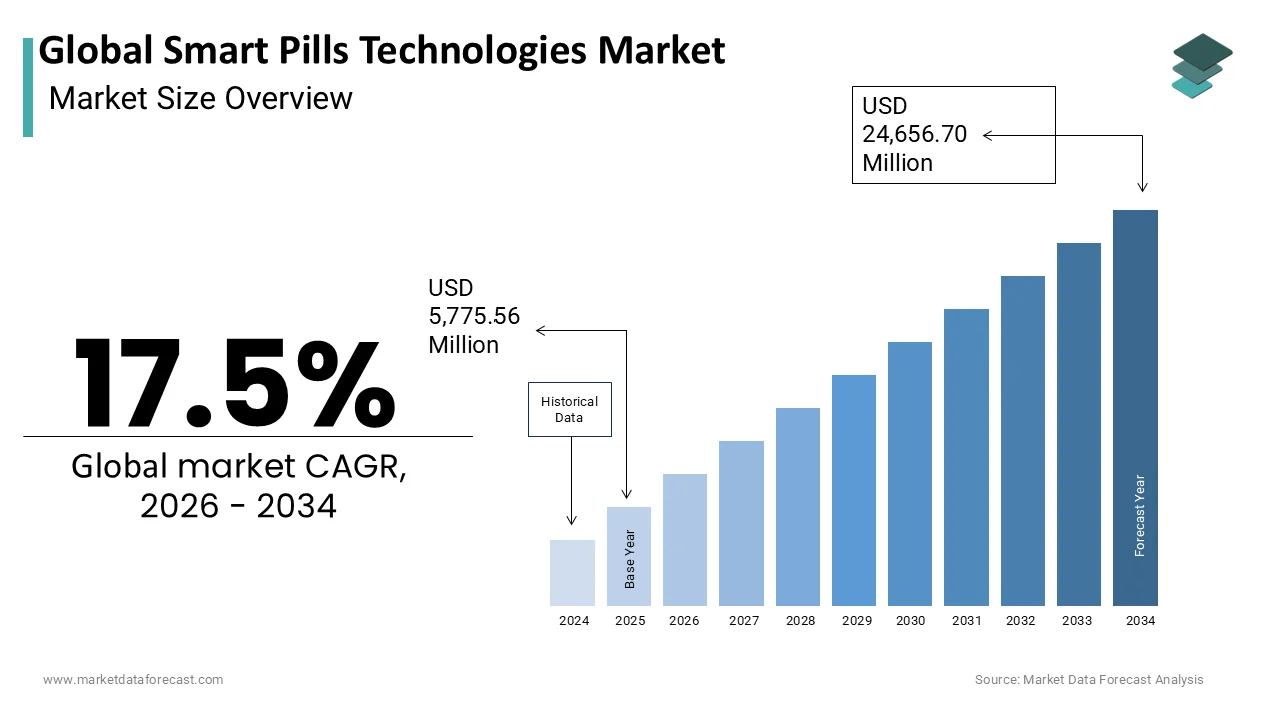
Market Size, 2025
$5775 MnMarket Estimate, 2026
$6786 MnMarket Forecast, 2034
$24656 MnCAGR, 2026–2034
17.5%Executive Summary: Global Smart Pills Technologies Market
- Market Scope: Comprehensive global smart pills technologies market analysis covering application segments, regional leadership frameworks, growth drivers, restraints, and competitive landscapes.
- Market Valuation: Valued at USD 5,775.56 million (2025), estimated at USD 6,786.28 million (2026), and projected to reach USD 24,656.70 million by 2034, registering a robust CAGR of 17.5% (2026–2034).
- Primary Growth Drivers: Rising prevalence of geriatric gastrointestinal diseases, changing dietary lifestyles, increasing incidence of capsule endoscopy applications for intestinal health, miniaturization of electronic components, and rising R&D investments.
Key Market Segment Metrics (2026–2034)
| Category | Leading Segment (2025 Position) | Fastest-Growing Segment |
|---|---|---|
| By Application | Capsule Endoscopy (dominated due to high accuracy in diagnosing small bowel and gastrointestinal disorders) | Drug Delivery & Patient Monitoring Systems (driven by medication efficiency and digital therapeutics) |
| By Region / Country | North America (dominated the market share, supported by favorable FDA approvals and reimbursement scenarios) | Asia-Pacific (projected to grow at the highest CAGR due to rising disposable incomes, corporate investments, and advanced healthcare frameworks) |
Major Market Players & Market Structure
Market Structure: Highly competitive digital health and medical device landscape featuring pioneering technology corporations and medical startups competing on wireless visualization, biosensor integration, real-time data transmission, and targeted drug delivery solutions.
Key Companies: CapsoVision, Inc., Given Imaging, Inc., Medimetrics S.A. de C.V., Olympus Corporation, Bio-Images Research Limited, Novartis, Philips Healthcare, Smartpill, Inc., Medtronic, Inc., Pentax Medical Company, Siemens Healthcare, Stryker Corporation, GE Healthcare, Boston Scientific Corporation, IntroMedic Inc., Chongqing Jinshan Science & Technology Group Co. Ltd., and Proteus Digital Health Inc.
 Download Free Sample Report
Global Smart Pills Technologies Market Size
The Global Smart Pills Technologies Market is projected to grow from USD 5,775.56 million in 2025 to USD 6,786.28 million in 2026 and reach USD 24,656.70 million by 2034, registering a CAGR of 17.5% during the forecast period from 2026 to 2034.
Smart pills are ingestible medical capsules embedded with tiny sensors, microchips, or cameras that travel through the digestive system to monitor health, record images, or release targeted medications. These devices integrate microelectronics with pharmaceutical formulations to transmit real-time data to external receivers, enabling precise tracking of drug ingestion and gastrointestinal conditions. According to the World Health Organisation (WHO), medication adherence among patients suffering from chronic diseases averages only 50% in developed countries, while industry data published in The Unmet Challenge of Medication Nonadherence estimates that medication nonadherence causes approximately 125,000 avoidable deaths each year in the United States. This significant clinical gap directly fuels the adoption of smart pill technologies that provide verifiable proof of ingestion. Furthermore, as per the Centers for Disease Control and Prevention, chronic diseases such as hypertension and diabetes affect six in ten adults in the United States, requiring complex medication regimens that are difficult to manage without assistance. These statistics highlight the urgent demand for automated adherence tools that reduce the burden on patients and caregivers. Healthcare providers are increasingly integrating these digital therapeutics into care plans to improve outcomes and reduce hospital readmissions. The miniaturisation of semiconductor technology has enabled the creation of safe and effective ingestible sensors that dissolve or pass naturally through the digestive tract. Regulatory bodies are establishing frameworks to ensure the safety and efficacy of these novel combination products. This convergence of digital health and pharmacology defines the current landscape of the smart pills sector.
MARKET DRIVERS
Rising Prevalence of Chronic Diseases Requiring Complex Regimens
The escalating burden of chronic diseases is a key driver for the expansion of the smart pills technologies market. This is due to the necessity for strict medication management in long-term care. According to the National Institute of Diabetes and Digestive and Kidney Diseases (NIDDK), an estimated 38.4 million people in the United States, or 11.6% of the population, have diabetes. This complexity increases the likelihood of missed doses, which can lead to severe complications and increased healthcare costs. As per the American Heart Association, nearly half of all adults in the United States have some form of cardiovascular disease requiring consistent medication intake to prevent adverse events. Smart pills offer a reliable solution by automatically recording ingestion times and sending alerts to patients and providers when doses are missed. This objective data allows clinicians to distinguish between nonresponse to therapy and nonadherence, enabling more accurate treatment adjustments. Healthcare systems are prioritising technologies that improve patient compliance to reduce the economic burden of chronic disease management. The ability to monitor adherence remotely supports value-based care models that reward positive health outcomes. Patients benefit from reduced anxiety about forgetting medications and improved confidence in their treatment plans. This alignment between clinical need and technological capability ensures sustained demand for smart pill solutions.
Integration of Digital Therapeutics into Healthcare Systems
The widespread integration of digital therapeutics into mainstream healthcare fundamentally supports the growth of the smart pills technologies market. This systemic adoption validates ingestible sensors as essential medical tools. According to the Food and Drug Administration (FDA), the agency approved Abilify MyCite, the first digital medicine system with an ingestible sensor, for the treatment of schizophrenia, acute manic or mixed episodes associated with bipolar I disorder, and as an adjunctive treatment for depression in adults. This official endorsement encourages healthcare providers to prescribe these technologies with confidence, knowing they meet rigorous safety and efficacy standards. As per reports, utilising mobile health applications, tailored reminders, and integrated adherence systems significantly elevates patient compliance levels compared to standard medical follow-ups alone. This evidence-based advantage drives hospitals and clinics to adopt smart pill systems as part of their standard operating procedures for high-risk patients. Insurance providers are beginning to reimburse for digital therapeutic services, recognising their potential to lower overall healthcare expenditures by preventing costly hospitalisations. The seamless integration of smart pill data into electronic health records facilitates comprehensive patient monitoring and coordinated care. Physicians can access real-time adherence data during consultations, allowing for immediate intervention if issues arise. This systemic adoption creates a robust infrastructure that supports the scalable deployment of smart pill technologies across diverse patient populations.
MARKET RESTRAINTS
High Cost of Development and Implementation
The substantial financial burden associated with developing and implementing these pill technologies is a significant restraint to the smart pills technologies market. This limits accessibility and adoption rates. According to the Pharmaceutical Research and Manufacturers of America (PhRMA), the average cost to bring a new medicine to patients is $2.6 billion, while general market data notes that developing novel complex medical devices averages hundreds of millions of dollars. These high development costs are often passed on to patients and healthcare systems, making smart pills considerably more expensive than traditional medications. As per the Commonwealth Fund, out-of-pocket spending on healthcare in the United States remains a major barrier for many patients who may struggle to afford premium digital therapies. Reimbursement policies for smart pills are still evolving and often do not cover the full cost of the technology, leading to financial hesitation among providers. Smaller healthcare facilities may lack the resources to invest in the necessary infrastructure such as data platforms and training required to support smart pill programs. Manufacturers face challenges in pricing their products competitively while maintaining profitability, which can hinder widespread market penetration. The economic constraints within healthcare systems thus create a barrier to the utilisation of advanced adherence technologies despite their proven benefits. This financial disparity limits access primarily to well-funded institutions and affluent patients.
Patient Privacy and Data Security Concerns
The increasing threat of data breaches and privacy violations significantly impedes the growth of the smart pills technology market. This friction persists because these vulnerabilities raise severe concerns about the security of sensitive health information. As per the Office for Civil Rights, healthcare data breaches have affected over 40 million individuals in recent years, highlighting the vulnerability of digital health records, including those generated by ingestible sensors. Smart pills transmit personal health data wirelessly, which creates potential entry points for cyberattacks and unauthorised access. According to the Healthcare Information and Management Systems Society (HIMSS), 67% of healthcare IT security respondents reported experiencing a major security incident in a given year, while general industry research tracks cyberattacks increasing by 65% in the sector. Patients are becoming more aware of these risks and may hesitate to use devices that continuously track and transmit their biological information. Regulatory bodies such as the European Union under the General Data Protection Regulation impose strict requirements on data handling, which increases compliance costs for manufacturers. Small and medium-sized technology firms often lack the resources to implement advanced cybersecurity measures, making their products less trustworthy. High-profile security incidents involving connected health devices erode public trust and slow down market penetration. Addressing these security vulnerabilities is essential for building consumer confidence and ensuring the safe integration of smart pills into daily healthcare routines.
MARKET OPPORTUNITIES
Expansion into Clinical Trial Monitoring
The application of smart pill technologies in clinical trials offers a substantial opportunity for the smart pills technologies market. This provides objective and verifiable data on participant adherence. According to research, non-adherence during pharmaceutical clinical trials compromises statistical integrity, increases data variance, and threatens the validity of investigational drug evaluation outcomes. Smart pills eliminate self-reporting bias by providing precise timestamps of medication ingestion, ensuring that trial data accurately reflects drug efficacy. As per a study published in the British Journal of Clinical Pharmacology, precise monitoring and accounting for medication exposure definitions can markedly optimise data clarity and alter sample size outcomes in clinical trial subsets. This efficiency gain accelerates the drug development process and reduces overall research costs. Pharmaceutical companies are increasingly partnering with smart pill manufacturers to integrate adherence monitoring into their trial protocols. Regulatory agencies such as the Food and Drug Administration are showing willingness to accept digital adherence data as part of new drug applications. This acceptance encourages more sponsors to adopt smart pill technologies to strengthen their regulatory submissions. The ability to demonstrate perfect adherence in trials enhances the credibility of new drugs and supports faster market entry. This strategic application opens new revenue streams for smart pill providers beyond direct patient care.
Personalised Medicine and Real-Time Pharmacokinetics
The advancement of personalised medicine unlocks potential for the smart pills technologies market. This enables real-time monitoring of drug absorption and metabolism. According to the National Institutes of Health (NIH), individual variations in genetics and physiology can significantly affect how patients respond to medications. Smart pills equipped with sensors can measure pH levels, temperature, and transit time in the gastrointestinal tract, providing insights into drug dissolution and absorption rates. As per the Journal of Controlled Release, printable, aptamer-functionalized microneedle arrays have demonstrated real-time pharmacokinetic sampling capabilities in vivo. This level of precision is particularly valuable for drugs with narrow therapeutic windows such as anticoagulants and immunosuppressants. Manufacturers are developing next-generation sensors that can detect specific biomarkers in the gut, further enhancing diagnostic capabilities. Healthcare providers can use this data to create highly personalised treatment plans that improve patient outcomes. Insurance providers may support these technologies if they demonstrate reduced adverse events and hospitalisations. The shift towards precision healthcare creates a strong demand for tools that provide detailed physiological insights. This technological evolution positions smart pills as key enablers of next-generation personalised therapy.
MARKET CHALLENGES
Regulatory Uncertainty and Classification Issues
The complex and evolving regulatory landscape is a significant hindrance to the smart pills technology market. This creates uncertainty regarding classification and approval pathways. The Food and Drug Administration classifies smart pills as combination products involving both a drug and a device, which requires review by multiple centres within the agency. According to sources, regulatory reviews for drug-device combination products require coordinated evaluations by multiple specialised agency entities, which historically add complexity compared to standard pathways. This prolonged timeline prevents manufacturers from quickly bringing innovative products to market and meeting clinical needs. As per studies, the lack of globally harmonised guidelines for digital health technologies across different regulatory jurisdictions creates entry barriers for international market deployment. Manufacturers must navigate varying requirements for data privacy, safety, and efficacy, which increases development costs and operational complexity. The uncertainty surrounding regulatory decisions also discourages investment in groundbreaking smart pill research. Healthcare providers face difficulties in adopting new technologies when regulatory status is unclear or pending. This restrictive environment stifles innovation and slows the pace at which patients can benefit from advanced adherence monitoring solutions. Clarifying regulatory pathways remains a critical challenge for stakeholders aiming to establish a cohesive market.
Technical Limitations and Sensor Reliability
The technical limitations of current sensor technology are a major obstacle to the smart pills technology market. This affects reliability and user experience. According to research, miniaturising electronics for ingestible medical devices while maintaining sufficient battery longevity and wireless signal strength presents a significant hardware constraint. Signal attenuation through body tissue can lead to data loss or incomplete transmission, which compromises the accuracy of adherence records. As per sources, biological factors such as tissue composition, liquid presence, and device movement can introduce signal attenuation and interference in wireless medical device communications. These technical issues can result in false negatives where ingestion is not recorded despite the patient taking the medication. Such errors undermine trust in the technology and may lead to inappropriate clinical decisions. Manufacturers face challenges in ensuring consistent performance across diverse patient populations with varying physiological characteristics. The need for frequent calibration or replacement of external receivers adds to the operational burden for users. Battery safety is also a concern, as lithium batteries must be safely encapsulated to prevent leakage in the acidic stomach environment. Addressing these technical hurdles is essential for achieving the reliability required for widespread clinical adoption.
REPORT COVERAGE
| REPORT METRIC | DETAILS |
| Market Size Available | 2025 to 2034 |
| Base Year | 2025 |
| Forecast Period | 2026 to 2034 |
| Segments Analysed | By Application and Region |
| Various Analyses Covered | Global, Regional & Country Level Analysis, Segment-Level Analysis, Drivers, Restraints, Opportunities, Challenges; PESTLE Analysis; Porter's Five Forces Analysis, Competitive Landscape, Analyst Overview of Investment Opportunities |
| Regions Analysed | North America, Europe, Asia Pacific, Latin America, Middle East, and Africa |
| Companies Analysed | CapsoVision, Inc., Given Imaging, Inc., Medimetrics S.A. de C.V., Olympus Corporation, Bio-Images Research Limited, Novartis, Given Imaging Ltd, Philips Healthcare, Smartpill, Inc., Medtronic, Inc., Pentax Medical Company, Siemens Healthcare, Stryker Corporation, GE Healthcare, Boston Scientific Corporation, IntroMedic Inc., Chongqing Jinshan Science & Technology Group Co. Ltd., Proteus Digital Health Inc |
SEGMENTAL ANALYSIS
By Application Insights
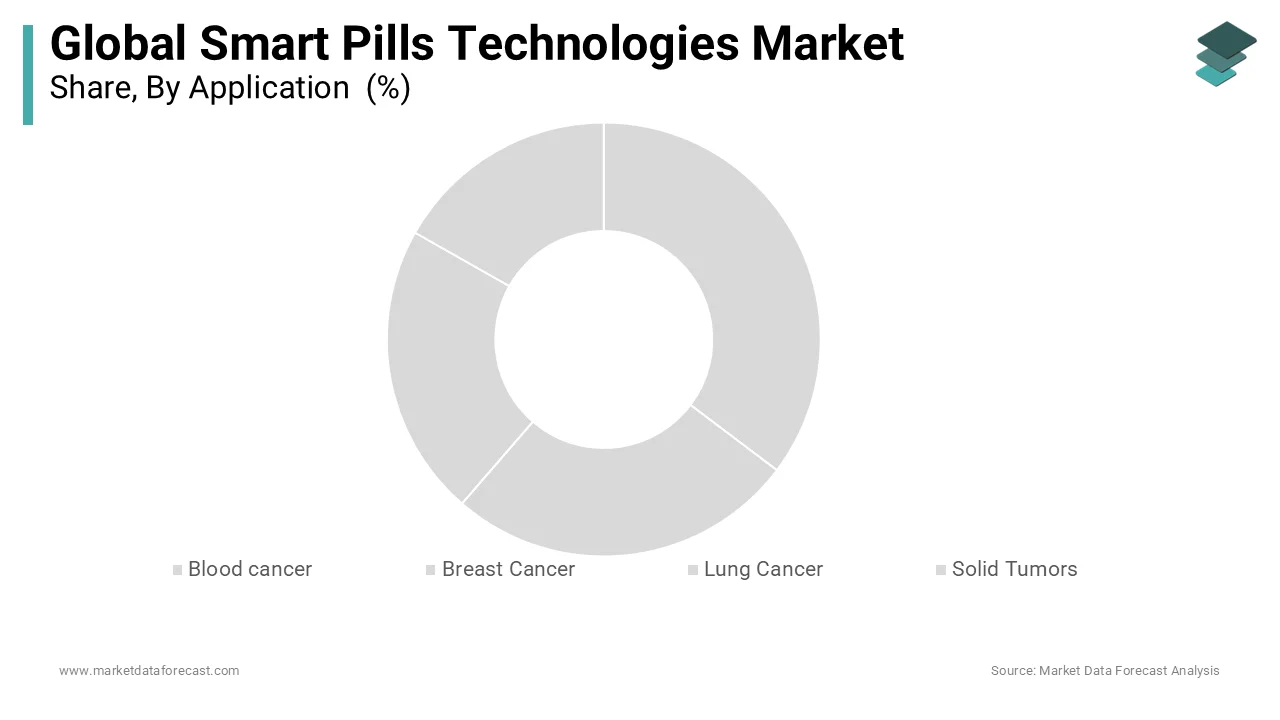
The capsule endoscopy segment held the leading position within the smart Pills technologies market and captured a significant share in 2025. This segment’s standing was attributed to its critical role in diagnosing gastrointestinal disorders that are difficult to detect using traditional methods. According to sources, small-bowel capsule endoscopy is a core non-invasive modality used to identify lesion locations in obscure gastrointestinal bleeding (OGIB), whereas standard clinical parameters state that obscure bleeding accounts for approximately 5% of all gastrointestinal bleeding presentations. This clinical preference drives consistent demand for high-resolution imaging capsules that can navigate the entire digestive tract non-invasively. As per research, over 2 million capsule endoscopy procedures are conducted annually worldwide. The ability to visualise the small bowel without sedation or radiation exposure makes it an attractive option for both patients and physicians. Hospitals are increasingly integrating capsule endoscopy into their diagnostic workflows to reduce hospital stays and improve patient comfort. Reimbursement policies in major markets support the use of capsule endoscopy for specific indications, ensuring financial viability for healthcare providers. Manufacturers continue to innovate with longer battery life and higher frame rates to enhance diagnostic accuracy. The ageing population is more susceptible to gastrointestinal issues, which sustains long-term demand for these diagnostic tools. This combination of clinical efficacy, patient safety, and technological advancement secures the leading position of capsule endoscopy in the market.
The strong patient preference for non-invasive diagnostic procedures serves as a powerful driver for the capsule endoscopy segment by improving compliance and satisfaction rates. According to surveys, non-invasive direct mucosal visualisation modalities are generally favoured by patients over conventional invasive endoscopic architectures. This preference leads to higher acceptance rates for diagnostic testing, particularly among elderly patients and those with anxiety about invasive procedures. As per research, capsule endoscopy carries a low risk profile for capsule retention or complications, making it a safer option for vulnerable populations compared to deep or surgical enteroscopy protocols. The convenience of swallowing a pill rather than undergoing a complex medical procedure reduces psychological barriers to seeking care. Physicians can perform more procedures in a day since capsule endoscopy does not require recovery room time or anaesthesia staff. Insurance providers favour non-invasive options that reduce procedural risks and liability. The portability of the recording device allows patients to continue daily activities during the test, enhancing their overall experience. This alignment with patient-centred care principles ensures robust demand for capsule endoscopy technologies across diverse demographic groups.
By Drug Delivery Insights
The drug delivery segment is expected to exhibit a noteworthy CAGR of 18.5% from 2026 to 2034 due to the need for precise and targeted medication administration. According to sources, targeted drug delivery mechanisms significantly elevate localised drug bioavailability and optimise therapeutic index margins while reducing off-target toxicity compared to standard oral therapies. This clinical advantage drives pharmaceutical companies to invest heavily in smart pill technologies that can release drugs at specific locations in the gastrointestinal tract. According to the Journal of Controlled Release, recent advancements in pH-sensitive and enzyme-triggered release mechanisms have enabled the development of smart pills for treating localised conditions such as inflammatory bowel disease. These innovations allow for lower dosages and improved patient compliance by minimising adverse reactions. Regulatory agencies are expediting approvals for novel drug delivery platforms that demonstrate superior safety profiles. The rising prevalence of chronic gastrointestinal disorders creates a large addressable market for targeted therapies. Manufacturers are collaborating with pharmaceutical firms to integrate smart sensors with drug reservoirs for real-time monitoring of release kinetics. This convergence of diagnostics and therapeutics positions drug delivery as a high-growth area within the smart pills sector.
Technological breakthroughs in targeted release mechanisms accelerate the growth of the drug delivery segment by enabling precise control over medication absorption and action. According to the American Chemical Society, new polymer coatings can withstand stomach acid and dissolve only in the intestines, ensuring that drugs are released exactly where needed. This precision improves bioavailability and reduces the degradation of sensitive molecules such as peptides and proteins. As per studies, programmable or controlled-release oral dosage forms can maintain target plasma drug concentrations over extended intervals, thereby supporting reduced dosing frequencies. Patients benefit from simplified regimens, which improve adherence and overall treatment success. Pharmaceutical companies are leveraging these technologies to extend the patent life of existing drugs by creating new formulations with enhanced performance. The ability to deliver multiple drugs sequentially from a single capsule offers new possibilities for combination therapies. Clinicians value the predictability of these systems, which allows for more accurate dosing calculations. This technological sophistication drives investment and innovation in the smart drug delivery space.
The increasing use of biologic therapies fuels the rapid expansion of the smart pill drug delivery segment because many biologics require protection from gastric enzymes for effective absorption. According to studies, the rising pipeline development of therapeutic macromolecules and biological agents presents a structural demand for alternative oral engineering solutions to protect large molecular weight compounds. Smart pills equipped with micro-needles or permeation enhancers can facilitate the uptake of biologics through the intestinal wall, bypassing the need for injections. According to the journal Nature Biotechnology, oral delivery of insulin and other peptides using smart pill technology has achieved promising results in clinical trials, offering a painless alternative for diabetic patients. This potential to transform injectable drugs into oral formulations appeals to both patients and providers. The market for biologics is expected to grow significantly, driving demand for compatible delivery platforms. Manufacturers are focusing on scalable production methods to meet the anticipated surge in demand. The ability to convert injectables to oral forms reduces healthcare costs associated with administration and storage. This strategic shift in drug formulation supports the aggressive growth trajectory of the smart pill drug delivery segment.
COUNTRY LEVEL ANALYSIS
North America Smart Pills Technologies Market Analysis
North America maintained dominance in the smart Pills technologies market and accounted for a substantial share in 2025. Its advanced healthcare infrastructure, high adoption of digital health solutions, and supportive regulatory environment contributed to the prominence of this region’s market. According to sources, digital health spending in the United States has seen significant growth, reflecting strong investment in innovative medical technologies. This financial commitment supports the procurement of smart pills by hospitals and clinics across the region. According to the Food and Drug Administration, the United States has approved several smart pill devices for commercial use, providing a clear pathway for market entry and commercialisation. The presence of major technology and pharmaceutical companies in the region fosters continuous innovation and collaboration. High prevalence of gastrointestinal diseases and medication non-adherence drives demand for diagnostic and adherence monitoring solutions. Private insurance coverage for advanced diagnostic procedures facilitates patient access to smart pill technologies. The region leads in clinical research and trials, which validate the efficacy of new products. Strong intellectual property protection encourages investment in proprietary smart pill designs. This combination of regulatory clarity, economic strength, and clinical demand sustains North America's dominant position in the global market.
Europe Smart Pills Technologies Market Analysis
Europe followed closely behind in the smart Pills technologies market in 2025. This position was driven by strong public healthcare systems and a robust emphasis on patient safety. According to the European Medicines Agency, conformity assessments under the Medical Device Regulation are conducted by notified bodies designated by EU member states to ensure safety and performance standards for technologies entering the market. This regulatory rigour builds trust among healthcare providers and patients regarding the safety of ingestible sensors. According to the Organisation for Economic Co-operation and Development, average health spending across OECD countries was estimated at 9.3% of GDP in 2024, with Germany allocating 12.3% of its GDP to health. Universal healthcare coverage in many European countries facilitates equitable access to smart pill diagnostics and therapies. The ageing population in countries like Italy and Spain increases the need for medication adherence monitoring and gastrointestinal diagnostics. Research collaborations between universities and industry partners drive innovation in smart pill materials and sensors. Privacy regulations under GDPR influence data handling practices, requiring robust security measures. The focus on cost-effectiveness encourages the adoption of technologies that reduce hospital readmissions. This balanced approach to innovation regulation and social welfare defines the European market landscape.
Asia-Pacific Smart Pills Technologies Market Analysis
The Asia-Pacific region exhibits swift expansion in the smart pills technologies market due to improving healthcare infrastructure, rising income levels, and increasing health awareness. According to studies, healthcare expenditure in East Asia and the Pacific has grown over the past decade, reflecting increased investment in medical technology. This economic growth enables greater affordability of advanced diagnostic and therapeutic solutions for the expanding middle class. As per research, Japan's super-ageing society has created immense demand for medication adherence tools and minimally invasive diagnostic options. Countries like China and India are investing heavily in domestic manufacturing of medical devices, reducing costs and improving supply chain resilience. Government initiatives to promote digital health are accelerating the adoption of smart pill technologies in urban centres. The large population base presents a vast addressable market for scalable smart pill solutions. Medical tourism in countries like Thailand and Singapore attracts patients seeking advanced gastrointestinal care. Regulatory harmonisation efforts among ASEAN countries are facilitating easier market entry for international players. This dynamic mix of economic development policy support and demographic trends fuels rapid market expansion in the region.
Latin America Smart Pills Technologies Market Analysis
Latin America shows steady growth in the smart pills technologies market, owing to gradual healthcare reforms and increasing urbanisation. According to the World Health Organisation, non-communicable diseases account for 70% of all deaths worldwide today. This health burden drives demand for medication adherence monitoring and diagnostic solutions in both urban and rural areas. As per the Inter-American Development Bank, healthcare spending in Latin America has increased, although it remains lower than in developed regions. Public healthcare systems are expanding coverage, which improves access to basic diagnostic equipment for lower-income populations. Private insurance markets are growing in countries like Brazil and Mexico, driving demand for premium smart pill technologies. Economic volatility and currency fluctuations pose challenges for import-dependent markets, but local production is emerging. Telemedicine is gaining popularity as a means to overcome geographic barriers to care. Non-governmental organisations play a significant role in distributing diagnostic tools in underserved communities. The young demographic profile in some countries offers long-term growth potential as health awareness rises. Infrastructure improvements in logistics and internet connectivity are enabling broader distribution of smart technologies. This evolving landscape presents opportunities for manufacturers offering cost-effective and durable solutions.
The Middle East and Africa Smart Pills Technologies Market Analysis
The Middle East and Africa region is a diverse landscape within the smart pills technologies market because of varying levels of economic development and healthcare infrastructure. As per the World Health Organisation, the African region bears a high burden of infectious and chronic diseases, which drives demand for accessible diagnostic and adherence tools. These conditions require efficient monitoring in remote settings where laboratory facilities are scarce. According to research, countries in the Gulf are investing heavily in smart healthcare initiatives, including the adoption of advanced medical technologies for chronic disease management. High-income nations in the Middle East are importing cutting-edge smart pill devices to support world-class healthcare facilities. In contrast, many African nations rely on donor-funded programs to distribute basic diagnostic kits. Mobile health platforms are leveraging high mobile phone penetration to deliver health information and support remote diagnostics. Regulatory frameworks are developing but remain fragmented across the continent. Local manufacturing capacity is limited, leading to reliance on imports. Urbanisation is increasing the prevalence of lifestyle diseases, which boosts demand for home monitoring devices. International partnerships are helping to build capacity and improve access to essential medical technologies. This dual dynamic of high-tech adoption in wealthy nations and basic needs in developing areas defines the regional market.
COMPETITIVE LANDSCAPE
The competition in the Smart Pills Technologies Market is characterized by intense rivalry among established medical device giants and specialized technology innovators striving for diagnostic superiority. Major corporations leverage their extensive distribution networks and brand recognition to dominate the capsule endoscopy segment while continuously investing in miniaturization and sensor technology. These leading firms engage in strategic collaborations with software developers to integrate artificial intelligence for automated image analysis and diagnosis. Smaller specialized companies compete by focusing on niche applications such as targeted drug delivery or specific physiological monitoring where they can offer unique value propositions. The regulatory landscape requires strict adherence to safety and biocompatibility standards, which favors larger entities with greater resources for compliance. Price competition is moderate due to the specialized nature of the technology but intensifies as more players enter the market. Market participants also differentiate themselves through comprehensive data management platforms that enhance clinical utility. The landscape is further shaped by increasing demand for non-invasive diagnostic alternatives. This dynamic environment drives continuous innovation and strategic positioning as companies seek to capture growth opportunities in an aging population with rising gastrointestinal health needs.
KEY MARKET PLAYERS
Some of the companies that are playing a dominating role in the Global Small Pill Technologies Market include:
- CapsoVision, Inc.
- Given Imaging, Inc.
- Medimetrics S.A. de C.V.
- Olympus Corporation
- Bio-Images Research Limited
- Novartis
- Philips Healthcare
- Smart Pill, Inc.
- Medtronic, Inc.
- Pentax Medical Company
- Siemens Healthcare
- Stryker Corporation
- GE Healthcare
- Boston Scientific Corporation
- IntroMedic Inc.
- Proteus Digital Health Inc.
TOP LEADING PLAYERS IN THE MARKET
- Medtronic plc significantly influences the Smart Pills Technologies Market through its advanced capsule endoscopy systems designed for precise gastrointestinal diagnostics. The company actively drives innovation by integrating high-resolution imaging sensors with wireless transmission capabilities to enhance diagnostic accuracy. Medtronic recently launched next-generation video capsules that offer extended battery life and improved image clarity for detecting obscure bleeding sources. Their strategic focus on clinical education ensures that gastroenterologists are trained in utilizing these sophisticated tools effectively. The firm collaborates with healthcare institutions to validate the efficacy of its diagnostic platforms through rigorous clinical trials. This commitment to technological advancement and patient safety solidifiesitsr reputation as a trusted provider of essential smart pill solutions for complex digestive disorders.
- Olympus Corporation plays a pivotal role in the market by delivering comprehensive endoscopic solutions, including innovative capsule technologies for small bowel examination. The company strengthens its position through the development of integrated diagnostic platforms that combine traditional endoscopy with smart pill capabilities. Olympus recently introduced enhanced capsule systems with wider viewing angles and faster frame rates to improve lesion detection rates. Their dedication to research and development focuses on miniaturizing components while maintaining robust performance standards. The firm actively participates in global medical conferences to showcase advancements in non-invasive diagnostic techniques. This holistic approach to digestive health technology enhances its standing as a leader in providing reliable and efficient smart pill devices for clinical use.
- Given Imaging Ltd. contributes substantially to the Smart Pills Technologies Market by pioneering video capsule endoscopy technologies that revolutionize gastrointestinal diagnostics. The company reinforces its market presence through continuous improvement of its PillCam series, which offers high-definition imaging and intuitive software analysis. Given Imaging recently expanded its product portfolio to include specialized capsules for colon and small bowel assessments with improved navigation features. Their strategic partnerships with diagnostic centers facilitate wider adoption of capsule endoscopy protocols. The firm invests heavily in artificial intelligence algorithms to assist physicians in interpreting large volumes of video data efficiently. This focus on diagnostic precision and workflow optimization ensures their continued leadership in delivering cutting-edge smart pill technologies to healthcare providers worldwide.
TOP STRATEGIES USED BY KEY MARKET PARTICIPANTS
Key players in the Smart Pills Technologies Market primarily employ strategic research and development initiatives to enhance sensor accuracy and battery efficiency in ingestible devices. Companies actively pursue regulatory approvals in multiple jurisdictions to expand their geographic reach and ensure compliance with safety standards. Strategic partnerships with pharmaceutical companies are crucial for integrating smart pills into drug delivery systems and adherence monitoring programs. Manufacturers focus on developing artificial intelligence-powered software to analyze diagnostic data rapidly and improve clinical decision-making processes. Investment in manufacturing scalability ensures consistent supply and cost-effectiveness for widespread adoption. Additionally, firms prioritize physician training and support services to facilitate proper usage and interpretation of smart pill results. These multifaceted approaches enable market leaders to maintain competitive advantages and respond effectively to evolving clinical demands and technological advancements in the dynamic digital health environment.
GLOBAL SMART PILLS TECHNOLOGIES MARKET
- On September 23, 2020, Capsovision announced that the U.S. Food and Drug Administration (FDA) allows the use of CapsoCam Plus, a small bowel capsule endoscope. This capsule will help healthcare providers promote a fully remote capsule endoscopy procedure without direct contact.
- In November 2019, the Boston Scientific Company announced supporting data for two devices related to the peripheral drug-eluting product portfolio.
- In 2019, A Silicon Valley company launched the first digital pill to detect cancer in a person. It is a chemotherapy pill taken by cancer patients, packed with a sensor that can alert a physician, pharmacist, or caregiver after swallowing it.
- In 2021, Smart pill startup etectRx partnered with Pear Therapeutics to develop EtectRx, which provides wireless sensors embedded in medications. Thecompanies combinede to build a product together, combining medication with digital therapeutics. It also received Food and Drug Administration approval.
MARKET SEGMENTATION
This research report on the global smart pills technologies market has been segmented and sub-segmented into the following categories.
By Application
- Capsule EndoscopSmallll Bowel Video Capsule Endoscopy
- Colon Capsule Endoscopy
- OMOM Capsule Endoscopy Platform
- MiroCam
- Upgraded Mirocam
- Advanced Capsule Endoscope
- Drug Delivery
- Patient monitoring
By Region
- North America
- Europe
- Asia-Pacific
- Latin America
- Middle East and Africa