- Product Description Description
- Table of Contents TOC
- List of Table & Figure LOT
- Get Free Sample PDF Sample PDF
Market Size, 2025
$568.15 MnMarket Estimate, 2026
$609.62 MnMarket Forecast, 2034
$1071 MnCAGR, 2026–2034
7.3%Executive Summary: Global TDLAS Gas Analyzer Market
- Market Scope: Comprehensive global Tunable Diode Laser Absorption Spectroscopy (TDLAS) gas analyzer market analysis covering methodologies, gas analyzer types, industry application verticals, and emission compliance monitoring metrics.
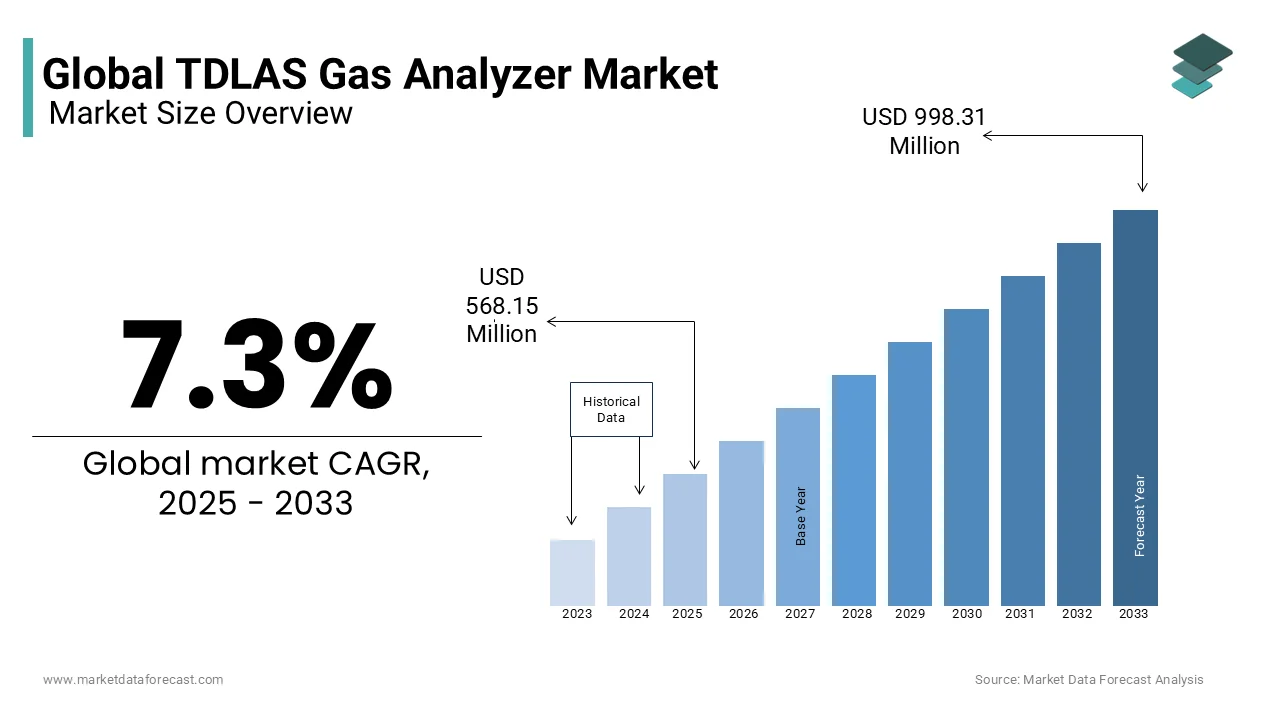
- Market Valuation: Valued at USD 568.15 million (2025), estimated at USD 609.62 million (2026), and projected to reach USD 1071.18 million by 2034, registering a robust CAGR of 7.3% (2026–2034).
- Primary Growth Drivers: Stringent environmental regulations and continuous emission monitoring mandates (e.g., EU Industrial Emissions Directive, US EPA Clean Air Act), increasing focus on industrial process optimization and combustion efficiency, and rapid expansion of hydrogen green energy infrastructure. Key operational hurdles include high initial capital investment and technical complexity requiring specialized maintenance.
Key Market Segment Metrics (2026–2034)
| Category | Leading Segment (2025 Position) | Fastest-Growing Segment |
|---|---|---|
| By Methodology | In situ TDLAS gas analyzers (led with a 63.5% share in 2025, offering real-time direct measurements without complex sample conditioning) | Extractive TDLAS gas analyzers (projected to grow at a CAGR of 7.1% due to multi-gas monitoring and complex matrix handling) |
| By Gas Analyzer Type | Moisture H2O analyzers (accounted for a 24.8% share in 2025, essential for humidity control and dew point monitoring) | Ammonia NH3 analyzers (expected to grow at a CAGR of 10.2% driven by SCR emission regulations and nitrogen oxide reduction) |
| By Industry | Oil and Gas (maintained the majority share of 27.7% in 2025 due to rigorous safety compliance and methane leak detection) | Chemical processing and power generation infrastructure |
| By Region | North America and Europe (historically dominant due to stringent environmental protection mandates and industrial automation) | Asia-Pacific (accelerating due to aggressive air quality action plans, coal-fired retrofitting, and DeNOx adoption in China and India) |
Major Market Players & Market Structure
Market Structure: Highly competitive global industrial process analytics landscape featuring international engineering leaders competing on laser precision, high-temperature/harsh-environment durability, IIoT connectivity, predictive analytics integration, and comprehensive emission compliance solutions.
Key Companies: Emerson Electric Co, Yokogawa Electric Corporation, Servomex, Spectra Sensors, AMETEK Inc, ABB Ltd, Mettler-Toledo International Inc, NEO monitors, SICK AG, and Siemens AG.
 Download Free Sample Report
Global TDLAS Gas Analyzer Market Size
The global TDLAS gas analyzer market size was valued at USD 568.15 million in 2025 and is anticipated to reach USD 609.62 million in 2026 and USD 1071.18 million in 2034, predicted to register a CAGR of 7.3% from 2026 to 2034.
MARKET OVERVIEW
The Tunable Diode Laser Absorption Spectroscopy (TDLAS) Gas Analyzer Market represents a specialized segment within the industrial process analytics sector, characterized by the use of laser based technology to detect and measure specific gas concentrations with high precision. Unlike traditional electrochemical or catalytic sensors, TDLAS systems utilize the unique absorption spectra of gas molecules to provide real time, interference free measurements. This technology is critical for ensuring safety, optimizing combustion efficiency, and maintaining regulatory compliance in harsh industrial environments. According to the International Energy Agency, the industrial sector accounts for approximately 37 percent of global final energy consumption, highlighting the immense scale of operations where precise gas monitoring is essential for efficiency and emissions control. Furthermore, the United States Environmental Protection Agency mandates strict limits on hazardous air pollutants, requiring continuous emission monitoring systems that offer superior accuracy and reliability. The Occupational Safety and Health Administration (OSHA) and the Mine Safety and Health Administration (MSHA) identify exposure to toxic gases such as carbon monoxide and hydrogen sulfide as significant life-threatening risks in manufacturing and mining respectively, mandating atmospheric monitoring and strict permissible exposure limits to ensure worker safety. As industries increasingly adopt automation and digitalization, the demand for robust, low maintenance sensing technologies like TDLAS grows. These analyzers are particularly valued for their ability to operate in extreme temperatures and pressures, making them indispensable in sectors such as oil and gas, power generation, and chemical processing. The transition towards cleaner energy sources and stricter environmental protocols further underscores the strategic importance of high precision gas analysis in modern industrial infrastructure.
MARKET DRIVERS
Stringent Environmental Regulations and Emission Monitoring Mandates
Stringent environmental regulations and mandatory emission monitoring protocols serve as a primary factor for the adoption of TDLAS gas analyzers across various industrial sectors, which fuels the growth of the TDLAS gas analyzer market. Governments worldwide are implementing rigorous standards to reduce greenhouse gas emissions and hazardous air pollutants, compelling industries to deploy highly accurate continuous emission monitoring systems. According to the European Environment Agency, industrial facilities in the European Union must comply with the Industrial Emissions Directive, which sets strict limit values for pollutants such as nitrogen oxides, sulfur dioxide, and particulate matter. Non compliance can result in substantial fines and operational shutdowns, driving the need for reliable measurement technologies. TDLAS analyzers offer superior selectivity and sensitivity, allowing them detect trace levels of specific gases without cross sensitivity to other components in the flue gas stream. The United States Environmental Protection Agency requires facilities under the Clean Air Act to monitor emissions continuously, favoring technologies that provide real time data with minimal drift. In China, the Ministry of Ecology and Environment has intensified enforcement of air quality standards, leading to widespread upgrades in monitoring infrastructure. The ability of TDLAS systems to withstand harsh conditions while delivering precise data ensures that operators can maintain compliance consistently. As regulatory frameworks become more complex and demanding, the reliance on advanced spectroscopic techniques increases. This regulatory pressure creates a sustained demand for TDLAS solutions, as they provide the accuracy and reliability necessary to meet legal obligations and avoid penalities associated with environmental violations.
Increasing Focus on Process Optimization and Combustion Efficiency
The increasing focus on process optimization and combustion efficiency in industrial operations significantly drives the demand for these gas analyzers, which in turn contributes to the expansion of the TDLAS gas analyzer market. Industries such as power generation, steel production, and cement manufacturing rely on precise control of combustion processes to maximize energy output and minimize fuel consumption. According to the International Energy Agency (IEA), accelerating energy efficiency improvements, driven by industrial optimization, could make the global economy one-third more energy efficient by 2030 compared to 2020 levels. TDLAS analyzers provide real time measurements of oxygen, carbon monoxide, and methane levels within combustion chambers, enabling operators adjust air to fuel ratios dynamically. This immediate feedback loop prevents incomplete combustion, which not only wastes fuel but also increases harmful emissions. In the steel industry, for instance, precise monitoring of carbon monoxide during the basic oxygen furnace process is critical for both safety and yield optimization. The American Petroleum Institute notes that even minor improvements in combustion efficiency can lead to significant cost savings in large scale refineries and power plants. TDLAS technology offers fast response times and high stability, making it ideal for closed loop control systems. By integrating these analyzers into automated control strategies, facilities can achieve consistent product quality and reduced operational costs. The economic benefit of fuel savings combined with the technical capability of TDLAS to operate in high temperature and dusty environments makes it a preferred choice for industries seeking to enhance operational efficiency and profitability through advanced process analytics.
MARKET RESTRAINTS
High Initial Capital Investment and Installation Costs
The high initial capital investment and installation costs associated with these gas analyzers are among the major restraints to the TDLAS gas analyzer market expansion. This is particularly true for small and medium-sized enterprises. Compared to conventional gas detection methods such as electrochemical or infrared sensors, TDLAS systems involve sophisticated optical components, laser diodes, and specialized software, resulting in higher upfront prices. According to industry analysis, the cost of a single TDLAS analyzer can be several times higher than traditional alternatives, posing a barrier to entry for budget constrained facilities. Additionally, the installation of TDLAS systems often requires specialized engineering expertise and infrastructure modifications, such as the creation of optical paths across ducts or stacks. The American Society of Mechanical Engineers highlights that proper alignment and calibration of laser systems are critical for accurate performance, necessitating skilled technicians and extended commissioning times. For industries operating on thin margins, such as wastewater treatment or smaller manufacturing units, the return on investment may not justify the initial expenditure. While TDLAS offers lower long term maintenance costs, the immediate financial burden discourages widespread adoption in price sensitive segments. Furthermore, the need for periodic recalibration and replacement of laser sources adds to the total cost of ownership. In developing regions where capital availability is limited, these financial constraints significantly slow the penetration of advanced gas analysis technologies. Consequently, many potential users continue to rely on less expensive, albeit less accurate, sensing solutions, limiting the overall growth potential of the TDLAS market in certain sectors.
Technical Complexity and Requirement for Specialized Maintenance
The technical complexity of these gas analyzers and the requirement for specialized maintenance are serious hurdles to their broader adoption, which slows down the growth of the TDLAS gas analyzer market. These systems rely on precise optical alignments and sensitive electronic components that can be affected by vibration, temperature fluctuations, and contamination. According to the Instrument Society of America, maintaining the integrity of optical paths in harsh industrial environments requires regular cleaning and adjustment, which demands trained personnel with specific expertise in spectroscopic technologies. Unlike plug and play sensors, TDLAS units often require complex configuration and tuning to account for varying process conditions such as pressure changes and background gas interference. The lack of readily available skilled technicians in many regions leads to prolonged downtime when issues arise, impacting operational continuity. Furthermore, the integration of TDLAS analyzers with existing distributed control systems can be challenging, requiring advanced programming and communication protocols. The National Institute of Standards and Technology emphasizes that accurate calibration of laser based sensors is critical, yet difficult to perform in situ without disrupting operations. This complexity increases the dependency on original equipment manufacturers for support, leading to higher service costs and longer resolution times for technical issues. For facilities with limited technical resources, the operational burden of managing sophisticated TDLAS systems outweighs the benefits of high precision. Consequently, some industries prefer simpler, more robust technologies that require less specialized knowledge, thereby restraining the market growth of TDLAS analyzers in segments where ease of use is prioritized over ultimate accuracy.
MARKET OPPORTUNITIES
Expansion of Hydrogen Economy and Green Energy Infrastructure
The rapid expansion of the hydrogen economy and green energy infrastructure offers a significant opportunity for the TDLAS gas analyzer market. As countries transition towards low carbon energy sources, the production, storage, and transportation of hydrogen are scaling up globally. According to the International Renewable Energy Agency, green hydrogen production capacity is expected to increase substantially by 2030, driven by government incentives and corporate sustainability goals. TDLAS technology is uniquely suited for monitoring hydrogen purity and detecting leaks due to its high sensitivity and ability to measure specific isotopes. In hydrogen fuel cells and electrolyzers, precise control of gas composition is critical for efficiency and safety. The United States Department of Energy highlights that even trace impurities can degrade fuel cell performance, necessitating rigorous quality control measures. TDLAS analyzers can detect moisture and other contaminants in real time, ensuring optimal operation of hydrogen infrastructure. Additionally, the transportation of hydrogen via pipelines requires continuous monitoring for leaks and mixture integrity, areas where TDLAS excels due to its fast response time and remote sensing capabilities. As the hydrogen value chain develops, from production to end use in transportation and industry, the demand for specialized gas analysis solutions will grow. Manufacturers who adapt their TDLAS products for hydrogen specific applications can capture a emerging market segment. The global push for decarbonization ensures that hydrogen related projects will receive significant investment, creating a fertile ground for the adoption of advanced gas monitoring technologies.
Integration with Industrial Internet of Things and Predictive Analytics
The integration of TDLAS gas analyzers with the Industrial Internet of Things (IIoT) and predictive analytics platforms provides a promising prospect for the TDLAS gas analyzer market growth. As industries embrace Industry 4.0 principles, the demand for smart sensors that provide actionable data rather than simple readings is increasing. According to McKinsey and Company, IIoT applications can reduce maintenance costs by up to 40 percent and improve asset utilization by 20 percent. TDLAS analyzers equipped with digital connectivity can transmit real time data to cloud based platforms, enabling remote monitoring and advanced diagnostics. This connectivity allows for predictive maintenance, where algorithms analyze trends in gas concentrations and instrument health to forecast potential failures before they occur. The German Engineering Federation notes that digitalization in process industries is accelerating, with a focus on enhancing operational transparency and efficiency. By integrating TDLAS data with broader process parameters, facilities can optimize combustion and safety protocols dynamically. Furthermore, digital twins of industrial processes can utilize TDLAS inputs to simulate and improve operational scenarios. This shift towards data driven decision making enhances the value proposition of TDLAS systems beyond mere compliance. Manufacturers who offer connected, smart TDLAS solutions with user friendly interfaces and analytical tools can differentiate themselves in the market. The ability to provide comprehensive insights into process health and safety creates new revenue streams through software services and subscriptions, expanding the overall market potential for TDLAS technology.
MARKET CHALLENGES
Interference from Particulates and Harsh Process Conditions
Interference from particulates, dust, and extreme process conditions is a significant challenge to the reliable performance of these gas analyzers, which hampers the expansion of the TDLAS gas analyzer market. While TDLAS is known for its selectivity, the presence of high levels of particulate matter in flue gases or process streams can scatter or absorb the laser beam, leading to signal loss and measurement errors. According to the Power Research Institute, coal fired power plants and cement kilns generate exhaust streams with high dust loads that can obscure optical paths, requiring frequent cleaning and maintenance of lenses and windows. In such environments, the signal to noise ratio can degrade, compromising the accuracy of gas concentration readings. Additionally, extreme temperatures and pressures can affect the alignment of optical components and the stability of laser diodes. The American Society of Mechanical Engineers indicates that thermal expansion and mechanical vibration in industrial settings can misalign the laser path, necessitating robust housing and active alignment systems. These protective measures add to the complexity and cost of the equipment. Furthermore, corrosive gases can damage optical windows and sensors over time, reducing the lifespan of the analyzer. Ensuring consistent performance in such harsh conditions requires advanced engineering solutions, such as purge systems and hardened materials, which may not always be effective. The difficulty in maintaining optical clarity and alignment in dirty and turbulent environments limits the applicability of TDLAS in certain heavy industries. Overcoming these physical barriers remains a technical hurdle for manufacturers aiming to expand the use of TDLAS in the most challenging industrial applications.
Competition from Alternative Gas Sensing Technologies
Competition from alternative gas sensing technologies is a persistent barrier to the TDLAS gas analyzer market. Established technologies such as nondispersive infrared (NDIR), electrochemical, and catalytic bead sensors offer lower cost solutions for many common gas detection applications. According to the Sensor Magazine, NDIR sensors dominate the market for carbon dioxide and hydrocarbon detection due to their simplicity, reliability, and lower price point. For applications where ultra high precision is not critical, these alternatives provide sufficient accuracy at a fraction of the cost of TDLAS systems. Electrochemical sensors are widely used for toxic gas detection in safety applications due to their compact size and low power consumption. The Occupational Safety and Health Administration recognizes these technologies as standard for personal protective equipment and area monitoring. Furthermore, advancements in metal oxide semiconductor sensors are improving their sensitivity and selectivity, making them viable competitors in certain industrial monitoring scenarios. The ease of replacement and minimal maintenance requirements of these alternative sensors appeal to users seeking straightforward solutions. TDLAS manufacturers must constantly demonstrate the superior value proposition of their technology, such as faster response times and lack of cross sensitivity, to justify the higher investment. In price sensitive markets and applications with less stringent accuracy requirements, the dominance of cheaper alternatives restricts the growth potential of TDLAS analyzers. This competitive landscape forces TDLAS providers to niche down into high end applications where their unique capabilities are indispensable.
REPORT COVERAGE
| REPORT METRIC | DETAILS |
| Market Size Available | 2025 to 2034 |
| Base Year | 2025 |
| Forecast Period | 2026 to 2034 |
| CAGR | 7.3% |
| Segments Covered | By Methodology, Gas Analyzer Type, Industry, and Region |
| Various Analyses Covered | Global, Regional & Country Level Analysis, Segment-Level Analysis, DROC, PESTLE Analysis, Porter’s Five Forces Analysis, Competitive Landscape, Analyst Overview on Investment Opportunities |
| Regions Covered | North America, Europe, APAC, Latin America, Middle East & Africa |
| Market Leaders Profiled | Emerson Electric Co, Yokogawa Electric Corporation, Servomex, Spectra Sensors, AMETEK Inc, ABB Ltd, Mettler-Toledo International Inc, NEO monitors, SICK AG, Siemens A, and Others. |
SEGMENTAL ANALYSIS
By Methodology Insights
The in situ TDLAS gas analyzers segment led the global market and captured a 63.5% share in 2025. This leading position of the segment was attributed to its ability to provide real time measurements directly within the process stream, thereby eliminating the need for complex sample conditioning systems. This direct measurement approach significantly reduces response time, allowing for immediate process adjustments and enhanced safety monitoring. According to the International Society of Automation, the elimination of sample transport lines and conditioning equipment reduces maintenance requirements by up to 50 percent, as there are no filters to clog or pumps to fail. This reliability is crucial in harsh industrial environments such as power plants and refineries where continuous operation is paramount. The American Petroleum Institute emphasizes that rapid detection of combustible gases like methane is essential for preventing explosions, a capability that in situ systems excel at due to their millisecond response times. Furthermore, in situ analyzers avoid the potential for sample alteration or loss of volatile components during extraction, ensuring higher accuracy. The reduced footprint of in situ installations also makes them ideal for retrofitting existing facilities where space is limited. As industries prioritize operational efficiency and safety, the demand for low maintenance, high speed monitoring solutions continues to favor in situ technology. The ability to withstand extreme temperatures and pressures without performance degradation further cements its dominance in critical applications where traditional extractive methods may struggle. Moreover, the cost efficiency and lower total cost of ownership associated with in situ TDLAS analyzers significantly support their market leadership. By removing the need for sample handling infrastructure, companies save on initial capital expenditure and ongoing operational costs. According to industry benchmarks, the installation costs for in situ systems can be 30 to 40 percent lower than extractive systems due to the absence of sample lines, heaters, and chillers. This precision helps optimize combustion processes, leading to fuel savings that offset the initial investment quickly. Additionally, the lack of moving parts in many in situ designs reduces the frequency of spare part replacements and labor hours required for maintenance. The Occupational Safety and Health Administration highlights that reliable gas monitoring reduces the risk of accidents, potentially lowering insurance premiums and liability costs for industrial facilities. In situ systems also minimize the risk of sample leakage, which is a safety concern with extractive systems handling toxic or flammable gases. The combination of lower upfront costs, reduced maintenance burden, and improved process efficiency makes in situ TDLAS analyzers the preferred choice for cost conscious industries seeking robust and reliable gas monitoring solutions.
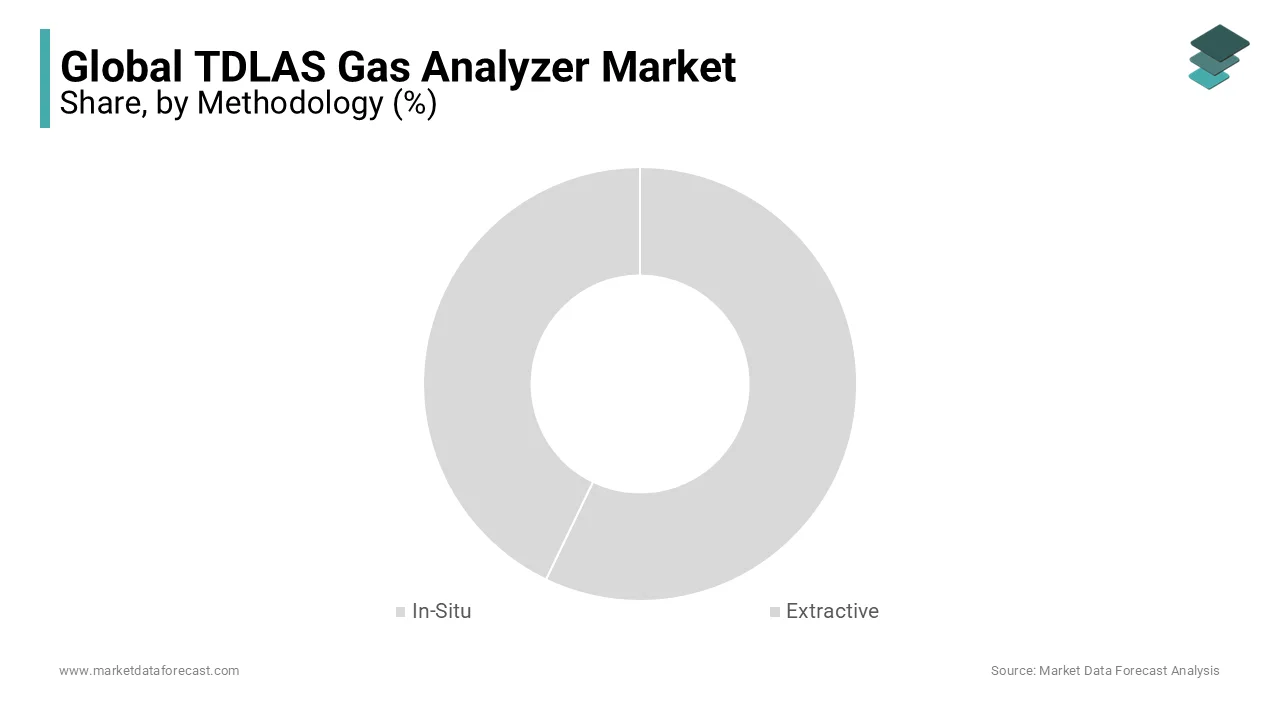
On the other hand, the extractive TDLAS gas analyzers segment is likely to experience the fastest CAGR of 7.1% from 2026 to 2034 due to its ability to monitor multiple gases simultaneously and handle complex sample matrices that are challenging for in situ methods. Unlike in situ systems which typically measure one gas per optical path, extractive systems can route a single sample to multiple detectors or use multi pass cells to analyze various components. According to the Environmental Protection Agency, regulatory compliance often requires monitoring a suite of pollutants including hydrogen chloride, ammonia, and moisture, which extractive systems can accommodate more flexibly. This versatility is particularly valuable in chemical manufacturing and waste incineration where process streams contain diverse and varying constituents. The Society of Chemical Industry notes that extractive methods allow for better control over sample conditions, such as temperature and pressure, ensuring accurate measurements even in highly turbulent or particulate laden environments. By filtering and conditioning the sample, extractive analyzers can achieve higher sensitivity and lower detection limits for trace gases. This capability is essential for applications requiring precise quantification of impurities in high purity gas production or semiconductor manufacturing. As industrial processes become more complex and regulatory requirements more stringent, the demand for flexible and comprehensive monitoring solutions drives the rapid adoption of extractive TDLAS technology. Technological advancements in sample conditioning systems have significantly enhanced the reliability and appeal of extractive TDLAS analyzers, contributing to their rapid growth. Modern conditioning units are equipped with advanced filtration, heating, and cooling mechanisms that ensure samples are delivered to the analyzer in a consistent and clean state. According to the Instrument Society of America, innovations in membrane dryers and particulate filters have reduced maintenance intervals and improved the uptime of extractive systems. These improvements address historical concerns regarding the complexity and fragility of sample handling infrastructure. The ability to remotely locate the analyzer away from harsh process conditions also extends the lifespan of sensitive optical components. The National Institute of Standards and Technology highlights that standardized sample conditioning protocols are improving interoperability and ease of integration with distributed control systems. Furthermore, the development of modular and compact conditioning skids has reduced the footprint and installation complexity of extractive systems. These technological strides make extractive TDLAS a viable option for a broader range of applications, including those previously dominated by in situ methods. As industries seek to maximize data quality and instrument longevity, the enhanced reliability of modern extractive systems drives their accelerated adoption in the global market.
By Gas Analyzer Insights
The moisture H2O analyzers dominated the TDLAS Gas Analyzer Market and accounted for a 24.8% share in 2025. This dominance of the segment was driven by the critical role of humidity control in various industrial processes and product quality assurance. Water vapor can cause corrosion, catalyst poisoning, and product degradation, making precise monitoring essential in industries such as natural gas processing, pharmaceuticals, and electronics. According to the International Gas Union, natural gas must be dried to specific dew points before transportation to prevent hydrate formation and pipeline corrosion, a process that relies heavily on accurate moisture measurement. TDLAS technology offers superior accuracy and speed in detecting trace moisture levels compared to traditional capacitance or electrolytic sensors. The Semiconductor Industry Association states that even minute amounts of moisture can ruin semiconductor wafers during fabrication, necessitating ultra pure dry gas environments monitored by high precision TDLAS analyzers. In the pharmaceutical sector, moisture content affects the stability and efficacy of drugs, requiring strict control during manufacturing and packaging. The ability of TDLAS to provide real time, non contact measurements without being affected by other background gases makes it the preferred choice for these critical applications. As industries continue to prioritize product quality and process integrity, the demand for reliable moisture monitoring solutions remains robust, sustaining the leading position of H2O analyzers in the market. The wide applicability of moisture TDLAS analyzers across diverse industrial sectors significantly supports their market dominance. From power generation to food and beverage production, controlling humidity is a universal requirement for efficient and safe operations. According to the Electric Power Research Institute, moisture monitoring in flue gas is essential for optimizing boiler efficiency and preventing acid dew point corrosion in coal fired power plants. In the food and beverage industry, moisture levels in packaging gases affect shelf life and product freshness, driving the adoption of TDLAS for quality control. The Food and Agriculture Organization of the United Nations highlights that proper drying and storage conditions are crucial for preventing spoilage in agricultural products, further expanding the market for moisture analyzers. Additionally, the petrochemical industry uses moisture monitoring to protect catalysts in refining processes, ensuring optimal reaction rates and product yields. The versatility of TDLAS technology allows it to be customized for different pressure and temperature ranges, making it suitable for various applications within these sectors. The broad base of end users ensures a steady and diversified demand for moisture analyzers. As industrial automation and quality standards continue to rise globally, the ubiquitous need for precise humidity control cements the position of H2O analyzers as the largest segment in the TDLAS market.
However, the ammonia NH3 analyzers segment is on the rise and is expected to be the fastest growing segment in the market by witnessing a CAGR of 10.2% during the forecast period owing to strict regulations on nitrogen oxide emissions and the need to optimize selective catalytic reduction (SCR) systems. SCR technology uses ammonia to convert nitrogen oxides into harmless nitrogen and water, but excessive ammonia slip can lead to environmental pollution and equipment damage. According to the European Environment Agency, industrial facilities must limit ammonia slip to very low levels, often below 5 parts per million, to comply with air quality directives. TDLAS analyzers provide the high sensitivity and selectivity required to detect trace ammonia concentrations in real time, enabling precise control of ammonia injection rates. The United States Environmental Protection Agency mandates rigorous monitoring of SCR performance in power plants and industrial boilers, driving the adoption of advanced NH3 analyzers. Improper control of ammonia usage not only violates regulations but also increases operational costs due to wasted reagent. The ability of TDLAS to operate in high dust and high temperature environments typical of SCR outlets makes it ideal for this application. As global efforts to reduce air pollution intensify, the demand for precise ammonia monitoring solutions continues to surge. This regulatory pressure combined with the economic incentive to optimize reagent usage propels the rapid growth of the NH3 analyzer segment. The expansion of DeNOx technologies in emerging markets is a key factor contributing to the rapid growth of ammonia TDLAS analyzers. Countries in Asia Pacific and Latin America are increasingly adopting stringent emission standards similar to those in Europe and North America, leading to widespread installation of SCR systems in power plants and industrial facilities. According to the International Energy Agency, coal fired power generation in Asia is expected to remain significant, necessitating extensive retrofitting of emission control technologies. China and India have implemented aggressive air quality action plans that require large scale deployment of DeNOx systems, creating a substantial market for ammonia monitoring. TDLAS analyzers are preferred in these markets due to their robustness and low maintenance requirements, which are advantageous in regions with limited technical expertise. The growing awareness of environmental health impacts also drives private sector initiatives to reduce emissions voluntarily. As more facilities install SCR systems to meet regulatory and corporate sustainability goals, the demand for accurate and reliable NH3 analyzers accelerates. This geographic expansion of emission control infrastructure establishes ammonia analysis as the fastest growing segment in the global TDLAS market.
By Industry Insights
The oil and gas segment maintained the majority share of 27.7% of the TDLAS Gas Analyzer Market in 2025. This supremacy of the segment was credited to its extensive infrastructure and stringent safety requirements for detecting hazardous gases. Exploration, production, refining, and transportation activities involve handling large volumes of flammable and toxic gases such as methane, hydrogen sulfide, and carbon monoxide. According to the International Energy Agency, the oil and gas sector accounts for a significant portion of global industrial gas emissions, necessitating continuous monitoring to prevent leaks and ensure worker safety. TDLAS analyzers are widely used for leak detection in pipelines and storage facilities due to their ability to measure gases over long open paths with high sensitivity. The American Petroleum Institute emphasizes that rapid detection of gas leaks is critical for preventing fires and explosions, which can have catastrophic consequences. Refineries also rely on TDLAS for process control in cracking units and reformers, where precise gas composition analysis is essential for optimizing yield and efficiency. The harsh environments typical of oil and gas operations, including offshore platforms and remote sites, require robust and reliable monitoring solutions that TDLAS provides. The high value of assets and the critical nature of safety in this industry drive consistent investment in advanced gas analysis technologies. As global energy demand persists, the oil and gas sector remains the primary consumer of TDLAS gas analyzers. Regulatory compliance and initiatives to reduce methane emissions significantly support the dominance of the oil and gas industry in the TDLAS market. Governments worldwide are implementing stricter regulations to curb methane leaks, a potent greenhouse gas, from oil and gas operations. According to the UN Environment Programme (UNEP) and CCAC, the fossil fuel sector (including oil, gas, and coal) is responsible for approximately 35 percent of global anthropogenic methane emissions, with the oil and gas industry specifically being a primary target for low-cost mitigation efforts. The European Union has proposed mandatory leak detection and repair programs that require regular monitoring using sensitive technologies like TDLAS. In the United States, the Environmental Protection Agency has updated standards for methane emissions from new and existing sources, driving upgrades in monitoring infrastructure. TDLAS analyzers offer the precision needed to quantify small leaks and verify repair effectiveness, helping companies comply with these regulations. Additionally, corporate sustainability goals are pushing major oil and gas companies to adopt advanced monitoring to demonstrate environmental stewardship. The ability of TDLAS to provide quantitative data for reporting and verification purposes makes it an indispensable tool for compliance. As regulatory pressure mounts and public scrutiny increases, the oil and gas industry continues to lead in the adoption of TDLAS gas analyzers to manage emissions and maintain operational license.
But, the semiconductor segment is expected to exhibit a noteworthy CAGR of 13.5% between 2026 and 2034. This quick surge of the segment is driven by the escalating demand for ultra high purity gases and precision in manufacturing processes. Semiconductor fabrication requires gases with purity levels exceeding 99.9999 percent, where even trace impurities can cause defects and yield loss. According to the Semiconductor Industry Association, the global semiconductor market is projected to reach 1 trillion dollars by 2030, fueled by the expansion of artificial intelligence, 5G, and electric vehicles. This growth necessitates massive investments in fabrication facilities, each requiring sophisticated gas monitoring systems. TDLAS analyzers are capable of detecting parts per billion levels of moisture, oxygen, and other contaminants in specialty gases such as silane, ammonia, and hydrogen fluoride. The International Technology Roadmap for Semiconductors highlights that as device features shrink to nanometer scales, the tolerance for impurities decreases, making high precision monitoring critical. TDLAS technology offers the sensitivity and speed required to ensure gas purity in real time, preventing costly batch rejections. The expansion of semiconductor manufacturing capacity in regions like North America, Europe, and Asia drives the rapid adoption of TDLAS analyzers. The industry is pushing towards advanced nodes, which makes precise gas analysis more critical. As a result, semiconductors have become the fastest-growing end-user segment. The increasing complexity of chip fabrication processes is a key factor contributing to the rapid growth of TDLAS gas analyzers in the semiconductor industry. Modern chips involve hundreds of process steps, including chemical vapor deposition, etching, and ion implantation, each requiring specific gas mixtures and conditions. According to McKinsey and Company, the complexity of semiconductor manufacturing has increased exponentially, requiring tighter control over process parameters to maintain yield and performance. TDLAS analyzers are integrated into gas delivery systems to monitor flow rates, composition, and purity continuously, ensuring consistency across production batches. The ability to detect transient spikes in impurities allows for immediate corrective actions, minimizing downtime and waste. The rise of three dimensional stacking and advanced packaging techniques further intensifies the need for precise gas control. The World Semiconductor Trade Statistics organization reports that capital expenditure in the semiconductor sector is reaching record highs, with a significant portion allocated to facility infrastructure and process control equipment. As manufacturers strive to improve efficiency and reduce defect rates, the adoption of advanced monitoring technologies like TDLAS accelerates. This trend is reinforced by the strategic importance of semiconductor supply chains, prompting governments and companies to invest heavily in state of the art fabrication capabilities, thereby driving the growth of the TDLAS market in this sector.
REGION LEVEL ANALYSIS
North America Market Analysis
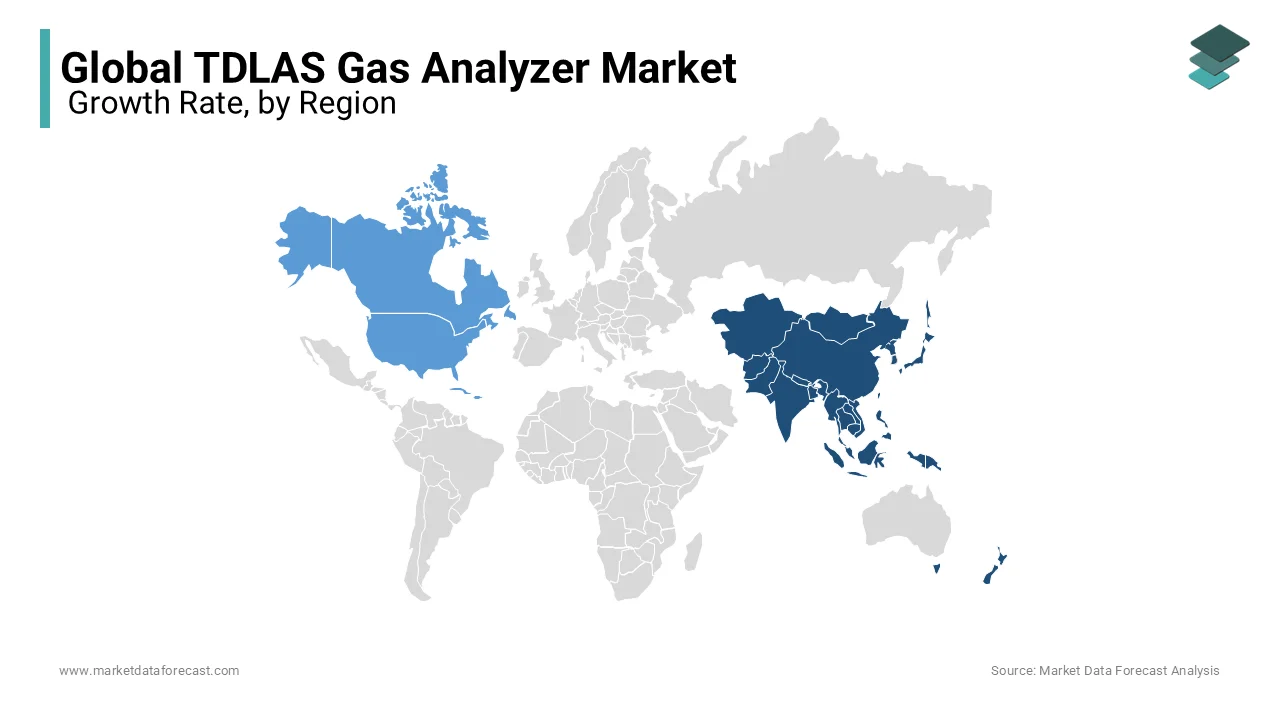
North America outperformed other regions in the global TDLAS Gas Analyzer Market and captured a 35.7% share in 2025. The demand for analyzers in North America is propelled by stringent environmental regulations, a mature oil and gas industry, and advanced manufacturing sectors. According to the United States Environmental Protection Agency, strict enforcement of the Clean Air Act and recent methane emission rules compel industrial facilities to adopt high precision monitoring technologies. The presence of major TDLAS manufacturers and technology providers in the United States fosters innovation and local availability. The shale gas boom has expanded natural gas infrastructure, increasing the need for leak detection and process monitoring. Additionally, the growing semiconductor industry in the United States, supported by the CHIPS and Science Act, drives demand for ultra high purity gas analyzers. Canada contributes to the market through its oil sands operations and hydroelectric power sector, which require robust gas monitoring solutions. The region’s strong focus on industrial safety and environmental sustainability ensures steady demand for TDLAS analyzers. High investment in research and development further strengthens North America’s leadership position. The combination of regulatory pressure, industrial activity, and technological advancement makes North America the primary market for TDLAS gas analyzers globally.
Europe Market Analysis
Europe was the next prominent region in the TDLAS Gas Analyzer Market and accounted for a 30.3% share in 2025. This expansion of the European market is fuelled by aggressive climate policies and a strong emphasis on industrial decarbonization. According to the European Environment Agency, the European Green Deal and Industrial Emissions Directive mandate rigorous monitoring of pollutants, driving the adoption of advanced gas analysis technologies. Germany, France, and the United Kingdom are key markets, with significant investments in renewable energy and chemical processing. The region’s well established automotive and pharmaceutical industries also contribute to demand for precise process control. The European Union’s focus on circular economy and waste management increases the use of TDLAS in incineration and recycling facilities. Additionally, the push for hydrogen economy initiatives creates opportunities for moisture and purity monitoring. Strict safety standards in industrial workplaces further propel the uptake of TDLAS for hazardous gas detection. The presence of leading engineering firms and regulatory bodies ensures high adoption rates. Europe’s commitment to sustainability and regulatory compliance sustains its strong position in the global TDLAS market, with continuous upgrades in industrial infrastructure supporting growth.
Asia Pacific Market Analysis
Asia Pacific is the rapidly growing region in the TDLAS Gas Analyzer Market due to rapid industrialization, expanding energy infrastructure, and increasing environmental awareness. The region is expected to exhibit the highest growth rate. According to the International Energy Agency, Asia Pacific is the largest consumer of coal and a major driver of natural gas demand growth, leading to significant investments in power generation and emission control systems. China and India are implementing stricter air quality standards, prompting upgrades in monitoring infrastructure across power plants and factories. The booming semiconductor industry in countries like Taiwan, South Korea, and China drives demand for high purity gas analyzers. Additionally, the expansion of oil and gas exploration in Southeast Asia increases the need for leak detection and process monitoring. Government initiatives to improve industrial safety and reduce pollution support market growth. The rising middle class and urbanization also boost demand for energy and manufactured goods, further stimulating industrial activity. The combination of economic growth, regulatory changes, and technological adoption positions Asia Pacific as a dynamic and rapidly expanding market for TDLAS gas analyzers.
Middle East and Africa Market Analysis
The Middle East and Africa region is moving ahead steadfastly in the TDLAS Gas Analyzer Market owing to the oil and gas sector, which is central to the economies of Gulf Cooperation Council countries. According to the Organization of the Petroleum Exporting Countries, the region holds the majority of global oil reserves, necessitating extensive monitoring infrastructure for exploration, production, and refining. Saudi Arabia, the United Arab Emirates, and Qatar are investing in downstream industries and petrochemical complexes, driving demand for process gas analyzers. Environmental regulations are becoming stricter, with initiatives to reduce flaring and methane emissions gaining traction. The African market is emerging, with South Africa and Nigeria leading in mining and oil production activities. However, limited infrastructure and budget constraints in some African nations hinder widespread adoption. The focus on maximizing recovery and efficiency in oil fields supports the use of advanced monitoring technologies. As the region diversifies its economy and adopts international environmental standards, the demand for TDLAS gas analyzers is expected to grow steadily, supported by major energy projects and industrial developments.
Latin America Market Analysis
Latin America is anticipated to expand significantly in the TDLAS Gas Analyzer Market from 2026 to 2034 due to the region’s rich natural resources, particularly in oil, gas, and mining. Brazil, Mexico, and Argentina are key markets, with significant activities in offshore oil exploration and shale gas development. According to the Economic Commission for Latin America and the Caribbean, the region is increasing investments in energy infrastructure to boost exports and domestic supply. Environmental regulations are evolving, with countries like Chile and Colombia adopting stricter emission standards for industrial facilities. The mining sector in Peru and Chile requires gas monitoring for safety and process control, contributing to market demand. However, economic volatility and political instability in some countries can impact investment decisions and project timelines. The adoption of advanced technologies is slower compared to North America and Europe, but growing awareness of safety and environmental issues is driving gradual uptake. International collaborations and technology transfers are helping to bridge the gap. As the region stabilizes and prioritizes sustainable development, the market for TDLAS gas analyzers shows potential for moderate growth, supported by key industrial sectors and regulatory improvements.
COMPETITIVE LANDSCAPE
The competition in the TDLAS Gas Analyzer Market is characterized by the presence of established multinational corporations and specialized niche players who compete on technology precision and reliability. Major companies differentiate themselves by offering robust solutions capable of withstanding harsh industrial environments while providing real time data for process optimization. Innovation in laser technology and signal processing algorithms is a key competitive factor as manufacturers strive to improve sensitivity and reduce interference from background gases. The market sees intense rivalry in sectors such as oil and gas and semiconductor manufacturing where high purity and safety standards are critical. Companies also compete on service quality offering comprehensive support and customization to meet specific client requirements. Regulatory compliance drives demand for accurate monitoring solutions encouraging firms to develop products that adhere to strict environmental standards. Strategic acquisitions and partnerships are common tactics used to expand product portfolios and geographic reach. This dynamic landscape fosters continuous improvement in performance and usability ensuring that customers benefit from advanced and reliable gas analysis technologies in an increasingly regulated and automated industrial world.
KEY MARKET PLAYERS
Companies playing Major Key Players in the global TDLAS gas analyzer market are
- Emerson Electric Co. (US)
- Yokogawa Electric Corporation (Japan)
- Servomex (Spectris) (UK)
- Endress+Hauser Group
- Spectra Sensors (Endress+Hauser) (Switzerland)
- AMETEK Inc. (US)
- ABB Ltd. (Switzerland)
- Mettler-Toledo International Inc. (Switzerland)
- NEO monitors (Norway)
- SICK AG (Germany)
- Siemens AG (Germany).
Top Players In The Market
- Siemens AG is a global leader in industrial automation and process analytics with a strong portfolio of TDLAS gas analyzers. The company integrates advanced laser spectroscopy into its comprehensive digitalization solutions for oil and gas, power generation, and chemical industries. Recent strategic initiatives include the enhancement of its SITRANS SL series with improved connectivity features for seamless integration into Industrial Internet of Things platforms. Siemens focuses on developing robust sensors capable of operating in extreme environments ensuring high reliability and minimal maintenance. The company actively collaborates with end users to customize solutions for specific application needs such as ammonia slip control and moisture measurement. By leveraging its extensive global service network and technological expertise Siemens strengthens its market position. These efforts enable the company to deliver precise real time data that optimizes process efficiency and ensures regulatory compliance for customers worldwide.
- Yokogawa Electric Corporation plays a pivotal role in the global TDLAS gas analyzer market by offering high precision analytical instruments for diverse industrial applications. The company is known for its innovative TDLS8000 series which provides accurate measurements of gases like oxygen carbon monoxide and methane. Recent actions include the expansion of its wireless communication capabilities allowing for easier installation and remote monitoring in hazardous areas. Yokogawa emphasizes sustainability by developing energy efficient analyzers that support decarbonization efforts in heavy industries. The company also invests in research and development to enhance sensor stability and reduce cross sensitivity issues. Strategic partnerships with engineering firms facilitate the integration of TDLAS technology into broader process control systems. By focusing on reliability and customer support Yokogawa maintains a strong reputation. These initiatives help the company address complex measurement challenges and strengthen its presence in the global market for advanced gas analysis solutions.
- Endress+Hauser Group is a key contributor to the global TDLAS gas analyzer market specializing in measurement instrumentation for process engineering. The company offers the GPro 500 series which utilizes tunable diode laser absorption spectroscopy for fast and accurate gas detection. Recent strategic moves include the introduction of smart sensors with integrated diagnostics and predictive maintenance features to reduce downtime. Endress+Hauser focuses on user friendly designs that simplify calibration and installation processes for operators. The company actively expands its production facilities to meet growing demand in emerging markets particularly in Asia Pacific. By prioritizing quality and innovation Endress+Hauser ensures its products meet stringent international standards. The group also engages in continuous training programs for customers to maximize the value of their investments. These efforts reinforce its position as a trusted partner for industrial gas analysis. The combination of technological advancement and customer centric services drives the company’s growth and influence in the global TDLAS market.
Top Strategies Used By The Key Market Participants
Key players in the TDLAS Gas Analyzer Market primarily employ strategies such as product innovation and strategic partnerships to strengthen their market position. Companies invest heavily in research and development to create advanced sensors with higher accuracy and faster response times for diverse industrial applications. Collaborations with system integrators and engineering firms facilitate the seamless integration of TDLAS technology into existing process control systems. Expansion into emerging markets allows firms to capitalize on increasing industrialization and stricter environmental regulations in regions like Asia Pacific. Additionally companies focus on enhancing digital connectivity by incorporating Industrial Internet of Things features for remote monitoring and predictive maintenance. These strategic initiatives enable participants to address evolving customer needs improve operational efficiency and maintain competitiveness in the global TDLAS gas analyzer market through continuous technological advancement and service excellence.
MARKET SEGMENTATION
This research report on the global TDLAS gas analyzer market has been segmented and sub-segmented based on methodology, gas analyzer type, industry, and region.
By Methodology
- In-Situ
- Extractive
By Gas Analyzer
- Oxygen (O2) Analyzer
- Ammonia (NH3) Analyzer
- Cox Analyzer
- Moisture (H2O) Analyzer
- HX Analyzer
- CxHx Analyzer
- Others
By Industry
- Oil and Gas
- Metals and Mining
- Fertilizers
- Cement
- Chemicals and Pharmaceuticals
- Pulp and Paper
- Semiconductors
By Region
- North America
- Europe
- The Asia Pacific
- Latin America
- The Middle East and Africa